Digital Wall of Fame Blog - Recognition Display Insights & Resources
- Home /
- Digital Wall of Fame Blog - Recognition Display Insights & Resources
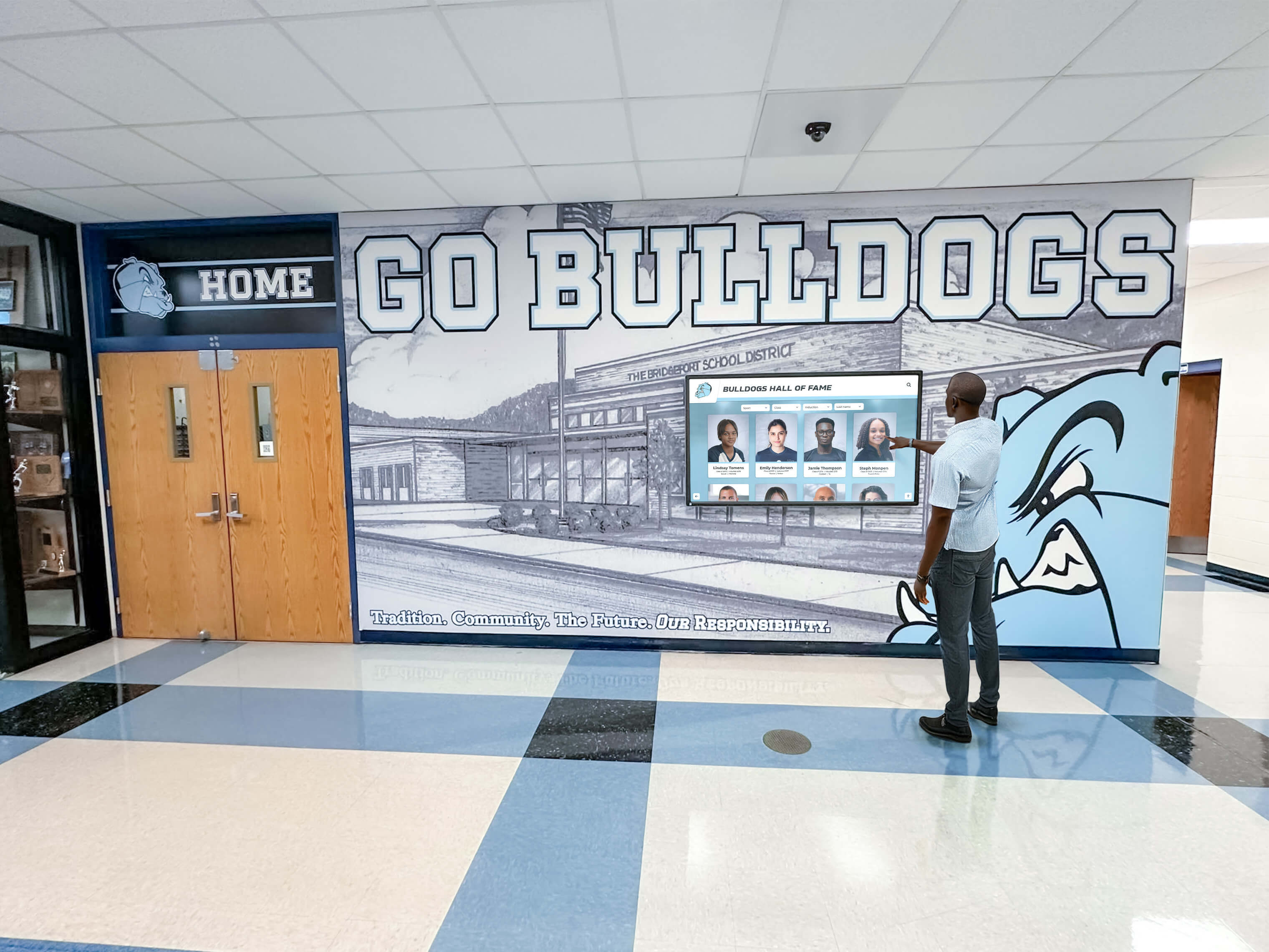
Digital Hall of Fame ARIA-Multiselectable Audit for Filter Lists
A digital hall of fame ARIA-multiselectable audit is a structured review confirming that every filter list on your recognition platform that allows visitors to select more than one sport, class year, or award category at a time carries aria-multiselectable="true" on its container element—and that each individual option inside that container carries an aria-selected value of "true" or "false" reflecting its current state. Without this attribute, a visitor using JAWS, NVDA, VoiceOver, or TalkBack can open a sport filter list, navigate through Football, Basketball, Baseball, and Volleyball options, and never hear that multiple simultaneous selections are possible. The short answer for school administrators, athletic directors, IT teams, and recognition-program owners: identify every listbox, grid, or tree component on your hall of fame platform that supports multi-item selection; inspect each container in browser DevTools to confirm aria-multiselectable="true" is present; verify that every child option carries aria-selected="true" or "false" matching its current selection state; confirm that selecting or deselecting an option updates both its own aria-selected value and any live result count without resetting other selected options; and verify the full interaction with NVDA or VoiceOver before each induction season or major platform update.
Read MoreDigital Hall of Fame ARIA-Selected Audit for Tabs and Filter Results
A digital hall of fame ARIA-selected audit is a structured review confirming that every sport-category tab, era filter button, custom filter listbox, and inductee detail panel tab on your recognition platform carries a correct aria-selected attribute—so keyboard and assistive-technology users hear which option is currently chosen. Without this attribute, a visitor navigating your hall of fame with NVDA, JAWS, VoiceOver, or TalkBack can move through a row of sport tabs—Football, Basketball, Baseball, Volleyball—and hear nothing that identifies which tab is currently active. The short answer for school administrators, athletic directors, and IT teams: identify every tab, listbox option, or selectable widget element that can be chosen; inspect each element in browser DevTools to confirm aria-selected carries the value "true" on the selected item and "false" on all others in the same set; verify the value updates dynamically when the visitor activates a different option; and confirm the announcement with NVDA or VoiceOver before each induction season.
Read More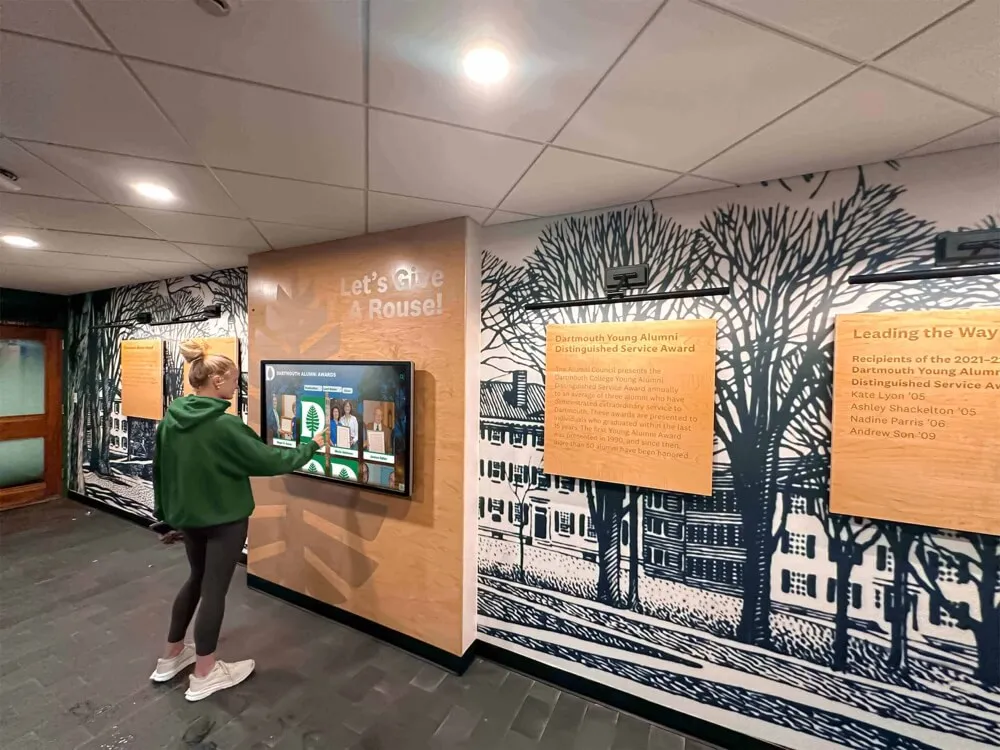
Digital Hall of Fame ARIA-Controls Audit for Search and Detail Panels
A digital hall of fame ARIA-controls audit is a structured review confirming that every interactive control on your recognition platform—search inputs, sport-filter buttons, class-year tabs, and biography panel toggles—carries an aria-controls attribute that correctly references the ID of the region or panel it affects. Without this attribute, a visitor navigating your hall of fame with NVDA, JAWS, VoiceOver, or TalkBack can activate a search button or filter tab and hear no programmatic indication of which content region just changed, forcing them to explore the page to discover where new results appeared. The short answer for school administrators, athletic directors, and IT teams: identify every control that opens, expands, or updates a separate content region; inspect each control in browser DevTools to confirm aria-controls references a valid panel ID; verify that the referenced panel ID exists in the DOM and is applied to the correct element; and test each interaction with a screen reader to confirm that assistive technology can navigate directly from the control to its associated content.
Read More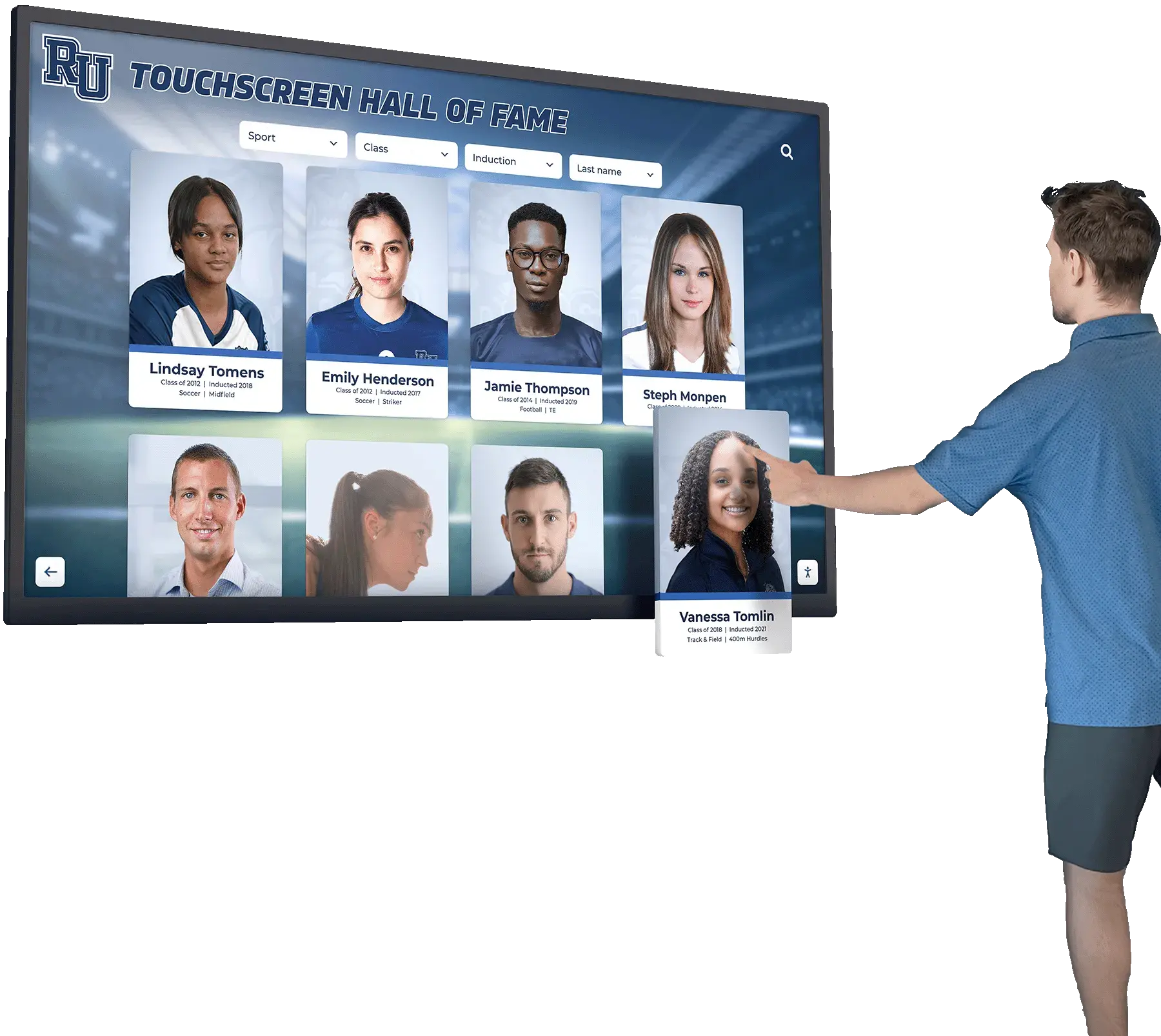
Digital Hall of Fame ARIA-Posinset and ARIA-Setsize Audit for Virtualized Inductee Lists
A digital hall of fame aria posinset aria setsize audit is a structured review confirming that every inductee list, search result collection, sport-category roster, and class-year archive rendered through virtualization exposes accurate position and total-count information to screen readers through the aria-posinset and aria-setsize attributes. Without these attributes on virtualized list items, a visitor navigating your inductee gallery with NVDA, JAWS, VoiceOver, or TalkBack hears “item 1 of 20” when your full inductee roster contains 400 names—because only the 20 cards currently rendered in the viewport exist in the DOM. The short answer for school administrators, athletic directors, and IT teams: identify every list or grid in your recognition platform that loads items incrementally or renders only the visible portion of a large dataset, inspect each list item element in browser DevTools to confirm aria-posinset and aria-setsize carry values reflecting the full collection rather than the rendered subset, test with a screen reader to verify the announced position and count are accurate, and confirm the attributes update correctly as the user scrolls or filters.
Read More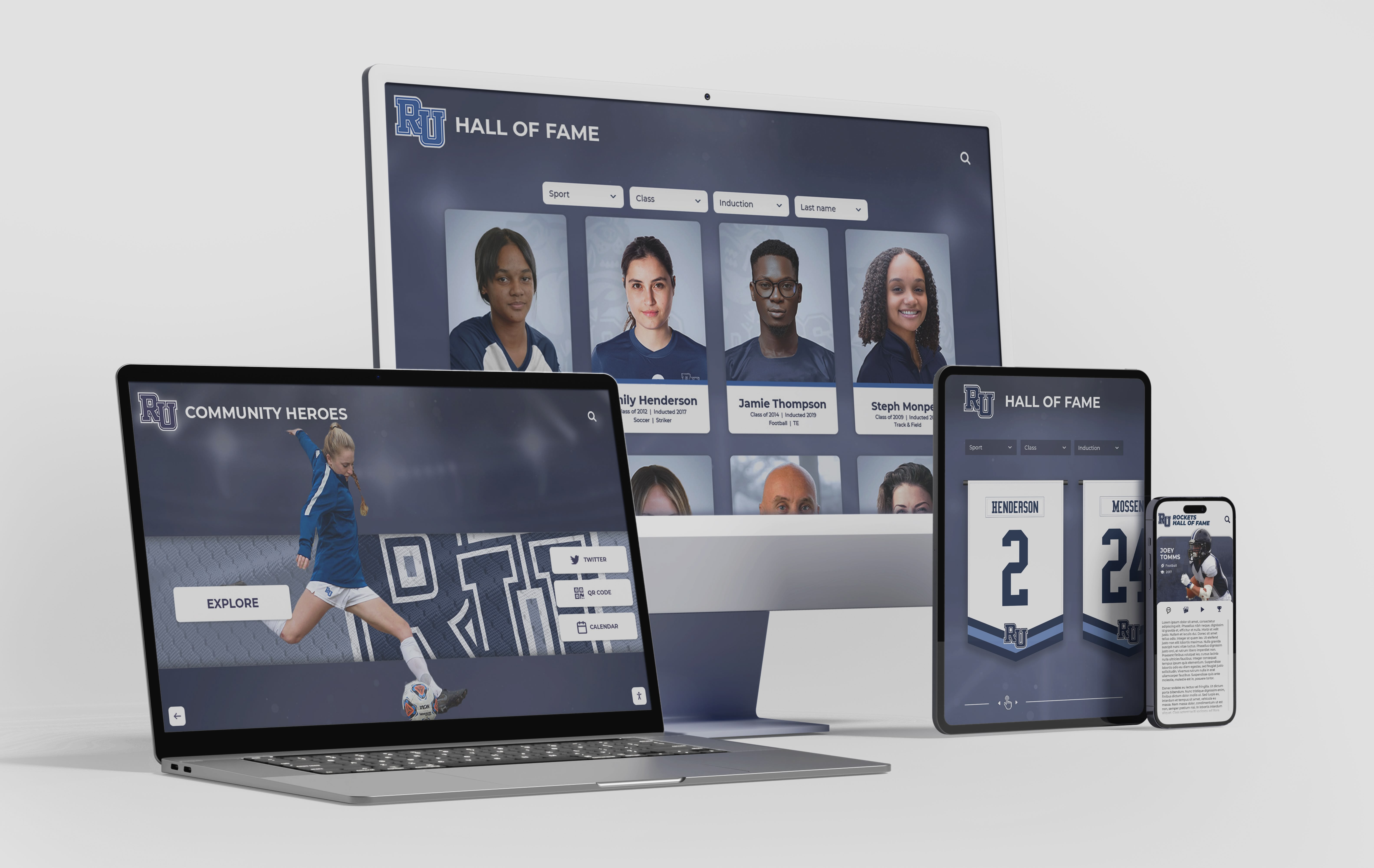
Digital Hall of Fame Search Result Highlighting Audit: Make Name Matches Clear
A digital hall of fame search result highlighting audit is a structured review confirming that every matched term in a recognition platform’s search results—inductee names, sport categories, graduation years, award designations—is visually distinguished from surrounding context text in a way that helps visitors quickly locate the correct record, without reducing contrast, obscuring surrounding text, or introducing barriers for users who rely on assistive technology. The short answer for school administrators, athletic directors, and IT teams: search your recognition platform for a known inductee’s name, inspect the result cards that return, verify that the matched characters are wrapped in a semantically appropriate element such as <mark> or a <span> with a distinct but accessible color, confirm that the highlight meets WCAG 1.4.3 contrast requirements, and test the highlighted results with a screen reader to confirm that assistive technology users receive equivalent information.
Read MoreDigital Hall of Fame ARIA-Errormessage Audit for Search and Nomination Forms
A digital hall of fame ARIA errormessage audit is a structured review confirming that every validation error displayed by a recognition platform’s search and nomination forms is programmatically linked to its triggering control through the aria-errormessage attribute—and that the control simultaneously carries aria-invalid="true" whenever a validation error is active. The short answer for school administrators, athletic directors, and IT teams: open each form on the platform, trigger a validation error on every field, use browser developer tools to confirm that the input element carries both aria-invalid="true" and an aria-errormessage value matching the ID of the visible error element, then test the flow with a screen reader to confirm the error message is announced automatically when a user reaches the invalid field.
Read More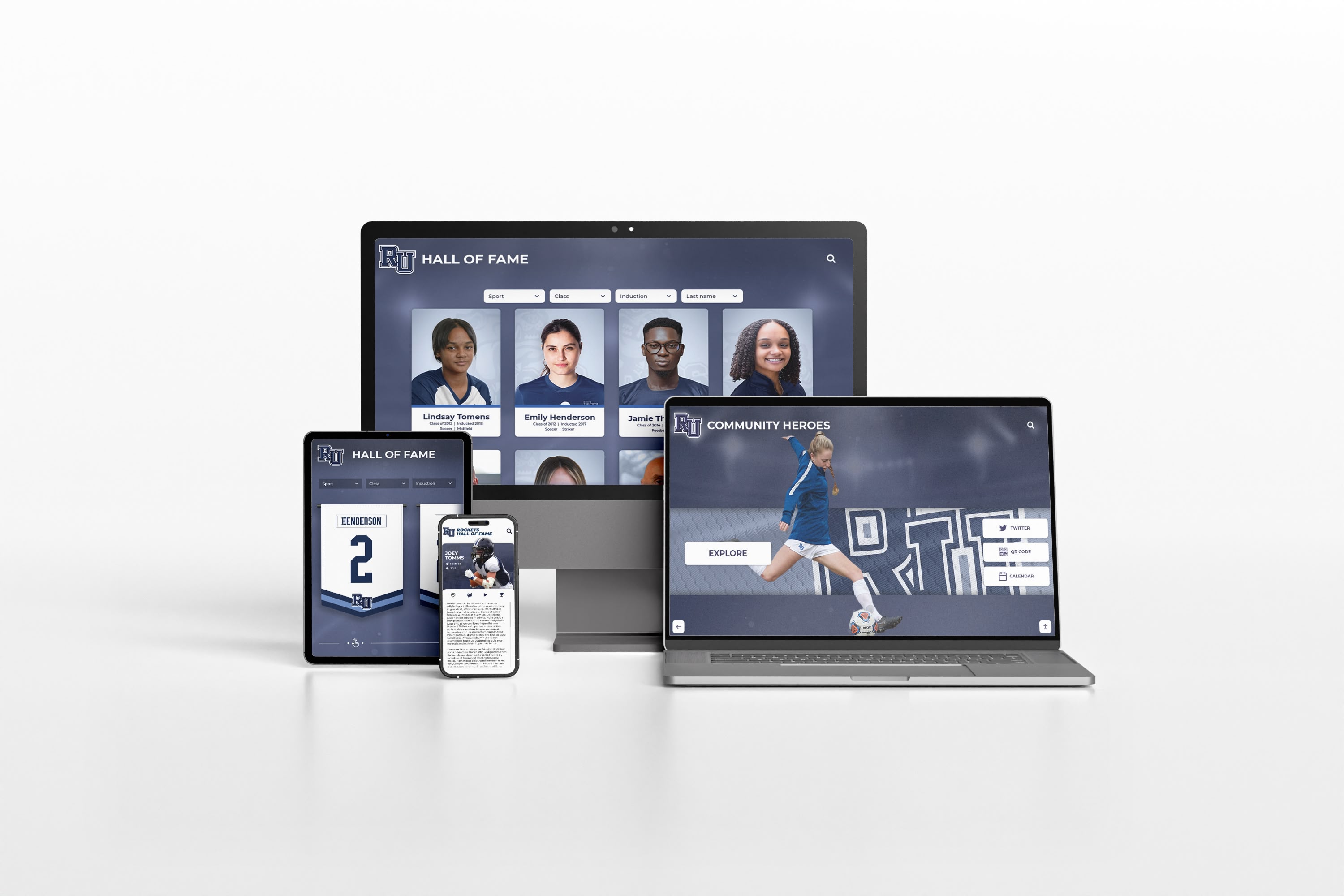
Digital Hall of Fame Diacritic-Insensitive Search Audit for Inductee Names
A digital hall of fame diacritic insensitive search audit is a structured test confirming that visitors who type a name without accent marks—such as “Garcia,” “Hernandez,” or “Muller”—still find the correct inductee even when the authoritative display record stores the accented form “García,” “Hernández,” or “Müller.” The short answer for recognition program administrators: compile a list of every inductee name that contains a diacritical character, run a search for each name using both the accented and unaccented forms, record which queries return no results or the wrong results, and fix the search layer using Unicode normalization so that accent-stripped queries match accent-carrying records—without altering the name as it appears on the inductee profile.
Read More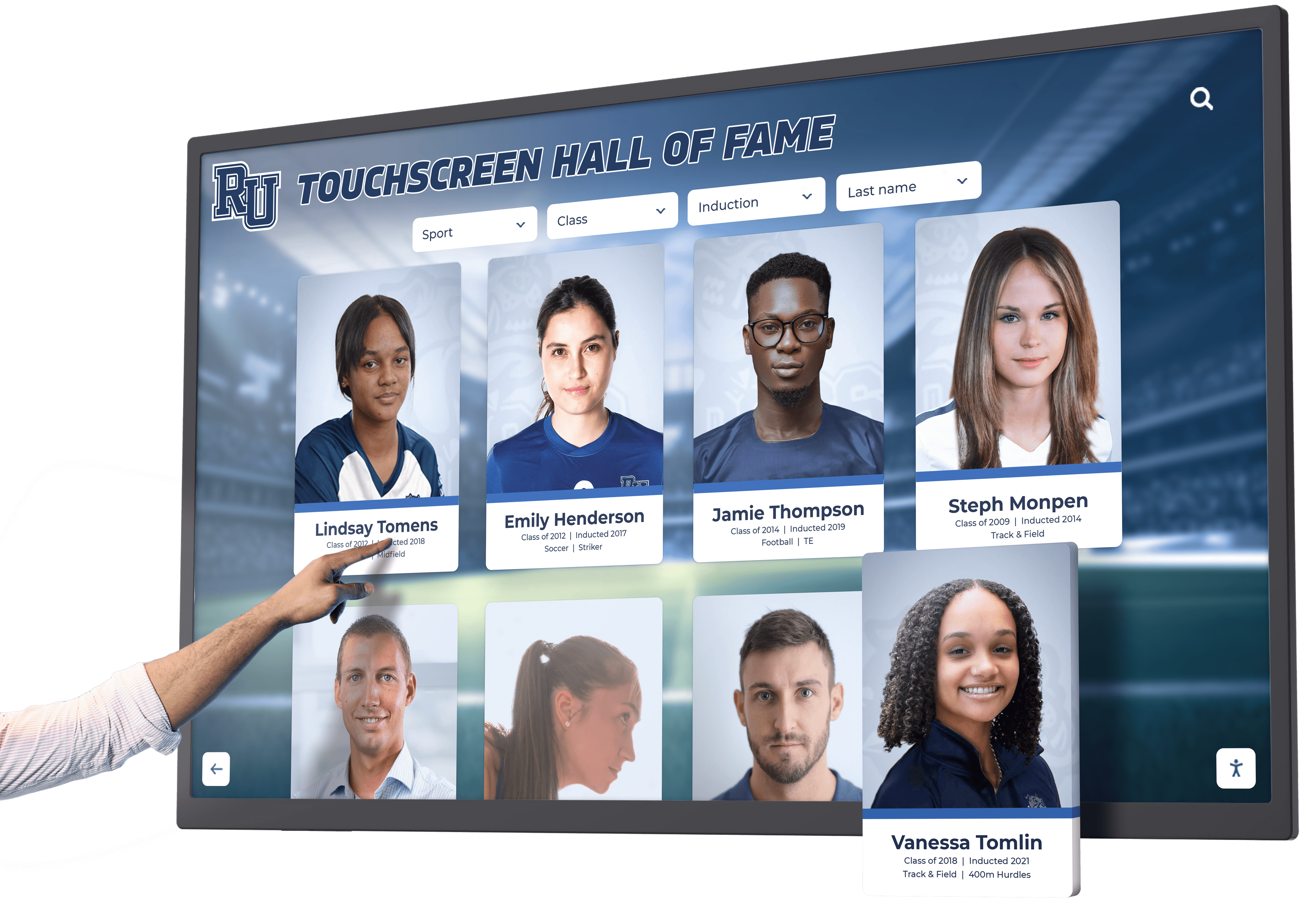
Digital Hall of Fame Consistent Help Accessibility Audit: WCAG 2.2 Checklist for Search and Nomination Flows
A digital hall of fame consistent help accessibility audit is a structured review confirming that every contact link, chat widget, FAQ reference, and other support mechanism on your recognition platform appears in the same relative position—and in the same order among surrounding page content—across every page in the inductee search flow, the individual profile view, and the multi-step nomination form. WCAG 2.2 Success Criterion 3.2.6 (Consistent Help, Level A) requires that when help mechanisms repeat across multiple pages in a set, those mechanisms occur in the same order relative to other page content unless the user initiates a change. The short answer for recognition program administrators: audit each page type in your hall of fame platform for the presence and position of every help mechanism, compare positions across the full search-to-nomination flow, flag any page where a mechanism disappears or shifts position without a user-initiated action, and remediate by restoring the mechanism to its expected position before the next induction cycle opens.
Read More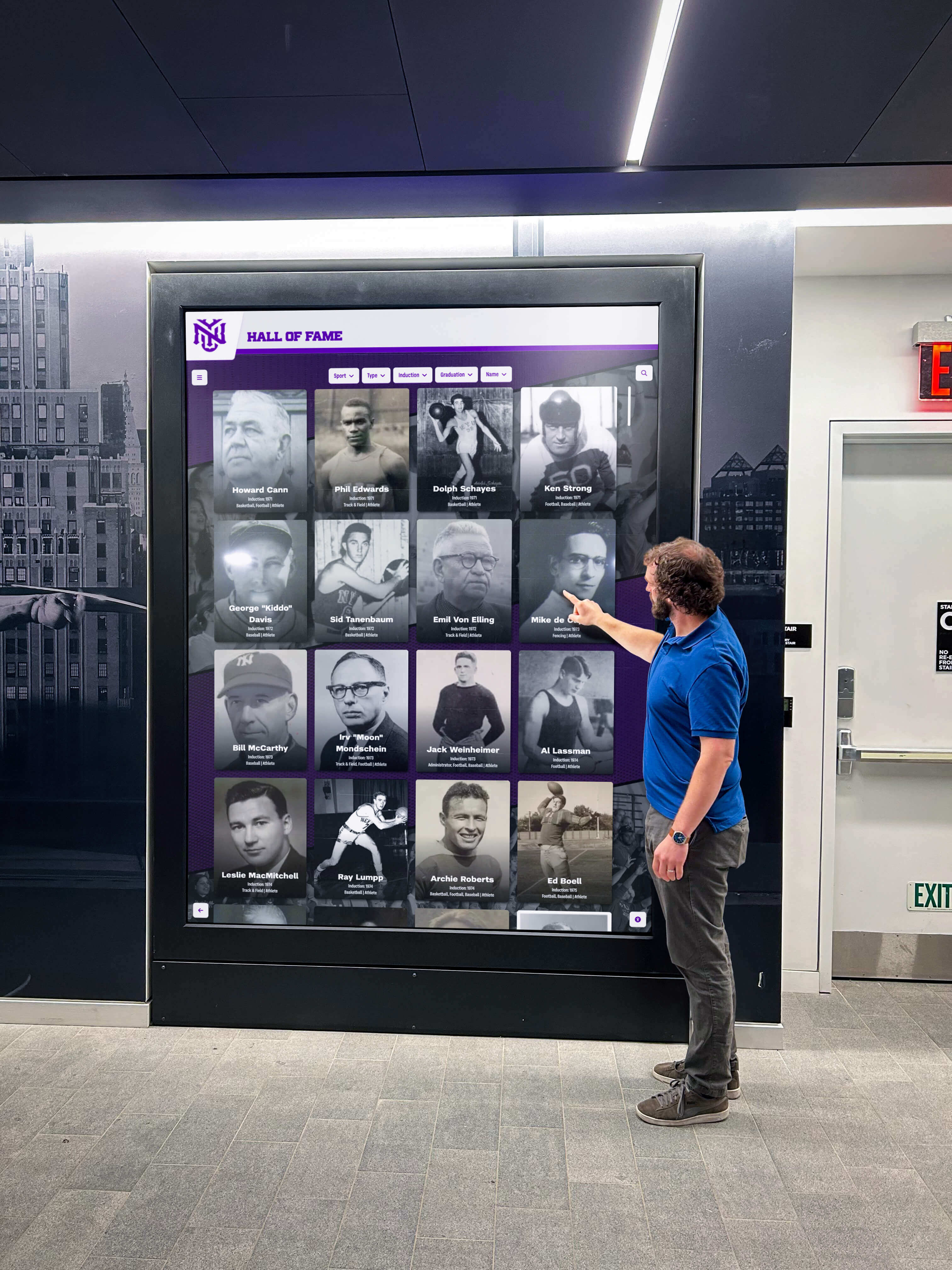
Digital Hall of Fame ARIA-Current Audit: Make Active Navigation Clear to Screen Readers
A digital hall of fame aria-current audit is a structured review confirming that every navigation link, sport-category filter tab, class-year selector, and breadcrumb on your recognition pages uses the aria-current attribute to communicate its active state to screen readers. Without this attribute, a visitor navigating your inductee gallery with NVDA, JAWS, VoiceOver, or TalkBack receives no programmatic signal identifying which link is active, which tab is selected, or which page is currently displayed—even when those states are clearly indicated by visual styling such as color, font weight, or underline. The short answer: add aria-current="page" to the <a> element of the active navigation link on every page, add aria-current="page" or aria-current="true" to the selected tab in every sport-category or class-year filter group, verify those attributes are present with a screen reader before each major content update, and confirm the attribute updates dynamically whenever a visitor activates a new tab or filter.
Read MoreDigital Hall of Fame Focus-Not-Obscured Audit: WCAG 2.2 Checklist for Sticky Controls and Dialogs
A digital hall of fame focus-not-obscured audit checks whether every keyboard-focusable element on your inductee pages, search tools, and navigation menus remains fully or at least partially visible when sticky headers, cookie consent banners, and modal dialogs are present on screen. WCAG 2.2 Success Criterion 2.4.11 (Level AA) requires that a focused component is never completely hidden by author-created content; SC 2.4.12 (Level AAA) extends this to prohibit any partial concealment. School web teams, IT departments, and recognition-program administrators can run this audit using only a keyboard and a browser—no specialized tools required.
Read More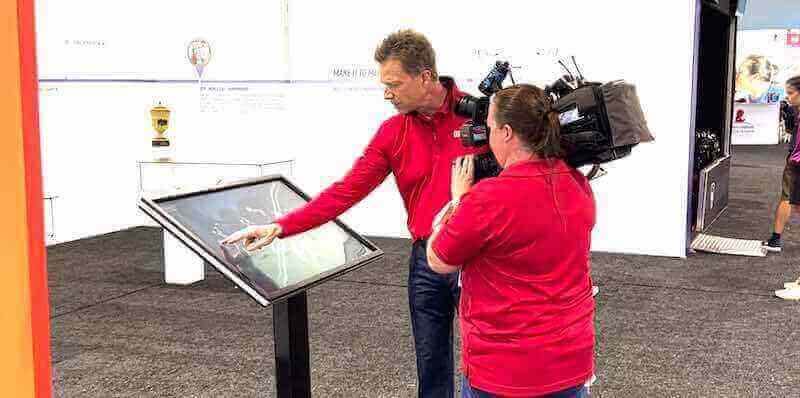
Interactive Touch Screen Digital Signage: How It Works and What You Need
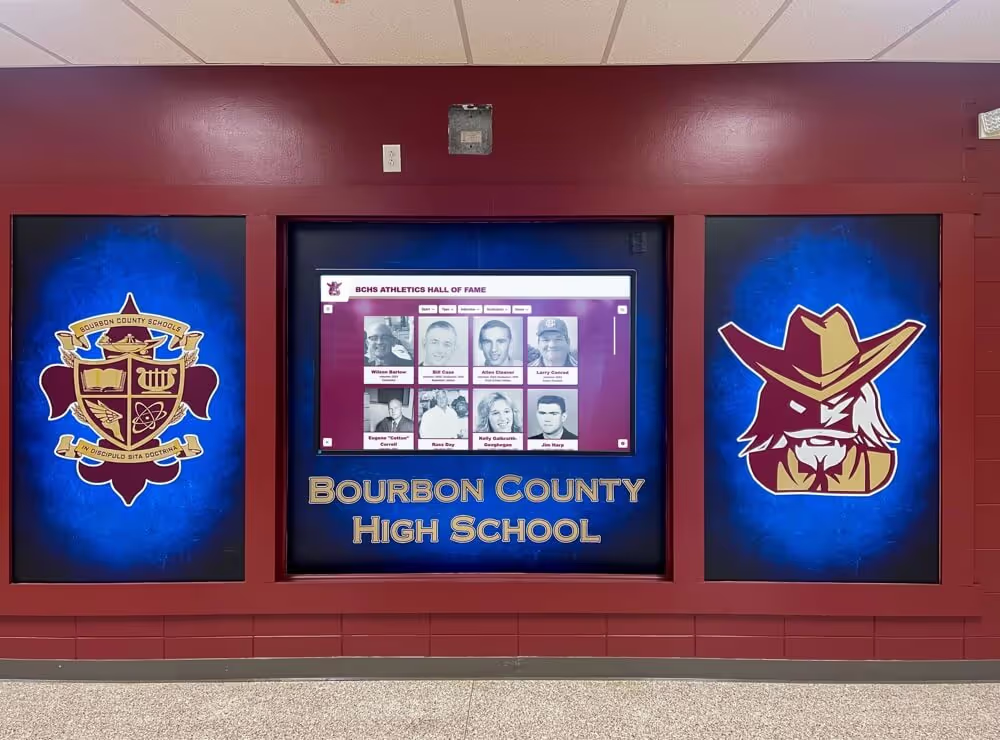
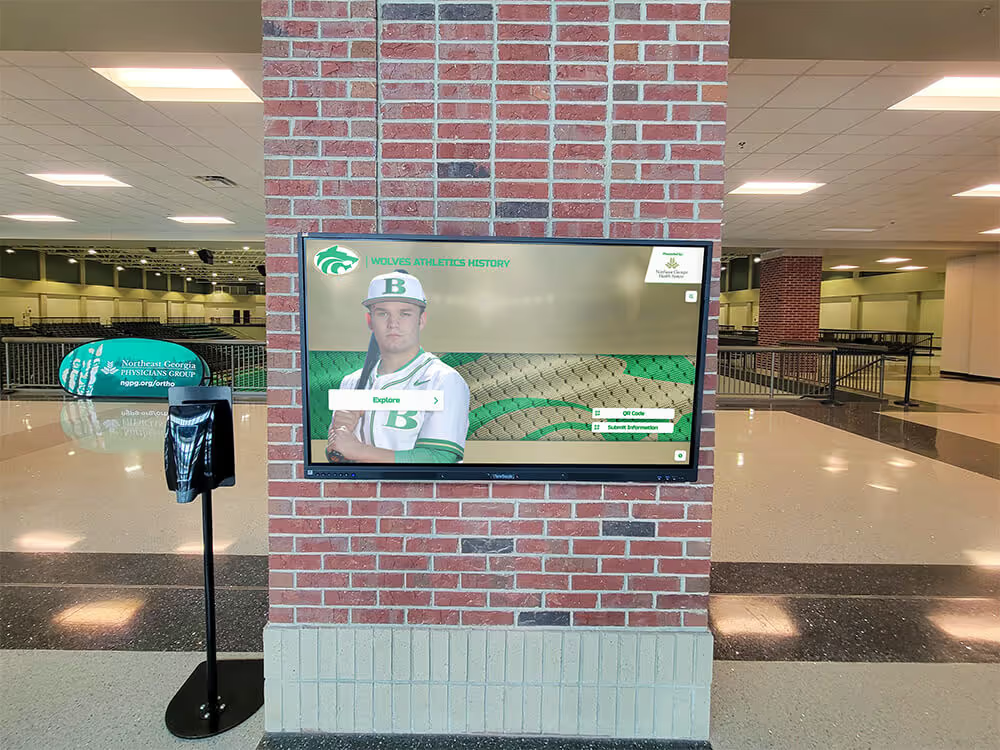
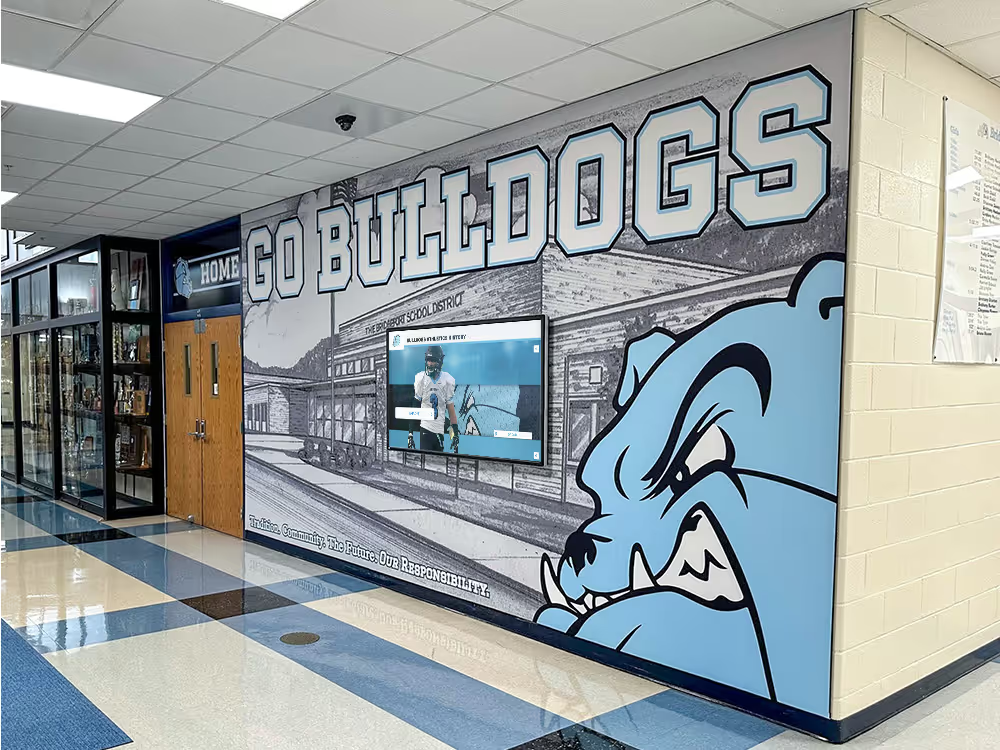
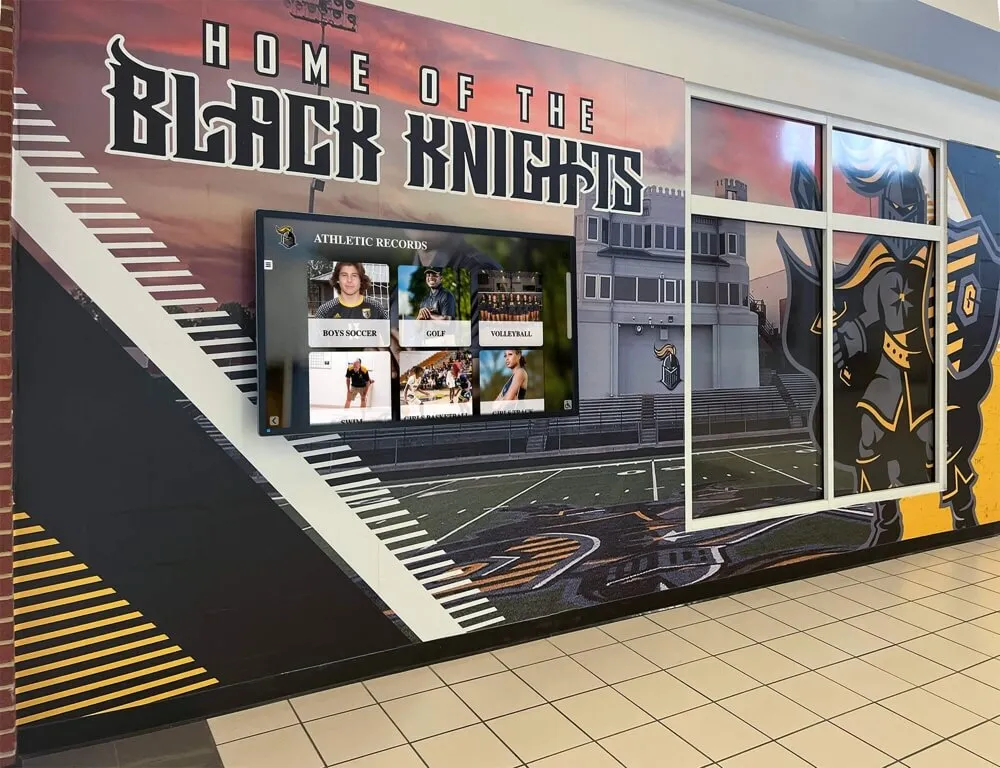
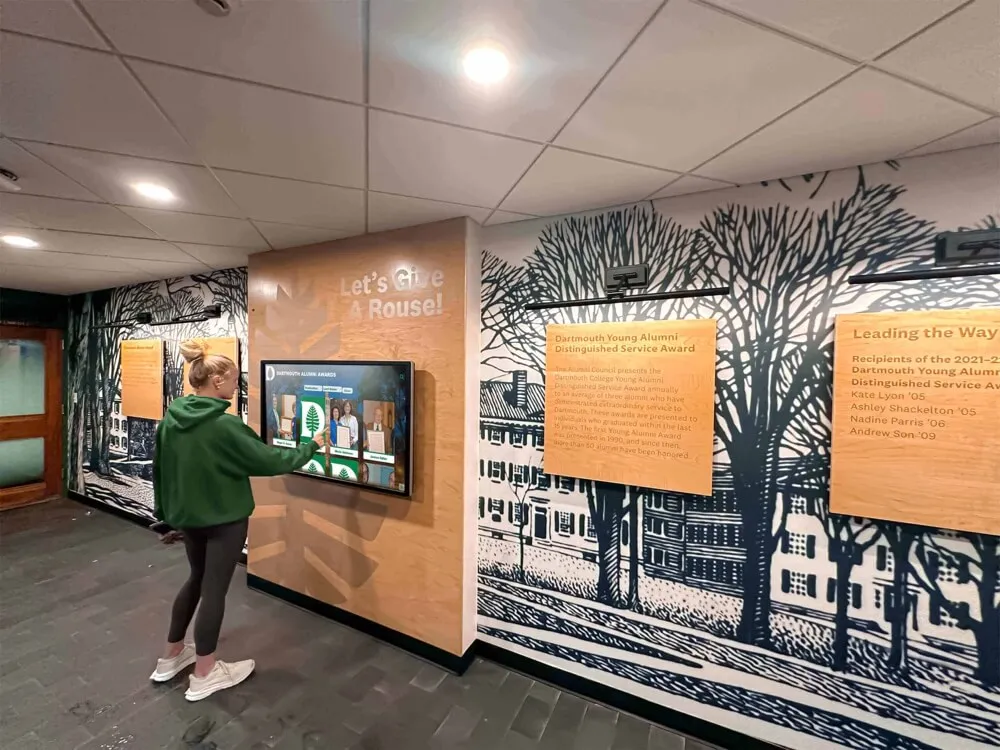
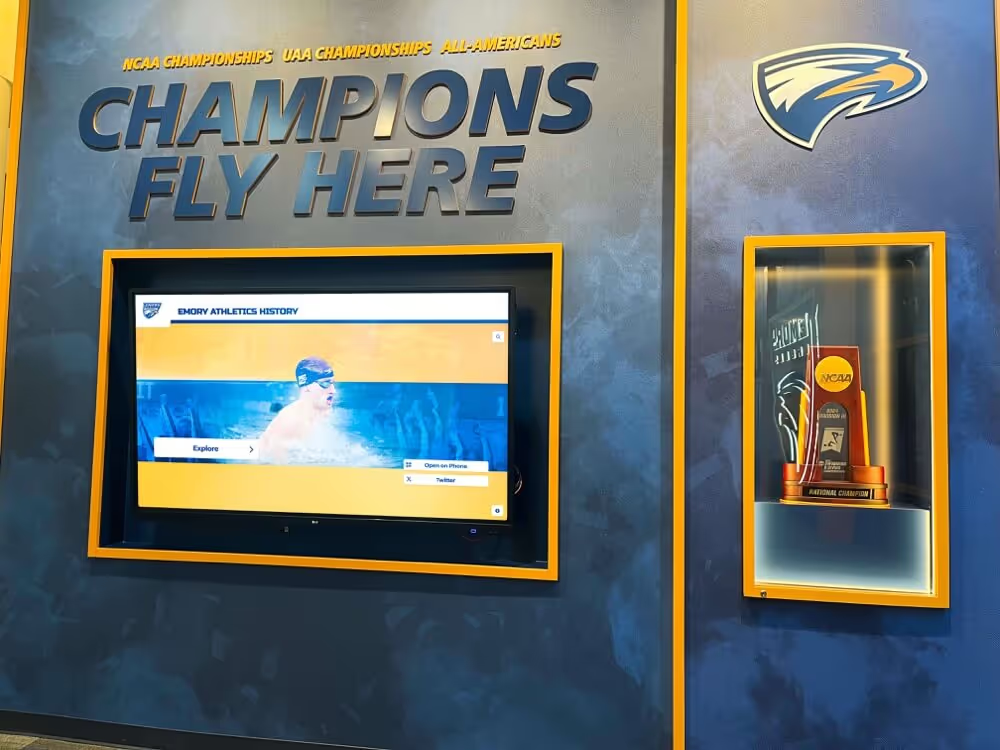
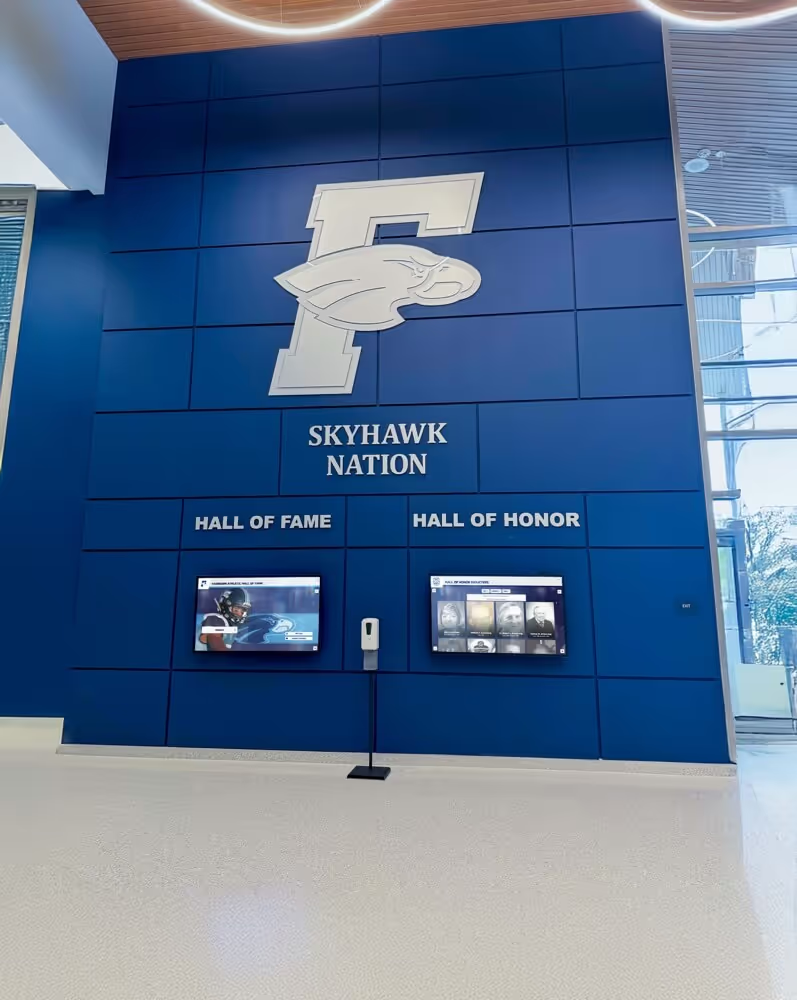
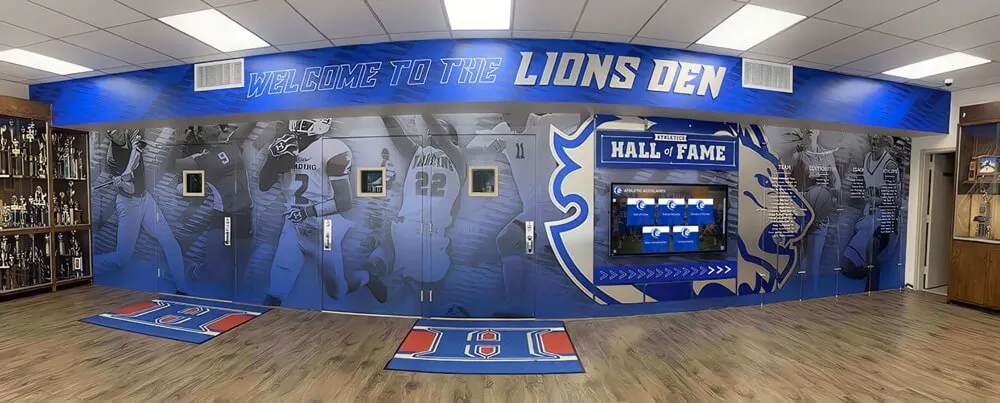
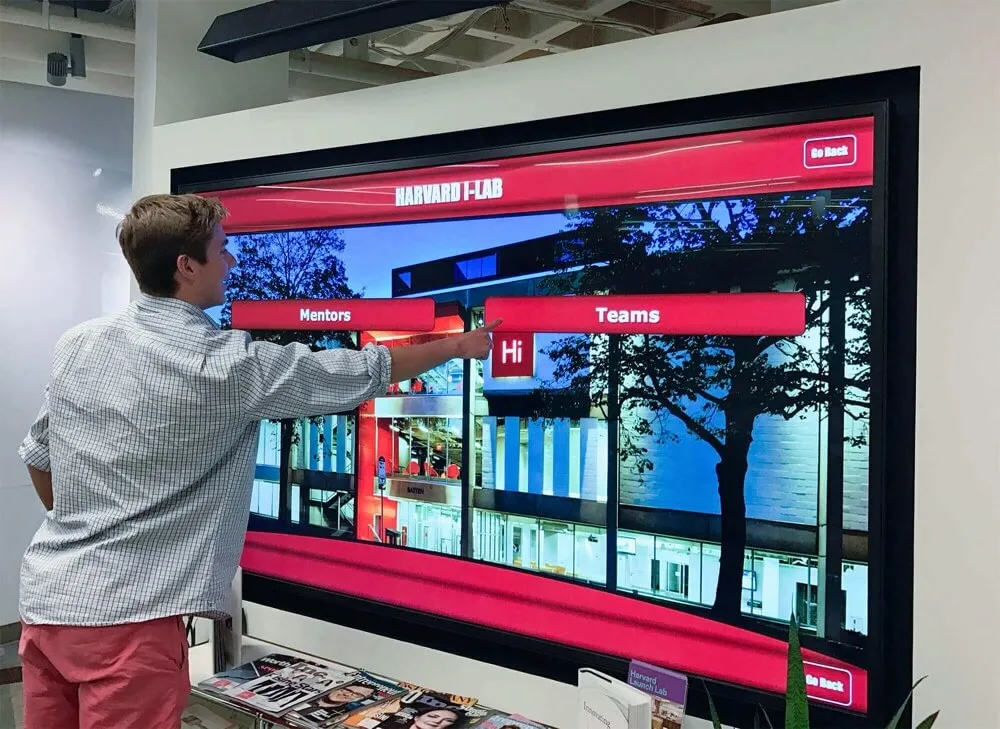
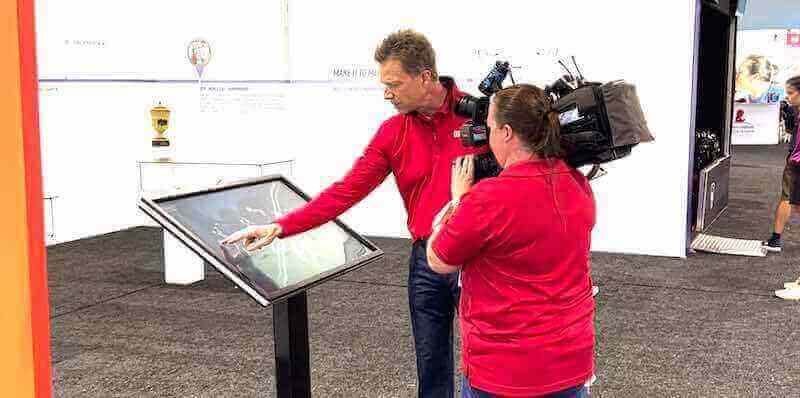
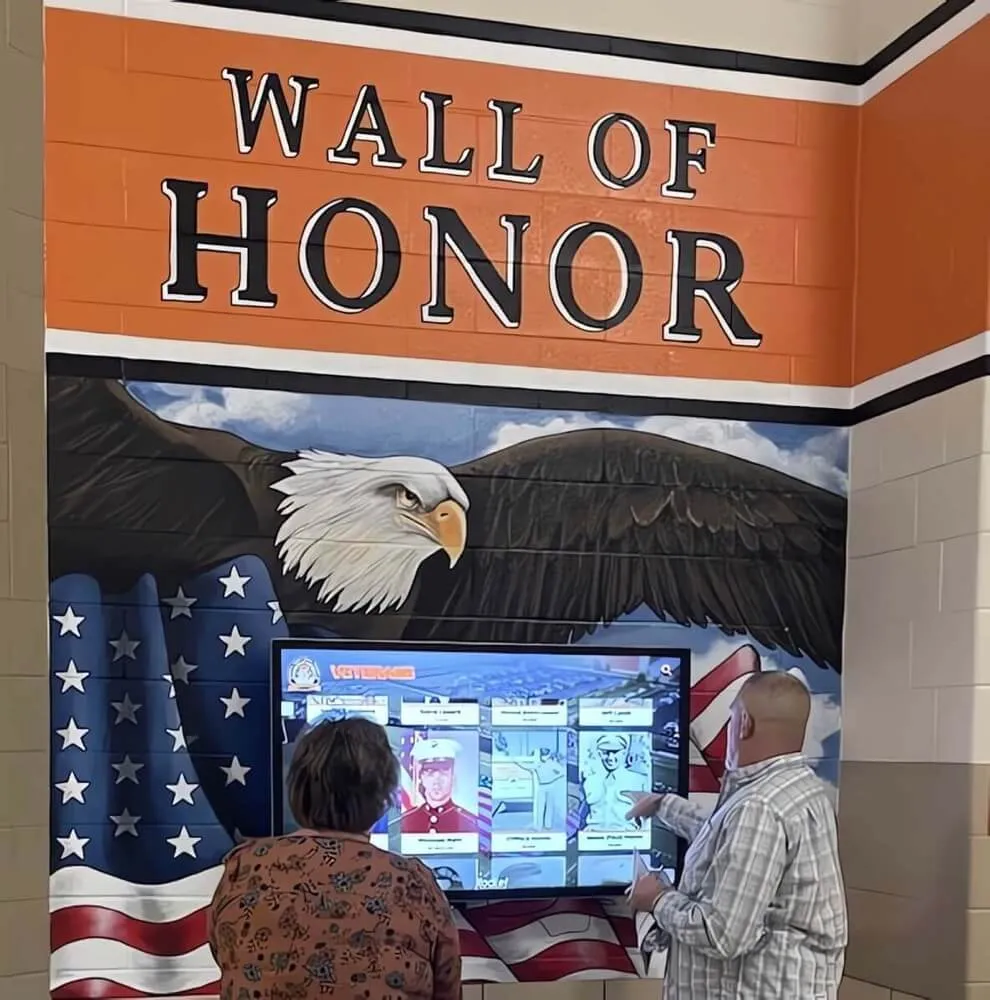
Interactive touch screen digital signage puts information, navigation, and recognition directly in the hands of visitors — without requiring staff assistance or printed materials that go out of date. Schools use these systems for hall of fame inductee displays and wayfinding. Universities deploy them in lobby kiosks and alumni centers. Athletic facilities mount them beside trophy cases. Corporate buildings embed them in reception areas.
Read More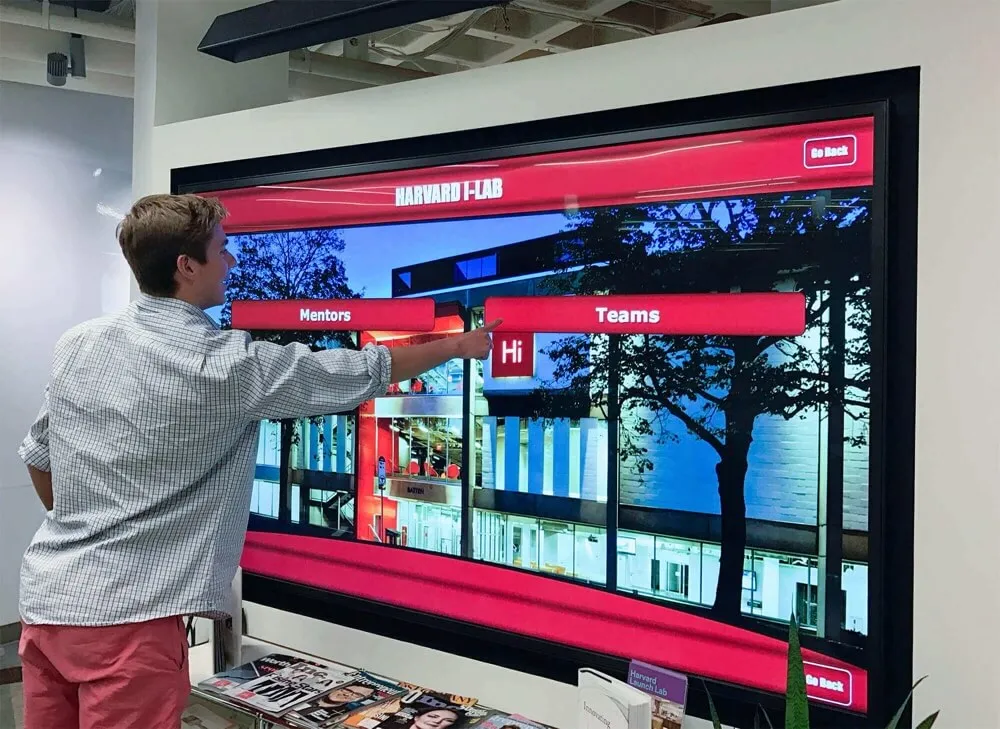
Digital Hall of Fame Modal Dialog Accessibility: Focus, Labels, and Escape Behavior
Digital hall of fame modal dialog accessibility is the practice of ensuring that every overlay panel, inductee profile popup, lightbox, and confirmation dialog on a school’s recognition touchscreen meets three core requirements: focus moves into the dialog when it opens, the dialog carries correct ARIA labels so assistive technology announces it properly, and users can reliably dismiss it — via the Escape key on keyboards or a visible close control on touchscreens. These requirements map directly to WCAG 2.1 Success Criterion 4.1.2 (Name, Role, Value) at Level AA and the ARIA Authoring Practices Guide specification for modal dialog patterns. For athletic directors, IT staff, and facilities teams managing interactive hall of fame kiosks, a failed modal means visitors may find focus stranded outside the dialog, hear no screen-reader announcement when an inductee profile opens, or be unable to dismiss an overlay during a live recognition event.
Read MoreDigital Hall of Fame Pointer Cancellation Test for Touchscreen Controls
A digital hall of fame pointer cancellation test is an accessibility audit that verifies every tappable control on a school’s touchscreen recognition kiosk allows users to abort or undo an accidental touch before the action completes. The test maps directly to WCAG 2.1 Success Criterion 2.5.2 (Pointer Cancellation), a Level A requirement that applies to any interface operated by a single pointer — including the fingers and styluses students, families, and guests use every day on lobby hall of fame displays.
Read More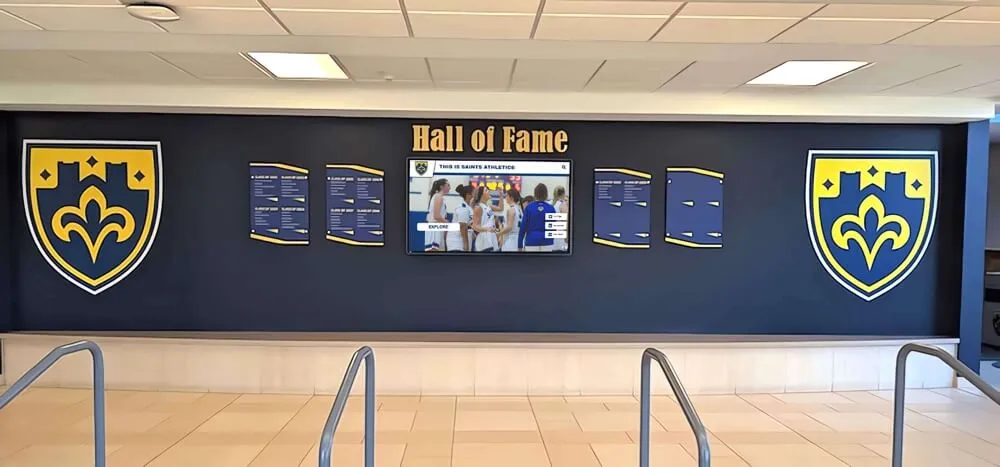
Athletic Awards Slowly Changing Dimension Policy for Historical Recognition Data
A slowly changing dimension (SCD) policy tells every person who manages athletic awards data—athletic directors, IT staff, alumni coordinators, and display system administrators—exactly how to handle a record when its underlying attributes change: whether to overwrite the old value, preserve it alongside the new one, or archive it with a clear date boundary. Without that policy, a coach’s legal name change, a school renaming, or an award category restructure silently corrupts historical recognition records. The right athletic awards slowly changing dimension policy defines Type 1 (overwrite), Type 2 (version history), and hybrid handling for every attribute class in your recognition system, so inductee profiles, team championships, and award citations stay historically accurate no matter what changes downstream.
Read MoreDigital Hall of Fame HTML Language Attribute Audit for Screen Readers
Screen readers select a text-to-speech engine and pronunciation dictionary based on a single HTML attribute—lang—declared on the <html> element of every page. When a school’s digital hall of fame omits that attribute or sets it incorrectly, every athlete name, induction citation, career statistic, and navigation label is read aloud using the wrong language rules: English text pronounced with French phonetics, Spanish names mispronounced using English stress patterns, or—on some assistive technology configurations—the content read in the operating system’s default voice with no language context at all. A digital hall of fame html lang attribute audit is a structured review confirming that the page-level lang value is present and correct on every page type in a recognition collection, and that individual inductee profiles or multilingual content blocks carry inline lang overrides where appropriate. The short answer: open each key page type in your browser, view its page source, confirm <html lang="en"> (or your language code) appears on line one, then check that any embedded foreign-language text—a French-Canadian athlete name formatted with accents, a Spanish dedication paragraph—carries a matching inline lang attribute on its wrapping element.
Read MoreDigital Hall of Fame Heading Hierarchy Audit for Inductee Profiles and Search Pages
School web teams that manage a digital hall of fame often spend considerable effort writing inductee bios, uploading historical photos, and organizing sport-specific archives—yet the single structural detail that most directly determines whether screen reader users can navigate all of that content efficiently is rarely audited: the heading hierarchy. A digital hall of fame heading hierarchy audit is a structured review of every H1 through H6 element across the inductee profile pages and search or directory pages in a recognition collection, confirming that levels are used in the correct sequence, that no levels are skipped without reason, that each page carries exactly one H1, and that repeated page sections such as sidebar filters, “related inductees” panels, and paginated search results use heading levels that reflect their actual position in the content structure rather than their visual size on screen. The short answer: pull up each key page type in a headings-only view, verify the outline makes sense without any visual context, fix any skipped levels or duplicate H1s, and retest in a screen reader before each major content update.
Read MoreDigital Hall of Fame Screen Reader Landmark Audit for Faster Navigation
A school’s online hall of fame or digital recognition collection may honor hundreds of inductees—but if screen reader users cannot quickly jump between the page header, primary inductee gallery, search controls, and footer without listening through every repeated navigation link, the recognition experience fails a meaningful portion of the audience before it begins. A digital hall of fame screen reader landmark audit gives athletic directors, IT teams, web administrators, and recognition-program owners a concrete process for verifying that every major page region is wrapped in the correct HTML landmark element or ARIA role, that repeated blocks are labeled distinctly, and that users of NVDA, JAWS, VoiceOver, and TalkBack can reach any section in two keystrokes rather than dozens. The short answer: map your page regions, confirm one <main> landmark, label every duplicate navigation, expose the inductee search form with role="search", and test the complete flow using actual screen reader software before each major content update.
Read MoreDigital Hall of Fame Reduced-Motion Accessibility Checklist for Animations and Video
Visitors who experience vestibular disorders, migraines, photosensitive conditions, or motion sensitivity can find autoplay animations and looping videos on recognition displays genuinely disorienting rather than welcoming. A digital hall of fame reduced motion accessibility checklist gives athletic directors, AV coordinators, IT staff, and facilities teams a concrete process for auditing every animated element—from inductee card transition effects and celebratory particle bursts to championship highlight reels—and applying prefers-reduced-motion controls and practical substitutes that make the same experience comfortable for every visitor. The short answer: inventory all animations and videos, implement CSS prefers-reduced-motion across transition and keyframe rules, configure video players to respect system-level motion preferences, provide manual pause controls, and verify the result against actual device accessibility settings.
Read More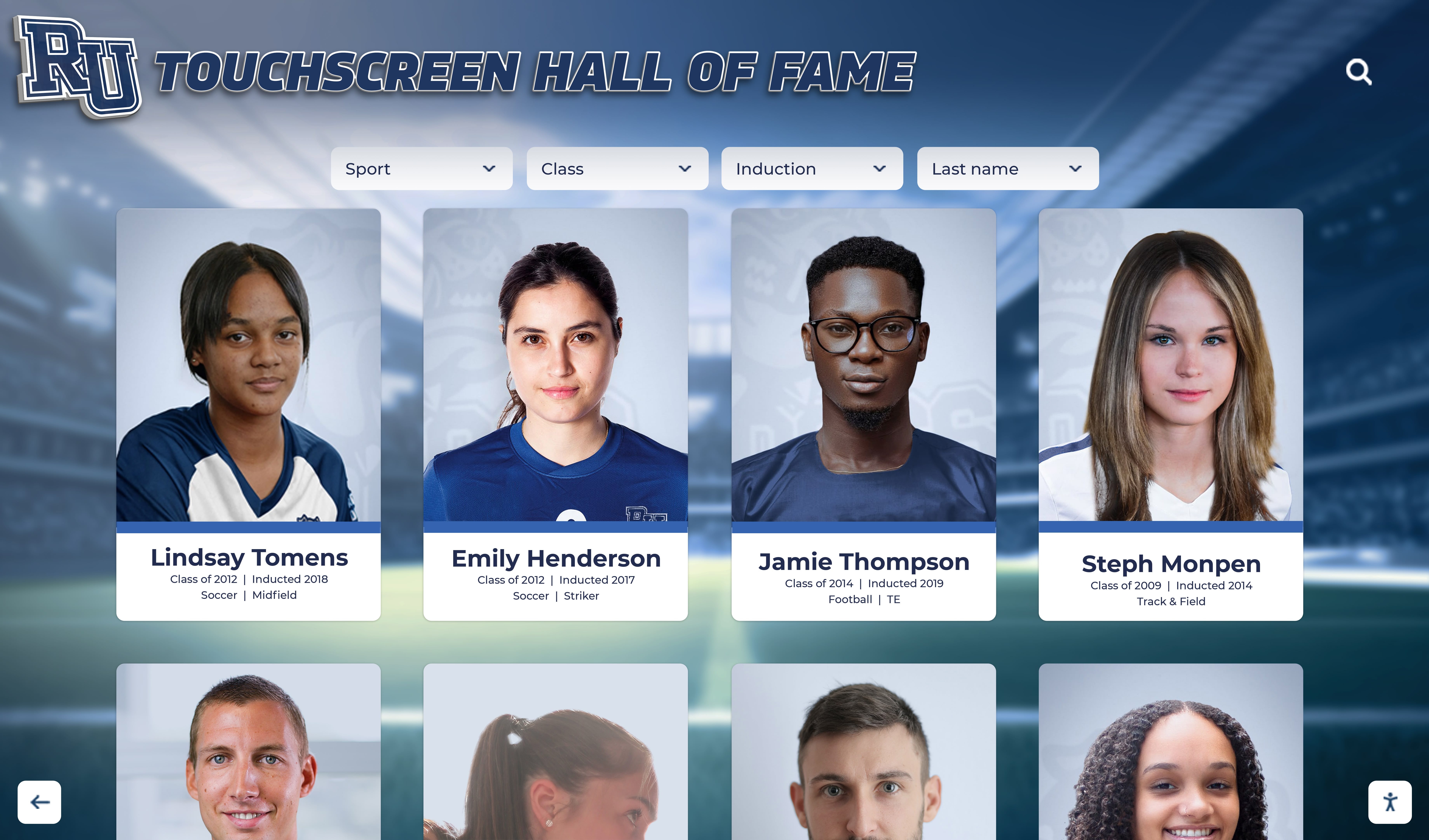
Digital Hall of Fame Pagination Checklist: Keep Large Inductee Collections Fast and Findable
Every school hall of fame starts as a manageable list—twenty inductees, maybe fifty—where scrolling through every portrait feels natural and browsing takes seconds. Then decades of athletic history accumulate. A hundred inductees becomes two hundred. Team records, coaches, community champions, and senior classes stack up until the collection that once loaded instantly now tests visitors’ patience and search engine crawlers alike. Mastering the digital hall of fame pagination checklist is the discipline that separates recognizable archives honoring every inductee from slow, buried collections that frustrate the alumni, families, and administrators who rely on them most.
Read More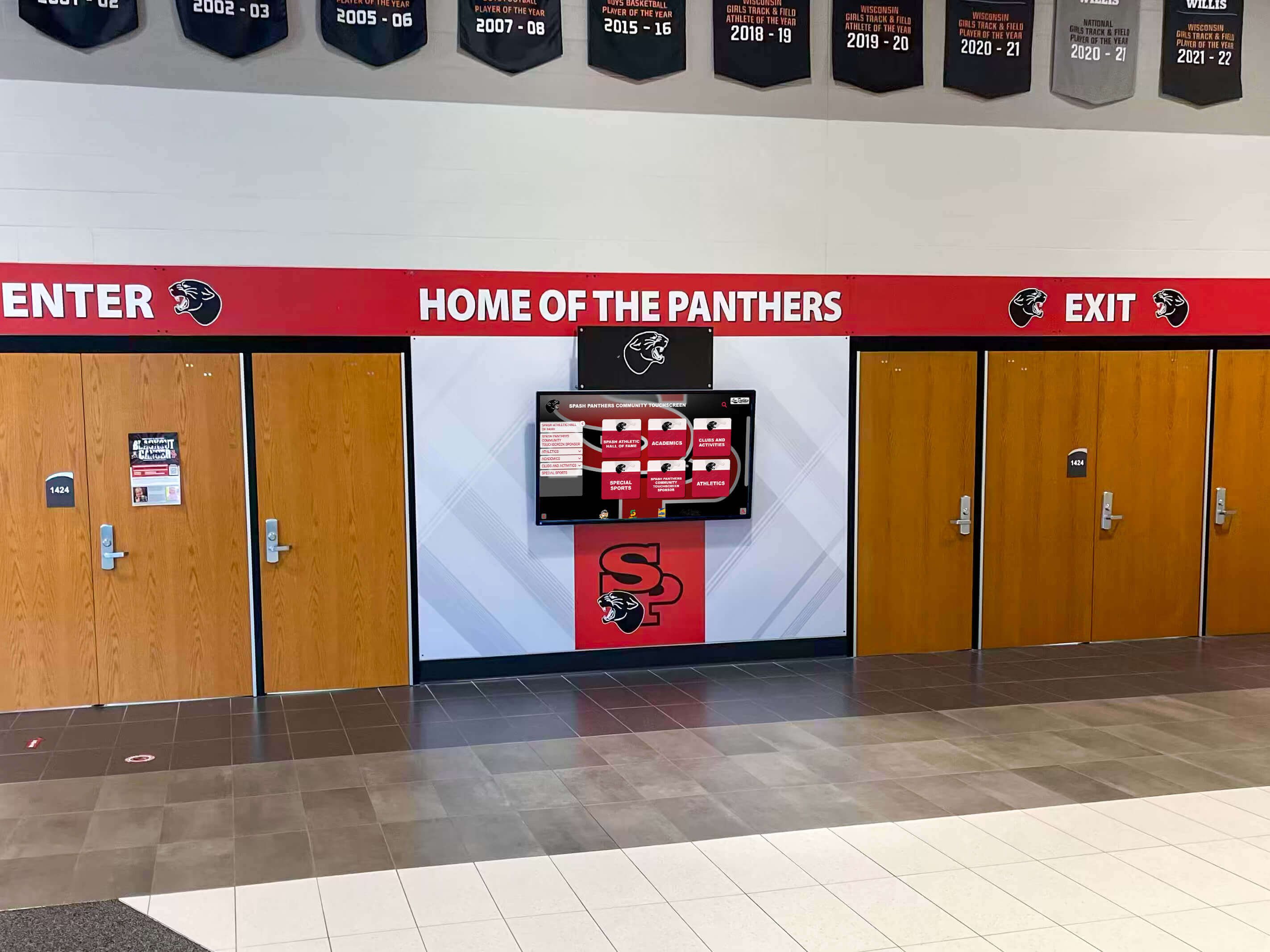
Digital Signage for Schools: Complete Guide to Campus Communication Displays
School administrators are rethinking how their campuses communicate. Static bulletin boards, printed flyers, and fixed plaques share one critical limitation: once they’re up, they’re fixed. Digital signage for schools solves this by putting any message, schedule, announcement, or recognition story onto any display—updated in seconds from one dashboard. This guide covers how school digital signage works, what features matter when selecting a system, why MDM device management is worth understanding, and how one platform delivers unlimited digital signage for schools at $50 per year.
Read MoreCategories
- Academic Excellence ( 3 )
- Academic Recognition ( 12 )
- Accessibility ( 16 )
- Alumni Relations ( 4 )
- Athletic Development ( 2 )
- Athletic Performance ( 1 )
- Athletic Recognition ( 62 )
- Athletic Training ( 1 )
- Awards Night ( 1 )
- Coaching ( 3 )
- Coaching Resources ( 2 )
- Content Creation ( 1 )
- Corporate Recognition ( 1 )
- Design Best Practices ( 2 )
- Digital Communications ( 1 )
- Digital Displays ( 5 )
- Digital Recognition ( 14 )
- Digital Signage ( 1 )
- Display Planning ( 1 )
- Display Solutions ( 3 )
- Donor Recognition ( 4 )
- Equipment ( 1 )
- Event Planning ( 1 )
- Facility Design ( 3 )
- Facility Management ( 2 )
- Forms ( 1 )
- Hall of Fame ( 37 )
- Homecoming ( 2 )
- HowTo ( 9 )
- Interactive Technology ( 4 )
- Modern Design ( 1 )
- Performing Arts Recognition ( 1 )
- Program Administration ( 8 )
- Recognition ( 1 )
- Recognition Displays ( 3 )
- Recognition Planning ( 3 )
- School Culture ( 2 )
- School Design ( 2 )
- School Fundraising ( 1 )
- School History ( 1 )
- School Ideas ( 1 )
- School Leadership ( 1 )
- School Pride ( 2 )
- School Programs ( 1 )
- School Recognition ( 2 )
- School Spirit ( 5 )
- School Technology ( 1 )
- School Traditions ( 11 )
- Search ( 2 )
- Senior Night ( 5 )
- Senior Recognition ( 1 )
- Sponsorship ( 1 )
- Sports Programs ( 1 )
- Sports Training ( 1 )
- Staff Appreciation ( 1 )
- Staff Recognition ( 1 )
- Student Achievement ( 6 )
- Student Activities ( 1 )
- Student Athletes ( 3 )
- Student Recognition ( 8 )
- Swimming ( 1 )
- Team Culture ( 3 )
- Technology Solutions ( 8 )
- Wayfinding Solutions ( 1 )
- Yearbook ( 1 )
- Youth Sports ( 7 )
Tags
- Academic Achievement
- Academic Awards
- Academic Decathlon
- Academic Excellence
- Academic Honor
- Academic Honor Society
- Academic Recognition
- Academic Teams
- Accessibility
- Achievement Displays
- ADA Compliance
- AI Content Creation
- AI Procurement
- AI Research
- Algorithmic Bias
- All-State
- Alt Text
- Alumni Engagement
- Alumni Outreach
- Alumni Recognition
- Alumni Relations
- Alumni Tribute
- Animations
- ARIA
- ARIA Labels
- ARIA Landmarks
- Aria-Controls
- Aria-Current
- Aria-Multiselectable
- Aria-Posinset
- Aria-Selected
- Aria-Setsize
- Artifact Care
- Artifact Management
- Athlete Development
- Athlete Recognition
- Athletic Achievement
- Athletic Alumni Recognition
- Athletic Alumni Recognition Wall
- Athletic Archives
- Athletic Awards
- Athletic Ceremonies
- Athletic Communications
- Athletic Department
- Athletic Development
- Athletic Director
- Athletic Directors
- Athletic Display
- Athletic Displays
- Athletic Equipment
- Athletic Facilities
- Athletic Facility
- Athletic Fields
- Athletic Hall of Fame
- Athletic History Takedown Request Policy
- Athletic Honors
- Athletic Inspiration
- Athletic Leadership
- Athletic Mission Statement
- Athletic Motivation
- Athletic Performance
- Athletic Programs
- Athletic Recognition
- Athletic Records
- Athletic Scholarships
- Athletic Skills
- Athletic Spaces
- Athletic Sponsorship
- Athletic Team Room Design
- Athletic Traditions
- Athletic Training
- Award Criteria
- Award Wall
- Awards Night
- Backstroke
- Backstroke Technique
- Band Programs
- Banner Display
- Banquet Recognition
- Baseball Coaching Tips
- Baseball Field Maintenance
- Baseball Programs
- Basketball
- Basketball Fundamentals
- Basketball Offense
- Basketball Pick and Roll
- Basketball Senior Banner
- Basketball Traditions
- Best Touchscreen Recognition Software
- Beta Club Benefits
- Bio Examples
- Broken Link Audit
- Browser Compatibility
- Budget Solutions
- Building Directory
- Butterfly Stroke
- Campus Displays
- Campus Navigation
- Canonical URL
- Capital Campaigns
- Ceremony Ideas
- Ceremony Planning
- Championship Banner Inventory
- Championship Banners
- Championship Recognition
- Cheer Coach Gifts
- Cheer Recognition
- Cheer Technique
- Cheer Training
- Cheerleading
- Cheerleading Hall of Fame
- Cheerleading Jumps
- Cheerleading Programs
- Class Committees
- Class President
- Class Recognition
- Class Reunion
- CLS
- CMS Administration
- Coach Appreciation
- Coaching
- Coaching Strategies
- Coaching Strategy
- Collection Management
- College Applications
- College Commitment
- College Recruiting
- College Sports
- Color Guard
- Color Guard Flags
- Color Guard Silks
- Commencement
- Competition Recognition
- Competitive Swimming
- Consistent Help
- Content Accuracy
- Content Audit
- Content Creation Tools
- Content Licensing
- Content Management
- Content Planning
- Content Versioning
- Core Web Vitals
- Correction Notice Policy
- Cost Comparison
- Cross-Browser Testing
- Cum Laude
- DAM Systems
- Data Dictionary
- Data Governance
- Data Standardization
- Deaccession Policy
- Design Ideas
- Detail Panel
- Digital Archive
- Digital Archives
- Digital Asset Management
- Digital Display
- Digital Displays
- Digital Hall of Fame
- Digital Hall of Fame ARIA Errormessage Audit
- Digital Hall of Fame Aria Posinset Aria Setsize Audit
- Digital Hall of Fame ARIA-Controls Audit
- Digital Hall of Fame Aria-Current Audit
- Digital Hall of Fame ARIA-Multiselectable Audit
- Digital Hall of Fame ARIA-Selected Audit
- Digital Hall of Fame Consistent Help Accessibility Audit
- Digital Hall of Fame Diacritic Insensitive Search Audit
- Digital Hall of Fame Heading Hierarchy Audit
- Digital Hall of Fame Html Lang Attribute Audit
- Digital Hall of Fame Reduced Motion Accessibility Checklist
- Digital Hall of Fame Screen Reader Landmark Audit
- Digital Hall of Fame Search Result Highlighting Audit
- Digital Hall of Fame User Access Review Checklist
- Digital History Archive
- Digital Kiosk
- Digital Profiles
- Digital Recognition
- Digital Signage
- Digital Signage for Schools
- Digital Trophy Case
- Digital Wall of Fame
- Display Ideas
- Display Planning
- Donor Engagement
- Donor Recognition
- Donor Walls
- Double Play Drills
- Educational Excellence
- Educational Leadership
- Educational Philanthropy
- Employee Morale
- Employee Recognition
- Employee Wall of Fame
- End of Season
- Escape Key
- Event Design
- Facility Naming Rights
- Facility Planning
- Facility Upgrades
- Fastpitch Softball
- Field Management
- Filter Lists
- Filter Results
- Float Themes
- Focus Indicator
- Focus Management
- Football
- Form Validation
- Former Athletes
- Free Software
- Gift Baskets
- Goalkeeper Drills
- Goalkeeper Skills
- Golf Improvement
- Golf Putting Drills
- Golf Skills
- Golf Training
- GPA
- Graduation
- Graduation Cords
- Graduation Regalia
- Ground Ball Drills
- Groundskeeping
- Gym Design
- Gym Makeover
- Gymnastics
- Gymnastics Judging
- Hall Displays
- Hall of Fame
- Hall of Fame Annual Content Review Checklist
- Hall of Fame Broken Link Audit
- Hall of Fame Committee
- Hall of Fame Design
- Hall of Fame Display
- Hall of Fame Governance
- Hall of Fame Maintenance
- Hall of Fame Navigation
- Hall of Fame Volunteer Agreement
- Hall of Fame Wall
- Hall of Fame Website
- Hall of Fame Website Browser Compatibility Testing Checklist
- Hall of Fame Website Core Web Vitals Checklist
- Hall of Fame Website Image Optimization Checklist
- Heading Structure
- Help Mechanism
- Herkie
- High School Athletics
- High School Baseball
- High School Basketball
- High School Color Guard
- High School Reunion Flyer
- High School Sports
- Historical Recognition
- Homecoming
- Homecoming Court
- Homecoming Planning
- Honor Roll
- Honor Society
- Honors Graduation Stoles
- HR Recognition
- Html Lang Attribute
- Hurdler Jump
- Image SEO
- Inductee List
- Inductee Management
- Inductee Profiles
- Inductee Search
- Infield Drills
- INP
- Interactive Display
- Interactive Displays
- Interactive Technology
- Interactive Touch Screen
- International Names
- International Thespian Society
- IT Teams
- Jersey Display
- Jersey Retirement
- Keyboard Navigation
- Lacrosse Equipment
- Lacrosse Gear
- Latin Honors
- Layout Design
- LCP
- Legacy Displays
- Letter Jackets
- Letter of Intent
- Letterman Jacket
- Locker Room Design
- Magna Cum Laude
- Maiden Names
- Marching Band
- MDM Device Management
- Memorabilia Display
- Memorial Gym Naming
- Mental Health Support
- Middle School
- Middle School Yearbook
- Mobile Testing
- Modal Dialog Accessibility
- Modern Design
- Multilingual
- Multilingual Recognition
- National Beta Club
- National Honor Society
- National Merit Commended Scholar
- National Merit Scholarship
- Navigation
- NHS Induction
- Nicknames
- Nomination
- Nomination Form
- Nomination Forms
- Nomination Process
- Obituary Update Policy
- Outfield Drills
- Page Speed
- Pagination
- Parade Floats
- Performing Arts
- Performing Arts Recognition
- Philanthropy
- Photo Rights
- Photography Ideas
- Photos
- Physical Displays
- Pike Jump
- Pitcher Development
- Pitching Coach
- Pitching Coaching
- Pitching Form
- Plaques
- Player Development
- Player of the Week
- Player Safety
- Pointer Cancellation
- Poster Design
- Prefers-Reduced-Motion
- Presidential Academic Fitness Award
- Presidential Award for Academic Excellence
- Principal Appreciation
- Principal Recognition
- Privacy Policy
- Procurement Intelligence
- Profile Versioning Policy
- Program Administration
- PSAT Recognition
- PTA Ideas
- Putting Practice
- Putting Technique
- Recognition
- Recognition Board
- Recognition Content
- Recognition Displays
- Recognition Ideas
- Recognition Platform Comparison
- Recognition Program
- Recognition Programs
- Recognition Space
- Recognition Wall Layout
- Recognition Walls
- Records Management
- Recruiting
- Recruiting Process
- Responsive Images
- Retirement
- Retirement Plaques
- Retirement Quotes
- Reunion Planning
- Rocket Alumni Solutions
- Rocket Graphics
- Role Management
- SaaS B2B Markets
- Salutatorian
- Scholar Recognition
- Scholar Teams
- School Administration
- School Athletic Recognition
- School Athletics
- School Awards
- School Banners
- School Communication
- School Communications
- School Digital Displays
- School Displays
- School Facilities
- School Fundraising
- School Graphics
- School Hall of Fame Software
- School Heritage
- School History
- School History Display
- School Identity
- School Leadership
- School Marketing
- School Memories
- School Naming Ceremony
- School Programs
- School Recognition
- School Recognition Software
- School Records
- School Spirit
- School Sports Display Board
- School Technology
- School Theater
- School Traditions
- School Values
- Scoring System
- Screen Reader
- Screen Reader Pronunciation
- Search
- Search Forms
- Search Pages
- Search Panel
- Search Quality
- Search UX
- Selection Criteria
- Senior Athletes
- Senior Awards
- Senior Night
- Senior Recognition
- Senior Superlatives
- Senior Tributes
- Senior Year
- SEO
- Setter Training
- Shadow Box Ideas
- SHH
- Signing Day
- Skills Development
- Slowly Changing Dimension
- Soccer Goalie Training
- Soccer Training
- Social Media
- Social Media Graphics
- Sociedad Honoraria Hispánica
- Softball Coaching
- Softball Drills
- Softball Fielding Drills
- Softball Pitching Mechanics
- Softball Training
- Spanish Honor Society
- Spirit Week
- Sponsor Recognition
- Sponsor Visibility
- Sports Alumni Wall
- Sports Architecture
- Sports Awards
- Sports Banquet
- Sports Categories
- Sports Collection
- Sports Equipment
- Sports Field Care
- Sports Gifts
- Sports Hall of Fame Wall
- Sports Memorabilia
- Sports Memory Board
- Sports Motivation Quotes
- Sports Parents
- Sports Photography
- Sports Recognition
- Sports Roster Graphic
- Sports Safety
- Sports Sponsorship ROI
- Sports Teams
- Sports Traditions
- Sportsmanship Awards
- Staff Appreciation
- Student Achievement
- Student Activities
- Student Athlete Mental Health
- Student Athletes
- Student Awards
- Student Council
- Student Excellence
- Student Government
- Student Highlights
- Student Leadership
- Student Recognition
- Student Success
- Student Wellness
- Student-Athlete Awards
- Summa Cum Laude
- Swim Technique
- Swim Training
- Swimming
- Synonym Dictionary
- Tabs
- Taxonomy
- Team Alumni Database
- Team Awards
- Team Building
- Team Captain Award
- Team Celebrations
- Team Culture
- Team Drills
- Team Gifts
- Team Photos
- Team Room
- Team Room Ideas
- Team Roster
- Team Roster Graphic
- Team Spaces
- Team Terms
- Theater Honor Society
- Theater Induction
- Thespian Society
- Toe Touch
- Touchscreen
- Touchscreen Accessibility
- Touchscreen Directory
- Touchscreen Display
- Touchscreen Displays
- Touchscreen Kiosk
- Touchscreen Kiosks
- Touchscreen Testing
- Touchstone Digital Solutions
- Track and Field
- Translation Policy
- Trophy Case
- Trophy Cases
- Trophy Display
- Turf Field Maintenance
- Unicode
- Usage Rights
- User Access
- Valedictorian
- Varsity Letter
- Varsity Letterman
- Varsity Letters
- Varsity Recognition
- Velocity Development
- Velocity Training
- Vendor Analysis
- Vendor Comparison
- Vendor Evaluation
- Video
- Video Accessibility
- Virtualized List
- Volleyball
- Volleyball Coach Gifts
- Volleyball Coaching
- Volleyball Photos
- Volleyball Practice
- Volleyball Setting Drills
- Volleyball Team Photo Ideas
- Volunteer Management
- Wayfinding
- WCAG
- WCAG 2.1
- WCAG 2.2
- WCAG 2.5.2
- Web Audit
- WebP
- Windmill Pitch
- Workplace Culture
- World Languages
- Wrestling
- Wrestling Rules
- Wrestling Scoring
- Yearbook
- Yearbook Design
- Yearbook Planning
- Yearbook Superlatives
- Youth Baseball
- Youth Soccer
- Youth Sports