



Academic Decathlon stands as one of America’s most comprehensive scholastic competitions, challenging students across ten rigorous events that span literature, mathematics, science, social studies, economics, art, music, speech, interview, and essay. When schools earn regional, state, or national recognition in this prestigious competition, they face an important question: how do we properly honor these intellectual achievements and inspire future scholar teams?
Unlike athletic championships that naturally find homes in trophy cases and gym banners, academic accomplishments often struggle for visibility and celebration. Schools with successful Academic Decathlon programs report that systematic recognition not only validates current team members’ dedication but also significantly boosts recruitment, parental support, and institutional pride in intellectual achievement.
This comprehensive guide explores how schools effectively recognize and showcase their Academic Decathlon teams, from traditional plaques to modern interactive displays that bring academic excellence into the spotlight it deserves.
Academic competitions like Academic Decathlon demand months of preparation, hundreds of hours of study, and collaborative teamwork that rivals any athletic program. Yet these achievements frequently receive less recognition than sports accomplishments, despite requiring comparable dedication and delivering similar school pride and community visibility.

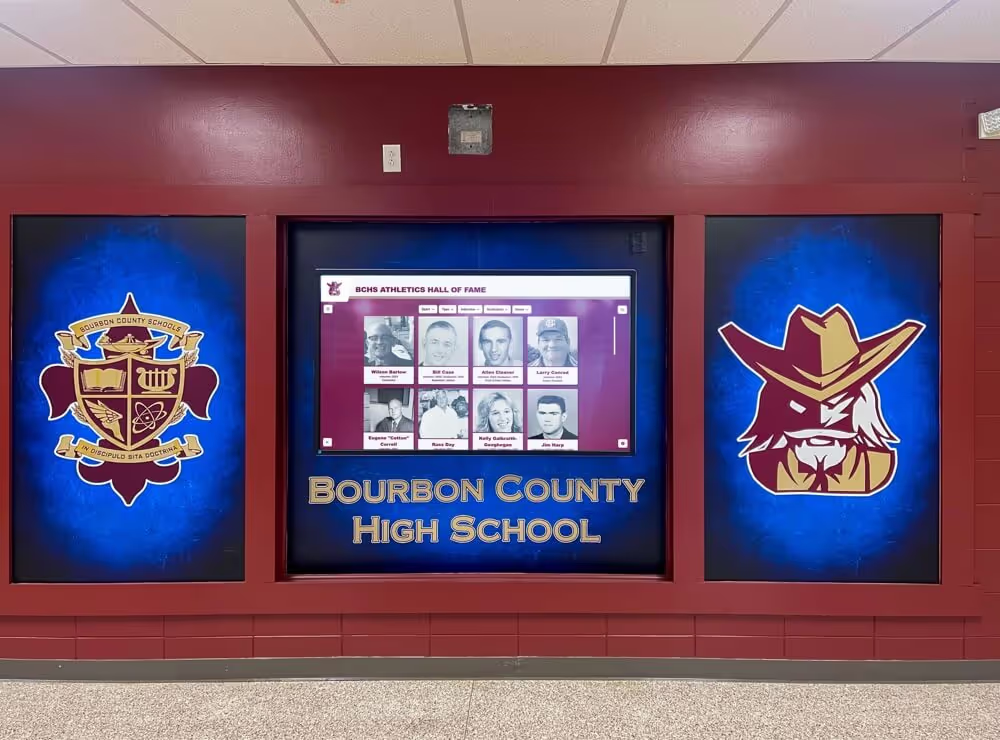
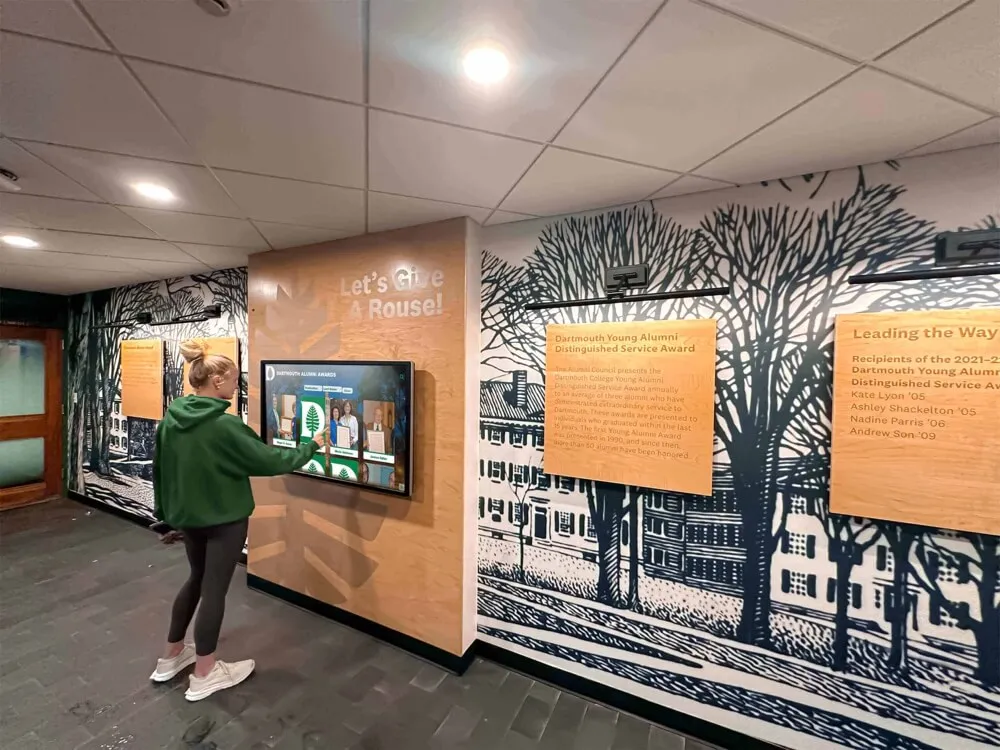
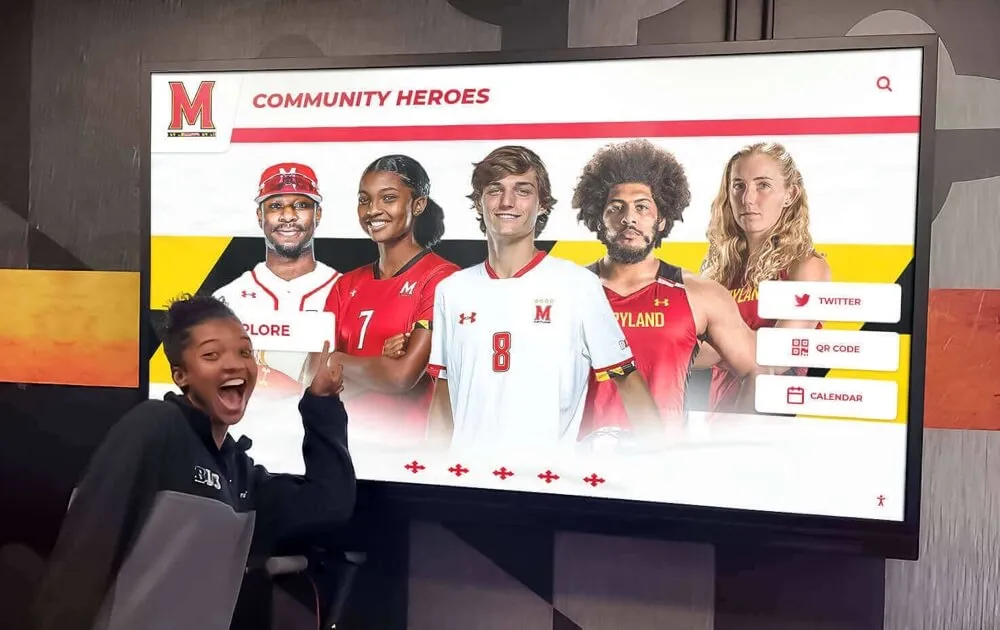
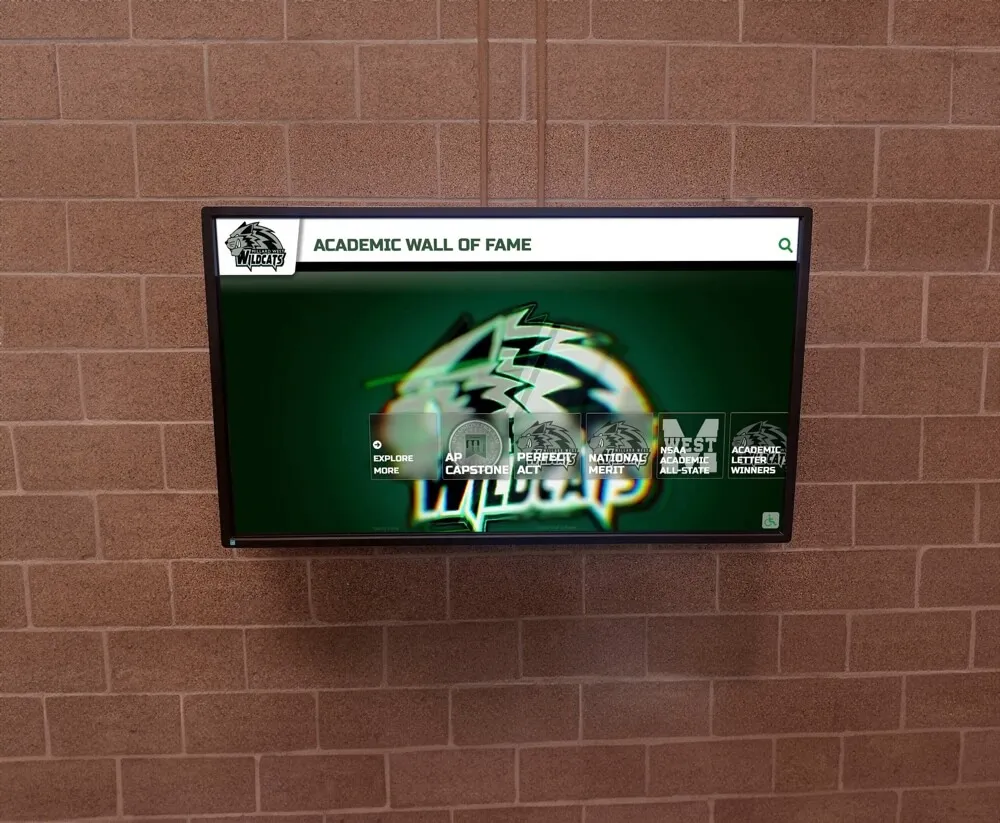
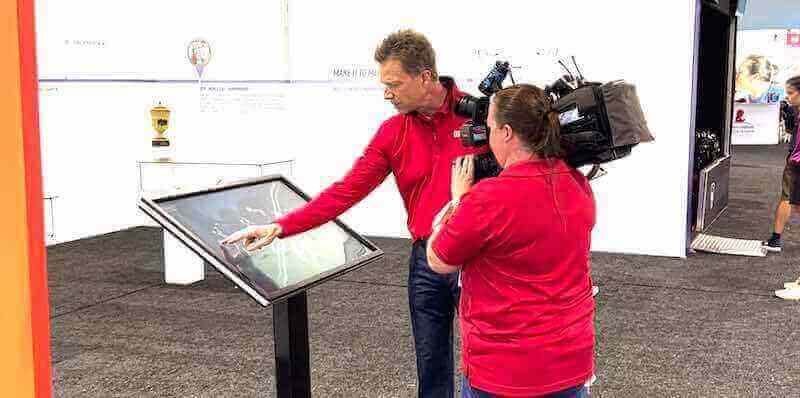
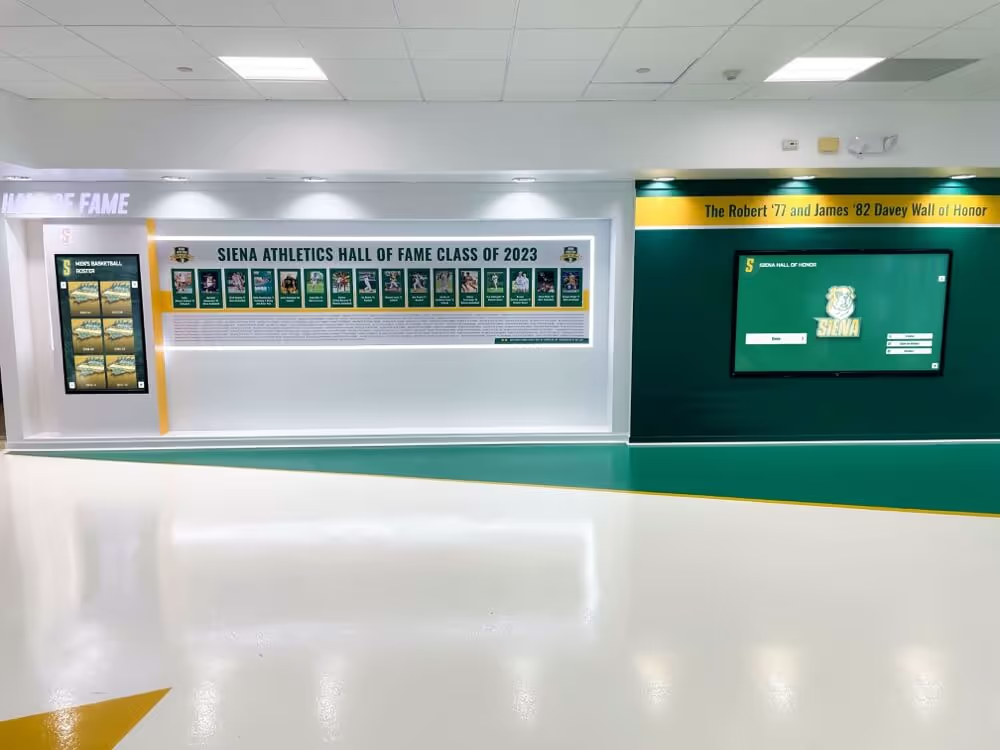
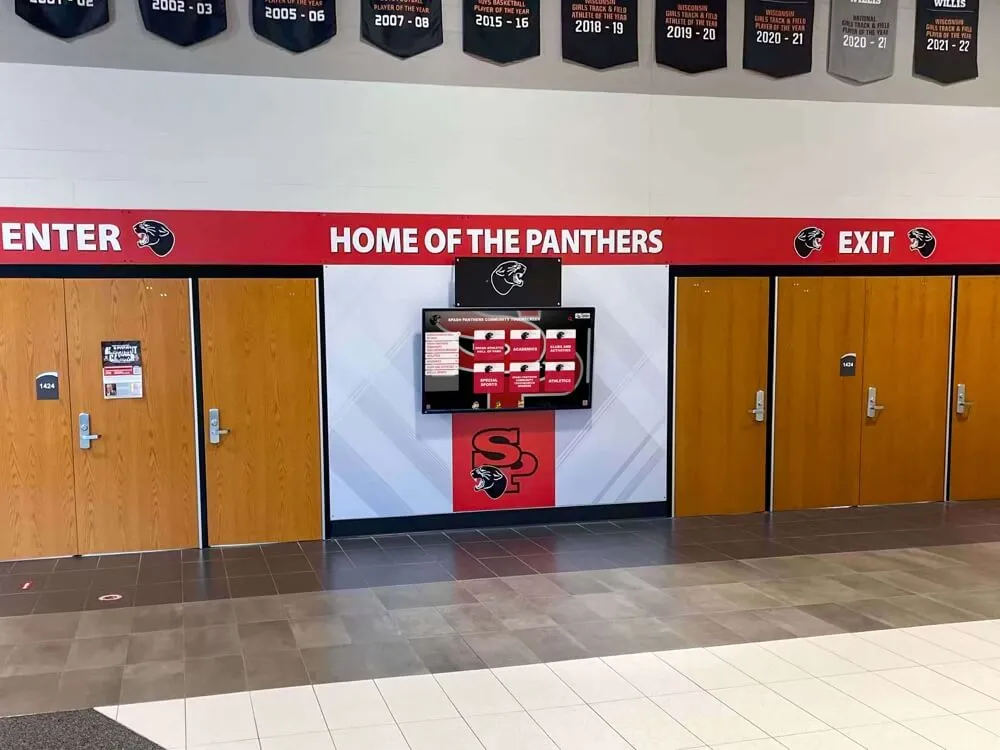
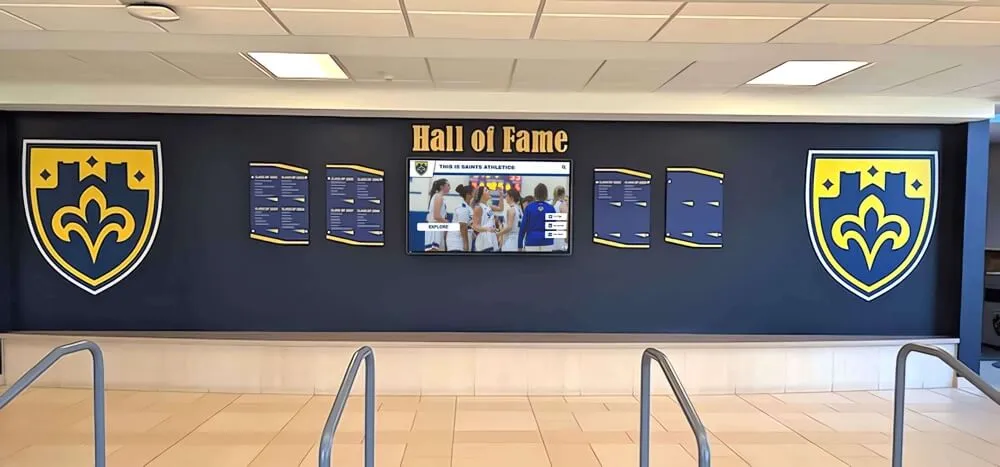
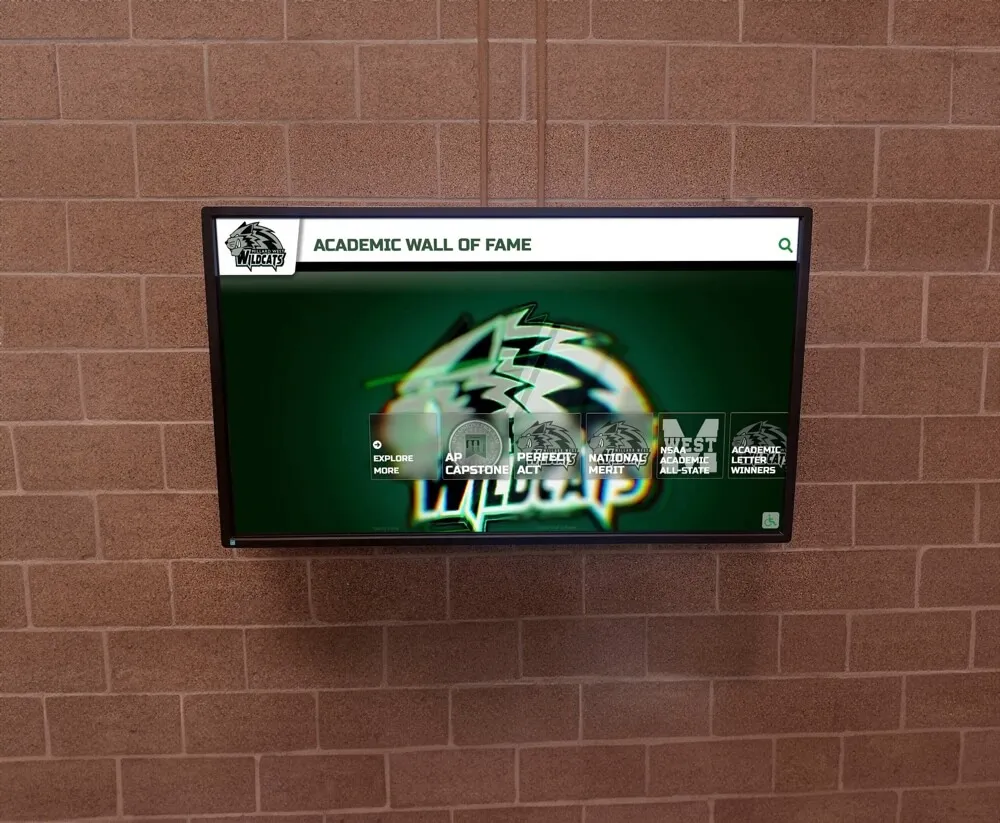
Modern recognition displays give Academic Decathlon and other intellectual achievements the prominent visibility they deserve
Understanding Academic Decathlon: Competition Structure and Achievement Categories
Before exploring recognition strategies, understanding the competition’s scope helps schools design appropriate celebration systems.
Competition Format and Events
Academic Decathlon’s comprehensive structure tests student knowledge and skills across multiple disciplines:
The Ten Events
The competition includes seven objective multiple-choice tests and three subjective performance events:
Objective Test Events:
- Art
- Economics
- Literature
- Mathematics
- Music
- Science
- Social Science
Subjective Performance Events:
- Essay (2,000-word prepared essay on the annual theme)
- Speech (3.5-minute prepared speech)
- Interview (8-minute impromptu interview on various topics)
Each team consists of nine students divided into three scholastic divisions based on GPA: Honors (3.75-4.0 GPA), Scholastic (3.0-3.749 GPA), and Varsity (0.0-2.999 GPA). This structure ensures recognition opportunities for students across all academic performance levels.
Competition Levels and Advancement
Academic Decathlon follows a structured advancement pathway:
Regional/District Competitions Local competitions typically held in December-January where schools compete within their geographic area. Top-performing teams advance to state competitions.
State Championships State-level competitions usually conducted in February-March. State champions and sometimes runner-up teams advance to the national competition.
National Competition The pinnacle event held annually in April, bringing together state champions from across the country to compete for national recognition. The 2025 USAD National Competition took place in Kansas City, Missouri, according to the United States Academic Decathlon.
Schools can earn recognition at each level, with achievements ranging from individual event medals to team placement trophies and Super Quiz championships.
Recognition-Worthy Achievements
Academic Decathlon offers numerous accomplishment categories deserving celebration:
Team Recognition Opportunities
- Overall team placement (1st, 2nd, 3rd place)
- Division-specific team scores
- Super Quiz team performance
- State championship qualification
- National competition advancement
- Year-over-year improvement
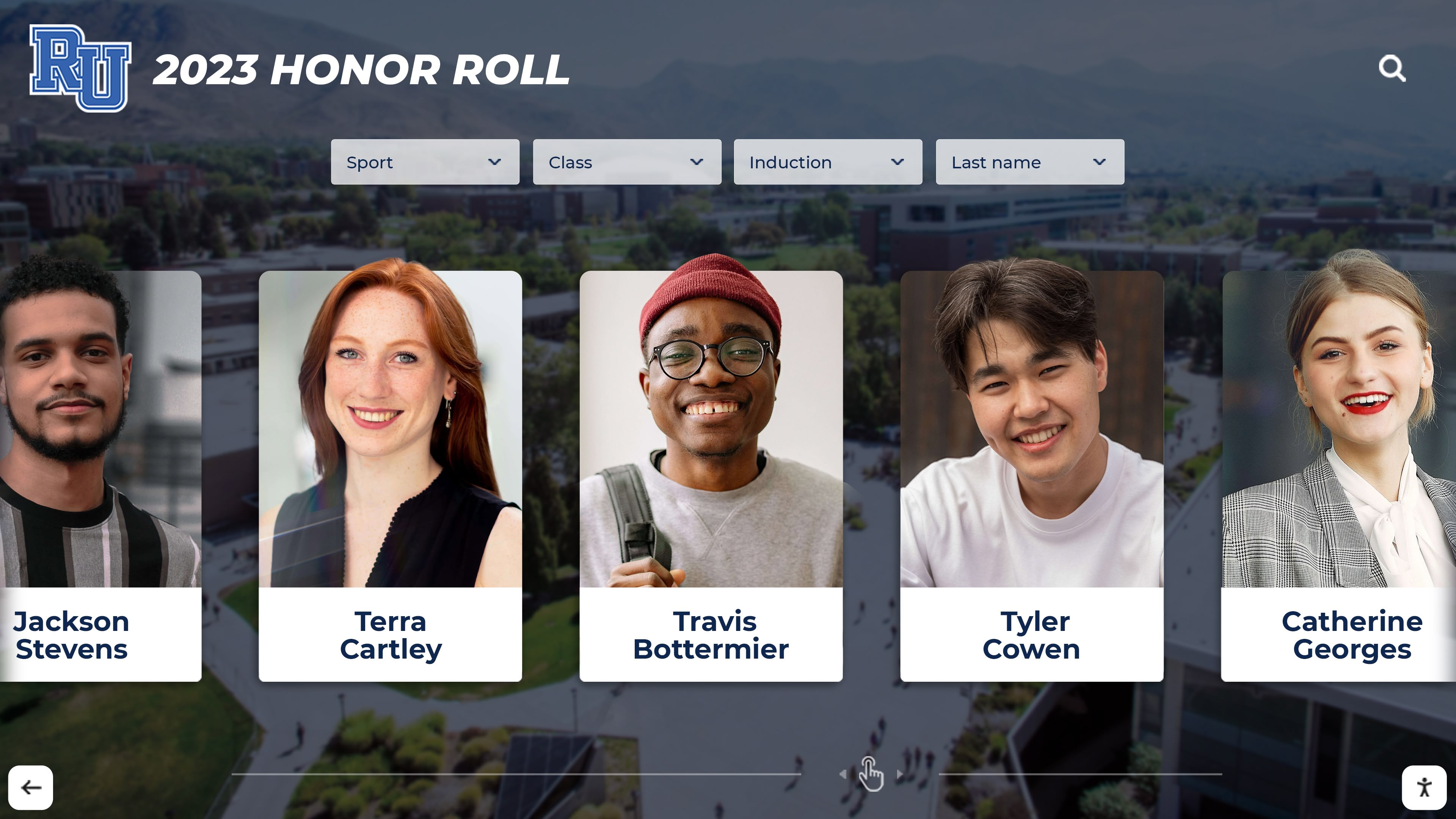
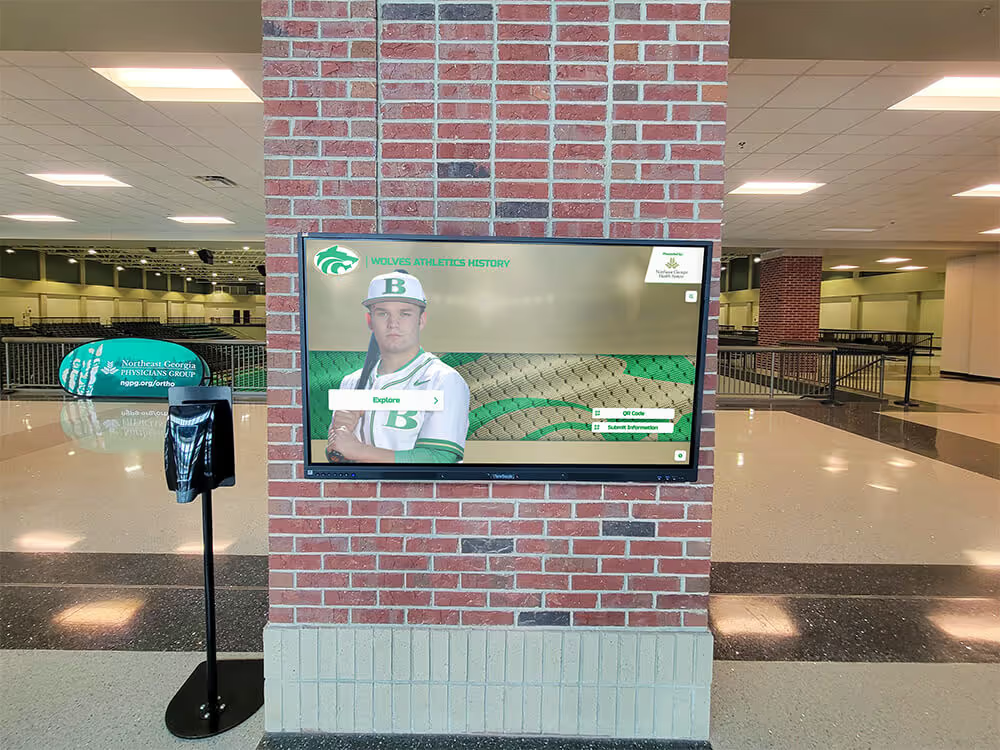
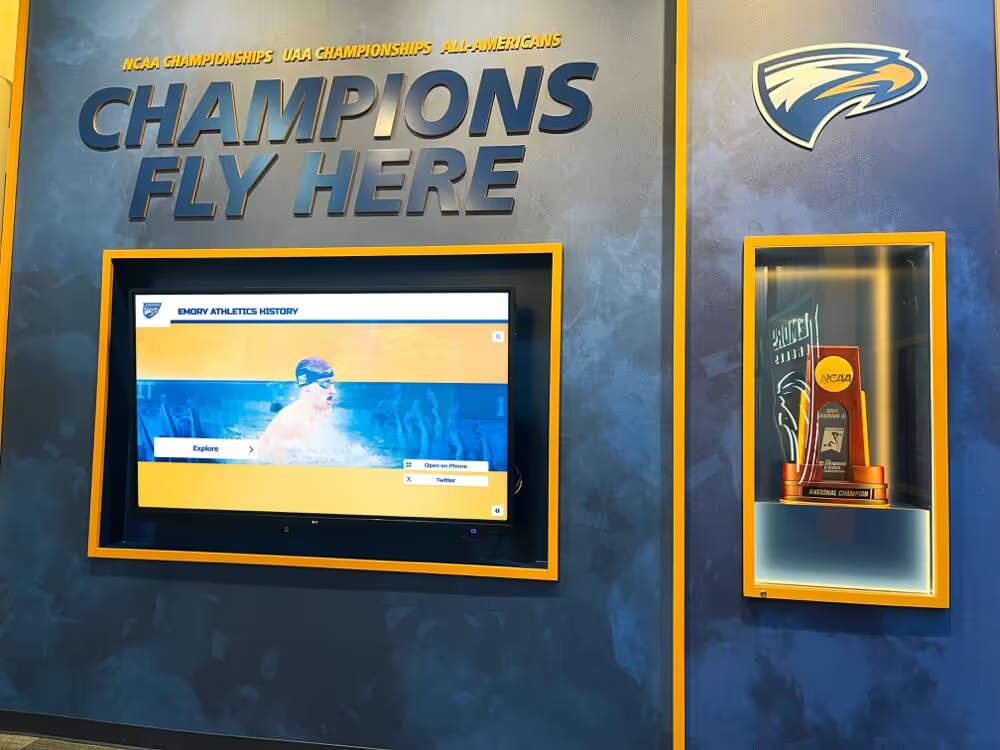
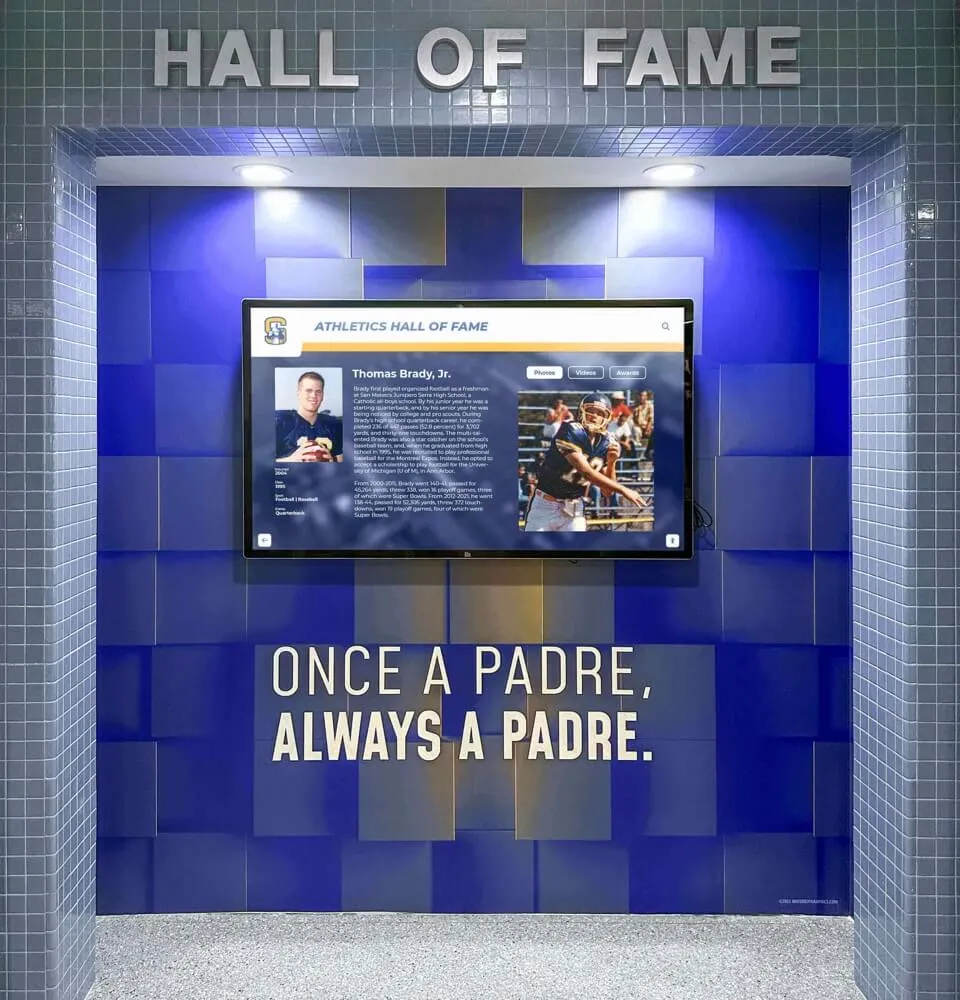
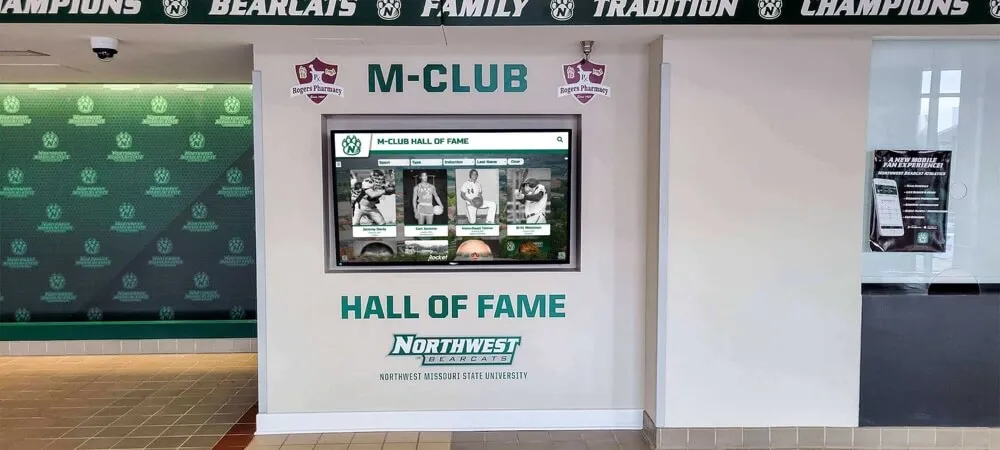
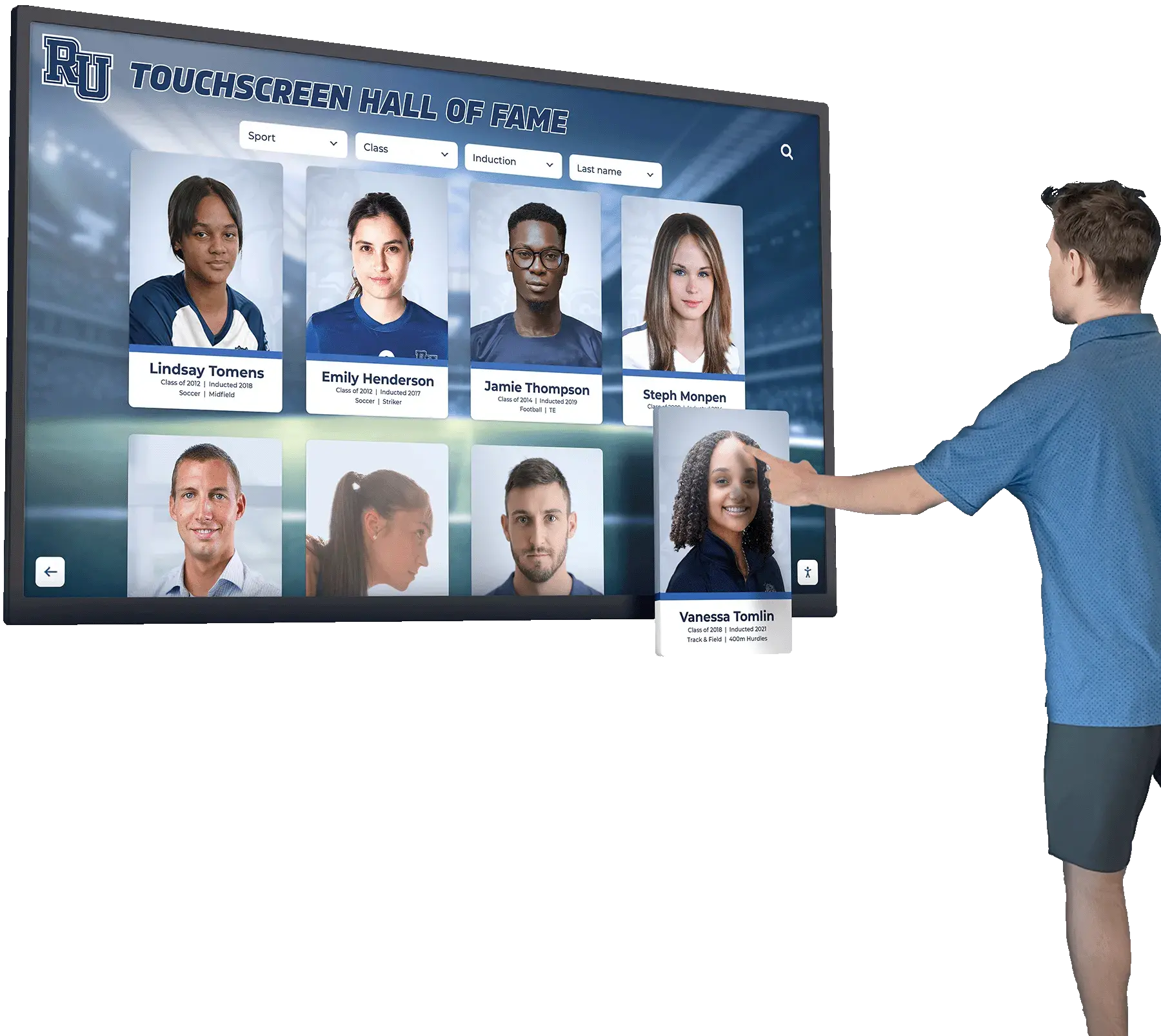
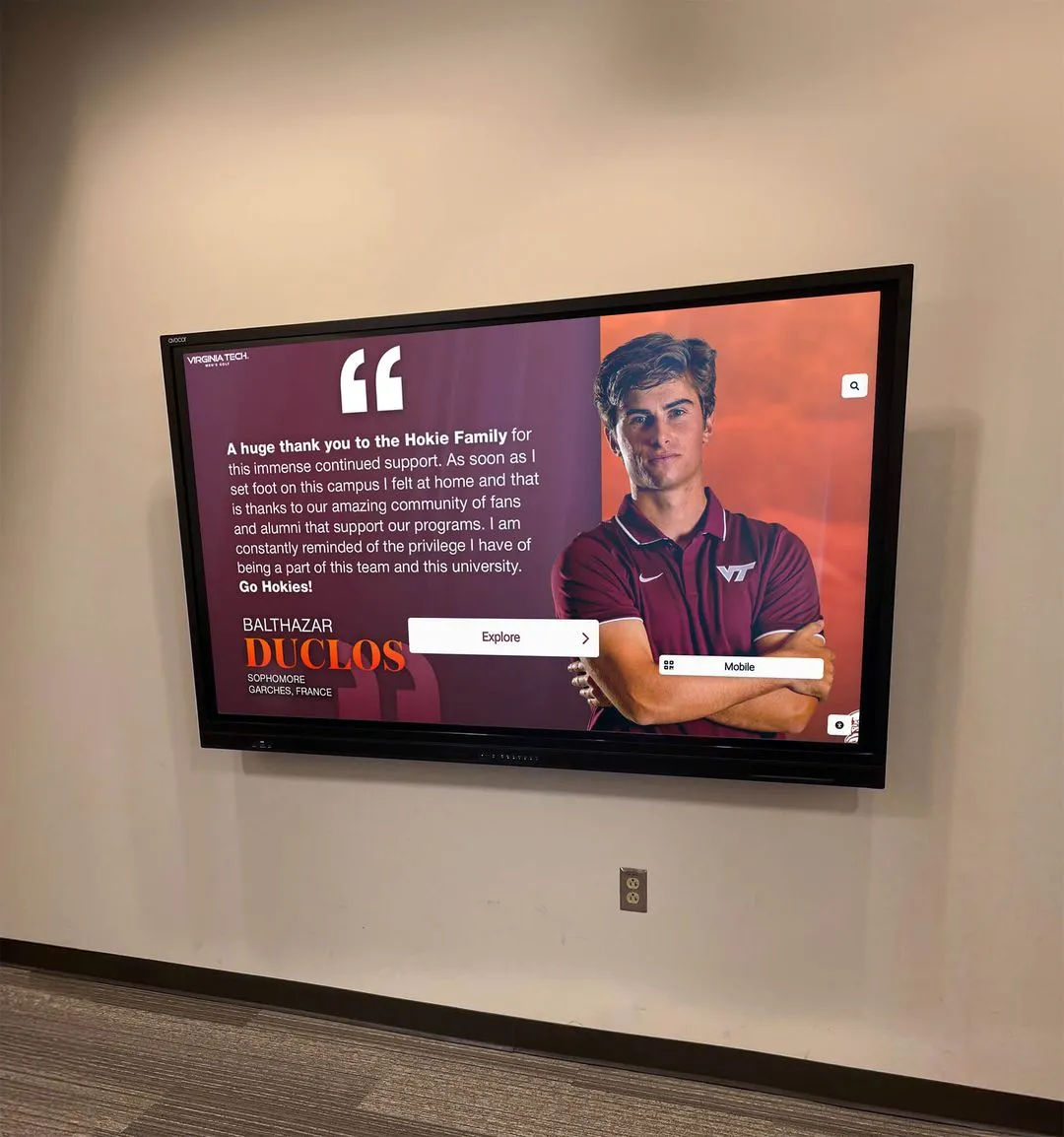
Individual scholar profiles celebrate specific achievements and create personal recognition for team members
Individual Student Recognition
- Individual event medals (top scorers in each subject)
- Overall individual scores in each division
- Perfect or near-perfect scores in specific subjects
- Outstanding interview scores
- Essay awards
- Speech competition recognition
This multi-layered achievement structure provides schools with abundant recognition opportunities that should be systematically celebrated.
Why Academic Decathlon Recognition Matters
Effective recognition of scholar teams delivers measurable benefits that justify the investment in visibility systems.
Student Motivation and Program Growth
Schools with prominent Academic Decathlon recognition report significant program benefits:
Recruitment and Participation Visible celebration of previous teams’ successes dramatically increases student interest in joining future teams. When Academic Decathlon achievements receive recognition comparable to athletic accomplishments, participation typically increases 25-40% as students recognize the program’s prestige value.
Sustained Effort and Preparation The knowledge that achievements will receive lasting recognition motivates team members through the demanding preparation process. Students invest hundreds of study hours more willingly when they understand their dedication will be permanently honored.
Academic Culture Development Systematic recognition of intellectual achievement creates school cultures where academic excellence becomes aspirational. When scholar teams receive visibility equal to sports teams, schools report positive shifts in peer attitudes toward academic pursuits and competition in advanced coursework.
Learn more about comprehensive approaches in academic recognition programs that drive student success.
Community and Institutional Benefits
Recognition extends beyond current team members to benefit entire communities:
Parent and Family Engagement When schools prominently showcase Academic Decathlon success, families develop stronger connections to the institution and increased support for academic programs. Parents of elementary and middle school students begin preparing children for future participation when they see the celebration high-achieving teams receive.
Alumni Connection Former Academic Decathlon participants often cite their competition experience as formative. Schools that maintain historical recognition create alumni engagement opportunities as former team members return to see their achievements still honored decades later.
College Application Enhancement Prominent school recognition validates Academic Decathlon accomplishments for college applications. When medals, placements, and team achievements appear on official school recognition displays, the legitimacy and significance of these accomplishments becomes clearer to admissions committees.
Community Pride and Visibility Academic Decathlon state and national achievements generate positive media coverage and community pride comparable to athletic championships. Schools that celebrate these wins prominently benefit from enhanced reputation and community support.
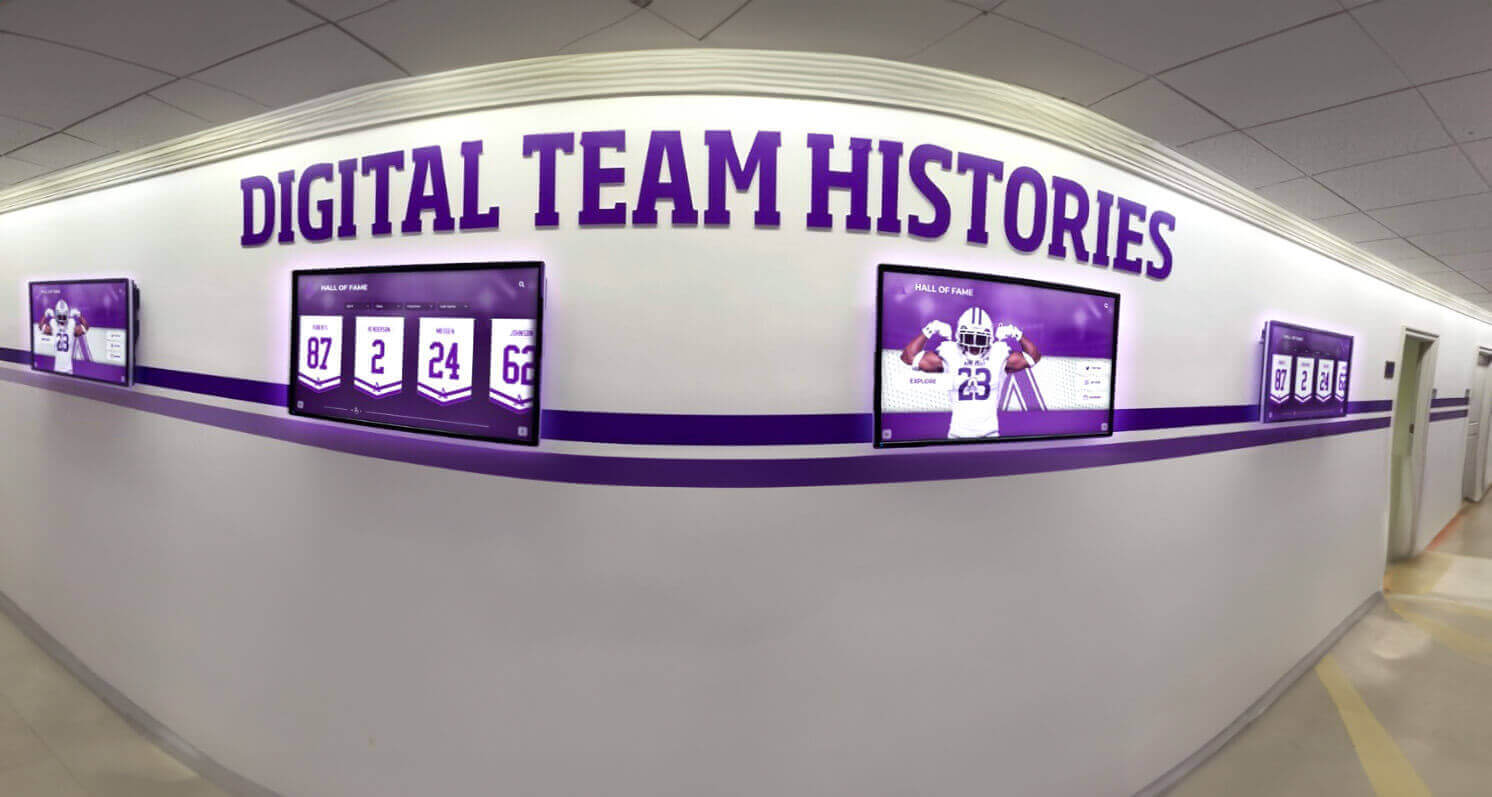
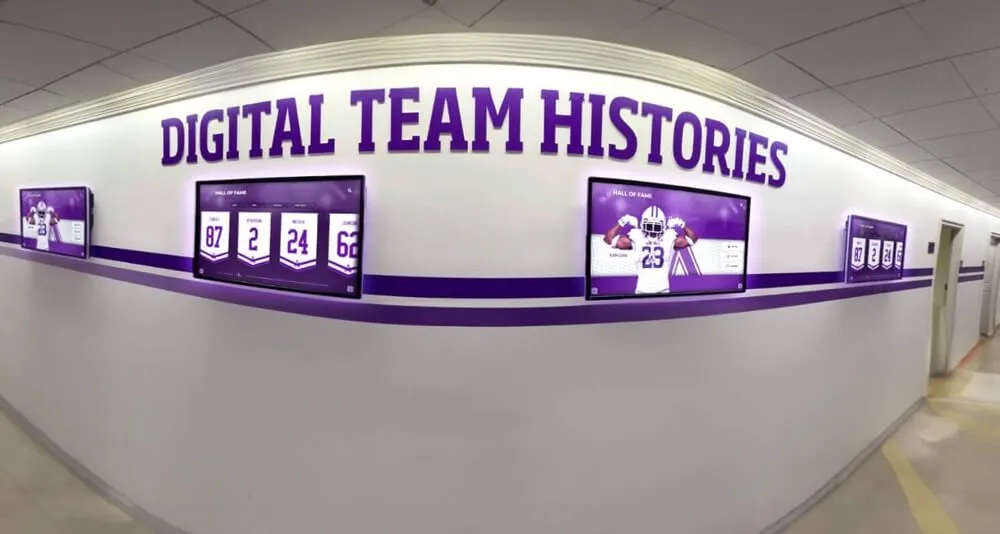
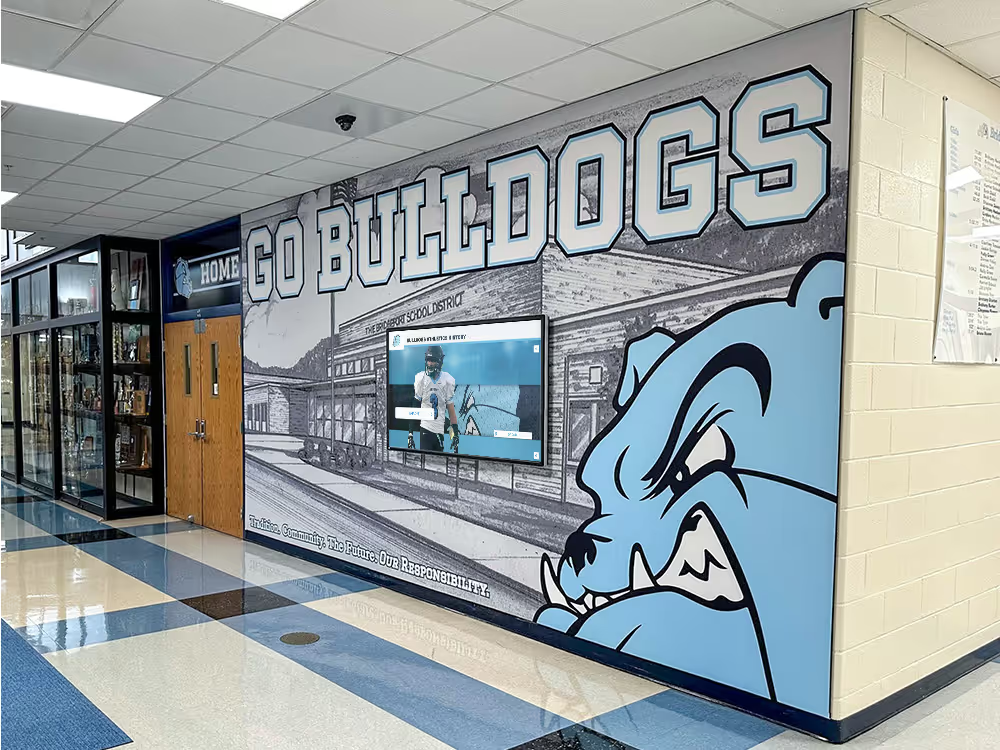
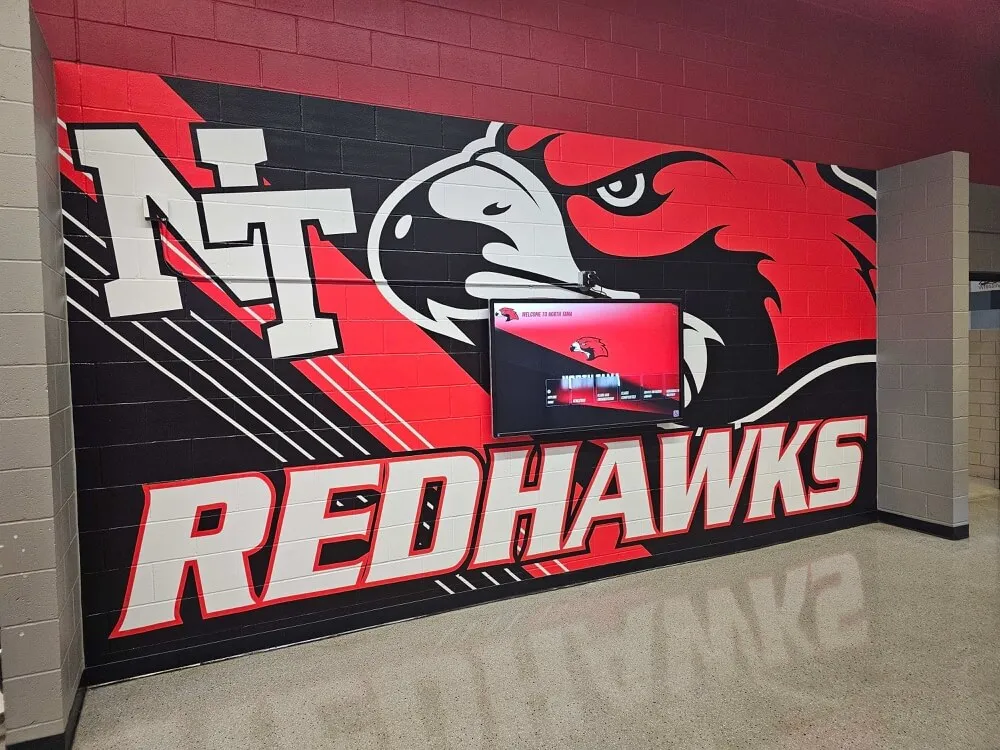
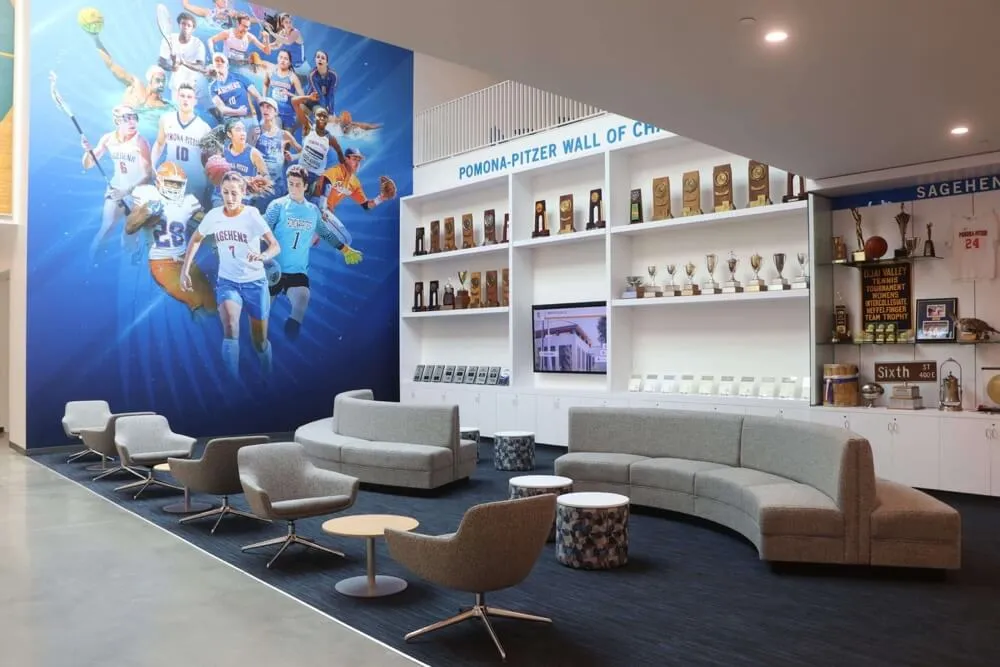
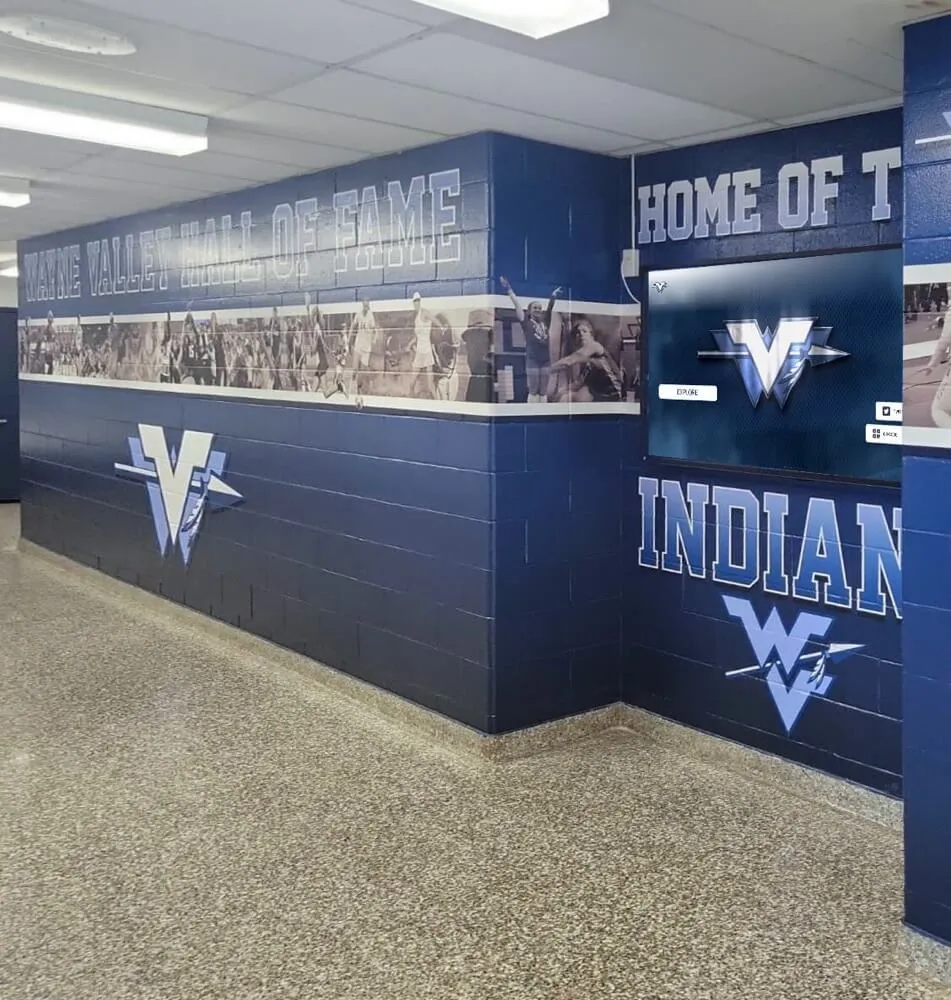
Team history displays connect current students to program legacy and tradition
Traditional Academic Decathlon Recognition Approaches
Understanding conventional recognition methods provides context for modern alternatives and hybrid approaches.
Physical Plaques and Wall Displays
Traditional plaque-based recognition remains common in many schools:
Trophy Cases and Display Walls Schools typically dedicate sections of trophy cases or lobby walls to Academic Decathlon achievements:
- Team placement plaques listing competition year, level, and finish
- Individual event medal displays showing student names and subjects
- Annual team photos with roster listings
- Laminated certificates from state and national competitions
Benefits of Traditional Displays
- Timeless aesthetic that conveys permanence
- No technology requirements or power needs
- Familiar format easily understood by all generations
- Tangible artifacts that feel substantial
Limitations and Challenges
- Space constraints limiting how many years can be honored
- Expensive updates requiring professional engraving ($150-400 per plaque)
- Difficult corrections when names or information contain errors
- Static presentation lacking engagement for modern students
- Minimal information beyond names and years
- Poor visibility in crowded trophy cases
- No accommodation for historical context or expanded information
Many schools find that traditional recognition approaches eventually face space limitations that force difficult decisions about which achievements remain visible and which must be removed or relocated.
Gym Banners and Hallway Recognition
Some schools adapt athletic recognition formats for academic teams:
Championship Banners Similar to sports championship banners, schools create fabric or vinyl banners celebrating:
- State championship years
- National competition participation
- Division-specific victories
- Conference or regional titles
These banners typically hang in gyms, auditoriums, or academic hallways, providing high visibility at relatively low cost ($200-600 per banner).
Hallway Timeline Displays Linear chronological displays showing program history year by year, often including:
- Small team photos
- Competition results
- Notable individual achievements
- Program milestones
While more affordable than extensive plaque systems, these approaches still face space limitations and updating challenges as programs continue achieving.
Modern Recognition Solutions: Digital Academic Walls of Fame
Digital recognition technology addresses traditional limitations while enhancing engagement and accessibility.
Interactive Touchscreen Displays for Scholar Recognition
Digital displays transform how schools celebrate Academic Decathlon achievements:
Unlimited Recognition Capacity Unlike physical displays constrained by wall space, digital recognition systems accommodate unlimited inductees:
- Single display showcasing decades of team history
- Individual profiles for every team member across all years
- Detailed achievement breakdowns by event and competition level
- Historical context and program evolution
- No need to remove past achievements to add current honorees
Rich Content and Engagement Digital platforms enable recognition depth impossible with plaques:
- Individual student profiles with photos and achievement details
- Competition year themes and specific subject focuses
- Team photos and roster information
- Video highlights from Super Quiz competitions
- Student testimonials and reflections
- Competition preparation insights
- Links to alumni profiles showing career outcomes
Search and Filtering Functionality Interactive features create engagement:
- Students can search for themselves, friends, and family members
- Filter by competition year, subject area, or achievement level
- Browse by student division (Honors, Scholastic, Varsity)
- View progression of individual students across multiple years
- Explore complete program history chronologically
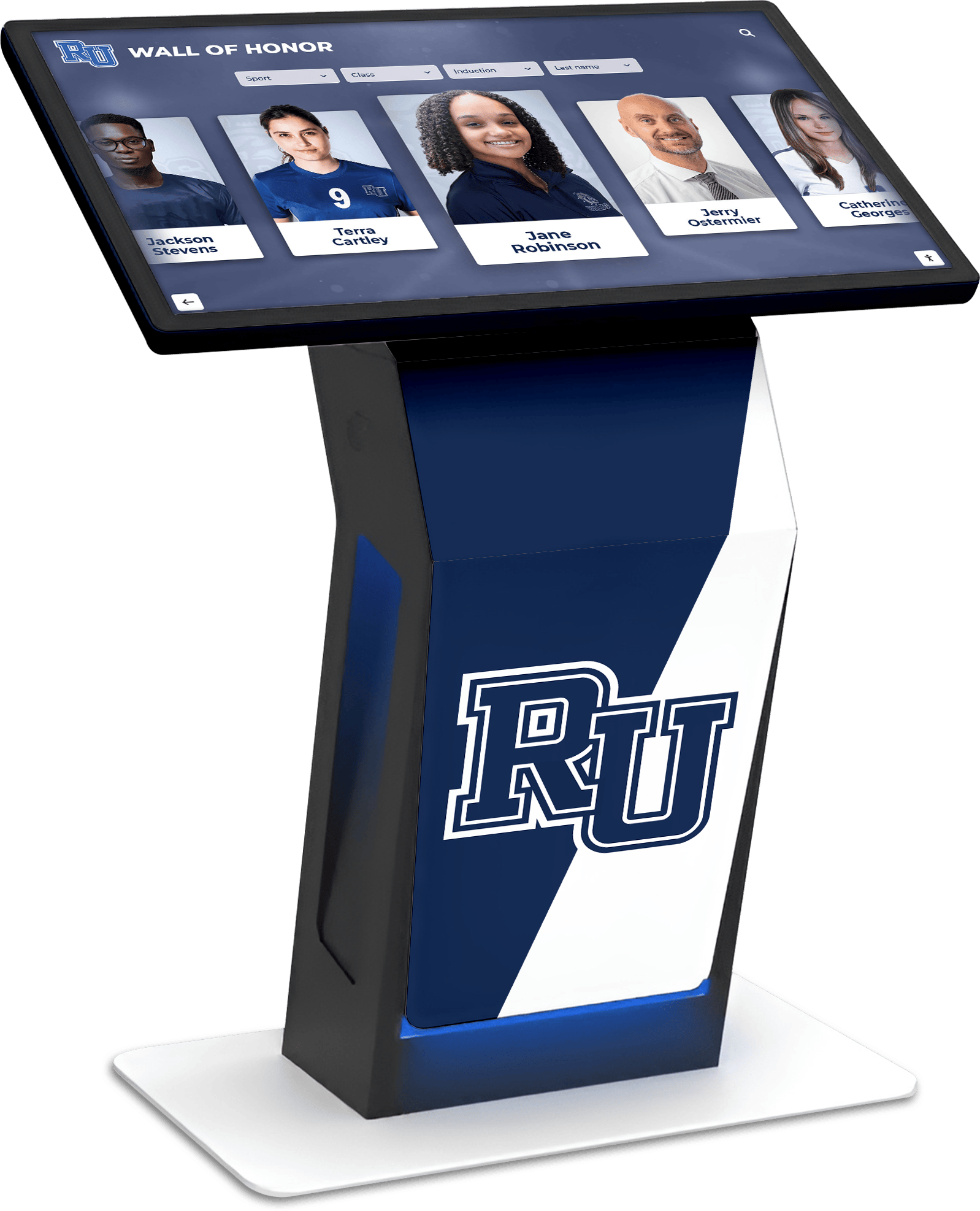
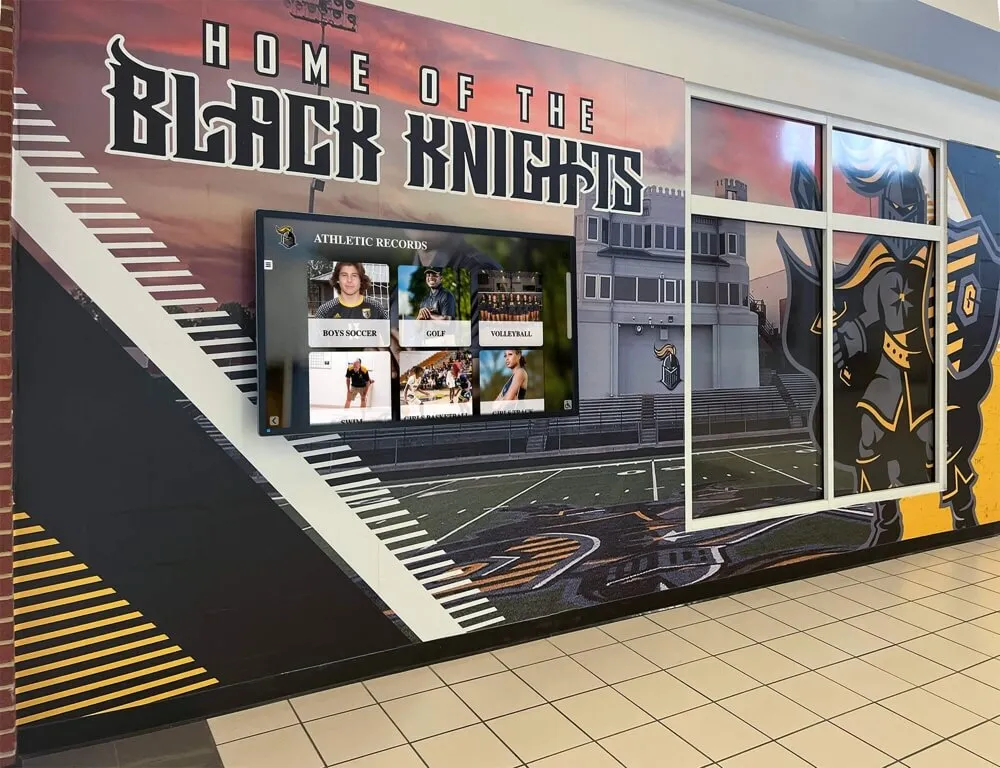
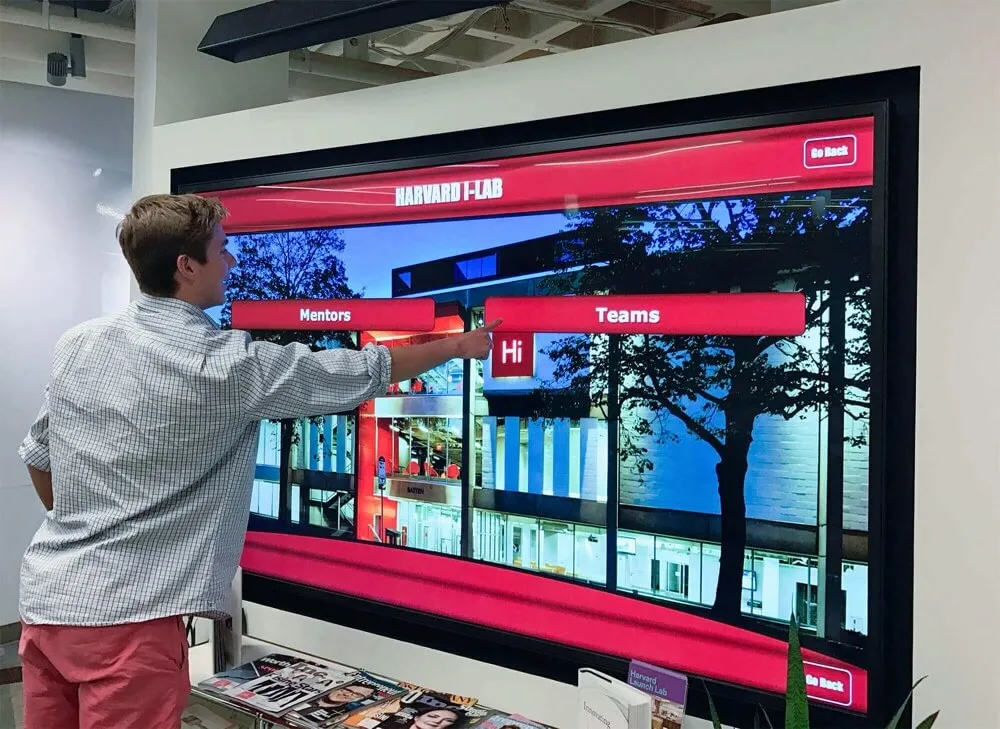
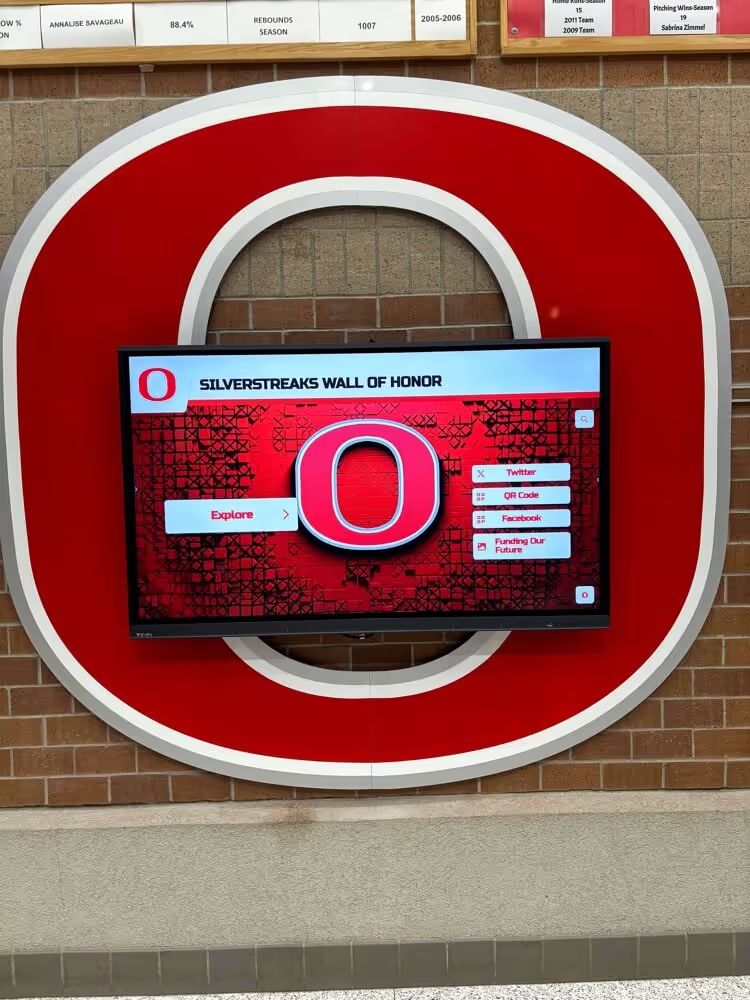
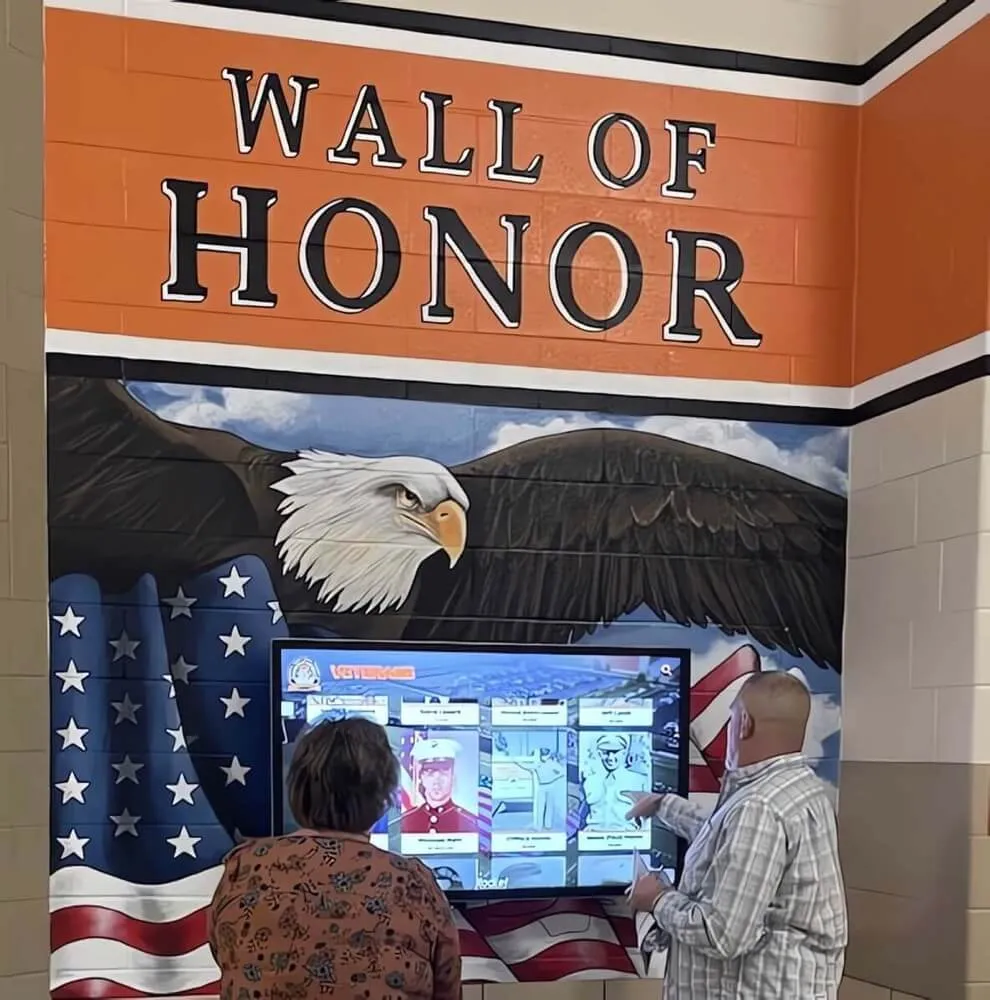
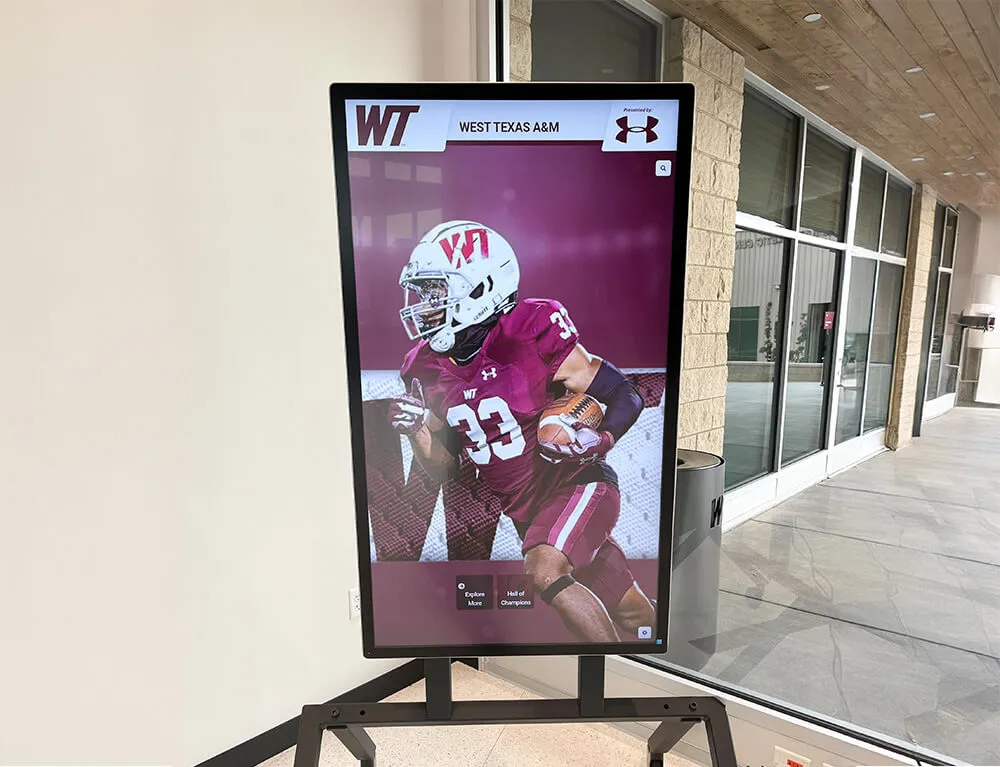
Touchscreen interfaces make exploring academic achievements intuitive and engaging for students
Cloud-Based Content Management
Modern recognition platforms provide administrative efficiency:
Simple Updates and Additions Schools can update recognition content from any device:
- Add new team members and achievements within minutes
- Update existing profiles with additional accomplishments
- Correct information without expensive plaque replacement
- Schedule automatic publication of end-of-season results
- Bulk import historical achievement data
Multi-Location Display Content management systems enable consistent recognition across campus:
- Main lobby touchscreen kiosks for interactive exploration
- Secondary displays in academic buildings
- Digital signage screens showing rotating scholar highlights
- Web-based versions accessible to families and alumni worldwide
- Mobile-optimized displays for on-the-go access
Collaboration and Workflow Role-based access enables distributed management:
- Academic Decathlon coaches can submit recognition requests
- Administrative staff can review and approve submissions
- Student volunteers can help digitize historical records
- Multiple administrators can manage content as responsibilities shift
Schools implementing digital recognition report 75-85% reduction in time spent maintaining academic achievement displays compared to traditional plaque-based systems.
Integration with Other Academic Recognition
Academic Decathlon recognition works best within comprehensive academic celebration systems:
Combined Scholar Recognition Displays Digital platforms can integrate:
- Academic Decathlon alongside Science Olympiad teams
- National Honor Society inductees
- National Merit Scholars and AP Scholars
- Quiz Bowl and debate team achievements
- School-specific academic awards and honors
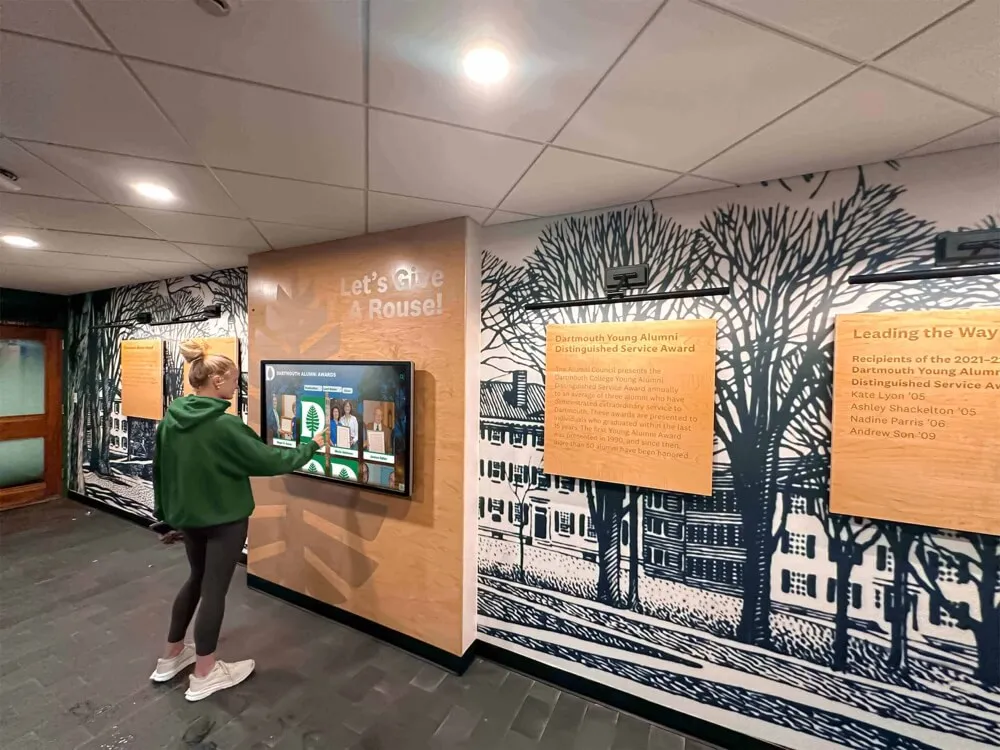
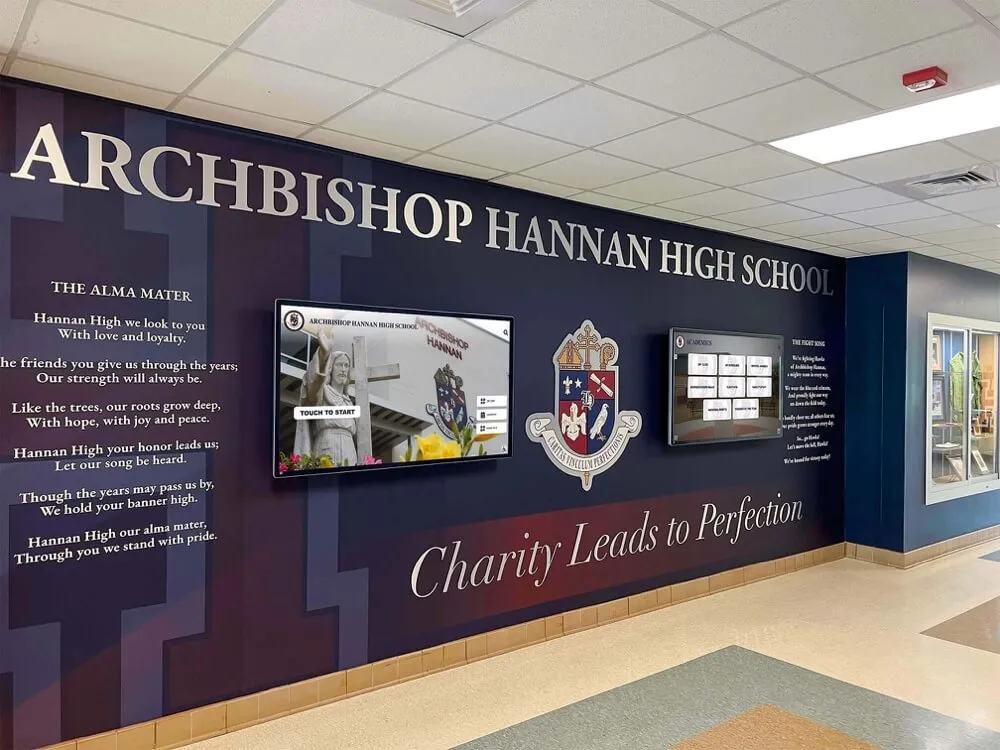
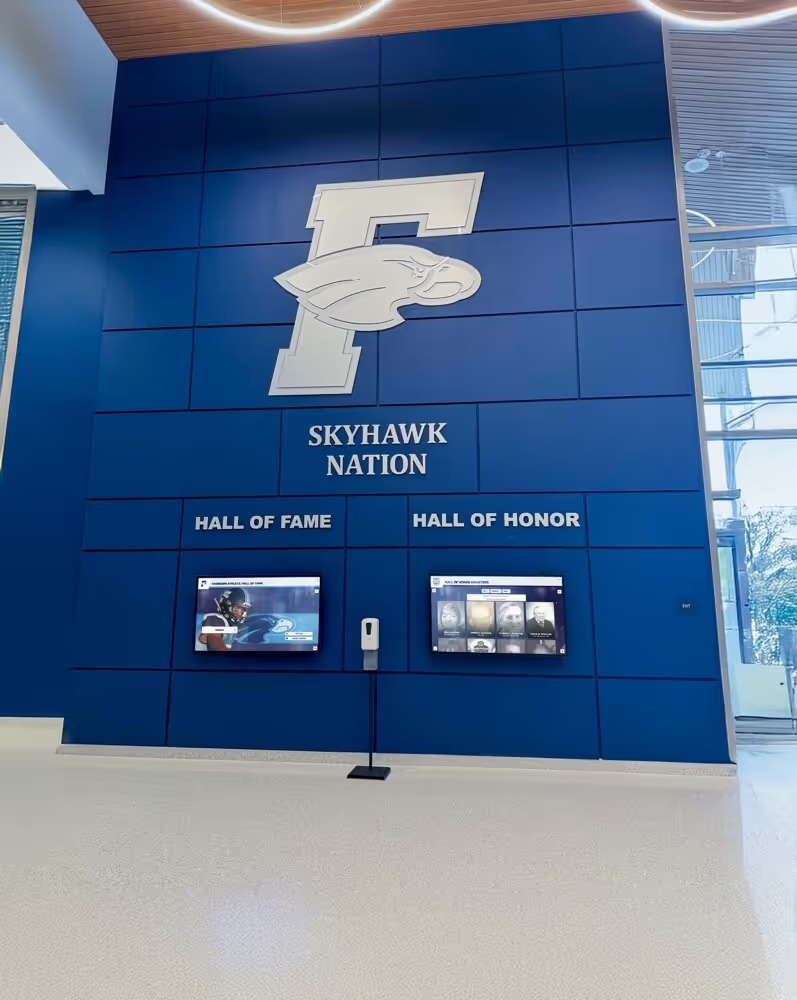
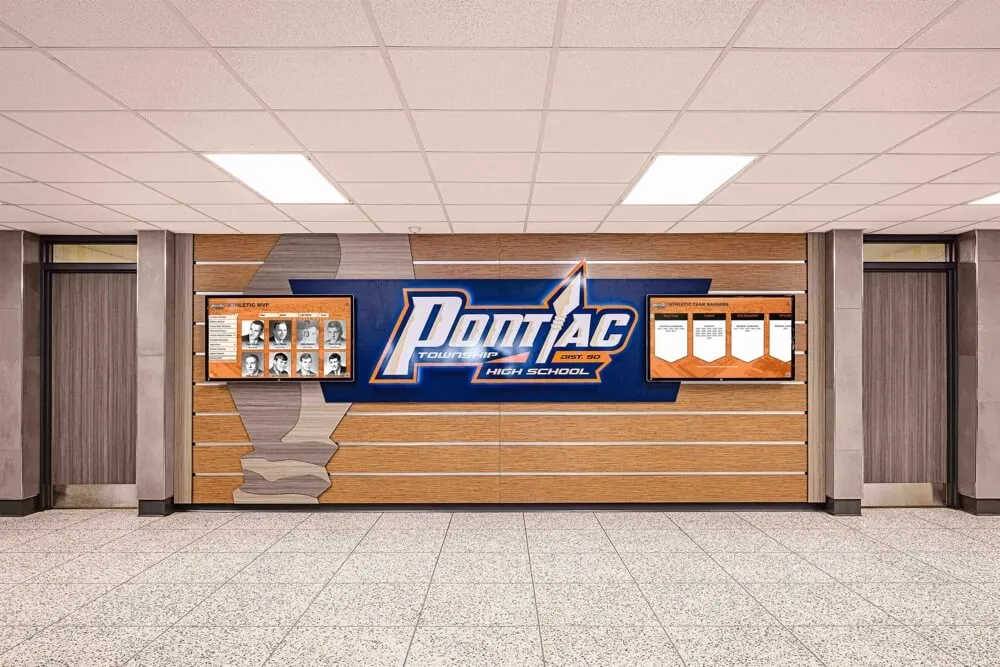
Strategic placement in high-traffic areas ensures academic achievements receive daily visibility
This integrated approach ensures academic achievement receives systematic, comprehensive recognition rather than fragmented acknowledgment. Learn more about building comprehensive systems in academic awards for high school students.
Creating Effective Academic Decathlon Recognition Displays
Successful recognition requires thoughtful planning beyond simply selecting display technology.
Recognition Content and Information Design
Determining what information to include ensures meaningful, engaging displays:
Essential Team Information
- Competition year and level (Regional/State/National)
- Overall team placement and score
- Division-specific team scores
- Team photo with identified members
- Coach names and program leadership
Individual Achievement Details
- Student names and graduation years
- GPA division (Honors/Scholastic/Varsity)
- Individual event medals and scores
- Overall individual placement
- Multiple-year participation recognition
- Cumulative achievement across years
Contextual Information
- Annual theme for that competition year
- Number of teams competing at each level
- Historical context (first state championship, program records, etc.)
- Notable achievements or program milestones
- Connection to current team performance
Enhanced Content for Digital Displays Digital platforms can include additional depth:
- Student quotes about competition experience
- Study strategies and preparation insights
- Post-graduation outcomes for alumni team members
- Competition format explanations for general audiences
- Links to complete team rosters and detailed results
Display Placement and Visibility Strategy
Physical location dramatically affects recognition impact:
Primary Display Locations
- Main school entrance lobbies ensuring all visitors see academic achievement
- Academic building central areas where scholar teams spend most time
- Library entrances connecting intellectual achievement to learning spaces
- Administrative office areas where parents and community members visit
- Cafeteria and common spaces providing daily student visibility
Secondary Recognition Touchpoints
- Classroom building hallways creating distributed visibility
- Guidance office areas where college-bound students gather
- Academic team meeting spaces inspiring current participants
- Alumni centers connecting historical achievements to present
Strategic placement ensures Academic Decathlon recognition receives visibility comparable to athletic achievement, sending clear institutional messages about valuing intellectual accomplishment.
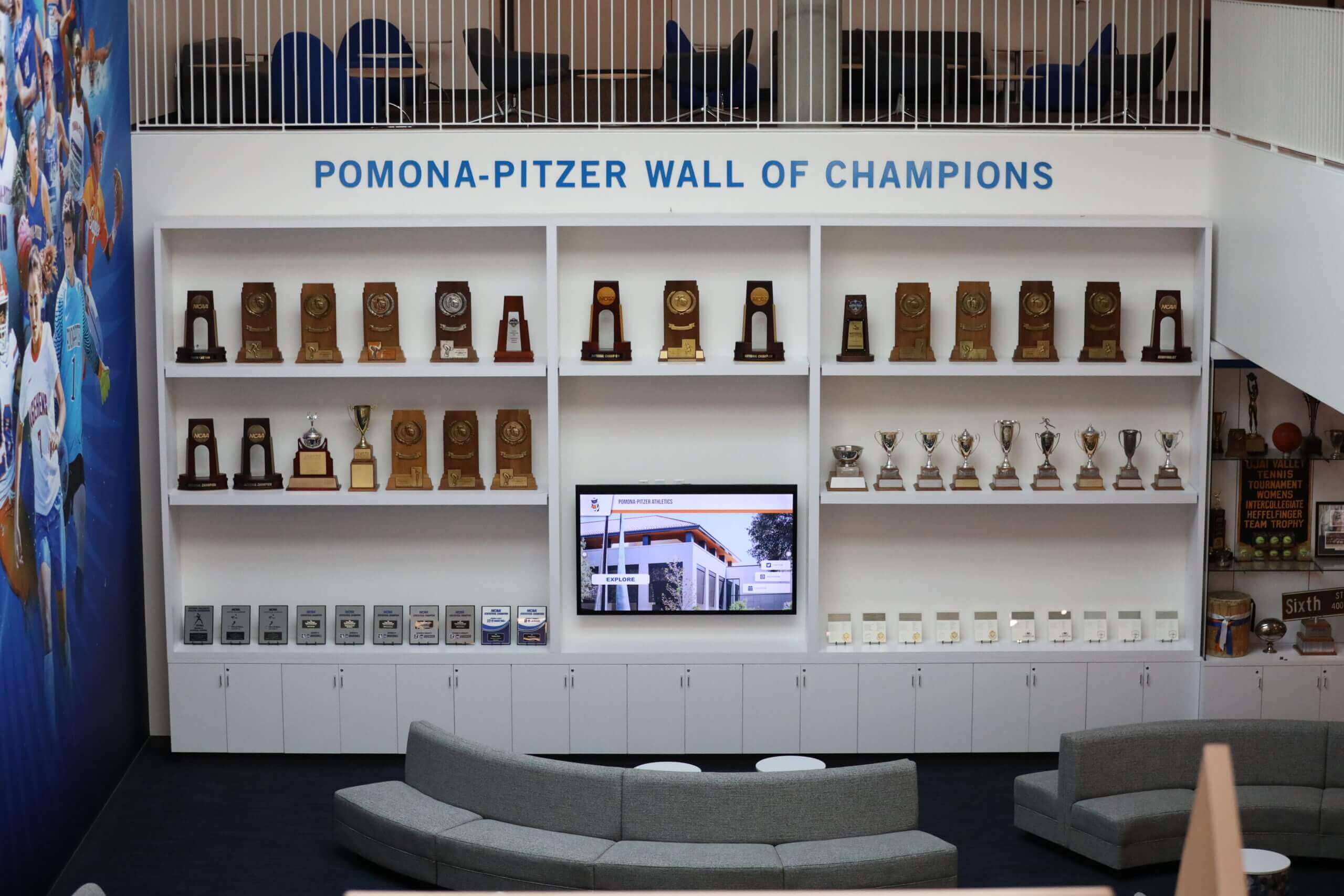
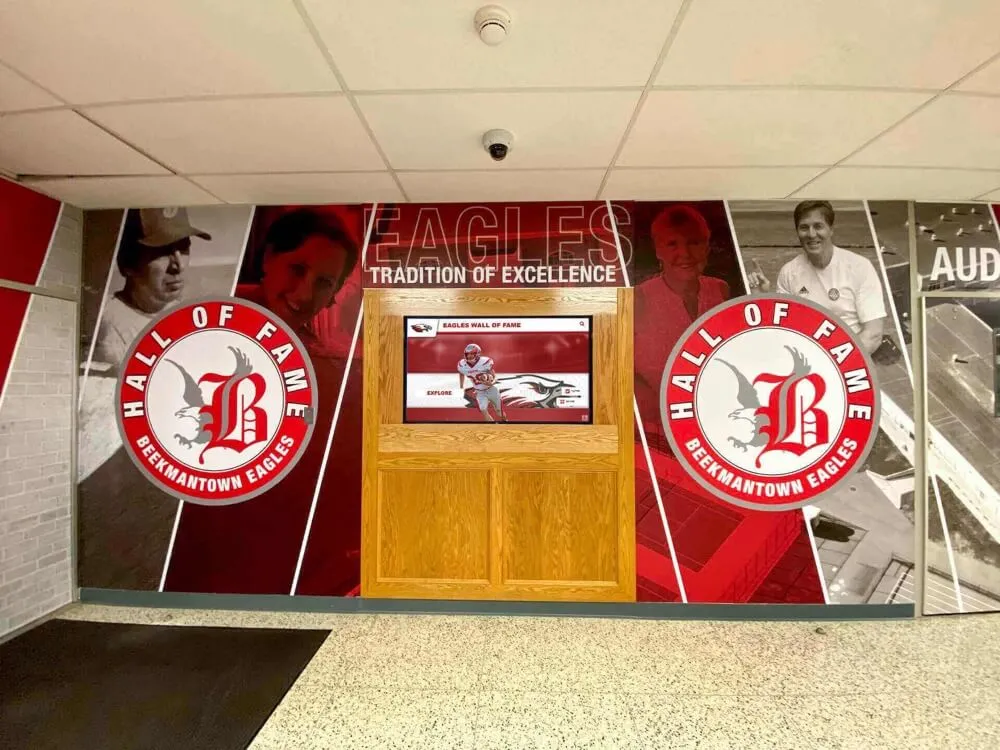
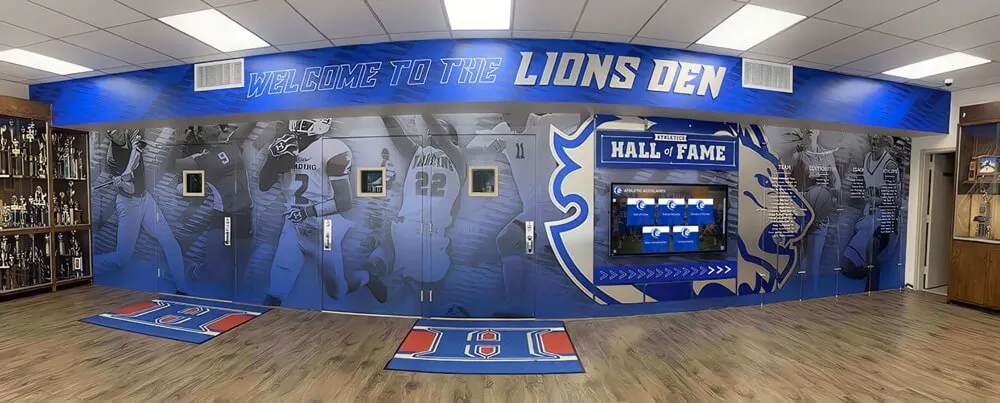
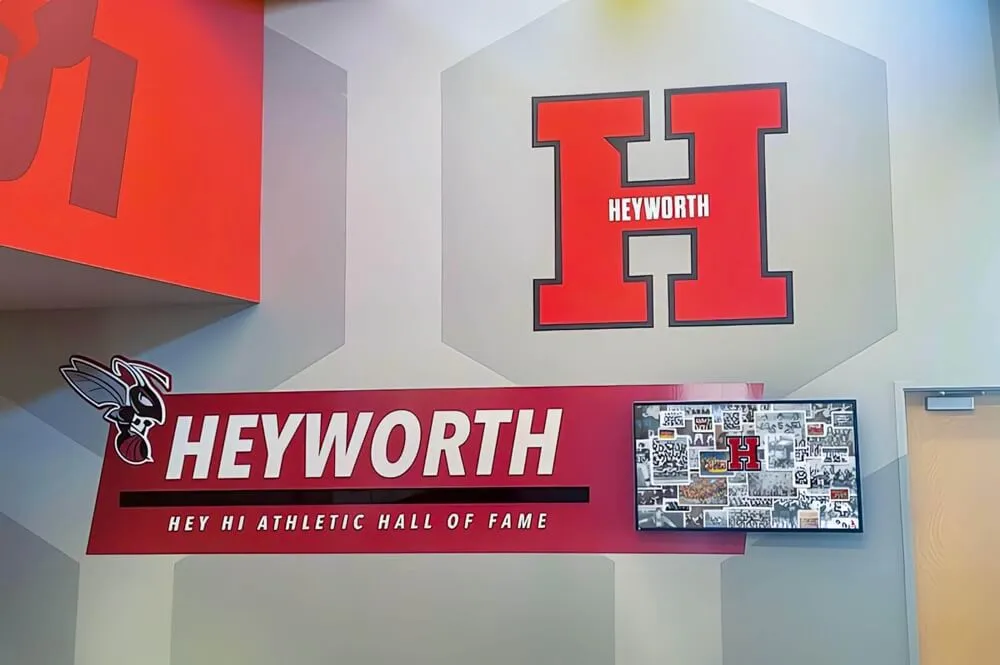
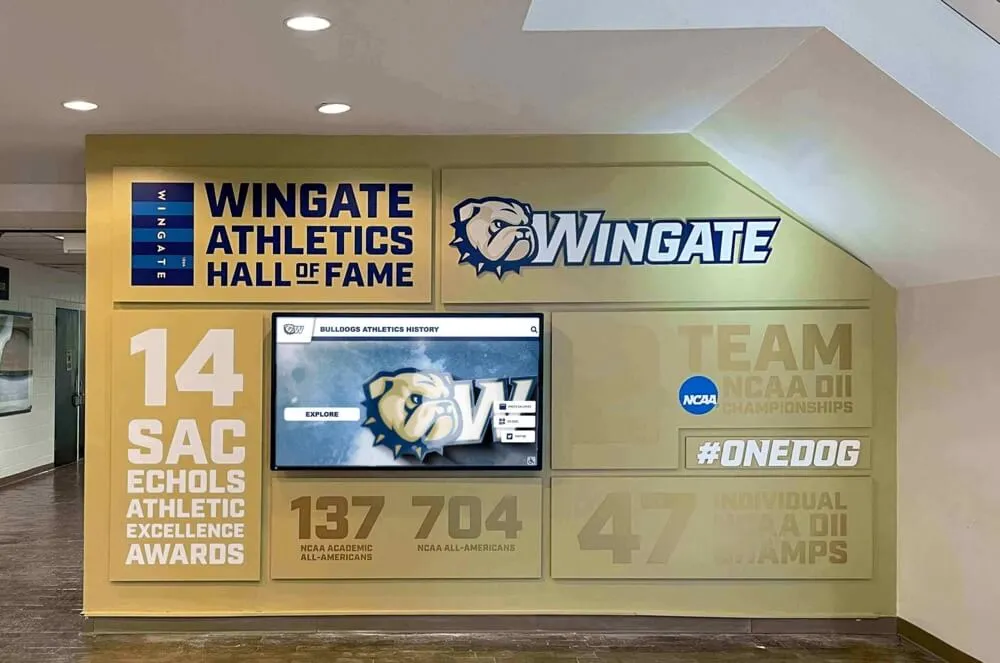
Dedicated recognition spaces create destinations for celebrating achievement and building program pride
Balancing Historical and Current Recognition
Sustainable systems accommodate both legacy and ongoing achievement:
Historical Achievement Preservation Effective recognition honors program history:
- Digital archives storing complete team rosters from founding forward
- Milestone celebrations for program anniversaries
- “Where are they now?” alumni features showing long-term impact
- Historical context explaining program evolution
- Founding coach and program builder recognition
Current Team Prominence While honoring history, current teams should receive primary visibility:
- Featured placement for most recent competition results
- Updated displays within days of competition completion
- Current team photos in prominent positions
- In-season team recognition during preparation periods
- Real-time social media integration during competitions
Systems allowing both historical depth and current prominence create the most effective recognition, connecting today’s teams to program legacy while ensuring recent achievements receive immediate celebration.
Hybrid Recognition Approaches: Combining Traditional and Digital
Many schools find that integrated approaches deliver optimal results:
Physical Awards with Digital Enhancement
Combining formats leverages strengths of each approach:
Traditional Elements
- Permanent recognition plaques for state championships and major milestones
- Trophy case display of significant competition awards
- Team composite photos in traditional frames
- Physical medals and certificates in protected displays
Digital Extensions
- QR codes on plaques linking to complete team information
- Digital displays showing expanded achievement details
- Web-accessible recognition enabling remote viewing
- Interactive elements contextualizing physical artifacts
This hybrid approach maintains traditional aesthetics many stakeholders value while addressing space and information limitations through technology.
Distributed Recognition Strategy
Comprehensive systems provide recognition across multiple locations and formats:
Lobby Centerpiece Primary interactive digital display in main entrance serving as recognition hub
Academic Building Integration Secondary displays or digital signage screens in academic spaces showing rotating scholar highlights
Athletic Facility Inclusion Academic achievement displays in gyms and athletic facilities demonstrating equal value for intellectual excellence
Virtual/Web-Based Access Online platforms enabling families and alumni to explore recognition remotely
This distributed approach ensures academic achievement receives systematic visibility rather than isolated acknowledgment in single locations.
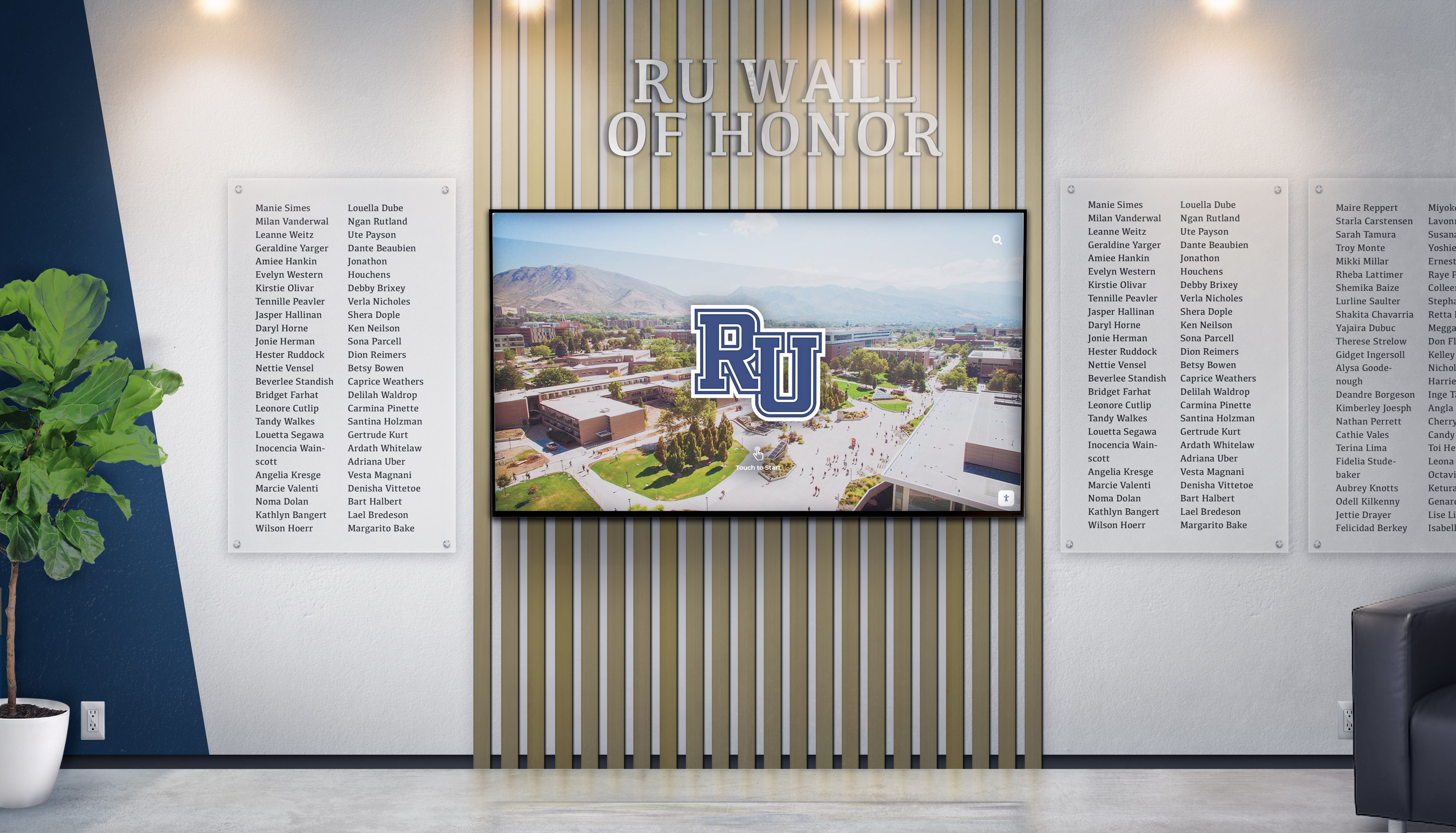
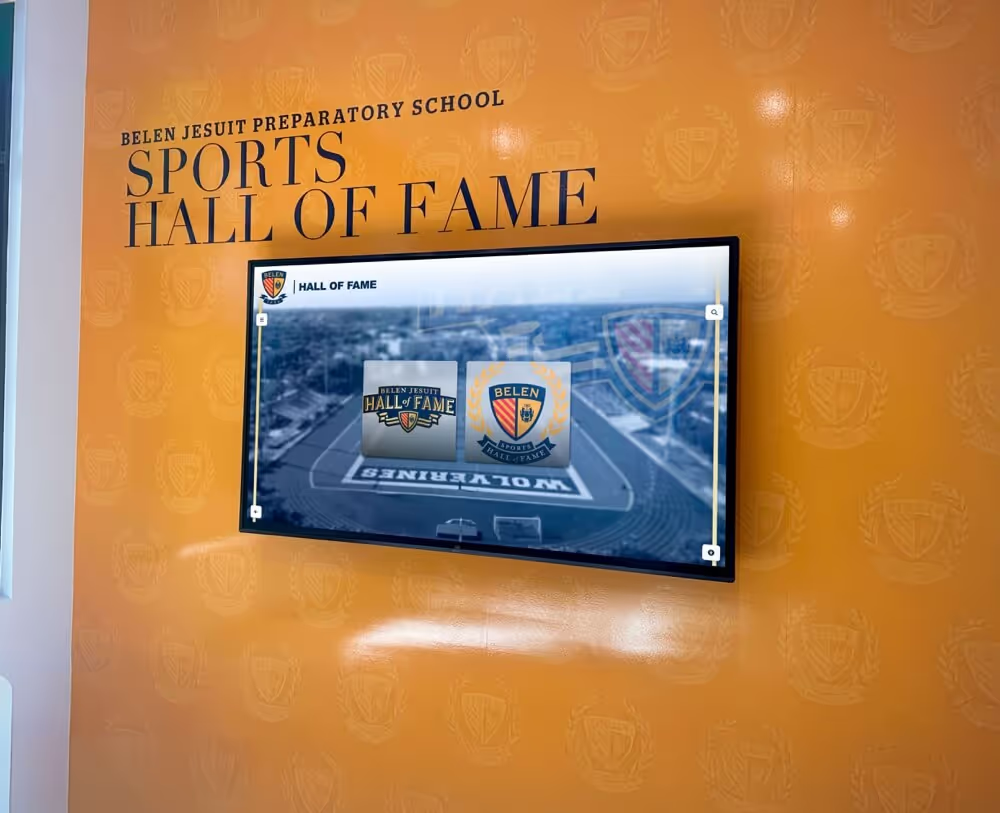
Hybrid systems combine digital displays with traditional elements creating comprehensive recognition spaces
Implementing Academic Decathlon Recognition Systems
Moving from concept to operational recognition requires systematic planning and execution.
Assessment and Planning Phase
Successful implementation begins with thorough preparation:
Current State Evaluation
- Audit existing academic recognition displays and locations
- Document Academic Decathlon achievement history requiring recognition
- Survey stakeholders (students, coaches, parents, alumni) about recognition priorities
- Assess available budget and funding sources
- Evaluate physical spaces and mounting options
System Design Decisions
- Recognition format selection (traditional, digital, or hybrid)
- Content scope determination (team only vs. individual achievements)
- Historical depth definition (recognition start year)
- Integration strategy with other academic honors
- Update process and responsibility assignment
Budget and Funding Considerations
Recognition systems require realistic financial planning:
Digital Display Implementation Costs
- Commercial-grade touchscreen kiosk: $8,000-20,000
- Content management platform: $2,000-8,000 setup, $1,000-3,000 annual
- Professional installation: $1,500-4,000
- Historical content migration: $1,000-5,000 depending on scope
- Staff training: Typically included in software costs
Traditional Display Costs for Comparison
- Custom academic wall display: $10,000-35,000 initial
- Per-inductee plaque additions: $150-400 each ongoing
- Space expansion needs: $8,000-25,000 every 5-10 years
Funding Sources Schools successfully fund recognition through:
- Booster club fundraising and donations
- Alumni association contributions
- Academic program budgets
- Capital improvement allocations
- Parent organization support
- Community business sponsorships
Explore booster club fundraising strategies that can support recognition initiatives.
Launch and Ongoing Management
Sustainable recognition requires clear operational planning:
Implementation Process
- Hardware selection and procurement
- Software platform configuration and customization
- Historical achievement data compilation and entry
- Content creation (photos, descriptions, achievement details)
- Staff training on content management
- Formal unveiling event generating excitement
Ongoing Maintenance Responsibilities Assign clear ownership for:
- Post-competition updates adding new achievements
- Photo collection and processing
- Information verification and accuracy
- Technical support and troubleshooting
- System backups and security
- User support for families accessing web versions
Schools with successful recognition systems typically assign one staff member as primary manager with backup administrators ensuring continuity when responsibilities shift.
Recognition Communication and Promotion
Recognition displays achieve maximum impact when systematically promoted:
Internal Communication Strategies
Ensuring school community awareness:
Student Engagement
- Morning announcements directing students to new recognition updates
- Student newspaper features about recognized teams
- Social media posts showcasing recognition displays
- Student council promotion of academic achievement visibility
- Peer recognition initiatives encouraging student exploration
Family Communication
- Email notifications when students receive recognition
- Newsletter features highlighting recognition displays
- Family invitation to view digital recognition systems
- Social media sharing encouraging family pride
- Parent organization involvement in recognition promotion
External Community Engagement
Extending recognition impact beyond campus:
Media Coverage
- Press releases announcing significant Academic Decathlon achievements
- Local newspaper features about recognition displays
- Community media partnerships highlighting scholar teams
- Social media campaigns celebrating intellectual excellence
- Recognition display reveals generating community interest
Alumni Connection
- Alumni outreach about historical recognition inclusion
- Reunion event integration featuring recognition displays
- Alumni newsletter features showing recognition systems
- Digital platform access for alumni worldwide
- “Where are they now?” features connecting past to present
Systematic promotion ensures recognition displays actively engage communities rather than serving as passive background elements.
Best Practices from Successful Academic Decathlon Recognition Programs
Schools with effective recognition systems share common approaches:
Equal Visibility Philosophy
Academic-Athletic Parity Schools reporting strongest academic culture intentionally create equal visibility:
- Academic recognition displays in athletic facilities
- Athletic achievement recognition in academic buildings
- Comparable size, prominence, and quality across all recognition
- Unified celebration events honoring all achievements
- Consistent institutional messaging valuing diverse excellence
This intentional parity sends powerful messages about institutional values while motivating academic program participation.
Comprehensive Individual Recognition
Beyond Team Results Most effective systems celebrate individual achievement within team context:
- Individual event medal recognition by subject
- Perfect score acknowledgment in specific disciplines
- Growth recognition for students improving across years
- All-division honor for top scorers in each category
- Participation recognition valuing commitment regardless of placement
This multi-dimensional recognition creates success opportunities for all team members, not just top overall performers.
Historical Connection and Legacy
Program Tradition Building Recognition systems should connect current teams to program history:
- Timeline presentations showing program evolution
- Founding team and coach recognition
- Notable alumni features demonstrating long-term impact
- Record tracking showing performance trends
- Milestone celebrations for program anniversaries
This historical context builds program identity and tradition comparable to established athletic programs. Learn more about creating lasting recognition in hall of fame induction criteria and display strategies.
Student-Centered Design
Recognition That Resonates Effective displays reflect student priorities:
- Student input in recognition design and content
- Age-appropriate presentation formats
- Technology integration meeting digital native expectations
- Social sharing capabilities enabling student pride
- Interactive features creating engagement
Schools involving students in recognition planning create systems that authentically celebrate achievement in ways current students value.
Technology Solutions: Implementing Digital Scholar Recognition
Schools ready to implement digital recognition should understand available platforms and selection criteria.
Recognition Platform Selection
Key considerations for platform evaluation:
Essential Features
- User-friendly content management requiring no technical expertise
- Unlimited inductee capacity without storage limitations
- Flexible content types (photos, videos, documents, links)
- Search and filtering functionality
- Mobile-responsive web access
- Role-based permission management
- Scheduled publishing automation
- Bulk import tools for historical data
Integration Capabilities
- School website embedding
- Social media integration
- Student information system connections
- Alumni database compatibility
- Digital signage network integration
- Analytics and engagement tracking
Support and Training
- Comprehensive onboarding and staff training
- Responsive technical support
- Regular platform updates and improvements
- Security and backup protocols
- Hardware troubleshooting assistance
Vendor Considerations Solutions like Rocket Alumni Solutions specialize in educational recognition with platforms designed specifically for schools’ needs, including Academic Decathlon and other scholar team celebration.
Implementation Timeline
Realistic project planning ensures successful deployment:
Planning Phase (4-6 weeks)
- Needs assessment and stakeholder input
- Budget development and approval
- Platform and hardware selection
- Physical space preparation planning
Development Phase (6-10 weeks)
- Hardware procurement and platform configuration
- Historical data compilation and organization
- Content creation (photos, biographies, achievements)
- Staff training and process documentation
Launch Phase (2-4 weeks)
- Installation and technical integration
- Final content review and quality assurance
- Soft launch with limited audience
- Official unveiling event
- Communication campaign promoting new system
Most schools complete full implementation in 3-5 months from project initiation to public launch.
Measuring Recognition Program Success
Assessment ensures recognition systems achieve intended goals:
Quantitative Metrics
Program Participation
- Academic Decathlon team size year-over-year
- Recruitment inquiry trends
- Retention rates of team members across years
- Application volume for competitive team slots
Engagement Indicators
- Digital display interaction frequency and duration
- Web-based recognition platform traffic
- Social media engagement with recognition content
- Event attendance at recognition celebrations
Academic Culture Indicators
- Advanced coursework enrollment trends
- Academic competition participation rates
- Academic honor society membership
- National recognition program participation
Qualitative Assessment
Stakeholder Feedback
- Student surveys about recognition awareness and impact
- Parent perception of academic program value
- Alumni reflection on recognition significance
- Community member feedback on institutional priorities
- Staff assessment of culture shifts
Observational Data
- Student interaction with recognition displays
- Informal conversation about academic achievement
- Student pride expressions regarding intellectual accomplishments
- Behavioral indicators of achievement celebration
Regular assessment enables continuous improvement ensuring recognition systems deliver maximum value.
Conclusion: Elevating Academic Excellence Through Systematic Recognition
Academic Decathlon teams exemplify the dedication, intellectual rigor, and collaborative excellence that schools should celebrate as prominently as any athletic championship. When schools systematically recognize these achievements through thoughtful display systems—whether traditional, digital, or hybrid approaches—they send powerful messages about institutional values while motivating current and future scholar teams.
The recognition strategies explored in this guide provide frameworks for celebrating Academic Decathlon accomplishments at scale, from regional competition participation to national championship victories. Modern digital recognition solutions eliminate the space and update constraints that historically limited academic achievement visibility, while thoughtful implementation ensures recognition systems remain sustainable and impactful year after year.
Showcase Your Academic Decathlon Excellence
Discover how modern recognition solutions can help you celebrate your scholar teams' achievements with the prominence and visibility they deserve, inspiring future generations of academic excellence.
Explore Recognition SolutionsWhether your school is implementing its first Academic Decathlon recognition display or upgrading legacy systems that no longer meet your needs, the opportunity exists to create celebration systems worthy of your scholar teams’ achievements. Start by assessing current recognition gaps, engaging stakeholders in design discussions, and selecting approaches aligned with your budget and institutional culture.
Your Academic Decathlon teams invest countless hours mastering literature, mathematics, science, and six other disciplines while representing your school at the highest competitive levels. They deserve recognition systems that honor this dedication with permanent visibility inspiring current students while building lasting academic traditions. The right recognition approach transforms academic achievement from occasional acknowledgment to systematic celebration woven throughout school culture.
Ready to elevate your academic recognition? Explore student of the month programs and academic award categories that complement Academic Decathlon recognition within comprehensive scholar celebration systems.