Athletic Hall of Fame Deaccession Policy: When and How Schools Remove Artifacts
- Home /
- Digital Wall of Fame Blog - Recognition Display Insights & Resources /
- Athletic Hall of Fame Deaccession Policy: When and How Schools Remove Artifacts
The Easiest Touchscreen Solution




Live Example: Rocket Alumni Solutions Touchscreen Display
Interact with a live example (16:9 scaled 1920x1080 display). All content is automatically responsive to all screen sizes and orientations.
A hall of fame collection grows every induction cycle—trophies, retired jerseys, championship photographs, donated equipment, and archival plaques accumulate year after year. Removing an item is rare, but it happens: a jersey deteriorates beyond repair, a trophy’s ownership becomes contested, a donated display piece turns out to contain hazardous materials, or an artifact simply no longer fits the collection’s defined scope. Without a written athletic hall of fame deaccession policy, these situations force ad hoc decisions that can create legal exposure, damage donor relationships, and leave incomplete records that confuse future staff. A clear policy specifies who can initiate deaccession, what justifications are valid, which approvals are required, how disposition should proceed, and how the historical record should be preserved even after the physical artifact is gone.
Every school athletic program accumulates artifacts over decades. The harder governance question is what to do when those artifacts become problematic—and how to handle removal in a way that is defensible, documented, and respectful of the people and achievements the collection represents.

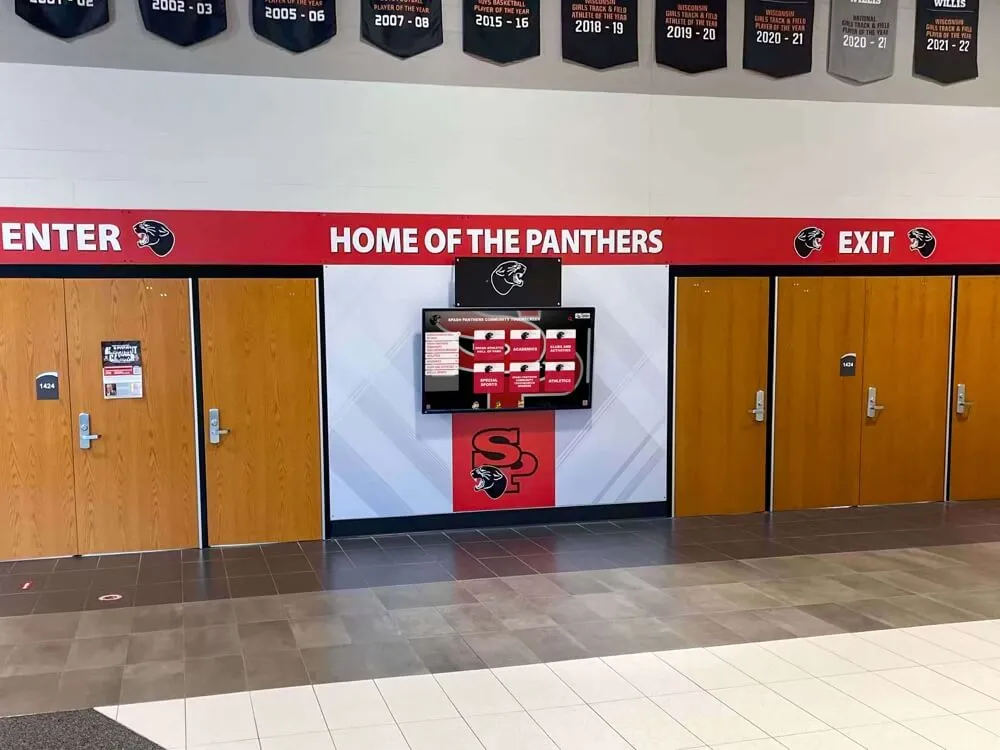
A formal deaccession policy protects the integrity of a hall of fame collection by ensuring that artifact removal is deliberate, authorized, and documented
What Deaccessioning Means for an Athletic Hall of Fame
Deaccessioning is the formal process of permanently removing an item from an institution’s official collection. The term is common in museum and archival practice, but it applies equally to any curated collection—including a school’s athletic hall of fame. When an item is deaccessioned, it is removed from the official catalogue, associated rights and responsibilities transfer, and institutional records are updated accordingly.
Deaccessioning is distinct from three related but separate actions:
- Storage – Moving an item off display while retaining it in the official collection. The item remains catalogued; only its location changes.
- Loan – Temporarily transferring custody to another institution while the original institution retains ownership.
- Loss or theft – Involuntary absence from the collection, which requires its own incident documentation and is not governed by a deaccession policy.
A deaccession policy governs only intentional, authorized, permanent removals. All three alternatives above require their own procedures separate from deaccession.
Legitimate Triggers for Deaccession
Not every problem with a physical artifact justifies permanent removal from the collection. The following categories represent conditions that institutional governance frameworks commonly recognize as valid grounds:
| Trigger Category | Description | Common Examples |
|---|---|---|
| Physical deterioration | Item damaged beyond cost-effective conservation | Mold-contaminated photographs, crumbling trophy bases, shattered display glass with embedded shards |
| Duplicate artifact | Collection holds two or more substantially identical items | Multiple copies of the same championship plaque received from different sources |
| Hazardous material | Item poses a documented health or safety risk | Pre-1978 painted trophies with lead content, items with biological contamination, pieces with asbestos-containing insulation |
| Ownership dispute | Title to the item cannot be established cleanly | Donated item where the estate later contests the gift; an athlete’s personal property given informally without a deed of gift |
| Out-of-scope | Item falls outside the collection’s defined purpose | Athletic equipment donated to the hall of fame that more properly belongs in a curriculum display or classroom collection |
| Authenticity failure | Item cannot be verified as authentic or correctly attributed | Trophy purported to commemorate a specific championship year but lacking any supporting documentation |
| Donor condition met | Original gift agreement included reversion or return conditions | Agreement stating the item returns to the donor’s family if the athletic program is discontinued |
What does not justify deaccession: Dislike of an inductee, desire to revise institutional history, external social pressure without a legitimate legal or ownership basis, or simple inconvenience. A deaccession policy should explicitly prohibit these as triggers to protect the collection’s integrity and the institution from claims of bad faith removal.
The Eight-Step Deaccession Approval Workflow
Sound collection governance requires multiple review layers before any item is permanently removed. Role titles will vary by institution, but the following eight-step workflow reflects practices that protect both the collection and the institution:
Step 1: Staff identification Any staff member managing the collection may flag an item as a potential deaccession candidate. The flag must be written and include the item’s catalogue number, a plain-language description of the concern, and the date of observation.
Step 2: Preliminary condition assessment The athletic director or designated collection manager reviews the flagged item in person. For condition-related concerns, a written condition report is prepared with photographs. For ownership or authenticity concerns, available documentation is gathered at this stage before any further action.
Step 3: Historical and legal research Staff review original acquisition records, donation agreements, and any existing legal encumbrances. If the item was donated, the original deed of gift or gift agreement is located and reviewed. If ownership is disputed, the institution’s legal counsel reviews the matter before the process advances. This step is a checkpoint—the process should not proceed past it until research is complete.
Step 4: Committee review The hall of fame committee, or a subcommittee designated for collection governance, convenes to evaluate the case. Committee members receive the condition report, historical research summary, and a written recommendation for disposition. The committee votes, and the vote is recorded in formal minutes with the date, attendees, and tally.
Step 5: Administrative approval Committee endorsement alone is generally insufficient. Final approval should rest with a named administrator—typically the athletic director, principal, or vice president of athletics depending on institution level. For items of significant historical or monetary value, board-level approval may be appropriate. This approval is obtained in writing before any physical action is taken.
Step 6: Written deaccession record Before the item is touched, a written deaccession record is created. This document includes: item description, catalogue number, date of acquisition, documented reason for deaccession, committee vote date and result, approving administrator’s signature, and the chosen method of disposition.
Step 7: Disposition executed The item is physically removed from the collection and handled according to the approved disposition method. The person executing disposition signs the deaccession record to confirm completion.
Step 8: Records updated The catalogue record is marked to reflect deaccession—it is annotated rather than deleted, so the item’s history remains traceable. Physical files and any digital records are updated. The signed deaccession record is filed permanently.
Disposition Options
Once deaccession is approved, the institution must determine what happens to the physical item. The right method depends on the item’s condition, its history, and the relationships involved:
| Disposition Method | When Most Appropriate | Key Considerations |
|---|---|---|
| Return to donor or donor’s estate | Item was donated by an identifiable individual or family with ongoing institutional relationship | Requires written outreach and documented acceptance; protects donor relations |
| Transfer to athlete or athlete’s family | Item commemorates a specific individual’s personal achievement | Coordinate directly with the person honored; obtain a signed receipt |
| Transfer to another institution | Another school, museum, or historical archive can provide better stewardship | Execute a formal transfer agreement specifying provenance and any conditions |
| Educational use within the school | Item can serve curriculum or non-hall-of-fame display purposes | Remove from hall of fame catalogue; update records to reflect new location and purpose |
| Archival donation | Item has historical significance beyond the athletics program | Contact regional historical societies, university archives, or state history organizations |
| Responsible disposal | Item is hazardous, biologically contaminated, or beyond any conservation use | Follow applicable institutional and regulatory requirements for the specific material type; document every step including contractor names and disposal dates |
A note on sale: Selling deaccessioned hall of fame artifacts is generally inappropriate and can permanently damage donor trust. Many gift agreements explicitly prohibit commercial disposition. Confirm with legal counsel and review any applicable donor agreements before considering any sale.
Documentation: What to Keep Permanently
Even after an artifact leaves the collection, its documentary record must remain. Future staff, donors, inductee families, and legal inquiries may all need to trace what happened and why—sometimes decades later.
Minimum permanent records for every deaccession:
- Original acquisition record (how and when the item entered the collection, from whom)
- Written condition report or documented rationale for deaccession
- Committee vote minutes including meeting date and vote tally
- Approving administrator’s signed written authorization
- Photographs of the item taken immediately before removal
- Completed deaccession record noting disposition method, recipient, and date
- Confirmation of disposition (signed receipt if transferred, contractor documentation if disposed of as hazardous material)
Store these records in a dedicated deaccession file—physically separate from the main acquisition records but cross-referenced by catalogue number. Digital copies should be stored in the institution’s document management system with retention rules that prevent automatic deletion.
A comprehensive overview of athletic hall of fame program administration provides useful context for where deaccession documentation fits within the broader record-keeping system athletic programs maintain.
Preserving the Digital Story After Physical Deaccession
Deaccessioning a physical artifact does not mean erasing the history it represents. Removing an object while preserving its story is one of the most important distinctions between sound collection governance and institutional amnesia.
For any item associated with an inductee, championship, or significant program achievement, the following should remain in the digital record after physical deaccession:
- Inductee profile – The person’s recognition remains fully intact. If appropriate, the profile notes that certain associated physical artifacts were deaccessioned, without requiring disclosure of sensitive details.
- Photographs of the item – Pre-deaccession photographs should be retained in the digital archive so the artifact’s appearance is documented.
- Provenance notes – When and how the item was acquired, who donated it, and what it commemorated remain on record.
- Disposition notation – The digital record indicates what happened to the physical item and when, completing the chain of custody.
Learn more about Rocket Alumni Solutions’ Digital Wall of Fame platform to see how institutions maintain complete inductee histories regardless of what happens to the physical collection over time.
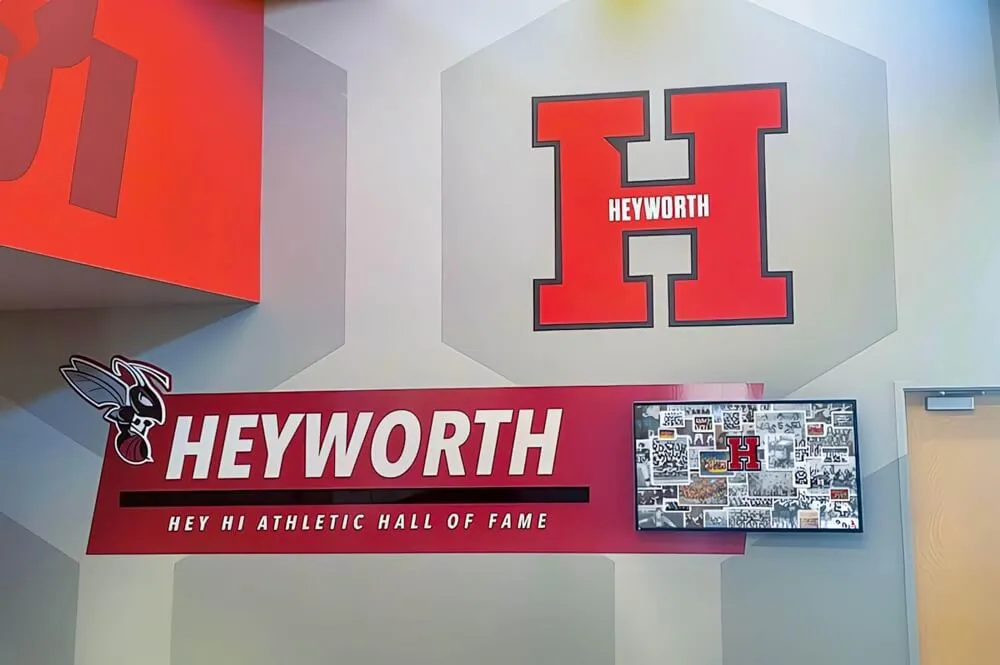
This principle—that the story outlasts the object—is why schools with strong digital recognition programs find deaccession decisions far less fraught than those relying solely on physical displays. Physical artifacts deteriorate, ownership gets disputed, and hazardous materials require removal. The digital record of why an athlete was honored, what records they set, and what their legacy means to the program can be preserved indefinitely, without conservation costs or space constraints.
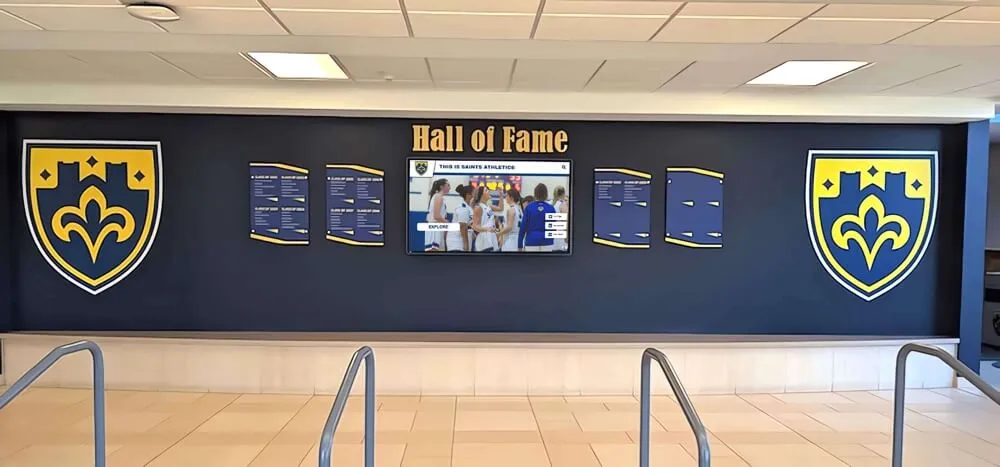
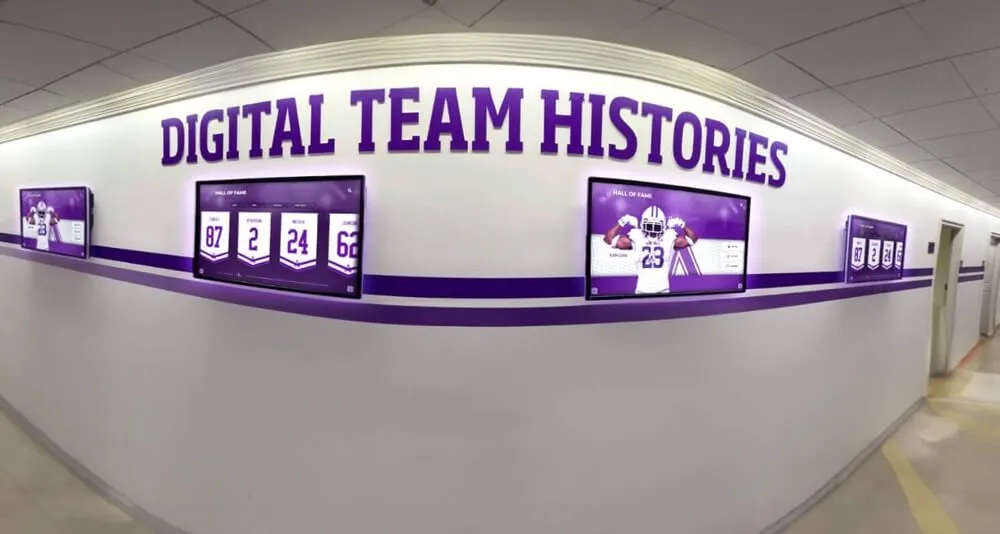
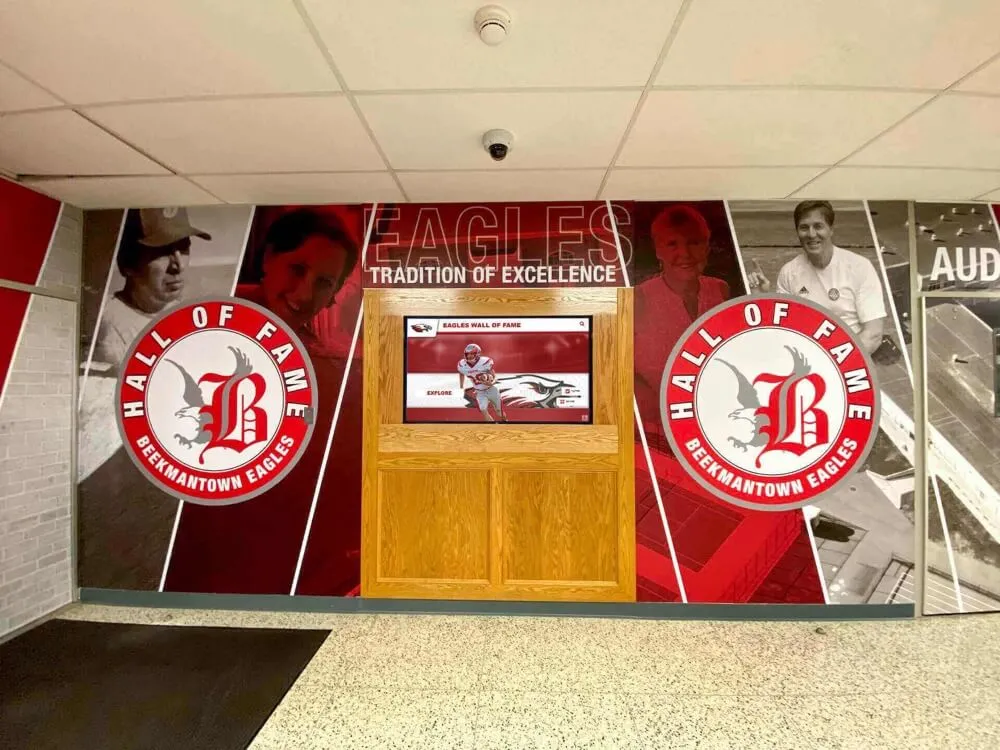
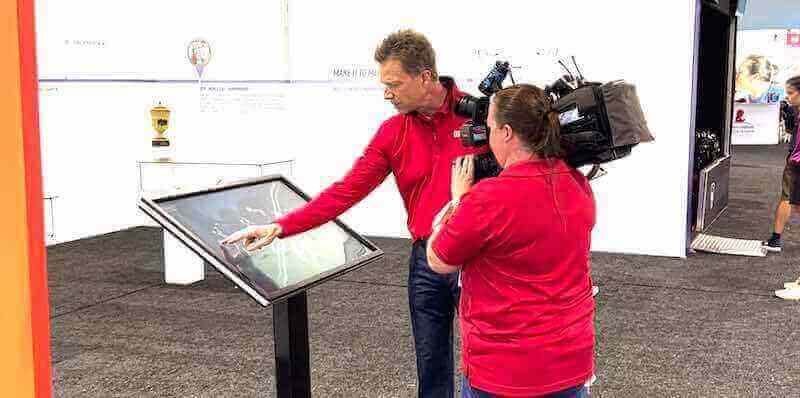
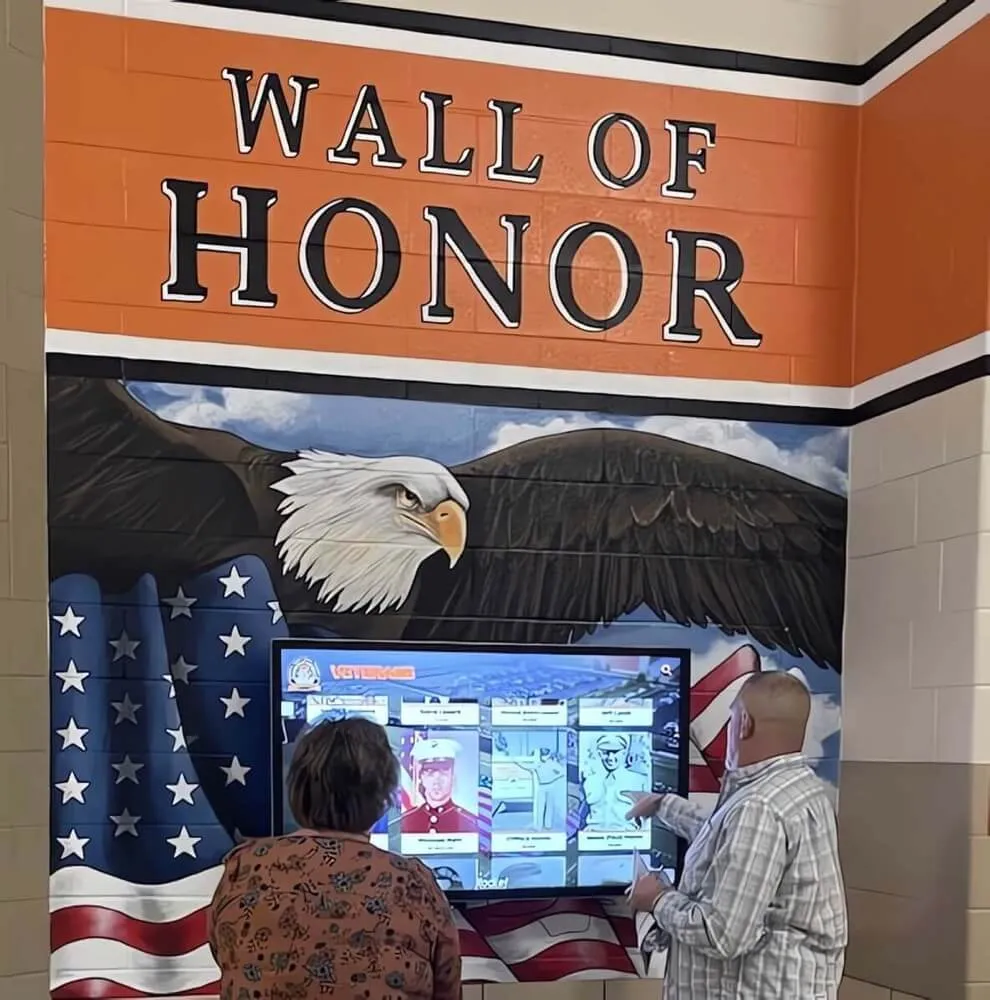
Digital recognition systems allow inductee stories to remain fully intact even when associated physical artifacts must be removed from the collection
Writing Your Deaccession Policy: Ten Required Elements
A written policy document should address each of the following elements. Vague or incomplete policies invite inconsistent application and leave the institution exposed when decisions are later questioned:
1. Scope statement – Define which items in the collection are subject to this policy. Include all physical artifacts in the official hall of fame catalogue.
2. Trigger definitions – Define each legitimate deaccession trigger explicitly with examples. “When appropriate” is not a definition.
3. Who may initiate – Name the roles authorized to flag items for deaccession review. Limiting initiation to collection staff and administrators prevents external pressure from driving the process.
4. Approval authority – State clearly which position holds final approval authority and specify any thresholds requiring higher-level review.
5. Prohibited triggers – Explicitly state what does not constitute grounds for deaccession. This language protects the collection from politically motivated removals and demonstrates institutional good faith.
6. Disposition hierarchy – Specify the preferred order of disposition methods (for example: family return preferred over institutional transfer preferred over archival donation preferred over disposal).
7. Minimum review timeline – Set a minimum number of days or weeks between formal initiation and any physical action. This prevents rushed decisions and ensures time for research and notification.
8. Record-keeping requirements – Specify what documentation is created, where it is stored, and that it is retained permanently.
9. Digital preservation obligations – State explicitly that associated digital records, photographs, and historical narratives are preserved even when physical items are removed from the collection.
10. Policy review cycle – Commit to reviewing the policy on a defined schedule. Every three to five years is common practice.
For broader governance context, reviewing athletic hall of fame bylaws and rules for schools helps administrators understand how a deaccession policy integrates with the selection process, committee governance, and induction standards.
Special Cases
Disputed Ownership
When a donor, family member, or other party claims title to an artifact currently in the collection, pause all deaccession activity immediately and engage legal counsel before taking any action. Do not transfer the item in any direction, do not dispose of it, and do not allow it to leave secure storage while the dispute is active. Document all communications with claimants. Requirements for resolving ownership disputes vary by jurisdiction; confirm applicable rules with your institution’s counsel.
Hazardous Materials
Items containing lead paint (common in older cast-metal trophies and painted wooden bases), mold, or other identified hazardous substances require professional assessment before anyone handles them. Contact your institution’s facilities management or environmental health and safety staff as the first step. Disposal must comply with applicable federal, state, and local regulations. Document the assessment report, the name of any professional contractors involved, and the method and date of disposal.
Items from Discontinued Athletic Programs
When a sport is discontinued, artifacts specific to that program should be reviewed under the deaccession policy rather than simply discarded. Where possible, return items to former team members or their families. Archive photographs and any associated documentation in both physical and digital form. The history of a discontinued program is still institutional history.
Informal or Undocumented Gifts
Collections often include items that arrived without formal deed-of-gift paperwork. For these items, research what documentation exists—media coverage, committee meeting minutes from the time of acceptance, correspondence. If ownership cannot be established through any documentation, treat the item conservatively: consult legal counsel before any disposition, and document the research undertaken.
Understanding the complete scope of athletic hall of fame administration helps administrators recognize how collection governance intersects with donor relations, facilities planning, and recognition program management.
How a Digital Display Changes the Stakes of Deaccession
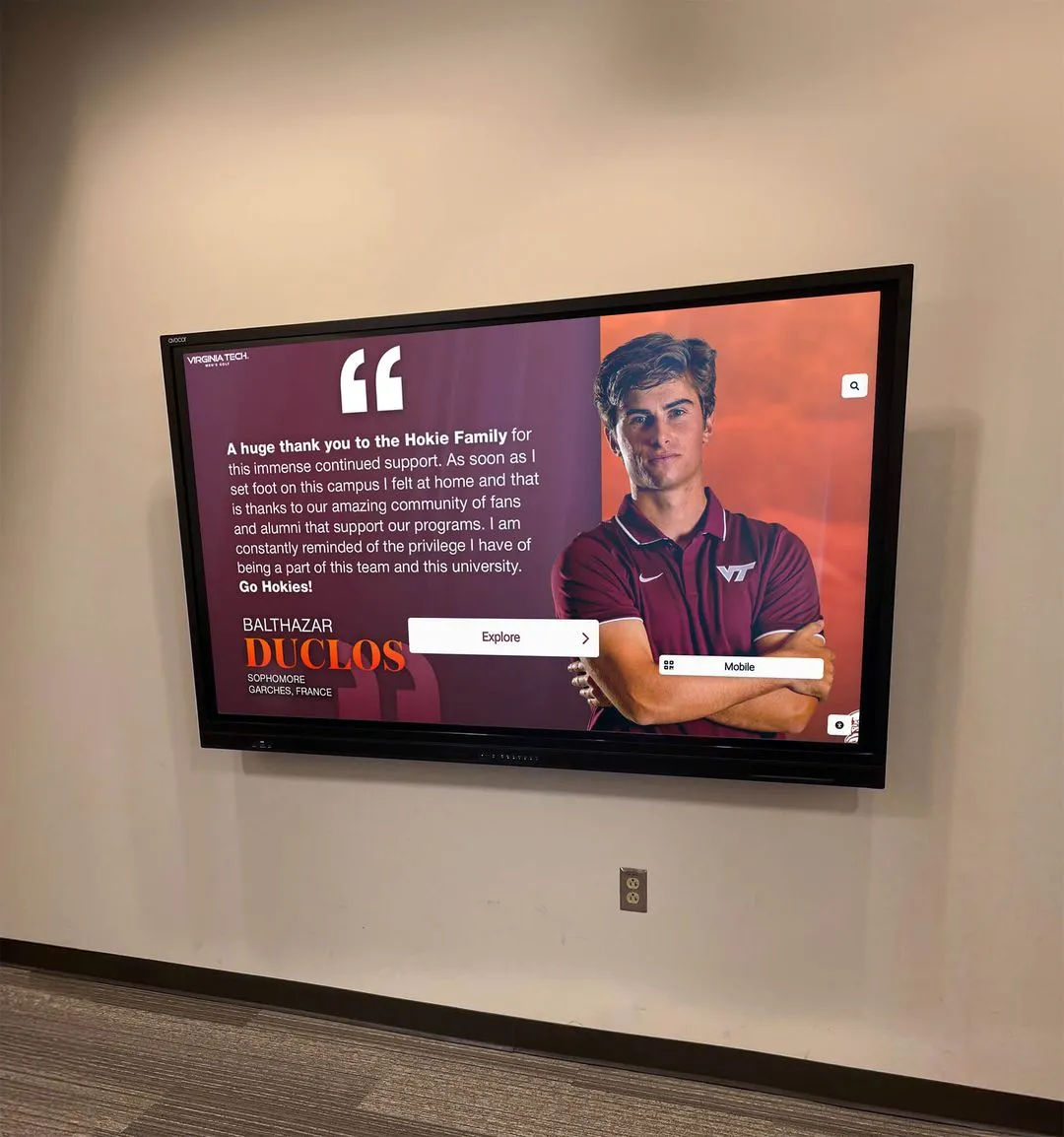
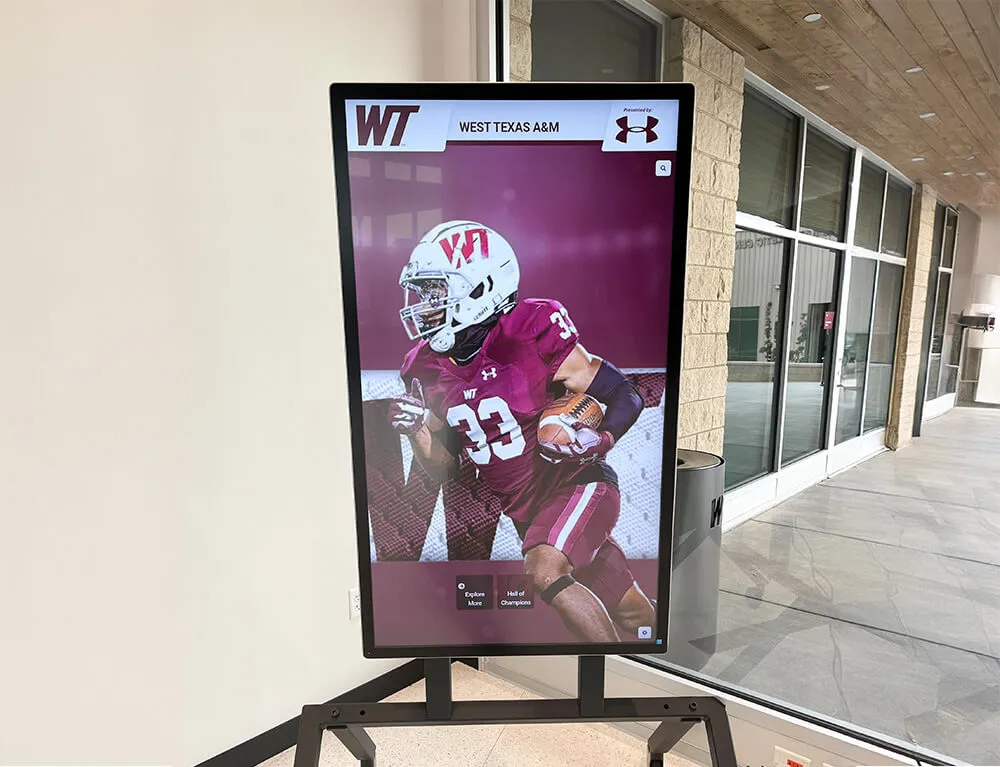
One reason schools delay necessary deaccession decisions is that removing a physical artifact feels like diminishing a recognition. A touchscreen digital wall of fame removes that concern entirely: the inductee’s complete profile—biography, career statistics, photographs, video, and historical context—remains fully accessible on the display regardless of what happens to any physical item in the back room.
When a damaged trophy is deaccessioned, the story of what the team accomplished lives on in the digital record. When a jersey is returned to an athlete’s family, the profile on the touchscreen display is unaffected. When a duplicate plaque is disposed of, the inductee’s recognition is as complete and visible as ever. The deaccession becomes a routine collection governance action rather than a politically sensitive event.
Guidance on selecting a digital hall of fame provider can help athletic directors identify platforms with the record-keeping capabilities to support this kind of separation between physical collection management and recognition program continuity.
Schools that have adopted interactive touchscreen recognition systems consistently report that the ability to update and correct the digital record—without touching physical displays or reprinting plaques—also makes their broader collection governance easier. The same cloud-based content management system that lets an administrator add a new inductee profile can also add a provenance note, flag a deaccession, or archive a photograph of a removed artifact.
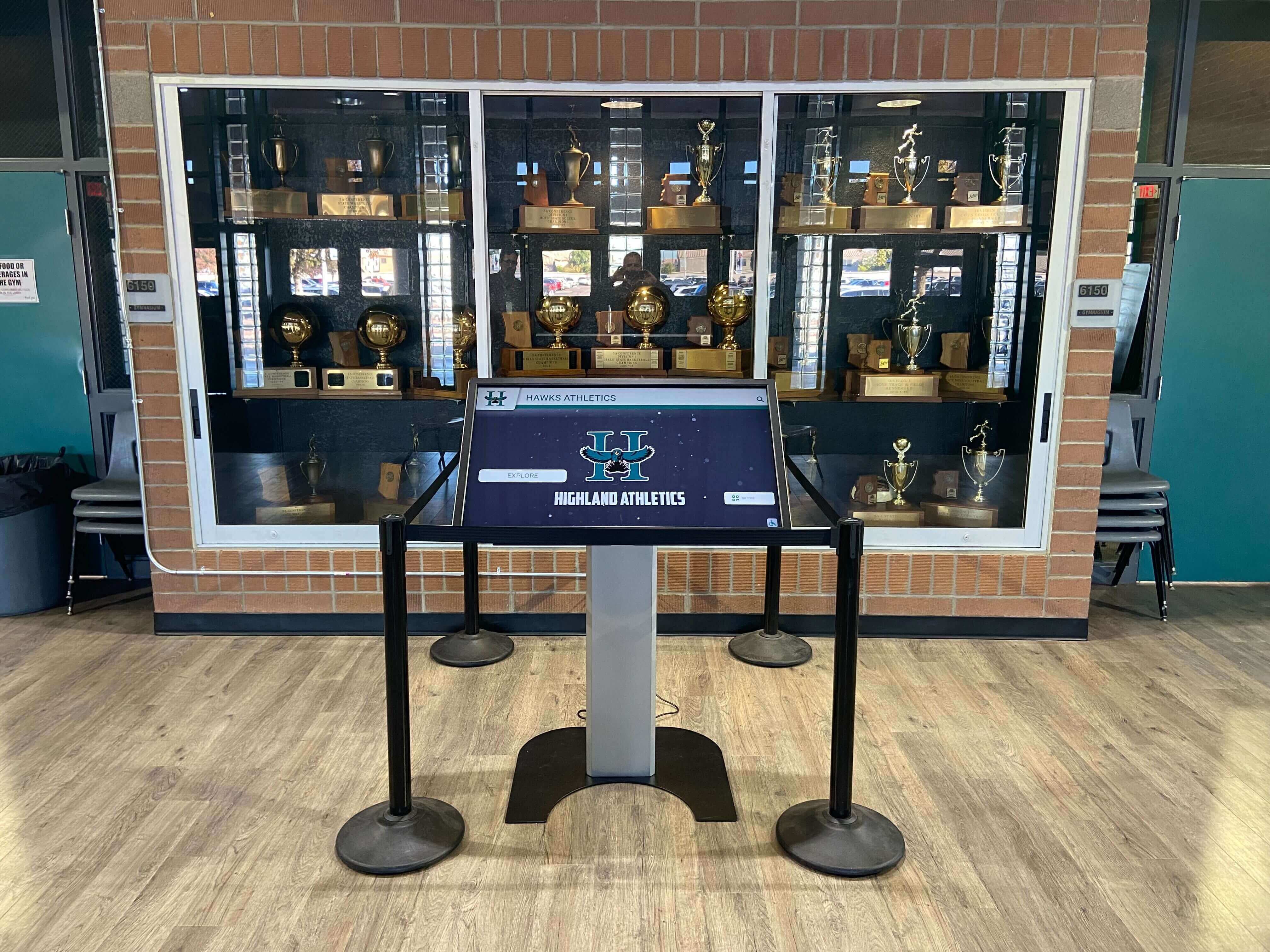
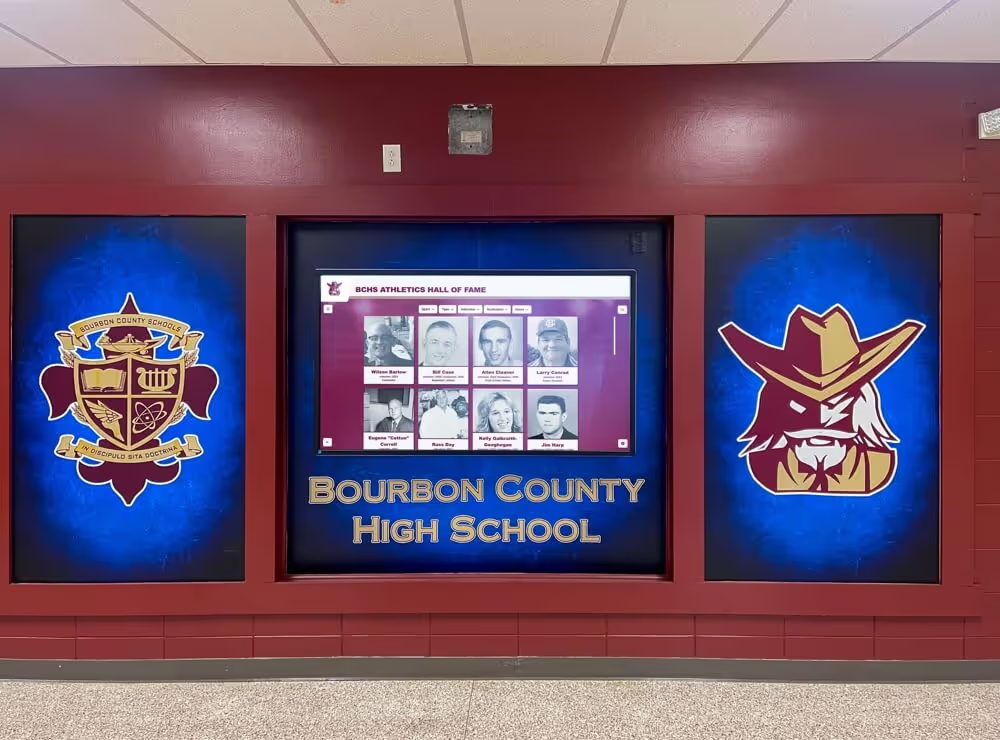
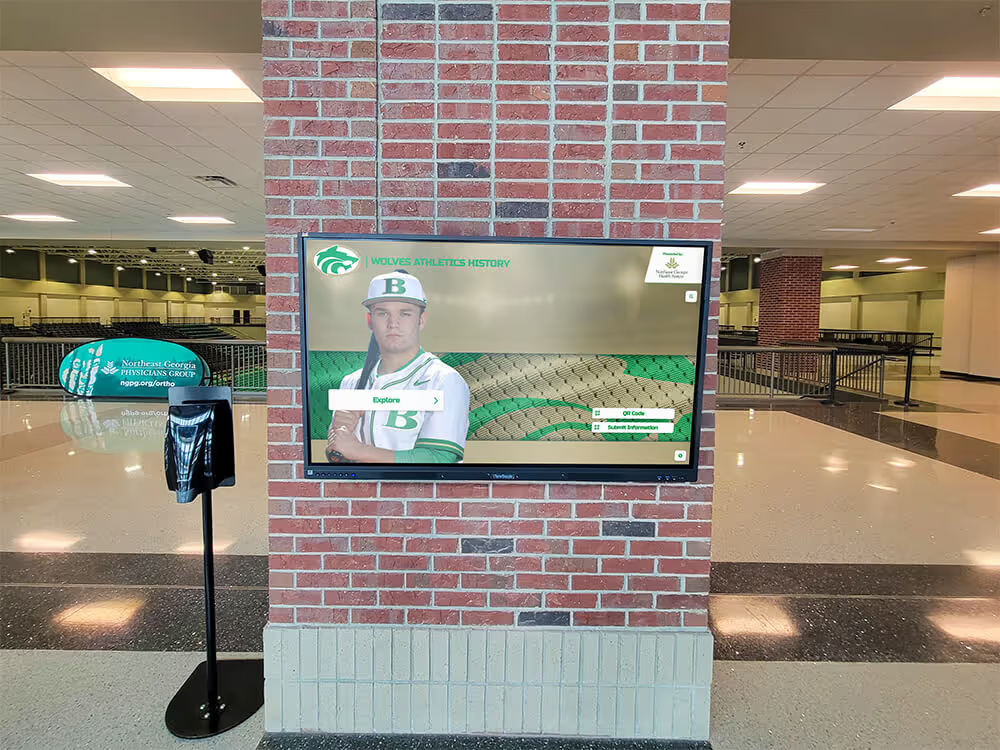
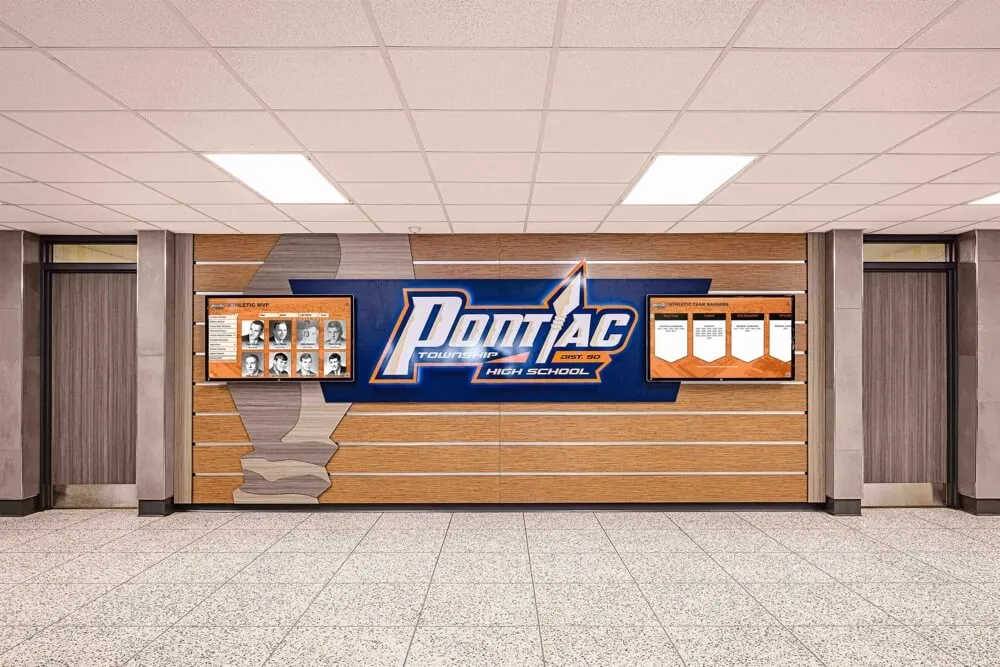
Touchscreen recognition platforms keep inductee records complete and searchable even when associated physical artifacts must be removed from the collection
For athletic directors evaluating their recognition infrastructure, the complete school athletic hall of fame guide for administrators provides a framework for thinking about how digital and physical recognition assets work together over the long term.
Frequently Asked Questions
Q: Can a school deaccession an inductee’s artifacts without notifying the inductee or their family?
A: Best practice is to notify the inductee or next of kin whenever their personal artifacts are involved, both as a courtesy and because they may wish to receive the items. Some original gift agreements require family notification or offer right of first refusal. Review the applicable gift documentation and consult legal counsel for any specific obligations your institution may have.
Q: Who holds final authority to approve a deaccession?
A: Final authority should rest with a specifically named administrator—commonly the athletic director, principal, or a governing board for items of significant value or historical sensitivity. The policy should name the role explicitly so that no single staff member can authorize deaccession unilaterally, and so that accountability is clear.
Q: How long should deaccession records be kept?
A: Permanently. There is no principled reason to destroy documentation of what left the collection, when, why, and where it went. Future staff, families, donors, and legal inquiries may all need this information years or decades after the deaccession occurred.
Q: Is moving an item into storage the same as deaccessioning it?
A: No. Moving an item off display into storage is not deaccession. The item remains in the official collection catalogue. Update the location record and document the reason for storage, but a full deaccession review is not required. Deaccession applies only to permanent removal from the collection.
Q: What happens to a deaccessioned item’s digital profile on the hall of fame touchscreen or website?
A: The digital profile should remain active, with a notation if appropriate that certain associated physical artifacts are no longer in the collection. Removing the digital record of recognition is a separate and much more consequential decision that typically requires its own governance process under the hall of fame bylaws.
Q: Does deaccessioning an artifact affect an inductee’s hall of fame status?
A: No. Deaccession is a collection management decision about physical objects. It has no bearing on whether an individual is recognized as a hall of fame inductee. Only a formal vote under the relevant bylaws—with appropriate notice and due process—can alter an inductee’s standing in the program.
Q: What if the original donation agreement cannot be located?
A: Treat undocumented gifts conservatively. Research what records do exist: committee minutes from the time of acceptance, correspondence, media coverage, or photographs. Document your research process thoroughly. If ownership cannot be established through available records, consult legal counsel before proceeding with any disposition.
For schools building a comprehensive recognition program, the complete guide to athletic hall of fame administration covers governance structure, induction processes, and collection management in one place.
An athletic hall of fame deaccession policy is not a document you write hoping to use it—it is governance infrastructure that makes rare but necessary decisions manageable when they arise. A clear policy protects the institution legally, respects the families and athletes whose artifacts are involved, maintains donor trust, and ensures that the historical record remains complete regardless of what happens to any individual physical object. Pair that policy with a digital recognition platform that preserves inductee profiles permanently, and the integrity of your hall of fame program becomes independent of the condition or availability of any physical artifact in the collection.
Keep Your Hall of Fame Records Complete—Physically and Digitally
Rocket Alumni Solutions' interactive touchscreen wall of fame preserves every inductee's full profile, photographs, and history in a cloud-based system that remains complete regardless of what happens to physical artifacts over time. See how it works for your school.
Request Your Custom DemoLive Example: Rocket Alumni Solutions Touchscreen Display
Interact with a live example (16:9 scaled 1920x1080 display). All content is automatically responsive to all screen sizes and orientations.