Athletic Hall of Fame Nomination Criteria: What Committees Actually Look For
- Home /
- Digital Wall of Fame Blog - Recognition Display Insights & Resources /
- Athletic Hall of Fame Nomination Criteria: What Committees Actually Look For

The Easiest Touchscreen Solution




Live Example: Rocket Alumni Solutions Touchscreen Display
Interact with a live example (16:9 scaled 1920x1080 display). All content is automatically responsive to all screen sizes and orientations.
Athletic halls of fame represent the highest honor an institution can bestow upon its athletes, coaches, and contributors. Yet the nomination and selection process often seems mysterious to those outside committee rooms, leaving worthy candidates overlooked simply because nominators don’t understand what evaluators actually prioritize when reviewing submissions.
Selection committees face challenging decisions—choosing among accomplished athletes with impressive statistics, transformative coaches who built programs, and dedicated contributors whose impact extended beyond wins and losses. Each nomination competes against others from different sports, eras, and achievement categories, requiring committees to apply consistent criteria that honor diverse contributions fairly.
Understanding what athletic hall of fame selection committees actually look for transforms nomination quality from hopeful submissions to compelling cases that evaluators cannot ignore. This comprehensive guide reveals the evaluation criteria committees use, the evidence that strengthens nominations, common mistakes that weaken otherwise strong candidates, and best practices for presenting nominations that receive serious consideration.
The difference between successful and unsuccessful hall of fame nominations often lies not in candidate qualifications but in how effectively nominators present achievements, document impact, and demonstrate why specific individuals deserve this permanent recognition alongside previously honored members.

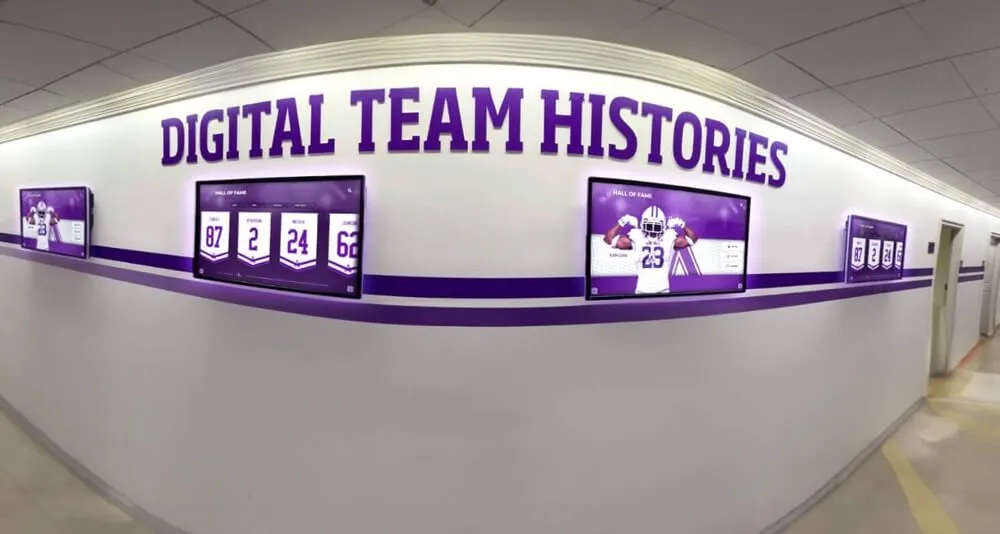
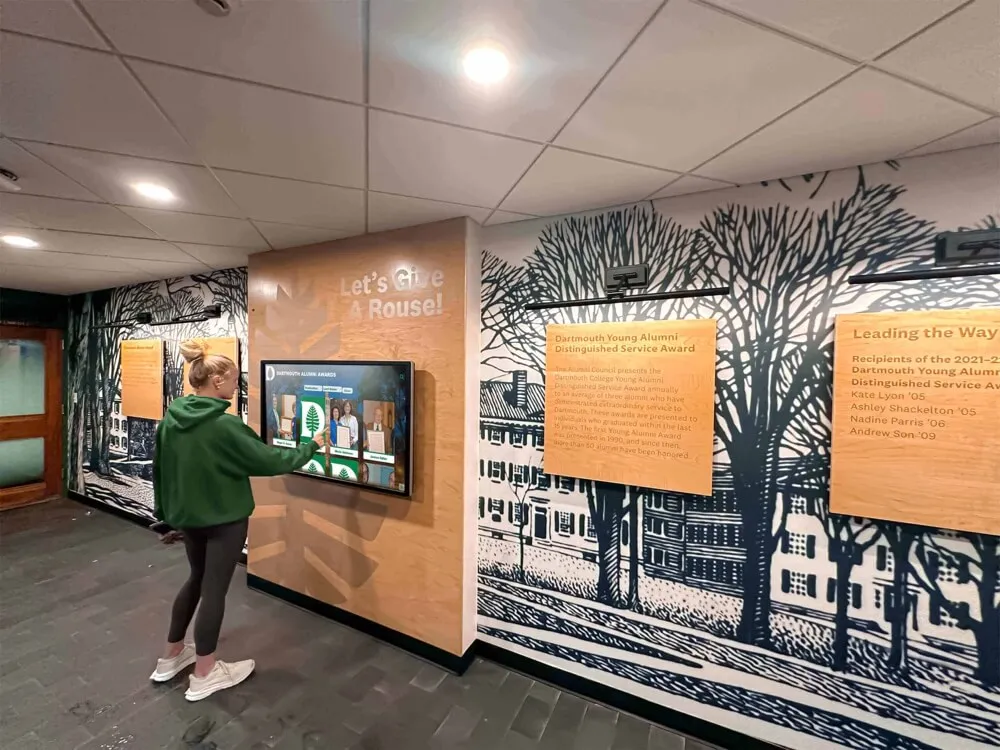
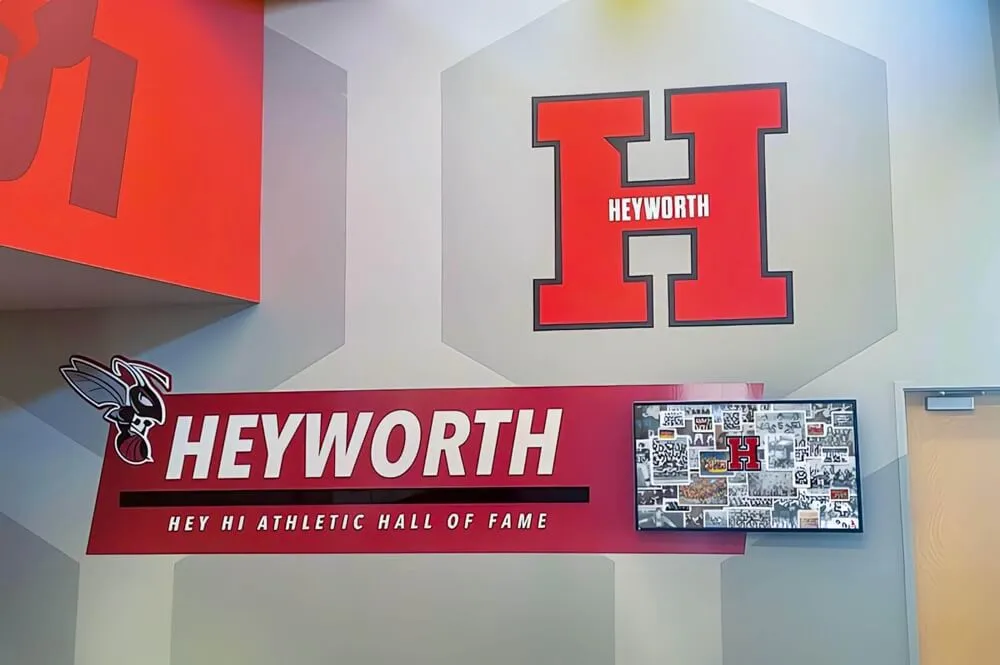
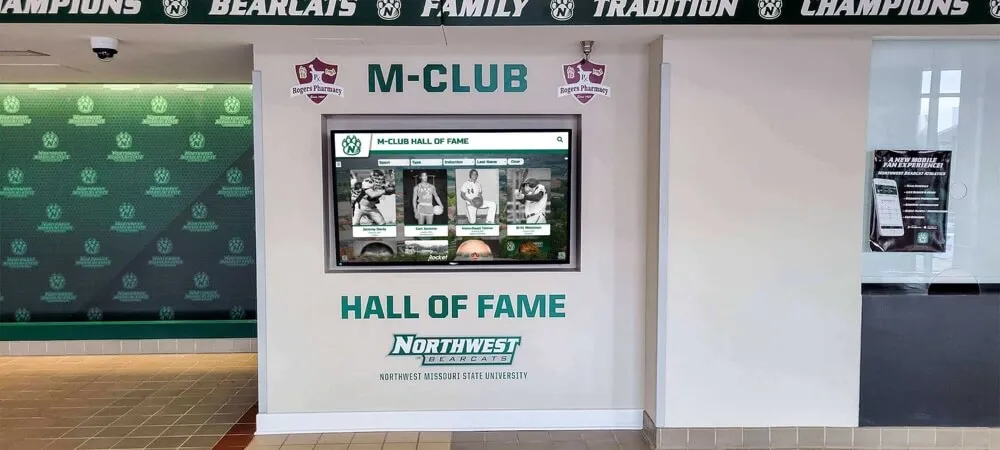
Athletic halls of fame celebrate the highest achievers in institutional sports history, making selection criteria rigorous and nomination quality crucial
Understanding Hall of Fame Selection Committee Perspectives
Before diving into specific criteria, understanding how selection committees operate provides context for why certain factors matter more than others in evaluation processes.
Committee Composition and Responsibilities
Athletic hall of fame selection committees typically include diverse perspectives ensuring balanced evaluation:
Common Committee Members
- Athletic directors (current or former)
- Retired coaches with institutional history knowledge
- Previous hall of fame inductees
- Faculty athletics representatives
- Alumni association leadership
- Booster club or support organization representatives
- Sports information directors or athletic communications staff
This varied composition means nominations must appeal across different perspectives—statistical accomplishments resonate with coaches, institutional impact matters to administrators, and character considerations influence all committee members.
Committee Obligations Selection committees balance multiple responsibilities:
- Maintain hall of fame prestige and selectivity
- Ensure fair representation across sports, eras, and gender
- Apply consistent standards despite evolving athletics programs
- Honor individuals whose achievements stand the test of time
- Consider institutional values and character alongside athletic performance
- Manage class size maintaining meaningful recognition
- Defend selection decisions to broader communities
Understanding these obligations helps nominators address committee concerns proactively rather than assuming athletic achievement alone guarantees selection.
Comparative Evaluation Challenges
Committees don’t evaluate nominees in isolation—they compare candidates against each other and against already-inducted members:
Cross-Sport Comparisons How do committees compare:
- A championship basketball player against a record-setting swimmer
- A football coach who transformed a struggling program against an individual sport athlete with national recognition
- A recent graduate with exceptional statistics against a decades-past athlete from an era with different competitive standards
Era Adjustments Committee members must account for:
- Different competitive landscapes across decades
- Evolving scholarship opportunities and training resources
- Changes in sport popularity and program investment
- Varying conference affiliations and competition levels
- Expansion of women’s athletics creating more candidates
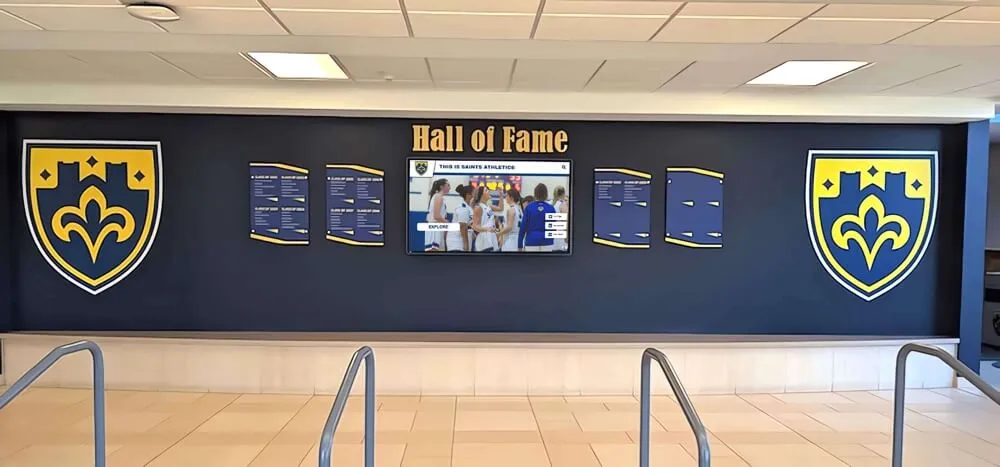
Selection committees must maintain consistent standards across different sports, eras, and achievement categories when choosing inductees
Standard Maintenance Committees protect institutional hall of fame integrity by:
- Evaluating whether nominees meet or exceed standards set by previous inductees
- Considering whether selection would strengthen or dilute hall of fame prestige
- Assessing nomination strength relative to other candidates in current selection cycle
- Balancing desire to honor many deserving individuals against maintaining selectivity
Nominators who understand these comparative challenges present their candidates in ways that facilitate evaluation rather than leaving committees to make assumptions or fill gaps.
Primary Athletic Achievement Criteria
While halls of fame consider multiple factors, athletic performance and achievement form the foundation of most selections.
Statistical Excellence and Records
Quantifiable accomplishments provide objective evaluation standards:
Career Statistical Leadership Committees value:
- All-time institutional records in scoring, wins, performance metrics
- Top-five or top-ten career rankings in significant statistical categories
- Records that endured across multiple subsequent athlete generations
- Statistical achievements relative to era (adjusted for game length, season length, competition level)
- Consistency across multiple seasons versus single exceptional year
Single-Season and Game Records Milestone performances demonstrating peak excellence:
- School record performances in individual games or single seasons
- Statistical achievements that stood for years or decades
- Performance in signature games against top opponents
- Records set during championship runs or crucial competitions
Comparative Statistical Analysis Strong nominations contextualize statistics:
- Rankings compared to conference peers during same era
- National statistical recognition or rankings
- Performance metrics relative to scholarship advantages or program resources
- Statistical achievements adjusted for games played, opportunity, position
Learn how institutions showcase athletic record boards and statistical achievements through modern recognition displays.
Championships and Team Success
Individual achievement matters, but contribution to team success often distinguishes nominees:
Championship Participation
- Conference championship teams
- State, regional, or national championship appearances
- Tournament runs and playoff achievements
- Undefeated or historically successful seasons
- Role in team success (statistical contribution, leadership position, crucial performances)
Clutch Performance Committees remember signature moments:
- Championship game performances
- Record-setting performances in crucial competitions
- Tournament or playoff statistical excellence
- Wins against ranked opponents or traditional rivals
- Performances that defined seasons or eras
Program Transformation Impact on competitive trajectory:
- Joining previously unsuccessful programs and leading to winning records
- First championship team members in program history
- Athletes who elevated program competitiveness sustainably
- Contributions during program-building phases
Championships and team success demonstrate that individual excellence translated to collective achievement—a quality committees value highly.
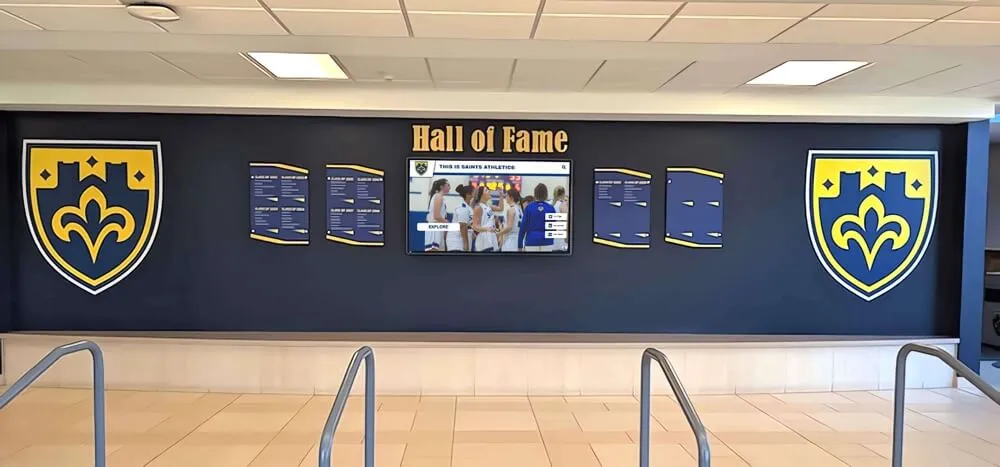
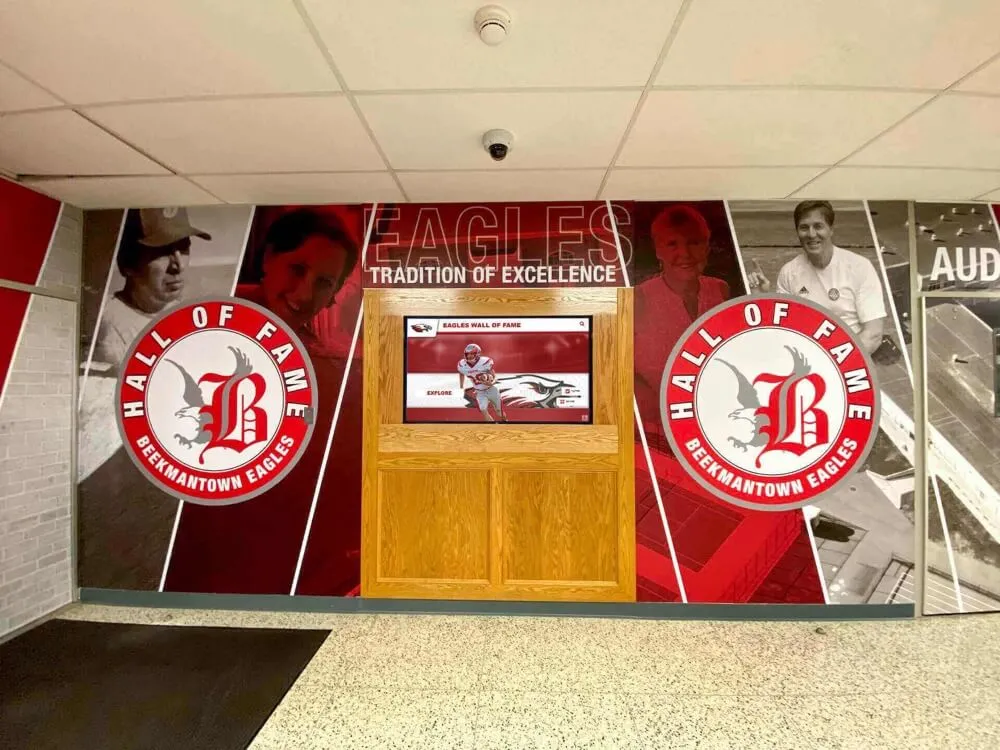
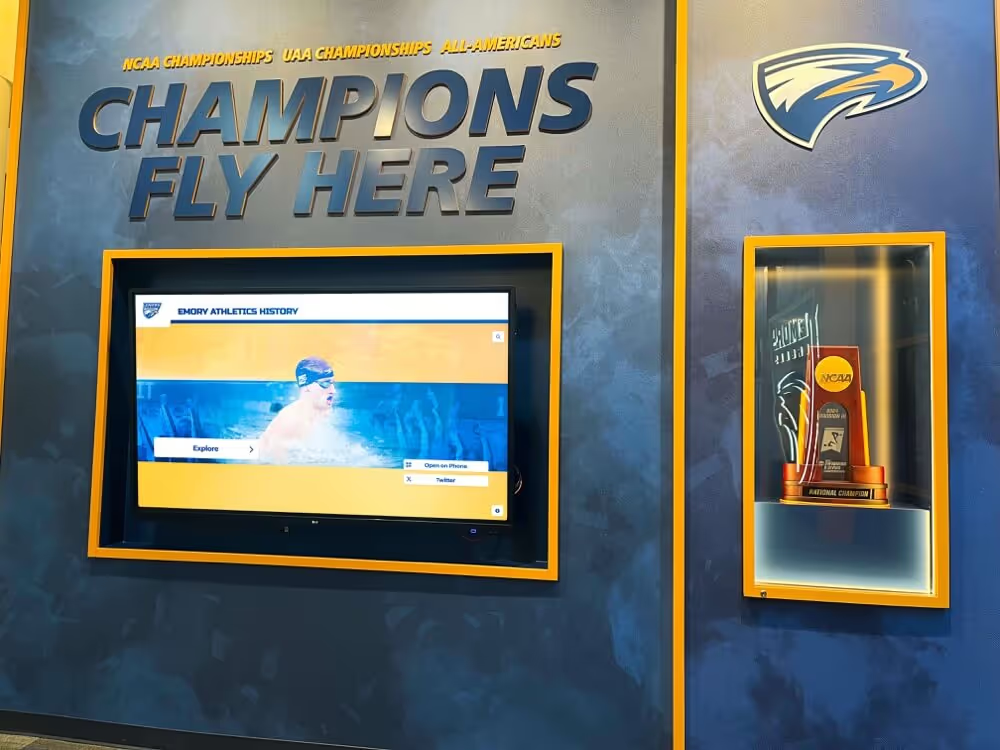
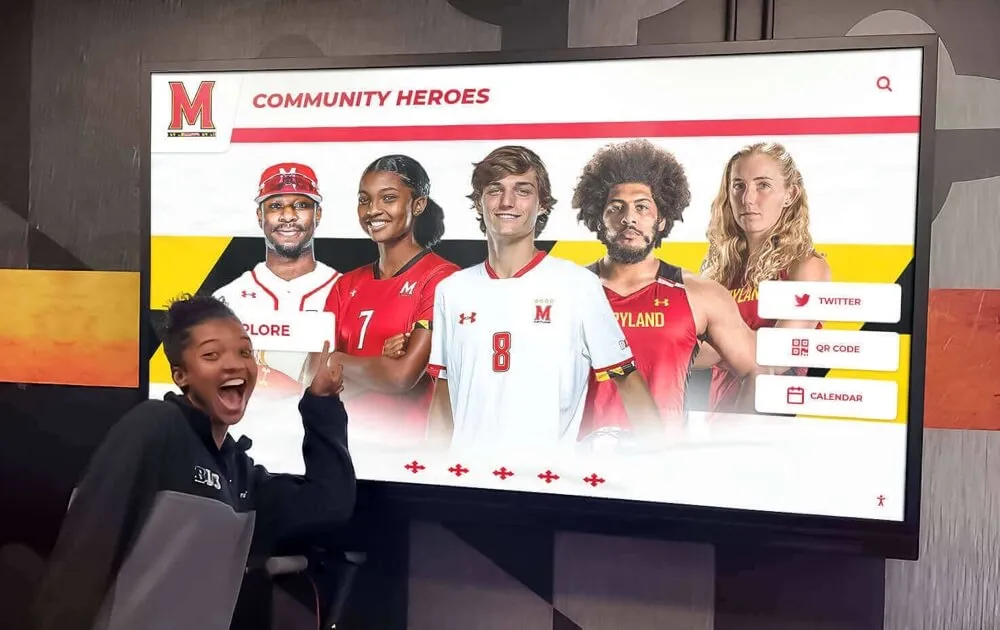
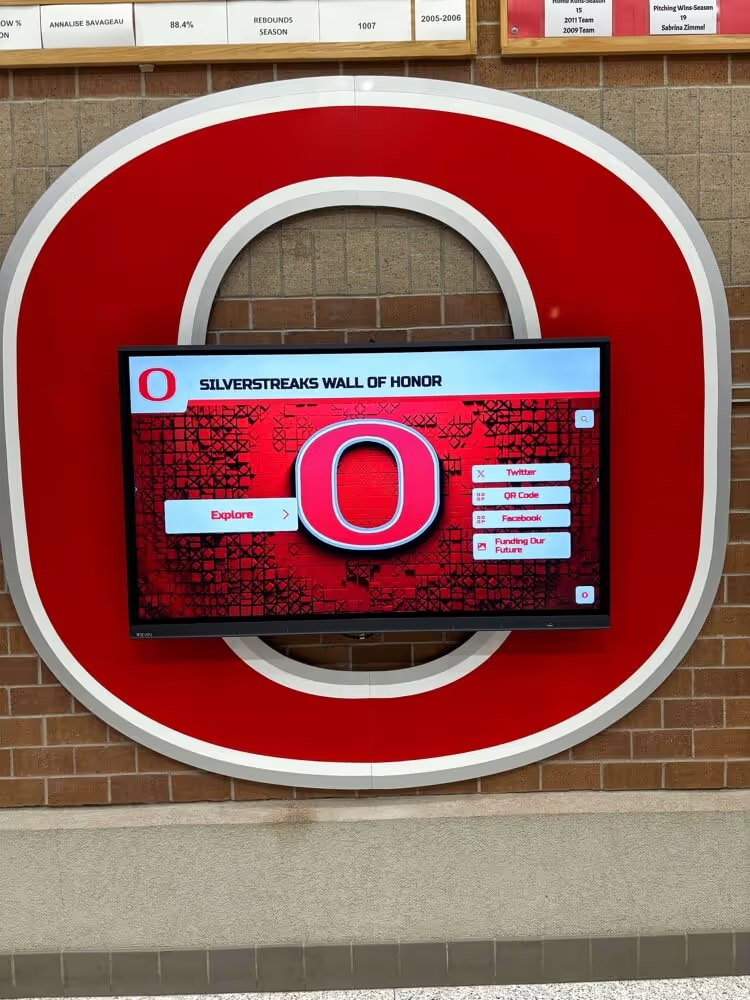
Modern halls of fame combine traditional recognition elements with digital displays that document complete achievement narratives
External Recognition and Honors
Third-party validation strengthens nomination credibility:
Conference and Regional Awards
- All-conference selections (first team, multiple years)
- Conference player of the year or similar honors
- All-region or all-state recognition
- Conference tournament MVP or championship awards
- All-American honorable mention or higher
National Recognition Particularly significant for smaller institutions:
- All-American status at any level
- National player of the year consideration
- National statistical rankings or leadership
- National championship individual awards
- Professional or Olympic team selection
Academic and Character Recognition Awards demonstrating well-rounded excellence:
- Academic All-American or conference
- NCAA Today’s Top 10 Award consideration
- Sportsmanship or character awards
- Scholar-athlete recognitions
- NCAA postgraduate scholarships
External recognition provides independent verification of achievement quality, reducing committee reliance on subjective institutional assessment.
Character, Leadership, and Intangible Qualities
Athletic achievement opens hall of fame consideration, but character and leadership often determine final selection among similarly accomplished candidates.
Demonstrated Leadership
Committees value athletes who elevated teammates and programs:
On-Field/Court Leadership
- Team captain selections (particularly multiple years)
- Mentorship of younger athletes documented through testimonials
- Vocal leadership during competitions and practices
- Leading by example through work ethic and preparation
- Stepping up in adversity or challenging situations
Program Culture Impact Less quantifiable but significant:
- Setting standards for commitment and excellence
- Changing team culture or expectations
- Recruiting influence (attracting athletes to program)
- Alumni engagement and program support post-graduation
- Positive representation of institution and athletics
Peer and Coach Recognition Testimonials from those who competed alongside nominees:
- Teammate perspectives on leadership and impact
- Coach assessments of intangible contributions
- Opponent respect and recognition
- Official leaders or spokesperson roles
Discover how schools recognize diverse student-athlete achievements beyond traditional statistics.
Sportsmanship and Institutional Representation
Character matters particularly for permanent institutional recognition:
Conduct Standards Committees consider:
- Absence of significant conduct violations or suspensions
- Respectful treatment of opponents, officials, and fans
- Positive media interactions and public representation
- Academic integrity and institutional rule compliance
- Sportsmanship award recognition
Institutional Values Alignment Hall of fame members become permanent institutional representatives:
- Embodiment of stated institutional values
- Character that reflects well on athletics program
- Behavior during and after athletic career
- Treatment of institutional relationship over time
- Public conduct maintaining institutional reputation
Community Engagement Contribution beyond competition:
- Community service during athletic career
- Positive community presence and relationships
- Role model behavior for younger athletes
- Engagement with institutional traditions
- Support for teammates in non-athletic challenges
Most institutions maintain that hall of fame membership represents not just athletic achievement but character worthy of permanent honor—conduct issues can disqualify otherwise accomplished candidates.
Overcoming Adversity
Compelling narratives often feature obstacles overcome:
Personal Challenges Stories that resonate with committees:
- Significant injuries with successful rehabilitation and return
- Academic struggles addressed while maintaining athletic excellence
- Personal or family hardships managed while contributing to team
- Walk-on status achieving scholarship and success
- Late development overcoming early career setbacks
Program or Competitive Challenges Achievement context matters:
- Success despite limited program resources
- Excellence in programs transitioning between competitive levels
- Achievement during program rebuilding phases
- Individual excellence on otherwise struggling teams
- Maintaining performance through coaching changes
Adversity narratives demonstrate character, perseverance, and achievement significance—qualities committees value beyond raw statistics.
Coaching and Contributor Nomination Criteria
Halls of fame increasingly recognize coaches and contributors alongside athletes, with distinct evaluation criteria.
Coaching Achievement Standards
Successful coaching nominations emphasize:
Won-Loss Record and Championships Quantifiable success metrics:
- Overall winning percentage and career wins
- Conference championships and tournament appearances
- State, regional, or national championships
- Playoff qualification frequency
- Record against ranked or traditional rival opponents
Program Building and Transformation Long-term impact assessment:
- Taking over struggling programs and building competitiveness
- Sustained success across multiple recruiting classes
- Establishing programs in new sports
- Elevating competitive levels (conference, state, regional, national)
- Creating infrastructure and culture outlasting tenure
Player Development Coaching impact beyond wins:
- Athletes earning all-conference or higher recognition
- Players advancing to collegiate competition at higher levels
- Academic achievement and graduation rates
- Character development testimonials
- Alumni success in athletics and beyond
Innovation and Influence Industry impact:
- Coaching methodology innovations adopted broadly
- Mentorship of assistant coaches who succeeded elsewhere
- Conference or state coaching association leadership
- Clinic presentations and coaching education contributions
- Recognition by coaching peers (awards, honors)
Explore how institutions develop comprehensive athletic recognition programs honoring diverse contributors.
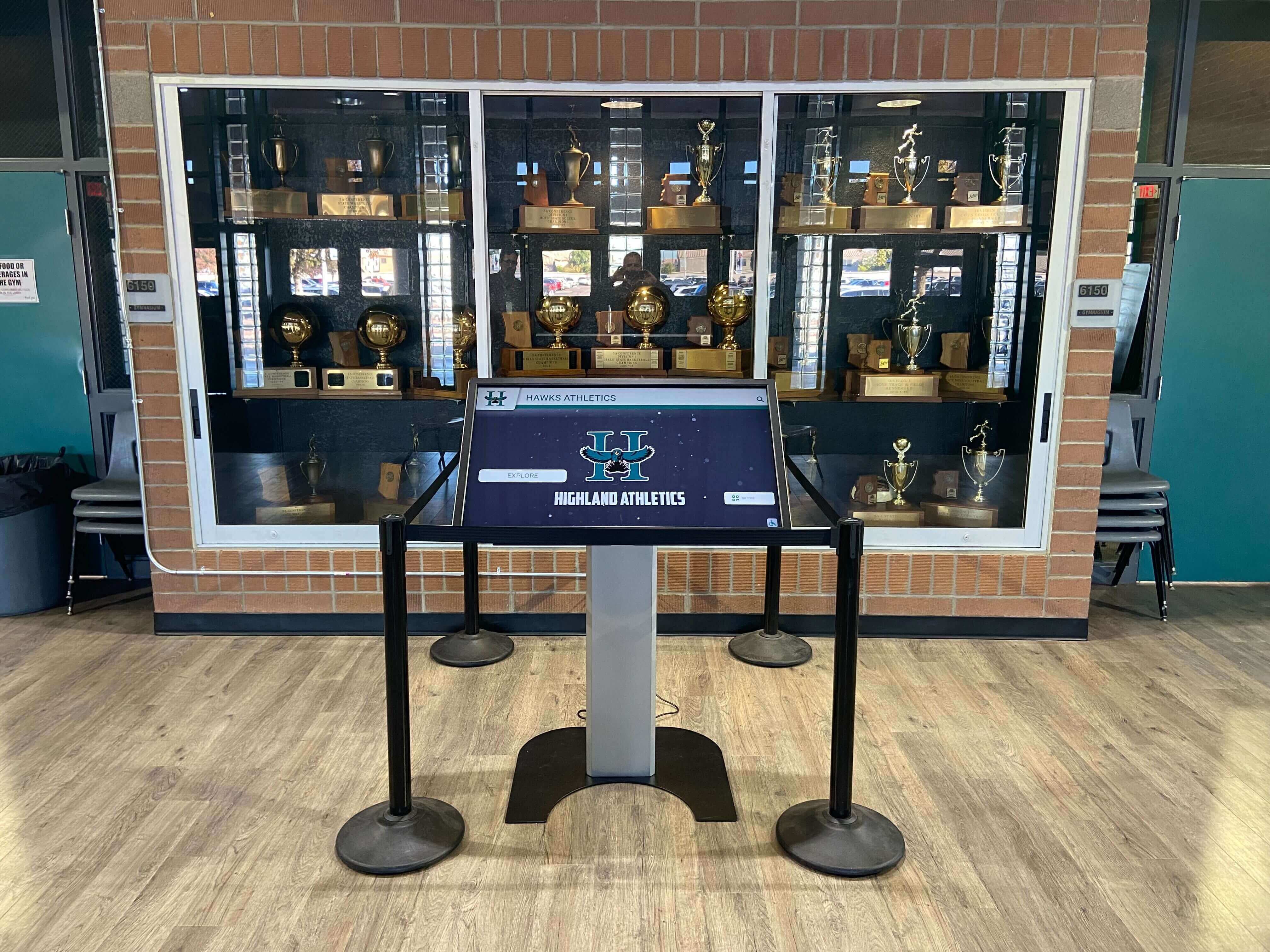
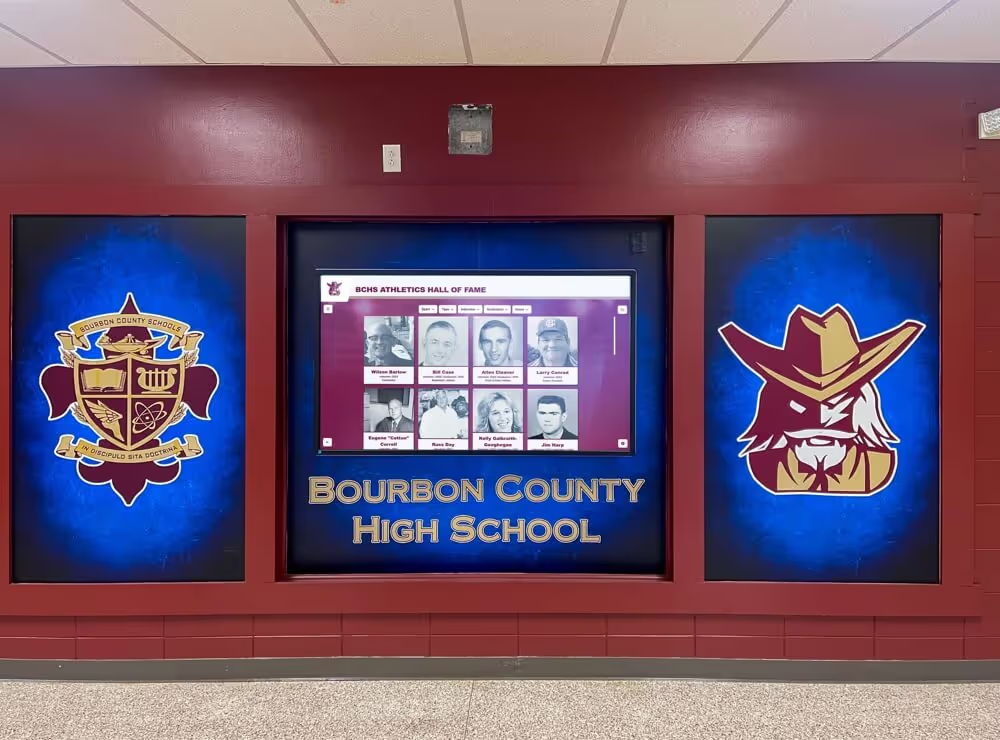
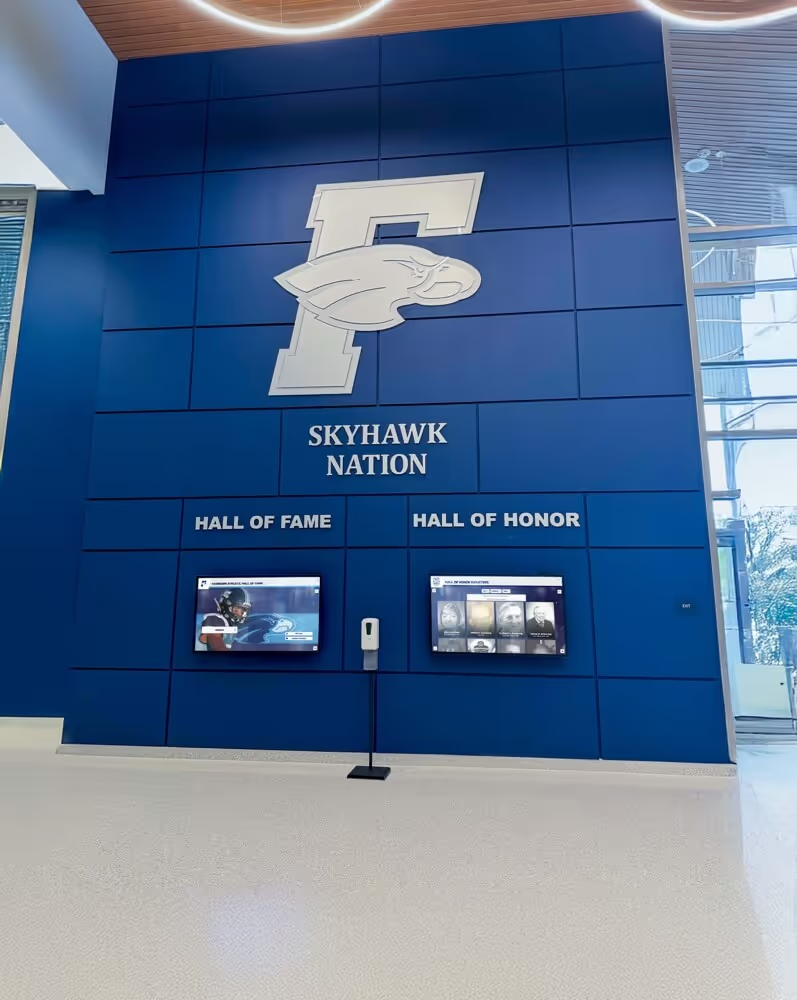
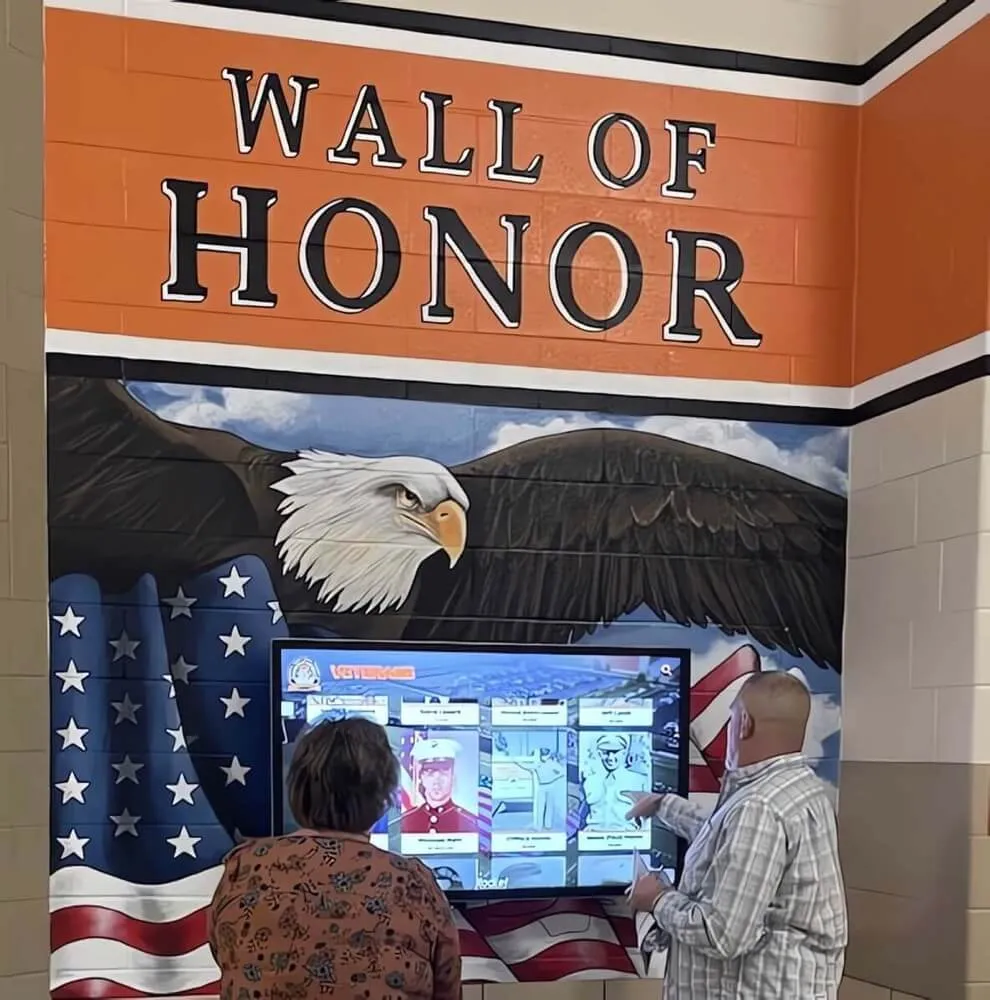
Modern recognition systems document coaching achievements and contributions alongside athlete honors in searchable digital formats
Contributor Recognition Criteria
Non-coaching contributors face different evaluation standards:
Tangible Contributions Measurable impact documentation:
- Facility improvements or funding secured
- Program establishment or expansion leadership
- Fundraising results and donor engagement
- Equipment provision or program resource enhancement
- Administrative improvements benefiting athletics
Service Duration and Commitment Long-term dedication:
- Years of service to athletics programs
- Consistency of involvement across changing circumstances
- Volunteer time contribution
- Sustained financial support
- Organizational leadership roles
Program Impact Outcomes resulting from contributions:
- Championships or competitive success enabled by support
- Athlete opportunities created through contributions
- Program sustainability enhanced
- Community engagement and support built
- Institutional athletics culture strengthened
Multiple Stakeholder Recognition Validation across groups:
- Athlete testimonials about contributor impact
- Coach appreciation and acknowledgment
- Administrative recognition of contributions
- Community awareness of support
- Peer contributor respect
Contributor nominations require clear impact documentation since achievement is less quantifiable than athlete or coach accomplishment.
Nomination Package Components That Strengthen Cases
How nominators present candidates significantly influences committee evaluation—strong packages make assessment easy and compelling.
Complete Statistical Documentation
Committees need comprehensive achievement data:
Career Statistics
- Year-by-year statistical breakdowns
- Career totals in relevant categories
- Ranking among career leaders (all-time, era-specific)
- Per-game or per-season averages demonstrating consistency
- Advanced metrics when available and meaningful
Achievement Timeline Chronological accomplishment presentation:
- Major awards and honors by year
- Championship participation and outcomes
- Record-setting performances with dates
- All-conference and higher recognition timeline
- Academic honors and milestones
Comparative Context Help committees understand significance:
- Statistical rankings among conference peers during same era
- Comparison to previous hall of fame inductees at same position/sport
- National statistical rankings when applicable
- Records that have or haven’t been broken since
- Era-adjusted performance metrics
Strong statistical documentation prevents committee members from making assumptions or conducting independent research to understand candidate qualifications.
Supporting Narratives and Testimonials
Numbers tell part of the story—context completes it:
Candidate Biography Essential background information:
- Athletic journey and development arc
- Obstacles overcome and challenges faced
- Leadership roles and team contributions
- Character demonstrations and defining moments
- Post-athletic career achievements relevant to institutional pride
Testimonial Letters Third-party validation:
- Coach assessments of athletic ability and character
- Teammate perspectives on leadership and impact
- Opponent or rival coach recognition
- Faculty or administrator character references
- Professional contacts for post-athletic success documentation
Media Coverage and Recognition Contemporary documentation:
- Newspaper articles about achievements
- Media guides and program documentation
- Conference or national media recognition
- Award announcements and press releases
- Video highlights when available
Visual Documentation Images strengthening presentations:
- Action photographs from competitive career
- Award ceremonies and recognition moments
- Team championship photos
- Newspaper clippings and publications
- Historical program materials featuring candidate
Learn about effective approaches to recognizing senior athletes and documenting achievements for future recognition.
Clear Connection to Hall of Fame Standards
Nominations should explicitly address selection criteria:
Standards Comparison
- Direct statement of how candidate meets published criteria
- Comparison to recent inductees demonstrating comparable achievement
- Explanation of any unique circumstances or context
- Acknowledgment of competitive candidate pool
- Specific criterion-by-criterion case building
Impact Articulation Help committees understand significance:
- Why this candidate deserves permanent institutional honor
- What made achievements exceptional rather than merely good
- How selection would enhance rather than dilute hall of fame quality
- Why timing is appropriate for induction consideration
- What candidate represents about institutional values and athletics
Nominations that require committees to infer qualification or make cases themselves compete poorly against presentations that explicitly demonstrate merit.
Common Nomination Mistakes That Weaken Strong Candidates
Understanding frequent errors helps nominators avoid undermining otherwise worthy candidates.
Insufficient Documentation and Evidence
Vague Claims Without Support Weak approaches:
- “One of the best players in program history” without statistical proof
- “Great leader and teammate” without specific examples or testimonials
- “Dominant performer” without records, awards, or comparative context
- Relying on committee members’ memories rather than documentation
Missing Statistical Context Data without interpretation:
- Statistics without rankings or comparative analysis
- Records without indication whether they still stand
- Awards without explanation of selectivity or significance
- Achievements without era or competitive level context
Incomplete Achievement Documentation Leaving committees to fill gaps:
- Partial career statistics or missing seasons
- Listing some awards but not others
- Omitting relevant championships or accomplishments
- Failure to document post-athletic achievements when relevant
Thorough documentation demonstrates nomination seriousness and respect for committee time—incomplete packages suggest lack of preparation or borderline candidacy.

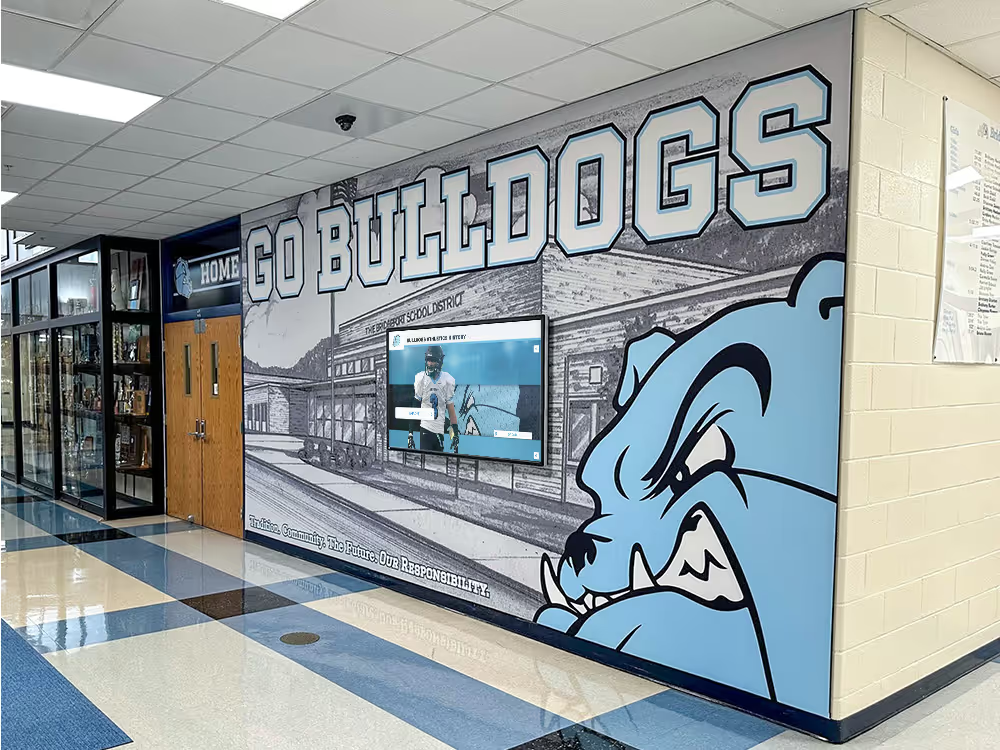
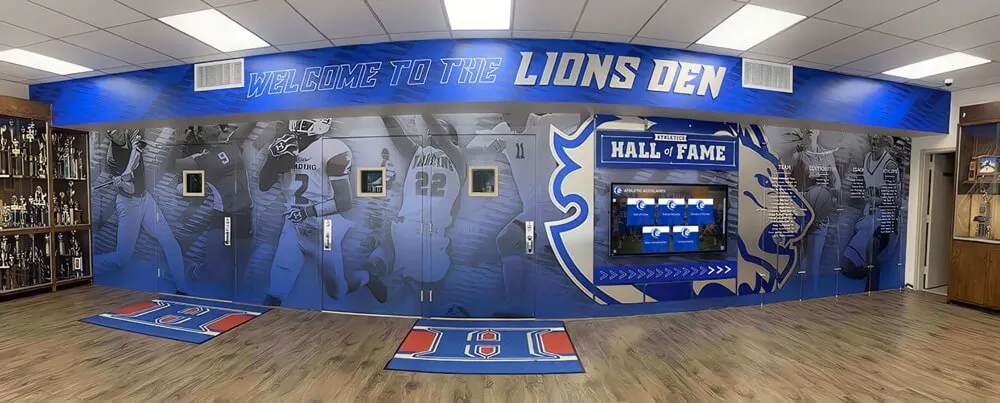
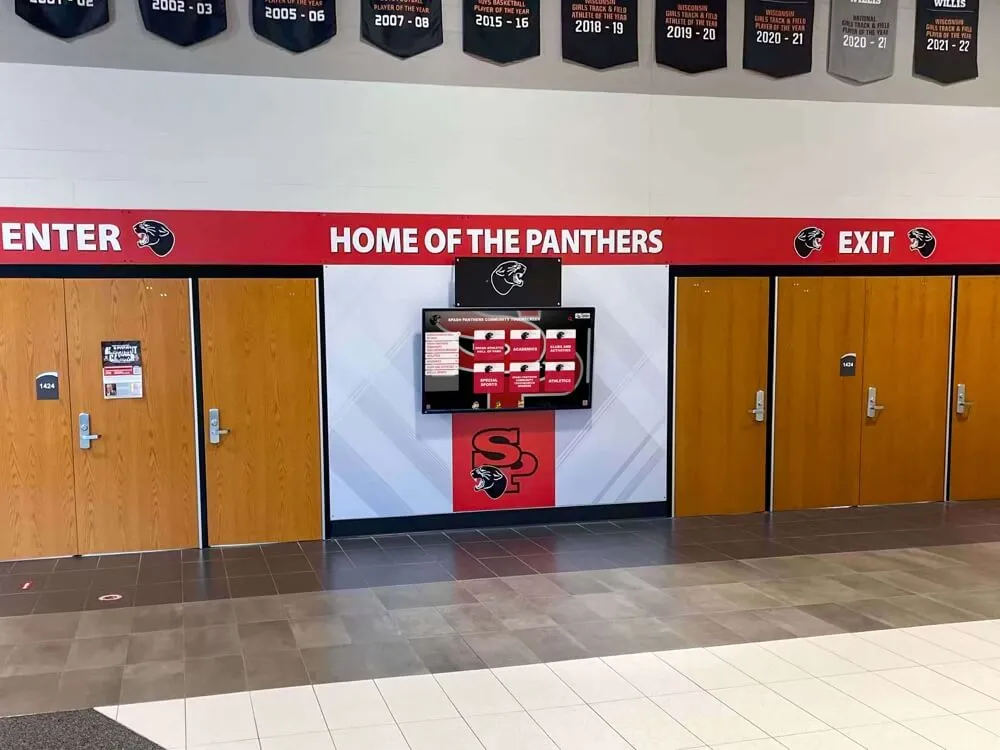
Comprehensive achievement documentation becomes increasingly manageable through digital recognition systems storing detailed athlete profiles
Overemphasis on Single Achievement Elements
Statistics Without Context Numbers alone rarely compel:
- Impressive statistics without team success or championships
- Records from weak competition or down program years
- Statistical padding versus meaningful production
- Individual achievement without leadership or character demonstration
Championships Without Individual Impact Team success requires personal contribution evidence:
- Championship team membership without playing time documentation
- Roster presence without statistical or testimonial contribution evidence
- Association with successful teams without individual recognition
- Era success without personal responsibility demonstration
Character Without Achievement Great people don’t automatically qualify:
- Wonderful individuals without athletic achievement meeting standards
- Service and contribution without competitive excellence
- Leadership and character that don’t elevate to hall of fame level
- Popular athletes whose accomplishments don’t match previous inductees
Balanced nominations address all evaluation dimensions rather than hoping single-element strength compensates for other weaknesses.
Premature or Inappropriate Timing
Too Soon After Completion Perspective requires time:
- Nominations immediately following graduation
- Insufficient time to assess achievement durability
- Inability to evaluate post-athletic trajectory
- Appearance of recency bias versus objective evaluation
Inappropriate Waiting Period Disregard Most institutions establish minimum post-career timelines:
- Ignoring published eligibility requirements
- Attempting exceptions without extraordinary justification
- Undermining nomination credibility through premature submission
Missing Optimal Windows Strategic timing considerations:
- Anniversary years of championships or achievements
- Reunion years when nominees and contemporaries gather
- Coordination with other institutional events
- Consideration of candidate pool in given year
Check institutional guidelines for specific eligibility timeframes—most require 5-10 years post-athletic career before nomination consideration.
Poor Nomination Package Presentation
Disorganized Materials Presentation quality matters:
- Unstructured narratives requiring committee effort to extract information
- Missing contact information or incomplete forms
- Inconsistent or unclear documentation
- Difficult-to-read formatting or materials
- Excessive length without clear organization
Emotional Rather Than Factual Appeals Avoid subjective pleading:
- “Deserves recognition” without achievement justification
- Personal relationships emphasized over accomplishment
- Emotional attachment without committee-relevant criteria
- Assumptions that committee members share nominator perspective
Failure to Address Potential Concerns Proactive consideration strengthens cases:
- Obvious weaknesses left unaddressed
- Questions likely to arise without preemptive explanation
- Comparative disadvantages versus other candidates unacknowledged
- Unique circumstances requiring context but left unexplained
Professional, organized, comprehensive nominations demonstrate that candidates deserve serious consideration—poor presentations suggest otherwise regardless of actual merit.
Special Considerations for Different Candidate Categories
Effective nominations adjust emphasis based on candidate type.
Individual Sport Athletes
Athletes in sports without team championships face distinct challenges:
Achievement Documentation Emphasize individual accomplishment:
- National or regional rankings and qualification
- Record-setting performances
- Conference and regional championship success
- Improvement trajectories and consistency
- Competition against athletes who achieved higher levels
Comparative Standards Help committees evaluate fairly:
- Comparison to other individual sport hall of fame members
- Context for competitive level and scholarship availability
- Explanation of sport-specific achievement significance
- Documentation of competition quality and rankings
Individual sport athletes benefit from education about how their achievements compare to team sport standards and what constitutes exceptional versus good performance.
Team Sport Role Players
Not all hall of fame members are statistical leaders:
Intangible Contribution Documentation Role players need different evidence:
- Defensive specialists with impact beyond statistics
- Glue players who made teams function
- Clutch performers in crucial moments
- Leadership despite not being primary scorers
- Championship contributions not reflected in statistics
Coach and Teammate Testimonials Critical for role player nominations:
- Specific examples of impact
- Explanation of why teams succeeded with them
- Assessment of what would have been lost without them
- Context for why statistics don’t tell complete story
Role players face higher documentation burdens since achievement is less obvious—nominations must build compelling cases proactively.
Discover how institutions recognize diverse achievement types beyond traditional statistical leadership.
Pioneer and Equity Considerations
Early program participants face unique evaluation:
Era Context Pioneer status considerations:
- First teams or early program years with limited resources
- Women’s athletics before Title IX expansion
- Sports added recently without long competitive history
- Program building phases with developing competition
- Limited scholarship or support availability
Comparative Adjustments Fair evaluation requires context:
- Competition level during candidate’s era
- Scholarship and training resource availability
- Conference affiliation and competitive environment
- Program maturity and development stage
- Opportunity differences versus current athletes
Pioneer Value Recognition Some institutions specifically honor:
- First teams or charter athletes
- Athletes who competed despite limited support
- Individuals who built foundation for future success
- Advocates who expanded opportunities
- Program establishment contributors
Pioneer athletes may not match raw statistics of athletes in mature programs but deserve recognition for achievement in context and program building contributions.
Posthumous and Legacy Nominations
Deceased candidates require different approaches:
Documentation Challenges Nominating historical figures:
- Limited statistical records from distant eras
- Difficulty obtaining testimonials from contemporaries
- Reliance on historical documentation and media coverage
- Program records or archives as primary sources
- Photographic documentation scarcity
Legacy and Impact Evidence Demonstrate lasting significance:
- Records that stood for decades
- Historical importance to program development
- Stories and legends passed through generations
- Influence on subsequent athletes and program culture
- Family documentation and preservation of achievements
Sensitivity and Respect Posthumous nominations require care:
- Family involvement and support
- Appropriate memorial framing
- Recognition that candidate cannot participate in ceremony
- Consideration of appropriate timing and circumstances
Historical figure nominations often succeed when positioned as completing institutional record and honoring all eras fairly rather than competing directly with contemporary candidates.
Best Practices for Successful Nominations
Drawing together insights from committee perspectives and evaluation criteria reveals nomination strategies that consistently succeed.
Start Early and Gather Comprehensive Materials
Rushed nominations show—start preparation early:
Research Phase
- Review institutional hall of fame criteria thoroughly
- Study previous inductee profiles and achievements
- Gather all available statistical documentation
- Collect media coverage and historical materials
- Identify potential testimonial sources
Organization Phase
- Create comprehensive candidate file
- Organize materials by category and criterion
- Develop clear narrative structure
- Draft biographical summary and achievement highlights
- Compile supporting documentation systematically
Refinement Phase
- Review materials for gaps or weaknesses
- Obtain needed testimonials or documentation
- Ensure all selection criteria addressed
- Polish presentation for professionalism
- Submit before deadline with buffer for issues
Three to six months preparation time allows thorough, compelling nominations versus rushed, incomplete submissions.
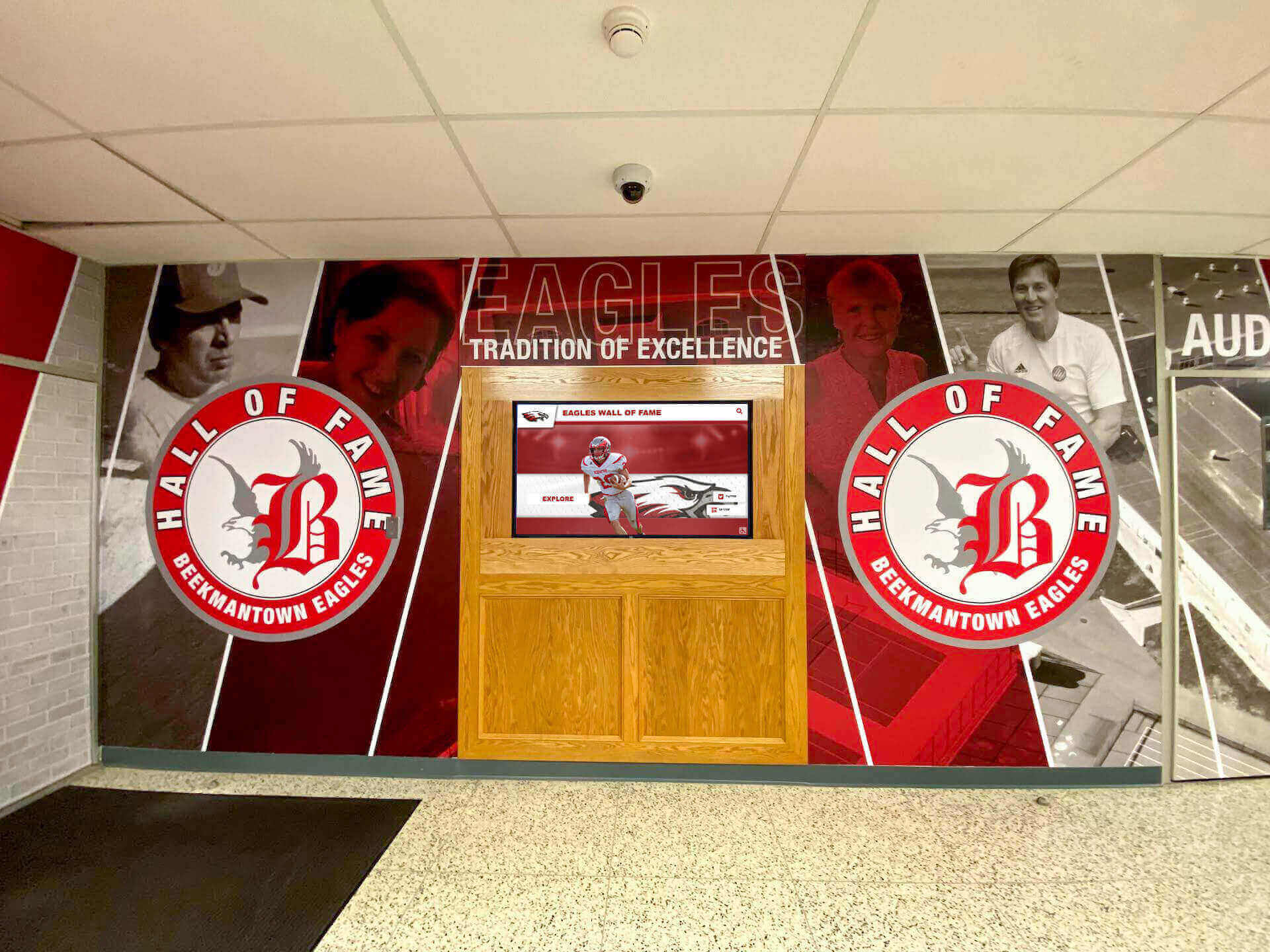
Permanent hall of fame recognition makes selection processes rigorous and nomination quality crucial for candidate success
Tell Compelling Stories Beyond Statistics
Numbers open doors—stories close deals:
Narrative Development Craft memorable presentations:
- Opening statement capturing candidate essence
- Achievement arc showing development and growth
- Signature moments and defining performances
- Leadership examples and character demonstrations
- Impact on teammates, programs, and communities
- Post-athletic achievements reflecting institutional pride
Specific Examples Over General Claims Replace vague assertions with concrete evidence:
- “Led team to first conference championship in 15 years with game-winning performance in final” rather than “Great clutch player”
- “Mentored three All-Conference athletes who credit leadership for development” rather than “Good leader”
- “School record 1,500 career points standing 20 years” rather than “Excellent scorer”
Multiple Perspective Integration Weave together different voices:
- Candidate biographical perspective
- Coach assessment of abilities and character
- Teammate recognition of leadership and impact
- Statistical documentation of achievement
- Media coverage providing contemporary context
- Post-athletic career demonstrating sustained excellence
Engaging narratives make nominations memorable in committee discussions where multiple candidates compete for limited slots.
Address Weaknesses Proactively
Committees notice gaps—nominators should explain them:
Acknowledge Context When candidates have apparent limitations:
- Explain three-year careers when most nominees played four
- Address statistical gaps when injuries occurred
- Provide context when team success was limited
- Clarify competition level or era differences
- Explain non-traditional athletic paths
Reframe Perceived Weaknesses Turn limitations into strengths when appropriate:
- Limited playing time freshman year shows development arc
- Team struggles highlight individual excellence in adversity
- Smaller school context demonstrates achievement relative to resources
- Non-scholarship status reveals determination and work ethic
Comparative Positioning Help committees understand candidate fairly:
- Acknowledge stronger statistical candidates but emphasize other qualities
- Recognize different achievement types merit recognition
- Position candidate within appropriate comparison group
- Demonstrate how candidate complements existing inductees
Unaddressed weaknesses become committee discussion points—proactive explanation demonstrates thorough nomination preparation.
Build Coalition Support
Nominations with broader support receive stronger consideration:
Multiple Nominator Signatures When allowed, demonstrate consensus:
- Former teammates joining nomination
- Multiple coaches supporting candidacy
- Alumni association endorsement
- Booster club or support group backing
- Athletic department staff support
Community Engagement Broader awareness helps:
- Alumni network information about nomination
- Social media advocacy when appropriate
- Letter-writing campaigns if institutional process permits
- Media coverage of nomination announcement
- Reunion event discussions building support
Respect Committee Process Support building should enhance not pressure:
- Follow institutional nomination procedures exactly
- Avoid inappropriate pressure on committee members
- Build awareness without campaign tactics
- Let nomination quality speak for itself
- Trust committee deliberation process
Enthusiastic support demonstrates candidate worthiness while respecting committee independence and judgment.
Learn about creating comprehensive athletic timeline documentation that supports hall of fame nominations with historical context.
What Happens After Nomination Submission
Understanding post-submission processes helps manage expectations.
Committee Review and Evaluation Process
Initial Review First-stage assessment:
- Verification of eligibility and minimum qualifications
- Completeness check of nomination materials
- Distribution to all committee members
- Initial screening reducing candidate pool when necessary
- Advancement to full committee consideration
Detailed Evaluation Committee deliberation phase:
- Individual committee member review and scoring
- Comparison against published criteria
- Assessment relative to other nominees
- Discussion of strengths and potential concerns
- Consideration of class balance and representation
- Multiple voting rounds narrowing candidate field
Final Selection Decision-making conclusion:
- Final vote determining inductees
- Class size determination and balance
- Alternate or waiting list designation
- Notification of nominators and candidates
- Public announcement timing and approach
Processes vary by institution—some involve single committee vote while others use preliminary screening followed by final selection rounds.
Outcome Possibilities and Next Steps
Selection for Induction When candidates are chosen:
- Formal notification to candidate and nominator
- Induction ceremony planning and participation
- Biography and plaque information gathering
- Media relations and announcement coordination
- Permanent display addition to hall of fame
- Recognition in institutional communications
Deferral to Future Consideration Strong candidates not selected immediately:
- Automatic reconsideration in subsequent years (some institutions)
- Need for re-nomination annually (other institutional processes)
- Feedback on nomination strengths or areas for enhancement
- Encouragement to strengthen package and resubmit
- Understanding that timing and candidate pool affect outcomes
Unsuccessful Nomination When candidates aren’t selected:
- Recognition that deserving candidates sometimes aren’t chosen
- Understanding of competitive process and difficult decisions
- Consideration of whether re-nomination is appropriate
- Respect for committee decision-making
- Appreciation for candidate’s actual achievements regardless of hall of fame outcome
Not all worthy athletes earn hall of fame selection—high standards maintain institutional honor prestige and meaning.
Alternative and Complementary Recognition Approaches
Hall of fame membership isn’t the only way to honor athletic achievement.
Tiered Recognition Systems
Many institutions create multiple recognition levels:
Hall of Fame Highest honor for exceptional achievement:
- Most selective recognition requiring extraordinary accomplishment
- Permanent installation and ceremony
- Lifetime achievement celebration
Hall of Honor or Letter Winners Association Broader recognition tier:
- Letterman clubs honoring all who competed
- Hall of honor recognizing excellent but not exceptional achievement
- Alternative pathway for worthy athletes not meeting hall of fame standards
- Important recognition without same exclusivity
Wall of Distinction or Special Recognition Additional categories:
- Service and contribution recognition
- Championship team displays
- Record holder acknowledgment
- Milestone achievement celebration
Explore how schools develop senior recognition programs that complement hall of fame processes.
Modern Digital Recognition Platforms
Technology enables expanded recognition without physical space limitations:
Digital Hall of Fame Benefits
- Unlimited athlete profiles without wall space constraints
- Rich multimedia storytelling beyond plaques
- Searchable databases with filtering and comparison
- Easy updates and additions
- Accessibility beyond physical location
- Integration of multiple recognition tiers
Complementary Physical and Digital Balanced approach:
- Traditional plaques for hall of fame inductees
- Comprehensive digital profiles for all recognized athletes
- Record boards and achievement documentation
- Team photographs and historical archives
- Championship documentation and celebration
Digital platforms allow institutions to honor broader achievement while maintaining hall of fame selectivity for exceptional accomplishment.
Learn about comprehensive approaches to developing athletic history documentation that supports various recognition programs.
Ongoing Athlete Recognition Programs
Regular recognition complements periodic hall of fame selections:
Annual Award Programs Contemporary recognition:
- Student-athlete of the week highlighting current performances
- End-of-season awards and banquets
- Academic achievement recognition
- Sportsmanship and character honors
- All-conference and postseason celebrations
Milestone Recognition Achievement celebration:
- 1,000-point scorers or statistical milestone clubs
- Record-breaking performance acknowledgment
- Championship team special recognition
- Career achievement celebrations
- Senior night and graduation honors
Living Legacy Documentation Building toward future hall of fame:
- Complete statistical record maintenance
- Contemporary documentation and photography
- Achievement archiving and preservation
- Alumni database development
- Ongoing connection with former athletes
Comprehensive recognition systems honor many while reserving hall of fame for the exceptional—appropriate balance maintaining both inclusion and prestige.
Preserve and Celebrate Athletic Excellence
Discover how modern digital recognition platforms enable comprehensive athletic achievement documentation, hall of fame displays, and ongoing athlete recognition programs that honor excellence at every level.
Explore Recognition SolutionsConclusion: Crafting Nominations That Honor Athletic Excellence
Athletic hall of fame nomination represents opportunity to ensure exceptional achievement receives permanent institutional recognition. Selection committees face difficult decisions choosing among accomplished athletes, transformative coaches, and dedicated contributors—all deserving honor but limited by class size and selectivity standards maintaining hall of fame prestige.
Understanding what committees actually evaluate when reviewing nominations transforms submission quality from hopeful attempts to compelling cases demonstrating clear qualification. Successful nominations combine comprehensive statistical documentation with rich contextual narratives, third-party validation through testimonials and awards, character demonstration, and explicit connection to published selection criteria.
Common mistakes—insufficient documentation, overemphasis on single elements, poor timing, and disorganized presentation—undermine otherwise worthy candidates by making committee evaluation difficult and leaving questions unanswered. Professional nominations that address all evaluation dimensions, acknowledge context and competition, and present clear cases for selection receive serious consideration regardless of ultimate outcome.
Different candidate categories—individual versus team sport athletes, statistical leaders versus role players, contemporary versus historical nominees—require adjusted approaches emphasizing relevant strengths while addressing unique challenges. Successful nominators understand these distinctions and craft presentations enabling fair committee evaluation across diverse achievement types.
Beyond individual nominations, institutions benefit from comprehensive recognition systems that honor many while reserving hall of fame membership for exceptional achievement. Modern digital platforms enable unlimited athlete documentation, rich multimedia storytelling, and ongoing recognition programs that complement periodic hall of fame inductions without diminishing their significance.
Whether nominating a championship athlete, program-building coach, or dedicated contributor, the nomination quality determines whether selection committees fully understand and appreciate candidate qualifications. Start early, gather comprehensive materials, craft compelling narratives that go beyond statistics, and present professional packages that make evaluation straightforward rather than requiring committees to fill gaps or make assumptions.
Athletic achievement deserves celebration—thoughtful, thorough nominations ensure that exceptional contributors receive the permanent recognition their accomplishments merit and that institutional halls of fame maintain standards honoring excellence across all eras and sports.
Live Example: Rocket Alumni Solutions Touchscreen Display
Interact with a live example (16:9 scaled 1920x1080 display). All content is automatically responsive to all screen sizes and orientations.