Baseball Coaching Tips: Essential Strategies for Youth and High School Programs
- Home /
- Digital Wall of Fame Blog - Recognition Display Insights & Resources /
- Baseball Coaching Tips: Essential Strategies for Youth and High School Programs
The Easiest Touchscreen Solution




Live Example: Rocket Alumni Solutions Touchscreen Display
Interact with a live example (16:9 scaled 1920x1080 display). All content is automatically responsive to all screen sizes and orientations.
Great baseball coaches aren’t born—they’re developed through experience, continuous learning, and dedication to helping young athletes discover their potential on the diamond. Whether you’re stepping onto the field as a first-year youth coach or looking to elevate an established high school program, baseball coaching tips that combine fundamental teaching with team-building strategies form the foundation of successful seasons and long-term player development.
Baseball presents unique coaching challenges that extend beyond physical skills. The sport’s technical complexity demands patient instruction in mechanics that often feel counterintuitive to young players. The mental game requires teaching athletes to handle failure in a sport where even the best hitters fail seven times out of ten. The team dynamic must balance individual achievement with collective success, celebrating personal milestones while pursuing championships together.
This comprehensive guide provides youth and high school baseball coaches with practical strategies spanning every aspect of program development. From organizing effective practices and teaching fundamental skills to building team culture, communicating with parents, and creating recognition systems that motivate excellence, you’ll discover actionable baseball coaching tips that transform groups of individual players into cohesive, competitive teams capable of sustained success.
Effective baseball coaching requires balancing technical instruction, strategic thinking, relationship building, and organizational management. The most successful programs recognize that developing complete players means addressing athletic skills, mental preparation, character development, and team culture simultaneously.

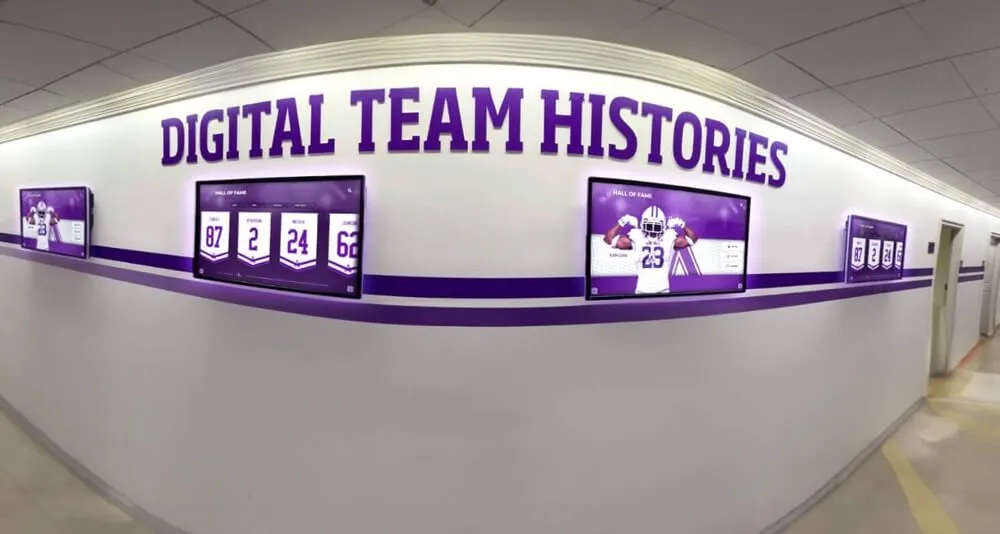
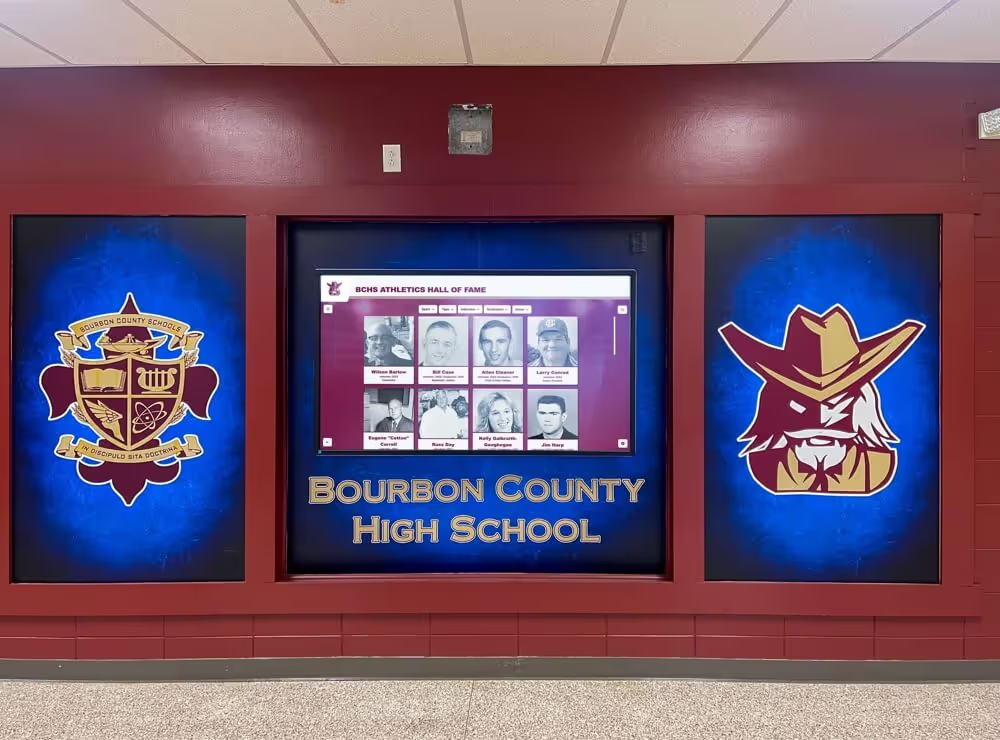
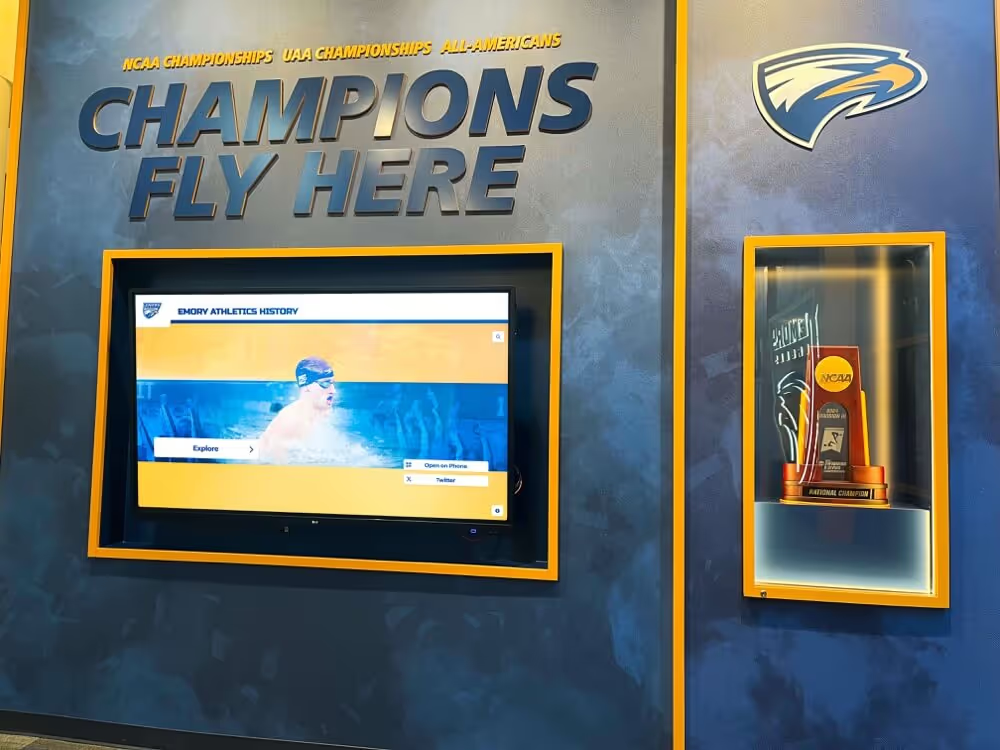
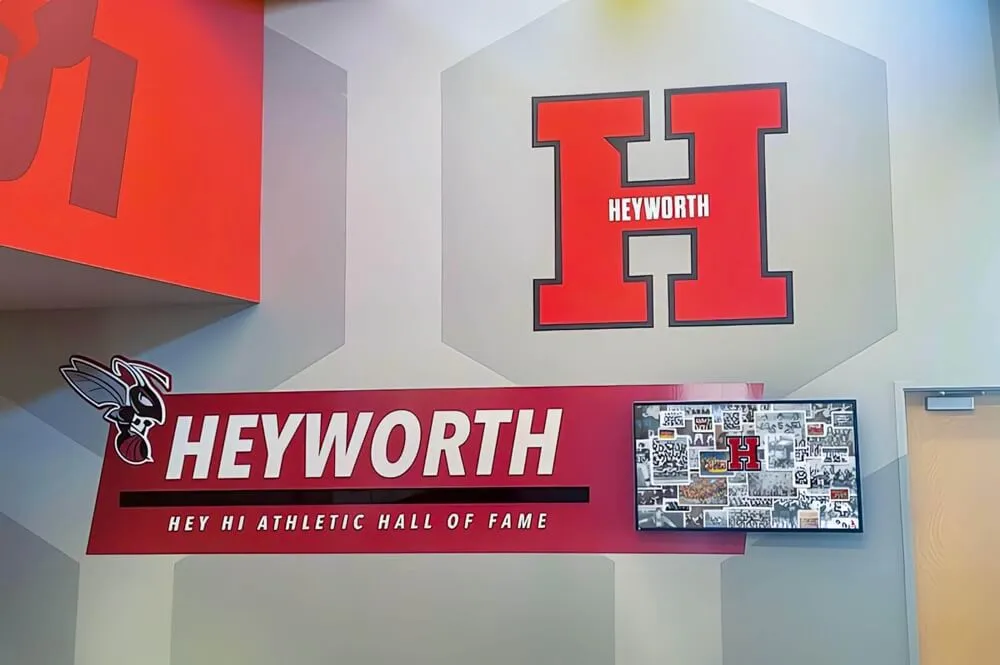
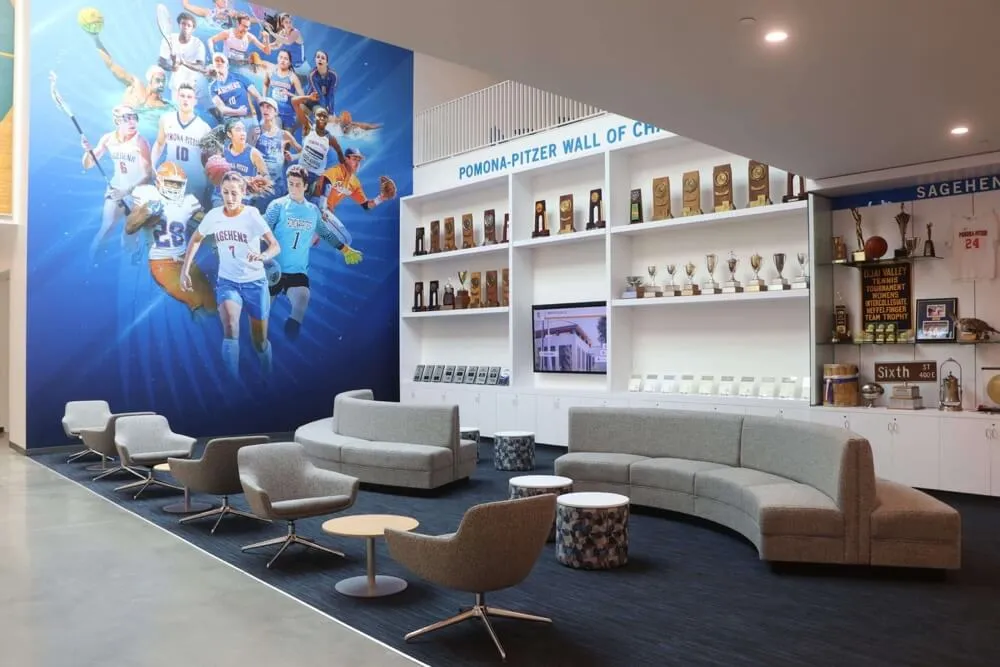
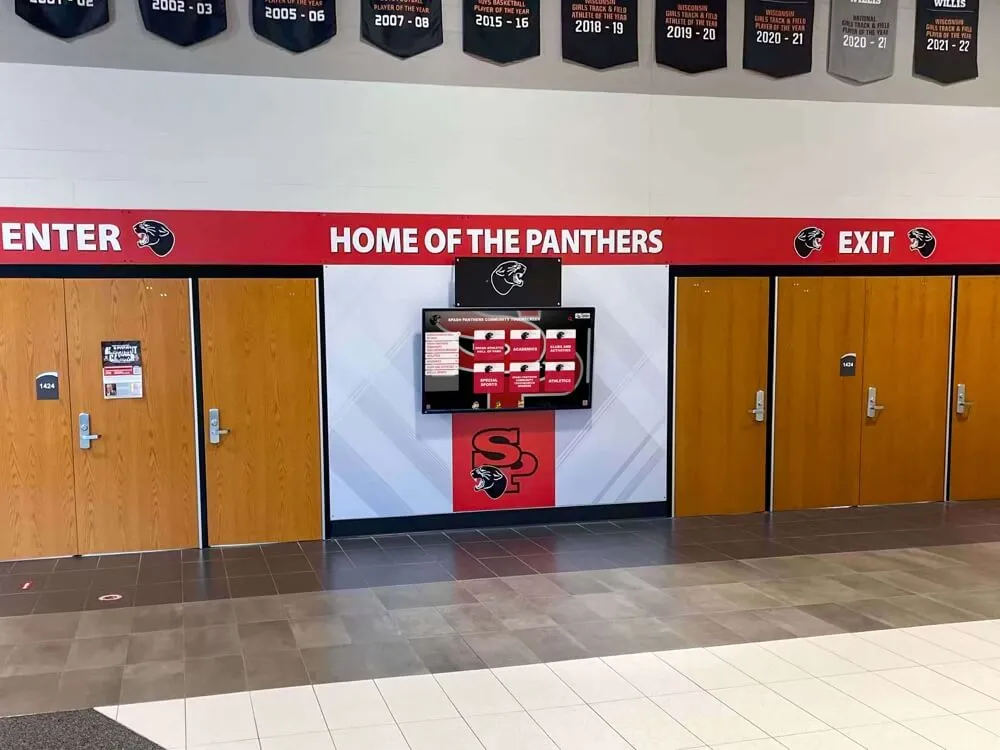
Successful baseball programs celebrate individual achievement while building team culture through comprehensive recognition systems
Fundamental Principles of Effective Baseball Coaching
Before diving into specific drills and strategies, understanding core coaching principles helps guide decision-making throughout seasons and careers.
Player-Centered Development Philosophy
Individual Progress Over Wins
Youth and high school baseball coaching prioritizes long-term player development:
- Focus on skill acquisition and improvement rather than solely win-loss records
- Celebrate individual progress even during team struggles
- Develop complete players rather than specializing too early
- Teach fundamentals correctly even when simpler approaches might win games short-term
- Balance competitive desire with developmental patience
Age-Appropriate Expectations
Tailor coaching approaches to developmental stages:
- Youth (8-12): Emphasis on fun, basic skills, positive experiences
- Middle School (13-14): Skill refinement, increased competition, position specialization begins
- High School (15-18): Advanced strategies, competitive excellence, preparation for next level
Coaches who push age-inappropriate expectations risk burnout, injury, and athletes leaving the sport entirely.
Building Trust and Relationships
Communication Foundation
Effective coaches establish clear communication:
- Explain the “why” behind drills and strategies, not just the “what”
- Encourage questions and ensure understanding before execution
- Provide specific, actionable feedback rather than generic criticism
- Balance correction with positive reinforcement
- Adapt communication styles to individual player personalities
Demonstrating Care Beyond Baseball
Players perform better for coaches who genuinely care:
- Learn about players’ lives, interests, and challenges outside baseball
- Attend players’ other activities when possible (academic events, other sports)
- Support players through personal difficulties
- Celebrate non-baseball achievements
- Create environments where athletes feel valued as people, not just players
Programs that develop strong cultures often implement comprehensive recognition approaches celebrating diverse student achievements beyond athletic performance alone.
Practice Planning and Organization
Effective practices don’t happen accidentally—they result from thoughtful planning that maximizes limited time while maintaining player engagement.
Structuring Productive Practices
Time Allocation Framework
Well-organized practices follow consistent structures:
- Warm-up and Dynamic Stretching (10-15 minutes): Prepare bodies while building routine
- Skill Stations (30-40 minutes): Rotate through focused fundamental work
- Team Defense and Situational Work (20-30 minutes): Practice game scenarios
- Live Batting Practice or Scrimmage (20-30 minutes): Apply skills in realistic settings
- Cool-down and Team Meeting (5-10 minutes): Review, preview, and build culture
Total practice lengths vary by age: 60-75 minutes for youth, 90-120 minutes for middle school, 2-2.5 hours for high school.
Station-Based Practice Design
Maximize repetitions and engagement through stations:
- Divide team into 4-6 groups rotating through focused stations
- Each station addresses specific skill (hitting, fielding, base running, pitching)
- Assistant coaches or parent volunteers supervise stations
- 8-12 minute rotations keep energy high and attention focused
- Every player receives quality repetitions regardless of skill level
Creating Engaging Practices
Competitive Drills and Games
Transform repetitive skill work into engaging competition:
- Points-based fielding competitions between groups
- Situational hitting challenges with team goals
- Base running races and decision-making games
- Position-specific competitions (catcher pop times, outfield accuracy)
- Team records boards tracking improvement over seasons
Incorporating competitive elements naturally connects to tracking athletic achievements and records that motivate continued excellence.
Variety Preventing Monotony
Maintain player interest through variation:
- Rotate drill types throughout the week
- Introduce new skills or concepts regularly
- Use different competitive formats
- Occasionally surprise teams with fun, unexpected activities
- Balance individual skills work with team-oriented drills
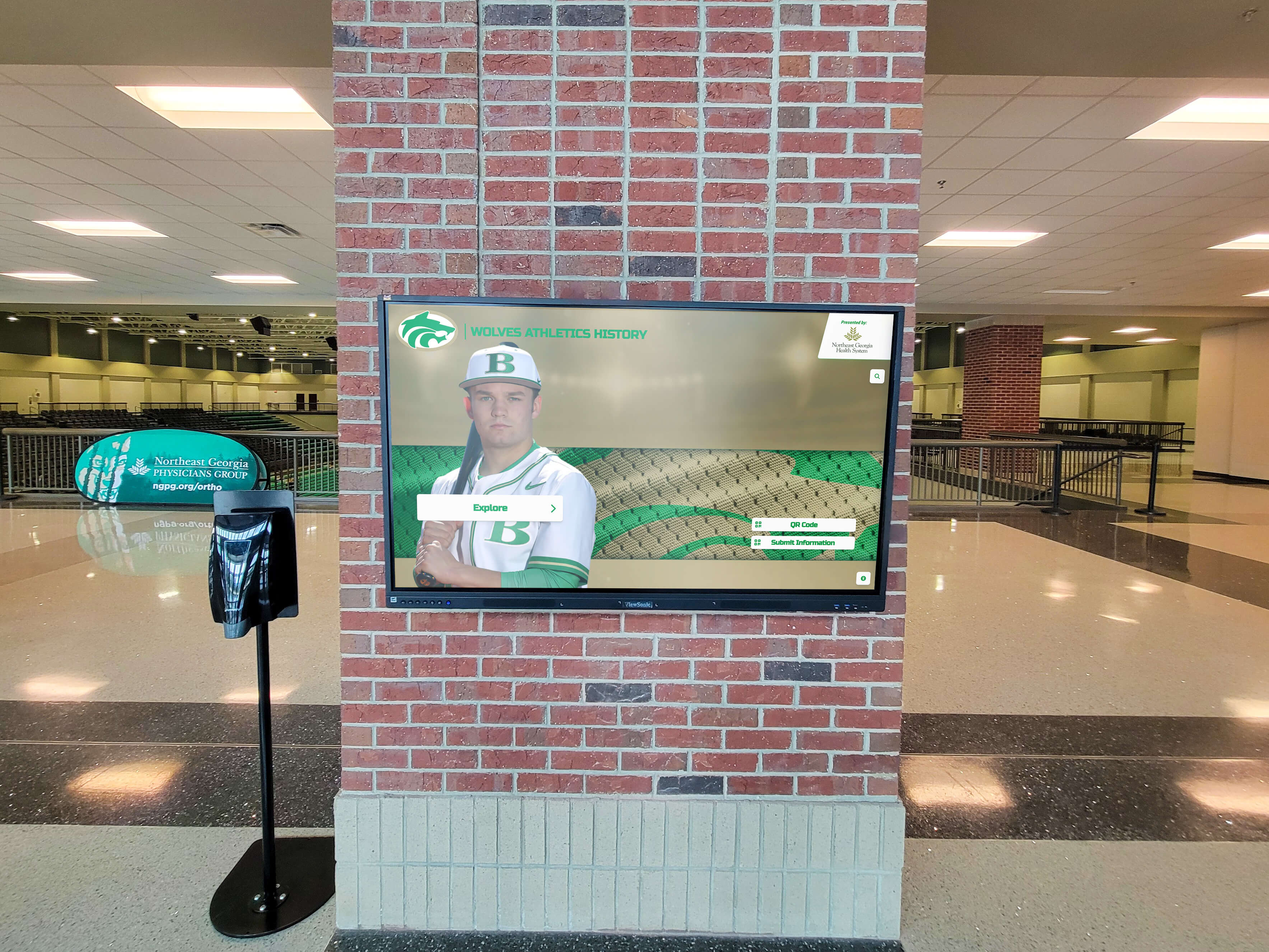
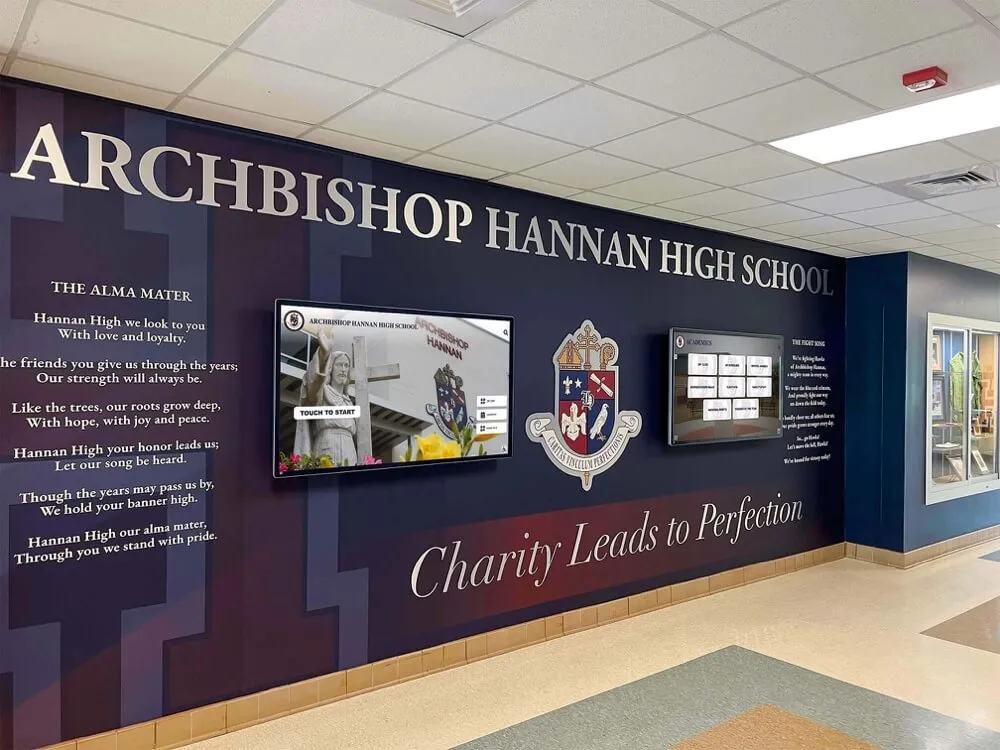
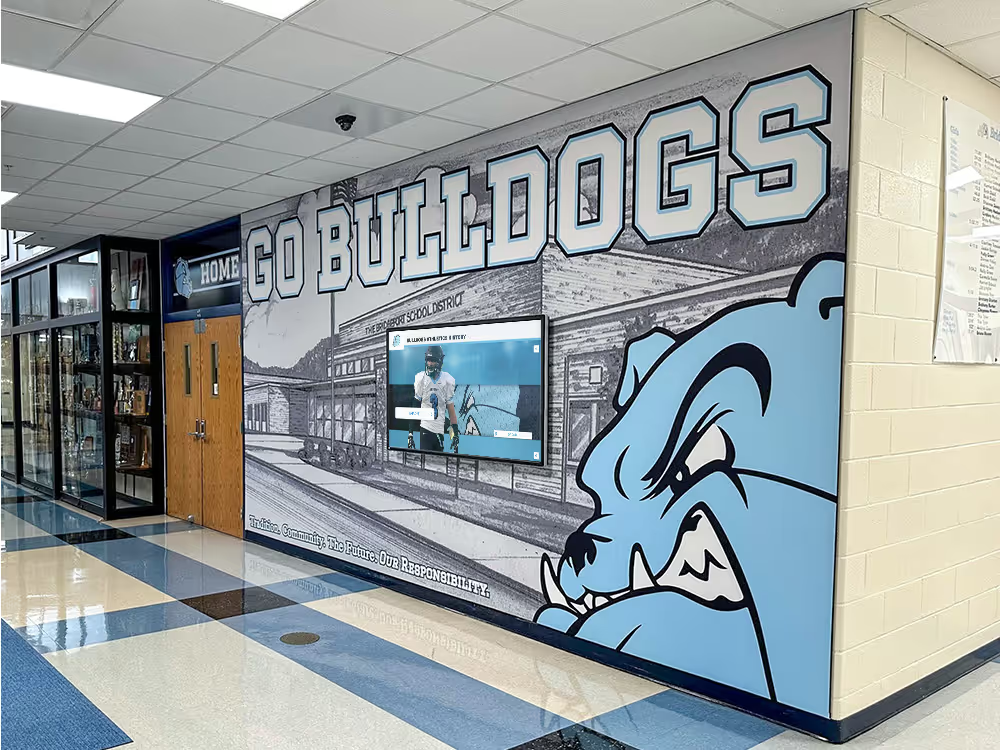
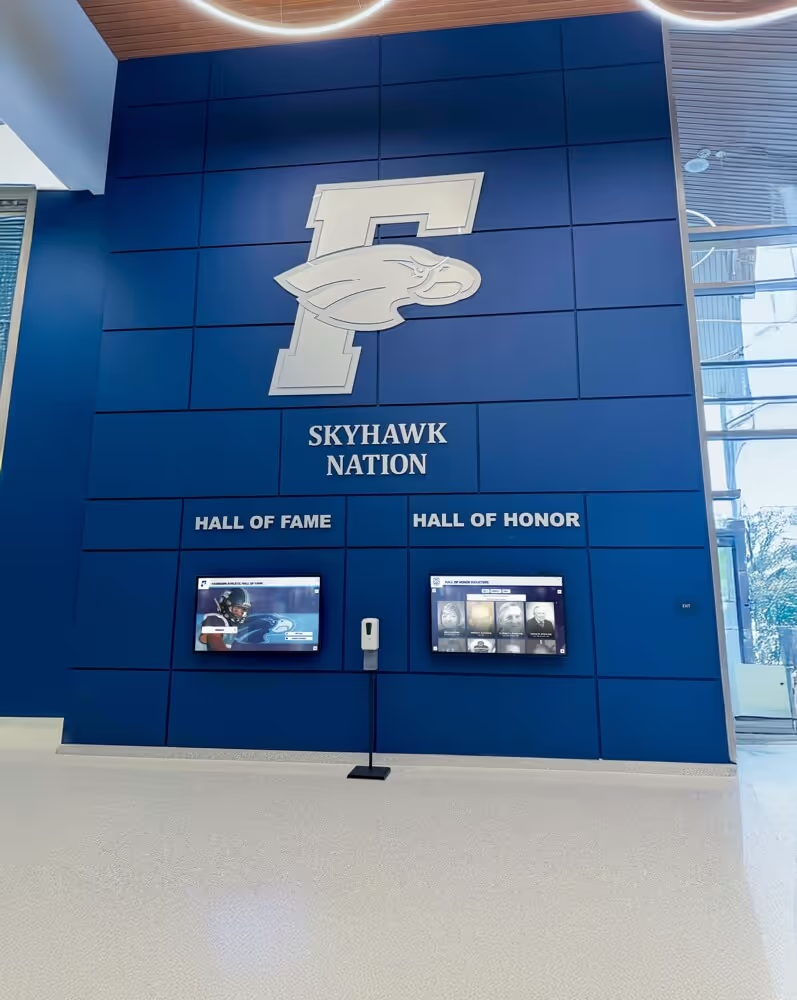
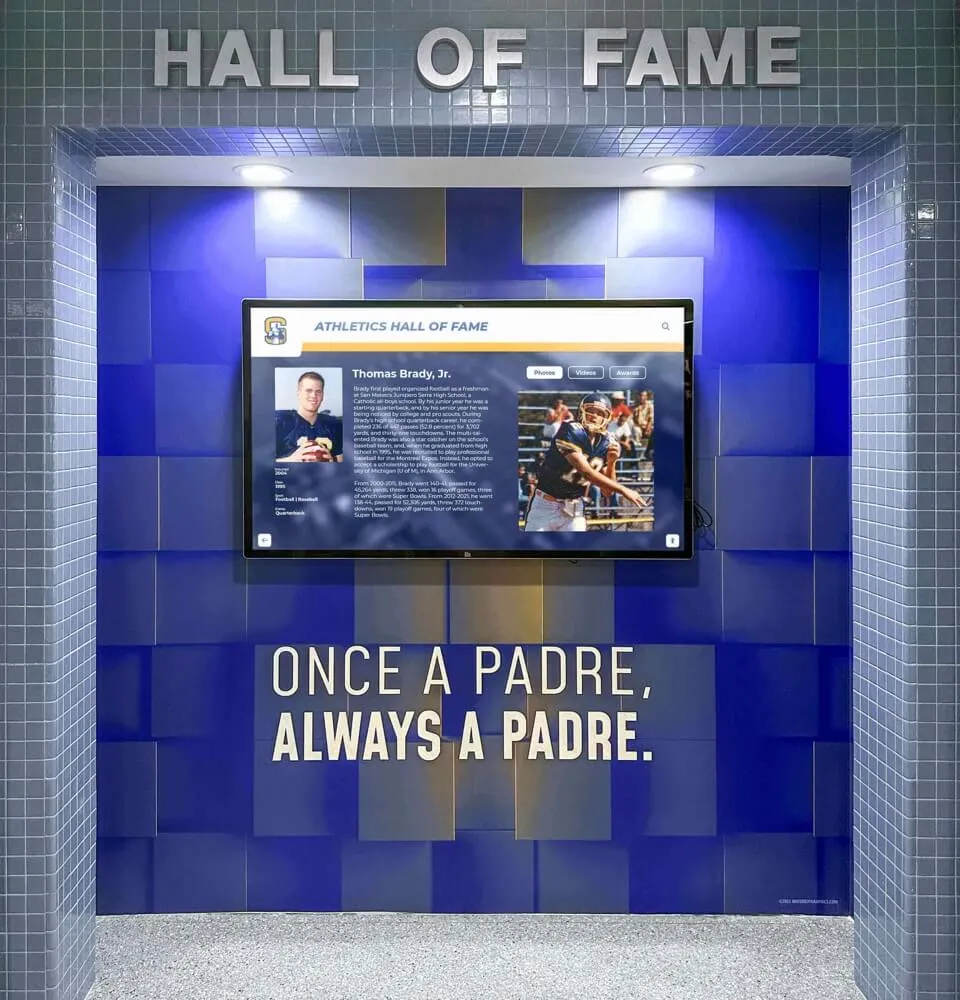
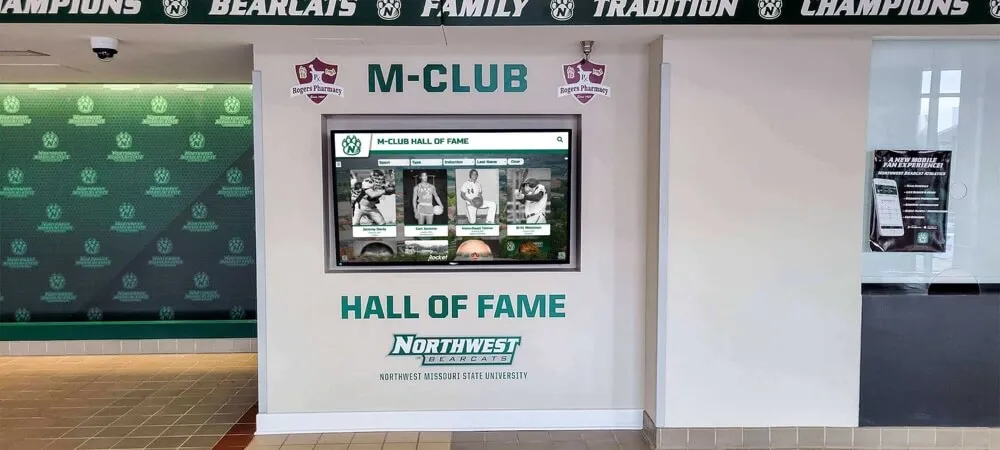
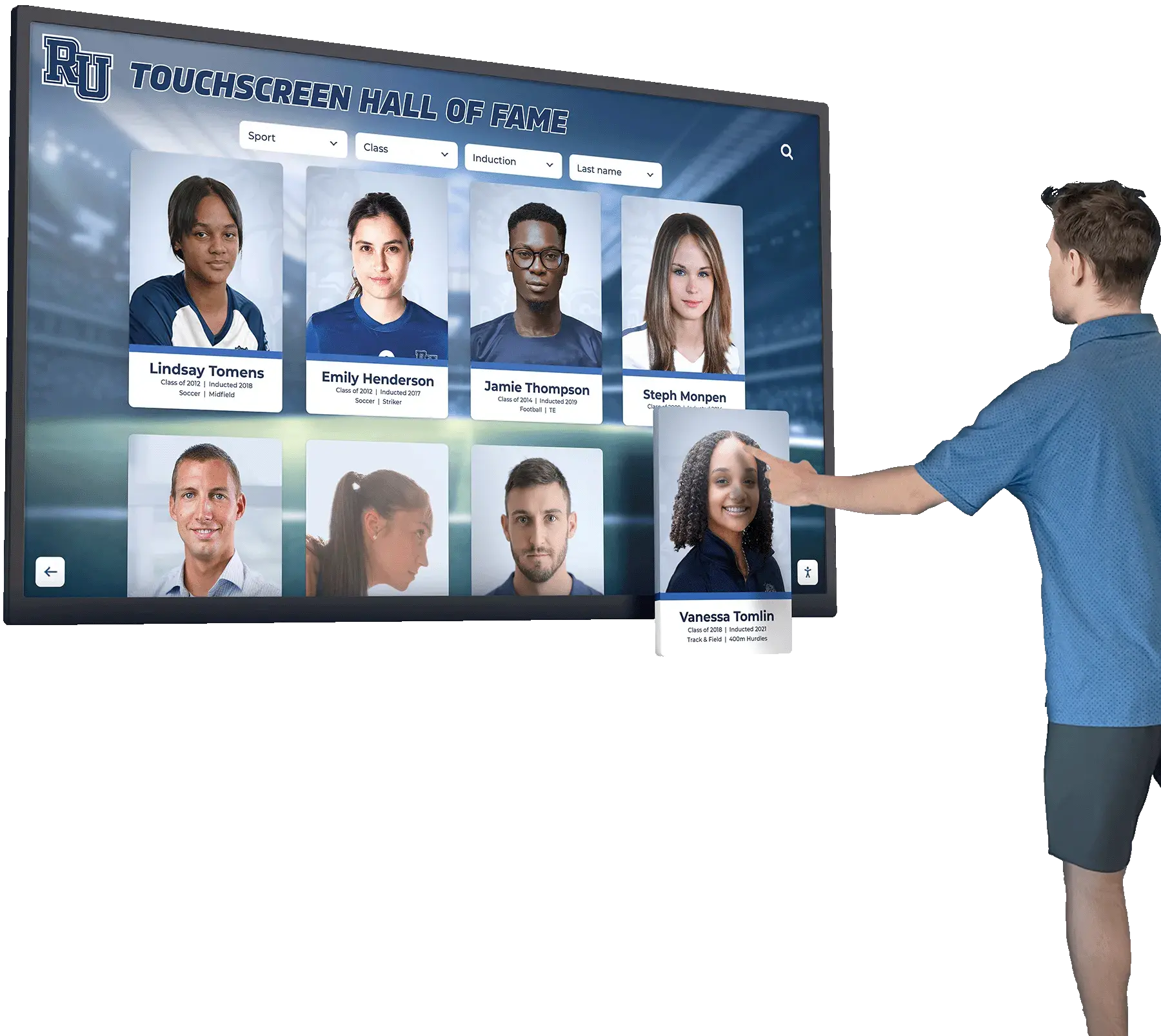
Modern athletic facilities showcase sport-specific recognition displays celebrating individual excellence and inspiring current players
Practice Planning Tools
Season Practice Maps
Plan progressions across entire seasons:
- Pre-season emphasizing fundamentals and conditioning
- Early season introducing team concepts and strategies
- Mid-season refining execution and addressing weaknesses
- Late season focusing on situational execution and mental preparation
- Post-season development and skill-building for next year
Daily Practice Plans
Document specific practice details:
- Written plans with time allocations for each segment
- Specific drill names and coaching points
- Equipment needs identified in advance
- Station assignments for coaches and players
- Adjustments based on previous practice or game observations
Coaches who invest 15-20 minutes planning each practice save significantly more time through organized, efficient execution.
Teaching Baseball Fundamentals
Technical skill development forms the foundation of competitive baseball—coaches must understand and effectively teach proper mechanics.
Hitting Mechanics and Approach
Stance and Setup Fundamentals
Teach consistent starting positions:
- Balanced stance with weight on balls of feet
- Feet shoulder-width apart, slightly open or square to pitcher
- Hands positioned near back shoulder, bat at 45-degree angle
- Relaxed grip avoiding tension that slows bat speed
- Eyes focused on pitcher’s release point
Swing Path and Mechanics
Break down the swing into teachable components:
- Load: Small weight shift back, hands move slightly backward
- Stride: Short, controlled step toward pitcher maintaining balance
- Hip Rotation: Explosive rotation of hips initiating power
- Hands to Ball: Direct path to contact point, hands inside ball
- Extension: Full extension through contact zone
- Follow-through: Complete rotation finishing balanced
Common Hitting Flaws and Corrections
Address frequent mechanical issues:
- Dropping back shoulder: Emphasize level swing path, use tee drills
- Stepping out: Stride direction drills, front foot placement markers
- Long swing: Inside-out drills, quick hands emphasis
- Poor weight transfer: One-leg drills, back-to-front movement focus
- Weak contact: Extension drills, hitting through the ball
Use video analysis when possible—players seeing their swings accelerates understanding and adjustment.
Pitching Development and Arm Care
Proper Throwing Mechanics
Foundation for all positions, especially pitchers:
- Four-seam fastball grip across seams for maximum backspin
- Balanced starting position with feet shoulder-width apart
- Controlled leg lift maintaining balance over back leg
- Directional stride toward target (home plate or base)
- Arm path: down-back-up creating natural throwing arc
- Hip and shoulder separation generating velocity
- Follow-through with deceleration protecting arm
Age-Appropriate Pitch Development
Progressive pitch introduction protecting arms:
- Youth (8-12): Fastball only, focus on strikes and mechanics
- 13-14: Add changeup as second pitch, avoid breaking balls
- 15+: Introduce curveball or slider with proper mechanics and limits
Pitch Counts and Arm Health
Protect young arms through strict limitations:
- Follow age-based pitch count guidelines (60-75 for 11-12, 75-95 for 13-14, 95-105 for 15-16, 105-110 for 17-18)
- Required rest days based on pitch counts
- Monitor total pitches across all teams (travel, school, summer)
- Emphasize year-round arm care and strengthening programs
- Avoid pitching and catching same day or consecutive days
Arm injuries end more promising careers than any other factor—conservative approach to pitching development protects long-term potential.
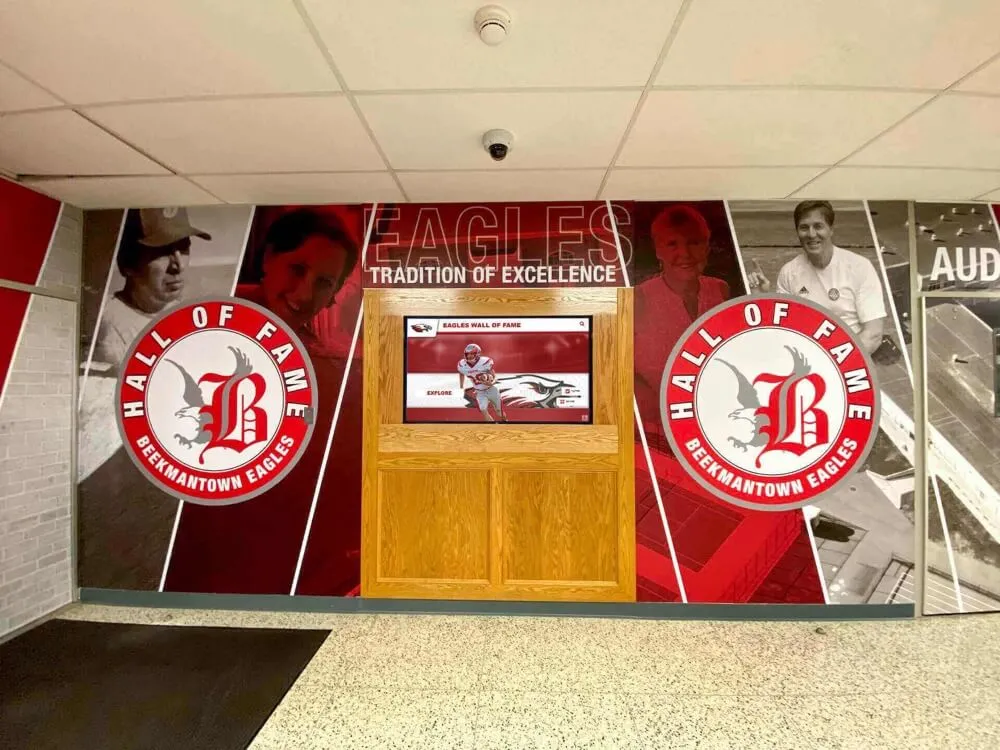
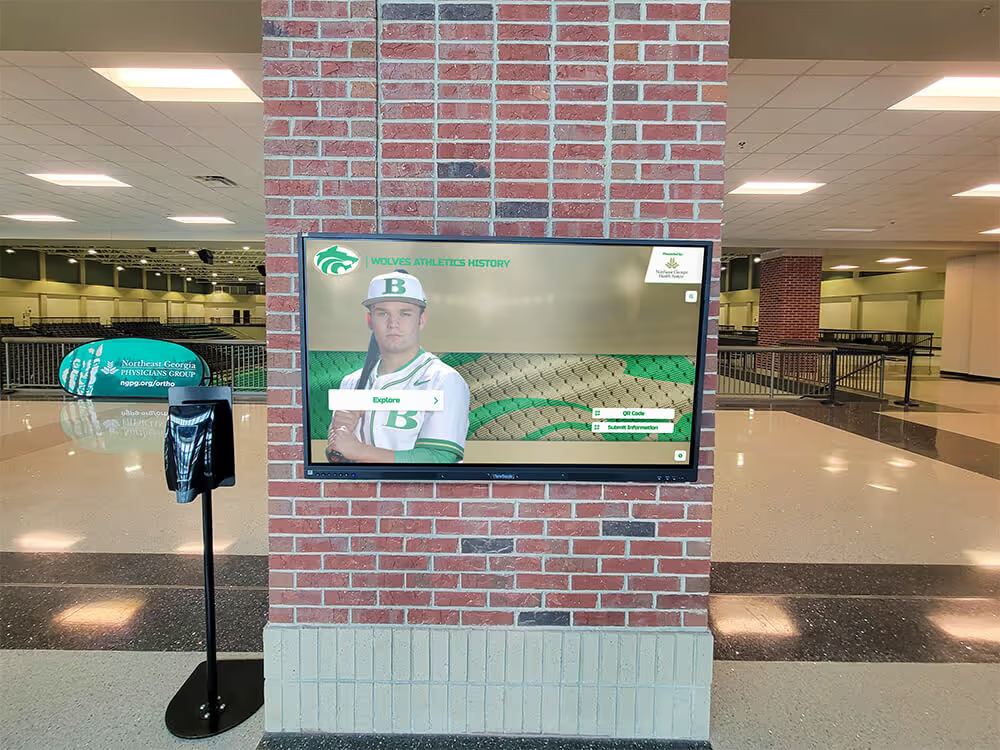
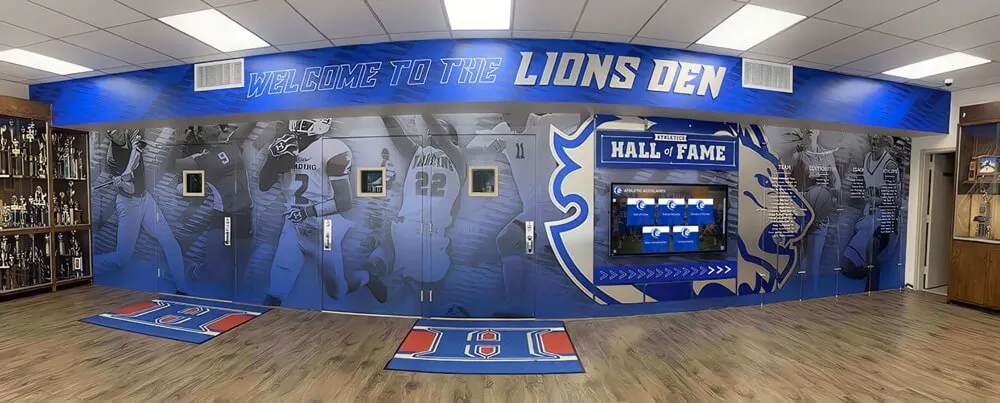
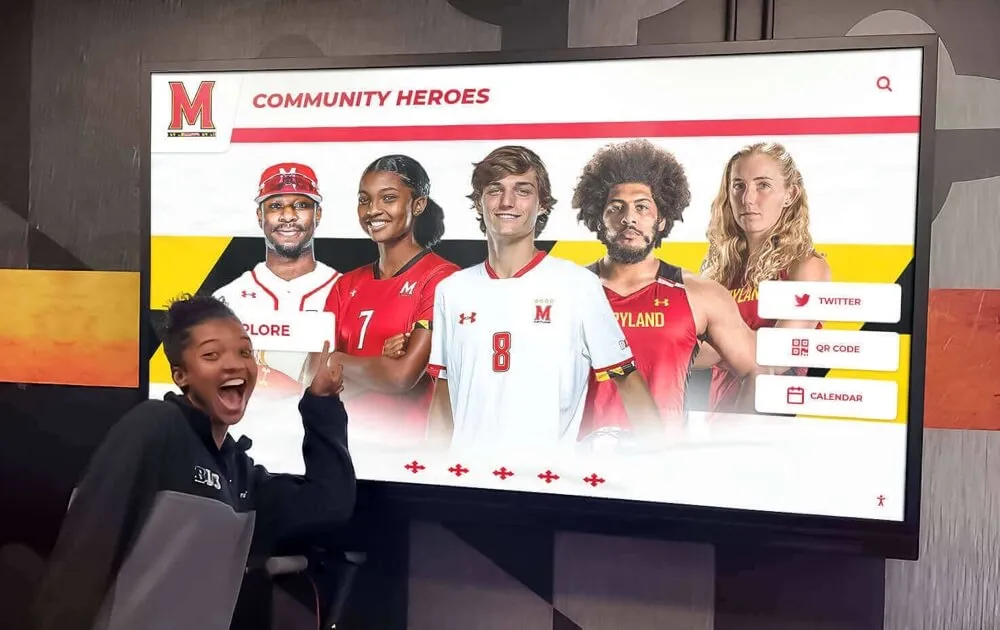
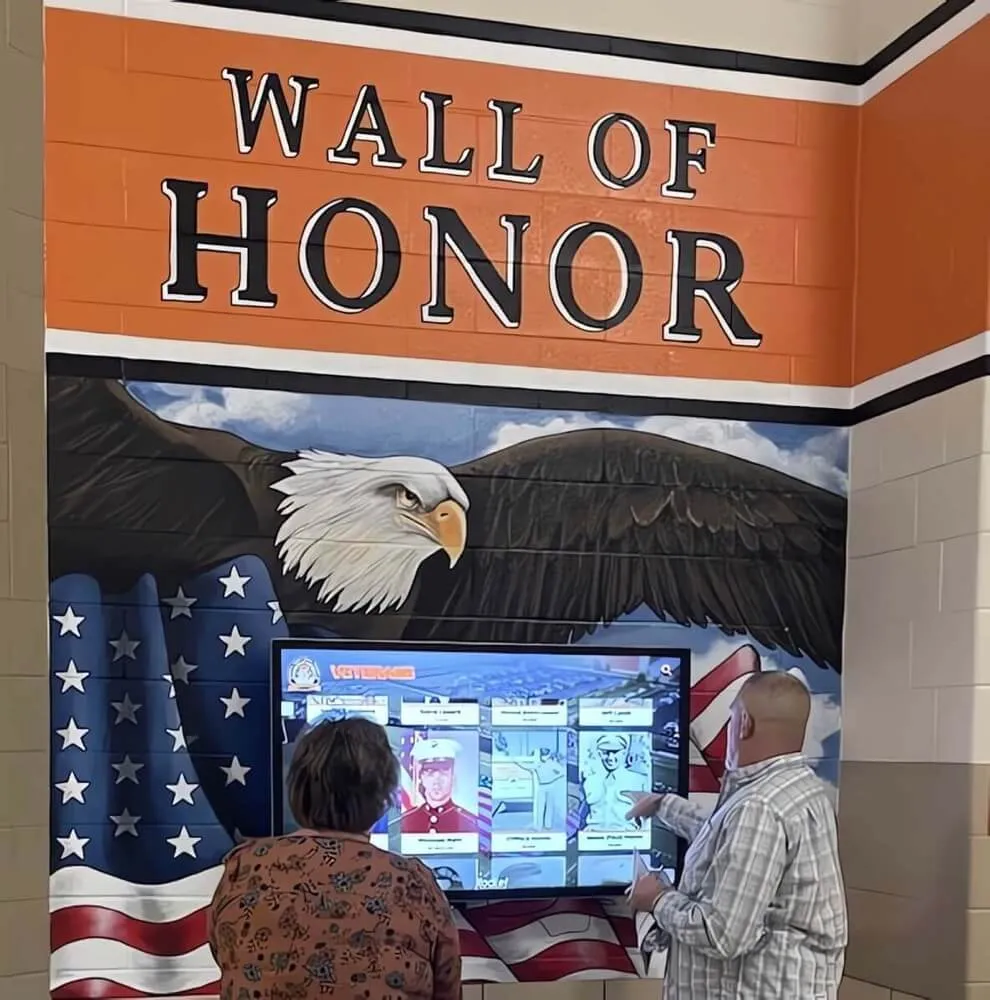
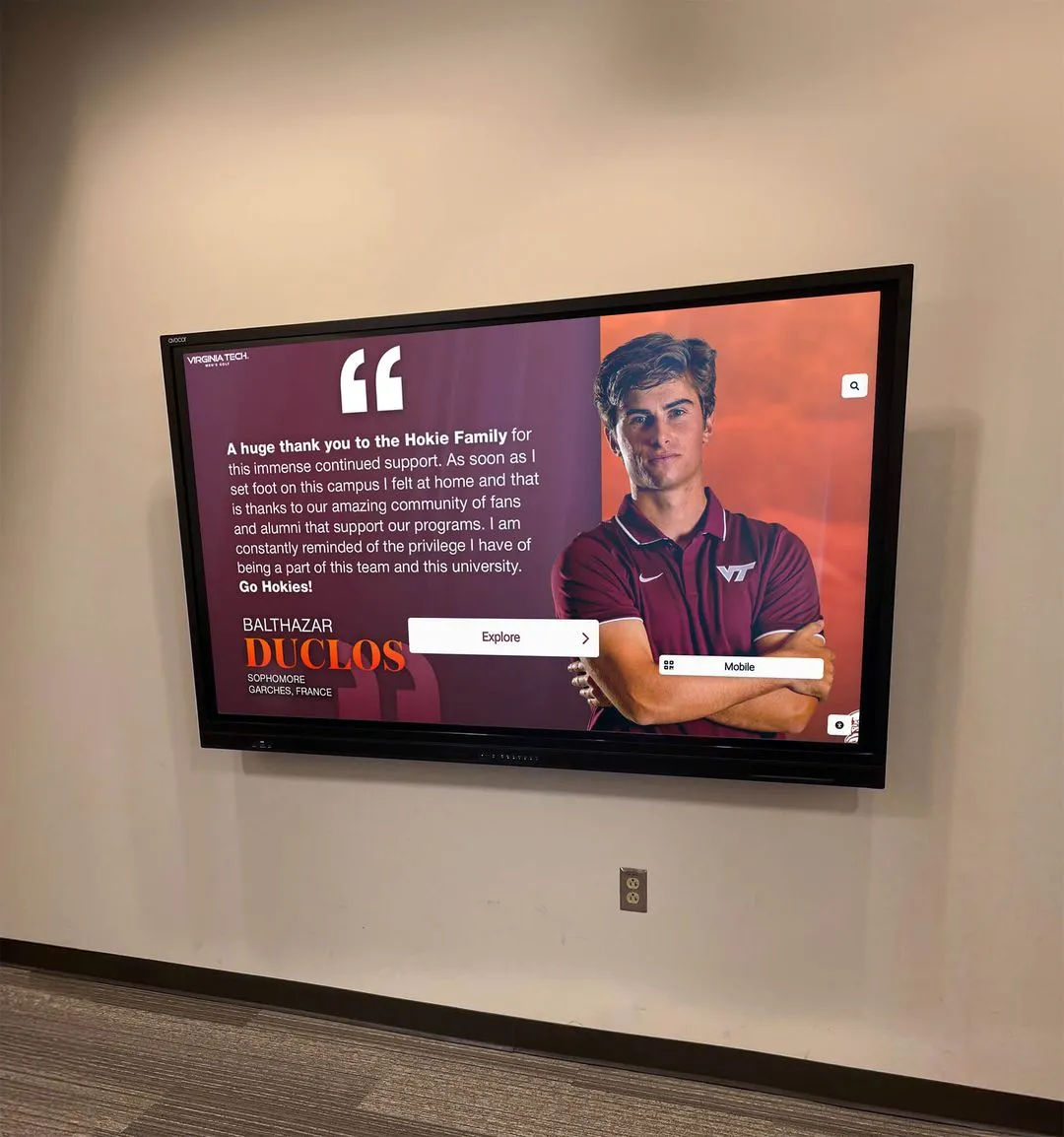
Recognition systems celebrating players who advance to collegiate level inspire younger athletes while honoring program achievement
Defensive Fundamentals
Infield Play Essentials
Teach position-appropriate skills:
- Ready Position: Balanced, weight forward, glove low and out front
- Footwork: Proper approach angles, momentum toward target
- Glove Work: Catching ball out front, soft hands, funneling to throwing position
- Throws: Quick transitions, accuracy over velocity for most plays
- Double Plays: Pivot footwork, feeds to second base, turning two
Outfield Fundamentals
Unique skill set for outfield positions:
- Drop-step technique on balls over head
- Proper routes to fly balls (take angles, not straight lines to landing spots)
- Crow-hop throwing mechanics generating power and accuracy
- Communication preventing collisions and dropped balls
- Backing up bases and cuts on every pitch
Catching Excellence
Most demanding defensive position requires specialized coaching:
- Proper receiving stance and framing techniques
- Blocking balls in dirt (chest over ball, keeping ball in front)
- Pop-up footwork and throwing mechanics
- Game management and pitcher communication
- Leadership development as field general
Base Running Intelligence
Often overlooked but game-changing skill:
Fundamental Base Running
Teach aggressive, smart base running:
- Running through first base on ground balls
- Rounding bases at proper angles taking extra bases
- Reading fly balls and tagging up appropriately
- Knowing counts, outs, and situations
- Aggressive secondary leads and stealing techniques
Situational Awareness
Base running IQ wins close games:
- Two-out differences in approach
- Score, inning, and game situation considerations
- Pitcher tendencies and pickoff moves
- Defensive positioning and arm strengths
- Advancing on wild pitches, passed balls, and defensive lapses
Schools can showcase comprehensive athletic achievements, including tournament bracket successes and championship runs, through modern recognition systems.
Building Championship Team Culture
Technical skills matter, but culture often determines which talented teams achieve championship success versus underperforming.
Establishing Core Values and Standards
Defining Program Identity
Successful programs articulate clear values:
- Select 3-5 core values (examples: hard work, accountability, team-first, resilience)
- Define what each value means in concrete behavioral terms
- Reference values consistently in coaching and recognition
- Display values prominently in facilities and on materials
- Hold all players and coaches accountable to standards
Team Rules and Expectations
Clear standards prevent confusion and conflict:
- Attendance and punctuality requirements
- Practice and game effort expectations
- Academic standards for participation
- Dress codes for travel and team functions
- Social media and conduct policies
- Consequences for violations (consistent and fair)
Document expectations clearly and review with players and parents before seasons begin.
Motivation and Recognition Systems
Celebrating Individual and Team Success
Strategic recognition reinforces desired behaviors:
- Public acknowledgment of improvement and effort, not just results
- Position-specific awards recognizing different contribution types
- Academic achievement recognition alongside athletic success
- Character awards highlighting leadership and sportsmanship
- Team achievement celebrations for reaching collective goals
Many successful programs implement comprehensive student achievement tracking capturing diverse contributions beyond statistics alone.
Creating Competitive Internal Culture
Healthy competition within teams raises overall performance:
- Transparent depth charts based on performance in practice
- Position competitions throughout seasons
- Statistical tracking and personal goal setting
- Recognition boards showcasing achievements
- Team challenges and competitions during practice
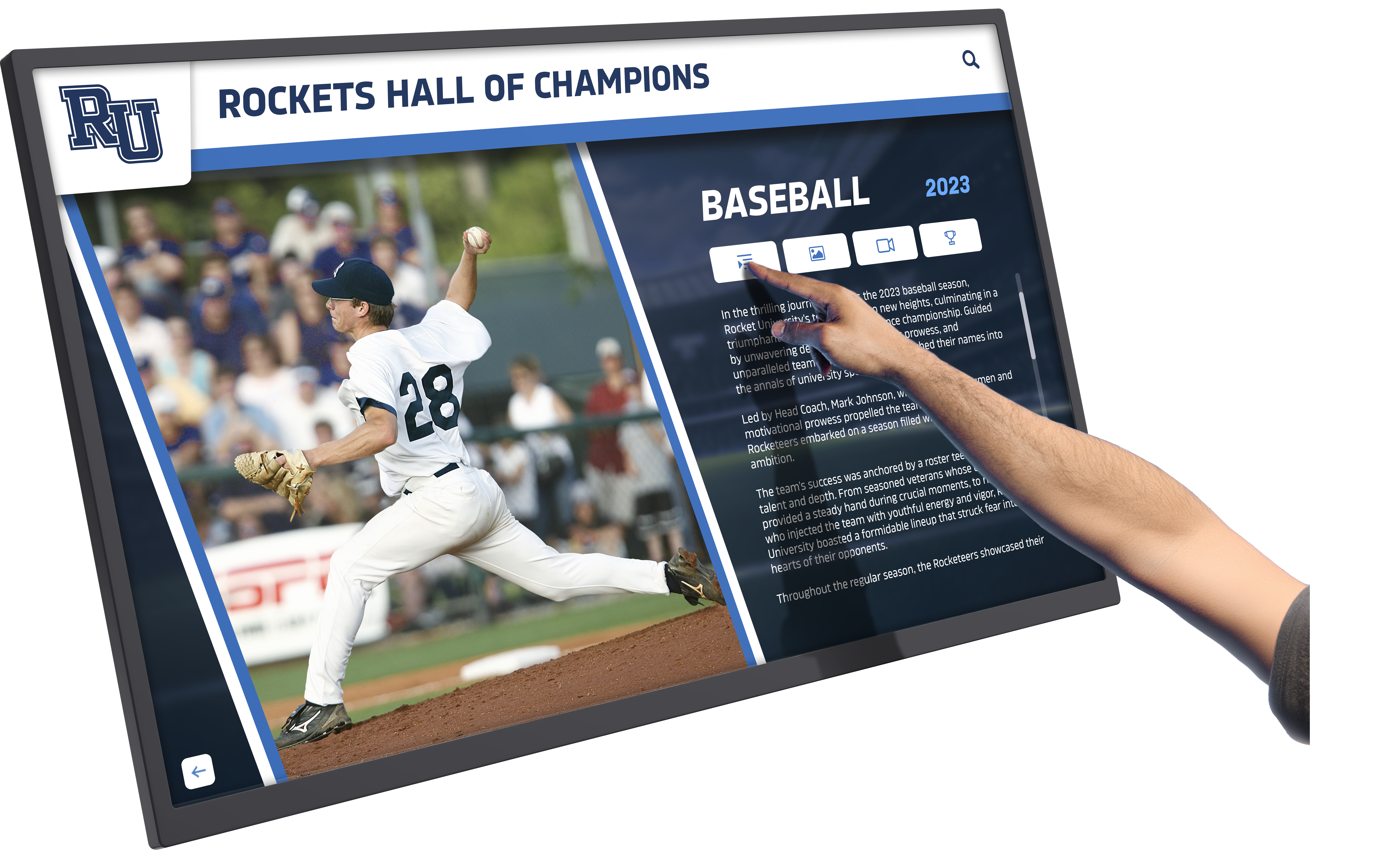
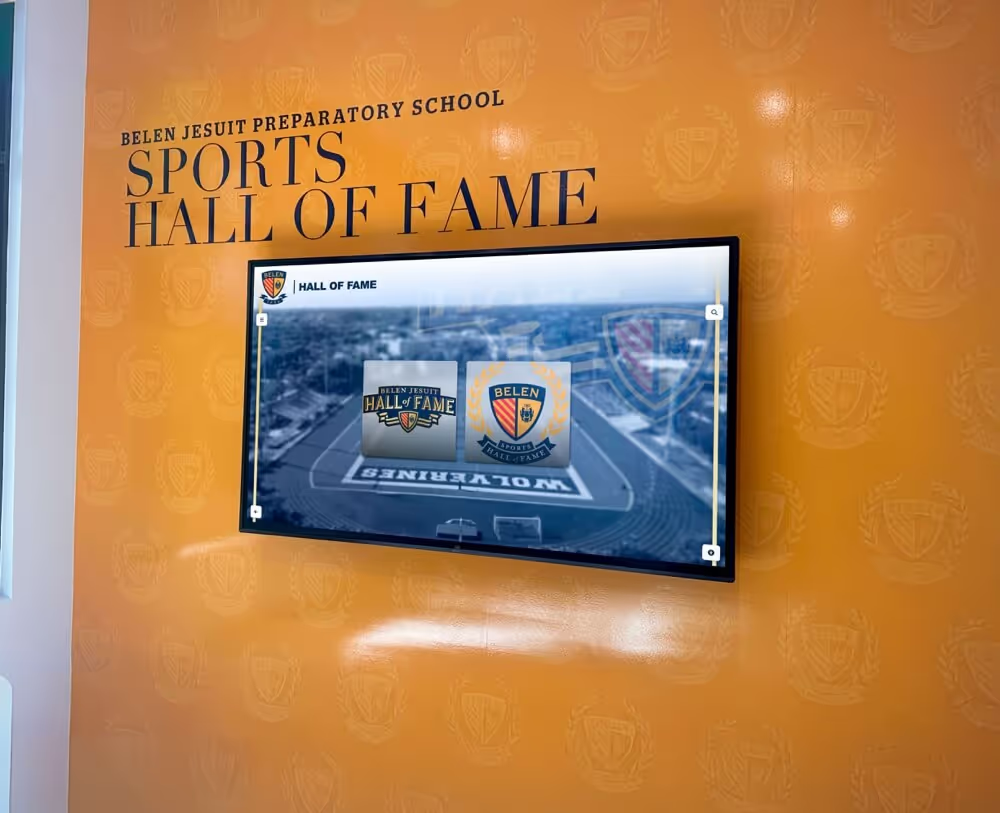
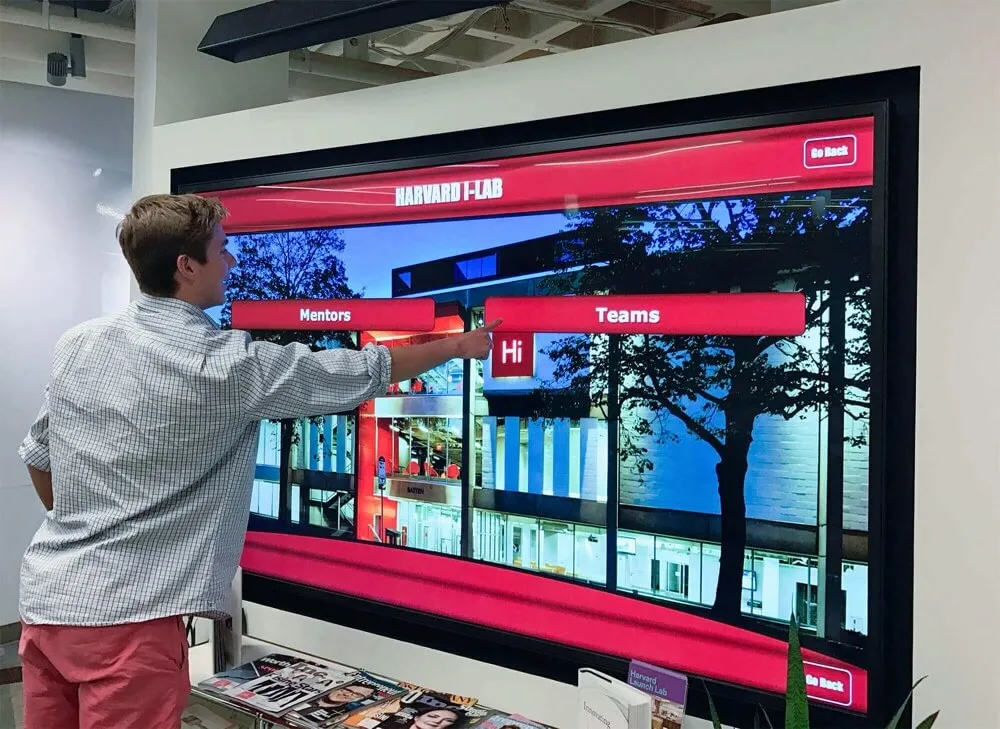
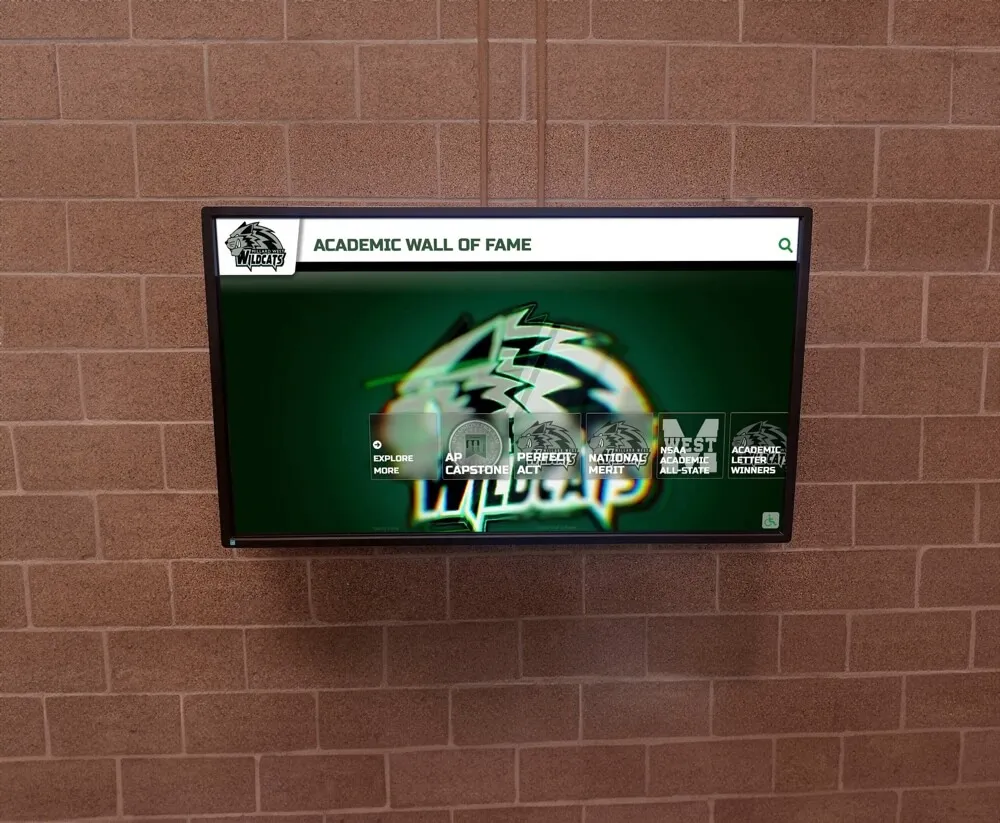
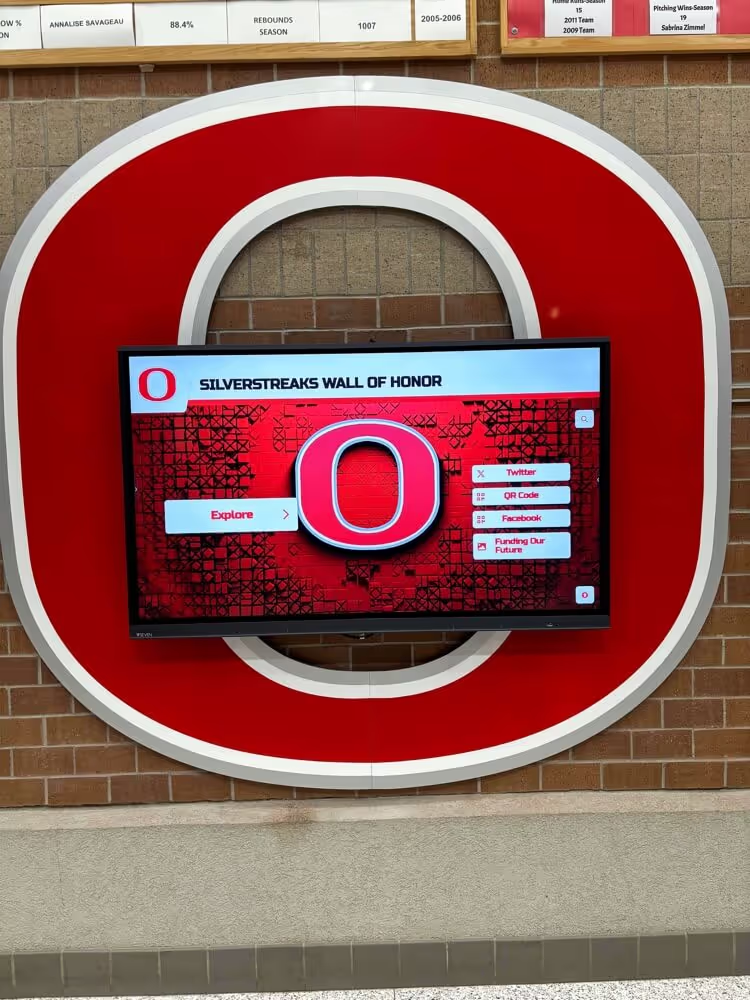
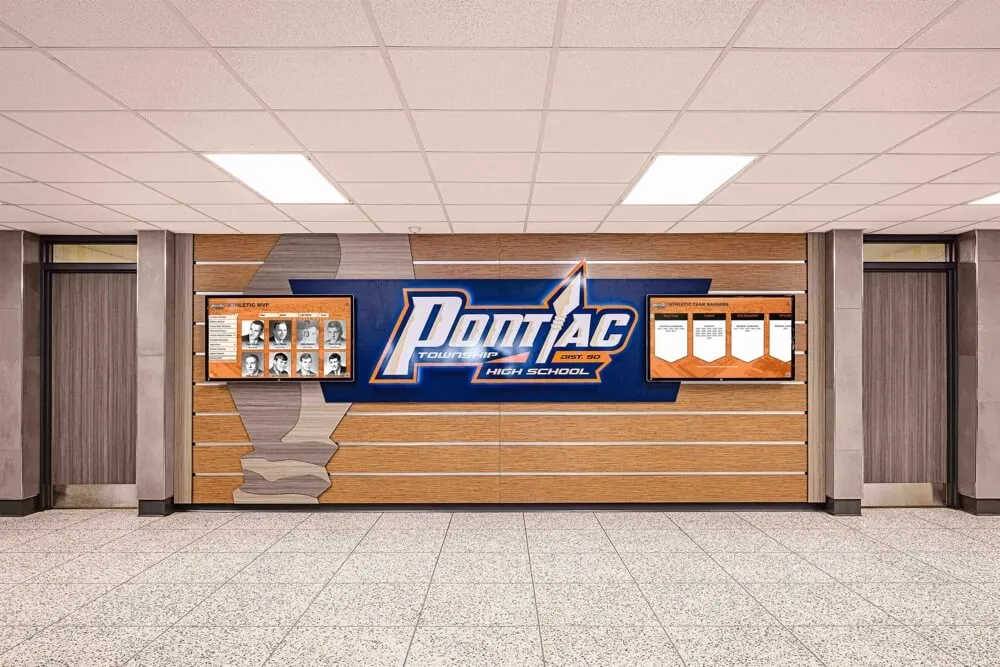
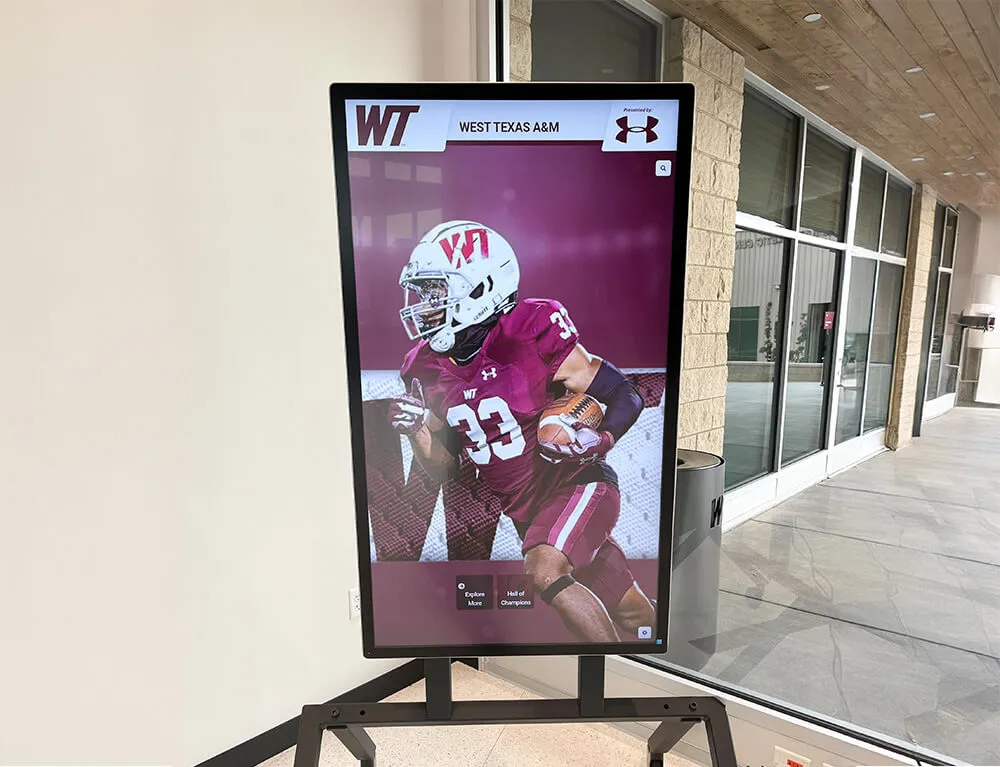
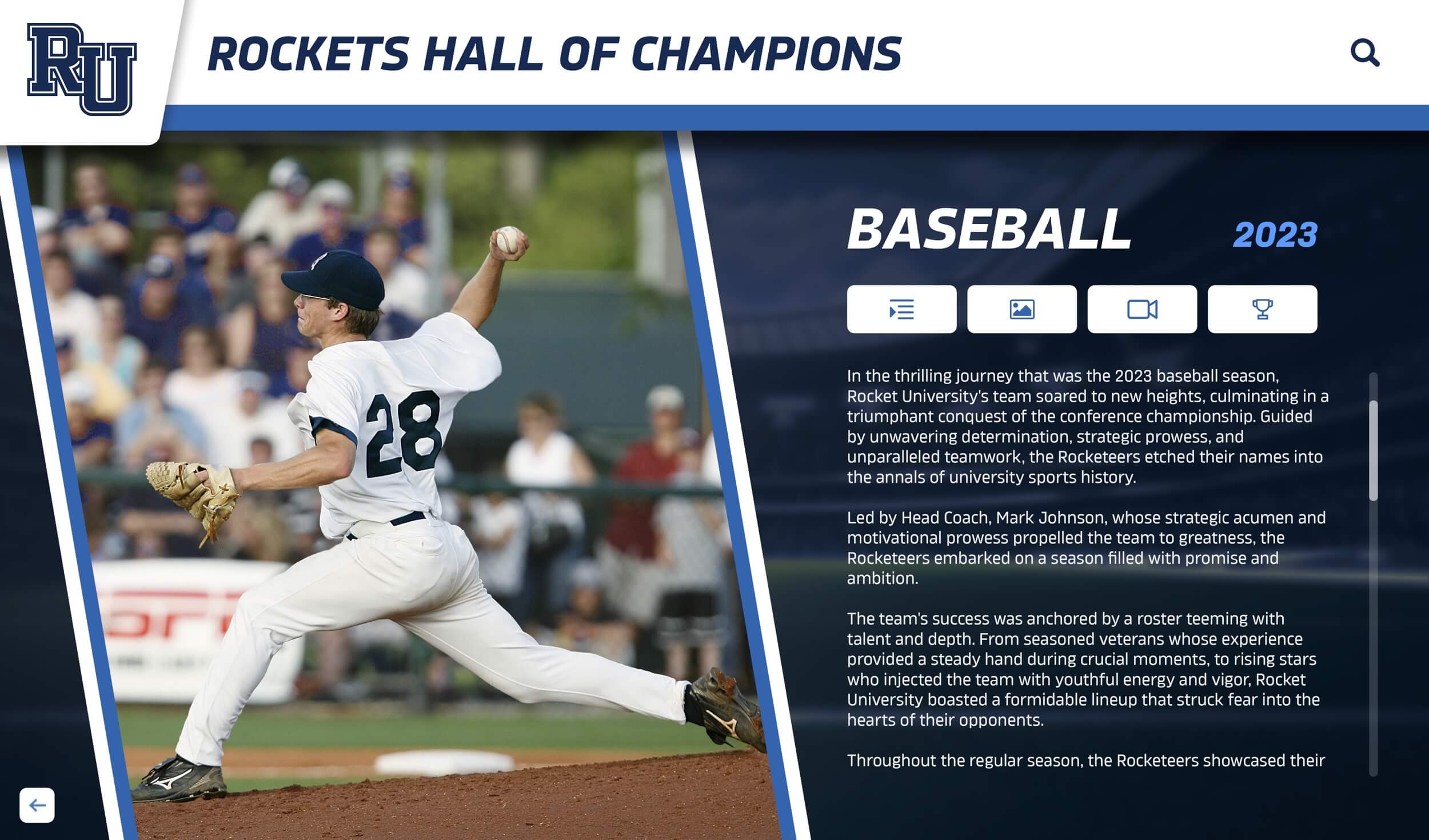
Interactive displays allow programs to showcase detailed player statistics, achievements, and program history while engaging recruits and community members
Team Bonding and Unity
Building Chemistry Beyond Baseball
Strong relationships translate to competitive advantage:
- Team meals and social activities outside practice
- Community service projects developing shared purpose
- Pre-season retreats or team-building events
- Pairing younger and older players as mentors
- Celebrating birthdays and personal milestones
Managing Team Dynamics
Address relationship challenges proactively:
- Regular check-ins with individual players about team dynamics
- Address conflicts directly and promptly
- Facilitate communication between players having issues
- Build accountability systems where teammates hold each other to standards
- Create inclusive environments where all players feel valued
Teams that genuinely care about each other fight harder, support better, and achieve more together.
Game Strategy and In-Game Coaching
Practice development matters little without effective game-time execution and strategic decision-making.
Developing Game Plans
Opponent Scouting and Preparation
Strategic advantage comes from preparation:
- Scout opponents identifying tendencies (pitching patterns, defensive positioning, base running aggression)
- Develop specific game plans addressing opponent strengths and weaknesses
- Practice situations likely to arise against specific opponents
- Prepare hitters with information about opposing pitchers
- Adjust defensive alignments based on scouting reports
Situational Strategy
Master common game situations:
- Sacrifice bunt execution and defense
- First and third offense and defense strategies
- Squeeze play timing and execution
- Intentional walk situations
- Defensive positioning with runners on base
- Pitch selection and sequencing philosophies
In-Game Decision Making
Pitching Management
Critical decisions affecting outcomes:
- Starting pitcher selection based on matchups
- Recognizing when starters losing effectiveness
- Bullpen deployment based on game situations
- Respecting pitch count limits despite game circumstances
- Long-term development versus short-term wins trade-offs
Offensive Tactics
Strategic offensive choices:
- Batting order construction maximizing run production
- When to sacrifice versus play for big innings
- Stolen base risk/reward assessment
- Pinch-hitting decisions in crucial situations
- Taking or swinging 3-0 counts based on situation
Defensive Adjustments
In-game defensive modifications:
- Shifting defensive alignments based on hitters
- Positioning outfielders based on game situations
- Intentional walk decisions
- Pitchout timing catching base stealers
- Playing infield in versus back based on game state
Experience improves in-game decision-making—keep notes on decisions and outcomes, learning from both successes and mistakes.
Communication with Players and Parents
Managing relationships beyond on-field coaching separates good programs from great ones.
Effective Player Communication
Individual Feedback and Development Plans
Regular one-on-one communication:
- Pre-season meetings establishing goals and expectations
- Mid-season check-ins discussing progress and adjustments
- Playing time conversations addressing roles honestly
- Post-season evaluations providing comprehensive feedback
- Off-season development plans guiding individual improvement
Constructive Criticism Delivery
Feedback methods that actually improve performance:
- Correction sandwich: positive-correction-positive
- Specific rather than general (“step toward pitcher” versus “better swing”)
- Focus on controllable factors (effort, preparation, technique)
- Private correction of embarrassing mistakes
- Public praise, private criticism as general rule
Parent Communication Strategies
Setting Expectations Early
Pre-season parent meetings establish understanding:
- Playing time philosophy and evaluation criteria
- Practice and game attendance expectations
- Academic requirements for participation
- Communication protocols (when and how parents can contact coaches)
- Parent behavior expectations at games
- Team expenses and fundraising requirements
Handling Difficult Conversations
Managing inevitable parent concerns:
- 24-hour rule (no discussions immediately after games)
- Schedule meetings rather than sideline ambushes
- Listen to concerns without becoming defensive
- Explain decisions while maintaining coaching authority
- Focus on development and team success
- Document conversations when necessary
Clear policies prevent most conflicts—communicate proactively rather than reactively.
Programs that emphasize holistic development often integrate recognition approaches celebrating first-generation achievements and diverse student accomplishments beyond athletics.
Creating Program Legacy and Tradition
Sustainable programs build traditions that outlast individual teams or coaches, creating continuity and pride across generations.
Establishing Team Traditions
Season Rituals and Ceremonies
Meaningful traditions bond teams:
- Opening day ceremonies welcoming season
- Senior recognition events honoring graduating players
- Championship celebration traditions
- Team meal traditions before big games
- End-of-season awards banquets
- Alumni game connecting past and present players
In-Season Traditions
Smaller rituals building identity:
- Pre-game warm-up routines and chants
- Post-win celebrations (specific songs, handshakes)
- Traveling trophy or award for game MVPs
- Theme games or special uniform combinations
- Streak acknowledgments (winning streaks, shut-outs)
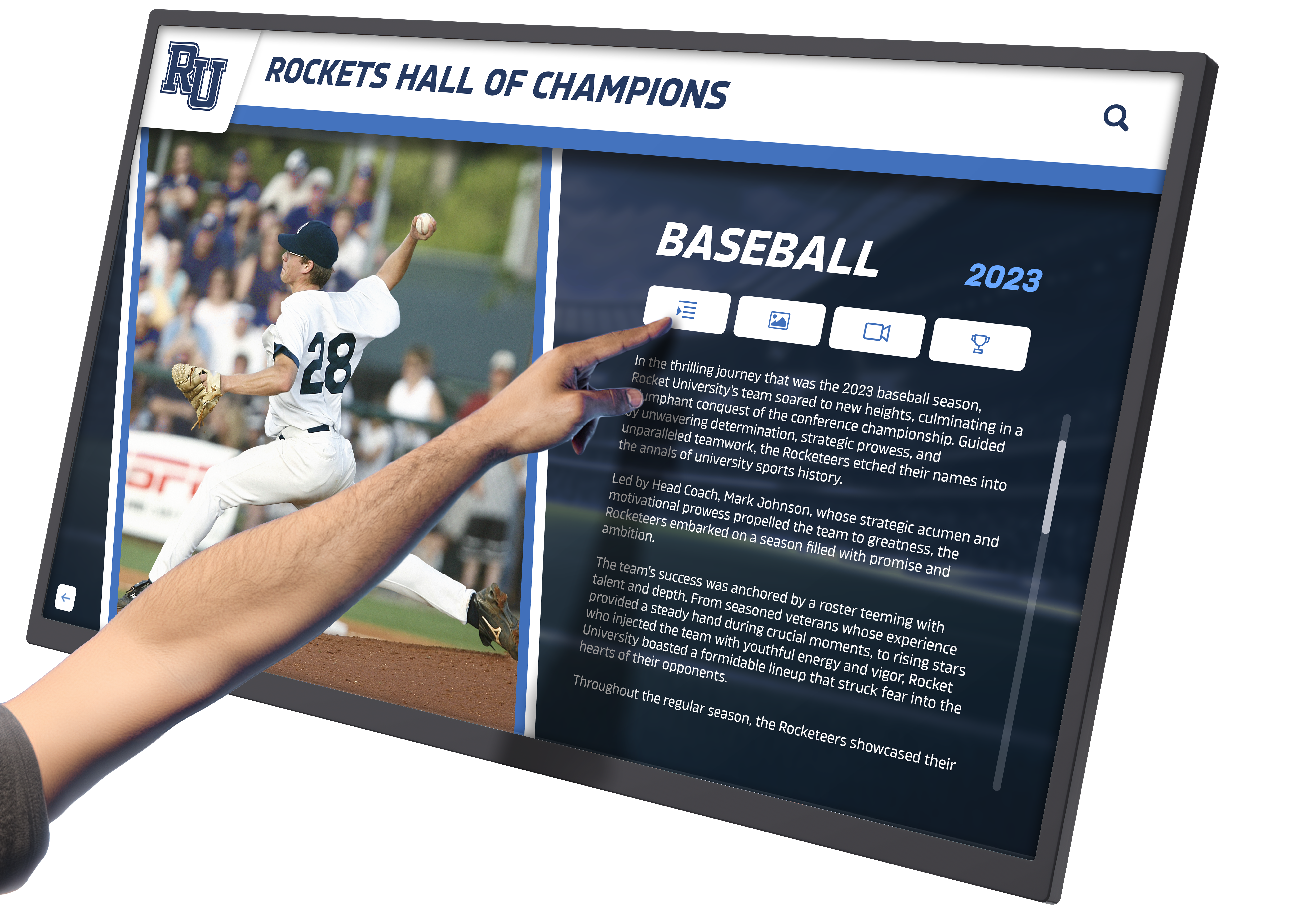
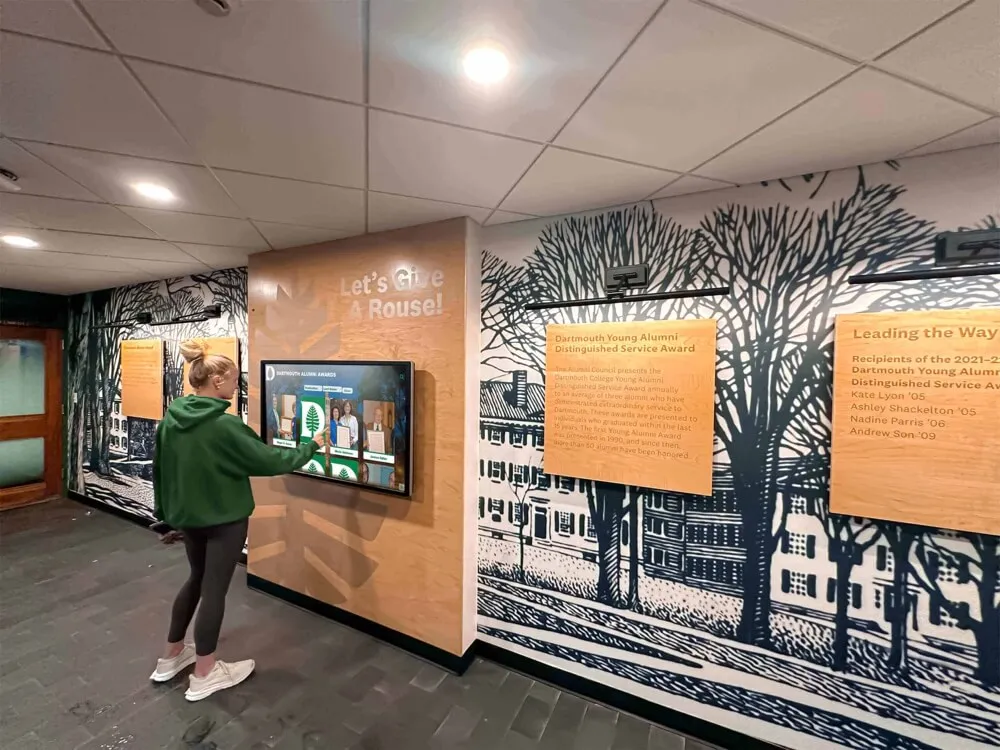
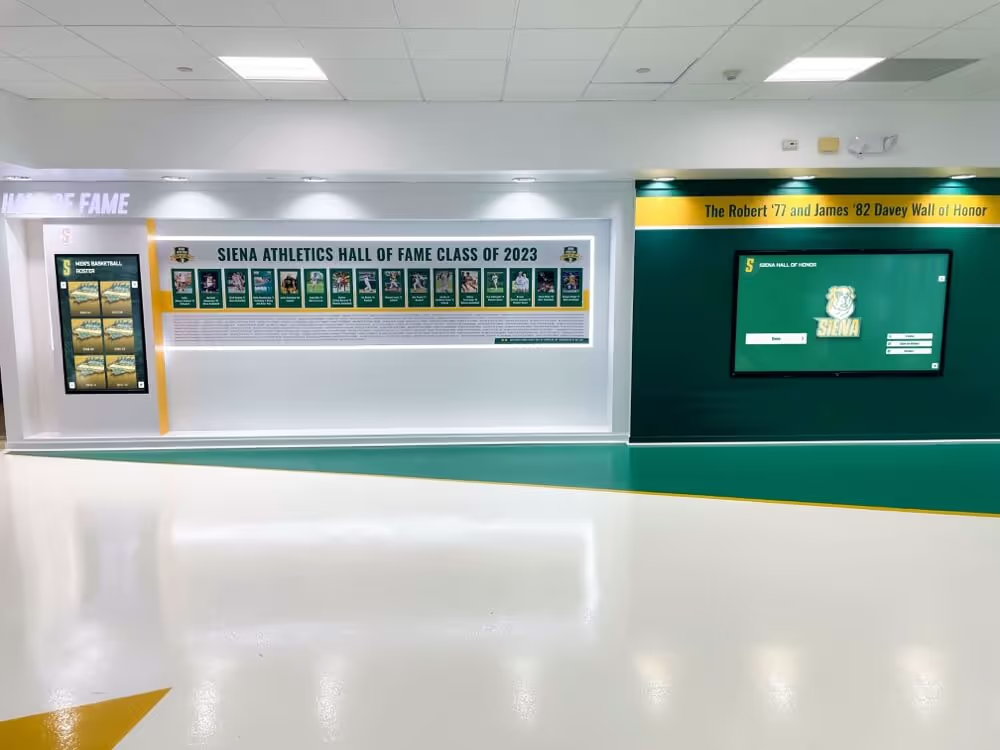
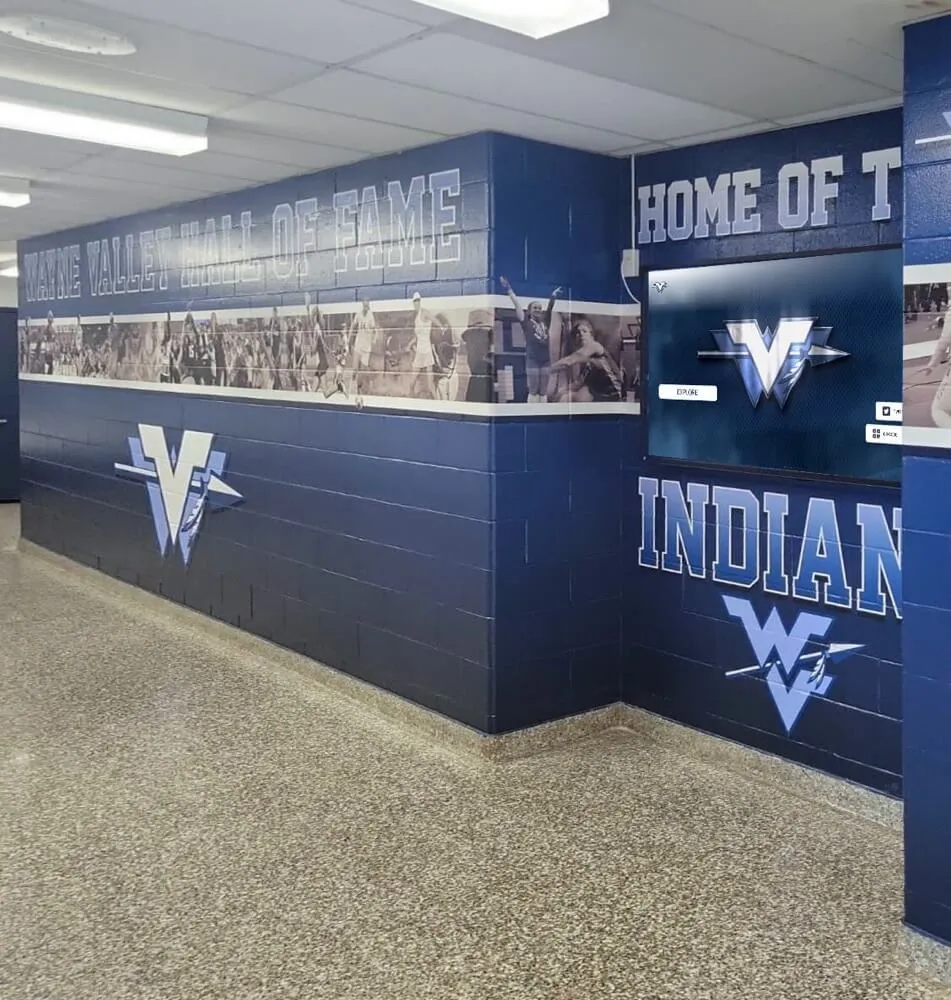
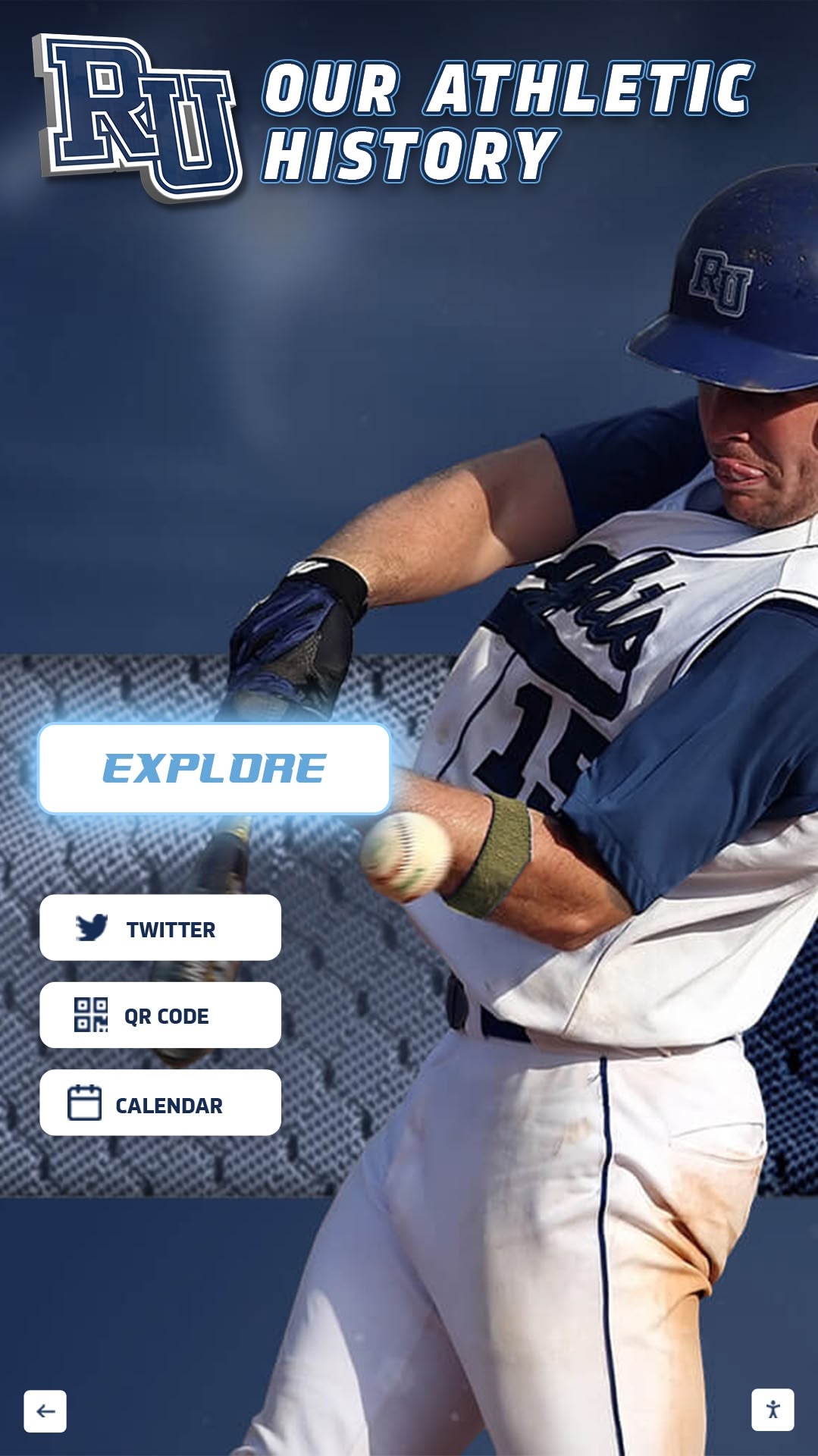
Modern recognition systems preserve program history while celebrating current achievements, connecting generations of athletes to shared legacy
Recognition and Hall of Fame Programs
Permanent Recognition Systems
Document program history inspiring future players:
- Record boards tracking all-time achievements
- Championship banners and team photos
- Individual award winners and all-conference selections
- Career statistical leaders in various categories
- Hall of fame for legendary players and coaches
Many programs now implement digital recognition displays offering advantages over traditional static plaques, including unlimited capacity, rich multimedia content, and easy updates as new achievements occur.
Alumni Engagement
Connecting current and former players:
- Alumni games bringing back former players
- Guest coaching from accomplished alumni
- Mentorship programs pairing alumni with current players
- Alumni database tracking post-high school careers
- Recognition events honoring milestone anniversaries
Strong alumni connections provide networking opportunities for current players while deepening emotional investment in program success.
Facility Development and Fundraising
Creating Championship Environments
Facilities communicate program values:
- Well-maintained fields demonstrating pride
- Dugout and practice areas promoting organization
- Recognition displays celebrating achievement
- Equipment quality reflecting investment in players
- Spectator amenities enhancing game-day atmosphere
Programs seeking facility improvements often explore community showcase approaches engaging broader stakeholder support for athletic facility development.
Fundraising Strategies
Supporting program needs beyond school budgets:
- Booster club organization and leadership
- Sponsorship programs with local businesses
- Fundraising events (tournaments, dinners, auctions)
- Individual giving campaigns for specific projects
- Memorial and legacy giving opportunities
- Grant applications for equipment and facilities
Financial stability enables consistent programming and facility quality regardless of budget fluctuations.
Season Planning and Program Management
Beyond X’s and O’s, administrative excellence ensures smooth operations and positive experiences.
Pre-Season Preparation
Organizational Tasks
Complete before first practice:
- Player registration and eligibility verification
- Physical examinations and emergency contact information
- Equipment inventory and ordering
- Practice and game schedule finalization
- Field preparation and maintenance planning
- Coaching staff assignments and responsibilities
- Transportation arrangements for away games
- Fundraising and budget planning
Team Selection and Roster Development
Tryout and selection processes:
- Clear evaluation criteria communicated to candidates
- Multiple evaluation sessions assessing different skills
- Objective scoring systems reducing bias
- Difficult cut conversations handled with dignity
- Alternative opportunities (JV, developmental programs) when possible
- Roster size decisions balancing playing time and depth
In-Season Management
Practice and Game Logistics
Weekly operational requirements:
- Practice schedules and facility reservations
- Game preparation (lineup cards, scorebooks, equipment)
- Pitch count tracking and compliance
- Injury documentation and return-to-play protocols
- Academic eligibility monitoring
- Communication with players and parents
- Statistics tracking and record keeping
Managing Injuries and Health
Player welfare prioritization:
- Proper warm-up and conditioning reducing injury risk
- Immediate injury response protocols
- Communication with athletic trainers and parents
- Conservative return-to-play decisions
- Concussion protocols and baseline testing
- Heat illness prevention and hydration
Post-Season Activities
Season Evaluation and Planning
Learning from each season:
- Individual player evaluations and feedback sessions
- Season review identifying successes and improvement areas
- Exit meetings with graduating seniors
- Roster planning for following season
- Off-season development program creation
- Facility and equipment needs assessment
- Coaching staff evaluation and professional development
Off-Season Player Development
Continued growth between seasons:
- Strength and conditioning programs
- Individual skill development plans
- Fall baseball or showcase team participation
- Academic focus during off-season
- Leadership development for returning players
- Recruiting support for college-bound players
Comprehensive off-season programming prevents skill regression and positions teams for improved performance the following year.
Adapting Coaching to Different Levels
Effective approaches vary significantly between youth, middle school, and high school programs—age-appropriate coaching maximizes development and enjoyment.
Youth Baseball Coaching (Ages 8-12)
Priorities at Youth Levels
Focus areas for youngest players:
- Making baseball fun and building love for the game
- Teaching basic mechanics without overwhelming detail
- Equal playing time regardless of skill level
- Positive reinforcement vastly outweighing criticism
- Short, engaging practices maintaining attention
- Simplified strategies emphasizing fundamentals
Common Youth Coaching Mistakes
Avoid these pitfalls:
- Over-coaching with excessive detail young players can’t process
- Emphasizing wins over development and enjoyment
- Allowing parents to undermine coaching with conflicting instruction
- Playing best players exclusively, developing only elite kids
- Expecting adult-like focus and emotional control
- Teaching advanced techniques before basics mastered
Middle School Transition (Ages 13-14)
Evolving Approach
Adjustment as players mature:
- Increased technical instruction as understanding develops
- Introduction of more complex strategies
- Greater accountability for preparation and effort
- Playing time beginning to reflect performance more
- Competitive intensity increasing appropriately
- Position specialization starting to occur
High School Competitive Excellence (Ages 15-18)
High School Coaching Realities
Balancing development and competition:
- Winning matters more while maintaining developmental focus
- Playing time earned through performance and preparation
- Advanced strategies and situational execution
- College recruiting support for qualified players
- Leadership development for life beyond baseball
- Maintaining perspective on baseball’s role in education
Coaches must continually adapt approaches as players mature physically, mentally, and emotionally.
Continuous Improvement as a Coach
Great coaches never stop learning—commit to ongoing professional development throughout coaching careers.
Learning Resources
Educational Opportunities
Expand coaching knowledge:
- Coaching clinics and conferences
- Online courses and certification programs
- Books and articles on baseball coaching
- Video resources demonstrating techniques
- Mentorship from experienced coaches
- Observing successful programs
Networking and Collaboration
Learning from peer coaches:
- Join coaching associations
- Attend local coaching meetings
- Build relationships with college coaches
- Share ideas with coaches from other sports
- Participate in online coaching communities
- Ask for feedback from trusted colleagues
Self-Evaluation
Honest Assessment
Regular reflection on coaching performance:
- What worked well this season versus what didn’t
- Which players developed most and why
- Communication effectiveness with players and parents
- In-game decision-making review
- Practice organization and efficiency
- Team culture development success
Seeking Feedback
Multiple perspective value:
- Player feedback (anonymous surveys work well)
- Parent input on program experience
- Assistant coach observations
- Athletic director evaluations
- Self-recording practices and games for review
Coaches who continuously evolve based on honest assessment and new learning create programs that improve year after year.
Conclusion: Coaching Beyond the Diamond
Effective baseball coaching extends far beyond teaching players to hit, pitch, and field. The best coaches develop complete young people who carry lessons learned through baseball—handling adversity, working within teams, persisting through challenges, preparing diligently, and competing with integrity—throughout their lives long after final games conclude.
Whether coaching youth players experiencing organized baseball for the first time or high school athletes competing for championships and college opportunities, your influence as a coach shapes perspectives, builds confidence, and creates memories that last lifetimes. The technical baseball coaching tips in this guide provide foundations for skill development and competitive success, but your greatest impact occurs through relationships built, values modeled, and character developed.
As you implement these strategies throughout your coaching journey, remember that successful programs balance competitive excellence with genuine care for player development. Create environments where athletes are challenged to pursue their potential while feeling supported unconditionally. Celebrate achievements while teaching that failure provides growth opportunities. Demand excellence while recognizing the courage required simply to compete.
The baseball diamond becomes a classroom where life’s most valuable lessons are taught through competition, teamwork, and pursuit of excellence. Your coaching creates experiences that players will remember and reference decades later, long after batting averages are forgotten and championship trophies gather dust. Coach with purpose, lead with integrity, and build programs worth celebrating.
Celebrate Your Baseball Program's Excellence
Discover how modern interactive displays can showcase your team's achievements, highlight player accomplishments, and preserve program history—creating recognition systems that inspire current athletes while honoring your baseball legacy for generations to come.
Explore Recognition Display SolutionsModern technology offers unprecedented opportunities to build program traditions and recognition systems that previous generations could only imagine. Interactive touchscreen displays allow baseball programs to showcase unlimited content—player statistics, championship teams, hall of fame inductees, season highlights, and historical milestones—creating dynamic recognition environments impossible with traditional static plaques and photos. These systems engage current players, impress recruits during facility tours, and connect alumni to programs they represented years earlier.
As you build your baseball program, consider how comprehensive recognition systems reinforce the culture and values you work daily to develop. Celebrating achievement, documenting history, and inspiring future excellence through modern displays complements the coaching, instruction, and leadership that transform individual athletes into championship teams and successful young adults.
Live Example: Rocket Alumni Solutions Touchscreen Display
Interact with a live example (16:9 scaled 1920x1080 display). All content is automatically responsive to all screen sizes and orientations.