Baseball Field Maintenance: A Seasonal Guide for Coaches, Groundskeepers, and Athletic Directors
- Home /
- Digital Wall of Fame Blog - Recognition Display Insights & Resources /
- Baseball Field Maintenance: A Seasonal Guide for Coaches, Groundskeepers, and Athletic Directors
The Easiest Touchscreen Solution




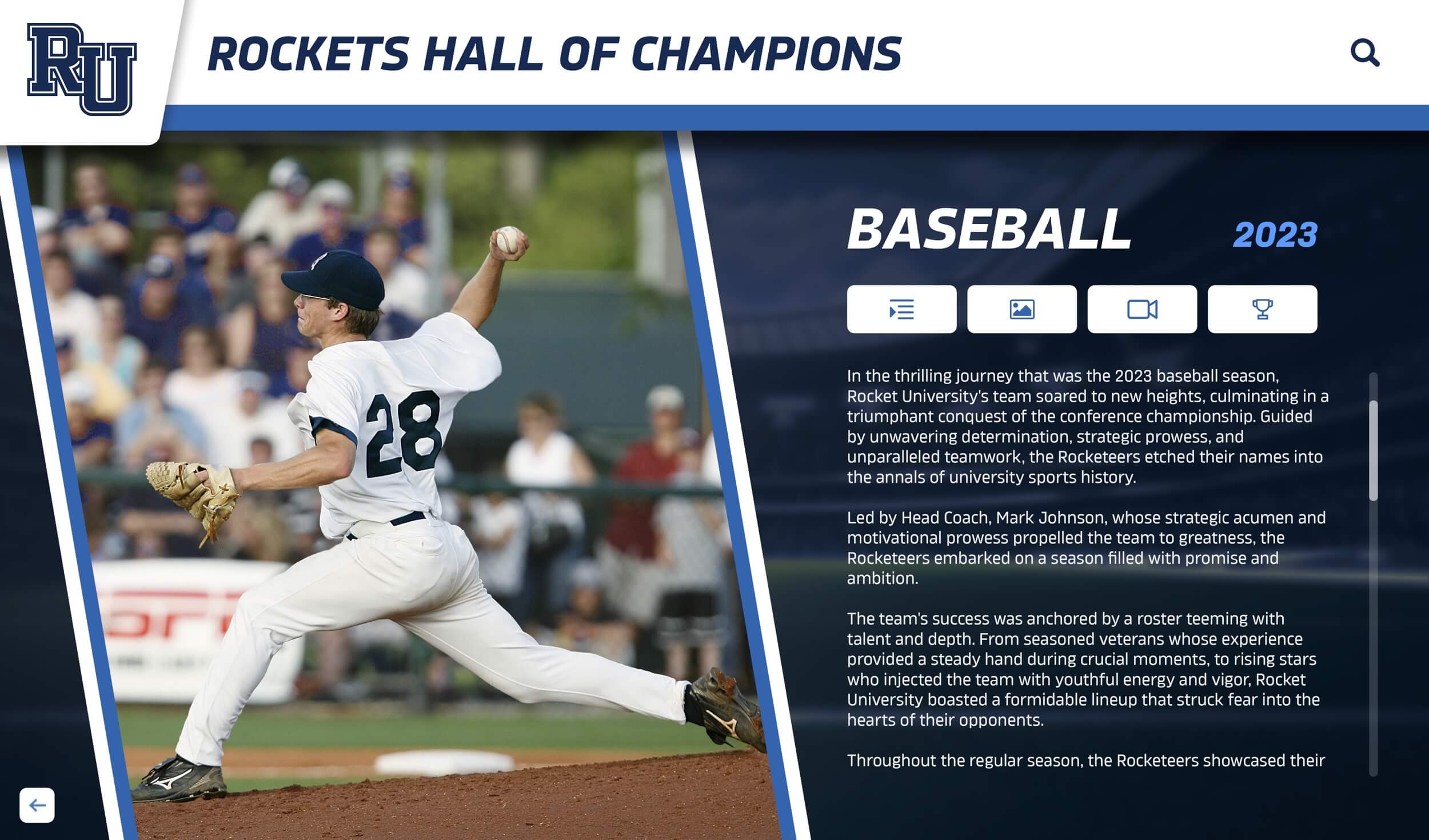
Live Example: Rocket Alumni Solutions Touchscreen Display
Interact with a live example (16:9 scaled 1920x1080 display). All content is automatically responsive to all screen sizes and orientations.
A pristine baseball field serves as the stage where athletic excellence unfolds, championships are won, and memories are forged. The condition of your playing surface directly impacts player safety, performance quality, and the professional image your baseball program projects to athletes, parents, and the broader community. Effective baseball field maintenance requires more than occasional mowing and dragging—it demands systematic seasonal care addressing infield composition, mound integrity, drainage management, and turf health throughout changing weather conditions.
Coaches, groundskeepers, and athletic directors face mounting pressure to maintain championship-caliber fields despite limited budgets, unpredictable weather, and intensive usage schedules. The distinction between fields that showcase program excellence versus those that detract from athletic experiences often comes down to consistent maintenance protocols executed throughout the year. Professional field conditions communicate institutional commitment to athletic success, influence recruiting outcomes, and create environments where players develop skills on surfaces worthy of their dedication.
This comprehensive seasonal guide provides baseball field maintenance strategies spanning pre-season preparation through winter protection. Whether managing a single varsity field or coordinating multiple diamonds across youth through high school levels, you’ll discover practical techniques for creating safe, playable surfaces that reflect the pride and excellence your baseball program represents year-round.
Well-maintained baseball fields represent visible symbols of athletic program quality, affecting everything from player development and injury prevention to community perception and facility rental revenue opportunities.

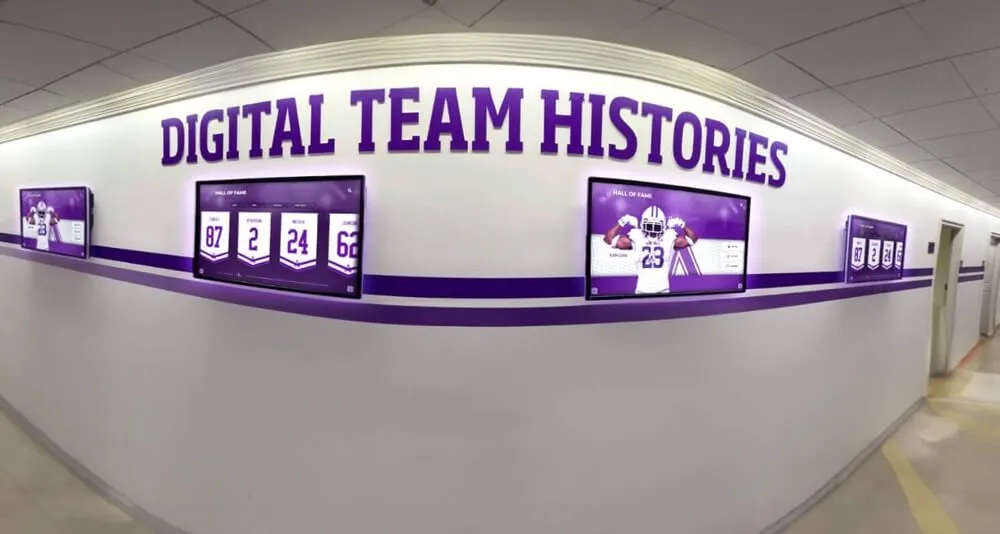
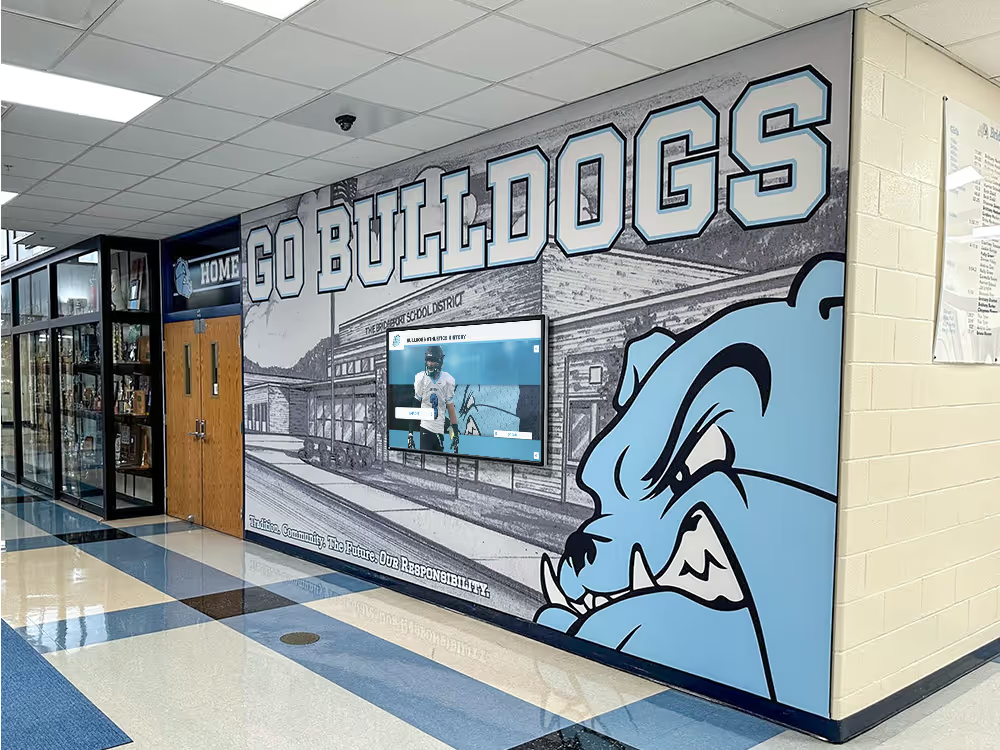
Championship baseball programs combine quality playing surfaces with prominent recognition displays celebrating athletic excellence and program achievements
Understanding Baseball Field Components and Maintenance Fundamentals
Before implementing seasonal maintenance protocols, understanding the distinct components of baseball field construction helps clarify why specific care practices matter for field longevity and performance.
Key Baseball Field Areas Requiring Maintenance
Infield Skin and Base Paths
The dirt portion of baseball fields demands the most intensive maintenance:
- Composition typically combines clay, silt, and sand in specific ratios
- Proper moisture content (approximately 14-18%) essential for playability
- Regular dragging and grooming prevent rutting and uneven surfaces
- Lip management at grass edges prevents water pooling
- Base path consistency affects player safety and ball behavior
Pitcher’s Mound
The most critical and heavily used field area:
- Precise dimensions and slope requirements per regulation standards
- Landing area experiences concentrated wear from repetitive pitching
- Clay composition different from infield mix, designed for stability
- Proper height and slope directly impact pitcher mechanics
- Requires frequent rebuilding during intensive use periods
Grass Areas: Infield and Outfield
Turf health determines overall field appearance and playability:
- Cool-season grasses (bluegrass, ryegrass, fescue) dominate northern climates
- Warm-season varieties (bermudagrass, zoysiagrass) preferred in southern regions
- Mowing height varies by grass type (typically 1.5-2.5 inches)
- Regular fertilization, irrigation, and aeration maintain health
- High-traffic zones around bases require additional attention
Drainage Systems
Effective drainage separates playable fields from perpetual problem areas:
- Surface drainage through proper field grading (minimum 0.5% slope)
- Subsurface systems removing water from infield and outfield
- Drain tiles, French drains, or sand-based root zones
- Gutter management preventing water accumulation
- Regular inspection ensures system functionality
Athletic programs that maintain championship-caliber facilities often pair quality playing surfaces with comprehensive recognition systems celebrating the athletes who compete on these fields.
Essential Field Maintenance Equipment
Hand Tools and Manual Equipment
Basic implements every program needs:
- Infield rakes (aluminum or steel, landscape rake styles)
- Nail drags or mat drags for smoothing surfaces
- Tamp or hand roller for mound and batter’s box repair
- Edgers for maintaining grass/dirt transitions
- Shovels, wheelbarrows, and hand tampers
- Measuring tools ensuring proper mound dimensions
Powered Equipment for Efficiency
Mechanical tools improving maintenance capacity:
- Riding or walk-behind mowers appropriate for field size
- Infield groomers (tractor-pulled or dedicated units)
- Aerators for turf health maintenance
- Spreaders for fertilizer and amendment application
- Water trucks or irrigation systems for moisture control
- Blowers for debris removal
Specialized Baseball Field Equipment
Purpose-built tools for specific tasks:
- Laser grading equipment for precision leveling
- Mound and plate clay for rebuilding critical areas
- Drying agents (calcined clay, diatomaceous earth) for moisture management
- Infield conditioners improving playability
- Tarps and field covers protecting against weather
- Measuring wheels and string lines for layout accuracy
Safety and Performance Standards
Player Safety Priorities
Field conditions directly impact injury risk:
- Level, consistent surfaces reduce ankle and knee injuries
- Proper mound slope prevents pitcher injuries
- Well-maintained base paths minimize sliding injuries
- Adequate moisture prevents dust and hard, dangerous surfaces
- Regular inspection identifies hazards (holes, debris, uneven areas)
Performance Consistency
Quality fields enable skill development:
- Predictable ball hops build defensive confidence
- Consistent base paths support aggressive baserunning
- Proper mound conditions allow pitchers to compete safely
- Even outfield turf enables proper reads on fly balls
- Professional appearance builds player and program pride
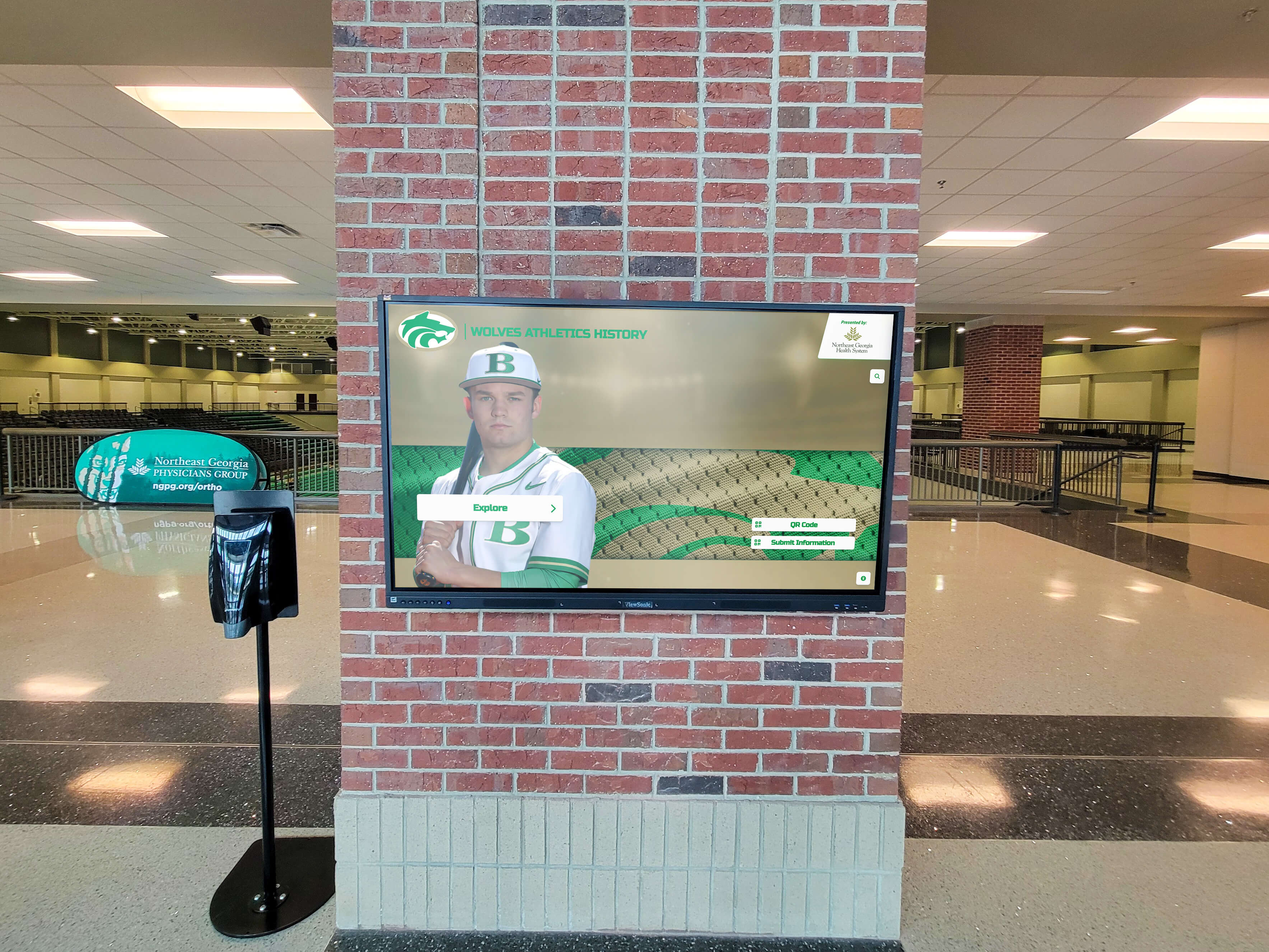
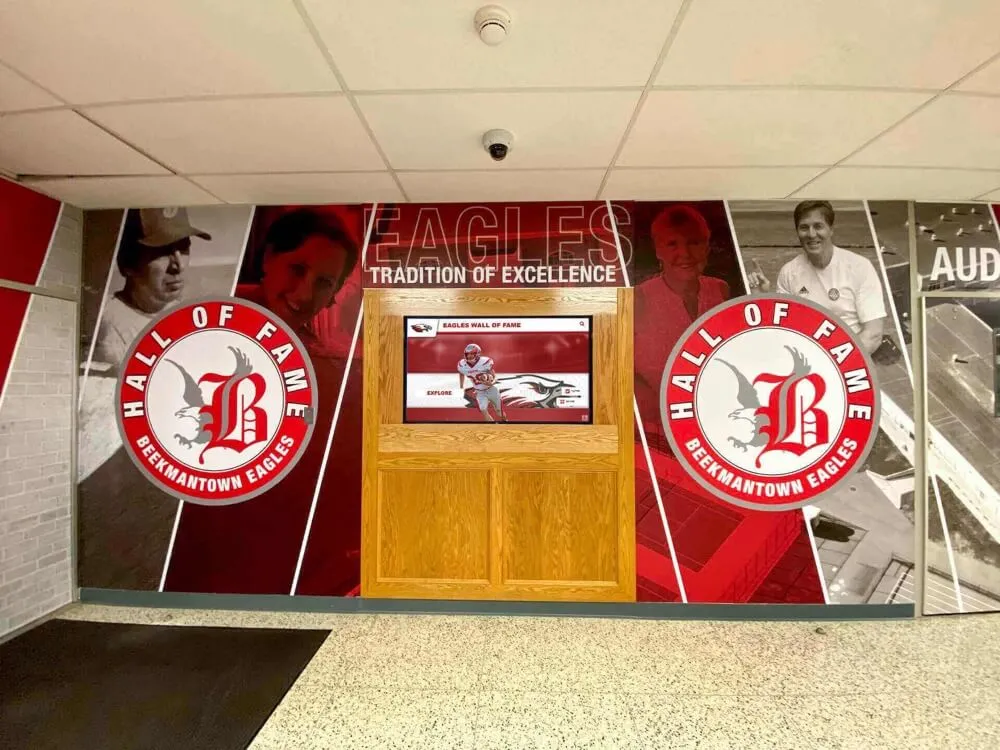
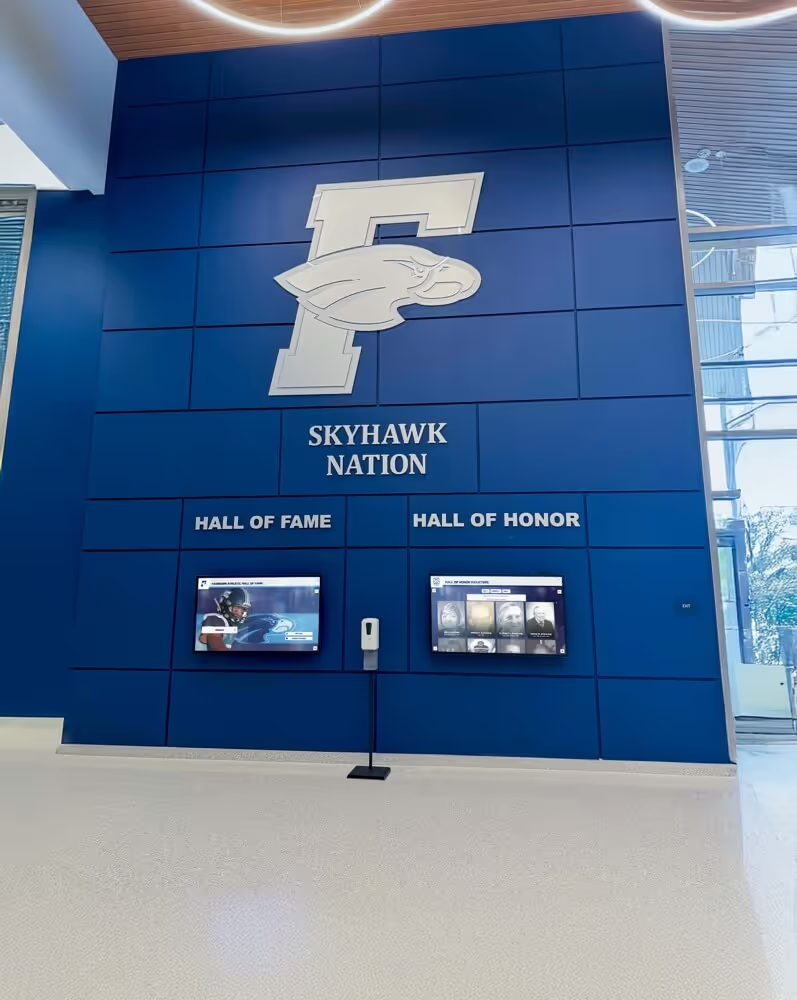
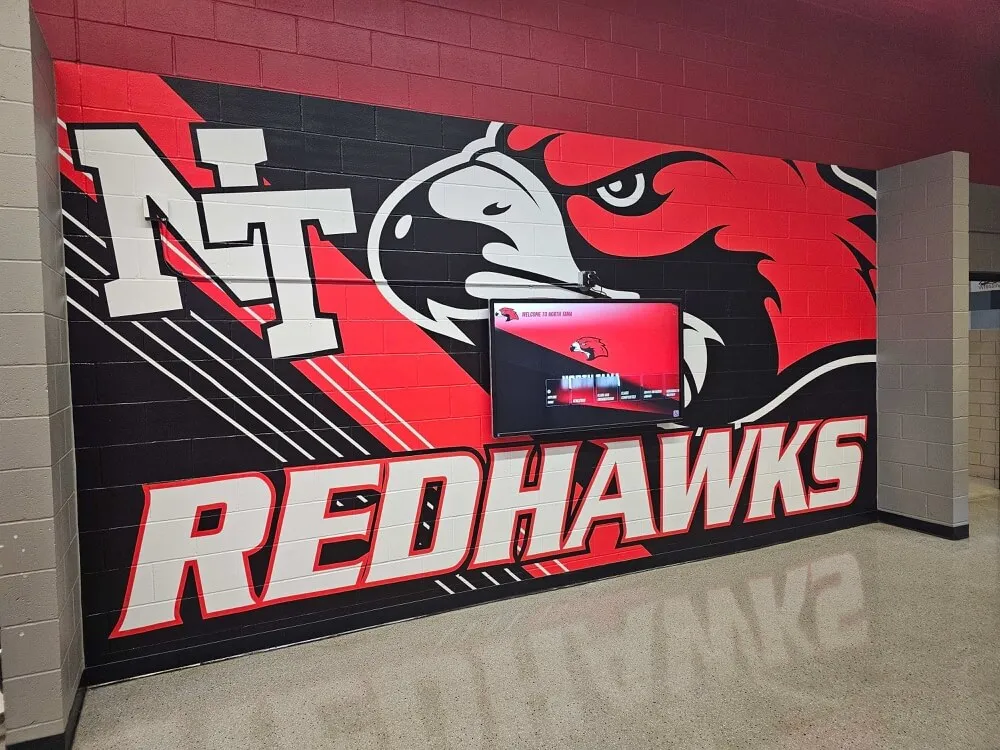
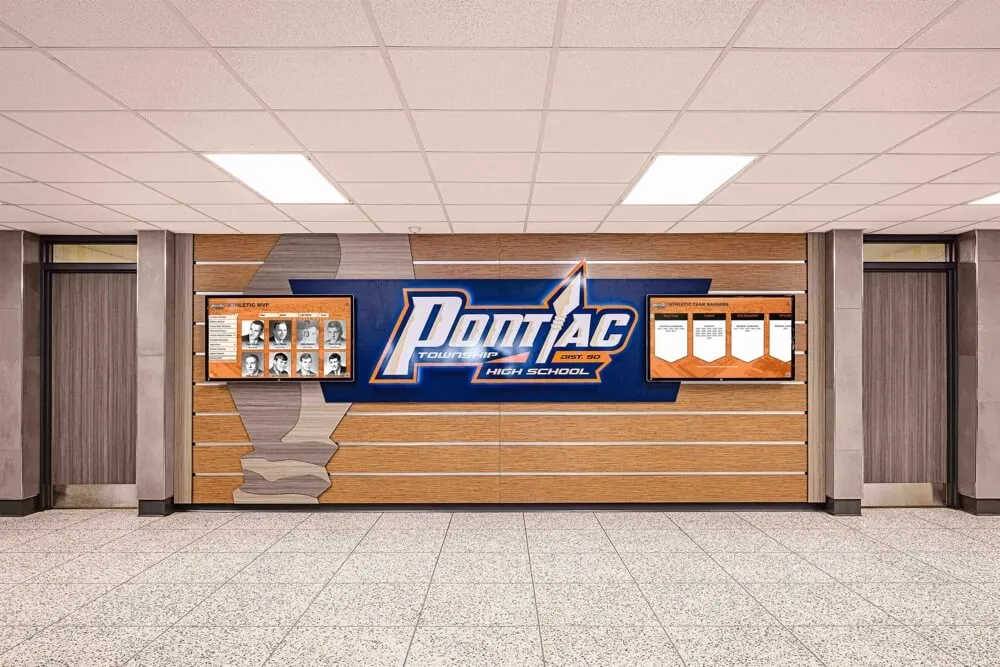
Modern athletic facilities showcase sport-specific recognition displays that complement quality playing surfaces and celebrate program excellence
Many successful baseball programs implement interactive athletic recognition displays that honor the championships and individual achievements earned on well-maintained fields.
Pre-Season Field Preparation: Setting the Foundation
The weeks before first pitch determine field quality throughout the competitive season. Comprehensive pre-season preparation addresses winter damage, establishes proper field conditions, and creates playable surfaces ready for intensive use.
Early Spring Field Assessment
Comprehensive Field Inspection
Begin pre-season work with systematic evaluation:
- Walk entire field identifying problem areas and winter damage
- Test infield moisture levels and composition consistency
- Assess turf health, bare spots, and winter kill damage
- Inspect drainage systems clearing accumulated debris
- Evaluate mound and home plate area conditions
- Document findings with photographs for future reference
- Prioritize repairs based on safety and playability impact
Drainage System Verification
Functional drainage prevents season-long problems:
- Clear all drain inlets and outlets removing debris
- Test system functionality during heavy rain or irrigation
- Repair damaged or clogged drain lines
- Regrade areas where settling created water pooling
- Install or improve drainage in chronic problem zones
- Document drainage patterns for ongoing management
Early Season Soil Testing
Scientific analysis guides fertilization decisions:
- Collect grass area samples from multiple field locations
- Test for pH, nutrient levels, and organic matter content
- Infield composition analysis for proper clay/silt/sand ratios
- Adjust soil chemistry based on test recommendations
- Plan fertilization schedule matching grass type and climate
- Retest periodically ensuring proper nutrient balance
Infield Preparation and Reconditioning
Surface Leveling and Grading
Restore proper field contours:
- Laser level or string lines identify high and low spots
- Remove excess material from raised areas
- Fill low spots and depressions with matching infield mix
- Maintain proper drainage slope across infield surface
- Pay particular attention to base paths and sliding areas
- Create smooth transitions between dirt and grass
- Compact added materials matching surrounding firmness
Infield Mix Management
Composition determines playability:
- Add infield conditioner improving moisture retention and playability
- Incorporate amendments addressing composition deficiencies
- Blend new materials thoroughly with existing base
- Water and drag repeatedly achieving even consistency
- Test moisture content ensuring proper playing conditions
- Monitor performance adjusting mix as needed
- Keep detailed records of materials added and locations
Lip Removal and Edge Management
Prevent grass/dirt transition problems:
- Remove built-up lip at infield grass edges
- Cut clean, defined edge between turf and skin
- Slope infield edge toward drainage direction
- Backfill edge channels preventing water accumulation
- Maintain consistent edge line throughout season
- Plan regular lip removal preventing excessive buildup

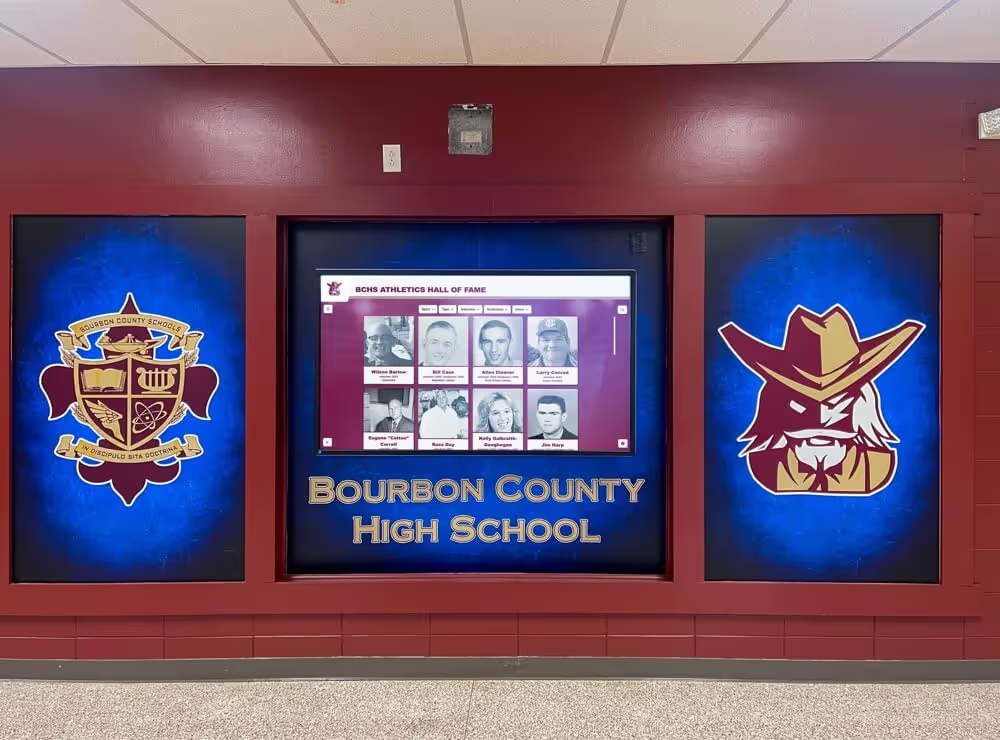
Recognition systems celebrating players advancing to college levels inspire younger athletes while honoring program achievement and development success
Mound and Home Plate Area Preparation
Pitcher’s Mound Rebuilding
Proper mound construction ensures pitcher safety:
- Measure existing mound verifying regulation dimensions
- Remove damaged or deteriorated clay from landing area
- Rebuild mound using proper mound clay (not infield mix)
- Compact clay in layers preventing future breakdown
- Verify 6-inch height drop from rubber to home plate
- Create proper slope (1 inch per foot toward home plate)
- Template usage ensures consistent, regulation-compliant mound
Batter’s Box and Catcher’s Area Preparation
High-wear zones requiring attention:
- Remove loose, deteriorated material from boxes
- Repack with appropriate clay maintaining level surfaces
- Ensure proper depth preventing pooling water
- Tamp firmly creating stable footing areas
- Mark precise box dimensions per regulations
- Install fresh clay or packing in catcher’s wear area
- Plan frequent in-season maintenance for these zones
Home Plate Installation and Area
Critical measurement reference point:
- Verify home plate proper installation depth and level
- Ensure plate firmly anchored preventing movement
- Check precise distance measurements to bases and mound
- Maintain clean, defined area around plate
- Address any settling or movement immediately
- Document measurements for ongoing verification
Turf Renovation and Spring Care
Addressing Winter Damage
Restore grass health after dormancy:
- Rake dead grass (thatch) from turf surface
- Overseed bare or thin areas with appropriate grass species
- Topdress overseeded areas with quality soil mix
- Protect new grass limiting early season traffic
- Maintain adequate moisture promoting seed germination
- Plan alternative practice areas while grass establishes
- Consider temporary fencing protecting renovation zones
Early Season Fertilization
Promote vigorous spring growth:
- Apply fertilizer matching soil test recommendations
- Use slow-release formulations preventing excessive growth
- Timing based on grass type (cool vs. warm season)
- Water after application moving nutrients into root zone
- Monitor response adjusting future applications accordingly
- Avoid over-fertilization causing excessive mowing needs
- Document fertilization schedule and products used
Aeration and Soil Decompaction
Improve root health and drainage:
- Core aeration of high-traffic areas in spring
- Leave cores on surface breaking down naturally
- Topdress after aeration improving soil structure
- Timing allows grass recovery before intensive use
- Focus on heavily compacted zones first
- Consider deep-tine aeration for severe compaction
- Schedule around weather and field usage needs
Schools implementing comprehensive athletic programs often integrate digital recognition displays that tell the complete story of athletic excellence from facility quality through championship achievements.
In-Season Maintenance: Daily and Weekly Care
During active baseball season, consistent maintenance protocols preserve field quality despite intensive use and varying weather conditions. Strategic daily and weekly practices prevent deterioration while maintaining safe, playable surfaces.
Daily Pre-Game Field Preparation
Infield Grooming Routine
Establish consistent daily patterns:
- Drag entire infield surface removing cleat marks and irregularities
- Water infield to optimal moisture content (slightly damp, not wet)
- Use nail drag or mat drag creating smooth, consistent surface
- Hand-rake high-traffic areas (base paths, mound landing area)
- Check moisture balance adjusting for weather conditions
- Inspect for hazards (holes, debris, uneven spots)
- Complete grooming 2-3 hours before game allowing proper drying
Mound and Plate Area Maintenance
Critical zones requiring daily attention:
- Hand-pack mound landing area repairing cleat damage
- Add and compact fresh mound clay as needed
- Verify proper mound slope and dimensions
- Repair batter’s boxes filling divots and compacting
- Replace loose material in catcher’s area
- Ensure home plate clean and properly positioned
- Document mound condition tracking deterioration rate
Grass Area Preparation
Outfield and infield grass care:
- Mow grass maintaining appropriate height for grass type
- Remove clippings or allow mulching if appropriate
- Check irrigation system function and coverage
- Remove debris, litter, and any foreign objects
- Inspect for disease, pest damage, or problem areas
- Mark any hazardous spots requiring repair
- Maintain clean, professional appearance
Weekly Deep Maintenance Tasks
Comprehensive Infield Care
Beyond daily grooming:
- Deep watering and moisture management
- Nail dragging entire infield promoting even surface
- Removal and replacement of deteriorated infield material
- Edging and lip management at grass transitions
- Base path specific attention and repair
- Infield conditioner addition as needed
- Detailed inspection identifying developing problems
Turf Health Monitoring
Prevent grass deterioration:
- Visual inspection for disease symptoms
- Pest monitoring and treatment if necessary
- Irrigation adjustment based on rainfall and temperature
- Spot treatment of weeds avoiding chemical drift to infield
- Traffic pattern evaluation protecting high-wear zones
- Mowing height and frequency optimization
- Fertilization schedule adherence

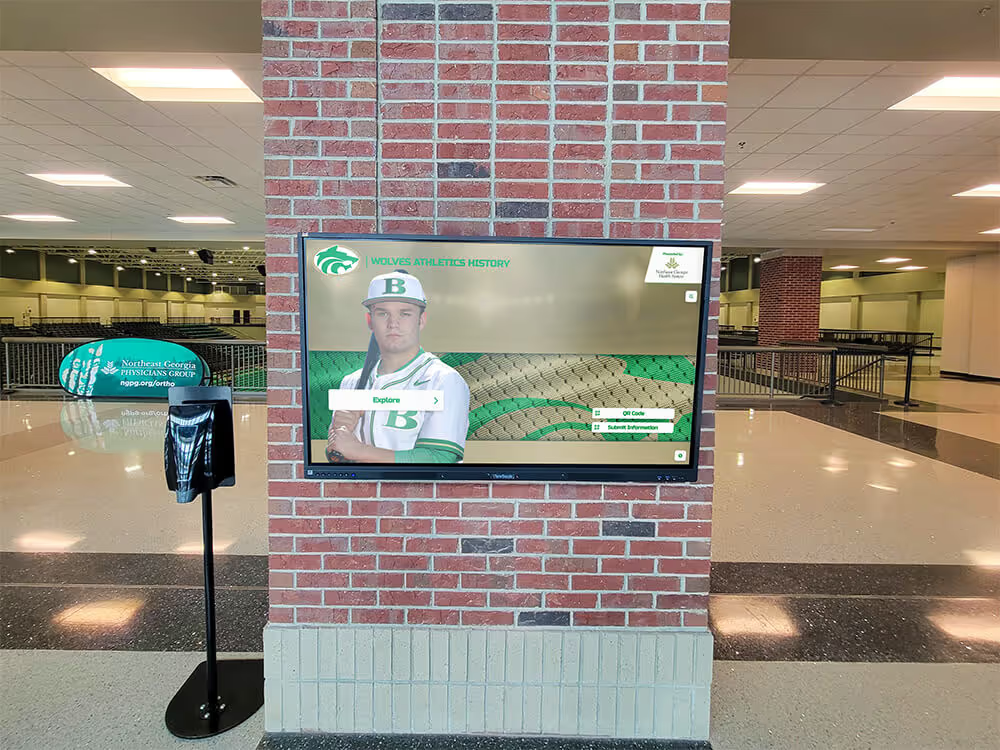
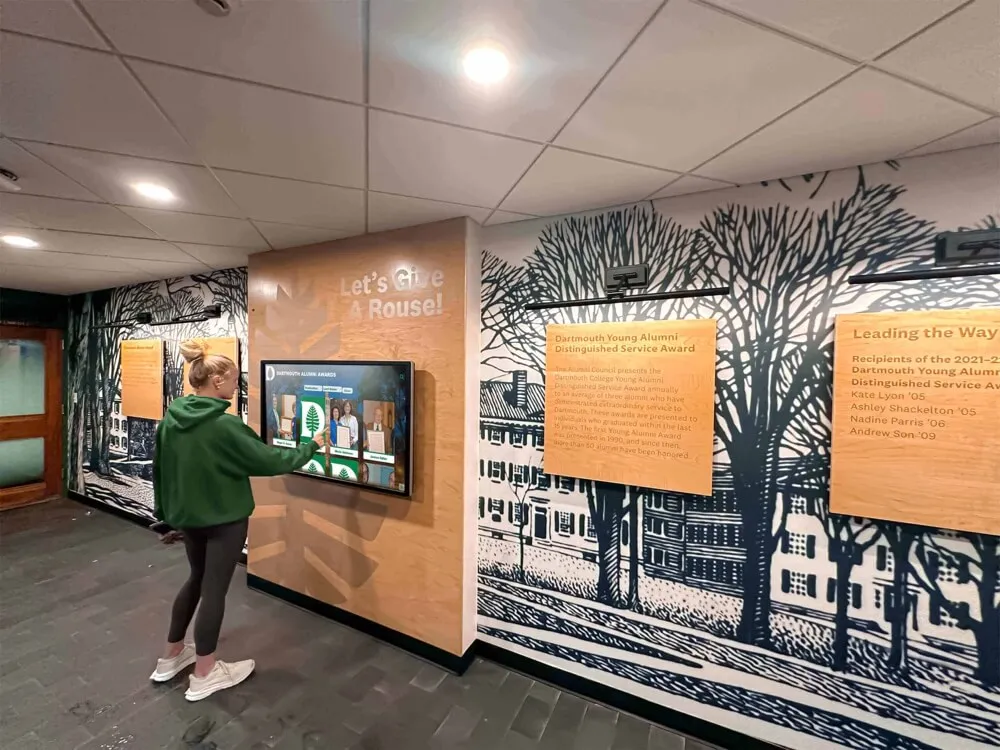
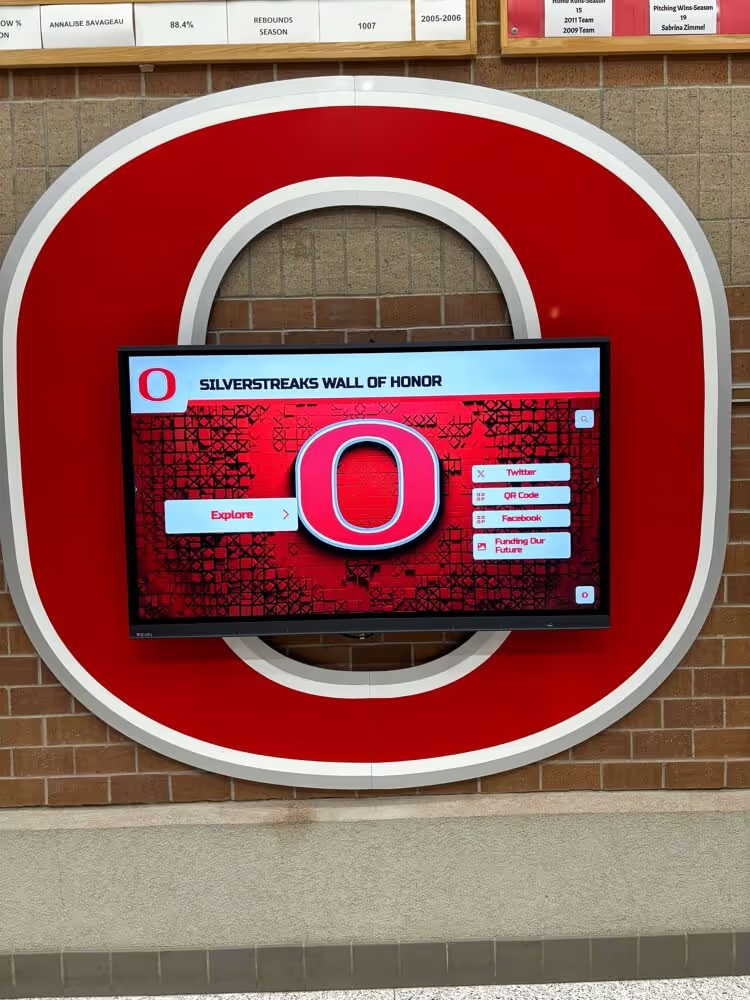
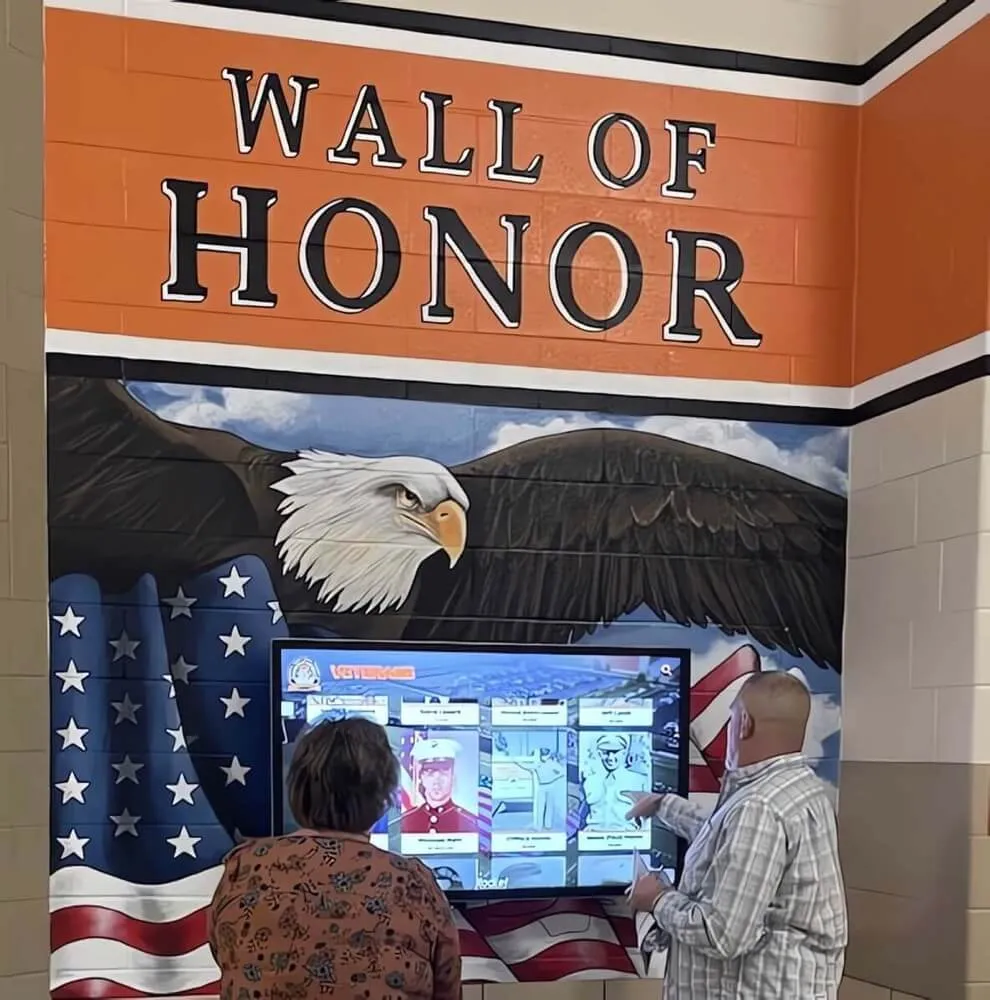
Interactive touchscreen displays allow programs to showcase detailed player statistics and achievements while engaging recruits and community members
Drainage and Water Management
Prevent field closures and damage:
- Clear drain inlets preventing clogging
- Monitor problem areas after rainfall
- Address standing water immediately
- Adjust grading if new drainage issues emerge
- Test drainage system capacity during heavy rain
- Document drainage patterns for long-term planning
- Install temporary drainage solutions for urgent needs
Weather-Specific Maintenance Protocols
Dry, Hot Weather Management
Prevent dangerous hard surfaces:
- Increase watering frequency maintaining moisture
- Add drying agent (calcined clay) for consistent playability
- Monitor infield hardness adjusting accordingly
- Protect turf through adequate irrigation
- Schedule maintenance during cooler parts of day
- Consider practice time adjustments preventing excessive heat
- Dust control through moisture management
Wet Weather Challenges
Maintain playability in rain:
- Cover critical areas (mound, plate, base areas) before rain
- Use drying agents absorbing excess moisture
- Tarps protecting entire infield when possible
- Squeegee standing water from surfaces
- Add calcined clay to base paths and sliding areas
- Gentle raking incorporating drying materials
- Avoid equipment use on saturated grass areas
High-Usage Period Strategies
Intensive game schedules demand extra care:
- Increase grooming frequency (possibly between games)
- Accelerate mound and batter’s box repair schedules
- Monitor infield depth ensuring adequate material
- Rotate practice locations protecting primary game field
- Schedule deep maintenance during breaks in schedule
- Budget additional materials for high-use periods
- Coordinate with coaches balancing field access and condition
Programs maintaining championship facilities often recognize that school entrance design and facility presentation communicates institutional values, with athletic field quality serving as visible evidence of program commitment.
Post-Season Field Recovery and Intensive Repair
Following the final out of baseball season, comprehensive field recovery addresses accumulated wear, repairs damage, and prepares surfaces for off-season rest or multi-sport usage.
Complete Field Assessment
Systematic Damage Evaluation
Document season-end condition:
- Photograph entire field from consistent locations
- Identify all areas requiring significant repair
- Measure infield depth across multiple locations
- Assess mound deterioration and rebuilding needs
- Evaluate turf health, bare spots, and worn areas
- Test drainage system performance
- Prioritize repairs based on severity and impact
- Create written report documenting conditions and needs
Comparison to Pre-Season Baseline
Track field degradation patterns:
- Compare current condition to pre-season documentation
- Identify zones experiencing excessive wear
- Evaluate whether maintenance protocols proved adequate
- Adjust future plans based on seasonal observations
- Calculate material usage rates informing budget planning
- Assess equipment effectiveness and efficiency
- Document lessons learned for continuous improvement
Intensive Infield Reconditioning
Deep Renovation Work
Major repairs addressing accumulated damage:
- Complete infield surface scraping if severely deteriorated
- Remove and replace compromised infield mix
- Laser grading restoring proper surface contours
- Extensive lip removal at all grass edges
- Base path complete reconstruction if necessary
- Addition of quality infield mix restoring proper depth
- Thorough incorporation of amendments and conditioners
Infield Material Replenishment
Restore proper composition and depth:
- Add 1-3 tons of new infield mix depending on loss
- Calculate volume needed based on depth measurements
- Select material matching existing composition
- Blend thoroughly with existing base
- Compact systematically achieving consistent firmness
- Water and drag multiple times achieving uniform surface
- Allow adequate settling time before intensive use
Moisture Management Systems
Improve infield performance:
- Install or improve subsurface moisture retention systems
- Add amendments improving water-holding capacity
- Consider moisture barrier installation under critical areas
- Evaluate irrigation coverage and effectiveness
- Test moisture sensors for data-driven watering decisions
- Document moisture management protocols
- Budget for ongoing moisture control materials

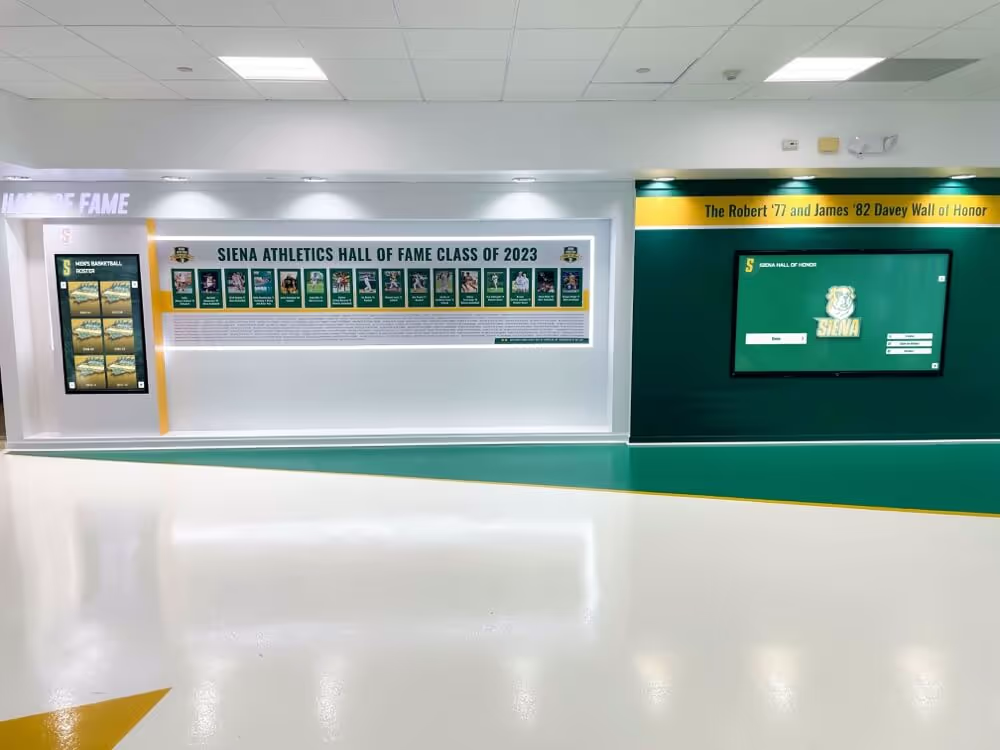
Modern recognition systems preserve program history while celebrating current achievements, connecting generations of athletes to shared baseball legacy
Mound and Critical Area Rebuilding
Complete Mound Reconstruction
Restore proper specifications:
- Remove all deteriorated mound clay completely
- Verify proper mound location and measurements
- Rebuild using quality mound clay (not infield mix)
- Compact in layers preventing future breakdown
- Create precise slope using templates or laser measurement
- Verify regulation height and dimensions
- Allow proper curing time before intensive use
- Document rebuild date and materials used
Batter’s Boxes and Catcher’s Area
High-wear zone restoration:
- Excavate and replace deteriorated material completely
- Use proper clay formulated for these applications
- Compact thoroughly creating stable, level surfaces
- Ensure adequate depth preventing water accumulation
- Mark precise regulation dimensions
- Plan more frequent in-season replacement next year
- Consider clay brick installation for extended durability
Home Plate Area Maintenance
Measurement reference integrity:
- Verify plate remains properly positioned and level
- Re-anchor or replace if movement detected
- Confirm all measurement distances remain accurate
- Resurface surrounding area with quality materials
- Ensure proper drainage around plate
- Document plate condition and any adjustments
- Maintain detailed records of all work performed
Turf Renovation and Recovery
Intensive Grass Area Care
Restore turf health after seasonal stress:
- Overseed worn areas with matching grass varieties
- Aerate compacted zones improving root development
- Topdress thin areas with quality soil mix
- Implement intensive fertilization promoting recovery
- Maintain consistent irrigation supporting establishment
- Limit traffic on recovering areas
- Monitor progress adjusting care protocols accordingly
Fall Renovation Strategies
Optimal timing for grass establishment:
- Late summer/early fall ideal for cool-season grass renovation
- Spring timing appropriate for warm-season varieties
- Aggressive overseeding repairing season damage
- Soil amendments based on testing results
- Protected growth period before winter or next season
- Document renovation areas and timing
- Budget adequate materials and labor for proper execution
Pest and Disease Management
Address problems before winter:
- Treat any disease outbreaks preventing spread
- Pest control eliminating damaging insect populations
- Remove thatch accumulation harboring problems
- Fungicide applications if disease history exists
- Preventive treatments protecting investment
- Consultation with turf specialists for serious issues
- Document problems and treatments for future reference
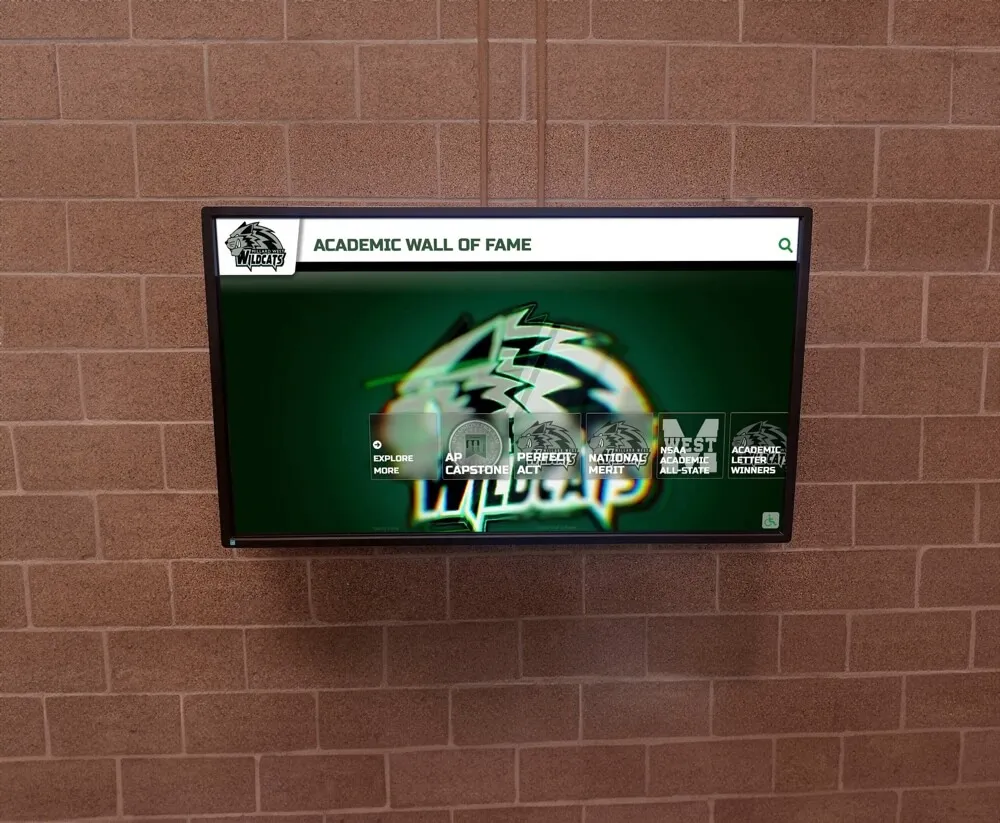
Schools committed to comprehensive excellence often implement academic recognition programs alongside athletic achievements, celebrating well-rounded student success in facilities demonstrating institutional pride.
Off-Season Maintenance and Winter Protection
Strategic off-season care during baseball’s dormant months determines field condition when spring arrives. Thoughtful winter protection and ongoing maintenance prepare surfaces for the next competitive season.
Fall Field Care Before Winter
Preparing for Cold Weather
Final autumn maintenance tasks:
- Complete all major repairs before ground freezing
- Final fertilization promoting root development
- Aeration improving drainage and reducing compaction
- Overseed grass areas establishing before dormancy
- Clean and organize all field equipment
- Drain and winterize irrigation systems
- Cover mound and plate areas protecting from freeze-thaw cycles
Drainage Improvement Projects
Off-season timing for major work:
- Install or upgrade subsurface drainage systems
- Regrading projects improving surface water flow
- French drain installation in chronic problem areas
- Catch basin addition or relocation
- Testing and documenting drainage capacity
- Major infrastructure projects with minimal usage disruption
- Budget allocation for professional drainage solutions if needed
Equipment Maintenance and Preparation
Protect maintenance tools:
- Clean and store all field equipment properly
- Service mechanical equipment before storage
- Inventory supplies planning spring purchases
- Organize storage areas for efficient access
- Sharpen blades and repair damaged tools
- Create equipment replacement plan
- Document maintenance performed and needs identified
Winter Field Protection
Covering Critical Areas
Protect high-value zones:
- Tarp mound, home plate, and base areas preventing freeze-thaw damage
- Weighted covers remaining secure through winter weather
- Breathable materials preventing moisture accumulation
- Regular inspection ensuring covers remain properly positioned
- Remove tarps during extended mild periods allowing drying
- Balance protection with air circulation needs
- Document covering protocols for consistency
Snow and Ice Management
Minimize winter damage:
- Allow natural snow cover providing insulation
- Avoid snow piling on infield or turf areas
- Never use salt or harsh chemicals on field surfaces
- Careful snow removal if necessary using appropriate equipment
- Prevent ice buildup on tarps creating damage
- Monitor for winter drainage issues
- Limit foot traffic during frozen conditions
Monitoring and Minimal Care
Ongoing attention during dormancy:
- Periodic field inspection identifying problems
- Debris removal preventing damage or issues
- Drainage monitoring during winter thaws
- Tarp adjustment and maintenance
- Planning spring preparation schedules
- Equipment check ensuring storage conditions adequate
- Documentation of any winter damage or concerns
Off-Season Planning and Improvement
Long-Term Field Enhancement Projects
Major improvements during dormant season:
- Field reconstruction or complete renovation
- Drainage system installation or upgrade
- Irrigation system addition or improvement
- Soil modification for better performance
- Conversion projects (synthetic turf consideration)
- Infrastructure improvements (dugouts, fencing, backstops)
- Budget development and approval processes
Material and Equipment Planning
Prepare for upcoming season:
- Calculate infield material needs based on usage patterns
- Order bulk materials securing better pricing
- Equipment replacement or addition planning
- Supply inventory and purchase orders
- Preventive maintenance scheduling for equipment
- Vendor relationships and contract negotiations
- Budget allocation across all maintenance categories
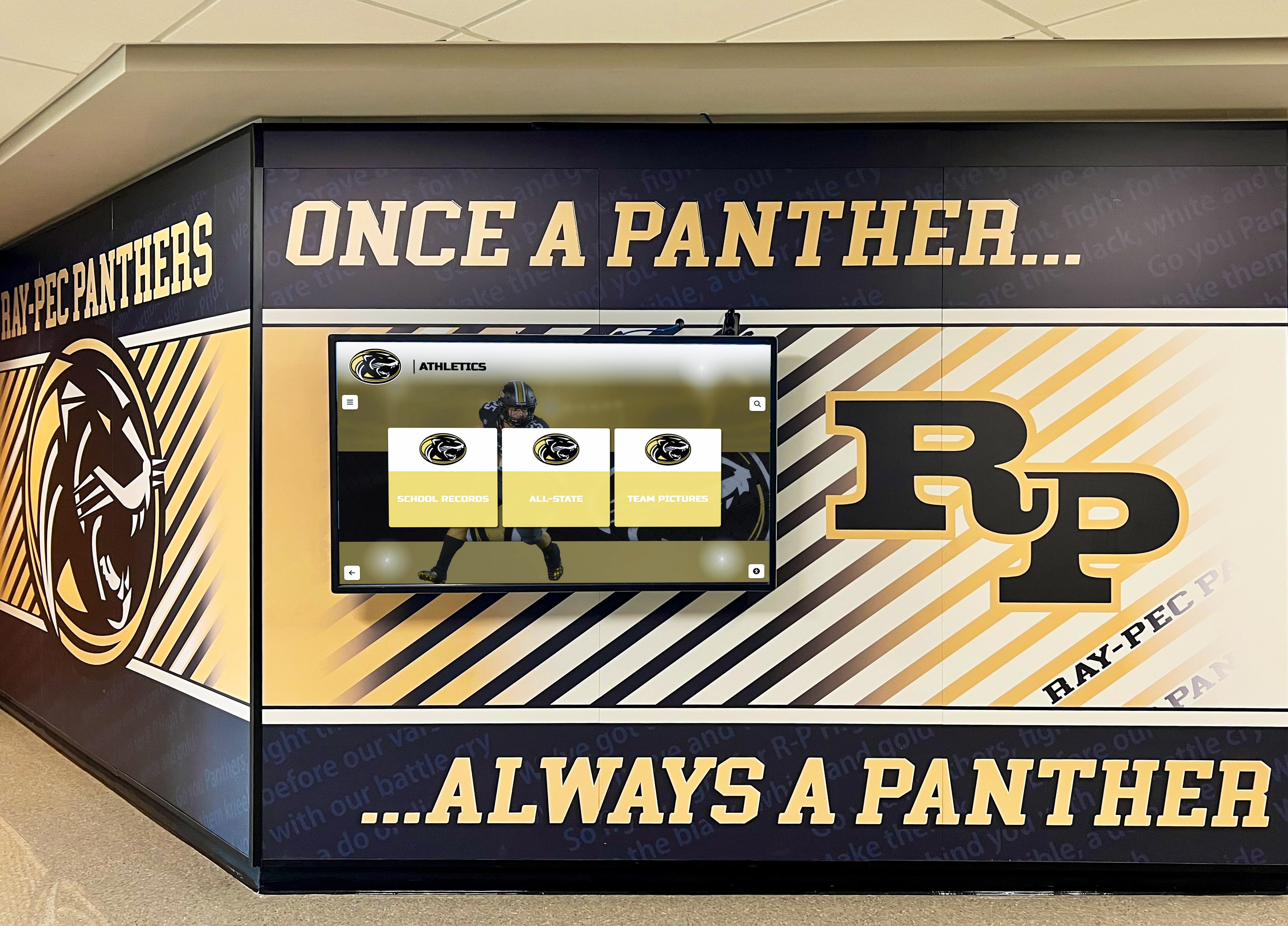
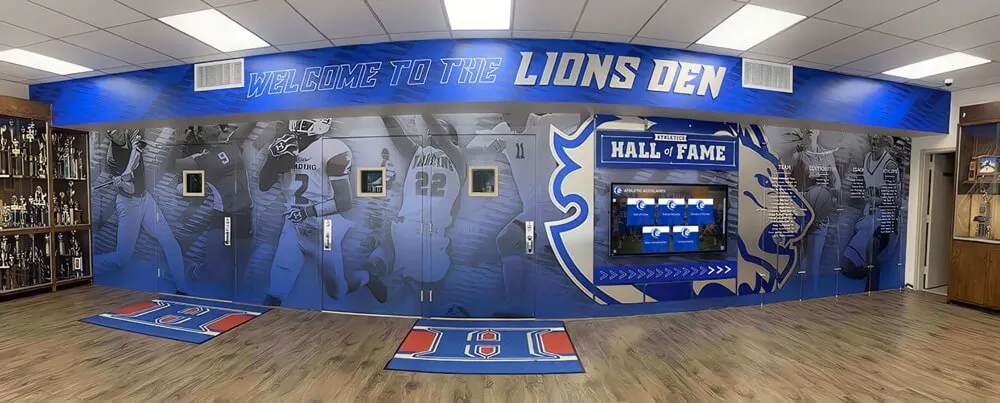
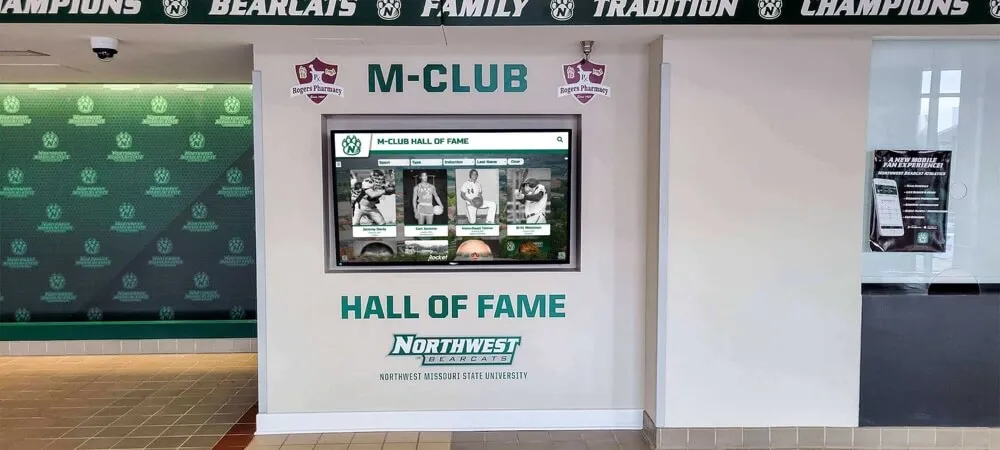
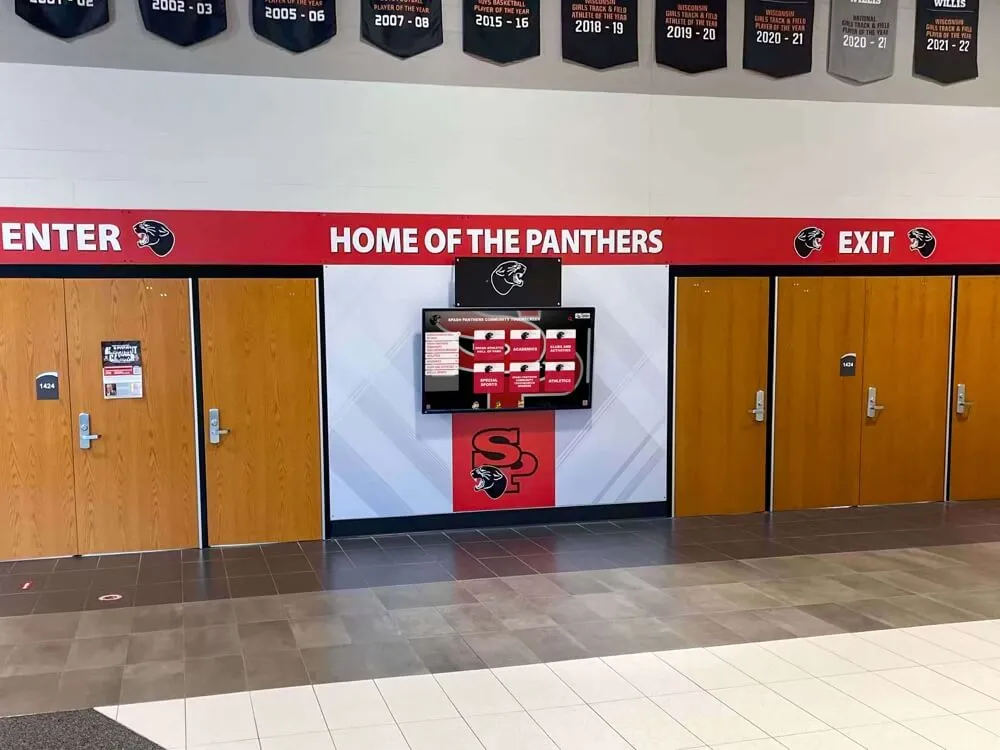
Athletic facilities celebrating achievements motivate current teams while honoring past champions who competed on well-maintained fields
Staff Training and Development
Build maintenance capabilities:
- Attend groundskeeping workshops or conferences
- Online education and certification programs
- Manufacturer training for equipment operation
- Networking with peer groundskeepers
- Industry publication review and study
- Consultation with field experts or consultants
- Knowledge documentation and protocol refinement
Athletic programs committed to holistic excellence recognize that school awards night planning and recognition ceremonies complement quality facilities in celebrating student achievement.
Special Maintenance Situations and Problem Solving
Beyond routine seasonal care, specific challenges require specialized approaches maintaining field playability and addressing unique circumstances.
Rain Delay and Game-Day Emergency Procedures
Pre-Storm Preparation
Maximize field protection:
- Monitor weather forecasts planning coverage timing
- Deploy tarps covering infield before rain arrives
- Stockpile drying agents for post-rain treatment
- Identify squeegee and water removal equipment locations
- Brief staff on emergency response protocols
- Communicate with coaches about field status
- Document procedures ensuring consistency
Post-Rain Field Recovery
Return to playable conditions:
- Remove standing water using squeegees and absorption
- Apply drying agent (calcined clay) to damp areas
- Rake and incorporate materials throughout affected zones
- Address mound and batter’s box areas specifically
- Test surface firmness and playability
- Allow adequate drying time ensuring safety
- Make informed decisions about postponement if necessary
Rapid Turnaround Techniques
Between-game recovery:
- Targeted drying in specific problem areas
- Quick drag and moisture balance across infield
- Spot treatment rather than complete reconditioning
- Priority on safety over aesthetic perfection
- Efficient team coordination maximizing limited time
- Equipment staging for rapid deployment
- Communication with officials and coaches throughout process
Multi-Sport Field Challenges
Balancing Baseball and Other Sports
Shared facility management:
- Coordinate maintenance schedules across sports
- Protect critical baseball-specific areas during other uses
- Temporary marking systems for different sports
- Prioritize safety over convenience in high-conflict zones
- Communicate with all coaches about field limitations
- Budget additional materials for increased wear
- Strategic rest periods allowing recovery between sports
Transitioning Between Seasons
Sport-specific preparation:
- Remove baseball-specific installations (bases, pitcher’s rubber)
- Install equipment for incoming sport
- Field configuration changes (lines, goals, markings)
- Adjust maintenance protocols for different sport needs
- Turf height modifications if appropriate
- Communication ensuring smooth transitions
- Documentation of transition procedures and timing
Synthetic Turf Baseball Field Maintenance
Artificial Surface Care Differences
Unique synthetic turf needs:
- Regular grooming maintaining fiber orientation
- Infill management and replenishment
- Specialized cleaning removing debris and organic matter
- Temperature management on hot days
- Seam inspection preventing separation
- Different drainage considerations
- Manufacturer-specific protocols following warranty requirements
Many schools maintaining both natural and synthetic fields implement comprehensive digital displays that celebrate achievements across all athletic facilities and programs.
Building a Comprehensive Field Maintenance Program
Successful baseball field maintenance requires systematic approaches combining daily attention, seasonal protocols, and long-term planning within realistic budget constraints.
Creating Sustainable Maintenance Systems
Developing Standard Operating Procedures
Documented protocols ensuring consistency:
- Written daily, weekly, and seasonal checklists
- Specific procedures for all common tasks
- Emergency response protocols for weather events
- Staff training materials and references
- Equipment operation and safety procedures
- Material application rates and techniques
- Quality standards for completed work
Staff Roles and Responsibilities
Clear accountability structures:
- Designated head groundskeeper or field manager
- Backup personnel trained for primary responsibilities
- Coach involvement in field care coordination
- Student or volunteer programs supplementing labor
- Professional contractor relationships for specialized work
- Communication protocols among all involved parties
- Performance evaluation and accountability systems
Budget Development and Management
Financial planning for field care:
- Historical expense tracking informing future budgets
- Seasonal budget allocation matching need patterns
- Equipment replacement reserves preventing emergency purchases
- Material bulk buying reducing per-unit costs
- Professional service budgeting for specialized needs
- Contingency funds for weather or emergency situations
- Grant applications and fundraising for major projects
Measuring Maintenance Success
Field Condition Assessment Metrics
Objective evaluation systems:
- Regular field inspections using consistent criteria
- Photographic documentation tracking changes over time
- Player and coach feedback on field conditions
- Safety incident tracking related to field conditions
- Playability days (games/practices possible vs. weather)
- Comparison to peer institutions or standards
- Cost-per-use calculations demonstrating efficiency
Program Impact Indicators
Broader success measures:
- Player injury rates compared to field condition
- Athlete and parent satisfaction feedback
- Recruiting advantages from quality facilities
- Community perception and support
- Facility rental revenue from quality reputation
- Championship performance on home field advantage
- Alumni engagement through pride in facilities
Athletic directors implementing comprehensive programs recognize that team awards and recognition beyond MVP categories celebrate diverse contributions to team success, including the groundskeeping excellence that supports championship performance.
Integrating Field Excellence with Athletic Recognition
Schools investing in quality baseball field maintenance understand that championship programs require attention to both physical infrastructure and program culture.
Connecting Facility Quality to Program Pride
Visible Excellence Standards
Well-maintained fields communicate values:
- Professional appearance demonstrates institutional commitment
- Safety prioritization shows player value and care
- Consistent quality reflects organizational discipline
- Community perception influenced by visible facility condition
- Recruiting impact from championship-caliber environments
Creating Comprehensive Athletic Environments
Facilities supporting complete programs:
- Quality playing surfaces enabling skill development
- Recognition displays celebrating achievements earned on fields
- Spectator amenities enhancing game-day experiences
- Practice facilities supporting team development
- Locker room and support space quality
- Integrated approach to facility investment
Many successful baseball programs complement premier playing surfaces with permanent displays celebrating program excellence, creating comprehensive environments that honor athletic achievement.
Modern Recognition in Baseball Facilities
Field-Adjacent Recognition Spaces
Celebrating achievements near playing surfaces:
- Stadium entrance displays showcasing program history
- Concourse recognition boards honoring championships
- Dugout displays motivating current players
- Press box or announcer’s booth recognition areas
- Spectator plaza installations engaging community
Digital Recognition Advantages
Contemporary displays offering unique benefits:
- Unlimited capacity honoring all deserving athletes
- Easy content updates adding current season achievements
- Rich multimedia storytelling through photos and videos
- Interactive exploration engaging visitors and recruits
- Remote management updating content efficiently
- Integration with other school recognition systems
Schools maintaining championship facilities increasingly recognize that quality extends from field maintenance through comprehensive recognition displays celebrating the athletes who compete on well-prepared surfaces.
Conclusion: Excellence From Field Preparation Through Achievement Recognition
Baseball field maintenance extends far beyond aesthetic appearance—it represents fundamental commitment to player safety, competitive fairness, skill development, and institutional pride. Coaches, groundskeepers, and athletic directors implementing systematic seasonal maintenance protocols create playing surfaces worthy of the dedication athletes demonstrate pursuing excellence. From pre-season preparation establishing proper conditions through winter protection preserving infrastructure investments, consistent care separates championship-caliber facilities from those that detract from athletic experiences.
The most successful baseball programs recognize field quality as integral to program identity, influencing recruiting, player development, community perception, and competitive outcomes. Well-maintained diamonds serve as stages where athletic excellence unfolds, championships are won, and memories are forged—deserving the same attention and investment programs dedicate to coaching, equipment, and player development.
Celebrate Your Baseball Program's Excellence
Complement your championship-caliber baseball fields with modern interactive displays that showcase team achievements, honor individual excellence, and preserve program history—creating comprehensive recognition systems that inspire current athletes while celebrating the legacy built on well-maintained diamonds.
Explore Recognition Display SolutionsAs you implement these baseball field maintenance strategies throughout your program, remember that facility quality reflects broader institutional values and commitments. The care invested in preparing playing surfaces communicates to athletes, families, and communities that excellence matters—from the first spring drag across infield clay through championship game preparations on pristine diamonds. When paired with comprehensive recognition systems celebrating the achievements earned through countless hours of practice and competition on these fields, quality maintenance creates lasting program legacies extending far beyond individual seasons or graduating classes.
Modern technology offers unprecedented opportunities to honor baseball excellence through interactive touchscreen displays that complement physical facility investments. These systems allow programs to showcase unlimited content—player statistics, championship teams, hall of fame inductees, season highlights, and historical milestones—creating dynamic recognition environments impossible with traditional static plaques. As you maintain the fields where excellence unfolds, consider comprehensive approaches ensuring both playing surfaces and achievement recognition receive attention worthy of your baseball program’s proud traditions and championship aspirations.
Live Example: Rocket Alumni Solutions Touchscreen Display
Interact with a live example (16:9 scaled 1920x1080 display). All content is automatically responsive to all screen sizes and orientations.