Basketball Pick and Roll: The Offensive Staple Every High School Program Should Master
- Home /
- Digital Wall of Fame Blog - Recognition Display Insights & Resources /
- Basketball Pick and Roll: The Offensive Staple Every High School Program Should Master

The Easiest Touchscreen Solution




Live Example: Rocket Alumni Solutions Touchscreen Display
Interact with a live example (16:9 scaled 1920x1080 display). All content is automatically responsive to all screen sizes and orientations.
The basketball pick and roll stands as the most versatile and fundamental offensive action in the modern game, appearing at every level from youth leagues to professional championships. This two-player collaboration creates immediate defensive pressure, generates scoring advantages, and establishes offensive rhythm through systematic execution. High school programs that master pick-and-roll principles develop players capable of reading defenses, making split-second decisions, and exploiting coverage breakdowns that lead directly to high-percentage scoring opportunities.
Despite its apparent simplicity—one player screens for a ball handler, then rolls toward the basket—the pick and roll contains multiple layers of execution complexity, defensive reading requirements, and countering options. Coaches who teach this action comprehensively transform their offensive systems from predictable patterns into dynamic attacks that stress every defensive coverage. The distinction between teams that merely run pick-and-rolls versus those that truly master them often determines playoff success, player development outcomes, and offensive efficiency rankings.
This comprehensive guide breaks down basketball pick and roll execution for high school programs, covering ball handler techniques, screener fundamentals, defensive reads, finishing options, common mistakes, and progressive practice drills. Whether implementing pick-and-roll concepts for the first time or refining existing actions, you’ll discover coaching strategies that elevate this offensive staple into your program’s most reliable weapon while developing basketball IQ that serves players throughout their competitive careers.
The basketball pick and roll creates systematic advantages through coordinated action between two players, forcing defenses into compromised positions that generate scoring opportunities for the entire offensive team.

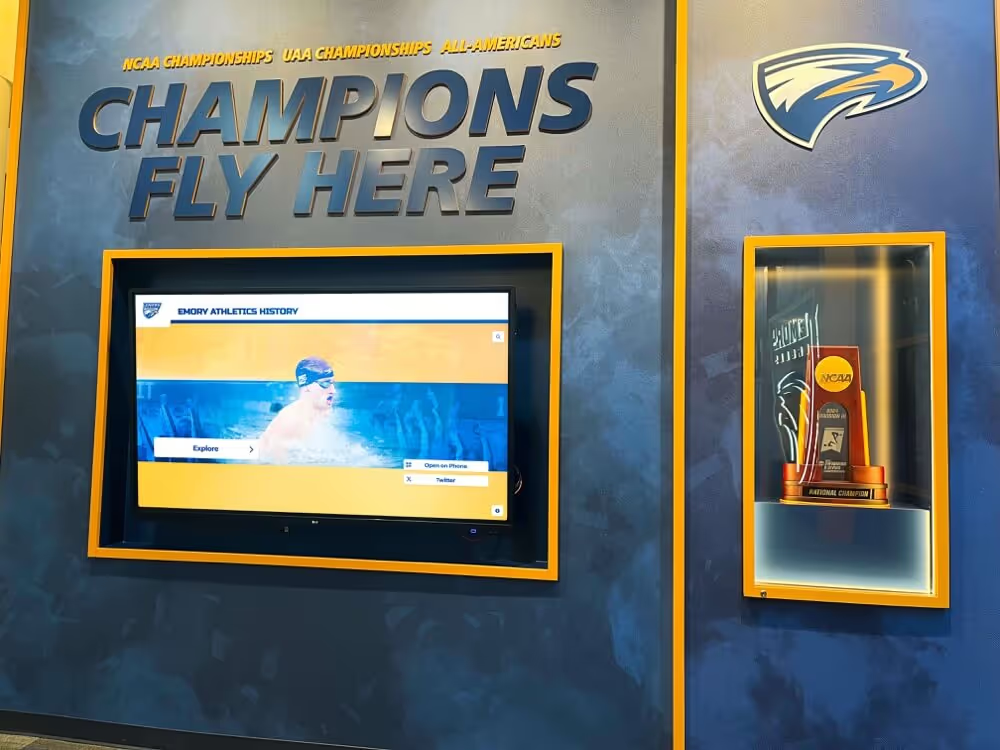
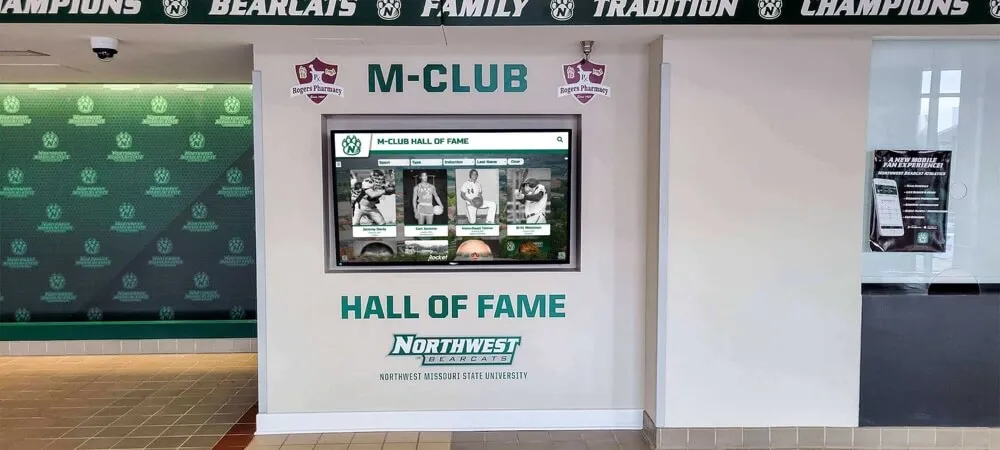
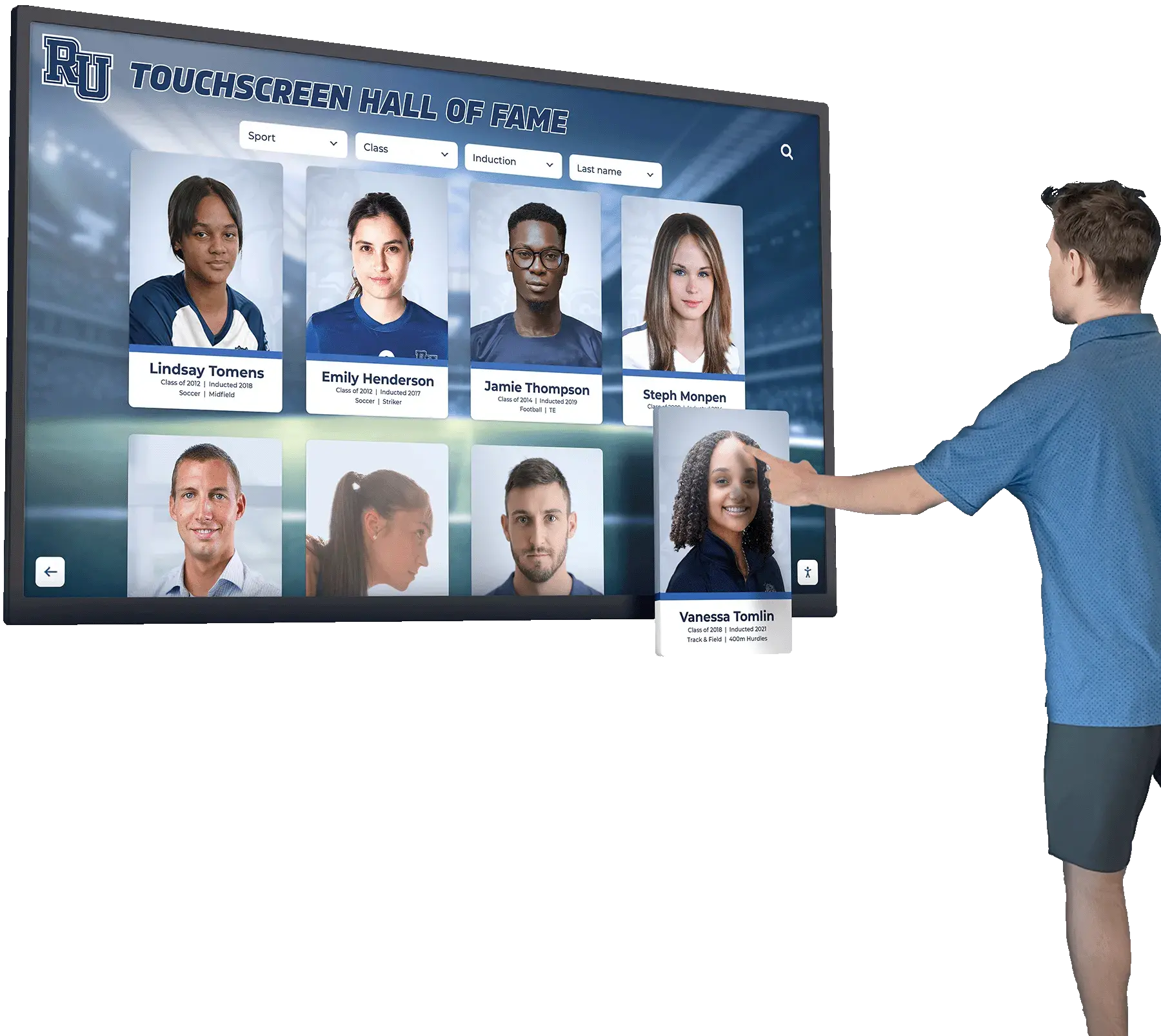
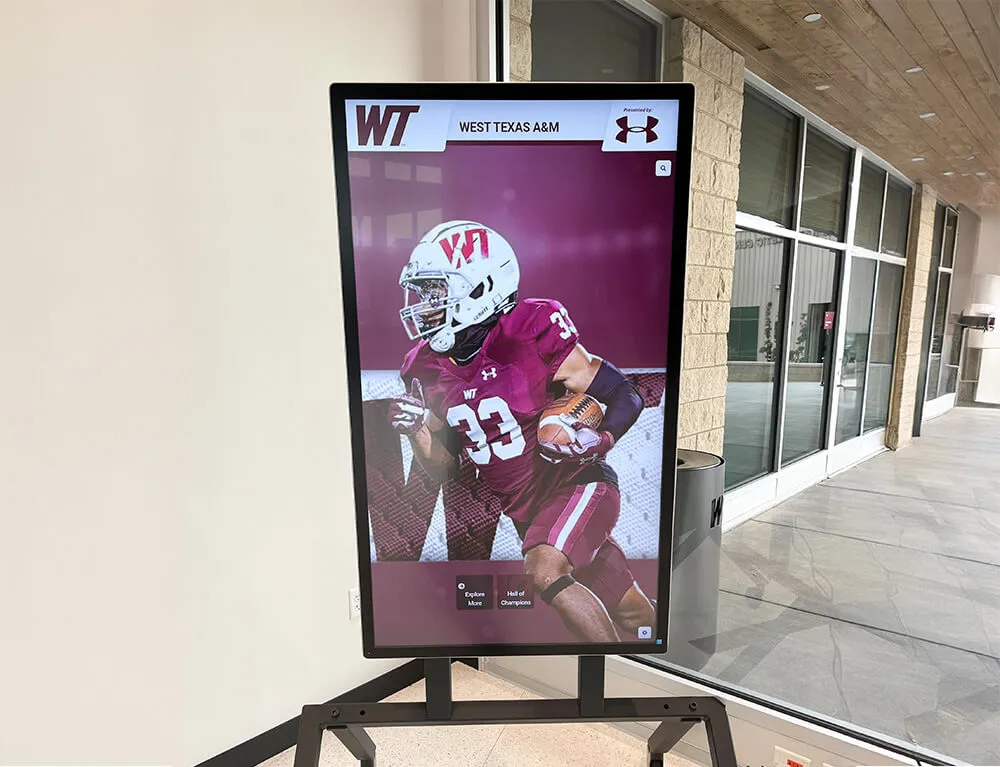
Modern basketball programs combine fundamental skill development with interactive technology that tracks assists, points, and screen statistics celebrating pick-and-roll mastery
Understanding Pick and Roll Fundamentals: Why This Action Dominates Basketball Offense
Before teaching specific techniques, understanding why the pick and roll generates consistent advantages helps coaches communicate the action’s strategic value to players at all skill levels.
The Geometric Advantage of Screening Actions
Creating Numerical Advantages Through Coverage Decisions
The pick and roll forces defenders into impossible choices:
- Two offensive players attack one defender’s gap simultaneously
- Help defenders must leave assignments to contain penetration
- Screener’s defender faces immediate two-way responsibilities
- Rotations create open teammates in advantageous positions
- Recovery requirements exceed defensive positioning capabilities
- Successive screens compound defensive communication challenges
Attacking Space and Creating Driving Lanes
Effective screens manipulate defensive positioning:
- Solid screens force ball handlers’ defenders to navigate obstacles
- Angle and positioning determine driving lane availability
- Separation between screener and defender creates decision points
- Vertical spacing prevents easy help rotation
- Baseline, wing, and top-of-key locations offer different advantages
- Screen angle can create specific driving lanes by design
Engaging Multiple Defenders Simultaneously
The screening action requires defensive help:
- Initial screen involves two defenders immediately
- Penetration forces help from weak-side positions
- Roller occupies rim protector’s attention
- Corner defenders must stay home on shooters
- Rotation chains expose trailing weak-side defenders
- Ball reversals punish over-rotated defenses
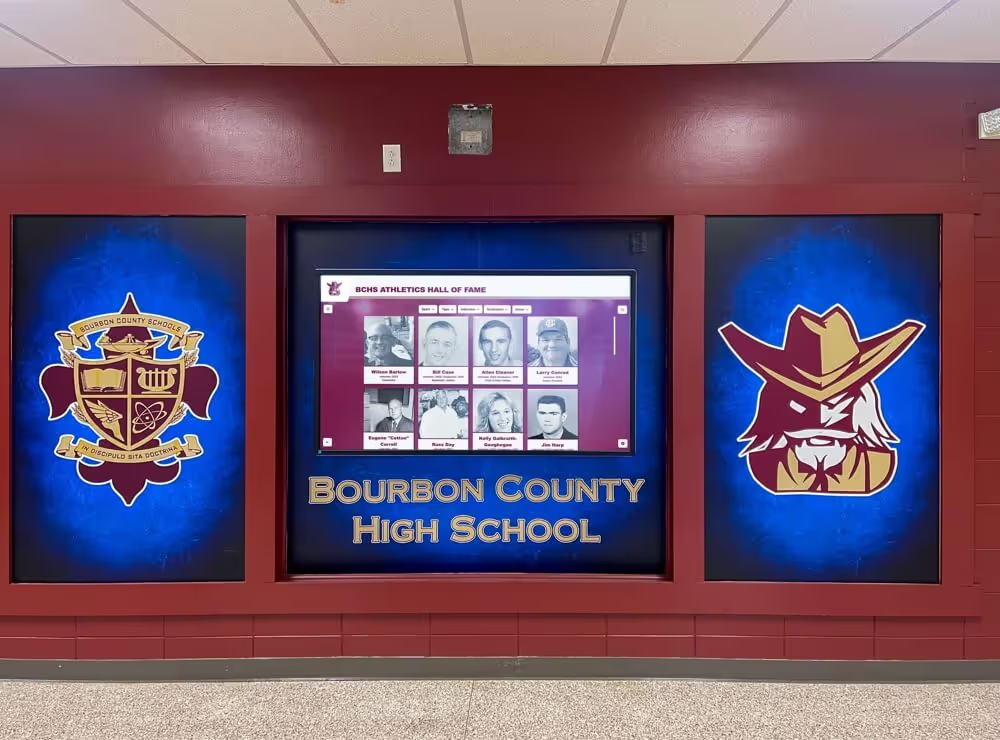
High school programs that excel in pick-and-roll execution often recognize achievements through comprehensive digital displays tracking assists, screen assists, and points generated from this fundamental action.
Why High School Programs Should Prioritize Pick and Roll Development
Translatable Skills Across All Levels
Pick-and-roll mastery prepares players for basketball’s future:
- College programs emphasize ball screen actions extensively
- Professional basketball builds entire systems around this concept
- Develops decision-making applicable to any offensive structure
- Teaches reading defenses and exploiting advantages
- Creates versatile players who understand spacing principles
- Builds communication habits essential for team success
Adaptable to Any Roster Composition
Unlike plays requiring specific positions or skills, the pick and roll adapts to available personnel:
- Works with traditional big men or smaller versatile players
- Guards of any size can execute ball handler roles
- Shooting ability enhances but doesn’t determine effectiveness
- Athletic differences dictate finishing options, not viability
- Multiple screeners allow matchup hunting
- Role players contribute meaningfully through screening excellence
Foundation for Advanced Offensive Concepts
Mastering basic pick-and-roll creates pathways to sophisticated actions:
- Pick-and-pop variations for shooting big men
- Slip screens exploiting over-aggressive defenders
- Re-screens extending the action when initial coverage succeeds
- Pick-and-roll into pitch actions for corner shooters
- Spain pick-and-roll adding back screen complications
- Horns sets creating dual screen options
Programs that track these advanced statistics create opportunities for student-athlete recognition celebrating the basketball IQ and teamwork essential to pick-and-roll success.
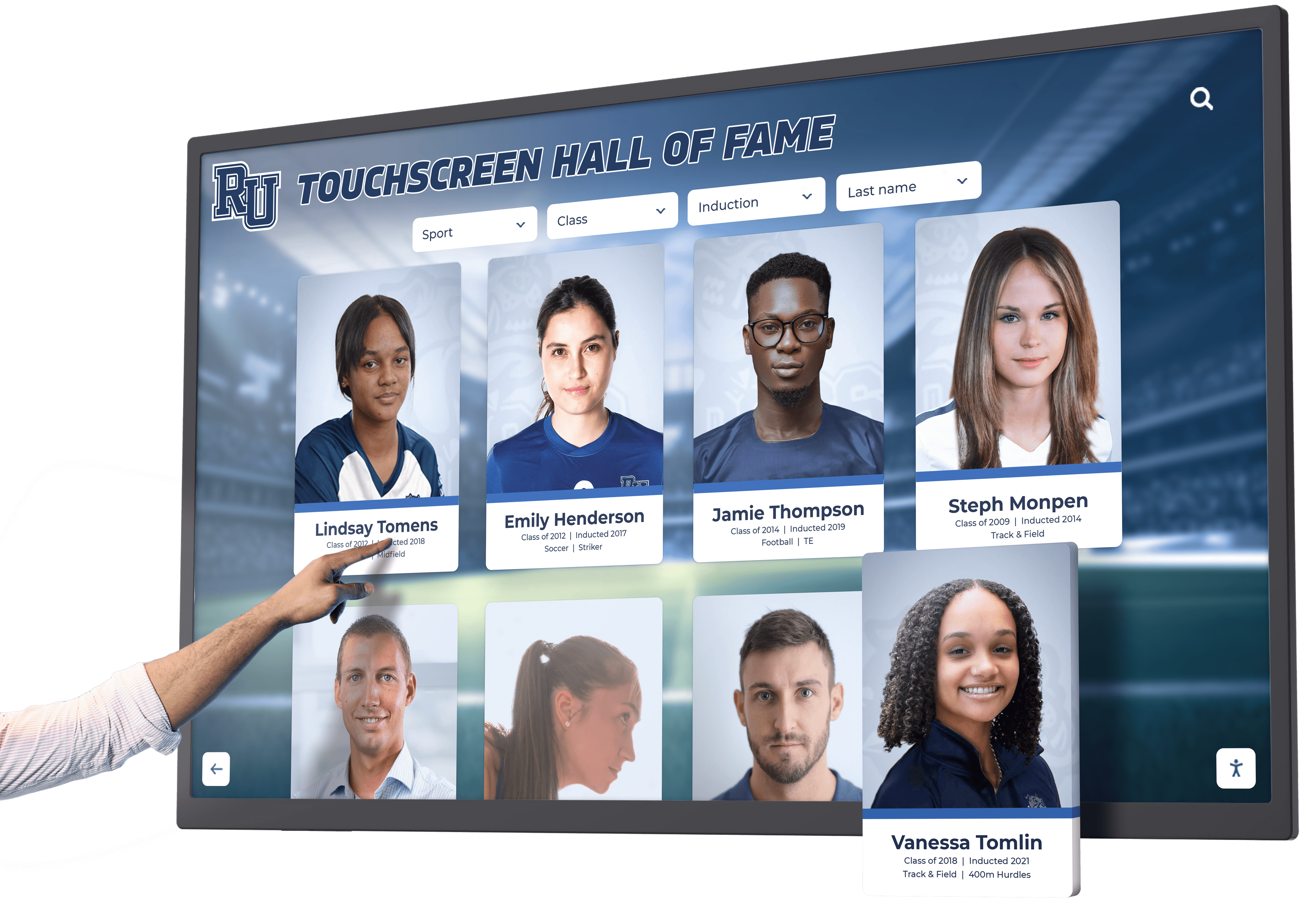
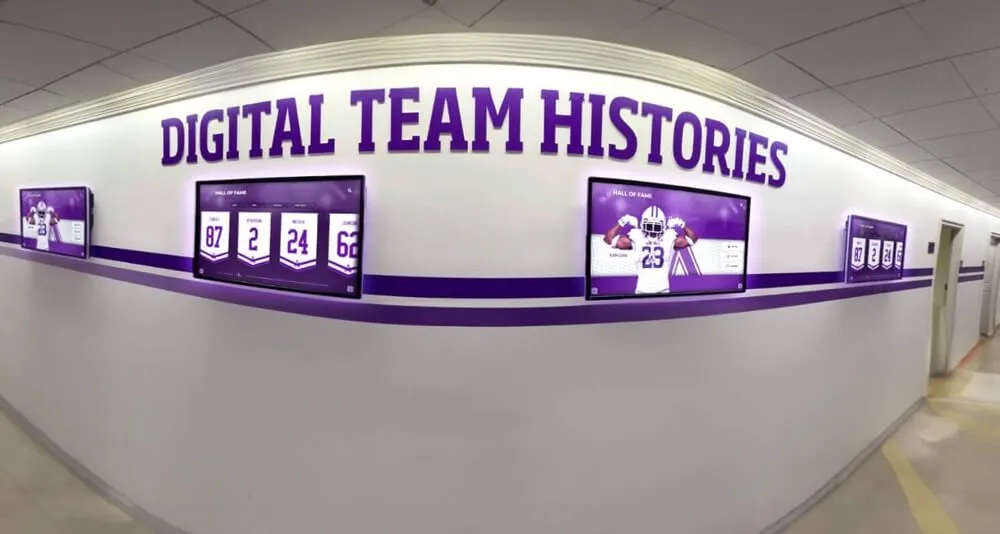
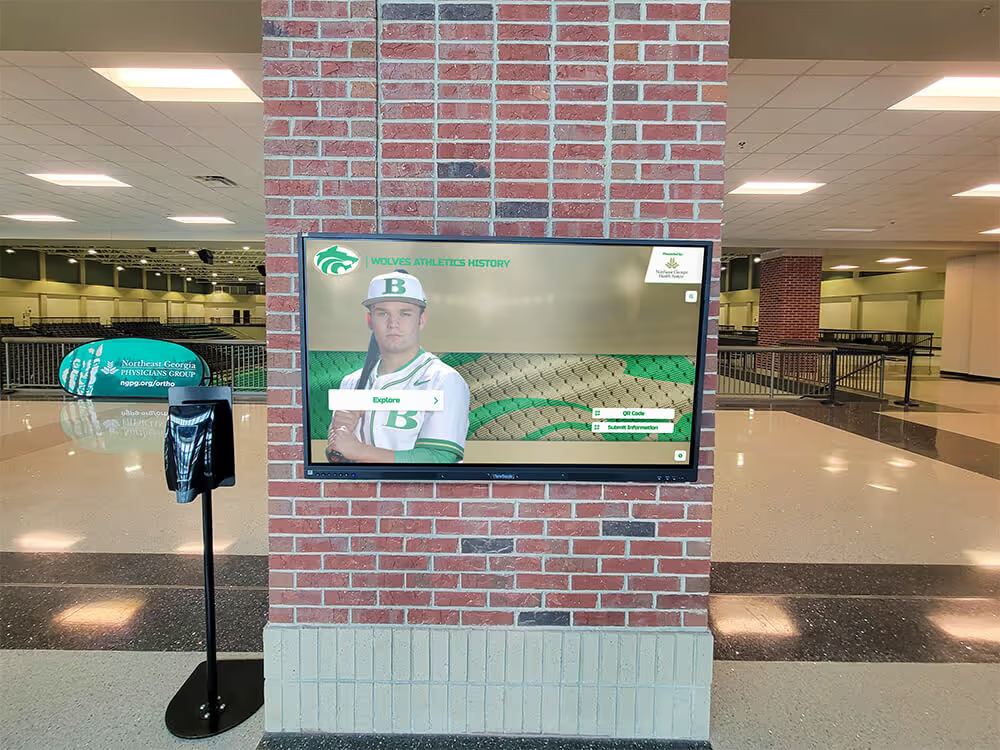
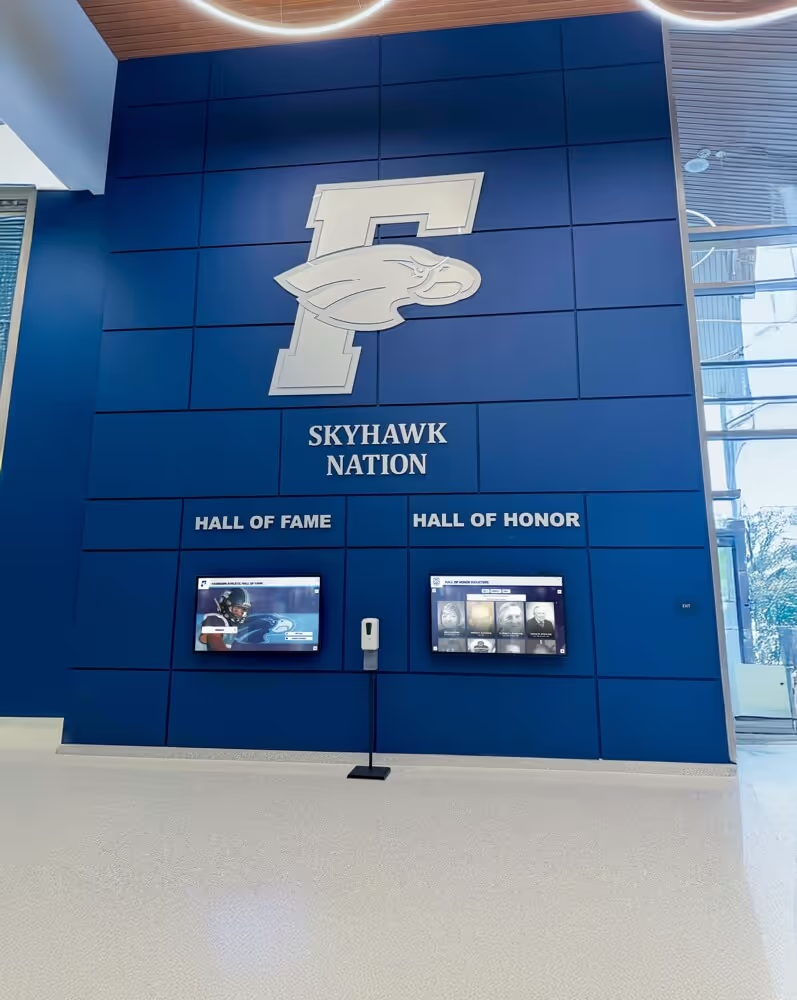
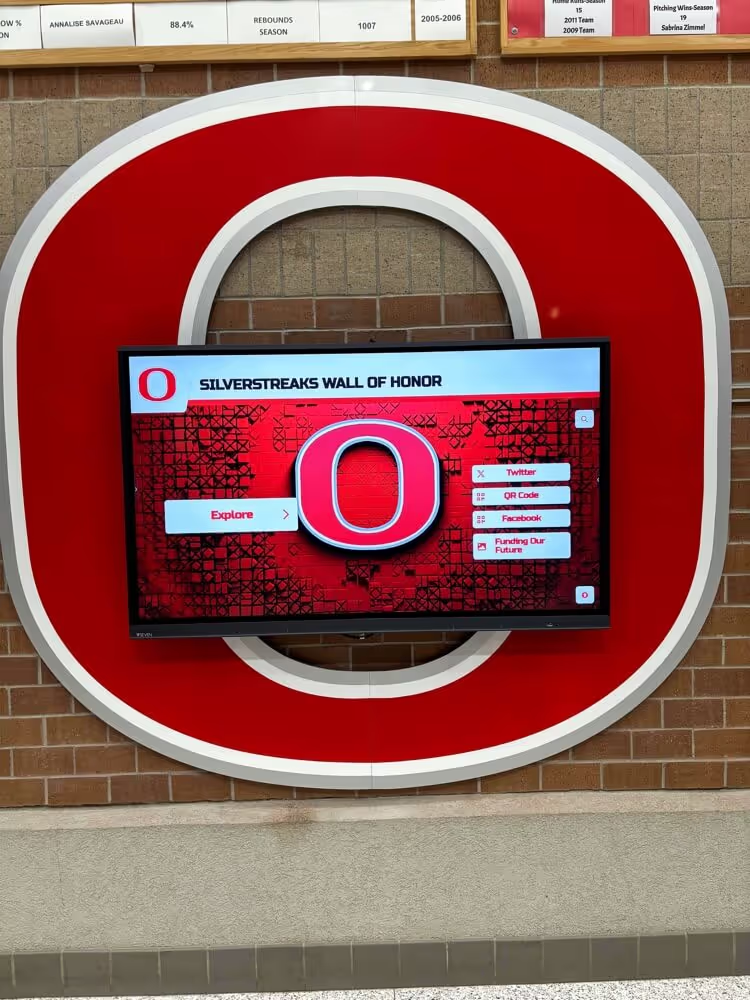
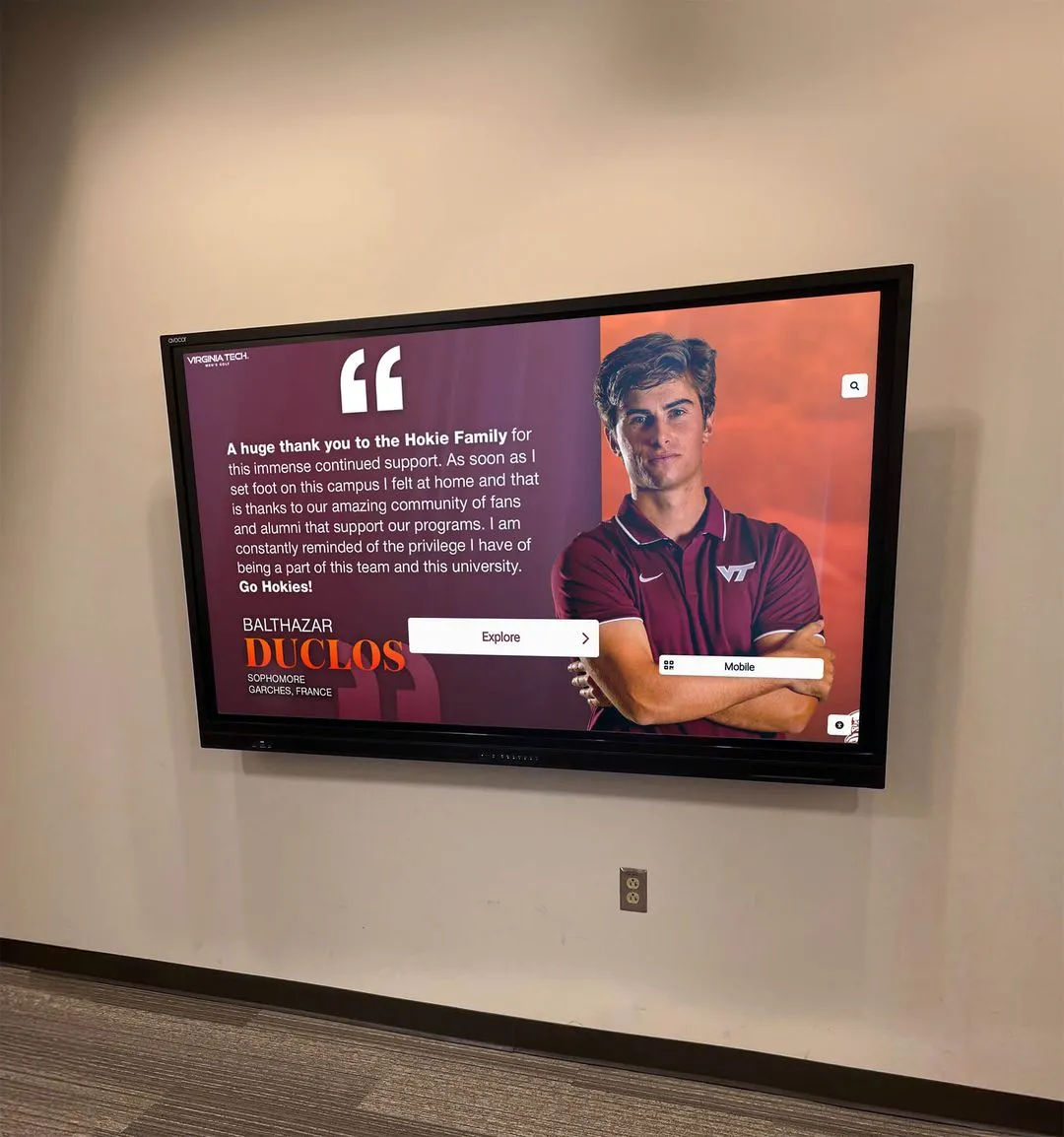
Digital recognition systems highlight pick-and-roll statistics including assists, screen assists, and points per possession generated from this fundamental action
Ball Handler Execution: Mastering the Art of Using Screens
The ball handler’s approach, reading skills, and finishing options determine whether pick-and-roll actions generate quality scoring opportunities or stagnate into turnovers and contested shots.
Setting Up the Screen: Approach and Positioning
Creating Optimal Screen Angles
Ball handlers must set up screeners for success:
- Start wide enough that screens create useful angles
- Walk defender into screens rather than sprinting at them
- Use change-of-pace to prevent defensive anticipation
- Maintain low dribble protecting against strip attempts
- Eyes up scanning defensive coverage before screen arrives
- Shoulder alignment determines finishing side preference
Timing the Screen Usage
Proper timing separates effective actions from wasted possessions:
- Allow screener time to establish legal position
- Avoid using screens too early before defense commits
- Read defender’s positioning relative to screen arrival
- Recognize when to reject screens based on coverage
- Wait for screener’s “set” before aggressive attacks
- Coordinate with screener’s verbal or visual signals
Reading the First Defender’s Coverage
Ball handlers must process defensive reactions instantly:
- Under coverage (going behind screen) creates pull-up opportunities
- Over-the-top pursuit allows separation toward basket
- Hard hedge requires pocket passing or splitting action
- Switch coverage changes finishing reads entirely
- Ice coverage (force baseline) dictates attack angles
- Soft shows indicate continued primary defender responsibility
Attack Options After Using the Screen
Scoring as the Ball Handler
Primary scoring threats from ball screen actions:
- Pull-up jumper: When defender trails under the screen, immediate rhythm jumper punishes sagging coverage
- Drive to rim: Over-pursuing defenders create straight-line attacks with screen providing separation shield
- Floater or runner: Against drop coverage, short-range runners avoid rim protection while punishing space
- Step-back three: Modern counters to hard hedges, creating space through backward momentum
- Split the hedge: Attacking gaps between screener’s defender and primary defender when hedges arrive late
Reading Secondary Defenders and Passing
Elite ball handlers recognize when teammates offer better options:
- Pocket pass to roller: When screener’s defender commits to ball, immediate dump-off creates rim finishes
- Lob over drop coverage: Vertical spacing against sagging big men creates alley-oop opportunities
- Skip pass to corner: When help comes from weak side, ball reversal finds open shooters
- Delay pass to late roller: Patient ball handlers allow screeners to seal advantageous positions
- Dump-off on drive: Drawing rim protection creates interior passing lanes to posting screener
Common Ball Handler Mistakes and Corrections
Decision-Making Errors
Frequent mistakes limiting pick-and-roll effectiveness:
- Predetermined attacks ignoring defensive coverage
- Using screens too casually without purposeful direction
- Dribbling away from screens when separation exists
- Forcing passes into traffic rather than resetting
- Shooting contested jumpers with open teammates available
- Picking up dribble prematurely eliminating attack options
Technical Execution Issues
Mechanical problems reducing efficiency:
- Wide, unprotected dribbles inviting steals
- Poor shoulder positioning telegraphing intentions
- Lack of change-of-pace allowing defensive recovery
- Eyes down missing open teammates
- Weak hand avoidance limiting attack directions
- Rushed decisions preventing proper defensive reads
Coaches who emphasize these technical details often celebrate improvements through achievement recognition systems tracking decision-making statistics and assist-to-turnover ratios.
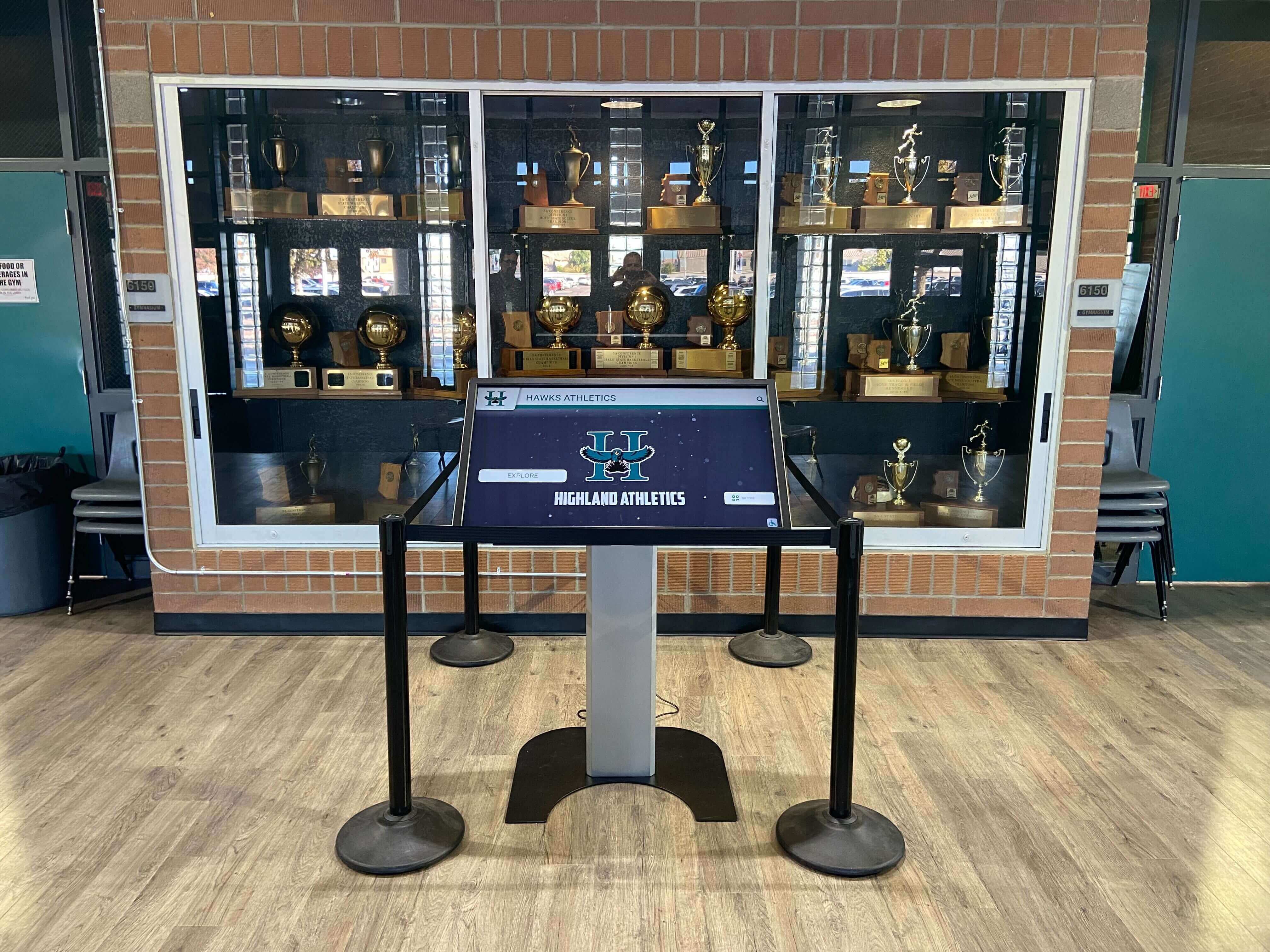
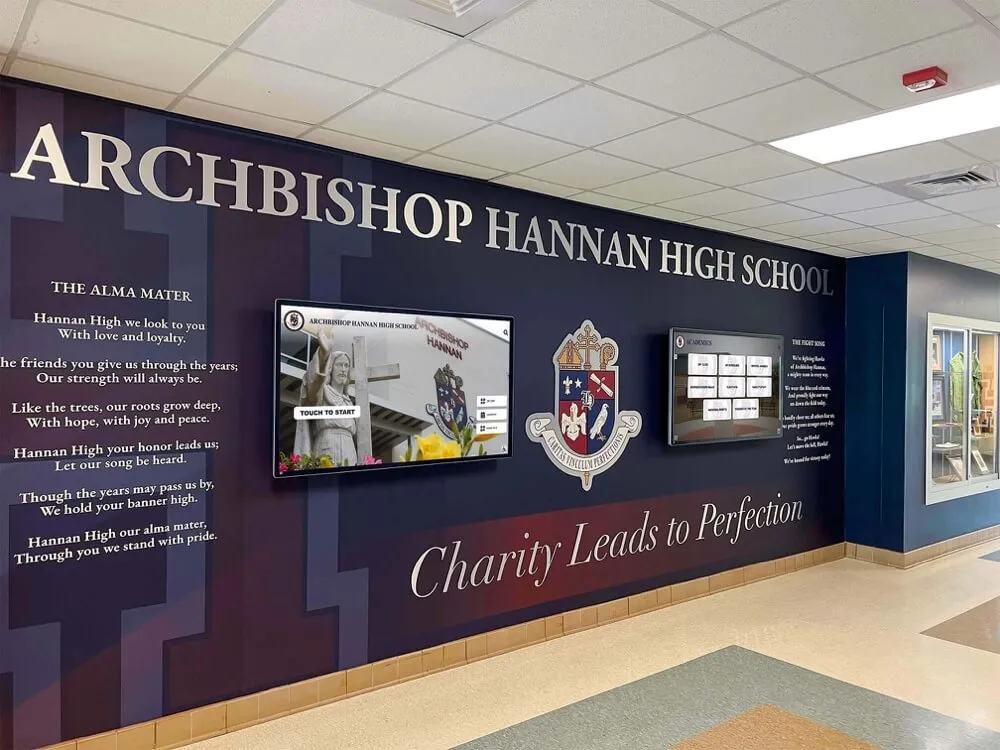
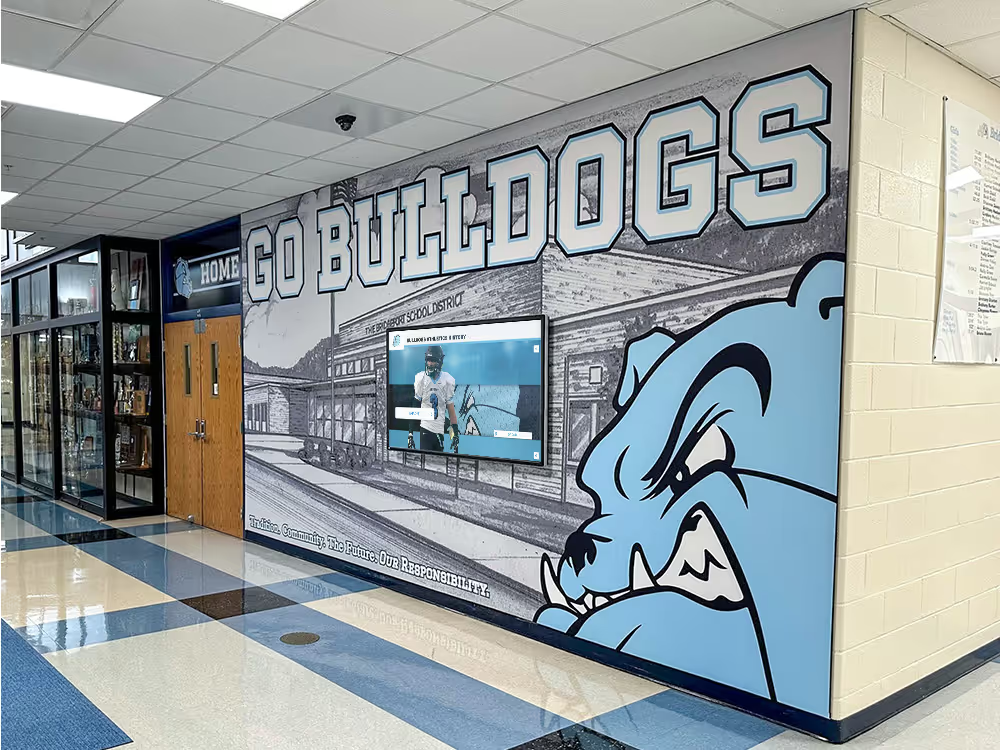
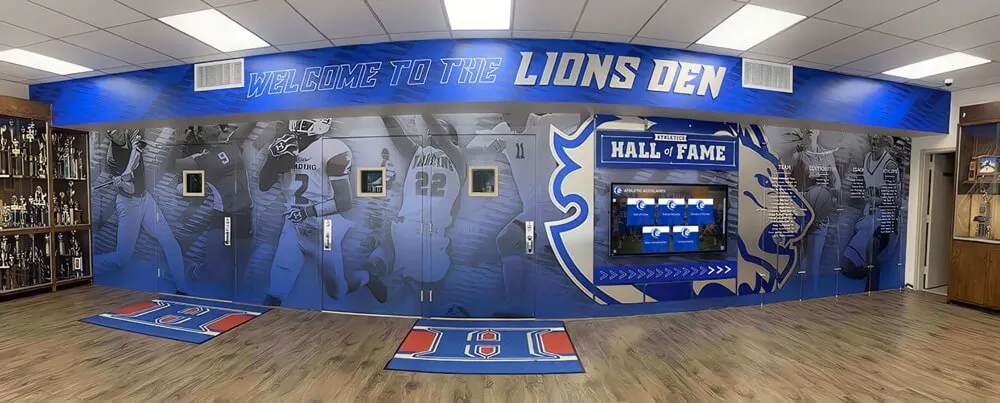
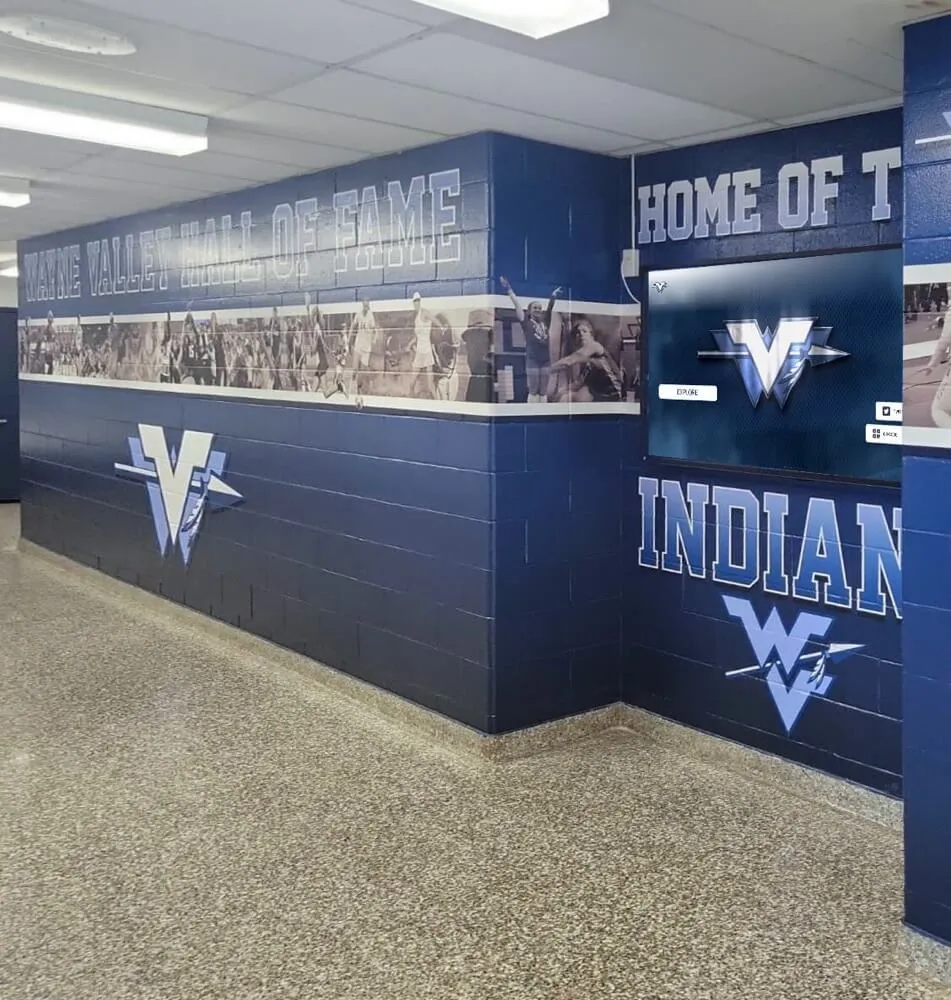
Athletic programs showcase fundamental excellence through interactive displays celebrating assists, screen statistics, and team offensive efficiency metrics
Screener Fundamentals: Creating Effective Picks and Reading Defensive Reactions
While ball handlers receive primary attention, screener execution determines whether defensive coverage can be compromised or easily managed without significant disruption.
Setting Legal and Effective Screens
Positioning and Angle Selection
Screeners must establish advantageous positions:
- Set screens at appropriate distance from defenders (typically 3-4 feet)
- Angle screens based on desired ball handler driving lanes
- Create contact without extending hips, shoulders, or legs
- Establish stationary position before contact occurs (legal screening)
- Wide base with feet outside shoulder width for stability
- Hands across chest protecting against offensive foul calls
Creating Quality Contact
Effective screens require solid fundamentals:
- Low center of gravity preventing defender from going over the top
- Shoulder width sufficient to force navigation decisions
- Absorption of contact without falling or moving
- Mental toughness accepting physical defender reactions
- Adjustment awareness for officials with different foul tolerances
- Verbal communication signaling screen readiness to ball handler
Common Screening Violations and Corrections
Avoiding offensive fouls while maintaining effectiveness:
- Moving screens: Establish position fully before contact
- Extended body parts: Keep hands in, hips back, feet set
- Insufficient distance: Allow defenders room to avoid contact
- Leaning into contact: Stand firm without initiating movement
- Blindside screens: Approach from defender’s field of vision
- Re-screening too closely: Reset legally between successive screens
Reading Defensive Coverage and Rolling Effectively
Identifying Defensive Schemes
Screeners must recognize coverage immediately:
- Hedge and recover: Screener’s defender steps up aggressively, then recovers to screener
- Hard hedge (trap): Aggressive double-team forcing ball handler to give up dribble
- Drop coverage: Screener’s defender sags back protecting rim while ball handler’s defender recovers
- Switch: Defenders exchange assignments completely
- Under (go under): Ball handler’s defender trails behind screen
- Ice (force baseline): Defenders funnel ball handler toward sideline away from screen
Adjusting Roll Based on Coverage
Intelligent screeners adapt to defensive reactions:
- Against hedge and recover: Short roll into pocket between defenders creates passing lane
- Against hard hedge: Slip screen early or roll quickly before second defender arrives
- Against drop coverage: Pop to midrange or continue to rim depending on shooting ability
- Against switch: Post up smaller defender or dive to rim against slower opponent
- Against under coverage: Pop for jumper or reset for new action
- Against ice: Reject and re-screen or slip opposite direction
The Art of the Short Roll and Sealing
Short Roll Execution
One of basketball’s most effective counters to hedging defenses:
- Roll toward free-throw line area rather than continuing to rim
- Create passing angle for ball handler being pressured
- Position between both defenders in no-man’s land
- Catch in space allowing immediate finishing decision
- Read weak-side help positioning before catching
- Attack rim, shoot midrange, or kick to corner based on defense
Sealing Defensive Position
Advanced screeners establish post advantages:
- Feel defender’s positioning during roll
- Use body positioning to prevent defensive recovery
- Create passing targets for ball handlers unable to drive
- Maintain legal positioning without pushing or holding
- Pivot to basket upon catching passes
- Finish quickly before help arrives
Programs celebrating these advanced skills often implement interactive displays showcasing screen assists, charges drawn on rolls, and shooting percentages from pick-and-roll actions.

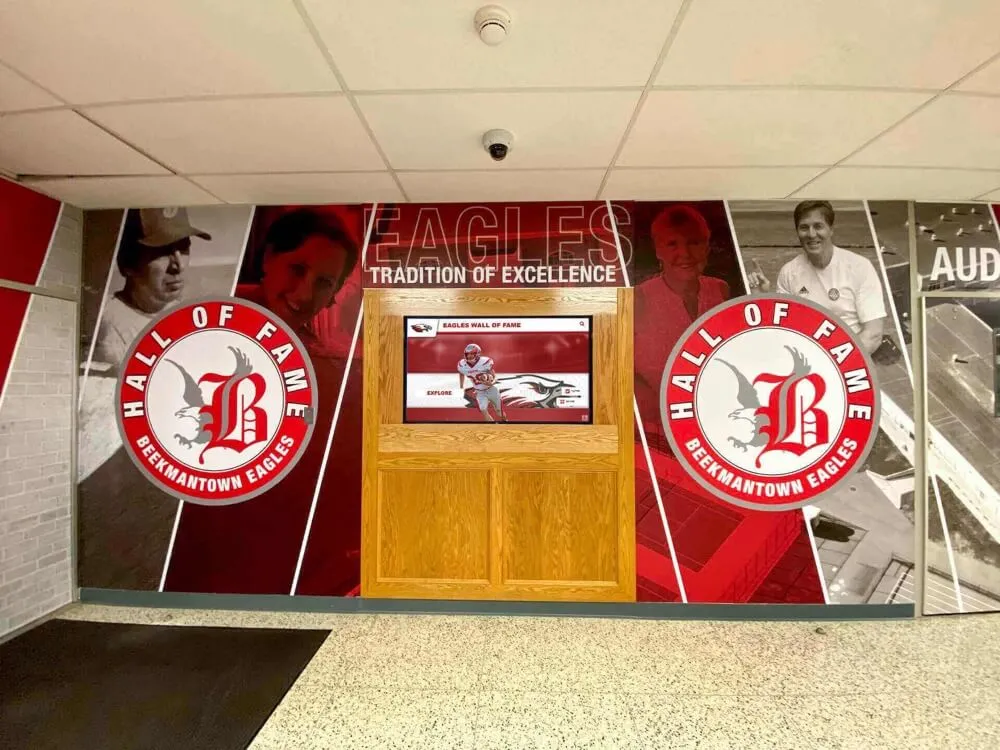
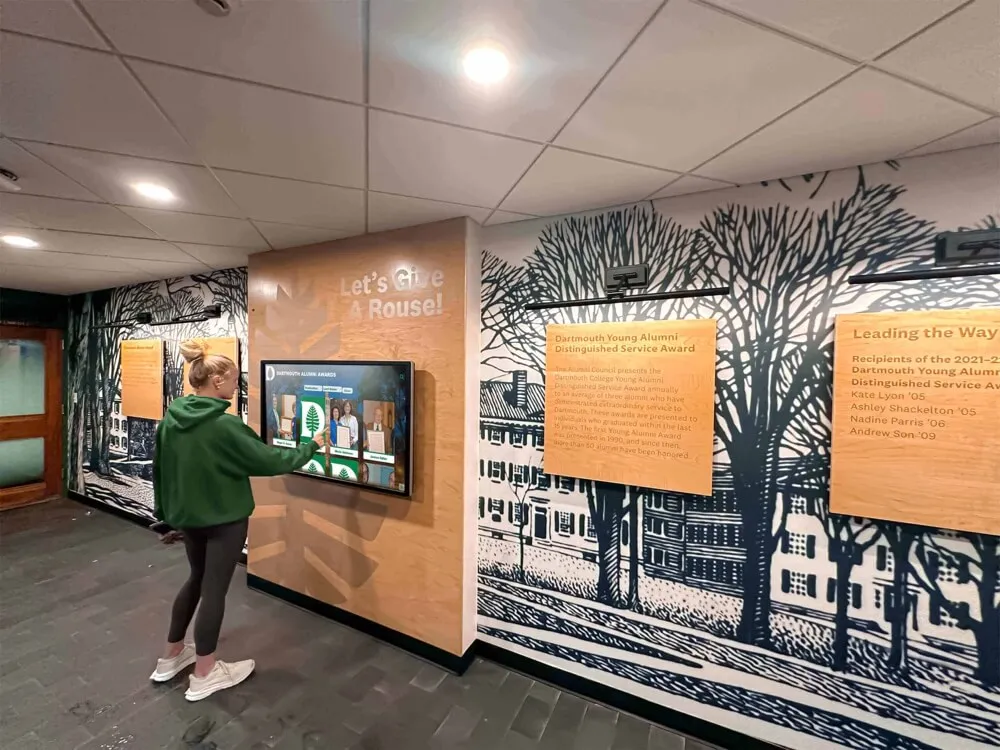
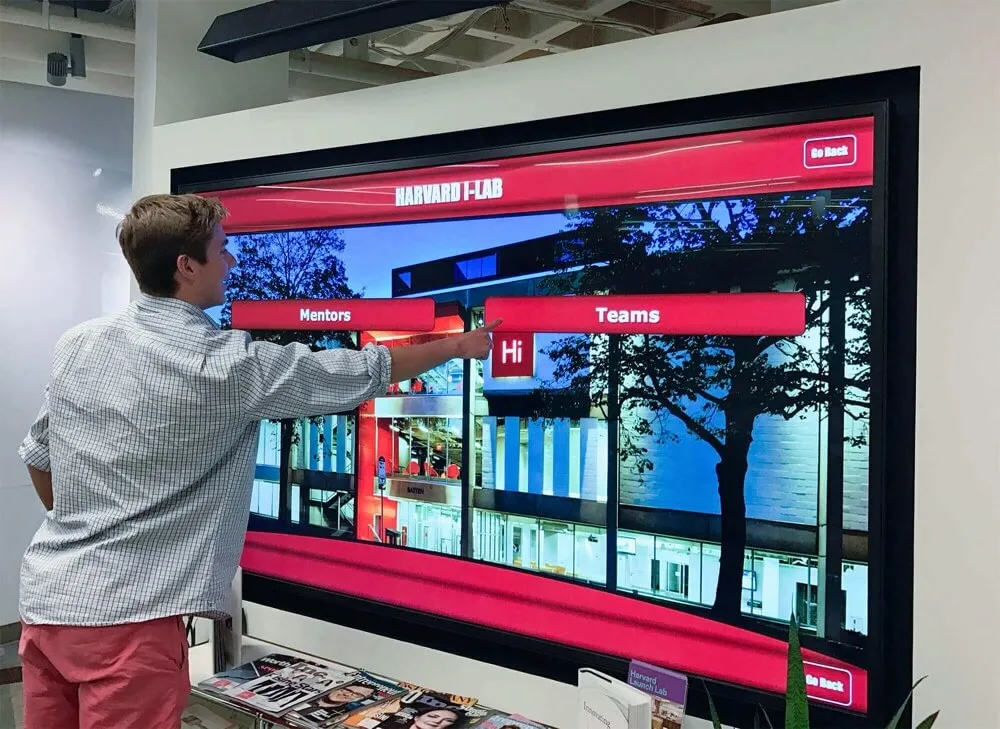
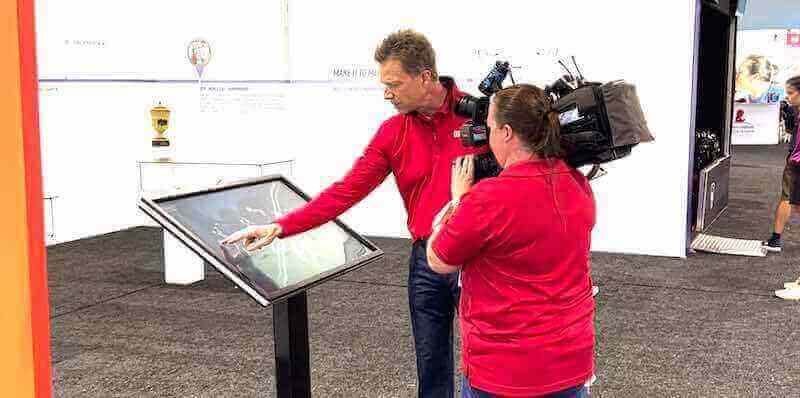
Modern recognition platforms allow exploration of individual player contributions including pick-and-roll efficiency, screen assists, and decision-making statistics
Teaching Pick and Roll Progressions: Practice Drills for High School Programs
Systematic skill development through progressive drills transforms theoretical understanding into game-ready execution under defensive pressure and time constraints.
Individual Skill Development Drills
Ball Handler Drills
Building fundamental skills before adding defensive pressure:
- Chair screens: Using chairs as stationary screeners, practice reading angles and attack decisions
- Two-ball dribbling: Developing hand strength and coordination for protected dribbles through traffic
- Cone navigation: Setting up cones simulating defensive positions, practicing change-of-pace and direction
- Finish progression: Layups, floaters, pull-ups from pick-and-roll spots without defense
- Vision drills: Eyes-up dribbling while identifying colored cones or hand signals
- Weak hand emphasis: Dedicated left-hand sessions for right-handed players and vice versa
Screener Drills
Developing proper screening mechanics and rolling patterns:
- Stance and position: Repeated screen positioning focusing on feet placement, hand position, base width
- Contact absorption: Partner drills with controlled contact building toughness and stability
- Roll timing: Practicing immediate rolls after contact with emphasis on speed and angle
- Finishing at rim: Catching on the move and converting layups without dribbling
- Short roll catches: Receiving passes in traffic, making immediate decisions
- Seal and post: Establishing position against defenders attempting recovery
Two-Player Skill Synchronization
No-Defense Repetition
Building timing and communication:
- Walk-through speed initially focusing on footwork and spacing
- Half-speed execution adding dribble coordination
- Three-quarter speed emphasizing timing synchronization
- Full-speed reps without defense building rhythm
- Verbal communication establishing signals and reads
- Multiple repetitions from various floor locations
Live Two-on-Two Situations
Adding defensive complexity progressively:
- Start with specific coverage (hedge, drop, switch) allowing preparation
- Progress to defenders choosing coverage forcing real-time reads
- Add constraints like must-score or must-make-two-passes requirements
- Competitive scoring games rewarding efficient execution
- Switch offensive and defensive roles ensuring comprehensive understanding
- Film review identifying decision-making opportunities
Full Five-on-Five Implementation
Controlled Scrimmage Settings
Integrating pick-and-roll within team concepts:
- Designated possessions requiring pick-and-roll initiation
- Constraints like three-pass minimum before screening actions
- Advantage-created requirements (open shot or rim attack)
- Defensive emphasis possessions focusing on coverage discipline
- Transition to pick-and-roll developing secondary break offense
- Clock management situations practicing late-game execution
Statistical Tracking and Recognition
Measuring improvement and celebrating excellence:
- Track assist percentages from pick-and-roll actions
- Record screen assists when screens directly create baskets
- Monitor points per possession from screen actions
- Calculate shooting percentages by coverage type
- Document turnover rates during pick-and-roll possessions
- Recognize improvement through visible achievement displays
Many successful programs integrate digital record boards displaying these statistics in athletic facilities, creating visible recognition for fundamental excellence and team success.
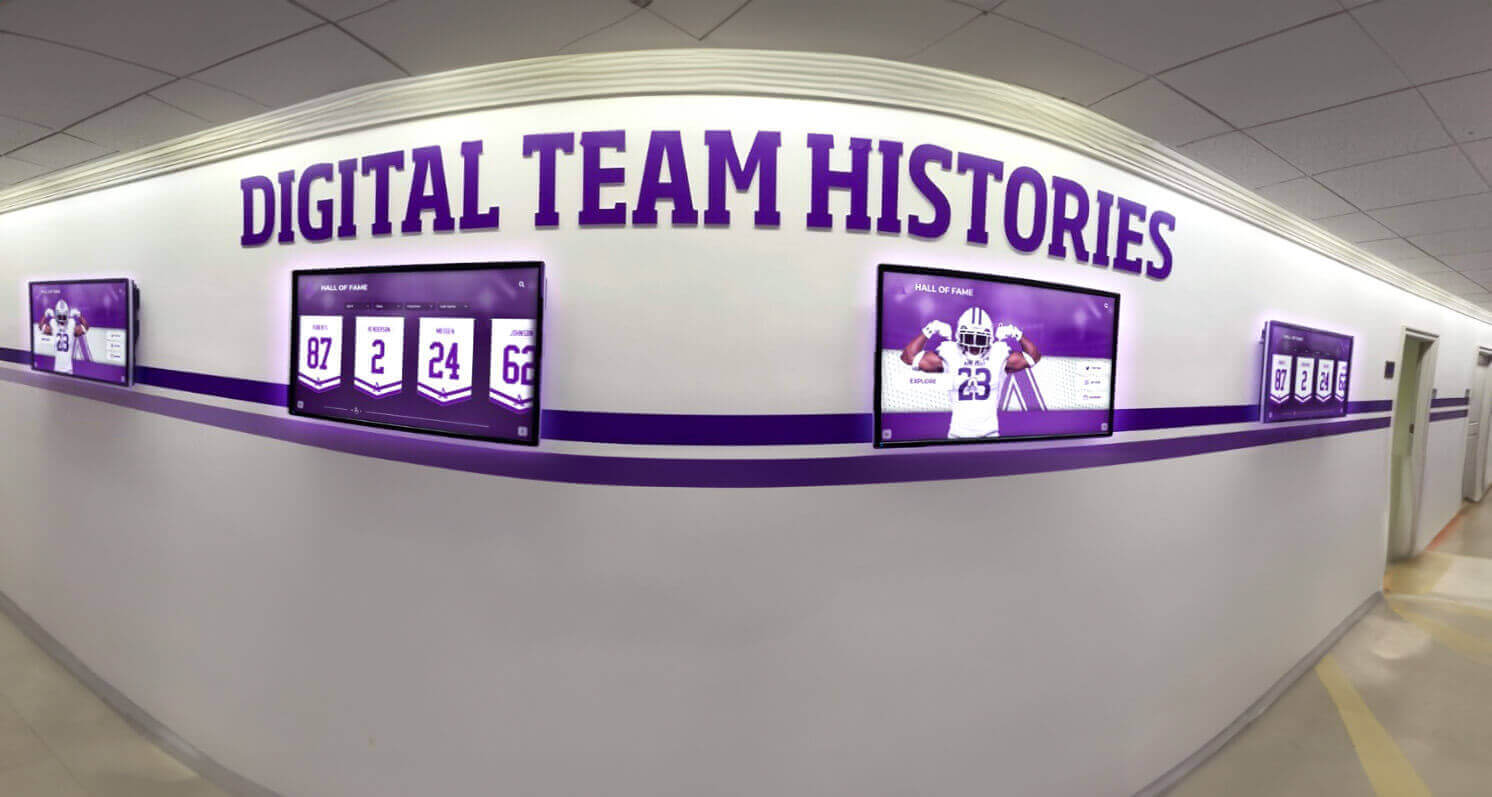
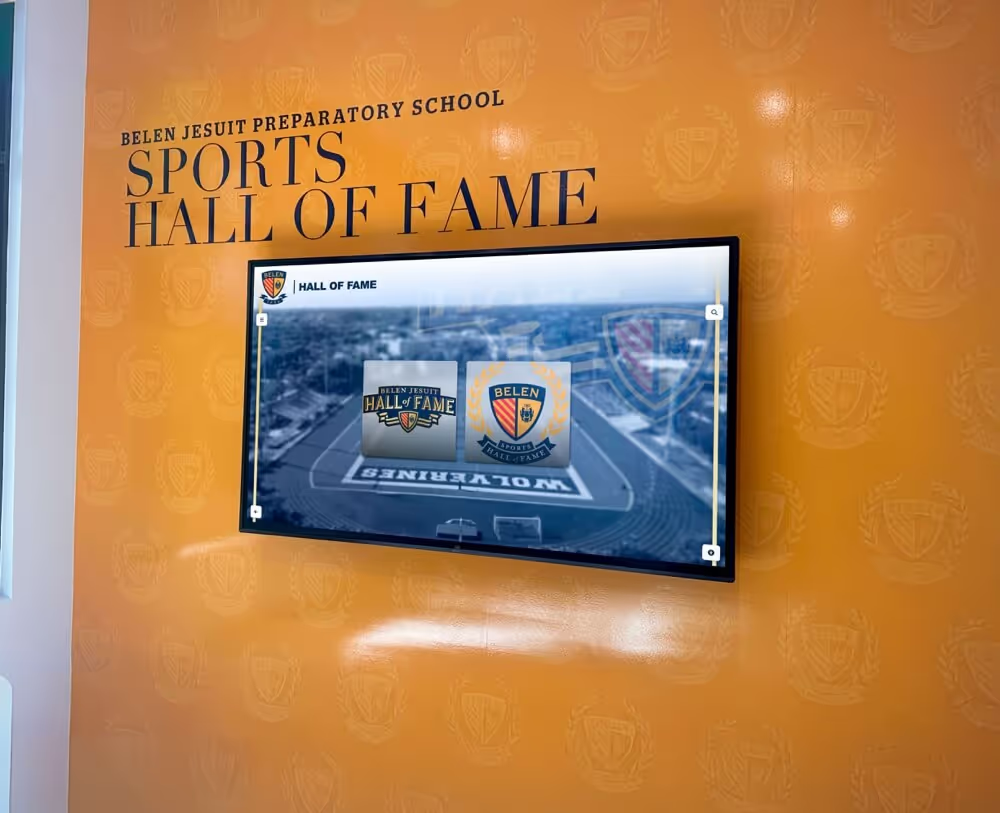
Athletic programs celebrate offensive efficiency and teamwork through digital displays highlighting season statistics including pick-and-roll effectiveness
Advanced Pick and Roll Concepts: Elevating Your Program’s Offensive System
Once basic pick-and-roll execution reaches competency, introducing advanced variations and counters transforms predictable actions into comprehensive offensive systems.
Pick and Pop Variations
When and Why to Pop Instead of Roll
Spacing-oriented alternatives to traditional rolls:
- Shooters setting screens then relocating to three-point line
- Creating floor balance preventing defensive paint crowding
- Exploiting drop coverage by drawing big men from rim
- Generating open catch-and-shoot opportunities
- Spacing the floor for ball handler drives
- Forcing closeout situations leading to secondary advantages
Teaching Pop Mechanics
Execution details for pick-and-pop actions:
- Quick separation to three-point line or midrange spots
- Shot preparation during pop movement (hands ready)
- Reading defender’s positioning before committing to pop
- Communication with ball handler about popping intention
- Relocating if initial pop location becomes covered
- Transitioning to offensive rebounding after shots
Slip Screens and Re-Screens
Reading Over-Aggressive Defensive Coverage
Countering defenses that anticipate screens:
- Recognizing early hedges or switches before contact
- Slipping toward basket before defender arrives at screen
- Creating easy rim finishes against over-helping defenses
- Punishing defensive anticipation through misdirection
- Timing slips to coincide with ball handler’s attack
- Maintaining legal screening position before slipping
Re-Screening After Initial Coverage
Extending actions when defenses successfully navigate first screens:
- Ball handler refusing initial screen and resetting
- Screener re-establishing position for second attempt
- Creating different angles or locations for re-screens
- Frustrating defenses through persistent actions
- Building offensive rebounding advantages through extended possessions
- Draining shot clock forcing defensive rotations
Spain Pick and Roll
Adding Back Screen Complexity
A sophisticated action combining multiple screening actions:
- Third player sets back screen on screener’s defender during roll
- Eliminates hedge defense by screening away the hedger
- Creates 3-on-2 advantages when executed properly
- Requires precise timing and player coordination
- Particularly effective against switching defenses
- Named after Spanish national team innovation
Teaching Progressions for Advanced Actions
Building comprehension systematically:
- Introduce only after basic pick-and-roll mastery
- Walk through positioning and timing extensively
- Practice without defense initially
- Add defensive resistance gradually
- Emphasize reading over execution speed
- Reserve for experienced players with high basketball IQ
Pick and Roll Into Secondary Actions
Pitch to Corner Shooters
Extending advantages through quick ball movement:
- Ball handler drawing help, then pitching to corner
- Creating open three-point attempts for shooters
- Punishing aggressive help defense
- Requiring excellent spacing discipline
- Practicing touch passes and catch-and-shoot mechanics
- Building offensive rebounding balance
Pick and Roll Into Post Feeds
Using screening actions to create post advantages:
- Screener sealing after rolling becomes post feed target
- Drawing defensive attention then dumping to posting screener
- Creating high-percentage interior opportunities
- Developing versatile scoring options
- Teaching post finishing in traffic
- Emphasizing quick decisions before help arrives
Comprehensive basketball programs that master these advanced concepts often celebrate achievements through interactive displays recognizing offensive efficiency, basketball IQ development, and fundamental excellence.
Defending the Pick and Roll: Understanding Coverage to Improve Offensive Execution
Teaching offensive players how defenses attempt to neutralize pick-and-roll actions improves their recognition skills and decision-making under pressure.
Common Defensive Coverages Explained
Hedge and Recover
Traditional coverage balancing containment and recovery:
- Screener’s defender steps up (“shows” or “hedges”) to slow ball handler
- Primary defender fights over screen to recover position
- Screener’s defender recovers back to rolling screener
- Requires athletic defenders capable of covering space quickly
- Vulnerable to short rolls and patient ball handlers
- Depends on effective communication between defenders
Drop Coverage
Conservative approach protecting rim at all costs:
- Screener’s defender drops toward paint rather than hedging
- Creates space for ball handler’s midrange opportunities
- Protects against rim finishes and lob passes
- Vulnerable to pull-up shooting from ball handlers
- Commonly used by teams with less mobile big men
- Forces ball handlers to be jump shooting threats
Switch Everything
Modern coverage requiring versatile defenders:
- Defenders exchange assignments completely
- Eliminates communication requirements and gap vulnerabilities
- Creates potential mismatches (guards on bigs, bigs on guards)
- Requires every defender capable of guarding multiple positions
- Vulnerable to post-up opportunities and size advantages
- Increasingly popular in basketball at all levels
Trap or Blitz
Aggressive double-team forcing ball out of ball handler’s hands:
- Both defenders aggressively trap ball handler
- Forces pass, turnover, or difficult escape dribble
- Rotations required from weak-side defenders
- Creates potential for open shots if ball escapes trap
- High-risk, high-reward defensive strategy
- Effective against ball-dominant players or poor passing teams
Teaching Offensive Reads Against Each Coverage
Recognition Drills
Building defensive reading capabilities:
- Coaches call out coverage before actions
- Defenders show specific coverages repeatedly
- Offensive players identify coverage and execute appropriate counter
- Progressive introduction of coverage variations
- Film study identifying coverage tendencies
- Pre-game scouting understanding opponent preferences
Counter Development
Practicing specific answers to defensive schemes:
- Against hedge: Split gaps, pocket passes, pull-ups
- Against drop: Midrange jumpers, floaters, patient attacking
- Against switch: Post-ups, size advantages, isolation attacks
- Against trap: Quick passes, split double teams, pocket passes to rollers
- Against ice: Baseline attacks, rejections, re-screens
- Against under: Pull-up threes, aggressive rim attacks
Teams that excel at reading defenses and executing appropriate counters create opportunities for statistical recognition through digital achievement displays celebrating decision-making excellence and offensive efficiency.
Common Pick and Roll Mistakes and Troubleshooting Solutions
Identifying and correcting frequent execution errors accelerates player development and improves offensive efficiency metrics across the team.
Ball Handler Errors and Corrections
Forcing Action When Not Available
Many ball handlers run screens without purpose:
- Problem: Using screens simply because they’re available rather than reading defense
- Solution: Teach rejection skills and alternative initiations when screens don’t create advantages
- Drill: Defenders allowed to defend screens perfectly, forcing ball handlers to recognize and refuse
- Emphasis: Screens are tools for creating advantages, not mandatory actions every possession
Poor Passing Decisions
Turnovers plague programs with inadequate passing development:
- Problem: Throwing passes into crowds without reading help defense positioning
- Solution: Passing progression drills with dummy defenders showing help rotations
- Drill: Live pick-and-roll with requirement that screener must touch ball
- Emphasis: Patient reading before passes; screener availability doesn’t guarantee appropriate pass
Predictable Attack Patterns
Defenses adjust to repetitive tendencies:
- Problem: Always driving same direction, shooting same spots, making same decisions
- Solution: Chart tendencies from film; require balanced attack distribution
- Drill: Constraint games requiring weak-hand attacks or specific finishing options
- Emphasis: Versatility makes defenses defend full skill set rather than tendencies
Screener Errors and Corrections
Illegal or Ineffective Screens
Offensive fouls and easily navigated screens waste possessions:
- Problem: Moving screens, extended body parts, insufficient positioning
- Solution: Screen-setting drill emphasis with technical feedback and film review
- Drill: Stationary screen drill with partners attempting to draw fouls through simulation
- Emphasis: Legal positioning allows aggressive contact without foul vulnerability
Rolling Too Early or Too Late
Timing disconnects reduce action effectiveness:
- Problem: Rolling before contact occurs or standing too long after screen
- Solution: Two-player rhythm drills building synchronized timing
- Drill: Communication emphasis requiring verbal “roll” call from ball handler
- Emphasis: Screen contact triggers roll; ball handler attack triggers defensive reaction reading
Lack of Hands Readiness
Screeners unprepared for passes create turnovers:
- Problem: Hands down, facing away from ball, not expecting passes
- Solution: Target showing emphasis during all rolling actions
- Drill: Random timing passes during rolling actions requiring constant readiness
- Emphasis: Always a passing option; demonstrate availability through hand targets and body position
Team Coordination Issues
Spacing Breakdowns
Clustered positioning eliminates driving lanes and passing angles:
- Problem: Non-involved players standing too close to action
- Solution: Spacing rules requiring specific locations relative to ball and screen
- Drill: Five-player shell with cones marking proper spacing positions
- Emphasis: Spacing creates advantage multiplication; poor spacing eliminates all advantage potential
Lack of Offensive Rebounding
Pick-and-roll actions can create offensive board advantages:
- Problem: All five players standing outside watching action
- Solution: Designated crashers timing rolls to attack glass
- Drill: Live pick-and-roll with points awarded for offensive rebounds
- Emphasis: Defensive attention on ball creates board advantages; capitalize through designed crashes
Programs addressing these common mistakes systematically show measurable improvement in offensive efficiency, often celebrating progress through recognition displays highlighting offensive statistics and fundamental excellence.
Building a Pick and Roll Identity: Establishing Your Program’s Offensive Foundation
Successful high school programs develop distinct pick-and-roll identities aligned with personnel strengths, program philosophy, and competitive advantages within their conferences.
Assessing Your Roster and Strengths
Identifying Primary Ball Handlers
Determining who initiates pick-and-roll actions:
- Evaluate ball handling security under pressure
- Assess decision-making speed and accuracy
- Measure shooting ability from pick-and-roll spots
- Analyze passing vision and willingness
- Consider leadership and floor general capabilities
- Develop multiple ball handlers for versatility and lineup flexibility
Evaluating Screening Personnel
Finding players who excel at screening and rolling:
- Physical toughness accepting contact and setting firm screens
- Finishing ability around rim in traffic
- Passing vision for short-roll situations
- Shooting range for pick-and-pop variations
- Rolling speed and athletic finishing
- Basketball IQ reading defensive coverage
Supporting Cast Spacing Requirements
Building complementary skill sets around actions:
- Corner three-point shooting threatening help defense
- Cutting ability exploiting over-rotations
- Offensive rebounding from weak-side positions
- Secondary ball handling for pitch situations
- Defensive accountability balancing offensive focus
- Understanding spacing principles and discipline
Practice Time Allocation and Development Priorities
Seasonal Progression Planning
Strategic skill development throughout the year:
- Pre-season (June-October): Individual skill development, basic two-player actions
- Early season (November-December): Coverage reading, team integration, basic variations
- Mid-season (January-February): Advanced concepts, opponent-specific adjustments, refinement
- Late season/playoffs (March): Execution polish, late-game situations, competitive advantages
- Off-season (April-May): Individual improvement, next-year skill building, strength development
Daily Practice Integration
Consistent emphasis through regular practice structure:
- Dedicated pick-and-roll segment in every practice
- Individual skill work incorporating pick-and-roll movements
- Shell drill defensive work against pick-and-roll actions
- Scrimmage situations emphasizing pick-and-roll initiation
- Film review identifying execution opportunities
- Statistical tracking celebrating improvement and excellence
Creating Cultural Emphasis Around Fundamentals
Statistical Recognition and Celebration
Making fundamental excellence visible:
- Track and display assist statistics prominently
- Calculate screen assists crediting screeners
- Monitor points per possession from pick-and-roll actions
- Recognize improvement through visible achievement displays
- Celebrate decision-making excellence alongside scoring
- Emphasize teamwork statistics over individual scoring
Championship Programs and Recognition Culture
Successful basketball programs integrate offensive excellence with comprehensive recognition systems. Digital walls of fame and interactive touchscreen displays allow schools to showcase pick-and-roll statistics, offensive efficiency metrics, assists leaders, and fundamental excellence alongside traditional scoring achievements, creating culture that values basketball IQ and teamwork equal to individual talent.
Modern recognition platforms enable athletic programs to highlight:
- Season and career assist leaders demonstrating pick-and-roll mastery
- Screen assist statistics crediting screeners for creating advantages
- Offensive efficiency ratings measuring decision-making quality
- Points per possession from various actions
- Team success metrics connected to fundamental execution
- Progressive improvement celebrating player development
These digital displays occupy minimal physical space while showcasing unlimited achievements, updating instantly through cloud-based management systems accessible to coaches from any location. Programs that emphasize comprehensive statistical recognition develop players who understand basketball’s collaborative nature while creating institutional cultures celebrating the fundamentals that championship teams master.
Conclusion: Mastering the Basketball Pick and Roll as Your Offensive Foundation
The basketball pick and roll remains basketball’s most essential offensive action precisely because its fundamental principles—creating numerical advantages, forcing defensive decisions, and exploiting coverage breakdowns—apply universally across all talent levels and competitive contexts. High school programs that invest systematic practice time developing pick-and-roll excellence transform this two-player action into comprehensive offensive systems generating high-percentage scoring opportunities while developing players’ basketball IQ, decision-making capabilities, and competitive preparedness for basketball’s next levels.
The distinction between teams that occasionally run screens versus programs that truly master pick-and-roll basketball appears clearly in offensive efficiency statistics, playoff success, and player development outcomes. Coaches who teach proper screening mechanics, defensive reading progressions, and counter options create players capable of exploiting any coverage through intelligent execution rather than superior athleticism alone. This fundamental development serves athletes throughout their basketball careers while establishing program identities built on execution excellence rather than talent-dependent systems.
Your program’s offensive foundation begins with committing practice time to progressive pick-and-roll development, from individual skill building through full five-on-five implementation against various defensive coverages. Combined with statistical tracking celebrating assists, screen assists, and decision-making excellence—often showcased through interactive recognition displays highlighting these fundamental achievements—your basketball program establishes culture where offensive efficiency, basketball intelligence, and collaborative excellence receive recognition equal to individual scoring accomplishments.
The basketball pick and roll’s enduring prominence across every level of competitive basketball proves that fundamental execution, intelligent reading, and collaborative teamwork remain basketball’s most reliable pathway to offensive success. High school programs embracing this offensive staple develop not just better basketball players, but smarter competitors prepared for championship moments when execution excellence determines outcomes.
Live Example: Rocket Alumni Solutions Touchscreen Display
Interact with a live example (16:9 scaled 1920x1080 display). All content is automatically responsive to all screen sizes and orientations.