Butterfly Stroke Technique: A Swimmer's Guide to Timing, Kick, and Breathing
- Home /
- Digital Wall of Fame Blog - Recognition Display Insights & Resources /
- Butterfly Stroke Technique: A Swimmer's Guide to Timing, Kick, and Breathing
The Easiest Touchscreen Solution




Live Example: Rocket Alumni Solutions Touchscreen Display
Interact with a live example (16:9 scaled 1920x1080 display). All content is automatically responsive to all screen sizes and orientations.
The butterfly stroke represents competitive swimming’s most visually spectacular yet technically demanding event. When executed with proper form, butterfly transforms swimmers into powerful aquatic athletes, propelling forward with explosive dolphin kicks and dramatic overhead arm recoveries that showcase strength, rhythm, and coordination. Yet this same stroke frustrates countless swimmers who struggle with timing breakdowns, exhausting inefficiencies, and breathing difficulties that turn what should be fluid motion into desperate thrashing.
The difference between effortless butterfly and exhausting struggle lies not in raw strength or exceptional flexibility, but in understanding and executing the precise technical elements that create the stroke’s characteristic undulating rhythm. Elite butterfliers don’t overpower the water—they synchronize body position, kick timing, arm pull mechanics, and breathing patterns into coordinated movements that generate propulsion while minimizing energy waste. This technical mastery develops through progressive skill building, starting with fundamental body position and gradually layering in increasingly complex timing relationships.
This comprehensive guide breaks down butterfly stroke technique into learnable components—from establishing the essential dolphin kick foundation to mastering the critical timing relationships between kicks and arm strokes to developing breathing patterns that maintain rather than disrupt forward momentum. Whether you’re a competitive swimmer refining technique to drop time in the 100 or 200 butterfly, a masters swimmer finally tackling this challenging stroke, or a coach teaching butterfly fundamentals to age-group athletes, this guide provides practical progressions and technical insights for developing efficient, sustainable butterfly technique.
Effective butterfly technique prioritizes rhythm and timing over power, creating propulsive waves through the body rather than muscling through the water with isolated movements.

Swim programs document butterfly records and achievements through recognition displays that celebrate technical mastery and competitive excellence
Understanding Butterfly Fundamentals
Before addressing specific technical elements, swimmers must grasp butterfly’s core mechanical principles that distinguish it from other competitive strokes.
The Wave Motion Principle
Body Position Foundation
Butterfly succeeds when swimmers create continuous wave motion through their entire body:
Head-to-Toe Undulation
- Motion initiates in the chest and shoulders
- Transfers through the core and hips
- Completes through the legs and feet
- Creates propulsive forward wave rather than up-and-down bobbing
Common Misconception Many swimmers mistakenly view butterfly as separate arm pull plus separate kick. This fragmented approach creates the exhausting, inefficient butterfly that discourages continued practice. Effective butterfly integrates all movements into unified wave motion.
Streamline Position Importance
Maintaining streamline between propulsive phases:
- Head position neutral, looking slightly forward and down
- Hips near surface, avoiding excessive sinking
- Body alignment minimizing frontal resistance
- Shoulders and hips rotating together maintaining connection
The streamline position in butterfly differs from freestyle’s side-to-side rotation or backstroke’s similar pattern—butterfly demands symmetrical, wave-like motion keeping both sides of the body synchronized.
Timing as the Critical Variable
Why Timing Trumps Strength
Butterfly’s defining characteristic involves precise timing relationships:
The Two-Kick, One-Pull Rhythm
- First dolphin kick: occurs as hands enter water
- Second dolphin kick: occurs as hands exit water near hips
- Arm recovery: occurs between kick cycles
- Breathing: integrated into this rhythmic pattern
This 2:1 kick-to-pull ratio creates butterfly’s signature rhythm. Disrupting this timing—adding extra kicks, delaying arm entry, or holding breath too long—immediately destroys stroke efficiency.
Energy Conservation Through Timing
Proper timing allows:
- Each movement to enhance rather than counteract others
- Recovery phases where body maintains momentum without active propulsion
- Breathing integration that doesn’t interrupt forward progress
- Sustainable pace over full race distance
Swimmers who master timing often defeat stronger competitors who fight against improper coordination.
Progressive Skill Development
Learning Sequence Importance
Butterfly requires systematic progression:
Foundation Skills First
- Body position and streamline awareness
- Isolated dolphin kick development
- Single-arm butterfly drills
- Coordinated full stroke with breathing
Attempting full-stroke butterfly before mastering foundational elements creates bad habits that become increasingly difficult to correct.

Swim programs track butterfly records through digital displays documenting progression and celebrating technical achievements
Patience and Repetition
Technical development timeline:
- Basic coordination: 2-4 weeks of focused practice
- Comfortable full stroke: 6-8 weeks with consistent training
- Race-pace efficiency: 3-6 months of progressive refinement
- Advanced technique mastery: ongoing throughout competitive career
Schools implementing comprehensive athletic recognition programs often celebrate swimmers who demonstrate exceptional technical mastery alongside competitive achievements.
Dolphin Kick Mechanics
The dolphin kick provides butterfly’s propulsive foundation—mastering this element before adding arm stroke creates successful stroke development.
Proper Kicking Technique
Movement Initiation
Dolphin kick begins from the core, not the legs:
Downward Kick Phase
- Initiates with chest pressing down slightly
- Hip flexion drives legs downward
- Knees bend slightly (15-20 degrees) during downward phase
- Feet accelerate through the kick with toes pointed
- Ankles remain flexible, allowing whip-like motion
Upward Kick Phase
- Chest rises as hips drive toward surface
- Legs straighten as feet kick upward
- Entire body creates wave motion from head to toes
- Continuous fluid movement without pause between kicks
Common Dolphin Kick Errors
Avoid these technique problems:
Excessive Knee Bend
- Problem: Large knee flexion (30+ degrees) creates drag
- Fix: Maintain relatively straight legs with slight natural bend
- Feeling: Motion should originate from hips and core
Isolated Leg Movement
- Problem: Kicking only from knees down
- Fix: Initiate movement from chest, transferring through hips
- Drill: Practice body dolphins without kickboard
Shallow, Rapid Kicks
- Problem: Quick, small kicks lacking propulsion
- Fix: Emphasize powerful, full-body waves with complete range of motion
- Focus: Fewer, more powerful kicks rather than rapid fluttering
Timing the Two Kicks
First Kick: The Entry Kick
Synchronized with hand entry:
Purpose and Execution
- Occurs as hands extend forward entering water
- Helps counterbalance arm entry weight
- Maintains body position and momentum
- Less powerful than second kick
- Focuses on maintaining rhythm and connection
Feel and Rhythm
- Hands enter and extend forward
- Simultaneous downward kick drives hips up
- Body achieves flattest, most streamlined position
- Brief gliding moment before pull begins
Second Kick: The Power Kick
Synchronized with hand exit:
Purpose and Execution
- Occurs as hands push past hips finishing pull phase
- Provides primary propulsion maintaining forward speed
- More explosive and powerful than first kick
- Drives body forward as arms recover over water
- Critical for maintaining momentum during non-propulsive recovery phase
Coordination Checkpoint Mental cue: “Kick it out”—powerful second kick occurs as hands “kick out” of the water finishing the pull.

Modern recognition systems allow swimmers and families to explore stroke-specific records and technical achievements interactively
Dolphin Kick Training Progressions
Isolated Kick Development
Build kick strength and technique:
Vertical Dolphin Kicks
- Pool deep end, vertical body position
- Arms at sides or crossed over chest
- Powerful dolphin kicks maintain head above surface
- Develops explosive hip drive and core engagement
- Sets: 30-60 seconds intervals with rest
Streamline Dolphin Kicks
Underwater efficiency:
- Push off wall in perfect streamline position
- Powerful dolphin kicks underwater
- Focus on amplitude and wave motion through body
- Maximum distance with controlled number of kicks (typically 8-10)
- Develops race-applicable underwater technique
Dolphin Kick on Back
Alternative perspective:
- Provides visual feedback of body wave motion
- Easier to feel proper hip drive and chest initiation
- Allows swimmers to monitor kick depth and pattern
- Builds understanding transferable to stomach position
Programs recognizing diverse athletic achievements celebrate both competitive results and technical skill development in swimming.
Arm Stroke Mechanics
Butterfly’s dramatic arm motion requires precise execution during both underwater pull phase and over-water recovery.
The Underwater Pull
Entry and Catch
Establishing effective pulling position:
Hand Entry Technique
- Hands enter shoulder-width apart or slightly wider
- Thumbs down, pinkies slightly elevated
- Entry point ahead of shoulders (not directly in front)
- Smooth entry minimizing splash and air bubbles
The Catch Phase
- Hands press outward slightly (8-12 inches)
- Elbows begin bending maintaining high position
- Forearms angle to press backward against water
- Feel of “catching” water rather than slicing through
Power Phase
Maximum propulsion generation:
Mid-Pull Mechanics
- Hands sweep inward under body center
- Elbows reach maximum bend (90-100 degrees)
- High elbow position maintained throughout
- Hands accelerate through power phase
- Shoulders and chest press forward over hands
Common Mid-Pull Errors
- Dropped elbows losing leverage
- Straight-arm pulling creating inefficiency
- Hands too wide missing power zone under body
- Rushed pull lacking acceleration through finish
Finish and Exit
Completing the propulsive phase:
Push to Hips
- Hands continue accelerating toward hips
- Finish with hands pressing backward, not downward
- Elbows straighten as hands exit water
- Quick exit prevents drag during recovery
- Hips lift as hands exit (second kick occurring simultaneously)
Clean Exit Technique
- Hands exit near hips with palms facing inward
- Minimal splash or disruption
- Immediate transition to recovery phase
- Body momentum carries forward from powerful finish

Interactive displays enable detailed exploration of swimmer profiles, stroke specializations, and record progressions
The Recovery Phase
Over-Water Arm Movement
Returning arms to entry position:
Recovery Mechanics
- Arms swing forward simultaneously over water surface
- Low, sweeping recovery or higher, straighter path depending on swimmer preference
- Shoulders and upper back rise to allow clearance
- Relaxed arms conserving energy
- Hands lead entry with elbows following
Recovery Variations
Different effective styles:
Low Recovery
- Hands skim close to water surface
- Minimizes vertical shoulder rise
- Reduces energy expenditure
- Effective for distance butterfly and less flexible swimmers
High Recovery
- Arms swing higher above water
- Greater shoulder rotation and lift
- Creates more dramatic visual appearance
- Common among sprint-focused swimmers with excellent flexibility
Neither style is universally superior—swimmers should develop recovery matching their physical characteristics and event focus.
Single-Arm Butterfly Drills
Developing Arm Coordination
Progressive drill work:
Right Arm Only (Left Extended)
- Left arm remains extended in streamline
- Right arm performs full butterfly pull and recovery
- Breathing occurs to right side as needed
- Focuses attention on single-arm mechanics
- Maintains dolphin kick timing with arm stroke
Left Arm Only (Right Extended)
- Mirror image of right-arm drill
- Develops bilateral technical proficiency
- Identifies strength or flexibility imbalances
- Prevents favoring one side
Alternating Single Arms
- Right arm, then left arm, then both arms together
- Builds toward full-stroke coordination
- Allows brief recovery between efforts
- Maintains rhythm and timing focus
Swim programs utilizing comprehensive achievement displays recognize technical improvement milestones alongside competitive results.
Breathing Technique and Patterns
Breathing represents butterfly’s most challenging technical element—improper breathing destroys rhythm and body position more quickly than any other error.
Proper Breathing Mechanics
Head Movement Timing
Coordinating breath with stroke cycle:
The Breathing Window
- Head begins lifting as hands complete inward sweep
- Chin remains close to water surface
- Eyes look forward or slightly forward-down
- Breath occurs during late pull and early recovery
- Head returns to neutral position before hand entry
Critical Timing Breath must complete before hands enter water. Late breathing disrupts streamline and creates resistance during the glide phase.
Minimal Head Lift
Efficiency in breathing motion:
Proper Technique
- Chin lifts to surface, mouth clears water
- Minimal vertical head lift (2-3 inches maximum)
- Shoulders and chest rise naturally from pull finish
- Wave motion assists head rise rather than requiring isolated neck extension
- Quick inhalation during brief breathing window
Common Breathing Errors
- Excessive head lift causing hip drop
- Looking straight forward rather than forward-down
- Delayed head return disrupting hand entry
- Holding head up through recovery phase
Breathing Patterns
Every-Stroke Breathing
Most common pattern:
When Appropriate
- Beginning swimmers building comfort
- Middle-distance butterfly (100 yards/meters)
- Swimmers with limited breath-holding capacity
- Training swims at aerobic pace
Execution Tips
- Establish consistent rhythm and timing
- Minimize disruption to body position
- Quick breath rather than prolonged breathing window
- Return head to neutral position decisively
Every-Other-Stroke Breathing
Advanced pattern for efficiency:
Benefits and Challenges Benefits:
- Reduces breathing-related position disruption
- Maintains more consistent rhythm
- Better streamline during non-breathing strokes
Challenges:
- Requires stronger breath-holding capacity
- More difficult to sustain over full race distance
- Demands precise timing on breathing strokes
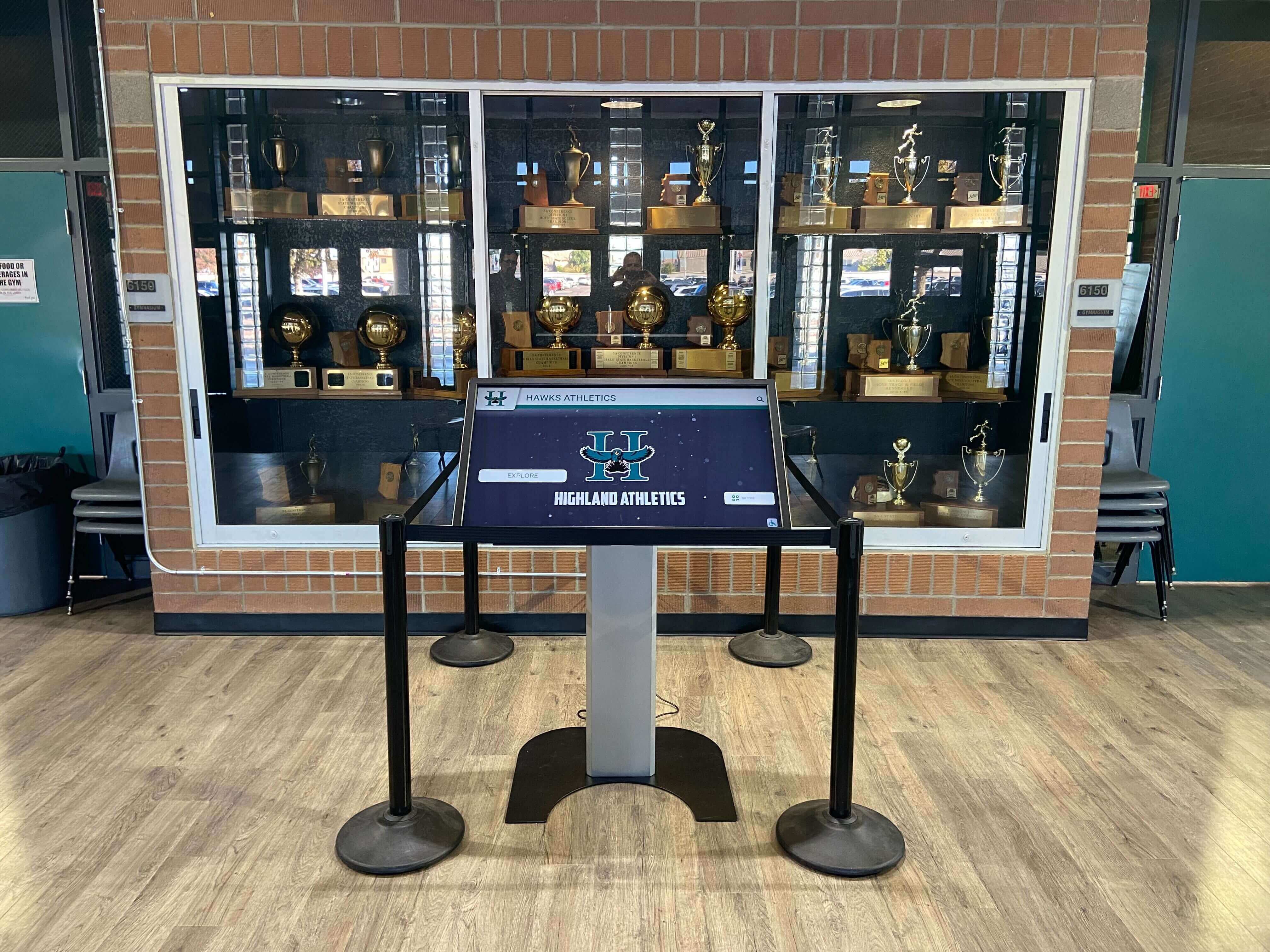
Schools preserve swimming excellence through permanent displays integrating traditional trophies with interactive stroke technique achievements
Strategic Race Breathing
Variable patterns based on race strategy:
Sprint Events (50 yards/meters)
- Limited or no breathing approach
- Maximum speed emphasis over oxygen needs
- Typically 1-3 breaths entire race
100 Butterfly
- Every-other stroke pattern common
- May increase to every stroke in final 25
- Balance between speed and oxygen management
200 Butterfly
- Every stroke breathing in middle 100
- Possible every-other stroke on opening 25
- Final 50 may return to every-other if aerobic capacity allows
Late Breathing (No-Breathe First Stroke)
Race-specific strategy:
Technique and Purpose
- After start or turn, take no breath on first stroke cycle
- Maintain perfect streamline and maximum speed
- Breathe beginning with second or third stroke
- Reduces early-race breathing-related drag
Application Particularly effective after underwater dolphin kicks when body already has momentum from breakout.
Breathing Drill Progressions
Building Breathing Confidence
Progressive exposure:
3-3-3 Drill
- Three strokes with no breathing
- Three strokes breathing every stroke
- Three strokes no breathing
- Develops comfort with variable breathing patterns
- Builds confidence in breath-holding capacity
Hypoxic Training Sets
Controlled oxygen restriction:
Safe Implementation
- Sets like: 4 x 50 butterfly, breathing patterns 5-4-3-2 strokes per breath
- Builds breath-holding tolerance
- Must not create unsafe breath-holding or blackout risk
- Coach supervision essential during hypoxic work
Breathing Timing Drills
Isolated focus:
One-Arm Breathing
- Single-arm butterfly with breathing on pulling arm side
- Simplifies coordination allowing breathing focus
- Establishes correct timing without full-stroke complexity
Teams implementing recognition programs celebrating athletic development honor both competitive achievements and technical skill progression in complex strokes like butterfly.
Putting It All Together: Full Stroke Coordination
Integrating isolated components into efficient full-stroke butterfly requires systematic progression and consistent refinement.
The Complete Stroke Cycle
Timing Sequence Breakdown
Full cycle from entry to entry:
Phase 1: Entry and First Kick (0-25% of cycle)
- Hands enter water shoulder-width apart
- Arms extend forward into streamline
- First dolphin kick occurs simultaneously with entry
- Body achieves flattest position
- Head neutral, face down
Phase 2: Catch and Outward Sweep (25-40% of cycle)
- Hands press outward beginning catch
- Elbows bend maintaining high position
- Body maintains streamlined position
- Head remains down (if not breathing)
Phase 3: Power Phase and Inward Sweep (40-60% of cycle)
- Hands sweep inward under body center
- Maximum propulsive force generation
- High elbows maintained
- Head begins lifting if breathing stroke
- Chest presses forward
Phase 4: Finish, Second Kick, Breathing (60-80% of cycle)
- Hands push past hips finishing pull
- Second powerful dolphin kick occurs
- Head reaches breathing position if breathing
- Hands exit water cleanly
- Hips rise with second kick
Phase 5: Recovery (80-100% of cycle)
- Arms swing forward over water
- Head returns to neutral before hand entry
- Body maintains forward momentum
- Preparing for next stroke cycle entry
Common Coordination Problems
Diagnosing and Fixing Timing Issues
Frequent coordination breakdowns:
Problem: Dead Spot After Hand Entry
Symptoms:
- Noticeable pause or deceleration after hands enter
- Loss of rhythm and momentum
- Feeling of restarting each stroke
Solution:
- Ensure first kick occurs with entry maintaining speed
- Immediate transition to catch phase without pause
- Maintain continuous motion throughout cycle
Problem: Weak or Missing Second Kick
Symptoms:
- Excessive fatigue during arm recovery
- Hips sinking as arms come forward
- Difficulty clearing arms over water
Solution:
- Focus mental attention on “kick it out” as hands exit
- Dolphin kick drill sets emphasizing explosive second kick
- Coordination drills isolating kick-exit timing
Problem: Breathing Disrupting Body Position
Symptoms:
- Hips drop dramatically when breathing
- Long recovery time after breath
- Stroke falls apart on breathing cycles
Solution:
- Minimize head lift (chin barely clears water)
- Return head to neutral before hand entry
- Alternate breathing pattern drill work
- Core strength development maintaining position during breathing
Rhythm and Tempo Development
Finding Your Natural Cadence
Stroke rate varies by swimmer:
Sprint Butterfly (50-100)
- Faster tempo: 50-65 strokes per minute
- Emphasis on power and speed
- Less glide, more continuous propulsion
- Quick arm recovery
Distance Butterfly (200)
- Moderate tempo: 40-50 strokes per minute
- Efficiency and rhythm emphasis
- Slightly longer glide phase
- Sustainable energy expenditure

Digital displays in pool facilities provide year-round visibility for butterfly records and stroke-specific achievements
Tempo Training Tools
Developing consistent rhythm:
Tempo Trainer Use
- Electronic device beeping at set intervals
- Programs specific stroke rate targets
- Provides real-time rhythm feedback
- Develops consistency across training sets
Counting Strokes
- Track strokes per 25 or 50
- Establishes baseline efficiency metrics
- Monitors fatigue impact on stroke count
- Goal: maintain stroke count with increased speed
Progressive Training Sets
Building Butterfly Endurance and Technique
Structured practice progressions:
Beginner Focus (Weeks 1-4)
Sample sets:
- 8 x 25 butterfly on :45-:60 interval
- 4 x 50 (25 drill, 25 swim) on 1:30
- 100 butterfly broken at each 25 (10-15 seconds rest)
Focus: Establishing basic coordination and rhythm
Intermediate Development (Weeks 5-12)
Sample sets:
- 6 x 50 butterfly descending 1-3, 4-6 on 1:15
- 3 x 100 butterfly (alternate breathing patterns) on 2:30
- 200 butterfly straight with consistent pace
Focus: Building endurance while maintaining technique
Advanced Training
Sample sets:
- 5 x 100 butterfly at race pace on 2:00
- 3 x 200 butterfly descending on 4:00
- Broken 200 (4 x 50) at goal race pace with 5 seconds rest
Focus: Race-specific preparation and speed endurance
Schools implementing student-athlete recognition systems celebrate training dedication and technical skill development alongside competitive results.
Starts, Turns, and Underwater Technique
Race performance extends beyond stroke technique—starts, turns, and underwater dolphin kicks often determine competitive outcomes.
Butterfly Start Technique
Maximizing Opening Momentum
Effective start execution:
Block Position and Launch
- Feet hip-width apart on starting block
- Forward-leaning ready position
- Explosive leg drive at signal
- Streamlined entry angle (30-45 degrees)
Entry and Transition
- Hands lead entry in tight streamline
- Body follows through same entry hole
- Underwater dolphin kicks immediately upon entry
- Powerful kicks maintaining start momentum
Breakout Timing
- Surface before 15-meter mark (rule requirement)
- Breakout with powerful stroke not weak transitional movement
- First stroke typically no-breath maintaining speed
- Immediate establishment of race rhythm
Butterfly Turn Technique
Two-Hand Touch Requirement
Legal turn execution:
Wall Touch Rules
- Both hands must touch simultaneously
- Touch can occur above, at, or below water surface
- Shoulders must be square (level) at touch
- Failure results in disqualification
Flip Turn Option
Open turn (most common):
- Both hands touch wall
- Knees tuck to chest
- Feet plant on wall
- Push off in streamline position
Some swimmers execute underwater flip after touch:
- Both hands touch
- Immediate underwater somersault
- Feet plant on wall
- May provide marginal time advantage for skilled executors
Underwater Push-Off
Maximizing turn speed:
Technique Elements
- Explosive leg drive from wall
- Perfect streamline position
- Powerful dolphin kicks underwater
- Timing surface arrival before 15-meter mark
- Strong breakout stroke
Turn Training Dedicated turn practice:
- 10 x 25 butterfly emphasizing turns
- Underwater dolphin kick sets from walls
- Turn-specific timing and technique work
Underwater Dolphin Kicking
The “Fifth Stroke”
Elite swimmers maximize underwater phases:
Rule Limitations
- Swimmers may remain underwater up to 15 meters after start and each turn
- Single breakout stroke allowed before surfacing
- Strategic advantage for swimmers with strong underwater kicks
Technique Emphasis
- Tight streamline position maintained throughout
- Powerful, full-body dolphin kicks
- Controlled breathing before walls allowing maximum underwater distance
- Counting kicks maintaining consistent pattern
Training Underwater Kicks
Development approach:
- Vertical dolphin kick sets building power
- Streamline kick sets from walls with distance goals
- Breath-holding capacity training
- Race-pace underwater rehearsal
Programs utilizing comprehensive athletic achievement documentation recognize both in-water performance and technical skill mastery across all race phases.
Common Technique Problems and Solutions
Even experienced butterfliers encounter recurring technical challenges—systematic diagnosis and targeted correction resolve most issues.
Hip Drop and Body Position Issues
Problem Identification
Symptoms of position breakdown:
Hip Sinking
- Hips riding significantly below surface
- Increased frontal resistance
- Rapid fatigue from fighting poor position
- Difficulty clearing arms during recovery
Root Causes
- Weak or mistimed second kick
- Excessive head lift during breathing
- Inadequate core engagement
- Looking too far forward rather than down
Solutions and Drills
Corrective approach:
Kick Emphasis Work
- Vertical dolphin kick sets strengthening hip drive
- Streamline kick focus on maintaining hip position
- Explosive second kick timing with hand exit
Breathing Correction
- Minimal head lift practice
- Chin-to-water breathing drill
- Head position checkpoints with video feedback
Core Strengthening
- Plank progressions building anterior core
- Medicine ball exercises
- Hanging leg raises developing hip flexor strength
Arm Timing and Coordination
Problem: One Arm Leading
Asymmetrical pull:
Identification
- One hand enters before the other
- Uneven body rotation
- Drifting across lane
- Inefficient propulsion
Correction Drills
- Mirror work watching arm symmetry
- Catch-up butterfly drill exaggerating simultaneous movement
- Thumbs-touching drill at entry ensuring together arrival
Problem: Rushed Recovery
Speed-related errors:
Identification
- Arms swinging too quickly over water
- No relaxation phase in stroke
- Premature fatigue
- Loss of sustainable rhythm
Correction Approach
- Slow-motion butterfly emphasizing controlled recovery
- Count-based rhythm (pull-2-3, pull-2-3)
- Breathing every stroke reducing oxygen anxiety rushing stroke
- Distance butterfly building patient, sustainable technique
Kick-Related Issues
Problem: Single Kick Instead of Two
Missing the entry kick:
Identification
- Only one kick per arm cycle
- Poor body position
- Excessive up-down motion
- Rhythm breakdown
Correction Strategy
- Isolated dolphin kick reinforcement
- One-arm butterfly emphasizing two kicks per pull
- Video analysis identifying timing breakdown
- Count-based practice: “kick, pull, kick-kick, recover”
Problem: Bicycle Kick
Alternating leg motion:
Identification
- Legs moving independently rather than together
- Flutter kick creeping into butterfly
- Often occurs when fatigued
- Creates asymmetrical, inefficient motion
Correction Approach
- Return to dolphin kick fundamentals
- Vertical kick work impossible with bicycle motion
- Shorter butterfly repeats maintaining quality
- Fin work reinforcing together movement

Interactive recognition systems enable detailed documentation of swimmer achievements across strokes, distances, and technical skill development
Strength and Flexibility for Butterfly
Physical preparation complements technical development—targeted conditioning enhances butterfly capability.
Dryland Strength Training
Key Muscle Groups
Butterfly-specific strength:
Upper Body Focus
- Latissimus dorsi (primary pulling muscles)
- Deltoids (shoulder strength for recovery)
- Pectorals (power phase execution)
- Triceps (finish and extension)
- Trapezius and rhomboids (recovery and posture)
Core and Lower Body
- Abdominals (body position maintenance)
- Hip flexors (dolphin kick power)
- Glutes (kick extension)
- Lower back (undulation support)
Effective Exercises
Butterfly-specific movements:
Pull Variations
- Pull-ups and chin-ups
- Lat pulldowns
- Cable rows
- Resistance band pulling patterns
Core Development
- Planks (front and side)
- Medicine ball rotations
- Hanging leg raises
- Superman holds
Hip and Kick Power
- Squat variations
- Leg press
- Hip flexor exercises
- Ankle strengthening for kick
Flexibility and Mobility
Critical Flexibility Areas
Butterfly-specific mobility needs:
Shoulder Flexibility
- Overhead reach and extension
- Internal and external rotation
- Enables efficient arm recovery
- Reduces shoulder injury risk
Ankle Flexibility
- Plantar flexion (pointed toes)
- Enhanced kick propulsion
- Greater surface area pushing water
Lower Back and Hip Mobility
- Spinal extension allowing body undulation
- Hip flexion and extension for powerful kicks
- Reduces injury risk during explosive movements
Stretching Routine
Post-practice flexibility work:
Upper Body Stretches
- Shoulder circles and arm swings
- Doorway chest stretches
- Cross-body shoulder stretches
- Lat and side body stretches
Lower Body and Core
- Hip flexor stretches (lunge position)
- Quad stretches
- Lower back extensions
- Ankle circles and plantarflexion stretches
Advanced Technique Refinements
Experienced butterfliers continuously refine technique through sophisticated understanding and marginal improvements.
Stroke Length vs. Stroke Rate
Balancing Efficiency and Speed
Optimizing distance per stroke:
Stroke Length Priority
- Maximize distance per stroke cycle
- Emphasizes glide and efficiency
- Reduces stroke count per lap
- Better for distance butterfly events
Stroke Rate Priority
- Faster tempo with slightly less glide
- Continuous propulsion emphasis
- Higher energy expenditure sustainable short-term
- Better for sprint butterfly events
Personal Optimization Ideal balance varies by:
- Body proportions and flexibility
- Strength and power capacity
- Event specialization (sprint vs. distance)
- Individual biomechanical advantages
Race Strategy and Pacing
Event-Specific Approaches
Strategic execution:
50 Butterfly
- All-out sprint approach
- Minimal or no breathing
- Maximum effort from start
- Underwater kicks emphasized
- No energy conservation needed
100 Butterfly
- Controlled first 25 establishing rhythm
- Build through middle 50
- Maintain technique as fatigue increases
- Strong finish emphasizing second kick timing
200 Butterfly
- Conservative opening 50 (60-70% effort)
- Build gradually through second 50
- Third 50 typically most challenging (maintain rhythm)
- Final 50 depending on remaining capacity
- Critical importance of maintaining technique under fatigue
Training for Race Specificity
Preparing for targeted events:
- Race-pace sets at goal speed
- Negative split training (second half faster)
- Broken swim rehearsals with brief rest
- Simulation sets mimicking race conditions
Mental Approach to Butterfly
Psychological Components
Mental toughness matters:
Confidence Building
- Progressive success developing belief
- Focus on technical achievement not only time
- Celebrate incremental improvements
- Visualization of successful execution
Pain Tolerance
- Butterfly inevitably involves discomfort
- Training prepares for lactate accumulation
- Mental rehearsal of pushing through fatigue
- Understanding difference between discomfort and injury
Rhythm and Flow State
- Finding “groove” where stroke feels effortless
- Music-like rhythm to internal counting
- External awareness fading, internal focus strengthening
- Relaxation within intensity
Celebrate Butterfly Excellence and Swimming Achievements
Discover how modern recognition systems preserve butterfly records, document technical progression, and celebrate swimming achievements through interactive displays that engage athletes, families, and your entire aquatic community year-round.
Explore Recognition SolutionsConclusion: Mastering Swimming’s Most Demanding Stroke
Effective butterfly stroke technique develops through systematic progression from fundamental components to integrated full-stroke execution, with timing and rhythm emerging as more critical variables than raw strength or flexibility. The distinctive two-kick, one-pull coordination pattern, combined with efficient breathing integration and powerful dolphin kick mechanics, creates the propulsive wave motion that characterizes successful butterfly swimming. Yet this technical mastery requires patience, consistent practice, and willingness to deconstruct the stroke into learnable elements before synthesizing components into fluid, efficient movement.
The comprehensive technical elements covered throughout this guide—from establishing proper dolphin kick foundation emphasizing full-body wave motion to mastering arm pull mechanics maximizing propulsion during underwater phase to developing breathing patterns minimizing position disruption to integrating all movements into rhythmically coordinated full strokes—provide systematic pathway for butterfly development regardless of current skill level. Remember that even elite butterfliers continuously refine technique through detailed attention to timing relationships, body position maintenance, and efficiency optimization under race-specific fatigue conditions.
Whether approaching butterfly as beginning swimmer finally tackling this intimidating stroke, competitive athlete seeking time improvements through technical refinement, or coach teaching progressive skill development to age-group swimmers, prioritize rhythm and coordination over attempting to overpower the water. The most successful butterfliers appear to dance through their events with fluid grace rather than muscling through with desperate effort—this efficiency comes from precise timing, proper body position, and systematic technical development, not from exceptional strength or superhuman endurance.
As you continue developing butterfly technique, embrace the incremental nature of improvement, celebrate technical achievements alongside time standards, and maintain focus on sustainable, efficient movement patterns. Swim programs that recognize both competitive results and technical skill progression through permanent achievement documentation reinforce the value of mastering swimming’s most spectacular stroke. The dedication required to develop quality butterfly technique builds character, discipline, and resilience that extends far beyond pool walls—making the challenging journey toward butterfly mastery worthwhile regardless of competitive aspirations.
Live Example: Rocket Alumni Solutions Touchscreen Display
Interact with a live example (16:9 scaled 1920x1080 display). All content is automatically responsive to all screen sizes and orientations.