



Every spring, color guard programs across the country close their season with something more than a final performance—they gather for a color guard awards night that honors everything their members poured into the year. These banquets do something trophies alone can’t: they give each performer a moment to feel seen, named, and celebrated for exactly who they are and what they contributed. From the rookie who spent October learning their first drop-spin to the five-year veteran whose final season ended at nationals, recognition that fits the person creates memories that outlast the season.
The challenge is designing an event that balances meaningful ceremony with genuine fun, inclusive recognition with selective prestige, and a single evening with the kind of lasting legacy a well-run program deserves. This guide walks through every layer of that planning—award categories, ceremony format, creative names, senior tributes, and how to turn one night into permanent recognition your alumni will return to see for years.
Whether your program runs 15 members or 150, whether you compete on a national circuit or perform at home football games, the principles of great recognition stay the same: be specific, be personal, and make it last.

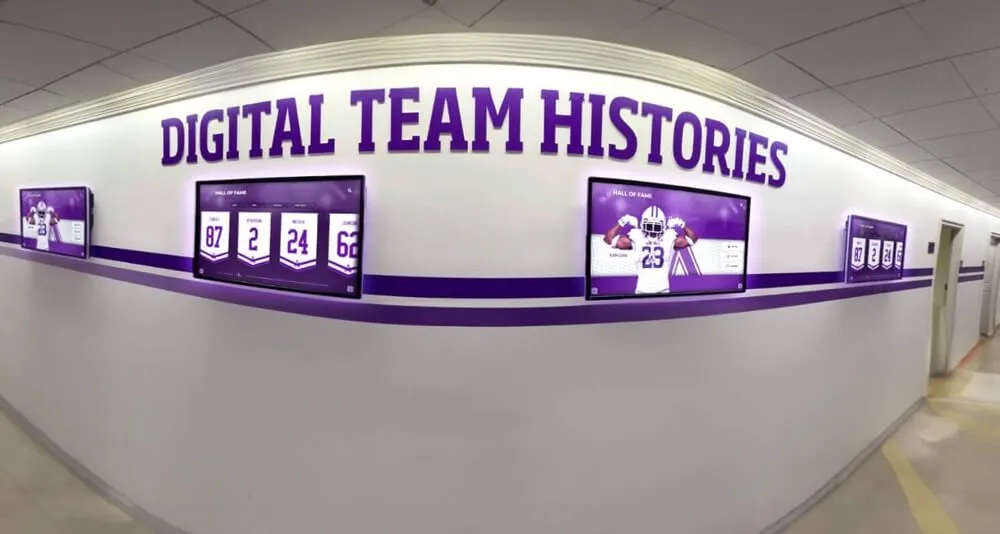
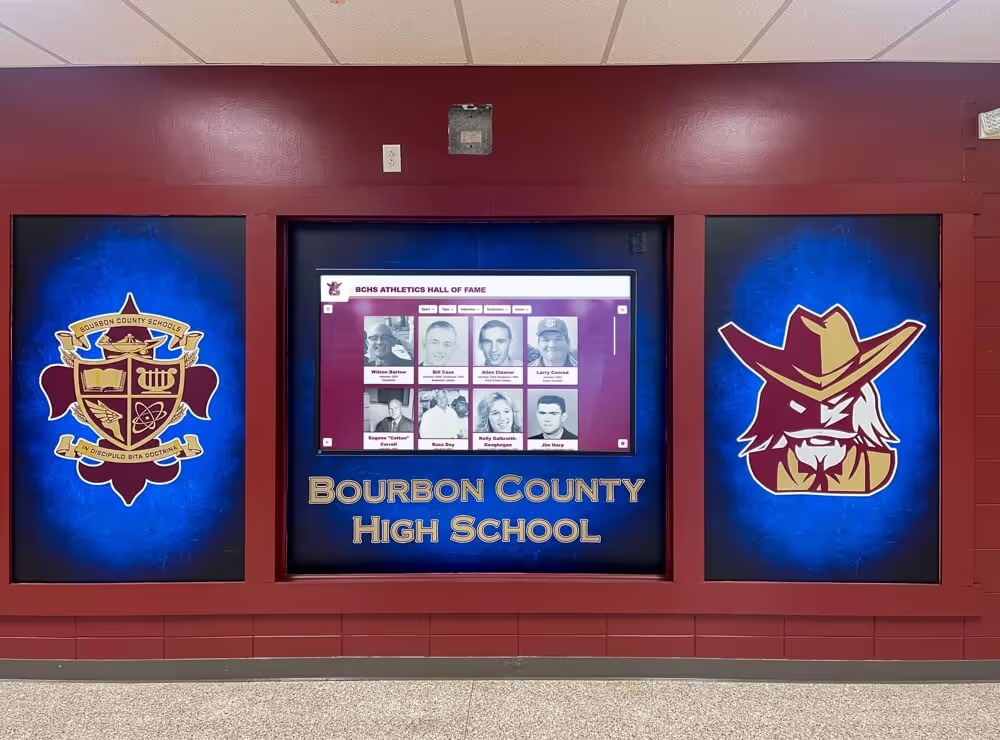
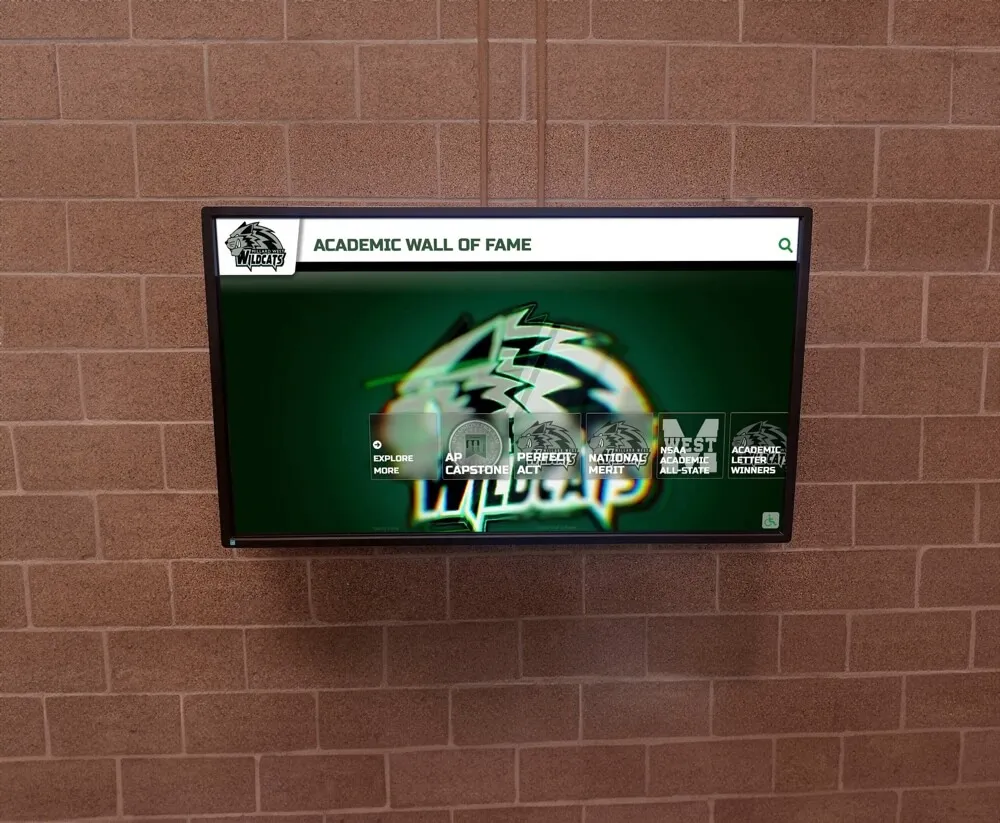
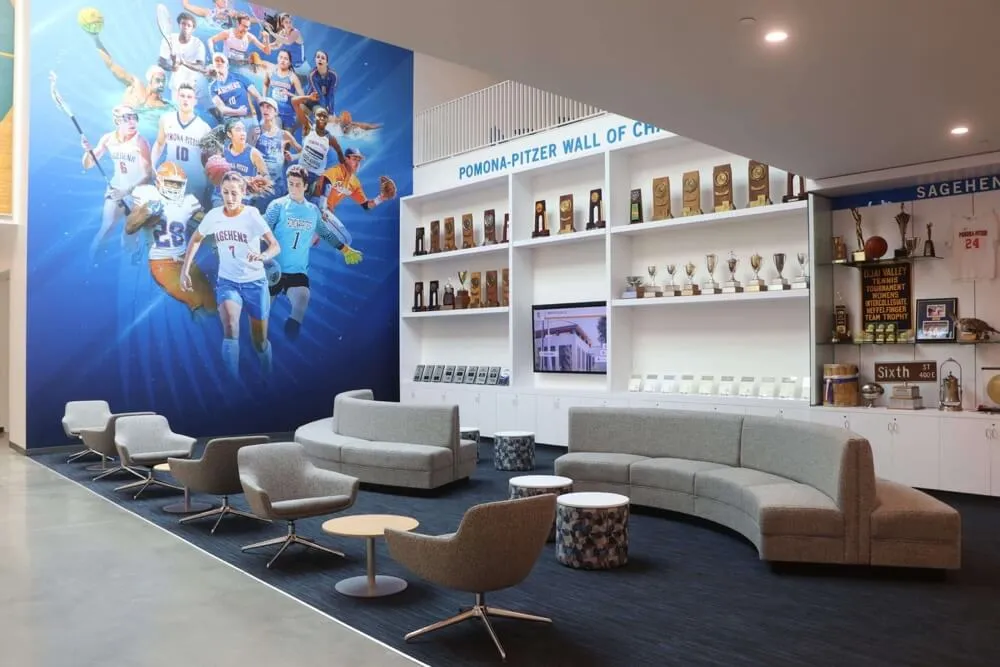
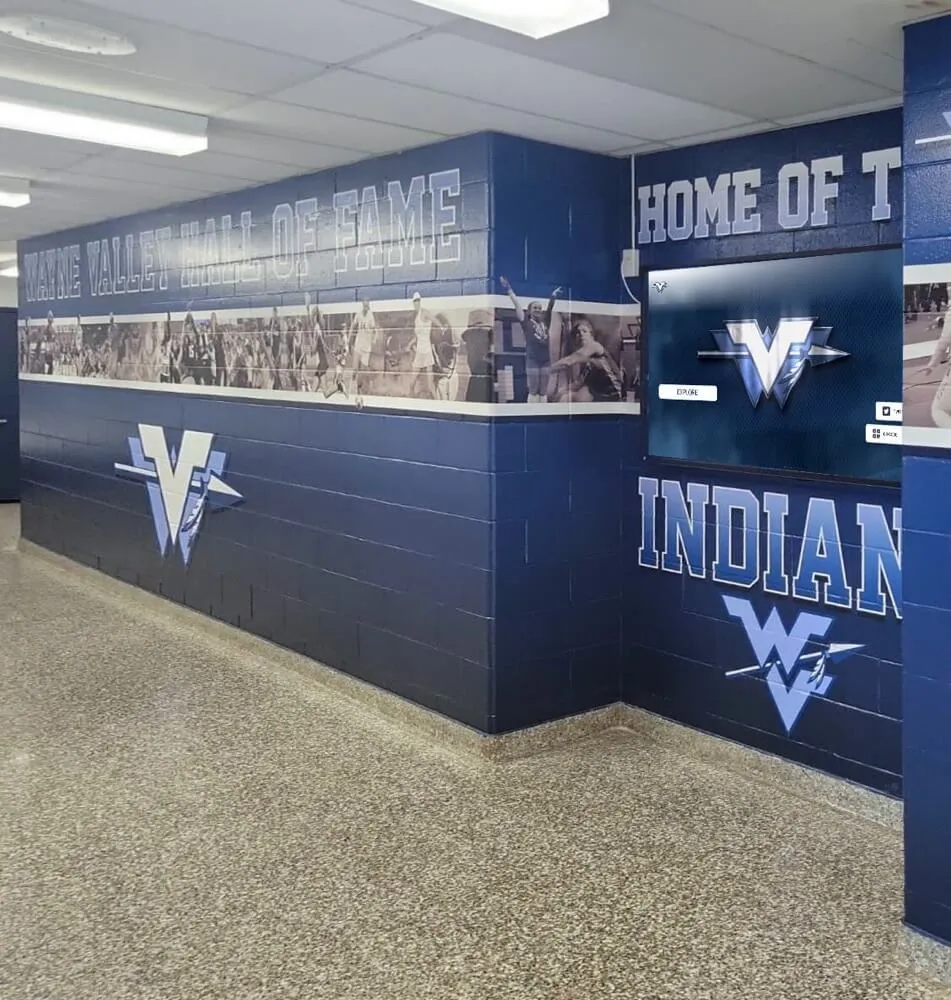
Permanent recognition displays transform a single awards night into lasting institutional memory that alumni and current members can revisit for years
Building Your Color Guard Awards Night Framework
The most effective color guard awards nights share a common architecture: they move from the broad to the personal, from collective achievement to individual recognition. Before you start printing certificates, map out the evening’s structure.
Setting the Tone Before the Night
Every great awards ceremony starts weeks before anyone walks in the door. The way you announce the event—the invitation language, the venue setup, even the program booklet—signals to members and families that this is a serious occasion worth attending.
Venue considerations:
- School banquet room or cafeteria dressed with tablecloths, candles, and team colors
- Local restaurant private dining room for smaller programs
- School auditorium or theater stage for larger ceremonies with a formal stage presence
- Gymnasium transformed with lighting, projection screens, and draped tables
Program booklet content:
- Season summary with competition scores and achievements
- Team photo and caption
- Senior biographical profiles
- Award category descriptions
- Staff and director acknowledgments
Printing even a simple tri-fold program elevates the evening and gives families a tangible keepsake. Include photos from the season and individual quotes from each senior.
Ceremony Order That Builds Momentum
A well-paced color guard awards night creates emotional peaks at the right moments. Consider this structure:
Suggested Ceremony Flow
- Welcome remarks and season recap (Director, 5-10 minutes)
- Season highlight video or slideshow (3-5 minutes)
- Instructor and staff recognition
- Group/ensemble awards (caption trophies, competition placements)
- Individual performance awards (Rookie of the Year, Most Improved, MVP)
- Leadership and character awards (Captain’s Award, Director’s Choice)
- Senior recognition and tributes
- Closing remarks and photo time
Placing senior recognition toward the end keeps energy building throughout the evening. Parents of seniors will stay attentive through earlier categories knowing the emotional peak is coming. Many programs also integrate a slide-and-music presentation for each senior—30 seconds of photographs set to a song they chose—before their individual tribute.
Award Categories for Color Guard Programs
The most common complaint directors hear after awards nights is that recognition felt too narrow: only the top performers or most obvious leaders were celebrated. Thoughtful award category design solves this problem by honoring different dimensions of contribution.
For inspiration on creative student award categories that celebrate every type of achievement, experienced programs go beyond athletic or performance metrics alone.
Performance-Based Awards
These categories recognize what happens on the floor—the skills, consistency, and growth that drive competitive and artistic success.
Rookie of the Year Given to the first-year member who made the most significant impact through performance, work ethic, and attitude. This award sets an early standard for your program’s culture: rookies who earn it tend to become your future captains.
Most Improved Performer One of the most meaningful awards in any performing arts program. This goes to the member whose technical and artistic growth was most dramatic across the season. Documentation matters here—staff should keep brief notes or video comparisons from early fall versus championship season.
Outstanding Performer / MVP The member who consistently delivered at the highest level across every performance, from home games to finals. Some programs break this into sections (rifle MVP, flag MVP, sabre MVP) to honor technical specialization.
Best Ensemble Performer Distinct from MVP, this award honors the member who made everyone around them better—whose spacing, energy, and synchronization elevated every formation they were part of. This is often a beloved award because it goes to performers who might not have the flashiest solo moments but anchor the group’s overall visual picture.
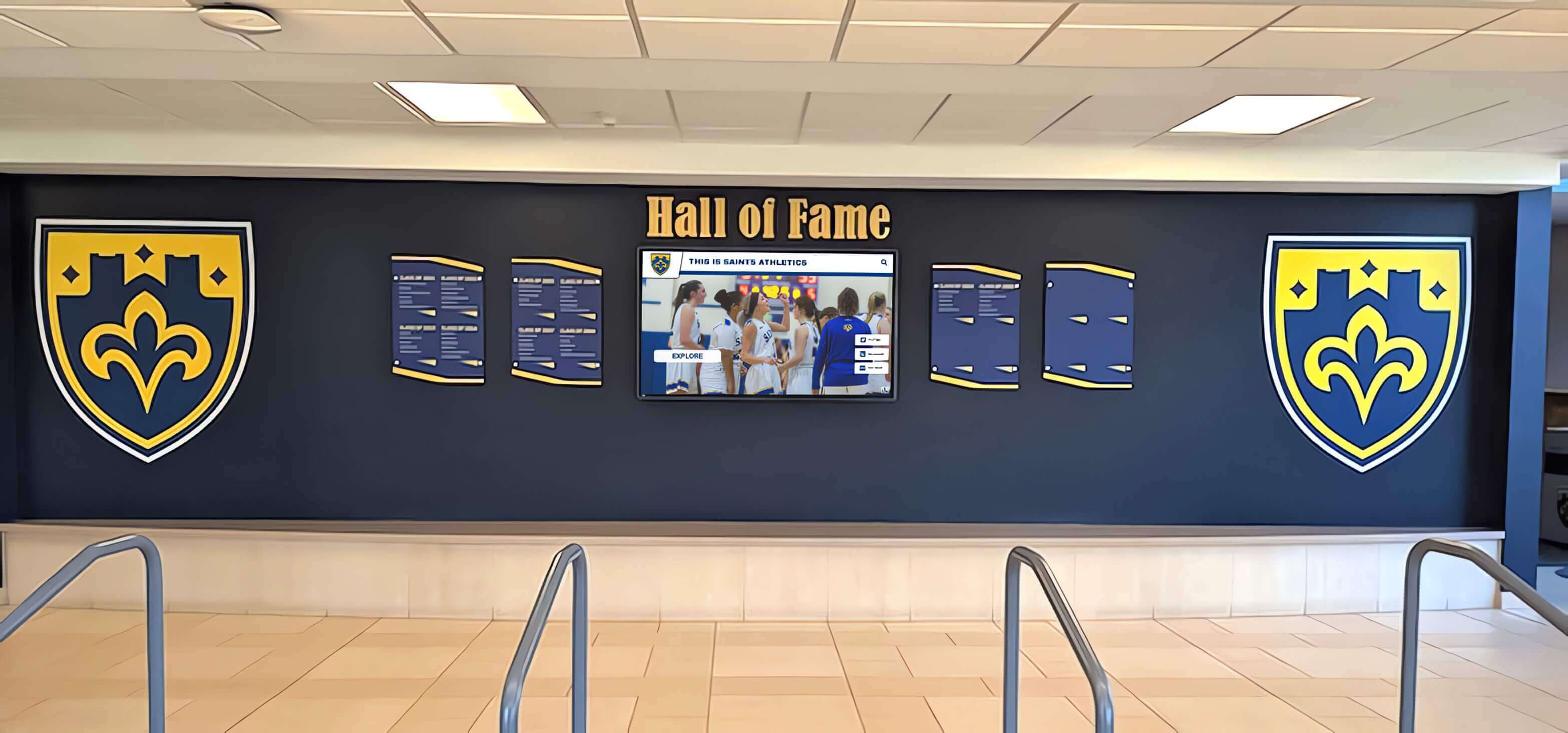
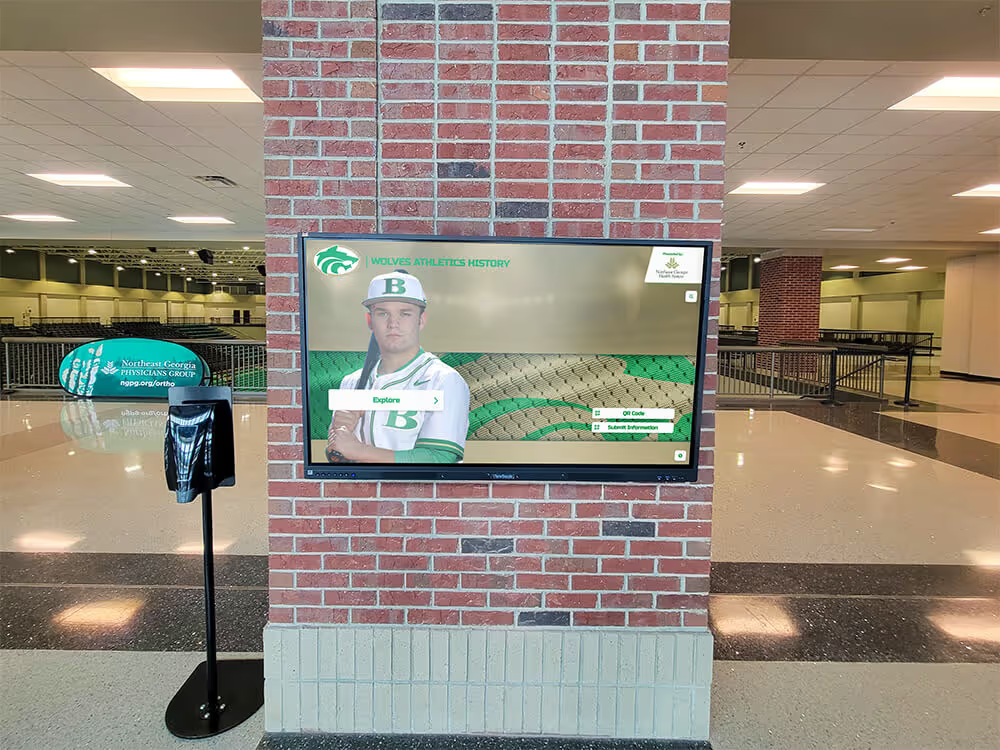
Display cases and recognition walls turn annual award recipients into permanent program history that future members can aspire toward
Leadership and Character Awards
These categories recognize contribution that extends beyond performance scores.
Captain’s Award Presented by the returning captain(s) to the member who best embodied leadership from outside the formal captain role. This peer-selected award carries particular weight because it comes from those who watched leadership in action every day at practice.
Director’s Choice Award Typically given to one member—and sometimes one per class year—this award reflects the director’s personal observation of growth, character, resilience, or contribution that statistics can’t capture. Writing a brief personalized description of why each recipient earned it transforms this from a generic honor to a genuine tribute.
Spirit Award Goes to the member who brought infectious energy to practices and performances—the person who rallied others after a rough run-through or kept morale high during a hard competition weekend. Document this award annually so the pattern of recipients tells a story about your program’s culture over time.
Academic Excellence Award Some color guard programs present academic honors alongside performance recognition, particularly when GPA thresholds are maintained alongside demanding rehearsal schedules. This reinforces that your program develops complete student artists, not just performers.
For programs looking to build comprehensive awards ceremony structures that match the effort performers invest, starting with clear category definitions makes the night’s structure far easier to communicate.
Veteran and Senior Recognition
This is the emotional heart of every color guard awards night—the moment the program pauses to acknowledge the members who are finishing their chapter. Getting senior recognition right requires preparation that can’t be rushed.
Individual Senior Tributes The most memorable programs give each senior at least two minutes of dedicated recognition. Elements typically include:
- A staff-written tribute read aloud describing the senior’s journey, growth, and program legacy
- Presentation of a personalized gift (engraved items, custom photo frames, custom books)
- Recognition of years of service and specific achievements
- A word from the senior themselves, if they wish
For programs with large senior classes, consider having each outgoing captain deliver the tribute for their closest peers rather than having the director read all of them—this adds a layer of personal warmth.
Most Years of Service Simple and powerful: recognize the member with the longest continuous tenure. In programs with multi-year membership pathways, a veteran’s five or six-year commitment deserves explicit acknowledgment.
Senior Leadership Award Distinct from the Captain’s Award, this specifically honors seniors who served in formal leadership positions—section leaders, captains, officers—across multiple seasons. Consider a more substantial physical award (engraved plaque, custom trophy) to mark the significance.
Explore senior night ideas and creative ways to honor departing athletes and performers for formats that translate well to performing arts programs.
Team and Section Awards
Beyond individual recognition, honoring collective achievement reinforces that color guard is a team sport.
Competition Achievement Recognition Announce final season standings, caption awards, and any championship placements as part of the formal program. Framing competitive results as collective achievement—not just individual rankings—builds pride in what the full group accomplished.
Section Spotlight In larger programs with distinct flag, rifle, sabre, and dance sections, brief section-specific shoutouts before individual awards acknowledge that each technical area made its own contribution to the show.
Most Improved Section For programs that track section scores across competitions, this award goes to the section whose technical scores improved most dramatically from early season to championship. It rewards collective work ethic in a specific technical area.
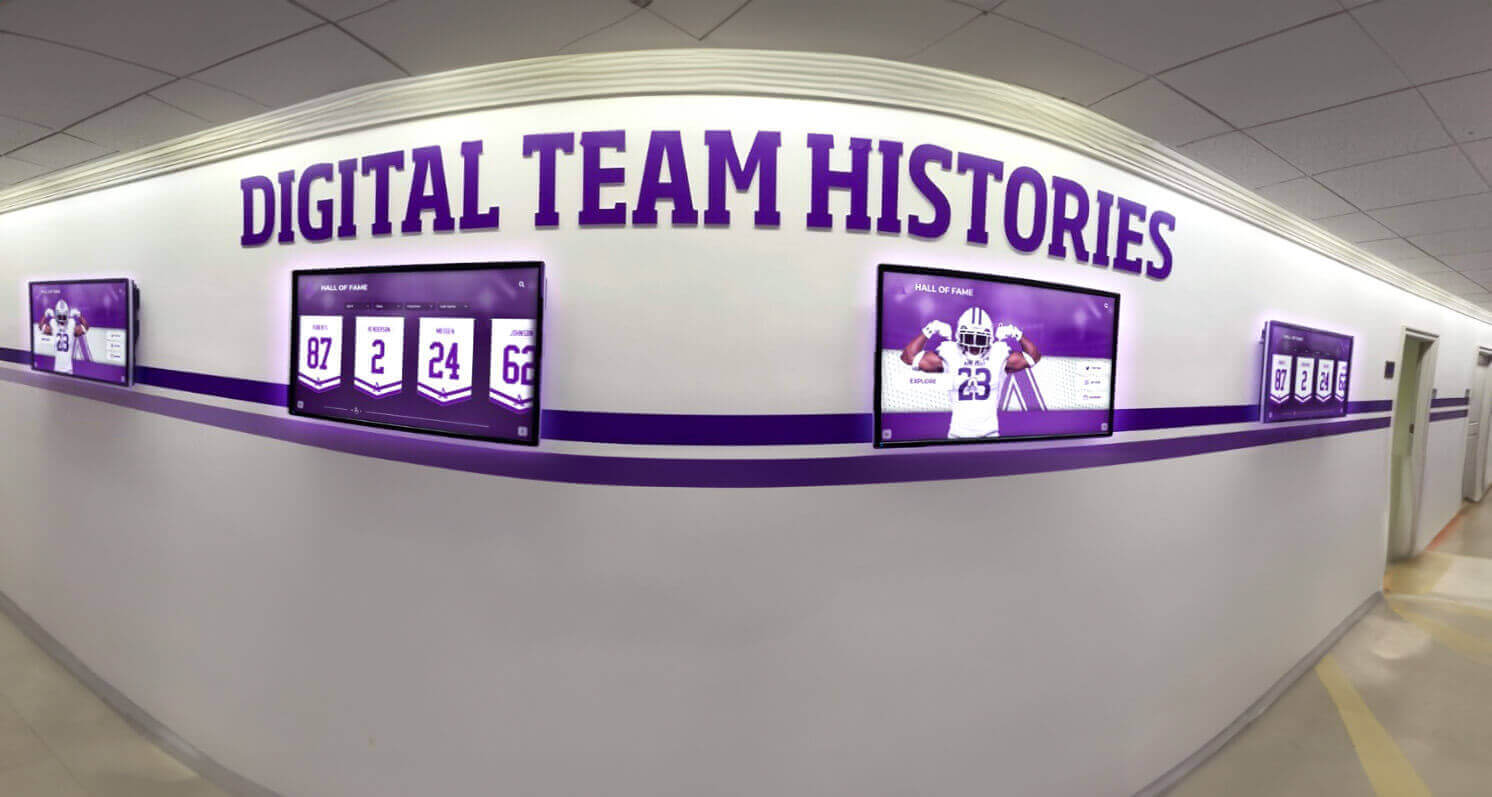
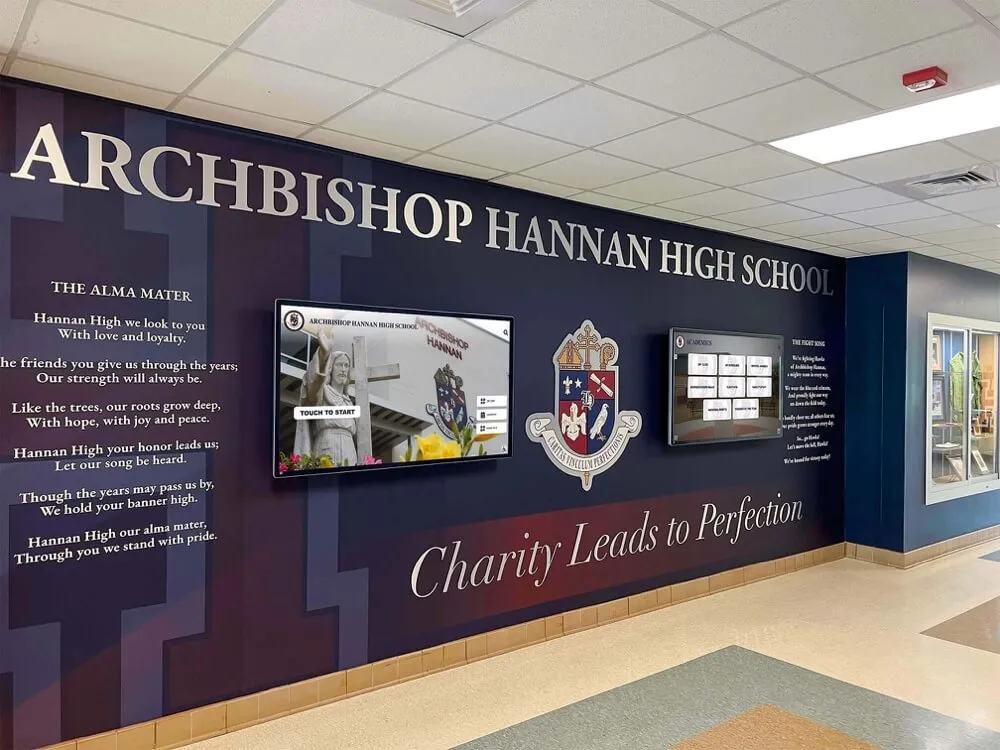
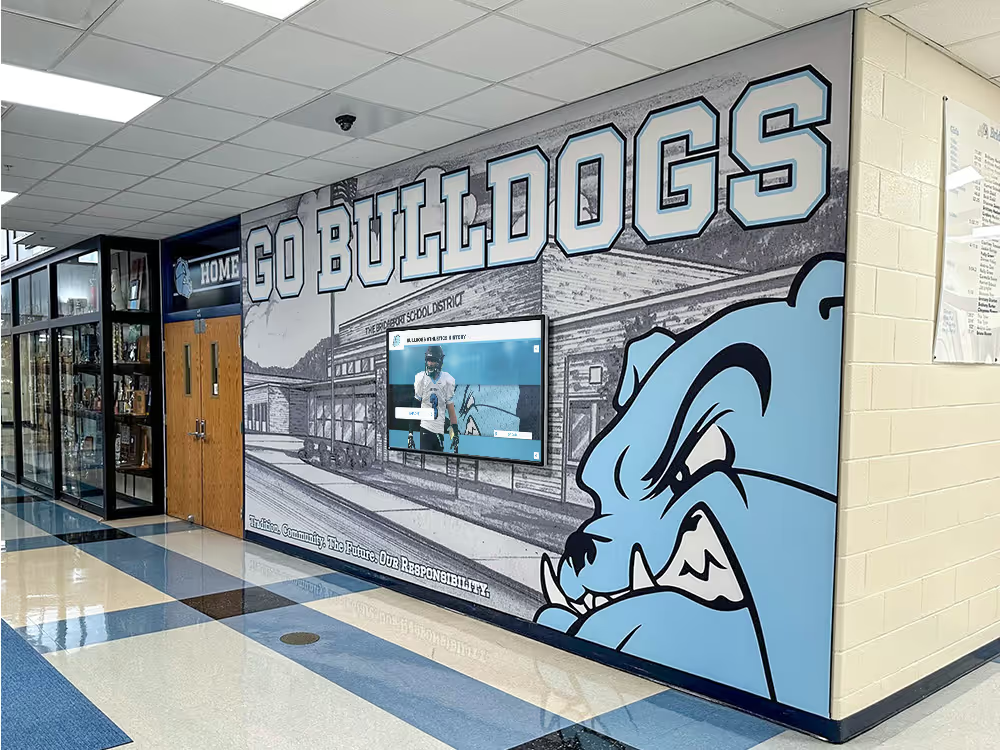
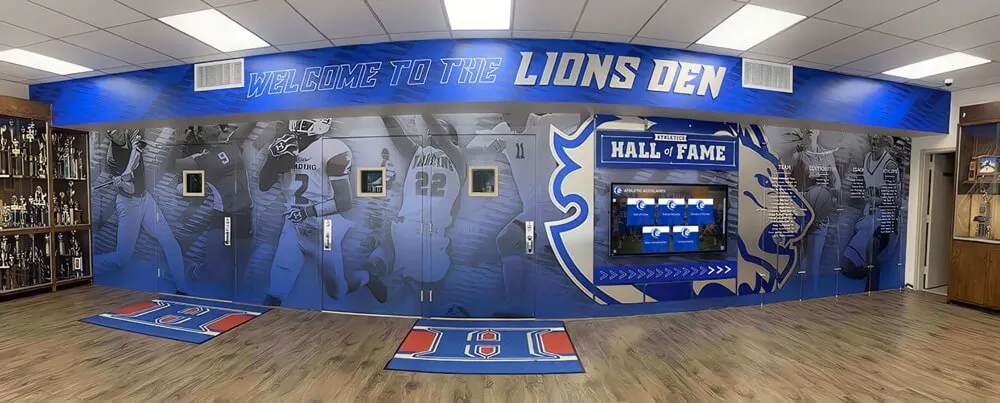
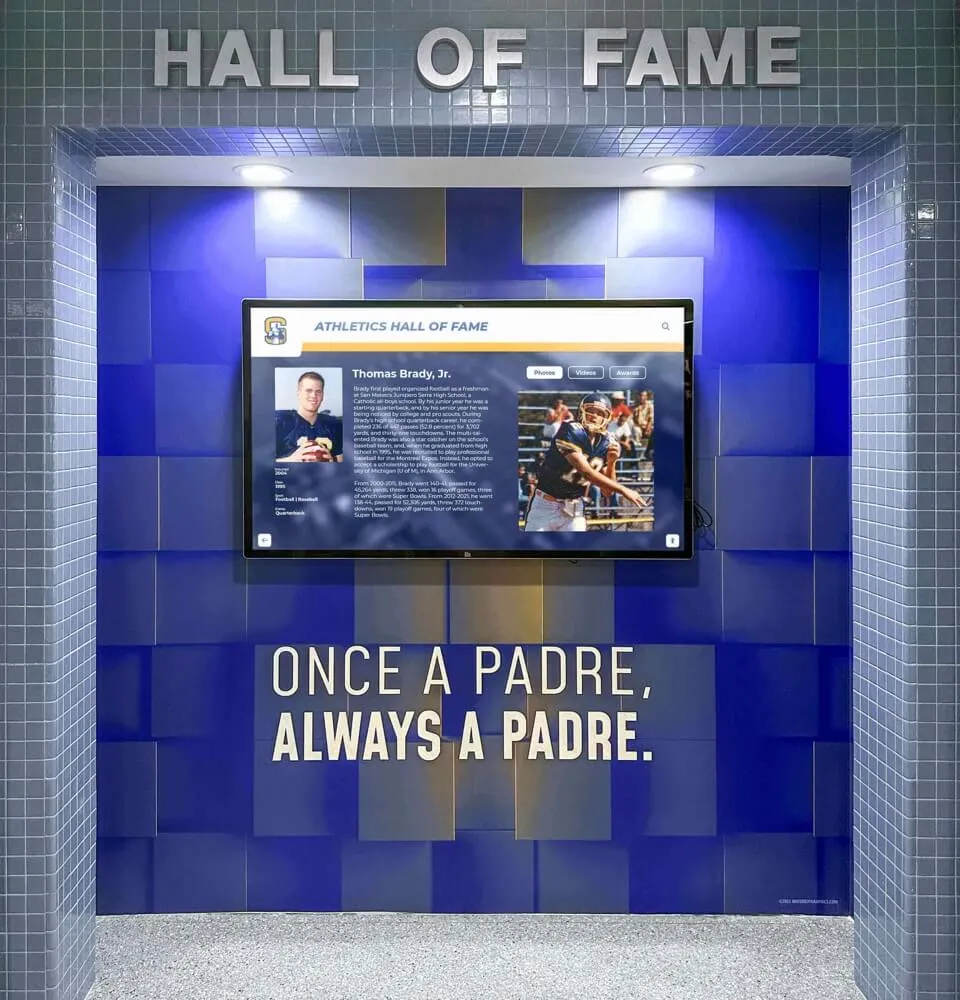
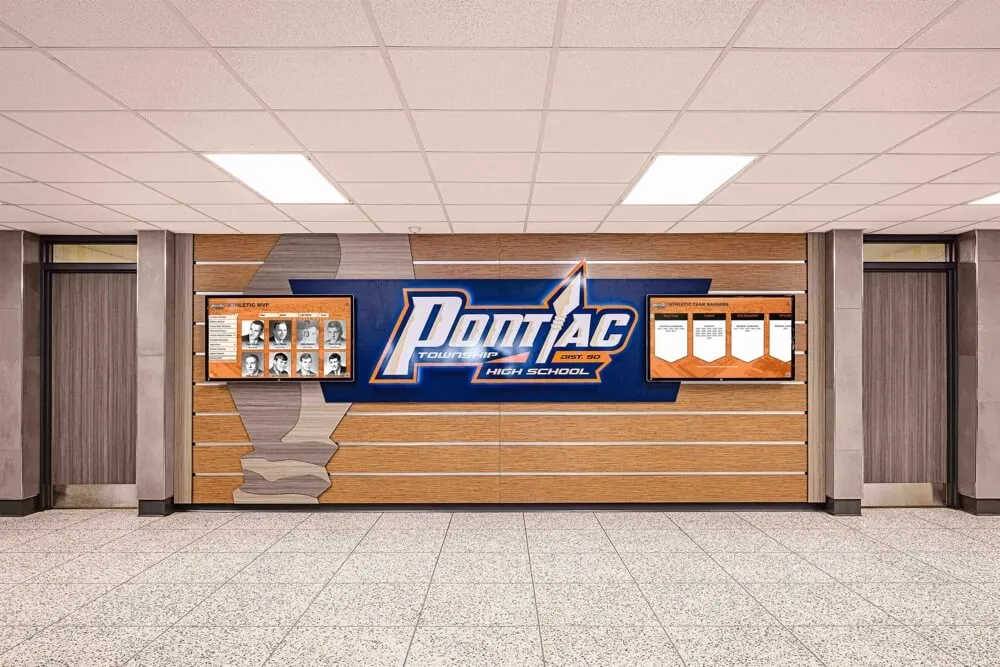
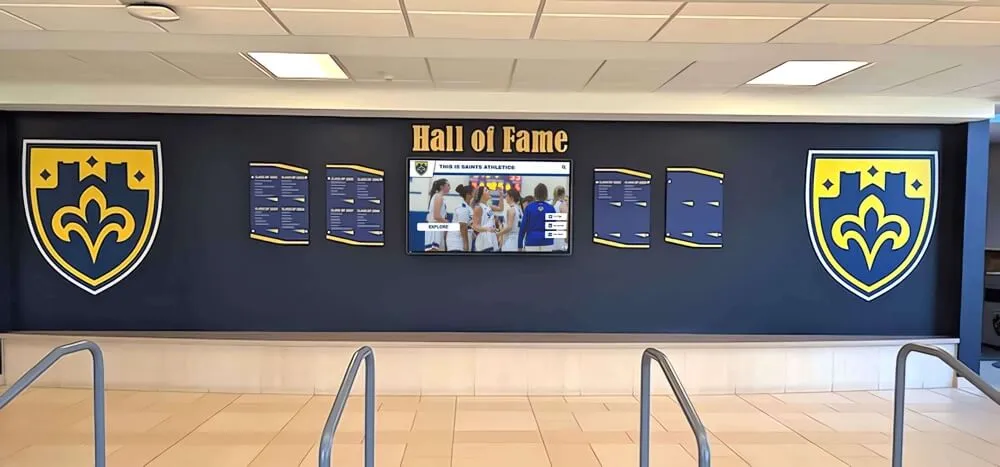
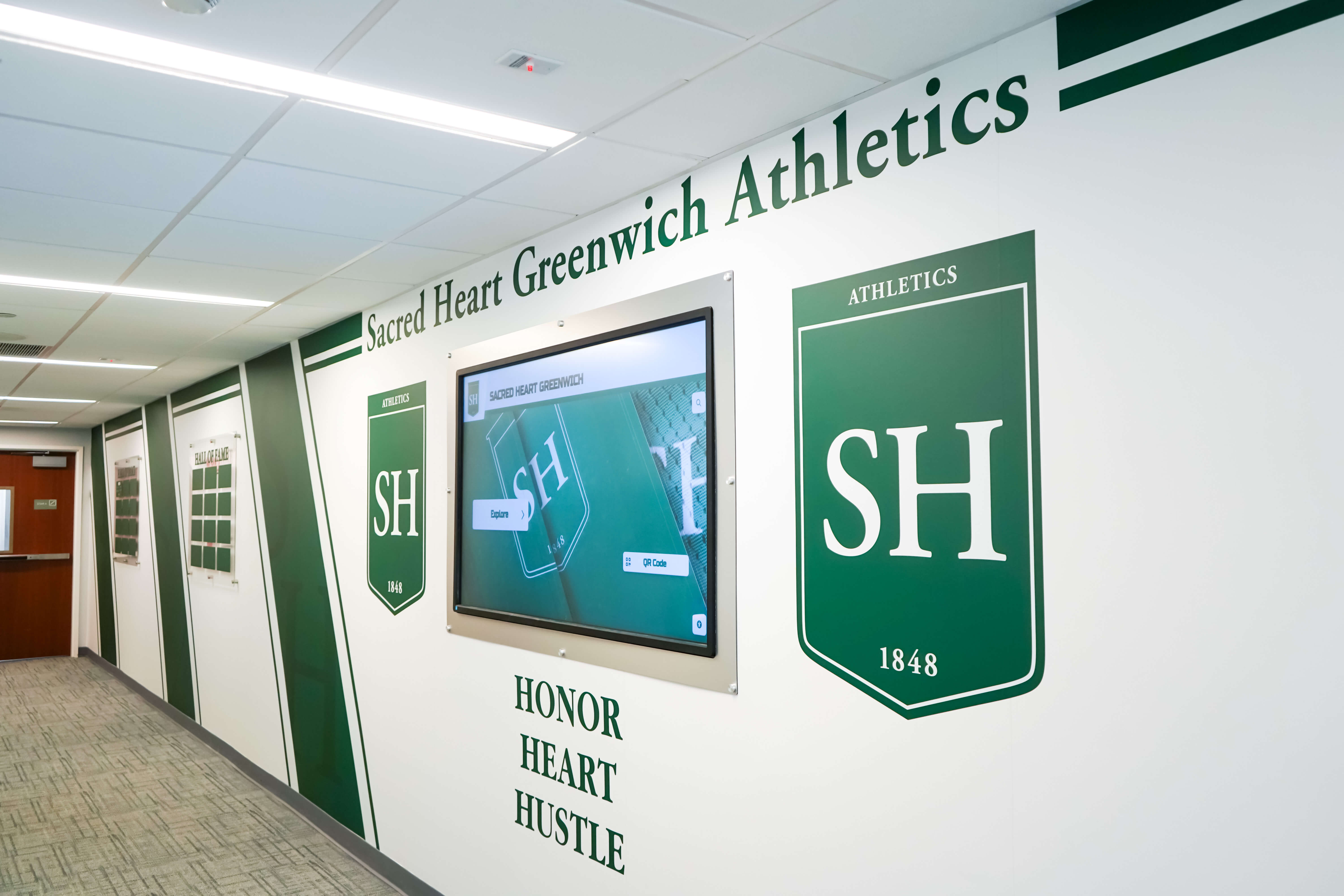
Digital displays in hallways and lobby spaces allow programs to celebrate current season achievements while maintaining a scrolling archive of past award recipients
Creative Award Names for Color Guard Programs
The name of an award shapes how recipients remember receiving it. Generic names like “Outstanding Performer” work, but custom names specific to your program’s identity create awards with character.
Performance Award Names
- The Silk and Steel Award (honoring flag and rifle balance)
- The Foundation Award (best ensemble performer)
- The Catalyst Award (most improved)
- The Rising Star Award (rookie of the year)
- The Iron Core Award (most consistent performer)
- The Anchor Award (most reliable in every rep)
Leadership and Character Names
- The Backbone Award (most supportive member)
- The Compass Award (director’s choice)
- The Lighthouse Award (spirit/energy)
- The Legacy Award (veteran/senior tribute)
- The Heartbeat Award (team spirit)
- The Standard-Bearer Award (captain’s choice)
Naming awards after your school’s mascot, colors, or a signature element of this season’s show adds another layer of specificity. Programs that performed a military-themed show, for example, might frame their veteran recognition award around the show’s narrative for that year.
For ideas on selecting and displaying physical trophies and awards, a thoughtful buyer’s guide helps programs balance quality and budget for different award tiers.
Physical Awards: What to Give
The object a recipient takes home serves as a permanent reference point for the recognition they received. Different award tiers warrant different physical presentations.
Tier 1 — Participation and Ensemble Recognition
- Certificates of achievement in custom frames
- Season commemorative pins or patches
- Custom lanyards or ribbons
Tier 2 — Individual Performance Awards
- Engraved medals with the award name and year
- Custom plaques with the recipient’s name and achievement
- Gift cards paired with a personalized card
Tier 3 — Leadership and Senior Awards
- Crystal or glass trophies with engraving
- Custom photo books from the season
- Engraved glass or wood plaques for permanent display
- Shadow boxes with season memorabilia
Programs that present consistent physical awards year over year create a visual tradition. When recipients display their trophies or plaques, newcomers can trace the lineage of previous award winners and understand exactly what each award represents.
See creative trophy case display ideas for how programs can organize physical awards alongside team photography and championship documentation in compelling school displays.
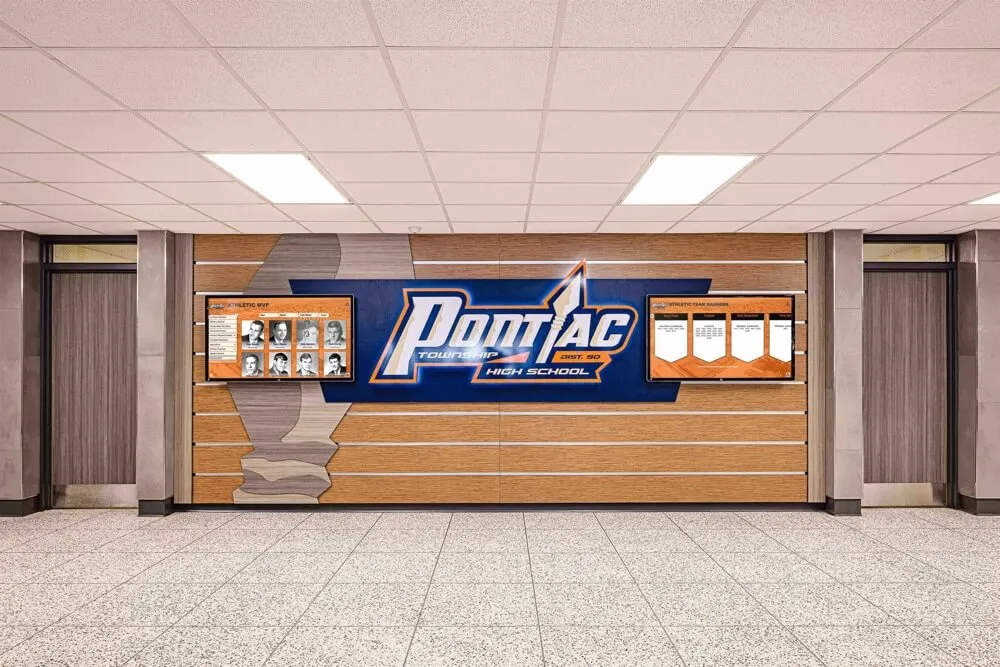
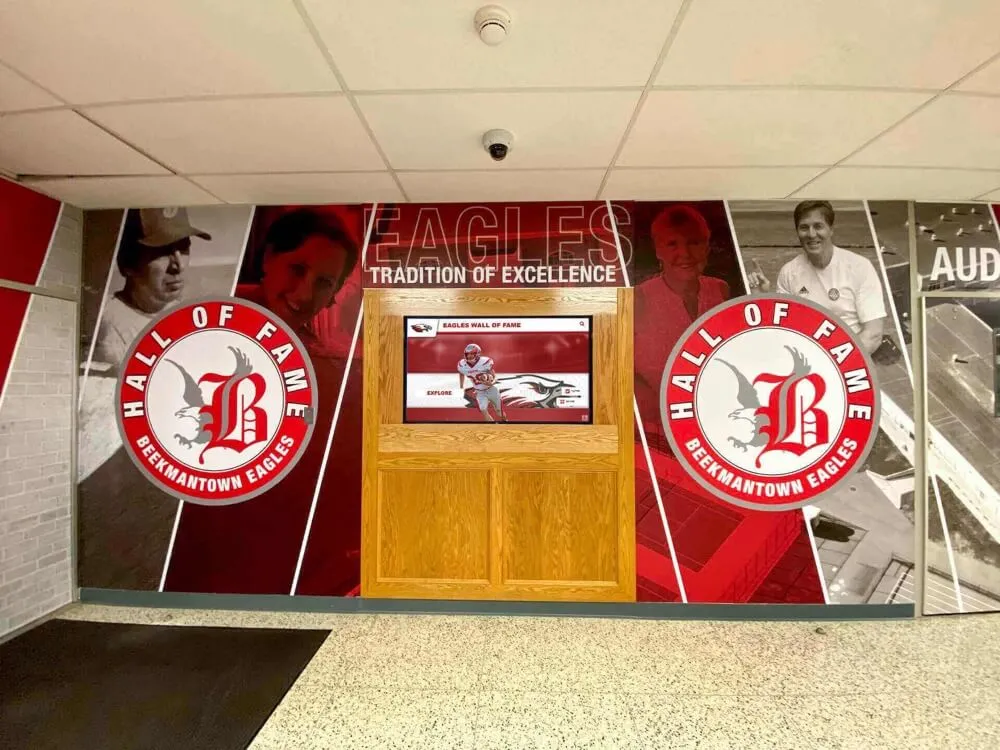
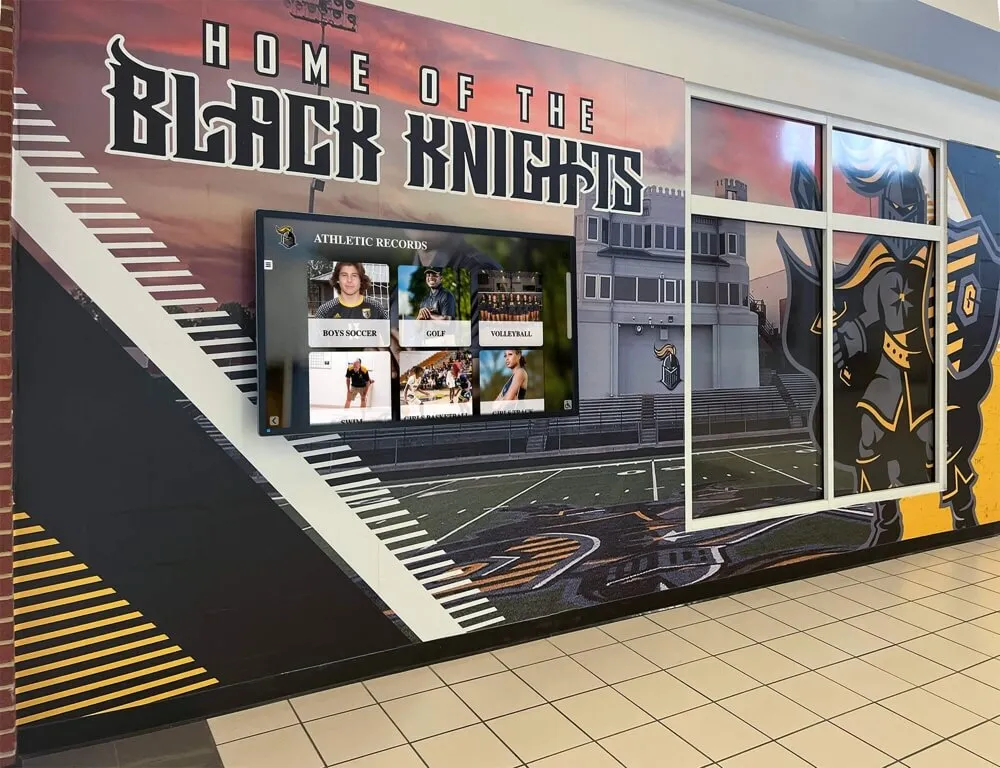
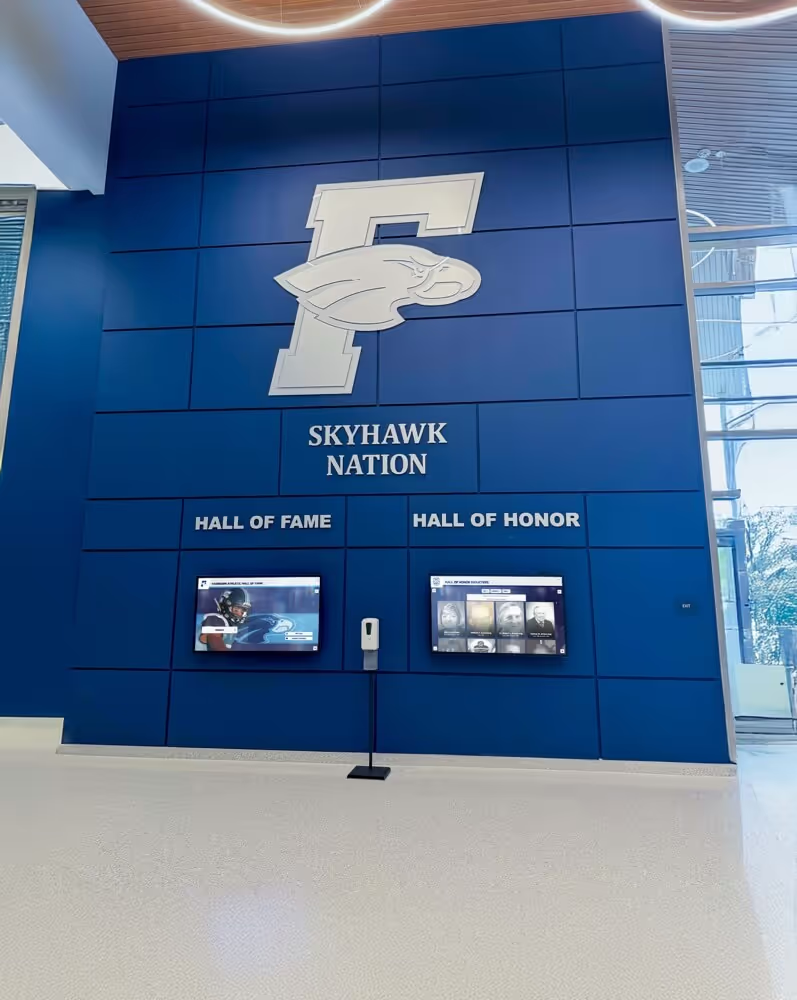
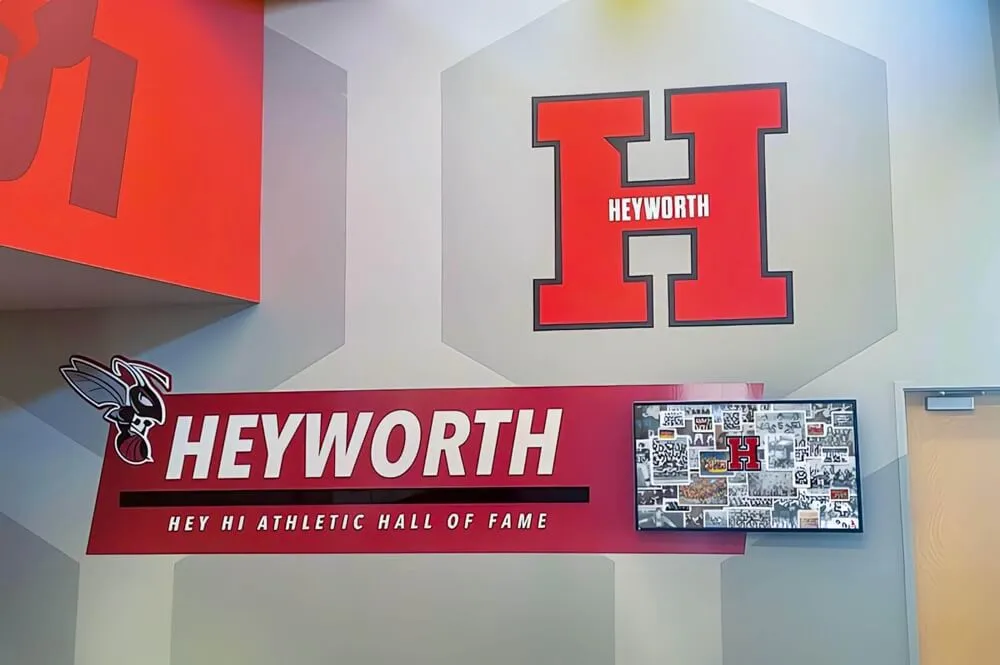
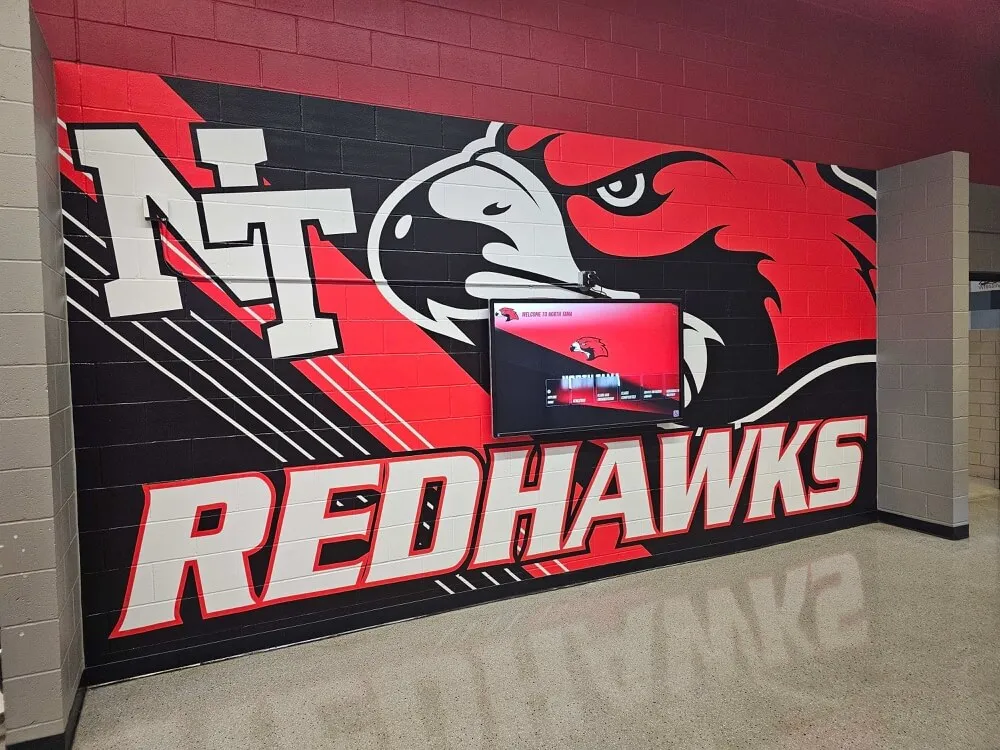
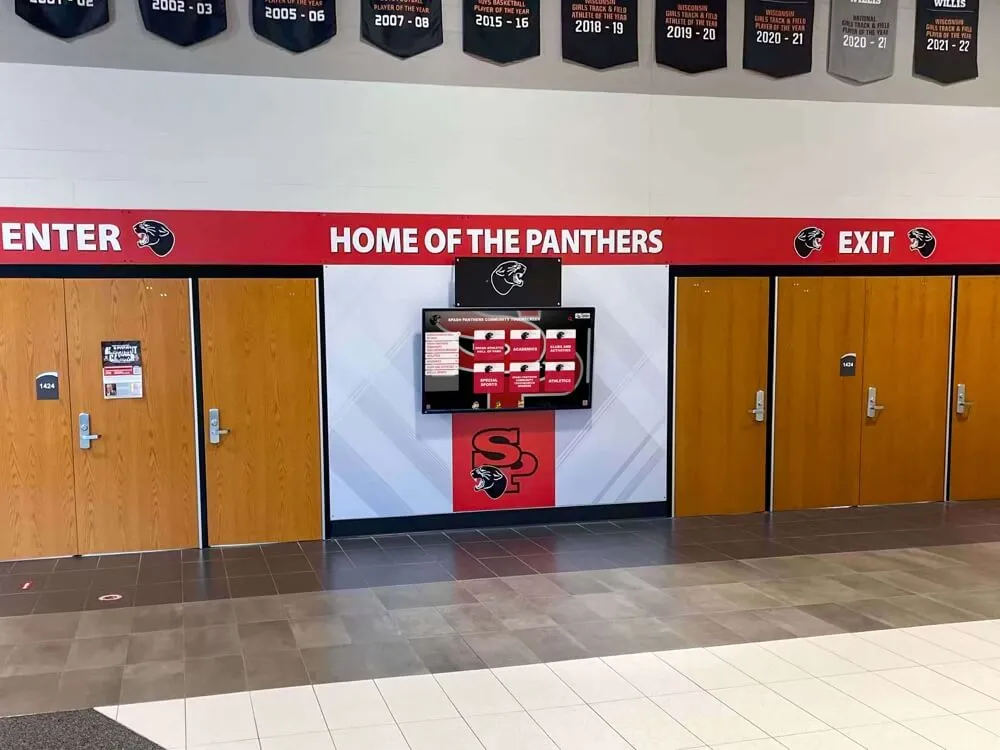
Honor walls in school hallways give performing arts programs the same visible institutional presence as athletic programs, reinforcing the legitimacy of color guard achievement
Making the Ceremony Memorable
The logistics of a well-run awards night matter as much as the award categories themselves. These practical elements separate forgettable dinners from evenings members talk about for years.
Personalization at Every Level
Read every award as if only the recipient will remember what you said—because they will. Staff should prepare individualized remarks for every award, not just the major ones. A 30-second specific description (“You went from struggling with a left-hand spin in September to landing your sabre double in the championship run”) creates a memory. A generic “this person worked hard” doesn’t.
Tools for personalization:
- Keep a season journal where staff note specific moments for each member throughout the year
- Ask returning captains to submit written descriptions of each member’s contribution
- Review video from early-season rehearsals versus late-season performances for documented growth examples
Video and Slideshow Integration
A season highlight reel shown before individual awards warms the room and primes emotional investment. A slideshow of each senior’s career photos—set to music they chose—before their tribute is consistently the most emotionally resonant moment of the evening.
Technical checklist:
- Test projector/screen setup before guests arrive
- Queue videos in advance and designate a tech operator for the evening
- Back up all video and slideshow files to two devices
Audience Participation Elements
The most engaging color guard awards nights include moments where the audience participates rather than just observes.
- Ask parents to write a short message to their performer beforehand and read it aloud during senior tributes
- Give returning members a “superlative” vote for categories like “Most Likely to Become a Director” or “Best Pre-Performance Ritual”
- Have the full team share one word about the season before closing remarks
Documentation and Memory-Keeping
Assign someone—a parent volunteer or student journalist—to photograph award moments throughout the evening. Photos of each recipient receiving their award create individual memories for families and build your program’s ongoing visual archive.
For team recognition ideas that celebrate group achievement beyond individual honors, programs that document the group’s journey as a collective create a richer narrative for current and future members.
Lasting Recognition Beyond the Awards Night
A single evening is a meaningful milestone—but the most forward-thinking color guard programs use their awards night as the foundation for something permanent. When award recipients see their names displayed in the school hallway for years after graduation, the recognition transforms from an event into a legacy.
The Trophy Case Strategy
Most schools have trophy cases that prioritize athletic programs. Advocating for dedicated color guard program space within your school’s existing case—or working with administration to add one—gives your program visible institutional standing year-round.
A well-organized trophy case includes:
- Competition trophies chronologically arranged
- Championship banners or flags
- Annual award plaques with recipient names by year
- Team photographs from significant seasons
- Caption award documentation
School display case ideas cover how programs can organize physical recognition thoughtfully within existing school infrastructure.
Annual Award Archives and Hall of Fame Pathways
Programs that maintain an annual record of award recipients—even in a simple binder, document, or displayed plaque—create a hall of fame by accumulation. When “Rookie of the Year 2019: [Name]” is visible next to “Rookie of the Year 2024: [Name],” future rookies understand they’re entering a tradition with history.
Some programs formalize this into a color guard Hall of Fame, inducting standout alumni after a waiting period. The criteria typically include multiple seasons of service, leadership positions held, and competitive achievement during their tenure.
Hall of fame ceremony planning guides provide a detailed roadmap for formalizing this type of recognition within school performing arts programs.
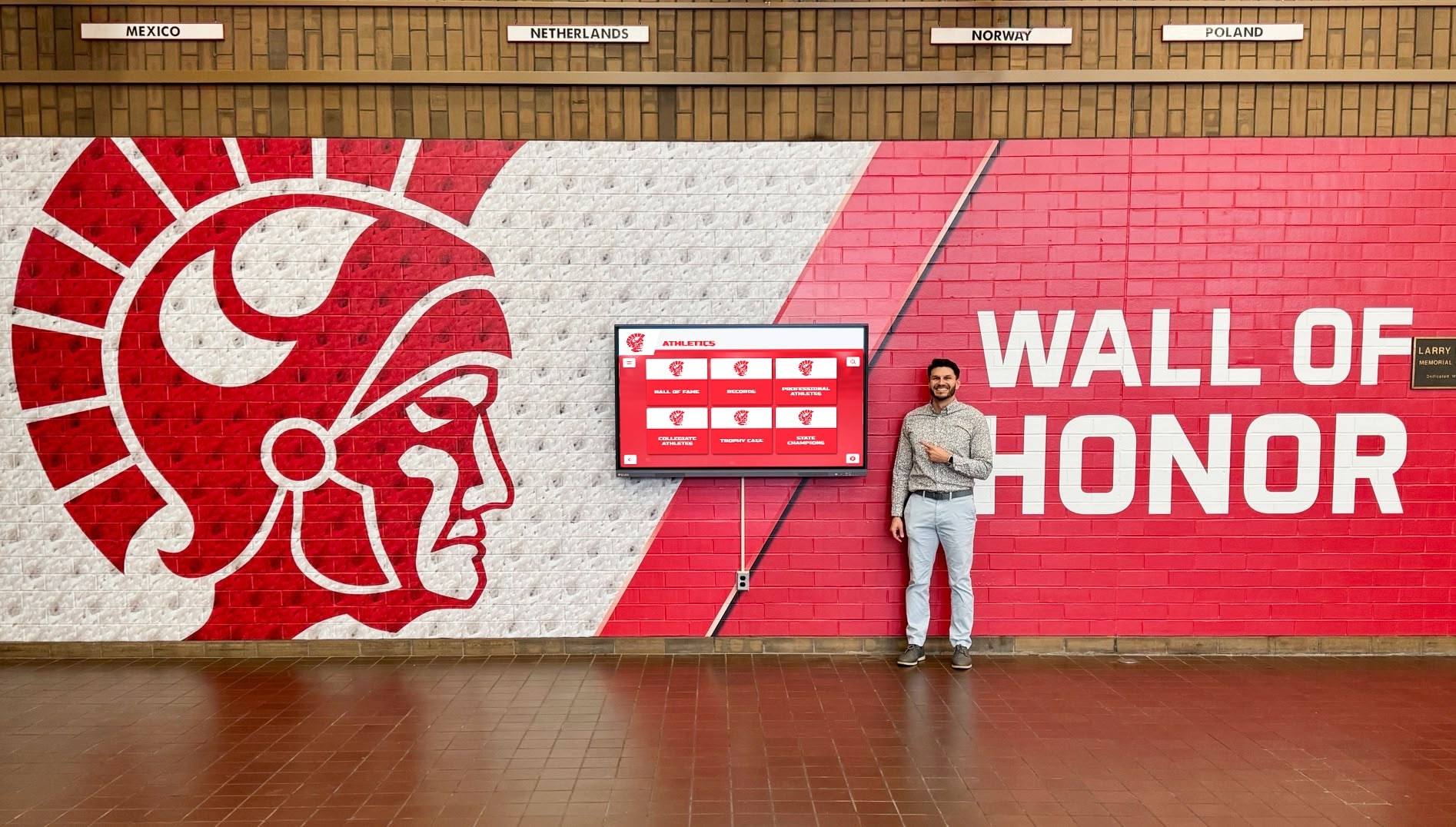
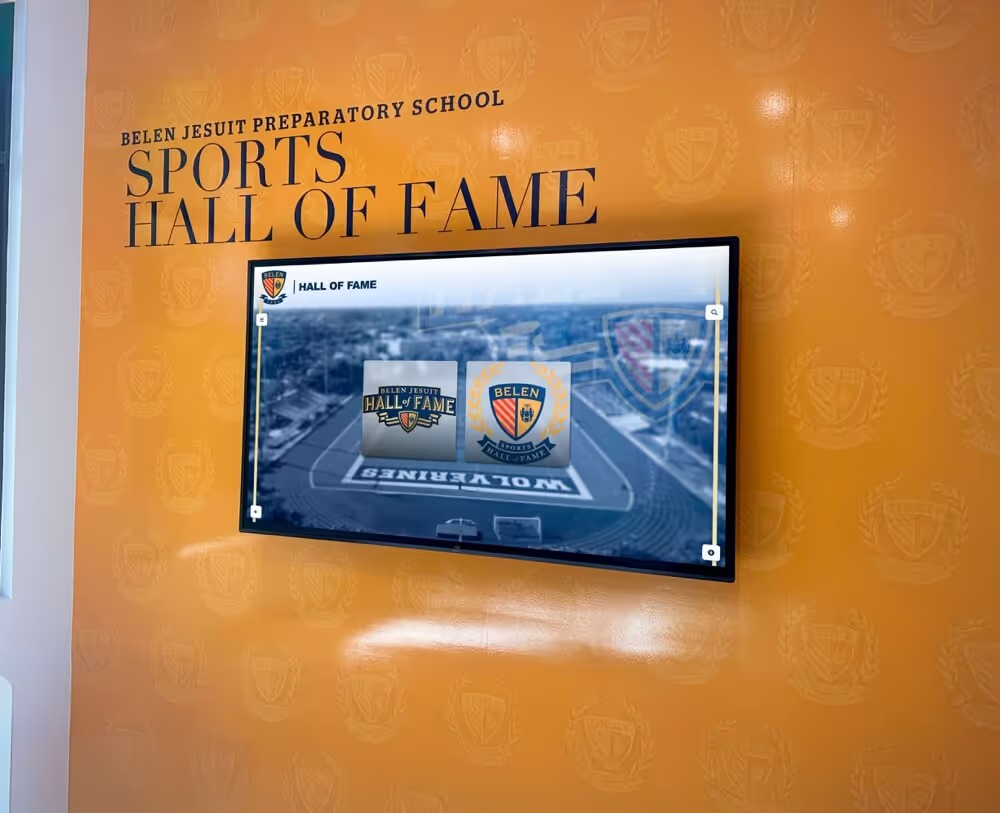
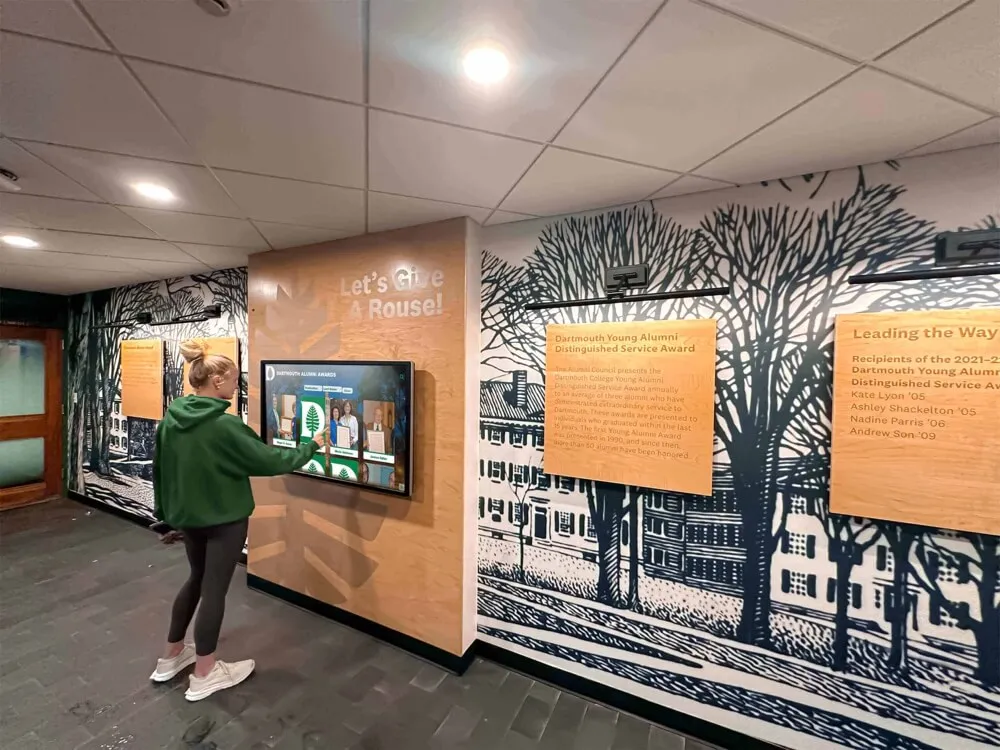
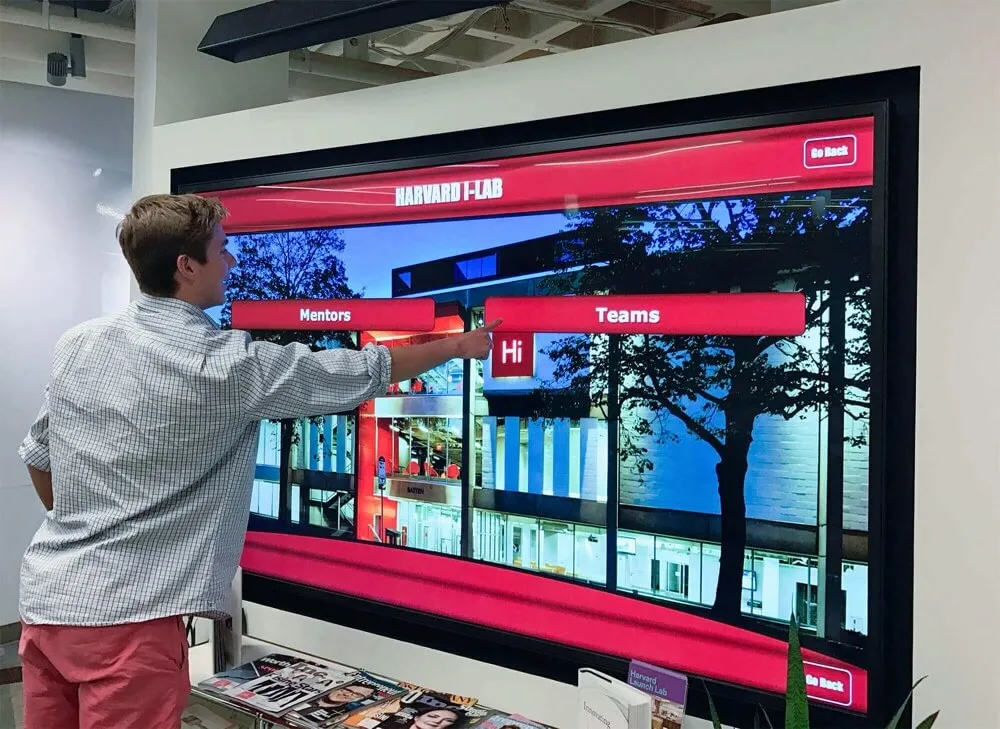
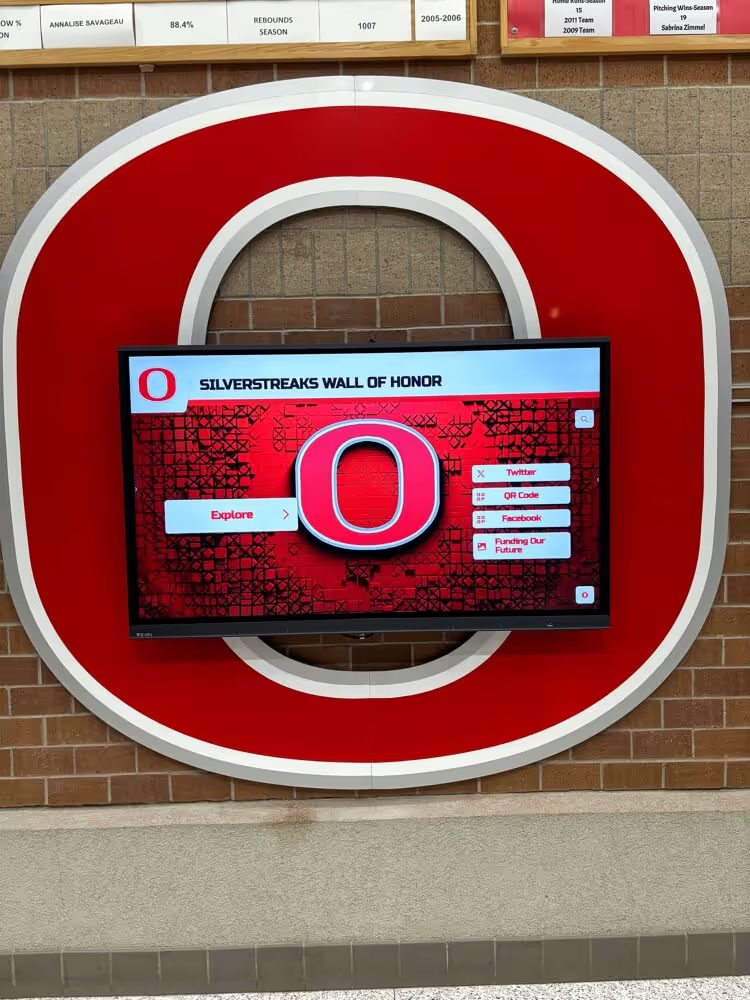
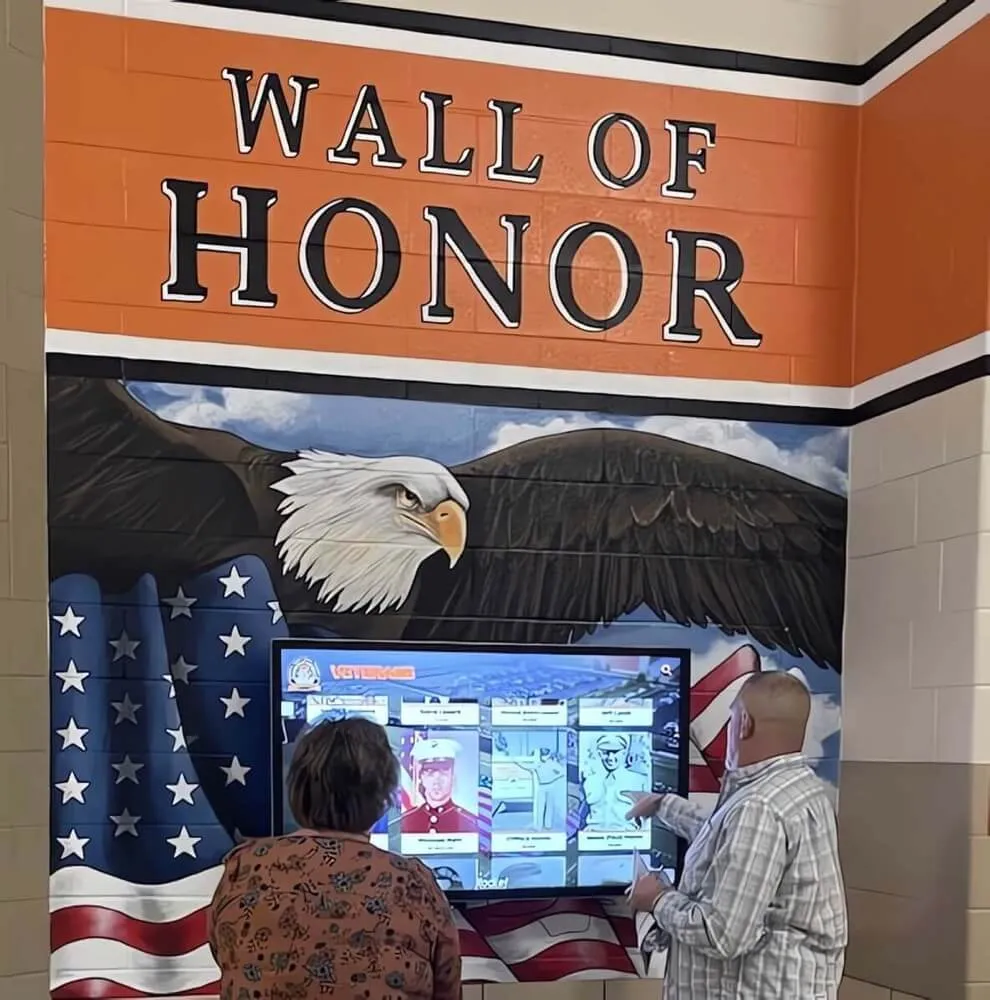
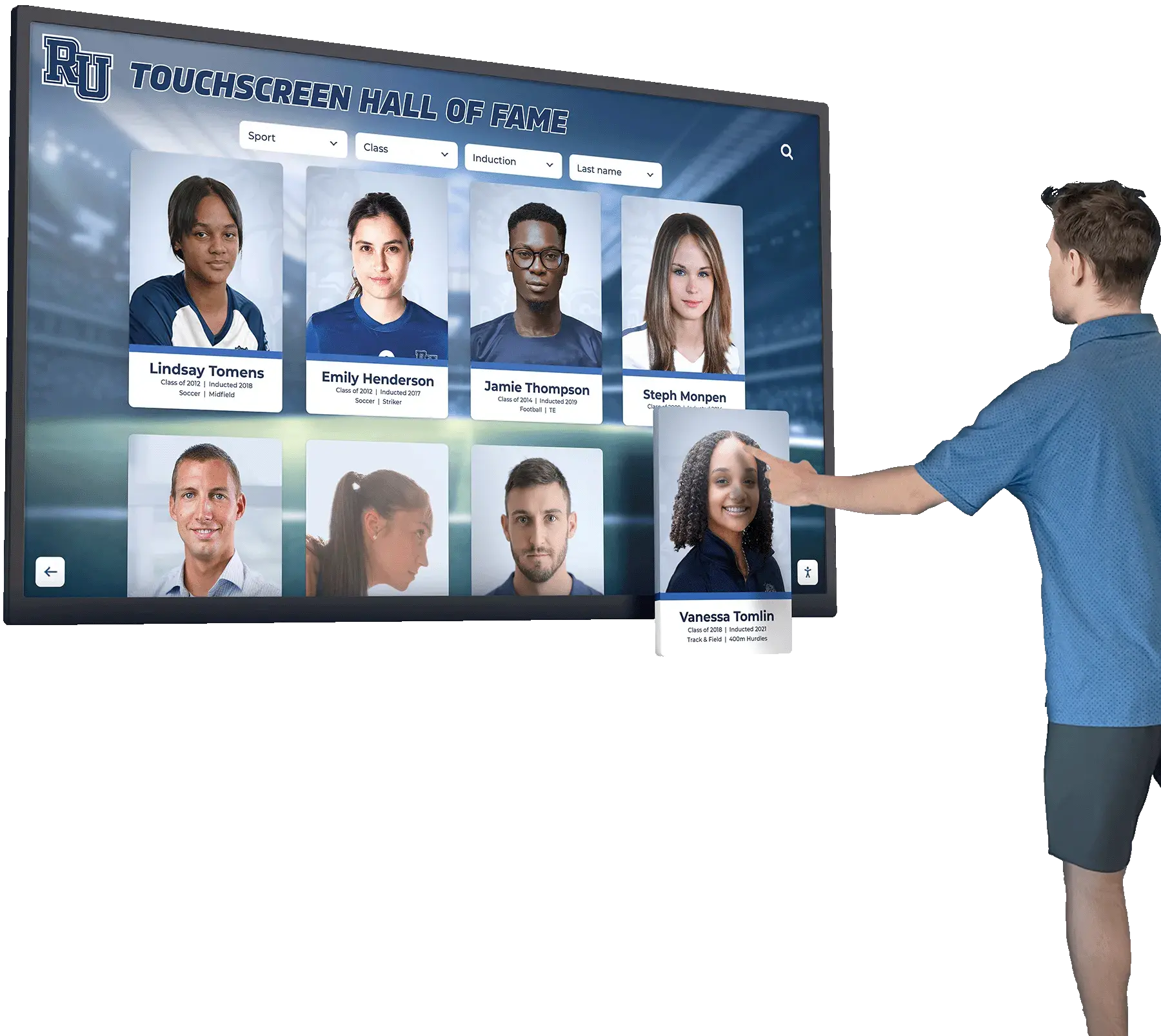
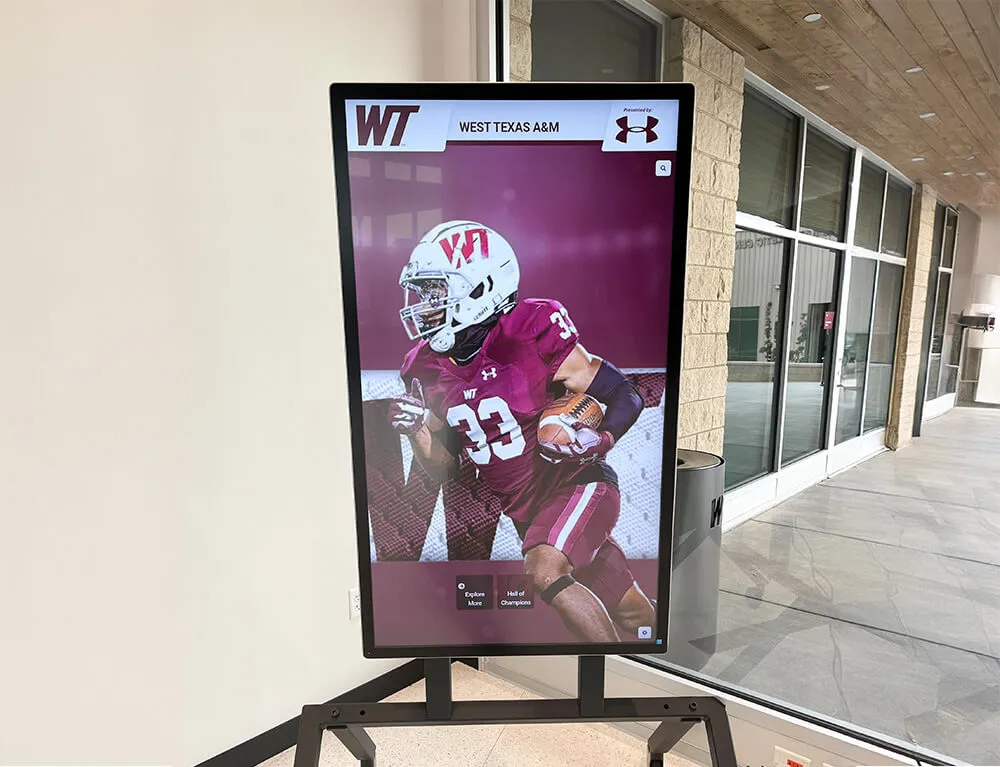
Interactive touchscreen recognition displays let visitors explore the full history of an awards program—searching by year, category, or member name—without requiring staff to manage the experience
Digital Displays: Bringing the Awards Night to Life Year-Round
The most significant evolution in school recognition over the past decade is the digital display—touchscreen walls, lobby screens, and interactive kiosks that turn award recipient lists into rich visual experiences accessible 365 days a year.
For color guard programs, a digital recognition display offers capabilities that a physical trophy case cannot:
What Traditional Cases Offer
- Physical trophies and plaques on display
- Team photographs by season
- Championship banners and pennants
- Fixed space requiring physical updates
- Limited to what fits within case dimensions
What Digital Displays Add
- Unlimited award recipient profiles with photos
- Searchable by year, award type, or member name
- Video clips from performances embedded in profiles
- Easy annual updates without physical installation
- QR code access for alumni viewing remotely
A performing arts program that installs a digital recognition display in the school lobby or hallway outside the band room creates a permanent presence that rivals any athletic hall of fame in visibility and prestige. Current members can trace award history back decades. Alumni can return after graduation and find their names and photos still honored. Prospective families can see exactly what the program has built.
Rocket Alumni Solutions builds touchscreen recognition walls and digital halls of fame specifically designed for schools—athletic programs, performing arts groups, and academic organizations all use the same platform to create searchable, updateable recognition displays that become permanent fixtures in school buildings. The system handles unlimited inductee profiles, integrates photos and video, supports remote content management, and is fully ADA-compliant for inclusive access.
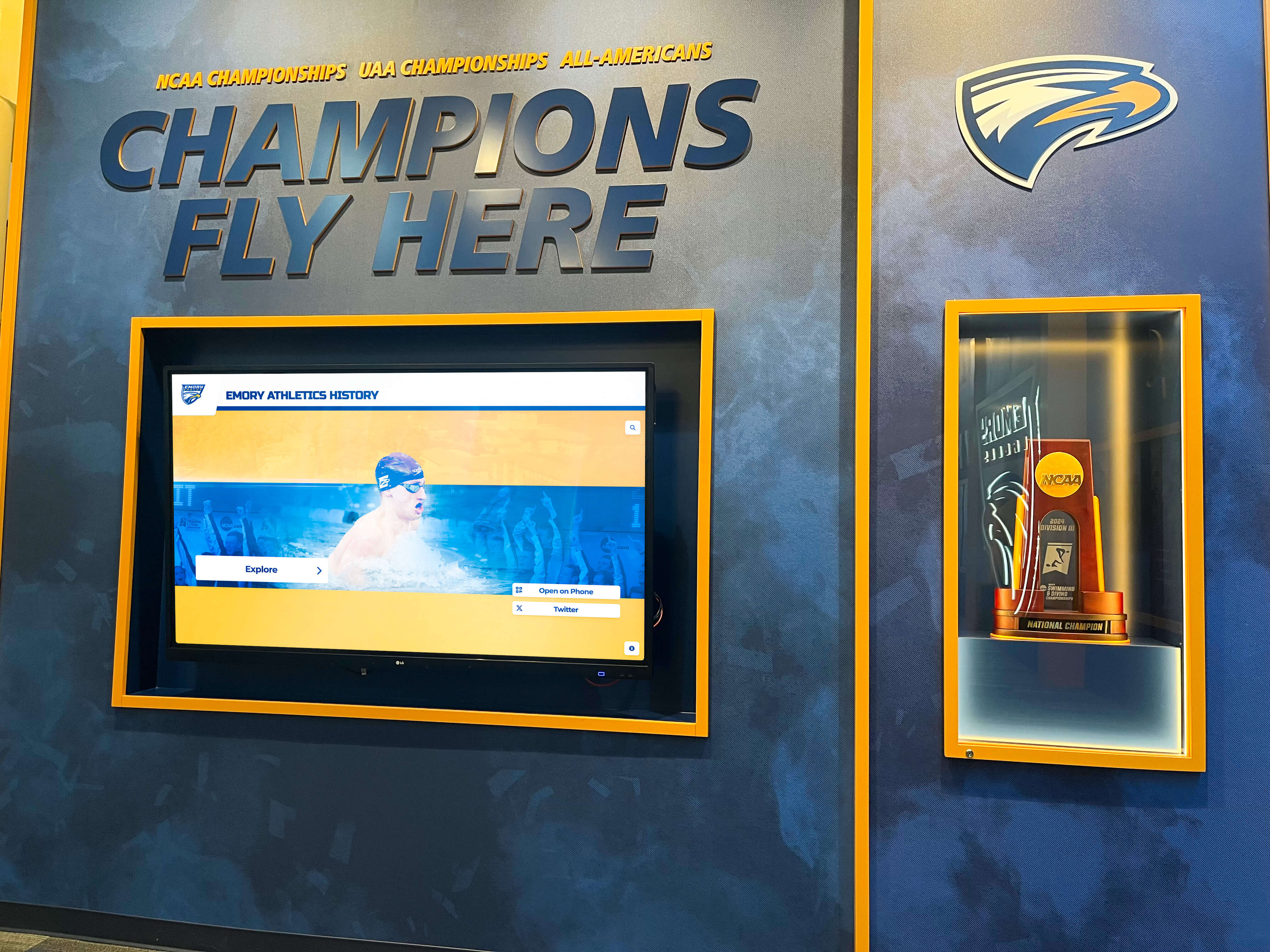
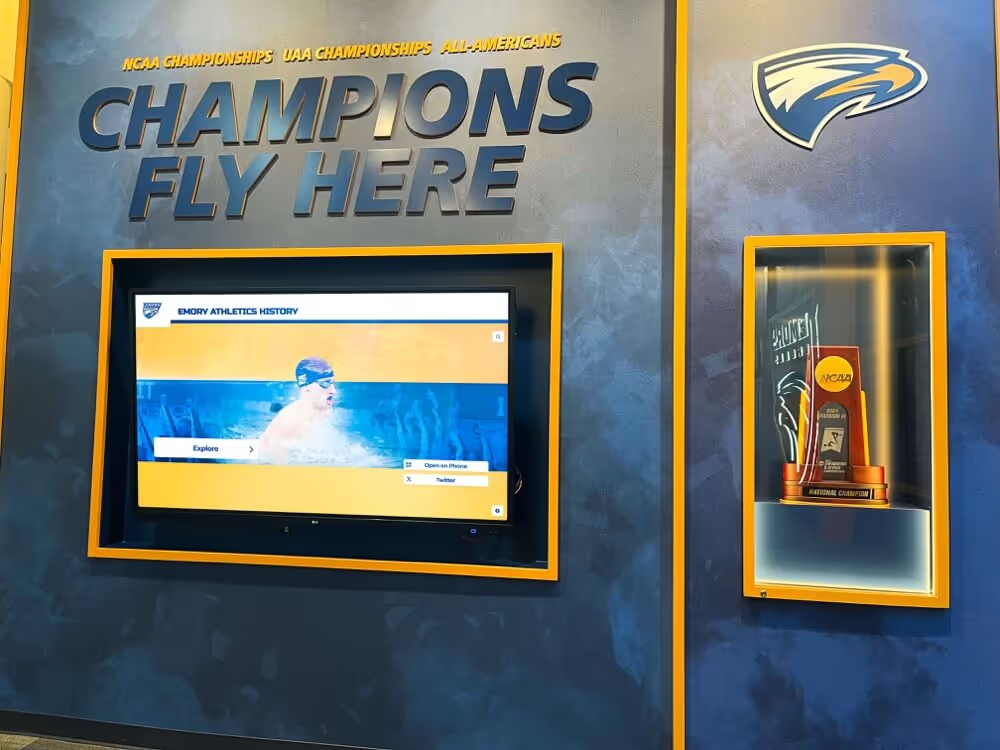
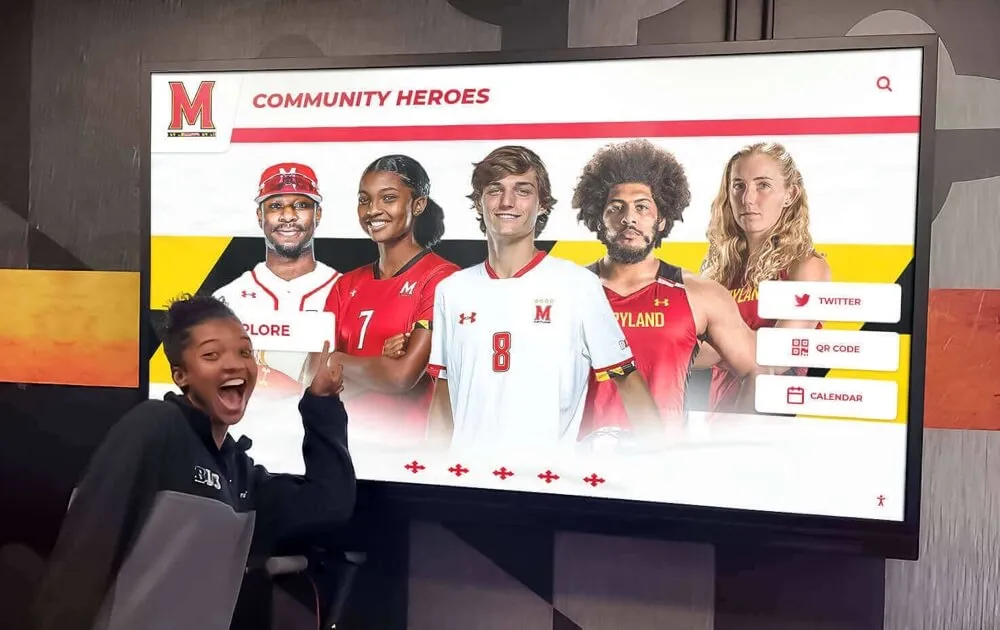
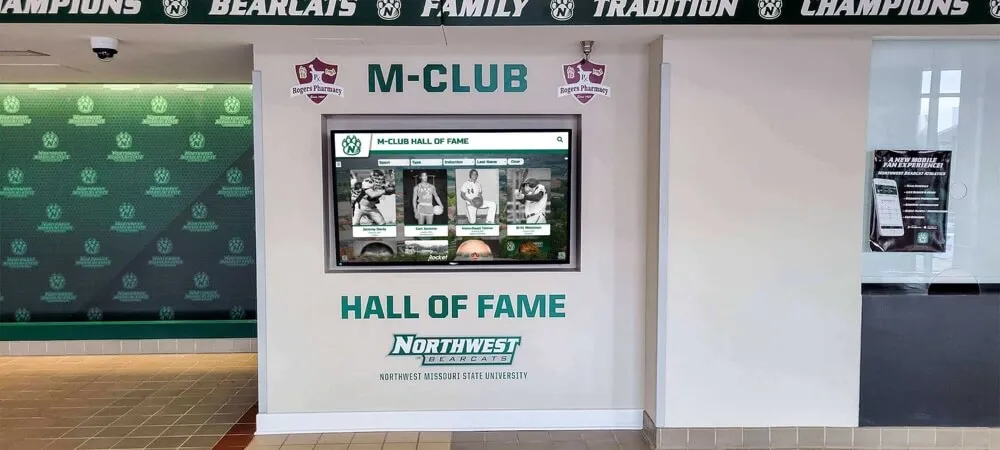
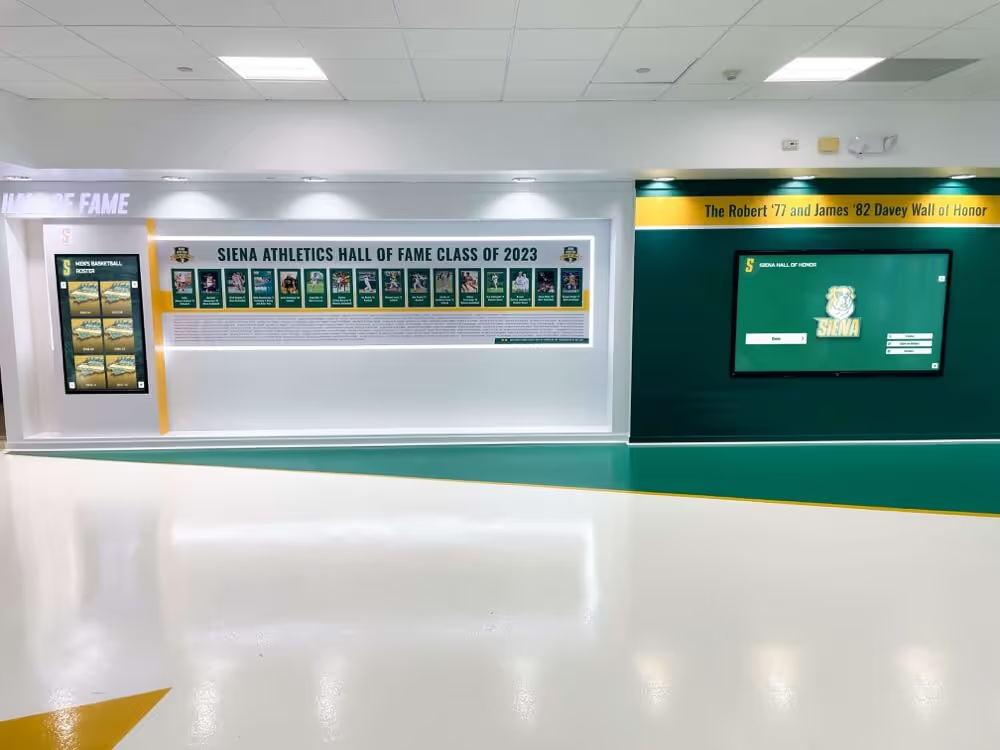
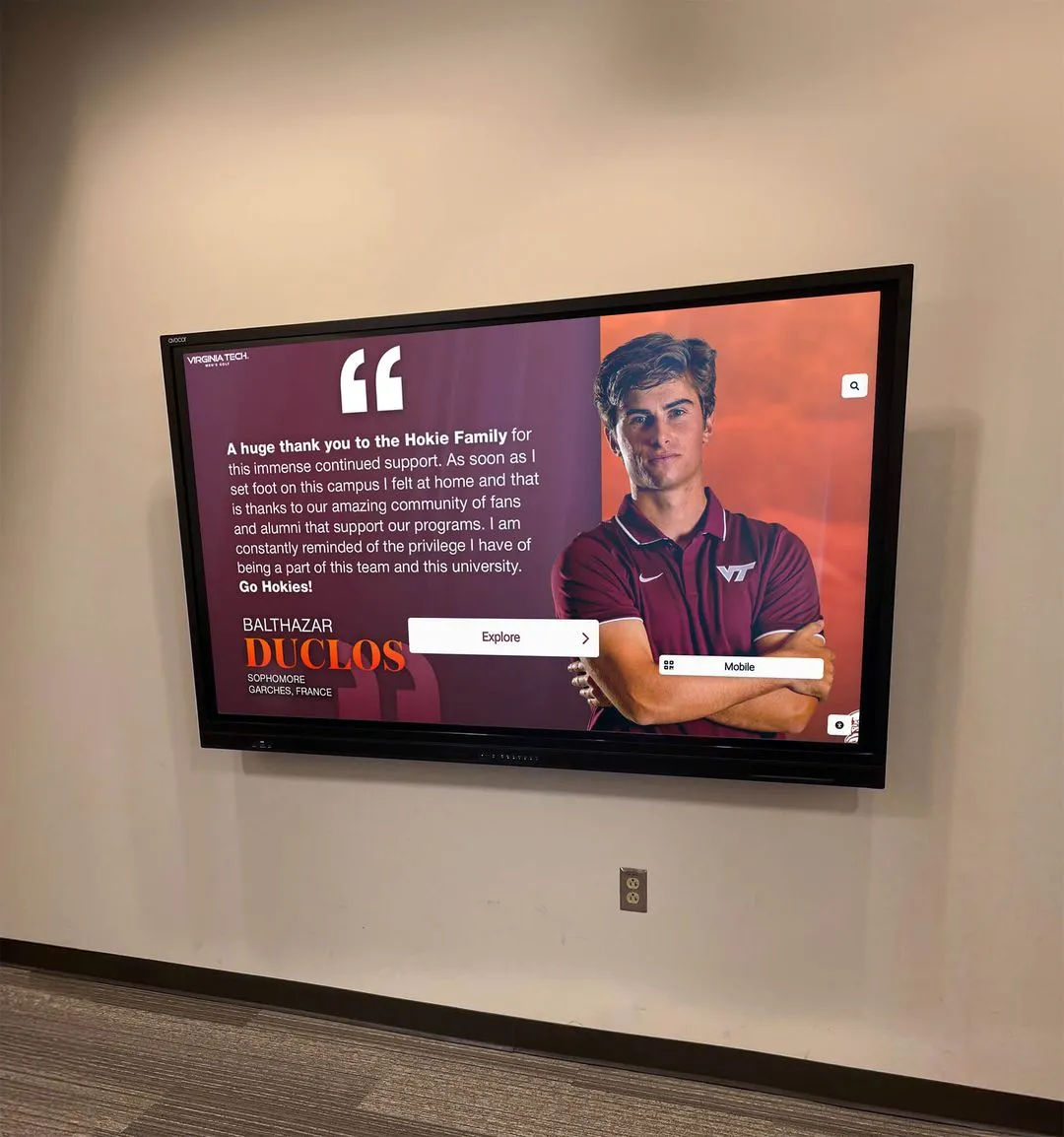
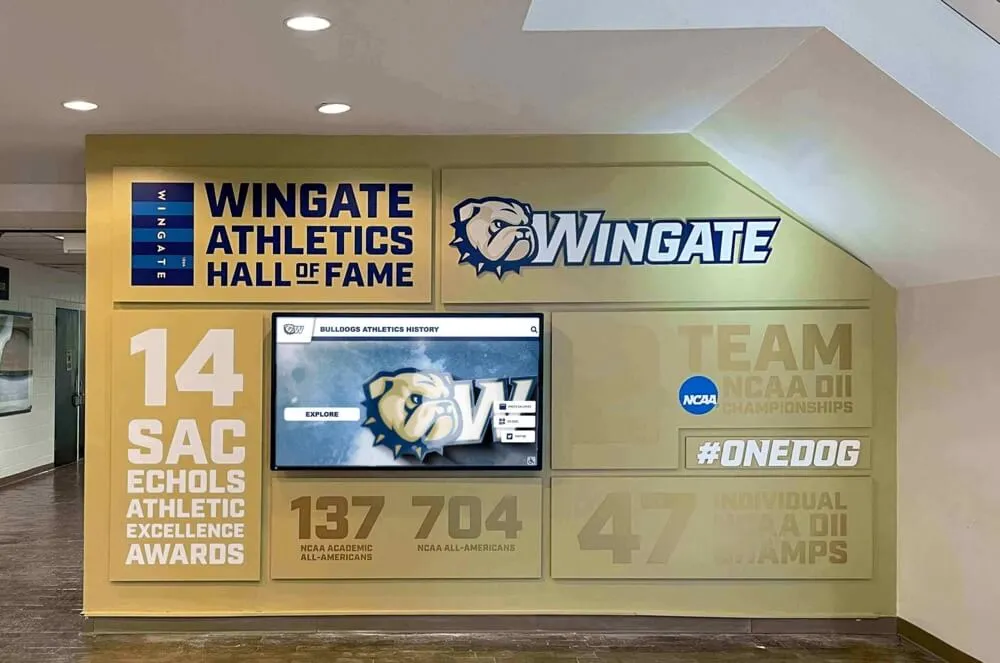
Championship-level recognition displays at universities demonstrate the institutional commitment to preserving performing arts and athletic achievement that schools at every level can replicate digitally
Year-Over-Year Program Building Through Recognition
The programs that develop the strongest cultures around color guard aren’t just running better ceremonies—they’re building systems that compound over time. Each year’s awards night feeds the next.
Annual Documentation Checklist:
- Photograph every award recipient with their award at the ceremony
- Save all award presentation language (the written tributes) in a program archive
- Log every award recipient by name, award, and year in a master document
- Add the season’s records (competition placements, caption scores, attendance milestones) to program history
- Invite graduating seniors to submit a written reflection for the program archive
When your first-year member in 2026 can see the “Rookie of the Year” list going back to 2010, they understand they’ve joined something with continuity. When an alumna from 2015 comes back for a reunion and finds her name still on a display in the hallway, she understands the program respected what she gave it.
That’s what great recognition does—it converts a single awards night into an institutional promise that achievement is permanent, that the program remembers, and that the work members put in will outlast the season.
Turn Your Awards Night Into a Permanent Legacy
Discover how schools use digital recognition displays to honor color guard performers, captains, and veterans year-round—not just on one night. Rocket Alumni Solutions builds interactive touchscreen walls of fame designed for school performing arts and athletic programs.
Explore Digital Recognition DisplaysConclusion: Recognition That Honors What Color Guard Demands
A color guard awards night succeeds when it answers one question clearly: does every member leave feeling genuinely seen? That requires award categories broad enough to capture different kinds of contribution, ceremony formats personal enough to make each recognition feel individual, and physical or digital follow-through that makes the night mean something beyond the room it happened in.
Start by auditing what categories your program currently uses and identifying the gaps—who gets recognized and who doesn’t, which contributions are visible and which are invisible. Add categories that honor mentorship, consistency, ensemble contribution, and veteran service alongside the performance-focused awards you already have. Name the awards in ways that reflect your program’s specific identity, not generic titles borrowed from every other banquet.
Then think beyond the evening itself. The recognition that shapes program culture isn’t only what happens in a banquet hall in May—it’s what’s visible in the hallway in October when this year’s freshmen are learning their first five-to-eights. Build the systems that carry your color guard awards night forward: an annual archive, a trophy case with history, or a digital recognition display that makes every past recipient permanently part of the program’s story.
Color guard asks an enormous amount of the students who choose it. A well-designed color guard awards night is how the program answers back.