



The silks spinning overhead during a halftime show are more than eye-catching equipment — they are moving canvases that carry a school’s identity into the air with every toss, catch, and sweep. Color guard flags, commonly called silks regardless of the actual fabric used, function as the visual centerpiece of any color guard performance. Their colors announce school pride before a single note plays. Their artwork tells the story of a season’s theme. And when a championship year wraps, the flags hanging in an athletic hallway or archived in a digital display become artifacts connecting current students to the program’s history.
For color guard directors, athletic directors, and school administrators navigating the choices around flag design and procurement, the options are more varied — and the decisions more consequential — than they might initially appear. Fabric weight, panel construction, color matching, custom artwork complexity, budget constraints, and long-term archival considerations all factor into selections that shape how a program presents itself on the competitive floor and how it is remembered afterward.
This guide covers every dimension of the color guard flag decision: terminology, materials, design processes, budget considerations, and how schools are preserving their color guard programs’ visual legacies alongside their athletic achievements.
Color guard programs occupy a unique space in the school activities landscape — athletic in their physical demands, artistic in their expression, and deeply connected to school identity through the colors and symbols carried on every silk. Getting the flags right matters more than most programs initially realize, both for competitive success and for the lasting impression the program makes on its school community.

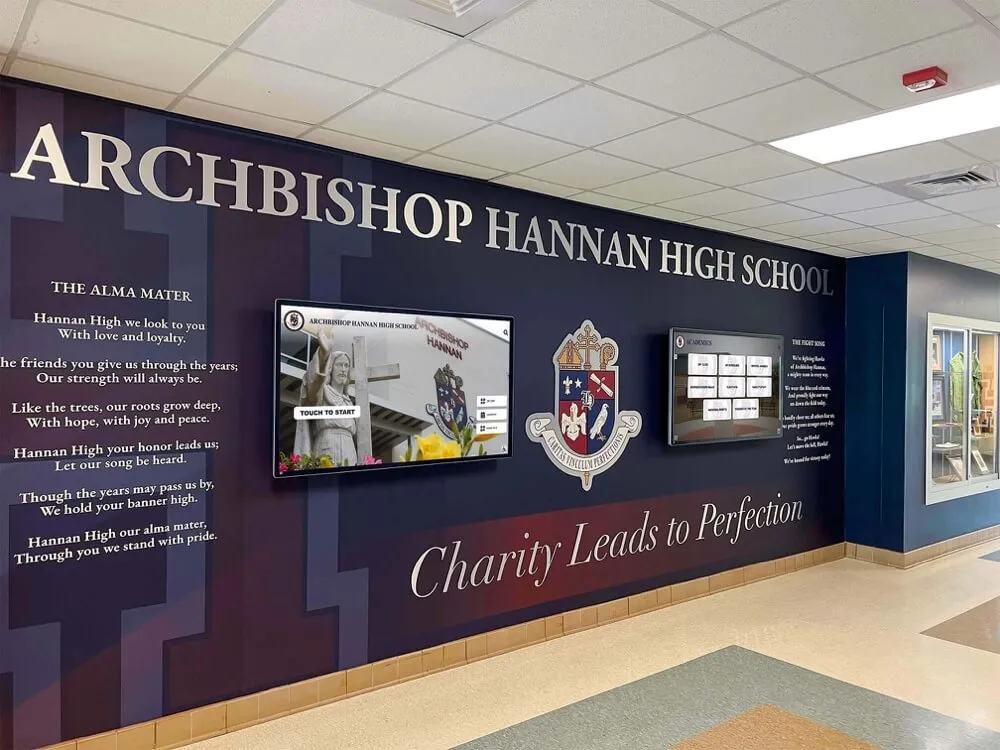
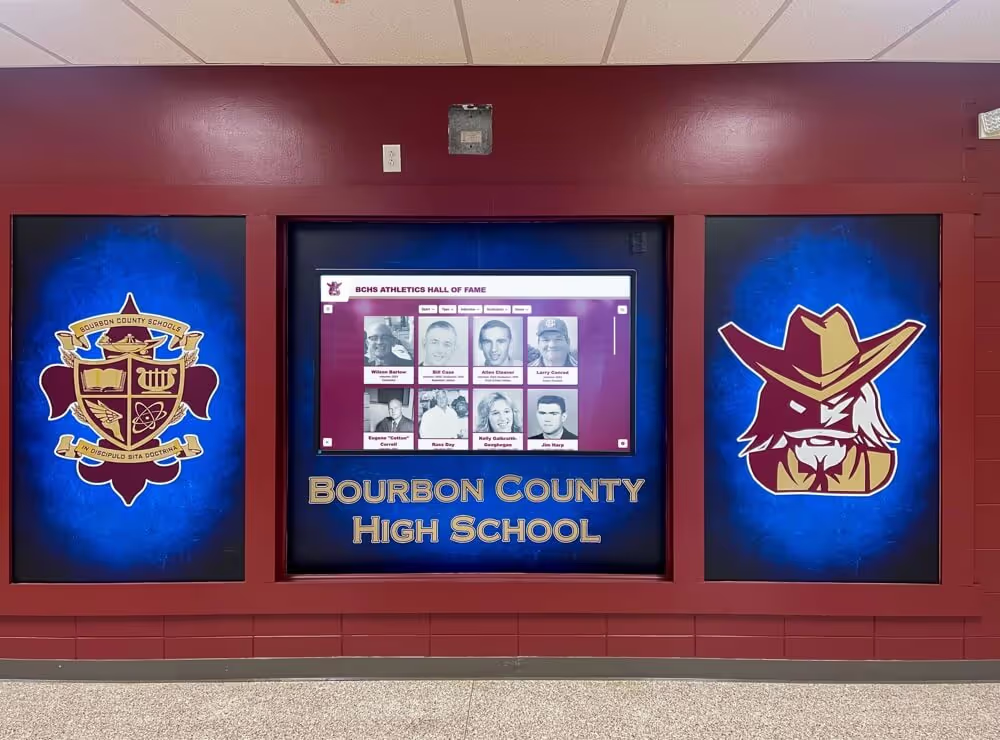
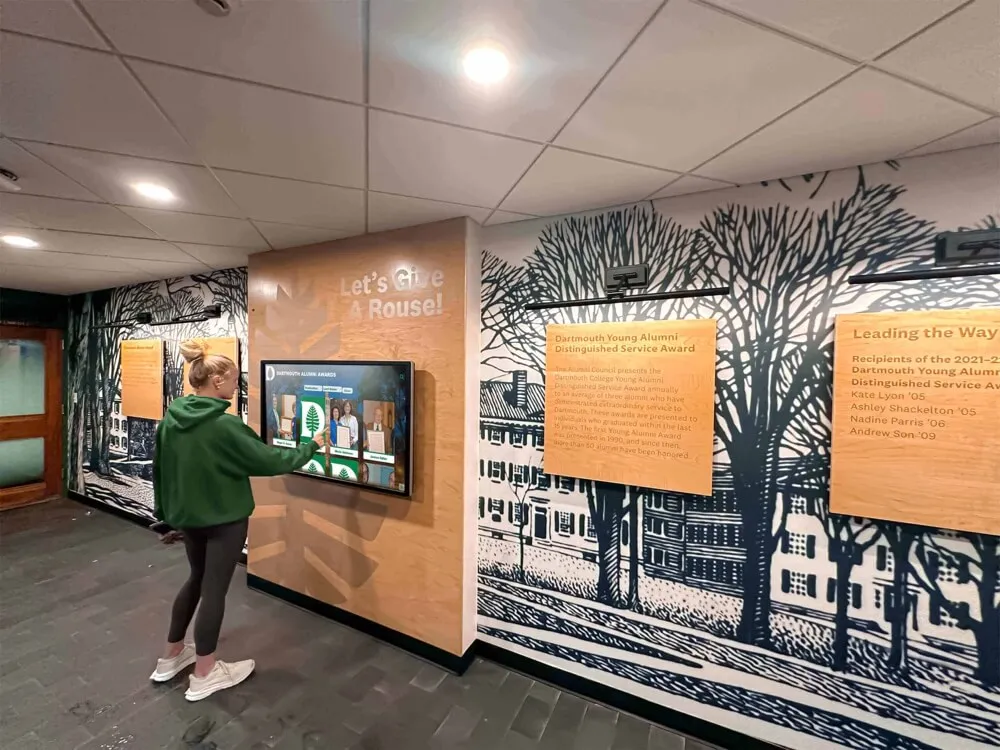
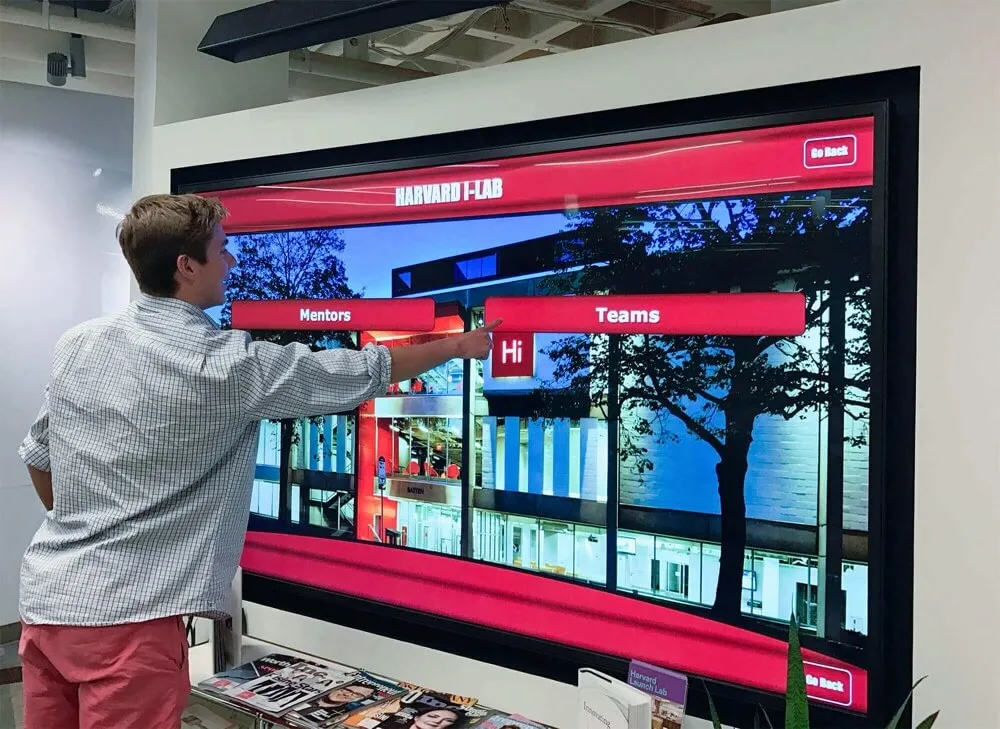
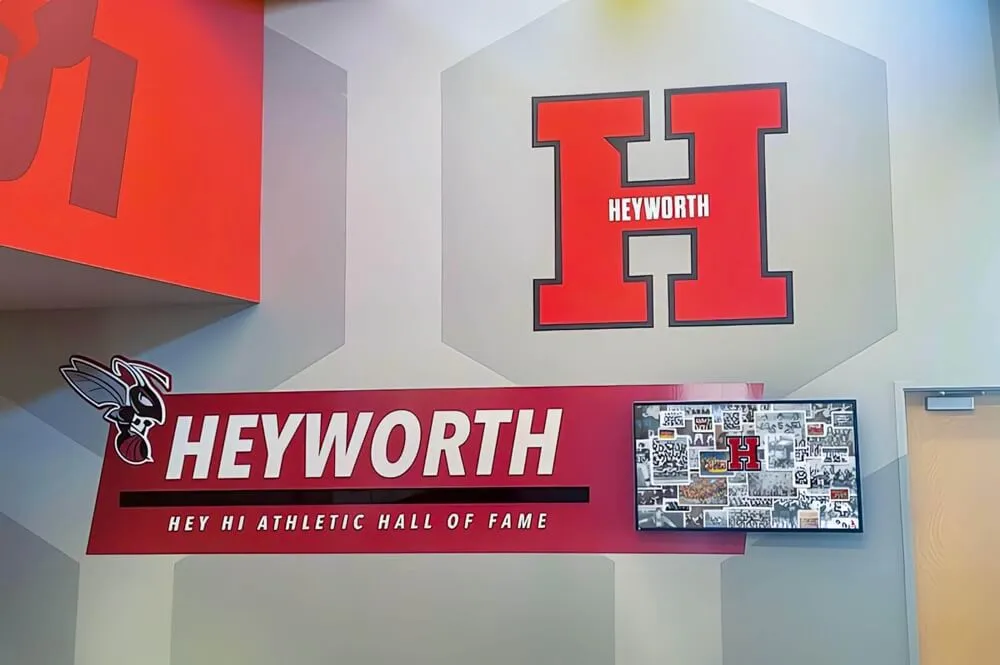
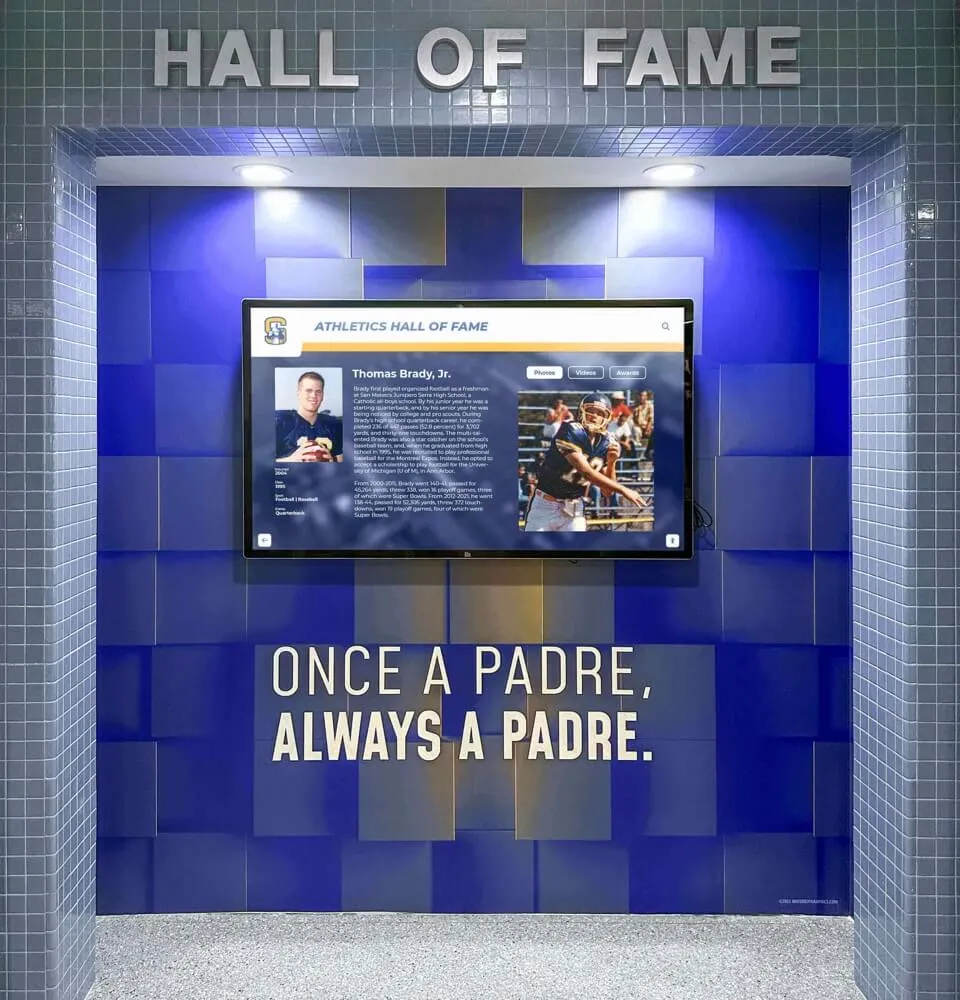
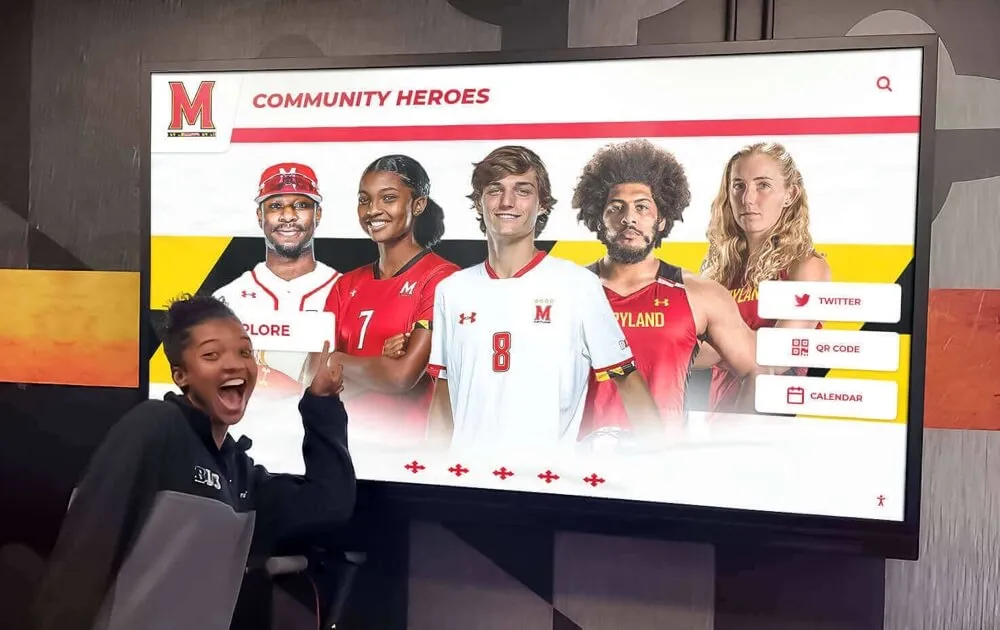
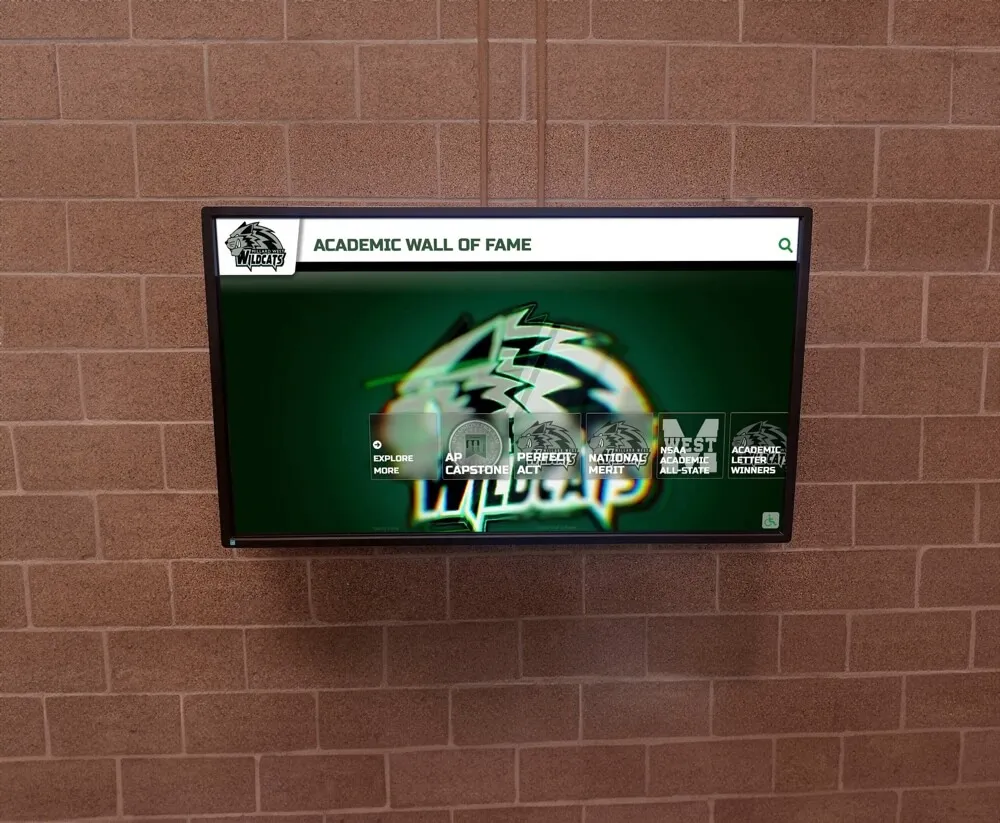
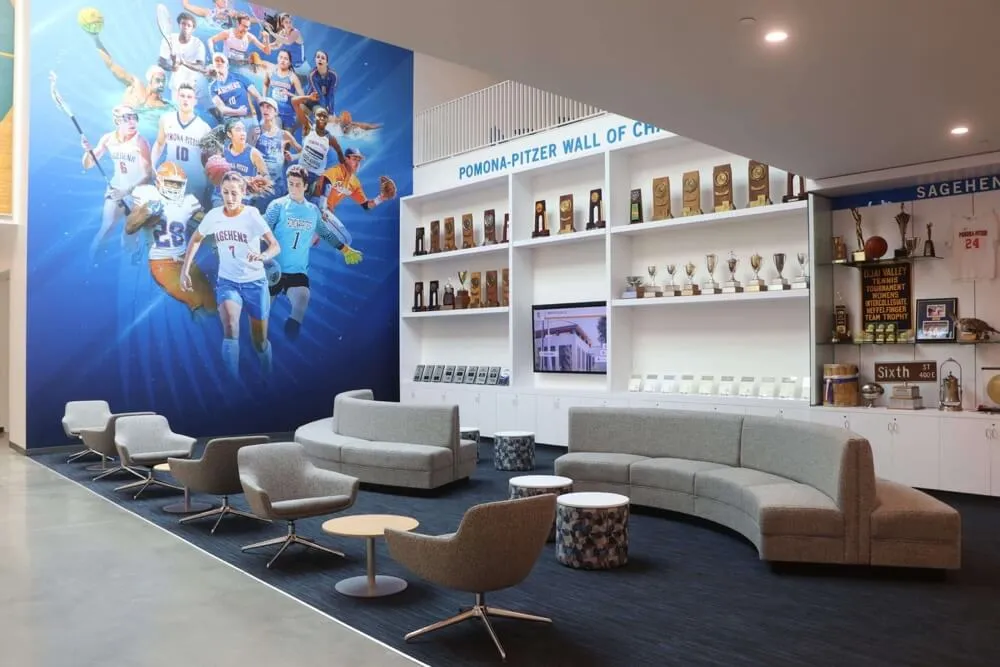
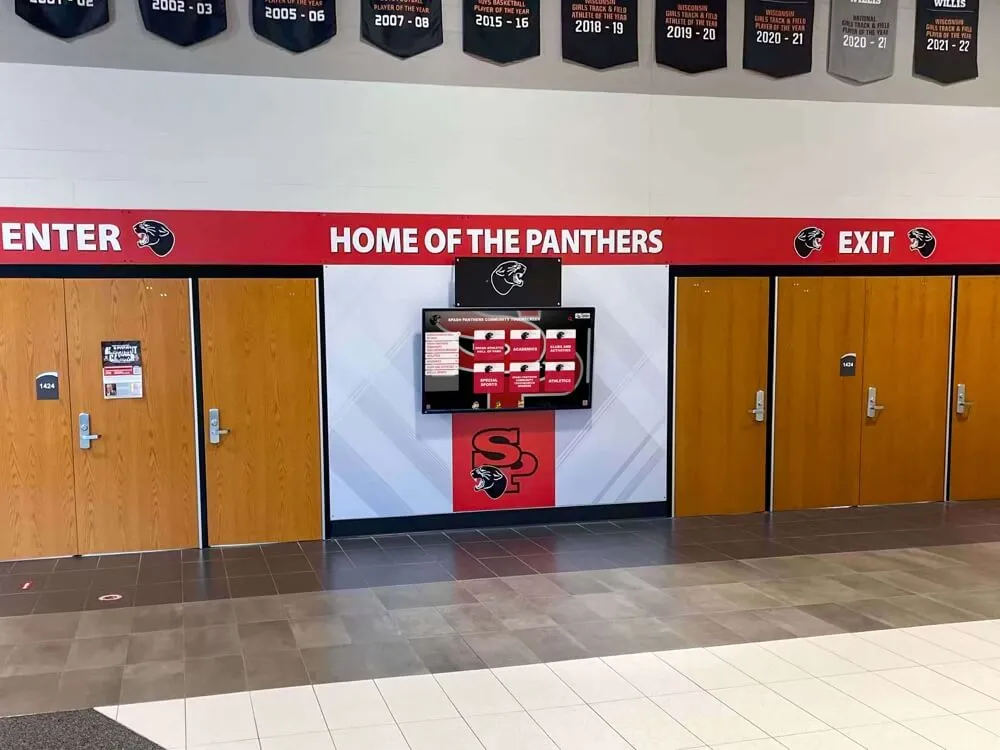
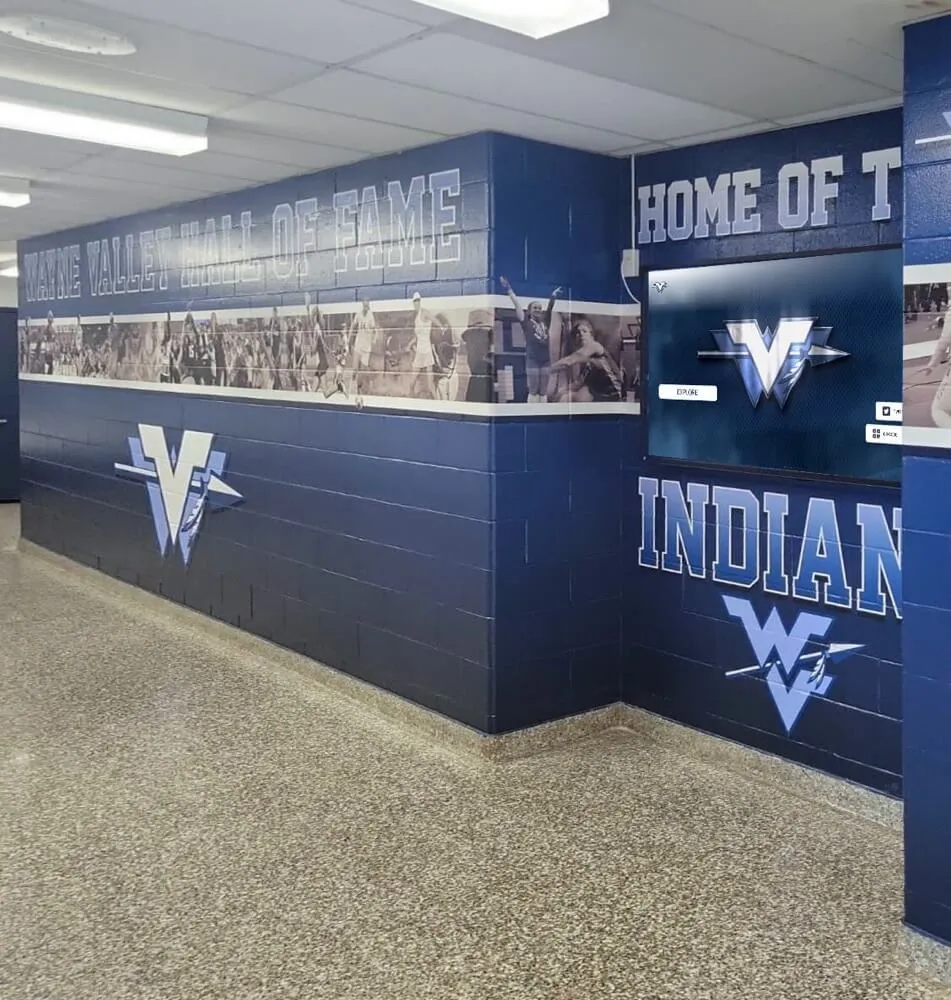
School identity elements — from mascot imagery to program colors — appear across recognition displays just as they do on color guard silks performed at competitions and halftime shows
What Are Color Guard Flags? Terminology and Types
Before addressing design and procurement decisions, establishing clear terminology prevents confusion when working with manufacturers, designers, and school administration.
Flags vs. Silks: Understanding the Language
In color guard culture, silks is the most widely used informal term for performance flags, despite the fact that most contemporary flags are made from polyester rather than actual silk fabric. The term persists because early competitive color guard programs did use real silk, and the word stuck as the default shorthand even as materials evolved. Directors and performers use “silks” and “flags” interchangeably in most contexts.
When working with manufacturers, you will typically see product listings for:
- Performance flags — the standard term in manufacturer catalogs
- Silks — accepted interchangeably in most vendor communications
- Show flags — flags designed for a specific competitive show theme
- Practice flags — lower-cost versions for training and rehearsal use
- Parade flags — constructed for outdoor durability rather than performance aesthetics
Understanding which category fits your program’s current need helps streamline procurement conversations and prevents ordering the wrong product type for a specific use.
Flag Size Classifications
Performance flags come in several standard size categories, each suited to different performance contexts and skill levels:
Full-Size (Standard) Flags The most common competition flag, typically measuring around 36 inches along the pole sleeve edge and 54–60 inches on the fly. Full-size flags are standard for most WGI and BOA competitive circuits and are what most audiences picture when they visualize a color guard performance.
Swing Flags Shorter and lighter than standard flags, swing flags are designed for rapid, technically demanding work — quick tosses, intricate blade sequences, and choreography requiring precise timing between performers. Many shows use swing flags for high-intensity sections requiring speed over visual mass.
Long Flags (Silks) Extended versions, sometimes reaching 72 inches or longer on the fly, are used for dramatic visual effect in slower, flowing choreography. Long silks catch air differently than standard flags and create sweeping visual lines that read strongly for judges and audiences at distance.
Half-Flags Smaller versions used in training programs, youth ensembles, and indoor guard work where ceiling clearance limits full-size performance. Also common in parade bands where participants may have less equipment experience.
Poles and Hardware
The flag itself is only part of the equipment equation. Pole selection affects performance quality as significantly as fabric choice:
- Aluminum poles — lightweight, durable, and the industry standard for most competitive programs
- Fiberglass poles — slightly more flexible, often preferred for swing flag work
- Carbon fiber poles — premium option valued for their weight-to-strength ratio; more expensive but increasingly common in nationally competitive programs
- Pole length — typically ranges from 5 to 6 feet for standard flags; directors select based on performer height and choreographic requirements
How Schools Choose Their Color Guard Flag Designs
The design process for a high school color guard’s silks balances multiple considerations: competitive season theme, school identity, budget, and the visual impact needed to read at performance distances.
Building from School Colors
For any school’s color guard program, the foundational design element is the school’s official color palette. This seems obvious, but its execution requires more nuance than simply ordering flags in the school’s two colors.
Color accuracy across manufacturing processes
School colors specified in a style guide exist in specific Pantone values for a reason — consistent matching across merchandise, uniforms, and equipment. When ordering custom color guard flags, providing manufacturers with exact Pantone references (rather than verbal color descriptions like “navy blue” or “forest green”) prevents the batch-to-batch variation that makes a program’s silks clash with their uniforms on the competitive floor.
Most reputable color guard flag manufacturers can work from Pantone, CMYK, or RGB specifications. Getting accurate color matching on the first order saves time and money compared to reordering or accepting flags that don’t coordinate with the rest of the program’s visual identity.
Working beyond two-color palettes
Most school color schemes involve two colors, but effective flag design typically incorporates additional shades to create visual depth. A school with navy and gold as primary colors might incorporate sky blue for highlight accents, ivory or cream for contrast areas, and charcoal or black for graphic elements. These secondary tones should harmonize with the school palette without competing with it.
Schools managing their visual identity across athletics, performing arts, and recognition displays benefit from consistent design principles. The same logic that governs varsity letter font choices for school banners and displays — hierarchy, legibility, and institutional coherence — applies to flag design as well.
Integrating Mascot and School Imagery
Many high school color guard programs incorporate their mascot or school graphic elements into at least one set of flags per season. This direct connection to school identity serves multiple purposes: it grounds an abstract show concept in institutional pride, it helps audiences recognize the ensemble during parades and community performances, and it creates flags that photograph and archive clearly as school artifacts.
Mascot integration approaches
- Full mascot graphic — a detailed reproduction of the school’s official mascot artwork printed onto the flag’s primary panel. Best suited for shows with school spirit themes; less appropriate for abstract artistic concepts.
- Stylized silhouette — a simplified version of the mascot reduced to a bold outline or shadow, which reads better at distance than detailed artwork and integrates more cleanly into non-literal show designs.
- Mascot element extraction — using a specific component of the mascot (wings, claws, scales) as a graphic motif rather than reproducing the full figure, giving the design a connection to school identity without literal representation.
- School crest or wordmark — for programs with strong institutional cranding, incorporating the official crest or school name in a coordinated display font creates a clean, formal flag appropriate for graduation ceremonies and community events.
Working with AI-assisted design tools has made mascot integration more accessible for programs with limited graphic design budgets. Schools interested in AI-assisted school graphics for performing arts and athletics programs can now generate custom artwork at price points that smaller programs can realistically access.
Designing for Competitive Show Themes
Beyond the evergreen school identity flags used in parades and community events, most competitive color guard programs design custom flags for each competitive season’s show. These thematic silks carry the visual narrative of the production and must serve the choreography and musical interpretation simultaneously.
How show themes inform flag design
A show themed around the ocean might require silks in gradient blues and teals that ripple during slow sections and snap to attention during percussive passages. A production exploring industrial themes might call for steel grays, oxidized copper tones, and angular geometric panel cuts. A program telling a story set in autumn might commission warm ochres and burnt sienna flags that bloom visually during the show’s emotional peak.
Effective thematic flag design requires understanding how fabric moves through the air, how colors read under gymnasium lighting versus outdoor stadium conditions, and how a static design in a photograph translates into a dynamic performance element. These considerations are why most nationally competitive programs work with specialized color guard design studios rather than general graphic design services.
Multiple flag sets within a single show
High-achieving programs often incorporate multiple flag sets within a single competitive show, with performer changes happening during musical or choreographic transitions. A standard competitive show might include:
- An opener set establishing the show’s color world and initial theme
- A mid-show set used during the production’s most technically demanding section
- A closer set (sometimes called “final silks”) that arrives for the show’s climactic sequence, often featuring the most visually impactful design in the production
Planning multiple sets requires a unified color story across all fabrics, coordination with the show’s overall production design, and careful attention to budget since each additional set multiplies procurement costs.
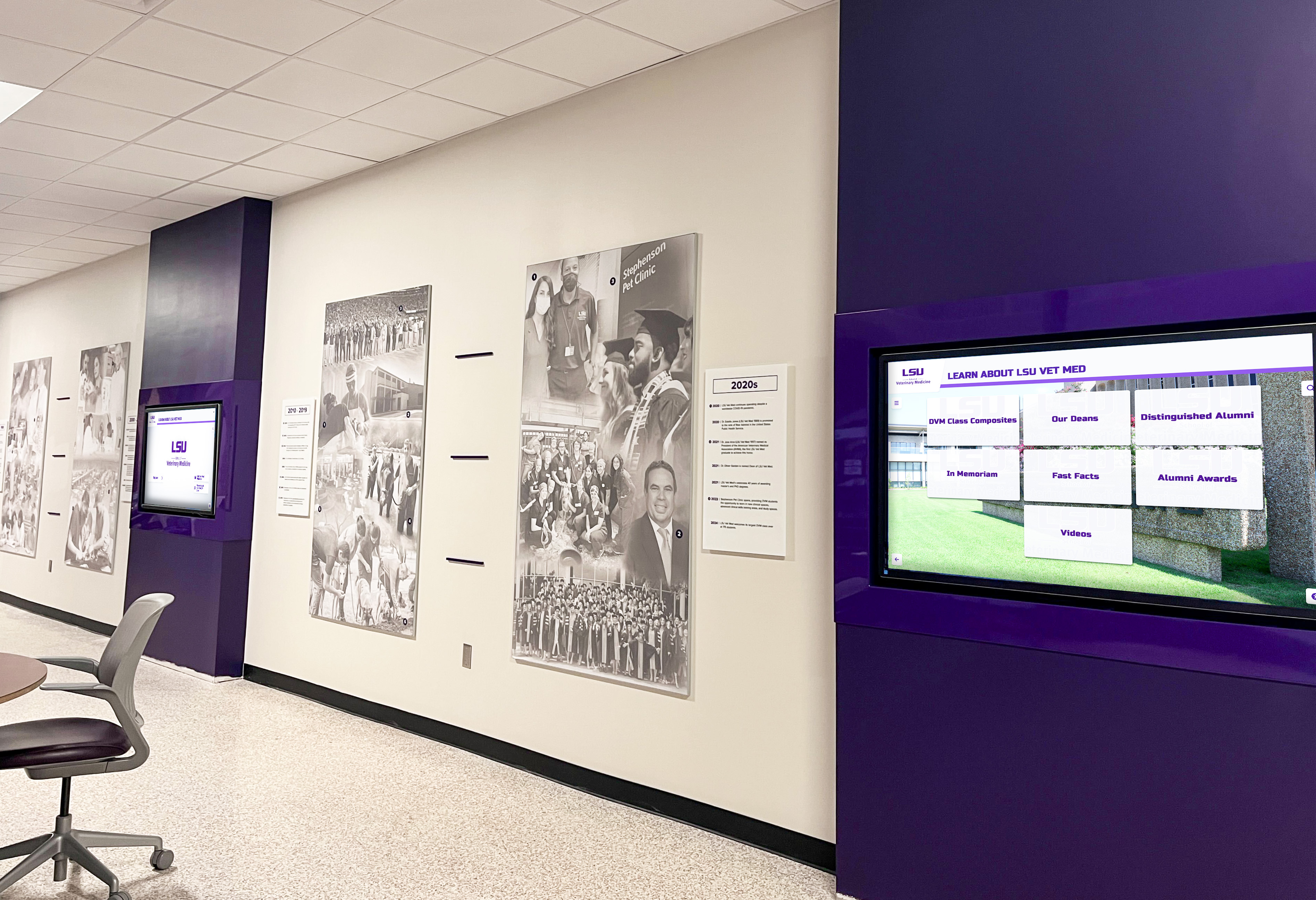
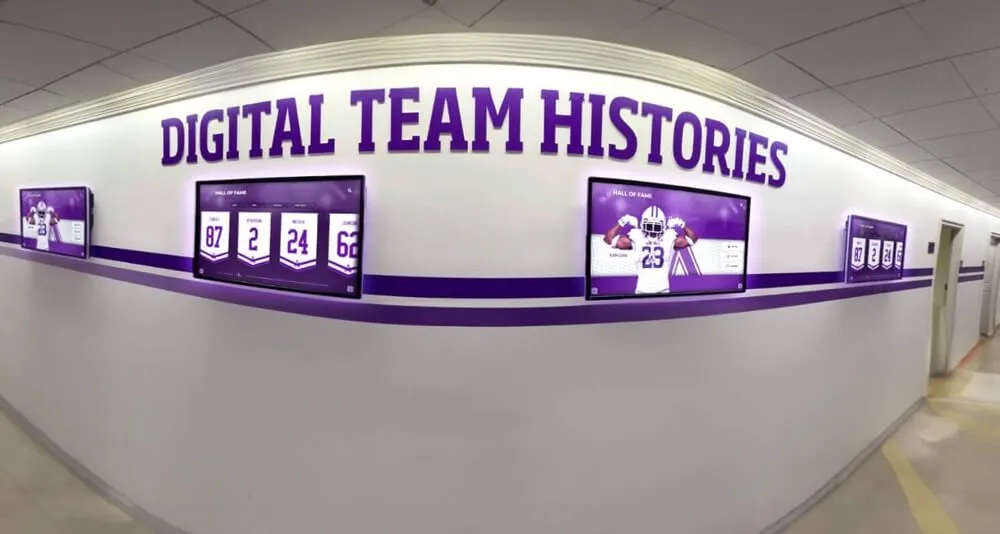
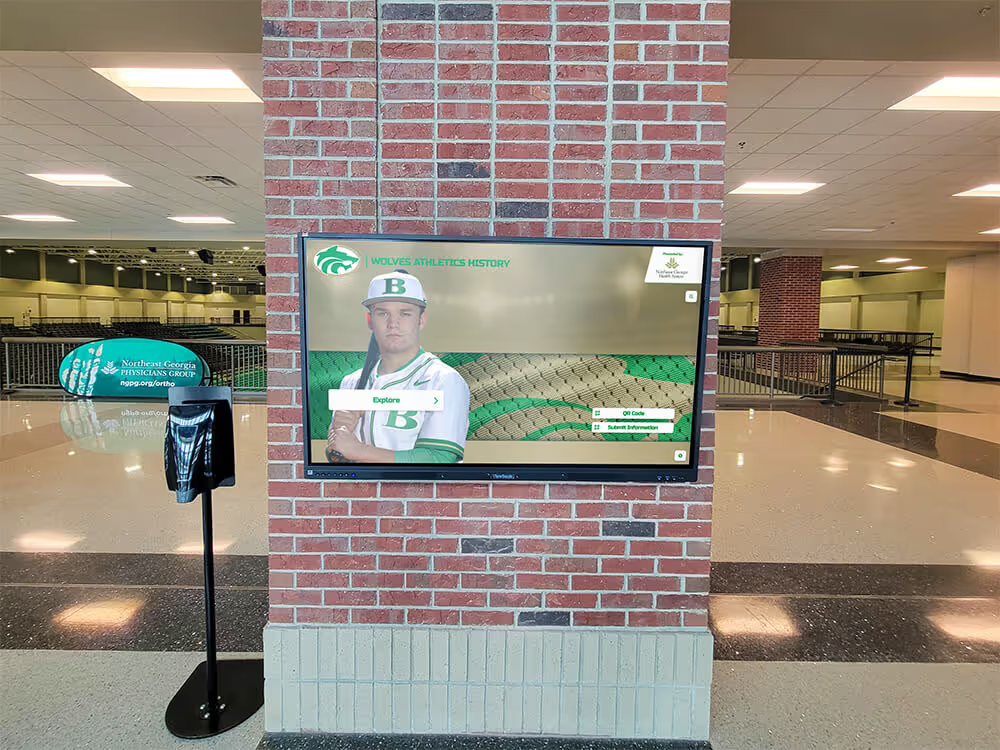
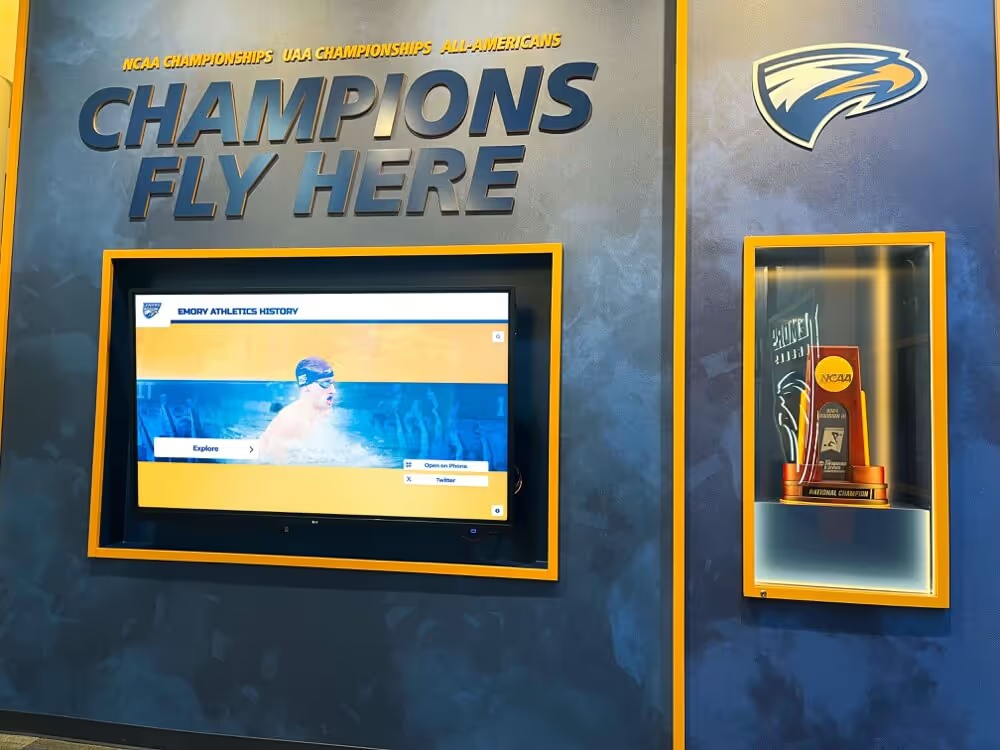
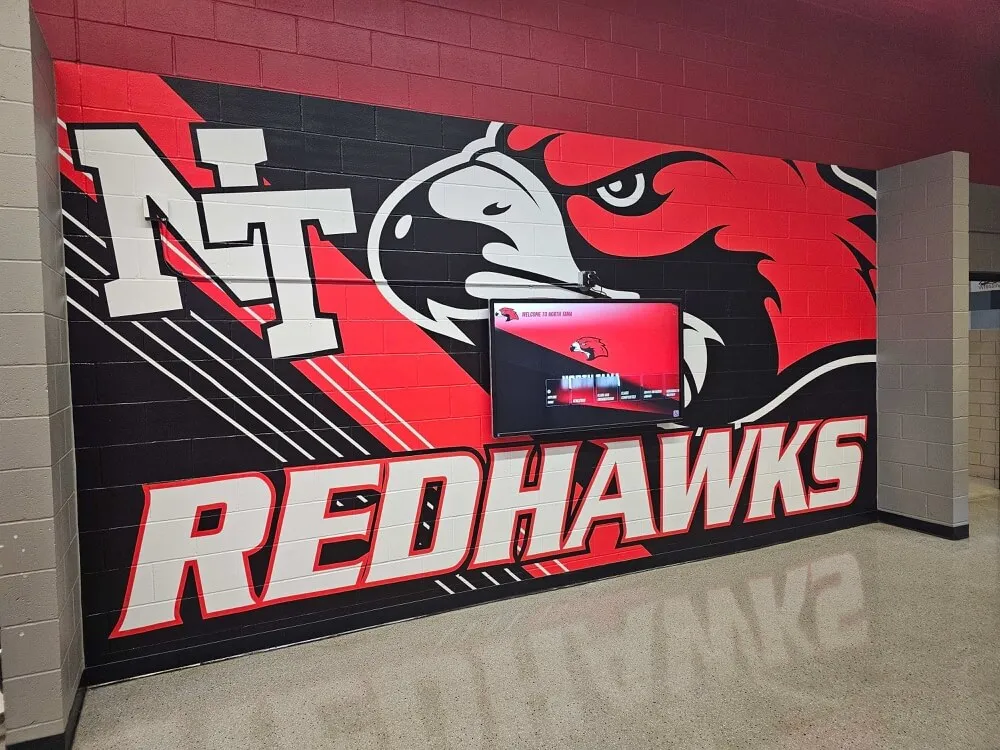
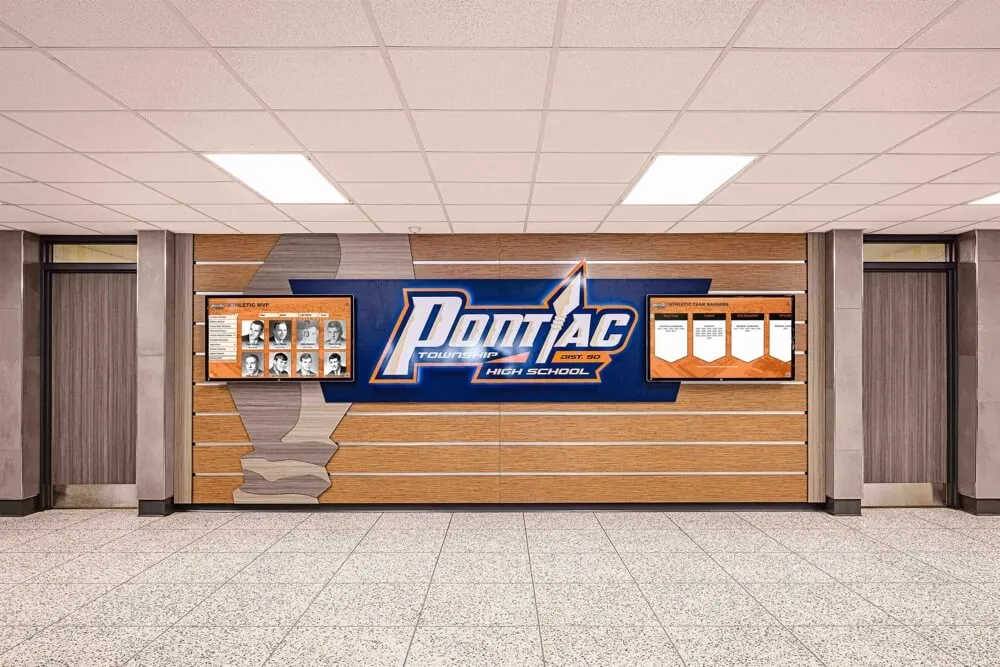
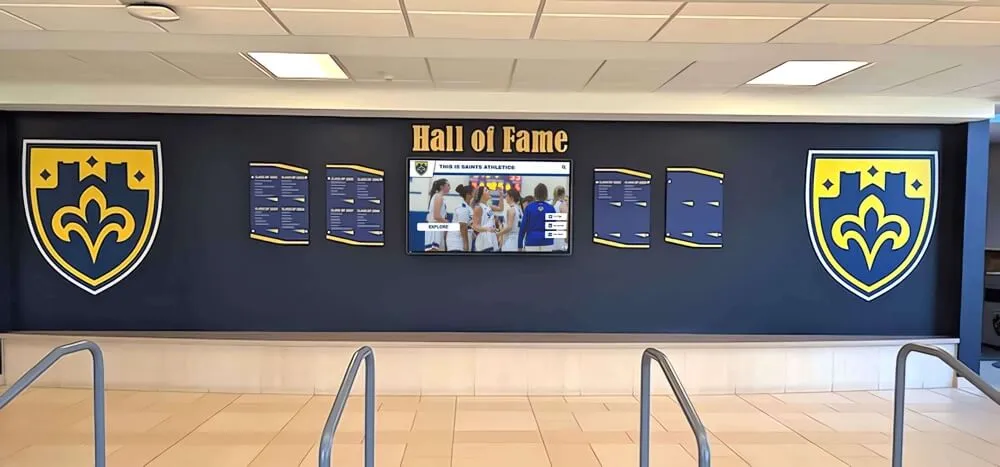
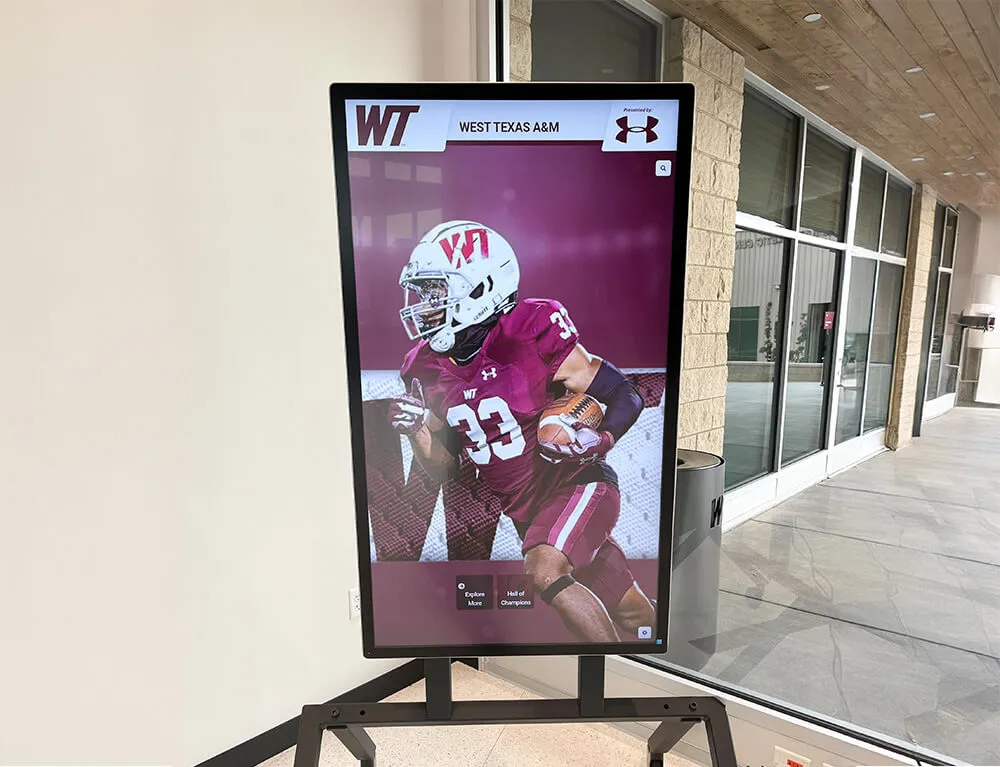
Championship seasons and show designs from color guard programs deserve the same hallway recognition that athletic achievements receive — digital displays make this possible without requiring endless wall space
Flag Fabric and Materials: What Every Director Should Know
The material composition of a color guard flag affects its performance characteristics, care requirements, longevity, and cost. Understanding the options helps directors make informed decisions rather than defaulting to whatever a previous director ordered.
Polyester: The Modern Standard
Contemporary color guard flags are almost universally made from polyester, despite the continued use of the word “silks.” Polyester offers a combination of advantages that make it the dominant material in competitive programs at all levels:
Performance characteristics:
- Consistent behavior in air movement — predictable response to spins, tosses, and sweeps
- Color vibrancy under stage and stadium lighting
- Colorfastness — resists fading through washing and extended use
- Wrinkle resistance — recovers quickly from storage and transport
- Durable enough to withstand the physical demands of competitive season training
Polyester weight categories
Not all polyester is the same. Weight (measured in grams per square meter, or GSM) significantly affects how a flag handles:
- Lightweight polyester (60–80 GSM) — flows easily, creates dramatic visual effects in slow choreography, but is less controlled in rapid technical sequences and shows wear sooner in high-use training
- Mid-weight polyester (90–120 GSM) — the most common choice for competitive programs; balances visual flow with technical controllability and durability
- Heavyweight polyester (130+ GSM) — more controlled in technical work, holds shape in outdoor performance conditions, but requires more physical effort from performers and creates less movement in flowing choreography
Most competitive programs choose mid-weight fabric for their primary show flags and lightweight fabric for specific sections requiring maximum visual flow.
Specialty Fabrics and Materials
Some programs use specialty materials for specific effects:
Lame or metallic fabric — creates strong visual impact under lighting, particularly effective for shows involving celestial, regal, or industrial themes. Metallic fabrics typically require more careful handling and have shorter competitive lifespans than standard polyester.
Organza overlays — sheer fabric layered over a base color creates dimensional effects and allows color blending impossible with single-layer construction. Organza panels add cost and complexity but produce distinctive visual results.
Velvet or velveteen sections — heavyweight accent panels in velvet add textural contrast; typically used for specific thematic emphasis rather than full flag construction.
Dye-sublimation printed fabric — for flags with photorealistic gradients, complex artwork, or designs that can’t be achieved through panel construction, sublimation printing offers full-color reproduction directly onto polyester fabric. Print quality has improved dramatically in recent years, making this approach viable for programs that previously couldn’t afford custom printed flags.
Care and Maintenance Considerations
Flags that are properly maintained last significantly longer and perform more consistently. Directors should establish clear care protocols:
- Storage — rolled or loosely folded without pole hardware; stored in bags that allow air circulation rather than airtight containers that promote mildew
- Washing — most performance polyester can be machine washed on gentle cycles, but checking manufacturer specifications before washing prevents shrinkage or color bleeding
- Pole care — inspect pole-to-flag connections regularly; loose or damaged hardware causes flag damage during performance and safety concerns during tosses
- End-of-season archiving — flags preserved from championship seasons should be clean, dried completely, and stored flat or rolled without creasing to maintain their condition for display purposes
Custom vs. Stock Flags: Making the Right Decision
One of the earliest and most consequential decisions a program makes when acquiring new flags is whether to invest in fully custom-designed flags or purchase from manufacturers’ existing stock designs.
Stock Flag Advantages
Pre-designed stock flags offer tangible benefits for programs operating under budget or timeline constraints:
- Lower cost per flag — stock designs spread design costs across many buyers, reducing per-unit prices significantly
- Faster delivery — in-stock items ship quickly, making them viable for programs that need flags urgently
- Proven performance characteristics — popular stock designs have been tested extensively and their handling characteristics are well understood
- Lower minimum quantities — some manufacturers have lower minimums on stock items than custom orders
For programs just building their color guard, for younger ensembles developing their technical skills, or for practice flag needs, stock flags often represent the right value choice.
Custom Flag Investment
Fully custom flags — designed specifically for the program, show theme, and color palette — offer advantages that matter most to competitively serious programs:
- Unique visual identity — no other program in the circuit performs with the same flags, which matters aesthetically and for adjudicator impression
- Exact color matching — custom orders can be produced to precise school color specifications
- Design cohesion — custom flags can be designed in concert with other visual elements (uniforms, backdrops, prop design) for a unified production look
- Archive value — a custom flag from a championship season becomes a meaningful artifact; stock flags do not carry the same program-specific identity
For programs with established competitive traditions and stable budgets, custom flags are typically the right long-term investment. The design represents the program’s vision for a specific season and becomes part of the program’s history in a way stock flags cannot.
Hybrid Approaches
Many successful programs use a hybrid strategy: custom show flags for the primary competitive production, supplemented by stock flags for parade use, indoor warm-up sections, and training purposes. This approach concentrates the custom budget where visual identity matters most while managing costs in contexts where uniqueness is less critical.
Some programs also use partially customized stock flags — taking a manufacturer’s standard cut and panel construction but applying custom colors or printed artwork for a middle-ground option between fully stock and fully custom production.
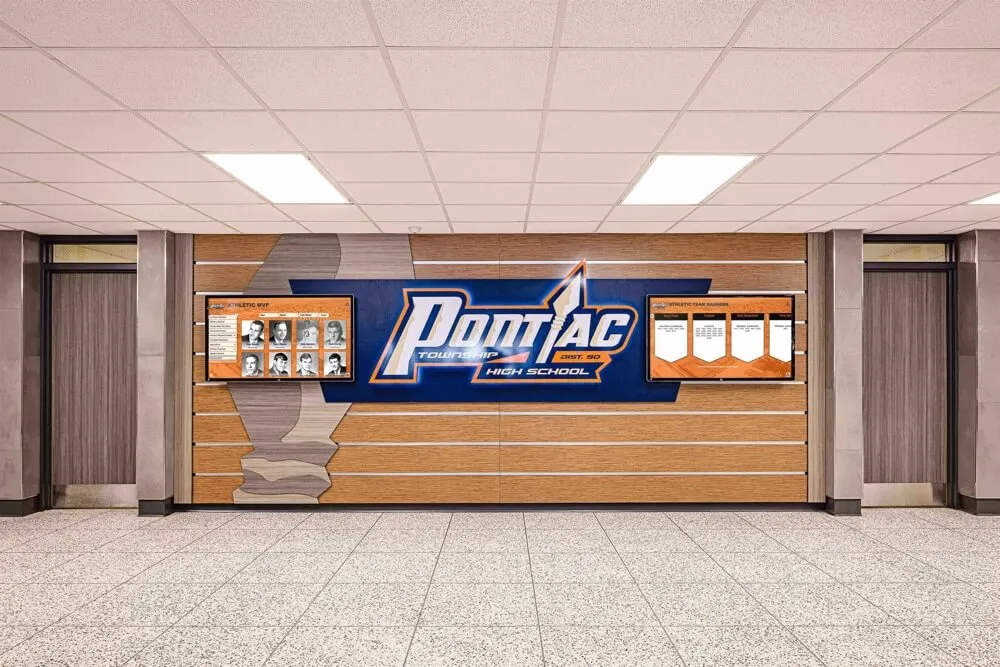
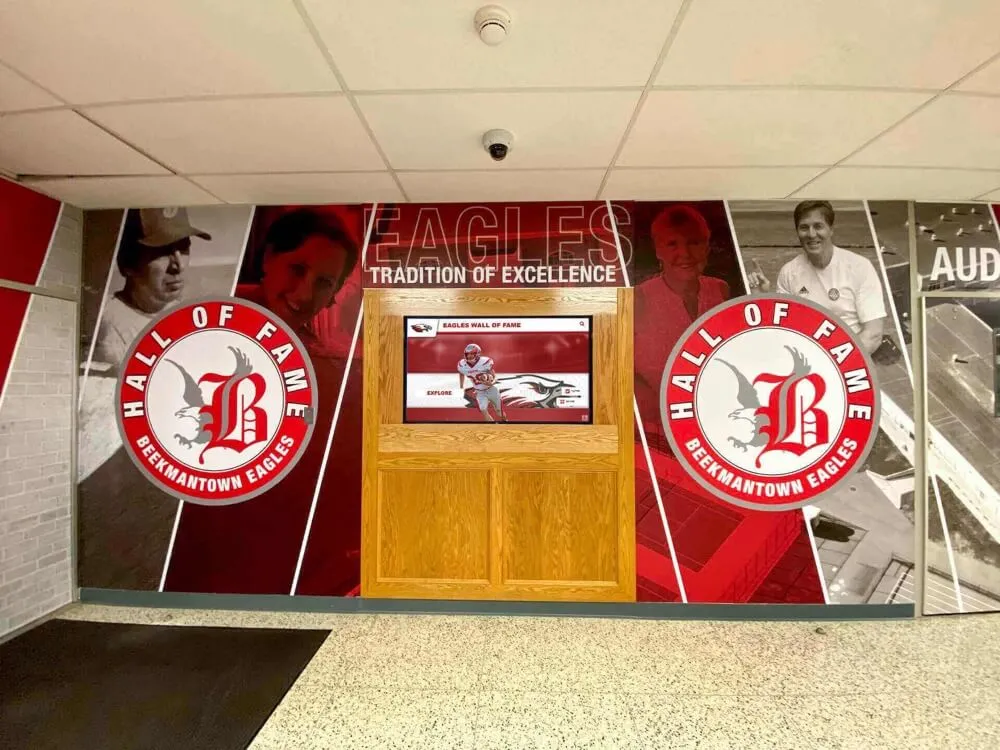
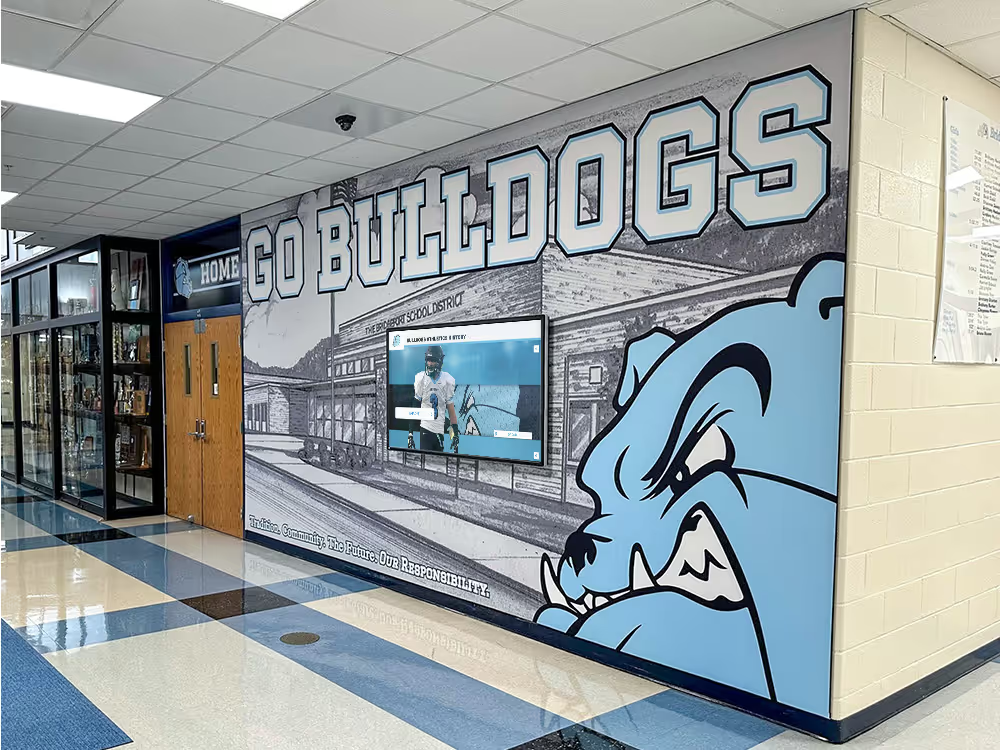
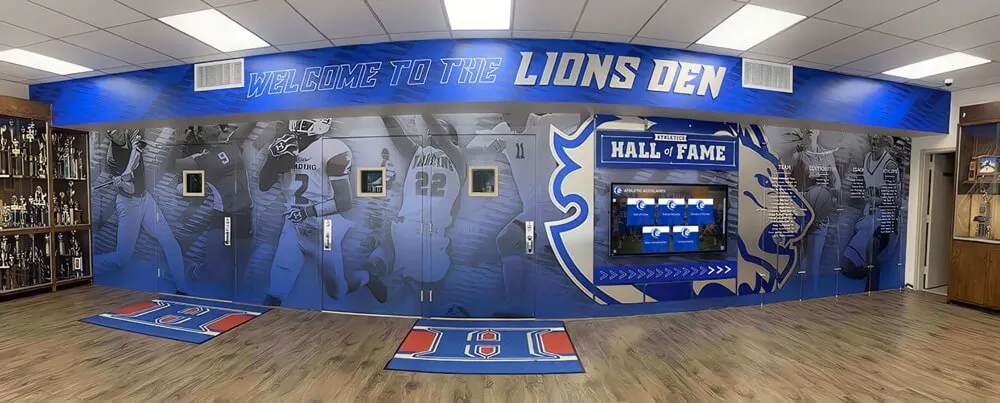
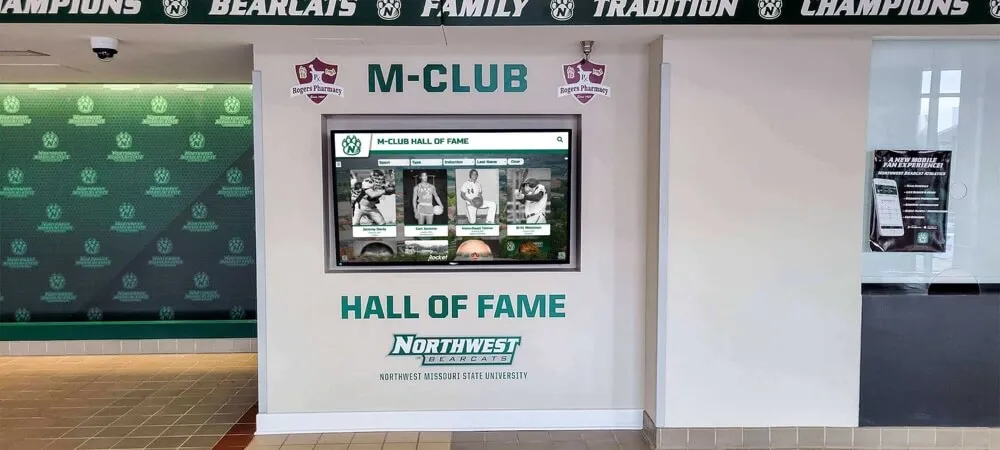
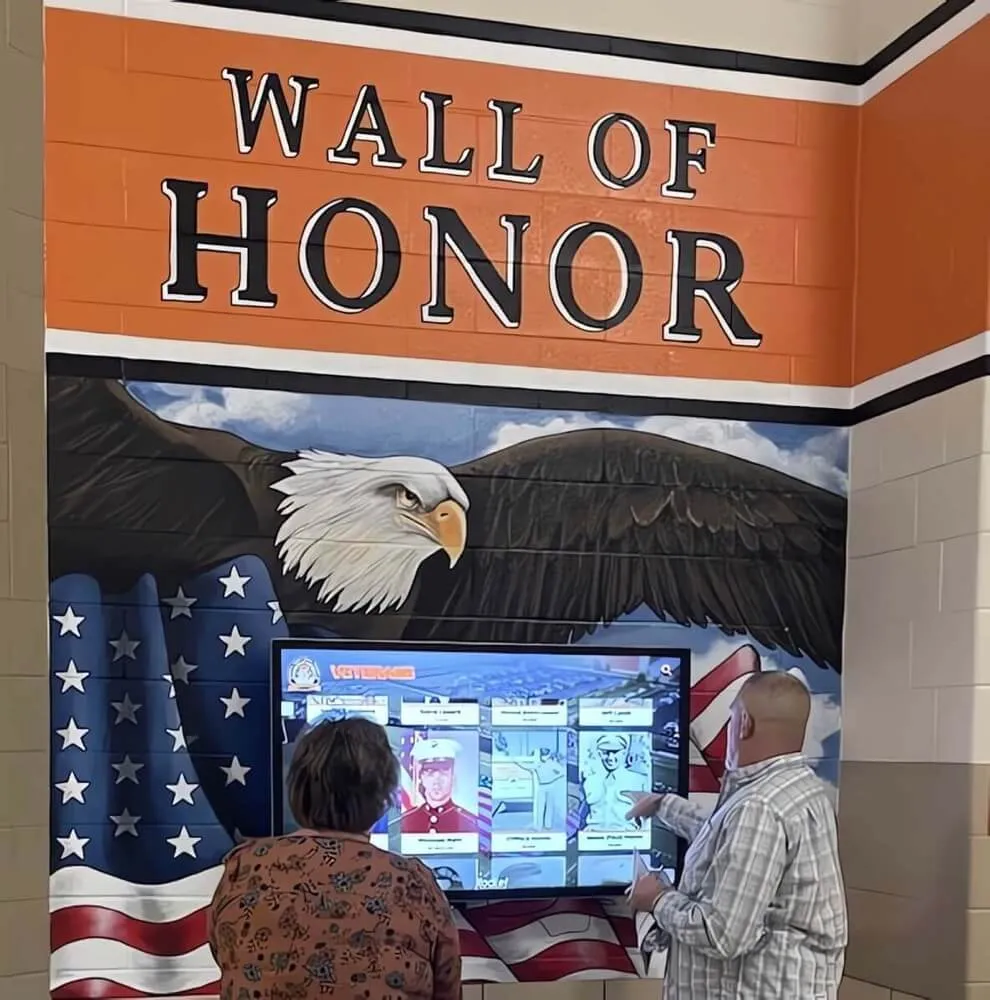
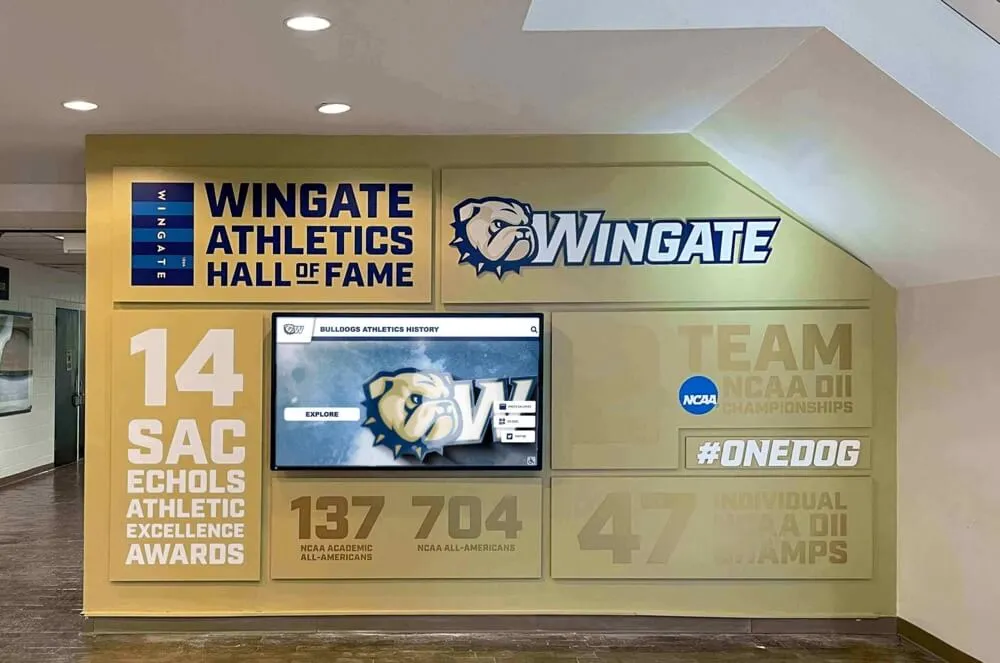
Athletic hallways and honor walls increasingly include performing arts programs alongside traditional sports — color guard championship seasons deserve the same lasting recognition
The Design Process: From Concept to Competition-Ready Flags
Understanding how professional flag design actually works helps directors communicate effectively with designers and manufacturers and set realistic timelines for procurement.
Working with Color Guard Design Studios
The most nationally competitive programs work with specialized color guard design studios whose designers understand both the artistic requirements of performance equipment and the technical constraints of fabric manufacturing. These studios typically offer:
- Concept development based on the show’s musical and thematic content
- Color studies showing how proposed palettes will read under various lighting conditions
- Panel layout design optimized for both static appearance and movement characteristics
- Manufacturer-ready production files ensuring accurate reproduction
- Coordination with uniform designers to ensure visual integration across all equipment
Timeline for fully custom flag design typically runs 8–16 weeks from initial concept to delivered product, depending on complexity and manufacturer capacity. Programs that wait until fall season starts to begin design conversations often face rushed timelines that compromise design quality or result in flags arriving after the competitive season is underway.
Schools that run spirit week activities built around school pride will recognize the same identity-first thinking that drives effective color guard flag design — both start from a school’s core visual language and build outward from there.
Working with School Graphic Design Resources
Programs at schools with graphic design programs or experienced student artists sometimes develop their flag designs in-house. This approach can produce excellent results at reduced cost, but requires awareness of specific constraints:
File format requirements — flag manufacturers work in vector formats (AI, EPS, SVG) rather than raster images. Designs produced in Photoshop need to be rebuilt in Illustrator or equivalent vector software before they can be used for production.
Color specification for fabric production — on-screen colors and print colors both differ from dye-based fabric colors. A design that looks correct on a monitor may produce unexpected results when printed on fabric. Providing Pantone TPX (textile Pantone) specifications, not standard Pantone coated/uncoated references, gives manufacturers the most accurate color target.
Panel construction awareness — most flags are constructed from panels of fabric seamed together rather than being printed as a single piece. Designs that don’t account for seam placement may produce unexpected visual breaks in the finished flag. Understanding how panel construction works before finalizing artwork prevents costly redesigns.
Design Review and Approval Process
Before committing to production, programs should review:
- Digital mockups — request full-size digital renders showing how the flag will look both flat and in motion
- Color sampling — for expensive custom orders, requesting physical fabric samples dyed in specified colors prevents surprise at final delivery
- Proofing — confirm all artwork files exactly match intended design before approving production; manufacturing errors in approved files typically cannot be corrected without additional cost
Budget Planning for Color Guard Flags
Flag costs vary enormously based on design complexity, fabric choice, quantity, and customization level. Understanding typical price ranges helps programs plan realistically.
Typical Cost Ranges
Stock flags: $15–$45 per flag depending on size and fabric weight. Minimum orders typically range from 6–12 flags.
Semi-custom flags (stock construction, custom colors): $40–$80 per flag. Lower-end customization with faster turnaround than fully custom.
Fully custom flags (custom design, colors, and construction): $75–$200+ per flag depending on complexity, materials, and quantity. Sublimation-printed custom flags with photographic artwork fall toward the higher end of this range.
Full show flag set (multiple sets for a competitive show): Total investment for a full competitive season’s custom flags typically ranges from $2,000 to $8,000 for mid-sized programs, with elite nationally competitive programs investing significantly more.
Stretching the Flag Budget
Programs managing tight budgets can extend their flag dollar through strategic choices:
- Order practice flags separately — don’t use competition-quality flags for daily rehearsal. Inexpensive stock flags absorb training wear while custom flags stay competition-ready.
- Negotiate group pricing — larger orders typically receive significant per-unit discounts. Coordinating with nearby programs for combined orders can unlock volume pricing without sacrificing customization.
- Invest in durability — slightly heavier fabric weight and reinforced seam construction cost more upfront but extend flag lifespan across multiple seasons.
- Archive and reuse — flags from previous seasons can often serve as training equipment, parade flags, or alumni display pieces, reducing the need to purchase fresh practice flags every year.
- Build donor and booster support — color guard programs often underutilize the same booster networks that support athletic programs. Equipment costs, including flags, are concrete and tangible donation targets that resonate with supporters.
Schools looking to build recognition programs for performing arts on realistic budgets can learn from how budget-friendly digital recognition works for small schools — the same creative approaches to maximizing limited resources apply across both equipment and display programs.
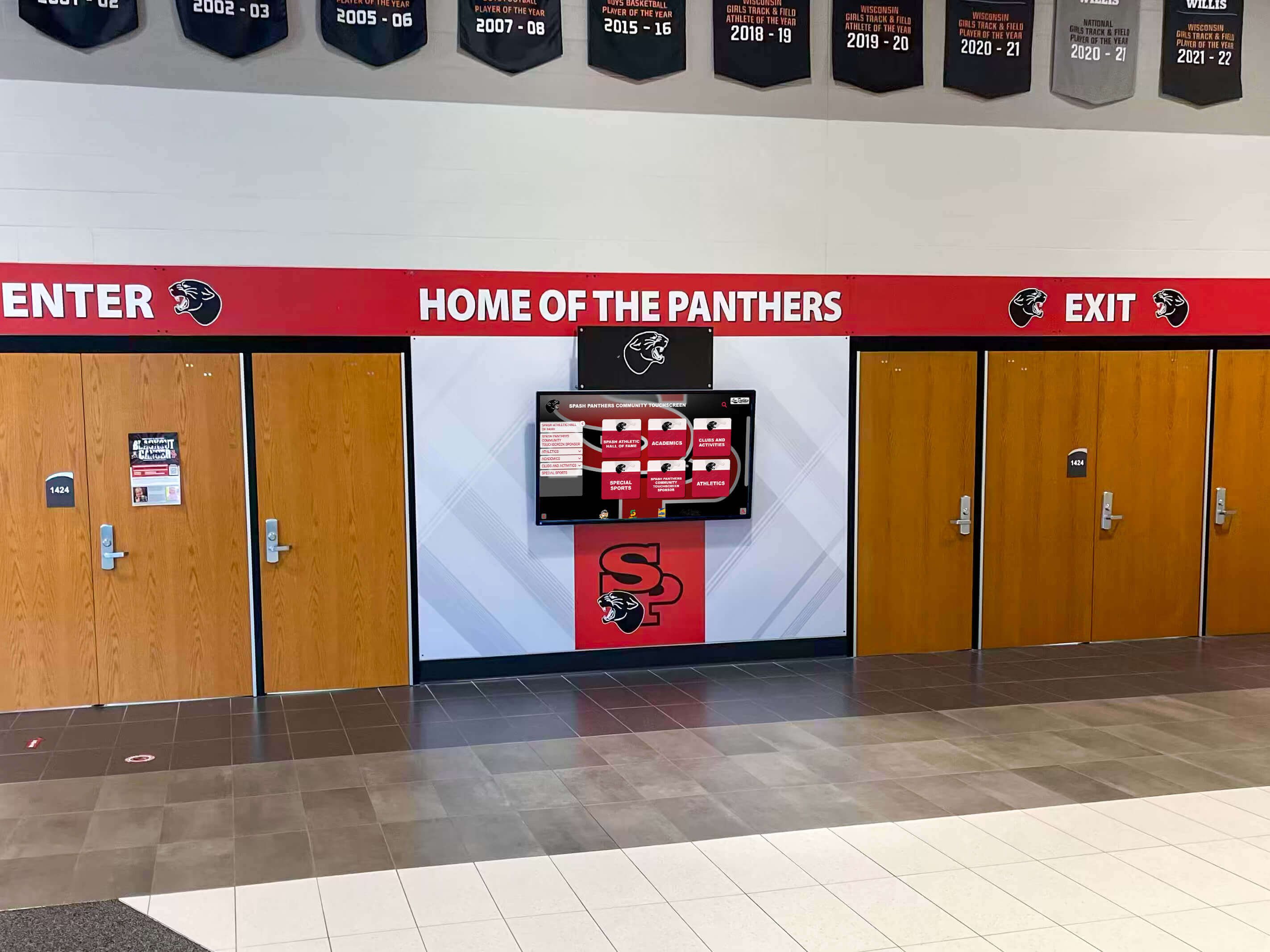
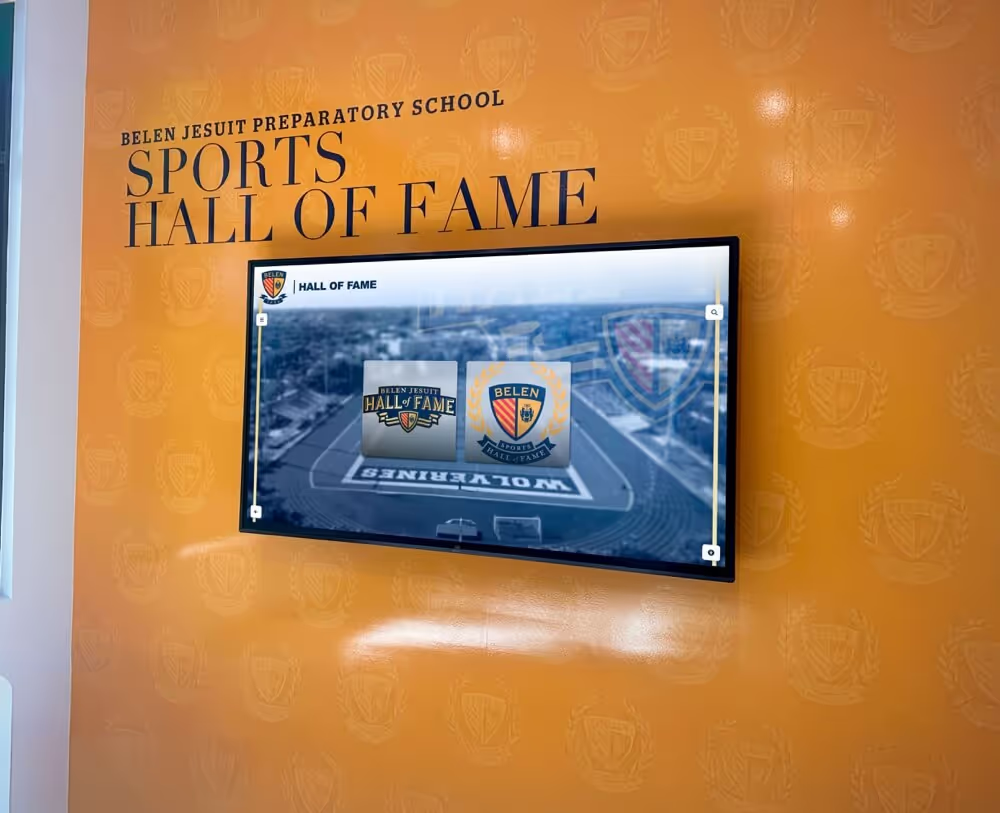
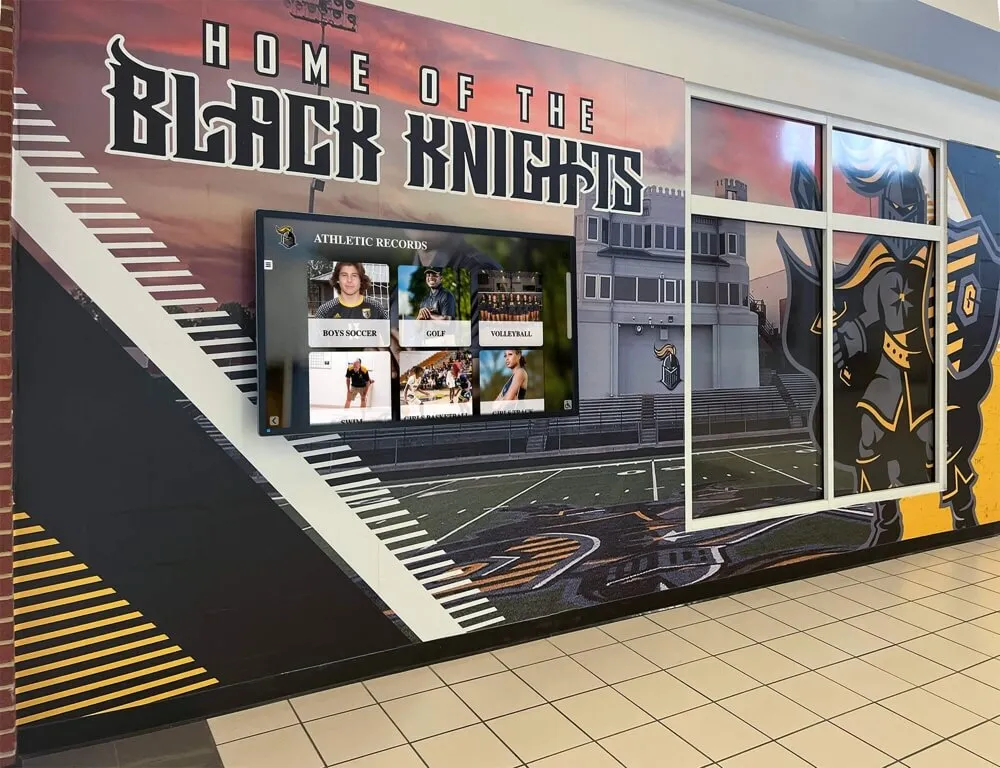
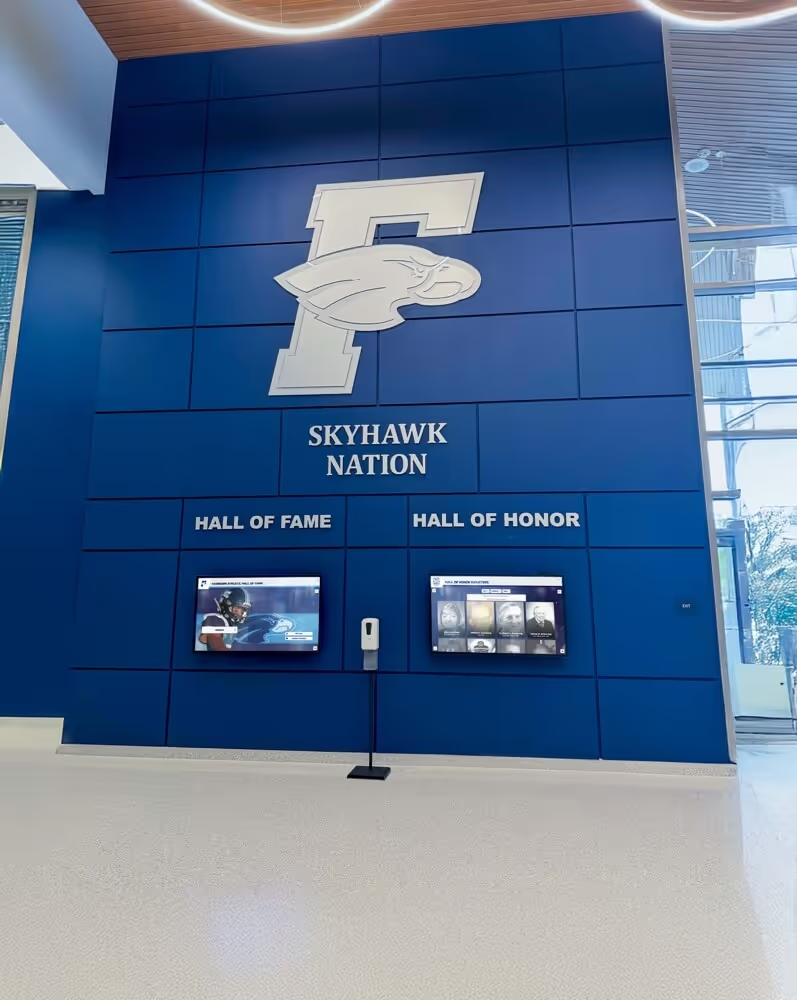
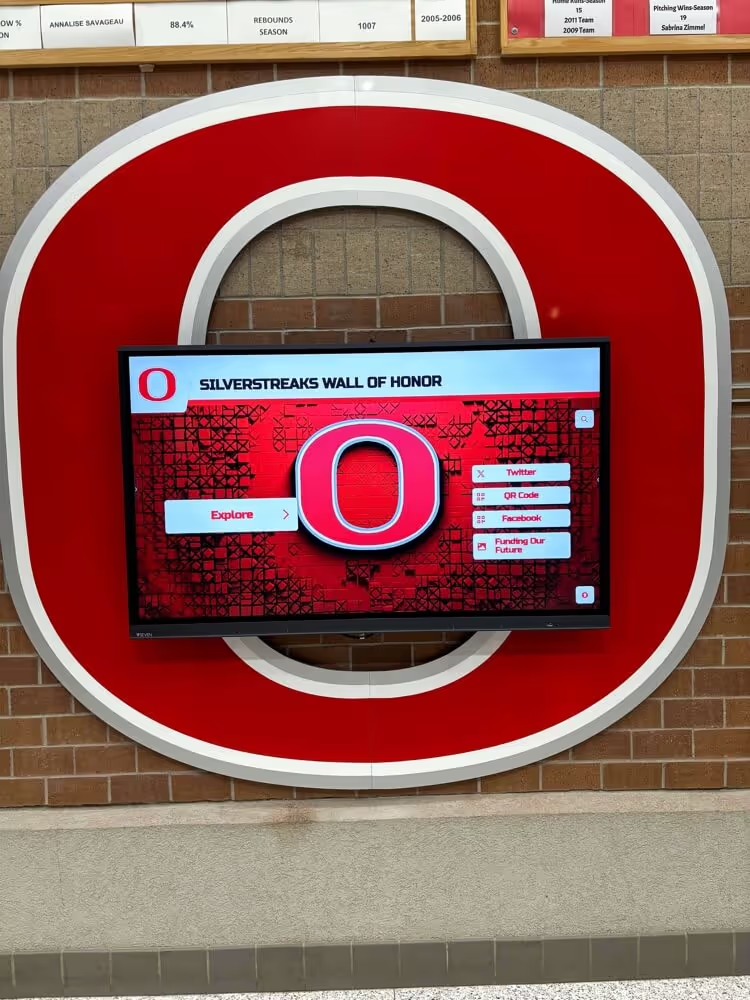
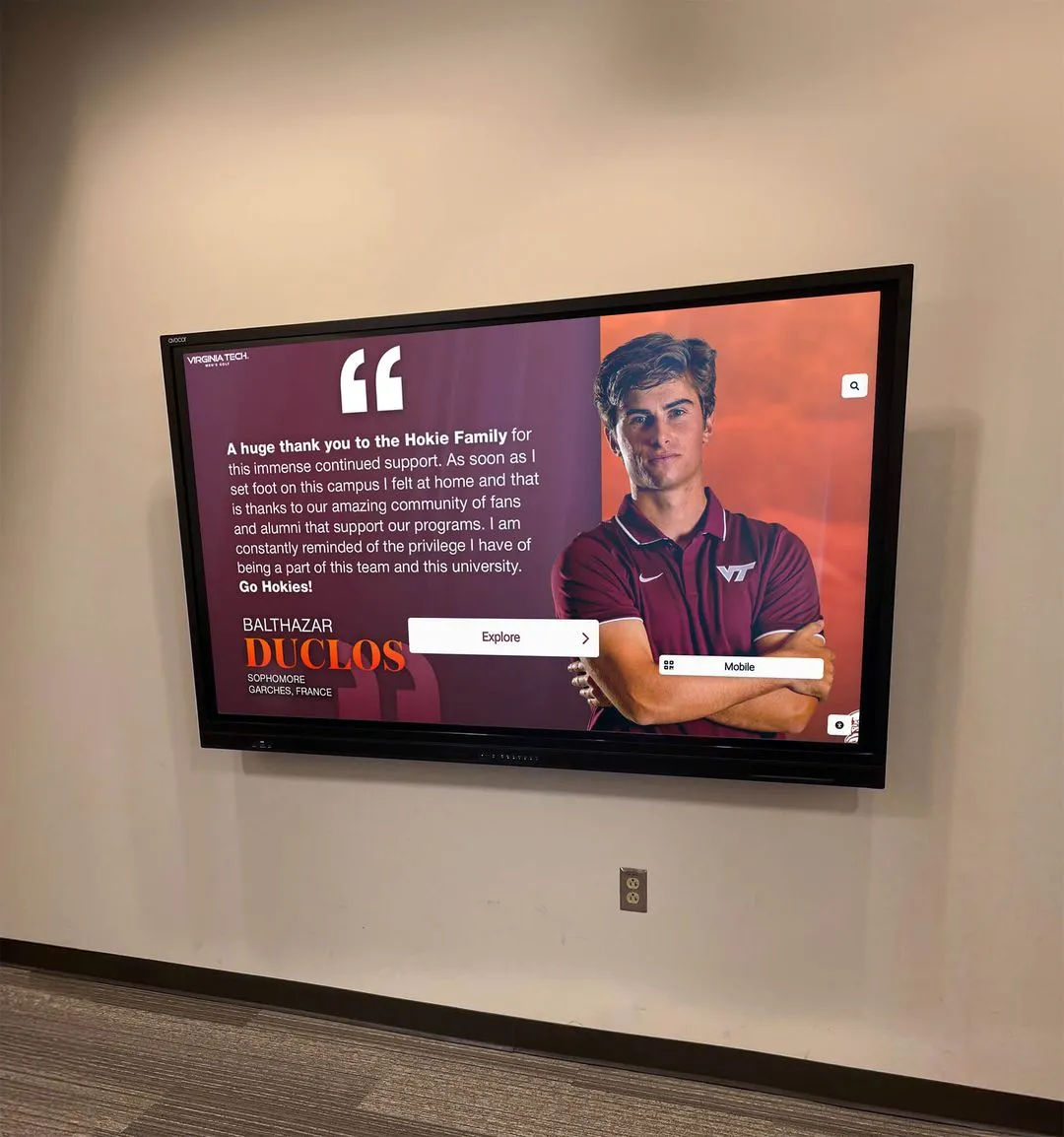
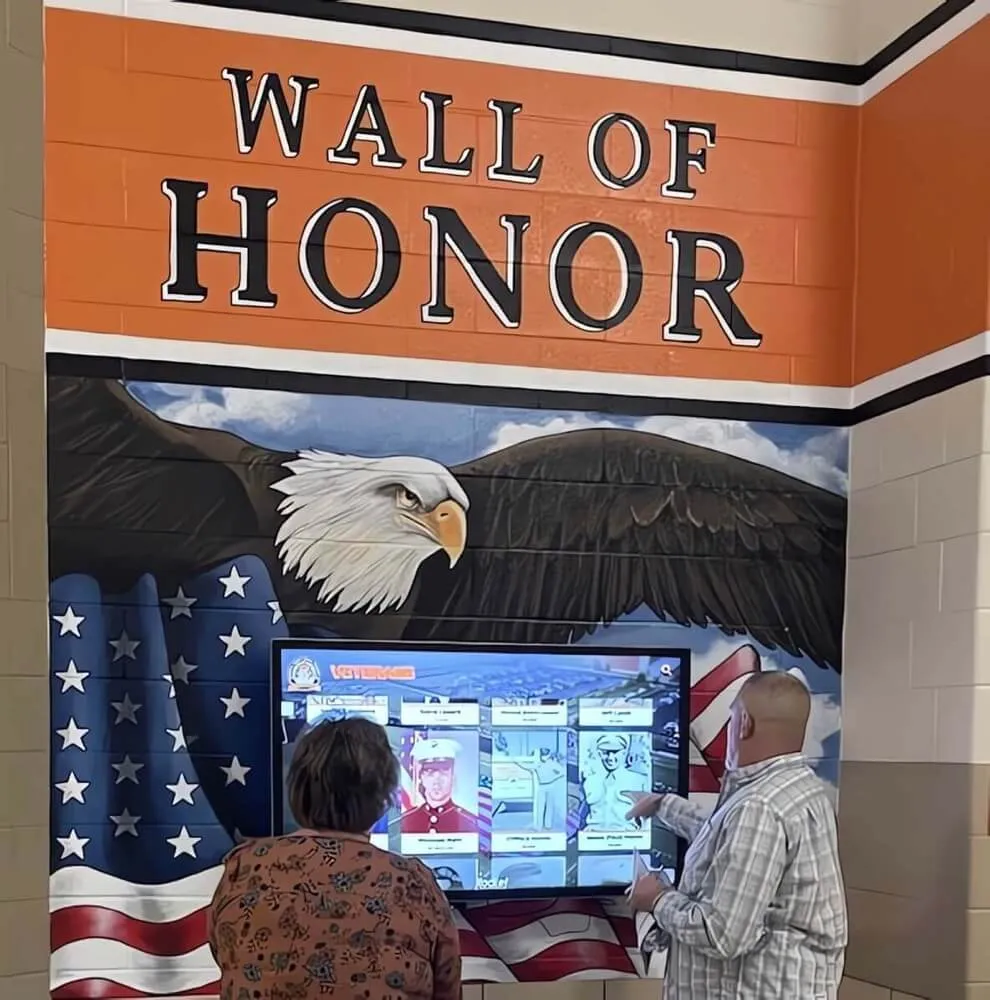
School entrances communicate institutional identity — incorporating color guard program recognition into lobby and hallway displays tells the full story of a school's performing arts tradition
How Color Guard Programs Connect Flags to School Identity
The most successful color guard programs understand that their silks don’t exist in isolation — they’re part of a broader school identity system that includes uniforms, banners, display walls, and the accumulated visual history of the institution.
Coordinating with the Full Visual Program
Uniform integration — flags should coordinate with performer uniforms in color and, where appropriate, thematic elements. A show where flags and uniforms fight visually creates confusion for judges and audiences; a show where they form a unified visual statement reinforces the production’s artistic coherence.
Winter guard vs. marching season — programs competing in both marching band season and indoor winter guard season often develop separate visual identities for each, with winter guard typically allowing more abstract and dramatically theatrical design choices than the school-spirit-focused marching season flags.
Community and parade appearance — flags used in parades, community events, and school assemblies function as public ambassadors for the program. These flags benefit from prioritizing school identity over show-specific themes, ensuring the program is immediately recognizable as part of the school community.
Flags as Artifacts of Program History
Beyond their performance function, color guard flags accumulate meaning over a program’s history. The silks from a state championship year become tangible artifacts of that achievement — and how a school chooses to display and preserve them communicates how seriously it takes the program’s legacy.
Championship flag display options:
- Framed display in athletic hallway or performing arts corridor — a professionally framed flag from a championship season, mounted with a label identifying the year and achievement, creates permanent visual recognition in high-traffic school space.
- Trophy case integration — flags displayed alongside trophies, medals, and photos from a championship season create comprehensive achievement vignettes.
- Program archives — methodically archived flags, labeled with season year, show title, and achievements, create a physical documentary record of the program’s visual history.
- Replica displays — programs with limited display space can commission smaller replica versions of historic flags for display while retaining the originals in archival storage.
Schools that have invested in digital trophy case displays are finding new ways to honor every aspect of their performing arts programs, including color guard achievements that previously received little formal recognition in traditional athletic display spaces.
Preserving Color Guard Legacy Through Digital Recognition
Physical flag preservation addresses one dimension of color guard legacy — but the performers who carried those silks, the seasons that produced those achievements, and the coaches who built those programs deserve recognition infrastructure that goes beyond storing equipment in an archive room.
Why Color Guard Programs Are Underrepresented in School Recognition
Walk through most high school athletic wings and you will find championship banners for football, basketball, and track. State trophies fill cases in the athletic hallway. Individual record boards track athletic performance across decades.
Color guard programs — which compete at regional, state, and national levels with the same commitment and schedule as any letter sport — typically receive none of this recognition infrastructure. Their championship trophies may sit in a music room. Their show flags from great seasons may be in storage. Their coaches may retire without any formal acknowledgment of years of program building.
This isn’t necessarily intentional disregard. It reflects the historical association of recognition displays with athletics departments, and the slower adoption of comprehensive recognition infrastructure by performing arts programs. The gap is real, and it is closeable.
Digital Displays for Performing Arts Achievement
Modern digital recognition platforms make it practical to create comprehensive color guard program displays that would have required prohibitive physical space and ongoing maintenance cost just a decade ago.
A school’s digital recognition display can include:
- Color guard program history — season-by-season records from the program’s founding, show titles, competitive placements, and roster information
- Championship and award documentation — regional, state, and national competitive results with photographic documentation
- Show design archives — photos and video documentation of show flags and costumes from significant seasons, creating a searchable visual history of the program’s aesthetic evolution
- Director and coach recognition — acknowledgment of coaches who built the program across years or decades
- Senior performer profiles — photographs and brief records of graduating members, creating connection points for alumni engagement
- Current season content — updating displays with current season information keeps the recognition system active and engaging for current students
Schools exploring how interactive touchscreen systems work for performing arts recognition alongside winter concerts and music programs discover that the same platform accommodating musical achievements can equally document color guard seasons.
Integration with Athletic and Academic Recognition
The most effective school recognition programs treat all forms of student excellence as equally worthy of display. A unified digital recognition system that includes color guard alongside athletics, academic achievement, and student leadership sends a clear institutional message about what the school values.
When a prospective student visits a school and sees color guard championships displayed with the same visual prominence as football titles, it communicates that performing arts programs are genuine institutional priorities — not afterthoughts accommodated in a corner. This message matters for recruitment, retention, and program pride across every student population.
Schools interested in understanding how comprehensive recognition systems are structured for multi-program environments can explore how interactive sorority and organization history walls are built — the principles of documenting group achievement over time apply directly to color guard program recognition.
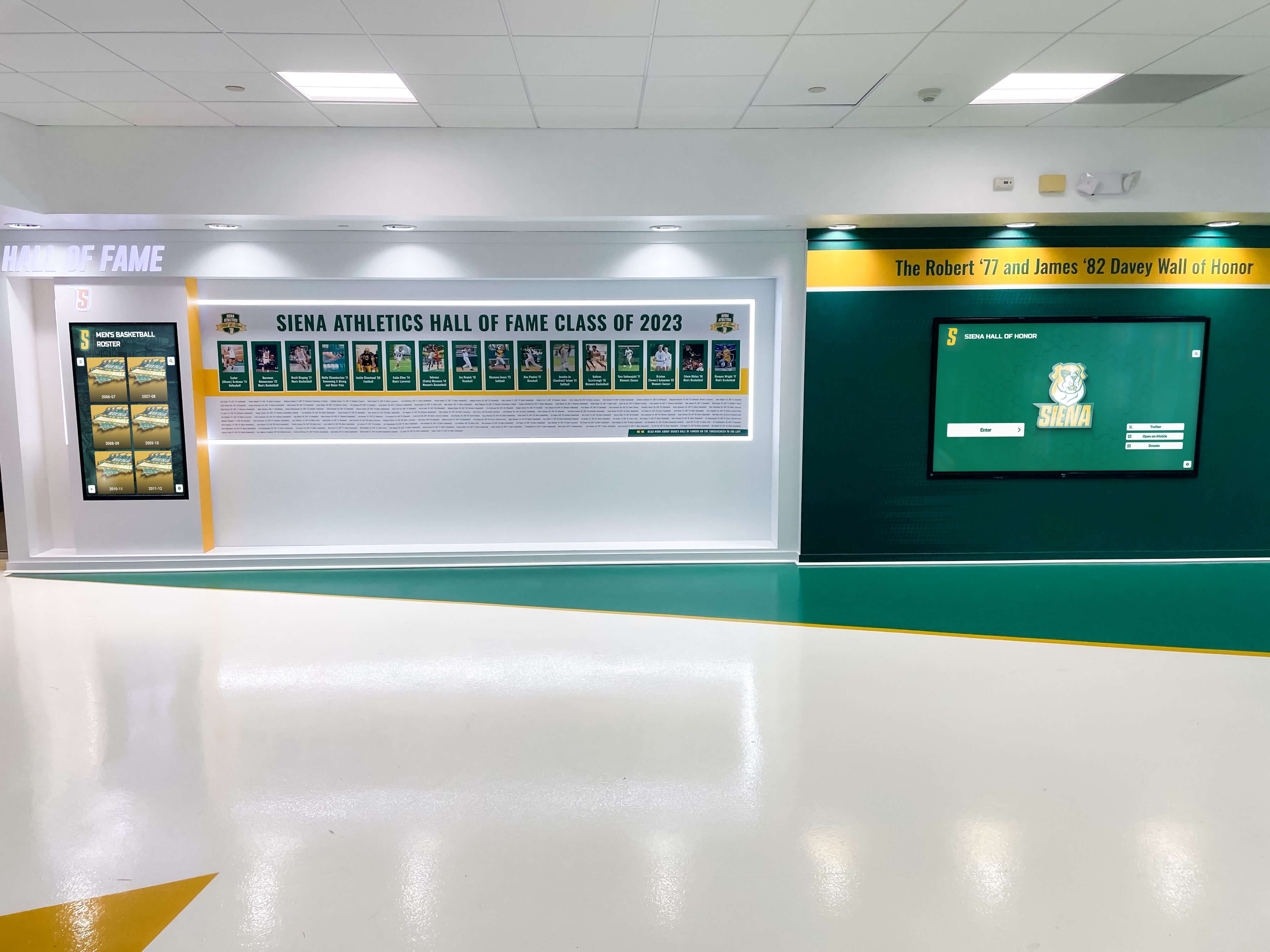
Comprehensive recognition programs make room for every type of school achievement — color guard programs competing at national levels deserve permanent display recognition alongside traditional athletics
Creating a Color Guard Program Timeline
One of the most engaging recognition formats for performing arts programs is a chronological timeline display showing the program’s evolution. For color guard specifically, a timeline can document:
- Program founding — the year the color guard was established, its founding director, and the first competitive season
- Show-by-show design evolution — images of flag designs from each competitive season reveal how the program’s aesthetic has developed
- Competitive milestone seasons — years when the program reached new competitive levels, qualified for significant competitions, or achieved championship results
- Director transitions — acknowledgment of each director’s tenure and contributions to program development
- Alumni achievements — program alumni who have continued in color guard, drum corps, or performing arts professionally
A timeline format connects past and present performers, gives alumni a reason to engage with current program activities, and provides current students with context for the tradition they are part of.
Schools interested in how school rivalry and program history is presented through digital timeline displays will find the same structural approach — chronological organization with multimedia documentation at each milestone — works equally well for performing arts program histories.
Working with School Administration on Color Guard Recognition
Getting color guard achievements into formal school recognition displays sometimes requires advocacy with administration, particularly at schools where recognition infrastructure has historically prioritized athletics. Approaching this conversation with clear documentation and a concrete proposal helps.
Building the Case for Color Guard Recognition
Document competitive achievements — collect a clear record of competitive results from recent and historical seasons: WGI class placements, state-level results, regional circuit awards, and any national-level recognition. Quantified achievement is easier for administrators to evaluate than general program pride claims.
Connect to existing recognition frameworks — if the school has letter awards, hall of fame programs, or recognition policies, identify how color guard meets or could meet the same criteria used for other programs. Many schools’ existing policies accommodate performing arts with only minor procedural modifications.
Propose a specific ask — rather than requesting general recognition, propose a specific concrete action: a display case in the performing arts hallway, a section of the digital recognition system, an annual letter award process, or a senior night event. Specific proposals are easier to approve than open-ended requests.
Involve boosters and community supporters — color guard booster organizations and family support groups can advocate for recognition alongside program staff, demonstrating community investment in the program’s standing within the school.
Schools that have learned how to customize recognition programs for non-traditional school activities provide useful frameworks for how color guard can be incorporated into established school recognition traditions.
Seasonal Recognition Events
Beyond permanent displays, schools can build color guard recognition into the annual calendar through events that celebrate the program publicly:
End-of-season celebration events — a banquet or showcase event at the close of competitive season gives performers, directors, families, and school administration a formal occasion to celebrate the season’s achievements. These events mirror the athletic banquet traditions established across most high school programs.
Senior night recognition — color guard seniors deserve the same public recognition that athletic senior nights provide. A ceremony acknowledging graduating seniors during a halftime show or separate event marks their contribution to the program.
Academic award integration — for schools with academic athlete or excellence award programs, ensuring color guard participants are eligible for recognition alongside athletic participants acknowledges the time commitment and discipline the activity requires.
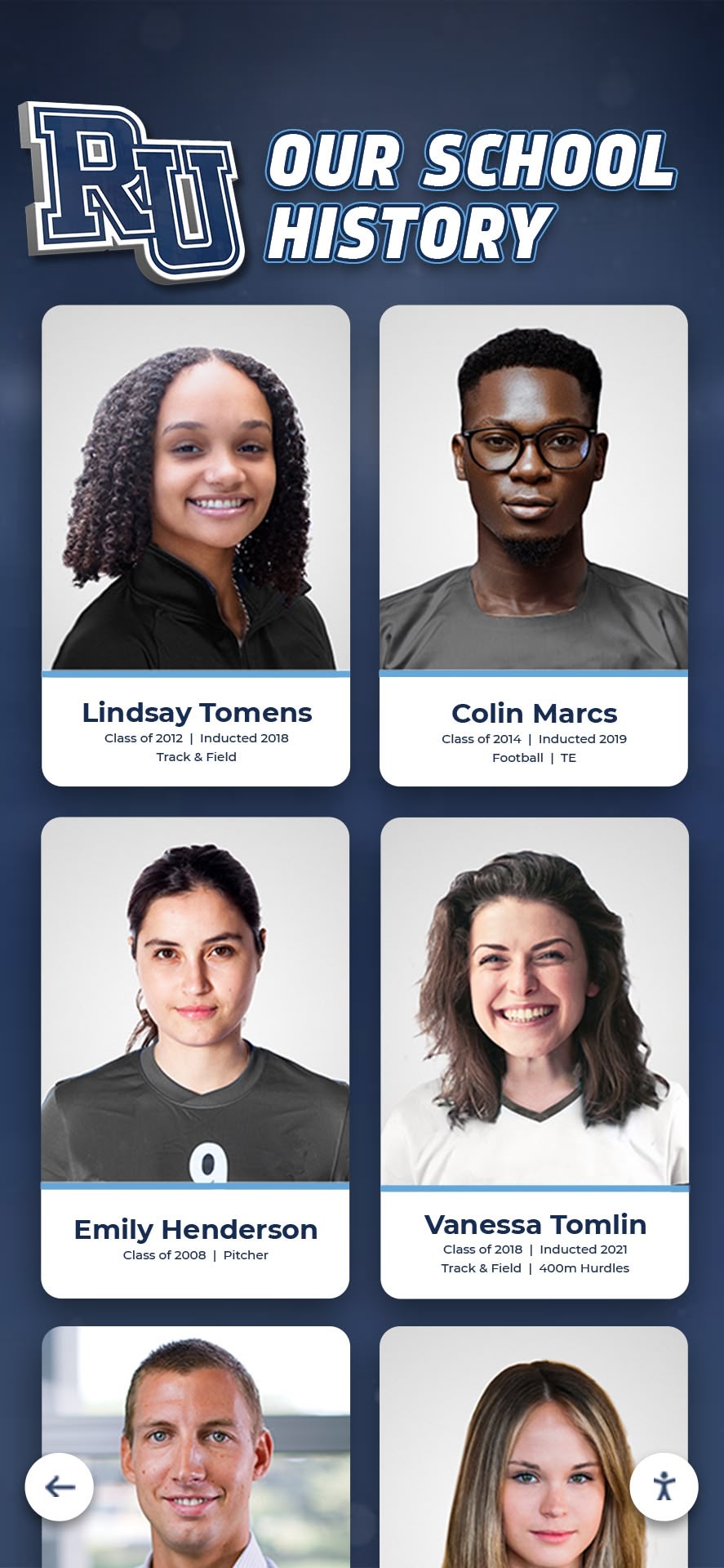
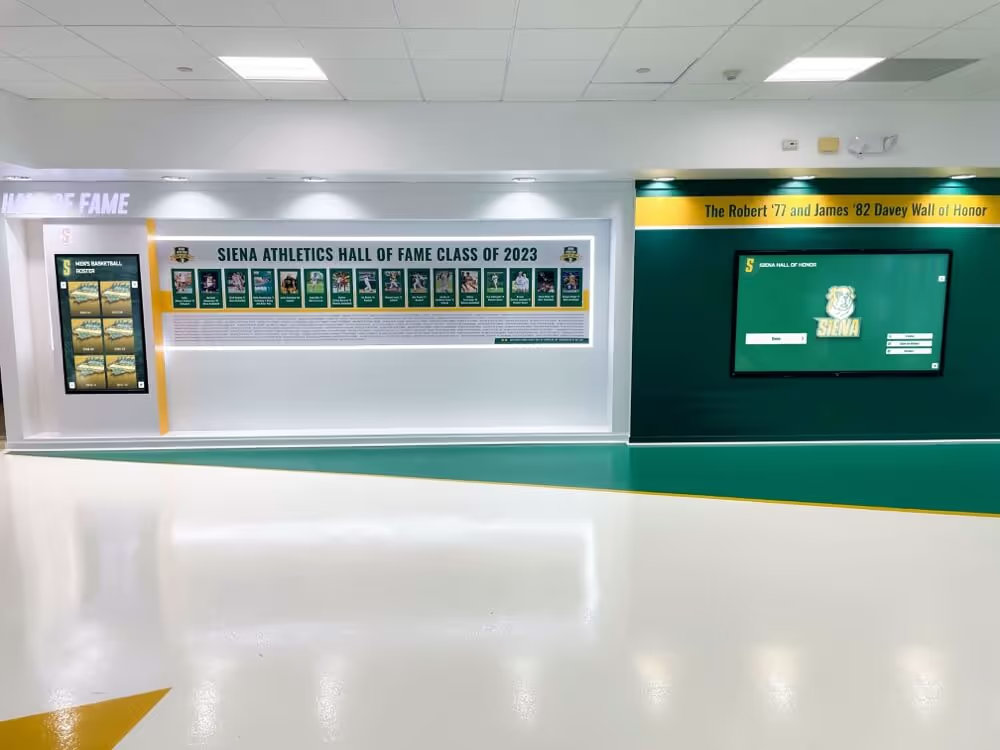
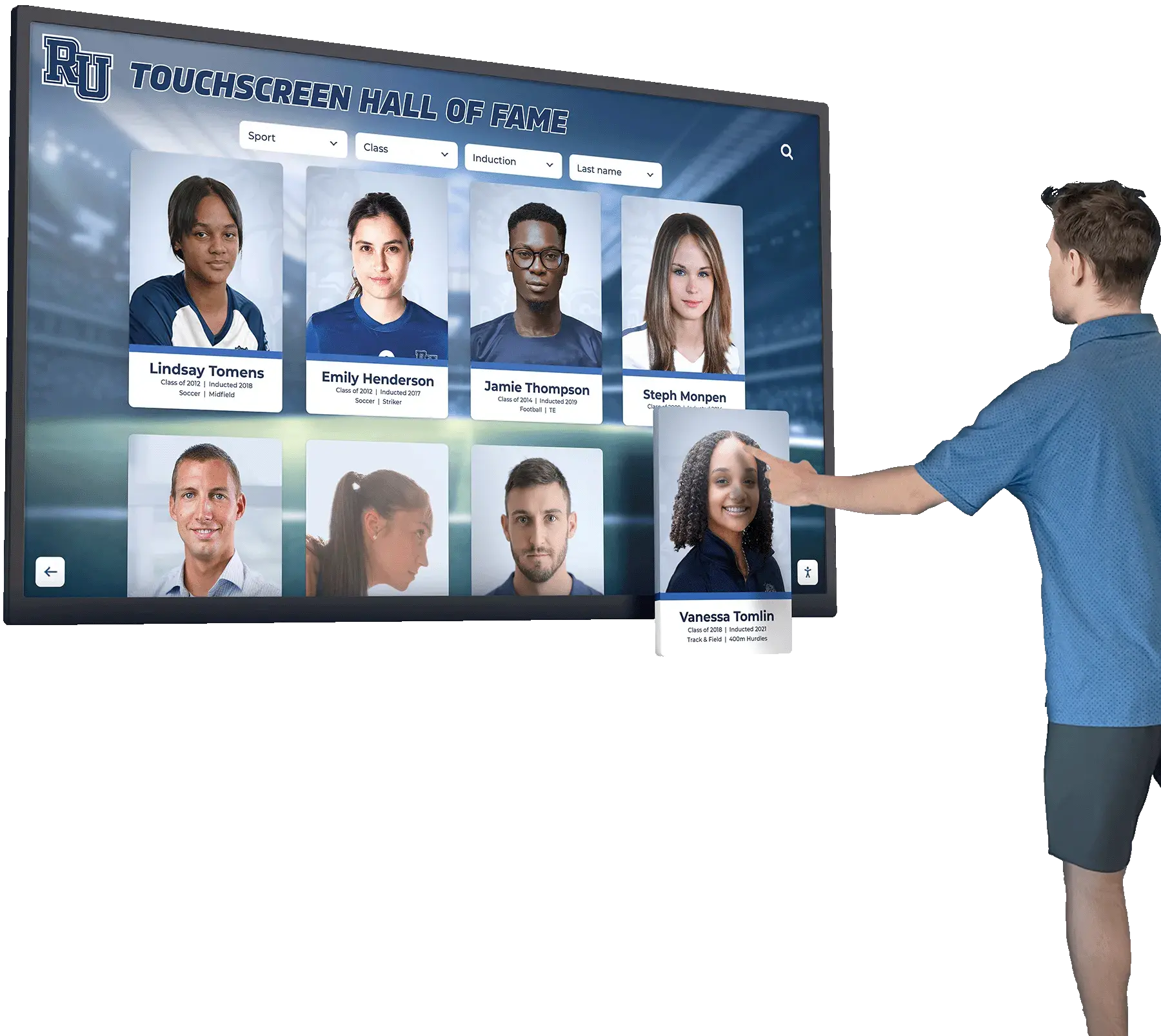
Portrait-based recognition displays for performing arts programs work exactly like athletic hall of fame displays — each profile documents an individual's contribution to the program's history and achievements
Frequently Asked Questions About Color Guard Flags
What is the difference between a color guard flag and a silk? In practice, “flag” and “silk” refer to the same equipment. “Silk” is an informal industry term that persists from color guard’s early history when actual silk fabric was used. Today almost all performance flags are made from polyester, but performers and directors continue using “silks” as casual shorthand. Manufacturer catalogs typically use “performance flags” as the standard product term.
How many flags does a color guard program need? A typical high school color guard program of 12–20 performers needs enough flags for all performers in each set, plus extras for replacements and practice use. A program with 16 performers and two show flag sets would need 32–40 show flags plus 20+ practice flags. Programs participating in both outdoor marching season and indoor winter guard season may need separate flag sets for each activity.
How long do color guard flags last? Competition-quality custom flags used primarily for performances (not daily training) typically last 3–5 seasons with proper care. Practice flags subjected to daily use may last 1–2 seasons. Flags preserved from significant seasons and stored properly can remain in displayable condition indefinitely.
Can you wash color guard flags? Most polyester performance flags can be machine washed on a gentle cold cycle and air dried. Sublimation-printed flags should be washed inside-out to protect the print. Always check manufacturer specifications before washing, and avoid high heat that can cause shrinkage or fabric damage.
What is WGI color guard? Winter Guard International (WGI) is the primary sanctioning organization for indoor color guard competition in the United States. WGI organizes regional circuits and national championships in multiple competitive classes based on ensemble size and experience level. Many high school color guard programs compete in WGI events during the indoor season (typically January–April) and separately in BOA (Bands of America) events during the outdoor marching season.
How do you display old color guard flags? Flags from significant seasons can be displayed framed under UV-protective glass, incorporated into trophy case displays, mounted on a dedicated wall in the performing arts wing, or documented photographically for inclusion in digital recognition systems. Programs with space constraints often photograph their historic flags at high resolution for archival and display purposes while storing the physical flags in archival storage conditions.
Conclusion: Flags Tell Stories — Make Sure Yours Are Remembered
Color guard flags are equipment, artistic tools, and institutional artifacts simultaneously. The choices made around their design, procurement, and care shape how a program presents itself competitively and how it is preserved historically. Getting those decisions right requires understanding both the technical dimensions of flag production and the broader institutional context in which a color guard program operates.
Programs that invest in quality flag design, systematic equipment care, and intentional archiving create the foundation for legacy preservation that extends far beyond any single competitive season. The flags that carried a championship year’s show deserve to be recognized long after the students who spun them have graduated — in hallways, in display cases, and in the digital recognition systems that increasingly serve as the permanent record of school program history.
Schools that build comprehensive recognition infrastructure for their color guard programs don’t just honor past achievements. They tell current students that their commitment matters, that their program has institutional standing, and that what they’re building together will be remembered.
Preserve Your Color Guard Program's Legacy With a Digital Wall of Fame
Interactive touchscreen recognition systems let schools document color guard history alongside athletics and academics — searchable season-by-season records, show archives, championship documentation, and performer profiles that families, students, and alumni can explore any time.
Explore Digital Recognition Solutions