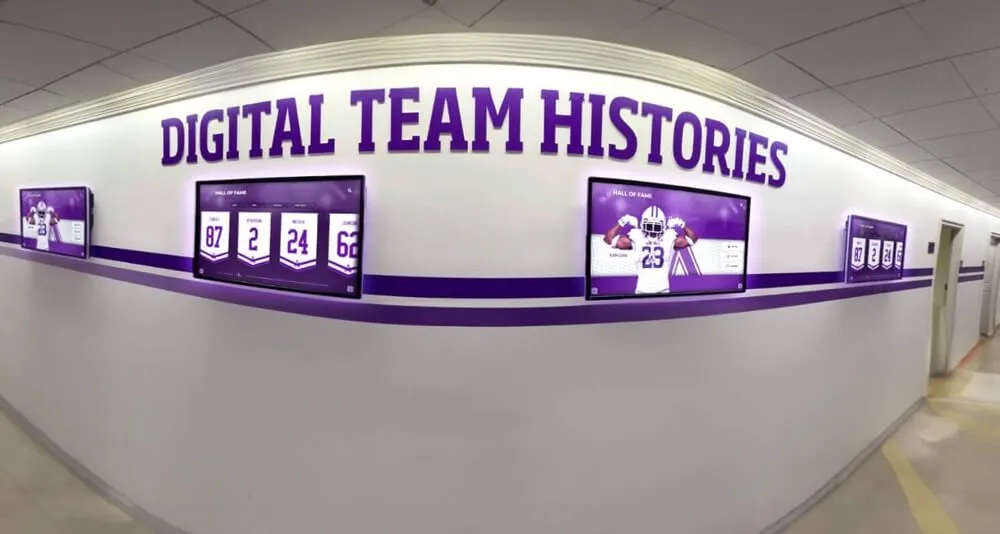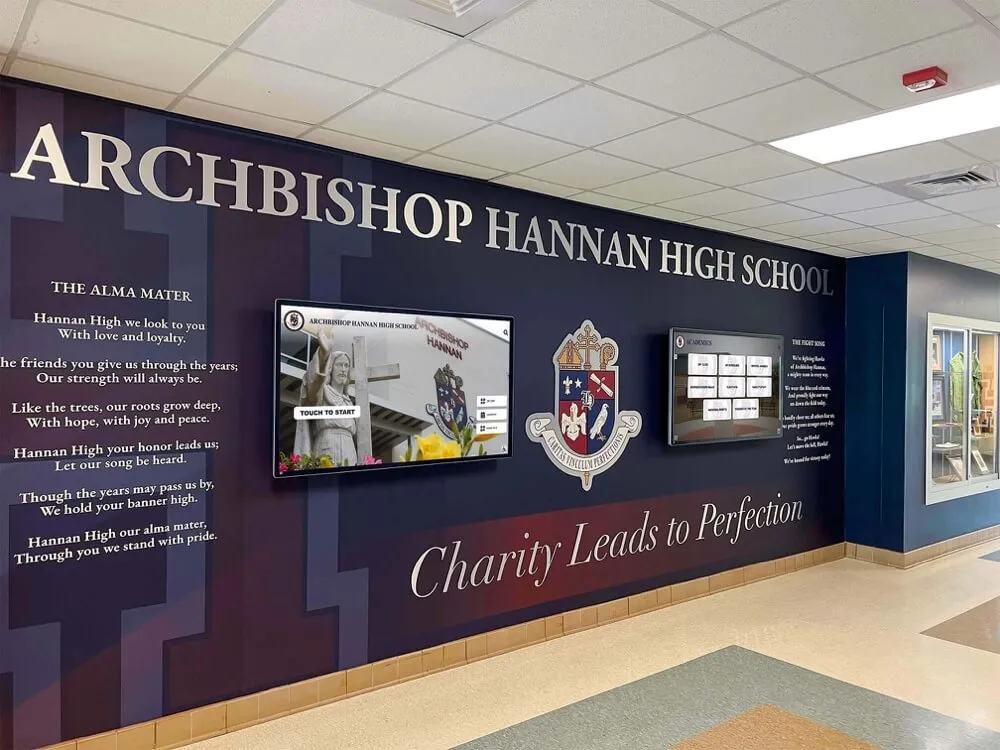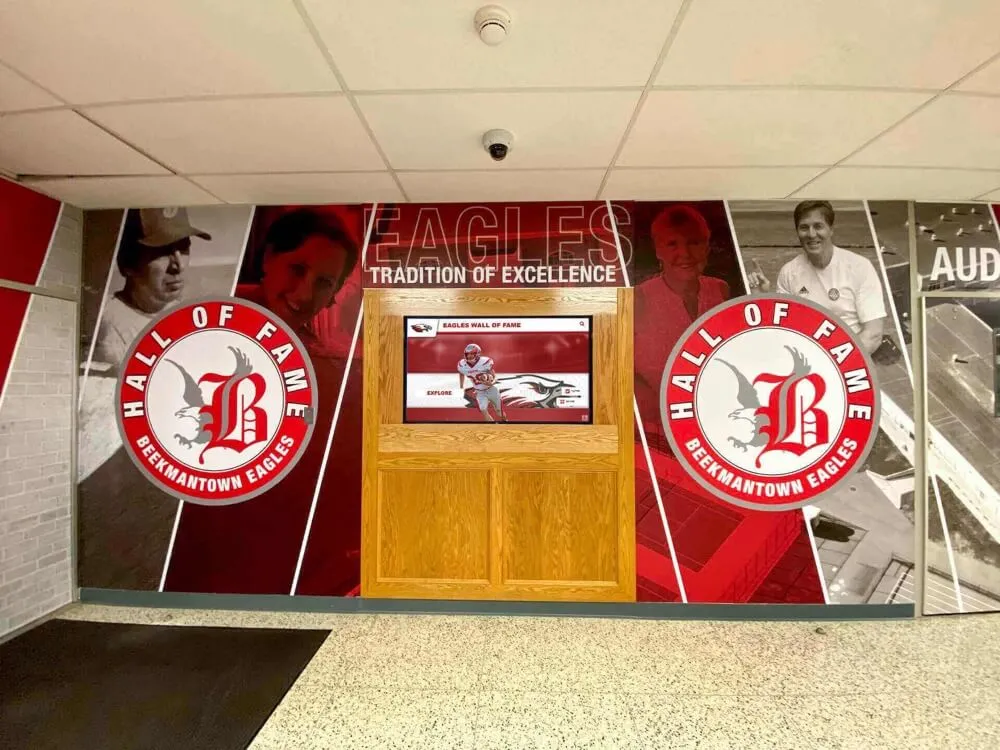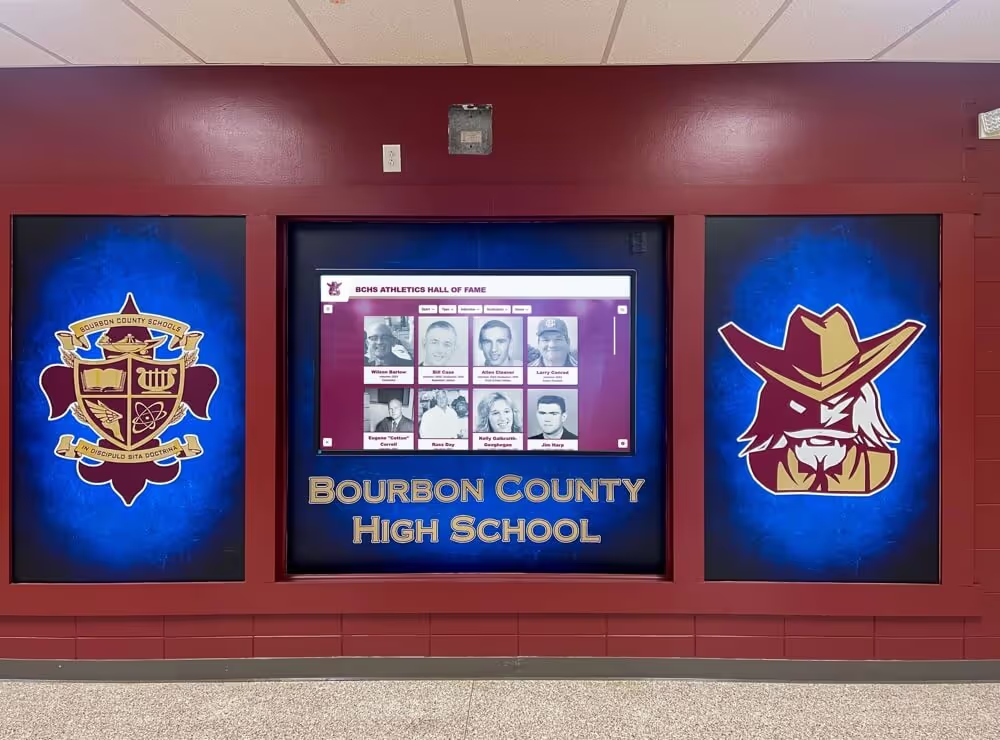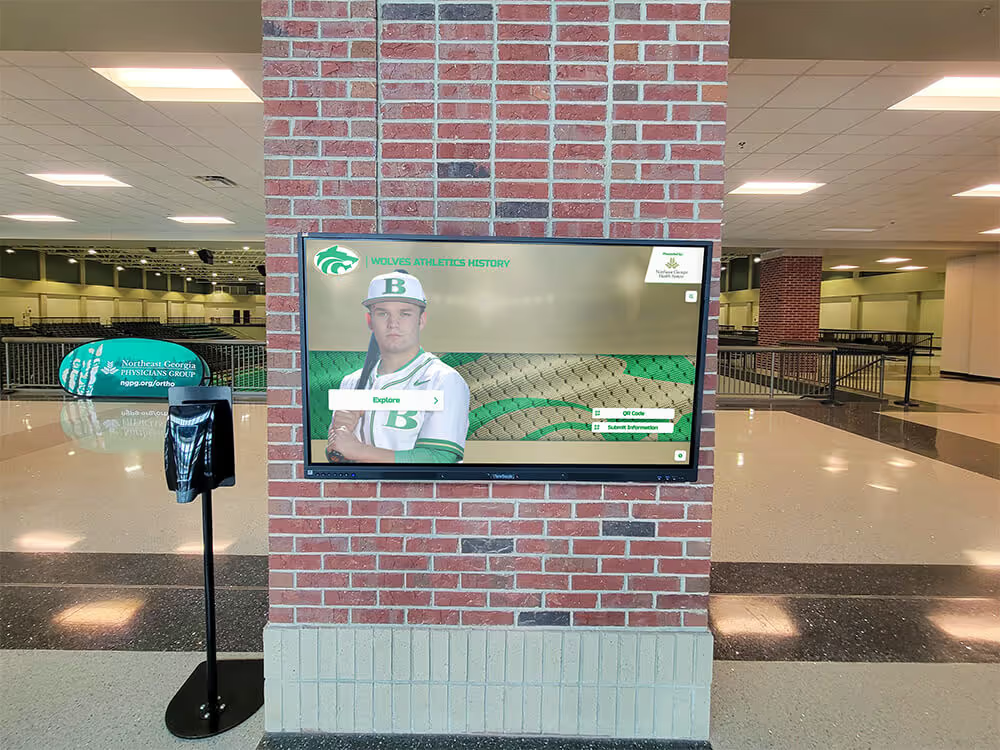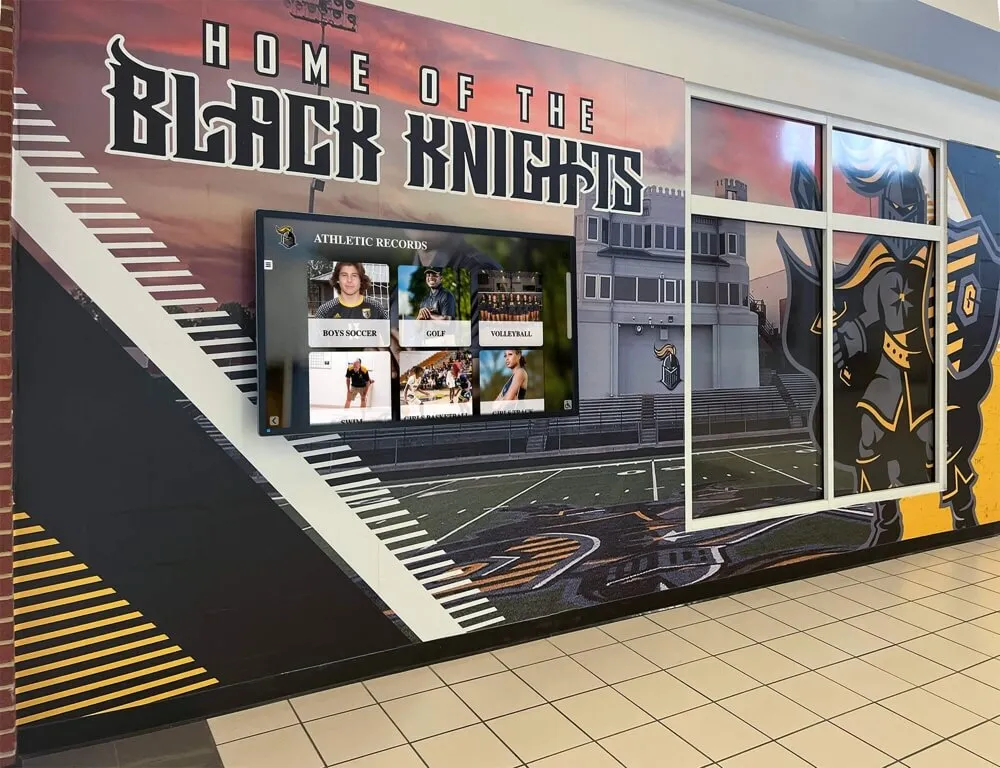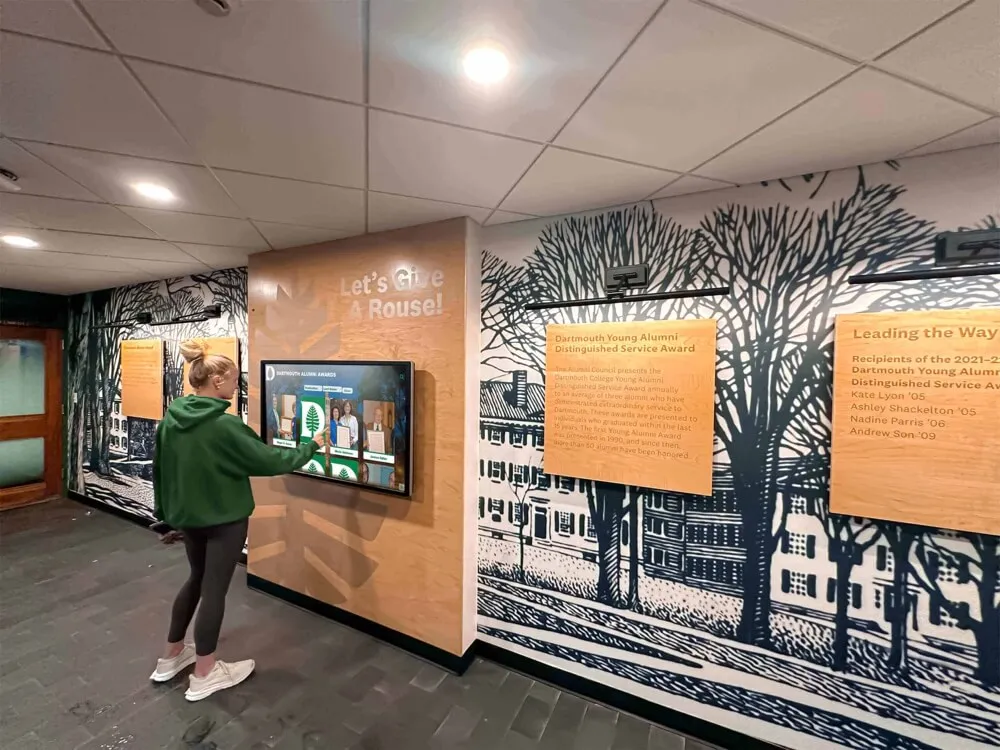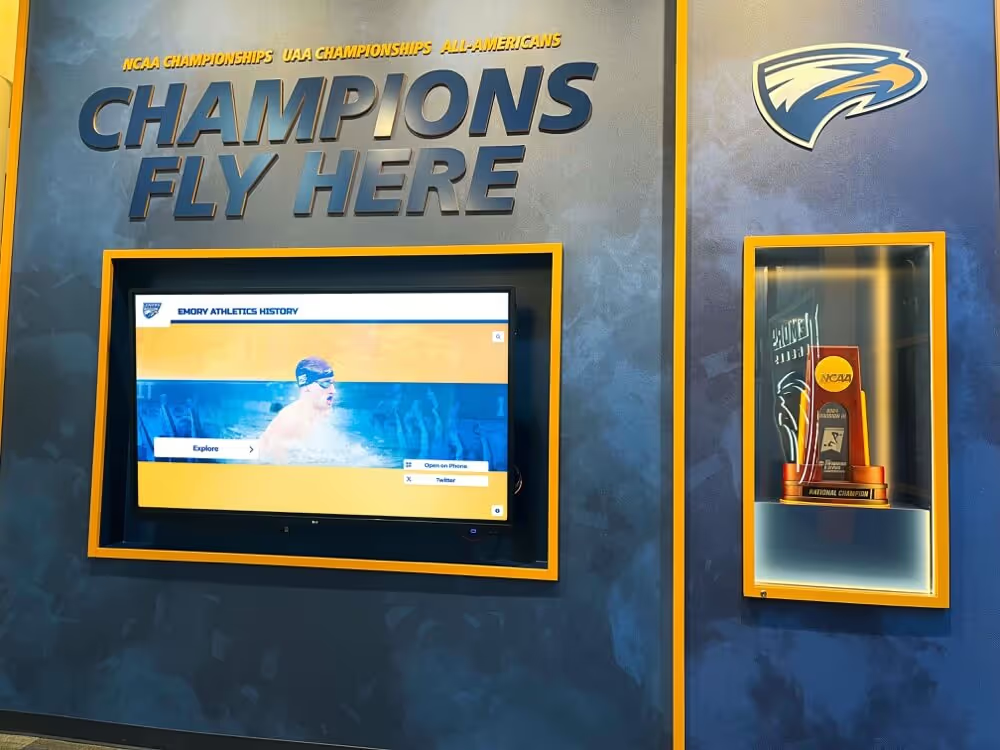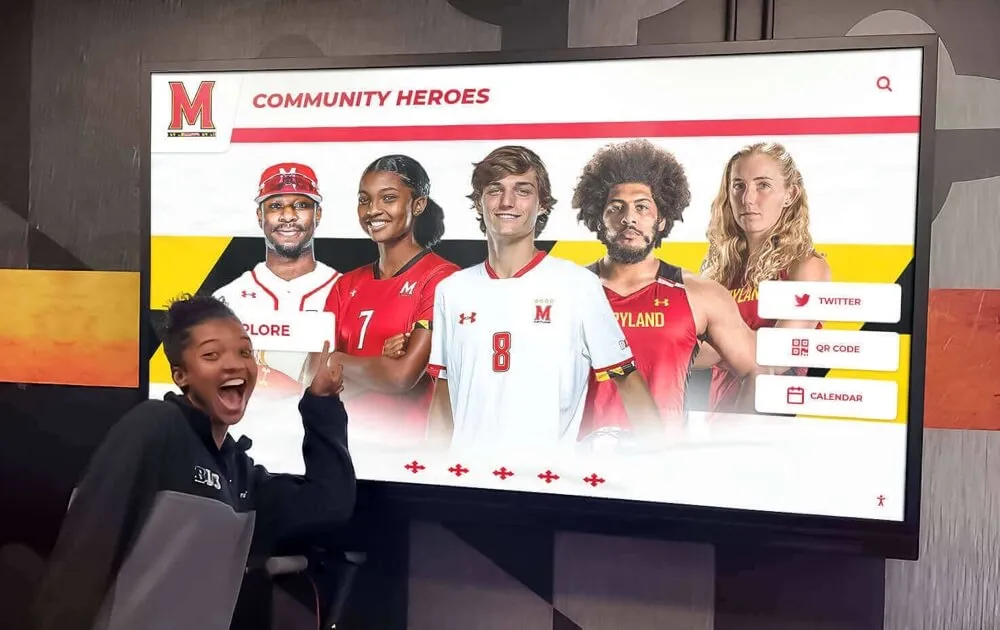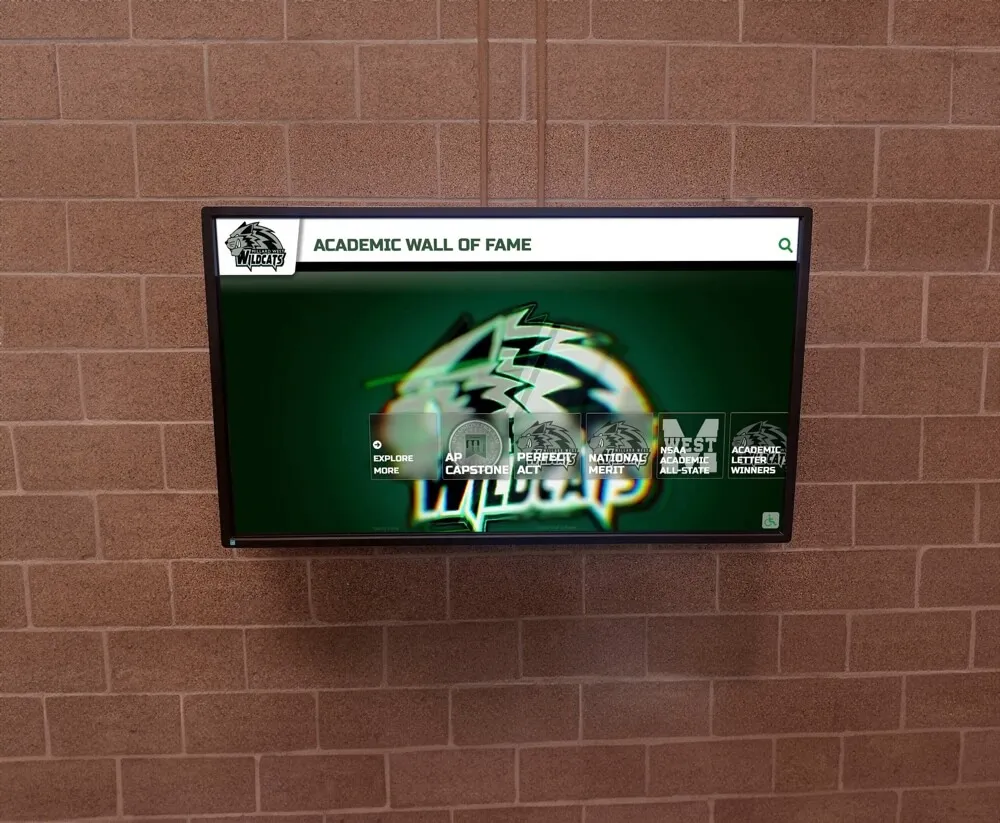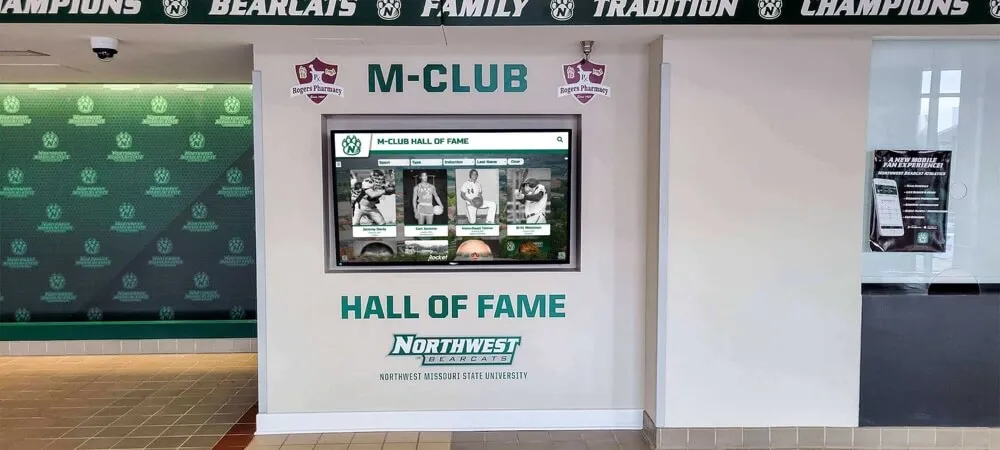




A digital hall of fame profile versioning policy defines how an institution tracks changes to inductee records over time—logging who edited each profile, what sources were consulted, who approved the revision, and what the prior text said before it was changed. Without that policy, a well-intentioned correction can create confusion about which version of a statistic or biography is authoritative, leave no audit trail when a mistake is later disputed, and produce inconsistent profile quality as different staff members apply their own informal standards. A one-page versioning policy, backed by a simple revision log and a clear approval chain, prevents all three problems without requiring dedicated software or specialized IT support.
School recognition programs invest significant effort in honoring inductees accurately—gathering yearbooks, game programs, press clippings, and box scores to build profiles that will stand for decades. The harder governance question is how to maintain that accuracy over time: who can update a profile, what evidence is required, who signs off, and where does the previous version go? A written digital hall of fame profile versioning policy answers each of those questions, and this guide gives you a complete framework to build one.

A versioning policy ensures every inductee profile on your digital display reflects authorized, sourced, and approved information—and that prior versions remain recoverable
Why Profile Versioning Matters for Hall of Fame Governance
Hall of fame profiles are institutional records. They document achievements that inductees, families, and alumni treat as part of permanent history. When those records change—even to correct a genuine error—the change carries weight. A graduation year corrected by one digit, a championship total updated after archival review, a biographical note revised at a family’s request: each is a legitimate and proper edit. The risk is not the change itself but the absence of a documented process around it.
Three specific problems arise when versioning is unmanaged:
Conflicting versions in circulation. Printed programs, social media posts, and donor plaques may all carry earlier versions of a profile. When the digital display shows different numbers than the banquet program from two years ago, someone will notice—and the institution needs to explain the discrepancy rather than simply assert the new version is correct.
No accountability trail. If a profile contains an error and no revision log exists, there is no way to determine when the error was introduced, by whom, or whether it was previously reported and acted on. Accountability gaps become significant when inductees, families, or journalists raise concerns.
Inconsistent sourcing. Profiles updated by different staff members over the years often reflect different evidentiary standards: one administrator cites game programs and state athletic association records; another updates from memory or an unverified alumni email. A sourcing standard in the policy prevents this drift before it compounds across dozens of profiles.
What a Hall of Fame Profile Record Contains
Before designing a versioning workflow, define what a profile record actually includes. A complete inductee profile typically spans five categories, each with different update frequency and source requirements:
| Profile Category | Typical Content | Update Frequency | Primary Sources |
|---|---|---|---|
| Biographical | Name, graduation year, sport(s), position, years active | Rare; changes on legal request or documented correction | Enrollment records, yearbooks |
| Career statistics | Win-loss records, scoring averages, records set, championships | Occasional; updates when archival research surfaces new data | Official game programs, state athletic association archives, newspaper box scores |
| Recognition history | All-state selections, awards, post-secondary accomplishments cited at induction | Rare after induction; possible factual corrections | Original nomination file, award organization records |
| Biographical narrative | Written biography paragraph(s) | Periodic; family corrections, updated phrasing | Approved family correspondence, original nomination text |
| Media assets | Photographs, video clips, scanned documents | As media is added or corrected | Original media with documented provenance |
Each category may warrant different approval authority. A typographical correction in the narrative may require only staff review and supervisory sign-off. A change to a career statistic that conflicts with the official record may require the athletic director’s approval and documentation from two corroborating sources.
The Core Versioning Workflow: Eight Steps
The following workflow governs any proposed change to a published inductee profile. Role titles should be adapted to your institution’s structure—the key is that the roles are named specifically in your policy document so accountability is unambiguous.
Step 1: Change request received. Any proposed profile change—submitted by a staff member, inductee, family member, or community member—is recorded in writing. A simple submission form capturing the requester’s name, contact information, the specific field to be changed, and the proposed new content is sufficient. Verbal requests are not acted on until reduced to writing.
Step 2: Current version archived. Before any review begins, the current published version of the affected profile section is copied to the revision log with a timestamp. This preserves the prior state regardless of what the review determines.
Step 3: Source review. Staff verify the proposed change against primary sources. A career statistic change requires documentary evidence—a game program, state athletic association record, or newspaper box score. A biographical correction requires supporting documentation or, for family-submitted requests, written confirmation from the inductee or a legal next-of-kin. The sources consulted and their descriptions are recorded in the revision log entry.
Step 4: Preliminary determination. Based on the source review, the reviewing staff member documents whether the proposed change is supported, partially supported, or unsupported. For unsupported changes, the requester receives a written explanation and the process concludes.
Step 5: Approval routing. Supported changes are routed to the appropriate approval authority based on change category and scope. Minor corrections may require only supervisory approval. Substantive changes to statistics or recognition history require athletic director or committee review. Changes to an inductee’s name or biographical narrative require both administrative approval and confirmation from the inductee or family of record.
Step 6: Approval decision recorded. The approving authority’s decision—approved, approved with modifications, or denied—is recorded in writing with the approver’s name, role, and date. This record is attached to the revision log entry. No profile is updated without a recorded approval decision.
Step 7: Profile updated. The content management system or digital display platform is updated to reflect the approved change. The person making the update logs their name and the date. Where the platform supports it, a version note is attached to the record.
Step 8: Requester notified. The person who submitted the change request is notified of the outcome. If approved, the notification includes the effective date of the change. If denied or modified, it includes the reason.
The Revision Log: A Practical Template
A revision log does not require specialized software. A shared spreadsheet with the following fields is sufficient for most school hall of fame programs:
| Field | Description | Example |
|---|---|---|
| Entry ID | Unique sequential identifier | REV-2026-047 |
| Profile subject | Inductee name and induction year | Jordan M., Class of 1998 |
| Date request received | Date the change request was logged | 2026-03-15 |
| Requested by | Name, role, and contact of requester | Family member, contact on file |
| Field(s) affected | Specific profile section(s) to be changed | Career statistics — basketball scoring average |
| Prior version (verbatim) | Exact text or data before any change | 18.4 points per game (career) |
| Proposed new version | Exact text or data as proposed | 19.1 points per game (career) |
| Sources consulted | Description of each source reviewed | 1992–1994 game programs (archived), state association records |
| Source assessment | Whether sources support the change | Supported — two corroborating primary sources |
| Approval authority | Role of approving party | Athletic Director |
| Approval decision | Approved / Approved with modifications / Denied | Approved |
| Approver name and date | Name and date of approval | Director A., 2026-03-28 |
| Effective date of change | Date the updated profile went live | 2026-04-01 |
| Updated by | Staff member who made the platform edit | Content Manager B. |
| Notes | Any additional context | Family provided original scorebook pages |
This log becomes the institutional record for every profile change made after the policy takes effect. It is retained permanently alongside nomination files and original approval records.
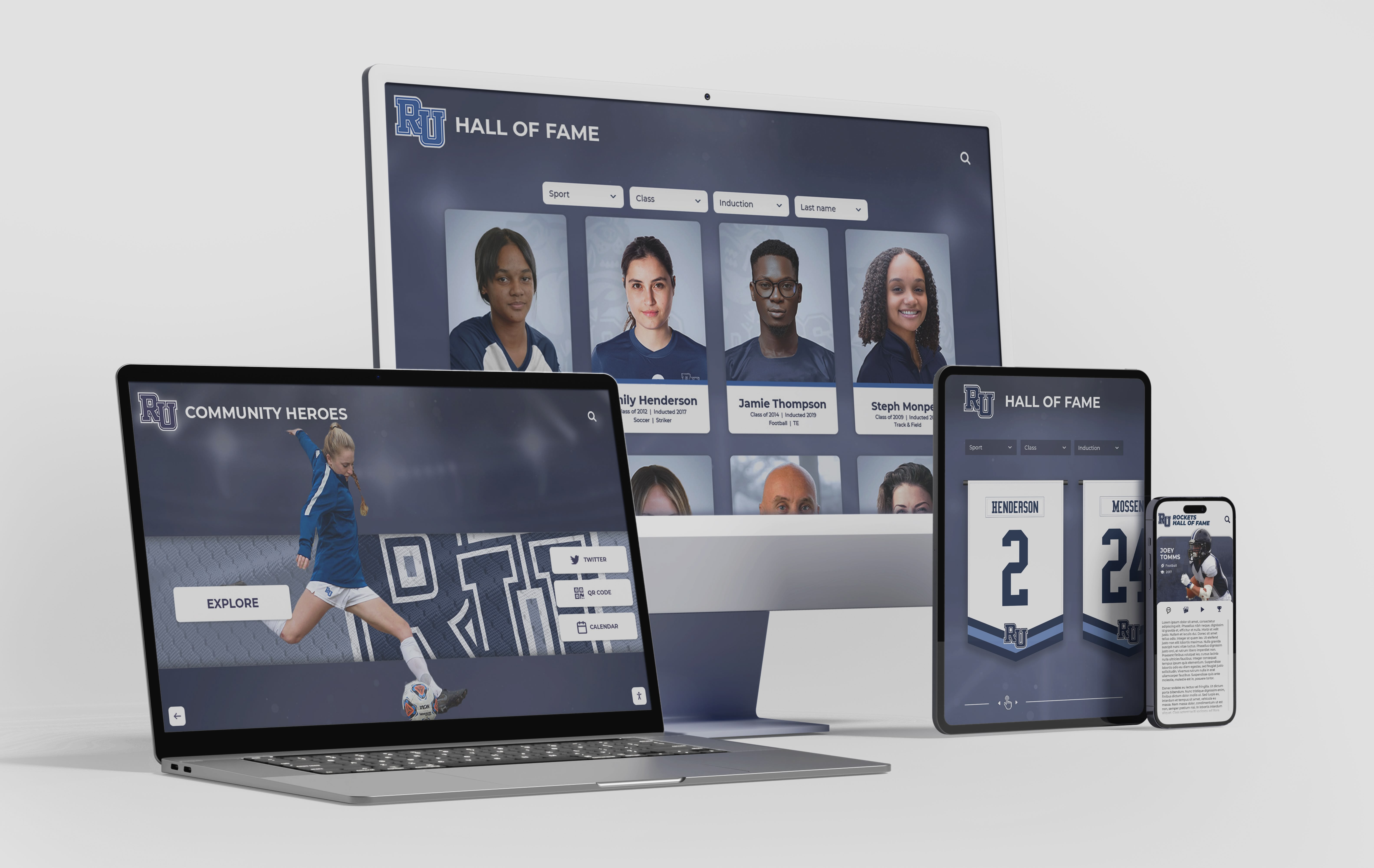
A revision log ensures every field on every device reflects the most recent authorized version—and that prior versions remain recoverable if needed
Source Citation Standards
One of the most valuable functions of a versioning policy is establishing minimum source requirements before any profile data can be changed. Without a documented standard, different staff members apply different thresholds. The following tier framework is a starting point—adjust the specific requirements to match your program’s available archives and the types of change requests you typically receive:
Tier 1 – Administrative correction (typographic or formatting errors). No new sources required. The correcting staff member documents the nature of the error and signs off. Supervisor review within five business days. Example: misspelled middle name corrected to match enrollment records already in the file.
Tier 2 – Biographical narrative revision. Requires written confirmation from the inductee or, if deceased, a legal next-of-kin. For factual corrections to narrative text—graduation year, sport, position—corroboration from enrollment records or a yearbook is required in addition to any family request. Athletic director sign-off.
Tier 3 – Career statistic correction. Requires at minimum two independent primary sources: official game programs, state athletic association records, newspaper box scores, or archived score sheets. If sources conflict, the policy should specify how to resolve the discrepancy—a common approach is to defer to the official state athletic association record when one exists, and to the preponderance of corroborating primary sources when it does not.
Tier 4 – Recognition history correction. Changes to listed awards, all-state designations, or post-secondary accomplishments require documentation from the awarding organization. Athletic director or hall of fame committee approval is required. Example: correcting an all-state designation from first team to second team based on official records from the state activity association.
Structured documentation frameworks are common wherever organizations maintain formal recognition hierarchies. Civil Air Patrol, for example, maintains rank records with strict source requirements and revision procedures—a model that translates well to school athletic halls of fame. You can see how rank and recognition documentation works in hierarchical recognition contexts at this overview of Civil Air Patrol rank structures and unit recognition documentation. The core principle is the same: a record’s authority depends on whether each change is traceable to a verified source.
Approval Tiers and Role Definitions
A versioning policy must specify not just what sources are required but who can authorize each class of change. The following table illustrates a tiered approval structure appropriate for a school athletic hall of fame program:
| Change Class | Examples | Minimum Approval | Escalation Threshold |
|---|---|---|---|
| Administrative correction | Spelling errors, date formatting, photo cropping | Content staff + supervisor | Escalate if inductee or family objects |
| Minor biographical update | Adding a detail confirmed by family | Athletic director | Escalate if update alters the substance of the original narrative |
| Statistical correction | Updating a career record based on archival research | Athletic director | Escalate to committee if change affects official record board rankings |
| Name or identity update | Legal name change, preferred name update | Athletic director + legal counsel if required | Escalate to committee if name appears on physical artifacts also |
| Recognition history change | Correcting award designation or date | Hall of fame committee | Full committee vote required |
| Inductee status change | Any change that affects whether a person appears in the hall of fame | Full committee vote | Board or administrative leadership for contested changes |
The escalation thresholds matter as much as the initial approval levels. An athletic director may approve a statistical correction without issue; if that correction changes who appears atop a record board, the committee should be informed even if their vote is not required.
Correction Versus Annotation: When to Edit and When to Add a Note
Not every error correction calls for overwriting the prior version. In some circumstances, adding an annotation alongside the original record is more appropriate than replacing it. The policy should provide explicit guidance on which approach applies when.
Replace when: The prior content is factually incorrect and the correction is supported by clear documentary evidence. A wrong graduation year, a transposed digit in a career statistic, a misspelled name—these call for a clean correction, with the prior version preserved in the revision log but not displayed publicly.
Annotate when: The historical record contains documented ambiguity that cannot be fully resolved. If two sets of period sources assign different statistics for the same season, neither version can be stated as definitively correct. In this case, the profile may note the discrepancy directly: “Career scoring average recorded as 18.4 in school records; contemporary newspaper records indicate 19.1. Both figures are retained for historical accuracy.”
Do not alter when: A request to change a profile reflects a preference rather than a factual correction. If an inductee would like their biography to emphasize different accomplishments than those described in the original nomination file, the appropriate response is to consider whether a clearly labeled addendum—supplemental content added after induction—is appropriate. The original induction record should not be silently revised to reflect retrospective preferences.
Prior Version Retention
Every version of a profile that has ever been published should be recoverable. This does not require complex version-control software. A straightforward approach:
- Maintain a dedicated folder in your document management system labeled by inductee name and induction year.
- When any section of the profile is changed, copy the full text of the affected section into a dated archive file before making the change.
- Store the source documentation that justified the change in the same folder.
- Cross-reference the archived version with the corresponding revision log entry ID.
After ten years of active governance, this folder may contain several dated snapshots of a profile. That is appropriate—the history of how the profile evolved is itself an institutional record.
Integration with Your Digital Display Platform
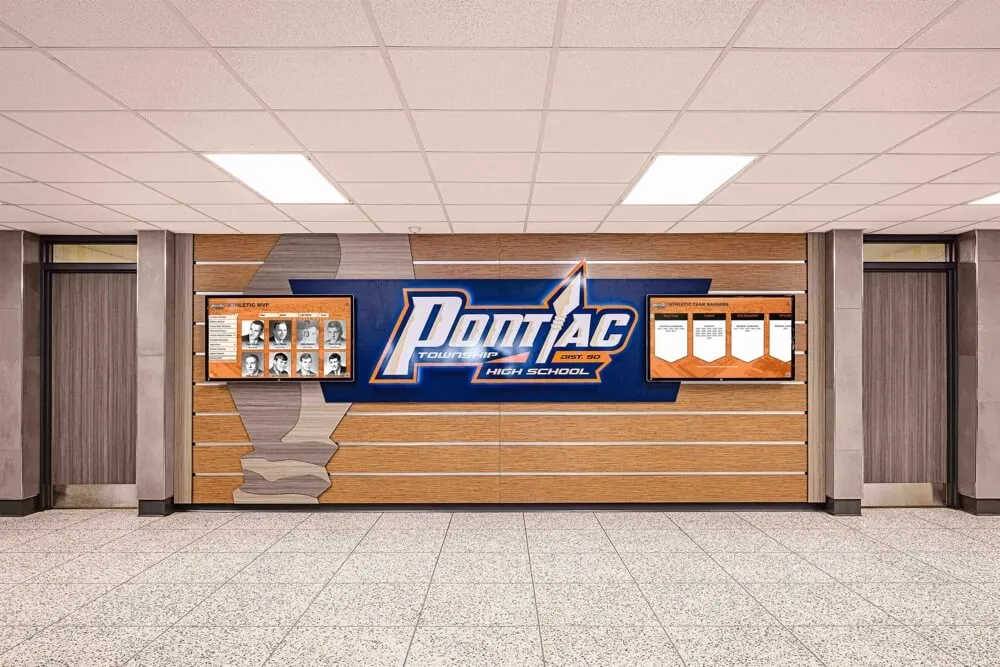
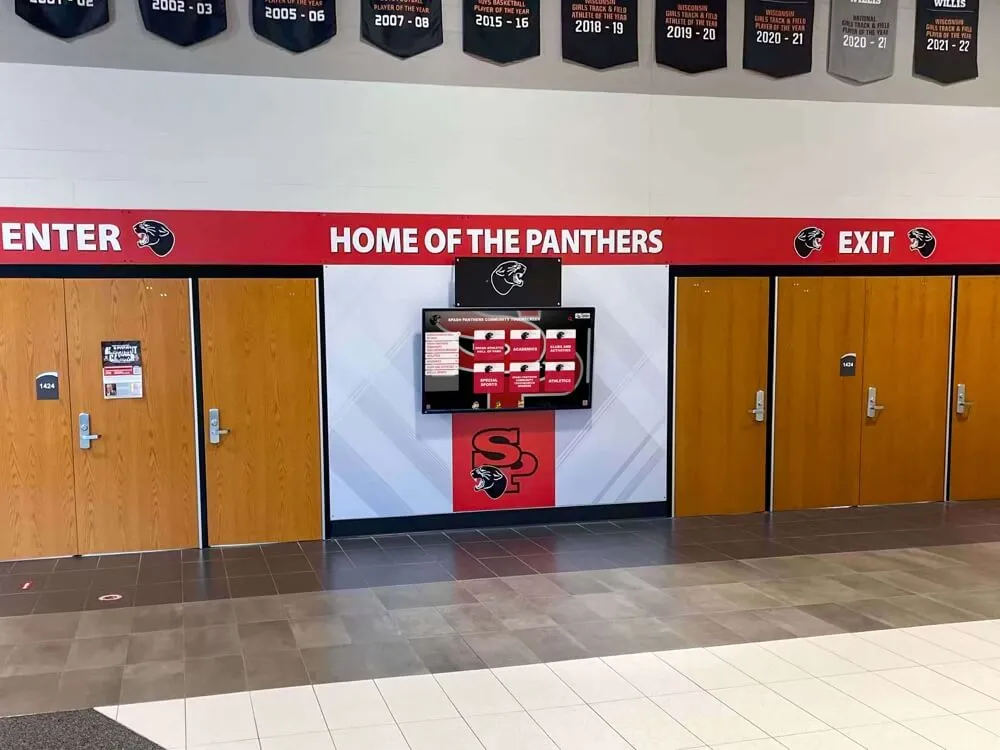
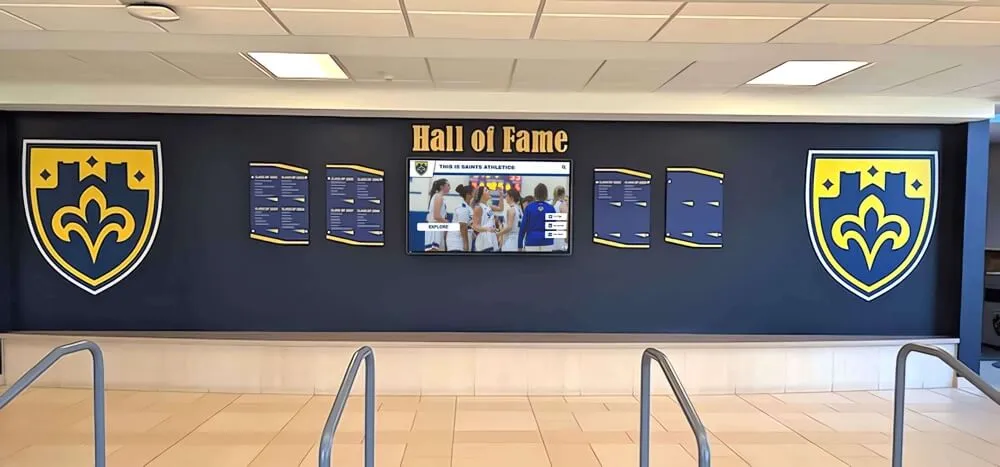
The revision log and approval workflow exist independently of whatever platform hosts the public-facing profile. Whether your hall of fame lives on a touchscreen kiosk, a web portal, or a hybrid system, the versioning policy governs the content management process—not the software. That said, some platform features simplify compliance:
Version history within the CMS. Some content management systems log who changed what and when automatically. If your platform offers this, configure it and treat the platform log as supplementary to—not a replacement for—the revision log maintained under your policy.
Role-based access controls. Limiting who can edit profile fields is itself a governance measure. If the platform permits it, restrict editing to a small set of named staff and require supervisory review before changes are published.
Scheduled content review. Build a periodic review cycle into the policy—annually or biennially is common. All profiles are flagged for routine review, and the revision log is audited to confirm every change in the period has a complete record.
Engaging alumni in the review process can surface historical errors that staff alone would miss. Alumni events centered on sharing memories and photographs often yield corrections that improve profile accuracy across the entire collection. Resources like alumni engagement activities that strengthen school community and extensive alumni event ideas for school programs illustrate how these events can be structured—and how the connection between alumni engagement and record accuracy benefits both the recognition program and the school community it serves.
Sport-specific profiles benefit from clear standards for what constitutes a verifiable athletic record. The statistics tracked for a baseball player’s career—fielding percentages, batting averages across multiple seasons, postseason performance—differ substantially from basketball metrics like points per game and rebounding averages. For context on the depth of athletic history that hall of fame profiles may need to document and version, sport-specific athletic achievement content for baseball programs and basketball award and recognition standards for school programs illustrate how granular sport-specific records can become—and why sourcing standards matter when those records are disputed.
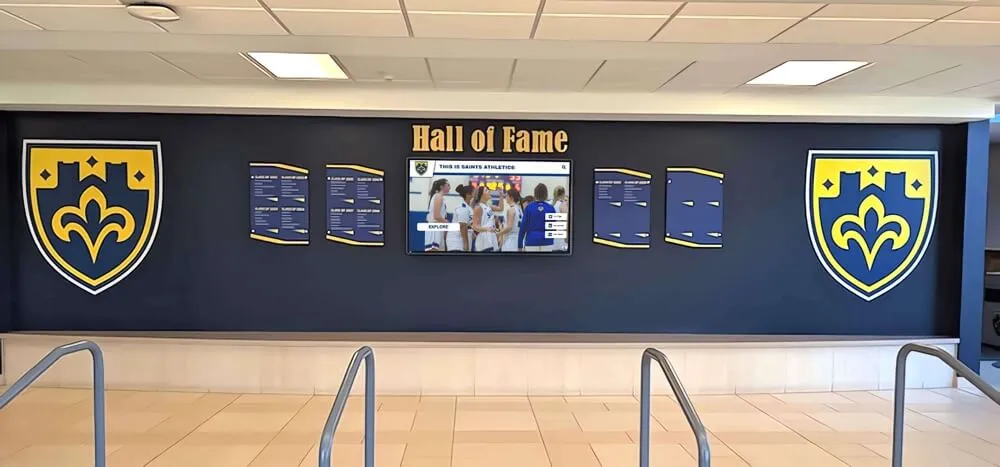
A well-governed versioning policy keeps every profile on every display accurate and traceable without requiring IT-level technical infrastructure
Interactive Displays and the Alumni Feedback Loop
One of the practical benefits of a solid versioning policy is what it enables for alumni engagement. When inductees and their families trust that profile updates are handled carefully—through a documented process with clear approvals—they are far more likely to submit corrections and supplemental materials voluntarily. That collaboration improves the historical record while deepening the connection between alumni and the institution.
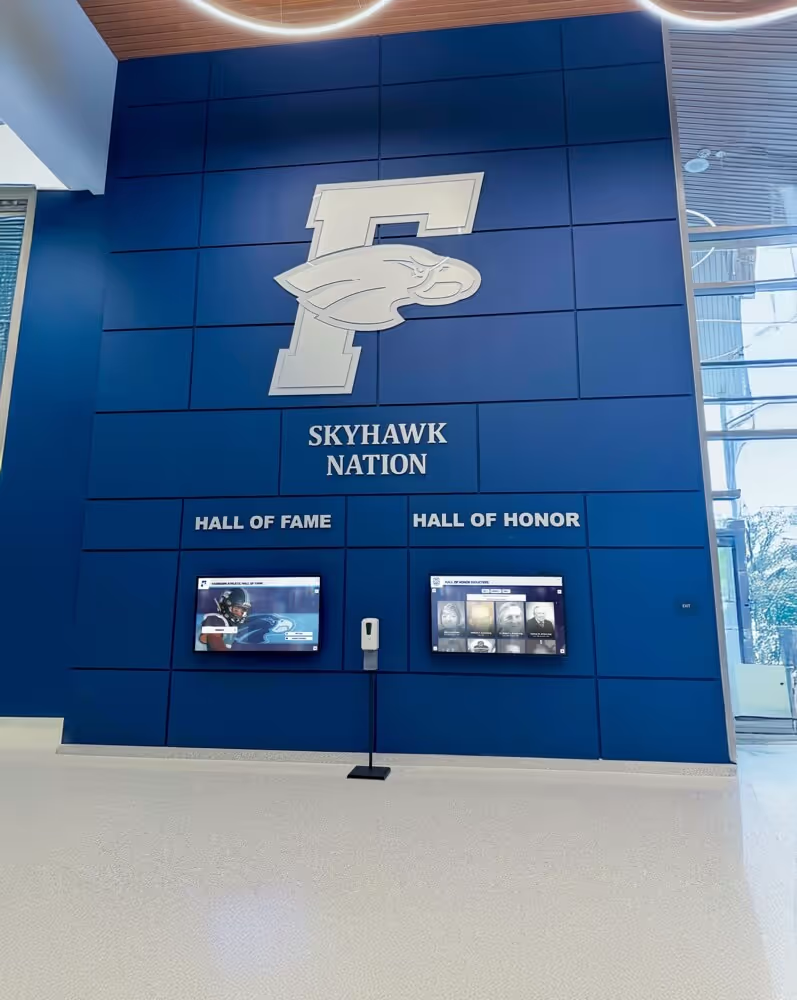
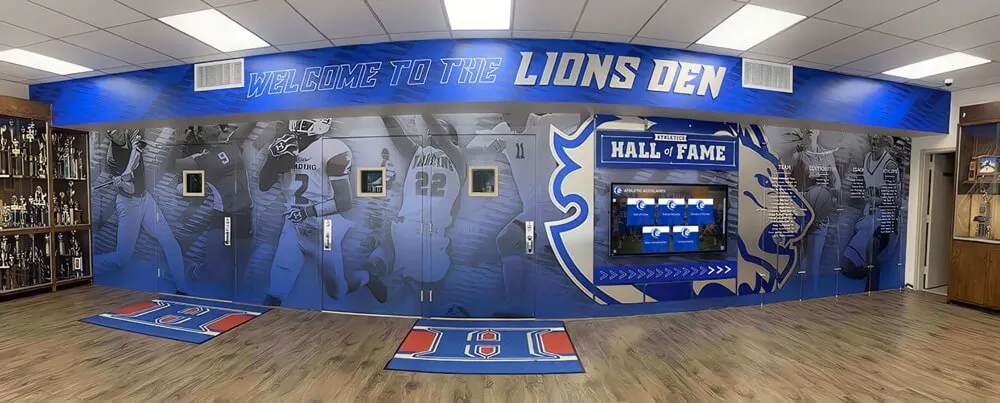
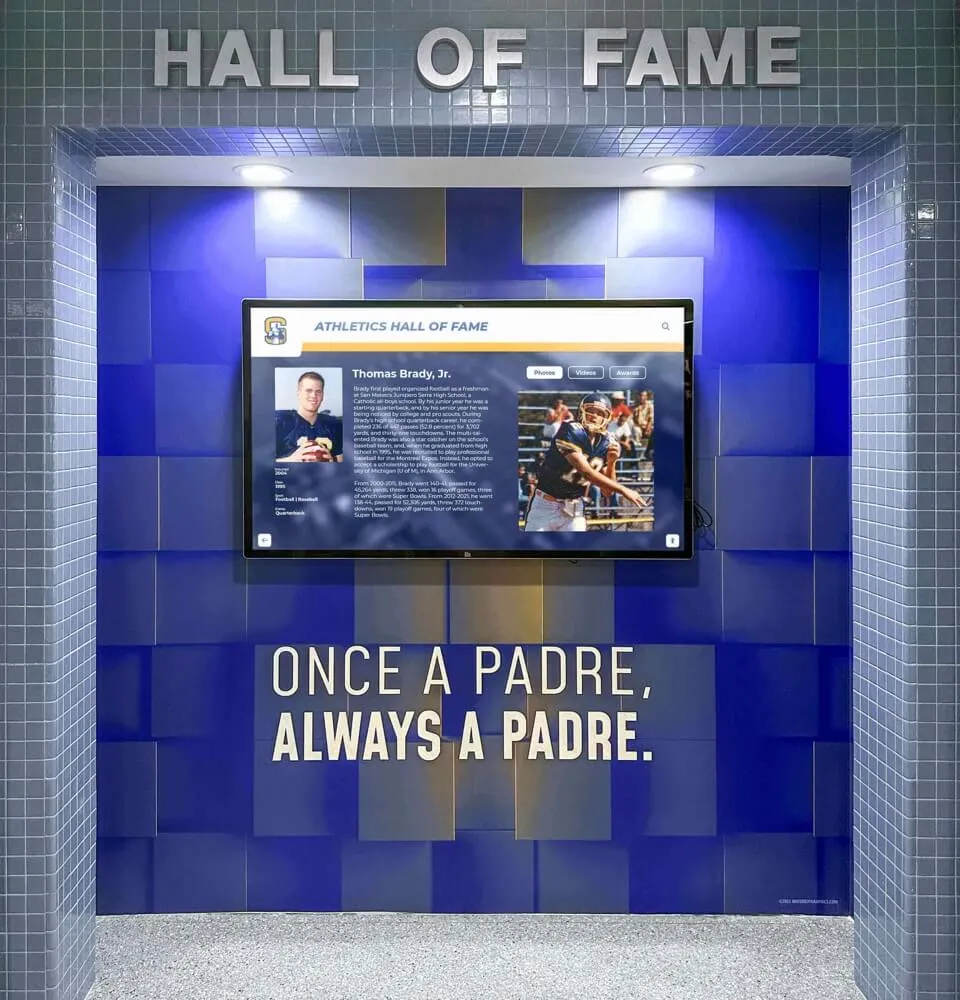
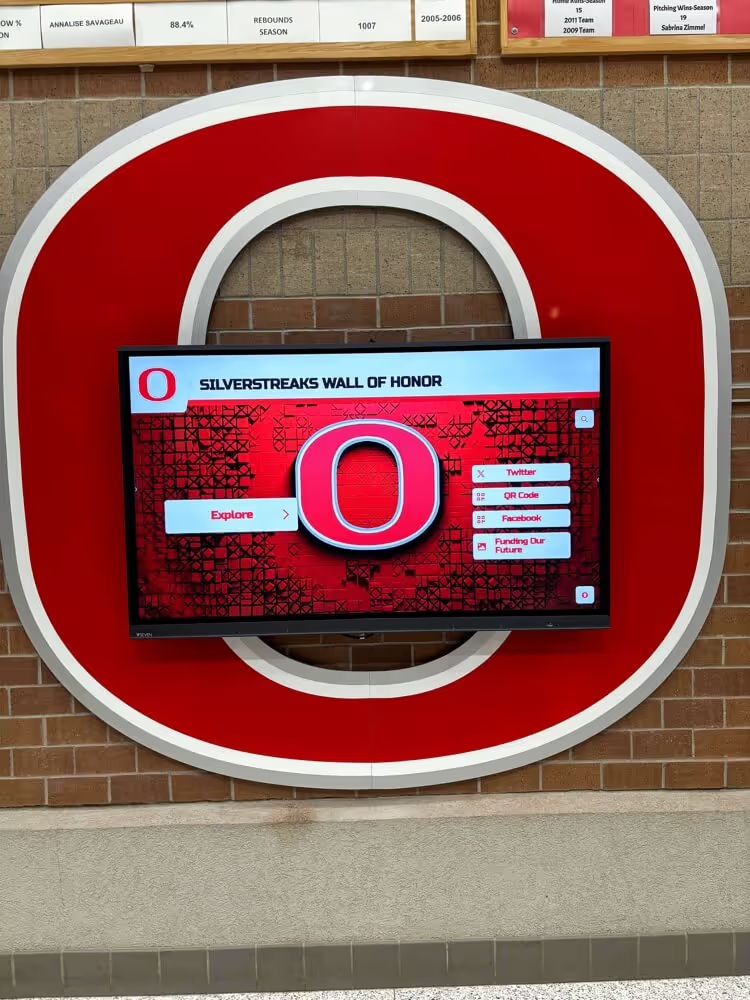
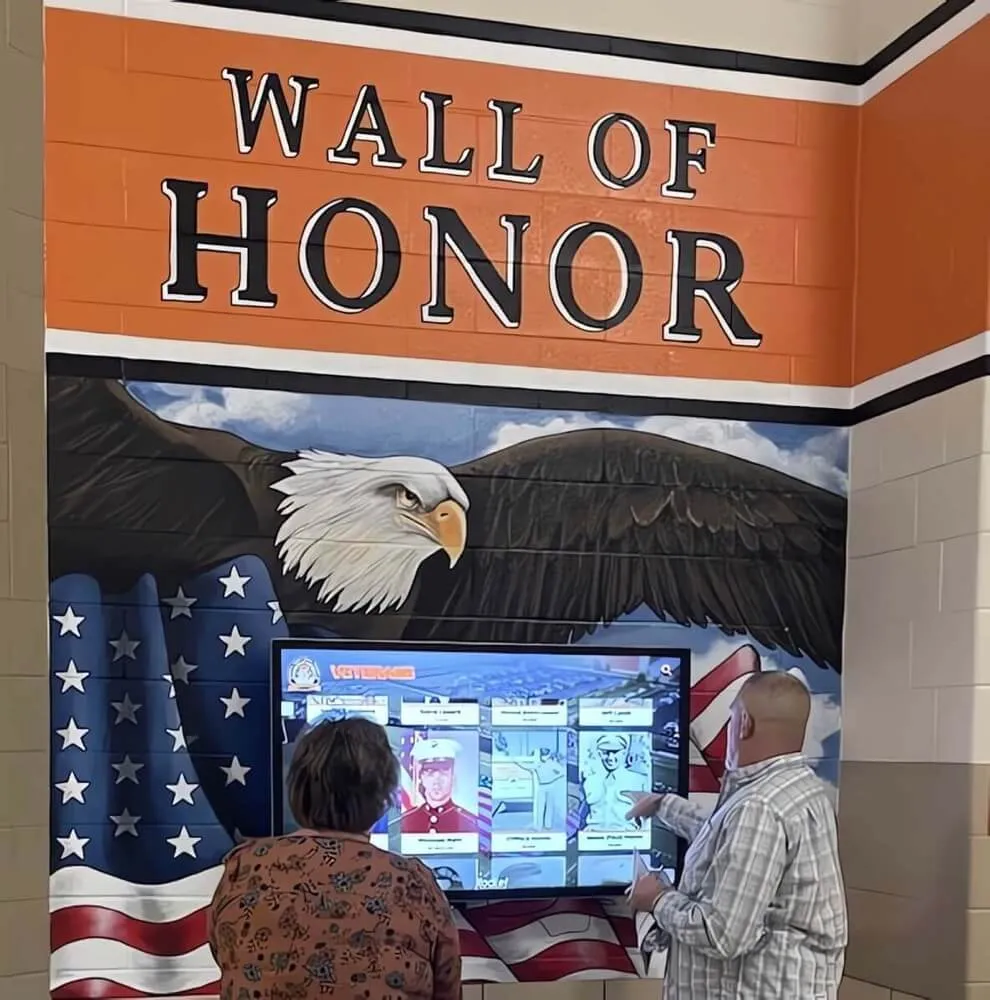
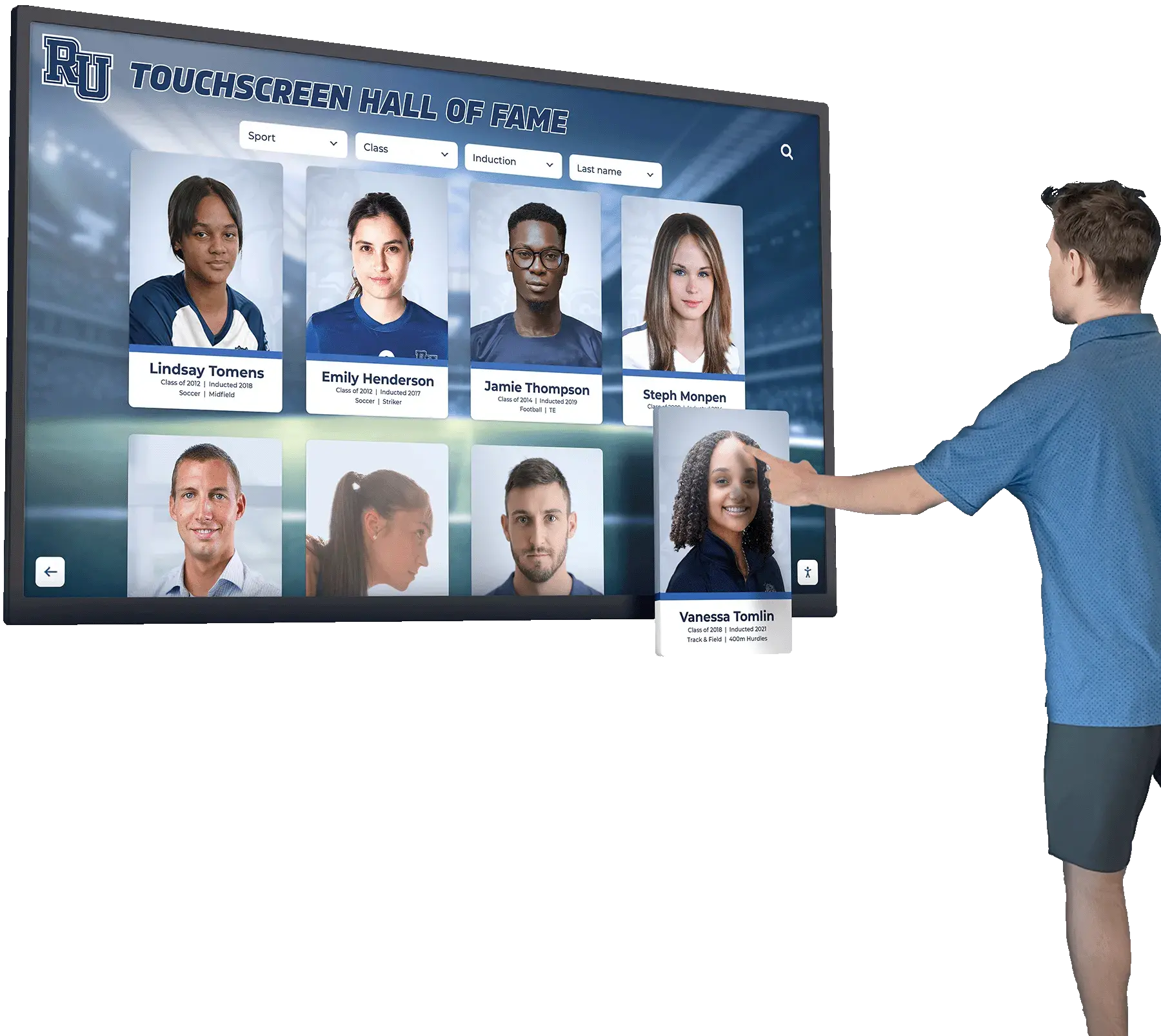
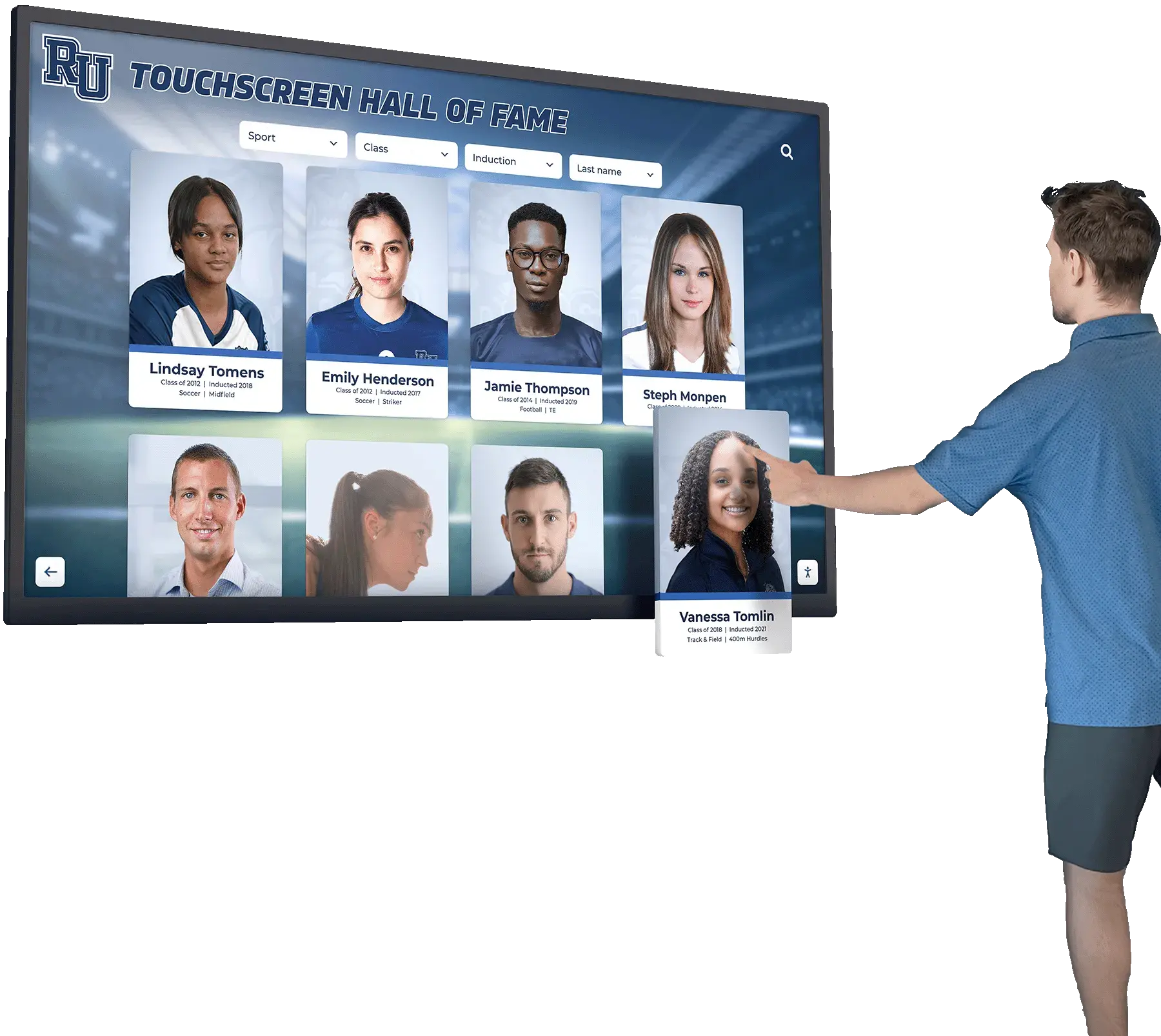
Interactive touchscreen displays amplify this dynamic. When alumni visit the school and use a touchscreen to find a profile, they notice errors immediately. A versioning policy with a clear submission path—a QR code on the display, a link in the hall of fame program, an email address listed in the policy document—turns that moment of recognition into a constructive feedback loop rather than a source of frustration.
For guidance on how interactive recognition displays support alumni engagement as a broader strategy, alumni engagement through interactive recognition displays and creative ways to engage graduates through alumni programming offer frameworks that complement a versioning governance structure by creating regular opportunities for alumni to interact with and improve the institutional record.
Learn more about Rocket Alumni Solutions’ Digital Wall of Fame platform to see how cloud-based content management supports the edit, approval, and publication workflow a versioning policy requires.
Writing the Policy Document: Ten Required Elements
A written versioning policy should be concise enough to be read and followed by anyone responsible for profile management, and specific enough to answer the questions that arise in practice. Include each of the following elements:
1. Scope. Which profiles are covered—all inductees, or only those added after a certain date? Are media assets subject to the same policy?
2. Definitions. Define “profile,” “revision,” “correction,” “annotation,” and “prior version” explicitly. Vague terms produce inconsistent application.
3. Submission process. How does a change request enter the system? Who receives it? What form or channel is used?
4. Archive requirement. State explicitly that the current version is archived before any review begins.
5. Source requirements by tier. Define minimum source requirements for each class of change. This is the operational core of the policy.
6. Approval authority by class. Name the role—not just the generic title—that holds final approval for each change class. “The appropriate administrator” is not an assignment.
7. Revision log requirements. Describe the required fields and where the log is maintained. State that the log is retained permanently.
8. Prior version retention. Describe how prior versions are stored, cross-referenced, and made accessible for review.
9. Requester notification. Commit to notifying the person who submitted the request of the outcome and the timeline for a decision.
10. Policy review cycle. Name a schedule—typically annual or biennial—for reviewing the policy itself, and a named role responsible for conducting that review.
A one-to-two-page document covering these ten elements gives any staff member or administrator a complete reference for handling any change request that arises—without ambiguity about what is required or who decides.
Frequently Asked Questions
Q: How long should a revision log be retained?
A: Permanently. The revision log is an institutional record that may be needed by future administrators, inductee families, legal counsel, or accreditation reviewers years or decades after a change was made. Establish a retention rule that prevents automatic deletion.
Q: Who should have access to the revision log?
A: Hall of fame committee members and named administrators should have routine access. Legal counsel should have access on request. Inductees and families may be given access to entries relating to their own profiles. The log is not a public document—it contains internal administrative records, source citations, and approver names that are appropriate to share on request but not to publish openly.
Q: What if an inductee disputes a profile and disagrees with the correction decision?
A: The policy should include a formal appeal step. A disputed correction that clears the normal approval process can be escalated to the hall of fame committee for a formal vote. Document the appeal, the committee’s review, and the final determination in the revision log.
Q: Is specialized software required to implement this policy?
A: No. A shared spreadsheet for the revision log, a folder structure for prior version archives, and email-based approval routing are sufficient for most school programs. The policy governs the process, not the software.
Q: How should the policy handle requests submitted by family members after an inductee has passed away?
A: The policy should specify who is recognized as a next-of-kin contact for a deceased inductee. For substantive changes, require documentation of the relationship and confirm that the requested change is factual rather than preferential. Apply the same source tier requirements as for any other change in the applicable category.
Q: Should prior versions ever be publicly visible?
A: Generally, no. The prior version exists to protect the institution’s ability to account for its records internally—not to expose the change history to the public. Exceptions may arise in unusual transparency situations, but the default is that only the current approved version appears publicly and prior versions are maintained in the administrative record.
Q: What if the hall of fame platform does not log edits automatically?
A: The manual revision log is the policy requirement. If the platform does not log edits automatically, the staff member making the update records the change manually in the log. A platform with native version history is a useful feature to request from a vendor, but it supplements rather than replaces the administrative record.
Q: Can the same policy cover both the digital display and the hall of fame website?
A: Yes. Define the scope to include all channels where inductee profiles are published and specify that any approved change must be applied consistently across all platforms. A single revision log entry covers all channels updated from that same approved change, with each channel’s update date noted.
A digital hall of fame profile versioning policy is not infrastructure for managing crises—it is governance for managing the ordinary. Most profiles go years without a correction request. But when a request arrives, the institution that handles it through a documented process—logged, sourced, approved, and archived—demonstrates exactly the kind of care for its honorees’ records that a recognition program promises. The policy is short. The log is a spreadsheet. The commitment is permanent.
Keep Every Inductee Profile Accurate, Traceable, and Permanently Preserved
Rocket Alumni Solutions' interactive touchscreen wall of fame includes a cloud-based content management system designed for school administrators—making it straightforward to update inductee profiles, maintain a change history, and keep every record accessible without specialized IT support. See how it works for your program.
Request Your Custom Demo