Essential Lacrosse Equipment List for High School Players
- Home /
- Digital Wall of Fame Blog - Recognition Display Insights & Resources /
- Essential Lacrosse Equipment List for High School Players
The Easiest Touchscreen Solution




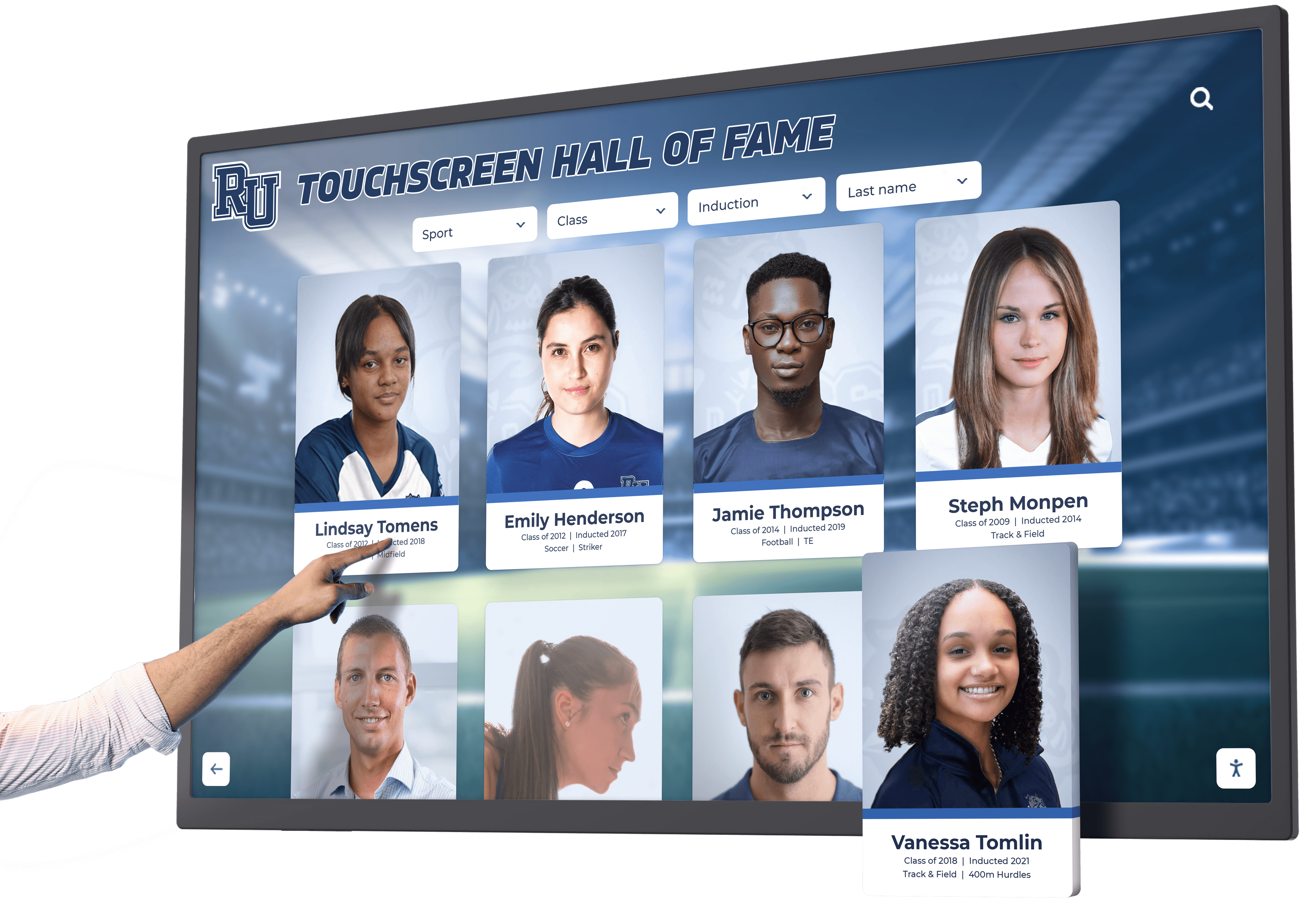
Live Example: Rocket Alumni Solutions Touchscreen Display
Interact with a live example (16:9 scaled 1920x1080 display). All content is automatically responsive to all screen sizes and orientations.
Preparing for high school lacrosse requires more than athletic ability and competitive drive—it demands proper equipment that protects players while enabling peak performance on the field. Whether you’re a parent purchasing gear for a first-year player or a student-athlete upgrading equipment for competitive play, understanding what constitutes a complete lacrosse equipment list ensures both safety compliance and readiness for practice and game situations.
Lacrosse equipment requirements differ significantly from other sports, with specialized protective gear mandated by governing bodies like US Lacrosse and the National Federation of State High School Associations (NFHS). The combination of hard rubber balls traveling at high velocities, physical contact between players, and stick-based gameplay creates unique safety considerations that proper equipment directly addresses.
This comprehensive guide provides high school lacrosse players, parents, and coaches with a complete lacrosse equipment list covering required protective gear, position-specific necessities, recommended accessories, and budget considerations. From understanding helmet safety certifications to selecting the right stick for your playing position, you’ll discover everything needed to step onto the field properly equipped and ready to compete safely and effectively.
Assembling the proper lacrosse equipment represents a significant investment in player safety and performance development—understanding what you truly need versus optional items helps prioritize purchases while ensuring compliance with league and safety requirements.

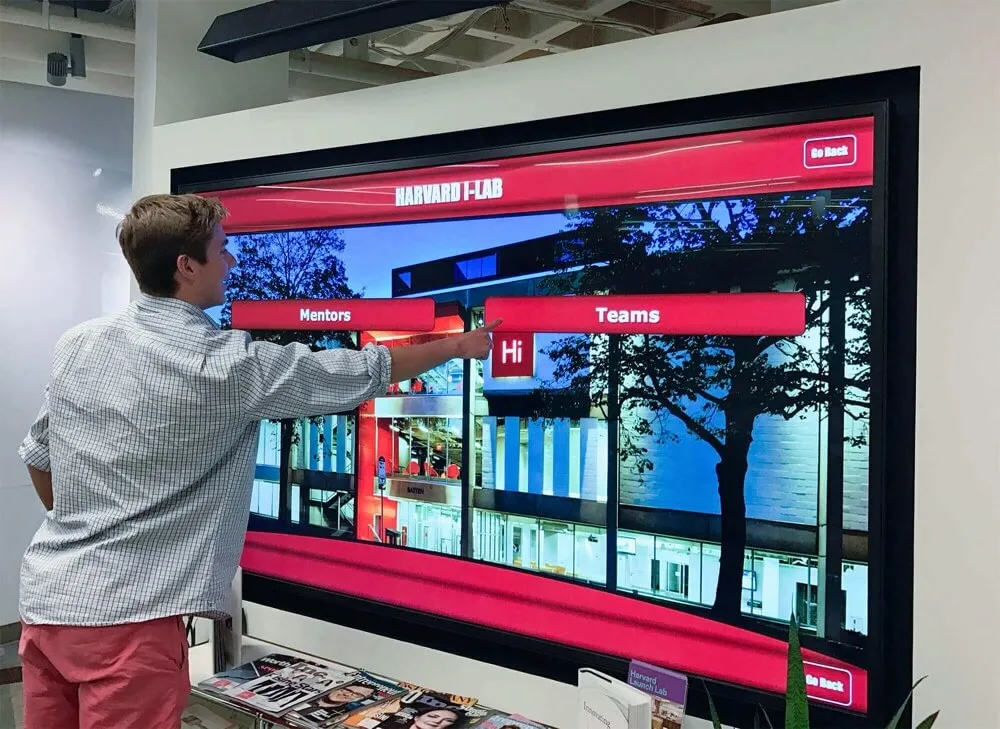
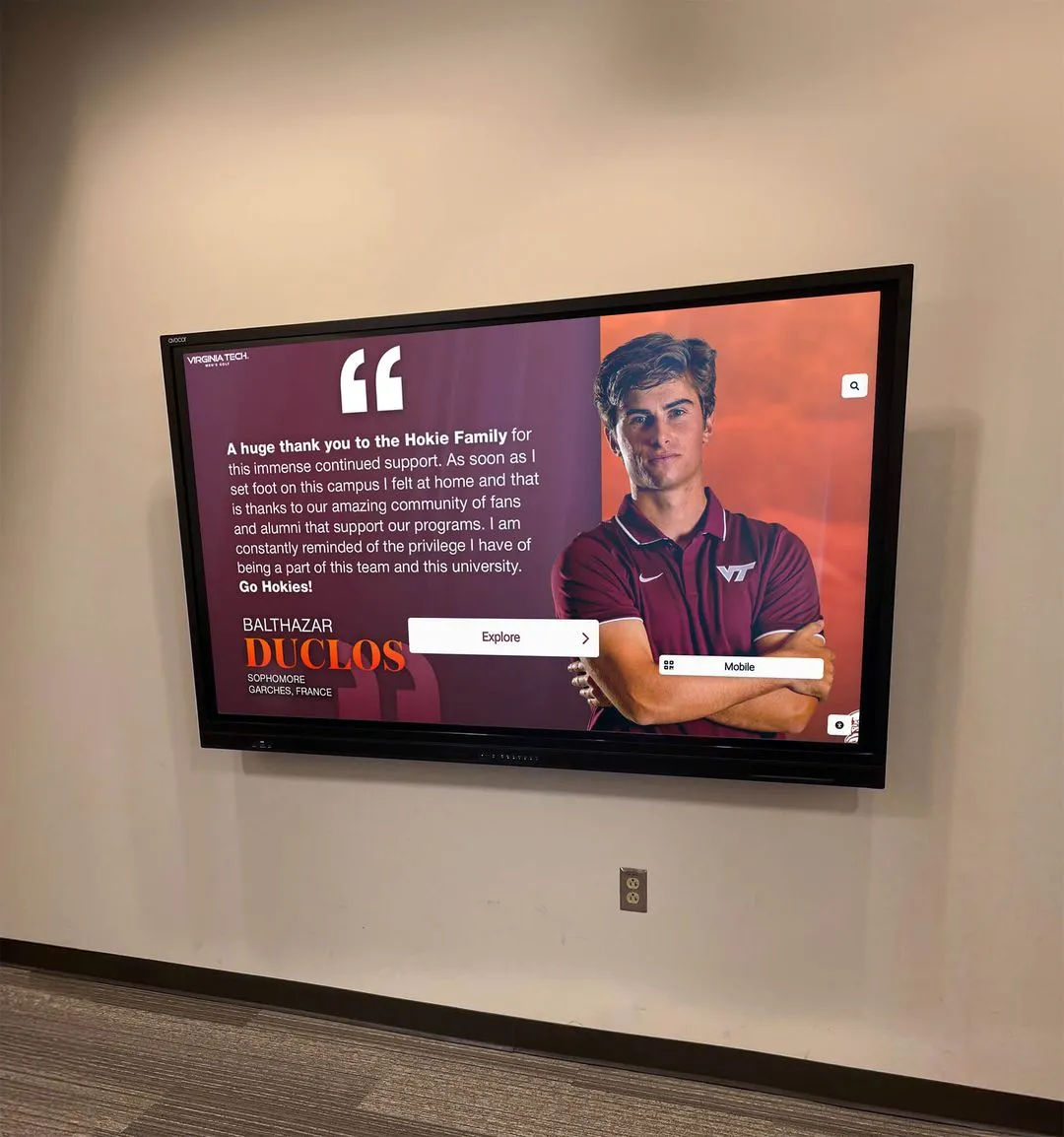
Successful lacrosse programs celebrate player achievements through modern recognition systems that inspire current athletes
Understanding Lacrosse Equipment Requirements
Before diving into specific gear, understanding the regulatory framework governing lacrosse equipment helps ensure purchases meet safety standards and league compliance.
Safety Standards and Certifications
Governing Body Requirements
High school lacrosse follows strict equipment regulations:
- NFHS Standards: National Federation of State High School Associations establishes minimum equipment requirements for interscholastic competition
- US Lacrosse Guidelines: National governing body provides additional safety recommendations
- NOCSAE Certification: National Operating Committee on Standards for Athletic Equipment certifies protective equipment
- State-Specific Requirements: Some states enforce additional equipment mandates beyond federal minimums
Required vs. Recommended Equipment
Understanding the distinction:
- Mandatory gear: Equipment players must wear to participate legally in sanctioned games
- Highly recommended: Gear that significantly improves safety despite not being required
- Optional accessories: Items enhancing performance or comfort but not affecting safety compliance
- Position-specific requirements: Additional equipment mandatory for certain positions (especially goalies)
Many successful programs showcase their lacrosse athletes’ achievements using comprehensive recognition approaches that celebrate diverse accomplishments from All-American honors to conference championships.
Gender-Specific Equipment Differences
Lacrosse equipment requirements vary significantly between boys’ and girls’ lacrosse due to differences in contact rules:
Boys’ Lacrosse (Contact Sport)
Requires extensive protective equipment:
- Full helmet with face mask
- Mouth guard
- Protective gloves
- Shoulder pads
- Arm pads
- Athletic protective cup
- Rib protection (recommended)
Girls’ Lacrosse (Non-Contact Sport)
Minimal protective requirements:
- Protective eyewear or goggles (mandated)
- Mouth guard (required)
- Gloves (optional but recommended)
- No helmet for field players (only goalies)
- Less padding overall due to non-contact rules
This guide primarily addresses boys’ lacrosse equipment, though many items apply to both genders or can be adapted accordingly.
Required Protective Equipment for Boys’ Lacrosse
The foundation of any lacrosse equipment list begins with mandatory protective gear ensuring player safety during contact situations.
Lacrosse Helmet
The single most critical piece of safety equipment protecting players from head injuries:
Certification Requirements
Essential helmet standards:
- NOCSAE Certified: Look for NOCSAE seal confirming testing and approval
- SEI Certified: Safety Equipment Institute provides additional third-party certification
- Current Standards: Ensure helmet meets most recent NOCSAE ND200 standard (not outdated versions)
- Proper Fit: Certification means nothing if helmet doesn’t fit correctly
Helmet Components
Complete helmet systems include:
- Hard outer shell protecting from impacts
- Face mask or cage protecting facial features
- Chin strap securing helmet during play
- Chin pad providing additional protection and comfort
- Padding system inside helmet absorbing impacts
- Ventilation allowing air flow during play
Fit and Sizing Considerations
Proper helmet fit requires:
- Measurement of head circumference at largest point
- Trying multiple brands (shapes differ between manufacturers)
- Checking that helmet sits level, not tilted
- Ensuring no excessive movement when shaking head
- Adjusting chin strap to four-point attachment
- Regular fit checks as players grow during seasons
Never purchase used helmets without knowing complete history—helmets involved in significant impacts may have compromised protection despite appearing undamaged externally.
Lacrosse Gloves
Protecting hands and fingers from stick checks and ball impacts:
Protection Features
Quality lacrosse gloves provide:
- Hard plastic shells covering back of hand and fingers
- Thick foam padding absorbing stick checks
- Flexible materials allowing stick control
- Ventilated palms reducing moisture buildup
- Adjustable cuffs securing gloves during play
- Position-specific designs (attack/midfield vs. defense)
Sizing Guidelines
Glove fit affects both protection and performance:
- Measure from base of palm to tip of middle finger
- Try gloves on with actual stick you’ll use
- Ensure fingers reach glove fingertips without excess length
- Check that thumb moves freely for stick manipulation
- Verify wrist coverage extends beyond glove cuff
- Allow slight break-in period for optimal fit
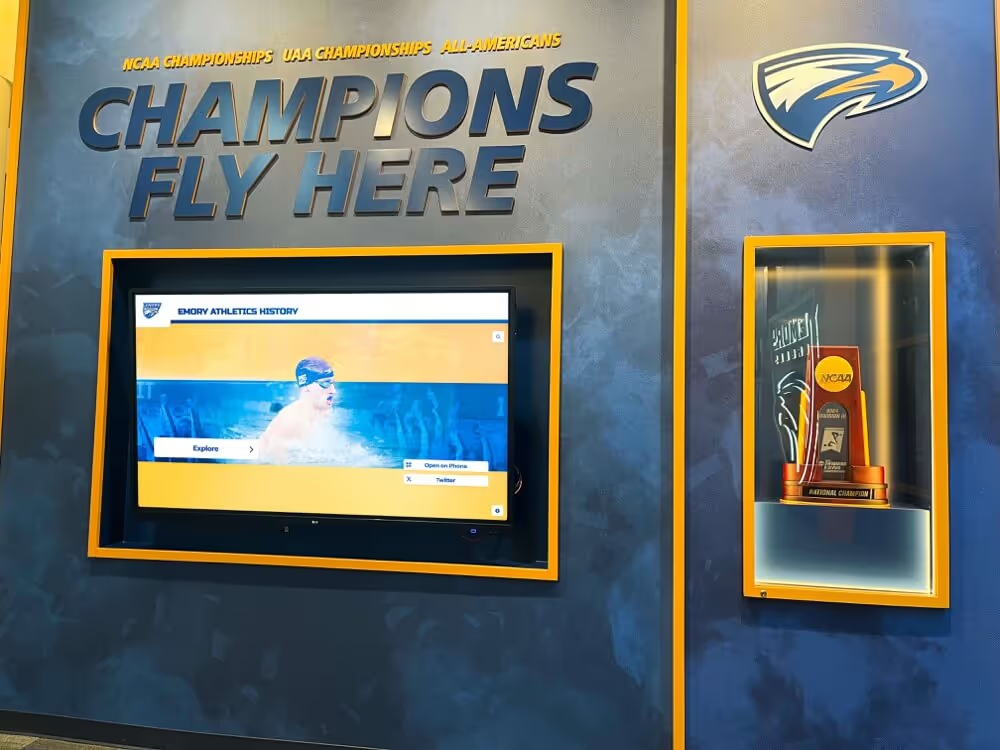
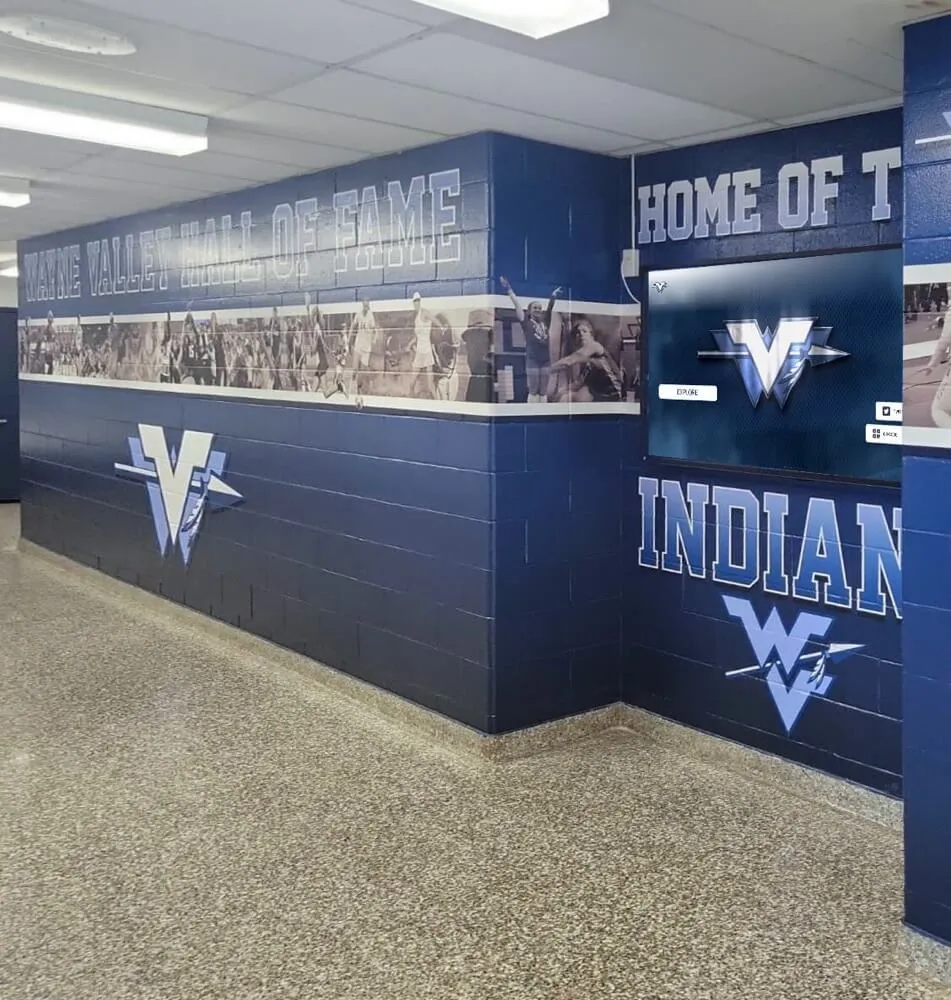
Modern athletic facilities integrate recognition displays showcasing multi-sport achievements including lacrosse programs
Shoulder Pads and Arm Pads
Upper body protection essential for contact situations:
Shoulder Pad Requirements
Protect chest, shoulders, and back:
- Attack/Midfield Pads: Lighter weight allowing maximum mobility
- Defensive Pads: More substantial protection for physical play
- Adjustable Straps: Secure fit preventing pad shifting during play
- Ventilation: Breathable materials reducing heat retention
- Spine Protection: Extended back coverage protecting vertebrae
Arm Pads (Elbow Pads)
Protecting forearms and elbows:
- Hard plastic caps covering elbow joints
- Foam padding protecting forearms from checks
- Secure straps preventing rotation during movement
- Sizing based on forearm length measurement
- Position-specific designs (lighter for offensive players)
Combined Systems vs. Separate Pieces
Some manufacturers offer integrated shoulder/arm pad systems while others sell separately—combined systems often provide better coverage continuity but separate pieces allow mix-and-match sizing for better individual fit.
Mouth Guard and Athletic Cup
Smaller but essential protective items:
Mouth Guard Requirements
Protecting teeth and reducing concussion risk:
- Must be clearly visible color (not clear or white)
- Can be stock, boil-and-bite, or custom-fitted
- Should cover all upper teeth completely
- Replace seasonally or after significant impacts
- Custom-fitted options provide superior protection and comfort
- Some helmets include attached mouth guards
Programs celebrating athletic achievement often integrate recognition systems for individual honors alongside team accomplishments, motivating academic and athletic excellence.
Athletic Protective Cup
Mandatory protection for boys’ lacrosse:
- Hard plastic cup in supportive undergarment
- Properly sized to player’s measurements
- Compression shorts with cup pocket or jock strap system
- Regular replacement as players grow
- Non-negotiable safety requirement despite discomfort
Position-Specific Equipment
Beyond universal protective gear, lacrosse equipment lists vary based on playing position, with goalies requiring the most specialized equipment.
Attack and Midfield Equipment
Offensive players prioritize mobility and stick control:
Stick Specifications
Attack and midfield sticks feature:
- Short stick length: 40-42 inches total (shaft plus head)
- Head width: 6.5-10 inches at widest point (narrower aids ball control)
- Pocket depth: Must allow top of ball to be visible when level
- Shaft materials: Alloy, composite, or scandium (lighter materials preferred)
- Head design: Pinched or offset designs aiding quick release
Additional Gear Considerations
Offensive players often select:
- Lighter shoulder pads maximizing mobility
- Shorter gloves improving stick feel (12-13 inches)
- Minimal additional padding for speed advantage
- Cleats emphasizing agility and cutting ability
Defensive Equipment
Defensive players need equipment supporting physical play:
Long Pole Specifications
Defensive sticks differ significantly:
- Long stick length: 52-72 inches total (defensive midfielders and close defense)
- Shaft diameter: Often thicker for durability during physical play
- Head design: Wider heads (6-10 inches) for checking and ground balls
- Shaft materials: Durability prioritized over minimal weight savings
Enhanced Protection
Defensive players benefit from:
- Heavier shoulder pads with maximum coverage
- Longer gloves (13-15 inches) protecting more forearm
- Additional rib protection given physical nature of position
- Reinforced gear withstanding repeated stick checks
Schools implementing comprehensive athletic recognition programs showcase achievements across all positions, celebrating defensive specialists alongside offensive stars.
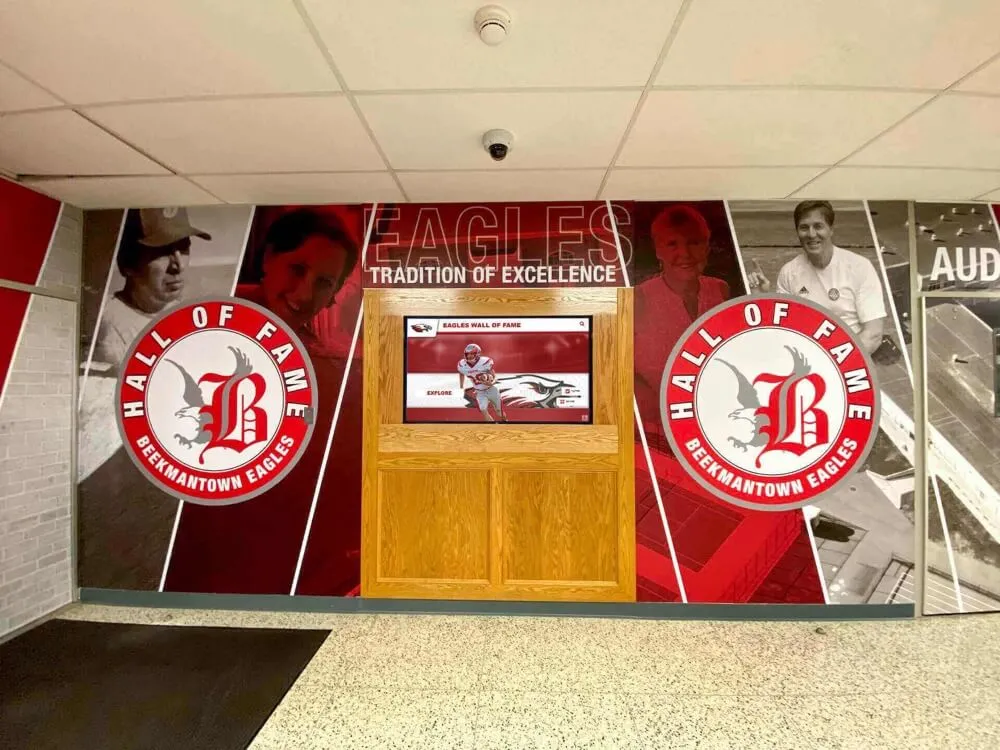
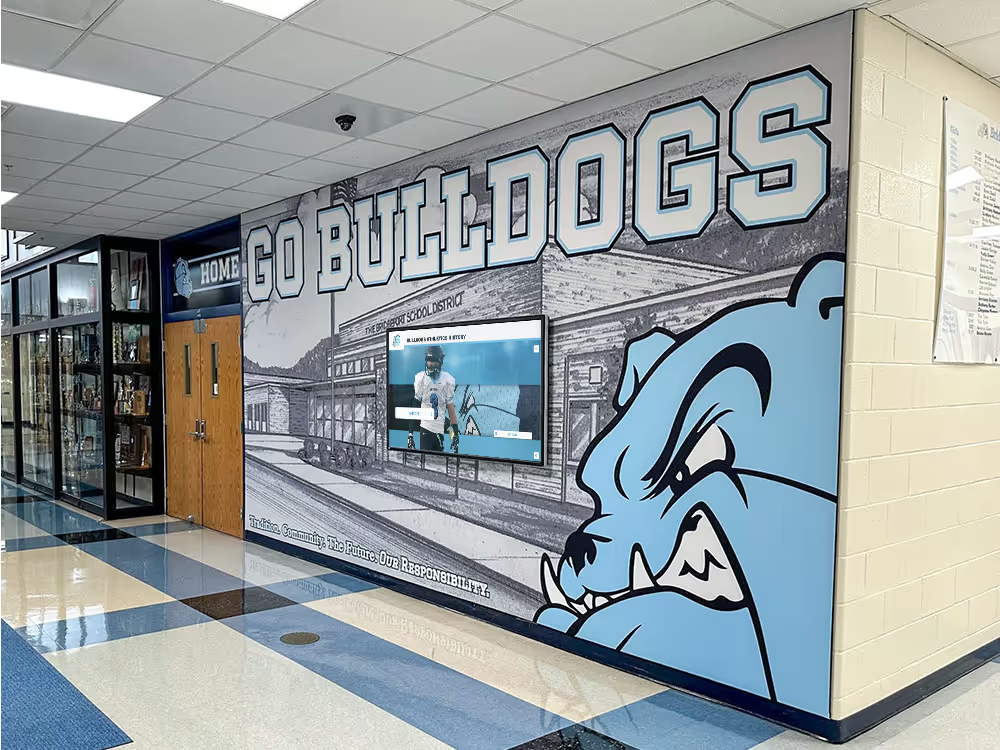
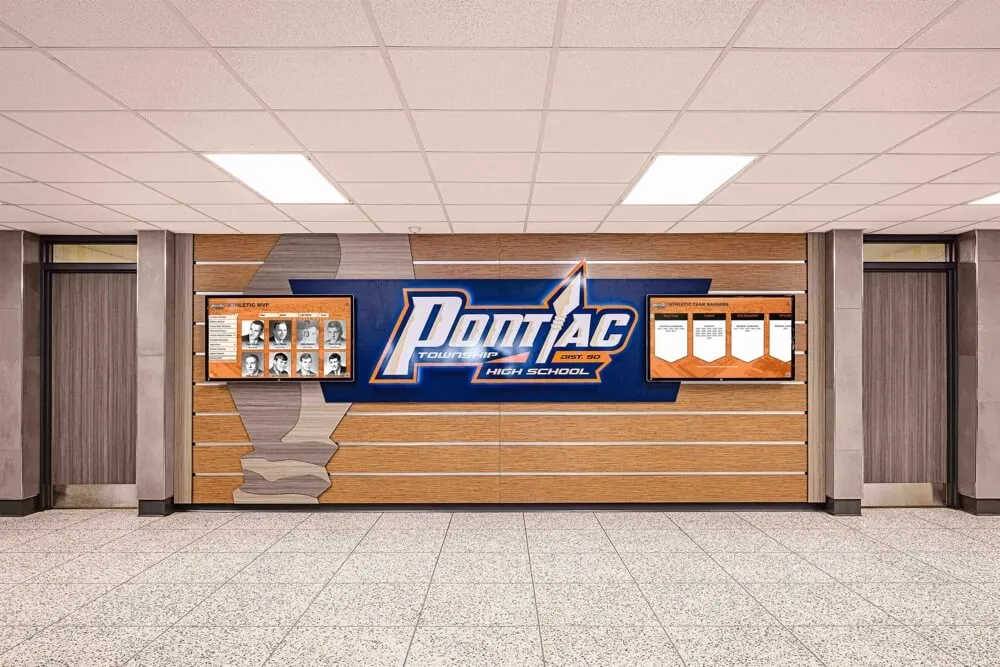
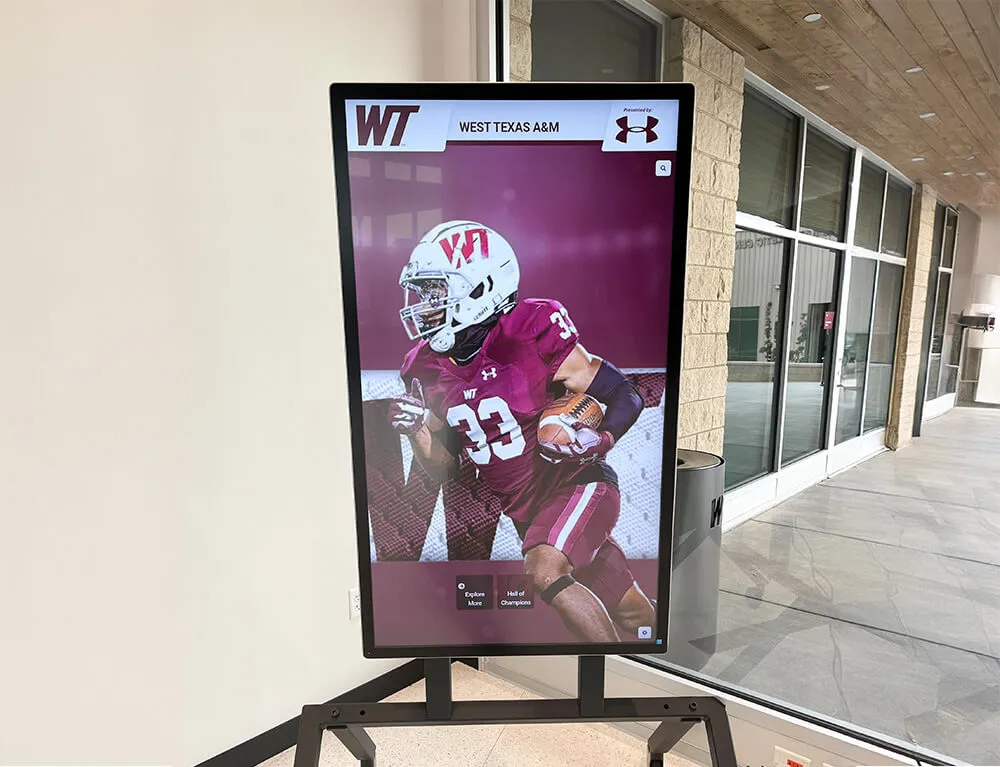
Athletic hallways near equipment rooms provide ideal locations for recognition displays celebrating lacrosse and multi-sport athletes
Goalie Equipment—The Complete Package
Goalies require the most extensive and specialized equipment:
Goalie-Specific Protective Gear
Unique equipment requirements:
- Goalie helmet: Larger, more protective than field player helmets with throat protector
- Goalie chest protector: Heavy padding covering chest, shoulders, and arms
- Goalie gloves: Oversized gloves with extra padding (different from field gloves)
- Goalie stick: Larger head (10-12 inches wide) with deeper pocket
- Leg pads/shin guards: Additional lower leg protection
- Goalie pants: Padded pants or additional hip/thigh protection
- Throat protector: Attached to helmet or worn separately (mandatory)
Goalie Stick Regulations
Specific requirements for goalie sticks:
- Maximum head width: 12 inches
- Minimum stick length: 40 inches total
- Maximum stick length: 72 inches total
- Deeper pockets allowed than field player sticks
- Regular pocket depth checks ensuring compliance
Cost Considerations
Goalie equipment represents significant investment:
- Complete goalie setup costs $800-$1,500+ for quality gear
- Used equipment viable option for youth/beginning goalies
- Team-provided equipment common at high school level
- Specialized fitting crucial for proper protection
- More frequent replacement due to ball impact wear
Many programs maintain equipment rooms adjacent to locker facilities, creating opportunities to integrate recognition displays showcasing program achievements in high-traffic areas where athletes access gear daily.
Essential Playing Equipment
Beyond protective gear, players need fundamental equipment for actual gameplay.
Lacrosse Stick—Shaft and Head
The most personal piece of equipment requiring careful selection:
Stick Shaft Selection
Shaft considerations include:
- Materials: Aluminum alloy (affordable), composite (lighter), scandium (premium lightweight), titanium (high-end)
- Diameter: Standard, attack (thinner), or defense (thicker)
- Grip: Textured, smooth, or custom tape application
- Length: Must comply with position requirements
- Durability: Balance weight savings against breakage risk
Stick Head Selection
Head features affecting performance:
- Shape: Pinched, offset, or traditional designs
- Sidewall design: Open or closed affecting pocket options
- Scoop: Low, mid, or high affecting ground ball pickup
- Materials: Various plastics with different stiffness levels
- Position-specific: Heads designed for attack, midfield, defense, or goalie
Pocket Stringing
Critical component affecting ball control:
- Stringing materials: Traditional (leather) or mesh (synthetic)
- Pocket placement: High, mid, or low affecting release point
- Pocket depth: Must meet legal requirements (ball visible when level)
- Channel: Width affecting hold and release characteristics
- Professional stringing: Recommended for consistent performance
First-time players often benefit from pre-strung complete sticks from reputable manufacturers rather than assembling custom combinations without experience.
Lacrosse Balls
Required for practice and warm-ups:
Ball Specifications
Regulation lacrosse balls:
- Solid rubber construction
- 7.75-8 inches circumference
- 5-5.25 ounces weight
- White, yellow, or orange colors (yellow most common for visibility)
- NOCSAE or SEI approved for game use
- Durable outdoor-rated materials
Practice Ball Needs
Individual players should have:
- 6-12 balls for individual practice and wall ball
- Storage bag preventing ball loss
- Regular replacement as balls become damaged or lose bounce
- Consider bulk purchasing for cost savings
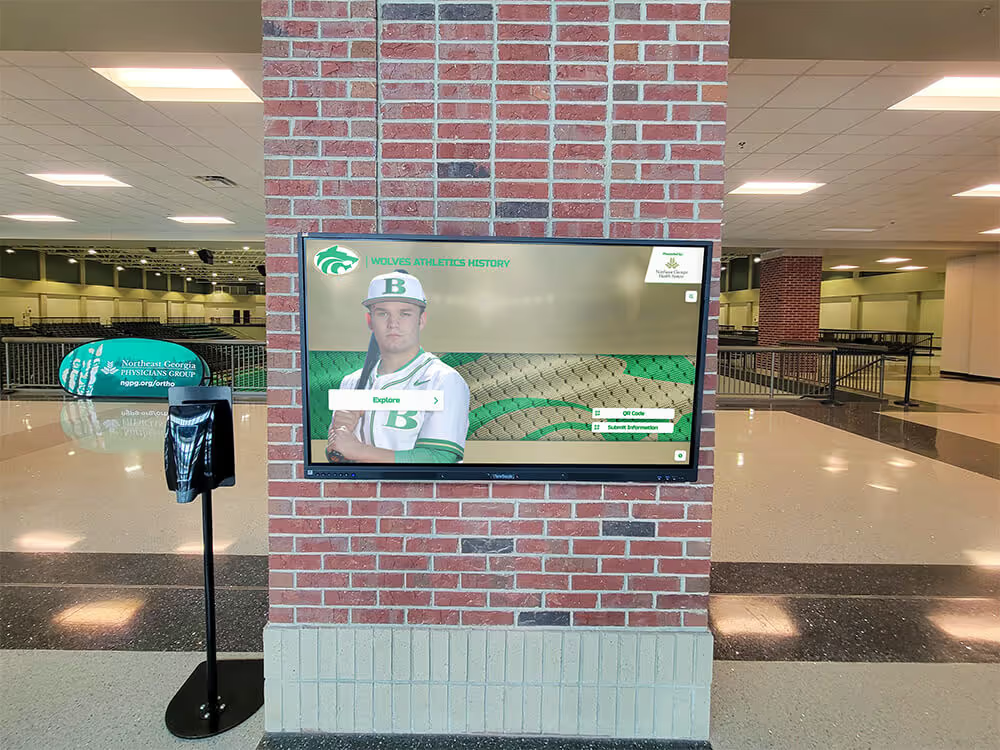
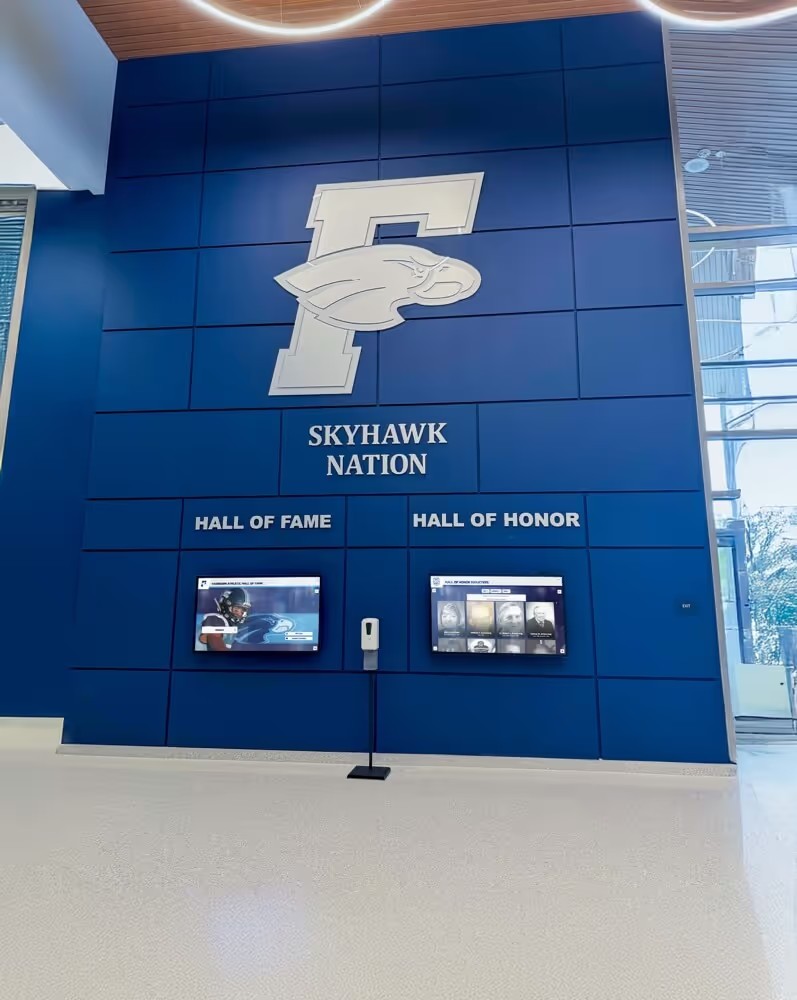
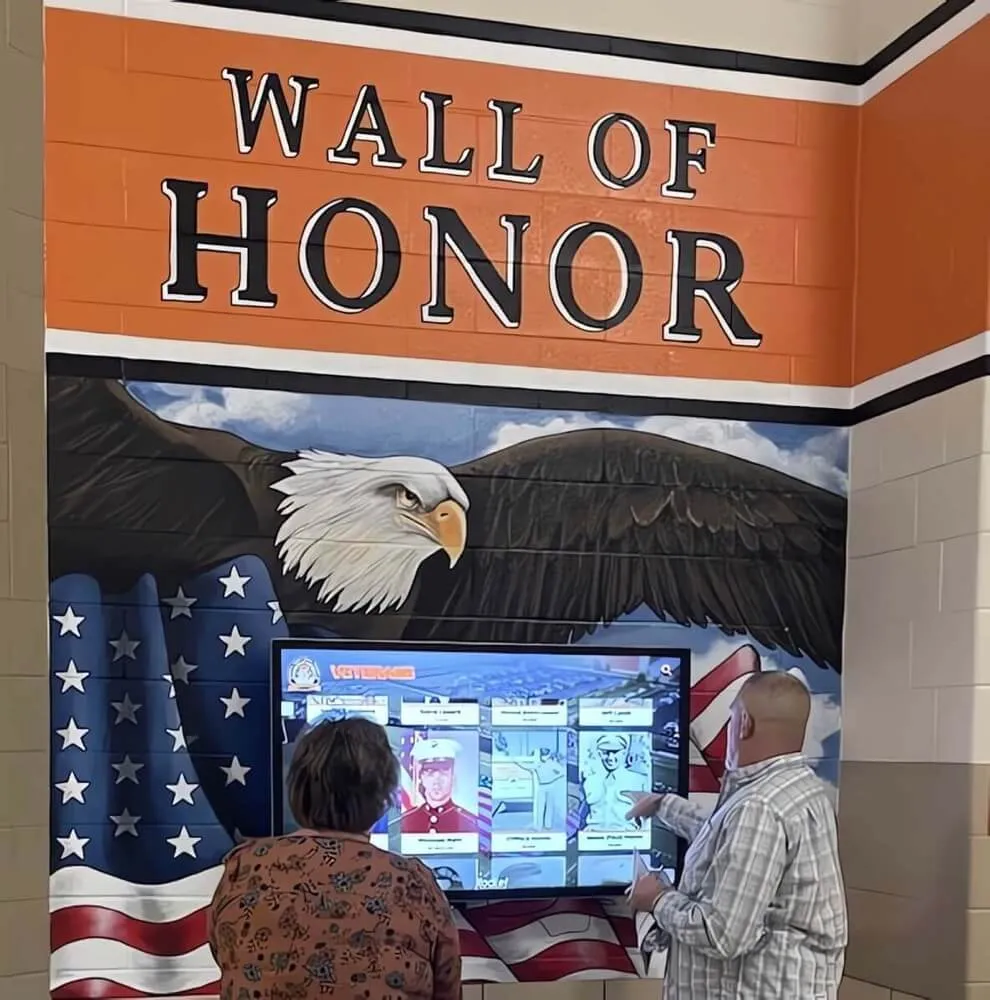
Interactive kiosks allow programs to showcase lacrosse statistics, achievements, and player profiles in engaging digital formats
Apparel and Footwear
Proper clothing and footwear complete the equipment package:
Athletic Clothing
Basic apparel requirements:
Practice and Game Uniforms
School-provided typically includes:
- Practice jerseys (reversible for scrimmages)
- Game jerseys (home and away)
- Team shorts or game pants
- Team warm-ups or sweatsuit
Personal Athletic Wear
Players purchase individually:
- Compression undergarments for padding base layers
- Multiple practice shirts for daily training
- Athletic shorts for practice
- Cold weather training gear (long sleeves, tights)
- Athletic socks (crew length recommended)
Lacrosse Cleats
Footwear significantly impacts performance and safety:
Cleat Selection Criteria
Important considerations:
- Lacrosse-specific cleats: Designed for multidirectional movement
- Low-cut vs. mid-cut: Ankle support versus mobility trade-offs
- Cleat pattern: Blade, conical, or hybrid configurations
- Upper materials: Leather (durable), synthetic (lighter, often cheaper)
- Fit: Snug but comfortable with proper toe box room
Alternative Footwear Options
Acceptable cleat alternatives:
- Football cleats (heavier but protective)
- Soccer cleats (lighter, good for midfielders)
- Multi-sport cleats (acceptable for beginners)
Prohibited Footwear
Never allowed:
- Metal cleats or spikes
- Baseball cleats (toe cleat unsafe in lacrosse)
- Footwear without proper ankle support
- Damaged cleats with exposed sharp elements
Athletic programs celebrating player achievements often incorporate recognition for multi-sport athletes who excel in lacrosse alongside other sports.
Recommended Additional Equipment
While not mandatory, these items significantly enhance player development and experience:
Training and Practice Equipment
Wall Ball Rebounder
Individual skill development tool:
- Portable rebounders for home practice
- Various sizes (3’×3’ up to 8’×8')
- Allows year-round stick skill development
- Critical for building fundamentals
Agility and Conditioning Equipment
Performance enhancement tools:
- Speed ladder for footwork drills
- Agility cones for change-of-direction training
- Resistance bands for strength work
- Jump rope for conditioning
Target Training Aids
Shooting accuracy development:
- Goal corner targets
- Shooting strings or bungee goals
- Goalie training equipment
- Video recording equipment for self-analysis
Gear Bags and Storage
Lacrosse Equipment Bags
Essential organization tools:
- Large duffle bags holding all equipment
- Backpack-style bags for easy transport
- Ventilated mesh panels reducing odor
- Separate compartments for wet/dirty gear
- Stick compartments or external attachments
- Personalized with player name/number
Additional Storage Solutions
Helpful organizational items:
- Separate bag for practice balls
- Stick rack for home storage
- Helmet bag for protection during transport
- Shoe bag separating cleats from other gear
Athletic facility common areas provide opportunities to display lacrosse trophies and achievement recognition
Optional Protective Gear
Additional protection some players choose:
Rib Protection
Chest/rib guards:
- Lightweight vests protecting ribs and sternum
- Worn under shoulder pads
- Particularly valuable for midfielders in physical play
- Reduces impact from body checks and errant shots
Neck Rolls and Collars
Additional neck protection:
- Foam collar attachments for helmets
- Reduces whiplash risk
- Provides additional comfort
- Some players find restrictive
Equipment Care and Maintenance
Proper maintenance extends equipment lifespan and ensures continued safety performance:
Regular Cleaning Protocols
After Each Use
Immediate maintenance:
- Wipe down helmet interior and exterior
- Air out gloves, pads, and protective gear
- Clean stick head removing dirt and debris
- Inspect equipment for damage or needed repairs
- Never store wet equipment in sealed bag
Weekly Deep Cleaning
More thorough maintenance:
- Hand wash shoulder pads, arm pads, and gloves (when possible)
- Disinfect helmet interior with antibacterial spray
- Check and re-tape stick shaft as needed
- Inspect stringing for wear or pocket depth changes
- Clean and organize equipment bag
Programs celebrating athletic achievements can showcase proper equipment care as part of team culture through recognition displays in locker facilities that emphasize responsibility and professionalism.
Safety Inspections
Regular safety checks:
Helmet Inspections
Check regularly:
- Shell cracks or damage (replace immediately if found)
- Padding degradation or compression
- Strap integrity and function
- Face mask security and condition
- Certification stickers and dates
- Proper fit as player grows
Stick Compliance
Ensure continued legality:
- Pocket depth using regulation ball and ruler
- Overall length measurements
- Head integrity (no cracks or modifications)
- Stringing condition and security
- End cap presence and security
Protective Gear Condition
Monitor for replacement needs:
- Padding compression indicating reduced protection
- Strap or buckle failures
- Shell cracks in gloves or pads
- Excessive wear creating safety concerns
- Fit changes as players grow
Storage Best Practices
Off-season storage:
Climate-Controlled Storage
Proper storage prevents damage:
- Cool, dry location preventing mildew
- Avoid extreme temperature fluctuations
- Hang gear rather than compressing in bags
- Store helmets on shelf or helmet stand
- Keep equipment off concrete floors
Off-Season Maintenance
Prepare equipment for storage:
- Thorough cleaning before long-term storage
- Repair any damage before next season
- Re-string sticks if needed
- Replace worn padding or components
- Inventory all equipment noting needed replacements
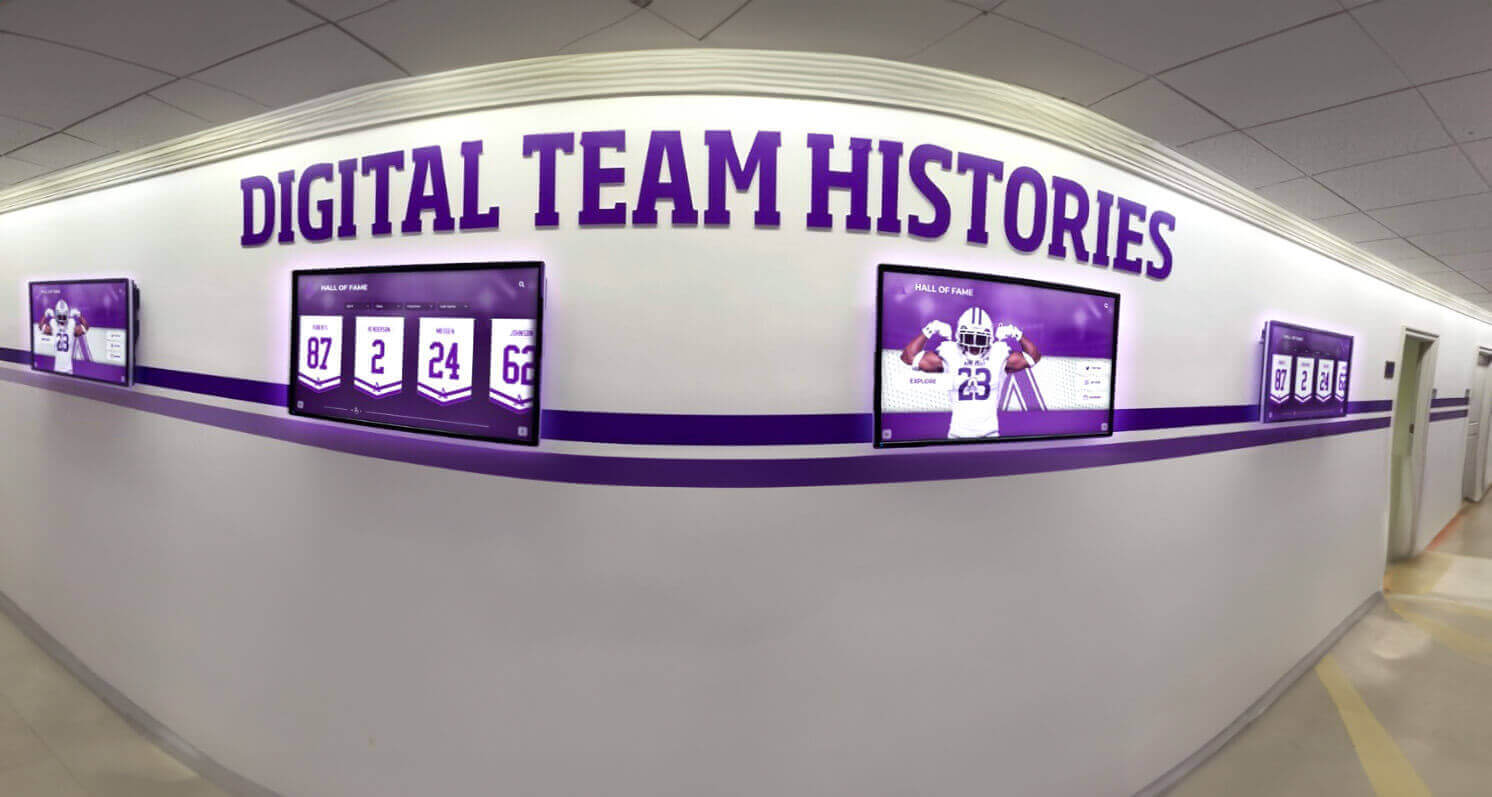
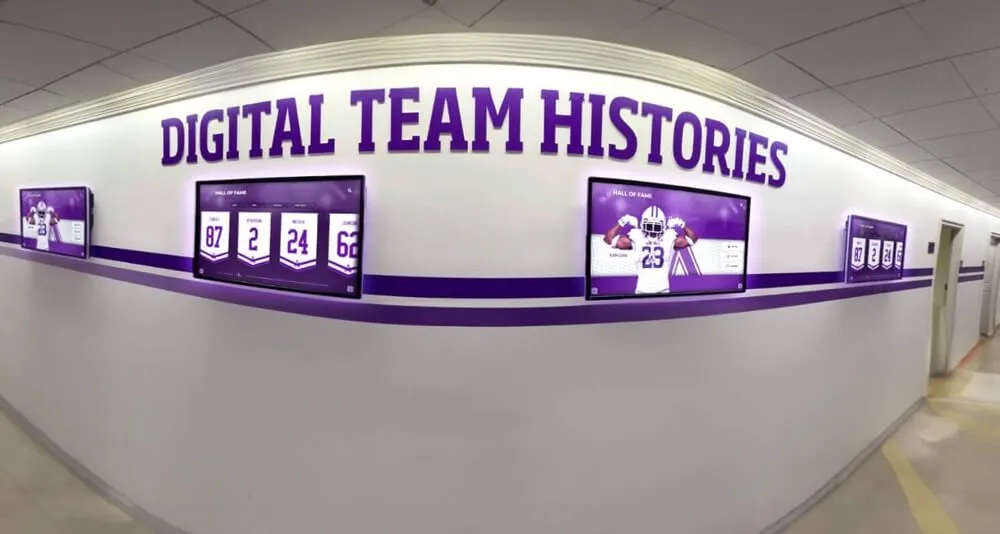
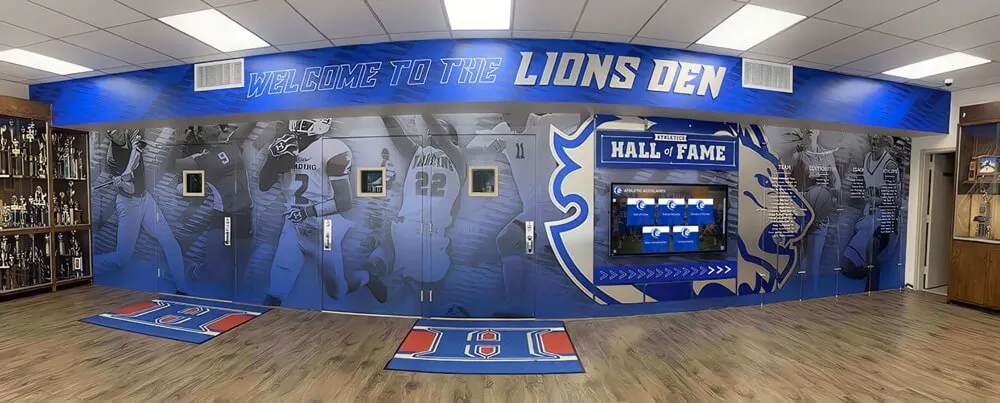
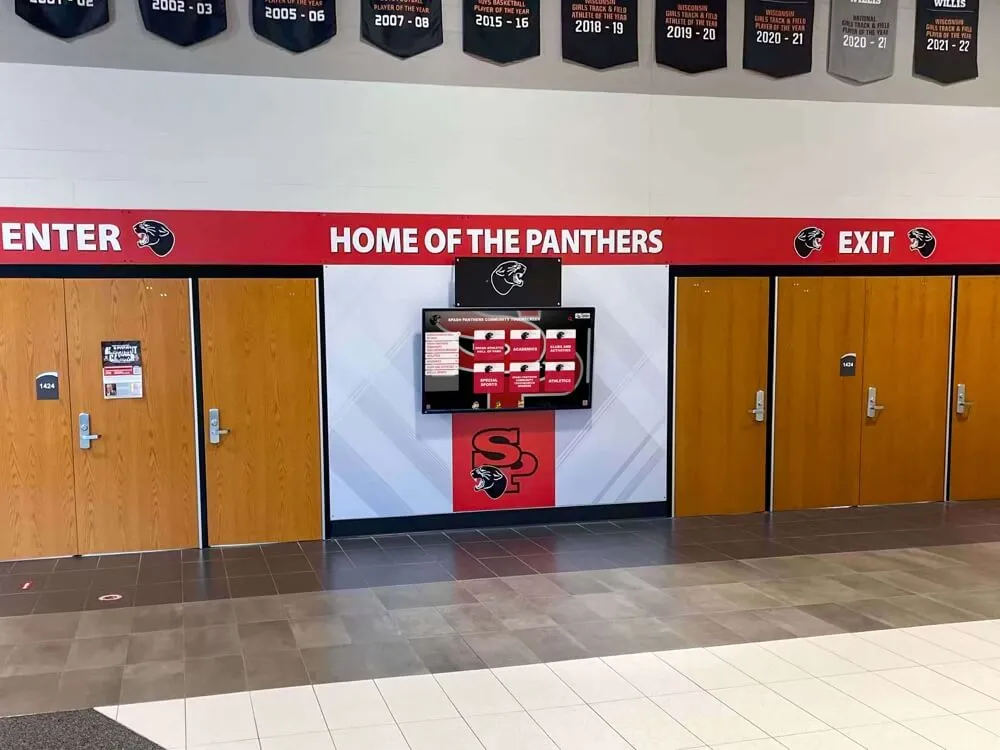
Multi-display installations allow programs to showcase lacrosse team histories, season highlights, and player achievements
Budget Considerations and Cost-Saving Strategies
Lacrosse equipment represents significant investment—strategic purchasing maximizes value:
Complete Equipment Cost Breakdown
New Player Investment
Typical costs for field players:
- Helmet: $75-$350
- Shoulder pads: $60-$180
- Arm pads: $30-$100
- Gloves: $50-$180
- Stick (shaft + head + stringing): $80-$300
- Mouth guard: $5-$80
- Athletic cup/supporter: $10-$30
- Cleats: $50-$150
- Equipment bag: $30-$100
- Total new equipment: $390-$1,470
Goalie Investment
Significantly higher for goalies:
- Goalie helmet: $200-$500
- Chest protector: $150-$400
- Goalie gloves: $80-$200
- Goalie stick: $100-$300
- Leg pads: $40-$100
- Additional padding: $50-$150
- Total goalie equipment: $620-$1,650
Smart Purchasing Strategies
Budget-Conscious Approaches
Maximize value through:
- Used equipment: Helmets (if history known), sticks, pads significantly cheaper used
- Previous year models: Last year’s colors/designs often deeply discounted
- Package deals: Complete stick packages or protective gear sets saving 15-30%
- End-of-season sales: Best prices typically March-June after seasons end
- Team purchasing: Bulk orders through coaches accessing team pricing
- Starter packages: Manufacturers offer budget complete equipment sets
Investment Priorities
Allocate budget strategically:
- Never compromise on helmet: Always purchase new NOCSAE-certified helmet
- Quality stick: Performance tool worth investment for serious players
- Proper-fitting gloves: Protection and performance make quality worthwhile
- Budget shoulder/arm pads: Acceptable for beginners, upgrade if continuing
- Affordable cleats initially: Upgrade if sport becomes primary focus
What to Buy New vs. Used
Always Purchase New:
- Helmets (unless from trusted source with known history)
- Mouth guards (hygiene requirement)
- Athletic cups (hygiene requirement)
- Gloves (hygiene and fit-specific)
Acceptable to Purchase Used:
- Shoulder pads (if in good condition)
- Arm pads (if straps functional)
- Sticks (inspect carefully for damage)
- Equipment bags
- Training equipment
Many schools support equipment costs through booster club fundraising programs that help families afford necessary gear.
School Equipment Programs and Sharing
Many high school programs provide some equipment, reducing individual player costs:
School-Provided Equipment
Common school-provided items:
- Practice and game jerseys
- Team warm-ups
- Goalie equipment (often provided due to cost)
- Practice balls and training equipment
- Medical supplies and first aid equipment
Player Responsibility Equipment
Typically purchased individually:
- Helmets (some schools provide, others require personal)
- Sticks
- Protective pads (shoulder, arm, gloves)
- Cleats and athletic clothing
- Personal equipment bags
- Mouth guards and athletic cups
Equipment Sharing Considerations
Some programs operate equipment loan systems:
- Equipment library for players unable to afford gear
- Sizing equipment for new/growing players
- Loaner sticks for players trying different styles
- Backup equipment for emergency situations
Athletic directors managing equipment programs increasingly showcase team accomplishments through modern recognition systems that tell program stories to prospective students and families during facility tours.
Preparing for the Season—Equipment Checklist
Complete pre-season equipment verification ensures nothing is forgotten:
Two Weeks Before First Practice
Inventory and prepare:
- Try on all protective equipment checking fit
- Replace any damaged or worn equipment
- Purchase any missing required items
- Verify helmet certification current
- Check stick pocket depth compliance
- Measure stick length confirming legal
- Test all straps, buckles, and adjustments
- Clean all equipment thoroughly
- Organize equipment bag for efficient access
- Purchase adequate practice balls
- Verify cleats fit properly with athletic socks
- Stock up on mouth guards (have backups)
- Label all equipment with name/number
First Day of Practice
Final verification:
- Full equipment fitting by coaches
- Stick inspection for legality
- Helmet fit check and adjustment
- Emergency contact forms submitted
- Physical examination on file
- Understanding of equipment care requirements
- Knowledge of equipment replacement procedures
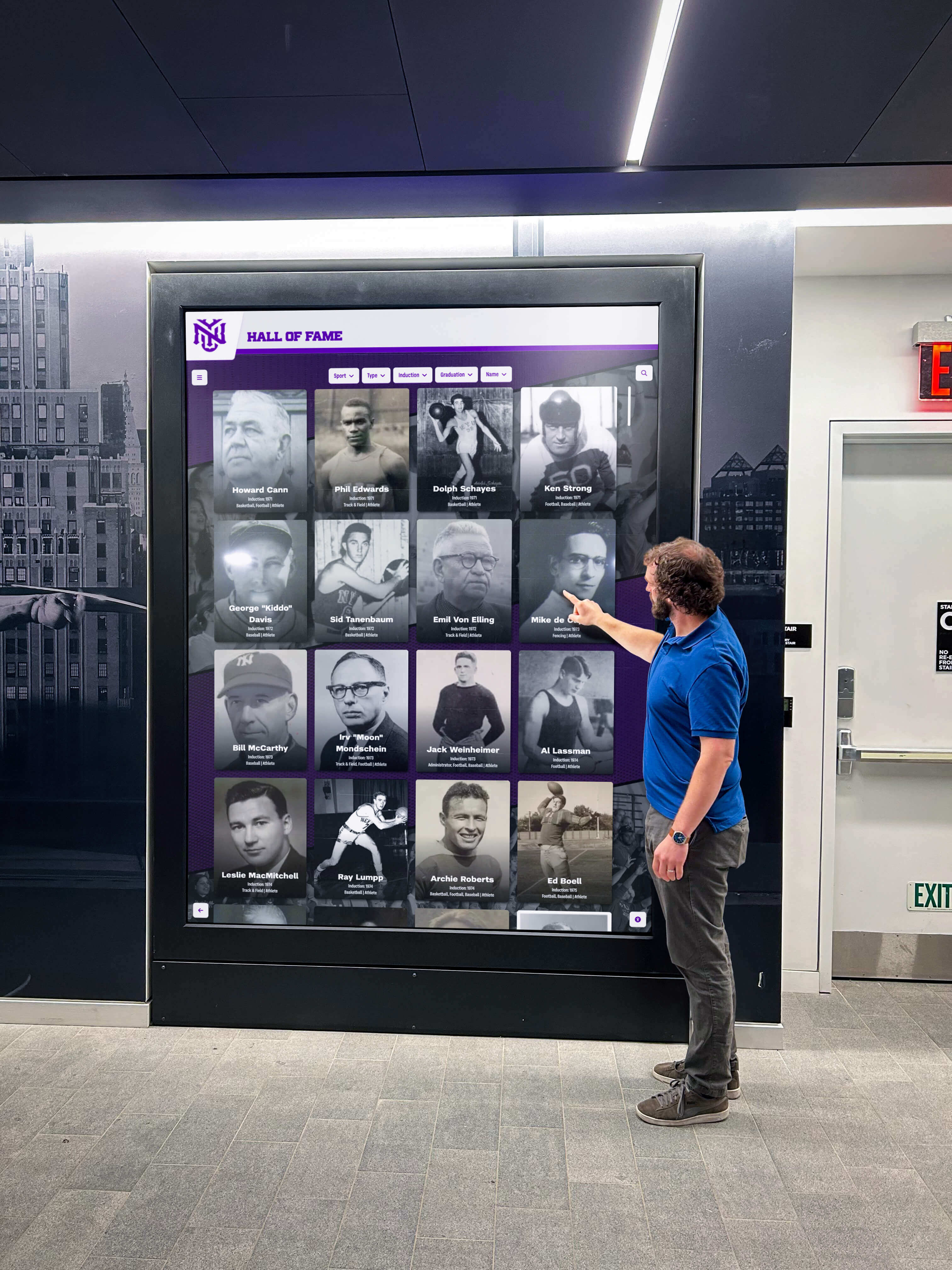
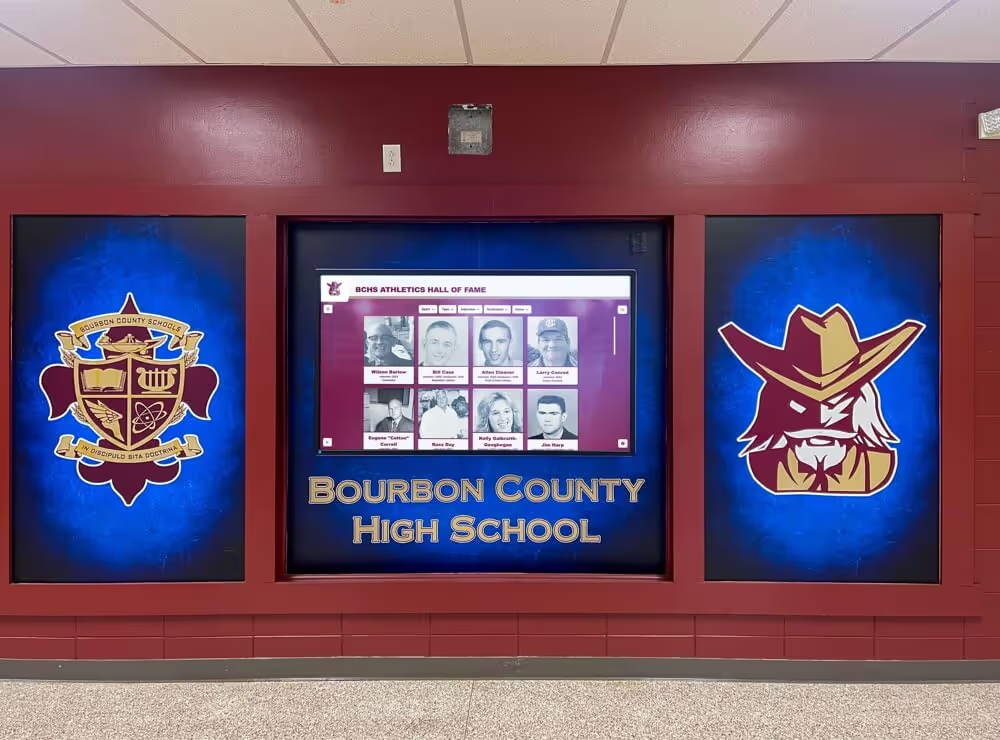
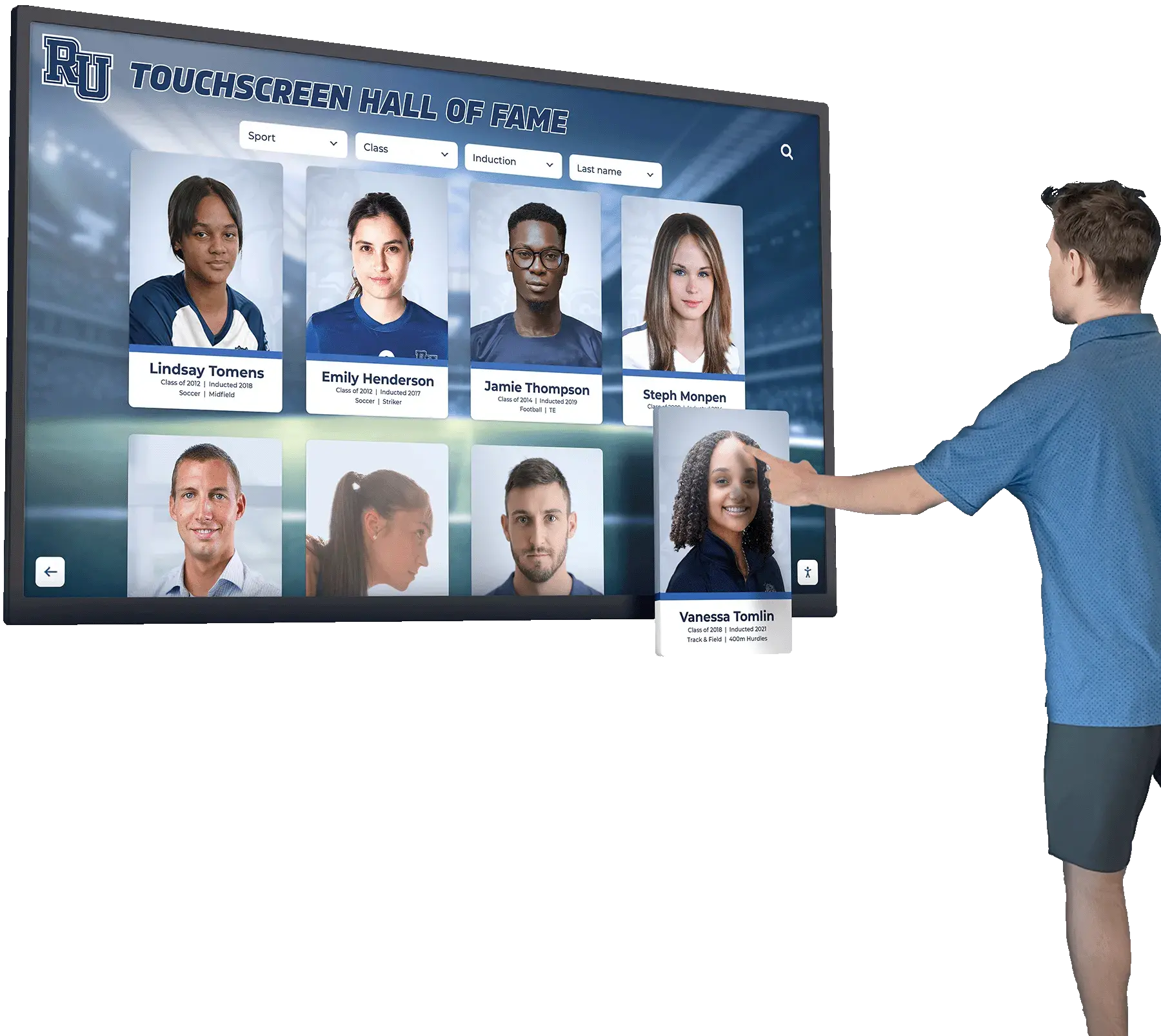
Interactive recognition displays engage visitors, recruits, and community members exploring athletic program achievements including lacrosse success
Growing with the Sport—Equipment Evolution
As players develop, equipment needs change:
Beginner to Intermediate Transition
First-year to experienced player evolution:
- Upgrading from starter equipment packages to performance-focused gear
- Transitioning to position-specific equipment
- Investing in quality sticks matching skill development
- Adding training equipment for home practice
- Replacing outgrown protective gear
- Exploring advanced stick customization
High School to Collegiate Preparation
Advanced players heading to college lacrosse:
- Top-tier helmets with advanced safety features
- Performance sticks preferred by college players
- Multiple stick options for different conditions
- Advanced training equipment and technology
- Professional-grade protective gear
- Investing in durability for year-round play
Multi-Sport Athletes
Lacrosse alongside other sports:
- Sharing some equipment across sports (cleats, clothing)
- Balancing equipment budgets across multiple sports
- Storage solutions for multiple sport gear sets
- Coordinating equipment replacement across sports
- Understanding position crossover benefits (football and lacrosse)
Programs celebrating multi-sport achievement often create recognition displays showcasing athletic versatility and the value athletes bring across multiple programs.
Conclusion—Equipped for Success
Assembling the complete lacrosse equipment list for high school players represents significant investment, but proper gear fundamentally enables both safety and performance development. From the essential protective equipment mandated by governing bodies to position-specific requirements and recommended training aids, understanding what you truly need helps prioritize purchases while ensuring players step onto the field properly equipped and confident.
Whether you’re a parent purchasing equipment for a first-year player experiencing lacrosse for the first time or an experienced athlete upgrading gear for competitive high school play, focusing on fit, safety certification, and quality in critical areas ensures equipment supports rather than hinders athletic development.
As you assemble lacrosse equipment through this comprehensive checklist, remember that gear serves as the foundation enabling players to focus on skill development, team competition, and the personal growth that lacrosse provides. Proper equipment removes safety concerns, eliminates compliance issues, and allows athletes to pursue excellence without distraction or limitation.
The lacrosse field becomes a place where properly equipped athletes can compete confidently, develop technical skills safely, and build the teamwork and resilience that define championship programs. Your investment in appropriate equipment directly invests in player safety, performance capacity, and long-term enjoyment of this dynamic, challenging sport.
Celebrate Your Lacrosse Program's Excellence
Discover how modern interactive displays can showcase your lacrosse team's achievements, highlight player statistics and honors, and preserve program history—creating recognition systems that inspire current athletes while celebrating your lacrosse legacy for generations to come.
Explore Recognition Display SolutionsModern technology offers unprecedented opportunities for lacrosse programs to build traditions and recognition systems celebrating team achievements alongside individual player excellence. Interactive touchscreen displays allow athletic departments to showcase unlimited content—all-conference selections, championship seasons, statistical leaders, hall of fame inductees, and program milestones—creating dynamic recognition environments impossible with traditional static plaques and photos.
These systems engage current players daily as they access equipment areas, impress prospective student-athletes during campus visits, and connect alumni to programs they represented years earlier. As your lacrosse program grows and players properly equipped for competition pursue excellence on the field, consider how comprehensive recognition systems reinforce the culture and values that transform individual athletes into championship teams and successful young adults.
Live Example: Rocket Alumni Solutions Touchscreen Display
Interact with a live example (16:9 scaled 1920x1080 display). All content is automatically responsive to all screen sizes and orientations.