Golf Putting Drills: 12 Exercises to Sink More Putts and Lower Your Score
- Home /
- Digital Wall of Fame Blog - Recognition Display Insights & Resources /
- Golf Putting Drills: 12 Exercises to Sink More Putts and Lower Your Score
The Easiest Touchscreen Solution




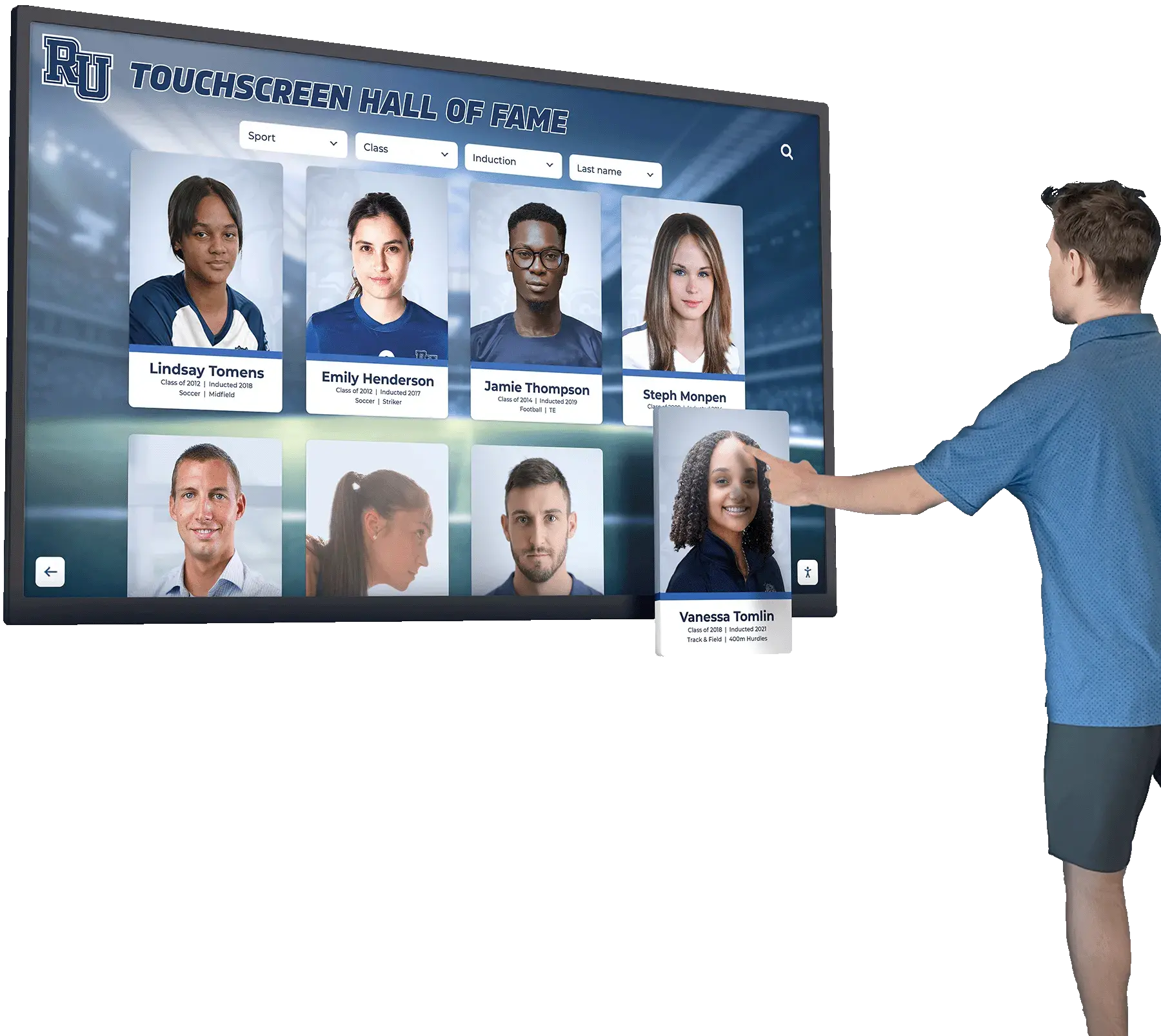
Live Example: Rocket Alumni Solutions Touchscreen Display
Interact with a live example (16:9 scaled 1920x1080 display). All content is automatically responsive to all screen sizes and orientations.
The difference between shooting a personal best and a frustrating round often comes down to performance on the greens. Golf putting drills transform inconsistent putting into a reliable scoring weapon by developing the mechanics, touch, and confidence that separate good golfers from great ones. Whether you’re a high school golfer working toward state championships, a college athlete fine-tuning your game, or a recreational player seeking lower scores, systematic putting practice delivers measurable results faster than any other aspect of golf improvement.
Yet most golfers approach putting practice without structure, randomly hitting balls toward various holes without clear objectives or feedback mechanisms. They spend hours on the driving range perfecting their swing while allocating minimal time to the club they’ll use most frequently during actual rounds. Research consistently shows that putting accounts for approximately 40% of all strokes in a typical round—making it the single most impactful skill area for score reduction.
This comprehensive guide presents 12 proven putting drills that address every critical aspect of green play: alignment, distance control, breaking putts, pressure performance, and consistency under competition conditions. Each drill includes specific practice instructions, measurable goals, and progression frameworks that transform practice time into tangible scoring improvement.
Effective putting practice requires more than simply hitting balls toward holes. Championship-level putters develop their skills through deliberate drills that isolate specific techniques, provide immediate feedback, and create repeatable stroke mechanics that hold up under pressure.

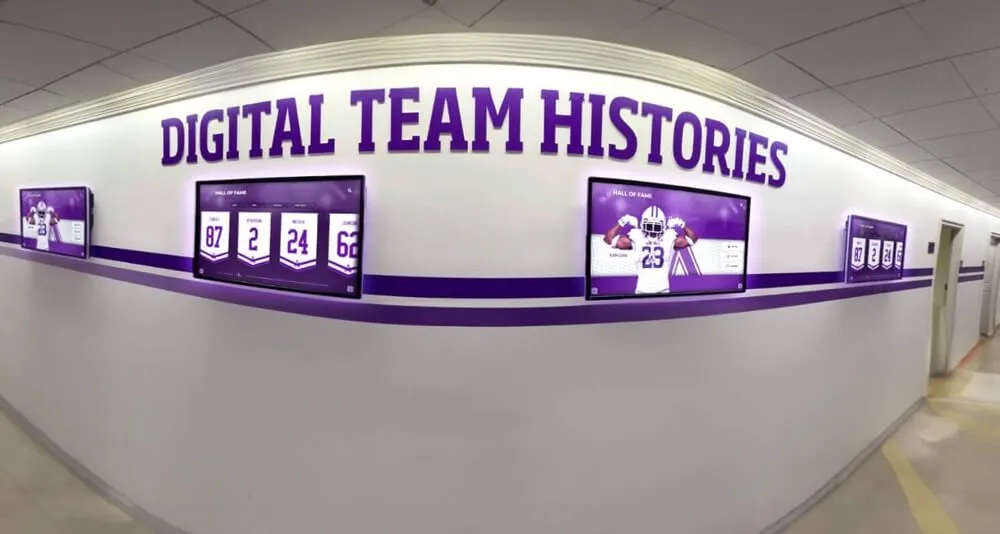
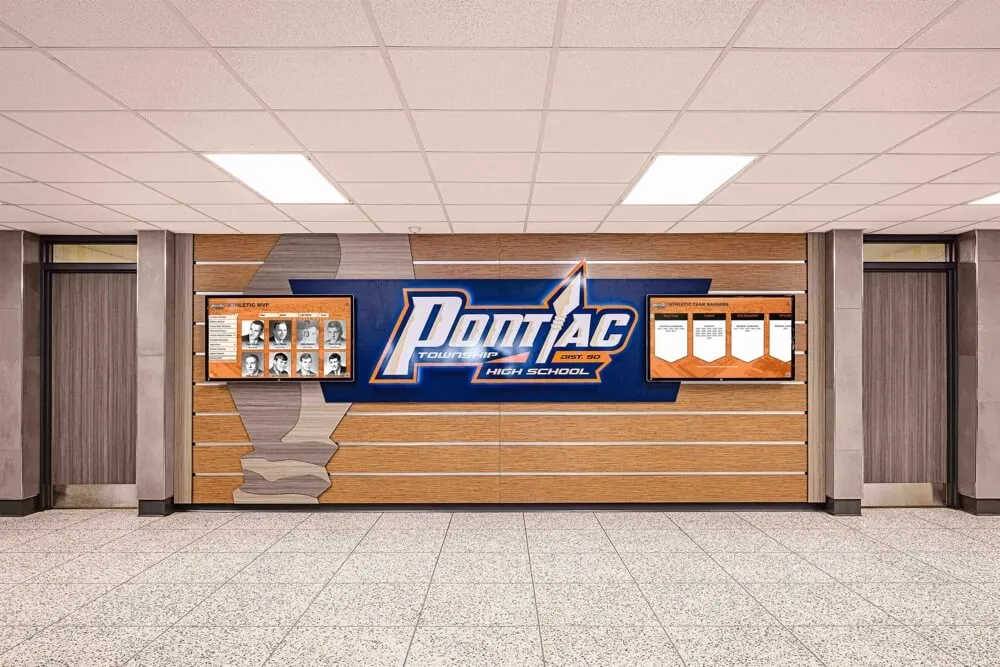
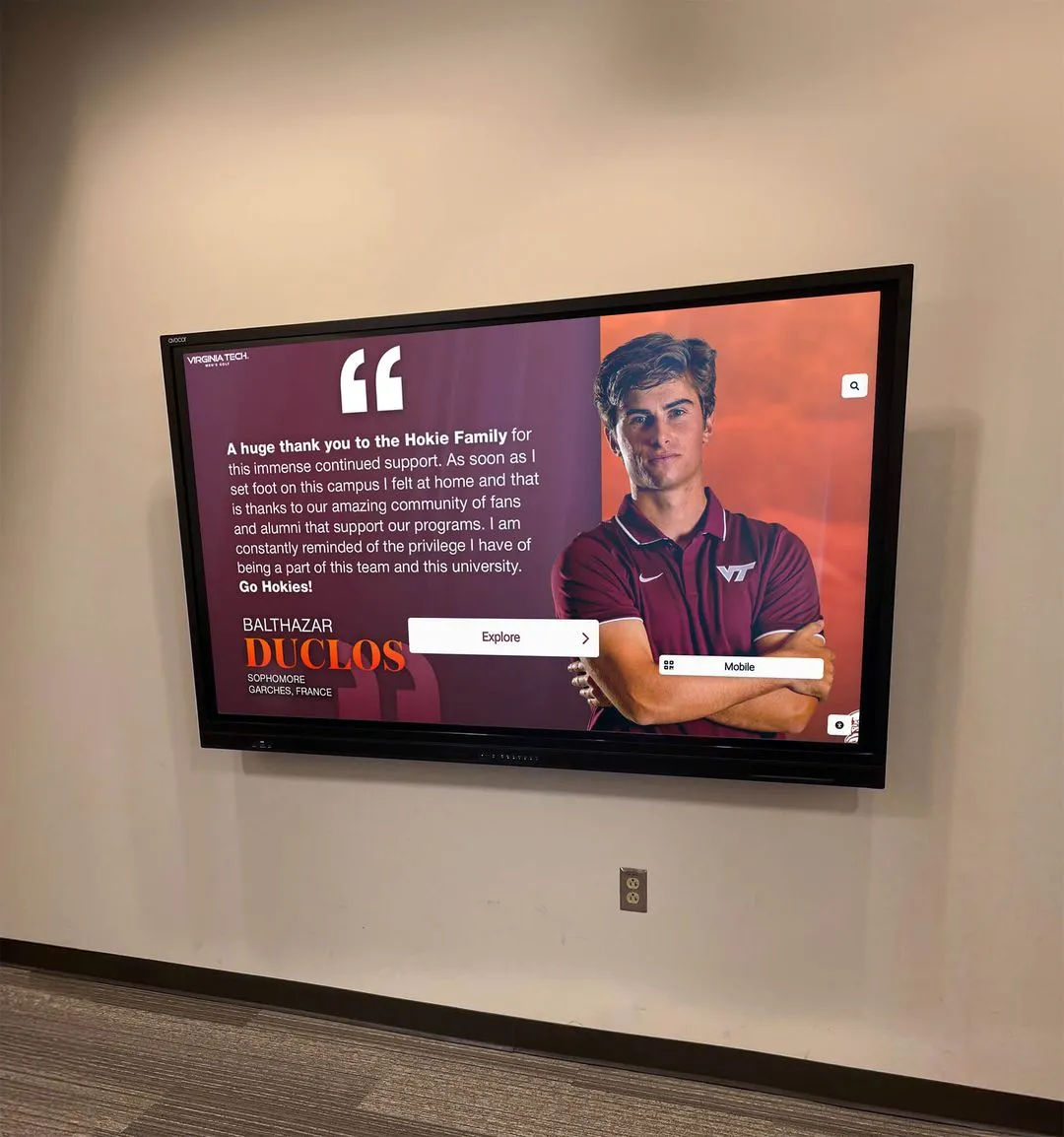
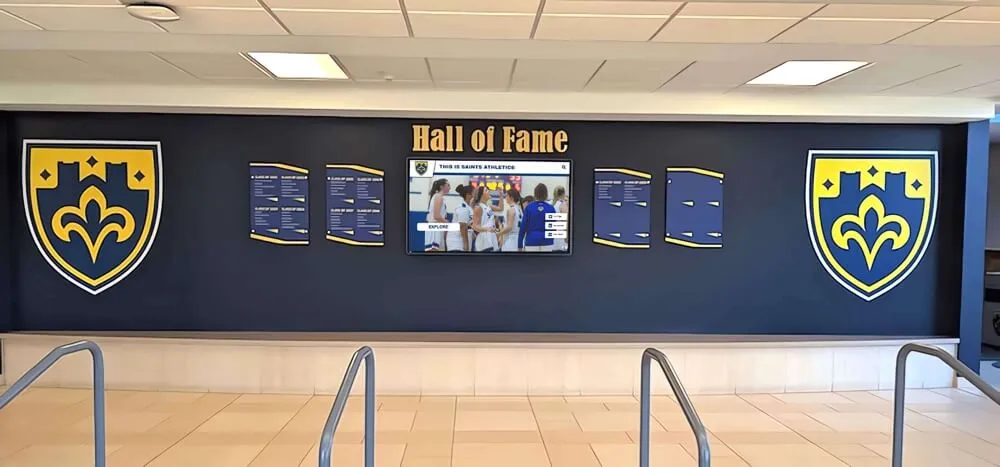
Championship golf programs combine dedicated practice with prominent recognition of athletic achievement and program milestones
Understanding Putting Fundamentals Before Drill Work
Before diving into specific drills, understanding core putting mechanics ensures your practice reinforces proper technique rather than embedding flawed movements.
Essential Putting Mechanics
Grip Fundamentals
Your putting grip creates the foundation for consistent stroke mechanics:
- Conventional grip: palms facing each other, back of lead hand toward target
- Cross-handed grip: trail hand above lead hand, reduces wrist breakdown
- Claw grip: trail hand grips with fingers, eliminates excessive hand action
- Pressure consistency: light grip tension prevents steering and manipulation
- Hand placement: grips positioned to promote pendulum shoulder motion
Stance and Posture
Proper setup creates conditions for repeatable putting strokes:
- Eyes directly over or slightly inside the ball
- Weight balanced evenly or slightly favoring lead foot
- Shoulder alignment parallel to intended starting line
- Arms hanging naturally, creating comfortable distance from ball
- Stable lower body foundation throughout stroke
Stroke Path and Tempo
Consistent ball-striking requires controlled swing fundamentals:
- Pendulum motion from shoulders, minimal wrist manipulation
- Backstroke and follow-through proportional to putt distance
- Smooth acceleration through impact, avoiding deceleration
- Square putter face at impact for accurate starting direction
- Consistent tempo regardless of putt length
Many successful golf programs incorporate comprehensive recognition systems celebrating achievement milestones, tournament victories, and individual excellence alongside dedicated practice facilities.
The Science of Green Reading
Understanding how balls react on greens improves your ability to hole putts:
Slope and Break Factors
- Grain direction affects ball roll speed and break amount
- Uphill putts require more speed, break less than expected
- Downhill putts need less force, break more dramatically
- Side-slope putts require aim point adjustments based on speed
- Green speed (stimpmeter readings) influences break calculations
Environmental Considerations
- Afternoon greens typically faster due to sun drying effects
- Morning moisture slows green speeds, reduces break
- Wind affects longer putts, particularly downwind attempts
- Foot traffic around holes creates subtle imperfections
- Maintenance practices (mowing patterns, rolling) impact consistency
12 Essential Golf Putting Drills for Lower Scores
These proven drills address every dimension of putting excellence, from basic mechanics through advanced green reading and pressure performance.

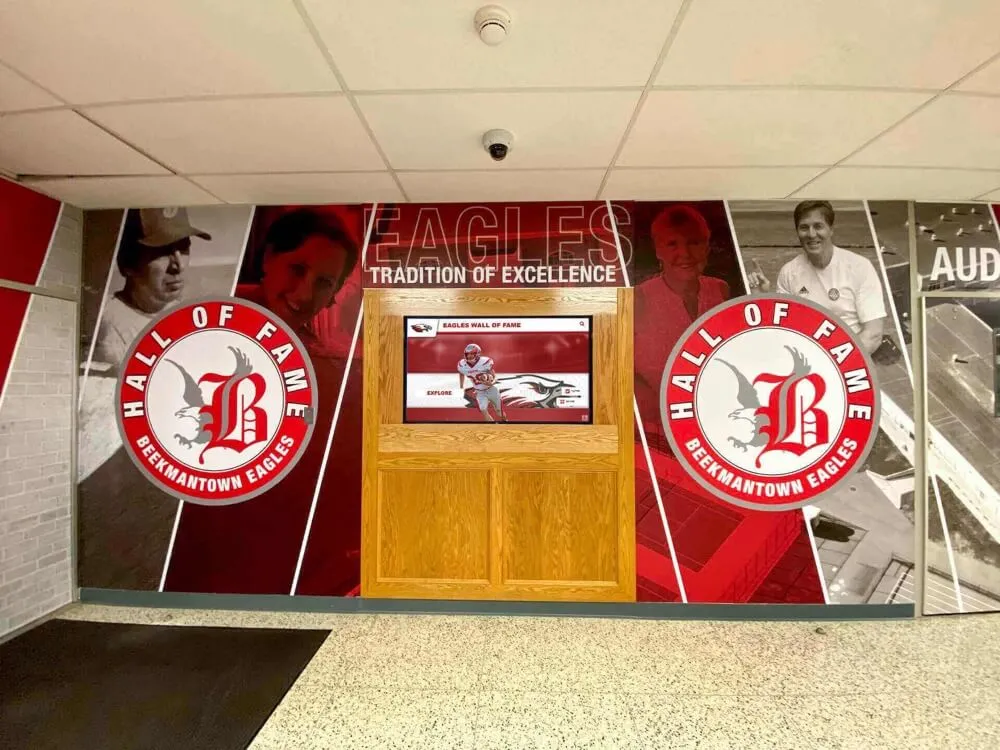
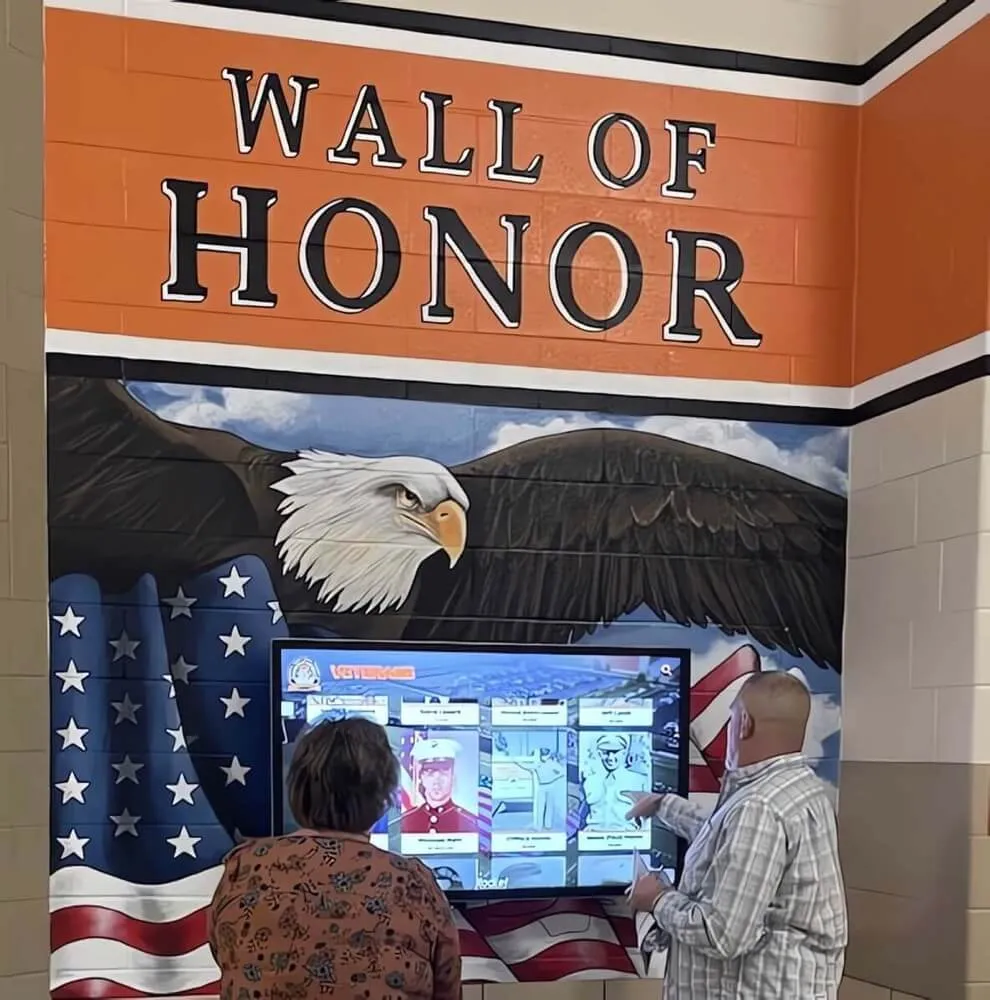
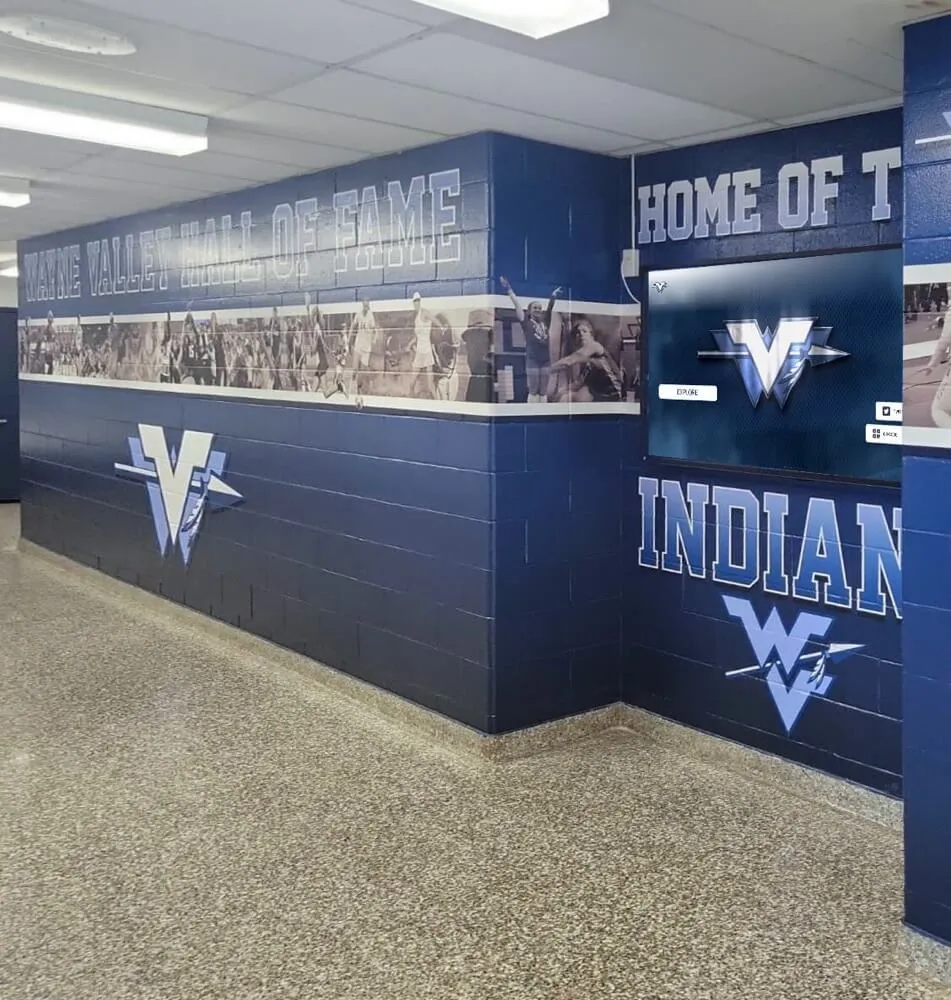
Modern athletic programs create environments where achievement becomes visible and celebrated, inspiring continued excellence
Drill 1: Gate Drill for Path Control
Purpose: Develop a square putter face through impact and consistent swing path.
Setup and Execution:
- Place two tees approximately two inches wider than your putter head
- Position tees 6-8 inches in front of the ball
- Create a “gate” the putter must pass through without contact
- Practice 3-foot putts, focusing solely on path accuracy
- Advanced variation: narrow gate width as consistency improves
Practice Protocol:
- Complete 20 consecutive successful passes through the gate
- If you hit either tee, restart the count
- Gradually increase distance while maintaining gate success
- Progress to 6-foot putts once achieving 90% success rate
Measurable Goal: Make 15 out of 20 putts from 3 feet while successfully passing through the gate on every stroke.
Drill 2: Distance Ladder for Speed Control
Purpose: Develop precise distance control across various putt lengths.
Setup and Execution:
- Place tees at 3-foot intervals: 10, 13, 16, 19, 22, and 25 feet
- Start at shortest distance, hole the putt before advancing
- Work up the “ladder” by successfully making each distance
- If you miss, return to the starting distance
- Focus on consistent tempo and distance control feel
Practice Protocol:
- Attempt to climb the entire ladder in one session
- Track how many attempts required to complete the progression
- Record your success rate at each distance level
- Practice 2-3 times weekly, monitoring improvement
Measurable Goal: Complete the full distance ladder (making all six putts consecutively) within three attempts.
Drill 3: Circle Drill for All-Around Consistency
Purpose: Build confidence from short range in all directions around the hole.
Setup and Execution:
- Place 8 balls in a circle, 3 feet from the hole
- Position balls at 45-degree intervals around the cup
- Hole all eight putts before moving to next distance
- Progress to 4-foot circle, then 5-foot circle
- Addresses different break angles and green speeds
Practice Protocol:
- Start at 3 feet, make all 8 before progressing
- Move to 4 feet only after successfully completing 3-foot circle
- Track success percentage at each distance
- Practice both uphill and downhill circles
Measurable Goal: Make 7 out of 8 putts from the 3-foot circle, 6 out of 8 from 4 feet, and 5 out of 8 from 5 feet in a single session.
High school and college golf programs that emphasize consistent skill development alongside recognition of achievement create cultures where athletes push themselves toward excellence.
Drill 4: String Alignment Drill
Purpose: Perfect your alignment and ensure square putter face at address.
Setup and Execution:
- Stretch string or alignment rod from ball to hole
- Address putts with string representing target line
- Check putter face alignment relative to string
- Verify body alignment parallel to intended line
- Hit putts focusing on maintaining alignment throughout stroke
Practice Protocol:
- Practice 20 putts from 6 feet using string alignment
- Verify face alignment before each stroke
- Notice any consistent alignment errors
- Gradually remove string and test alignment without visual aid
Measurable Goal: Achieve 70% make percentage from 6 feet using string alignment, then maintain 65% without the string.
Drill 5: One-Hand Drill for Stroke Mechanics
Purpose: Isolate and strengthen proper stroke mechanics, preventing wrist breakdown.
Setup and Execution:
- Practice putting with lead hand only (left hand for right-handed golfers)
- Focus on shoulder-driven pendulum motion
- Eliminate wrist hinging or flipping through impact
- Hit 10-15 putts from 4-6 feet with single hand
- Switch to trail hand for 10-15 additional repetitions
Practice Protocol:
- Complete 10 lead-hand putts, focusing on mechanics
- Complete 10 trail-hand putts with same focus
- Finish with 10 two-handed putts, integrating feel
- Notice improved connection and reduced hand manipulation
Measurable Goal: Successfully hole 50% of single-hand putts from 5 feet, demonstrating solid mechanics without relying on both hands.
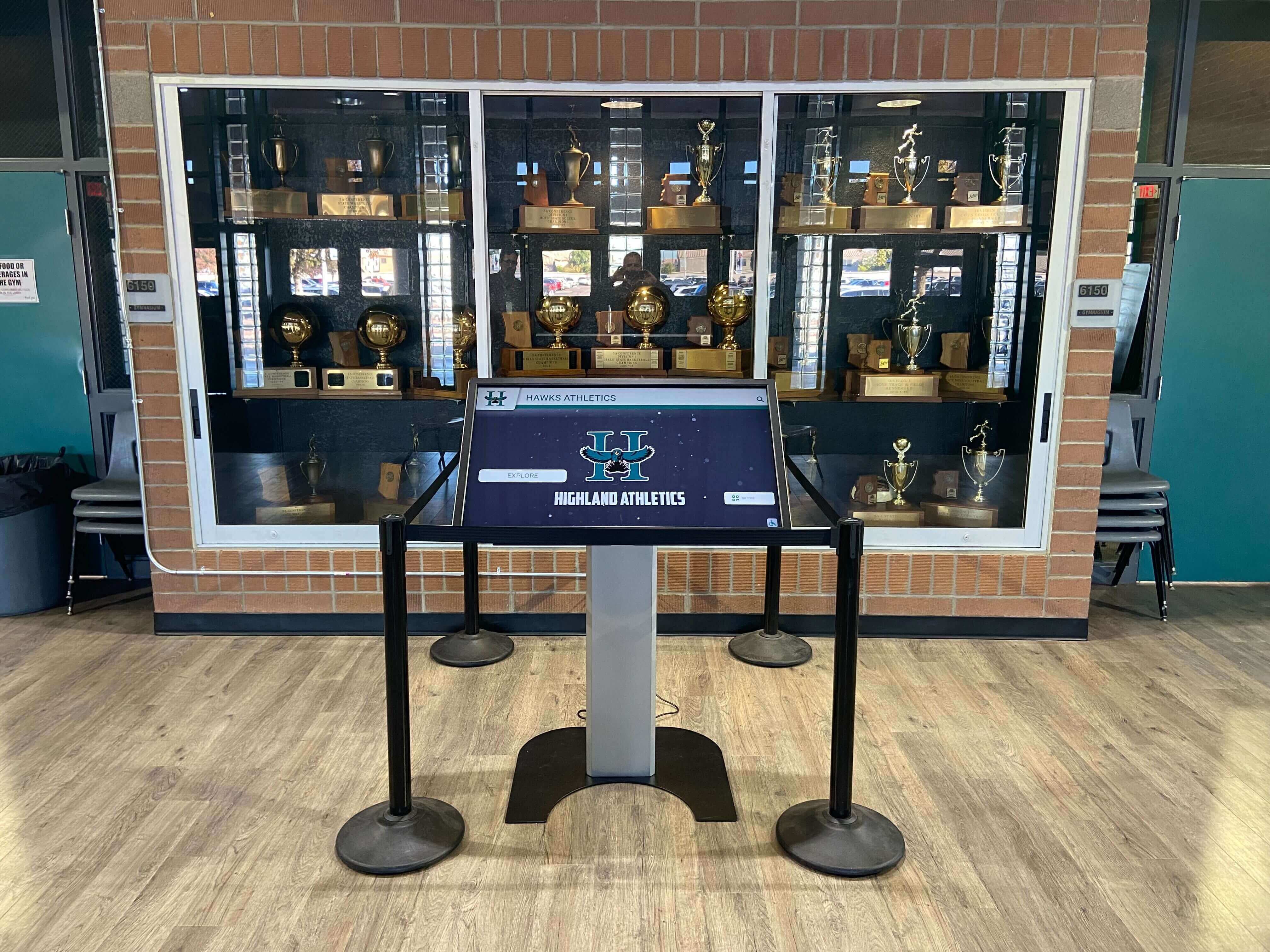
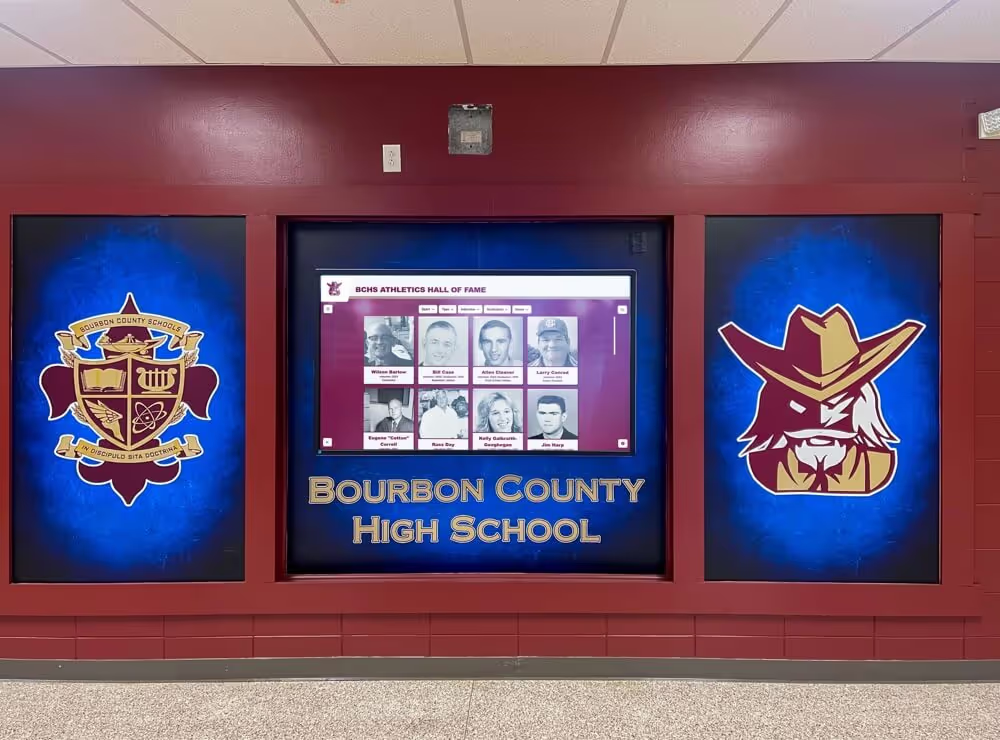
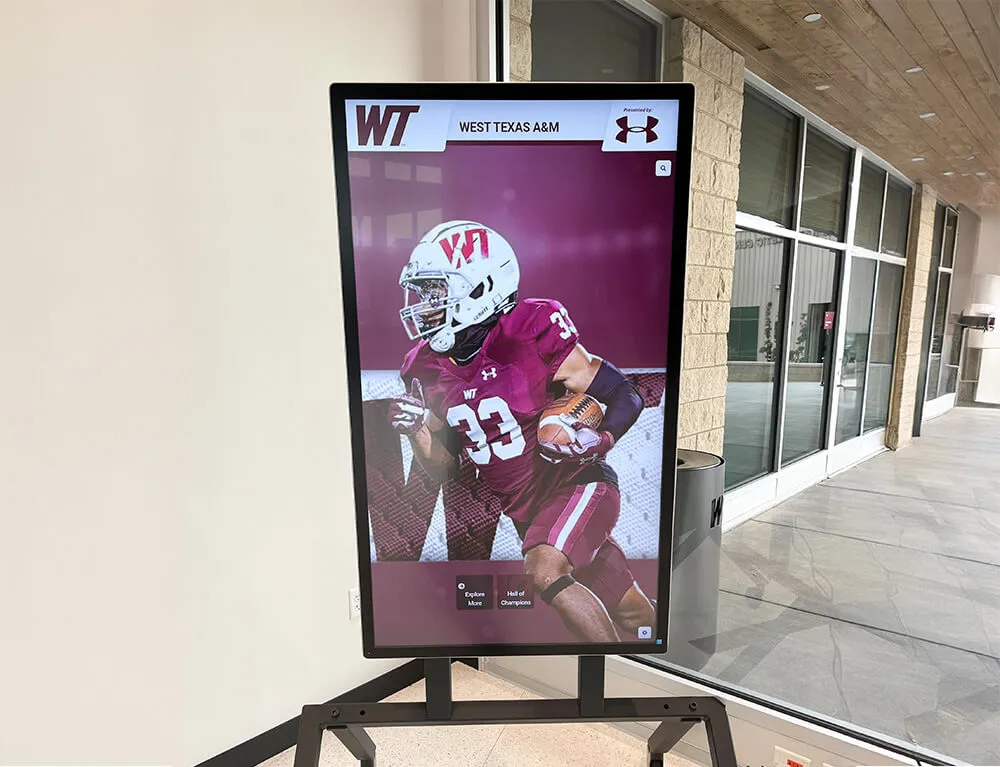
Championship programs combine dedicated practice facilities with interactive displays celebrating individual and team achievements
Drill 6: Pressure Putt Drill
Purpose: Develop clutch putting skills under simulated competition pressure.
Setup and Execution:
- Establish consequence for missed putts (pushups, financial donation, etc.)
- Attempt sequence of must-make putts from 3-6 feet
- Increase pressure by raising stakes or adding observers
- Focus on pre-putt routine consistency regardless of pressure
- Practice mental techniques: breathing, visualization, positive self-talk
Practice Protocol:
- Start with 5 consecutive makes from 3 feet with consequences
- Progress to 4 feet, then 5 feet as confidence builds
- Invite teammates or friends to increase pressure
- Track make percentage under pressure versus casual practice
Measurable Goal: Make 8 out of 10 pressure putts from 4 feet with meaningful consequences on the line.
Drill 7: Breaking Putt Ladder
Purpose: Master distance control and read breaking putts accurately.
Setup and Execution:
- Find practice green area with consistent left-to-right or right-to-left slope
- Place tees at 10, 15, 20, 25, and 30 feet on the breaking line
- Start at 10 feet, hole the putt before advancing
- Focus on proper read, aim point, and speed control
- If missed, return to previous successful distance
Practice Protocol:
- Complete the progression with right-to-left breaking putts
- Repeat with left-to-right breaking putts
- Pay attention to how speed affects break amount
- Note differences in reads based on slope severity
Measurable Goal: Successfully complete the full breaking putt ladder (all five distances) within two attempts for each break direction.
Drill 8: Lag Putting Clock Drill
Purpose: Develop exceptional distance control on long putts to eliminate three-putts.
Setup and Execution:
- Place 12 balls in circle 30-40 feet from hole (like clock positions)
- Goal is two-putting or better from each position
- Focus on lag putting to 3-foot circle around hole
- Track three-putt frequency and causes
- Addresses various slopes and green speeds around circle
Practice Protocol:
- Attempt all 12 positions, recording results
- Goal: zero three-putts from the circle
- Advanced: reduce target zone to 2-foot circle
- Practice weekly, tracking three-putt reduction over time
Measurable Goal: Complete the 12-ball clock drill with no more than one three-putt, demonstrating strong lag putting skills.
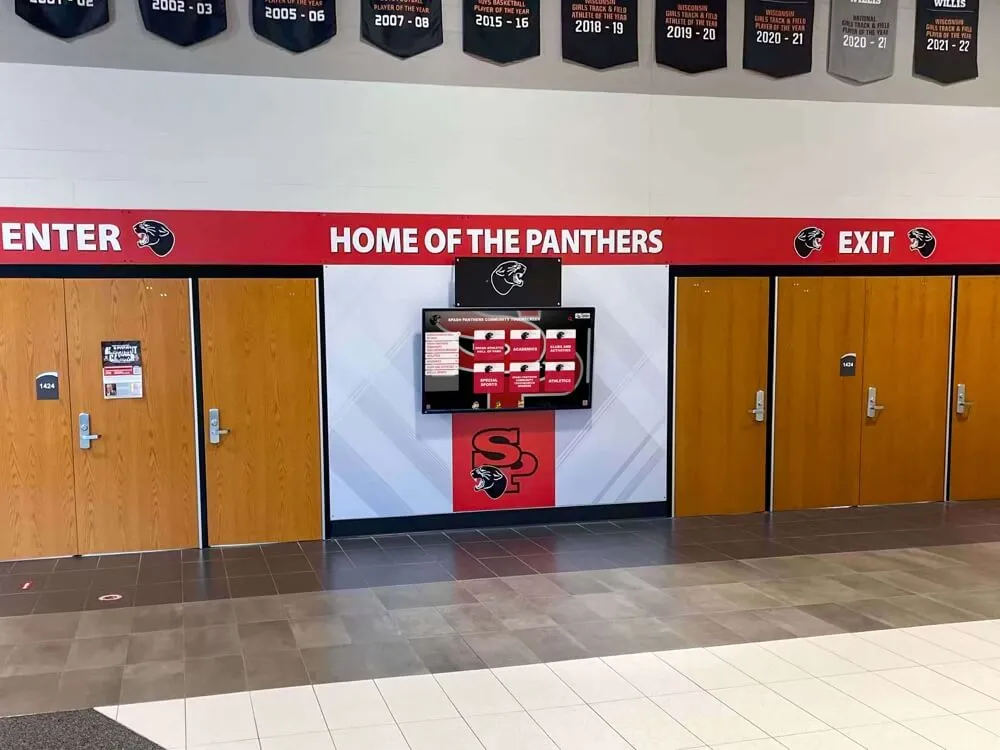
Many successful athletic programs pair rigorous training environments with visible celebration of achievement, creating cultures where excellence becomes the standard rather than the exception.
Drill 9: Tiger’s Four-Corner Drill
Purpose: Build short-putt confidence from challenging angles and distances.
Setup and Execution:
- Place four balls around hole at 3 feet: front, back, left, right
- Hole all four consecutively before moving to next distance
- Progress to 4 feet, then 5 feet, then 6 feet
- Missing any putt requires restarting at that distance
- Addresses different breaks and slopes around hole
Practice Protocol:
- Start at 3 feet, complete all four consecutively
- Move to 4 feet only after success at previous distance
- Track total attempts needed to reach 6-foot completion
- Practice 2-3 times weekly, monitoring improvement
Measurable Goal: Complete the full four-corner drill (3, 4, 5, and 6 feet) making all 16 putts consecutively within two restart attempts.
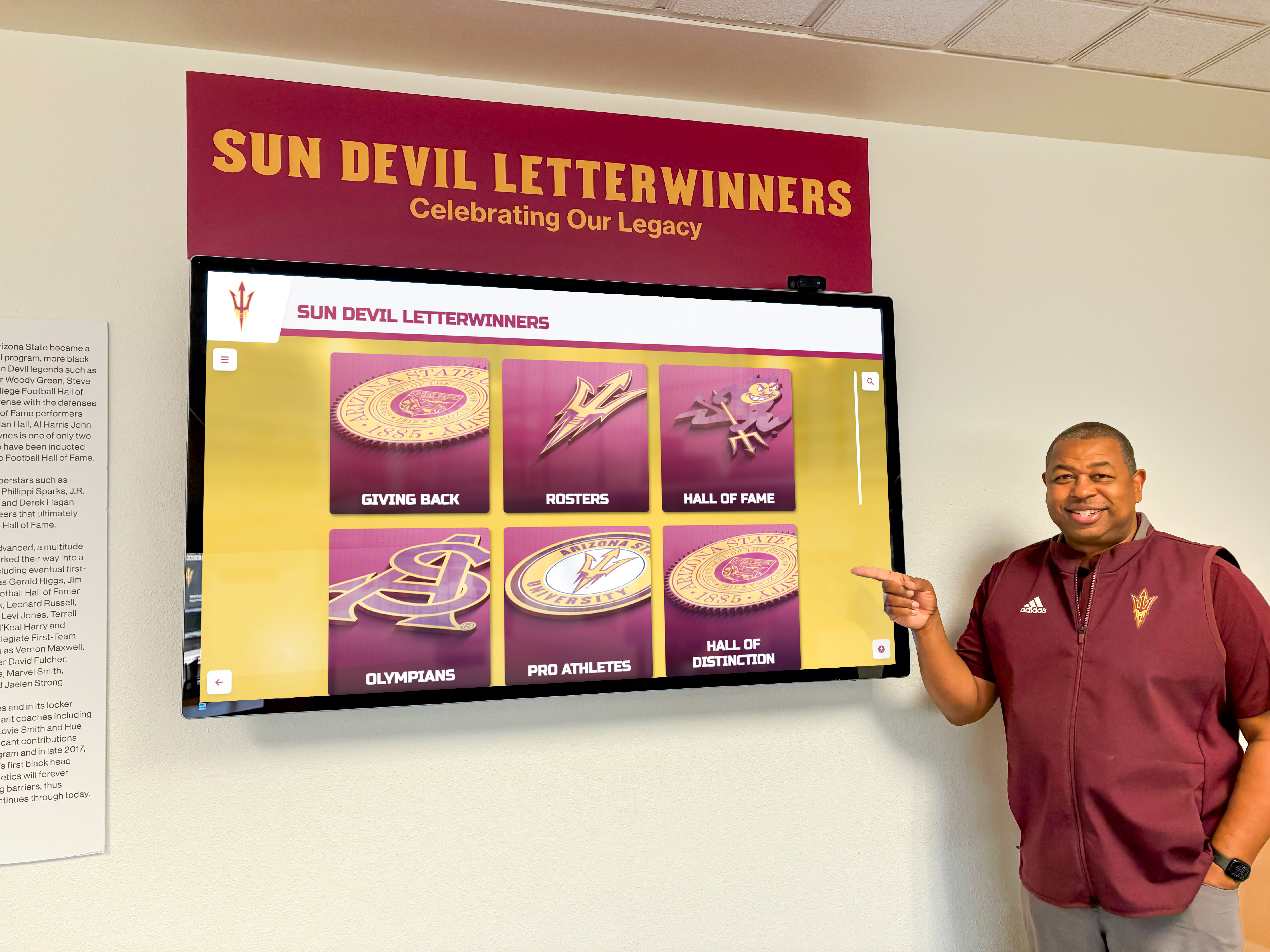
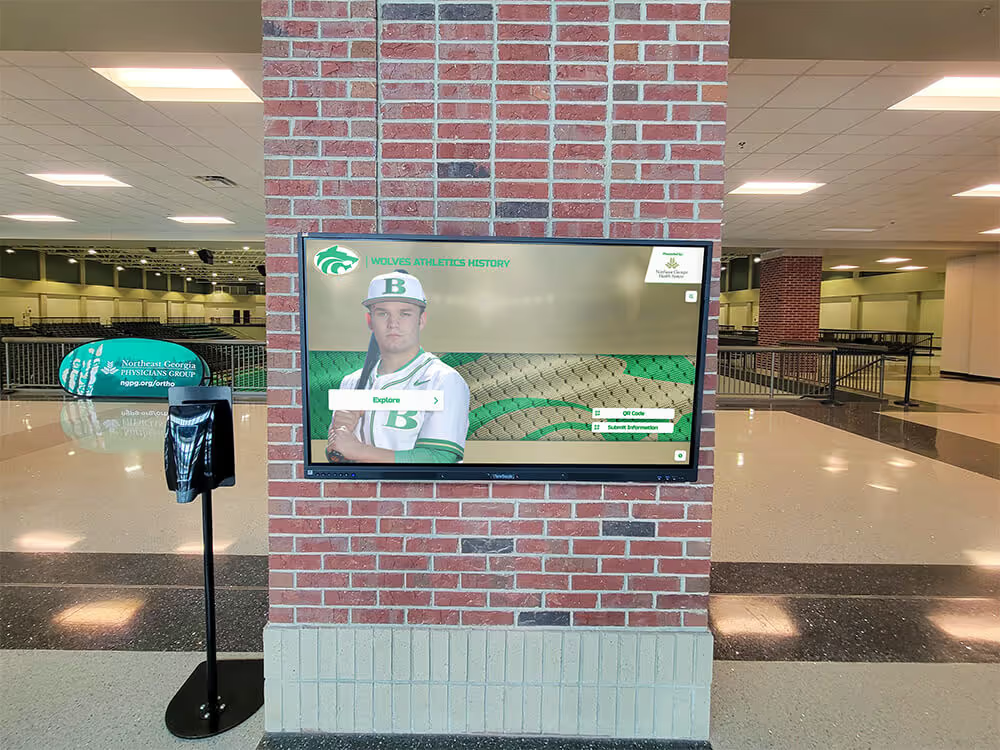
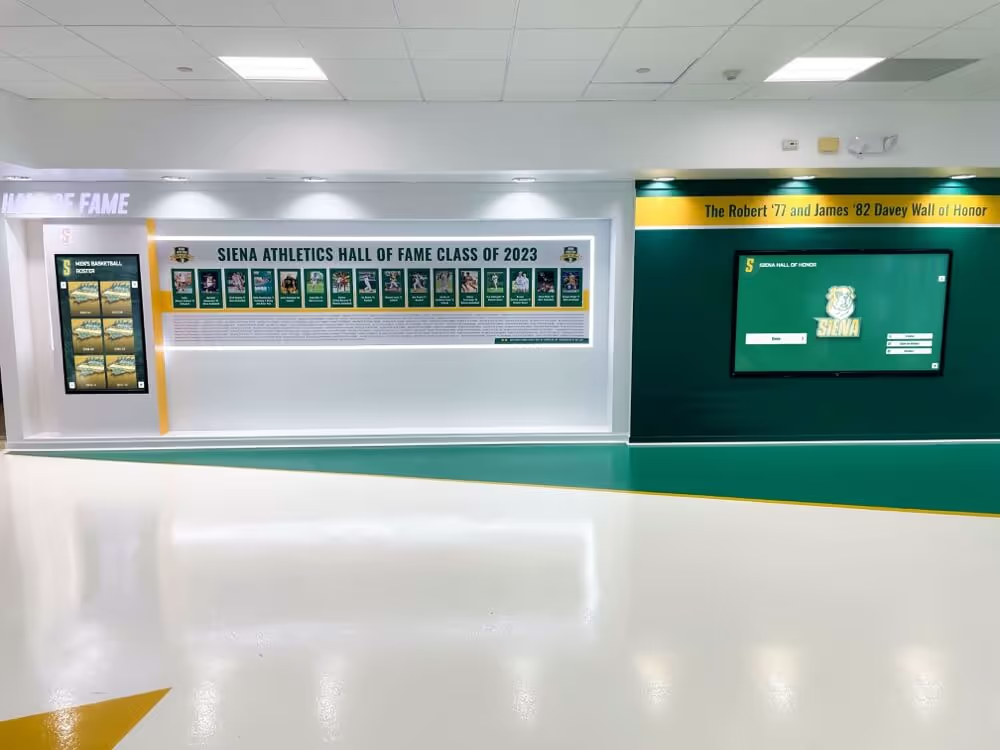
Dedicated practice combined with prominent achievement recognition creates environments where athletic excellence flourishes
Drill 10: Eyes-Closed Distance Feel Drill
Purpose: Develop intuitive feel for distance control without visual feedback dependence.
Setup and Execution:
- Set up at various distances (10, 20, 30 feet)
- After reading putt, close eyes before taking stroke
- Focus entirely on feel, tempo, and distance control
- Open eyes after ball stops rolling
- Evaluate distance control accuracy, not directional accuracy
Practice Protocol:
- Hit 5 putts from each distance with eyes closed
- Measure average distance from hole after each group
- Goal is consistent grouping within 3 feet at all distances
- Develops feel-based distance control for on-course application
Measurable Goal: Average within 4 feet of the hole from 20 feet and within 6 feet from 30 feet with eyes closed, demonstrating strong distance feel.
Drill 11: Tee Drill for Strike Quality
Purpose: Ensure consistent contact point on putter face for improved roll quality.
Setup and Execution:
- Place small tee horizontally in ground as ball replacement
- Practice stroke attempting to knock tee forward (not upward)
- Solid contact produces clean forward tee movement
- Inconsistent strike causes tee to pop up or move erratically
- Develops awareness of impact position on putter face
Practice Protocol:
- Complete 20 practice strokes hitting tee cleanly forward
- Focus on center-face contact and level impact
- Progress to actual balls, maintaining same contact quality
- Notice improved roll consistency and distance control
Measurable Goal: Successfully strike the tee cleanly forward (minimal upward movement) on 18 out of 20 attempts, then transfer this contact quality to holing 70% of 6-foot putts.
Drill 12: Competitive Scoring Drill
Purpose: Simulate on-course pressure and track measurable putting improvement.
Setup and Execution:
- Create 9-hole putting course on practice green (varying distances/breaks)
- Assign par values based on difficulty: Par 1 (inside 3 feet), Par 2 (3-15 feet), Par 3 (beyond 15 feet)
- Play the course keeping score like regular golf
- Track putts gained/lost versus your baseline
- Compete against previous scores or practice partners
Practice Protocol:
- Play the putting course 2-3 times weekly
- Record scores to track improvement over time
- Adjust hole locations to create different challenges
- Challenge teammates to competitive rounds
Measurable Goal: Shoot “even par” or better on your 9-hole putting course, demonstrating comprehensive putting proficiency across all distances and situations.
Creating Your Putting Practice Routine
Effective putting improvement requires structured practice addressing all skill dimensions:
Weekly Practice Structure
- Day 1: Mechanics focus (Gate Drill, One-Hand Drill, Tee Drill)
- Day 2: Distance control (Distance Ladder, Lag Clock Drill)
- Day 3: Short-putt confidence (Circle Drill, Four-Corner Drill)
- Day 4: Breaking putts (Breaking Putt Ladder, Eyes-Closed Drill)
- Day 5: Pressure and competition (Pressure Drill, Competitive Scoring)
Progressive Skill Development
- Master fundamentals before advancing to complex drills
- Track measurable statistics: make percentage by distance
- Identify weakness areas requiring additional focus
- Balance technical work with performance-based challenges
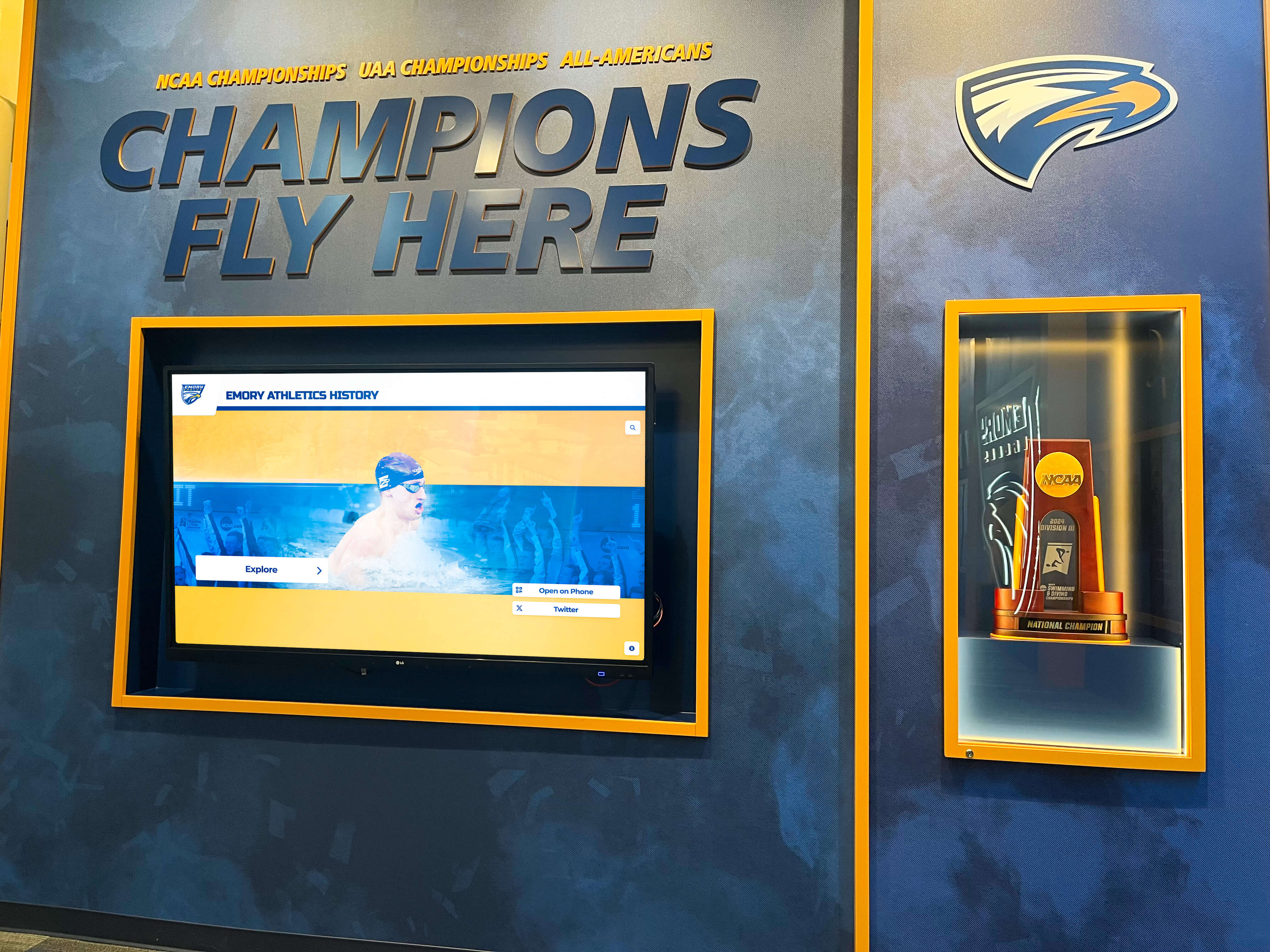
Championship golf programs create comprehensive environments supporting both skill development and prominent celebration of achievement
High school and college golf coaches recognize that systematic skill development combined with visible achievement recognition creates powerful motivation for sustained excellence.
Measuring Putting Improvement
Track these key performance indicators to quantify putting development:
Distance-Based Statistics
- Make percentage from 3 feet (target: 95%+)
- Make percentage from 6 feet (target: 60%+)
- Make percentage from 10 feet (target: 30%+)
- Average first putt proximity from 20+ feet (target: within 3 feet)
- Three-putt avoidance percentage (target: 90%+ of holes)
Practice Performance Metrics
- Drill completion success rates over time
- Average scores on competitive putting course
- Pressure putt make percentages versus casual practice
- Consistency of mechanics (gate drill success, tee drill quality)
On-Course Translation
- Putts per round (track 10+ rounds for meaningful data)
- Putts gained versus handicap benchmark
- Up-and-down conversion percentage
- Average putts per GIR (greens in regulation)
Advanced Putting Considerations for Competitive Golfers
High-level putting performance requires attention to equipment, green reading systems, and mental game development.
Equipment Optimization
Putter Fitting Fundamentals
Properly fitted equipment enhances natural stroke mechanics:
- Length matching your setup posture (standard 33-35 inches)
- Lie angle allowing sole to sit flat at address
- Loft appropriate for green conditions (typically 2-4 degrees)
- Head weight and balance supporting stroke tempo preferences
- Grip size and style matching hand dimensions and pressure preferences
Technology Integration
Modern tools provide valuable putting feedback:
- Launch monitors measure face angle, path, and impact point
- Pressure mat systems reveal weight distribution patterns
- Video analysis identifies mechanical inconsistencies
- Alignment laser tools verify face aim accuracy
- Stimpmeter readings quantify green speed variations
Mental Game and Pressure Performance
Pre-Putt Routine Consistency
Develop repeatable preparation sequence:
- Green reading process from multiple angles
- Visualization of intended ball path and speed
- Practice strokes matching intended feel
- Alignment verification using consistent reference points
- Committed stroke with positive intention
Managing Pressure Situations
Championship putters excel under pressure through:
- Controlled breathing maintaining physical relaxation
- Process focus rather than outcome anxiety
- Positive self-talk reinforcing confidence
- Acceptance mentality reducing fear of failure
- Trust in preparation and practiced mechanics
Many elite golf programs enhance player development by creating environments where achievement receives prominent celebration and recognition, inspiring continued pursuit of excellence through visible connection to program history and success.
Common Putting Mistakes and Corrections
Identifying and addressing these frequent errors accelerates improvement:
Technical Errors
- Wrist breakdown through impact: Practice one-hand drills strengthening shoulder control
- Inconsistent tempo: Use metronome or counting system establishing rhythm
- Poor alignment: Utilize string drill and alignment aids until accuracy improves
- Deceleration through impact: Focus on follow-through matching or exceeding backstroke
- Improper ball position: Verify eyes over ball, square putter face at address
Mental and Strategic Mistakes
- Insufficient green reading: Invest more time analyzing slope and speed before stroking
- Speed-break confusion: Understand that speed determines break amount
- Negative visualization: Replace fear-based thoughts with positive outcome imagery
- Rushed routine: Maintain consistent preparation regardless of situation
- Playing breaks versus missing low: Commit to reads rather than hedging aim
Integrating Putting Practice with Overall Golf Development
Effective golf improvement requires balanced attention across all game dimensions while recognizing that putting delivers the fastest scoring improvement.
Practice Time Allocation
Research-based recommendations for skill development:
- Putting practice: 40% of total practice time (matches stroke percentage)
- Short game: 30% of practice (chipping, pitching, bunker play)
- Full swing: 30% of practice (driving range work)
This allocation reflects the scoring impact of each area while maintaining well-rounded skill development.
Building a Championship Golf Culture
Successful high school and college golf programs combine dedicated practice with comprehensive recognition of achievement. Creating visible connections to program history, celebrating individual and team milestones, and maintaining prominent displays of excellence establishes cultures where sustained achievement becomes the expectation.
Modern recognition systems allow golf programs to showcase:
- State championship teams and individual medalists
- School record holders across various statistical categories
- Tournament victories and conference championships
- All-conference and All-State athlete selections
- College recruiting successes and scholarship recipients
When combined with dedicated practice facilities and structured skill development programs, comprehensive recognition creates powerful motivation cycles driving continued excellence.
Conclusion: From Practice Green to Lower Scores
Transforming your putting from weakness to strength requires dedicated practice using proven drills that address mechanics, distance control, green reading, and pressure performance. The 12 golf putting drills presented in this guide provide comprehensive frameworks for developing every dimension of putting excellence—from basic stroke fundamentals through advanced competitive skills.
Championship putting doesn’t happen accidentally. It results from systematic practice using structured drills, measurable goals, and progressive skill development over time. Whether you’re a high school golfer competing for state championships, a college athlete pursuing conference titles, or a recreational player seeking personal bests, investing practice time in these proven drills delivers measurable scoring improvement.
The golfers who consistently perform best on the greens aren’t always those with the most natural talent—they’re the ones who practice most deliberately, track their improvement most carefully, and develop the confidence that comes from proven skill development. Start incorporating these drills into your regular practice routine, track your measurable improvement, and watch your scores drop as your putting transforms into a reliable scoring weapon.
Ready to celebrate your golf program’s achievements with a modern recognition solution? Rocket Alumni Solutions provides interactive digital displays that showcase championship teams, individual achievement, program records, and golf excellence across your athletic facilities. Create lasting connections between current athletes and program history while building cultures of sustained excellence. Explore how modern recognition technology elevates golf programs at every level.
Live Example: Rocket Alumni Solutions Touchscreen Display
Interact with a live example (16:9 scaled 1920x1080 display). All content is automatically responsive to all screen sizes and orientations.