Hall of Fame Volunteer Agreement: Roles, Access, Confidentiality, and Artifact Care
- Home /
- Digital Wall of Fame Blog - Recognition Display Insights & Resources /
- Hall of Fame Volunteer Agreement: Roles, Access, Confidentiality, and Artifact Care
The Easiest Touchscreen Solution




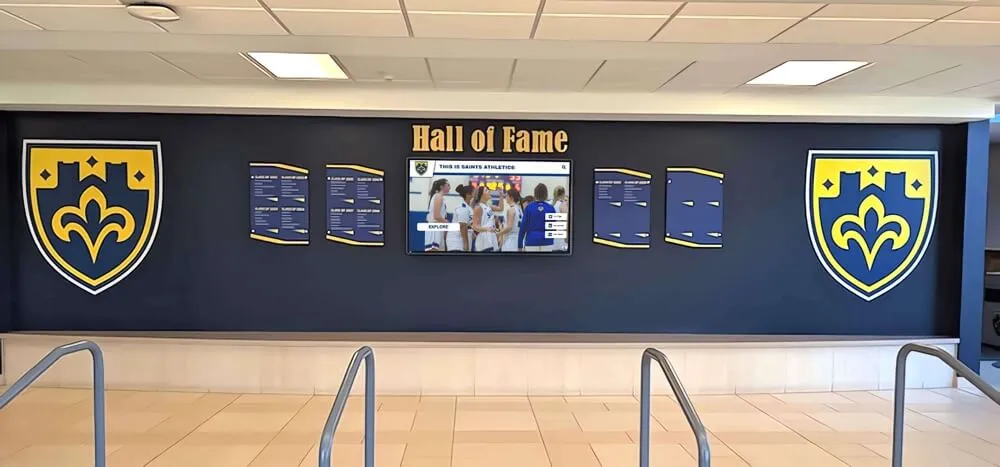
Live Example: Rocket Alumni Solutions Touchscreen Display
Interact with a live example (16:9 scaled 1920x1080 display). All content is automatically responsive to all screen sizes and orientations.
School hall-of-fame programs depend on volunteers. Committee members review nominations and cast votes. Archives staff and booster-club representatives handle photographs, trophies, and memorabilia. Facilities volunteers maintain display cases and support induction ceremonies. Digital display coordinators keep touchscreen kiosks and recognition walls updated between induction cycles. Each of these roles creates real obligations—and real risks—if roles, access, and confidentiality expectations are left undefined.
A hall of fame volunteer agreement closes that gap. It is a written document each volunteer signs before assuming any program responsibility, confirming what information they can access, what they cannot share, how they must treat physical artifacts, and what happens if they leave the program. Schools with formal agreements consistently report fewer disputes over nomination deliberations, fewer lost or damaged artifacts, and cleaner transitions when long-serving volunteers step back from their roles.
This guide walks school administrators, athletic directors, committee chairs, archives staff, and booster-club leaders through the purpose, required clauses, and field-by-field structure of a complete hall-of-fame volunteer agreement. It also connects each agreement section to the digital recognition infrastructure—touchscreen displays, cloud-based content management systems, QR-linked inductee profiles—that increasingly sits alongside physical artifacts as part of the hall of fame record.

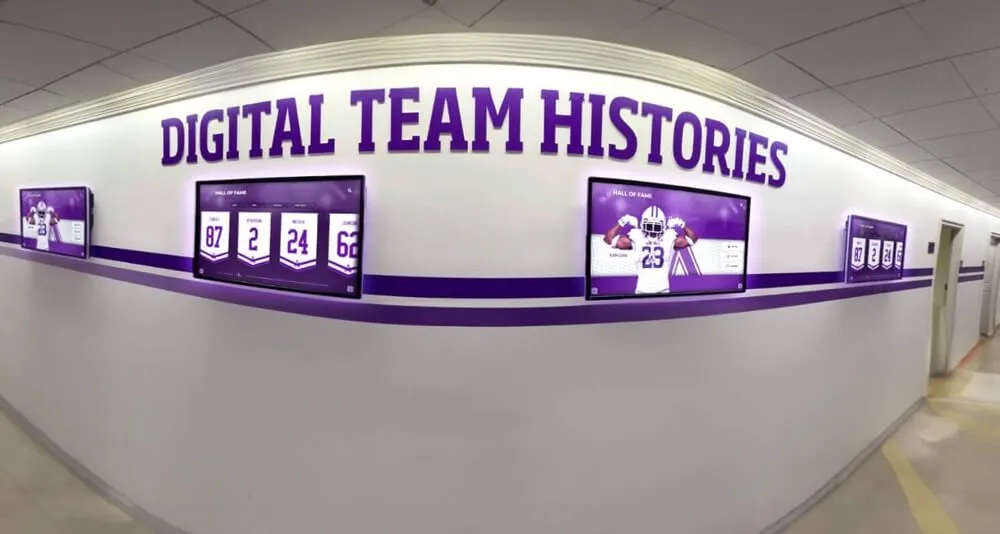
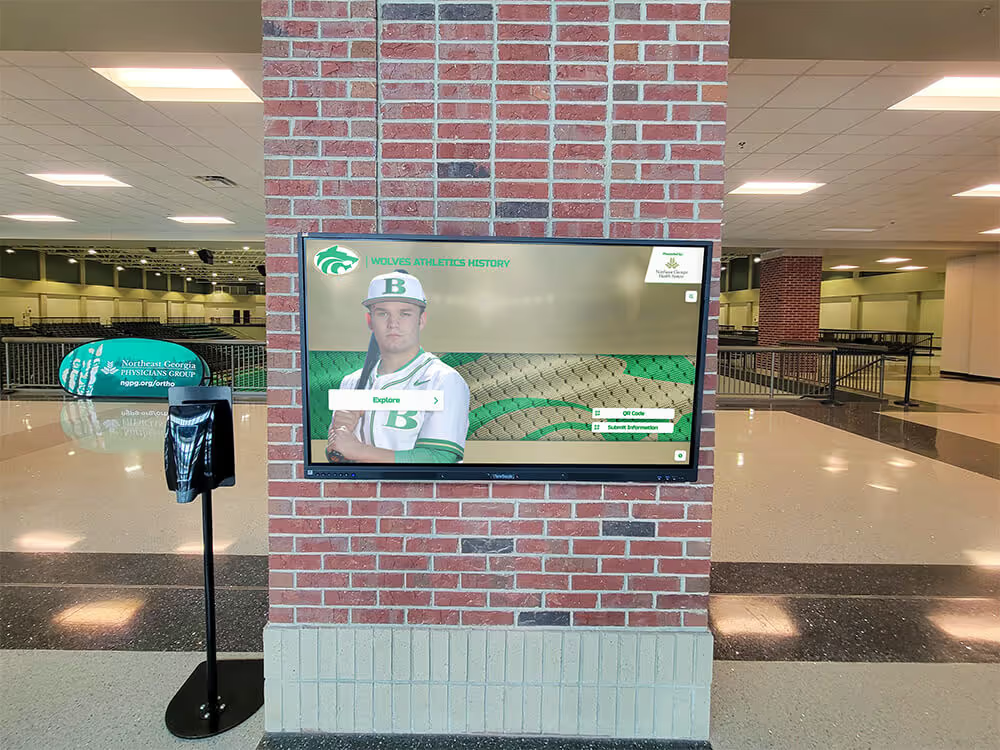
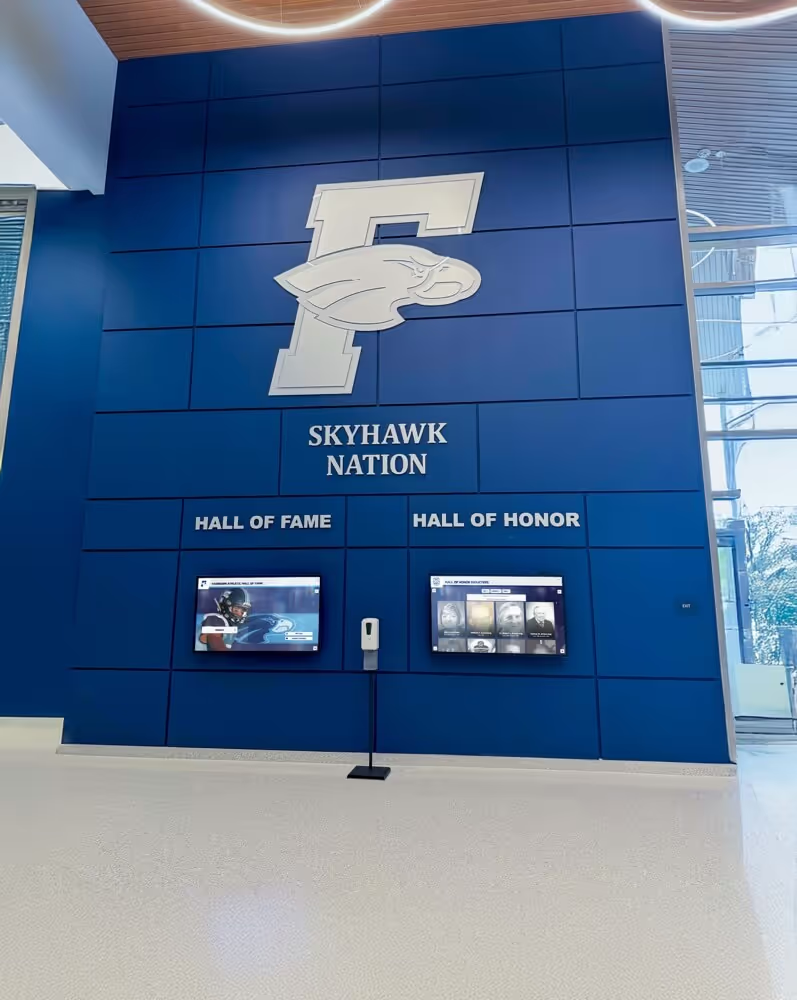
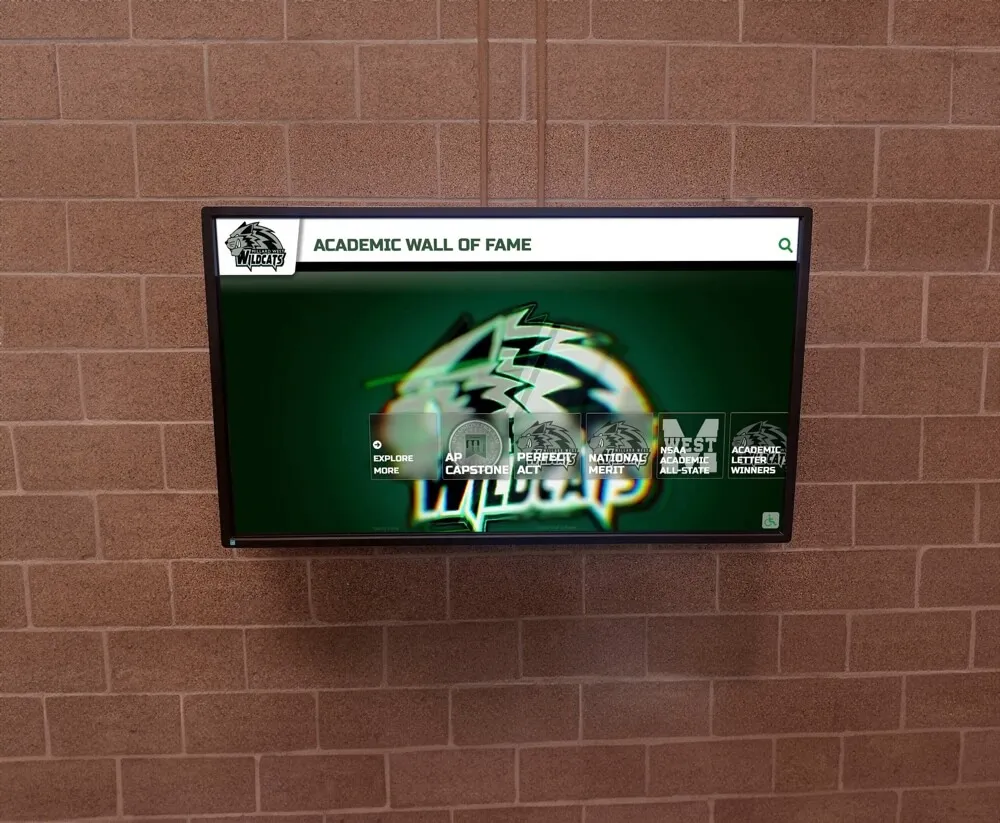
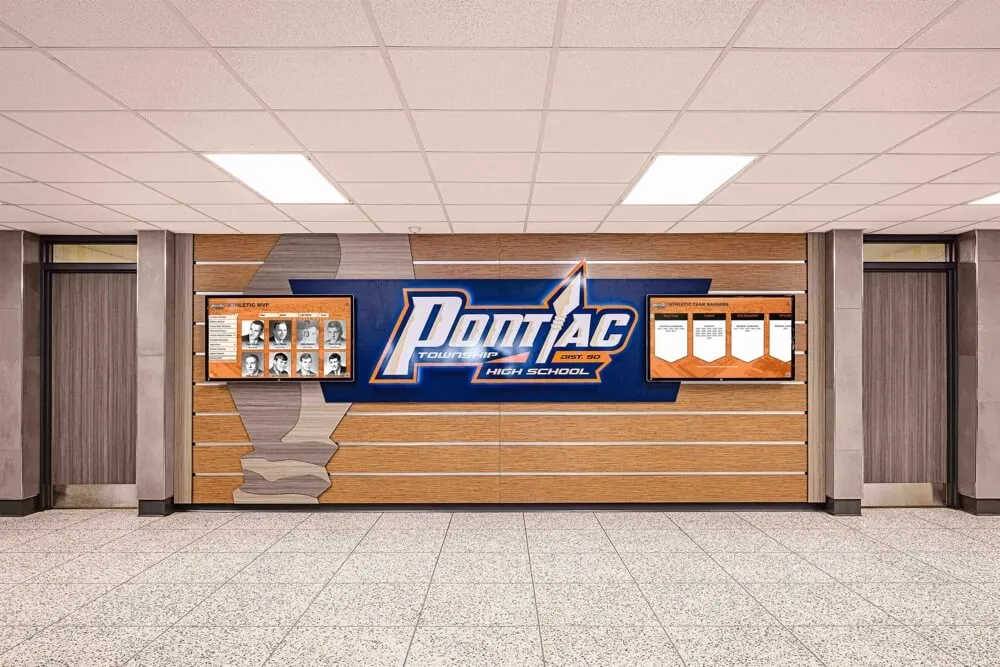
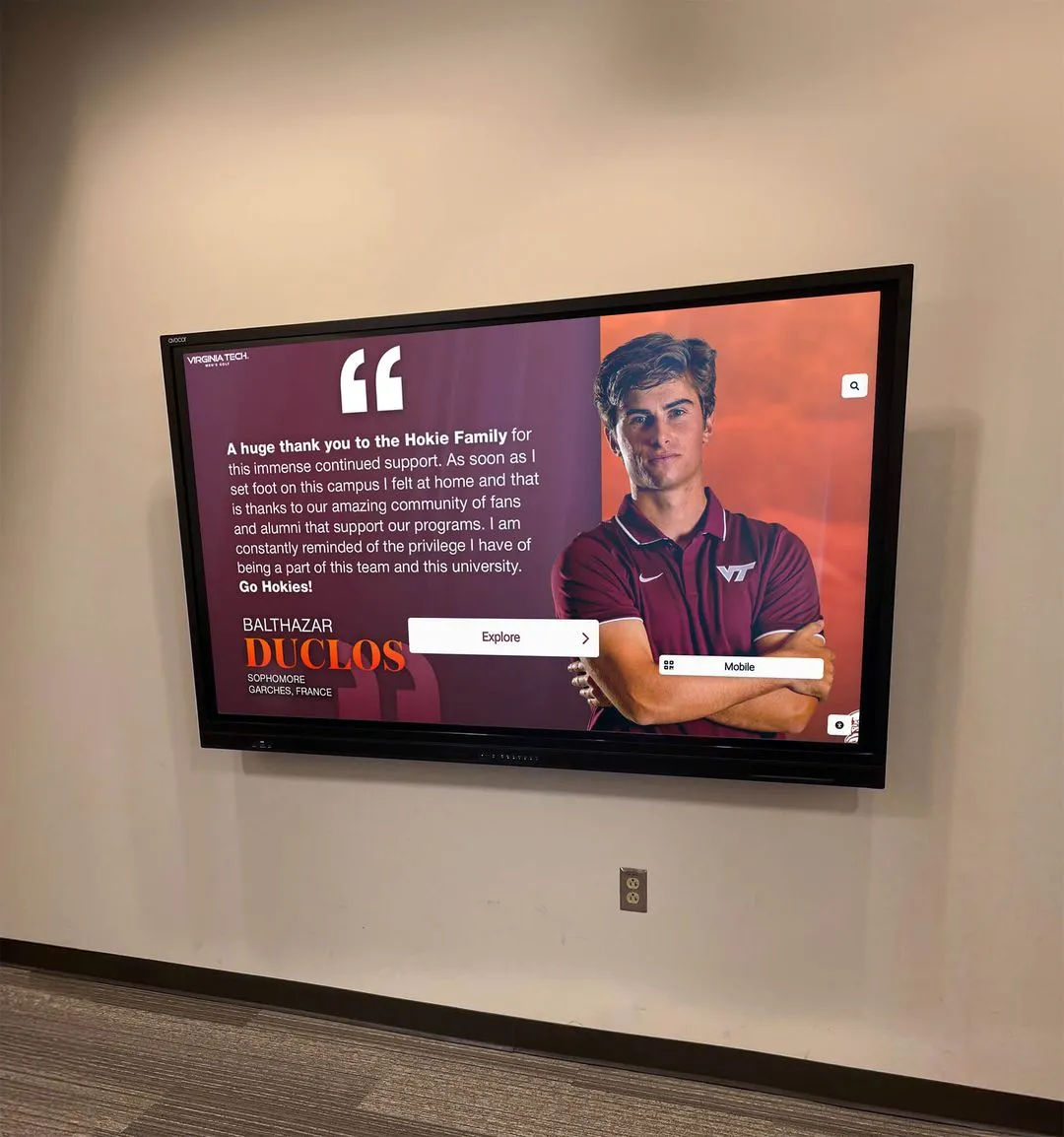
Modern hall of fame programs blend physical displays with digital touchscreen systems—volunteer agreements must address responsibilities for both
Why a Written Volunteer Agreement Matters
Volunteer programs in many schools operate on informal trust: a committee chair knows the members, members know each other, and shared norms carry the process. That model works until something goes wrong—a nomination deliberation becomes public before the vote, a loaned artifact disappears, a volunteer uses access credentials to update display content without authorization.
A written agreement does not eliminate trust; it structures it. When every volunteer has signed the same document, expectations are explicit and consistent regardless of who is chairing the committee that year. New volunteers receive the same orientation as veterans. When leadership changes, the agreement continues.
What a Volunteer Agreement Protects
The nomination process. Hall-of-fame deliberations are sensitive. Nominees who are not selected deserve the same privacy as those who are, and early disclosure of vote outcomes can damage relationships in school communities for years. The agreement defines what committee members may and may not share during and after the deliberation period.
Donors and their families. Many hall-of-fame artifact collections include items donated or loaned by inductee families. Those relationships depend on the institution treating donations with appropriate care and discretion. The agreement establishes minimum handling standards and documentation requirements before any volunteer touches a donated object.
The institution’s records. Nomination files, biographical data, and performance records often contain personal information about living individuals—current addresses, medical history mentioned in career narratives, financial information in donor records. Volunteers who access those records carry privacy obligations the agreement makes explicit.
Digital access credentials. When volunteers manage touchscreen display content, update inductee profiles, or publish ceremony photographs to cloud-based systems, they hold access that can affect the public-facing presentation of the institution. The agreement covers credential security, authorized use, and return of access on departure.
Institutional continuity. When a volunteer leaves—planned or unplanned—the agreement specifies what records must be returned, what must be deleted from personal devices, and what transition documentation is required.
Who Needs to Sign a Hall of Fame Volunteer Agreement
Not every person who helps with a hall-of-fame program needs the same agreement. Programs typically involve several distinct volunteer categories, and the agreement should either cover all of them in one document or use role-specific addenda.
Selection committee members access the most sensitive material: nomination files, deliberation discussions, vote records, and correspondence with nominators. They need the strongest confidentiality protections.
Ceremony and logistics volunteers help coordinate induction events but typically do not access nomination records. Their agreement focuses on artifact handling during ceremonies, media release compliance, and data minimization—they should not collect personal contact information from families unless specifically authorized.
Archives and collection volunteers handle physical artifacts—trophies, photographs, game programs, letters, uniforms—and may also manage digital archives. Their agreement addresses artifact handling standards, loan documentation, condition reporting, and access to collection records.
Digital display coordinators manage content on touchscreen recognition walls, interactive kiosks, or hall-of-fame websites. Their agreement covers credential security, content authorization, image rights verification, and content removal procedures.
Booster-club liaisons bridge the hall-of-fame committee and the booster organization, often helping with ceremony funding, award procurement, and donor recognition. Their agreement covers conflict-of-interest disclosure and the limits of their authority to make commitments on behalf of the program.
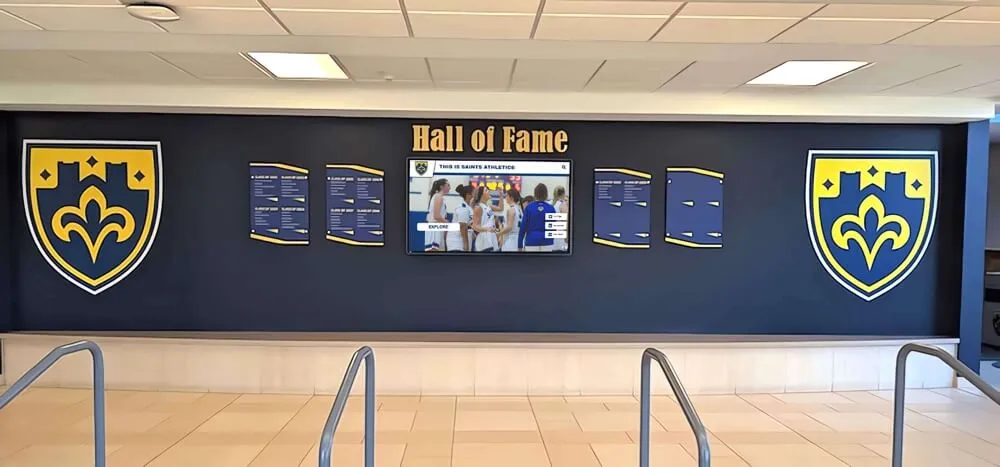
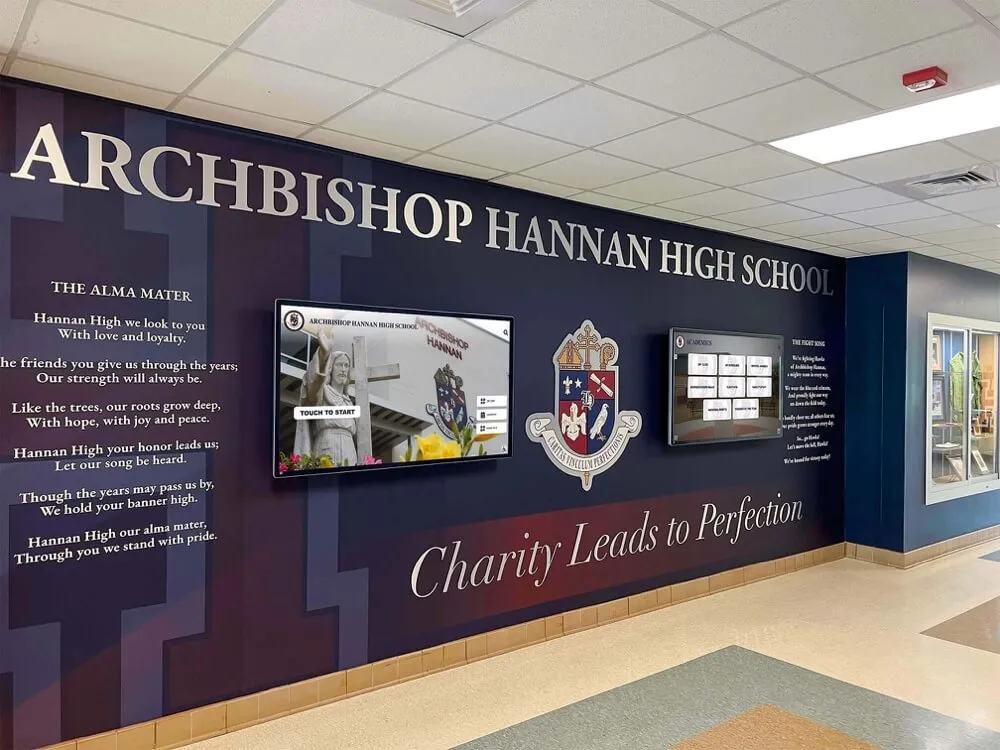
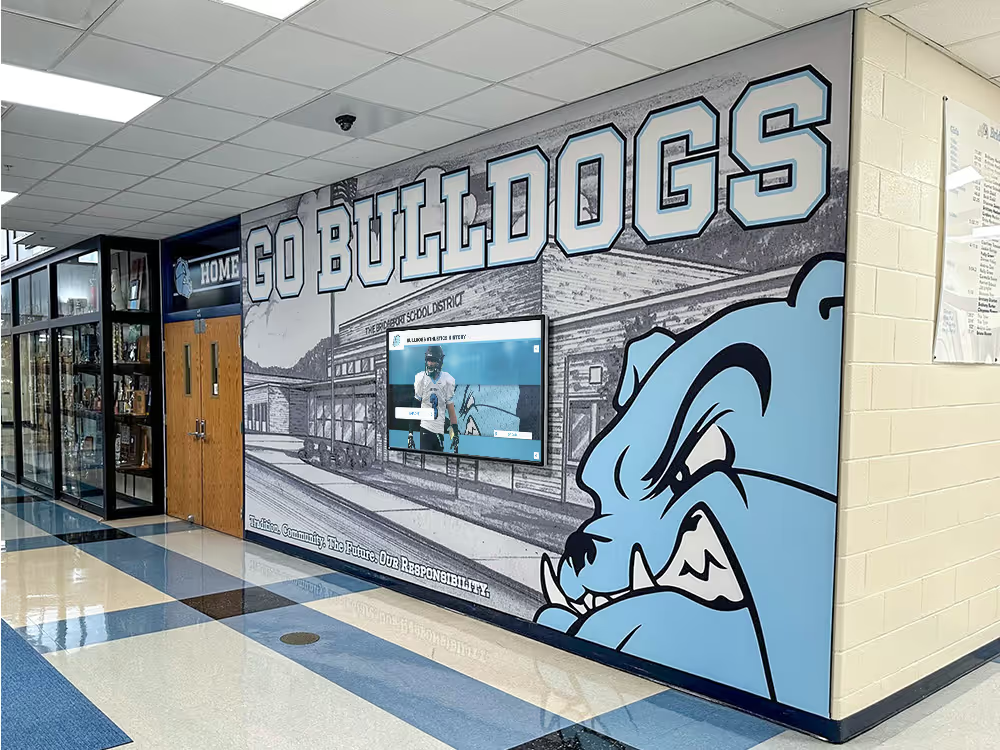
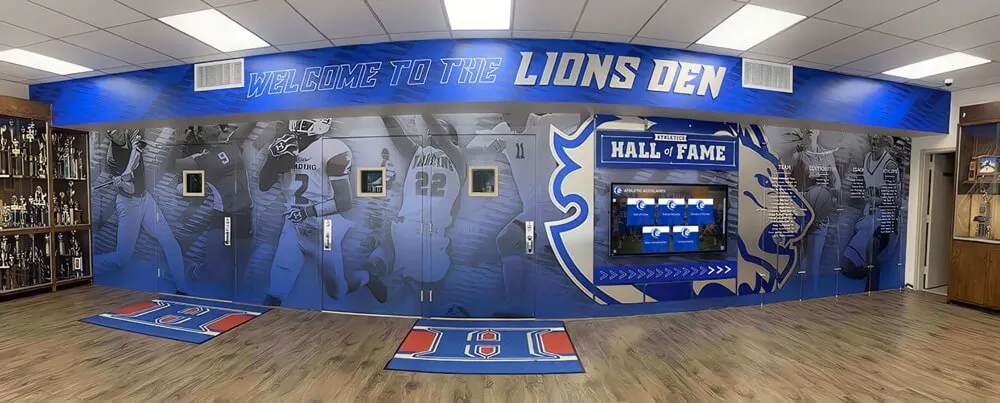
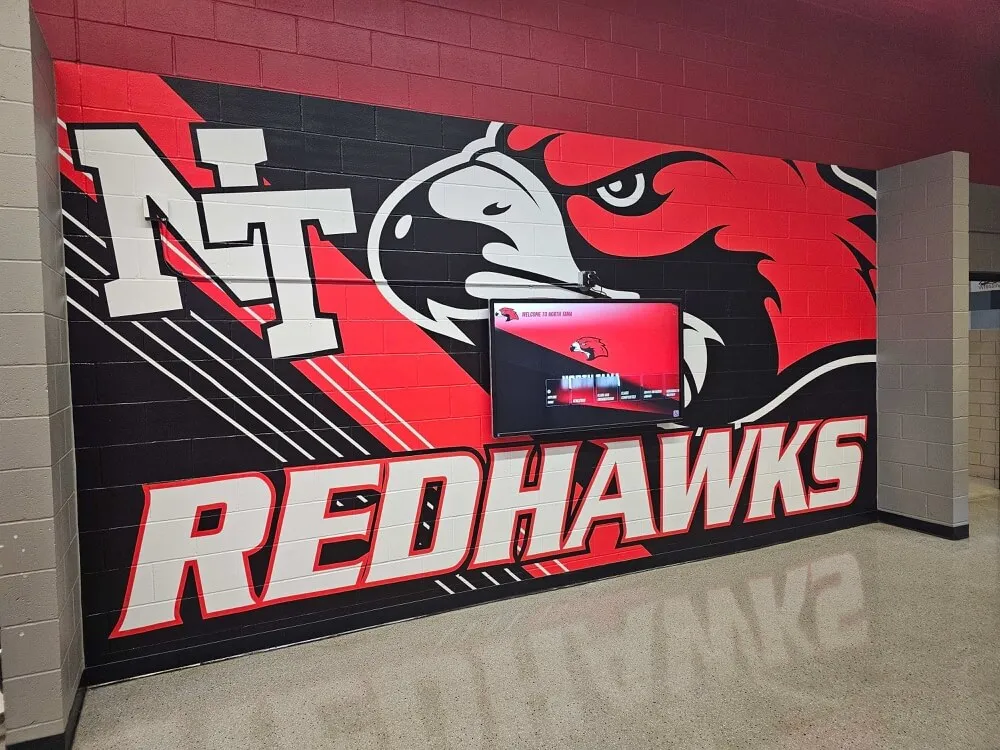
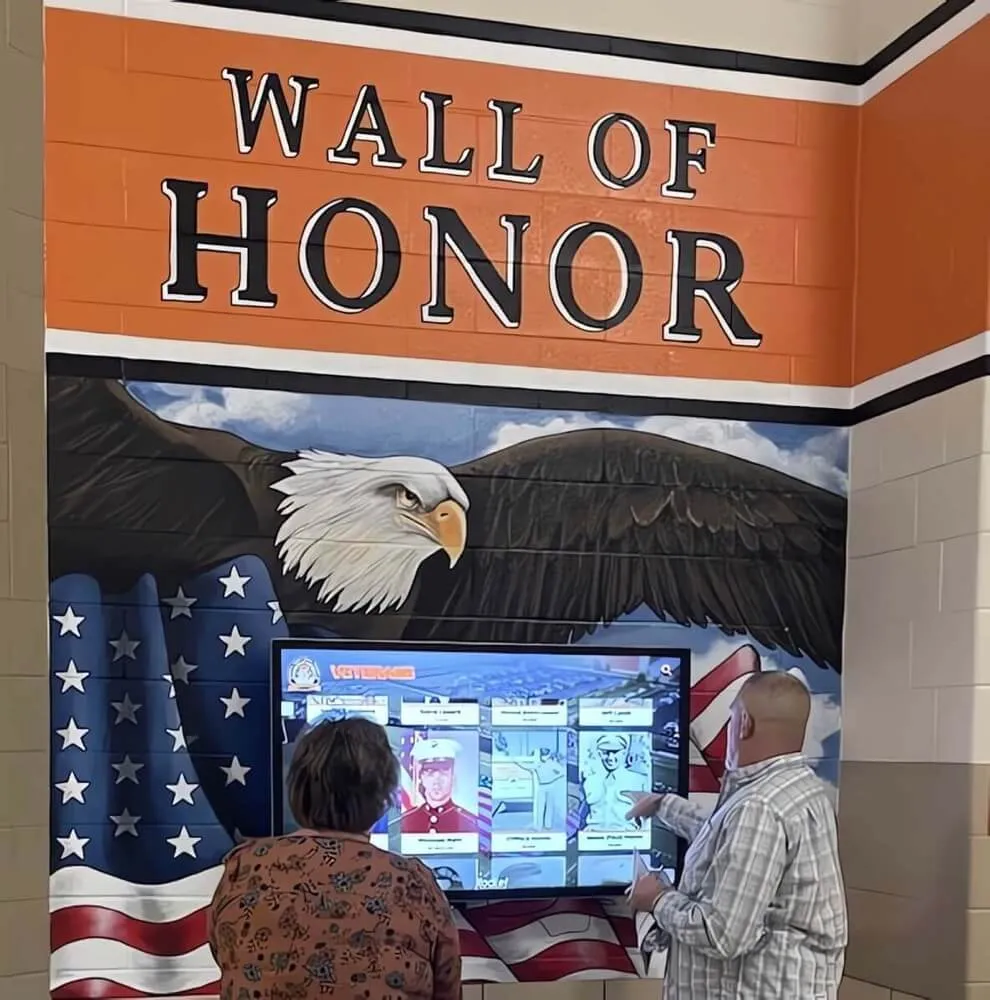
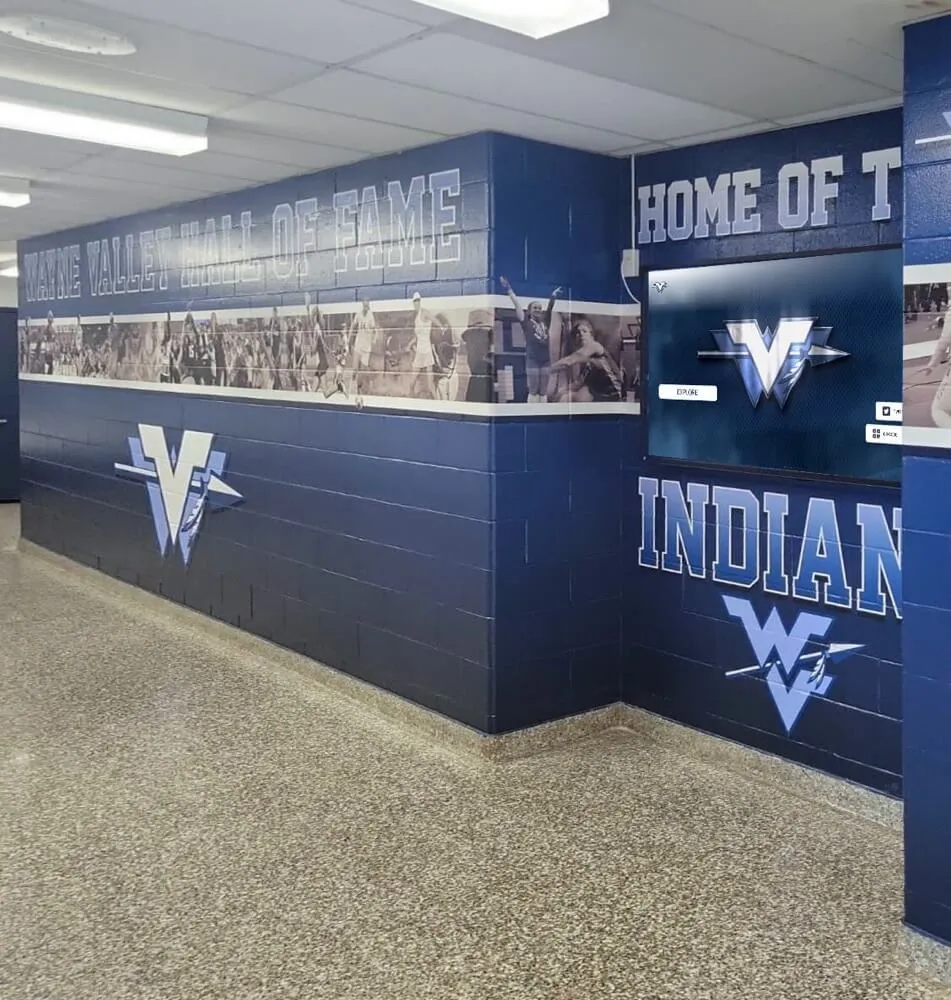
Committee volunteers, archives staff, and display coordinators each carry distinct responsibilities that a well-structured agreement addresses separately
Required Clauses: A Snippet-Ready List
Every hall-of-fame volunteer agreement should include the following clauses, regardless of the volunteer’s specific role. Role-specific provisions supplement this core set.
- Volunteer role definition — the specific responsibilities the volunteer is accepting, stated in concrete terms
- Term and renewal — the duration of the volunteer’s service period and any renewal process
- Access authorization — which records, systems, spaces, and credentials the volunteer is authorized to use
- Confidentiality of nomination deliberations — prohibition on disclosing nominee identities, deliberation content, or vote outcomes during and after the selection cycle
- Personal data handling — rules for accessing, storing, and disposing of personally identifiable information in nomination files and inductee records
- Artifact handling standards — required procedures for touching, moving, photographing, lending, or returning physical artifacts
- Digital credential security — password management, authorized use, and prohibition on sharing login credentials
- Content authorization — what the volunteer may publish or update on display systems without additional approval
- Media and image rights — prohibition on using program photographs or inductee images for personal or unauthorized purposes
- Conflict-of-interest disclosure — requirement to disclose and recuse from decisions involving personal relationships with nominees or donors
- Return of materials — obligation to return physical records, credentials, and institutional materials upon departure
- Reporting obligations — requirement to report lost artifacts, suspected data incidents, or conflicts of interest to a named administrator
- Governing authority — identification of the administrator or committee chair who supervises the volunteer’s program responsibilities
- Acknowledgment and signature — signed confirmation that the volunteer has read, understood, and agrees to comply
For programs that include digital display responsibilities, add:
- Content retention and deletion — rules on personal copies of inductee photographs, biographical data, or digital files
- Platform-specific conduct — authorized and prohibited uses of the touchscreen CMS, website back-end, or social media accounts associated with the program
Field-by-Field Agreement Structure
The following section walks through each component of a complete volunteer agreement, explaining what each field should capture and why.
Section 1: Volunteer Identification
Full legal name — used on all correspondence, credential accounts, and departure documentation.
Role title — the specific volunteer role being assumed (e.g., “Selection Committee Member,” “Archives Volunteer,” “Digital Display Coordinator”). Agreements with multiple role titles should use addenda for role-specific provisions rather than one-size-fits-all language that may confuse responsibilities.
Program name and institution — the specific hall-of-fame program and school the volunteer is serving. Some schools operate multiple recognition programs—athletic hall of fame, academic hall of fame, fine arts recognition—with separate governance. The agreement should name the program explicitly.
Supervising administrator — the named administrator responsible for oversight (typically the athletic director, principal, or committee chair). Naming a role rather than an individual is better practice because it survives personnel changes: “the Director of Athletics” rather than a specific person’s name.
Agreement effective date and term — the start date and planned end date or renewal cycle. Annual agreements with explicit renewal steps are preferable to open-ended agreements that volunteers may treat as permanent.
Section 2: Role and Responsibilities
This section lists the volunteer’s specific responsibilities in enough detail that both parties understand what is covered. Specificity prevents scope creep—volunteers who understand their defined responsibilities are less likely to take unauthorized actions in adjacent areas.
For a selection committee member, this might include: reviewing nomination packets as assigned, participating in deliberation sessions, casting votes according to the committee’s established rubric, and providing written feedback for committee records.
For an archives volunteer, responsibilities might include: inventorying physical artifact donations, preparing condition-report documentation, storing items according to specified procedures, and photographing new accessions for the digital record.
For a digital display coordinator, the section should list: updating inductee profiles in the cloud-based CMS following induction ceremonies, verifying image rights before uploading photographs, publishing ceremony content within a stated timeframe, and archiving outdated content according to the program’s content retention schedule.
For booster-club management contexts, the responsibilities section should also address which financial commitments, if any, the volunteer can make on the program’s behalf—and which require separate authorization.
Section 3: Access Authorization
Access authorization specifies exactly what the volunteer may access—no more, no less. This section prevents two common problems: unauthorized access (a volunteer accesses records beyond their role) and ambiguous authorization (a volunteer claims they didn’t know they weren’t supposed to access something).
Physical access covers which spaces the volunteer may enter: archives storage rooms, display case areas, trophy rooms, server or equipment closets housing kiosk hardware.
Record access specifies which files, databases, or records systems the volunteer may view: nomination packets for the current cycle, historical inductee files, condition-report logs, donor correspondence.
Digital system access names the specific platforms the volunteer is authorized to use, such as the cloud-based content management system for the touchscreen hall-of-fame display, the program website back-end, shared file storage for ceremony photographs, and email accounts associated with the program.
Credential documentation — the agreement should note that a separate credential log will be maintained for all digital access granted, and that the volunteer’s signature on this section constitutes acknowledgment of their access at the time of signing.

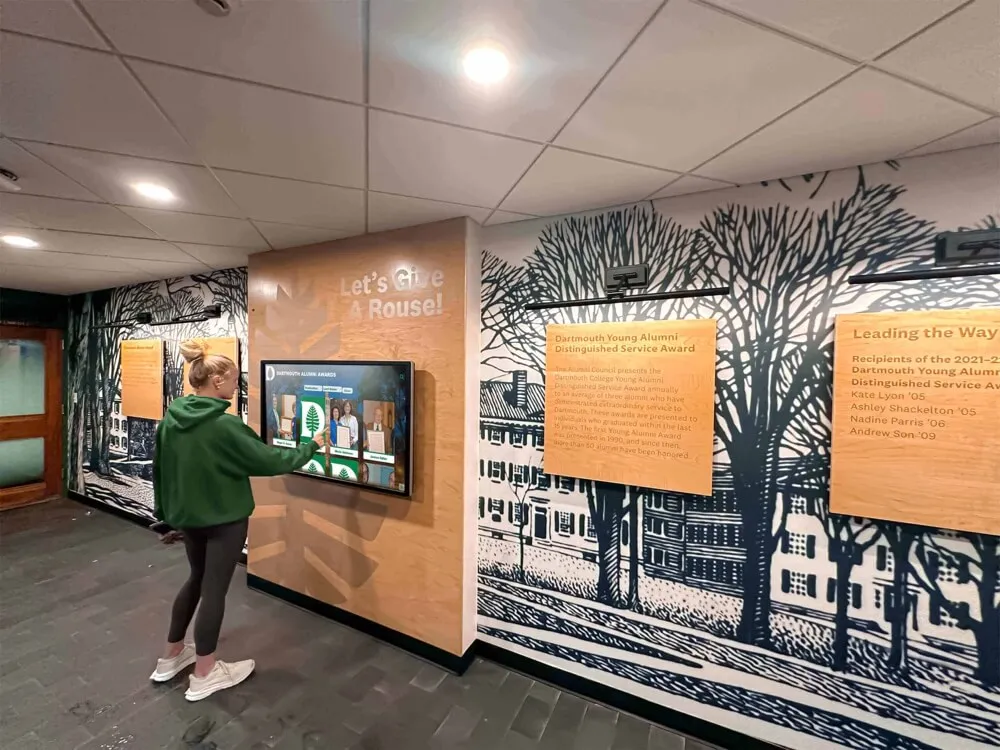
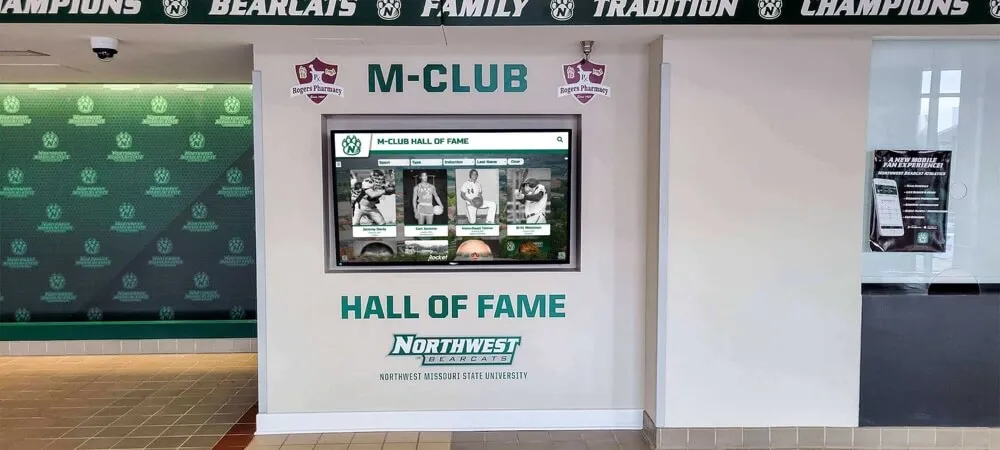
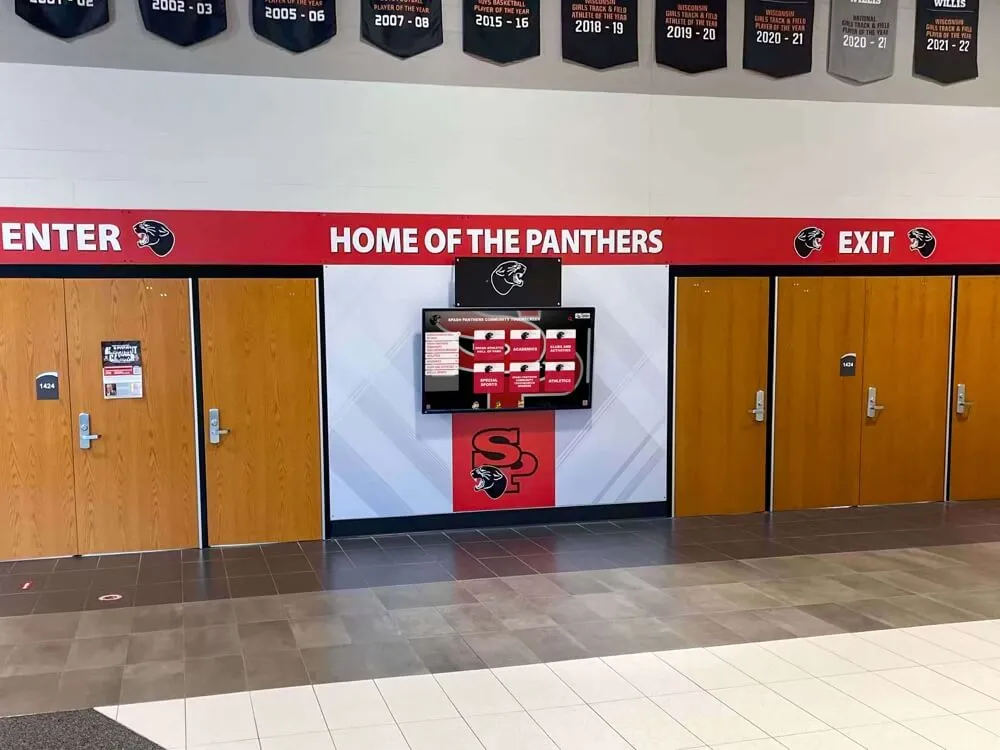
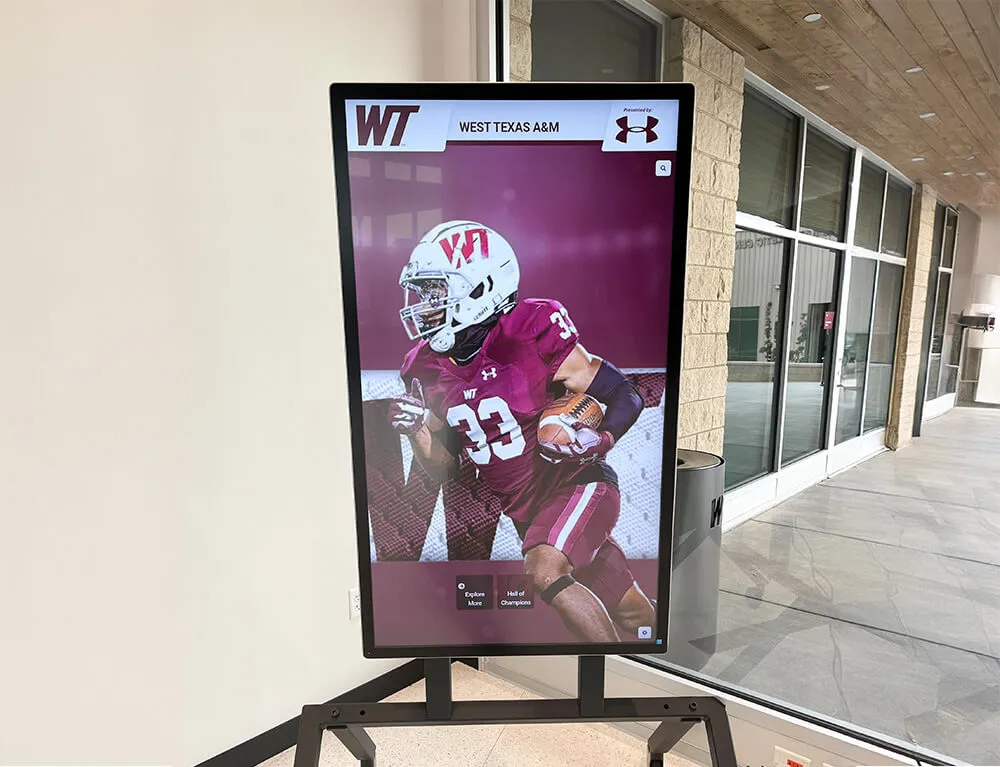
Volunteers who manage digital hall-of-fame systems need explicit authorization for each platform they access—and clear rules for credential security
Section 4: Confidentiality of Nomination Deliberations
Nomination confidentiality is the clause that selection committee members most often underestimate. The confidentiality obligation should be specific enough that volunteers understand what it covers and how long it lasts.
What is confidential: the identities of all nominees in the current cycle (selected and not selected), the content of deliberation discussions, the vote outcome for any individual nominee (even after announcement, the vote breakdown should remain private), correspondence between committee members during the review period, and feedback written about individual nominees.
Duration: confidentiality obligations should survive the volunteer’s departure from the committee. A nominee who is not selected this cycle may be nominated again in future cycles, and disclosure of past deliberation content could prejudice future reviews.
Permitted disclosures: the agreement should specify what the volunteer may share—typically, that an induction class has been selected and who the inductees are, after official announcement. Some programs permit committee members to acknowledge publicly that they serve on the committee; others prefer anonymity. Clarify this explicitly.
Family and social proximity: volunteers who are personally acquainted with nominees face particular risk of inadvertent disclosure. The agreement should remind volunteers that confidentiality applies in informal settings—conversations with alumni, social media responses, and family discussions—not only in formal communications.
For context on how athlete recognition information flows through programs, the all-conference team selection and announcement process illustrates why deliberation privacy matters for program integrity.
Section 5: Personal Data Handling
Nomination files contain personal information. Career bios may include health history mentioned in context of an injury or recovery. Contact fields include current addresses and phone numbers. Some records include financial information related to scholarship recognition or donor gifts.
Data minimization: volunteers should access only the personal information necessary for their specific role. A selection committee member reviewing a nomination packet does not need the nominee’s current home address; an archives volunteer cataloguing a physical artifact does not need access to deliberation vote records.
Storage rules: personal data should not be stored on personal devices, personal cloud storage, or personal email accounts. If volunteers need working copies for committee review, the program should provide a secured shared environment rather than individual storage.
Disposal: when a volunteer leaves the program, all working copies of personal data should be deleted from any devices or accounts the volunteer controls. The agreement should specify a timeframe—typically within 30 days of departure—and a confirmation step such as a written statement or a meeting with the supervising administrator.
Breach reporting: if a volunteer loses a device, sends nomination information to an unintended recipient, or discovers that program data has been compromised, the agreement should require prompt notification to the supervising administrator. Name the reporting channel—email, phone, or in-person—and a reasonable timeframe such as within 24 hours of discovery.
Section 6: Artifact Handling Standards
Physical artifacts are irreplaceable. A signed jersey, a championship trophy, a hand-written letter from a coach, a game program from a record-setting season—once damaged or lost, these items cannot be restored. The artifact handling section establishes minimum procedures for every volunteer who may touch program property.
Condition reporting before handling: volunteers should document the condition of any artifact before they handle it for any purpose—moving, photographing, displaying, or returning to storage. A brief written condition note (or a standardized condition report form) with date and volunteer signature creates an accountability record.
Approved handling procedures: the agreement should describe basic handling standards appropriate to the program’s collection, such as wearing clean cotton gloves when handling photographs or paper items, using two hands to carry framed items, keeping food and beverages away from storage and display areas, and never using adhesives or fasteners directly on artifacts.
Prohibition on unauthorized loans or removals: volunteers may not take artifacts off school property for personal use, loan them to third parties, or remove them from designated storage without documented authorization from the supervising administrator. Even well-intentioned loans—taking a trophy home to polish it, borrowing a photograph for a presentation—can result in damage, loss, or chain-of-custody problems.
Photography of artifacts: many volunteers photograph artifacts for documentation or for publication in ceremony programs and display content. The agreement should specify that photographs taken in a volunteer capacity belong to the program, not the volunteer personally, and may not be published or shared outside program channels without authorization.
Incident reporting: any artifact that is damaged, lost, or discovered missing must be reported immediately to the supervising administrator. The agreement should name the reporting channel and require that the volunteer preserve whatever documentation exists—condition reports, loan records, photographs—without alteration.
Ceremony display ideas and physical recognition formats often inspire volunteers to propose creative uses for artifacts. The handling agreement ensures those creative ideas go through an authorization process before any artifact is touched.
Section 7: Digital Credential Security
Volunteers who access hall-of-fame software systems—cloud-based content management platforms, touchscreen kiosk back-ends, website admin panels, shared drive environments—hold credentials that represent real institutional access. Credential security provisions should be specific and enforceable.
No sharing of credentials: the volunteer’s login credentials for any program system may not be shared with any other person, including other committee members, staff, or family. If another authorized person needs access, request a separate account through the supervising administrator.
Password standards: the agreement should reference the institution’s existing password policy if one exists, or establish minimum standards: a minimum character count, prohibition on reusing passwords across personal and institutional accounts, and use of the institution’s approved credential management approach.
Authorized use only: credentials may be used only for program-related purposes within the scope of the volunteer’s defined role. Using access to a hall-of-fame CMS to view records outside the volunteer’s authorization—even out of curiosity—violates the agreement.
Return of access: when the volunteer’s term ends, the supervising administrator will revoke digital access. The volunteer confirms in the agreement that they will not attempt to retain or use any access beyond their authorized term.
Suspicious activity reporting: if a volunteer notices unexpected activity in a system—unfamiliar log-in entries, content changes they did not make, access requests from unknown parties—they should report it immediately rather than investigating independently.

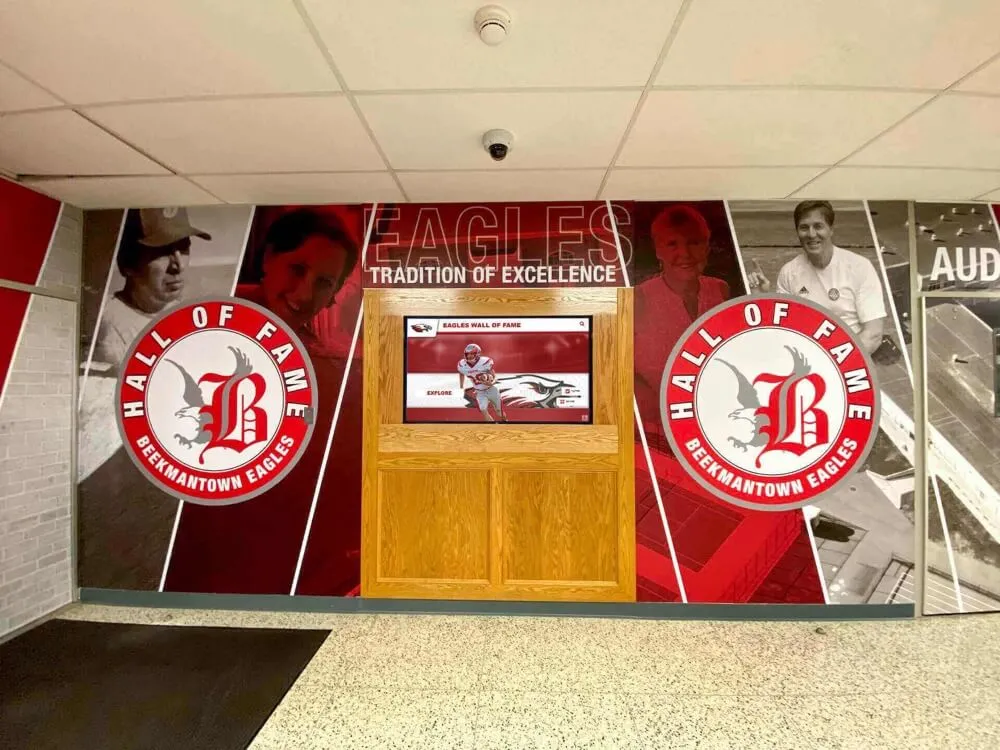
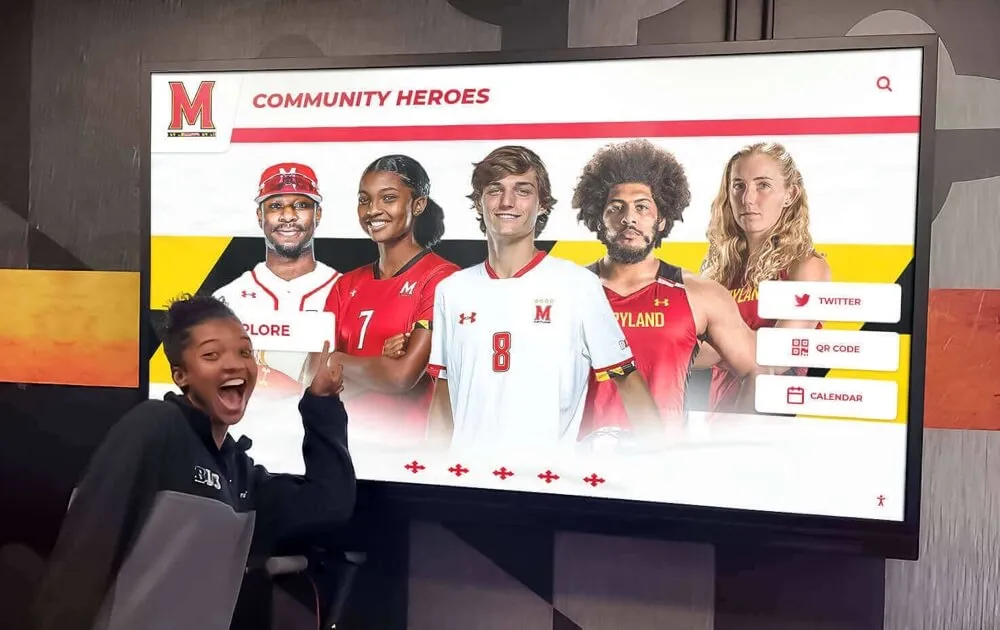
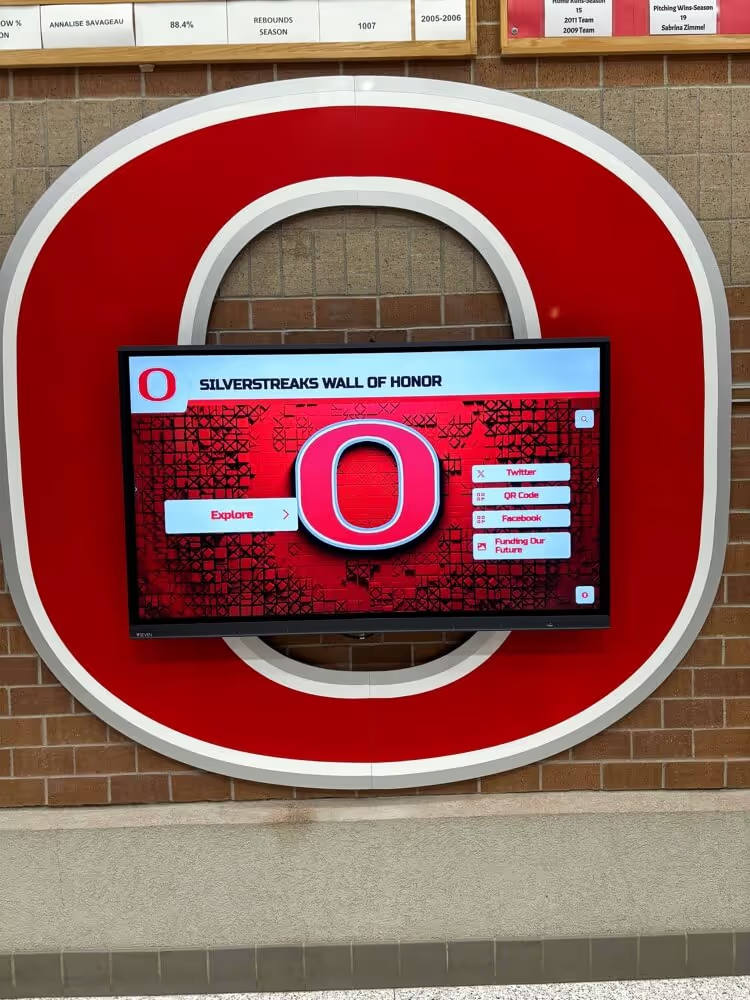
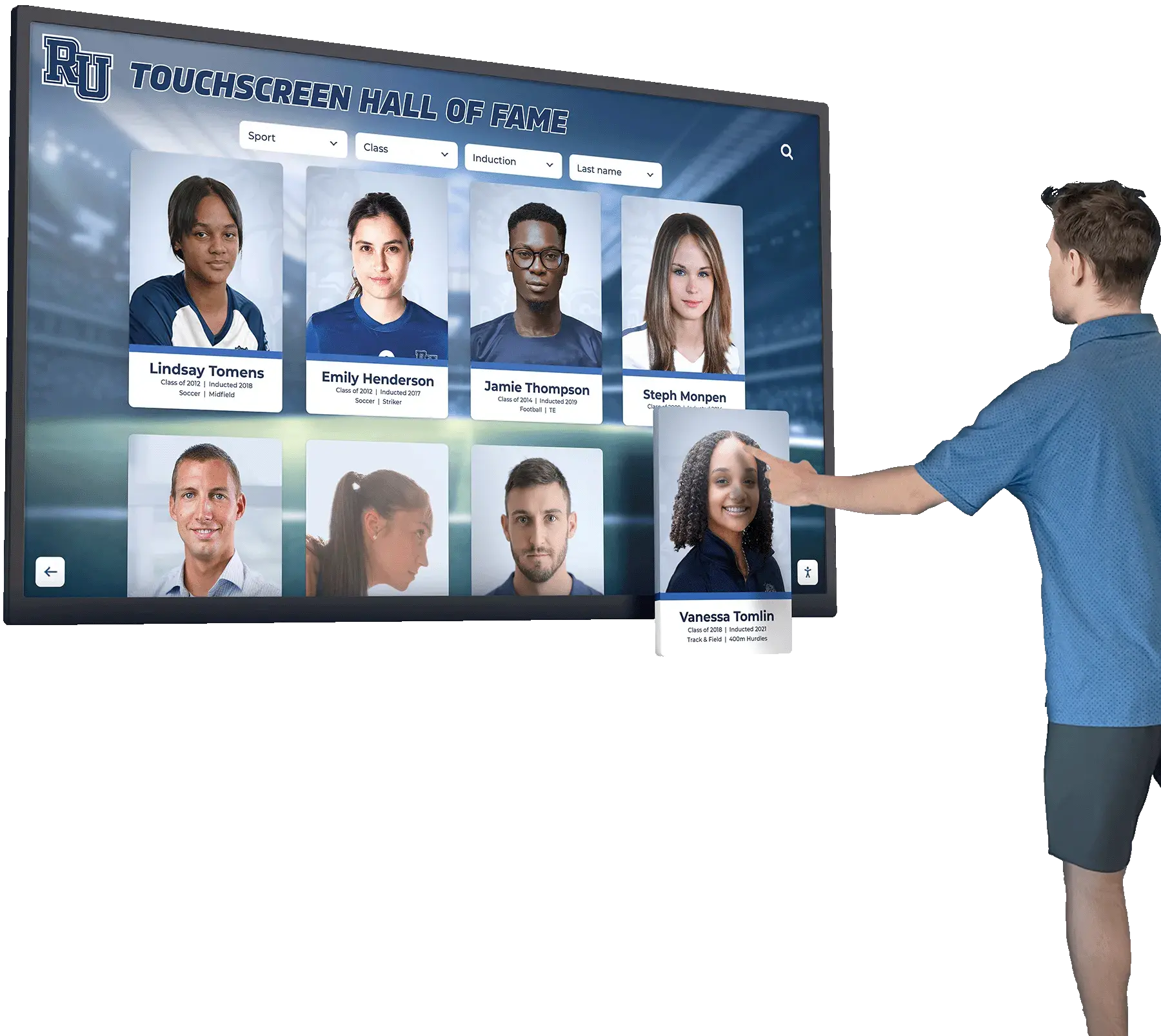
Digital display systems require credential management protocols that protect inductee records and institutional content from unauthorized access or modification
Section 8: Content Authorization for Digital Displays
Volunteers who manage touchscreen recognition walls, interactive kiosk systems, or hall-of-fame websites need clear guidance on what they are authorized to publish or change—and what requires additional approval before going live.
Authorized without additional approval: updating information that has already been formally approved by the committee and supervising administrator, such as publishing inductee biographies and photographs after an induction ceremony using content provided by the program.
Requires additional approval before publishing: new content types not previously used in the program, photographs sourced outside the program’s verified collection, biographical updates that change substantive information about an existing inductee, removal of inductee content from the display, and content related to living nominees before official selection announcement.
Image rights verification: before uploading any photograph to a display system, the coordinator should verify that the program has rights to use the image in its intended context—on a public-facing digital display accessible to visitors, potentially accessible via QR code on mobile devices. Images sourced from social media or third-party websites without explicit permission create legal exposure. The agreement should require that coordinators document the source and rights basis for each image uploaded.
Content retention: inductee profiles on a hall-of-fame display represent institutional records. Coordinators may not delete or archive inductee content without authorization from the supervising administrator. For platforms where content removal also removes the underlying record from the database, the coordinator should consult the administrator before taking any action that cannot be undone.
The value of digital recognition displays for schools and programs depends entirely on the accuracy and integrity of what’s published—which is why content authorization protocols matter as much as the technical platform itself.
Section 9: Conflict-of-Interest Disclosure
Hall-of-fame programs in school communities face inevitable conflict-of-interest situations: a committee member whose child is being nominated, a booster liaison whose business sponsors the induction ceremony, an archives volunteer who is personally close to a family whose artifacts are under review. The agreement should establish clear disclosure and recusal expectations rather than leaving those decisions to individual judgment.
Disclosure obligation: volunteers must disclose any personal relationship with a nominee, a nominator, or a donor whose interests may be affected by a decision the volunteer participates in. Disclosure should be made to the supervising administrator before the relevant deliberation or decision, not after.
Recusal process: after disclosure, the supervising administrator determines whether recusal from the specific decision is appropriate. The volunteer who has disclosed should not make that determination themselves. Recusal means the volunteer does not participate in, observe, or receive information about the specific deliberation or decision.
Record of disclosure: disclosures and recusals should be documented in writing and retained by the supervising administrator. Documented disclosures protect both the volunteer and the institution if decisions are later questioned.
Ongoing obligation: conflicts can arise mid-term. A volunteer who develops a new relationship with a nominee or donor during their service period has the same obligation to disclose as they would at the outset.
Section 10: Return of Materials and Off-boarding
When a volunteer’s term ends—by completion, resignation, or removal—the agreement specifies what must happen before the transition is complete. Off-boarding provisions protect institutional records, artifacts, and access.
Physical materials: any program records, artifacts, printed nomination files, ceremony programs, or other physical materials in the volunteer’s possession must be returned to the supervising administrator within a specified timeframe. The agreement should name a reasonable deadline such as 14 days from the end of the volunteer’s term.
Digital materials: working copies of nomination packets, inductee photographs, biographical data, or other program files stored on personal devices or personal cloud storage must be deleted. The volunteer confirms this deletion in writing, with a deadline matching the physical materials return.
Credential access: the supervising administrator is responsible for revoking digital access upon departure. The volunteer acknowledges in the agreement that they will not attempt to access any program system after their authorization ends, and will promptly report to the administrator if they discover that access has not been properly revoked.
Transition documentation: for volunteers in ongoing operational roles—digital display coordinators, archives managers—the agreement should require preparation of a transition document summarizing the current state of responsibilities, any in-progress tasks, and outstanding items requiring follow-up. This reduces the institutional knowledge loss when experienced volunteers step away.
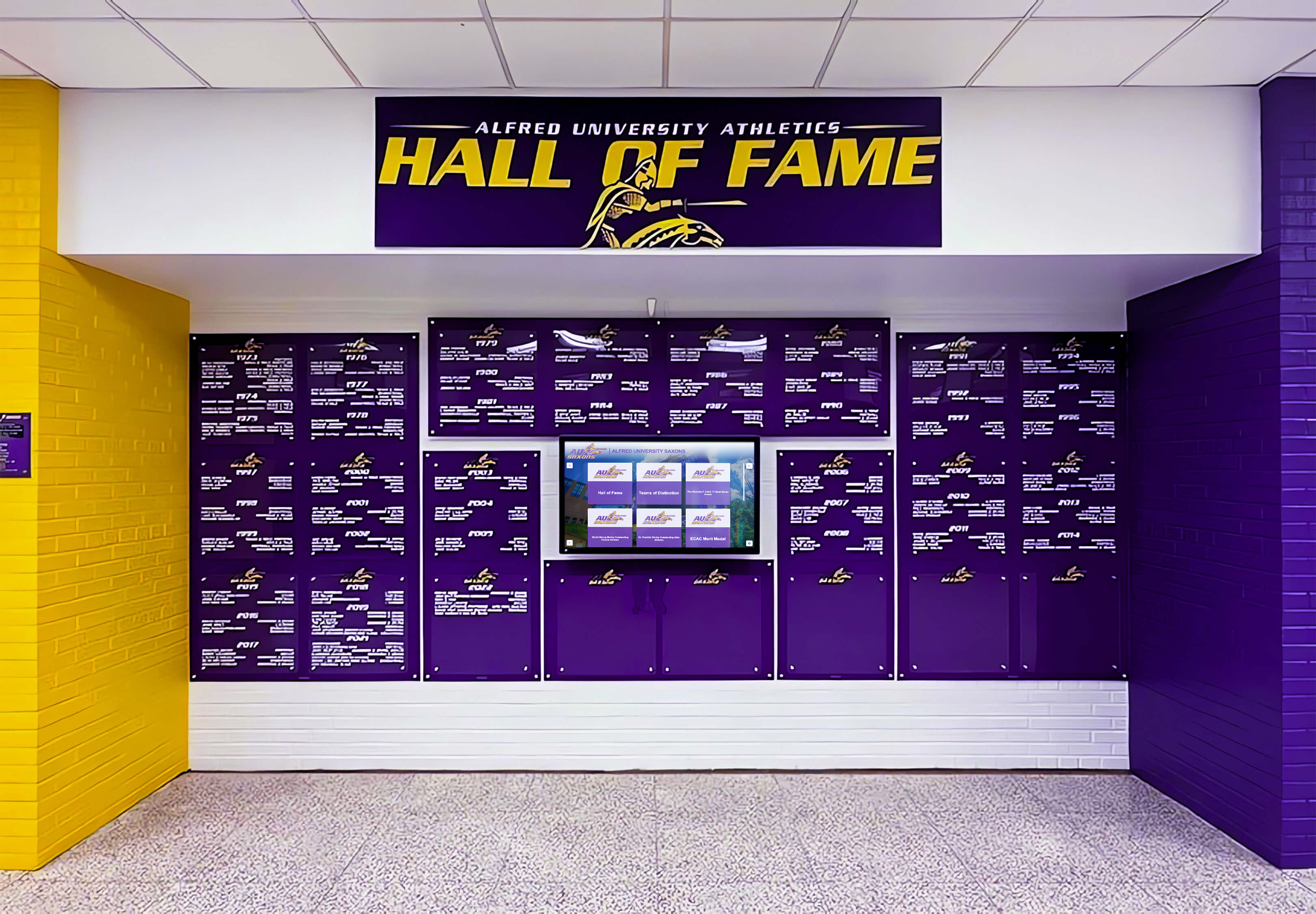
Clear off-boarding protocols ensure that when experienced volunteers step back, records, credentials, and responsibilities transfer cleanly to successors
Adapting the Agreement for Digital Display Programs
Schools that use interactive touchscreen displays, cloud-based hall-of-fame platforms, or digital recognition walls should adapt several agreement elements specifically for those systems.
CMS Access and Content Workflow
The cloud-based content management system that powers a touchscreen hall-of-fame display typically stores the institution’s complete inductee database—biographical records, photographs, video profiles, career statistics, award histories, and QR-linked mobile content. Volunteers who access this system carry more responsibility than those managing only physical artifacts, because a change in the CMS affects the public-facing display immediately.
The agreement should specify the content workflow the volunteer is expected to follow: who prepares content, who reviews it, who approves it before the coordinator publishes it, and what the turnaround expectation is. Workflows that require a second review before any content goes live reduce the risk of errors appearing on a public display without an opportunity for correction.
QR Code and Mobile Profile Access
Many modern hall-of-fame platforms generate QR codes that visitors can scan to access expanded inductee profiles on their mobile devices. These mobile profiles may include content not visible on the main display—extended biographies, additional photographs, contact information for nominating. Volunteers who manage QR-linked profiles should understand that their content decisions affect not just the lobby kiosk but a mobile experience accessible to anyone with a smartphone.
Scheduled Content Publishing
Cloud platforms for recognition displays often support scheduled publishing—setting content to go live at a specific date and time, such as the night before an induction ceremony. Volunteers using scheduled publishing should understand that the agreement’s content authorization requirements apply to scheduled content exactly as they do to immediate publishing. Scheduling content without authorization is not a lesser violation simply because it hasn’t gone live yet.
Display Hardware Access
Some volunteer roles include physical access to kiosk hardware—restarting a touchscreen, swapping a USB device, adjusting a mount, or coordinating with a facilities team on screen placement. The agreement should address hardware access with the same specificity as software access: who is authorized to touch the hardware, what procedures to follow, and who to contact if there is a malfunction. See also alumni event program ideas for how display infrastructure fits into larger recognition events where volunteers may have both hardware and event responsibilities simultaneously.
Implementation: Rolling Out the Agreement Program-Wide
A volunteer agreement is only as useful as the program around it. Schools that successfully implement formal agreements typically follow a consistent process.
Integrate agreement signing into volunteer onboarding. Every new volunteer, regardless of experience, signs before taking on any responsibility. The signing meeting is an opportunity for the supervising administrator to walk through each clause rather than simply handing over a document to sign and return.
Maintain a signed-copy archive. Keep a signed copy for each active volunteer in a secured administrative file. Retain copies for a reasonable period after volunteers depart—three to five years is a practical guideline—in case questions arise about conduct during their term.
Review and update the agreement annually. Hall-of-fame programs evolve. New digital platforms introduce new access categories. Governance changes introduce new confidentiality considerations. An annual review before the new selection cycle ensures the agreement reflects current responsibilities.
Apply the same agreement to veteran volunteers. It is tempting to exempt long-serving committee members from a newly introduced formal agreement. Resist that temptation. Uniform application is what gives the agreement institutional authority. Veterans who have been operating informally for years may be exactly the volunteers whose expectations most need to be made explicit.
Connect the agreement to program bylaws. The volunteer agreement should reference the hall-of-fame program’s governing bylaws and should be consistent with them. If the bylaws describe the confidentiality of deliberations in one way and the volunteer agreement describes it in another, that inconsistency will create problems. Review both documents together when updating either one.
For programs examining how their digital display systems fit into broader recognition infrastructure, the wrestling hall of fame touchscreen display guide provides a concrete example of how one sport’s recognition program manages content access, hardware, and volunteer responsibilities around a digital display installation.
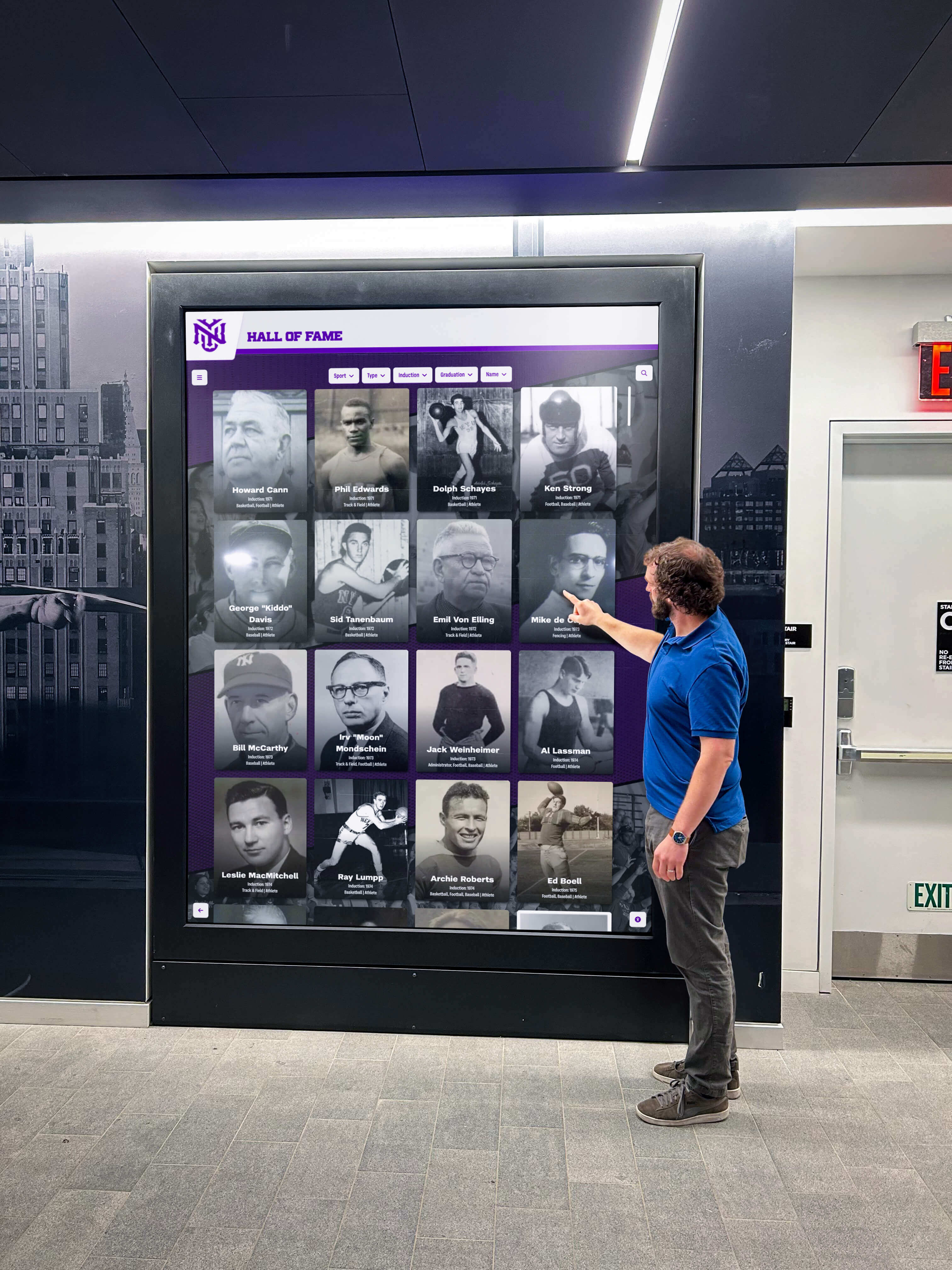
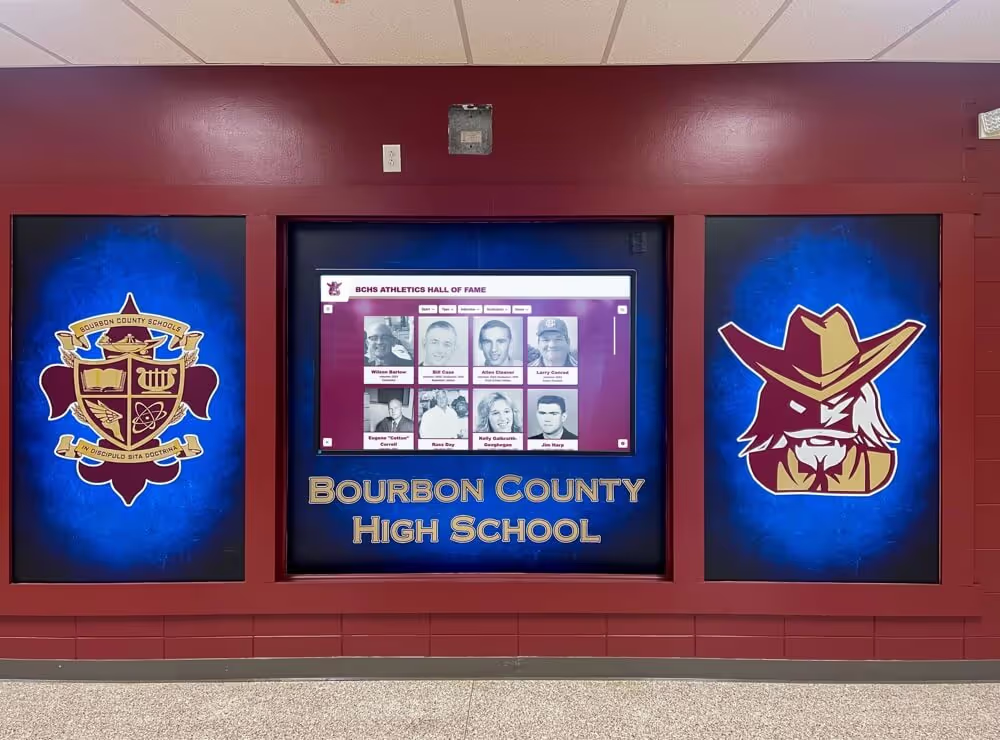
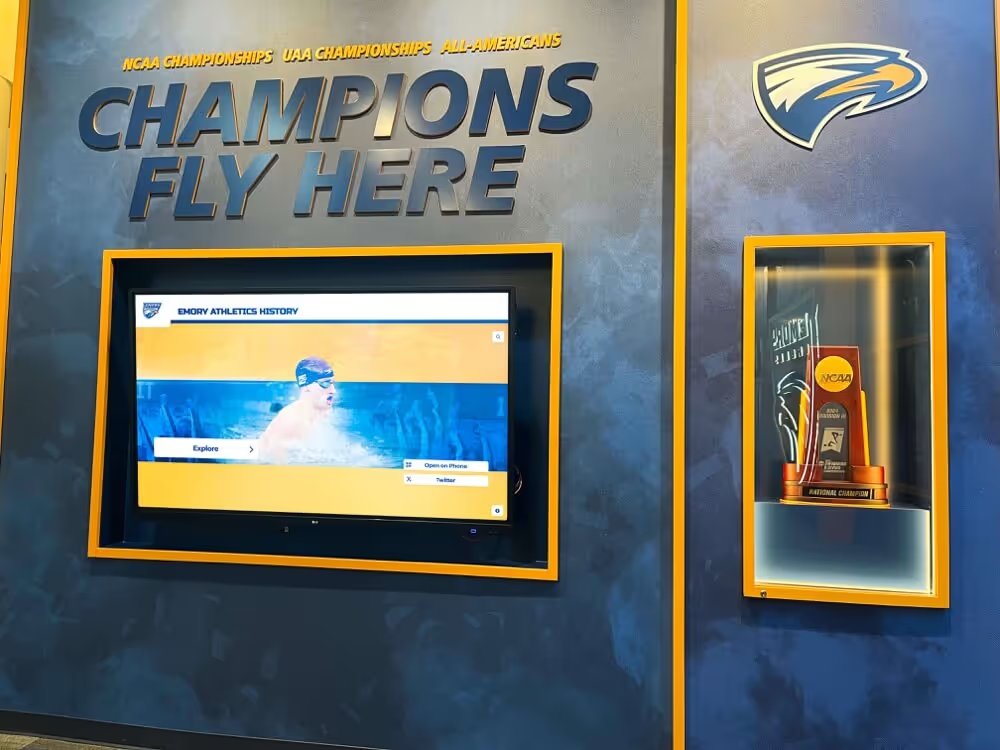
When volunteers manage content on public-facing touchscreen systems, the authorization and conduct standards in the agreement directly affect what visitors experience
A Note on Legal and Professional Review
This guide provides a practical framework for drafting and implementing a hall-of-fame volunteer agreement. It is not legal advice, and no agreement template should be adopted without review by a qualified attorney familiar with your institution’s jurisdiction, applicable privacy laws, and any collective bargaining or employment agreements that may affect volunteer governance.
Similarly, schools with significant physical artifact collections—items of historical, monetary, or irreplaceable sentimental value—should consider consulting a professional archivist or collections manager when developing artifact handling provisions. Best practices for handling paper documents, photographs, textiles, and trophies vary by material type, and a brief professional consultation can prevent handling provisions from being overly generic.
For digital systems, review access authorization and credential security provisions with the school’s technology director to ensure they align with existing institutional policies around data security, acceptable use, and vendor agreements.
Frequently Asked Questions
Do hall-of-fame volunteers need a formal agreement, or is a general volunteer waiver sufficient?
A general volunteer waiver typically covers liability and emergency contact information. It does not address program-specific obligations like nomination confidentiality, record access limits, artifact handling procedures, or digital credential security. A hall-of-fame program manages sensitive personal data and irreplaceable physical artifacts in ways that a generic waiver does not contemplate. A purpose-built agreement is necessary for programs that want those specific obligations enforceable and clearly communicated.
How long should confidentiality obligations in the agreement last?
Indefinitely, or at minimum for a period substantially longer than the volunteer’s service term. Nomination deliberations involve information about real people—nominees who may be involved in the school community for many years after a cycle in which they were not selected. The rationale for confidentiality does not expire when the volunteer leaves the committee.
Can one agreement cover all volunteer roles, or do programs need separate agreements per role?
A core agreement can cover all roles, with role-specific addenda for provisions that differ by responsibility. This approach is more efficient to maintain than fully separate agreements and ensures that universal provisions—confidentiality, conflict-of-interest, return of materials—are consistent across roles while artifact handling, digital access, and content authorization details can be tailored.
What happens if a volunteer violates the agreement?
The agreement should name the supervising administrator as the first point of contact for violations and describe the range of responses available: a verbal correction for minor issues, a written warning, suspension of access pending investigation, and removal from the volunteer program for serious violations. Specific consequences should be proportional and consistent. Consult the institution’s legal counsel before taking any action that could be characterized as punitive.
How should the agreement handle volunteers who are also alumni or parents of current students?
The conflict-of-interest disclosure section directly addresses this. Alumni and parents frequently serve on hall-of-fame committees and bring valuable knowledge of the program’s history. The agreement should not disqualify them categorically but should require proactive disclosure of any personal relationship with nominees, nominators, or donors, and should establish a clear recusal process so those relationships are managed rather than ignored.
Should volunteers be asked to sign a new agreement each year?
Annual renewal is a best practice. It gives the program a natural checkpoint to update agreement language when responsibilities change, ensures returning volunteers re-read current terms rather than operating on outdated assumptions, and creates a clean record of which volunteers were active during which selection cycles.
What records should the program keep about volunteer agreements?
Retain the signed agreement for each volunteer, any disclosure or recusal documentation from their term, and any records of agreement violations or remediation. Retain these records for a reasonable period after the volunteer’s term ends—three to five years is a practical guideline, though institutional legal counsel may recommend longer retention depending on applicable regulations.
Building a Digital Recognition Program That Supports Volunteer Governance
A hall-of-fame volunteer agreement is most effective when it works in parallel with the right digital infrastructure. Cloud-based touchscreen display systems designed for school recognition programs include built-in access controls that make agreement provisions enforceable in practice: role-based permissions determine what each user can view or edit, audit logs track who made which content changes and when, and credential revocation is straightforward when a volunteer’s term ends.
When the access controls in your recognition platform mirror the access authorization provisions in your volunteer agreement, you are not relying solely on volunteer self-compliance. The system itself enforces boundaries—limiting what any single volunteer can access or change unilaterally, preserving the complete inductee record regardless of what happens to individual physical artifacts, and maintaining an audit trail that protects both volunteers and the institution.
Schools at all competitive levels have found that pairing a formal volunteer governance structure with a modern touchscreen display platform creates a recognition program that runs smoothly across leadership transitions, scales to accommodate growing inductee rosters without physical space constraints, and presents inductee profiles—biographical narratives, photographs, career records—in an engaging, ADA-accessible format that serves current students, visiting alumni, and prospective families alike.
For program administrators evaluating their digital infrastructure alongside their governance documents, college and university intramural recognition approaches offer useful perspective on how institutions scale volunteer-managed recognition programs when both the inductee roster and the volunteer base grow.
Build a Hall of Fame Your Volunteers Can Manage with Confidence
Rocket Alumni Solutions' interactive touchscreen wall of fame platforms include role-based content management, complete audit trails, ADA WCAG 2.1 AA compliance, unlimited inductee profiles, and professional installation—giving your volunteer team a system that makes governance straightforward. Trusted by 600+ schools and institutions nationwide.
Request Your Custom DemoSummary: What a Complete Hall of Fame Volunteer Agreement Covers
A well-structured hall-of-fame volunteer agreement defines the volunteer’s role, term, and supervising administrator; specifies exactly which records, spaces, and digital systems they may access; establishes clear confidentiality obligations for nomination deliberations that survive the volunteer’s departure; sets minimum standards for handling physical artifacts and documenting conditions; requires secure management of digital credentials and authorized-only use of display platforms; addresses conflict-of-interest disclosure and recusal; and specifies what materials must be returned and what digital access must be deleted when the volunteer’s term ends.
When every volunteer in a hall-of-fame program has signed the same core agreement—adapted where necessary for role-specific responsibilities—the program gains a shared set of enforceable expectations that protect nominees, donors, artifacts, institutional records, and the volunteers themselves. Combined with a digital recognition platform that enforces access controls at the system level, a formal volunteer agreement transforms what can be a loosely governed community program into a professionally administered recognition institution that serves its school community for generations.
Live Example: Rocket Alumni Solutions Touchscreen Display
Interact with a live example (16:9 scaled 1920x1080 display). All content is automatically responsive to all screen sizes and orientations.