



High school gyms serve as the centerpiece of athletic programs—hosting games, practices, assemblies, and community events that bring students, parents, and alumni together throughout the year. Yet many athletic facilities face challenges of aging infrastructure, outdated aesthetics, and limited budgets for comprehensive renovations. A strategic high school gym makeover doesn’t require a complete rebuild to create meaningful transformation.
Athletic directors and facilities managers often discover that targeted improvements—focusing on high-impact visual updates, functional enhancements, and recognition elements—can dramatically revitalize gym spaces without the expense of major construction projects. From refreshing wall graphics and updating flooring to creating inspiring recognition displays and improving lighting, budget-conscious strategies exist for schools at every funding level.
This comprehensive guide explores practical, budget-friendly ideas for high school gym makeovers. Whether you’re working with a modest maintenance budget, planning phased improvements over multiple years, or preparing a capital campaign proposal, you’ll discover actionable strategies to transform your athletic space into an environment that motivates athletes, impresses visitors, and serves your school community effectively.
The most successful gym makeovers start with strategic planning that identifies high-impact improvements aligned with available resources and long-term facility goals.

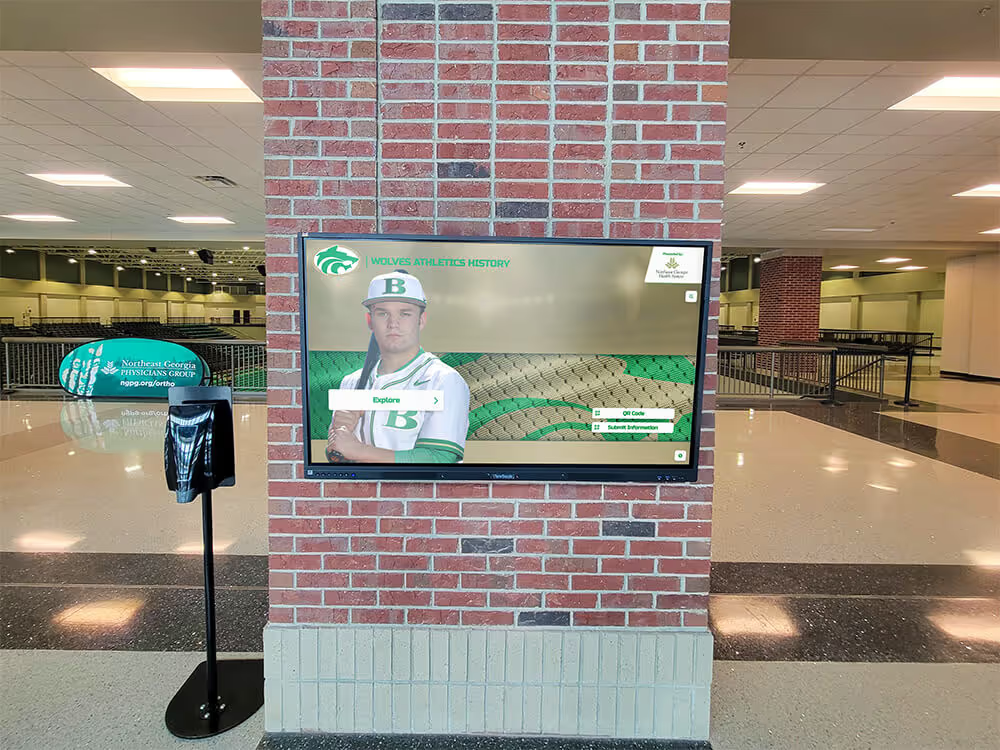
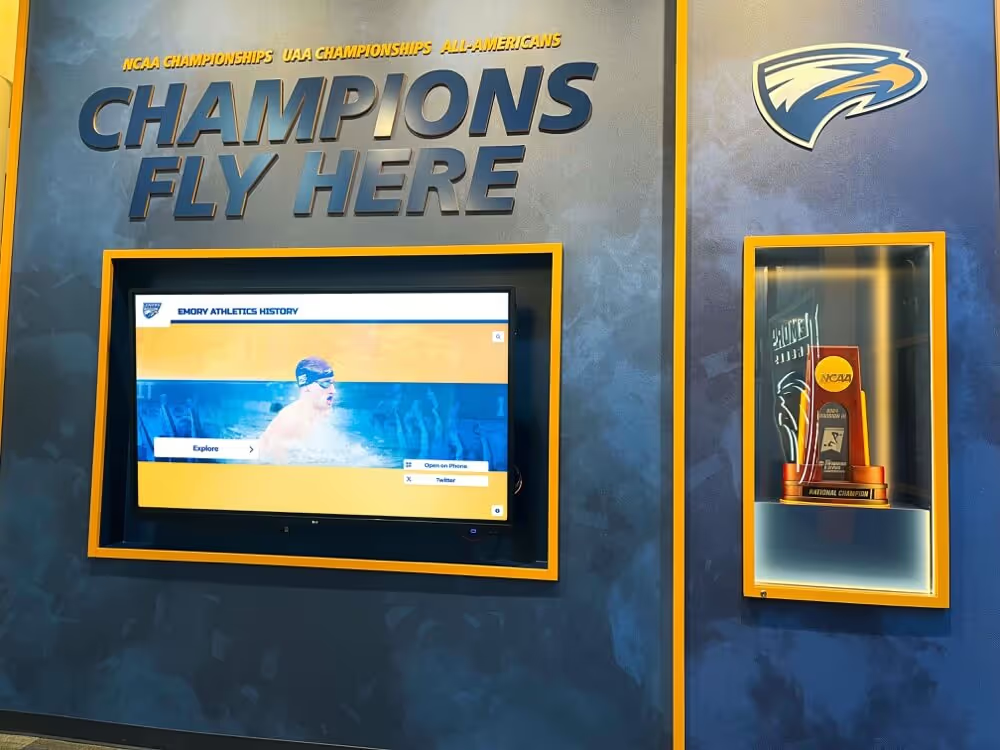
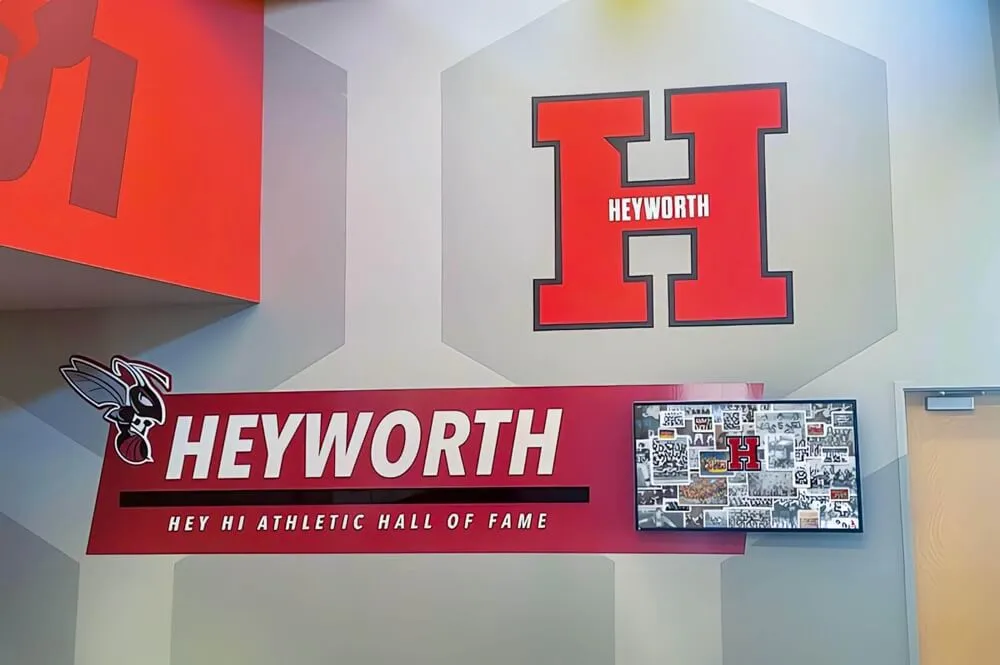
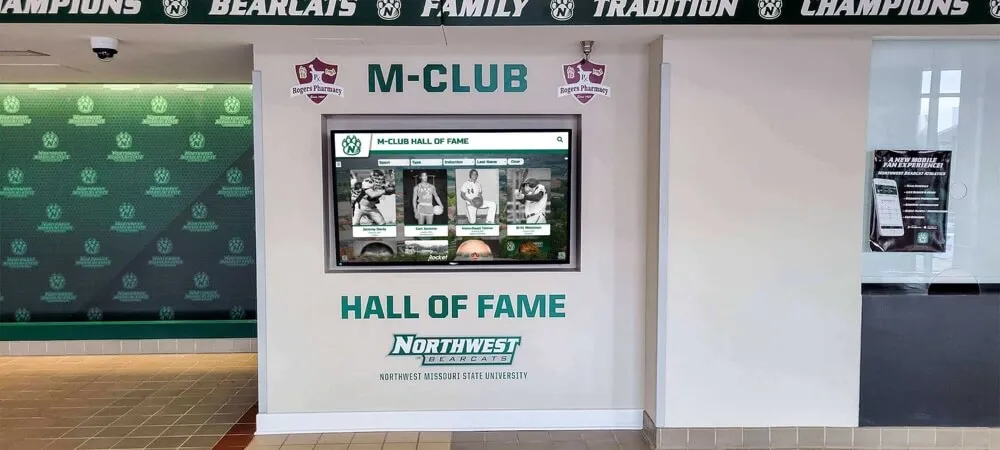
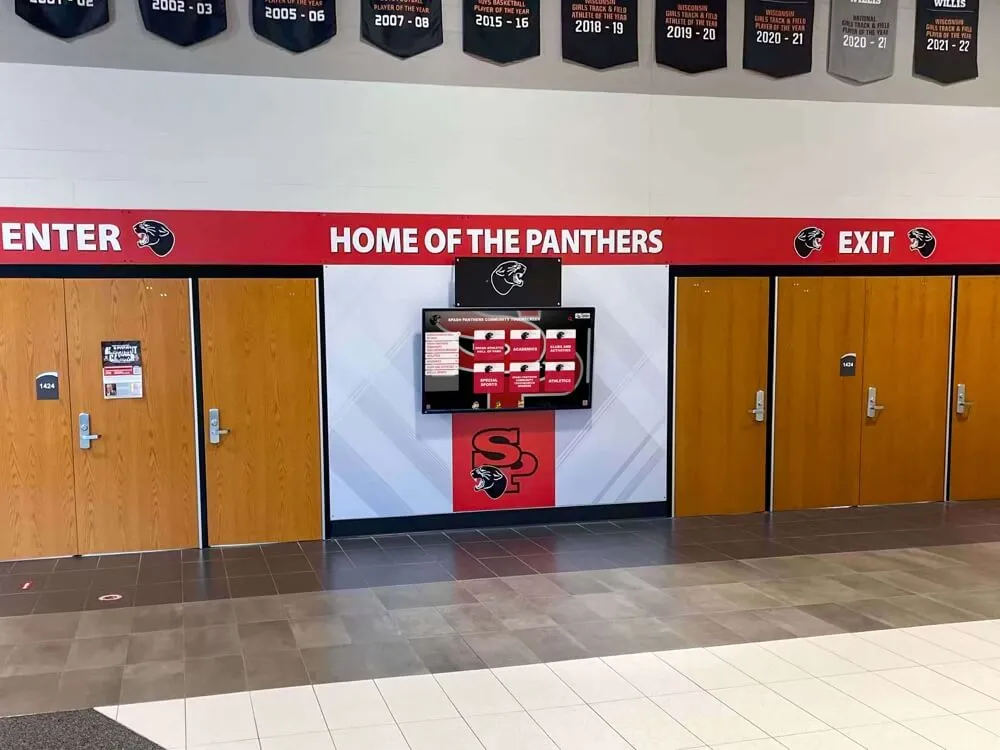
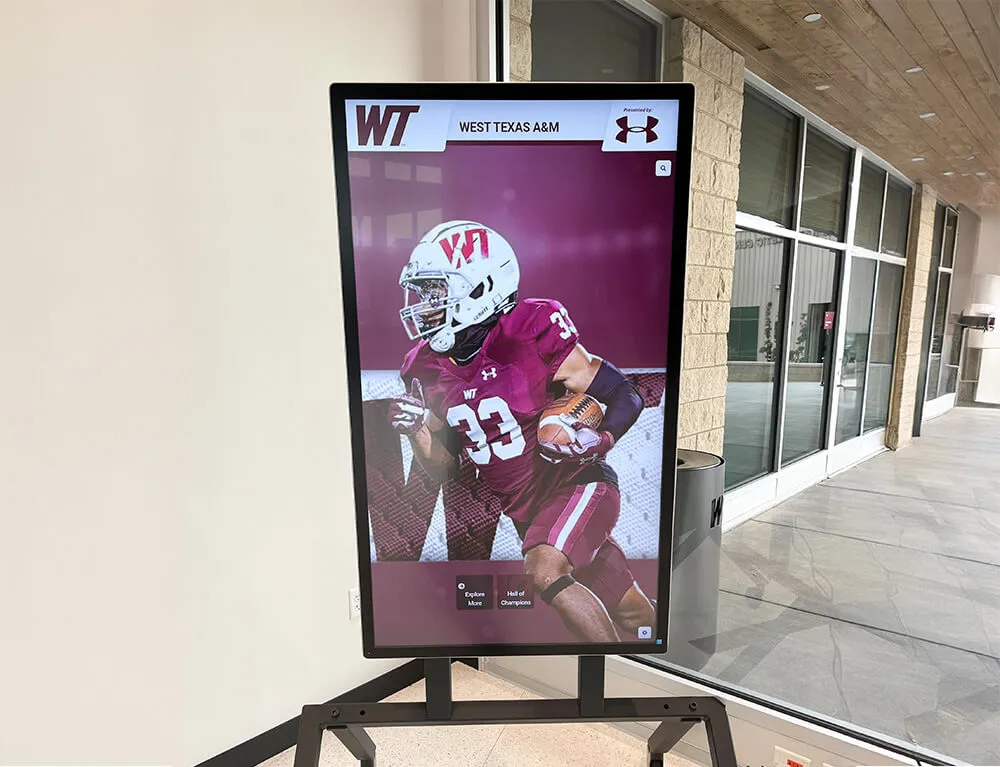
Athletic facility entrances set the tone with professional branding and recognition displays welcoming students and visitors
Assessing Your Gym Makeover Needs and Priorities
Before selecting specific improvements, evaluate your current facility condition and determine which updates deliver maximum impact for your investment.
Conducting a Comprehensive Facility Audit
Structural and Safety Assessment
Begin with non-negotiable safety and compliance requirements:
- Floor condition and safety standards compliance
- Lighting adequacy for competition and practice
- ADA accessibility throughout facility
- Bleacher safety and code compliance
- Emergency exit visibility and accessibility
- HVAC functionality affecting air quality
Address critical safety and structural issues before aesthetic improvements. These foundational elements protect students and prevent costly emergency repairs that consume budgets needed for enhancement projects.
Functional Performance Evaluation
Assess how well current facilities serve athletic program needs:
- Storage capacity for equipment and team gear
- Locker room condition and adequacy
- Spectator seating capacity and comfort
- Scoreboard and timing system functionality
- Sound system quality for announcements and events
- Training and coaching spaces
Identify functional shortcomings that impact daily operations, team performance, or game-day experiences.
Establishing Budget Realities and Funding Sources
Traditional School Funding
Standard budget sources include:
- Annual facilities maintenance allocations
- Capital improvement budgets
- Athletic department operational funds
- District-wide facility upgrade programs
- State or federal grant opportunities
- Energy efficiency rebate programs
Understanding available institutional funding determines your baseline budget and identifies which improvements fit current financial parameters versus those requiring alternative funding approaches.
Creative Fundraising Strategies
Schools successfully supplement institutional budgets through:
- Booster club campaigns and athletic foundations
- Alumni giving programs targeting facility improvements
- Corporate sponsorship packages
- Community fundraising events
- Athletic recognition programs that generate ongoing revenue
- Memorial and tribute giving opportunities
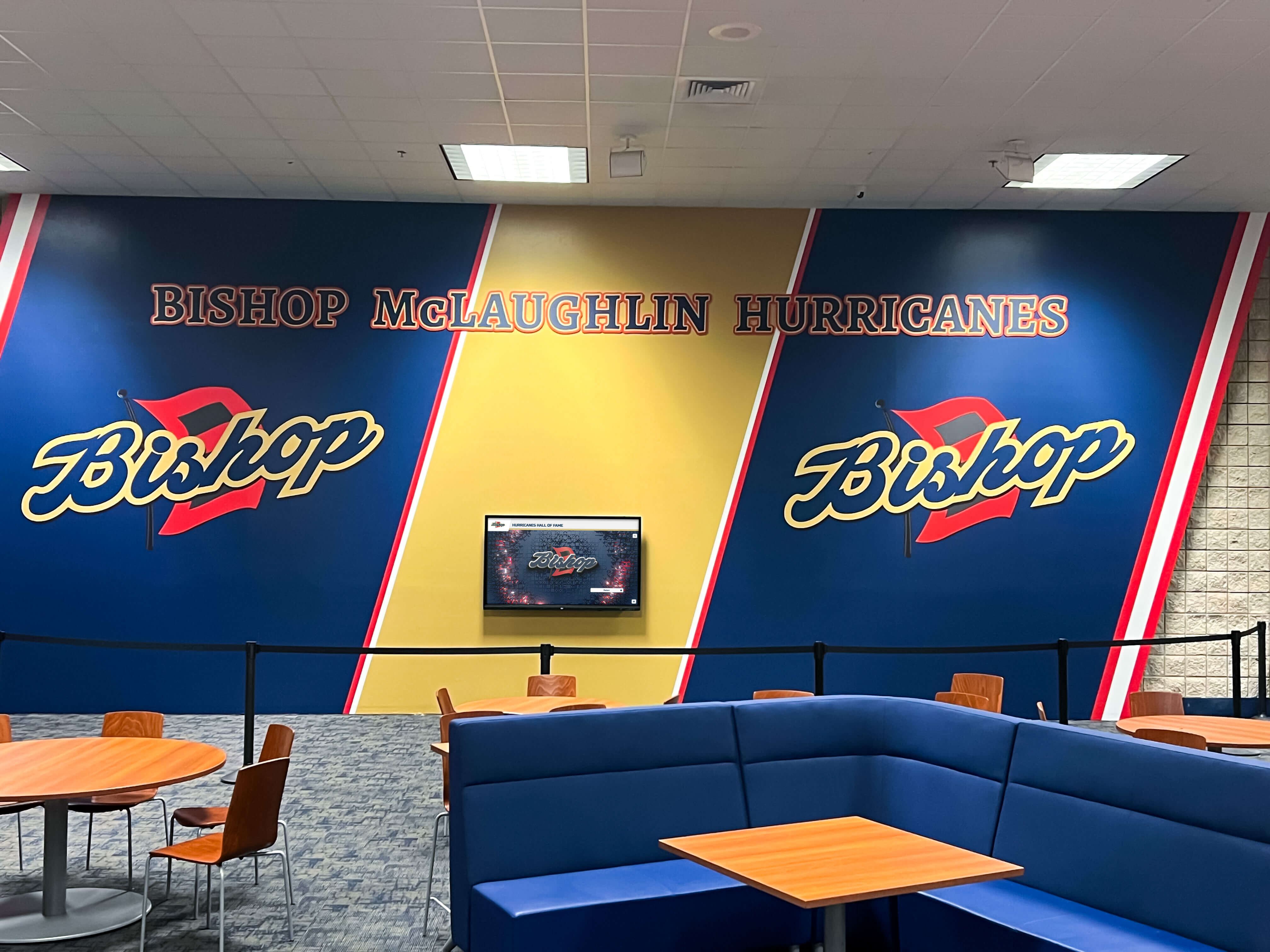
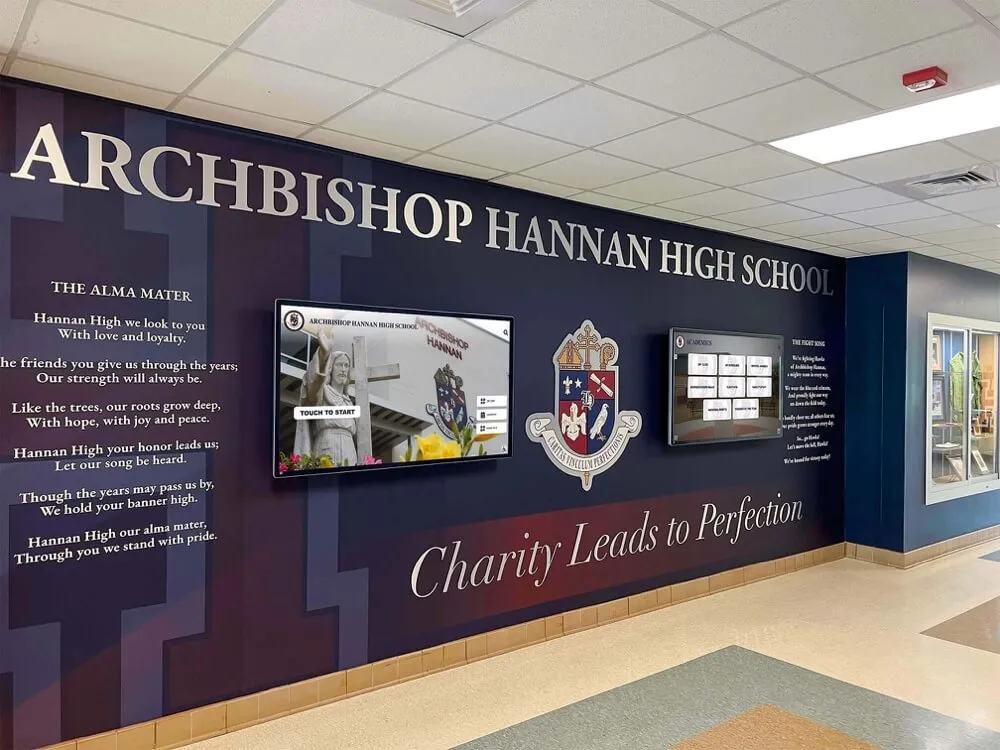
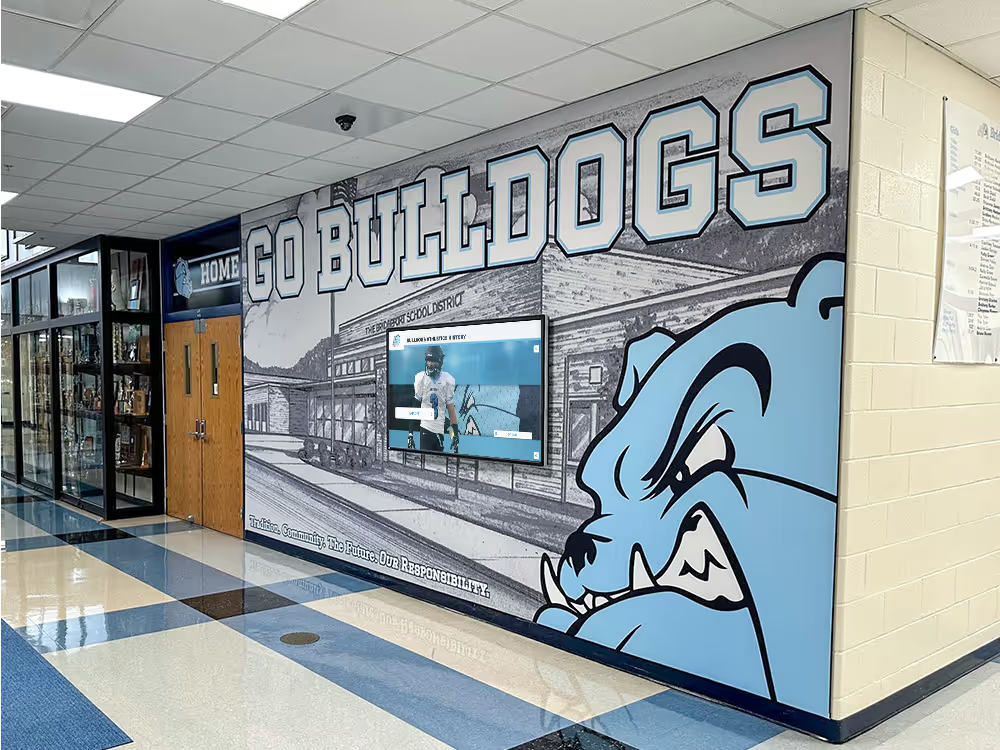
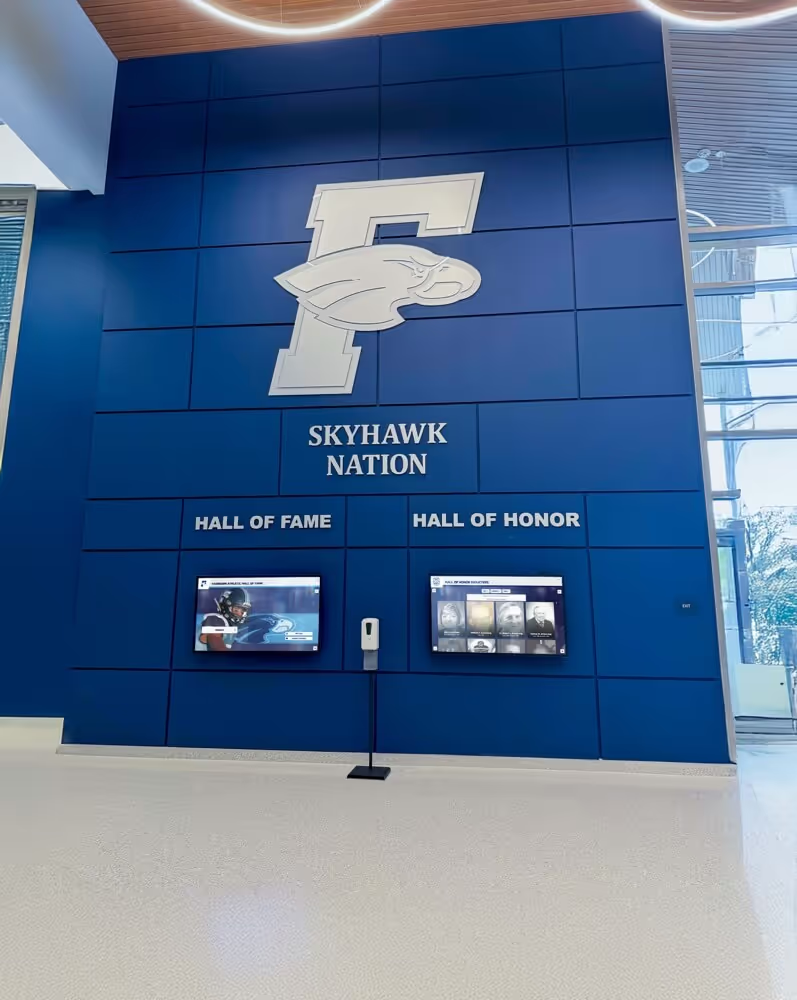
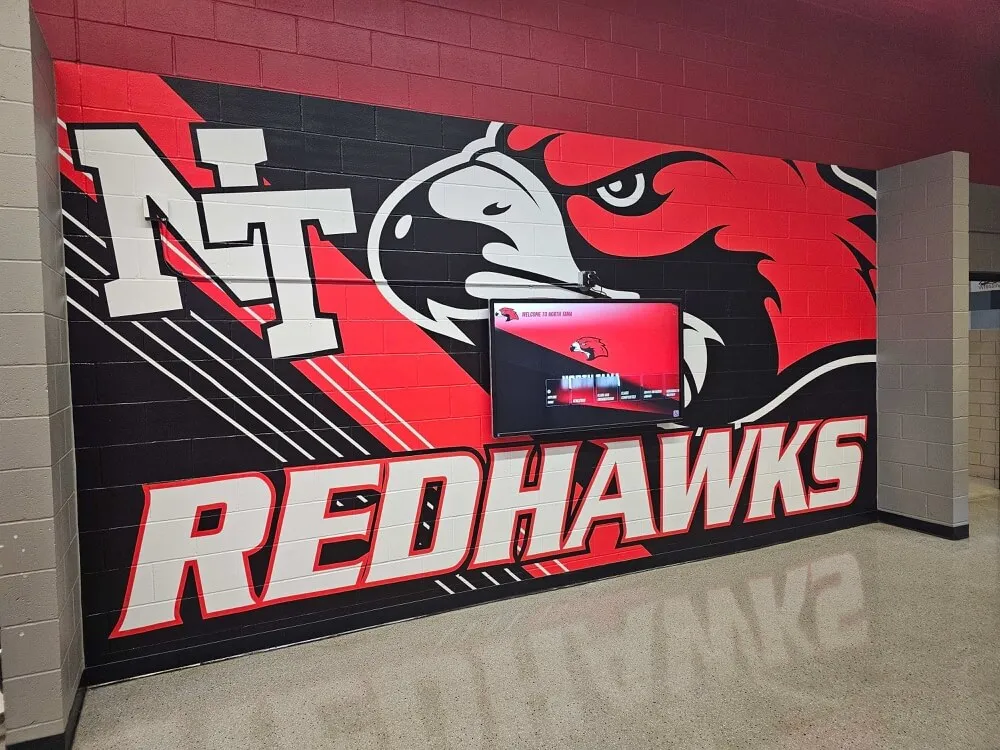
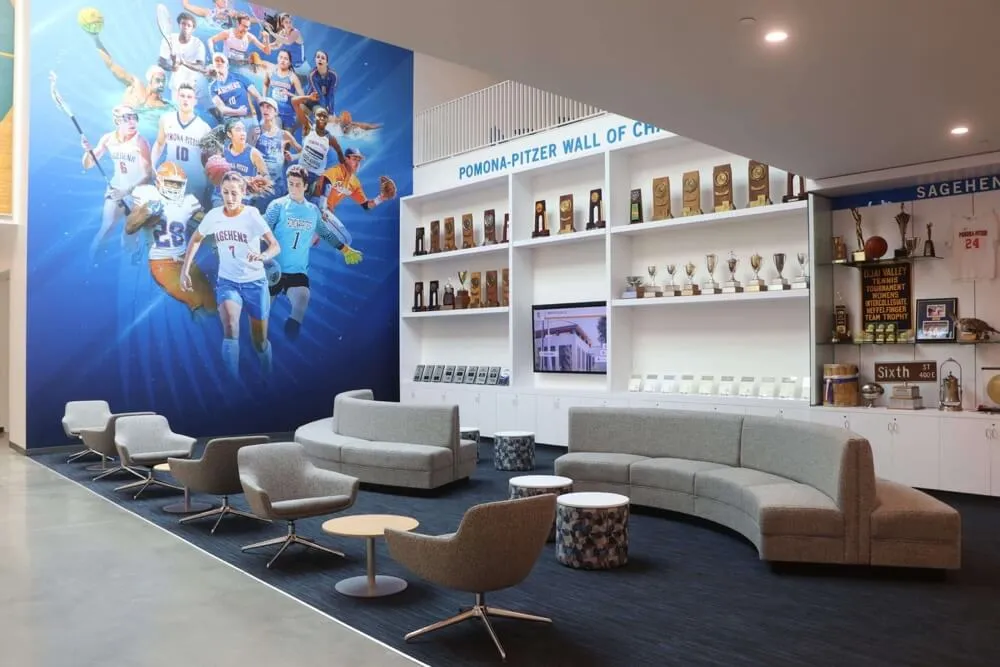
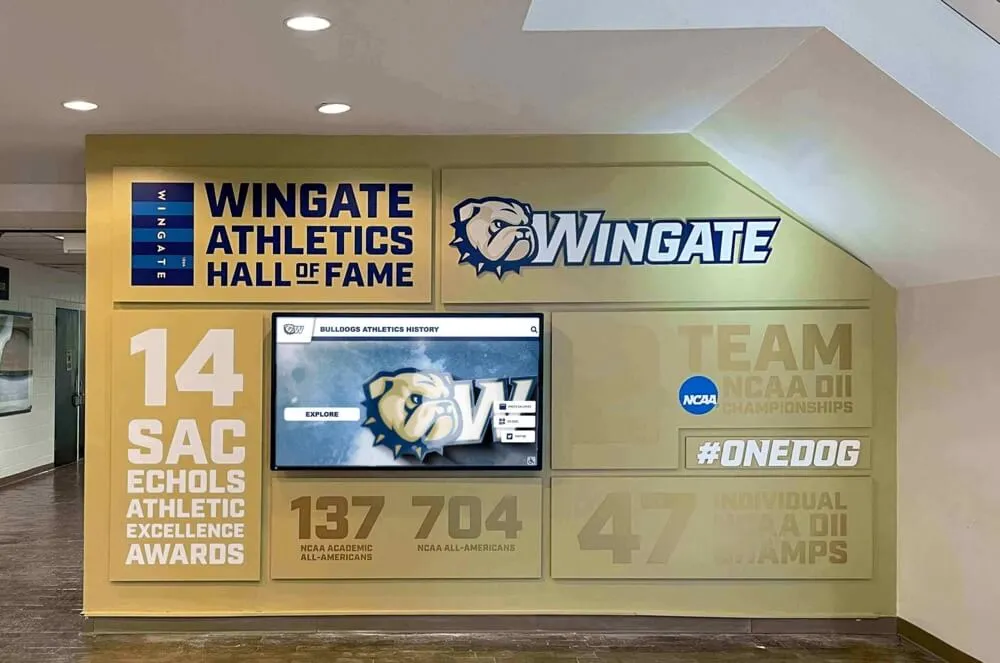
Coordinated branding across athletic spaces—from gyms to lounges—creates cohesive environments that reinforce team identity
Many schools discover that recognition-based fundraising (selling naming opportunities, tribute tiles, or digital recognition placement) generates revenue while simultaneously creating the recognition displays needed for gym makeovers.
Prioritizing Projects for Phased Implementation
High-Impact, Lower-Cost Quick Wins
Start with improvements delivering immediate visual transformation:
- Fresh paint in school colors
- Wall graphics and team branding elements
- Improved lighting (often with energy rebates)
- Updated signage and wayfinding
- Recognition displays celebrating achievements
- Deep cleaning and floor refinishing
These projects create noticeable change without exhausting budgets, building momentum for larger initiatives.
Medium-Term Functional Improvements
Plan for subsequent phases addressing operational needs:
- Sound system upgrades
- Scoreboard replacement or enhancement
- Storage solutions and organizational systems
- Locker room updates
- Entry and common area improvements
Long-Term Capital Projects
Reserve major investments for comprehensive campaigns:
- Complete floor replacement
- Bleacher replacement or expansion
- Structural additions (training rooms, coaching offices)
- Complete facility renovations
Phased approaches allow schools to show progress annually while working toward long-term transformation.
Budget-Friendly Visual and Aesthetic Improvements
Many impactful gym makeover elements focus on visual updates that dramatically change facility appearance without requiring major construction or infrastructure investment.
Wall Graphics, Murals, and Branding
Professional Vinyl Graphics and Wall Wraps
Modern vinyl technology enables stunning visual transformations:
- Full-wall team mascot murals at fraction of painted mural costs
- Motivational quotes and achievement timelines
- School colors and branding throughout facility
- Removable graphics allowing periodic updates
- Professional installation preventing bubbling and peeling
Vinyl graphics typically cost $5-$15 per square foot installed—significantly less than custom painted murals requiring skilled artists. Schools can achieve professional results with local sign companies or specialized athletic graphics providers.
Strategic Paint Selections
Fresh paint remains one of the highest-impact, lowest-cost improvements:
- Accent walls in school colors creating visual interest
- Coordinated color schemes connecting gym to hallways
- High-durability paint formulations withstanding athletic facility wear
- Strategic color blocking defining different facility zones
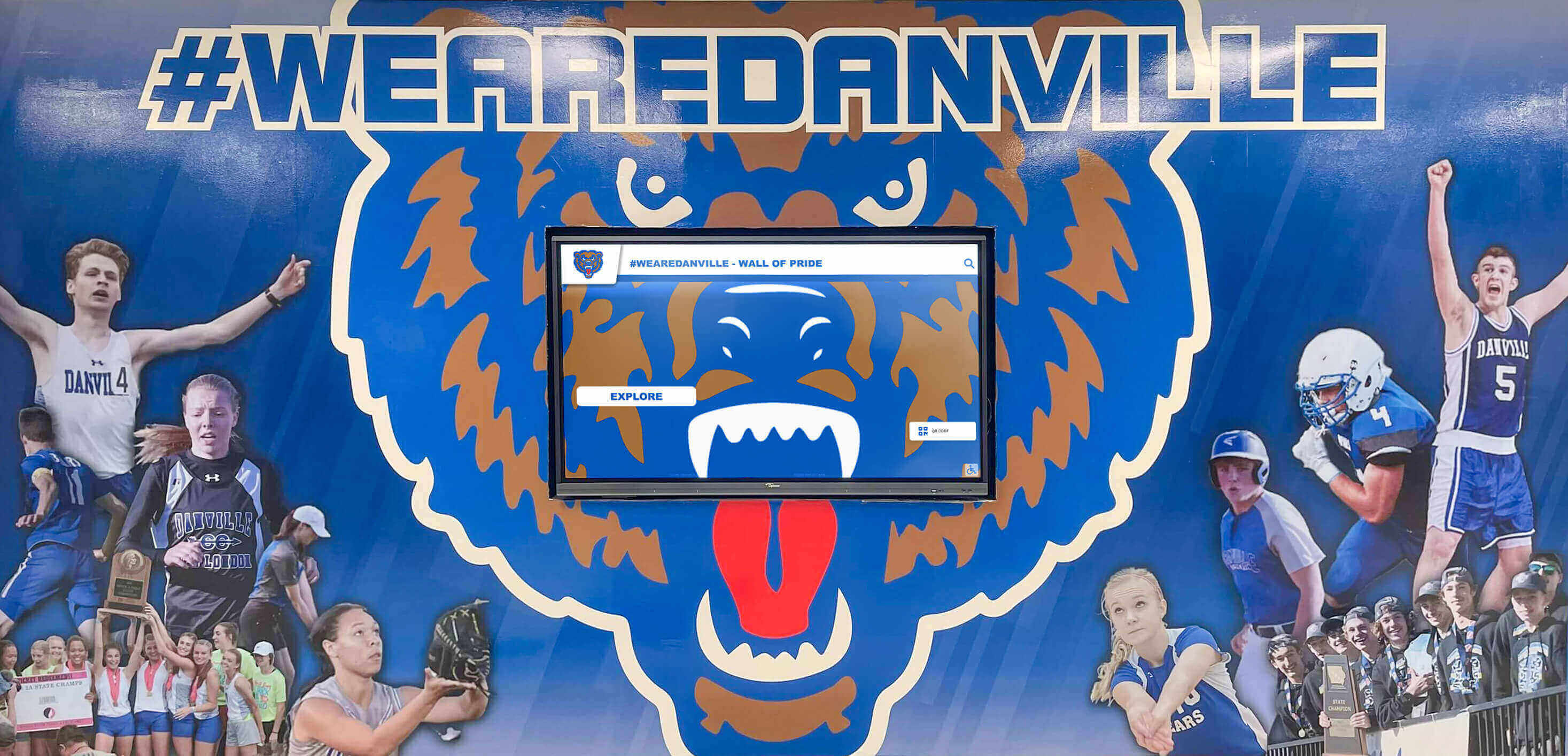
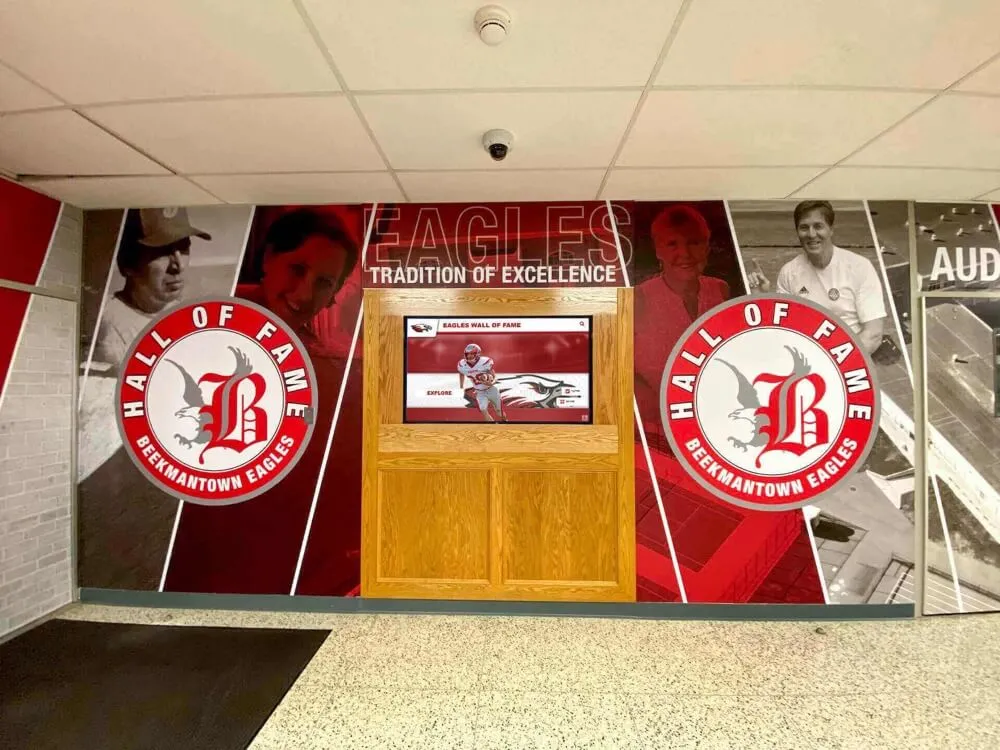
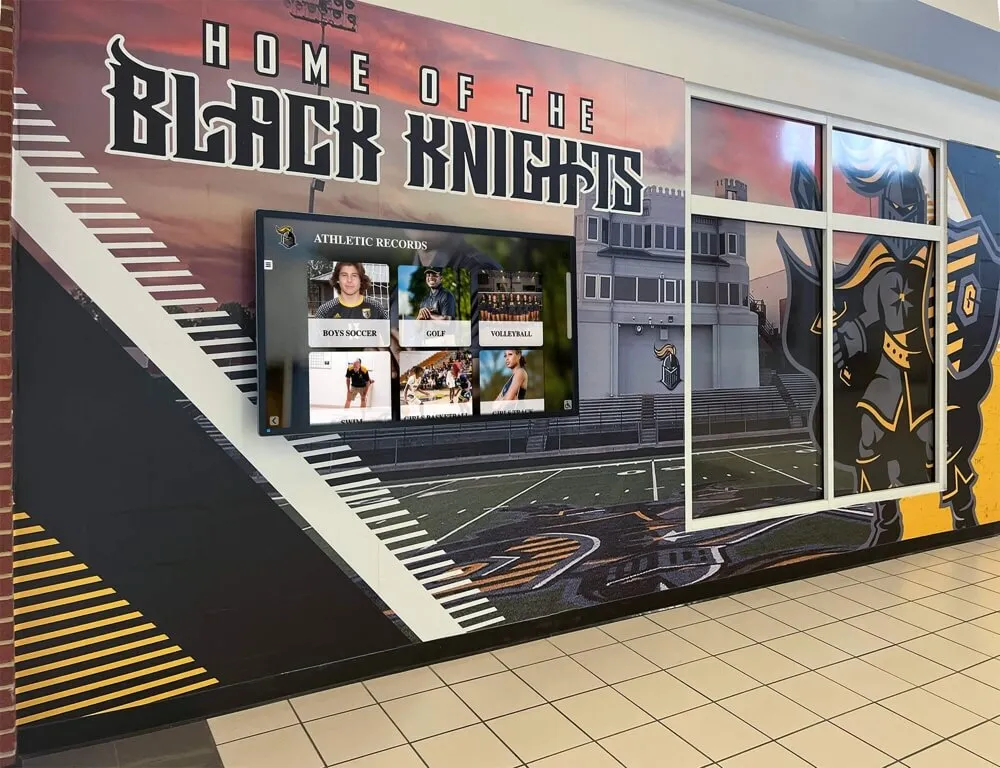
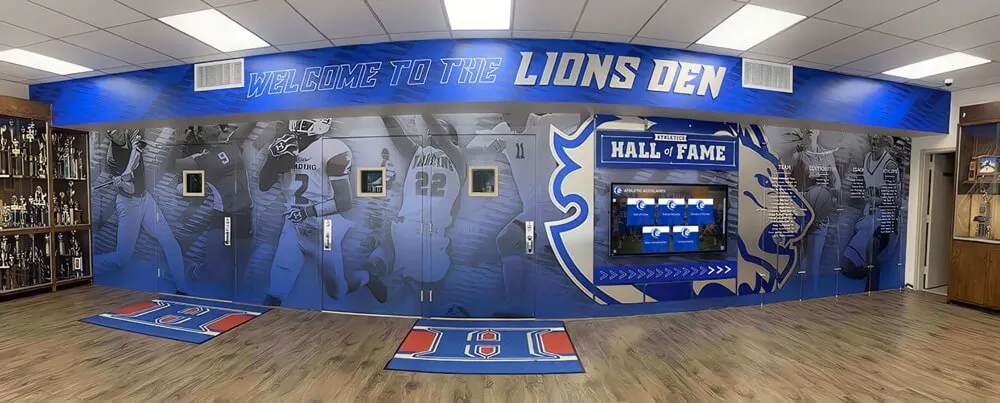
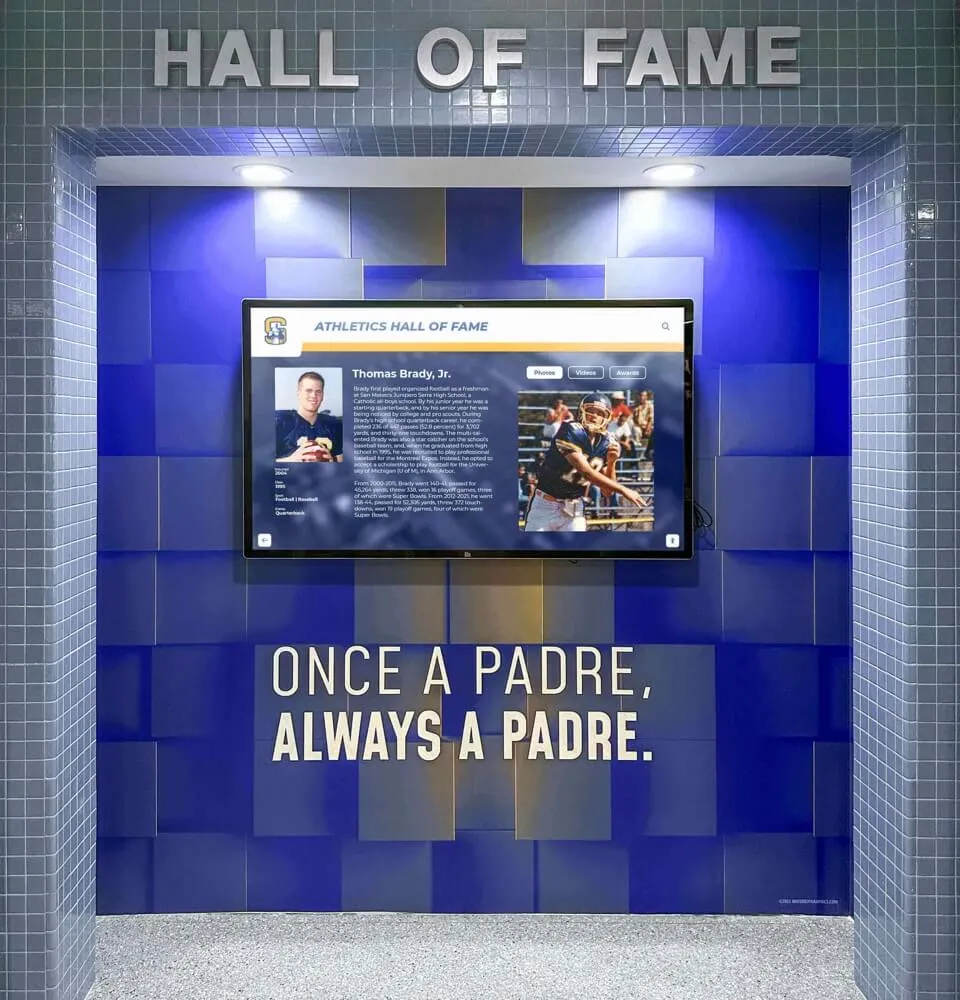
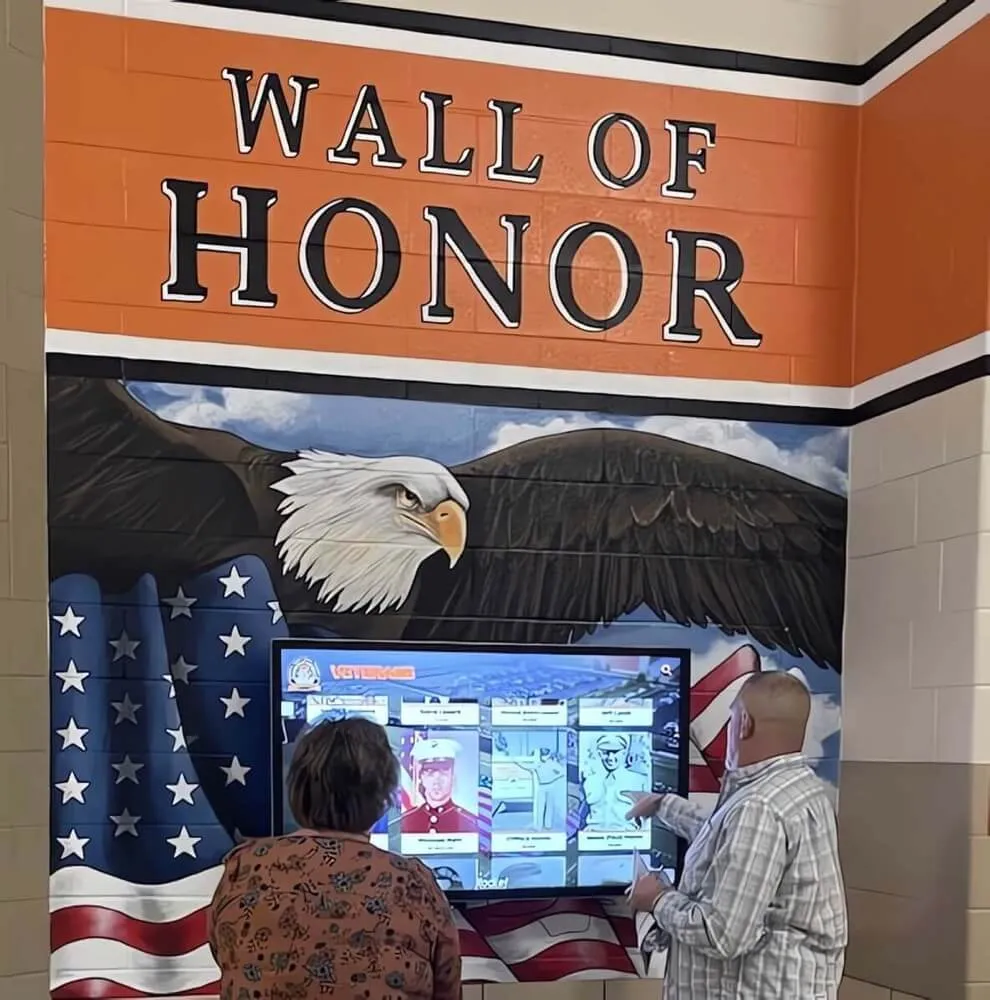
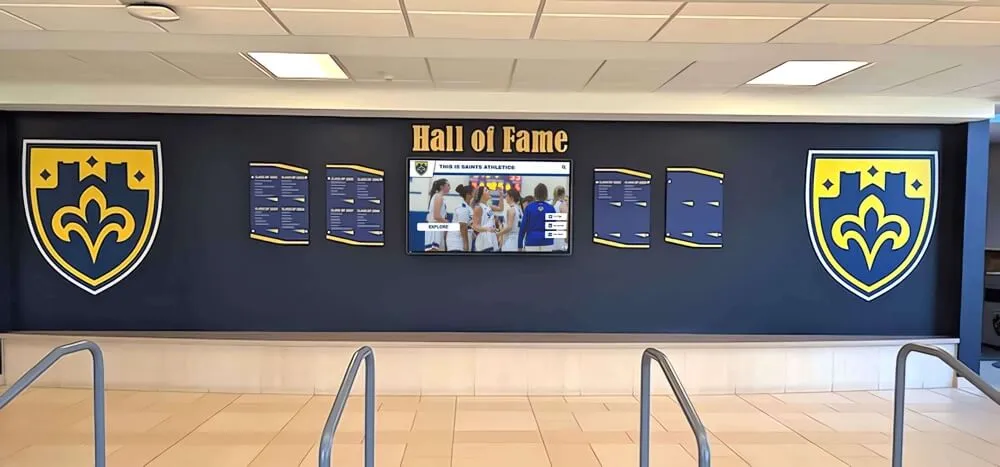
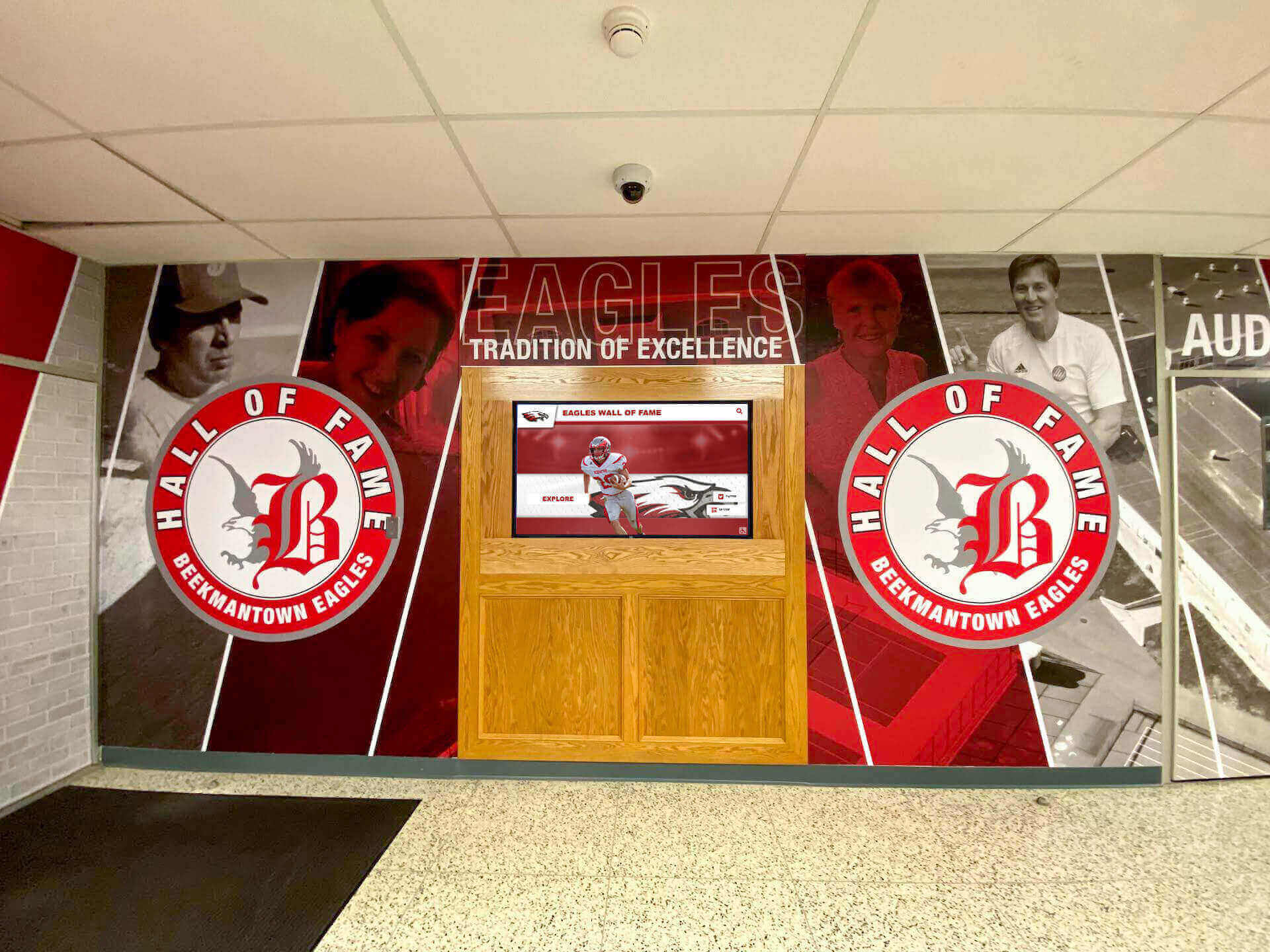
Combining traditional murals with modern digital displays creates dynamic recognition areas that balance heritage with contemporary technology
Partner with paint suppliers offering educational discounts. Many provide free color consultation and donate or discount products for school projects, particularly when acknowledged through signage or recognition programs.
Lighting Upgrades That Transform Atmosphere
LED Conversion Projects
Transitioning from outdated metal halide or fluorescent fixtures to LED lighting provides multiple benefits:
- Immediate improvement in light quality and brightness
- 50-75% reduction in energy consumption
- Reduced maintenance through longer bulb life
- Potential utility rebates covering 30-50% of costs
- Improved visibility for competition and practice
- Better color rendering for photography and video
Many schools discover LED upgrades pay for themselves through energy savings within 3-5 years while immediately improving facility appearance and functionality.
Accent and Architectural Lighting
Strategic lighting additions create atmosphere:
- LED strip lighting highlighting architectural features
- Colored lighting showcasing school colors during events
- Spotlighting on trophy cases and recognition displays
- Improved entry lighting creating welcoming environments
Recognition Walls and Achievement Displays
Traditional physical plaques and trophy cases require valuable wall space and become outdated quickly. Modern recognition approaches offer more flexible, engaging alternatives.
Digital Recognition Displays
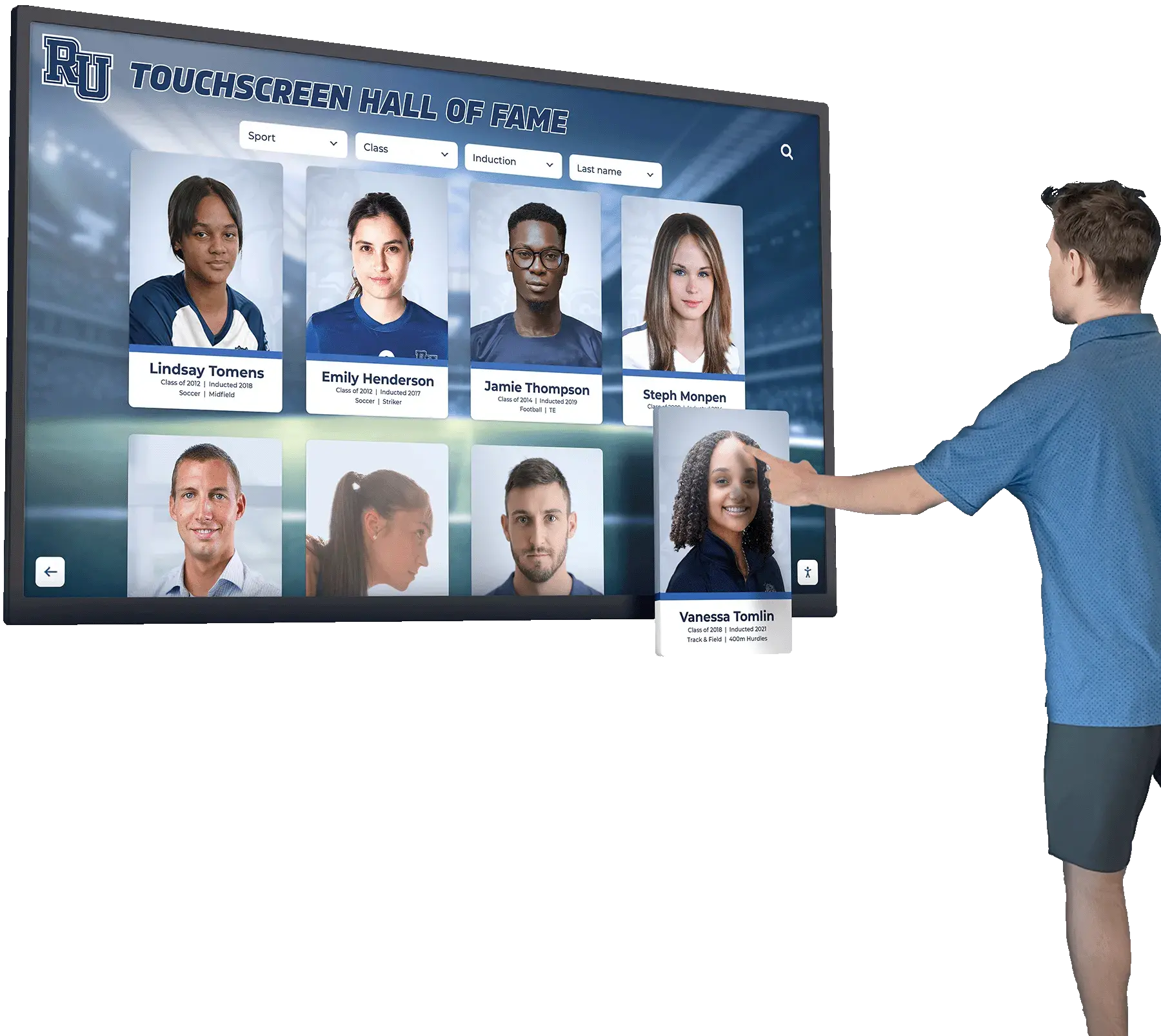
Interactive touchscreen walls of fame provide:
- Unlimited capacity for honoring athletes and achievements
- Easy content updates without physical fabrication costs
- Rich media including photos, videos, and statistics
- Searchable databases visitors actually explore
- Revenue opportunities through sponsorship integration
- Professional recognition systems designed for athletic facilities
Schools discover that modern digital displays cost less over time than continuously fabricating new physical plaques while creating more engaging recognition experiences.
Updated Trophy Display Concepts
Refresh existing trophy cases through:
- Reorganization by sport, year, or achievement type
- LED lighting installation highlighting displays
- New backing materials in school colors
- Informational graphics providing context
- Rotating displays showcasing different sports seasonally
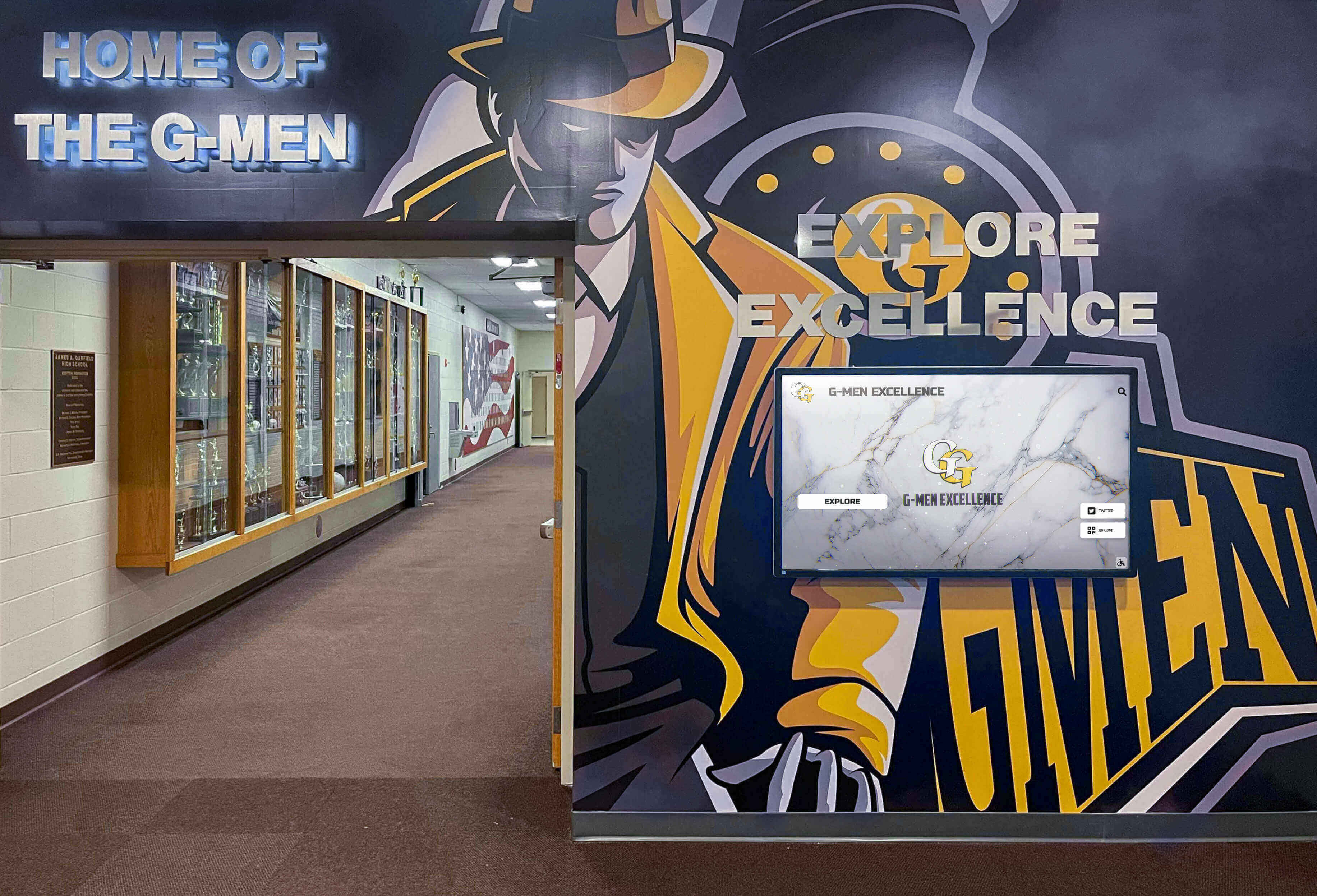
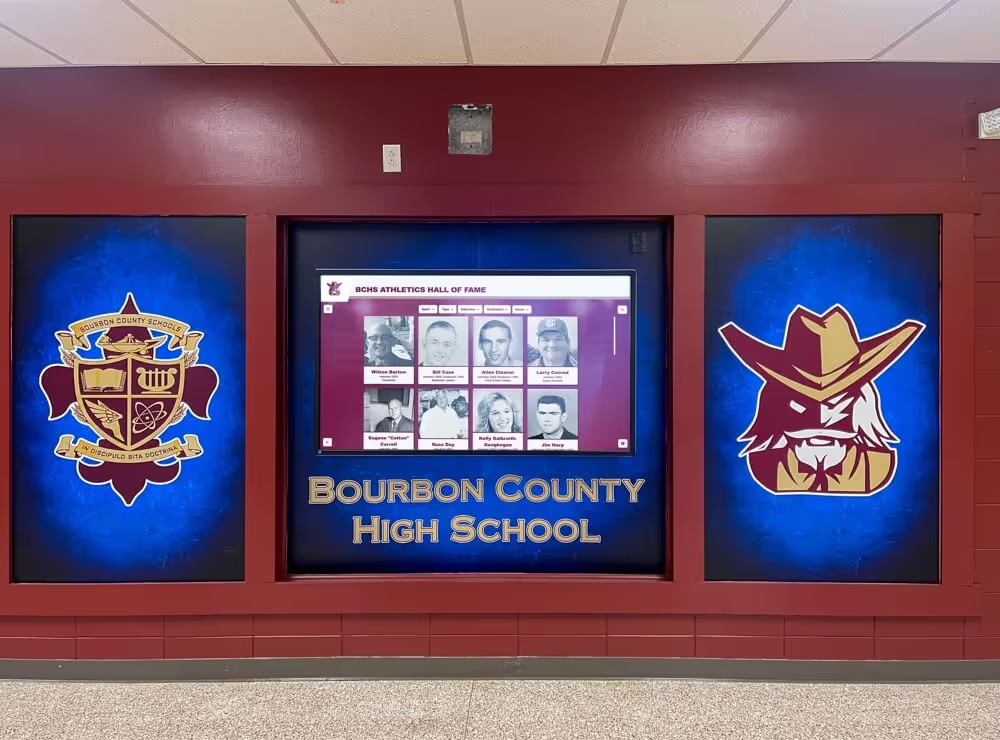
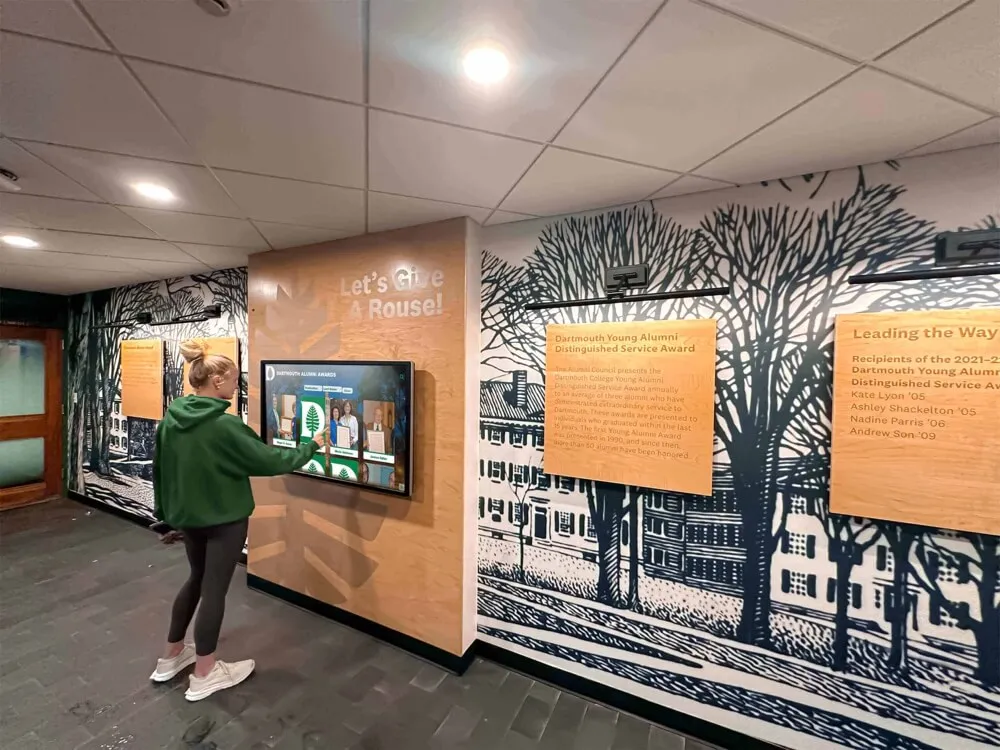
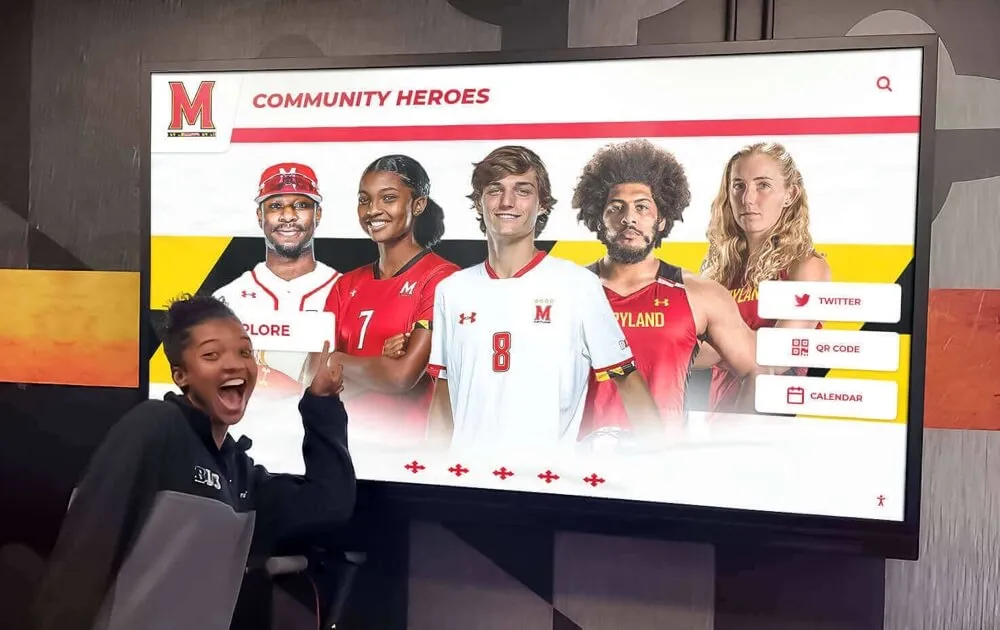
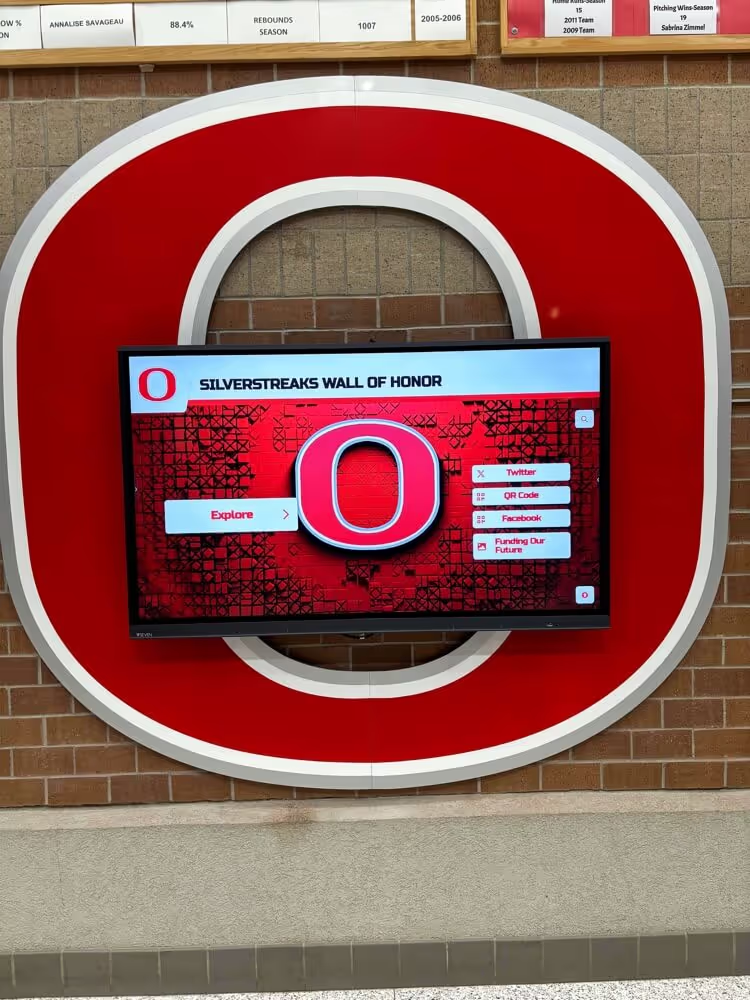
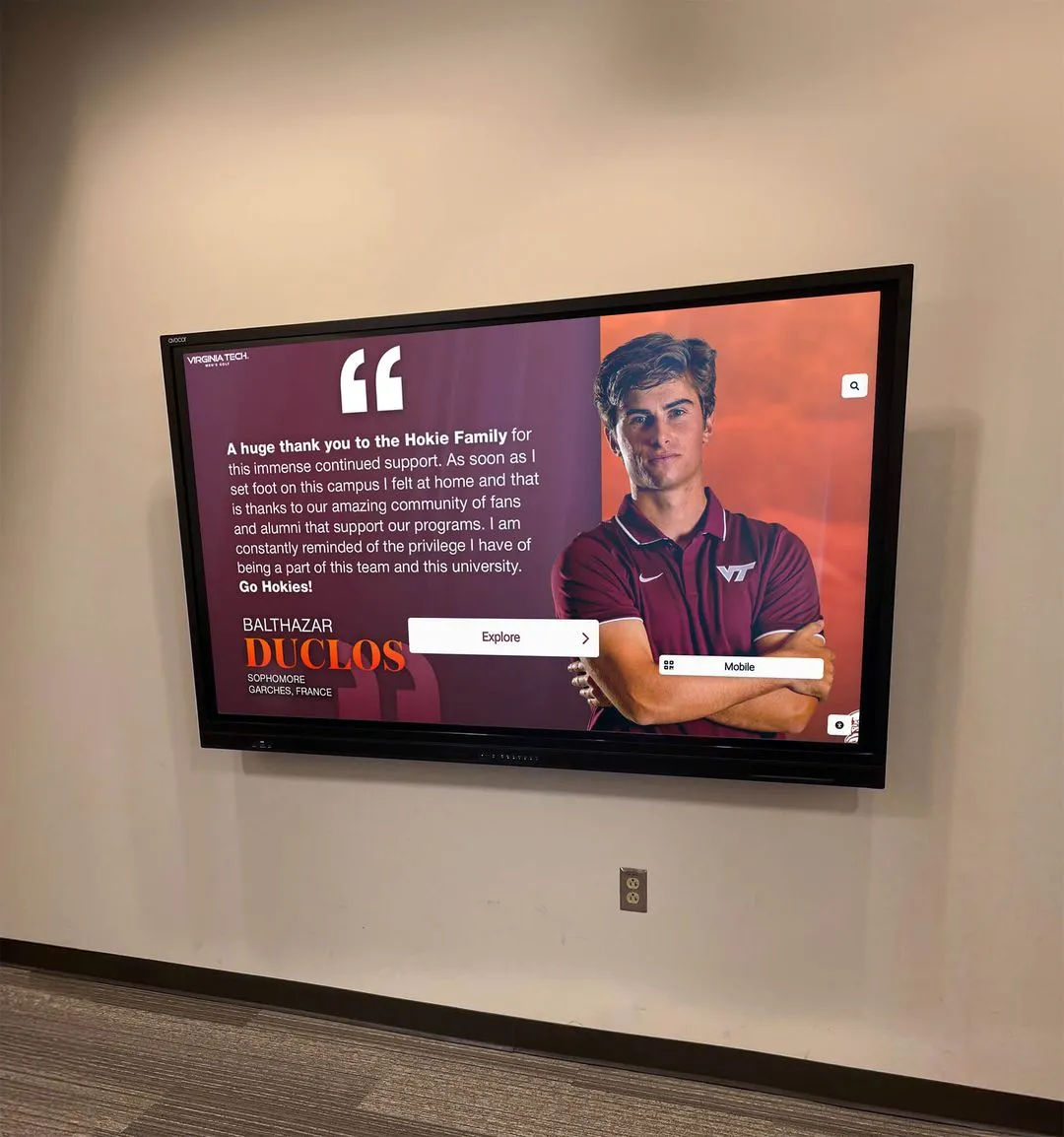
Coordinated recognition areas combine traditional trophy cases with modern displays and team branding for comprehensive athletic achievement celebration
Functional Improvements That Enhance Performance
Beyond aesthetics, strategic functional improvements enhance how your gym serves athletes, coaches, and the broader school community.
Flooring Solutions for Every Budget
Refinishing Existing Hardwood
Wood gym floors typically need refinishing every 5-10 years:
- Screening and recoating: $1-2 per square foot
- Full sanding and refinishing: $2-4 per square foot
- New game lines and graphics during refinishing
Schedule refinishing during summer break. Proper maintenance extends floor life by decades compared to complete replacement.
Court Graphics and Game Line Updates
When refinishing floors, consider:
- Updated center court logos featuring current branding
- Additional game lines supporting multiple sports
- Recognition elements celebrating team achievements
- Modernized typography and design aesthetics
Budget-Friendly Floor Protection
For gyms with aging floors not ready for replacement:
- High-quality floor cover systems protecting surfaces during non-athletic events
- Regular maintenance programs extending floor life
- Strategic refinishing of high-traffic areas first
Storage and Organizational Systems
Maximizing Existing Storage Spaces
Organizational improvements create functional capacity:
- Wall-mounted storage racks utilizing vertical space
- Equipment carts with designated parking locations
- Clearly labeled storage areas reducing equipment loss
- Coaches’ organizational systems for practice planning materials
- Athletic department inventory management procedures
Multi-Purpose Equipment Solutions
Smart equipment choices serve multiple functions:
- Portable scoreboards useful across sports
- Adjustable basketball goals accommodating various ages
- Rolling bleacher sections creating flexible space configurations
- Portable divider curtains creating practice spaces
Sound System and Communication Upgrades
Modern PA System Implementation
Clear communication enhances events:
- Wireless microphone systems for flexibility
- Improved speaker placement ensuring even coverage
- Integration with music sources for game atmosphere
- Announcement clarity for spectators and participants
Many schools discover that modest sound system investments dramatically improve game-day experiences and assembly effectiveness.
Digital Scoreboards and Video Displays
When budgets allow, modern scoreboards offer:
- Improved visibility throughout facility
- Video replay capabilities
- Sponsor recognition opportunities generating revenue
- Messaging capabilities for announcements and recognition
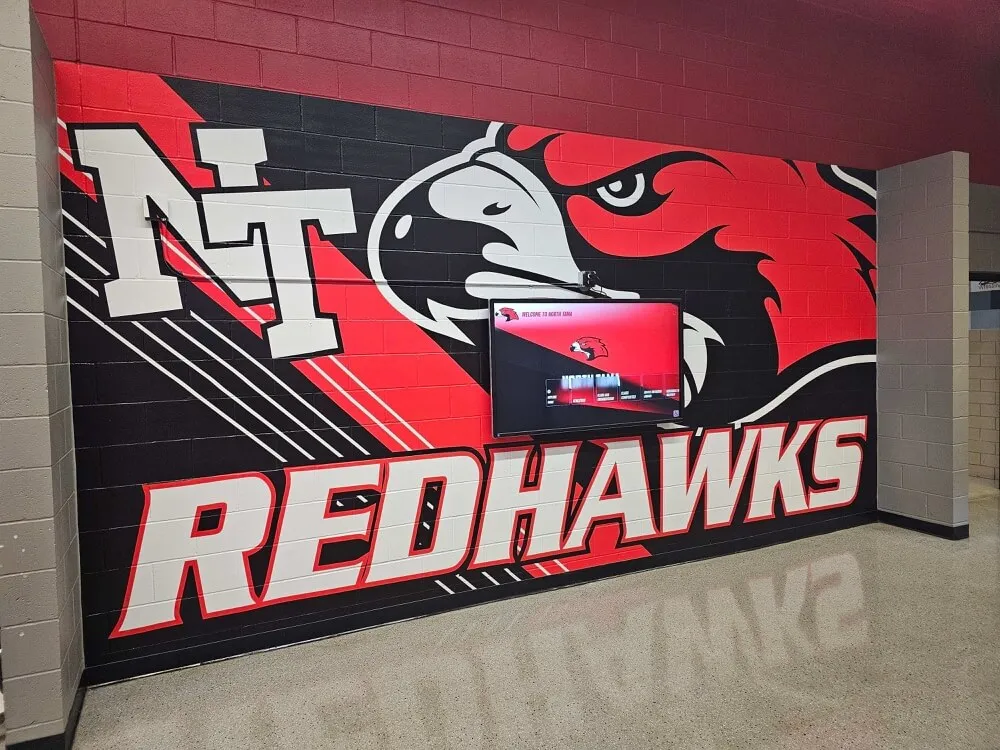
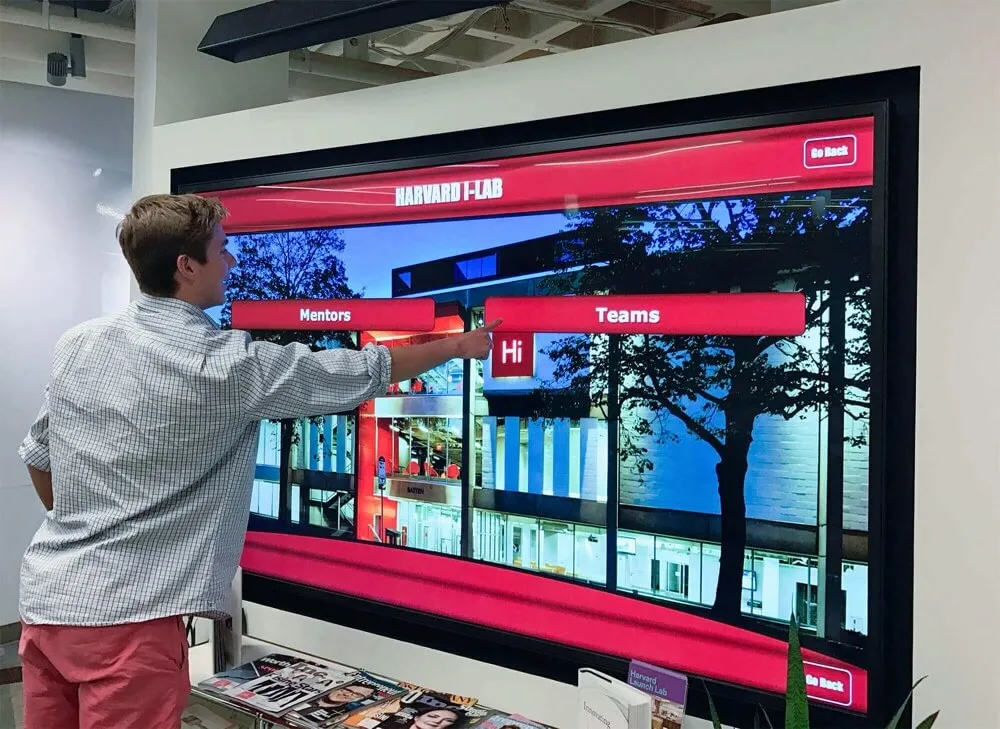
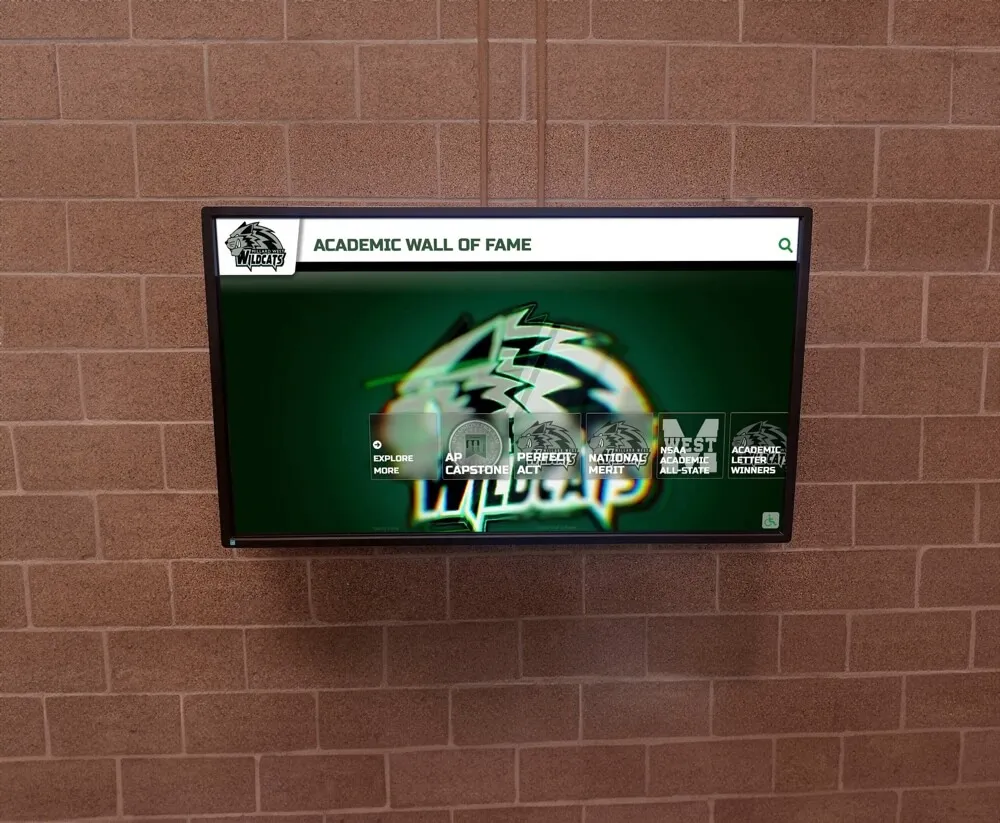
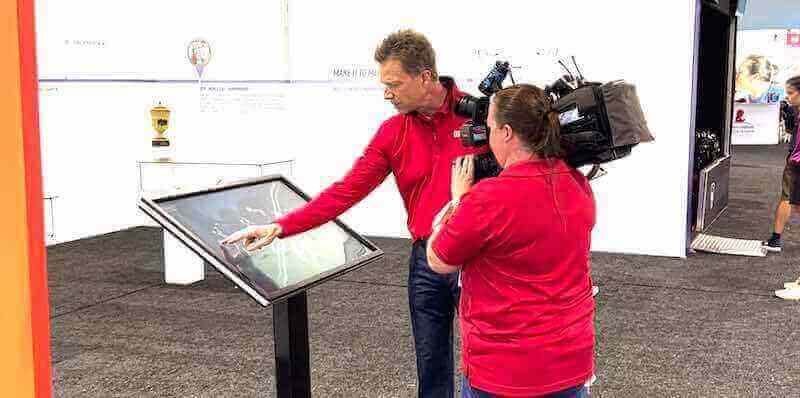
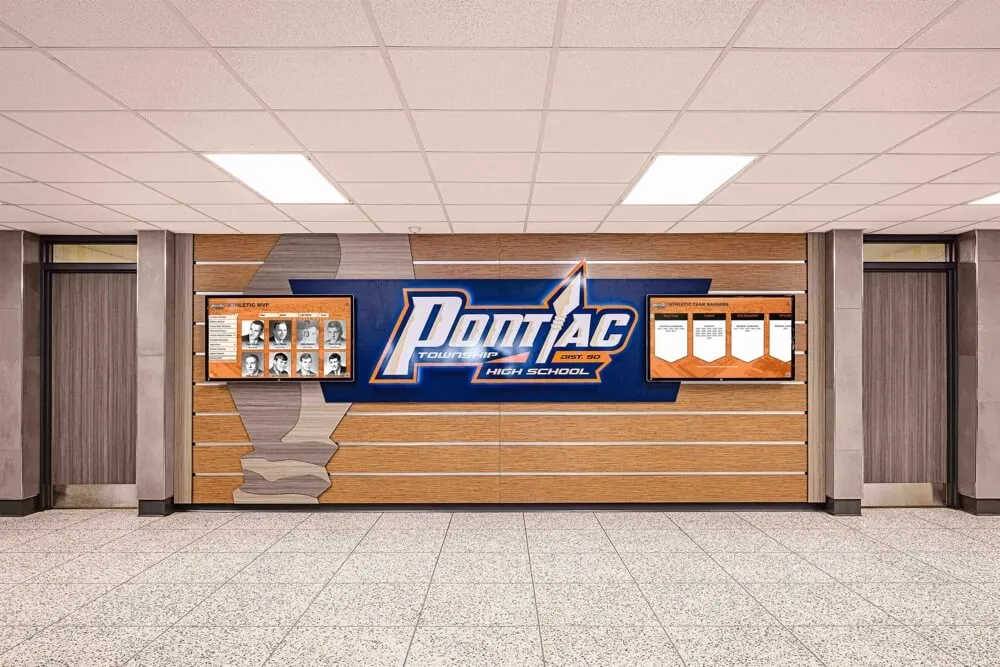
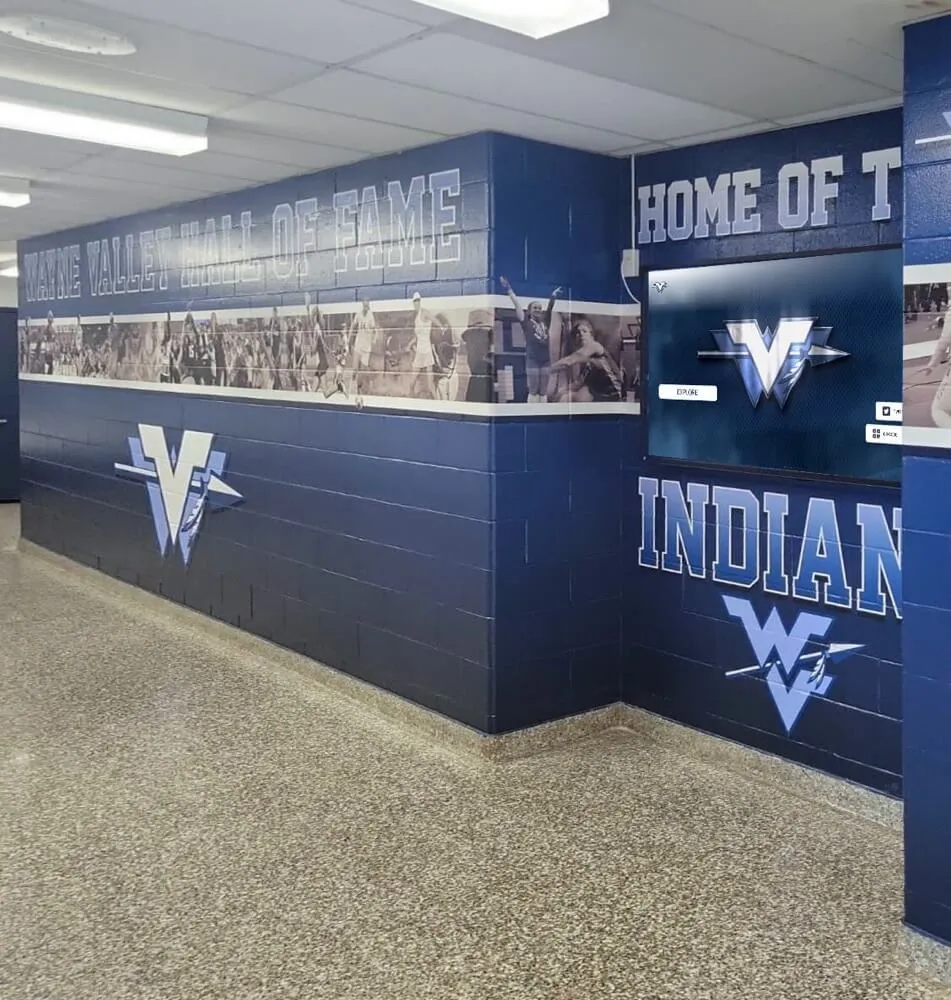
Athletic corridors connecting to gyms benefit from coordinated branding and digital displays creating seamless recognition environments
Creating Inspiring Team Spaces and Auxiliary Areas
Gym makeovers should extend beyond the main court to adjacent spaces where athletes spend significant time preparing mentally and physically for competition.
Locker Room Refresh Strategies
Budget-Conscious Locker Room Updates
Transform locker rooms without complete renovations:
- Fresh paint in team colors with motivational graphics
- Updated flooring in high-traffic areas
- Improved lighting providing better visibility
- New locker nameplates showing athlete respect
- Wall-mounted organizational systems
- Team culture displays celebrating values and achievements
Coaching Spaces and Team Meeting Areas
Dedicated coaching areas enhance program operations:
- Whiteboard walls for strategy discussions
- Video review capabilities
- Private meeting spaces for individual athlete conversations
- Recognition displays highlighting program standards and achievements
Entry and Common Area Transformations
Creating Impressive Facility Entrances
First impressions matter for recruits, visitors, and community members:
- Professional signage establishing athletic facility identity
- Welcome graphics featuring school branding
- Hall of fame and recognition displays immediately visible
- Clear wayfinding directing visitors to appropriate areas
- Seating areas for parents and spectators
- Display cases showcasing current season highlights
Athletic Hallway Enhancements
Corridors connecting to gyms become recognition galleries:
- Historical photo timelines documenting program evolution
- Championship banners and achievement recognition
- Team photo displays rotating seasonally
- Record boards celebrating top performances
- Digital displays providing engaging recognition experiences
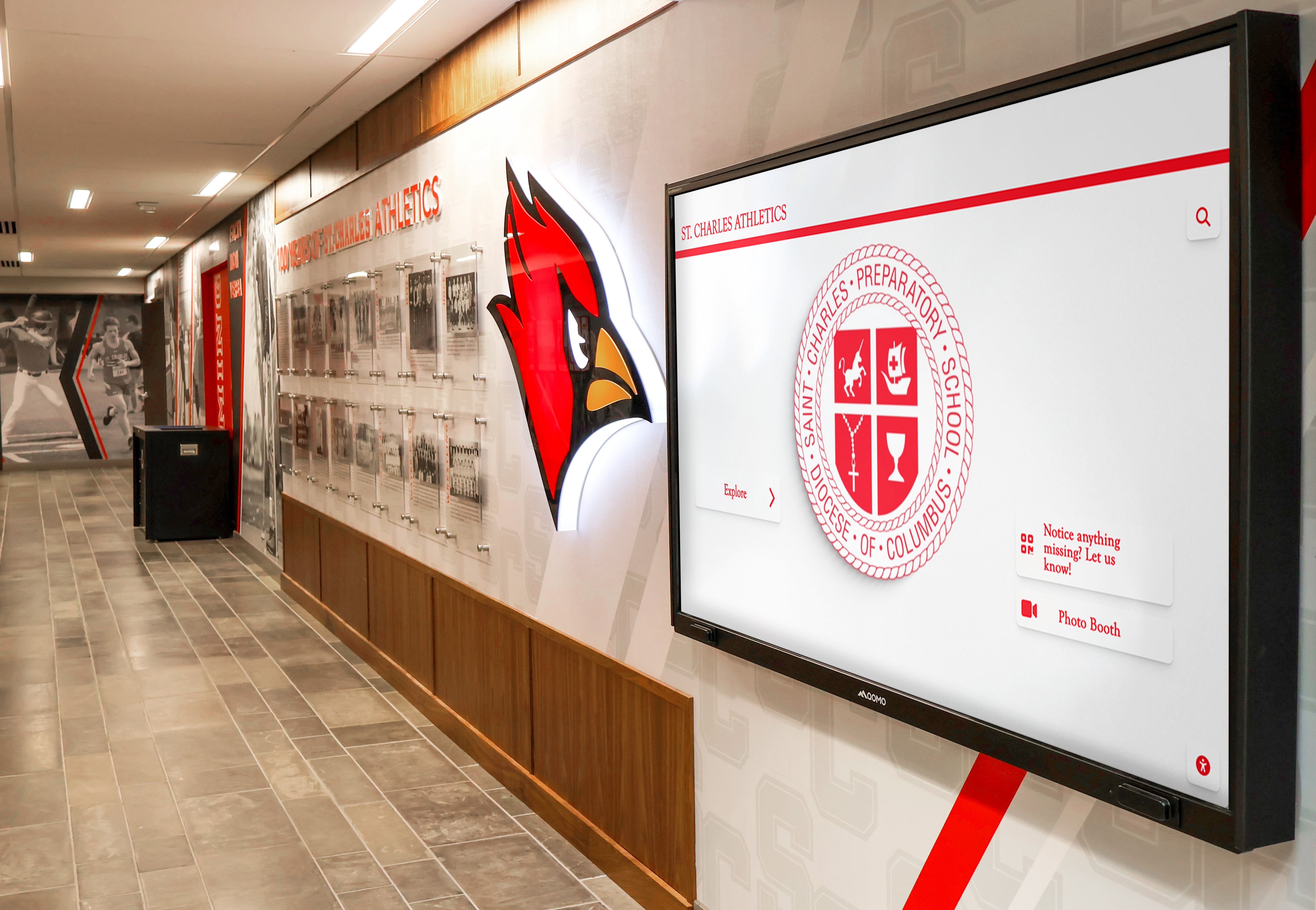
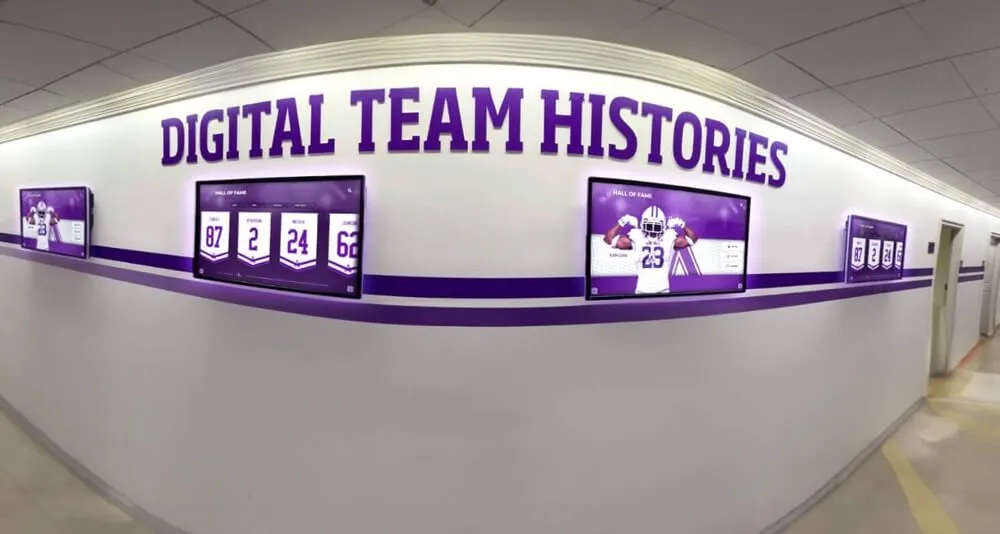
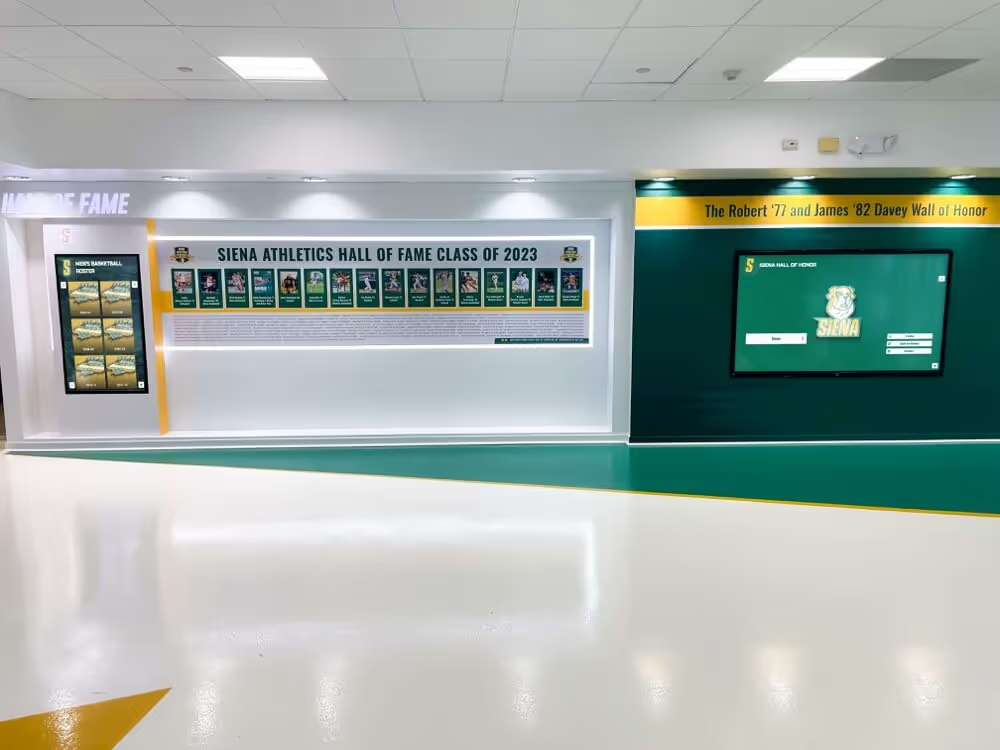
Athletic hallways transform into inspiring recognition galleries celebrating team history and current achievements through coordinated displays
These hallway improvements often cost significantly less than main gym renovations while creating daily inspiration for student-athletes and impressive showcases for visitors during events.
Maximizing Impact Through Community Engagement
The most successful gym makeovers extend beyond physical improvements to create community ownership and ongoing support for athletic programs.
Involving Stakeholders in Design and Implementation
Student-Athlete Input and Ownership
Engage athletes in transformation planning:
- Survey teams about facility needs and priorities
- Involve student leaders in design committees
- Create opportunities for athlete participation in implementation
- Celebrate athlete contributions through recognition
- Build program culture around facility pride
When athletes contribute to planning and see their input implemented, they develop stronger connections to spaces and greater respect for facility maintenance.
Alumni and Community Connections
Leverage alumni relationships for support:
- Reunion event planning that highlights facility improvements
- Alumni recognition opportunities funding specific improvements
- Former athlete testimonials supporting fundraising campaigns
- Alumni involvement in implementation through skilled trades
- Legacy giving programs connecting facility improvements to athletic history
Revenue-Generating Recognition Programs
Sponsorship and Naming Opportunities
Strategic recognition creates ongoing funding:
- Court or facility naming rights for major gifts
- Scoreboard and equipment sponsorships
- Recognition wall placement opportunities
- Memorial bench or seating dedications
- Digital display sponsor rotations
Tribute and Memorial Programs
Honor-based giving generates sustained support:
- Team tribute tiles or bricks
- Individual athlete recognition placements
- Coach and administrator memorial opportunities
- Championship team commemoration
- Record-holder permanent recognition
Building Maintenance and Longevity Planning
Establishing Ongoing Care Protocols
Protect makeover investments through:
- Clear facility usage policies
- Regular cleaning and maintenance schedules
- Equipment care training for students and staff
- Scheduled updates preventing aged appearances
- Reserve funds for ongoing improvements
Communication and Celebration
Maximize community awareness of improvements:
- Before-and-after documentation shared widely
- Grand reopening events showcasing transformations
- Social media highlighting facility enhancements
- Recognition of donors, volunteers, and supporters
- Continued storytelling connecting facilities to program success
Practical Implementation Timeline and Project Management
Successfully executing gym makeovers requires realistic planning that minimizes disruption to athletic programs and school operations.
Scheduling Renovations Around Athletic Calendars
Summer Implementation Strategies
Schedule major projects during off-season:
- Floor refinishing and painting during summer break
- Construction projects when students absent
- Major equipment installations between sports seasons
- Testing and adjustments before fall sports begin
Plan projects requiring facility closure for periods when gym access matters least to programs and community users.
Phased Approaches Minimizing Disruption
For projects during academic year:
- Section-by-section improvements maintaining partial facility access
- Evening and weekend work schedules
- Portable or temporary alternatives during renovations
- Clear communication about timelines and access
- Coordination with athletic schedules avoiding critical competition periods
Working with Contractors and Vendors
Selecting Qualified Partners
Choose vendors experienced with educational facilities:
- Verified experience with school projects
- Appropriate licensing and insurance coverage
- References from similar institutions
- Understanding of educational timelines and constraints
- Willingness to work within budget parameters
Managing Projects Effectively
Successful project management includes:
- Detailed written scopes preventing scope creep
- Clear timelines with milestone expectations
- Regular communication and progress updates
- Designated school point person coordinating vendors
- Final walkthroughs ensuring complete satisfaction
Many schools discover that facilities staff involvement throughout projects ensures better long-term results and smoother handoffs after completion.
Measuring Success and Planning Future Improvements
After implementing gym makeover projects, assess results to inform future facility planning and demonstrate value to stakeholders.
Evaluating Impact and Gathering Feedback
Quantifiable Metrics
Track measurable improvements:
- Facility usage increases for practices and events
- Energy consumption reductions from lighting upgrades
- Maintenance cost changes after improvements
- Fundraising results from recognition programs
- Event attendance changes in improved facilities
- Recruit feedback during facility tours
Qualitative Assessments
Gather stakeholder perspectives:
- Student-athlete surveys about facility improvements
- Coach feedback on functional enhancements
- Parent and community reactions
- Visiting team and official comments
- Event hosting opportunities created by improvements
Documenting Results for Future Support
Creating Compelling Success Stories
Build ongoing support through:
- Before-and-after photography documenting transformations
- Testimonials from athletes, coaches, and community members
- Usage statistics demonstrating facility impact
- Recognition of supporters and contributors
- Case studies informing future fundraising campaigns
Establishing Long-Term Facility Plans
Use completed projects as foundation:
- Multi-year master plans addressing remaining needs
- Prioritized project lists based on lessons learned
- Ongoing fundraising maintaining momentum
- Regular facility assessments identifying emerging needs
- Recognition programs generating sustainable funding
High school gym makeovers succeed when viewed as ongoing commitments to athletic program excellence rather than one-time projects. Each improvement builds momentum for the next, creating increasingly impressive facilities that serve students, honor achievements, and strengthen school community connections.
Transform Your Athletic Space Starting Today
A comprehensive high school gym makeover doesn’t require unlimited budgets—it demands strategic thinking, community engagement, and focus on high-impact improvements that transform how athletes, students, and community members experience your athletic facilities.
Whether you’re refreshing walls with updated graphics, implementing modern recognition displays, upgrading lighting and flooring, or creating inspiring team spaces, each improvement contributes to environments that motivate athletes, celebrate achievements, and build program pride. The most effective makeovers combine practical functional enhancements with visual transformations that immediately communicate your commitment to athletic excellence.
Begin by assessing your current facility condition, identifying the improvements delivering maximum impact for available resources, and engaging stakeholders in planning processes that build community ownership. Many schools discover that starting with visible quick wins—fresh paint, recognition displays, improved lighting—generates enthusiasm and support for larger long-term facility improvements.
Ready to explore how modern digital recognition displays can transform your gym while generating ongoing revenue through sponsorship opportunities? Discover interactive touchscreen solutions designed specifically for athletic facilities that celebrate unlimited achievements, provide easy content updates, and create engaging experiences that traditional plaques simply cannot match.
Your high school gym serves as the heart of your athletic program. Strategic makeover investments create facilities that honor the past, inspire current athletes, and attract future champions—transforming athletic spaces into sources of genuine school pride for generations to come.