How to Create an Impactful Digital Donor Recognition Wall for Schools: Complete 2026 Guide
- Home /
- Digital Wall of Fame Blog - Recognition Display Insights & Resources /
- How to Create an Impactful Digital Donor Recognition Wall for Schools: Complete 2026 Guide
The Easiest Touchscreen Solution




Live Example: Rocket Alumni Solutions Touchscreen Display
Interact with a live example (16:9 scaled 1920x1080 display). All content is automatically responsive to all screen sizes and orientations.
Schools depend on donor generosity to fund everything from new athletic facilities and academic programs to scholarship endowments and campus improvements. Yet traditional donor recognition—static brass plaques, fixed naming opportunities, and limited wall space—creates significant challenges for institutions seeking to honor contributors appropriately while encouraging continued support.
Digital donor recognition walls solve these limitations by providing unlimited capacity to celebrate donors at all giving levels, immediate recognition updates without fabrication delays, engaging interactive experiences that tell philanthropic stories, and flexibility to adapt recognition as campaigns evolve and donor relationships deepen.
This comprehensive guide examines how educational institutions create impactful digital donor recognition walls that strengthen donor relationships, inspire additional giving, and eliminate the constraints of traditional recognition approaches while honoring the generosity that makes educational excellence possible.
Effective donor recognition represents both gratitude and strategy—acknowledging current contributors while creating visible examples that inspire prospective donors and demonstrate institutional appreciation. Schools that excel at donor recognition create environments where philanthropy becomes celebrated as integral to institutional success.

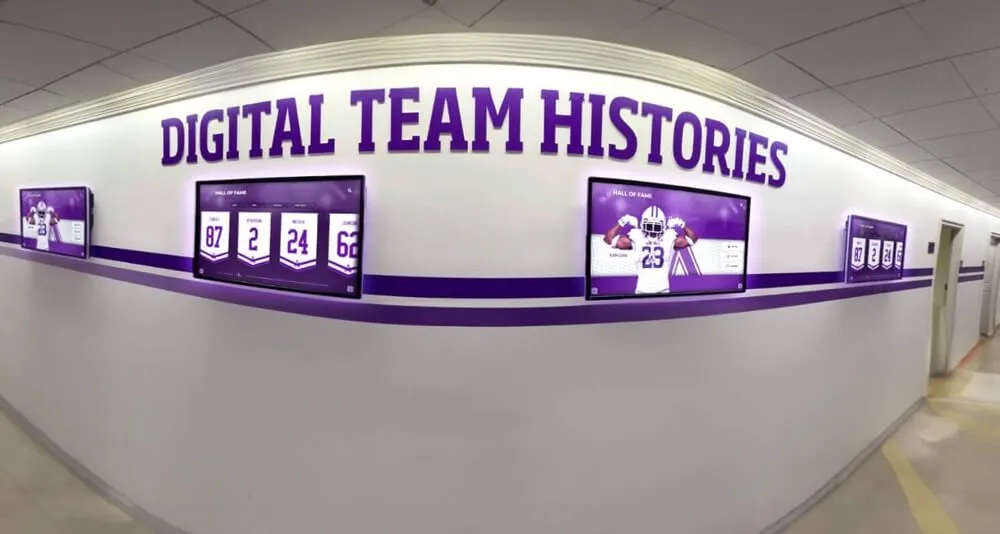
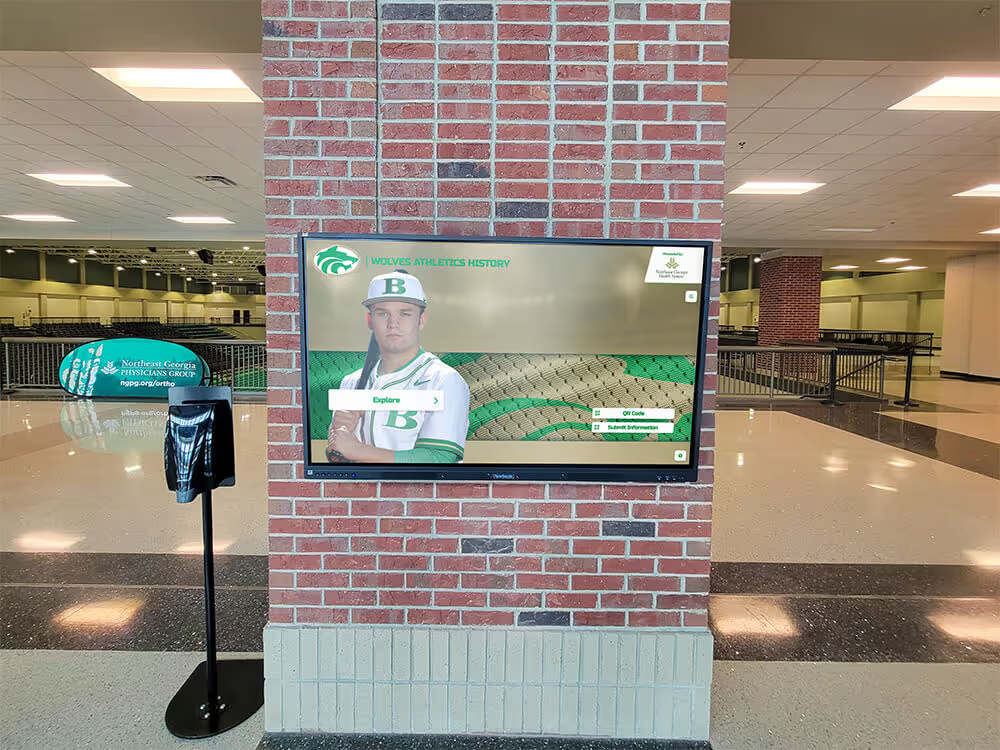
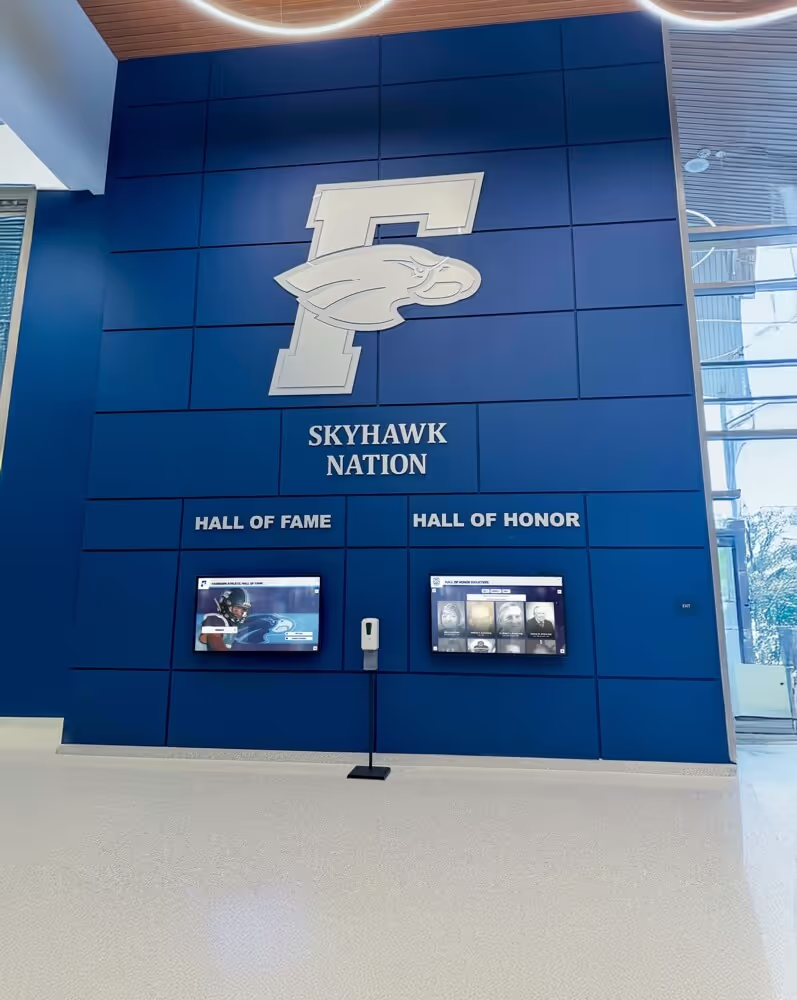
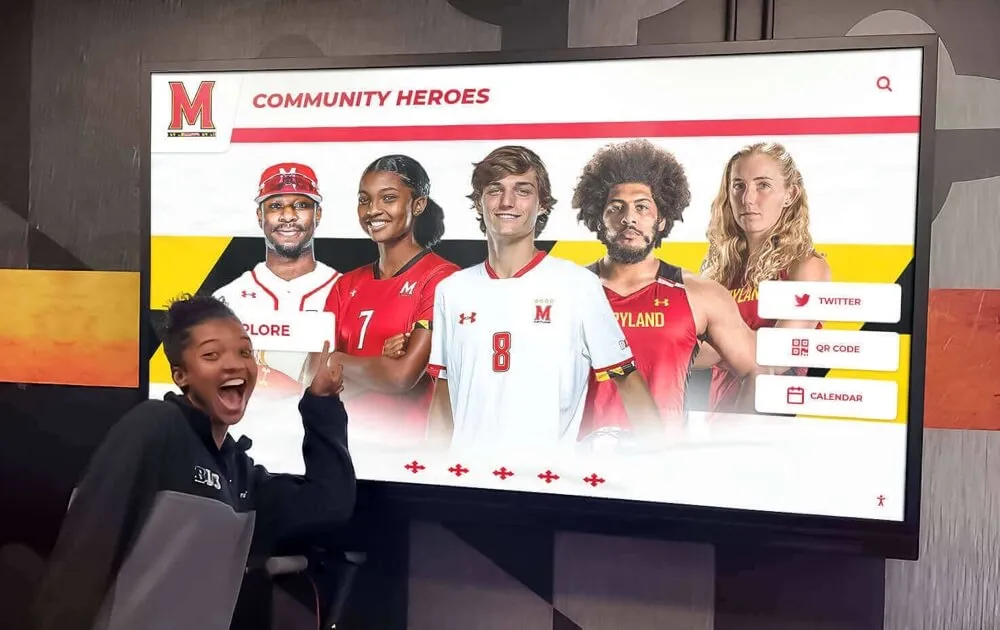
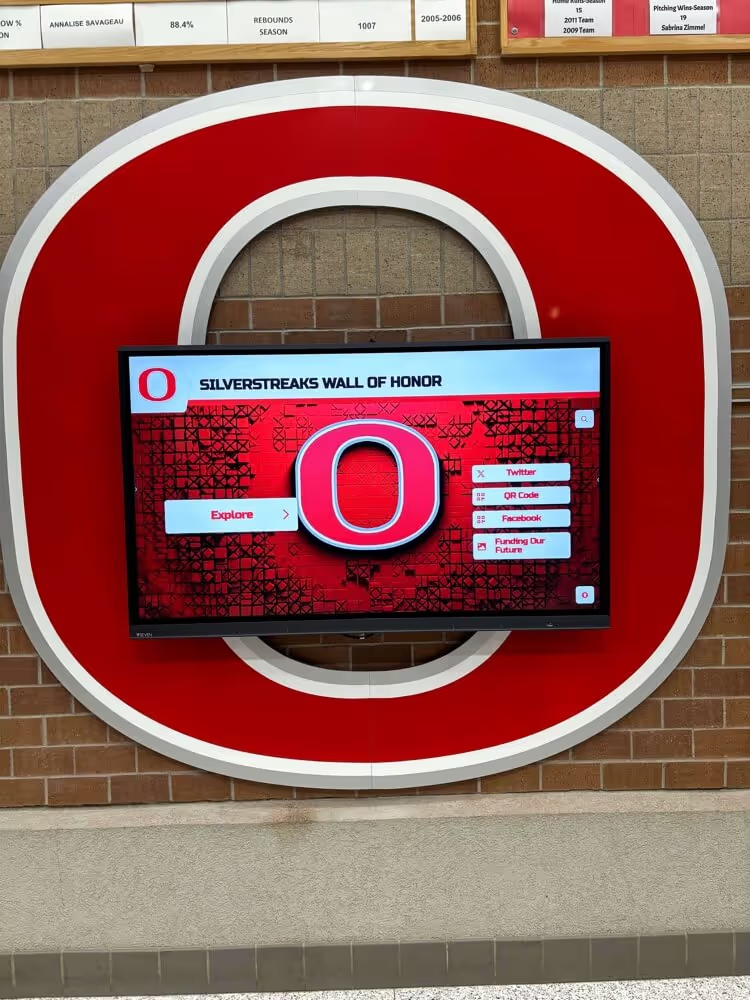
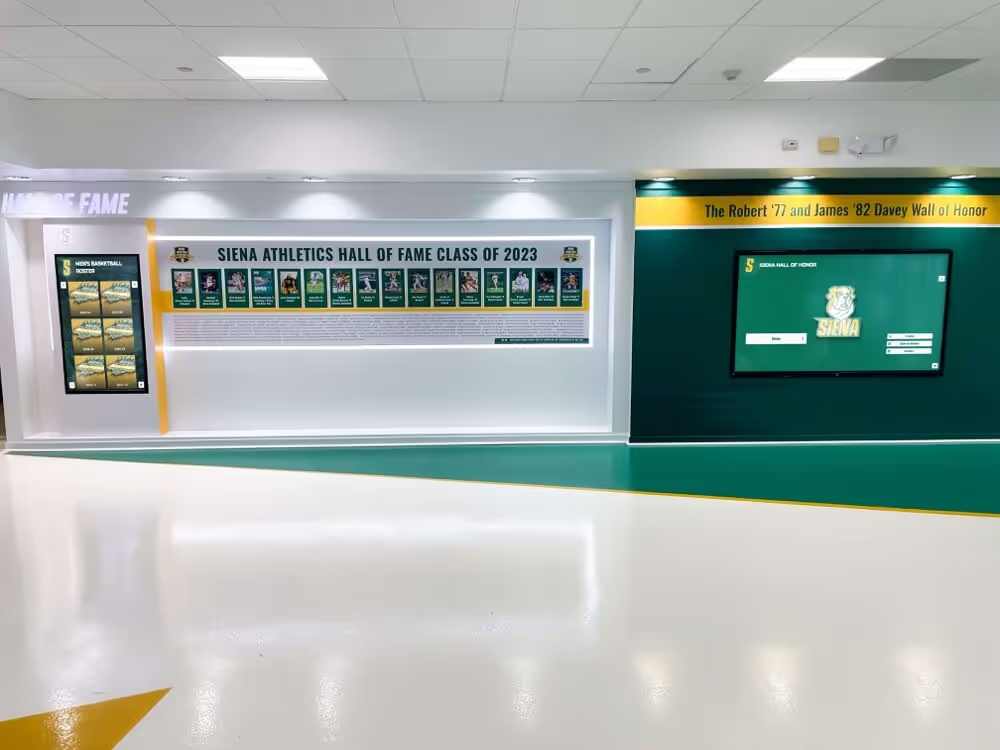
Modern digital displays transform donor recognition into engaging visual experiences that celebrate educational philanthropy
Why Digital Donor Recognition Transforms School Fundraising
Understanding how digital recognition differs from traditional approaches helps schools design systems that maximize both donor appreciation and fundraising impact.
The Limitations of Traditional Donor Recognition
Static recognition methods create ongoing challenges for schools and development offices:
Physical Space Constraints
- Limited wall space forcing difficult choices about whose names appear
- Hierarchy tensions when space determines recognition prominence
- Building capacity requiring removal of historical donors
- Renovation projects eliminating existing recognition displays
- No room for additional donors without expensive expansions
Update and Maintenance Challenges
- 8-12 week fabrication timelines delaying donor acknowledgment
- High costs ($200-$500+ per name) for adding new recognition
- Spelling errors or information changes requiring complete replacement
- Tarnishing, damage, and wear diminishing recognition quality
- Inconsistent styles as recognition accumulates over decades
Recognition Inflexibility
- Donors locked into single giving levels without upgrade paths
- Limited ability to recognize different contribution types
- No way to tell stories beyond names and amounts
- Difficulty acknowledging multi-year pledges and estate commitments
- Challenge celebrating milestone anniversaries and giving progression
Schools report that these limitations result in delayed recognition, donors excluded due to space, and missed opportunities to inspire additional giving through visible appreciation.
Digital Recognition Advantages for Educational Institutions
Modern digital donor walls eliminate traditional constraints:
Unlimited Recognition Capacity
- Single display honoring unlimited donors at all giving levels
- No physical space limitations requiring donor exclusion
- Comprehensive archives preserving institutional giving history
- Multiple recognition categories without additional wall space
- Ability to recognize every contributor regardless of amount
Immediate Updates and Accuracy
- Recognition live within hours rather than months
- Simple corrections requiring no fabrication costs
- Easy donor level updates as giving increases
- Quick campaign progress updates
- Real-time totals showing fundraising momentum
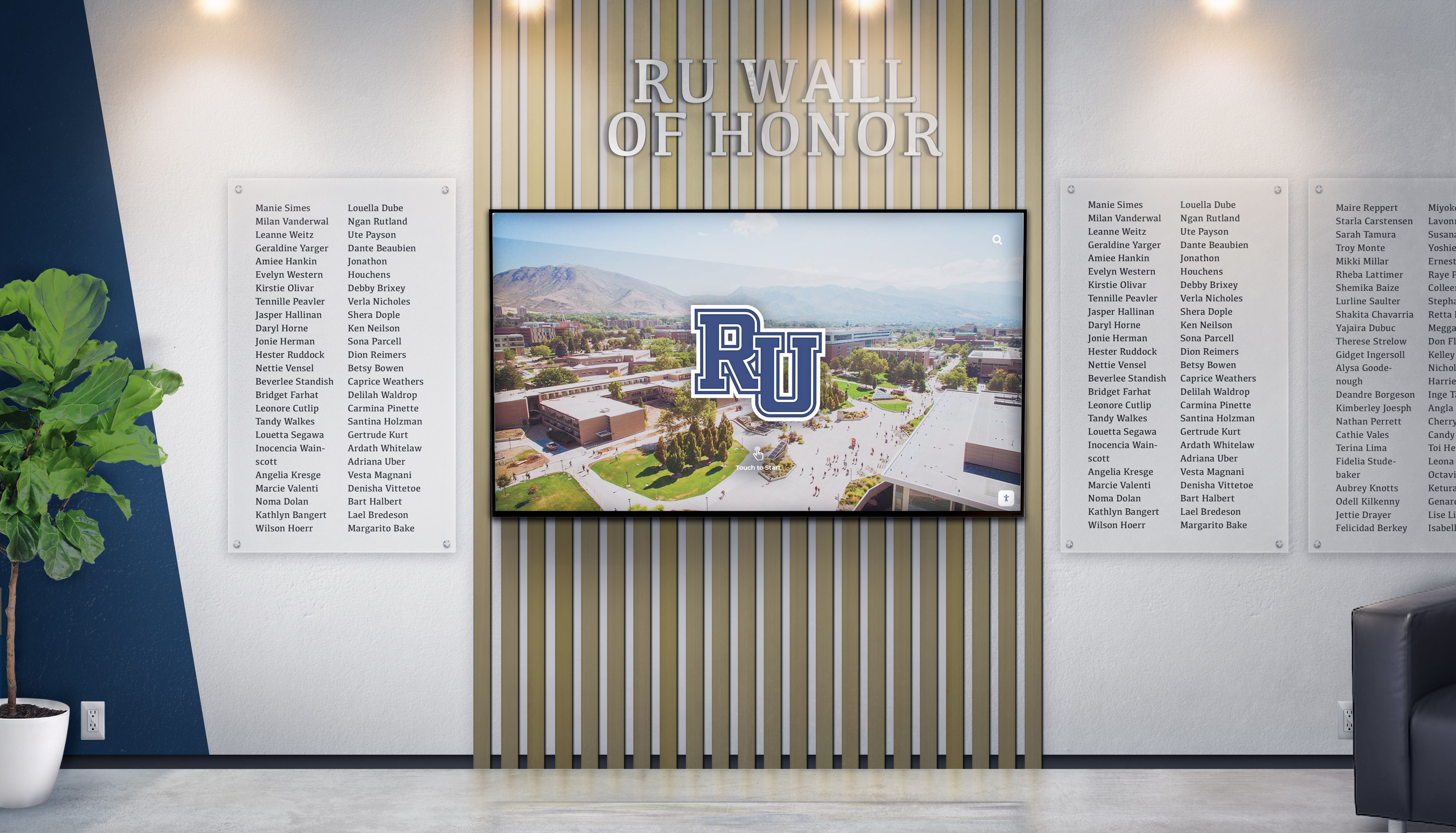
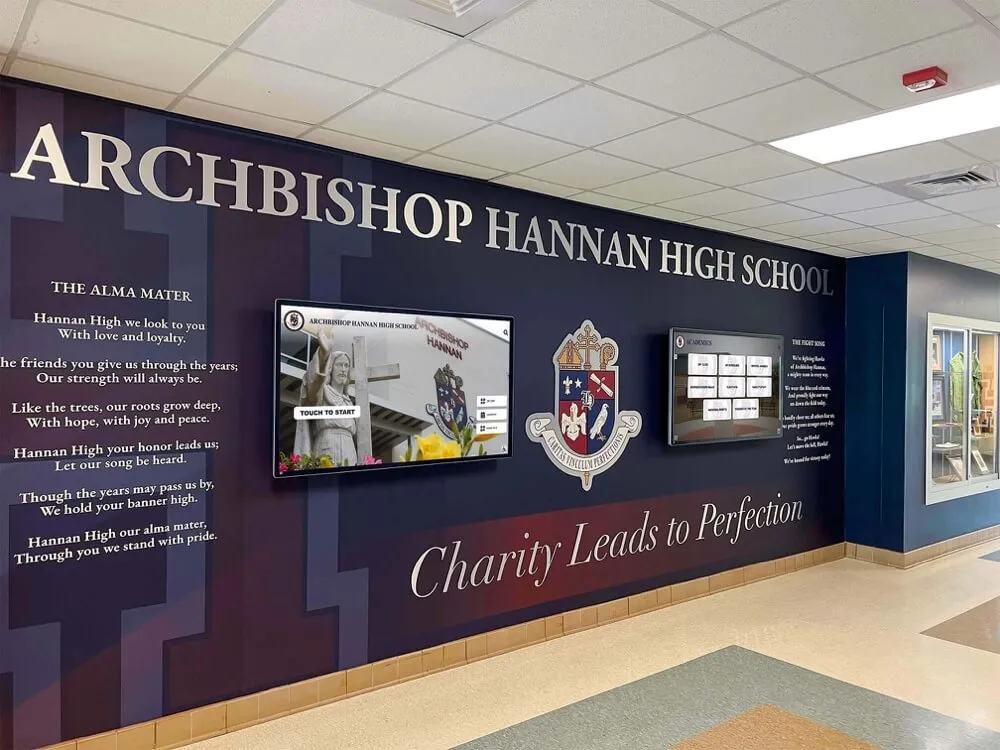
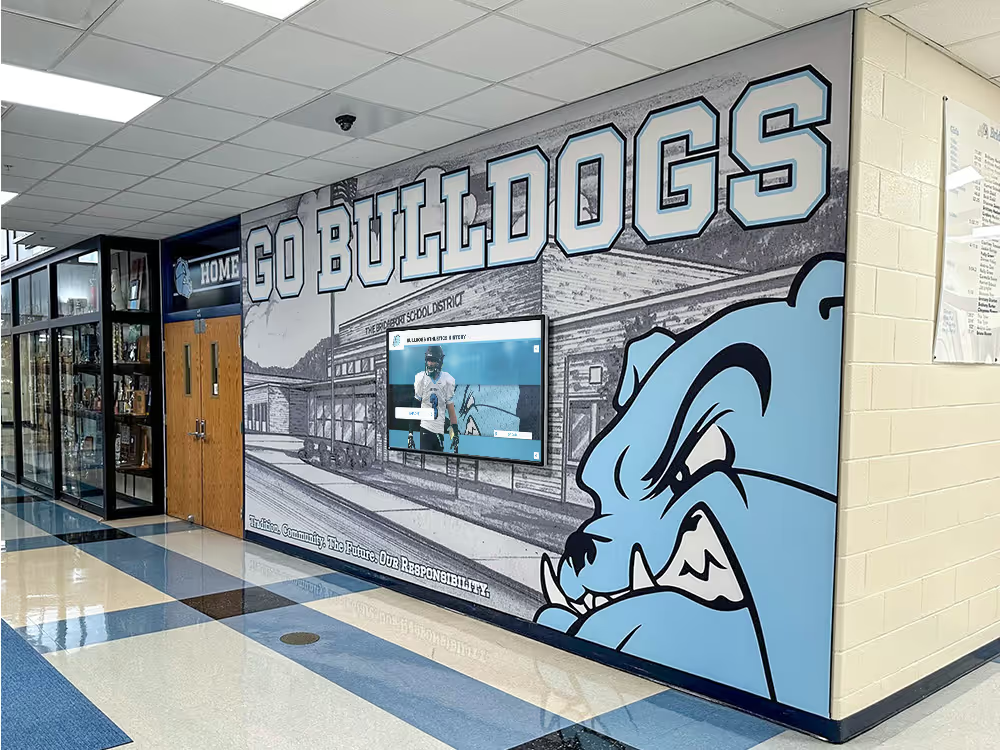
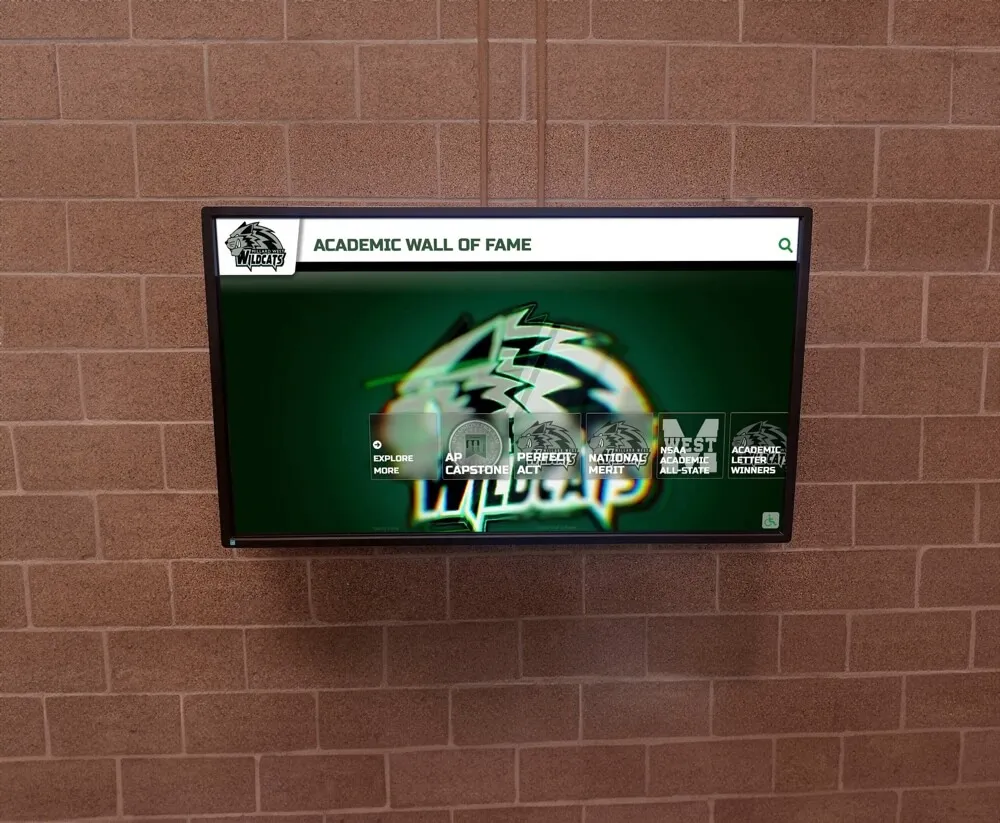
Digital walls combine the elegance of traditional recognition with modern flexibility and engagement
Rich Storytelling Capabilities
- Photo galleries showing funded projects and their impact
- Video testimonials from scholarship recipients
- Donor profiles explaining philanthropic motivations
- Before-and-after imagery demonstrating transformation
- Multi-generational family giving histories
Research from the Association of Fundraising Professionals demonstrates that personalized donor recognition increases retention rates by 18-24% compared to generic acknowledgment, while visible recognition inspires prospective donors by demonstrating appreciation culture.
Learn comprehensive approaches in this donor recognition guide with top 25 ideas and tips.
Core Components of Effective Digital Donor Recognition Walls
Successful digital recognition systems incorporate specific elements that maximize both donor appreciation and fundraising impact.
Strategic Recognition Hierarchies and Giving Levels
Well-designed systems create clear giving level structures that inspire donors to increase contributions:
Major Gift Recognition Tiers Schools typically establish levels such as:
- Leadership Circle ($100,000+)
- President’s Society ($50,000-$99,999)
- Founder’s Circle ($25,000-$49,999)
- Heritage Society ($10,000-$24,999)
- Benefactor’s Club ($5,000-$9,999)
- Patron’s Circle ($2,500-$4,999)
- Supporter’s Society ($1,000-$2,499)
Annual Giving Programs Recurring donor recognition encourages sustained support:
- Cumulative giving totals acknowledging lifetime contributions
- Consecutive year giving streaks celebrating loyalty
- Leadership annual fund donors at premium levels
- First-time donor welcome recognition
- Upgraded giving level acknowledgment
Specialized Recognition Categories
- Planned giving and estate commitments
- Endowment and named scholarship funds
- Capital campaign specific recognition
- In-kind contribution acknowledgment
- Volunteer leadership and service recognition
Digital systems make establishing multiple simultaneous recognition frameworks practical, whereas traditional walls force institutions to choose single organizing principles.
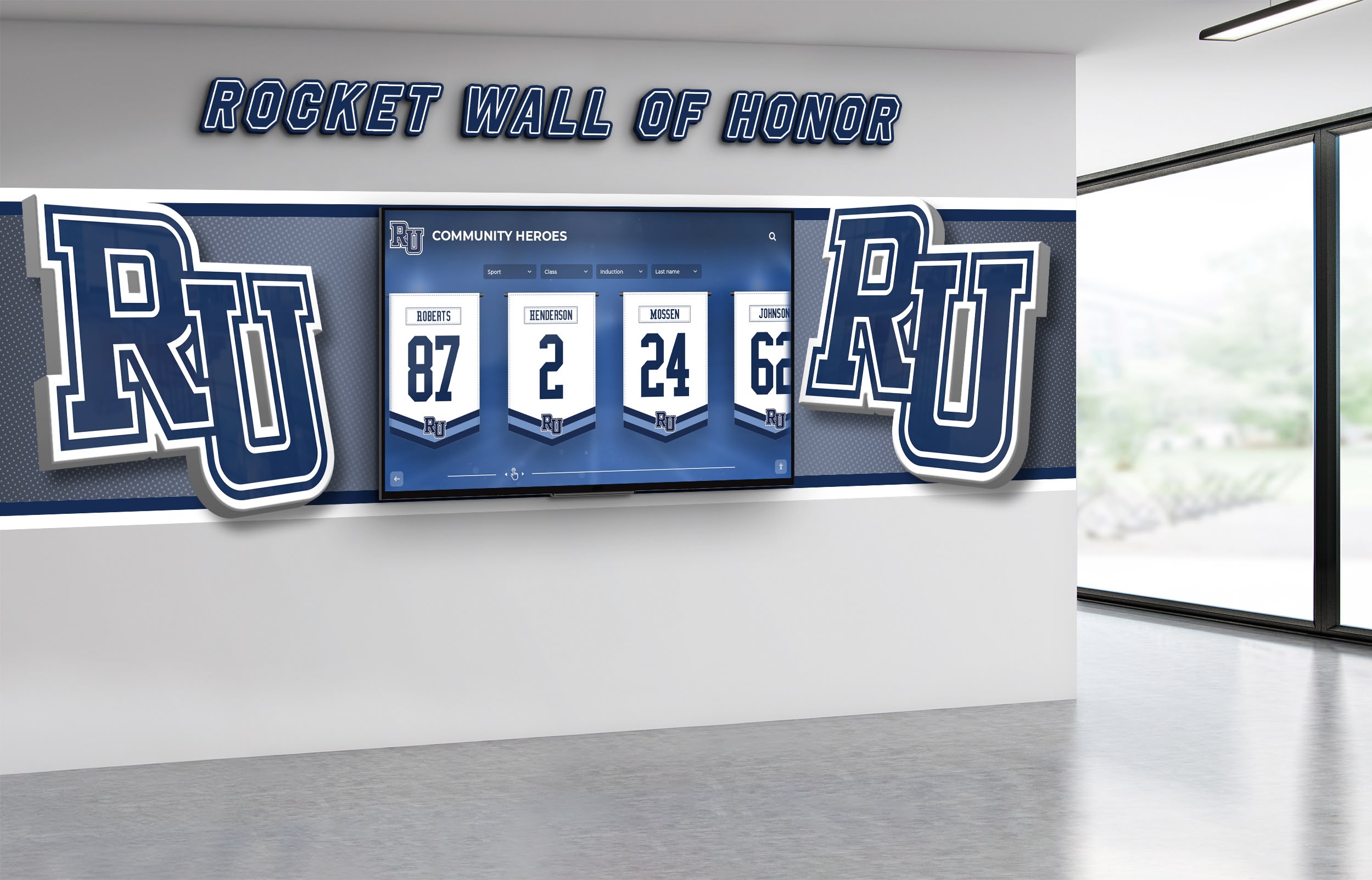
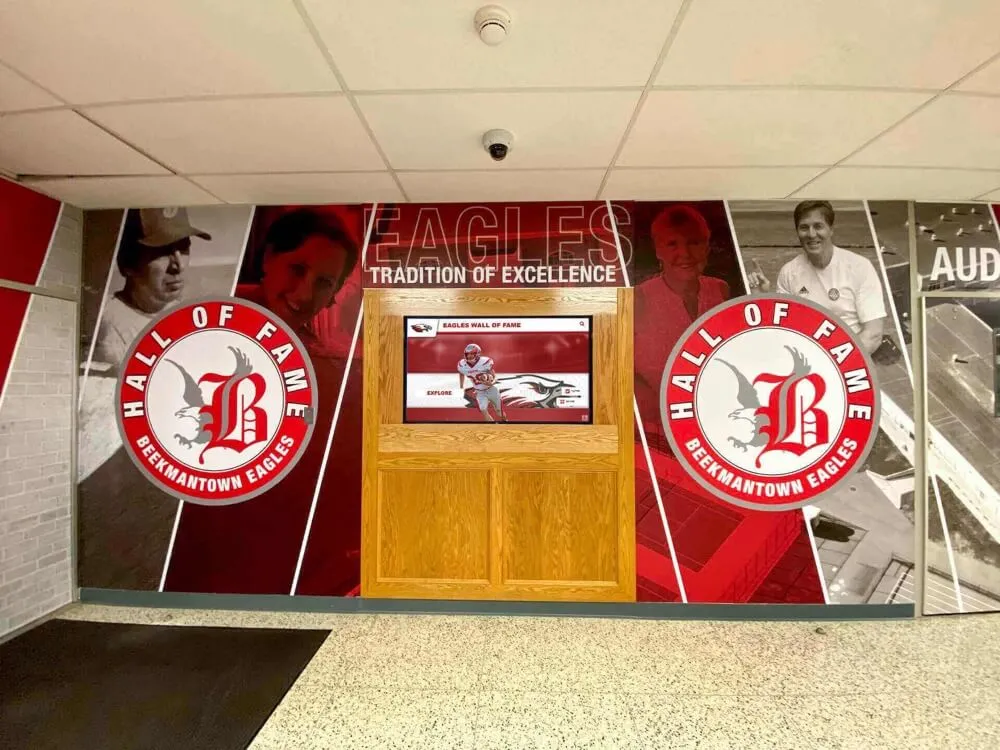
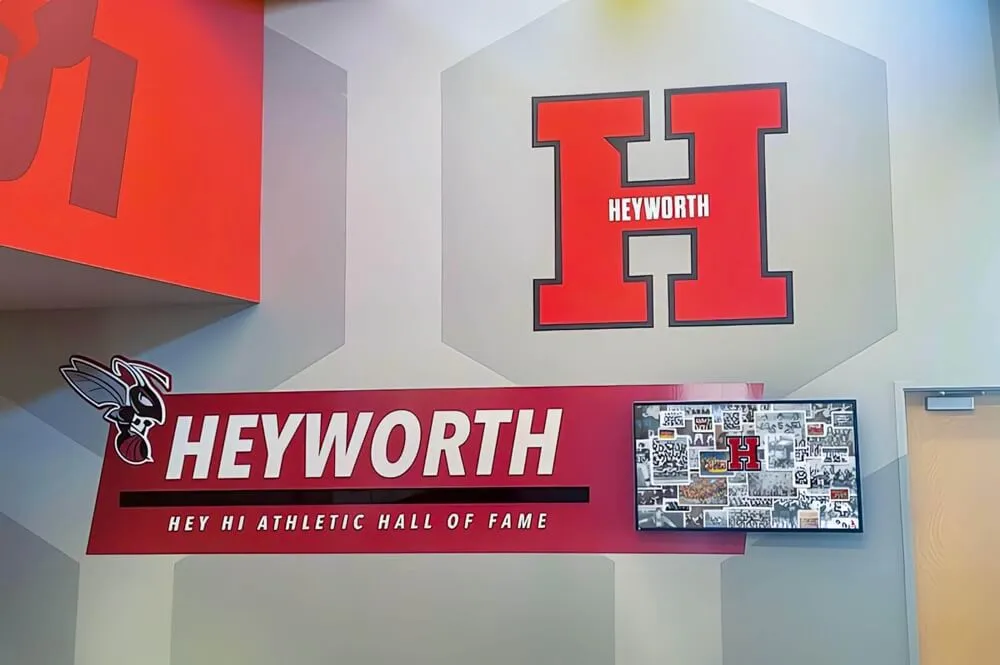
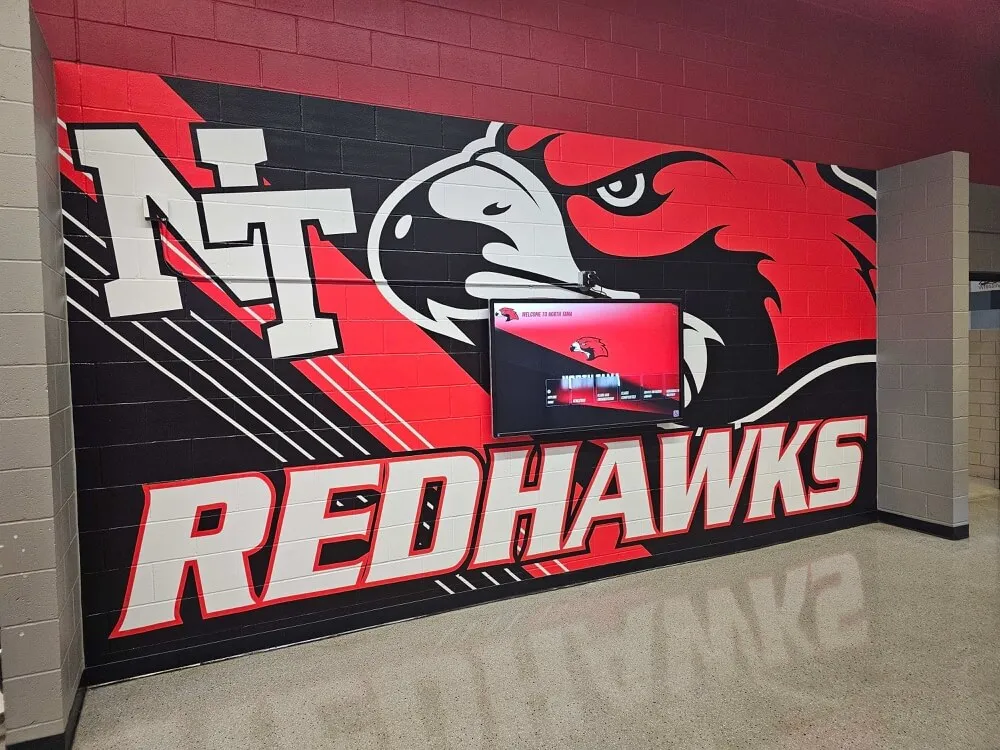
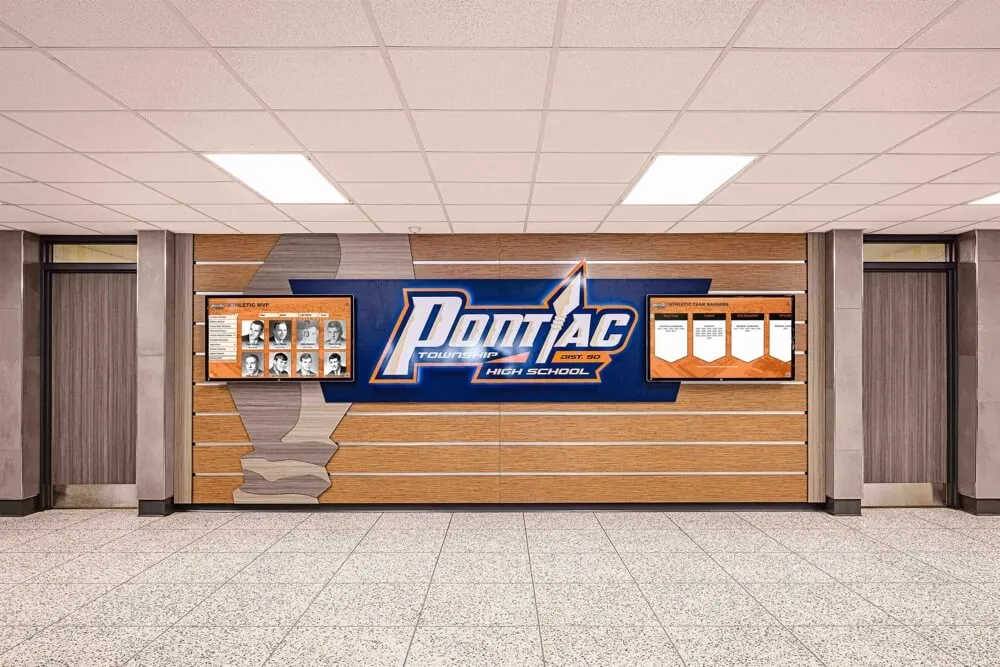
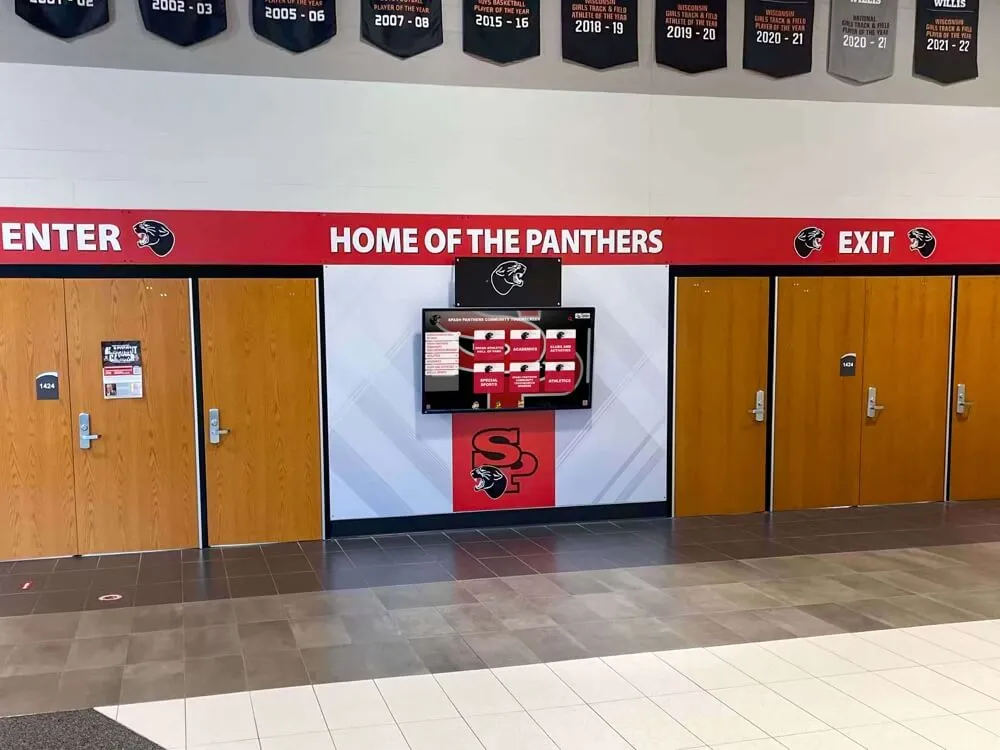
Strategic placement in high-traffic areas ensures maximum visibility for donor recognition
Designing Recognition Content That Inspires
Beyond listing names and amounts, effective digital recognition tells compelling stories:
Individual Donor Profiles Comprehensive recognition includes:
- Professional photos personalizing recognition
- Graduation years and institutional connections
- Philanthropic interests and motivations
- Specific programs or projects supported
- Family giving legacies and connections
- Personal statements about why they give
- Career accomplishments and expertise
Impact Visualization Donors appreciate seeing their contribution effects:
- Photos of funded facilities and improvements
- Student testimonials from scholarship recipients
- Program outcomes and success metrics
- Before-and-after renovation imagery
- Research breakthroughs enabled by giving
- Student achievement statistics
Campaign Progress Displays Real-time updates maintain momentum:
- Total raised toward campaign goals
- Thermometer-style progress visualizations
- Donor count and participation rates
- Recently added contributors
- Time-limited matching gift opportunities
- Milestone celebrations
This content-rich approach transforms recognition from simple acknowledgment into inspiring narratives that demonstrate philanthropic impact.
Explore comprehensive strategies in this donor recognition wall design guide.
Technology Platforms and Display Solutions for School Donor Recognition
Selecting appropriate technology ensures recognition systems remain sustainable and effective long-term.
Interactive Touchscreen vs Passive Display Approaches
Schools choose between two primary digital recognition formats:
Interactive Touchscreen Displays Advantages for donor recognition:
- Search functionality enabling donors to find themselves
- Detailed profile pages telling complete giving stories
- Photo galleries and multimedia content
- Filtering by giving level, year, or campaign
- Engagement metrics showing usage patterns
- Multiple recognition categories in single display
Ideal for:
- Lobbies and entrances where visitors spend time
- Alumni centers and development offices
- Locations where donors and families visit
- Environments encouraging exploration
Passive Digital Signage Displays Advantages for donor recognition:
- Lower equipment costs without touch technology
- Rotating content highlighting different donors
- Multiple displays synchronized across campus
- Content scheduled by time or event
- Less maintenance without interactive components
- Simpler content management
Ideal for:
- Hallways and corridors with passing traffic
- Multiple distributed locations
- Budget-constrained implementations
- Supplementary recognition beyond primary displays
Many schools implement hybrid approaches with interactive displays in primary locations and passive screens providing distributed recognition throughout campus.
Cloud-Based Content Management Essentials
Sustainable recognition requires systems development staff can manage independently:
Critical Management Features
- Web-based access from any internet-connected device
- Bulk import tools for adding multiple donors
- Role-based permissions for appropriate staff access
- Preview mode before publishing updates
- Scheduled publishing for future recognition
- Drag-and-drop interfaces requiring no technical skills
Integration Capabilities Modern systems connect with:
- Fundraising databases and donor management systems
- Payment processing for real-time gift recognition
- Email marketing platforms for coordinated acknowledgment
- Alumni databases linking graduation information
- Website content management systems
- Event registration and ticketing platforms

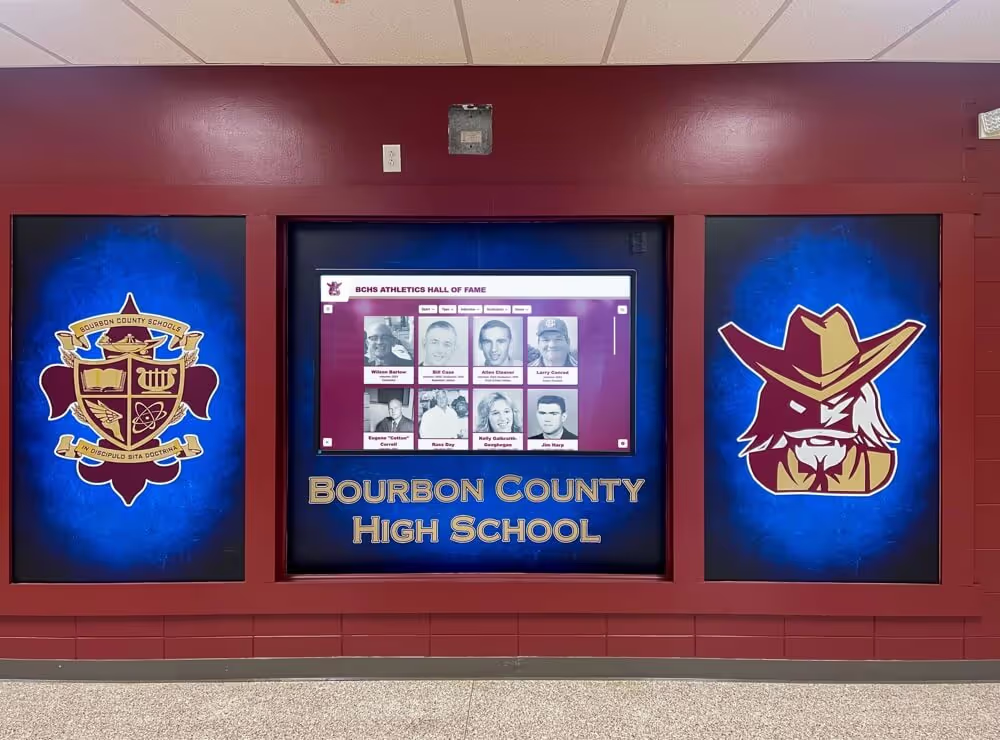
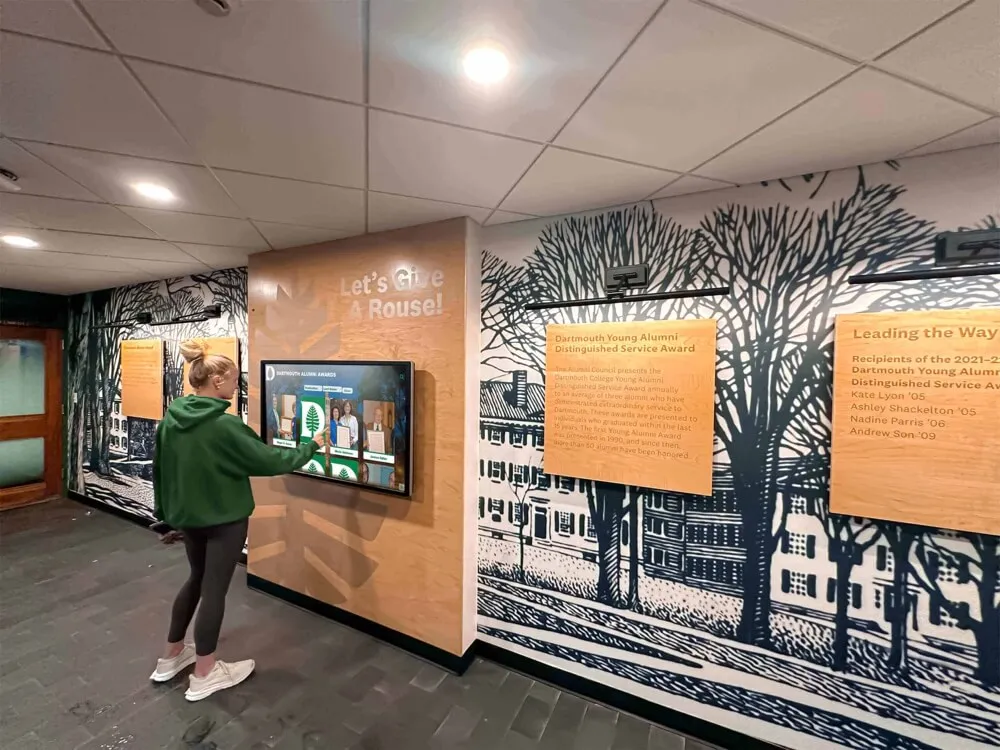
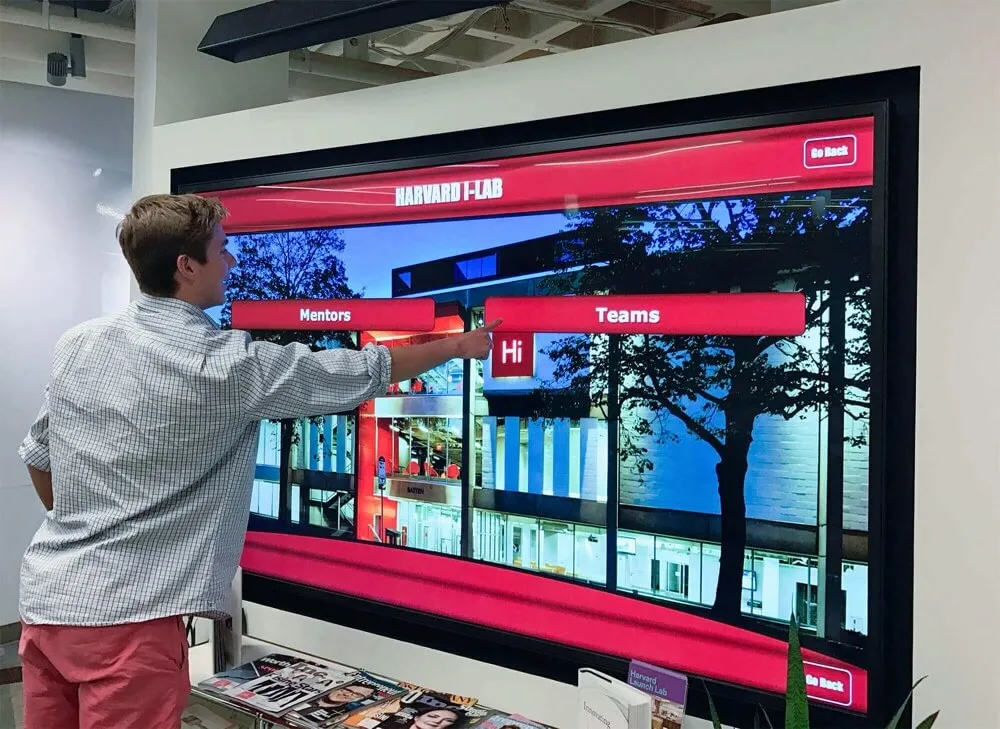
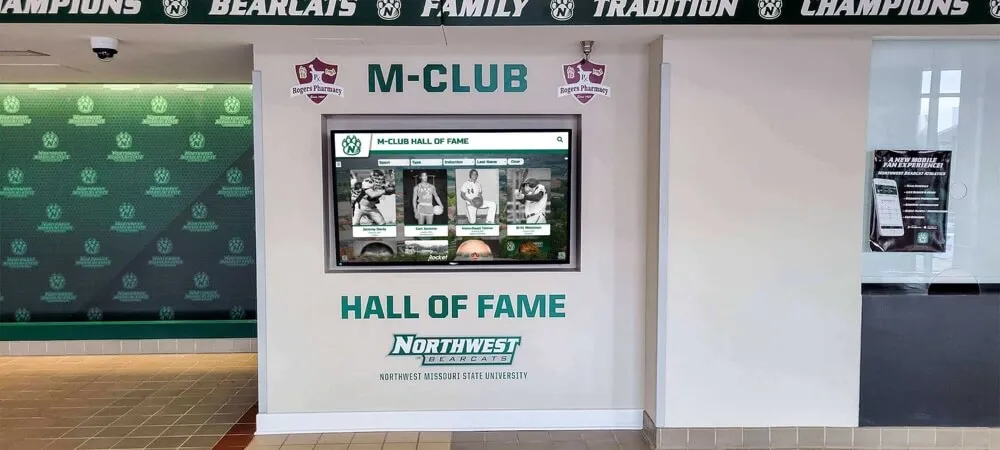
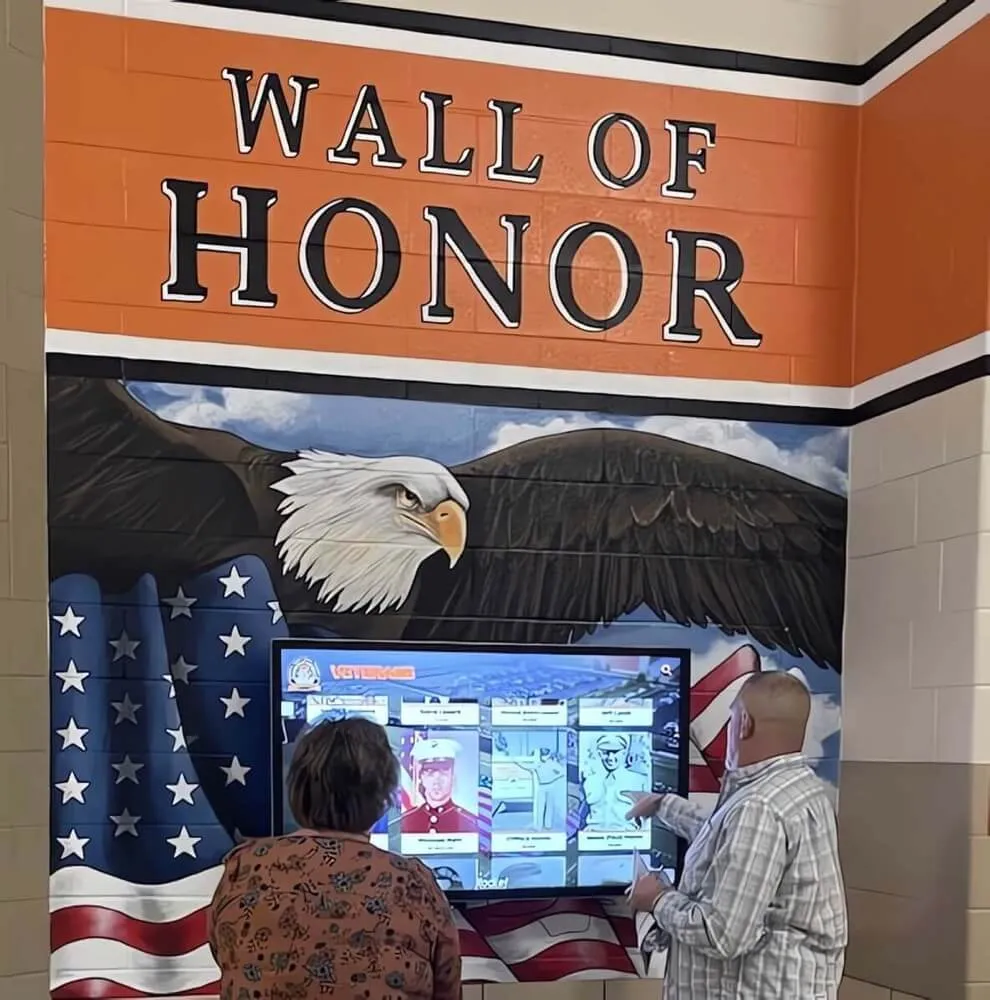
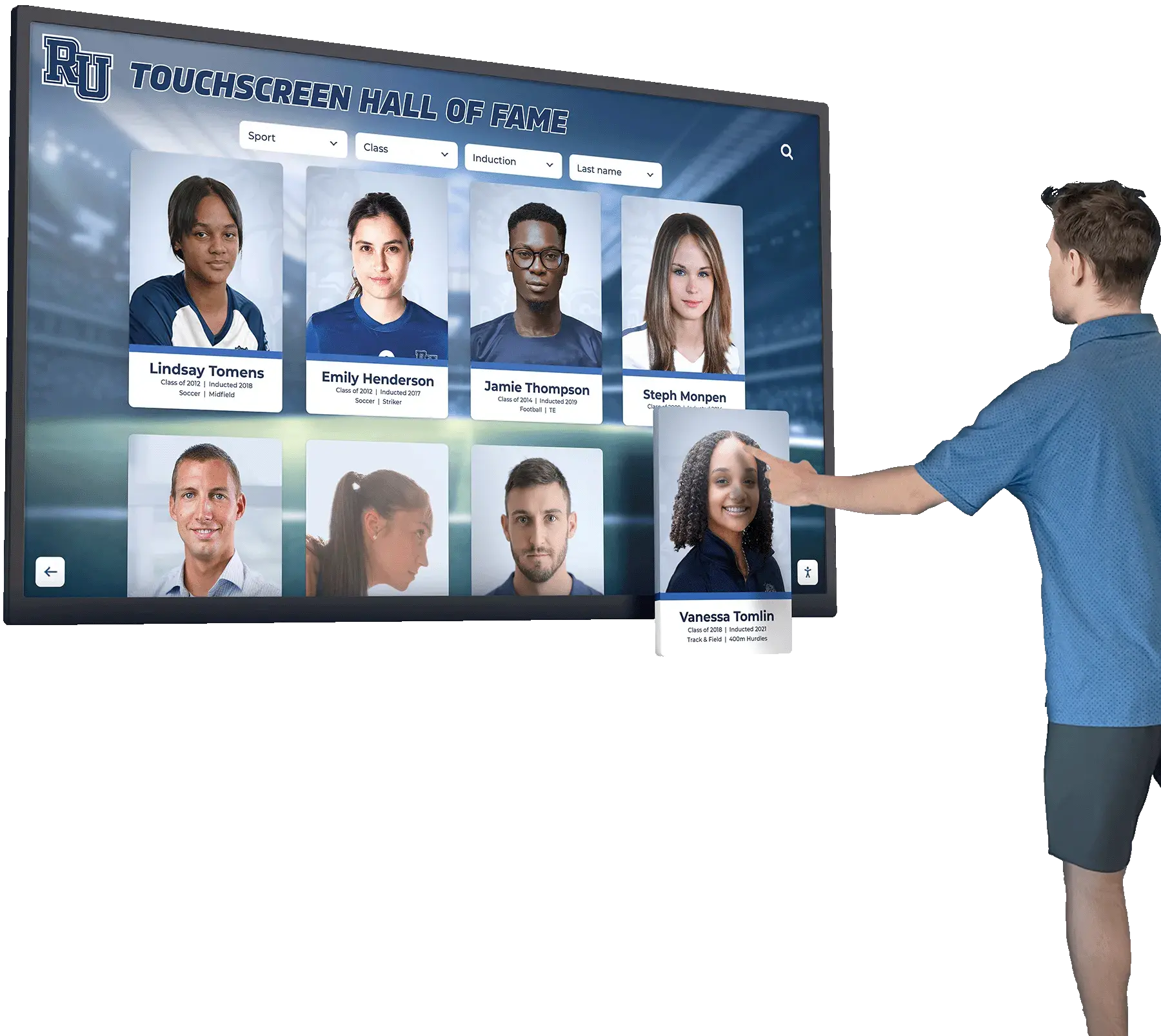
Touchscreen interfaces make exploring donor contributions and impact stories intuitive and engaging
Schools report that easy content management proves more important than sophisticated features—if updating recognition requires IT assistance, systems become outdated quickly.
Review platform options in this donor recognition screen complete guide.
Hardware Specifications and Installation Considerations
Display Hardware Requirements
- Commercial-grade displays rated for 16+ hour daily operation
- Touchscreen responsiveness comparable to smartphones
- Minimum 1920x1080 resolution (4K for large displays)
- Anti-glare coatings for varied lighting conditions
- 43"-55" displays typical for lobby installations
- Portrait or landscape orientation based on content
Installation Options
- Freestanding kiosks for prominent lobby placement
- Wall-mounted displays integrating with architecture
- Custom millwork incorporating displays
- Multi-display video walls for comprehensive recognition
- Outdoor-rated enclosures for exterior locations
- ADA-compliant mounting heights ensuring accessibility
Technical Infrastructure
- Reliable network connectivity (Ethernet preferred)
- Adequate power and surge protection
- Remote monitoring and management capabilities
- Content delivery optimization for multimedia
- Backup displays for mission-critical locations
- Professional installation ensuring longevity
Investment in quality hardware prevents maintenance issues that diminish donor recognition effectiveness.
Explore technology considerations in this touchscreen kiosk software buying guide.
Strategic Implementation for Capital Campaigns and Fundraising Initiatives
Digital recognition walls serve as powerful fundraising tools when strategically implemented around campaigns.
Campaign Launch and Recognition Integration
Pre-Campaign Planning Successful implementations begin before campaign launch:
- Recognition level structures aligned with fundraising goals
- Visual designs previewing how recognition will appear
- Sample donor profiles demonstrating recognition quality
- Naming opportunity catalogs showing available options
- Recognition timeline commitments in gift agreements
- Placeholder content allowing donors to visualize recognition
Launch Phase Recognition
- Leadership gift recognition announcing campaign publicly
- Real-time campaign progress updates building momentum
- Early donor showcase inspiring additional participation
- Matching gift opportunities with countdown timers
- Milestone celebrations maintaining engagement
- Challenge gift progress tracking
Ongoing Campaign Management
- Weekly updates showing new donors and progress
- Donor level upgrade acknowledgment encouraging advancement
- Campaign storytelling highlighting impact and need
- Countdown features as campaign deadlines approach
- Recognition previews for donors considering gifts
- Celebration content as goals are achieved
Schools report that visible, frequently-updated campaign progress through digital displays increases overall participation rates by 15-20% compared to static campaign communication.

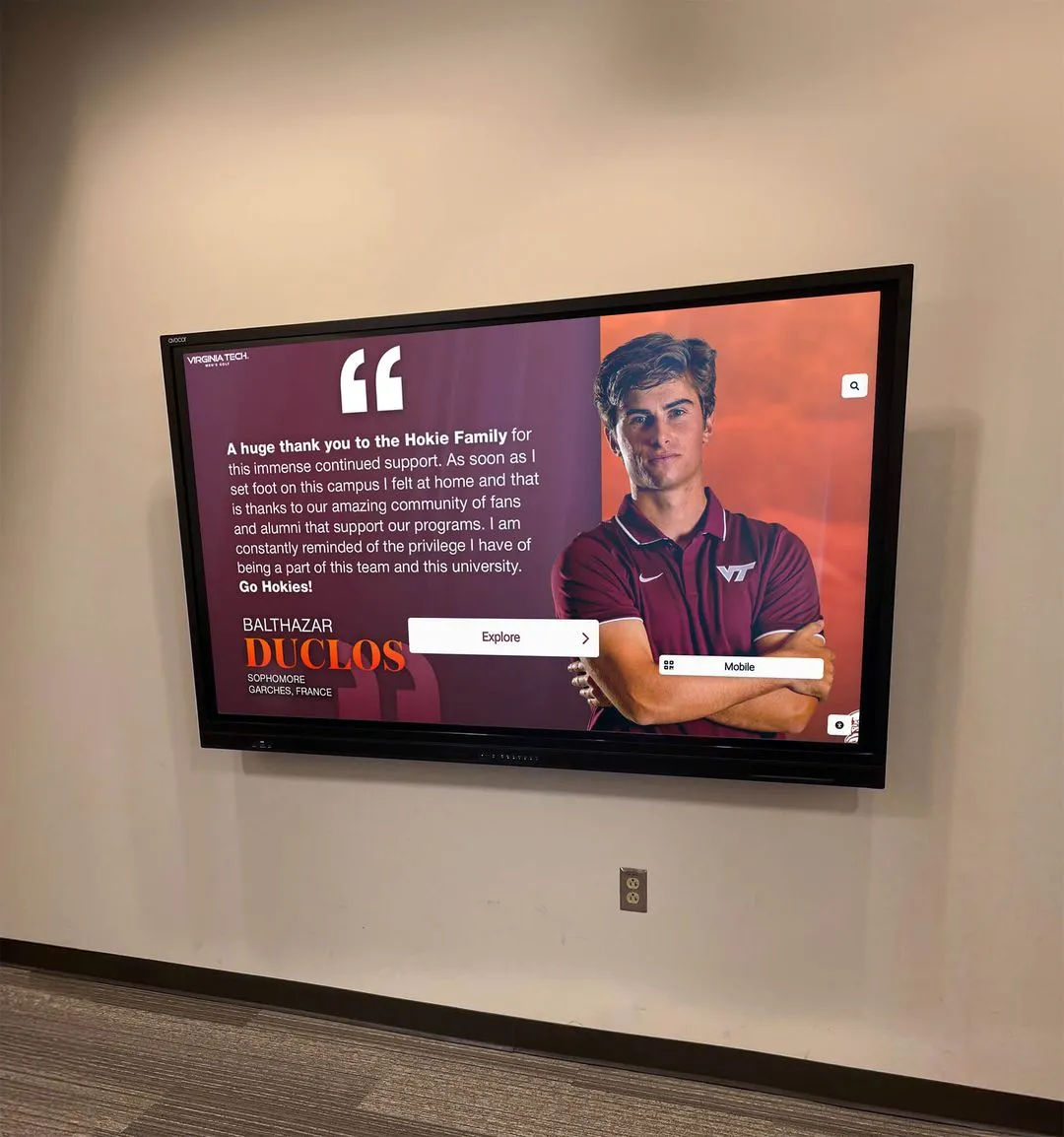
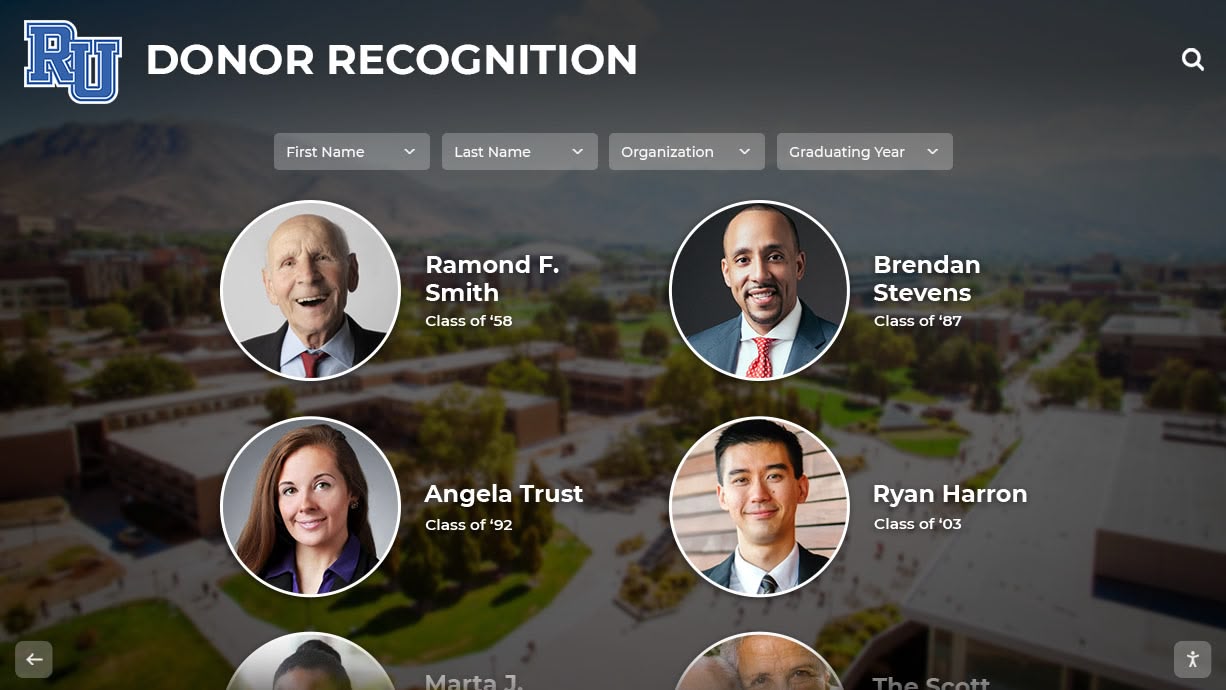
Professional portrait displays create dignified recognition appropriate for major donor acknowledgment
Multi-Campaign and Comprehensive Institutional Recognition
Schools conducting multiple simultaneous campaigns benefit from digital systems’ organizational flexibility:
Campaign-Specific Recognition Sections
- Capital campaigns for facilities and endowment
- Annual fund and operating support
- Athletic facility and program fundraising
- Academic department and program campaigns
- Scholarship endowment initiatives
- Special project fundraising
Institutional Giving Categories
- Cumulative lifetime giving across all campaigns
- Planned giving and estate commitments
- Endowed chairs and professorships
- Named facilities and spaces
- Scholarship funds and their recipients
- Historical major gifts and foundational donors
Time-Based Recognition Views
- Current fiscal year donors
- Campaign-specific recognition periods
- All-time institutional supporters
- Recent donors in past 30/60/90 days
- Consecutive year giving milestones
- Anniversary year recognition
This organizational flexibility makes comprehensive recognition practical while ensuring each campaign and giving category receives appropriate visibility.
Review approaches for academic recognition programs that can incorporate donor-funded opportunities.
Content Strategies That Maximize Fundraising Impact
The most effective donor recognition walls go beyond simple acknowledgment to inspire additional giving and strengthen institutional connections.
Storytelling and Impact Demonstration
Donor Motivation Stories Personal narratives create emotional connections:
- Why donors chose to support the institution
- Personal memories and experiences inspiring giving
- Family legacy stories across generations
- Career success attributed to educational foundation
- Desire to create opportunities for future students
- Specific programs that changed donor lives
Beneficiary Impact Testimonials Show donors the difference they make:
- Scholarship recipient stories and achievements
- Student testimonials about funded programs
- Faculty research enabled by endowment support
- Athletic success in donor-funded facilities
- Program outcomes demonstrating effectiveness
- Graduate success stories attributing opportunity to donor support
Visual Impact Documentation Before-and-after imagery powerfully demonstrates transformation:
- Facility renovations and new construction progress
- Program growth and expansion visualization
- Student participation increases in funded activities
- Technology upgrades and modernization
- Campus beautification and improvement projects
- Equipment and resource enhancements
This content-rich approach helps donors understand their philanthropic impact while inspiring prospective contributors.
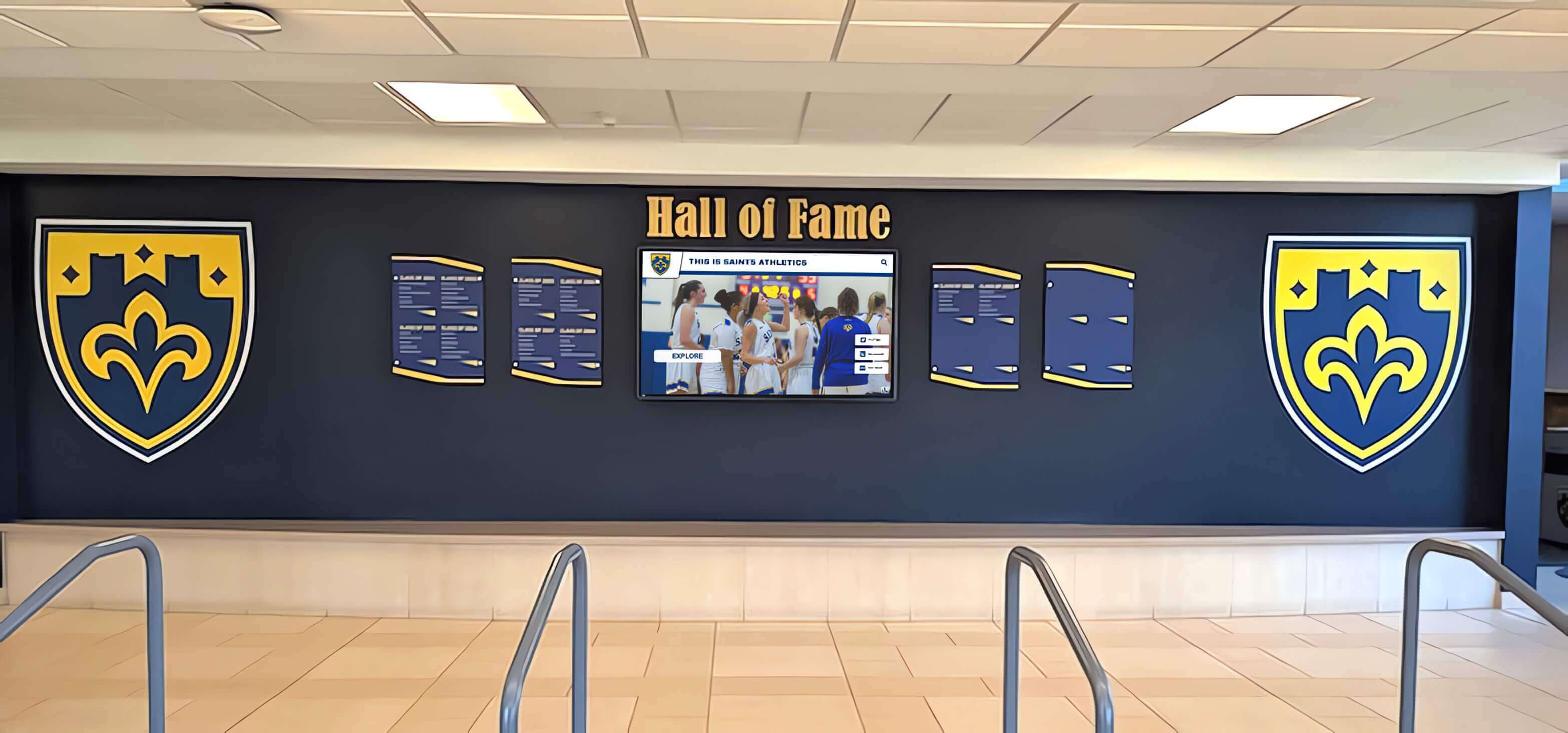
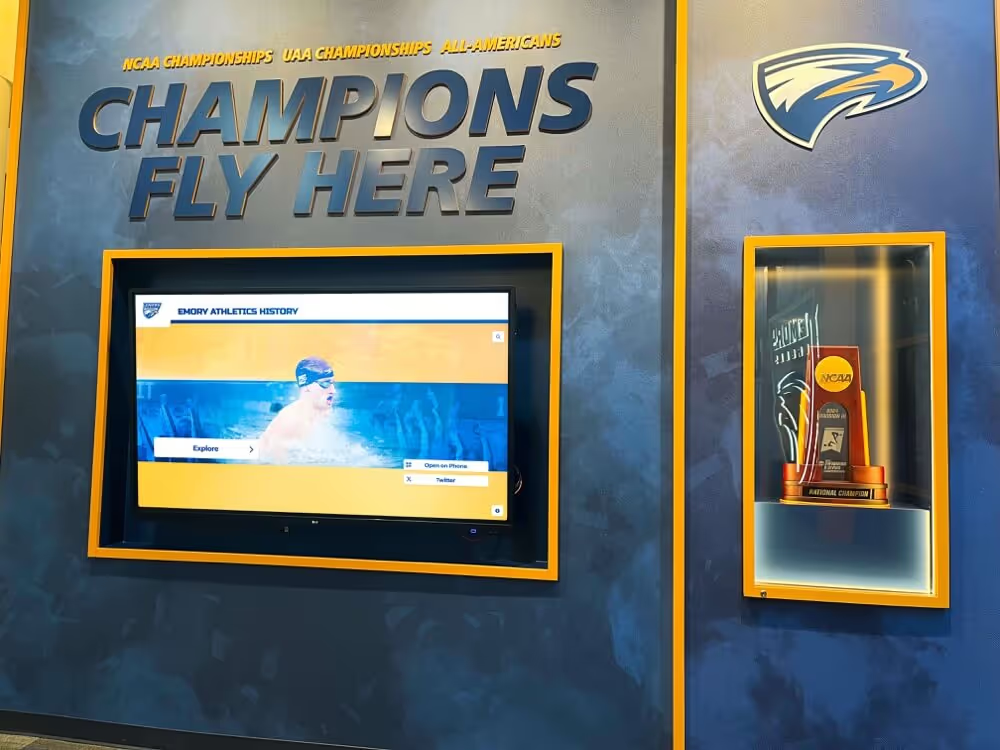
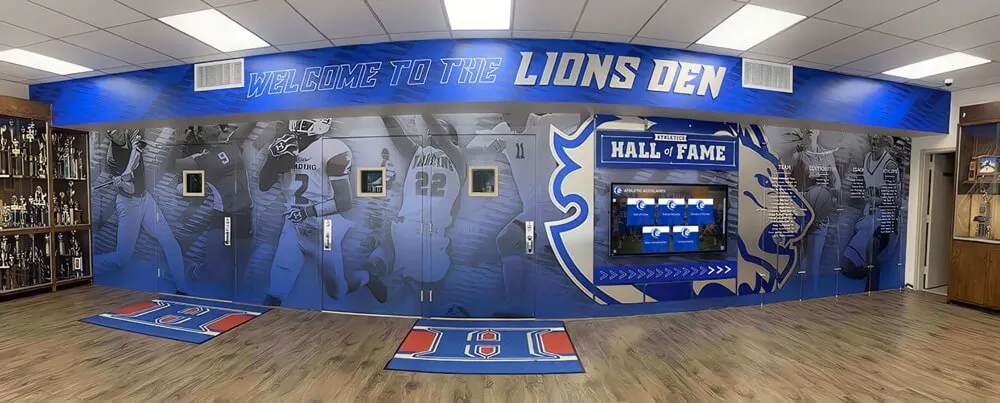
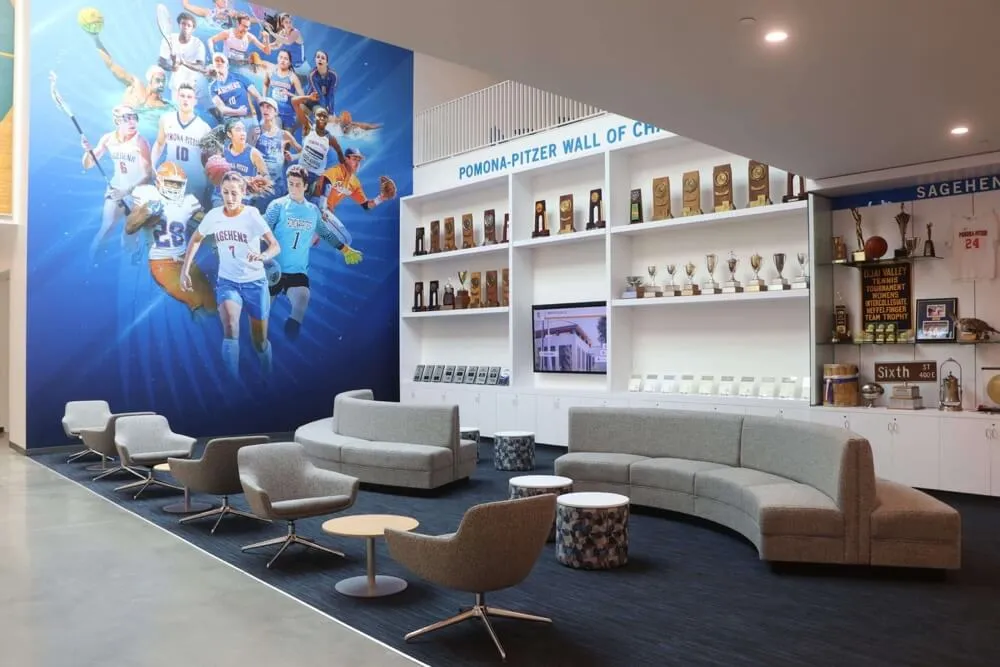
Integrated displays can complement existing traditional recognition while adding flexibility and engagement
Seasonal and Event-Based Recognition Content
Strategic Content Rotation
- Homecoming and reunion recognition of alumni donors
- Giving Tuesday and year-end campaign highlights
- Scholarship award ceremony donor appreciation
- Athletic event recognition of facility funders
- Graduation celebration of scholarship donors
- Foundation gala event donor showcase
Milestone and Anniversary Recognition
- Donor giving anniversaries and loyalty celebrations
- Campaign completion and goal achievement
- Named facility dedications and grand openings
- Endowment milestone achievements
- Record-breaking fundraising years
- Historical institutional anniversaries
Thematic Recognition Displays
- Heritage month recognition of diverse donors
- Faculty appreciation featuring endowment supporters
- Student success stories linked to donor support
- Community impact highlighting local philanthropy
- Volunteer recognition for fundraising leadership
- Reunion class giving competition results
Strategic content rotation keeps displays fresh while creating multiple opportunities for donor engagement throughout the year.
Discover content ideas in this guide to 120+ digital signage content ideas.
Privacy, Sensitivity, and Recognition Best Practices
Appropriate donor recognition requires balancing public acknowledgment with individual preferences and institutional standards.
Donor Privacy and Recognition Preferences
Anonymous and Confidential Gift Recognition Not all donors seek public acknowledgment:
- “Anonymous Donor” options with impact descriptions
- Recognition by initials or family name only
- Cumulative giving level placement without specific amounts
- Private recognition through alternative channels
- Opt-in rather than automatic public recognition
- Easy preference updates as donor comfort changes
Naming Rights and Recognition Agreements Formal agreements prevent misunderstandings:
- Duration of naming rights and recognition
- Recognition format and placement specifications
- Approval processes for recognition content
- Pledge payment schedules and recognition timing
- Conditions requiring recognition modification
- Estate gift recognition protocols
Recognition Level Changes As giving increases, recognition should adapt:
- Automatic updates when donors reach new levels
- Notification to donors about recognition changes
- Grace periods for pledge completions
- Recognition of partial pledge payments
- Upgrade celebrations for increased commitments
- Historical giving level preservation
Inclusive and Equitable Recognition Approaches
Recognizing Diverse Contribution Types Comprehensive recognition acknowledges various giving forms:
- Cash and appreciated securities
- Planned gifts and estate commitments
- In-kind contributions of goods and services
- Time and volunteer leadership
- Professional expertise and consultation
- Property and real estate gifts
- Matching gift employer recognition
Ensuring Accessible Recognition Digital displays should serve all community members:
- Screen reader compatibility for visual accessibility
- Multiple language options for diverse populations
- Text size adjustment capabilities
- Color contrast modes for visibility
- Audio descriptions of visual content
- Mobile access for remote viewing
Equity in Giving Level Structures Recognition hierarchies should avoid unintended bias:
- Entry-level giving opportunities for broad participation
- Recognition of smaller cumulative gifts over time
- Young alumni giving levels appropriate to career stage
- Faculty and staff giving programs with appropriate minimums
- Community supporter categories for non-alumni
- Family giving recognition aggregating household contributions
Thoughtful approaches ensure recognition systems inspire rather than exclude prospective donors.
Location Strategy and Campus Integration
Strategic placement maximizes recognition visibility while creating appropriate donor appreciation environments.
Primary Recognition Display Placement
High-Priority Locations
- Main building entrances and lobbies
- Development office and foundation headquarters
- Alumni center primary gathering spaces
- Athletic facility main concourses
- Performing arts center lobbies
- Library main entrance areas
- Administration building reception areas
Event and Gathering Space Integration
- Board meeting room recognition displays
- Donor reception and cultivation venues
- Fundraising event locations
- Major lecture and assembly spaces
- Athletic hospitality areas
- Reunion and homecoming gathering points
Academic and Program Facilities
- Buildings funded by capital campaigns
- Department-specific donor recognition in academic buildings
- Athletic complex donor walls
- Student center philanthropic acknowledgment
- Residence hall endowment recognition
- Research facility funding acknowledgment
Multi-Display Networks and Campus-Wide Recognition
Comprehensive approaches extend recognition beyond single locations:
Distributed Display Strategy
- Primary interactive display in main location
- Passive displays throughout campus
- Event-specific temporary recognition displays
- Website and mobile app access
- Social media donor appreciation content
- Print materials complementing digital recognition
Coordinated Content Management
- Centralized updates across all display locations
- Location-specific recognition content
- Synchronized campaign messaging
- Real-time updates campus-wide
- Event-triggered content changes
- Seasonal and thematic coordination
Schools implementing multi-location recognition report increased donor engagement as contributors encounter appreciation in various campus contexts.
Explore comprehensive implementation in this private school gala fundraiser recognition guide.
Measuring Recognition Effectiveness and Fundraising Impact
Effective donor recognition systems demonstrate value through both engagement metrics and fundraising outcomes.
Engagement and Usage Analytics
Digital Display Metrics
- Daily interactions and session counts
- Average session duration and page views
- Search queries and popular content
- Donor profile views and frequencies
- Time-of-day and seasonal usage patterns
- Geographic access for web-based recognition
Donor Response Indicators
- Recognition notification engagement rates
- Thank you event attendance
- Social media sharing of recognition
- Website donor page traffic
- Mobile app recognition access
- Email acknowledgment response rates
Fundraising Outcome Correlation
Retention and Upgrade Metrics
- Donor retention rates by recognition level
- Gift renewal rates comparing recognized vs. non-recognized donors
- Upgrade frequencies and average increase amounts
- Multi-year pledge completion rates
- Consecutive year giving streaks
- Planned giving conversion rates
Acquisition and Participation
- New donor acquisition following recognition campaigns
- Overall participation rate increases
- Young alumni engagement improvements
- Faculty and staff giving participation
- Board and volunteer leadership giving
- Peer influence patterns among recognition levels
Research demonstrates that comprehensive, timely recognition correlates with 18-25% higher retention rates and 15-20% more frequent gift upgrades compared to minimal acknowledgment.
Implementation Timeline and Project Management
Successful digital donor recognition requires systematic planning and execution.
Planning and Design Phase (3-4 months)
Initial Assessment and Strategy
- Stakeholder input from development, communications, and facilities
- Recognition level structure review and refinement
- Budget development and approval
- Location assessment and selection
- Technology platform evaluation
- Content strategy development
Design and Content Development
- Visual design aligned with institutional branding
- Content templates for donor profiles and impact stories
- Photo and video content collection
- Historical donor data compilation
- Campaign messaging development
- Integration planning with fundraising systems
Implementation and Launch (2-3 months)
Technology Deployment
- Hardware procurement and installation
- Software configuration and customization
- Content management system setup
- Staff training on system operation
- Testing and quality assurance
- Network and connectivity verification
Content Migration and Population
- Bulk donor data import
- Individual profile creation for major donors
- Photo and multimedia asset upload
- Campaign content development
- Preview and approval processes
- Launch preparation and promotion
Official Launch and Promotion
- Soft launch for testing and refinement
- Official dedication event with donors
- Communication campaign announcing recognition
- Media coverage and public relations
- Donor notifications about recognition
- Campus community education
Ongoing Management and Evolution (continuous)
Regular Maintenance and Updates
- Weekly or monthly donor additions
- Campaign progress updates
- Seasonal and event-based content changes
- Technical maintenance and software updates
- Content refresh and rotation
- Performance monitoring and optimization
Explore comprehensive planning in this campus directory touchscreen display guide.
Budget Considerations and Investment Justification
Understanding total costs helps schools plan appropriate recognition systems aligned with fundraising scale.
Initial Investment Components
Technology Costs
- Hardware: $3,000-$15,000 per display (size and features dependent)
- Software platform: $2,000-$10,000 initial setup
- Installation: $1,000-$5,000 per location
- Network infrastructure: $500-$3,000
- Content management system: Often included in software
- Integration with fundraising database: $1,000-$5,000
Content Development Costs
- Professional photography: $1,500-$5,000
- Video production: $3,000-$15,000 for campaign videos
- Graphic design and branding: $2,000-$8,000
- Historical content digitization: $2,000-$10,000
- Copywriting and storytelling: $1,500-$5,000
Total Initial Investment Range
- Basic single-display implementation: $10,000-$25,000
- Comprehensive primary location system: $25,000-$50,000
- Multi-location campus network: $50,000-$150,000+
Ongoing Annual Costs
Subscription and Maintenance
- Software subscription/licensing: $1,200-$6,000 annually
- Hosting and cloud services: $500-$2,000 annually
- Technical support: Often included or $1,000-$3,000
- Hardware warranty/service: $500-$2,000 annually
- Content updates and management: Internal staff time
- Electricity and infrastructure: Minimal
ROI and Value Justification
Comparative Cost Analysis Traditional donor wall costs:
- Initial fabrication: $15,000-$50,000
- Each additional donor name: $200-$500
- Major updates or redesigns: $10,000-$30,000
- 50 new donors over 5 years: $10,000-$25,000 additional
Digital wall costs:
- Initial investment: $25,000-$50,000
- Unlimited additional donors: $0 per name
- Updates and changes: Content management time only
- 5-year total ownership: $30,000-$60,000
Fundraising Impact Value If digital recognition increases:
- Donor retention by 15%: Significant gift revenue protection
- Gift upgrades by 10%: Substantial campaign revenue increase
- New donor acquisition by 8%: Expanded donor base value
- Planned giving conversion by 5%: Major future revenue
Even modest improvements in these metrics generate fundraising value far exceeding recognition system costs.
Operational Efficiency Gains
- Elimination of plaque fabrication delays
- No costs for correcting errors or updating information
- Staff time savings in recognition coordination
- Ability to recognize every donor regardless of amount
- Flexibility to adapt recognition to campaign evolution
Special Considerations for Different School Types
Recognition approaches should align with institutional culture and donor populations.
K-12 Schools and Independent Schools
Private and Independent School Recognition
- Parent donor recognition for annual fund support
- Alumni giving despite smaller historical donor bases
- Grandparent and family friend contributions
- Gala and event fundraising acknowledgment
- Capital campaign recognition for facility improvements
- Endowment and scholarship fund donors
Public School Foundation Recognition
- Community donor acknowledgment for public education support
- Business partnership and corporate giving
- Education foundation supporter recognition
- PTO and booster organization contributions
- Grant funding and institutional partnerships
- Volunteer recognition alongside financial support
Colleges and Universities
Small Private Colleges
- Close-knit alumni community recognition
- Family legacy giving across generations
- Endowment building for institutional sustainability
- Capital campaigns for strategic initiatives
- Named scholarship and program funds
- Board and leadership volunteer recognition
Large Universities and Research Institutions
- School and college-specific recognition systems
- Research funding and endowment donors
- Athletic department major gift acknowledgment
- Multiple simultaneous capital campaigns
- Planned giving and estate gift programs
- Corporate and foundation partnership recognition
Special Purpose Educational Institutions
Religious and Faith-Based Schools
- Religious community and congregation donors
- Mission-aligned giving recognition
- Values-based fundraising acknowledgment
- Ministry and service project support
- Tuition assistance and scholarship funds
- Facility improvements for growing programs
Specialized Schools (Arts, STEM, Vocational)
- Program-specific donor recognition
- Equipment and facility funding acknowledgment
- Industry partnership and corporate support
- Scholarship access for specialized education
- Faculty and visiting artist support
- Competition and showcase funding
Each institutional type benefits from recognition tailored to its specific donor demographics and philanthropic culture.
Conclusion: Creating Recognition That Inspires Generosity and Gratitude
Digital donor recognition walls represent strategic investments in fundraising effectiveness, donor relationship development, and institutional advancement. When schools move beyond traditional plaque limitations to embrace flexible, engaging digital recognition, they create systems that appropriately honor every contribution while inspiring continued and increased support.
The strategies explored in this guide provide comprehensive frameworks for implementing recognition that eliminates physical constraints, updates instantly as campaigns evolve, tells compelling impact stories beyond simple acknowledgment, and creates visible appreciation cultures that prospective donors find inspiring and current supporters find meaningful.
Modern digital recognition platforms transform donor acknowledgment from static name lists into dynamic engagement tools that strengthen institutional connections, demonstrate philanthropic impact, and build communities of generosity sustaining educational excellence for generations. Schools implementing these approaches report not just improved donor retention and gift upgrades, but fundamental culture shifts where philanthropy becomes celebrated as central to institutional identity and mission fulfillment.
Transform Your Donor Recognition and Strengthen Fundraising Impact
Discover how modern digital recognition solutions help schools honor every donor appropriately, inspire additional giving, and build lasting cultures of educational philanthropy.
Explore Digital Recognition SolutionsWhether your school is launching a capital campaign requiring comprehensive recognition, building endowment programs needing visible donor appreciation, seeking annual fund growth through better acknowledgment, or simply wanting to honor the generosity that makes your mission possible, digital recognition walls provide the flexibility, engagement, and sustainability traditional approaches cannot match.
Start by assessing your current recognition limitations, identifying donor acknowledgment gaps, and envisioning how comprehensive digital systems could strengthen both donor relationships and fundraising outcomes. The investment in professional donor recognition technology delivers returns through improved retention, increased giving, and the intangible but invaluable culture shift where educational philanthropy becomes celebrated as the cornerstone of institutional excellence it truly represents.
Your donors’ generosity deserves recognition as thoughtful and impactful as their contributions. With strategic planning, appropriate technology selection, and commitment to meaningful acknowledgment, you can create donor recognition systems that honor every contribution while inspiring the continued support your educational mission depends upon.
Live Example: Rocket Alumni Solutions Touchscreen Display
Interact with a live example (16:9 scaled 1920x1080 display). All content is automatically responsive to all screen sizes and orientations.