How to Get Recruited for College Sports: A Step-by-Step Guide for High School Athletes and Their Families
- Home /
- Digital Wall of Fame Blog - Recognition Display Insights & Resources /
- How to Get Recruited for College Sports: A Step-by-Step Guide for High School Athletes and Their Families
The Easiest Touchscreen Solution




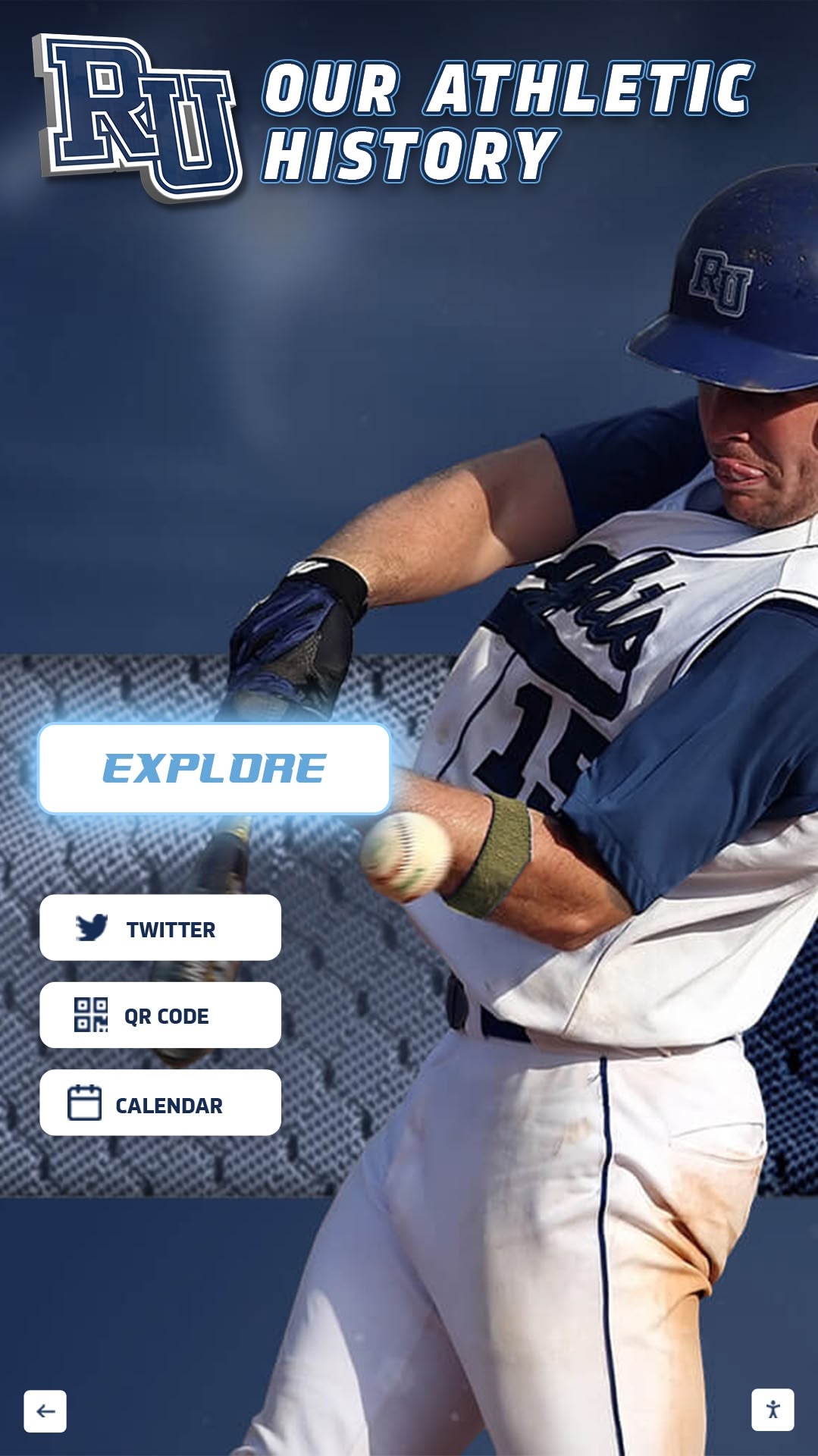
Live Example: Rocket Alumni Solutions Touchscreen Display
Interact with a live example (16:9 scaled 1920x1080 display). All content is automatically responsive to all screen sizes and orientations.
For thousands of high school athletes across the country, competing at the college level represents the culmination of years of dedication, early morning practices, competitive travel seasons, and countless hours perfecting their craft. Yet the pathway from high school standout to college recruit remains mysterious to many student athletes and their families, often seeming like an exclusive process reserved for only the most elite performers.
The reality is more accessible than many believe: according to the NCAA, approximately 495,000 high school athletes compete at the college level across all divisions and sports each year. While Division I programs garner the most attention, opportunities exist across Division II, Division III, NAIA, and junior college programs—each offering distinct experiences, academic environments, and levels of athletic and financial support.
Understanding how to get recruited for college sports requires navigating a complex landscape of eligibility requirements, recruiting timelines, communication strategies, showcase opportunities, and scholarship possibilities. The process demands proactive effort from athletes and families, strategic planning beginning as early as freshman year, and realistic assessment of athletic ability, academic qualifications, and college preferences.
This comprehensive guide provides high school athletes and their families with a step-by-step roadmap through the college recruiting process—from initial preparation and profile building through official visits, commitment decisions, and signing day. Whether you’re a talented freshman just beginning to consider college athletics or a junior deep in the recruiting process, you’ll discover actionable strategies for maximizing exposure, communicating effectively with coaches, and ultimately finding the right college athletic and academic fit.
The college recruiting landscape has evolved dramatically with digital communication, recruiting platforms, and NCAA rule changes creating new opportunities and challenges. Athletes who understand the process, start early, and approach recruiting strategically significantly increase their chances of continuing their athletic careers at the college level.

Successfully recruited athletes represent years of dedication, strategic planning, and effective navigation of the college recruiting process
Understanding the College Sports Recruiting Landscape
Before diving into specific recruiting strategies, understanding the broader college athletic landscape helps athletes and families set realistic expectations and identify appropriate opportunities.
NCAA Divisions and Athletic Opportunities
Division I Athletics
The most visible and competitive level of college sports:
- Largest athletic scholarships and financial aid packages
- Highest level of competition with most talented athletes
- Significant time commitment often compared to full-time job
- National media exposure and professional pathway potential
- Most restrictive recruiting rules and timelines
- Approximately 350 Division I institutions nationwide
- Full scholarship availability in “headcount” sports (football, basketball, women’s volleyball, tennis, gymnastics)
- Partial scholarships in “equivalency” sports divided among team members
Division II Athletics
Competitive athletics with more balanced student-athlete experience:
- Athletic scholarships available but typically smaller than Division I
- Strong competition with regional rather than national focus
- More manageable time commitment allowing greater academic focus
- Approximately 300 Division II institutions
- Partial scholarships in most sports
- Often excellent academic programs with athletic opportunities
- Less restrictive recruiting rules than Division I
Division III Athletics
No athletic scholarships but strong competitive opportunities:
- No athletic scholarships allowed (academic and need-based aid available)
- Emphasis on balanced student-athlete experience
- Approximately 450 Division III institutions
- Often excellent academic institutions and liberal arts colleges
- High-quality competition without professional athletic pressure
- Recruiting focused on academic fit alongside athletic ability
- Greatest flexibility in managing athletic and academic commitments
NAIA Programs
Alternative to NCAA with competitive opportunities:
- Athletic scholarships available
- Approximately 250 NAIA institutions
- Often smaller colleges with close-knit communities
- Less restrictive eligibility and recruiting rules than NCAA
- Strong regional competition
- Excellent option for late bloomers or overlooked athletes
- Smaller recruiting budgets requiring more athlete initiative
Junior College (JUCO) Athletics
Two-year programs offering multiple pathways:
- Full athletic scholarships available at many programs
- Opportunity to develop skills before transferring to four-year institution
- Academic fresh start for students needing eligibility improvement
- Competitive level often comparable to Division II or lower Division I
- Transfer pathway to higher division programs
- Immediate playing time opportunities
- Cost-effective option with strong coaching and development
Understanding these options helps families identify realistic targets based on athletic ability, academic qualifications, financial needs, and preferred college experience.
Recruiting Realities and Statistics
Realistic Expectations
The numbers provide important context:
- Only about 7% of high school athletes compete at the college level
- Less than 2% receive full athletic scholarships
- Over 75% of college athletes receive partial or no athletic aid
- Division III and many Division II athletes rely primarily on academic scholarships
- Walk-on opportunities exist at all levels for persistent athletes
- Many recruited athletes attend smaller programs not Division I powerhouses
Sport-Specific Variations
Recruiting difficulty varies dramatically by sport:
- Football and basketball most competitive with lowest acceptance rates
- Women’s sports often have more scholarship opportunities due to Title IX
- Olympic sports (track, swimming, wrestling) highly competitive at top programs
- Emerging sports (lacrosse, rowing) showing growth in opportunities
- Individual sports allowing more roster flexibility than team sports
- Regional sport popularity affecting recruiting competitiveness
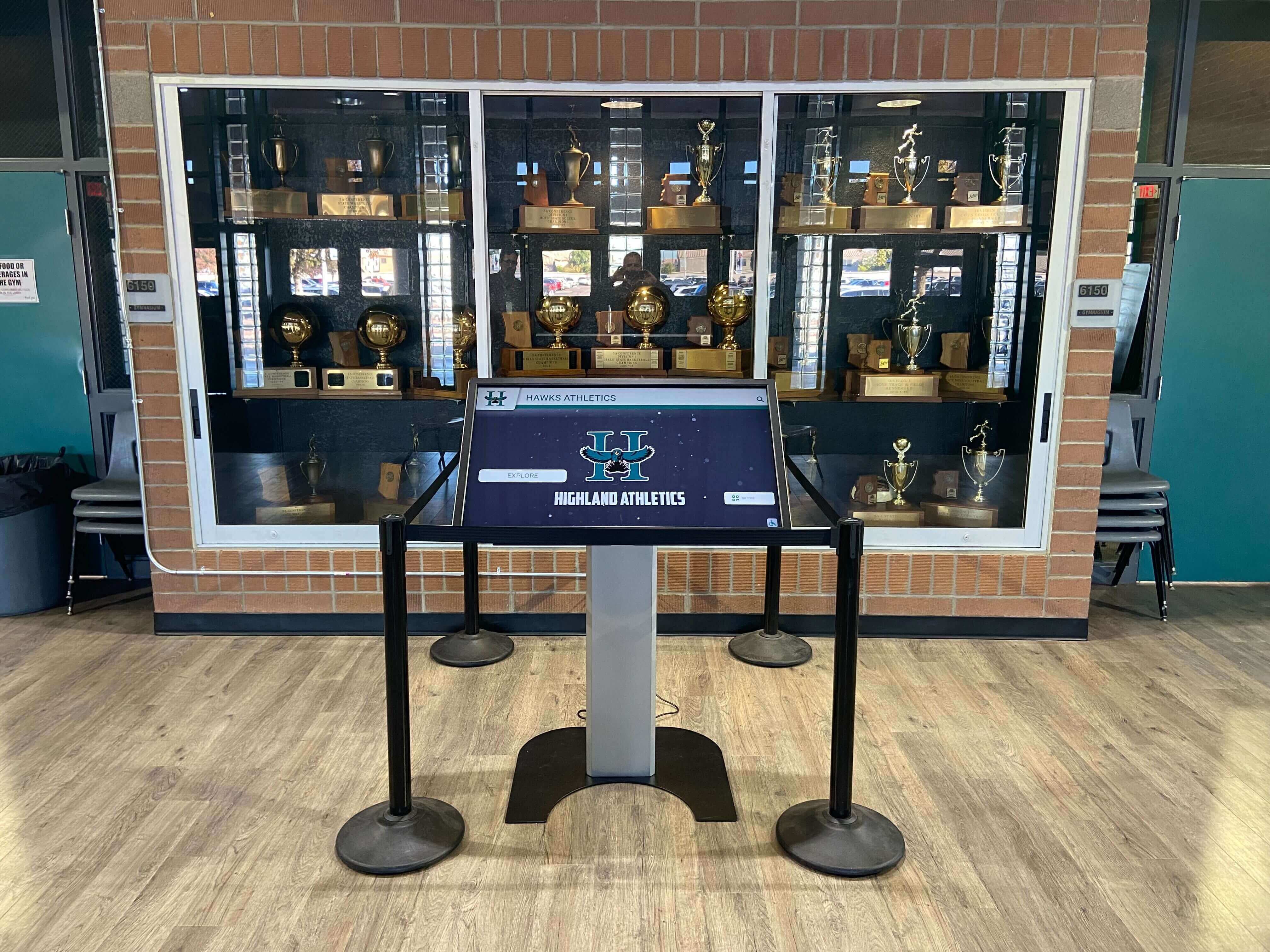
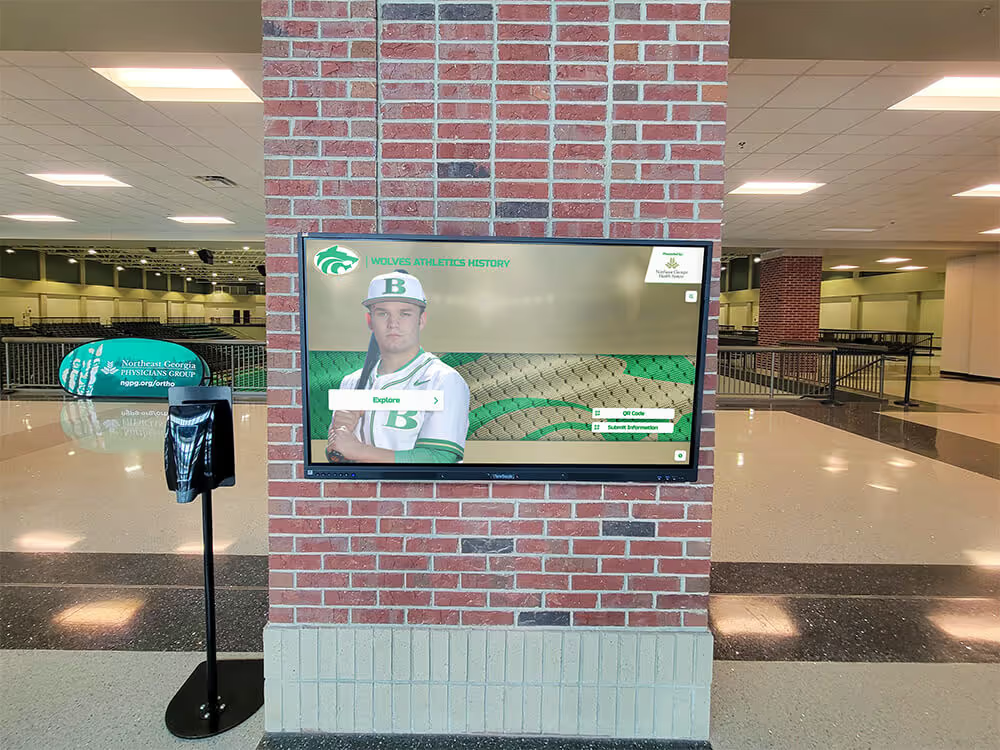
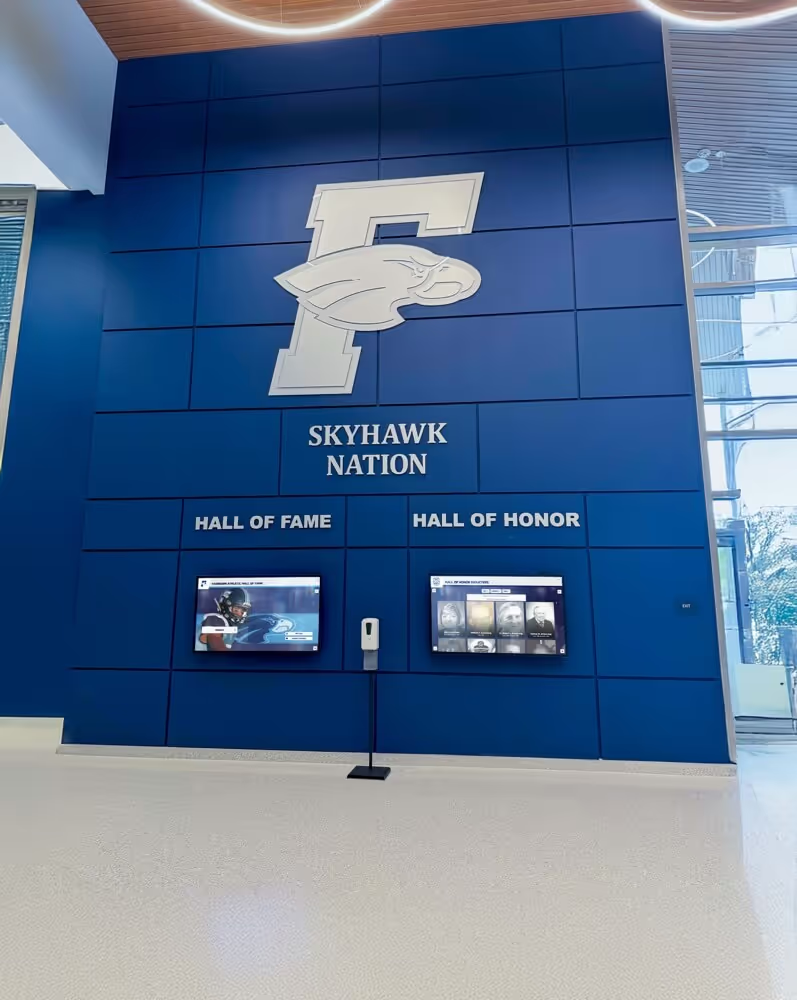
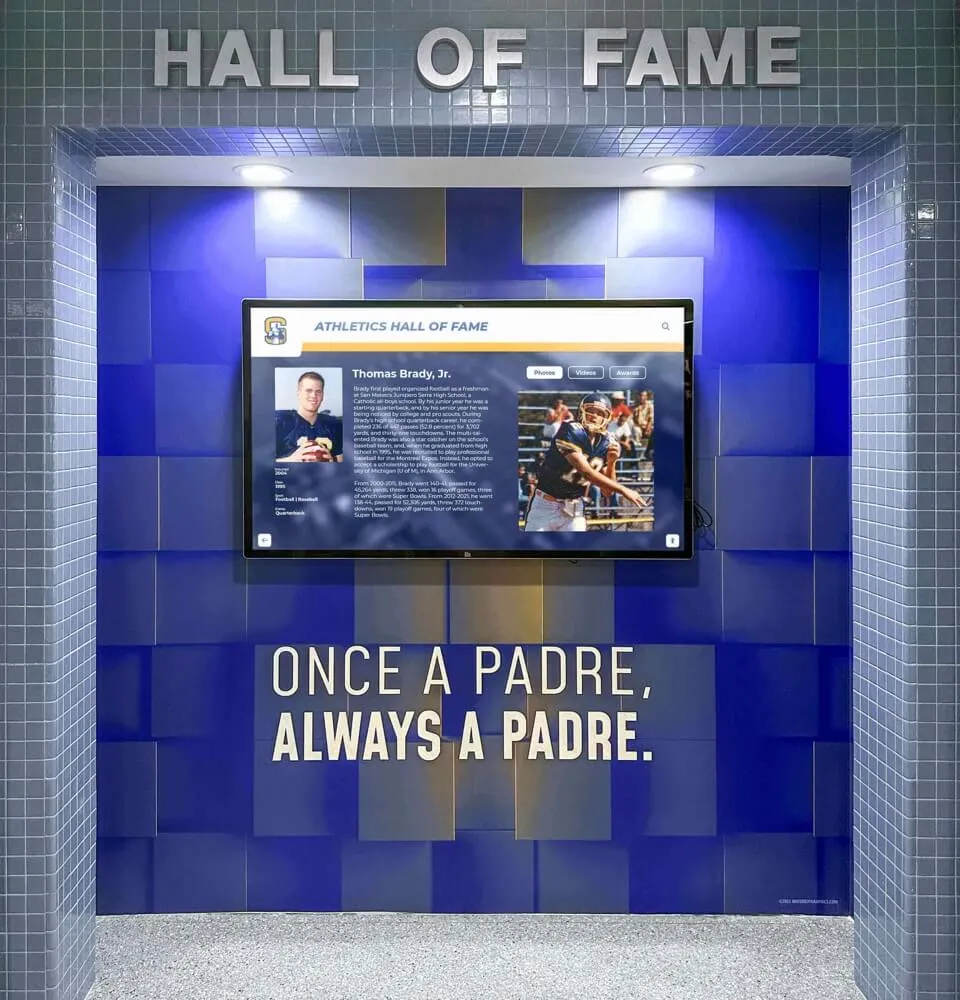
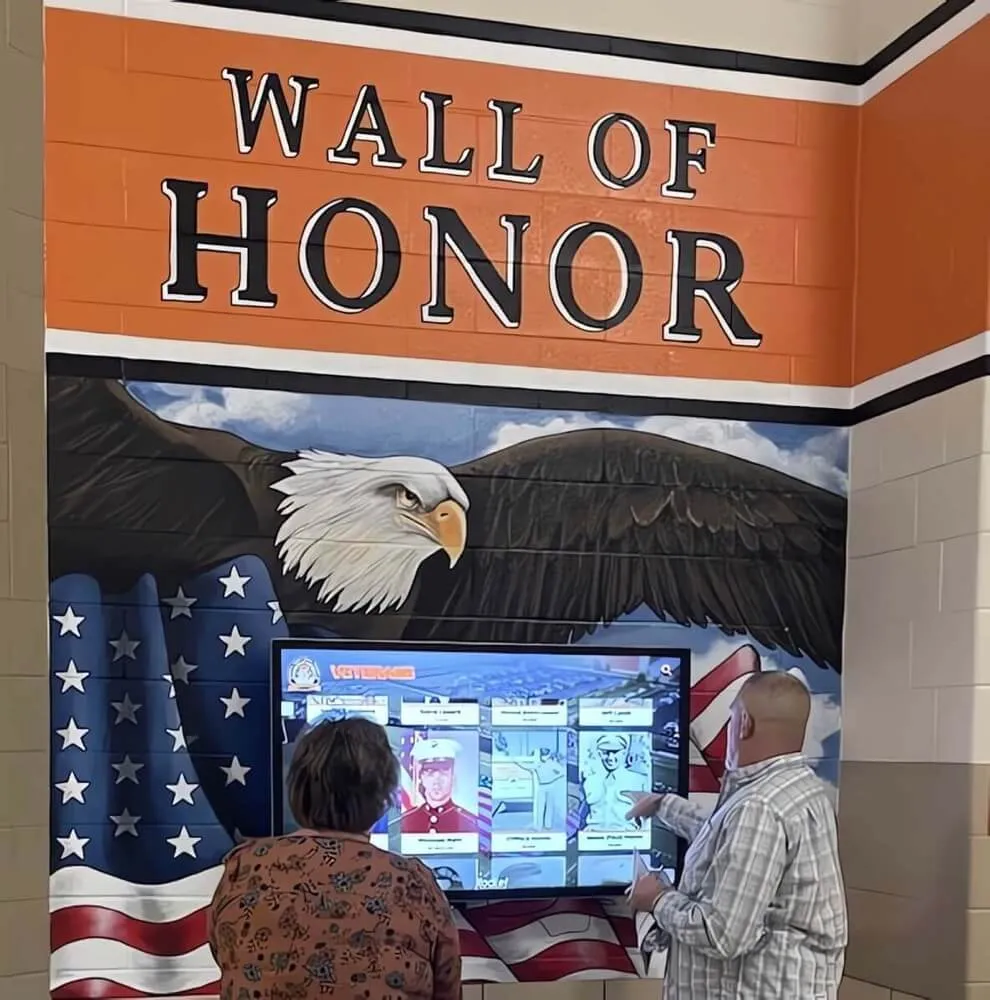
High schools increasingly celebrate recruited athletes through modern recognition systems that inspire younger athletes while honoring achievement
Financial Aid Reality
Understanding scholarship landscape:
- Average athletic scholarship covers only about 35% of college costs
- Full rides extremely rare outside revenue sports and specific programs
- Academic scholarships often exceed athletic aid for high-performing students
- Need-based financial aid supplements athletic scholarships at many schools
- Total financial package matters more than athletic scholarship alone
- Division III often costs less after academic aid than Division I/II with partial athletic aid
These realities underscore the importance of casting wide nets, considering all division levels, and prioritizing total financial packages and academic fit alongside athletic opportunities.
Building Your Athletic and Academic Foundation
Successful recruiting begins years before initial coach contact—building the athletic skills, academic credentials, and personal qualities college coaches seek.
Athletic Development and Performance
Skill Development Priorities
College coaches recruit athletes demonstrating:
- Sport-specific technical skills at advanced levels
- Consistent performance across competitive seasons
- Ability to compete against high-level competition
- Physical attributes suited to college-level demands
- Coachability and willingness to learn and improve
- Versatility and potential for multiple positions
- Leadership qualities and positive team influence
Competition Level Matters
Where and against whom you compete influences recruiting:
- Varsity performance against strong high school competition
- Club/travel team participation in regional and national events
- Performance at showcases, camps, and recruiting events
- Success in state championships and playoff competitions
- All-conference, all-state, and regional recognition
- Statistical performance relative to competition level
- Consistency across multiple seasons showing sustained excellence
Physical Development and Training
Demonstrating commitment to athletic improvement:
- Strength and conditioning programs showing physical development
- Sport-specific training and skill work outside team practice
- Injury prevention and recovery practices
- Nutrition and lifestyle choices supporting athletic performance
- Documented performance improvements (speed, strength, skills)
- Year-round training showing dedication to development
- Professional training or coaching relationships
College coaches seek athletes who’ve demonstrated commitment to continuous improvement and possess the physical tools and work ethic to contribute immediately or develop into contributors.
Academic Requirements and Eligibility
NCAA Eligibility Center Registration
Essential first step for NCAA recruitment:
- Register at eligibility center website during sophomore or junior year
- Submit high school transcripts for NCAA review
- Report standardized test scores (SAT/ACT)
- NCAA reviews courses for core course requirements
- Certification process determining eligibility to compete and receive aid
- Different requirements for Division I, II, and III
- Process takes several months—register early
Core Course Requirements
NCAA minimum academic standards:
Division I Requirements
- Minimum 16 core courses
- 4 years English
- 3 years math (Algebra I or higher)
- 2 years natural/physical science
- 1 year additional English, math, or science
- 2 years social science
- 4 years additional core courses
- Minimum 2.3 GPA in core courses
- Corresponding SAT/ACT scores on sliding scale
Division II Requirements
- Minimum 16 core courses
- Similar course distribution to Division I
- Minimum 2.2 GPA in core courses
- Corresponding standardized test scores
GPA and Test Score Considerations
Academic performance influences recruiting:
- Higher GPAs expand program options and scholarship potential
- Test scores less emphasized but still factor in eligibility
- Academic All-American recognition attractive to coaches
- Honors and AP courses demonstrating college readiness
- Improving grade trajectory showing upward development
- Academic reputation affecting Division III and elite academic programs
- Academic scholarships potentially exceeding athletic aid
Strong academics open doors to better programs, increase scholarship potential, and provide safety net if athletic career ends. Prioritizing academic excellence alongside athletic development maximizes options.
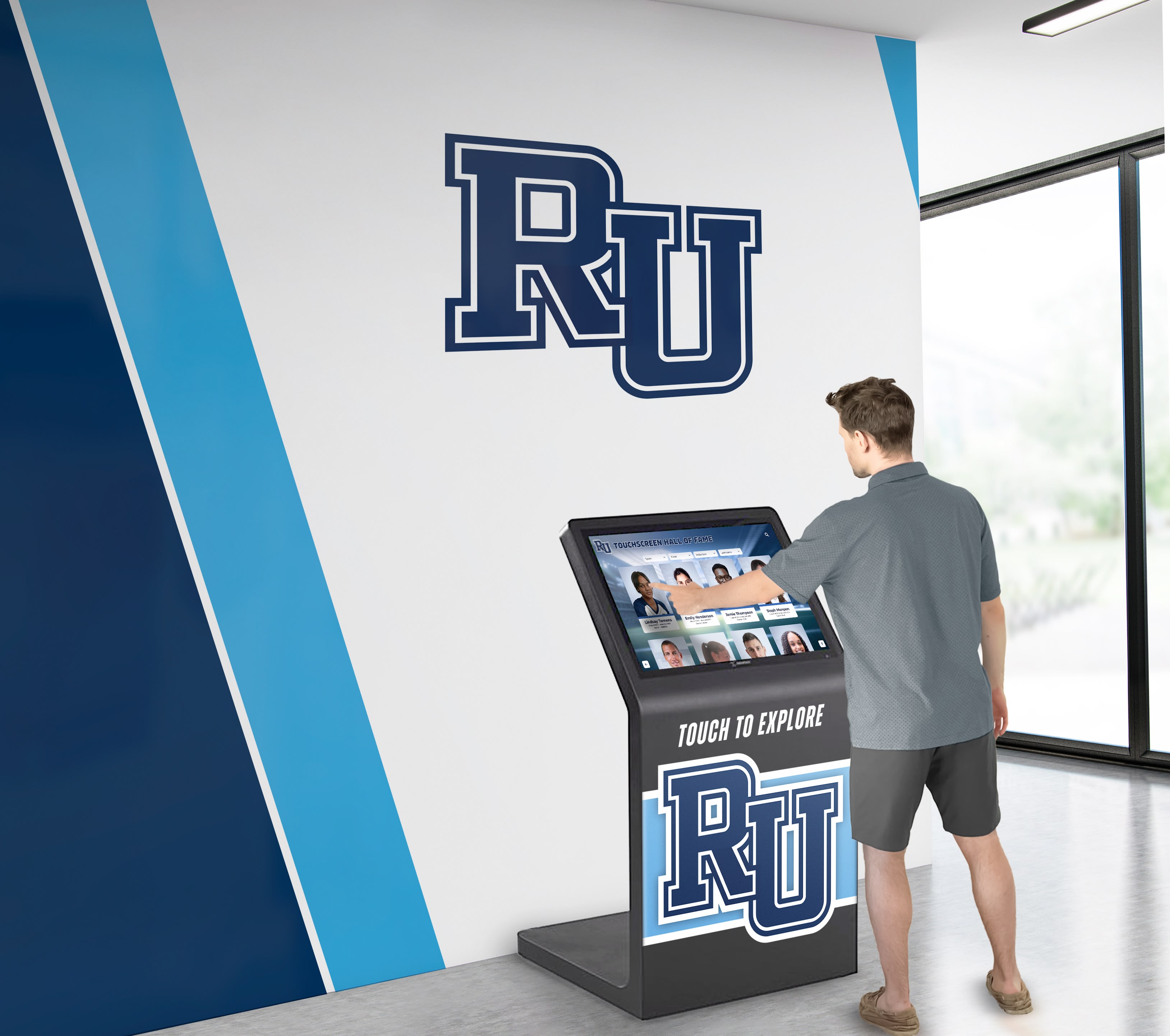
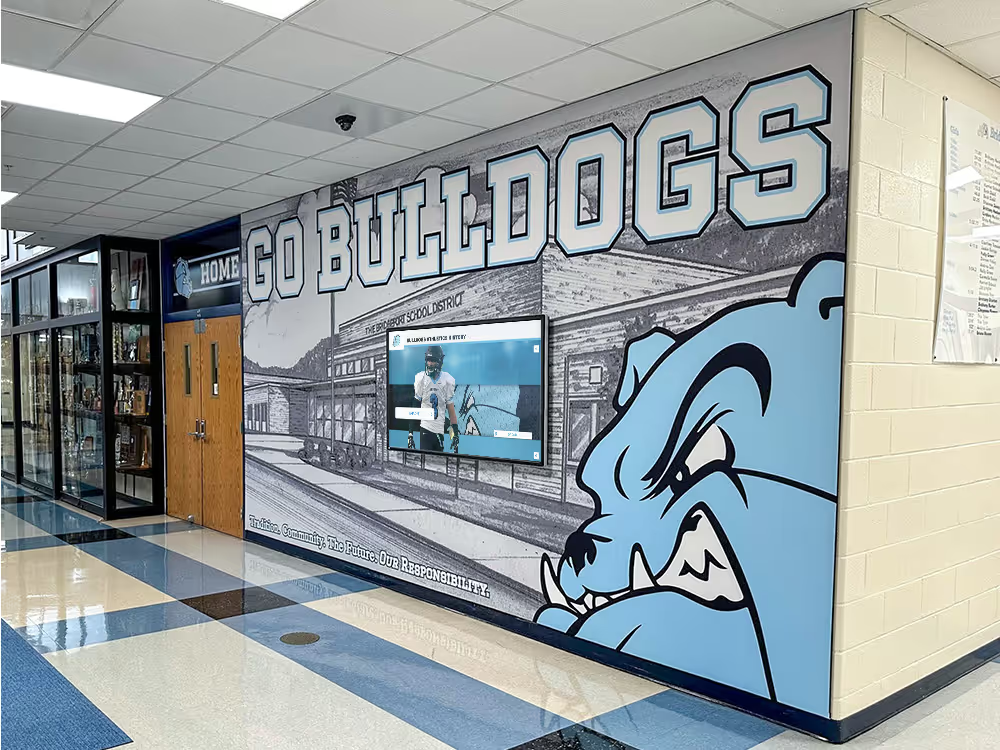
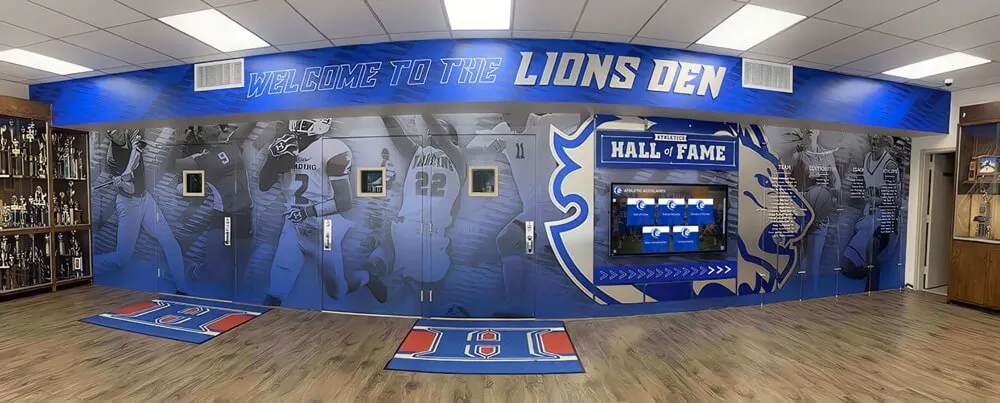
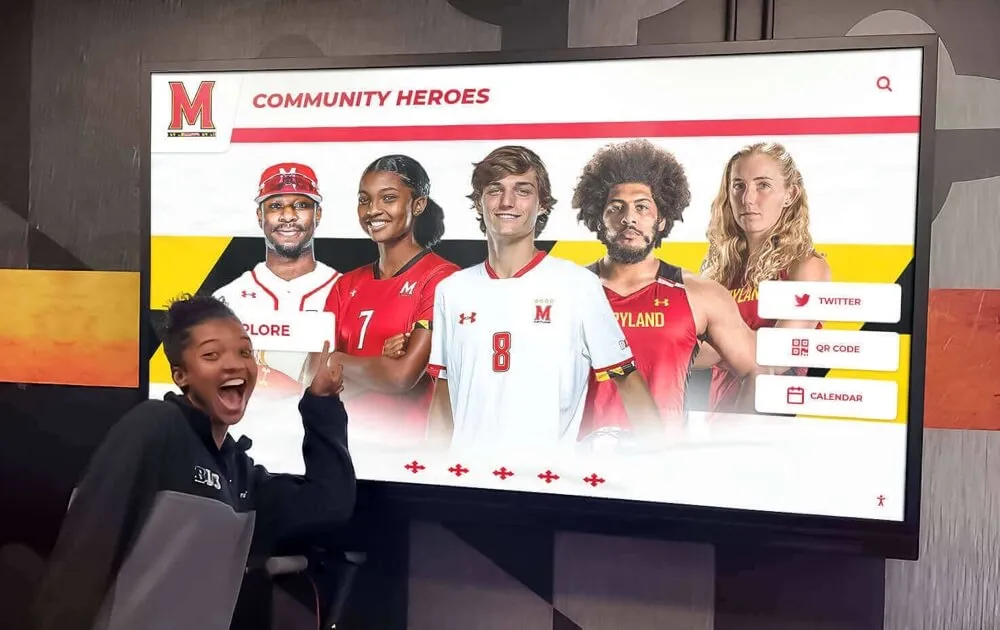
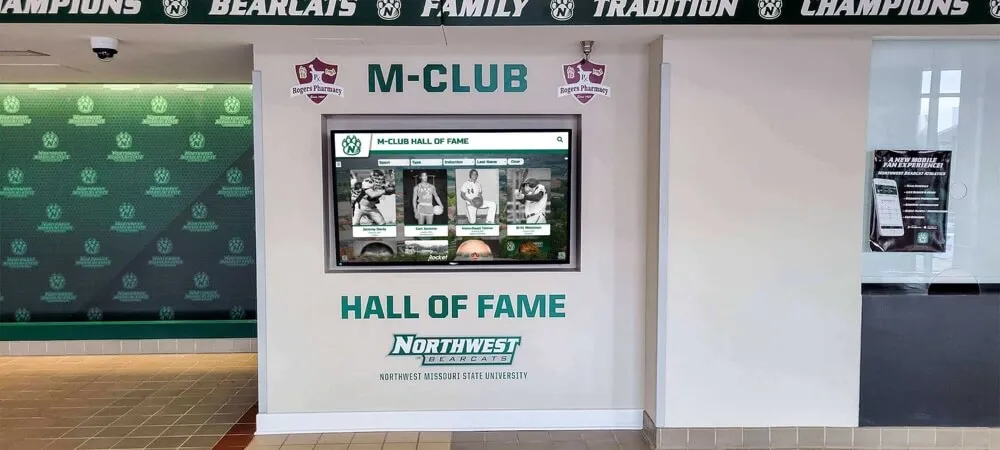
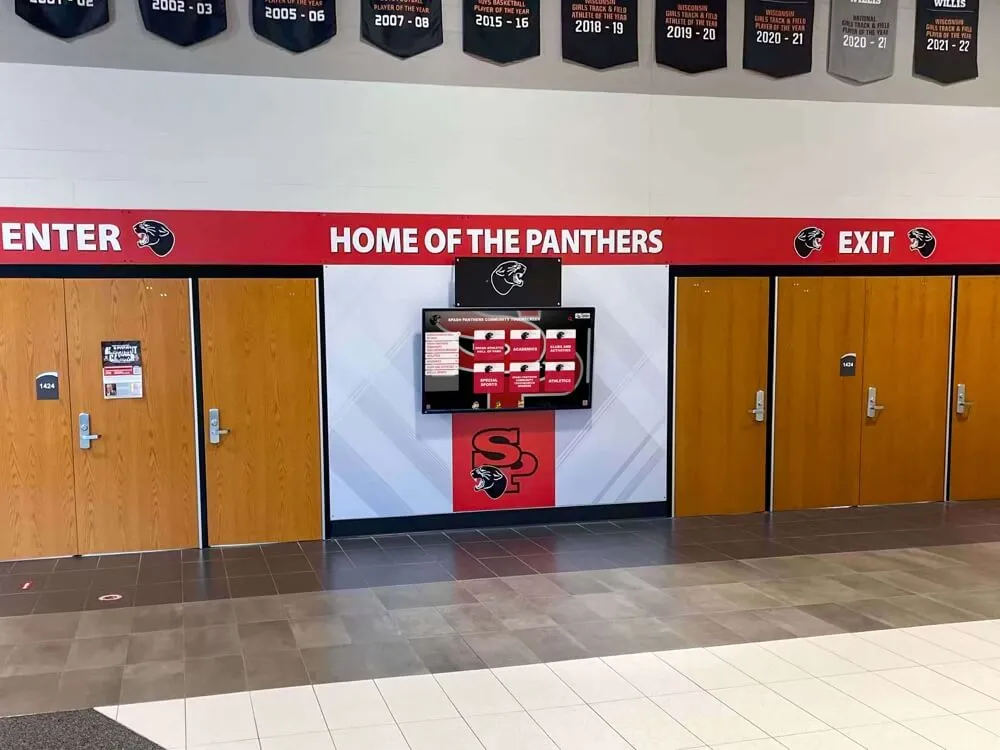
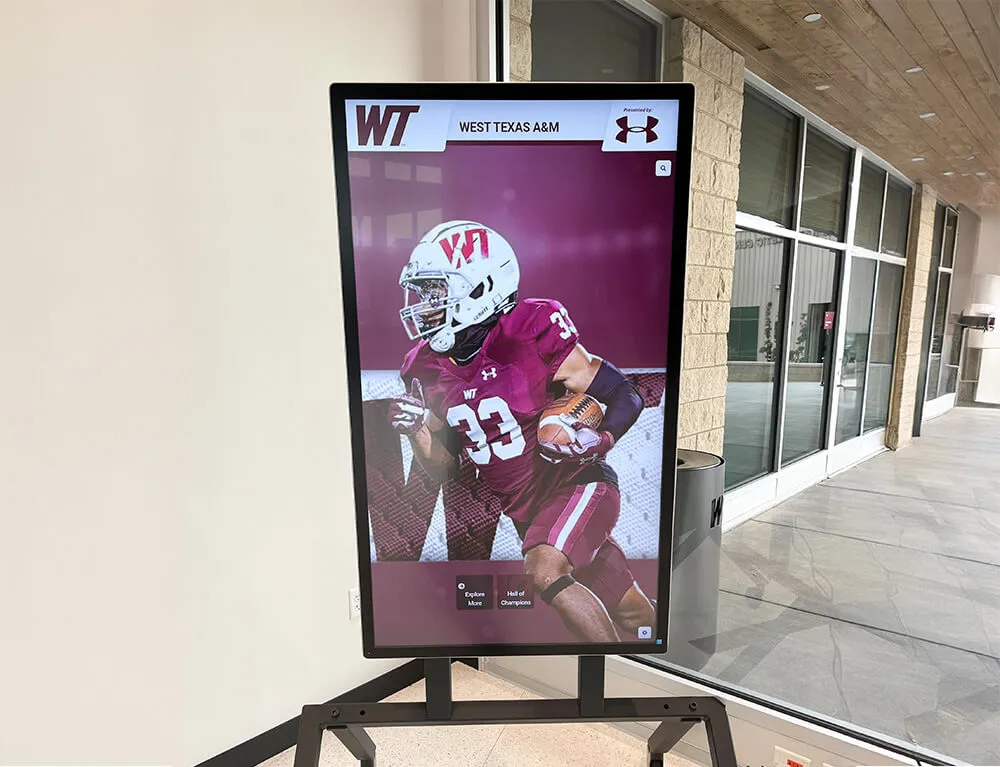
Colleges showcase their recruited athletes and athletic history through interactive displays that celebrate achievement and attract prospective student-athletes
Creating Your Recruiting Profile and Materials
College coaches receive hundreds of athlete inquiries—standing out requires professional, comprehensive recruiting materials that quickly communicate your value.
Building an Athletic Resume
Essential Components
Your athletic resume should include:
- Personal information (name, graduation year, contact information)
- Academic information (GPA, test scores, class rank)
- Athletic statistics and achievements by season
- Individual honors and recognition (all-conference, all-state, MVP, etc.)
- Team accomplishments (championships, playoff appearances)
- Physical measurables (height, weight, position-specific measurements)
- Club/travel team experience and achievements
- Showcase and camp participation
- Coach contact information (high school and club)
- References (coaches who can speak to your ability and character)
Presentation Quality Matters
Professional presentation creates positive impression:
- Clean, easy-to-read format (single page preferred)
- No spelling or grammatical errors
- Updated regularly with current statistics and achievements
- Sport-specific format highlighting relevant information
- Honest, accurate information (coaches verify claims)
- Professional email address and contact information
- PDF format for consistent appearance across devices
Highlight Video Creation
Video Content Strategy
Effective highlight videos showcase abilities efficiently:
- 3-5 minutes maximum length (coaches have limited time)
- Best plays demonstrating technical skills and athleticism
- Variety showing different situations and skills
- Recent footage from junior and senior years
- Competition against quality opponents when possible
- Clear visibility of you in all clips
- Opening slate with name, position, graduation year, contact information
- Quality editing with smooth transitions
- Game footage preferred over practice or skill demonstrations
Sport-Specific Video Tips
Different sports require different approaches:
Team Sports (Basketball, Soccer, Volleyball)
- Show both individual skills and team play
- Include offensive and defensive contributions
- Demonstrate court/field awareness and decision-making
- Multiple camera angles showing full play development
Individual Sports (Track, Swimming, Wrestling)
- Competition footage with visible times/results
- Technique demonstrations from multiple angles
- Progression showing improvement over time
- Event-specific skills and race strategies
Baseball/Softball
- Position-specific skills (hitting, pitching, fielding)
- At-bats against quality pitching
- Pitching against strong competition
- Defensive plays showing range and arm strength
- Measurables (exit velocity, pitching velocity, 60-yard dash)
Video Distribution Platforms
Making videos accessible to coaches:
- Upload to recruiting platforms (Hudl, NCSA, BeRecruited)
- YouTube or Vimeo with unlisted/private links
- Include video link in all coach communications
- Regularly update with recent performances
- Ensure privacy settings allow coach viewing
- Test links before sending to verify functionality
Online Presence and Social Media
Recruiting Platform Profiles
Utilize dedicated recruiting services:
- Create comprehensive profiles on major platforms
- Include all resume information, videos, and statistics
- Regularly update with current achievements
- Respond promptly to coach messages
- Maintain active, professional presence
- Leverage platform search features connecting you with coaches
- Understand free vs. paid service differences
Social Media Management
Your digital footprint affects recruiting:
- Google yourself to see what coaches will find
- Clean up or remove inappropriate content
- Set privacy settings thoughtfully
- Share athletic achievements and training dedication
- Engage positively with teammates and competitors
- Avoid controversial, negative, or inappropriate posts
- Remember coaches evaluate character and judgment
- Separate personal accounts from recruiting-focused profiles
Personal Website (Optional)
Advanced athletes may benefit from:
- Centralized hub for all recruiting information
- Professional presentation of accomplishments
- Easy access to videos, statistics, and contact information
- Blog or updates showing personality and communication skills
- Academic achievements and interests beyond athletics
- Testimonials from coaches and mentors
- Schedule of upcoming showcase events and competitions
Professional online presence demonstrates maturity, organization, and seriousness about college athletics while making it easy for coaches to evaluate your potential fit.
Understanding Recruiting Timelines and Rules
NCAA rules govern when and how coaches can contact athletes—understanding timelines helps families navigate the process legally and strategically.
Sport-Specific Recruiting Calendars
Contact Period Rules
NCAA defines different contact types:
- Dead Period: No in-person contact between coaches and athletes
- Quiet Period: In-person contact only on college campus, no off-campus contact
- Contact Period: In-person contact allowed both on and off campus
- Evaluation Period: Coaches can watch athletes compete, no contact beyond greetings
- Official Visit: College-paid campus visit with specific rules and limitations
These periods vary by sport, division, and time of year—check NCAA website for sport-specific calendars.
Early Recruiting Sports
Some sports allow earlier contact:
- Women’s Volleyball and Basketball: Contact allowed after June 15 following sophomore year
- Ice Hockey: Contact allowed after January 1 of sophomore year
- Football: Contact allowed after September 1 of junior year
- Most Other Sports: Contact allowed after June 15 following sophomore year or September 1 of junior year
Verbal Commitment Timing
When athletes typically commit:
- Elite athletes often commit junior year or earlier
- Most athletes commit during junior or senior year
- Signing National Letter of Intent during designated signing periods
- Early Signing Period (November) for most sports
- Regular Signing Period (February for basketball, April-August for others)
- Some athletes wait until senior year for better fit assessment
What Athletes Can Do Before Coach Contact
Proactive Recruiting Activities
Athletes can initiate regardless of NCAA restrictions:
- Email coaches introducing yourself and expressing interest
- Complete recruiting questionnaires on college athletic websites
- Attend camps and showcases at target schools
- Take unofficial visits to college campuses (athlete-funded)
- Update coaches on achievements and performances
- Send highlight videos and updated statistics
- Communicate with coaches via email (they may have response restrictions)
- Attend college games and athletic events
Athletic Department Communication
Reaching out to programs:
- Research coaching staff and program culture
- Personalize communication showing genuine interest
- Follow program social media for updates and culture insights
- Attend college camps to get evaluated by coaching staff
- Request evaluation at showcase events or high school games
- Build relationships with assistant coaches (often primary recruiters)
- Maintain professional, respectful communication
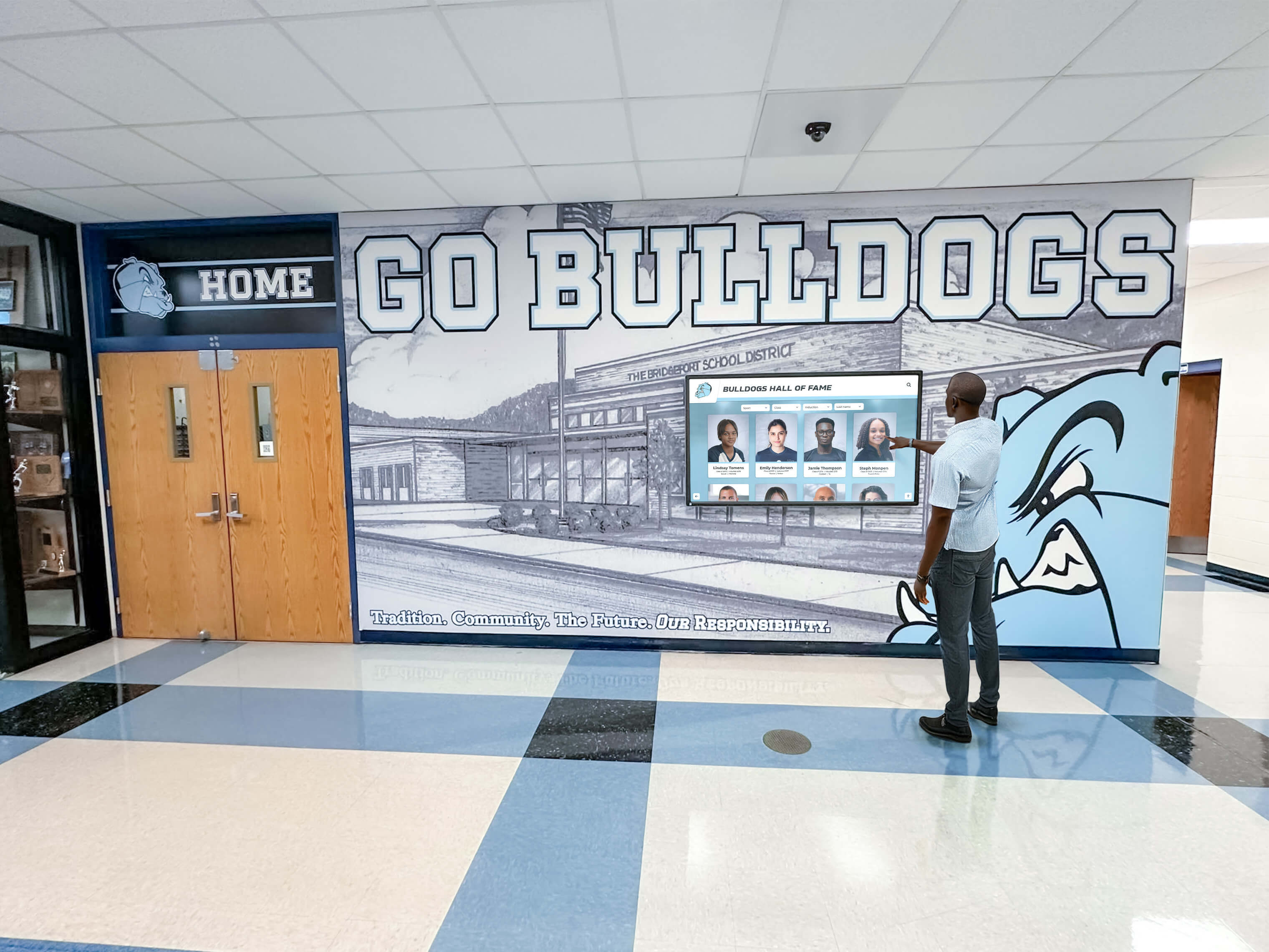
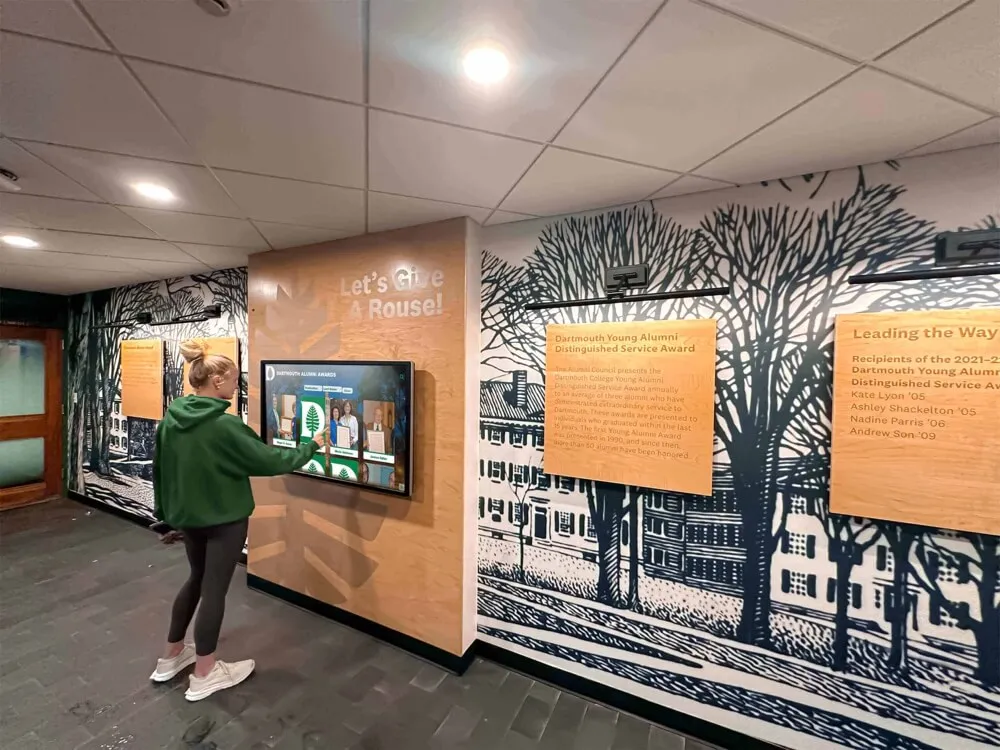
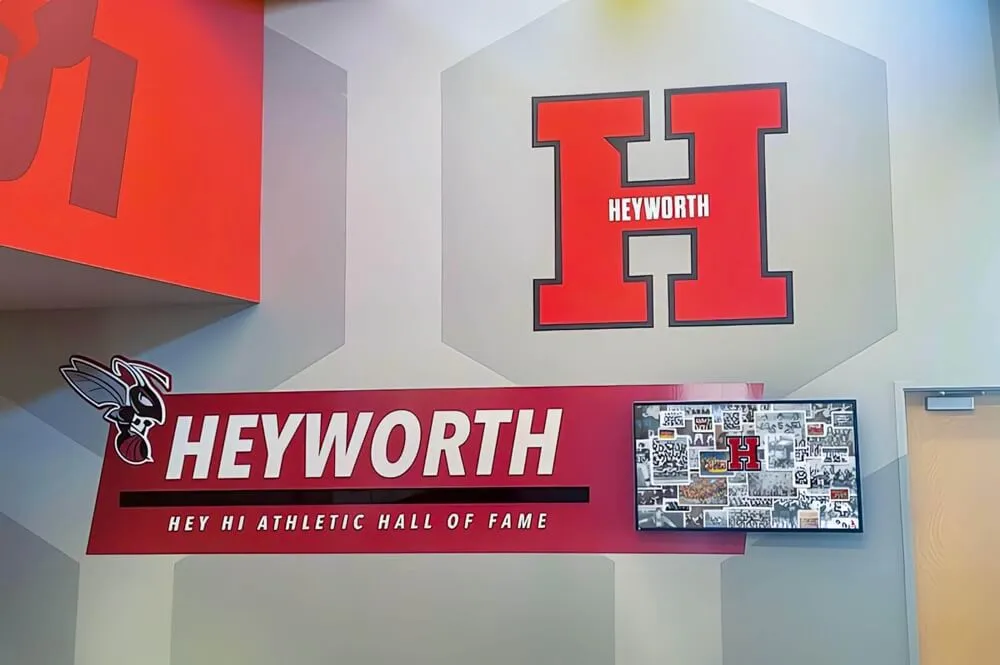
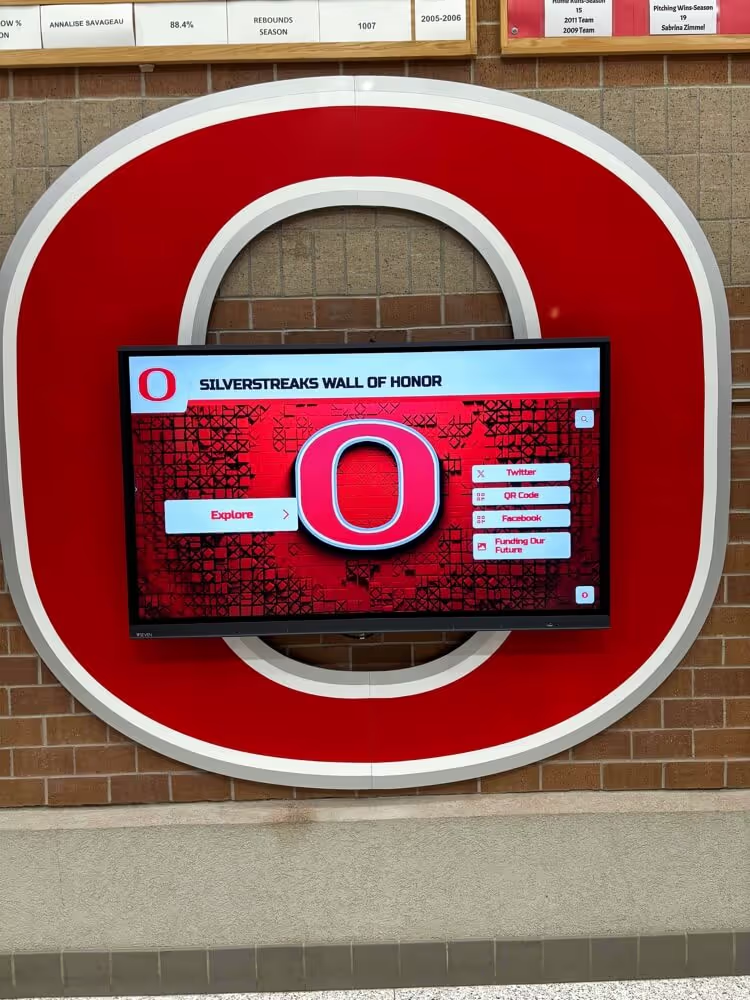
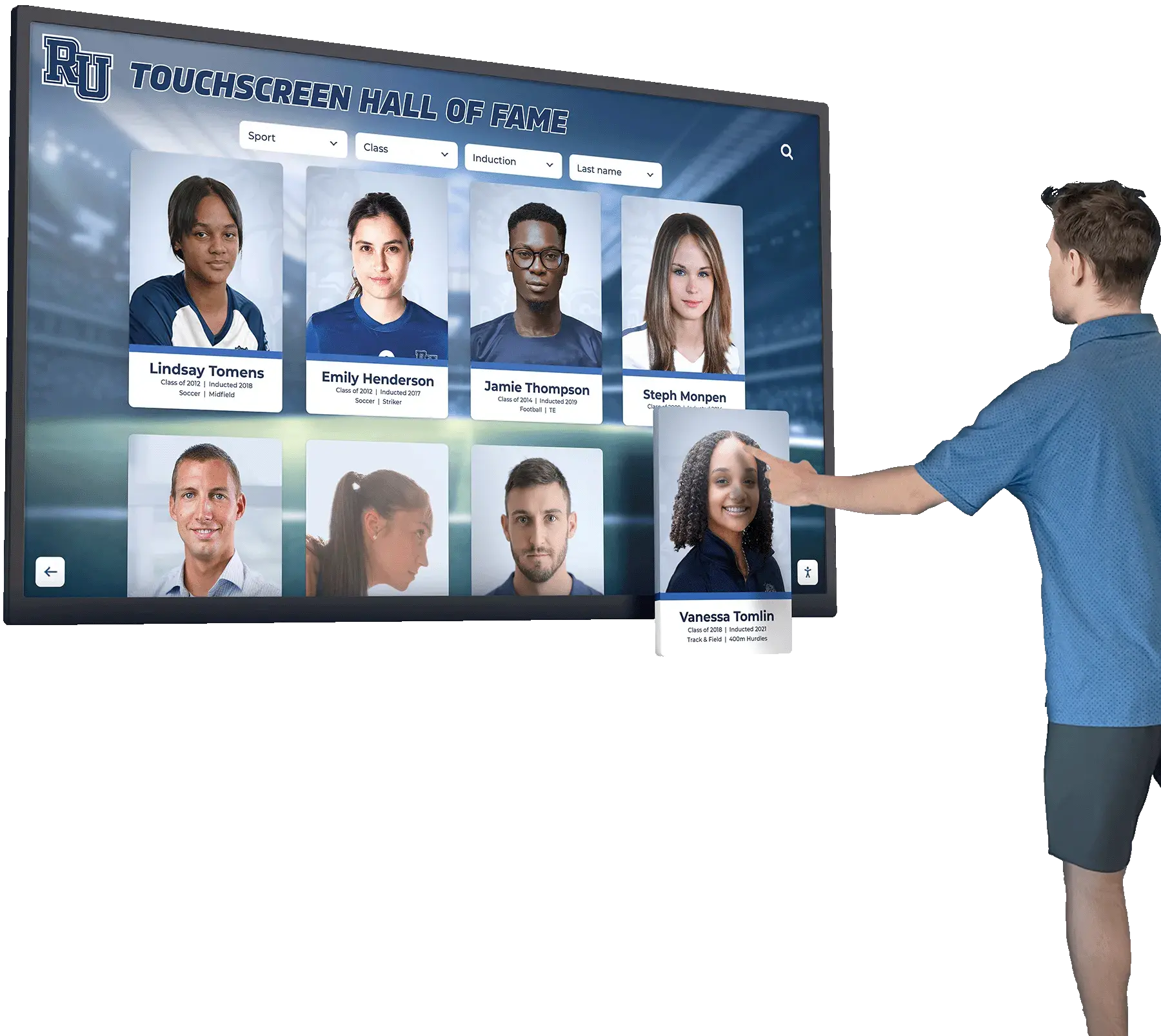
Schools celebrate student athletes who earn college recruitment through recognition systems that document achievement and inspire future generations
Understanding rules prevents violations while empowering athletes to drive their own recruiting process through permissible activities.
Proactive Recruiting Strategies That Work
Waiting for coaches to discover you rarely succeeds—effective recruiting requires strategic, proactive effort from athletes and families.
Identifying Target Schools
Creating Your College List
Strategic school selection:
- 15-30 schools across different competitive levels
- “Dream schools” where you’re likely below typical recruit level
- “Target schools” matching your ability and academic profile
- “Safety schools” where you exceed typical recruit standards
- Geographic preferences balanced with opportunity
- Academic programs matching career and educational interests
- Campus culture and size fitting your preferences
- Financial considerations and scholarship potential
Program Research
Understanding potential fits:
- Review team rosters noting positions of need
- Analyze recruiting classes and graduation rates by position
- Research coaching staff stability and program culture
- Investigate academic support and graduation rates
- Review competition level and conference strength
- Understand typical recruit profiles (size, statistics, background)
- Campus visit observations of facilities and team dynamics
- Connect with current athletes for honest program insights
Financial Fit Analysis
Understanding true cost:
- Total cost of attendance vs. typical athletic scholarship amounts
- Academic scholarship availability for your profile
- Need-based financial aid policies
- Out-of-state vs. in-state tuition differences
- Additional costs beyond tuition (housing, travel, equipment)
- Scholarship renewal policies and requirements
- Total four-year cost projections
- Comparison across different division levels
Thorough research ensures target list includes realistic opportunities matching athletic ability, academic goals, and financial circumstances.
Effective Coach Communication
Initial Contact Email Template
First impression matters:
Subject Line: [Grad Year] [Position] [Your Name] - [High School/Club Team]
Email Body:
Coach [Last Name],

My name is [Your Name], and I am a [grad year] [position] from [High School] in [City, State]. I am very interested in [University] because of [specific academic program/athletic program qualities/campus characteristics].

I believe I would be a strong fit for your program based on [specific athletic qualities or achievements]. This past season, I [key statistics or accomplishments], and our team [team achievements]. I compete year-round with [club/travel team] and train with [specific training details].

Academically, I maintain a [GPA] GPA while taking [honors/AP courses], and I scored [SAT/ACT score] on standardized tests. I am interested in studying [intended major].

I would appreciate the opportunity to discuss how I might contribute to your program. I have included my athletic resume and highlight video for your review:
- Athletic Resume: [link]
- Highlight Video: [link]
- Recruiting Profile: [platform link]

I plan to attend [upcoming showcase/camp/tournament] on [date] and would welcome the opportunity to be evaluated if you are able to attend. Please let me know if you need any additional information.

Thank you for your consideration.

[Your Name]
[Phone Number]
[Email Address]
[Twitter/Instagram Handle if appropriate]
Follow-Up Communication Strategy
Maintaining relationships without being annoying:
- Follow up every 4-6 weeks with meaningful updates
- Share significant achievements, awards, or performance improvements
- Notify coaches of upcoming competitions where you can be evaluated
- Respond promptly (within 24-48 hours) to any coach communication
- Personalize each communication—avoid mass emails
- Express continued genuine interest without desperation
- Respect coaches who indicate they’re not recruiting your position
- Update contact after attending camps or being evaluated
Phone Call Preparation
When coaches call (after permissible contact date):
- Be prepared with questions about program and school
- Speak clearly and confidently
- Have notepad ready to take notes
- Know your statistics and achievements
- Be genuine—coaches value authenticity over rehearsed responses
- Ask thoughtful questions about coaching philosophy and player development
- Express genuine interest while avoiding premature commitments
- Follow up with email thanking coach for call
Consistent, professional communication keeps you on recruiting boards while demonstrating maturity and genuine interest.
Showcases, Camps, and Exposure Events
Types of Recruiting Events
Different opportunities serve different purposes:
College Camps
- Hosted by specific college coaching staff
- Direct evaluation by coaches at target school
- Opportunity to experience campus and facilities
- Demonstrate interest in specific program
- Often best investment for serious recruits
- Usually sport-specific with position instruction
Showcase Events
- Multiple colleges attend to evaluate many athletes
- Efficient exposure to numerous coaches simultaneously
- Typically one or two days of games or competitions
- Opportunities to perform in front of many programs at once
- Quality varies—research event reputation before attending
- Often better for under-recruited athletes seeking exposure
All-Star Games and Tournaments
- Invitation-only events for top performers
- High visibility with college coaches in attendance
- Validates talent level through selection
- Intensive competition against elite athletes
- Strong platform for measurables and skills testing
- Expensive but worthwhile for legitimate recruits
Maximizing Event Opportunities
Getting results from camps and showcases:
- Email coaches before event informing them you’ll attend
- Provide jersey number, team name, and schedule
- Wear identifiable gear (numbered jerseys, specific colors)
- Compete hard in every drill and game
- Demonstrate coachability and positive attitude
- Introduce yourself to coaches when appropriate
- Follow up afterward thanking coaches for evaluation
- Share standout performances or measurables achieved
- Obtain evaluation feedback when available
Event Selection Strategy
Choosing where to invest time and money:
- Prioritize camps at target schools over generic showcases
- Research which coaches attend specific events
- Consider travel costs against exposure benefit
- Balance showcase attendance with training and high school/club competition
- Avoid over-scheduling causing burnout or injury
- Select events appropriate for your talent level
- Read reviews and testimonials from previous participants
- Verify college coach attendance before committing
Strategic event participation expands exposure while demonstrating serious commitment to college athletics. Schools often celebrate athletes who earn college recruitment through digital recognition displays highlighting commitment and achievement.
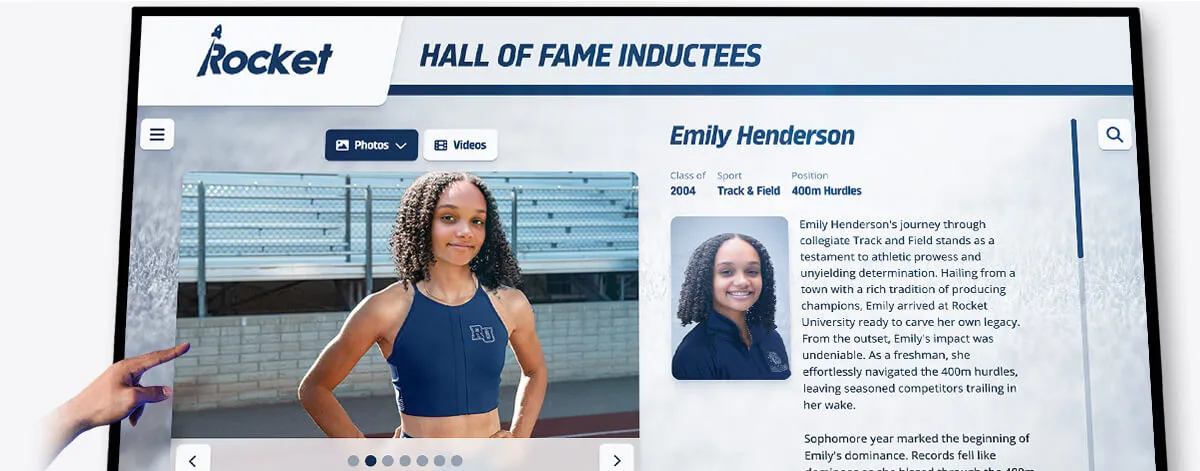
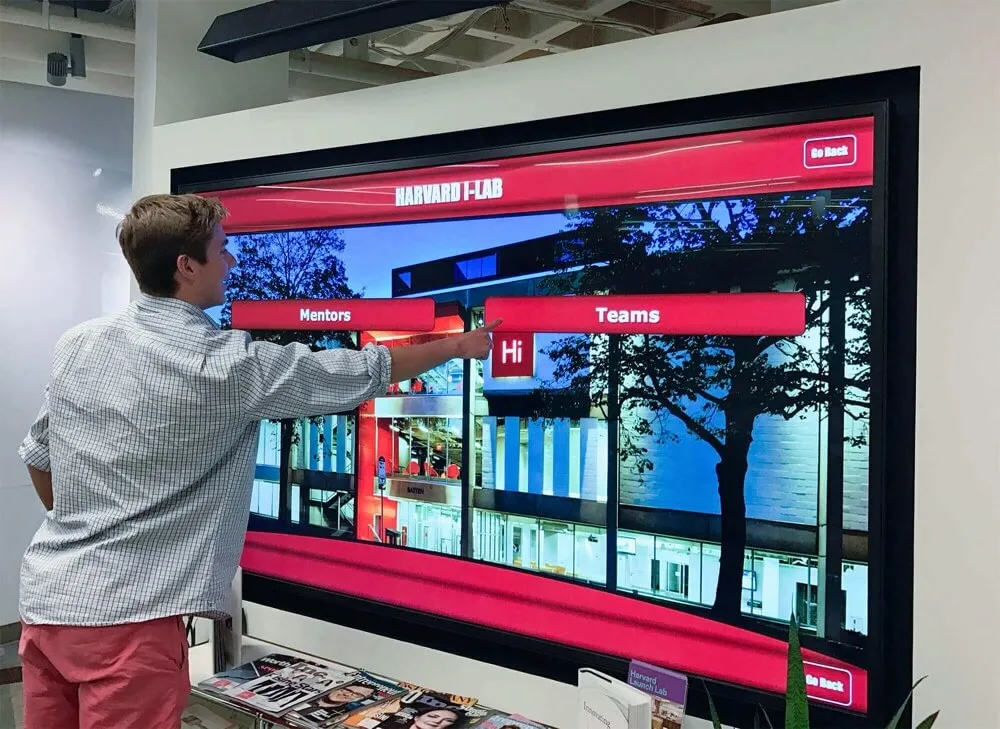
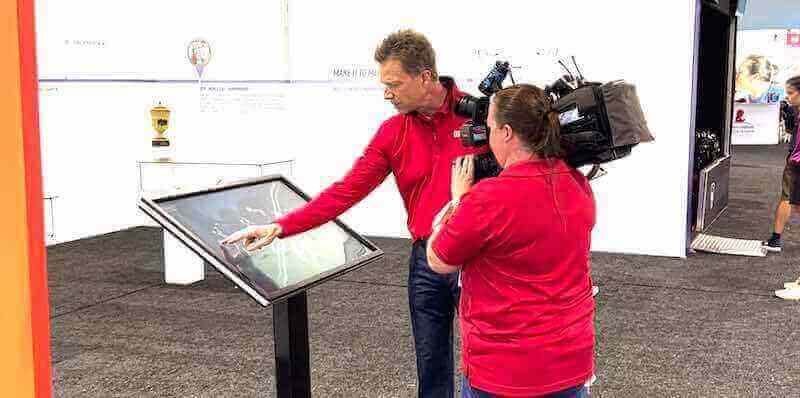
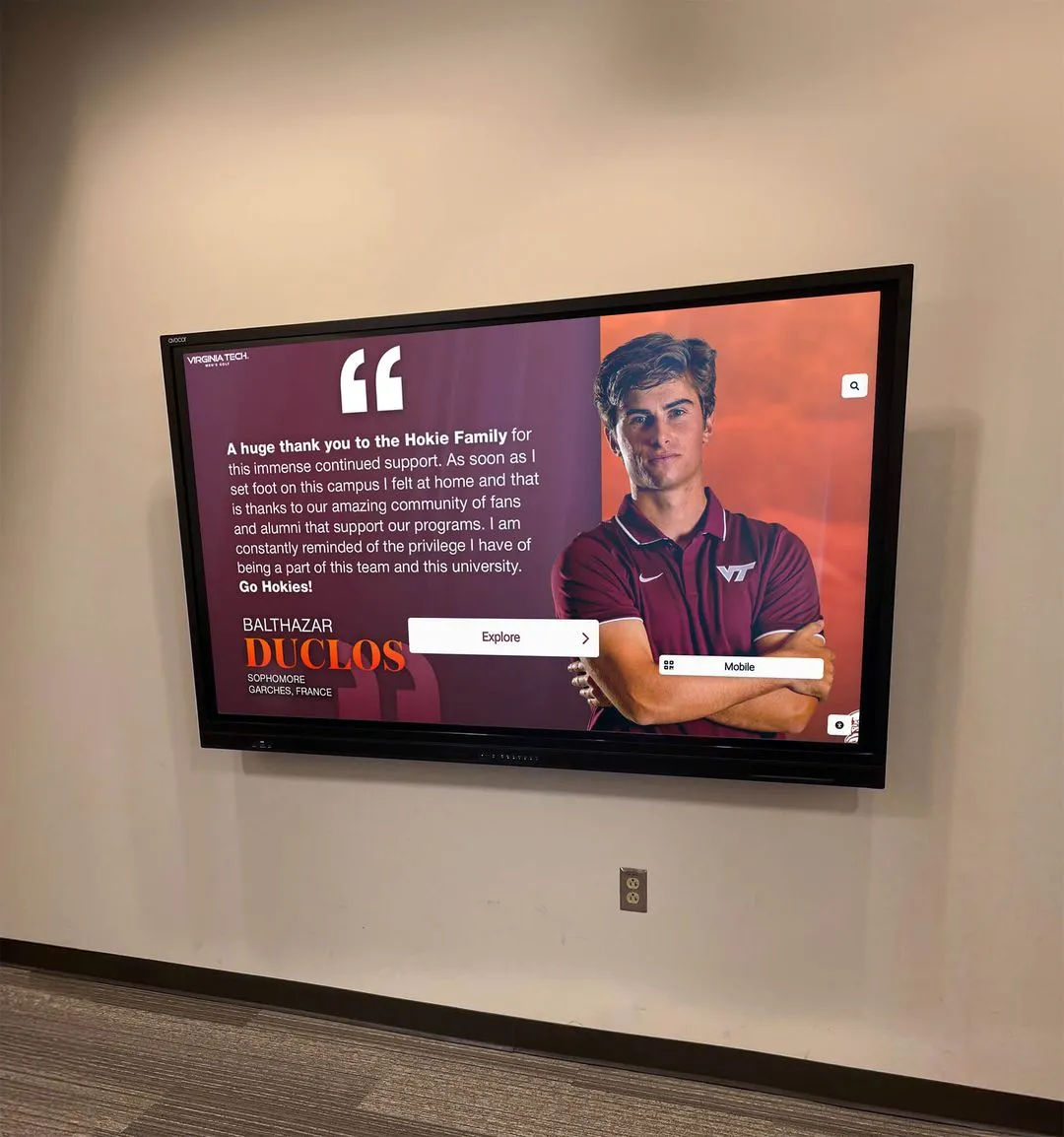
Modern recognition systems allow schools to celebrate recruited athletes with comprehensive profiles documenting their journey to college athletics
Evaluating Offers and Making Decisions
When recruiting interest develops into scholarship offers and commitment opportunities, careful evaluation ensures the best possible fit.
Understanding Scholarship Offers
Types of Financial Support
College funding comes in various forms:
Athletic Scholarships
- Full scholarships covering tuition, fees, room, board, and books
- Partial scholarships covering percentage of total costs
- One-year renewable agreements (not guaranteed four years)
- Requirements for maintaining scholarship (GPA, athletic participation)
- Equivalency sports dividing scholarship money among team members
- Headcount sports offering full scholarships or none
Academic Scholarships
- Merit-based aid for GPA and test scores
- Often stackable with athletic aid (check specific school rules)
- May exceed athletic scholarship amounts for strong students
- Typically guaranteed four years if academic standards maintained
- Available at all division levels including Division III
Need-Based Financial Aid
- Determined by FAFSA and CSS Profile applications
- Available regardless of athletic status
- Can supplement athletic and academic scholarships
- Policies vary significantly across institutions
- Particularly generous at some elite academic institutions
Comparing Offers
Evaluating scholarship proposals:
- Total cost of attendance vs. total aid package
- Out-of-pocket annual costs
- Four-year cost projections
- Scholarship renewal requirements and likelihood
- Academic scholarship opportunities
- Additional financial aid eligibility
- Hidden costs (travel home, equipment, summer housing)
- Athletic program budgets and resources
National Letter of Intent
Understanding binding commitment:
- Binding agreement to attend specific institution
- Guaranteed athletic financial aid for one academic year
- Prevents other schools from recruiting you
- Signed during designated signing periods
- Financial aid award must accompany NLI
- Release from NLI extremely difficult to obtain
- Don’t sign without complete certainty about commitment
- Alternatives exist (financial aid agreements without NLI)
Official and Unofficial Visits
Unofficial Visits
Self-funded campus exploration:
- Unlimited number of visits allowed
- Athlete and family pay all expenses
- Can occur at any time (no NCAA restrictions)
- Opportunity to see campus, facilities, and meet coaches
- Attend games and observe team culture
- Tour academic facilities and meet professors
- Get feel for campus environment and fit
- Multiple visits demonstrating serious interest
Official Visits
College-funded recruitment trips:
- Limited to five official visits across all schools (Division I and II)
- College pays for transportation, lodging, meals, and entertainment
- Maximum 48 hours on campus
- Typically includes athletic facility tour, coach meetings, class attendance, social time with team members, and game attendance
- Only allowed after start of junior year (sport-specific rules)
- Strong indicator of serious recruiting interest
- Opportunity to evaluate academic, athletic, and social fit
Visit Preparation and Questions
Making most of campus visits:
Academic Questions
- What academic support is available for athletes?
- What are typical majors for team members?
- How do practice and competition schedules affect class selection?
- What is the graduation rate for athletes in my sport?
- Can I speak with professors in my intended major?
- What internship and career opportunities exist?
- How flexible is the curriculum for athletes?
Athletic Questions
- What is your coaching philosophy?
- How do you develop players in my position?
- What would my role be as a freshman?
- How are playing time decisions made?
- What is typical practice schedule?
- What are off-season training expectations?
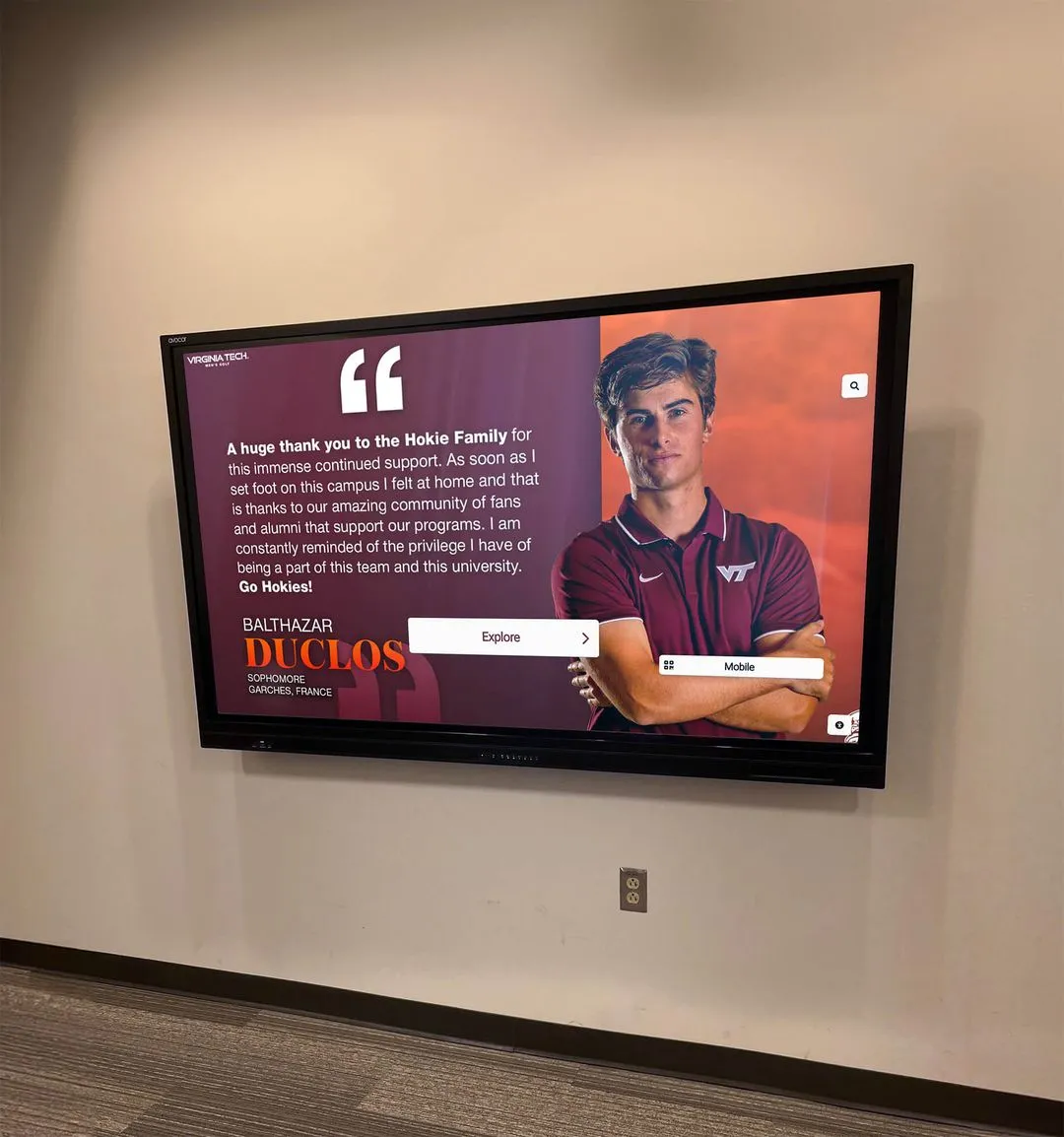
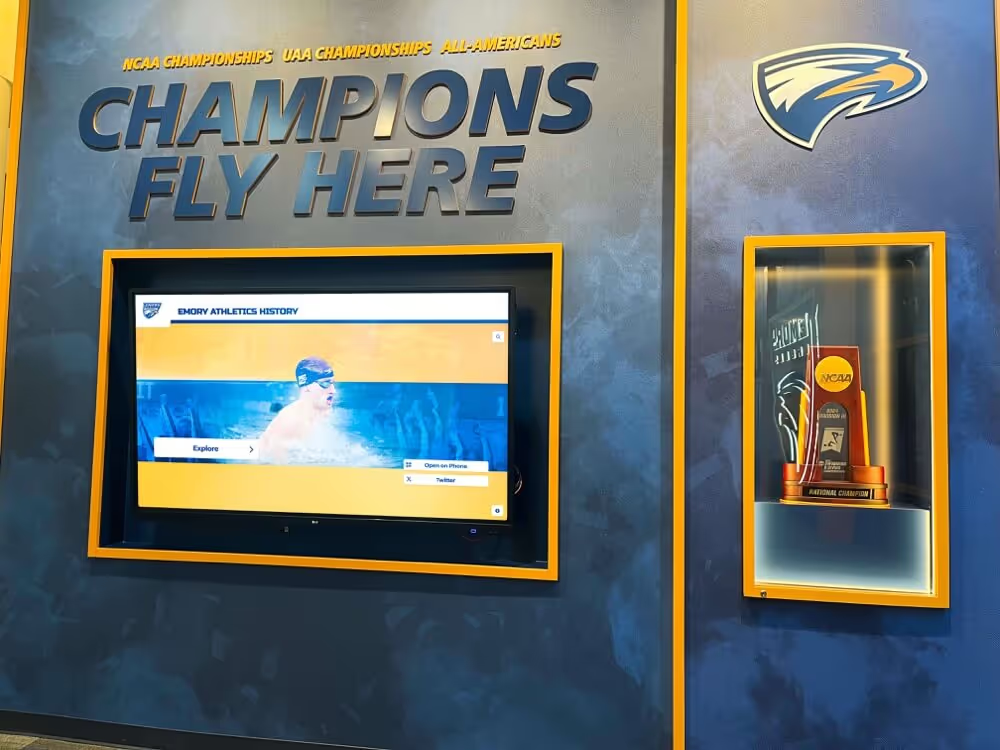
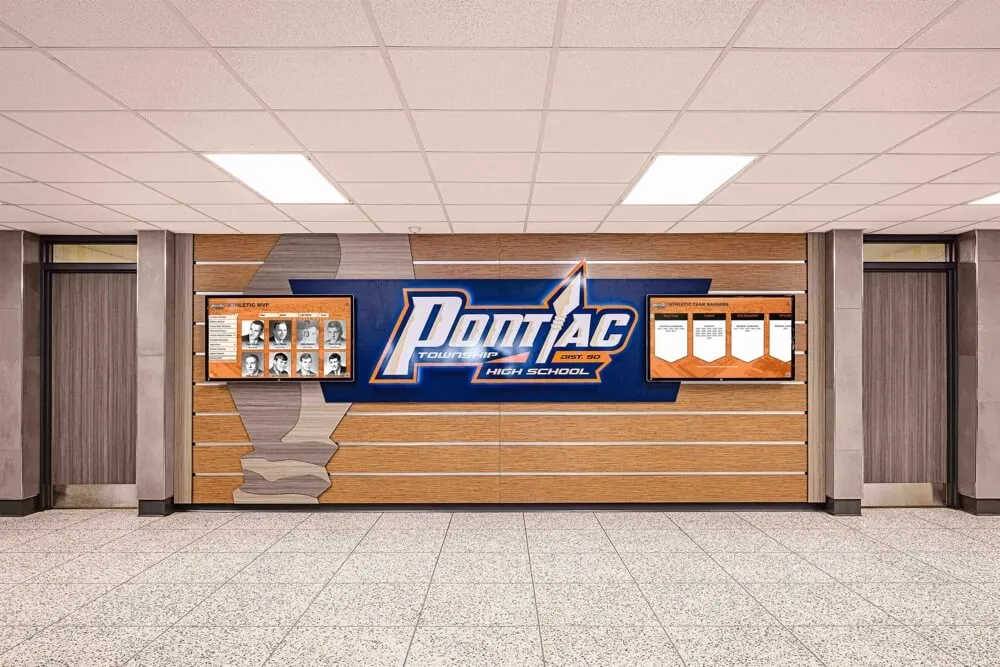
College athletic facilities showcase their recruited athletes and program achievements, creating inspiring environments for current and prospective student-athletes
- What is team culture and values?
- How do you handle injuries and rehabilitation?
- What happens if I don’t perform as expected?
- What percentage of recruits in my class typically earn playing time?
Campus Life Questions
- Where do athletes typically live?
- What does typical day look like for student-athletes?
- What social opportunities exist beyond athletics?
- How do athletes balance commitments?
- What do athletes do during summer and breaks?
- What support exists for mental health and wellness?
- What are dorm and dining options?
Financial Questions
- What is total cost of attendance?
- What additional costs should I expect?
- How secure is my scholarship renewal?
- What happens to scholarship if I’m injured?
- What academic scholarship opportunities exist?
- What summer housing and meal plan options are available?
- Are there equipment costs or other fees?
Making Your Commitment Decision
Key Decision Factors
Choosing the right program:
Athletic Fit
- Realistic assessment of earning playing time
- Coaching style matching your learning preferences
- Competition level appropriate for your abilities
- Position needs and roster composition
- Program trajectory (improving, declining, stable)
- Conference strength and competition schedule
Academic Fit
- Programs of study matching career interests
- Academic reputation and accreditation
- Graduation rates for student-athletes
- Class sizes and student-faculty ratios
- Support systems for student-athletes
- Research or internship opportunities
Financial Fit
- Total out-of-pocket cost comparison
- Debt projection over four years
- Scholarship security and renewal likelihood
- Return on investment for career prospects
- Financial stress level for family
Campus Culture and Environment
- Geographic location and distance from home
- Campus size and setting (urban, suburban, rural)
- Social opportunities and campus life
- Diversity and inclusion
- Climate and weather preferences
- Proximity to family for emergencies
Trusting Your Instincts
Beyond measurable factors:
- Comfort level with coaching staff
- Connection with current team members
- Feeling welcomed and valued during visit
- Excitement about attending vs. obligation
- Vision of yourself thriving in environment
- Parents’ observations and instincts
- Willingness to commit for four years
The right decision balances athletic opportunity, academic fit, financial reality, and personal preference—no single factor should dominate at expense of others.
Life After Commitment
Signing your National Letter of Intent or committing to a program doesn’t end your responsibilities—several important steps ensure successful transition to college athletics.
Maintaining Eligibility and Performance
Academic Requirements
Protecting your commitment:
- Maintain required GPA for NCAA eligibility
- Complete all core course requirements
- Submit final transcripts to NCAA Eligibility Center
- Achieve required standardized test scores
- Graduate from high school on time
- Continue challenging yourself academically
- Avoid academic misconduct or cheating
Athletic Development
Preparing for college competition:
- Continue training and skill development
- Maintain or improve physical conditioning
- Avoid injuries through smart training
- Communicate with college coaches about preparation
- Follow any training programs provided by college
- Compete through end of high school career
- Stay motivated despite commitment being secure
Character and Conduct
Protecting your reputation:
- Maintain clean social media presence
- Avoid legal troubles or disciplinary issues
- Continue demonstrating leadership
- Represent high school and future college positively
- Avoid behavior that could jeopardize scholarship
- Be aware coaches monitor your activities
- Remember commitment can be revoked for misconduct
Transition Planning
Summer Before College
Preparing for transition:
- Attend required orientation and check-in dates
- Complete summer conditioning programs
- Arrange housing and move-in logistics
- Register for classes (often with athletic department assistance)
- Complete required medical examinations and paperwork
- Purchase necessary equipment and supplies
- Connect with teammates before arrival
- Set academic and athletic goals for freshman year
Communication With New Coaches
Maintaining positive relationship:
- Respond promptly to all coach communications
- Follow instructions regarding summer training
- Ask questions about what to expect
- Update coaches on summer competition or training
- Be honest about any injuries or health concerns
- Express excitement and gratitude for opportunity
- Build relationships with assistant coaches and support staff
High School Recognition
Celebrating your achievement:
- Participate in signing day ceremonies at your high school
- Thank coaches, teachers, and supporters
- Serve as mentor for younger athletes
- Share your recruiting journey and lessons learned
- Maintain positive relationships with high school program
- Return to visit and support high school team when possible
Many high schools now honor recruited athletes through permanent recognition displays that celebrate their achievement while inspiring future generations. Athletic recognition systems document the journey of student-athletes who earn college opportunities, creating visible proof that dedication and strategic planning can lead to continued athletic careers.
Advice for Parents and Families
Parents play crucial supporting roles in the recruiting process—understanding appropriate involvement helps athletes succeed while avoiding common pitfalls.
Supporting Your Athlete Effectively
Helpful Parent Roles
Productive family involvement:
- Organizing unofficial visits and travel logistics
- Helping with video editing and resume creation
- Researching schools and programs
- Managing recruiting budget and expenses
- Providing emotional support during stressful process
- Asking practical questions about finances and logistics
- Offering perspective on fit and decision-making
- Celebrating achievements and milestones
- Encouraging balanced approach to recruiting
Avoiding Overinvolvement
Letting athletes lead their process:
- Allow athlete to communicate directly with coaches
- Don’t contact coaches on behalf of athlete (except logistical questions)
- Avoid being “that parent” who dominates conversations
- Let athlete ask their own questions during visits
- Don’t pressure athlete toward specific schools based on parent preferences
- Recognize this is athlete’s decision and future
- Avoid social media promotion that embarrasses athlete
- Support athlete’s timeline and comfort level
- Accept that rejection is part of process
Financial Planning and Considerations
Realistic Budget Assessment
Understanding true costs:
- Calculate total four-year costs at different schools
- Evaluate family contribution expectations
- Consider loan amounts and future debt burden
- Balance athletic scholarship with total financial package
- Account for travel costs to visit and attend school
- Understand scholarship renewal requirements
- Plan for possibility of scholarship reduction or loss
- Consider financial implications if athletic career ends
Maximizing Financial Aid
Strategic financial planning:
- Complete FAFSA early every year
- Submit CSS Profile for schools requiring it
- Research school-specific scholarships
- Pursue academic scholarships aggressively
- Understand athletic + academic scholarship stacking rules
- Compare net costs after all aid across schools
- Negotiate financial aid packages when appropriate
- Understand renewal and retention requirements
Investment vs. Return
Evaluating recruiting expenses:
- Showcase and camp costs vs. exposure benefit
- Travel team fees and their recruiting value
- Private coaching and training expenses
- Video production and recruiting service costs
- Unofficial visit travel expenses
- Balance recruiting investment against scholarship potential
- Consider Division III academic scholarships vs. Division I/II athletic aid
- Long-term value of education vs. short-term athletic focus
Understanding that recruiting requires investment while maintaining realistic expectations about scholarship amounts helps families make strategic financial decisions throughout the process. Many high school athletic programs honor the achievements of recruited athletes through modern recognition displays that celebrate academic and athletic excellence.
Common Recruiting Mistakes to Avoid
Learning from others’ mistakes helps athletes and families navigate recruiting more successfully.
Communication Errors
Mistakes That Damage Recruiting Prospects
Avoiding common pitfalls:
- Mass emails to coaches with no personalization
- Unrealistic self-assessment and targeting only elite programs
- Poor grammar, spelling, and unprofessional communication
- Slow responses to coach inquiries (respond within 24-48 hours)
- Negative comments about other programs or coaches
- Allowing parents to dominate communication
- Inappropriate social media content
- Exaggerated statistics or dishonest information
- Pestering coaches with excessive contact
- Burning bridges by committing then backing out
Timing and Strategy Issues
Process Management Mistakes
Strategic errors to avoid:
- Starting recruiting process too late (begin sophomore year)
- Waiting for coaches to discover you instead of being proactive
- Only targeting one division level without backup options
- Committing too early before evaluating all options
- Taking official visits without serious interest
- Neglecting academic eligibility requirements
- Skipping NCAA Eligibility Center registration
- Poor planning for showcases and camps
- Ignoring smaller programs that might offer better fits
- Failing to build relationships with assistant coaches
Evaluation and Decision Errors
Commitment Mistakes
Avoiding poor decisions:
- Choosing school for wrong reasons (parent pressure, proximity to girlfriend/boyfriend, prestige over fit)
- Prioritizing athletics over academics
- Ignoring financial reality and debt burden
- Committing based on single campus visit or limited information
- Choosing program where you’re unlikely to play
- Ignoring warning signs about coaching staff or program culture
- Overvaluing scholarship amount vs. total college experience
- Failing to consider what happens if you’re injured or don’t play
- Not visiting campus before committing
- Committing to impress others rather than finding right fit
Learning from these common mistakes helps families navigate recruiting successfully while avoiding pitfalls that limit opportunities or lead to poor college choices.
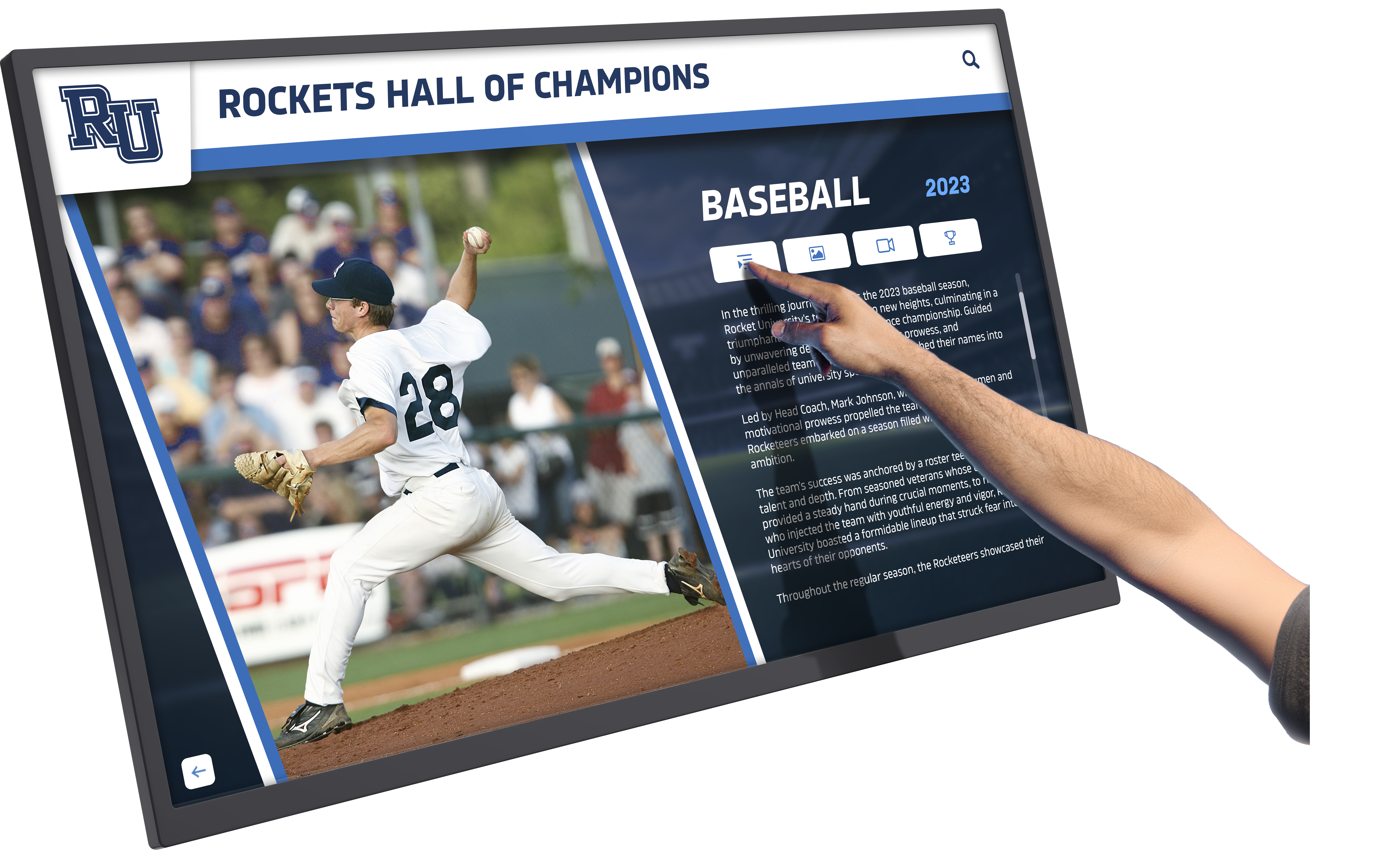
Schools celebrate recruited athletes through interactive recognition systems that document their achievements and inspire younger athletes to pursue their college athletic dreams
Alternative Pathways to College Athletics
For athletes who don’t receive traditional scholarship offers, alternative routes can still lead to college athletic careers.
Walk-On Opportunities
Preferred Walk-Ons
Recruited non-scholarship athletes:
- Guaranteed roster spot without athletic scholarship
- Full participation in team activities
- Potential to earn scholarship after proving yourself
- Often used when programs have limited scholarship money
- Opportunity to compete at desired school
- Same time commitment as scholarship athletes
- Academic scholarships may make this financially viable
Walk-On Tryouts
Earning roster spots without recruiting:
- Open tryouts at some programs (more common in certain sports)
- Extremely competitive with low success rates
- Requires exceptional work ethic and persistence
- Contact coach before arriving on campus to express interest
- Attend camps and showcase yourself before enrollment
- Be realistic about athletic ability relative to program level
- Understand time commitment without scholarship benefit
- Consider club sports as alternative if unsuccessful
Transfer Pathway
Junior College Route
Two-year development opportunity:
- Play immediately while developing skills
- Improve academic standing if needed
- Showcase abilities for four-year programs
- Cost-effective college experience
- Strong coaching and competition in many JUCO programs
- Transfer to Division I, II, or NAIA after two years
- Maintain NCAA eligibility while competing
- Build recruiting profile with college-level performance
Four-Year Transfer
Changing schools mid-college career:
- Understand transfer rules and eligibility implications
- NCAA transfer portal streamlining process
- One-time transfer exception allowing immediate eligibility (sport-specific rules)
- Opportunity to find better athletic or academic fit
- Requires careful planning to avoid losing eligibility or credits
- Graduation timing considerations
- Financial aid implications of transferring
Post-Graduate and Prep School Year
Additional Year of Development
Extra time before college:
- Attend prep school for additional year of athletic and academic development
- Improve recruiting profile if overlooked during high school
- Strengthen academic credentials
- Physical maturation for late bloomers
- Additional showcase opportunities
- Different graduation year may open opportunities
- Expensive option requiring significant family investment
- Most beneficial for athletes close to Division I level
Alternative pathways demonstrate that traditional recruiting isn’t the only route to college athletics—persistence, flexibility, and strategic thinking create opportunities for determined athletes.
Resources and Next Steps
Successfully navigating college recruiting requires utilizing available resources and taking consistent action.
Key Recruiting Resources
NCAA Information
Official guidance and requirements:
- NCAA Eligibility Center (eligibilitycenter.org)
- NCAA recruiting calendars by sport
- Division-specific recruiting rules
- Academic eligibility requirements
- Transfer rules and regulations
- Frequently asked questions
Recruiting Platforms
Profile and exposure services:
- Hudl (highlight video hosting and recruiting)
- NCSA (National Collegiate Scouting Association)
- BeRecruited
- CaptainU
- FieldLevel (sport-specific platforms)
- PrepRedzone (football)
- PrepVolleyball (volleyball)
Educational Resources
Learning about recruiting process:
- Sport-specific recruiting guides and books
- College coaching staff contact databases
- Scholarship search tools
- Financial aid calculators
- College comparison tools
- Recruiting podcasts and YouTube channels
- High school and club coach guidance
Your Recruiting Action Plan
Freshman and Sophomore Year
Building foundation:
- Focus on academic excellence and core course completion
- Develop athletic skills through high school and club competition
- Register with NCAA Eligibility Center (sophomore year)
- Create initial highlight video
- Research college programs and divisions
- Attend local college camps
- Build positive social media presence
- Develop leadership and character qualities
Junior Year
Peak recruiting activity:
- Create comprehensive target school list (15-30 schools)
- Email coaches at target programs introducing yourself
- Attend showcases and college camps for exposure
- Take unofficial visits to top schools
- Update highlight video regularly
- Communicate consistently with interested coaches
- Take SAT/ACT tests
- Maintain strong grades in rigorous courses
- Narrow school list based on coach interest
- Schedule official visits (if offered)
Senior Year
Decision and commitment:
- Evaluate scholarship offers carefully
- Take remaining official visits
- Make commitment decision
- Sign National Letter of Intent during signing period
- Maintain academic and athletic performance
- Complete NCAA Eligibility Center final amateurism certification
- Graduate from high school on time
- Prepare for transition to college
- Participate in signing day ceremonies celebrating achievement
Consistent effort across multiple years, combined with strategic planning and realistic self-assessment, maximizes recruiting success while ensuring appropriate college athletic and academic fit.
Conclusion: Your College Athletic Journey Starts Now
Understanding how to get recruited for college sports empowers high school athletes and their families to navigate the complex recruiting process strategically rather than leaving their athletic futures to chance. While the pathway from high school standout to college athlete requires dedication, proactive effort, and realistic self-assessment, approximately 495,000 student-athletes successfully make this transition each year across all divisions and competitive levels.
The recruiting process rewards athletes who start early, communicate professionally, showcase their abilities through quality videos and competitive performances, maintain strong academic standing, and cast wide nets across appropriate division levels and programs. Success requires more than athletic talent alone—academic achievement, character development, and strategic planning separate recruited athletes from equally talented peers who never receive college opportunities.
For families beginning this journey, remember that college recruiting is a marathon, not a sprint. Build athletic and academic foundations during freshman and sophomore years, ramp up exposure and communication during junior year, and make thoughtful commitment decisions during senior year. Be proactive rather than passive, maintain realistic expectations about division levels and scholarship amounts, and prioritize total college fit—academic, athletic, financial, and cultural—over any single factor.
The right college athletic experience offers far more than competition opportunities—it provides educational advancement, personal development, lifelong friendships, and transformative experiences that shape your future. Whether you ultimately compete at a Division I powerhouse, find your perfect fit at a Division III academic institution, develop your skills at a junior college before transferring, or walk on at your dream school, the journey of pursuing college athletics builds resilience, time management, goal-setting, and self-advocacy skills that serve you throughout life.
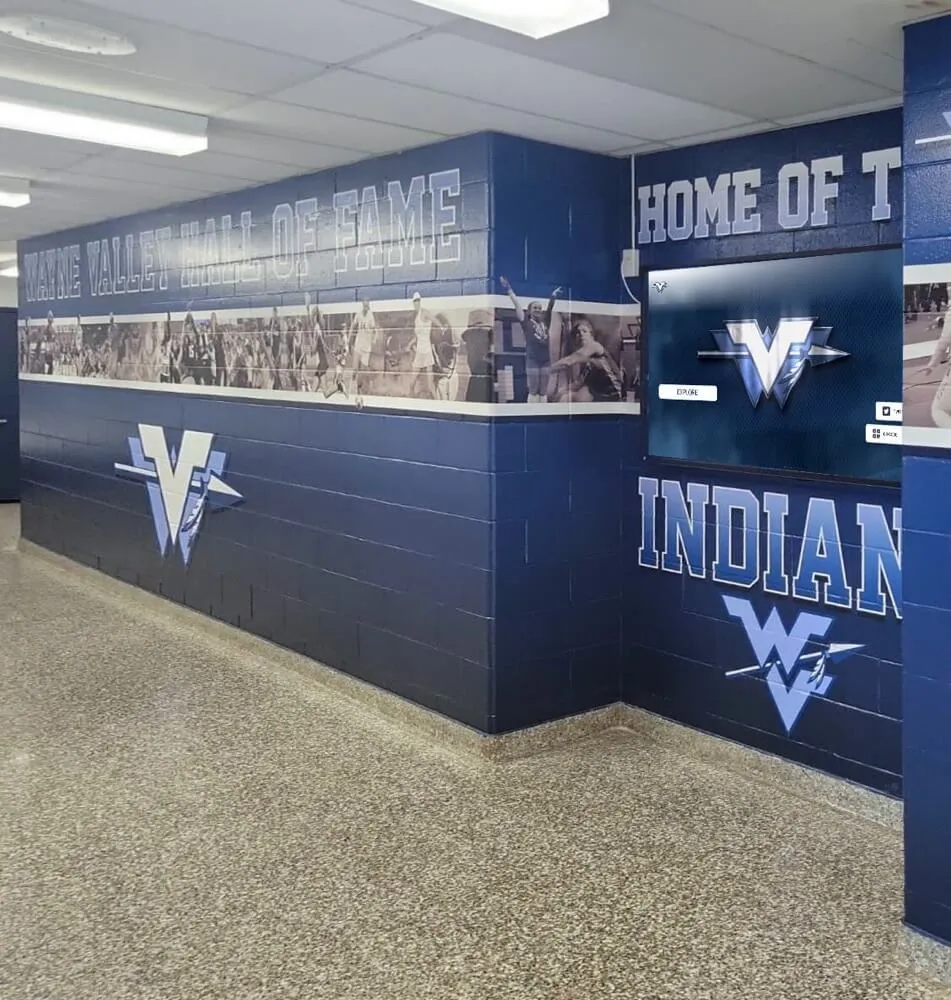
High schools increasingly honor recruited athletes through permanent recognition, celebrating their achievement while inspiring younger athletes to pursue their own college athletic dreams. Modern athletic recognition systems showcase the stories of student-athletes who successfully navigated the recruiting process, creating visible proof that dedication combined with strategic planning opens doors to continued athletic careers.
Your college athletic journey begins with a single step—whether that’s registering with the NCAA Eligibility Center, emailing your first coach, creating your highlight video, or simply committing to academic and athletic excellence. Take that step today, stay persistent through inevitable challenges and rejections, trust the process, and remember that the right opportunity exists for athletes willing to work strategically to find it.
Celebrate Your Recruited Athletes and Inspire Future Generations
Discover how modern digital recognition systems help high schools honor student-athletes who earn college recruitment while inspiring younger athletes to pursue their own college athletic dreams. Rocket Alumni Solutions provides interactive displays that showcase recruited athletes’ achievements, create permanent institutional records, and build athletic program pride.
Live Example: Rocket Alumni Solutions Touchscreen Display
Interact with a live example (16:9 scaled 1920x1080 display). All content is automatically responsive to all screen sizes and orientations.