Letterman Jacket Traditions: How Schools Honor Varsity Athletes on Hall of Fame Walls
- Home /
- Digital Wall of Fame Blog - Recognition Display Insights & Resources /
- Letterman Jacket Traditions: How Schools Honor Varsity Athletes on Hall of Fame Walls
The Easiest Touchscreen Solution




Live Example: Rocket Alumni Solutions Touchscreen Display
Interact with a live example (16:9 scaled 1920x1080 display). All content is automatically responsive to all screen sizes and orientations.
The letterman jacket has been one of American education’s most enduring symbols for more than 150 years. Earning that jacket—with the school letter stitched across the chest, the wool body in team colors, the chenille patches marking championships and seasons—represents something a transcript alone cannot capture: the commitment, discipline, and sacrifice required to compete at the varsity level. But the jacket is just the beginning of how the best schools honor their athletes. The hall of fame wall is where that story becomes permanent.
This guide traces the full arc of varsity athletic recognition—from the traditions around earning a letterman jacket to the design of lasting hall of fame displays that preserve what those jackets represent long after graduation day. Whether your school is formalizing letter award criteria for the first time or upgrading a trophy case to an interactive digital recognition wall, the principles stay the same: honor the achievement, name the people, and build something that lasts.

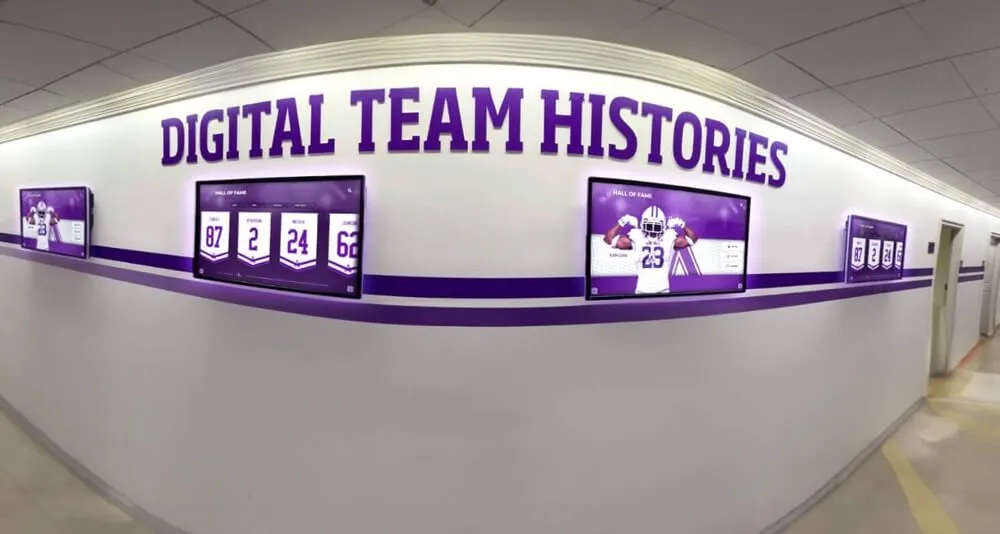
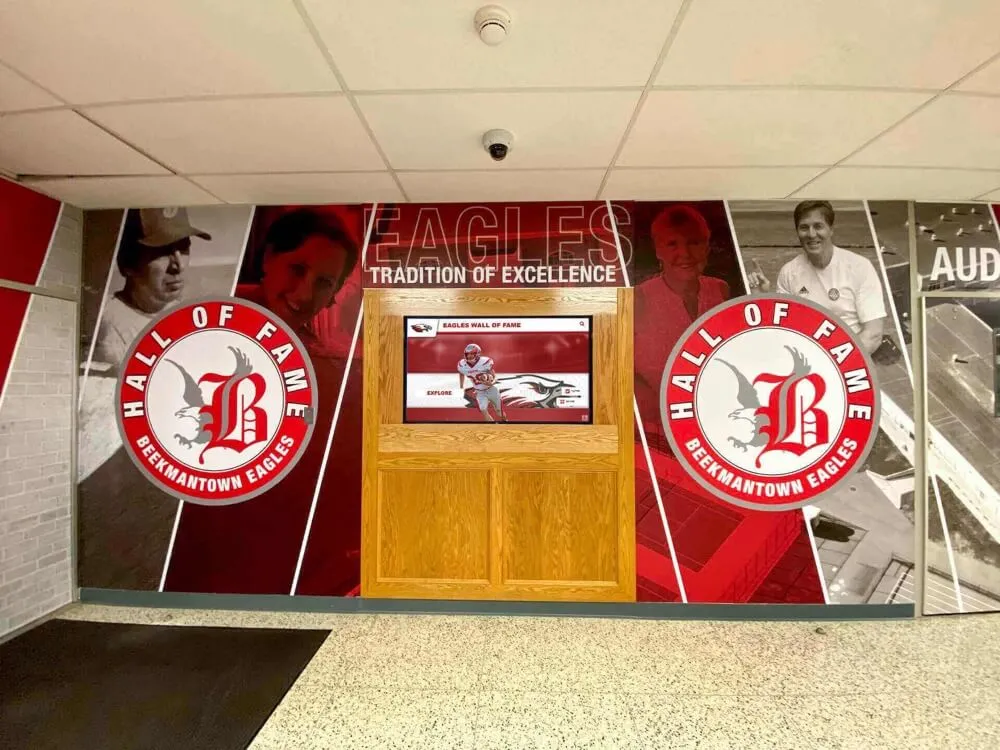
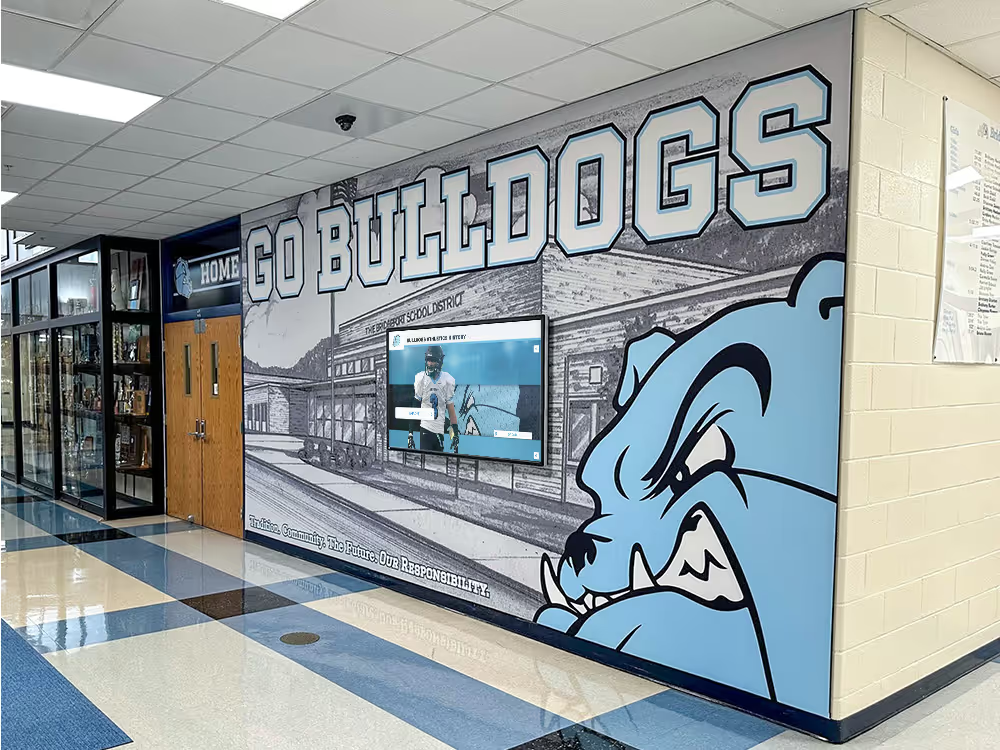
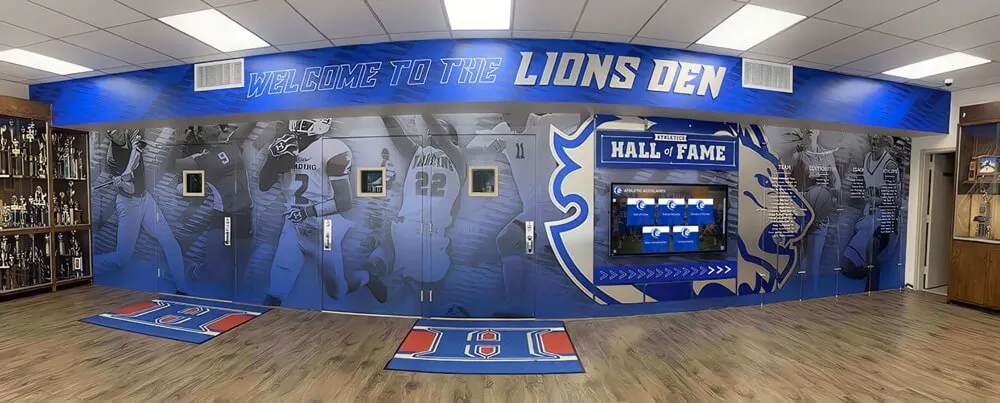
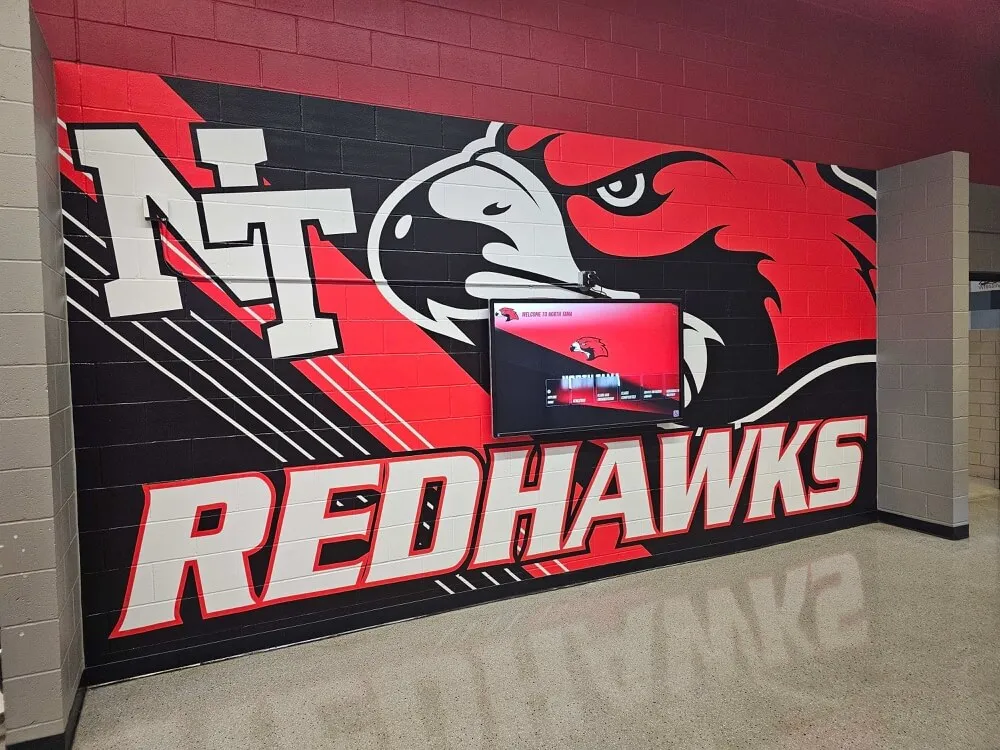
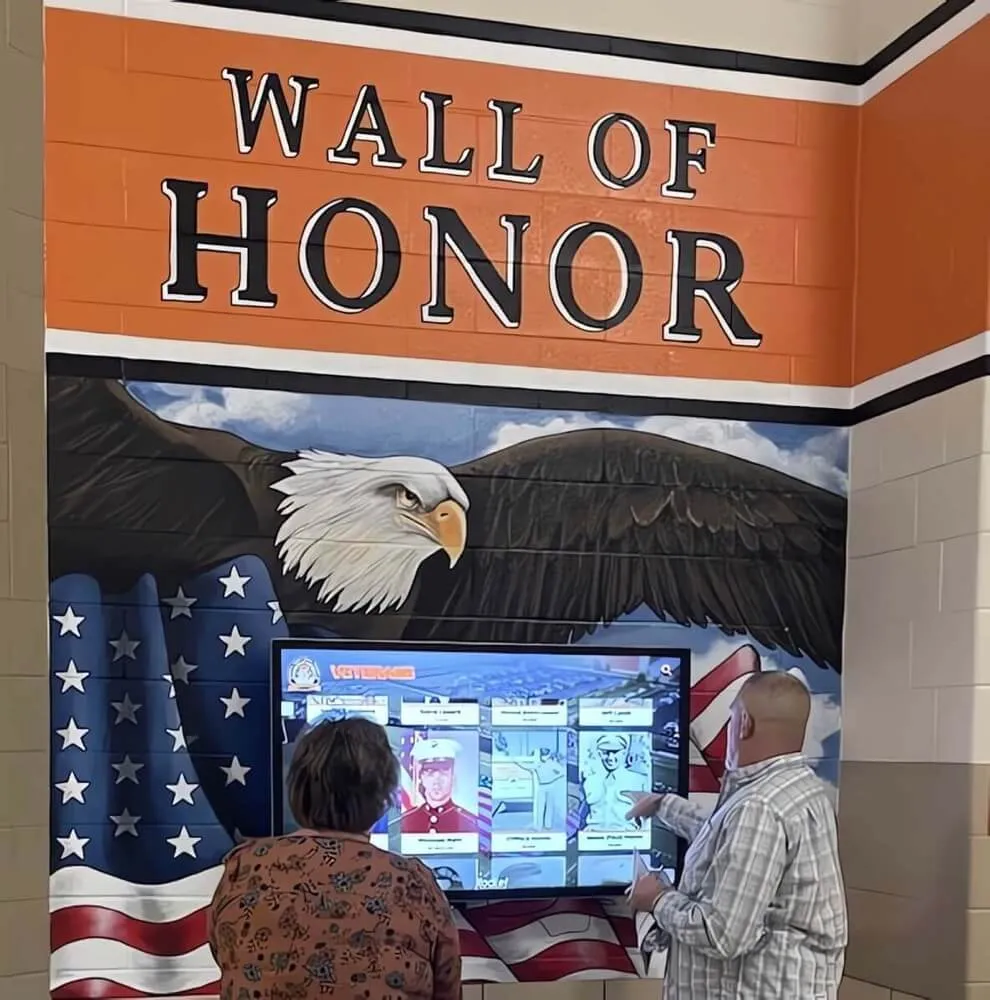
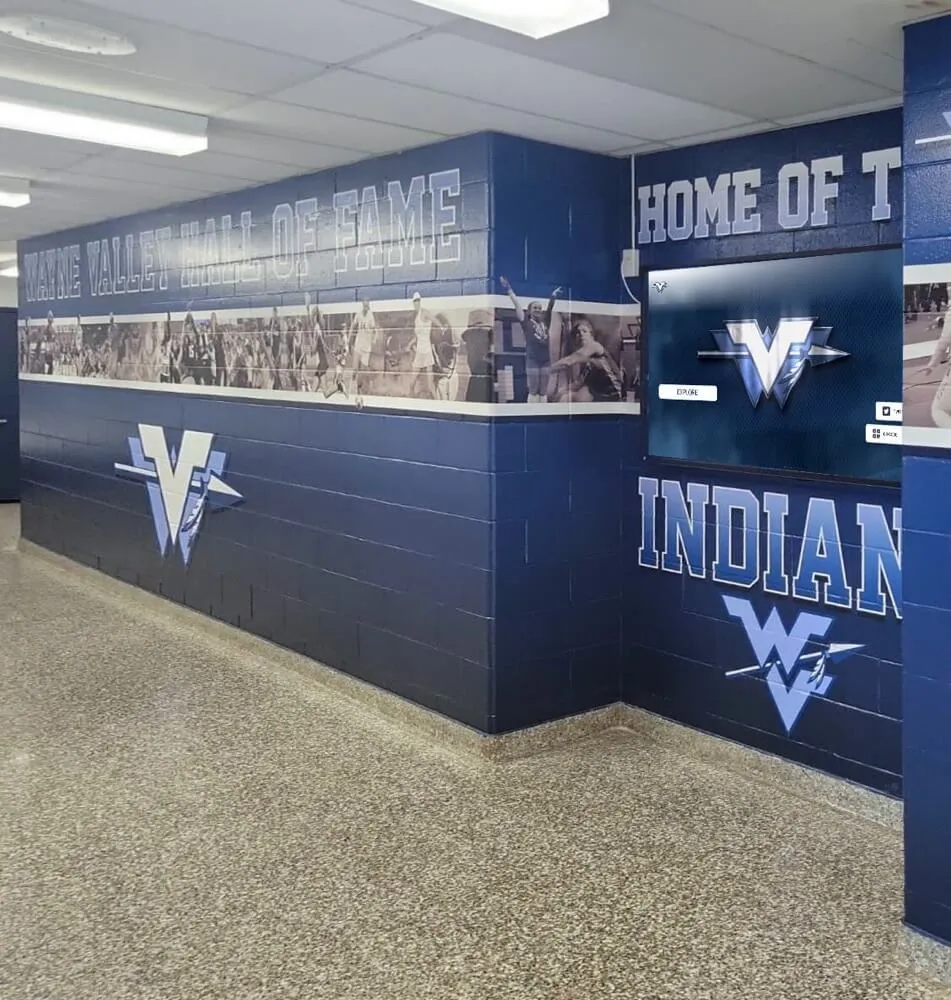
School hallways that combine athletic murals with digital recognition displays honor the full tradition of varsity achievement—from season records to individual athlete legacies spanning decades
The History Behind the Letterman Jacket
The letterman jacket tradition traces back to Harvard University in the 1860s, when the varsity baseball team first awarded oversized “H” letters to players who competed at the varsity level. The concept spread rapidly: by the early twentieth century, high schools and colleges across the country had adopted the practice, each institution adapting the letter to its own initial and school colors.
The classic design—a wool body in the school’s primary color, leather or vinyl sleeves, ribbed cuffs and collar—became standardized over decades of American school sports culture. What made the jacket meaningful was never the material. It was the earning. Athletes who hadn’t reached varsity status wore different colors or no letter at all. The jacket was proof of arrival.
Over time, the letterman jacket accumulated a visual language of its own:
- The school letter: The central chenille patch representing the varsity designation, stitched in contrasting school colors
- Sport bars: Small patches or pins beneath the letter indicating each sport in which a letter was earned
- Year pins: Marking each season an athlete competed at the varsity level
- Championship patches: Awarded for conference, regional, or state championships
- Captain’s pins: Given to athletes who served in formal leadership roles
- Award pins: Recognizing all-conference, all-state, or other individual honors
A jacket worn by a four-sport, three-year captain who won a state championship tells a complete athletic biography without a single word of text.
What It Takes to Earn a Letterman Jacket
Every school sets its own letter criteria, and these standards vary significantly across athletic programs. The underlying philosophy is consistent: earning a letter requires demonstrable varsity-level contribution, not just participation on the roster.
Common varsity letter criteria include:
- Completing the full season as a rostered varsity athlete in good standing
- Meeting minimum participation thresholds—percentage of games played, innings pitched, or meets competed in
- Earning a starting position for a designated number of games or events
- Selection by the coaching staff based on sustained performance and contribution
- Maintaining academic eligibility standards throughout the competitive season
Some schools maintain distinct criteria by sport, reflecting the different nature of rosters across team and individual sports. A football program with 80 athletes must define “varsity contributor” differently than a cross-country team of 12. Consistency within each program—and clear communication of criteria to athletes and families before the season begins—is what gives the letter its meaning.
For programs designing end-of-season athletic awards that recognize every player’s contribution, letter criteria often define the first tier of formal recognition within a broader season-end ceremony that honors the full team.
The Letter Award Ceremony: Making the Moment Matter
How a school presents letterman jackets matters nearly as much as the criteria for earning them. Programs that treat the ceremony as a significant institutional moment—rather than a quick distribution at the end of a banquet dinner—create memories athletes carry forward long after they’ve graduated.
High-impact letter ceremony elements:
- A formal stage presentation where each athlete is called by name in front of peers and families
- A brief announcement of each athlete’s specific contribution—position played, accomplishments, leadership role
- Presentation by a coach, athletic director, or respected senior leader within the program
- Parent acknowledgment alongside the athlete on stage
- Applause and recognition from the full athletic community in attendance
When the letter presentation is integrated into football banquet ideas that honor the full season and team achievement, the ceremony becomes part of a larger seasonal tradition that athletes and families anticipate throughout the year.
The best ceremonies also generate documentation: photographs of each athlete receiving their letter, captured by a parent volunteer or yearbook photographer, that enter the program’s permanent archive. These images—athlete, coach, jacket, ceremony moment—become the visual record of that year’s class of varsity contributors.
From the Jacket to the Wall: How Recognition Evolves
The letterman jacket is a present-tense achievement. An athlete earns it, wears it during their school years, and carries it forward as a personal artifact. A hall of fame wall is something fundamentally different. It is an institutional claim: this person’s achievement matters to this school, permanently, and every person who walks through this hallway should know it.
The gap between those two forms of recognition represents an opportunity that many schools leave uncaptured.
What the Letterman Jacket Represents
- Personal and portable, worn by the athlete
- Documents an individual’s varsity years chronologically
- Visible to peers and family during school tenure
- Stored privately after graduation
- Tied to the athlete’s own memory and possession
What the Hall of Fame Wall Preserves
- Institutional and permanent, displayed year-round
- Documents contribution across all sports and seasons
- Visible to current students, families, and visiting alumni
- Part of the school’s ongoing identity and cultural story
- Accessible to future generations who never knew the athlete
The most effective athletic recognition programs treat these two forms of honor as complementary rather than interchangeable. Every varsity letter recipient deserves acknowledgment; the hall of fame wall is where the school makes its most lasting statement about which achievements represent the highest levels of athletic contribution across a career or multiple generations.
Thoughtful athletic team photo wall ideas often begin with a letter recipient archive—documenting each varsity class with team photos and individual portraits that eventually feed directly into the hall of fame selection and display process.

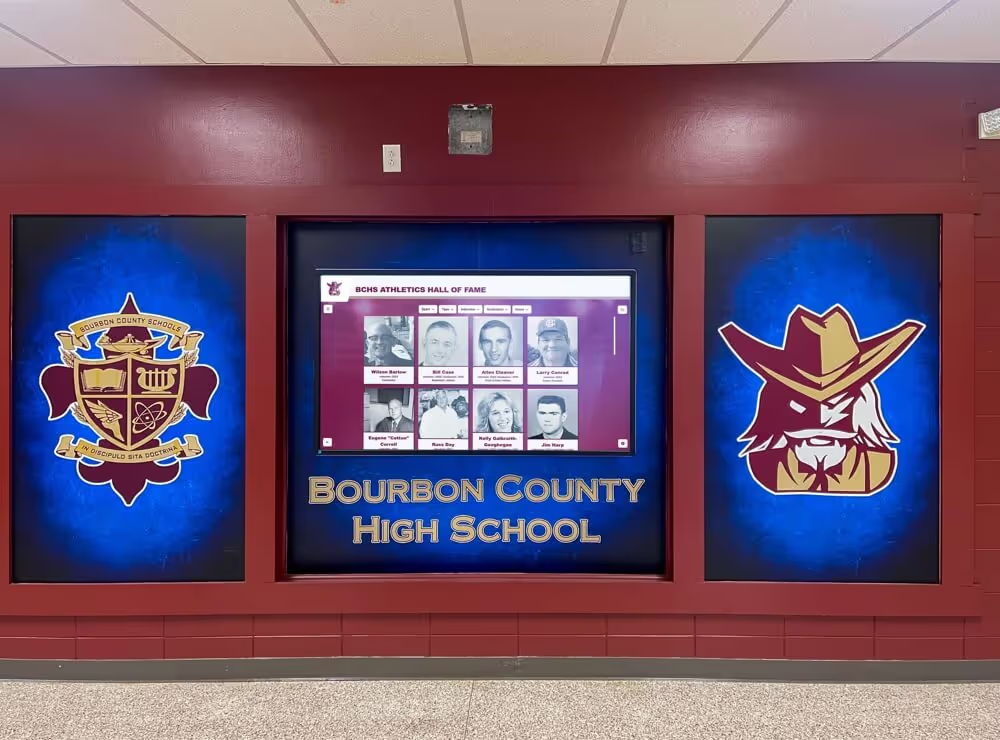
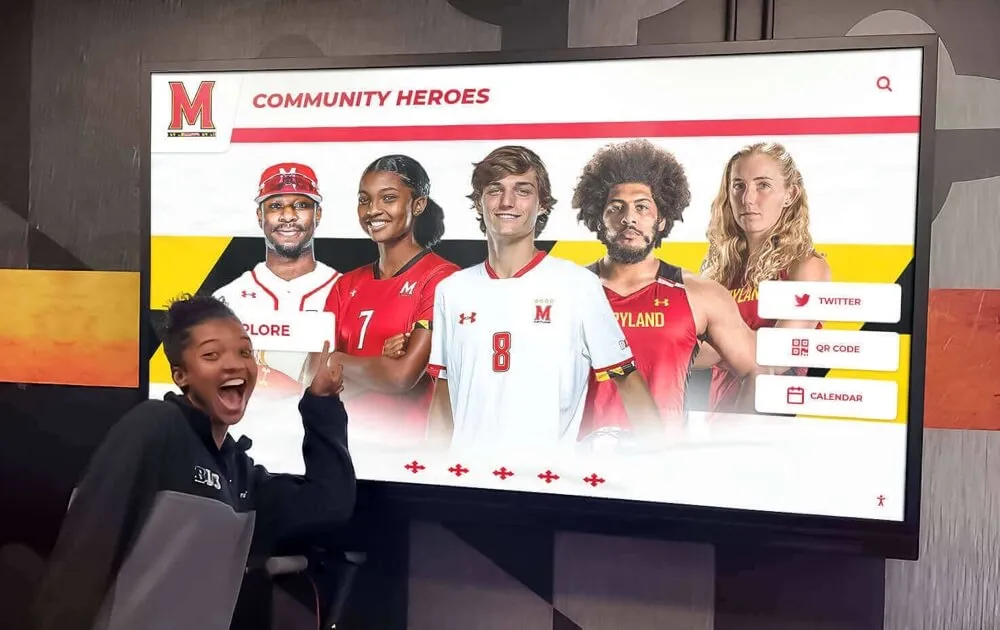
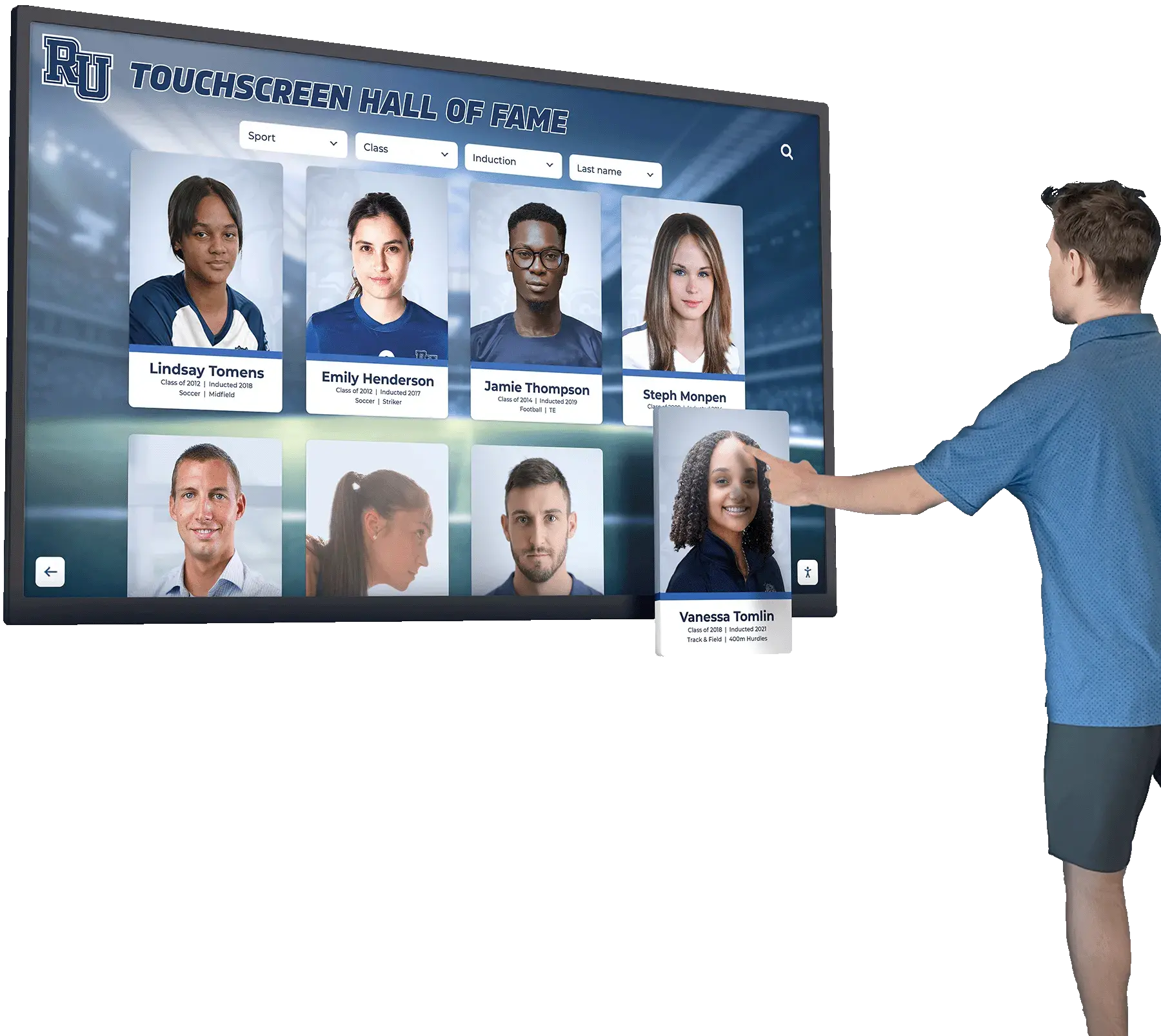
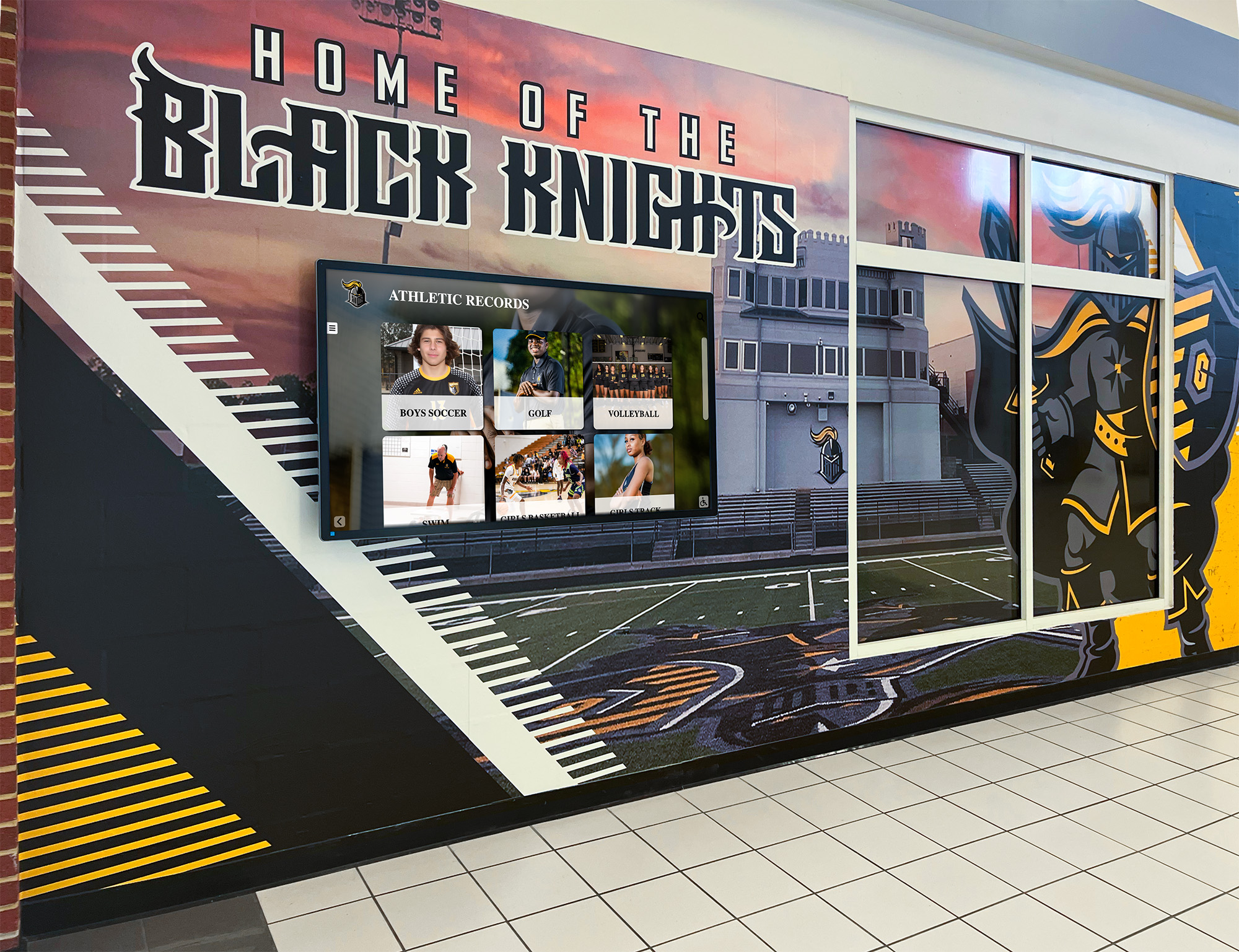
Digital recognition systems turn individual athlete records—including letter recipients, positions played, and career achievements—into searchable profiles accessible to students, staff, and returning alumni
Designing a Hall of Fame Wall That Honors Lettermen
A hall of fame wall worthy of the athletes who’ve earned their letters should answer one question clearly: when an athlete who gave four years to this program returns as an adult, will they find their contribution still visible and honored? The physical and digital design of the wall determines whether the answer is yes.
What Great Athletic Hall of Fame Walls Include
Individual inductee profiles Each hall of fame inductee deserves a dedicated profile space that includes their name, graduation year, sport or sports played, positions, and specific career achievements. The format should be consistent across all inductees while preserving the unique details of each athletic career.
Season and career statistics For sports where statistics are meaningful—batting averages, scoring records, yards gained, time marks—including those numbers gives future athletes and visitors a concrete sense of what excellence looked like in each era of the program. Records create aspiration.
Team photography Championship team photos, state qualifier group shots, and season portraits give the hall of fame wall visual depth. Individual athletes exist within a larger story; team photos tell that story and help visitors connect names to faces and moments.
Letter year documentation A clearly organized record of each year’s letter recipients—by sport and by season—creates a living archive that honors the full breadth of varsity achievement beyond just the hall of fame inductees themselves. The letter class list is the foundation the hall of fame is built on.
For guidance on physical display infrastructure, trophy display case ideas for schools covers how programs can organize trophies, plaques, and photographs within cohesive display environments that serve both current students and returning alumni.
The Lobby and Hallway as Recognition Space
Where a school positions its hall of fame wall communicates as much as the wall’s content. Hallways adjacent to the gymnasium, near the athletic office, or in the school’s main lobby—spaces where students, families, and community members pass daily—give the recognition display a consistent audience.
Foyer design principles for welcoming institutional spaces demonstrate how schools integrate recognition displays into their most-trafficked spaces as a statement of institutional values, not simply a storage solution for plaques that no longer fit the trophy case.
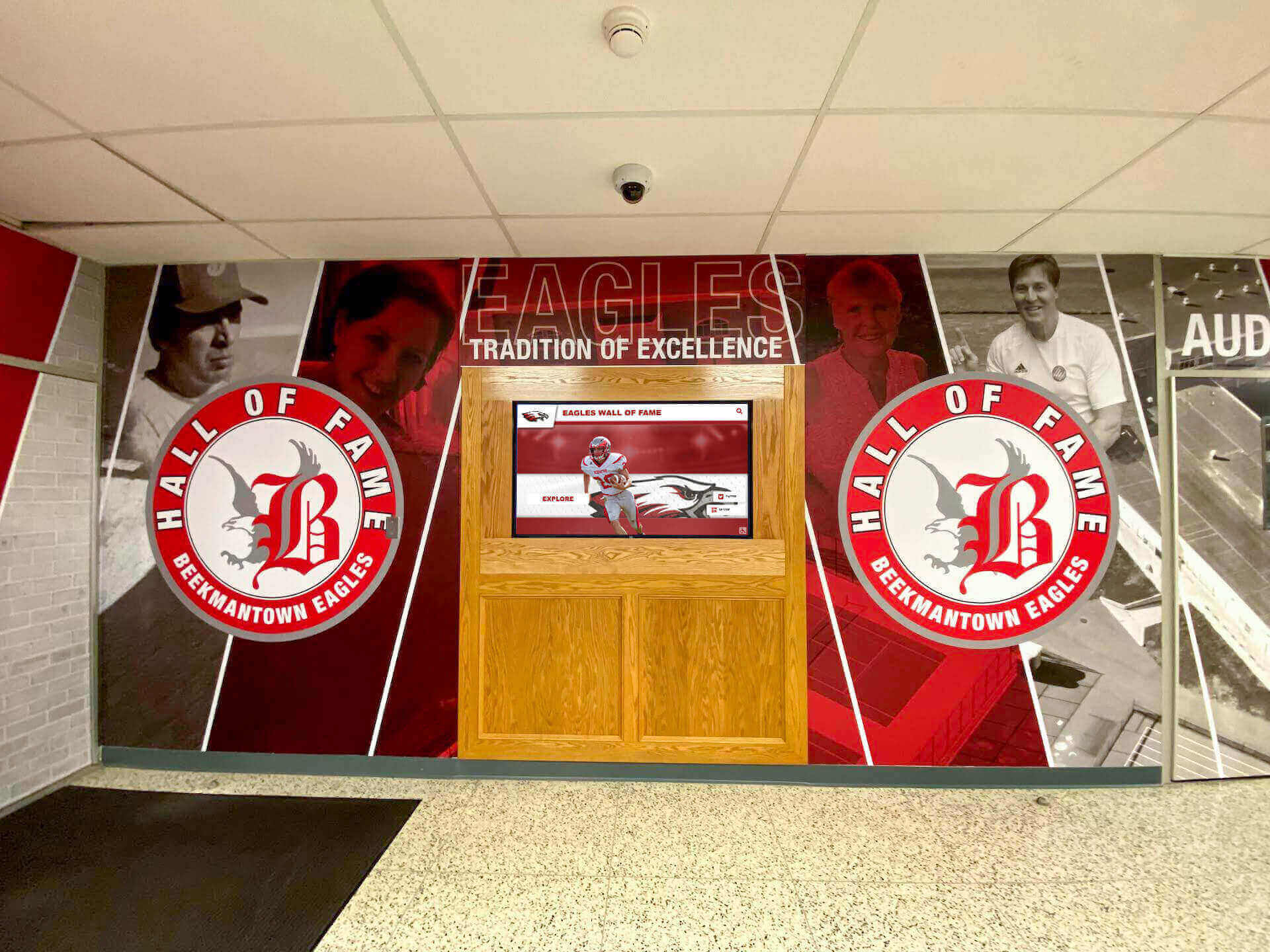
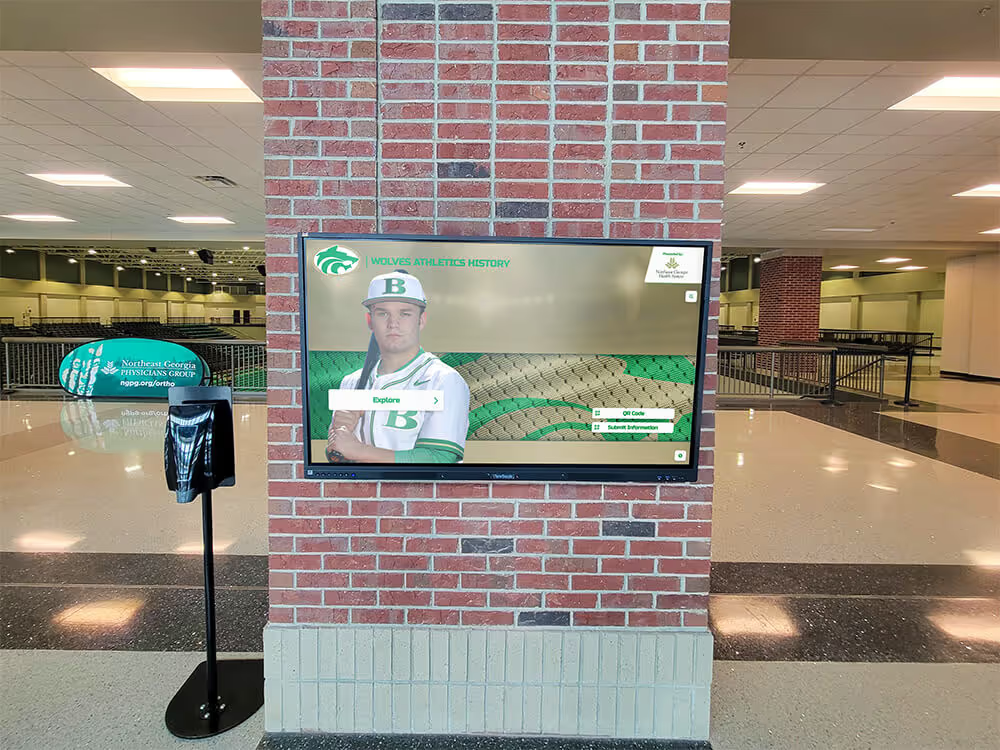
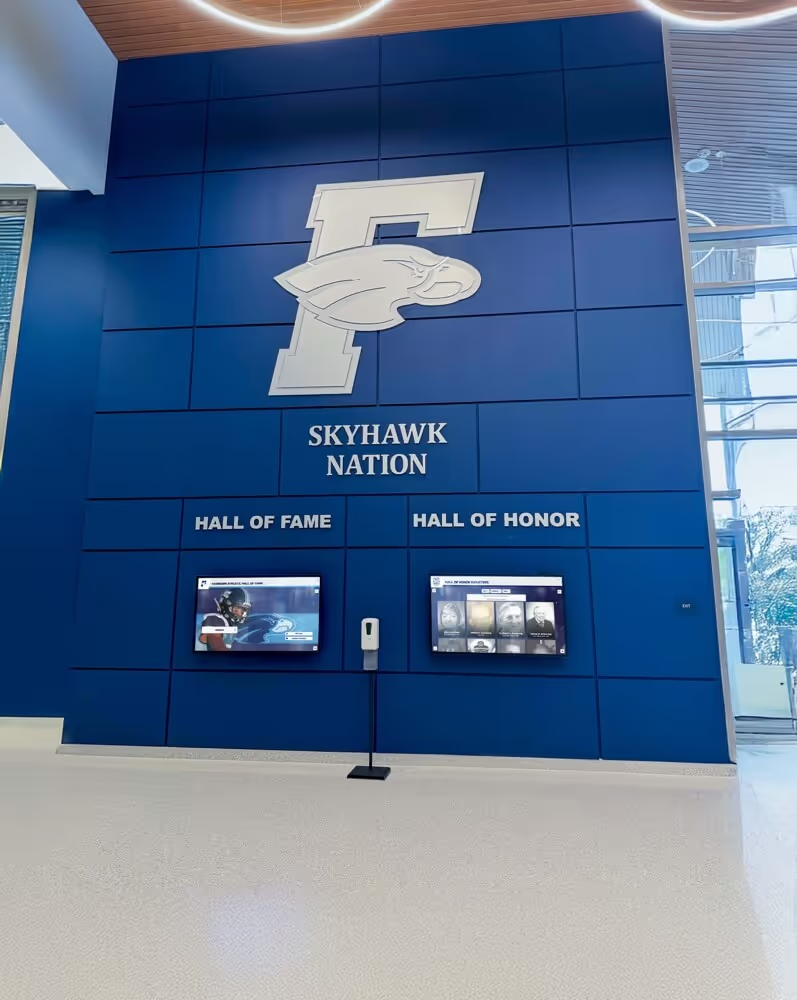
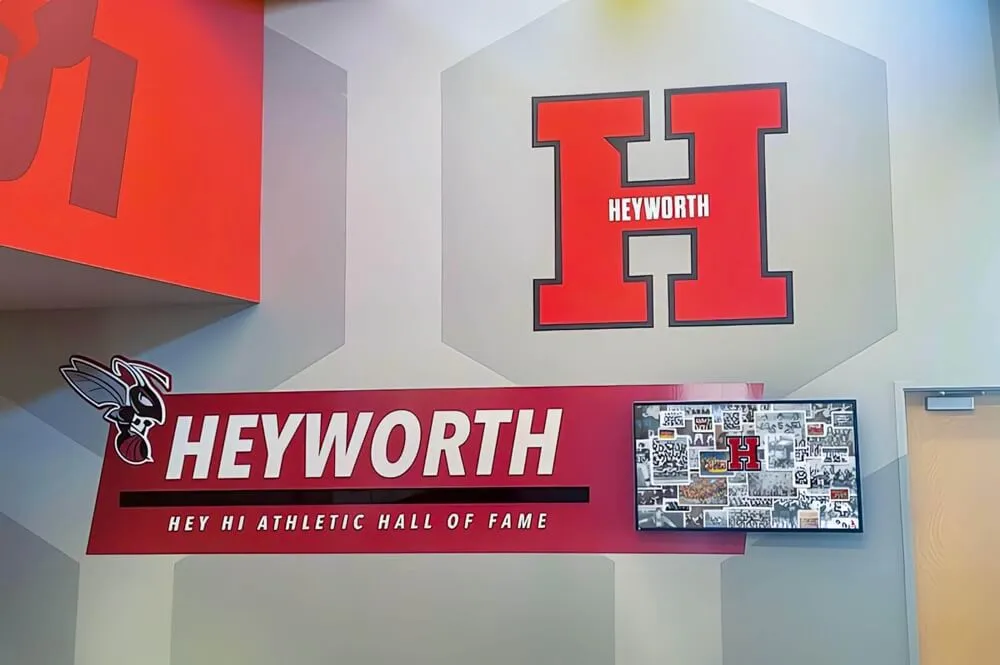
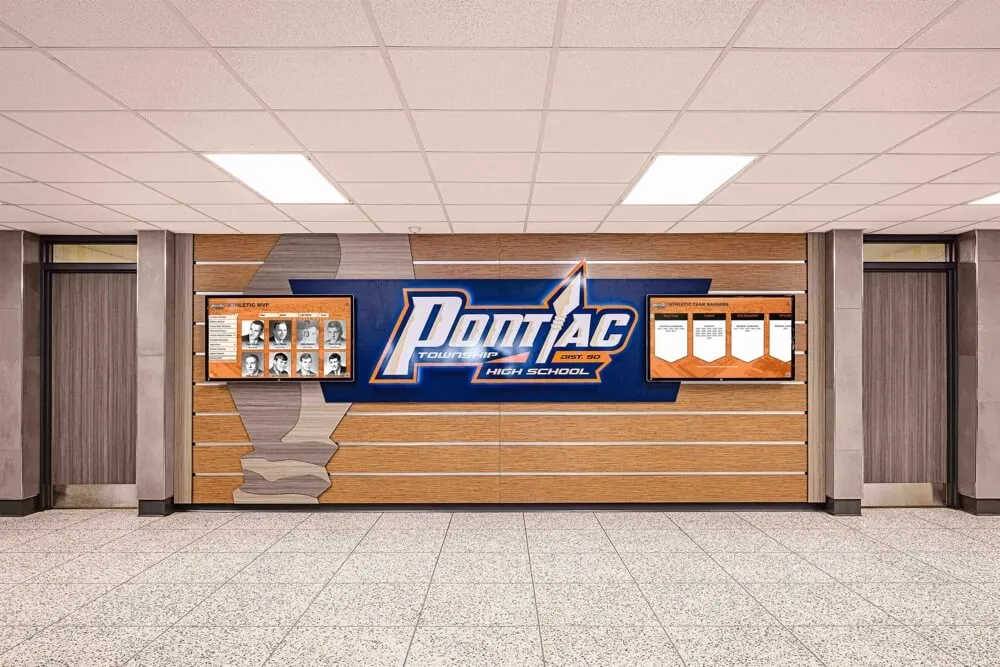
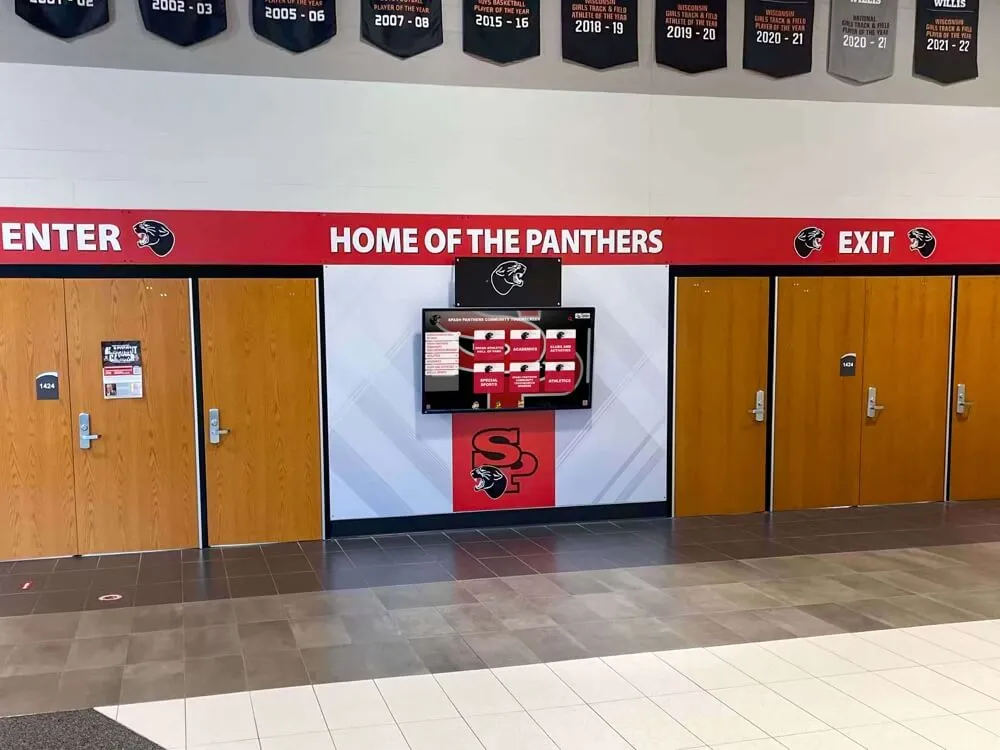
A well-positioned lobby hall of fame display ensures that every student, family member, and visitor encounters the school's athletic legacy as part of their regular campus experience—not only on special occasions
Hall of Fame Induction: Criteria, Process, and Ceremony
A hall of fame wall without a rigorous induction process is decoration. A hall of fame wall backed by consistent criteria, a clear selection process, and a formal induction ceremony is an institution.
Common hall of fame selection criteria for varsity letter recipients:
- Multiple seasons of varsity letter awards in one or more sports
- Individual performance honors—all-conference, all-state, or all-American designations
- Team championship participation during their career years
- Formal leadership roles such as captain or multi-year captain
- Post-graduation achievement in collegiate athletics, professional play, or coaching
- Measurable contribution to program culture and the broader school community
Many schools establish a waiting period—often five to ten years after graduation—before an athlete becomes eligible for hall of fame consideration. This separation creates both historical perspective and heightened meaning: induction isn’t simply an extension of varsity recognition; it is a retrospective institutional judgment that this athlete’s contribution matters across generations.
Selection committees typically include the athletic director, head coaches, and sometimes former inductees or community members with long institutional memory of the program.
Digital service awards and tiered recognition programs demonstrate how institutions can design multi-level recognition systems that honor both current contributors and long-term legacy figures within a single coherent framework.
The Digital Hall of Fame: Expanding What Walls Can Do
Physical hall of fame walls carry an inherent constraint: space. Schools with fifty or more years of varsity athletic history face a genuine challenge in displaying each era’s contributors with the depth they deserve within a fixed wall footprint. Plaques accumulate, photographs shrink, and the earliest inductees eventually get crowded by newer generations. The letterman jacket tradition stretches back decades, but static walls can only show so much of it.
Digital hall of fame displays solve this problem—and expand what recognition walls can accomplish well beyond what any physical plaque offers.
What a digital hall of fame display adds to the letterman jacket tradition:
- Unlimited inductee profiles: Every letter recipient from every sport across every season can have a complete profile with photo, biography, statistics, and video highlights—with no space constraints whatsoever
- Interactive search: Students, parents, and alumni can search by name, sport, graduation year, or award type to find specific athletes instantly
- Video integration: Championship highlight clips, interview segments, or induction ceremony footage can be embedded directly within an athlete’s digital profile
- QR code mobile access: Alumni who cannot visit in person can explore the full hall of fame from their phones, keeping the recognition connection alive after graduation
- Remote cloud-based CMS: Athletic staff can add new letter recipients and update inductee profiles through remote content management without any on-site technical support
- Auto-ranking record boards: School and program records update automatically when new marks are set, so the display always reflects current athletic history accurately
Touchscreen kiosk software and interactive display solutions explain how institutions design interactive recognition experiences that generate meaningful visitor engagement—averaging several minutes of active exploration per visitor in school lobby and hallway installations.

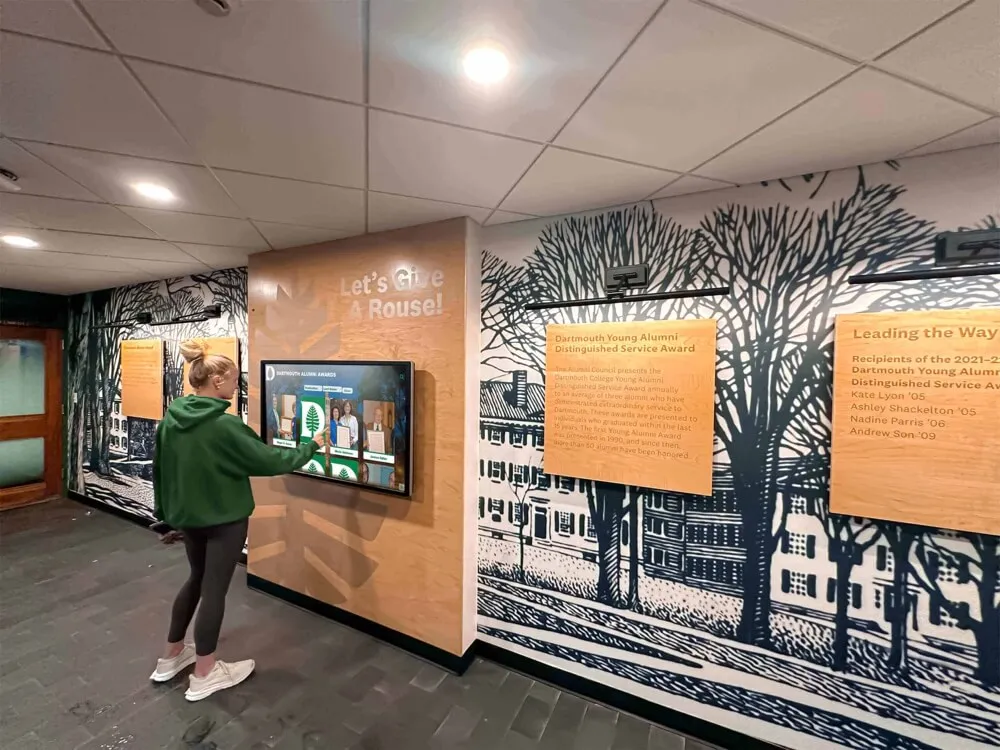
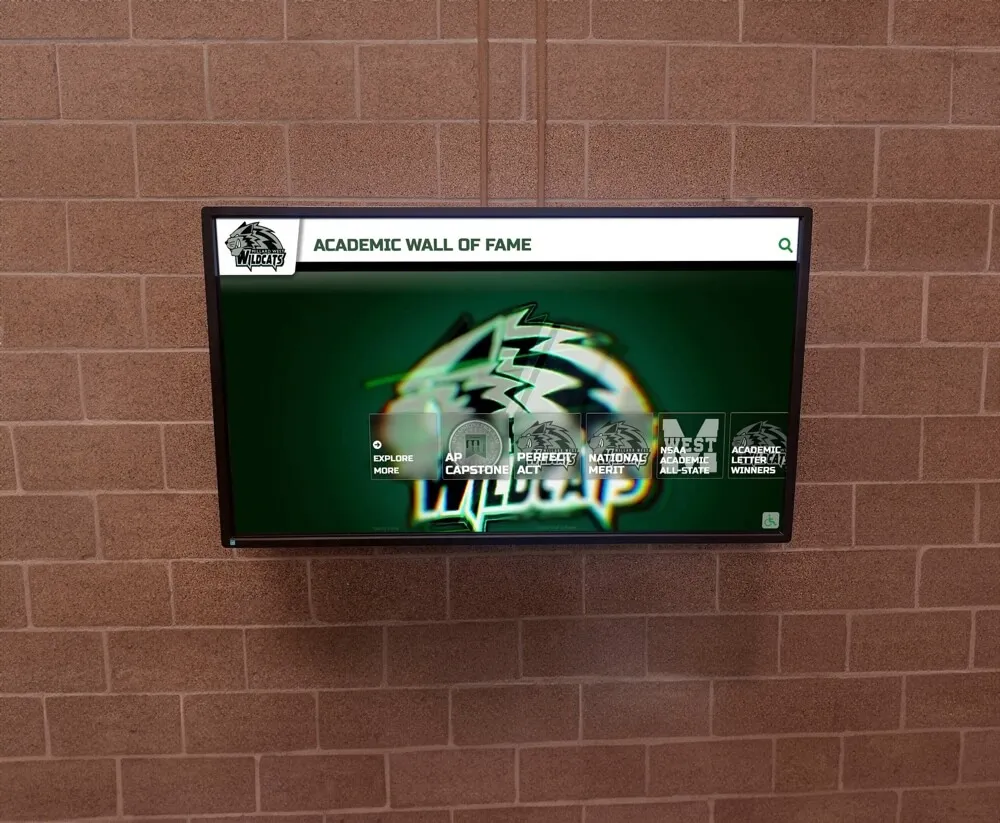
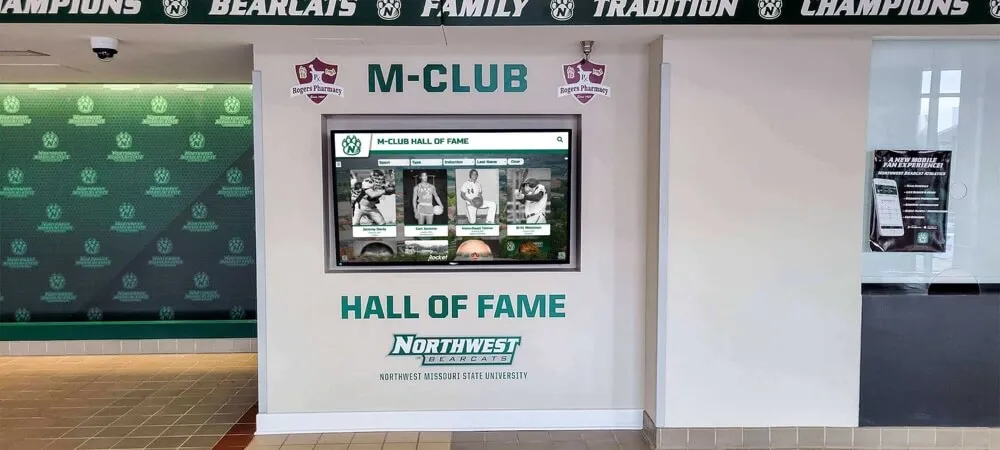
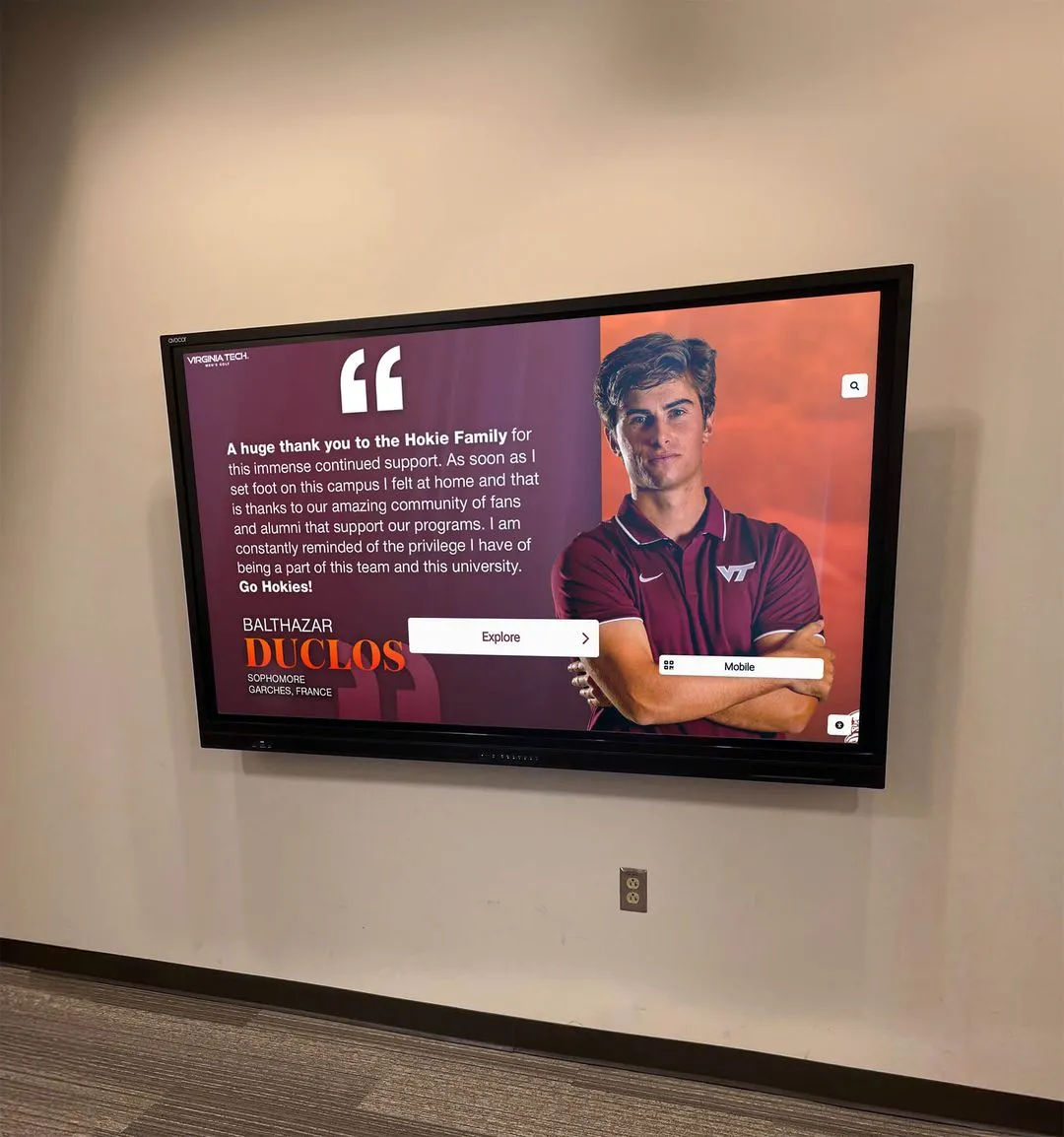
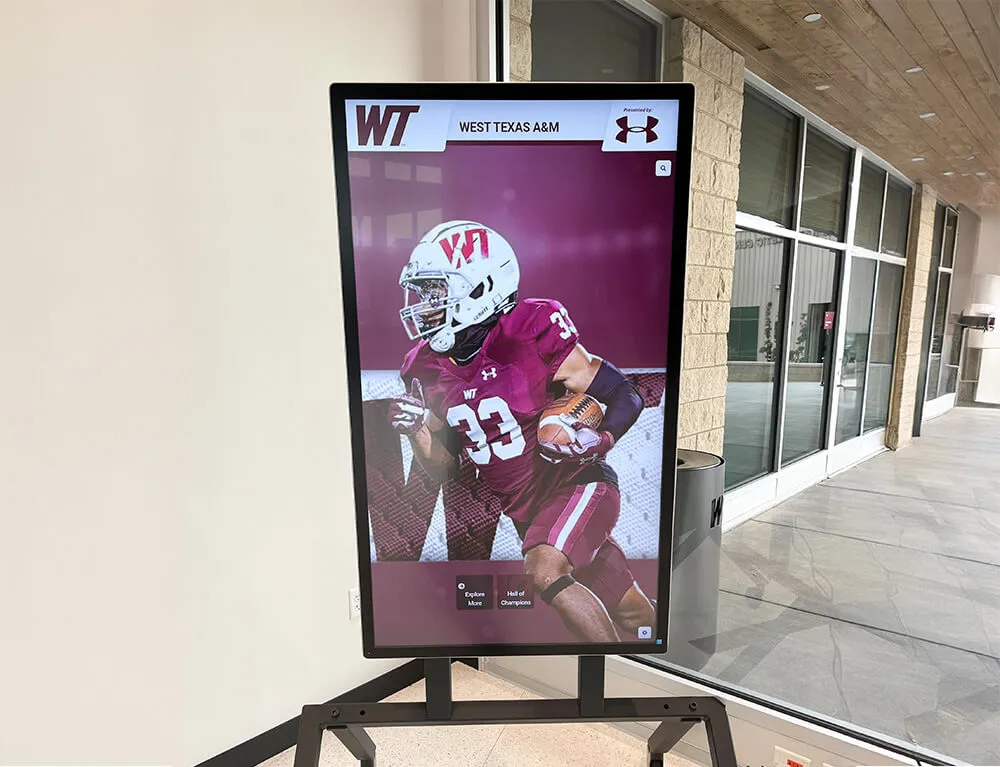
Interactive touchscreen hall of fame displays let visitors explore individual athlete profiles—career statistics, photos, and video highlights—from a single ADA-compliant screen positioned in the school lobby or hallway
For schools that have decades of athletic history archived in boxes and binders, digitizing old yearbooks and records for hall of fame displays provides a practical roadmap for bringing historical records into a modern recognition system without losing the context and specificity that make them meaningful.
Building Recognition Programs That Span Generations
The letterman jacket connects one generation of athletes to the next. An athlete who earns her letter in 2026 is stepping into a tradition that stretches back to her school’s first varsity teams. The hall of fame wall makes that connection visible—placing her achievement alongside alumni she may never meet, whose legacy shapes the culture she competes within.
Schools that build this kind of generational recognition system do so deliberately. They make consistent decisions about how to document each season, how to connect current athletes to program history, and how to honor the tradition the letterman jacket represents at every level.
Practical steps for building a generational recognition program:
- Archive every letter class: Create a digital or physical record of each season’s letter recipients by sport, with photos where available, going back as far as institutional records allow
- Establish consistent induction criteria: Document hall of fame selection criteria formally and review them on a regular cycle to ensure they reflect current program values and community standards
- Create an annual induction ceremony: A formal event—even a small one—gives hall of fame induction the institutional gravitas it deserves and creates a moment inductees and families carry forward
- Connect current athletes to program history: Display historical team records, previous letter recipient classes, and milestone moments so current athletes understand the tradition they are competing within
- Invest in the recognition display: A well-designed wall that visitors actively engage with communicates more about a school’s values than any policy document ever could
Engaging sports history displays show how programs use historical content—records, photographs, and milestone moments—to build the cultural context that current athletes actively explore and find meaningful.
For recognition programs at the youth and middle school level, basketball recognition and award strategies for young athletes demonstrate how building recognition habits early creates students who understand what earning a varsity letter will mean by the time they reach high school and walk into a hall of fame display for the first time.
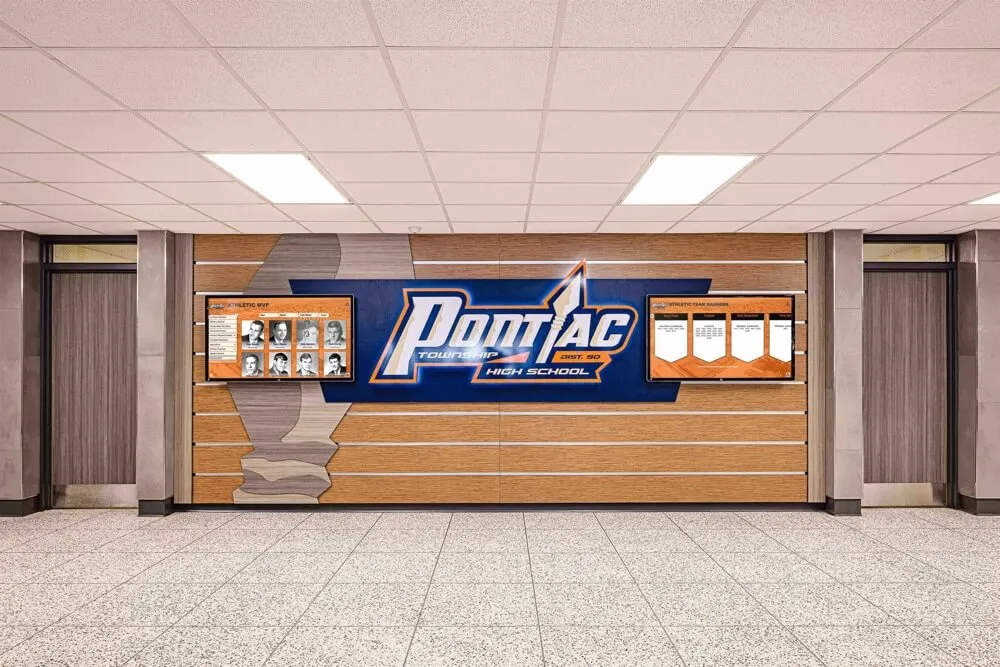
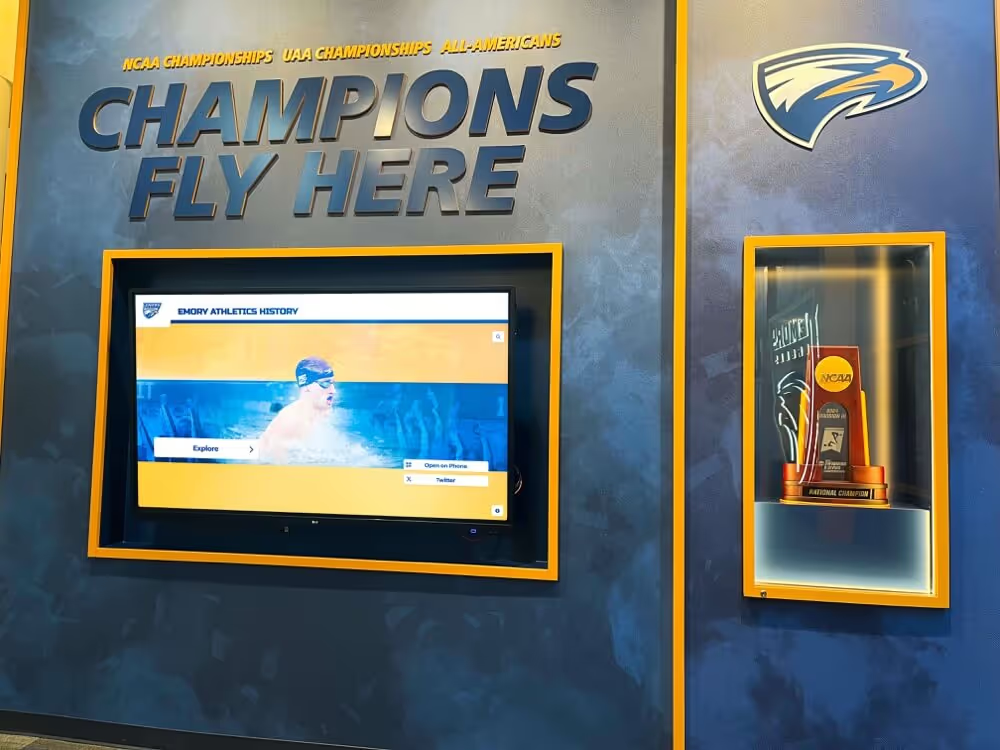
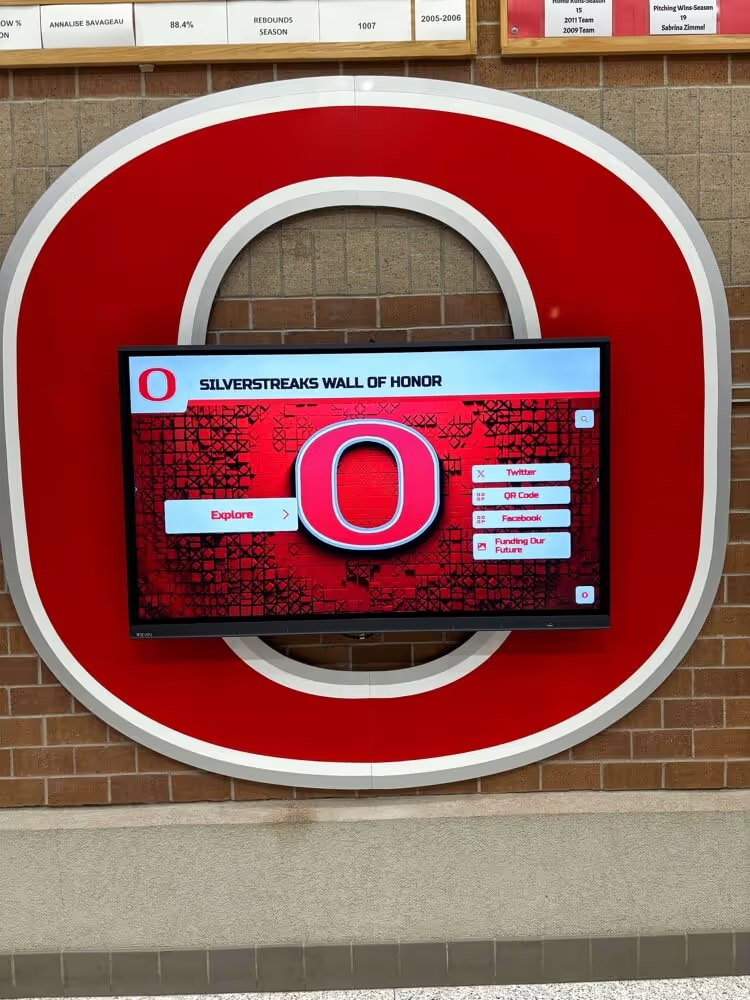
Dedicated athletic honor walls give letterman jacket traditions a permanent home—visible to every student, every school day, as an ongoing institutional statement of what excellence in this program looks like
Honoring Lettermen With a Recognition Wall That Lasts
Schools that want to build recognition walls truly worthy of the letterman jacket tradition—systems that handle unlimited inductees, integrate photos and video, update in real time, and serve both current students and returning alumni—need technology designed specifically for institutional athletic recognition.
Rocket Alumni Solutions builds interactive touchscreen halls of fame for schools, universities, and athletic programs. Installed in lobbies and hallways across hundreds of institutions, their systems turn physical walls into dynamic recognition experiences that honor current athletes while preserving the full history of every letterman jacket ever earned within a program.
Key features that align directly with the letterman jacket tradition:
- Unlimited inductee storage: No ceiling on athlete profiles, letter recipient class archives, or historical records
- Auto-ranking record boards: School and program records that update automatically when new marks are established
- ADA WCAG 2.1 AA compliance: Fully accessible to all visitors, ensuring inclusive recognition for every community member
- QR code mobile access: Alumni can explore their school’s complete hall of fame from anywhere, years after graduation
- Cloud-based remote CMS: Athletic staff add new letter recipients and update profiles without on-site technical support
- Professional installation and training: Hardware and software handled end to end by a dedicated installation team
The result is a recognition system that carries the meaning of the letterman jacket forward—not just for the four years an athlete wears it, but for every year that follows.
Conclusion: The Letterman Jacket Is Where Recognition Starts
The letterman jacket has endured because it means something specific. Earning it requires effort that cannot be faked and commitment that cannot be shortcut. When an athlete puts it on, they join every other athlete who wore it before them—a lineage that defines what that school’s program expects and values.
But the jacket belongs to the athlete. The wall of fame belongs to everyone.
Building a hall of fame wall worthy of the athletes who earned their letters means making deliberate choices: rigorous induction criteria, a formal ceremony, and a display that positions athletic achievement as a central part of the school’s identity. It means treating every inductee’s profile with the specificity their contribution deserves. And increasingly, it means using digital recognition technology to ensure the archive is complete, searchable, and accessible to the next generation of athletes who will earn their letters and look up to see who came before them.
The letterman jacket is where the story begins. The hall of fame wall is where the story gets preserved.
Build a Hall of Fame Wall Worthy of Your Lettermen
Discover how schools use interactive touchscreen recognition walls to honor every varsity athlete—from first-year letter recipients to hall of fame inductees—with profiles, statistics, video, and history that never run out of space.
Explore Digital Recognition WallsLive Example: Rocket Alumni Solutions Touchscreen Display
Interact with a live example (16:9 scaled 1920x1080 display). All content is automatically responsive to all screen sizes and orientations.