



The locker room serves as the heart of any athletic program—a space where teams prepare mentally and physically, where coaches deliver motivational messages, and where athletes build the bonds that transform individuals into unified competitors. Effective locker room design extends far beyond rows of metal lockers and wooden benches. The best athletic spaces strategically combine functional requirements with environmental elements that inspire peak performance and reinforce team identity.
Athletic directors, facilities managers, and architects face the challenge of creating locker rooms that meet practical demands while fostering the culture and motivation that distinguish championship programs. From youth sports facilities to collegiate athletics and professional training centers, thoughtful design choices influence everything from daily preparation routines to long-term athlete development and team cohesion.
This comprehensive guide explores locker room design principles that create functional, inspiring athletic spaces. Whether you’re planning new construction, renovating existing facilities, or upgrading specific areas to enhance team culture, you’ll discover strategies for optimizing layout, integrating motivational elements, incorporating modern technology, and designing spaces that athletes are proud to call their own.
Great locker rooms don’t happen by accident—they result from deliberate planning that addresses both immediate functional needs and longer-term goals around team culture, recognition, and facility longevity.

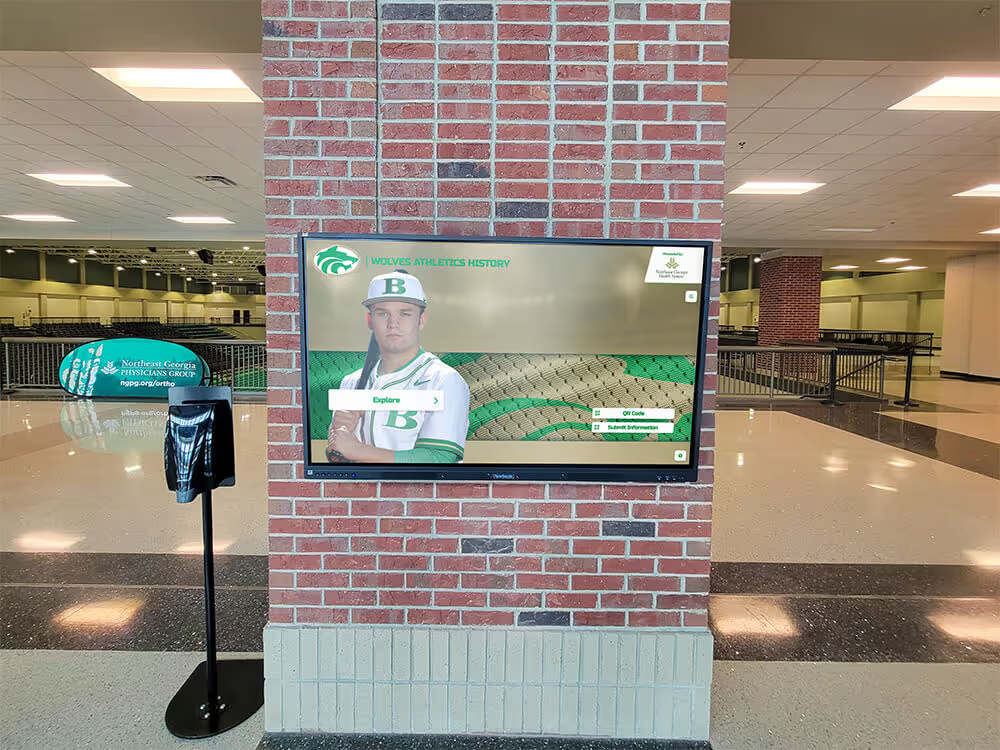
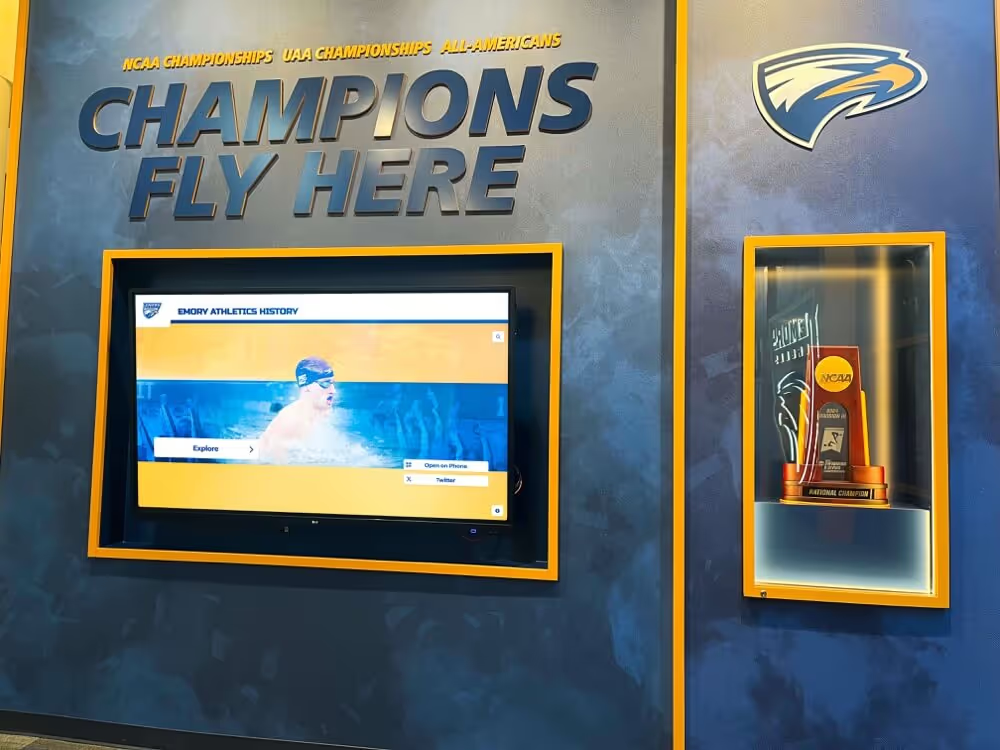
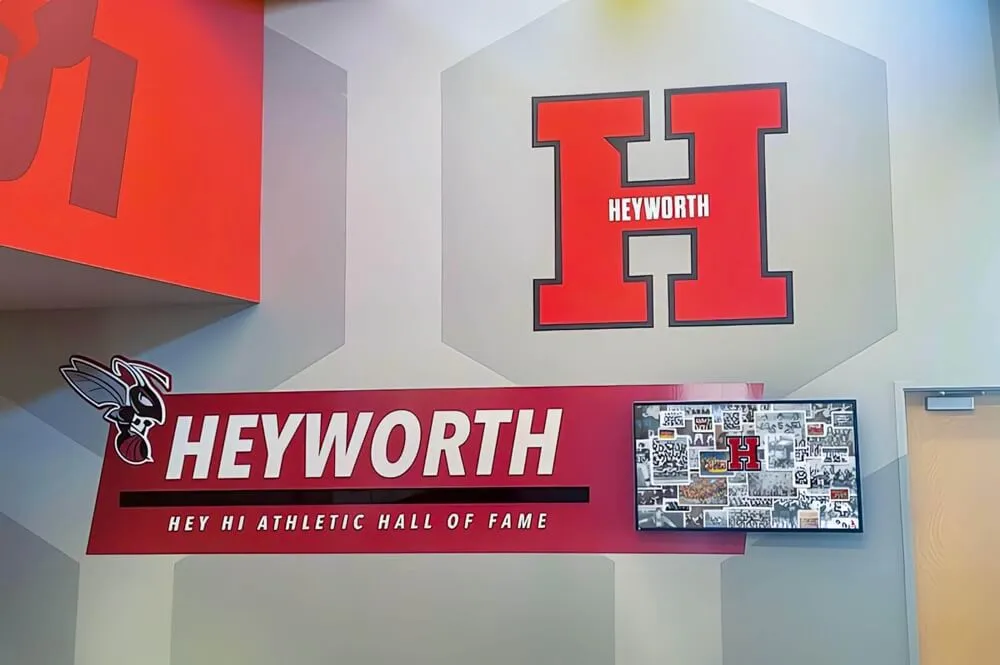
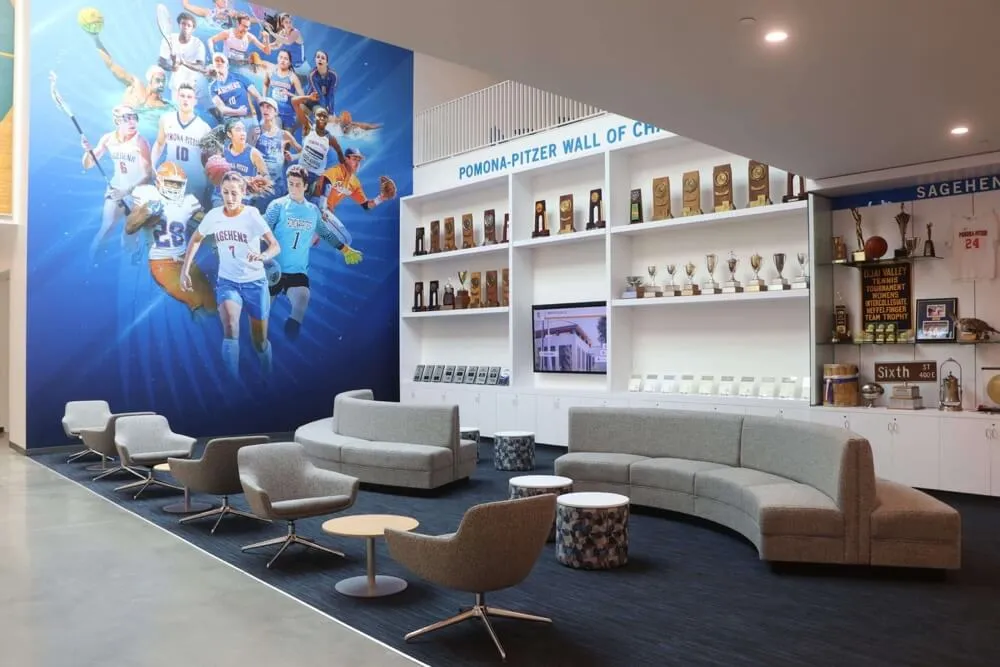
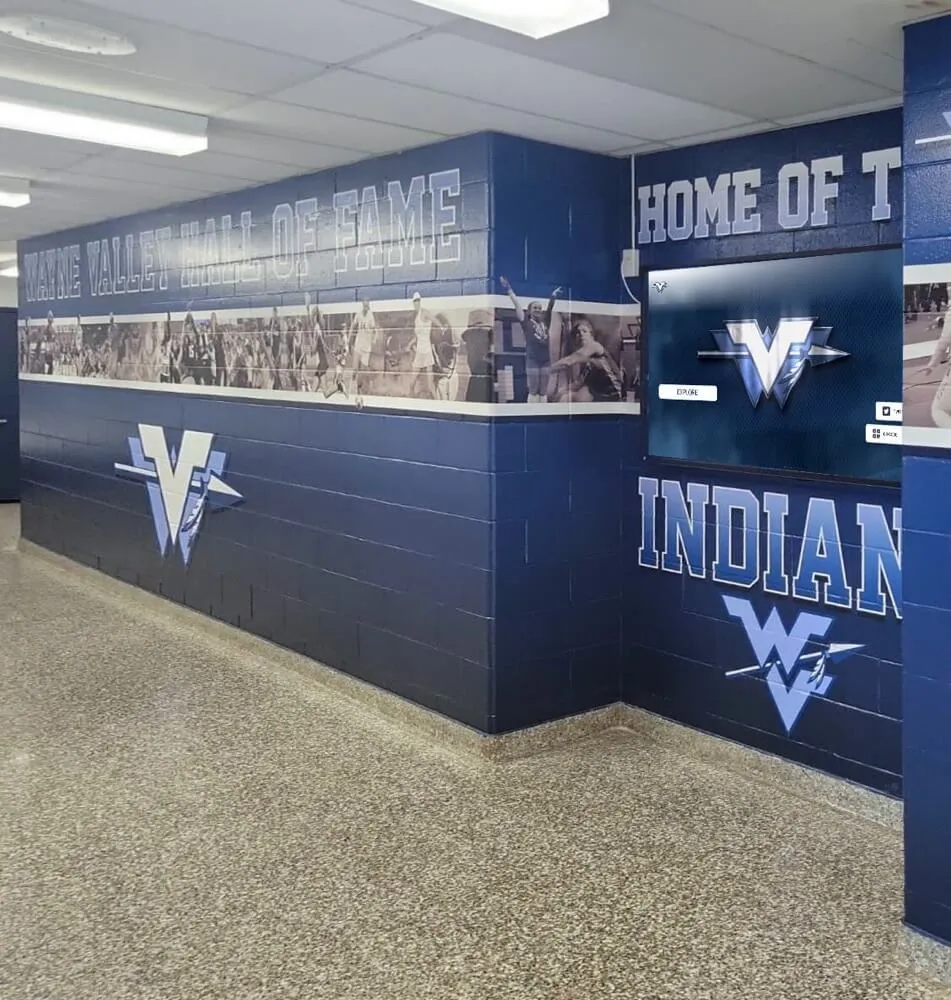
Modern locker room areas integrate team branding with digital displays showcasing records and achievements
Core Functional Requirements for Locker Room Design
Before addressing aesthetic and motivational elements, successful locker room design must satisfy fundamental functional requirements that support daily athletic operations.
Space Planning and Layout Optimization
Adequate Square Footage
Calculate space requirements based on:
- Team size (include growth projections for 5-10 years)
- Multiple team usage schedules
- Equipment storage needs beyond personal lockers
- Coaching staff requirements
- Medical and training areas
- Traffic flow during peak usage times
Most high school varsity locker rooms require minimum 15-20 square feet per athlete when accounting for locker space, bench areas, and circulation. Collegiate and professional facilities typically allocate 25-35 square feet per athlete to accommodate enhanced amenities.
Strategic Layout Configurations
Common locker room layouts include:
- Perimeter configuration: Lockers along walls with central bench and floor space
- Island design: Back-to-back locker rows creating multiple zones
- Alcove arrangement: Smaller team sections within larger facility
- Position-specific zones: Separate areas for offense/defense, specific positions, or class years
Layout decisions should facilitate coach visibility, create clear pathways to facilities (showers, restrooms, training areas), and establish natural gathering spaces for team meetings and pre-game preparation.
Essential Functional Zones
Locker and Storage Areas
Personal locker specifications:
- Minimum dimensions: 12" wide × 15" deep × 72" tall
- Ventilation slots or perforations preventing odor buildup
- Secure locking mechanisms (combination, key, or digital)
- Integrated seating benches (15-18" deep minimum)
- Hooks, shelves, and organizational accessories
- Nameplates identifying locker assignments
Consider full-length lockers for storing equipment and hanging jerseys versus stacked half-lockers for programs with space constraints.
Equipment Storage Beyond Personal Lockers
Dedicated spaces for:
- Team equipment (balls, training gear, practice uniforms)
- Laundry collection and distribution systems
- Helmet and padding storage with proper ventilation
- Coaches’ equipment and gameday materials
- Cleaning supplies and maintenance equipment
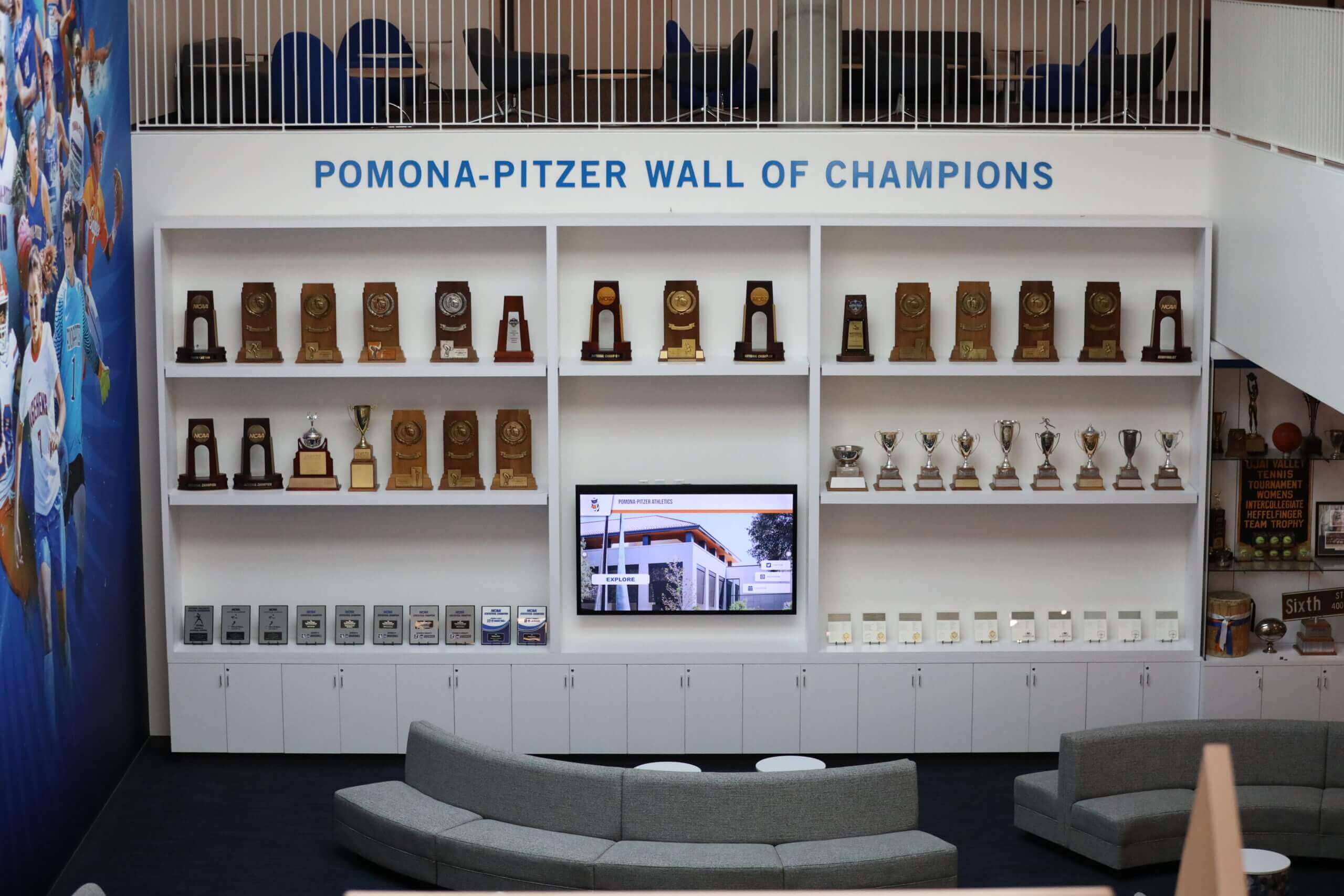
Well-designed team spaces incorporate comfortable gathering areas alongside recognition displays celebrating achievements
Shower and Restroom Facilities
Design considerations:
- One shower per 3-4 athletes (minimum guideline)
- Individual shower stalls with privacy options
- ADA-compliant accessible facilities
- Slip-resistant flooring throughout wet areas
- Adequate ventilation preventing moisture buildup
- Sufficient toilets and sinks based on occupancy
- Touchless fixtures reducing maintenance and improving hygiene
Training and Medical Areas
Integrated or adjacent spaces:
- Athletic training room for injury evaluation and treatment
- Taping stations with appropriate counters and storage
- Ice baths and contrast therapy equipment
- Rehabilitation equipment access
- First aid and emergency equipment storage
- Privacy areas for medical examinations
These functional zones form the foundation of effective locker room design, but championship facilities go beyond basics to create environments that inspire excellence.
Creating Inspiring and Motivational Environments
The most impactful locker rooms transcend functional requirements to become spaces that reinforce team identity, celebrate achievement, and motivate athletes to pursue excellence.
Team Branding and Identity Integration
Visual Branding Elements
Establish strong team identity through:
- Color schemes: Incorporate school or team colors throughout flooring, wall finishes, locker colors, and accent elements
- Logo placement: Strategic positioning at focal points, entrance walls, and throughout facility
- Mascot imagery: Murals, graphics, and dimensional elements reinforcing team identity
- Typography: Consistent fonts matching broader athletic department branding
- Material selections: Finishes and textures reflecting program values (tradition vs. innovation, toughness vs. agility)
Many successful programs create recognition walls that showcase team history and motivate current athletes to add their own chapters to the legacy.
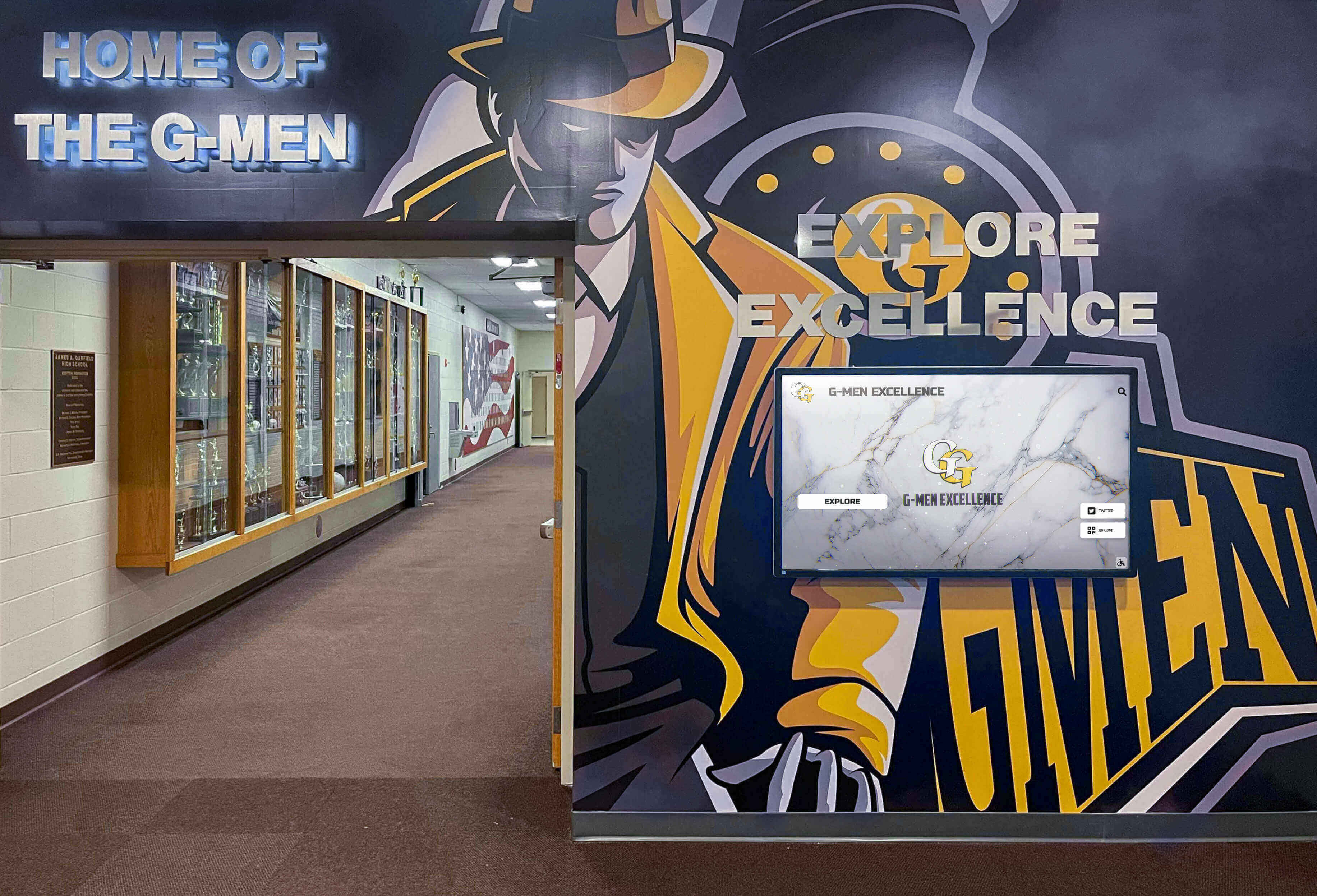
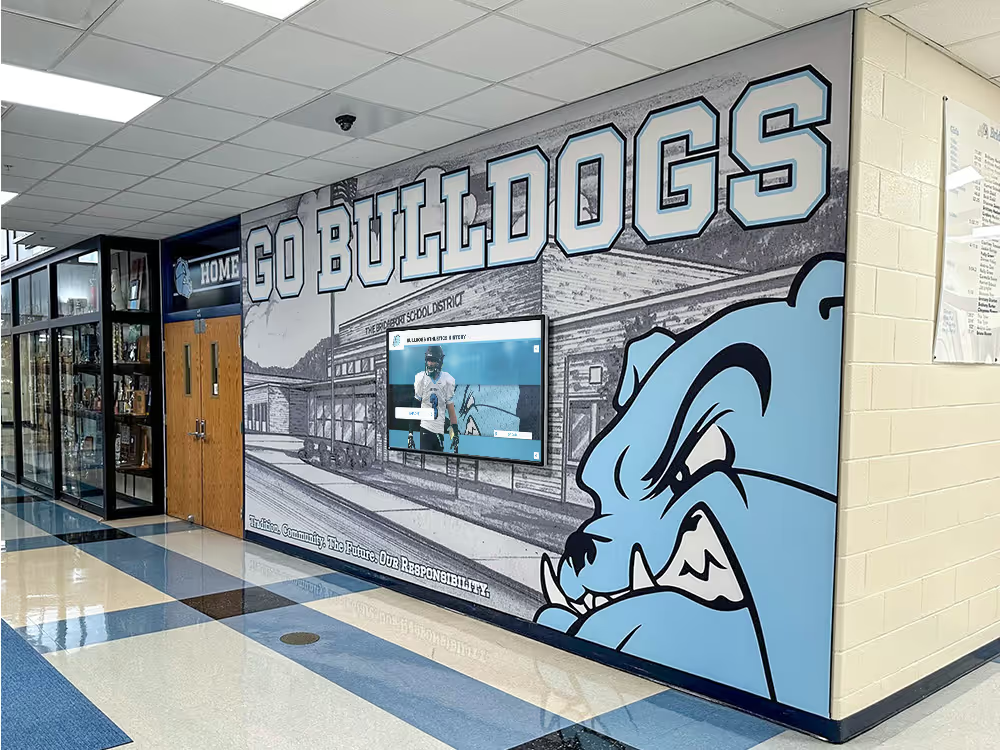
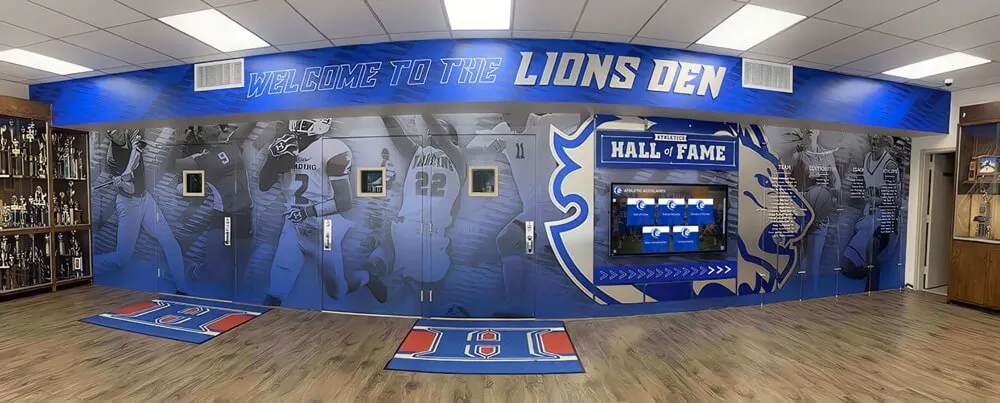
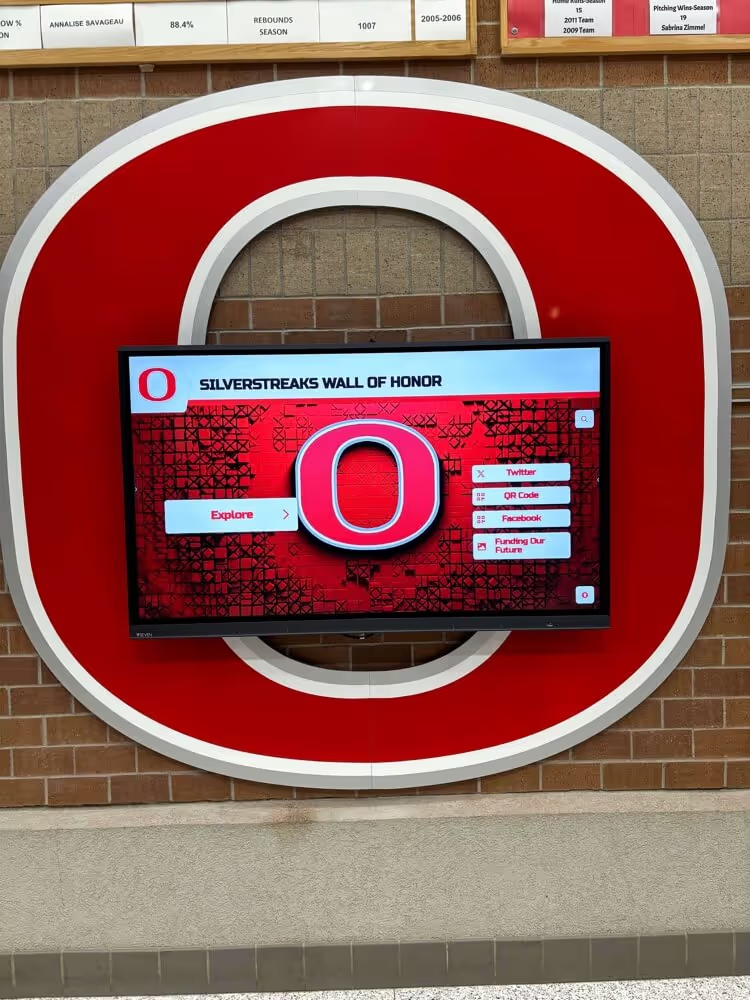
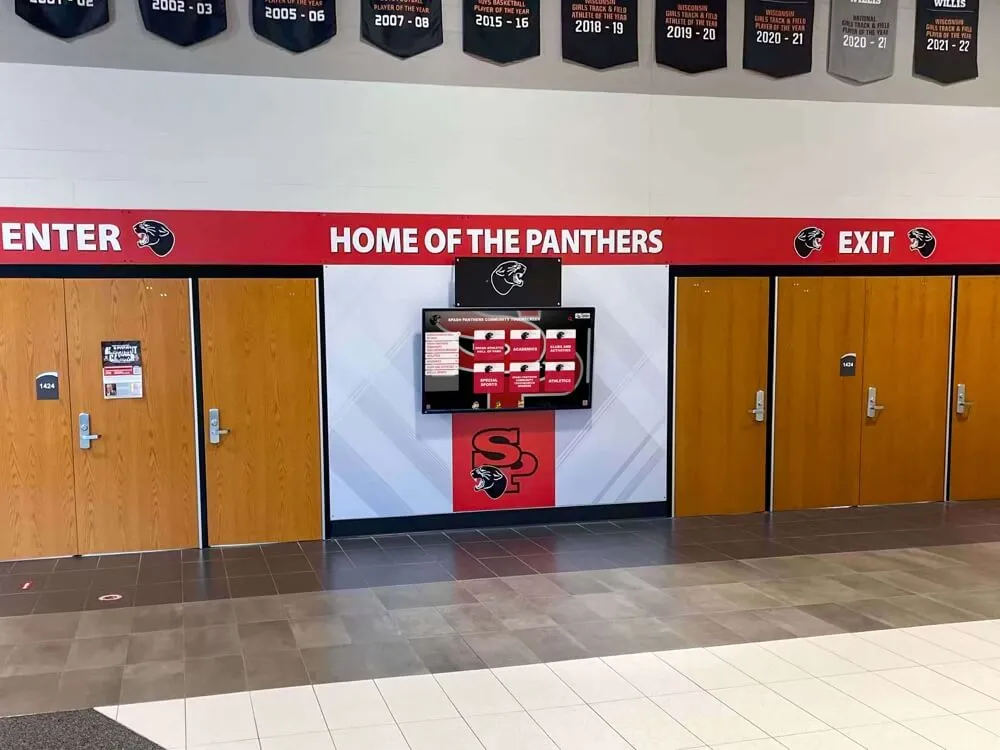
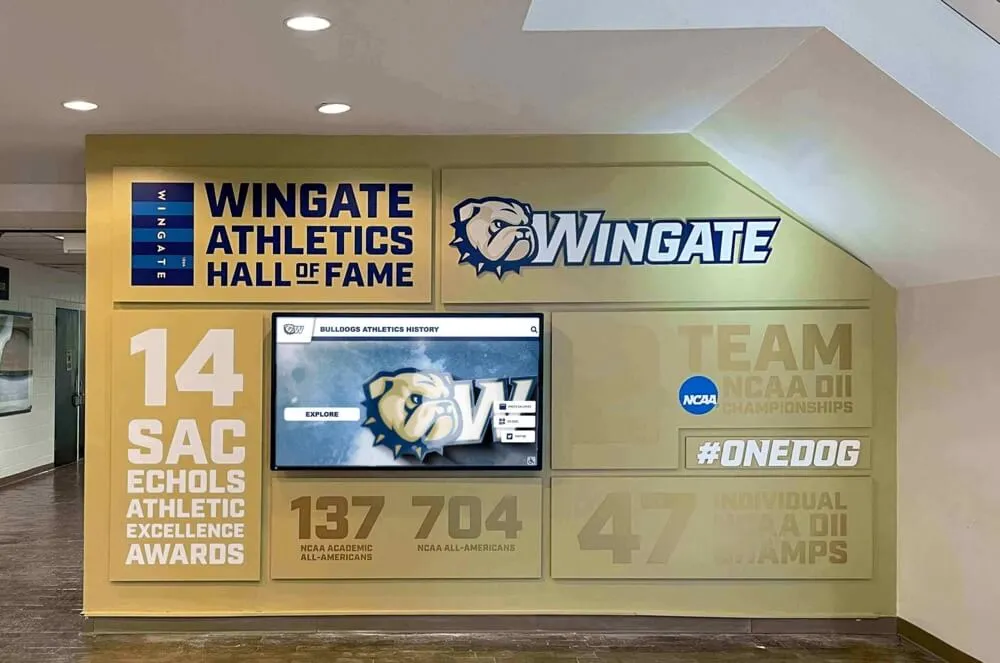
Comprehensive athletic spaces combine traditional trophy displays with modern digital technology and bold team branding
Recognition and Achievement Displays
Championship locker rooms prominently showcase team accomplishments, creating constant visual reminders of the standards athletes strive to uphold.
Record Boards and Achievement Tracking
Display formats for showcasing excellence:
- Team records: Championships, winning streaks, historic victories
- Individual records: School records by event, position, or statistical category
- Season milestones: Conference titles, playoff appearances, academic achievements
- All-time greats: Hall of fame inductees and distinguished alumni
Modern facilities increasingly implement digital record boards that automatically update as athletes break records, providing dynamic recognition that static plaques cannot match.
Trophy and Award Display Areas
Championship locker rooms feature dedicated spaces showcasing:
- Team championship trophies in prominent display cases
- Conference and tournament awards
- Individual athlete honors and all-star recognitions
- Academic achievement awards and team GPA recognition
- Community service and character awards
These displays serve dual purposes: honoring past excellence while challenging current athletes to add their own achievements to the collection.
Wall of Fame and Legacy Recognition
Programs with rich histories dedicate wall space or entire corridors to:
- Retired jersey displays honoring exceptional athletes
- Photographic timelines documenting program evolution
- Hall of fame inductee profiles celebrating legendary contributors
- Historic team photos from championship seasons
- Quote collections from distinguished coaches and athletes

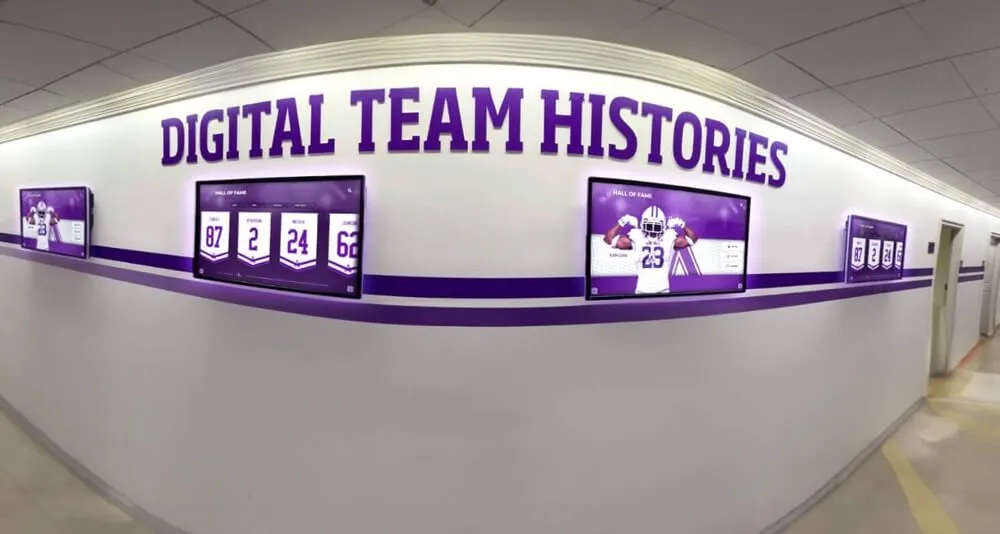
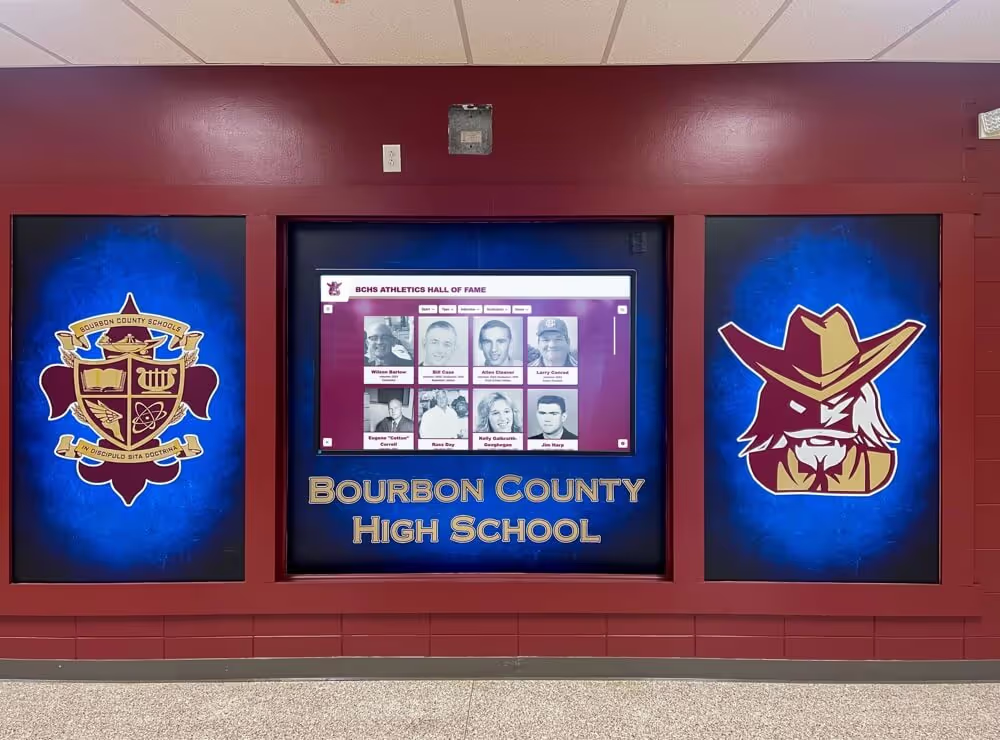
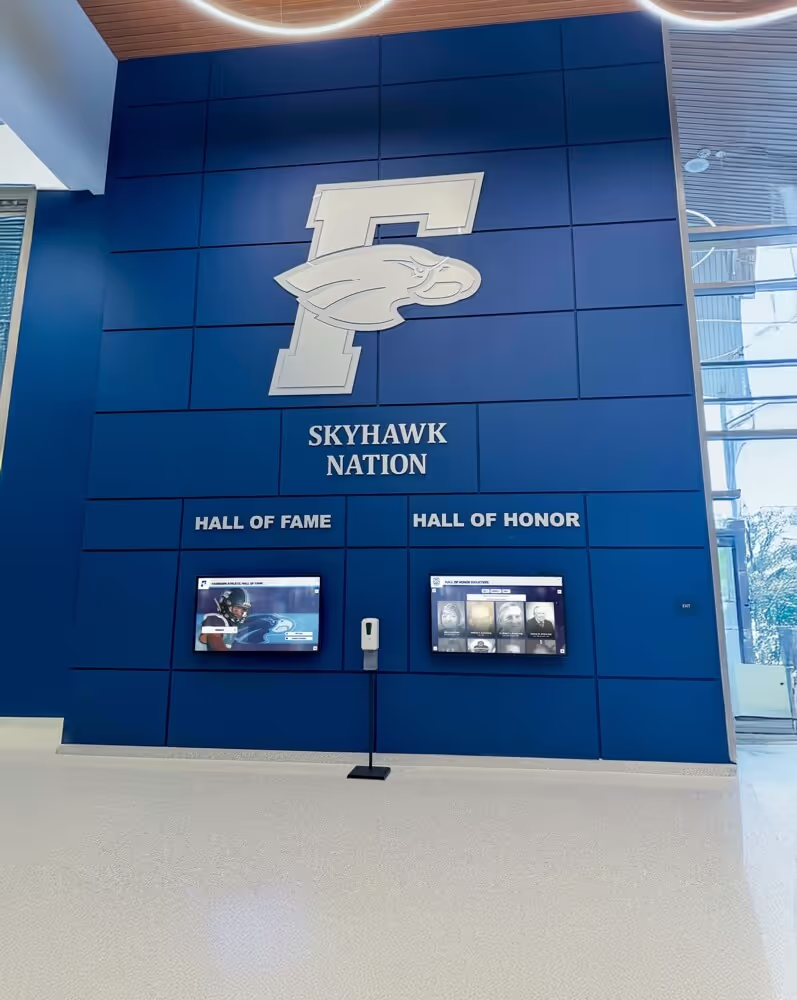
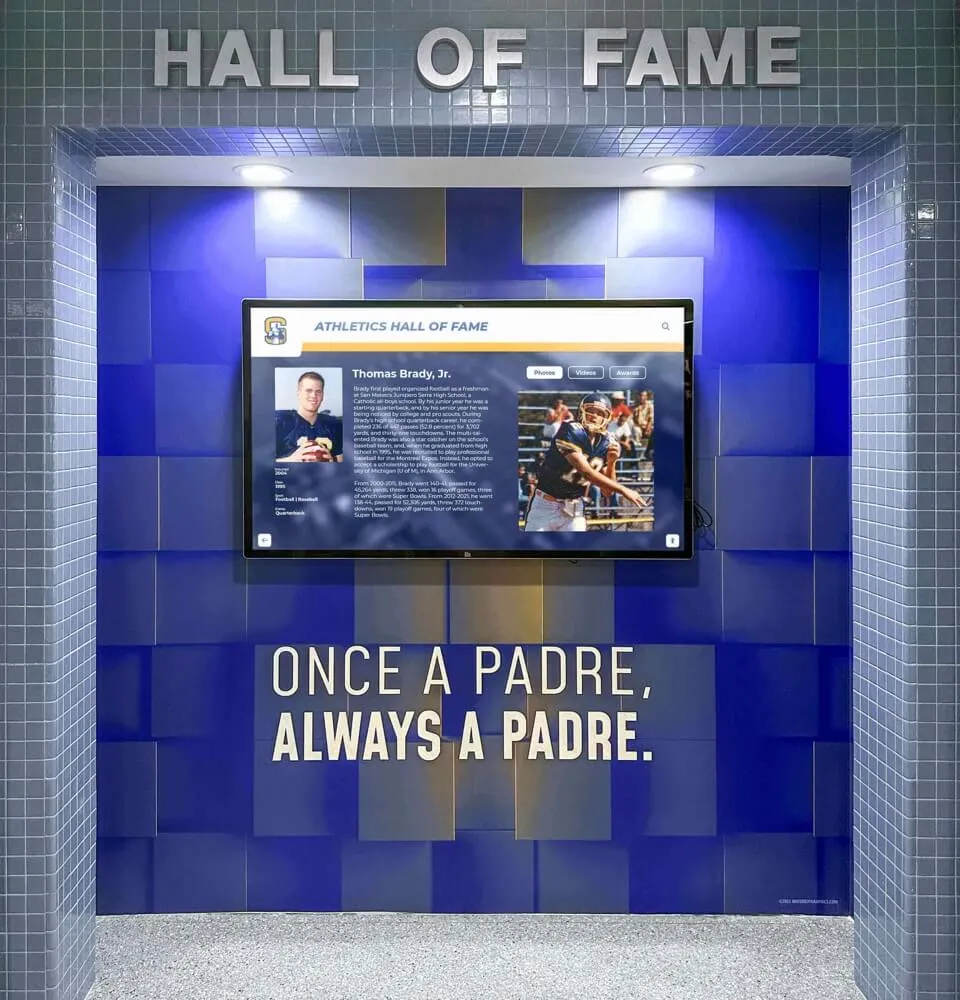
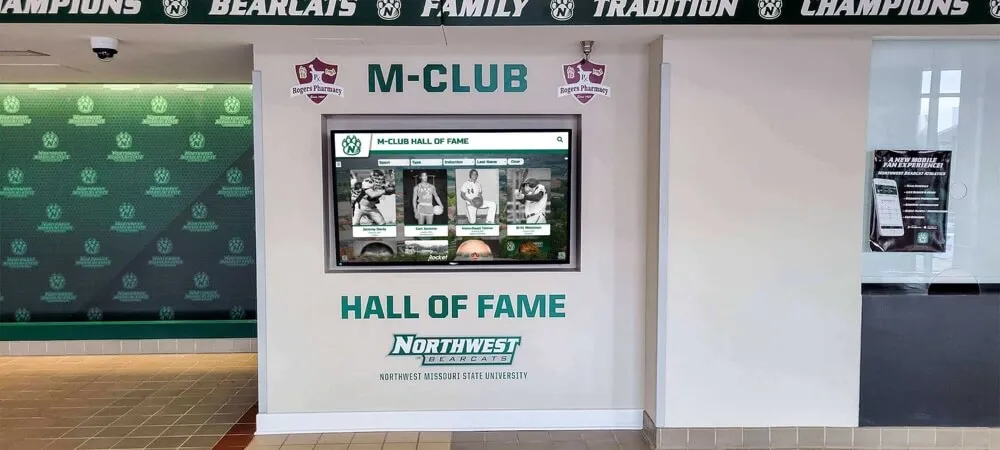
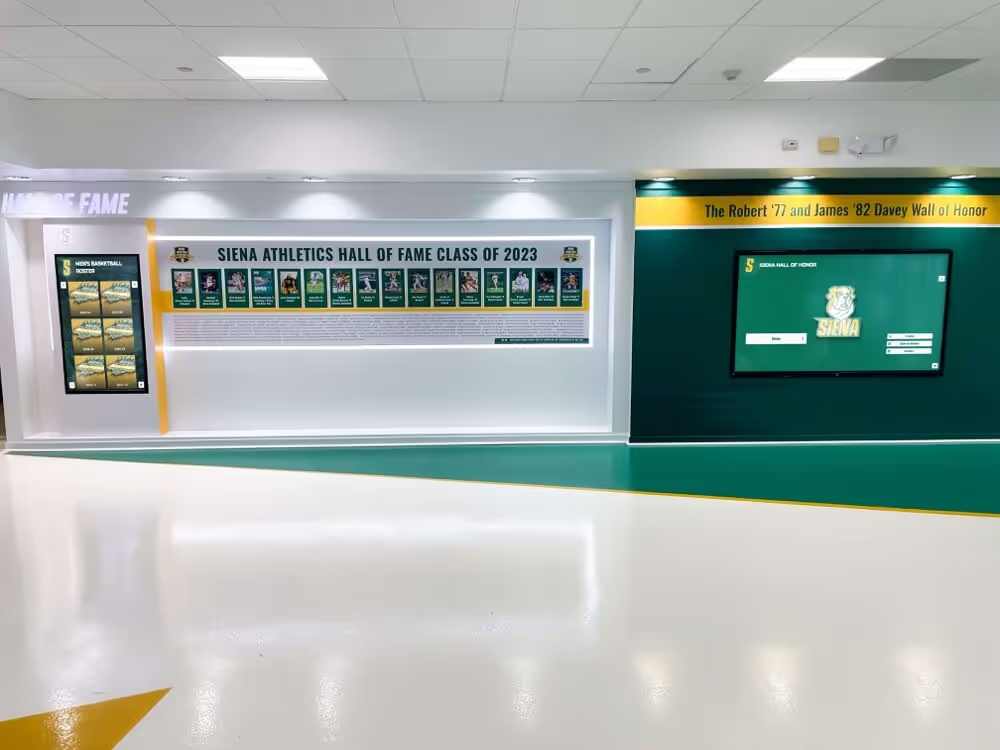
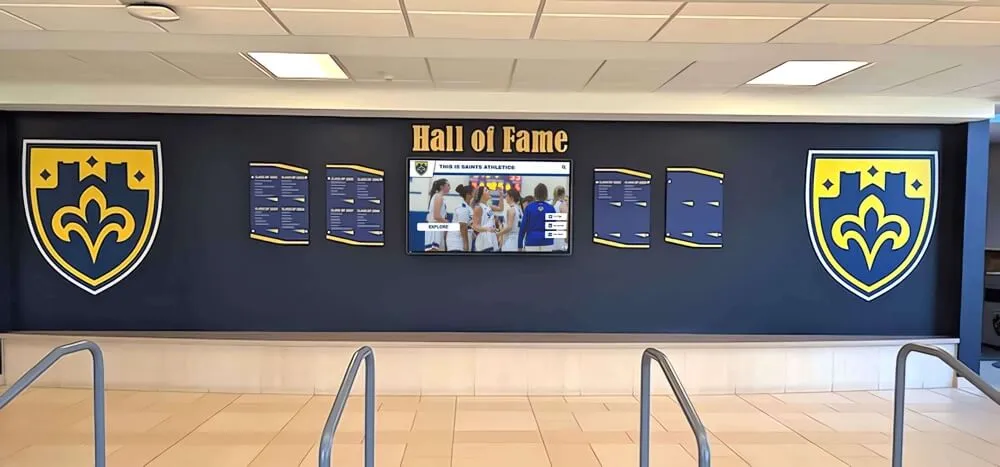
Digital displays allow programs to showcase extensive hall of fame content without the space limitations of traditional plaques
Motivational Messaging and Environmental Design
Beyond showcasing achievements, effective locker room design incorporates elements that inspire daily excellence.
Strategic Quote and Message Placement
Carefully selected motivational content:
- Entrance messaging establishing tone as athletes enter facility
- Position-specific quotes relevant to different areas
- Core values statements reinforcing team culture
- Inspirational messages from program legends
- Season-specific themes and goals
Position these elements at natural focal points: above locker areas, in sight lines from benches, on walls facing exits to fields or courts, and in spaces where athletes naturally gather.
Lighting Design for Performance and Atmosphere
Lighting significantly impacts mood and functionality:
- Task lighting: Adequate illumination for lockers, training areas, and preparation spaces
- Ambient lighting: General facility lighting creating appropriate atmosphere
- Accent lighting: Highlighting achievement displays, branding elements, and architectural features
- Adjustable systems: Dimming capabilities for different activities (team meetings vs. game preparation)
- Energy efficiency: LED systems reducing operating costs while improving quality
Strategic lighting transforms locker rooms from purely functional spaces into environments that energize and focus athletes.
Integrating Modern Technology in Athletic Spaces
Contemporary locker room design increasingly incorporates technology that enhances functionality, engagement, and recognition capabilities.
Digital Display Systems for Recognition and Communication
Interactive digital displays offer advantages traditional static recognition cannot provide:
Dynamic Content Capabilities
Modern systems enable:
- Real-time record board updates as athletes achieve new marks
- Rotating highlight video compilations from recent competitions
- Schedule and opponent information for upcoming contests
- Academic achievement recognition updated by semester
- Social media integration showcasing team content
- Alumni athlete updates and professional career tracking
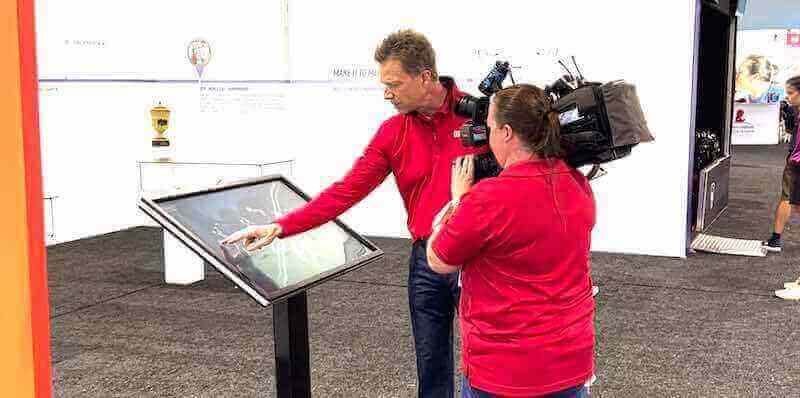
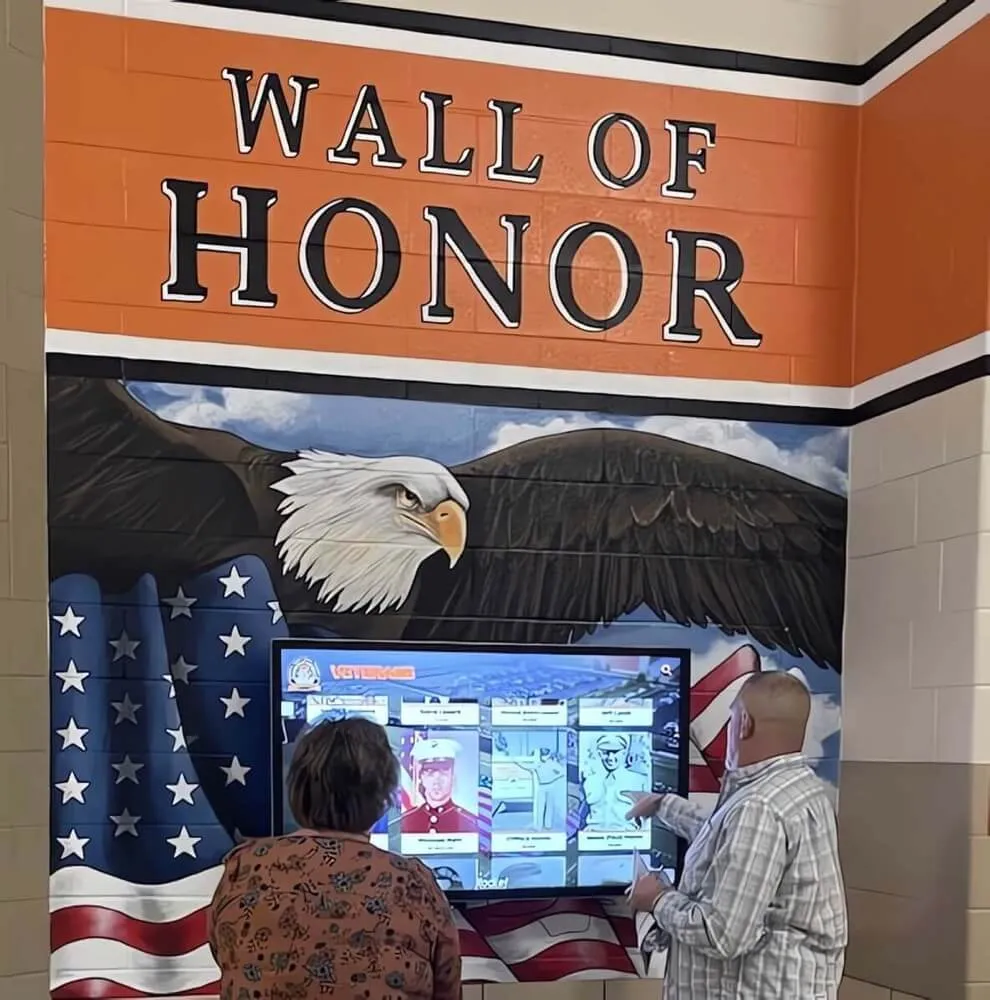
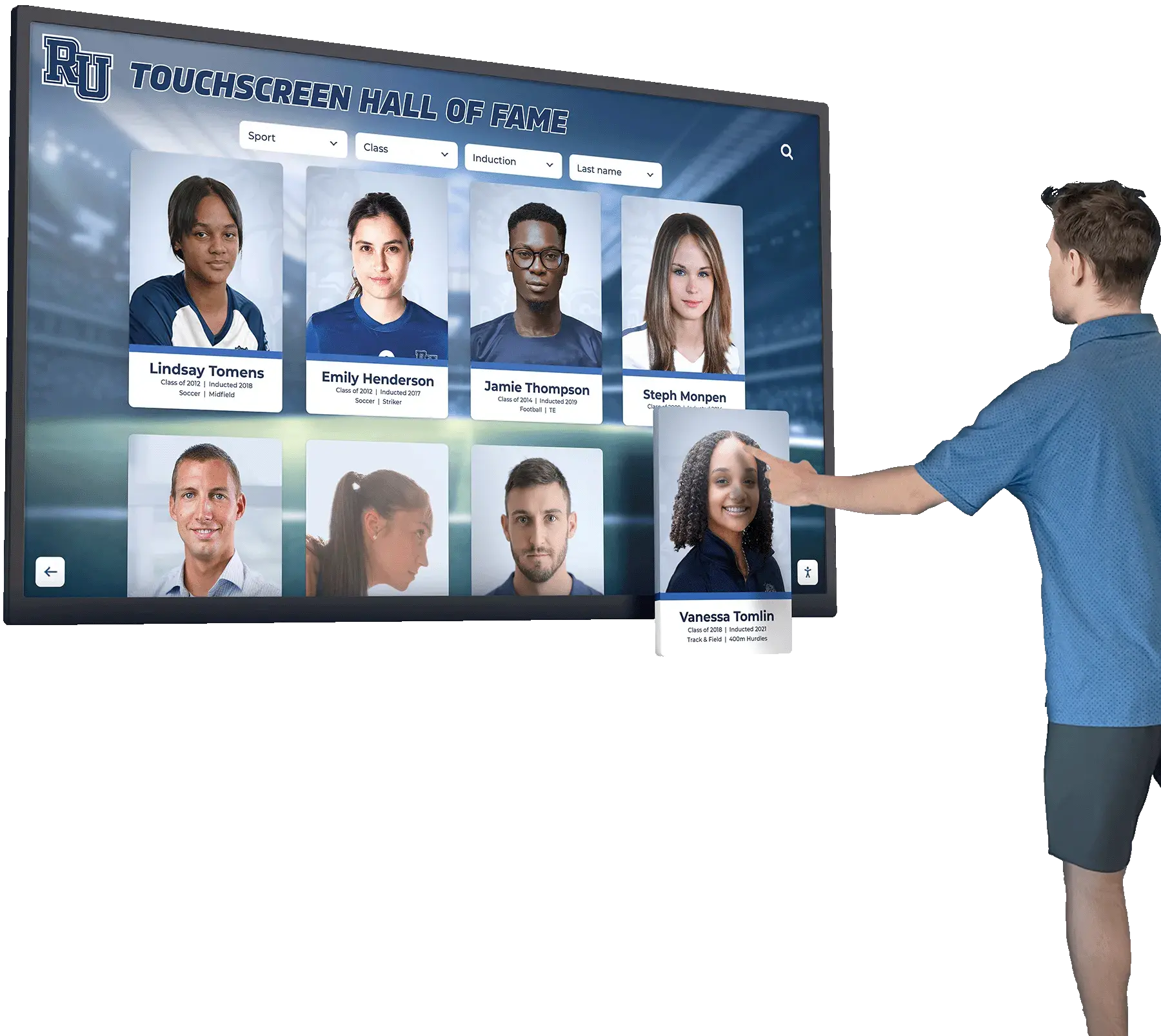
Schools implementing interactive touchscreen displays for athletic recognition create engaging experiences where athletes can explore program history, view detailed statistics, and discover stories behind the achievements.
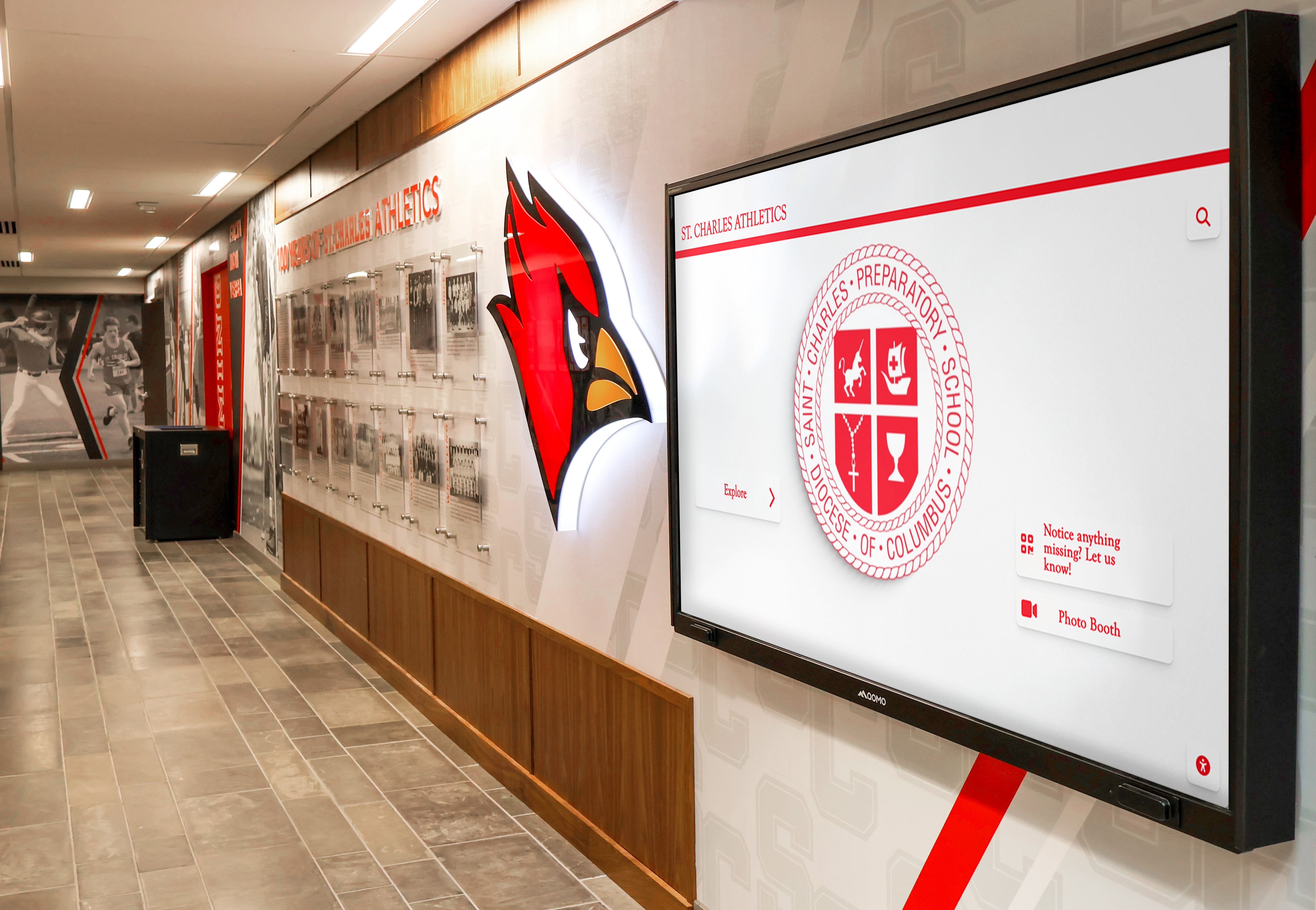
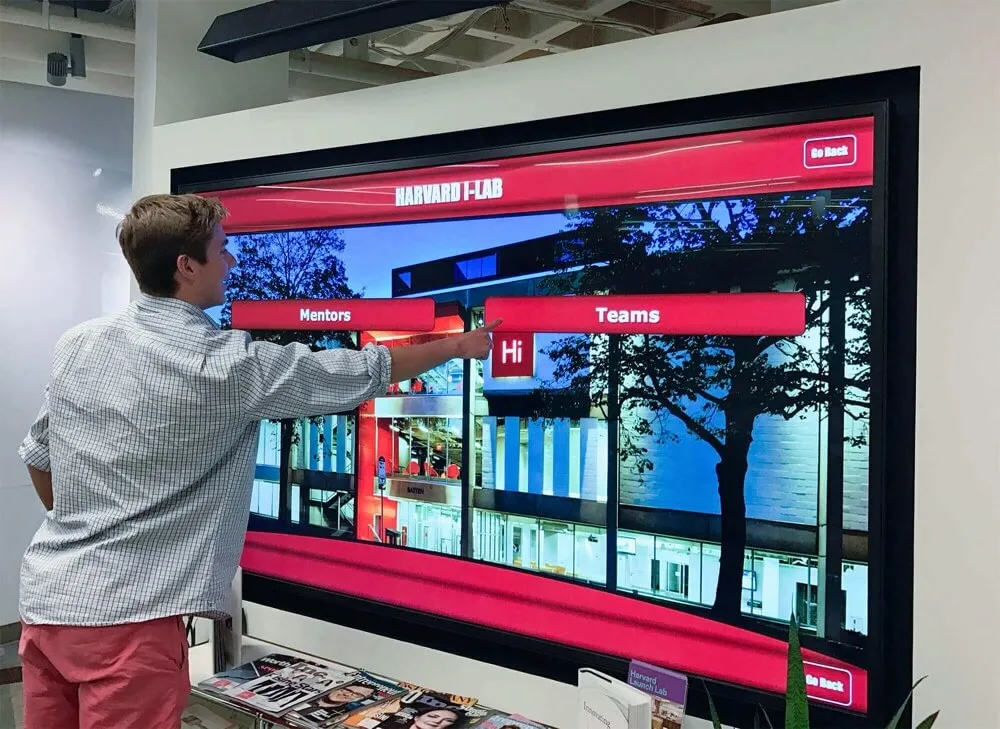
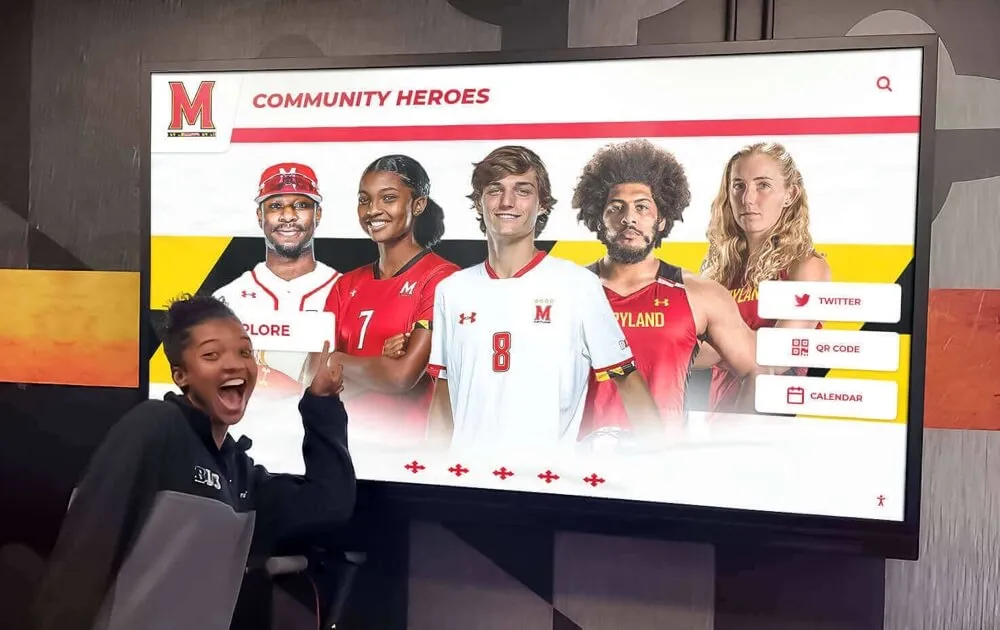
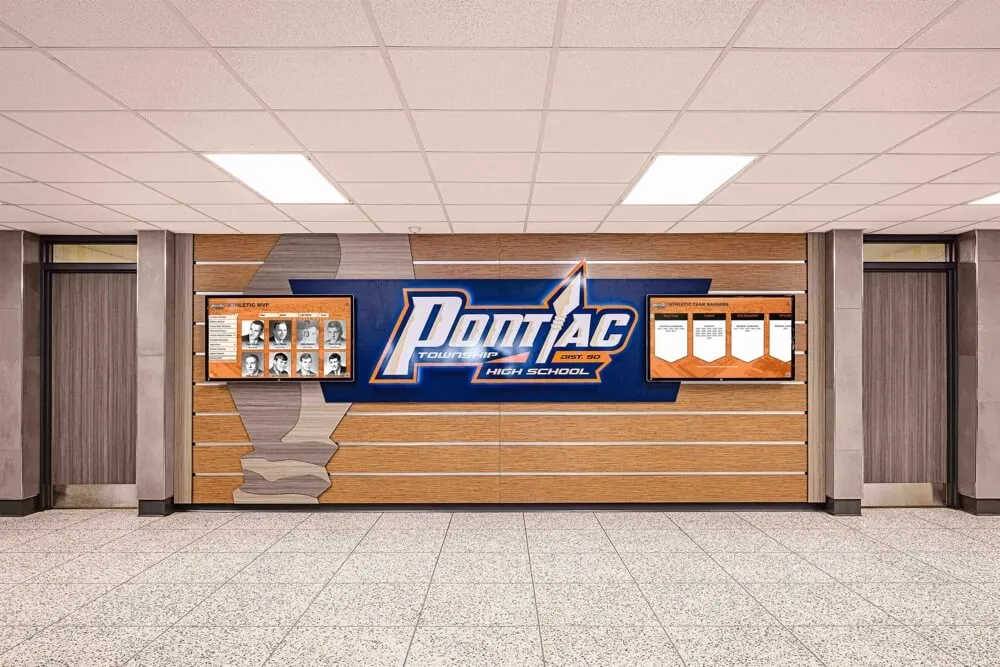
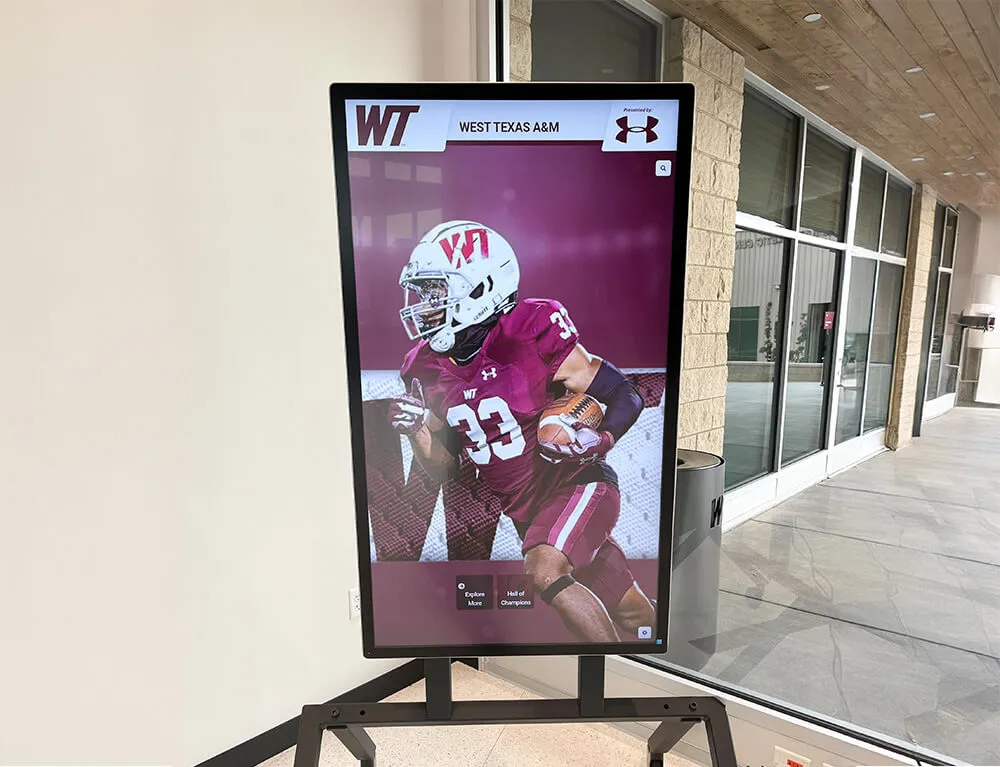
Digital displays in athletic corridors provide flexible content management for schedules, achievements, and motivational messaging
Engagement and Interaction
Touchscreen systems allow:
- Athletes browsing detailed stats and career progression
- Coaches highlighting specific achievements during team meetings
- Recruits exploring program history during facility tours
- Parents and visitors accessing information during events
- Alumni reconnecting with their own achievements during returns
This interactivity transforms passive displays into engagement platforms that strengthen connections between current teams and program legacy.
Content Management and Updates
Cloud-based systems offer:
- Remote content updates without physical access to displays
- Scheduled content publishing for seasonal themes
- Multi-location management for facilities with multiple locker rooms
- Template-based design maintaining consistent branding
- Analytics tracking which content generates most engagement
Administrative efficiency matters—systems requiring minimal staff time for updates gain adoption while high-maintenance solutions often fall into disuse.
Additional Technology Integration
Audio-Visual Systems
Modern locker rooms incorporate:
- Ceiling or wall-mounted speakers for announcements and music
- Video displays for film review and opponent preparation
- Wireless connectivity for coaches’ devices
- Recording capabilities for team meetings and speeches
- Integrated controls accessible to coaching staff
Device Charging and Connectivity
Essential modern amenities:
- USB charging ports integrated into locker areas
- Electrical outlets positioned strategically
- Secure device storage preventing theft
- WiFi coverage throughout facility
- Device management policies balancing access and focus
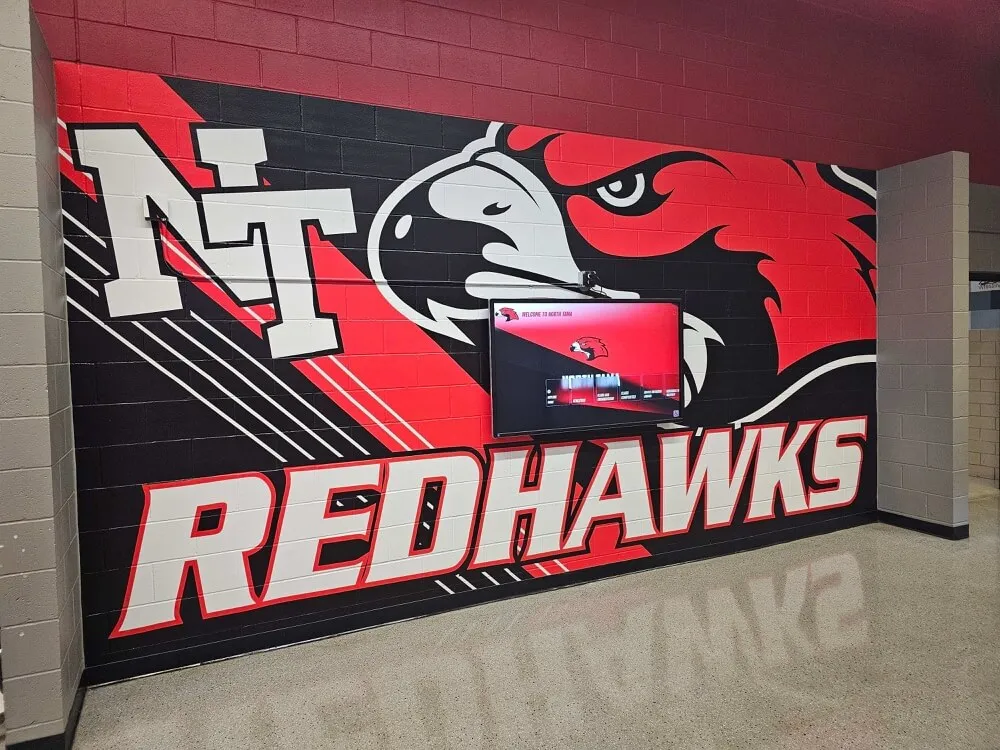
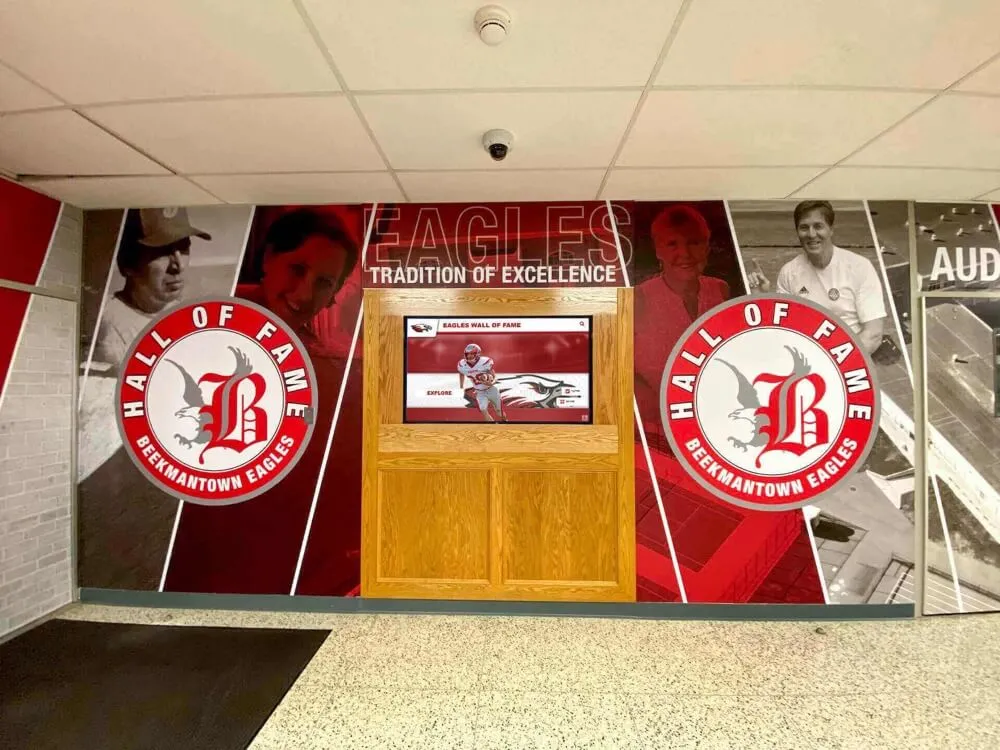
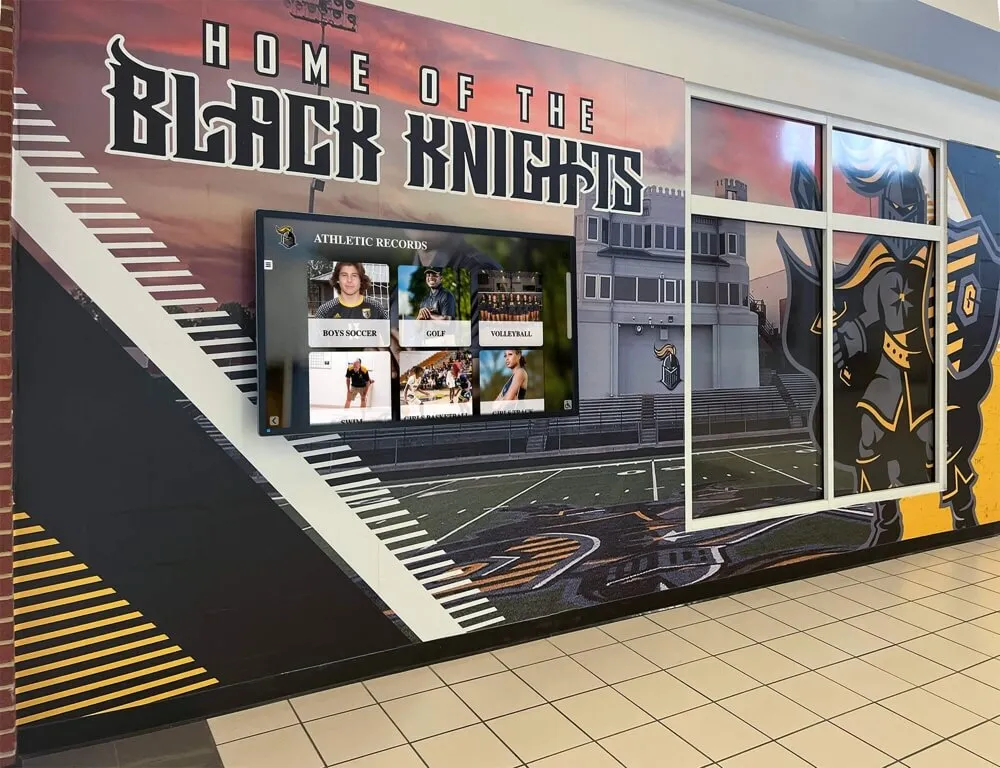
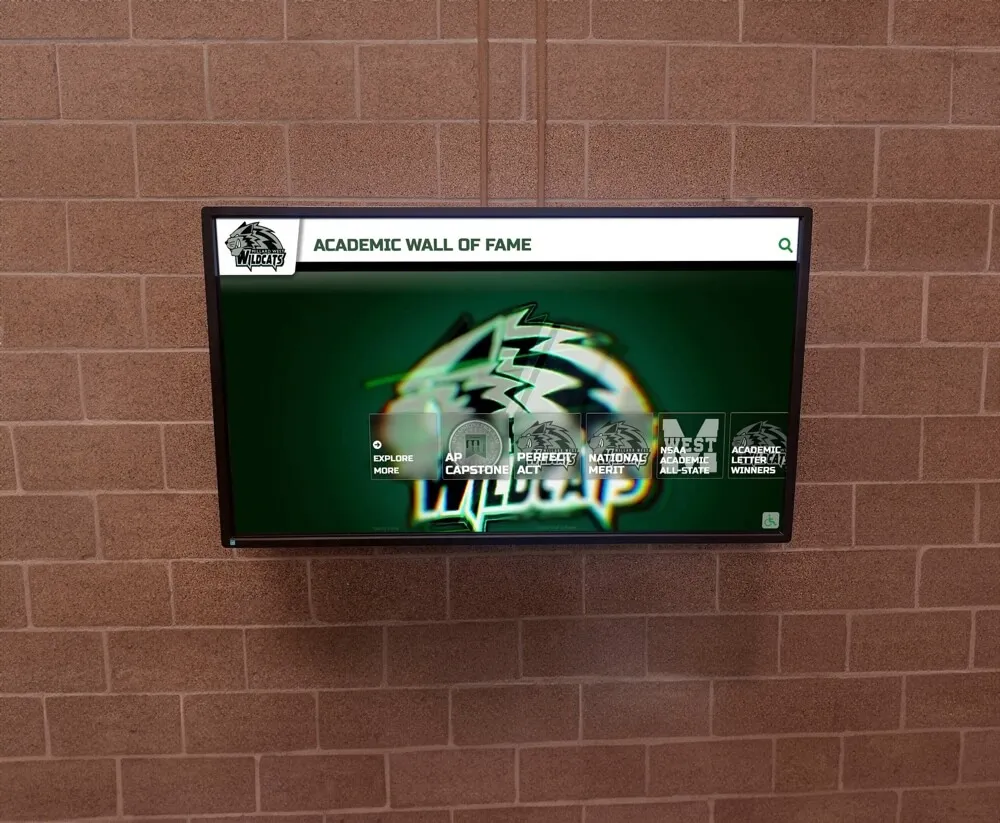
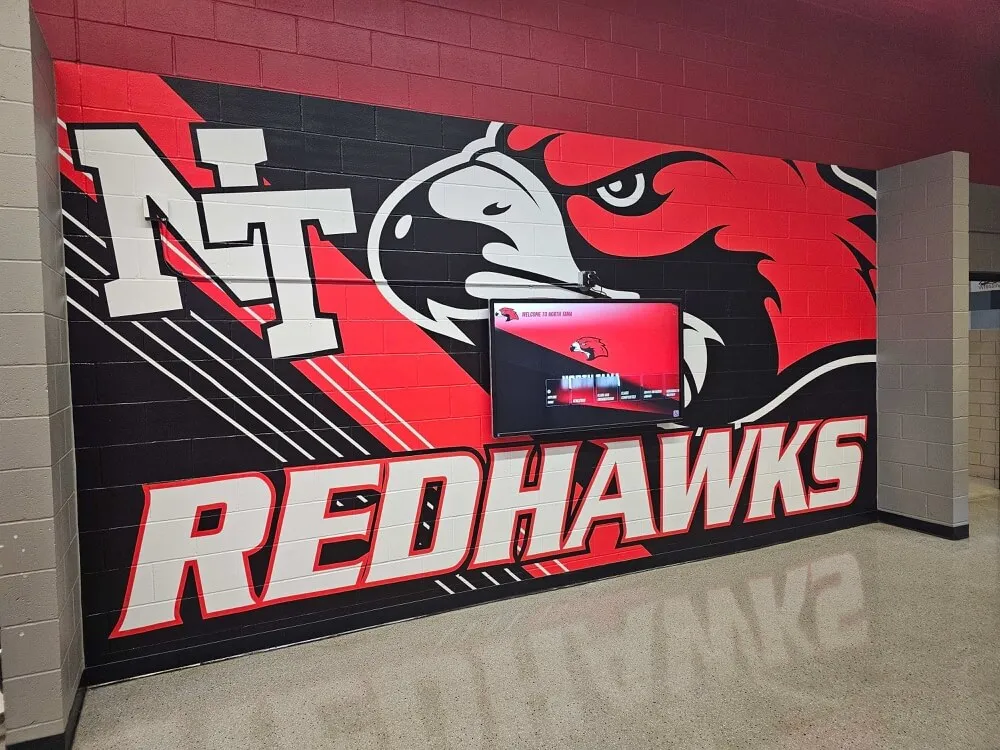
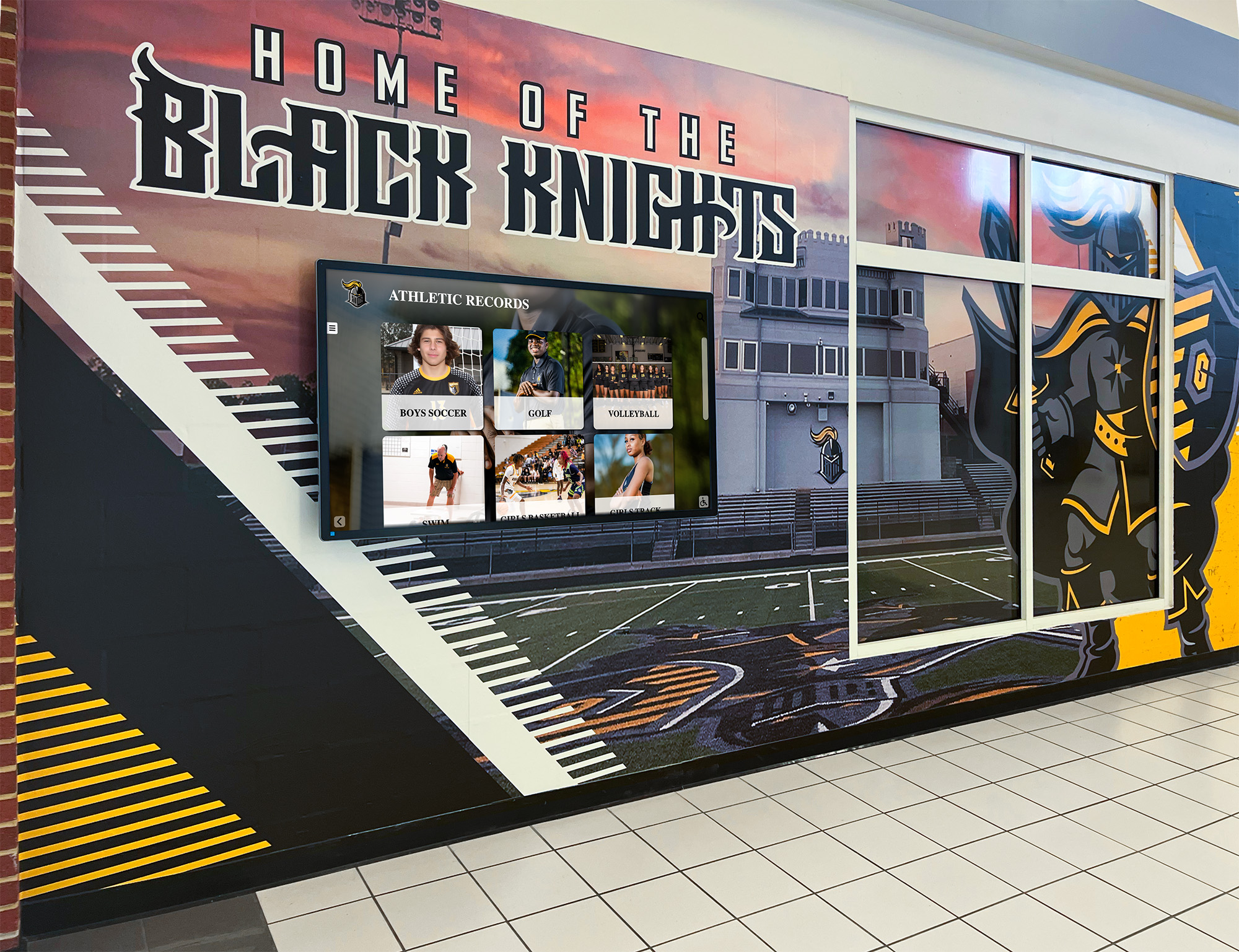
Integrating digital screens with bold graphics creates cohesive design while maintaining content flexibility
Security and Access Control
Technology-enhanced security:
- Electronic access control systems limiting entry
- Security cameras in common areas (not changing/shower spaces)
- Digital locker systems replacing traditional locks
- Visitor management protocols for facility access
- Integration with broader campus security systems
Technology should enhance rather than complicate locker room operations—select systems matching staff technical capabilities and maintenance capacity.
Materials Selection and Durability Considerations
Athletic facilities endure demanding use requiring material selections prioritizing durability, maintenance, and safety.
High-Performance Flooring
Locker room flooring must withstand moisture, heavy traffic, and equipment impacts:
Locker Area Flooring
- Rubber flooring offering slip resistance and durability
- Interlocking tiles allowing easy replacement of damaged sections
- Carpet tiles with moisture-resistant backing in dry areas
- Concrete with epoxy coatings for industrial durability
- Raised flooring systems preventing standing water
Wet Area Flooring
- Non-slip ceramic or porcelain tile with textured surfaces
- Vinyl sheet flooring with welded seams preventing water penetration
- Proper drainage slopes directing water to drains
- Transition strips preventing trip hazards between zones
Wall Finishes and Protection
Walls in athletic spaces require finishes resisting impacts and moisture:
- Impact-resistant materials: FRP (fiber-reinforced plastic) panels, cement board, or reinforced drywall systems
- Moisture-resistant options: Tile, specialized paint systems, or waterproof wall coverings
- Protective wainscoting: Lower wall protection in high-impact zones
- Graphics integration: Printed wall coverings combining branding with protective function
Many programs integrate school lobby design principles that translate effectively to athletic spaces, creating cohesive environments throughout facilities.
Locker and Bench Material Selection
Locker Construction Materials
Options ranging from basic to premium:
- Metal lockers: Most common, offering durability and security at reasonable cost
- Solid plastic lockers: Moisture-resistant, won’t rust, good for high-humidity environments
- Phenolic lockers: High-end option, extremely durable, superior moisture resistance
- Wood lockers: Premium appearance, often reserved for collegiate or professional facilities
Selection depends on budget, desired aesthetics, environmental factors (coastal areas with salt air), and maintenance capabilities.
Bench Systems
Consider materials offering:
- Moisture resistance preventing rot and degradation
- Smooth surfaces preventing splinters and injuries
- Weight capacity supporting multiple athletes
- Easy cleaning and maintenance
- Integration with locker systems or independent installation
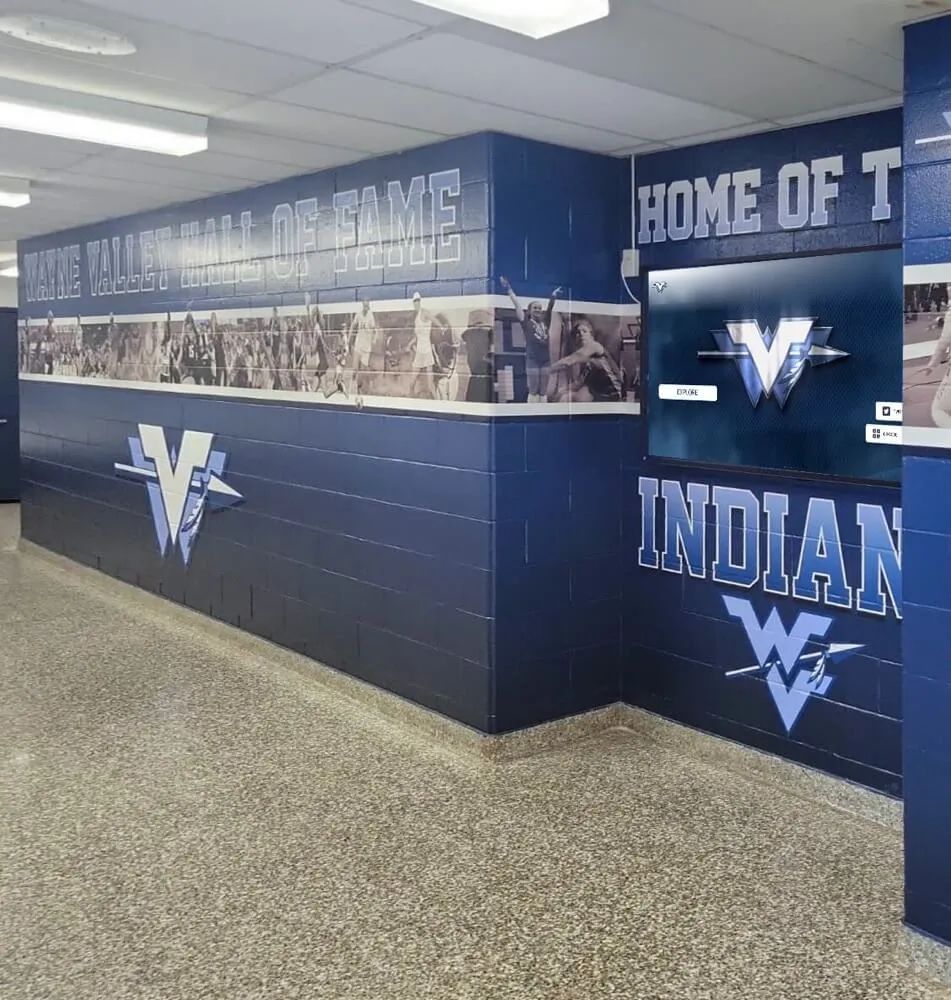
Athletic hallways connecting to locker rooms provide additional opportunities for recognition displays and team branding
Accessibility and Code Compliance
Modern locker room design must meet accessibility standards and building codes ensuring facilities serve all athletes and visitors.
ADA Compliance Requirements
Accessible Locker Provisions
Requirements include:
- Minimum number of accessible lockers based on total locker count
- Clear floor space (30" × 48") in front of accessible lockers
- Hardware operable with closed fist (no small knobs or tight gripping)
- Accessible storage heights (15"-48" above floor)
- Appropriate signage identifying accessible lockers
Accessible Routes and Clearances
Design considerations:
- Minimum 36" wide accessible routes throughout facility
- 60" diameter turning spaces at dead ends
- Accessible entry doors with appropriate opening force
- Ramps where level changes exist
- Proper door hardware on all doors
Shower and Restroom Accessibility
Requirements include:
- Transfer-type or roll-in shower stalls
- Grab bars positioned per code requirements
- Accessible shower controls and handheld shower heads
- Accessible toilets, sinks, and accessories
- Proper signage throughout facilities
Programs investing in recognition programs should ensure displays are accessible to all athletes and visitors, including proper mounting heights and interactive features accommodating various abilities.
Building Code and Safety Compliance
Occupancy and Exiting
Code requirements address:
- Maximum occupancy loads based on square footage
- Minimum exit widths and number of exits
- Exit signage and emergency lighting
- Travel distance to exits
- Panic hardware on required doors
Ventilation and Indoor Air Quality
Mechanical systems must provide:
- Adequate air changes per hour (typically 6-10 ACH for locker rooms)
- Enhanced ventilation in shower areas
- Humidity control preventing mold growth
- Proper exhaust systems removing odors
- Make-up air systems balancing exhaust
Plumbing and Drainage
Requirements include:
- Minimum fixture counts based on occupancy
- Proper drainage systems handling peak loads
- Backflow prevention devices
- Water temperature limitations preventing scalding
- Regular maintenance protocols
Compliance isn’t merely about meeting minimum standards—it’s about creating safe, healthy environments where athletes can focus on performance rather than environmental concerns.
Space Planning for Multiple Teams and Shared Facilities
Many schools and organizations operate facilities serving multiple teams, requiring design strategies accommodating diverse needs.
Dedicated vs. Shared Space Strategies
Dedicated Team Locker Rooms
Advantages:
- Stronger team identity and ownership of space
- Customized design reflecting specific sport needs
- Secure storage for expensive equipment
- Scheduling flexibility for practice and game preparation
Challenges:
- Higher construction and operating costs
- Space utilization inefficiency when teams not in season
- Maintenance complexity managing multiple spaces
Shared Multi-Team Facilities
Advantages:
- Cost efficiency for construction and operations
- Better space utilization across sports seasons
- Centralized maintenance and supervision
- Flexibility as program needs change
Challenges:
- Scheduling coordination between teams
- Generic design may lack team-specific customization
- Security for equipment and personal belongings
- Reduced team ownership of space
Many programs find success with hybrid approaches: dedicated locker rooms for revenue sports or year-round programs, with shared facilities for seasonal or smaller programs.
Gender-Neutral and Inclusive Design
Contemporary facilities increasingly incorporate design principles supporting all athletes:
Privacy and Flexibility
Design elements include:
- Individual changing stalls or privacy curtains
- Family/companion restrooms serving various needs
- Flexible signage systems adapting to facility usage
- Single-user facilities where appropriate
- Universal design principles benefiting all users
Equitable Resource Allocation
Title IX compliance and fairness principles require:
- Comparable locker room quality for all teams
- Equitable space allocation based on team sizes
- Similar amenity access across programs
- Fair distribution of premium spaces and features
Schools designing athletic recognition displays should ensure comprehensive coverage across all sports programs, not just high-profile teams.
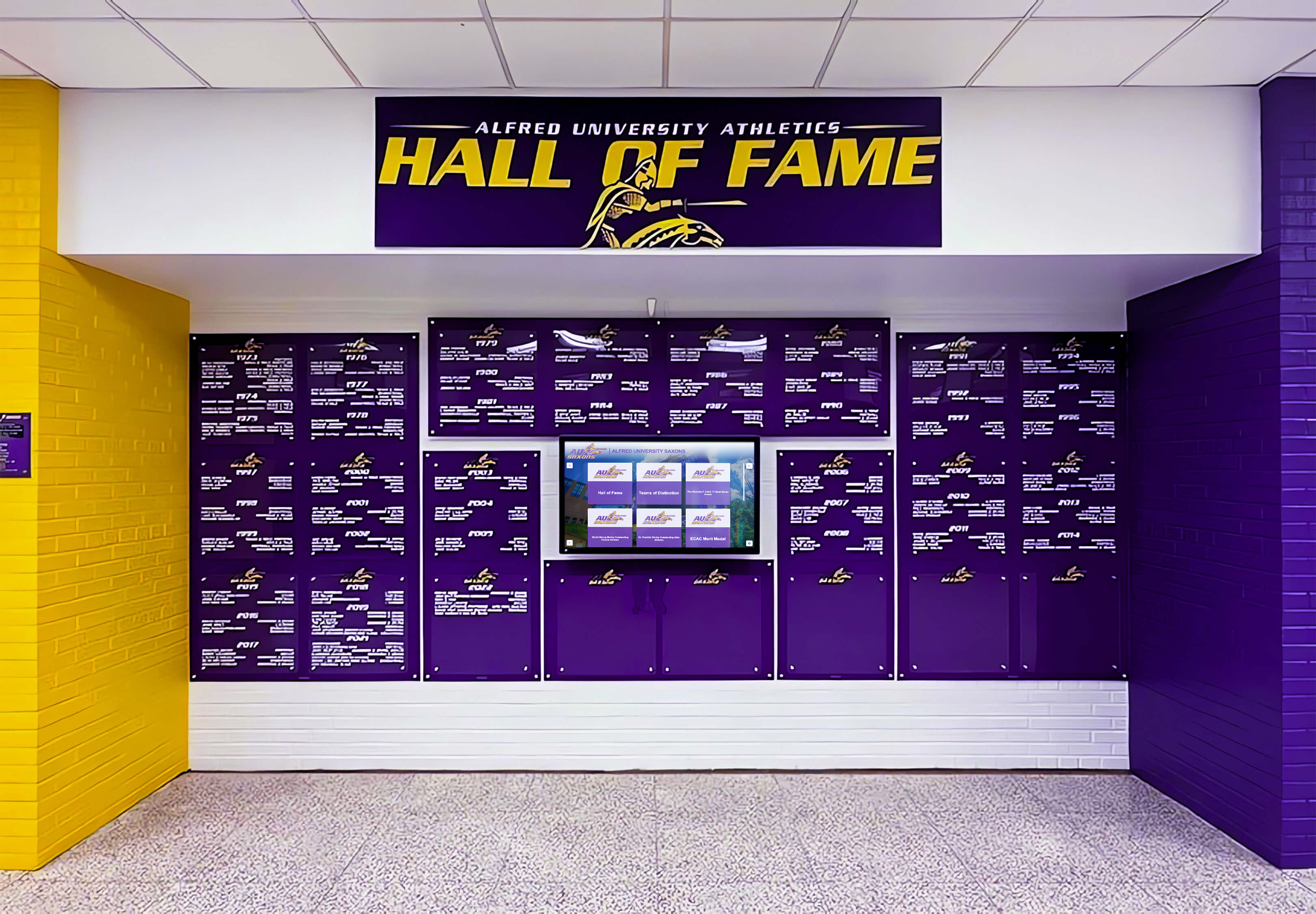
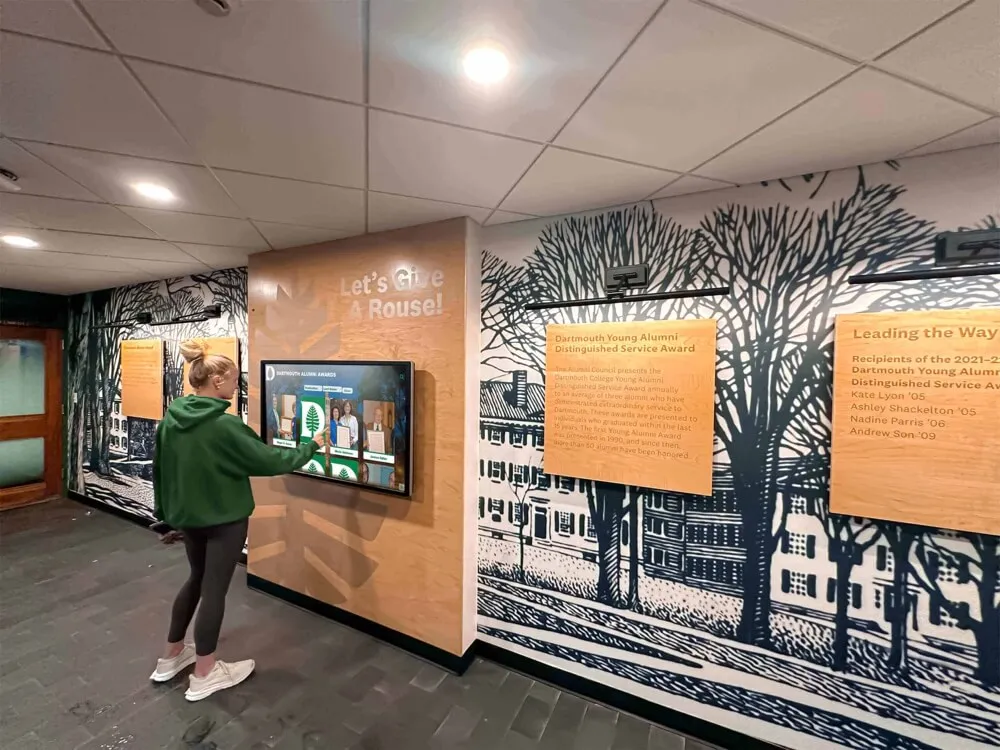
Collegiate athletic facilities showcase team achievements in sophisticated displays reflecting institutional branding
Budget Planning and Phased Implementation
Locker room renovation or construction represents significant investment requiring strategic planning to maximize value.
Cost Considerations and Prioritization
Budget Components
Major cost categories include:
- Architectural and engineering design fees (8-15% of construction costs)
- Demolition and site preparation
- Structural modifications and building systems
- Locker equipment and furnishings
- Technology systems and displays
- Finishes and branding elements
- Contingency reserves (typically 10-15%)
Value Engineering Strategies
Maximize budget impact through:
- Prioritizing functional requirements over aesthetic upgrades
- Selecting durable materials reducing lifecycle costs
- Choosing systems with lower maintenance requirements
- Phasing projects to spread costs across budget years
- Leveraging standardized products over custom fabrication where appropriate
Phased Renovation Approaches
Rather than comprehensive overhauls, many programs implement improvements incrementally:
Phase 1: Critical Infrastructure
- Address safety issues and code deficiencies
- Update failing mechanical/plumbing/electrical systems
- Repair structural problems
- Improve accessibility
Phase 2: Functional Improvements
- Replace worn lockers and benches
- Upgrade shower and restroom facilities
- Improve storage and organization
- Enhance lighting systems
Phase 3: Recognition and Motivation
- Add achievement display systems
- Implement team branding elements
- Install digital recognition displays
- Create dedicated recognition zones
Phased approaches maintain facility functionality during improvements while allowing programs to align spending with fundraising success and budget availability.
Fundraising and Naming Opportunities
Athletic facility improvements often leverage philanthropic support:
Donor Recognition Integration
Opportunities include:
- Naming rights for entire locker room facility
- Individual locker sponsorships (particularly for collegiate programs)
- Named team rooms or coach’s offices
- Recognition on digital displays or donor walls
- Commemorative plaques or branded elements
Programs implementing touchscreen displays for donor recognition can offer naming opportunities that remain visible and accessible to facility visitors while maintaining design flexibility.
Campaign Strategies
Successful fundraising approaches:
- Tiered giving levels offering various recognition opportunities
- Legacy campaigns connecting alumni to their athletic experiences
- Corporate partnerships with local businesses
- Crowdfunding for specific elements (lockers, technology, displays)
- Multi-year pledges spreading donor commitments
Strategic fundraising transforms facility improvements from budget burdens into opportunities for stakeholder engagement and community building.
Maintenance and Operational Planning
Even exceptional designs fail without proper maintenance protocols ensuring facilities remain functional, clean, and inspiring.
Daily and Routine Maintenance
Cleaning Protocols
Establish regular schedules for:
- Daily cleaning of locker areas, benches, and floors
- Disinfection of high-touch surfaces
- Shower and restroom deep cleaning
- Trash removal and recycling
- Odor control measures
- Visual inspection for damage or needed repairs
Athletic facilities demand more intensive cleaning than typical school spaces—budget adequate custodial time and resources.
Preventive Maintenance
Regular attention to:
- HVAC filter changes and system inspections
- Plumbing leak checks and drain maintenance
- Locker hardware adjustments and repairs
- Floor refinishing or deep cleaning
- Lighting fixture cleaning and bulb replacement
- Digital display cleaning and system checks
Preventive maintenance costs significantly less than emergency repairs and extends facility lifespan.
Long-Term Lifecycle Management
Replacement Reserves
Plan for eventual replacement of:
- Locker systems (15-20 year typical lifespan)
- Flooring materials (10-15 years depending on type)
- Technology systems (5-7 years for displays and AV)
- Benches and furnishings (10-15 years)
- Mechanical equipment (15-25 years)
Establish reserve funds or capital planning cycles ensuring resources available when replacement needed.
Sustainable Operations
Consider operational efficiency:
- Energy-efficient lighting reducing utility costs
- Low-flow fixtures conserving water
- Durable materials minimizing replacement frequency
- Systems designed for easy cleaning reducing labor
- Sustainable products supporting environmental goals
Lifecycle thinking during design phase prevents shortsighted decisions that create long-term operational burdens.
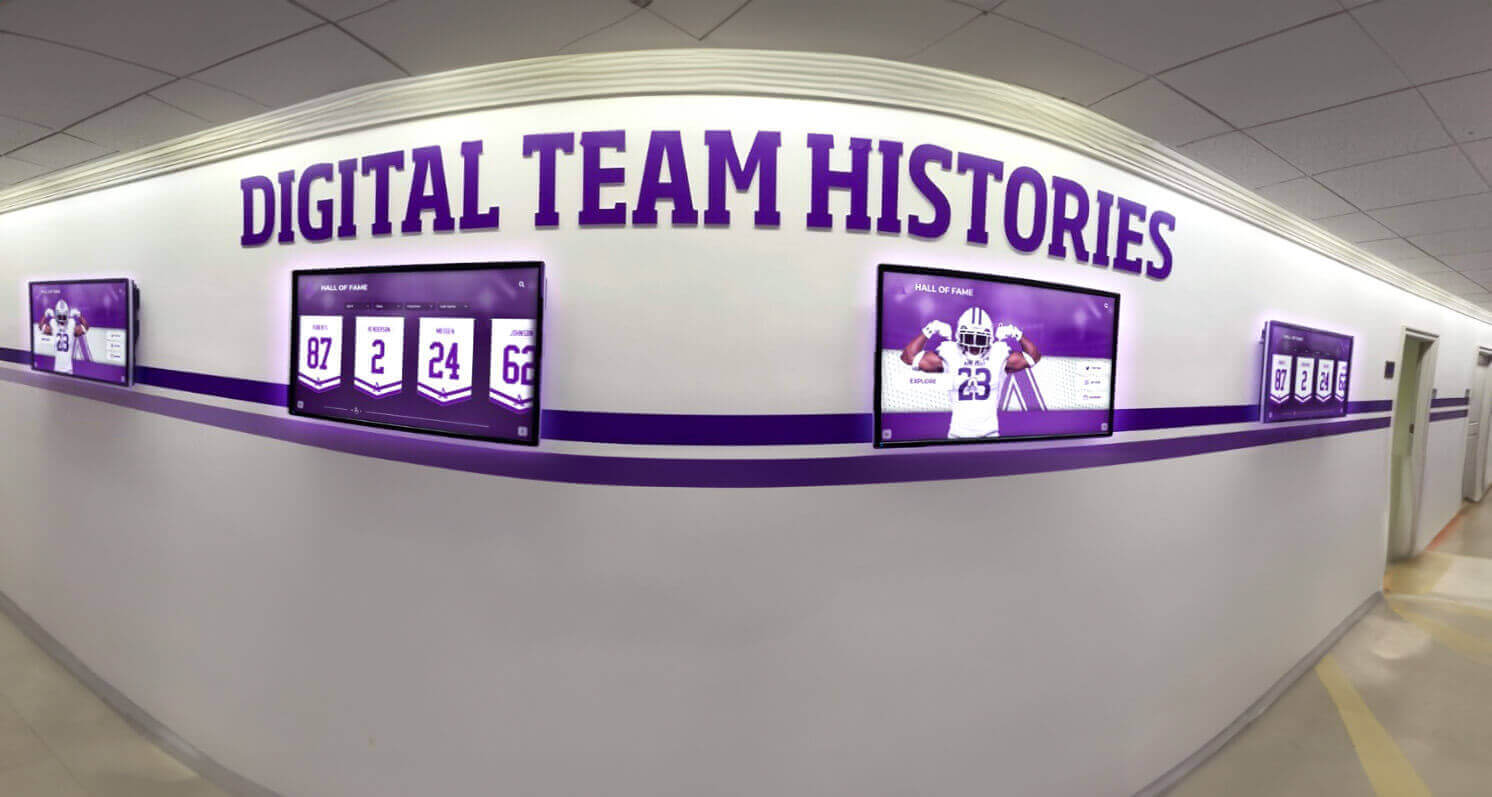
Multi-display installations allow programs to showcase extensive content including team histories, current rosters, and achievement records
Planning for Future Flexibility
Athletic programs evolve—smart locker room design anticipates change rather than creating inflexible spaces.
Adaptable Design Strategies
Infrastructure Flexibility
Build in capacity for:
- Additional electrical circuits supporting future technology
- Data cabling infrastructure accommodating new systems
- Mechanical systems sized for potential expanded usage
- Structural support allowing future modifications
- Modular locker systems enabling reconfiguration
Technology Accommodation
Design spaces anticipating:
- Larger or multiple display screens as technology advances
- Evolving AV and communication systems
- Changing power and connectivity requirements
- Updated security and access control technology
- Integration with broader campus systems
Programs implementing interactive displays should select platforms offering regular updates and feature enhancements rather than static systems requiring complete replacement as needs change.
Accommodating Program Growth
Consider growth scenarios:
- Increased team sizes requiring additional lockers
- New sports programs needing facility access
- Expanded training staff requiring more space
- Enhanced recruiting amenities as competition increases
- Multi-purpose usage beyond athletics
Design spaces with potential expansion in mind, avoiding configurations that create dead-end limitations.
Creating Championship Culture Through Design
Ultimately, exceptional locker room design transcends architecture and amenities—it creates environments that shape culture and drive excellence.
Environmental Psychology in Athletic Spaces
Thoughtful design influences behavior and mindset:
Establishing Standards Through Environment
High-quality facilities communicate:
- Organization’s commitment to excellence
- Respect for athletes and their pursuits
- Expectation of championship-level performance
- Pride in program identity and history
Athletes surrounded by excellence are more likely to pursue it in their own performance.
Reinforcing Team Values
Design elements should reflect:
- Core program values prominently displayed
- Recognition systems celebrating behaviors aligned with values
- Quotes and messaging reinforcing cultural priorities
- Visual narratives telling program history and defining moments
Environment becomes teacher when design consistently reinforces desired culture.
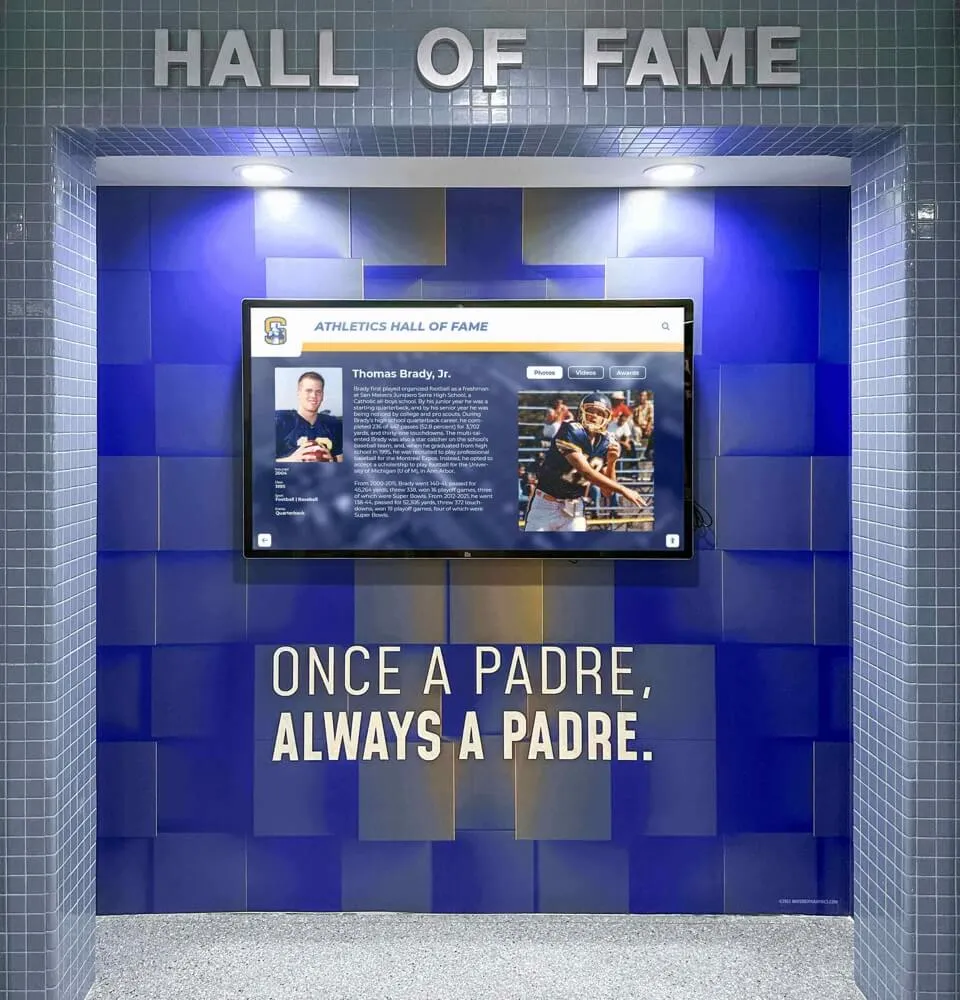
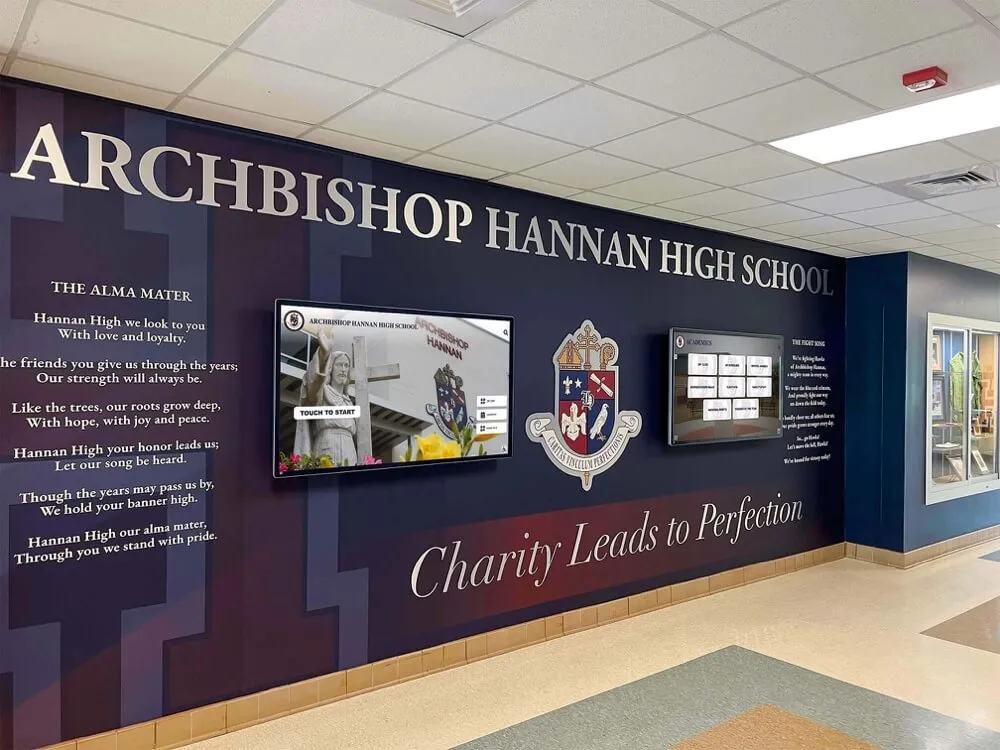
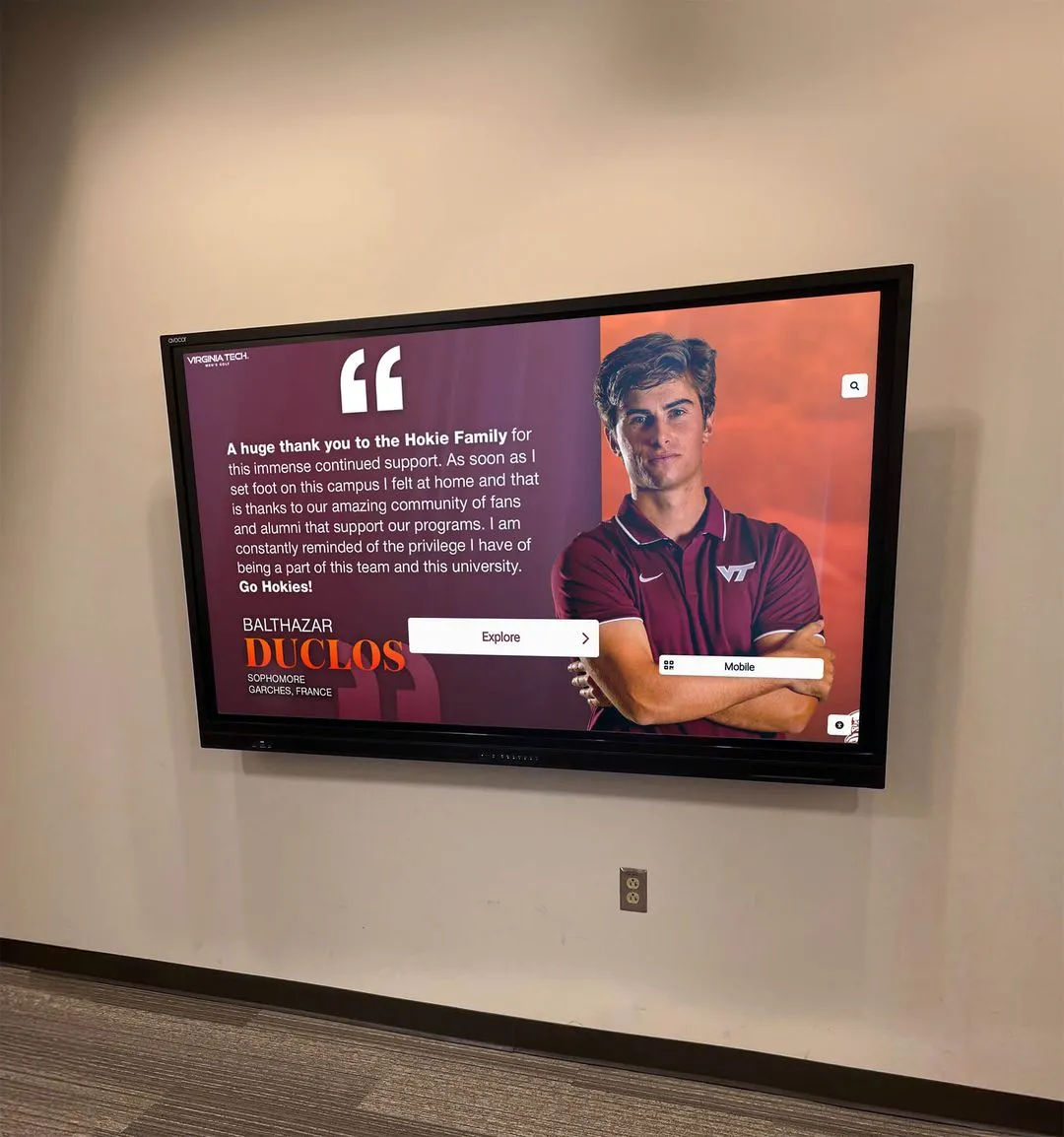
Powerful messaging combined with recognition displays reinforces program identity and lifetime connection to teams
Connecting Past, Present, and Future
Effective recognition design creates temporal connections:
Honoring Legacy
- Historical displays documenting program origins and evolution
- Hall of fame recognition celebrating legendary contributors
- Retired numbers and jerseys memorializing exceptional careers
- Championship documentation preserving pivotal moments
Celebrating Current Achievement
- Real-time recognition of ongoing accomplishments
- Season goal tracking and milestone acknowledgment
- Current roster highlights and statistics
- Recent game highlights and memorable moments
Inspiring Future Excellence
- Visual representations of records yet to be broken
- Empty spaces on championship walls awaiting additions
- Aspirational messaging challenging athletes to add their chapters
- Connection to program legacy motivating continued pursuit of excellence
Schools seeking to showcase comprehensive athletic histories find that proper recognition infrastructure transforms locker room areas into powerful environments connecting generations of athletes to shared program identity.
Conclusion: Designing Spaces That Inspire Excellence
Effective locker room design represents far more than functional space planning—it’s strategic investment in program culture, athlete development, and competitive advantage. The environments where athletes prepare don’t just house teams; they shape mindsets, reinforce standards, and create the atmosphere where championship mentalities develop.
Whether planning comprehensive new construction, systematic renovation, or targeted improvements to existing spaces, success requires balancing functional requirements with inspirational elements that motivate excellence. The best athletic facilities combine durable materials, efficient layouts, and proper amenities with recognition systems, team branding, and environmental design that makes athletes proud to represent their programs.
Modern technology offers unprecedented opportunities to create dynamic, engaging recognition displays that honor program legacy while celebrating current achievement. Interactive displays, digital record boards, and flexible content systems allow programs to showcase depth of history and breadth of accomplishment impossible with traditional static approaches.
As you plan locker room improvements for your athletic program, remember that these spaces influence athletes daily—during preparation, in moments of celebration, and in times of challenge. Thoughtful design creates environments that inspire peak performance and build the team culture distinguishing championship programs from ordinary ones.
Ready to transform your athletic facility with modern recognition displays that inspire excellence? Explore how interactive digital displays can elevate your locker room design with solutions showcasing your program’s achievements and motivating future generations of athletes.