



Every school accumulates treasures that tell its story—championship trophies that mark moments of athletic excellence, historical photographs documenting decades of tradition, donated artifacts from generous alumni, and memorabilia that connects current students to the legacy they’re building upon. Yet too often, these meaningful items languish in storage closets, gather dust in outdated display cases, or compete for limited wall space in crowded trophy cabinets that fail to do justice to their significance.
The challenge facing athletic directors, facilities managers, and development officers is clear: how do you create memorabilia display cases that honor both historical artifacts and recent achievements, accommodate growing collections without constant renovation, and engage today’s digital-native students rather than serving as background decoration they walk past without noticing?
This comprehensive guide explores practical and innovative memorabilia display case ideas specifically designed for educational institutions—strategies that respect tradition while embracing modern presentation techniques, solutions that solve space limitations creatively, and approaches that transform static collections into dynamic storytelling experiences.
Schools possess irreplaceable collections that deserve presentation methods matching their significance. Effective memorabilia displays accomplish multiple objectives simultaneously: they preserve institutional memory, inspire current students by connecting them to legacy, recognize donors and supporters whose generosity shaped the school, and create physical spaces that foster pride and community identity.

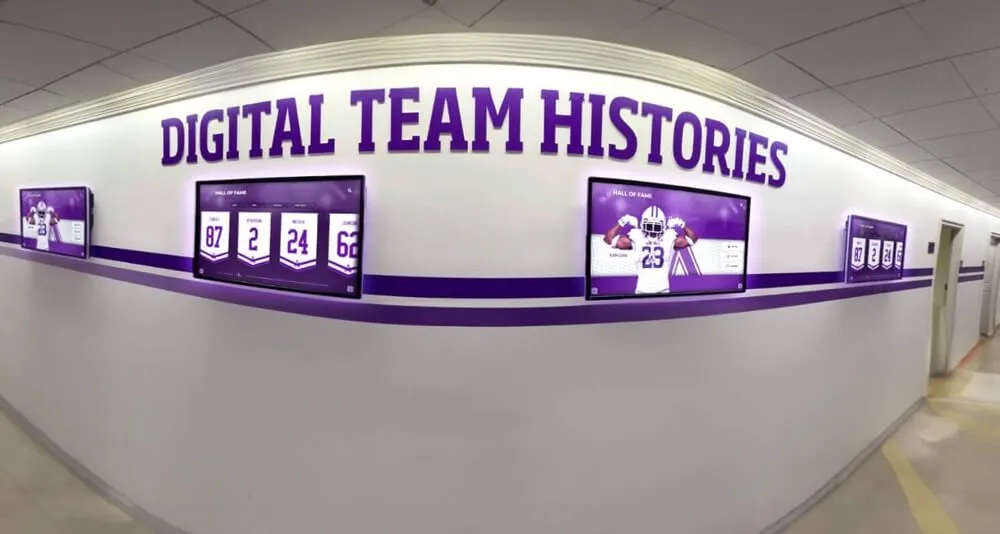
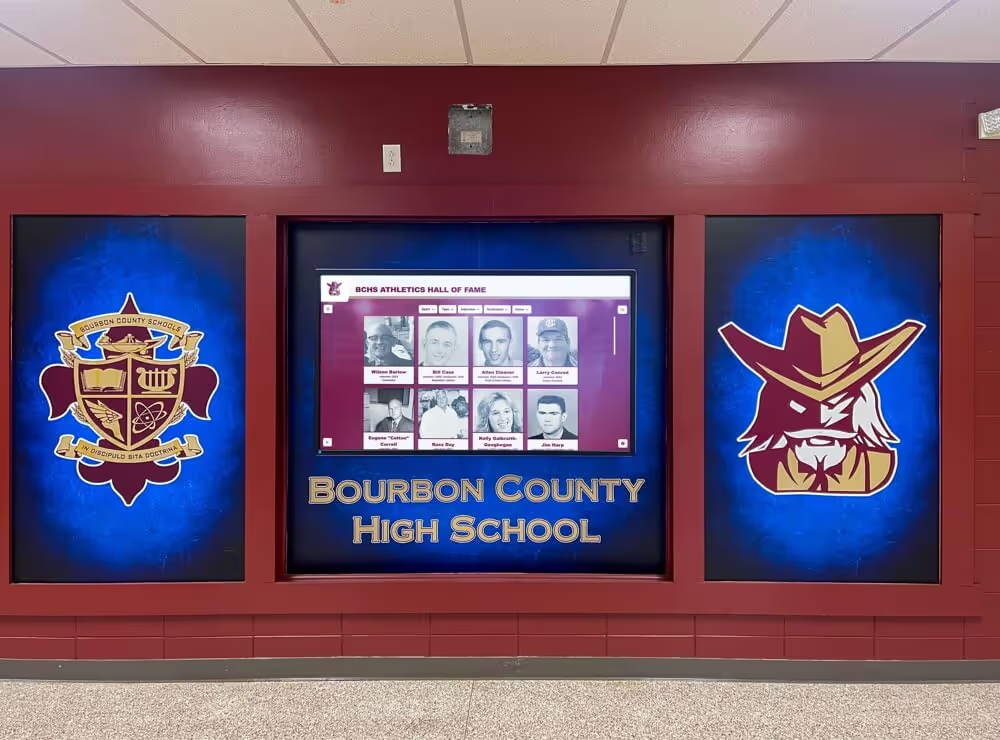
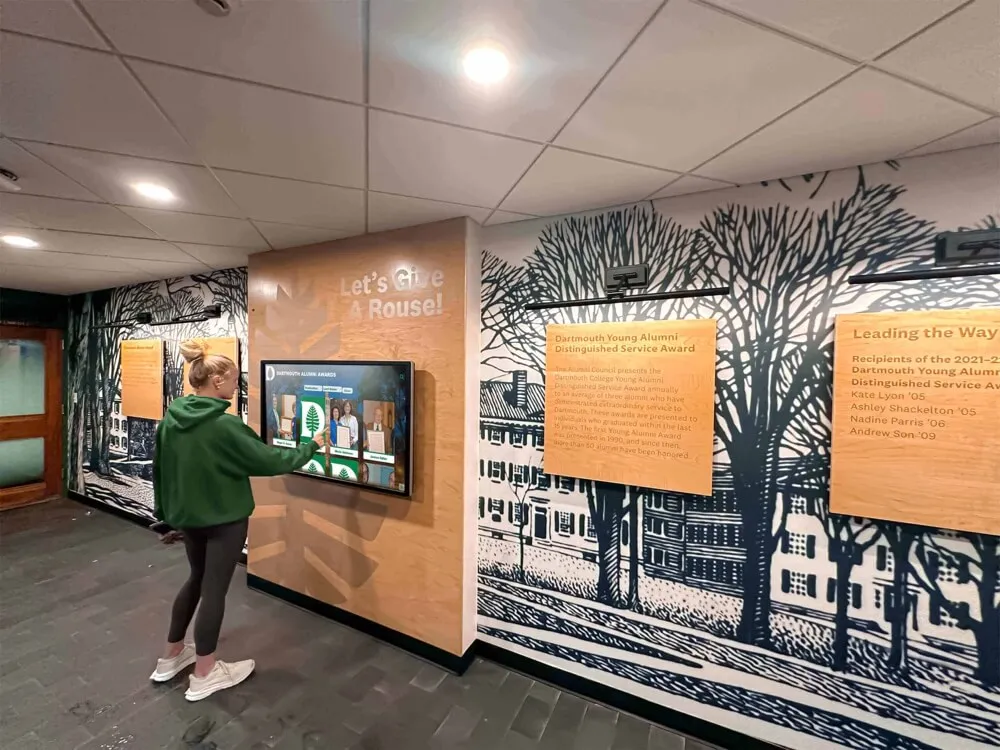
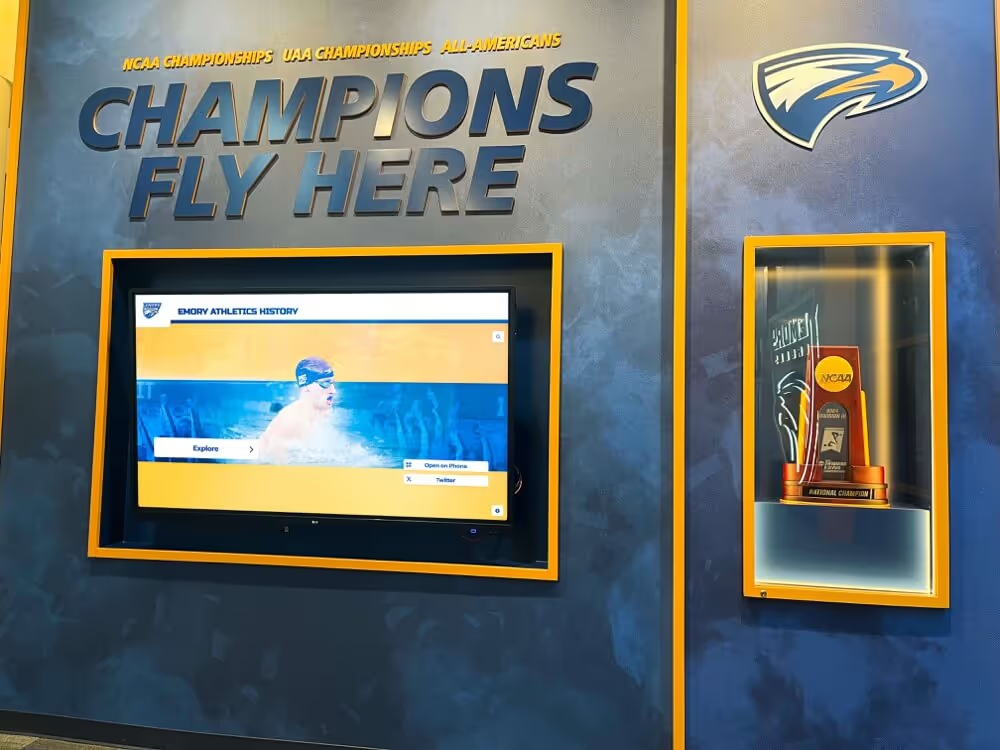
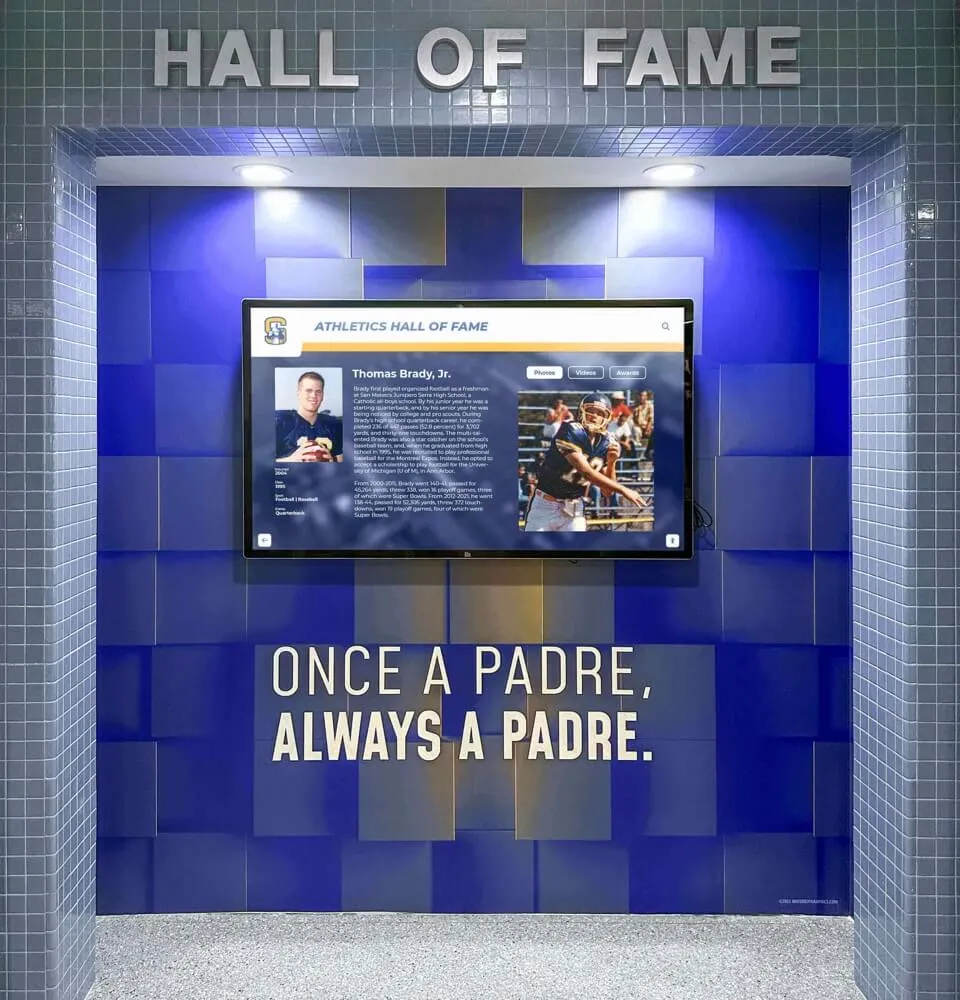
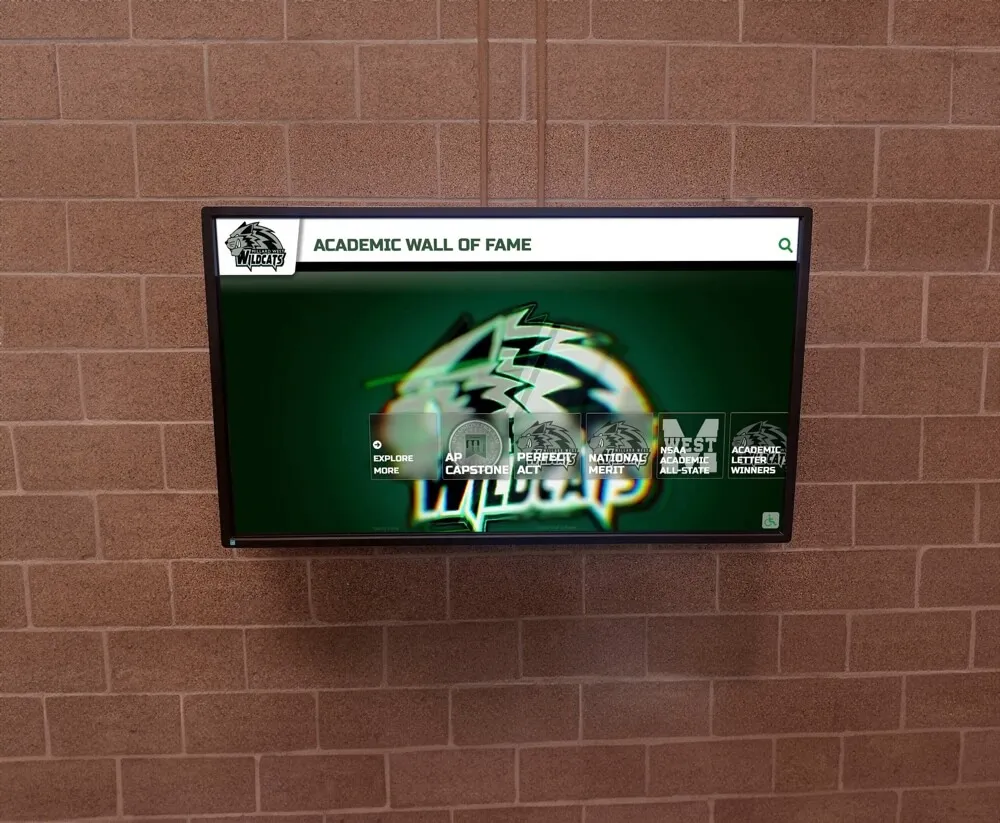
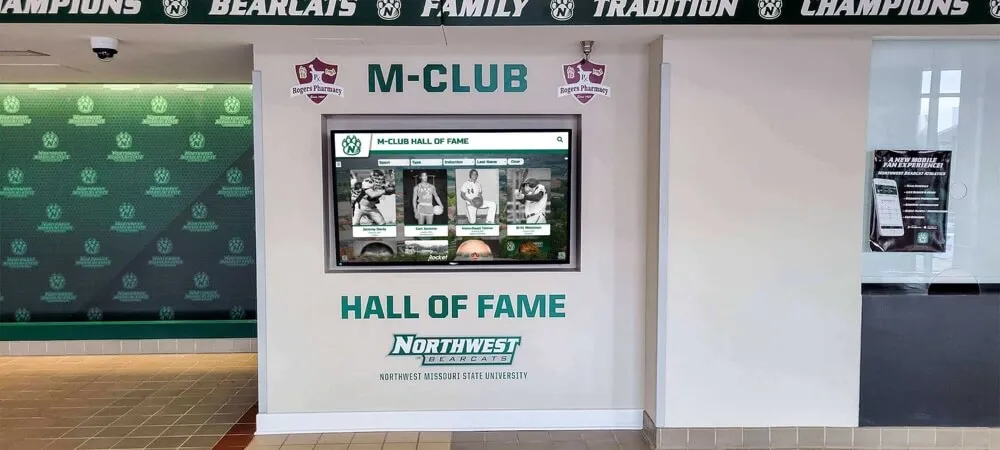
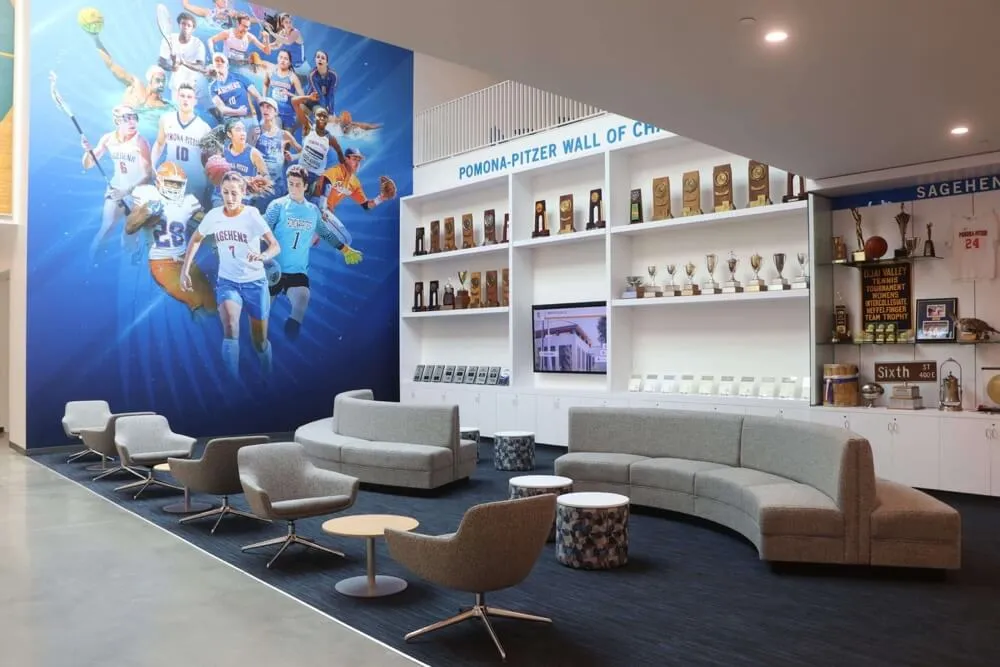
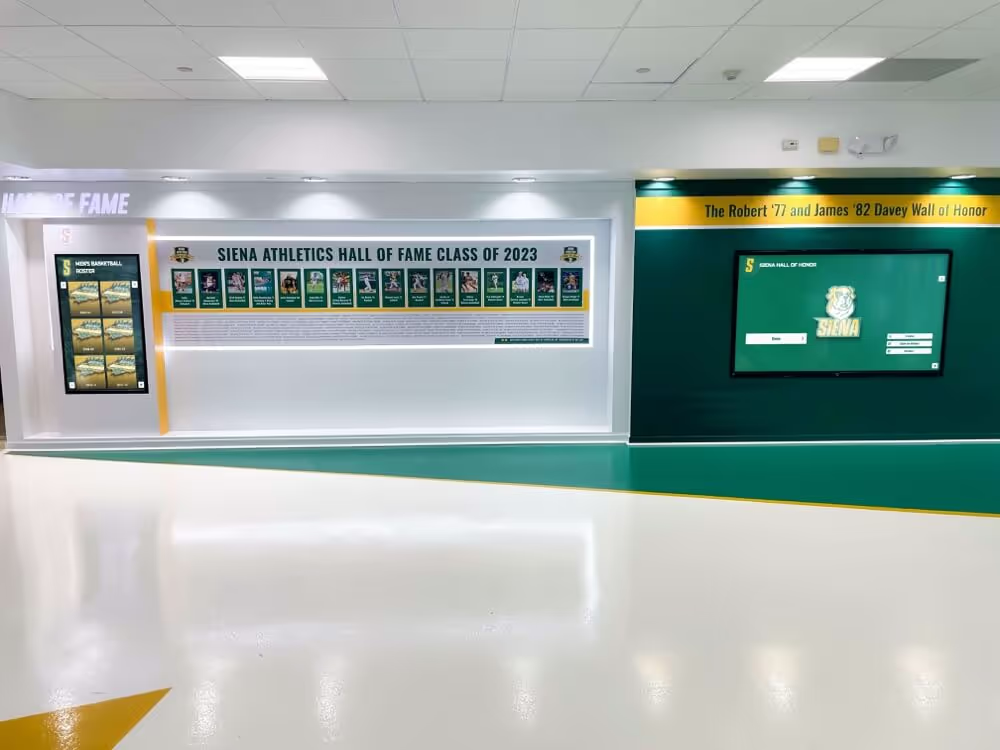
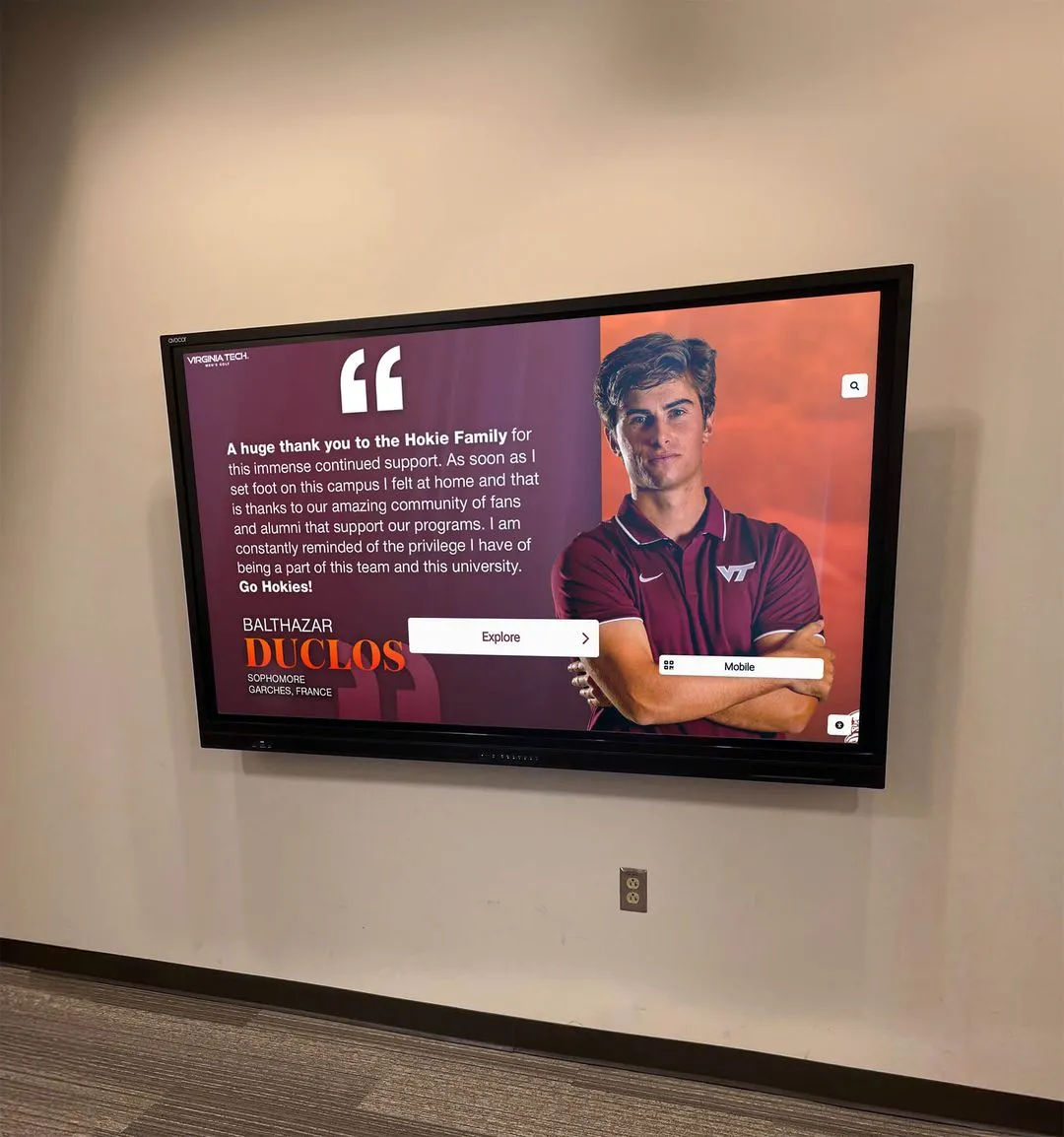
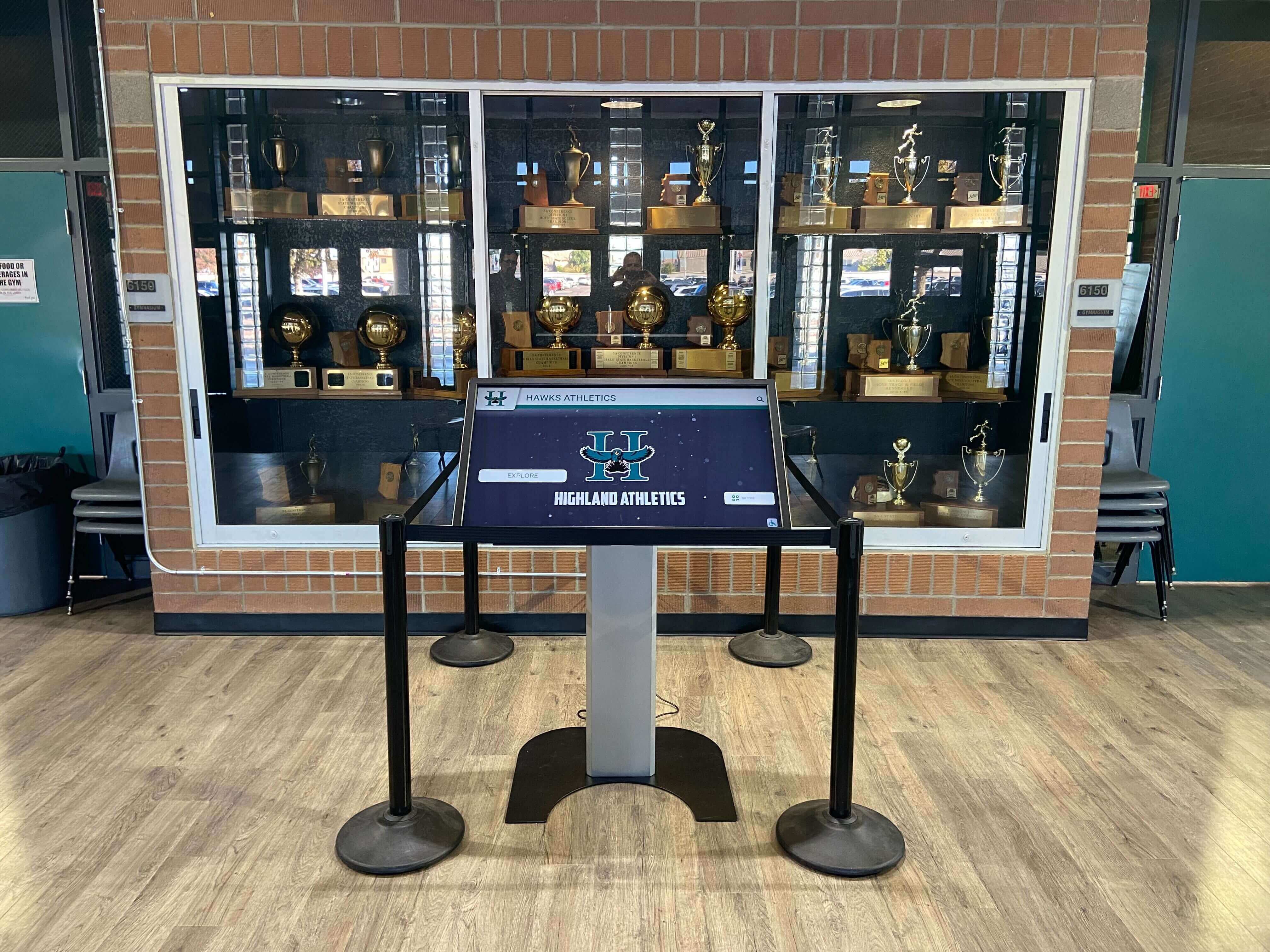
Combining traditional trophy cases with interactive digital displays creates engaging recognition spaces that honor both history and innovation
Understanding Your Memorabilia Display Needs
Before selecting display cases or designing presentation spaces, successful schools assess what they’re showcasing and why.
Categorizing Your Collections
Educational institutions typically manage several distinct memorabilia categories, each with specific display requirements:
Athletic Achievement Collections
- Championship trophies and tournament medals from decades of competition
- Retired jerseys honoring exceptional athletes and milestone achievers
- Team photographs documenting winning seasons and memorable moments
- Record-breaking athletic equipment including signed balls, game-worn equipment, and historic gear
- Conference and state championship banners requiring vertical display space
Historical Artifact Collections
- Founding documents, original charters, and institutional milestone records
- Vintage yearbooks, student newspapers, and publication archives
- Historical photographs showing campus evolution and community development
- Architectural elements from renovated buildings (cornerstones, plaques, original signage)
- Period uniforms, academic regalia, and costume collections
Donor Recognition Items
- Commemorative plaques acknowledging major gifts and capital campaign contributors
- Named space dedications recognizing transformational donations
- Legacy gifts and donated collections from distinguished alumni
- Corporate partnership recognition and community supporter acknowledgment
Space and Traffic Considerations
Display effectiveness depends heavily on location selection:
High-Traffic Placement Opportunities
- Main entrance lobbies where visitors form first impressions
- Athletic facility entrances and gymnasium commons areas
- Cafeteria and student gathering spaces with sustained foot traffic
- Hallway connections between academic buildings
- Alumni center and development office reception areas
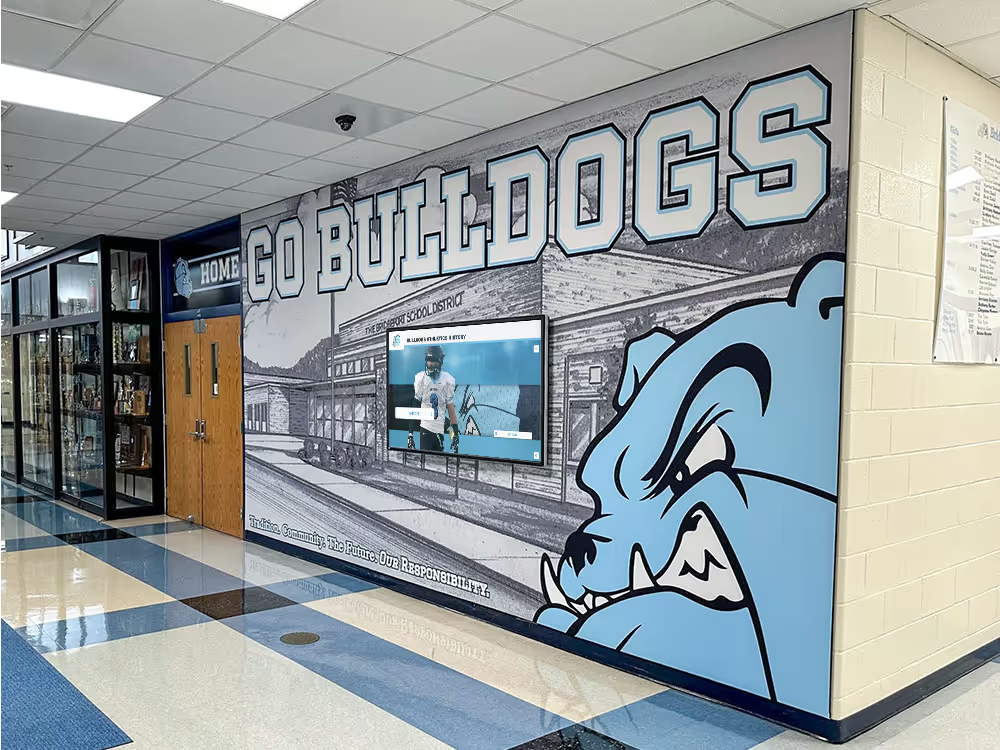
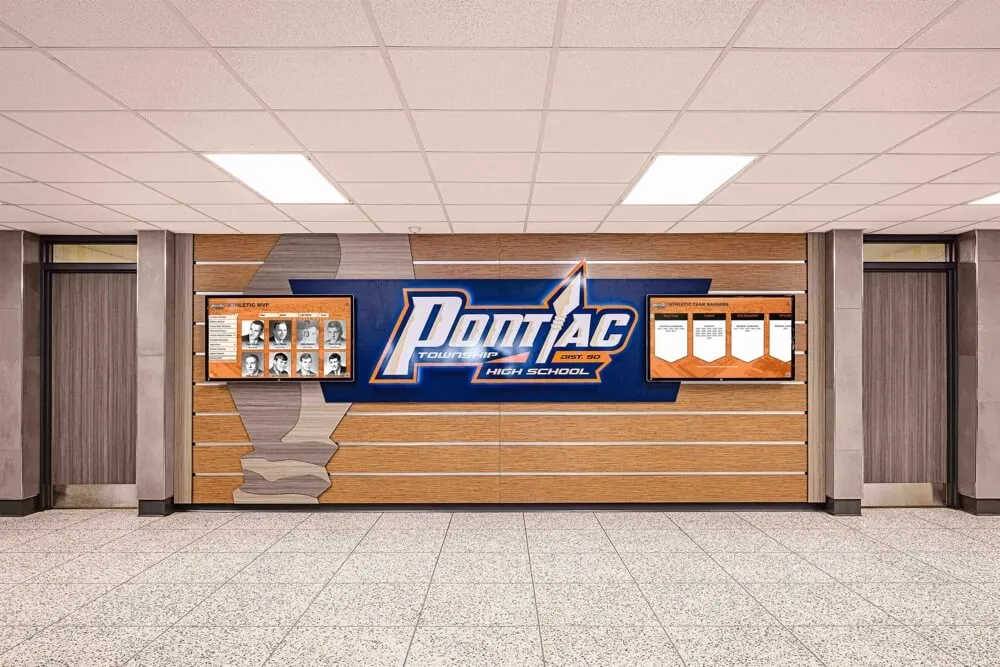
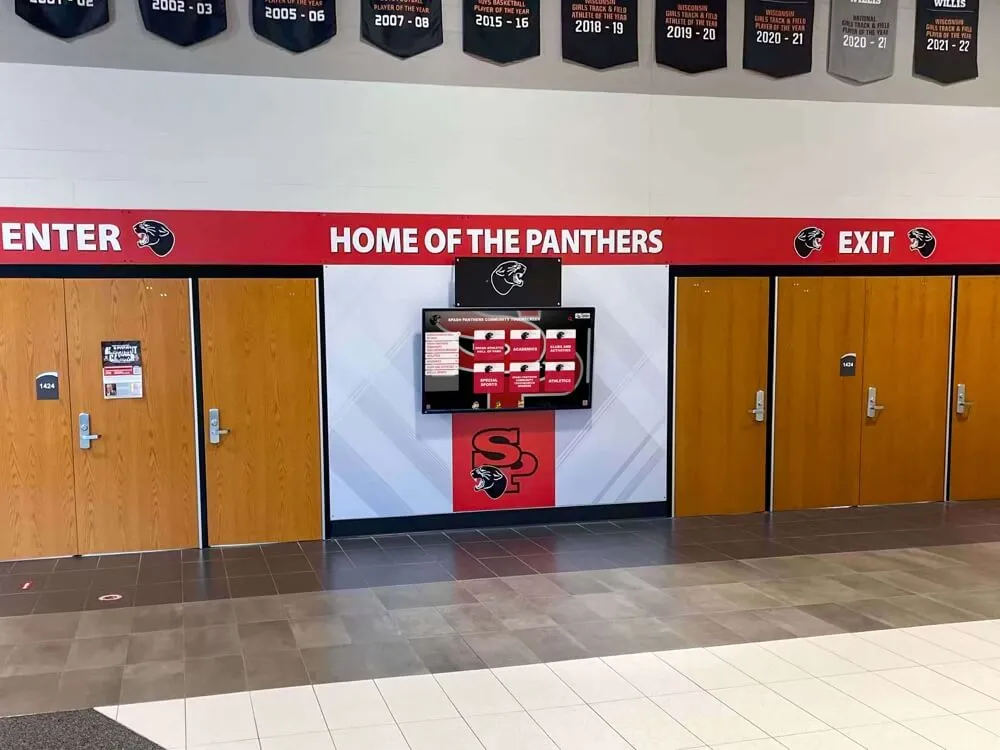
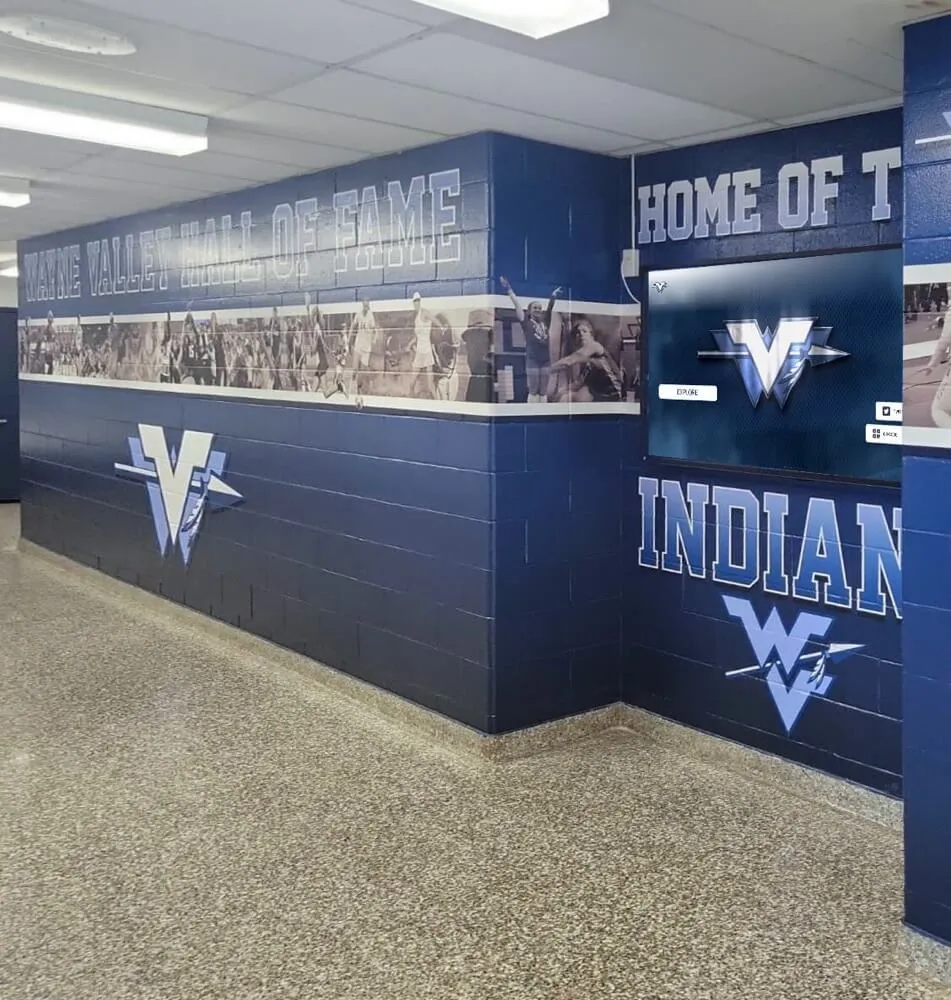
Successful school hallway remodeling projects often incorporate dedicated display zones that transform underutilized corridor space into engaging recognition areas.
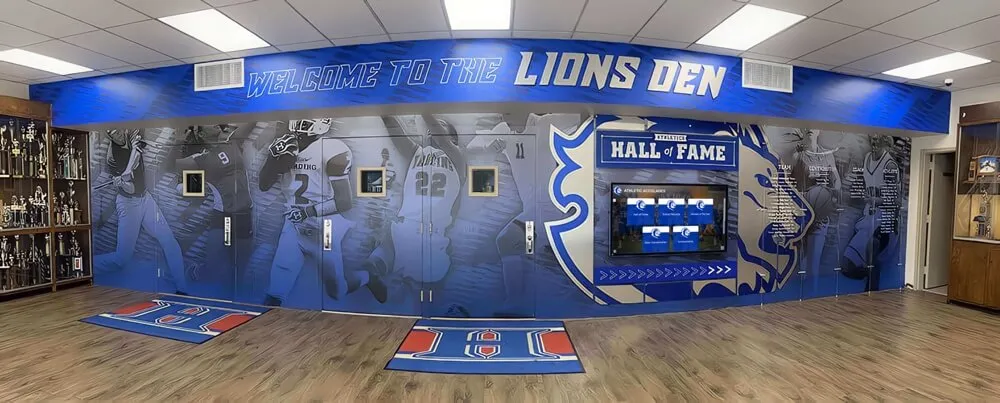
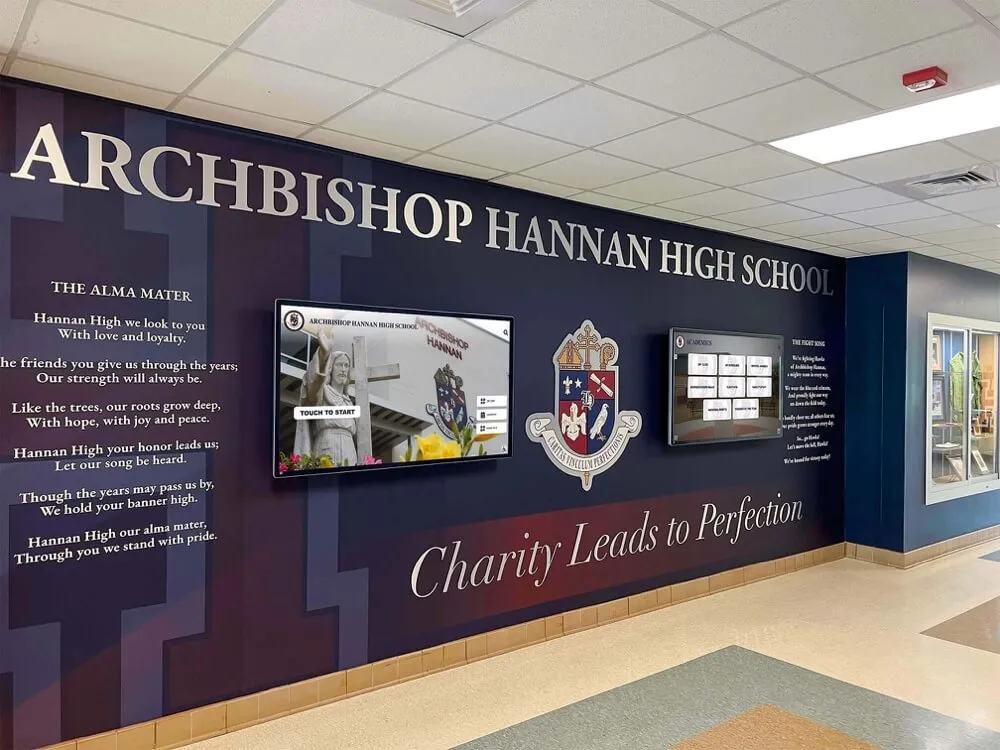
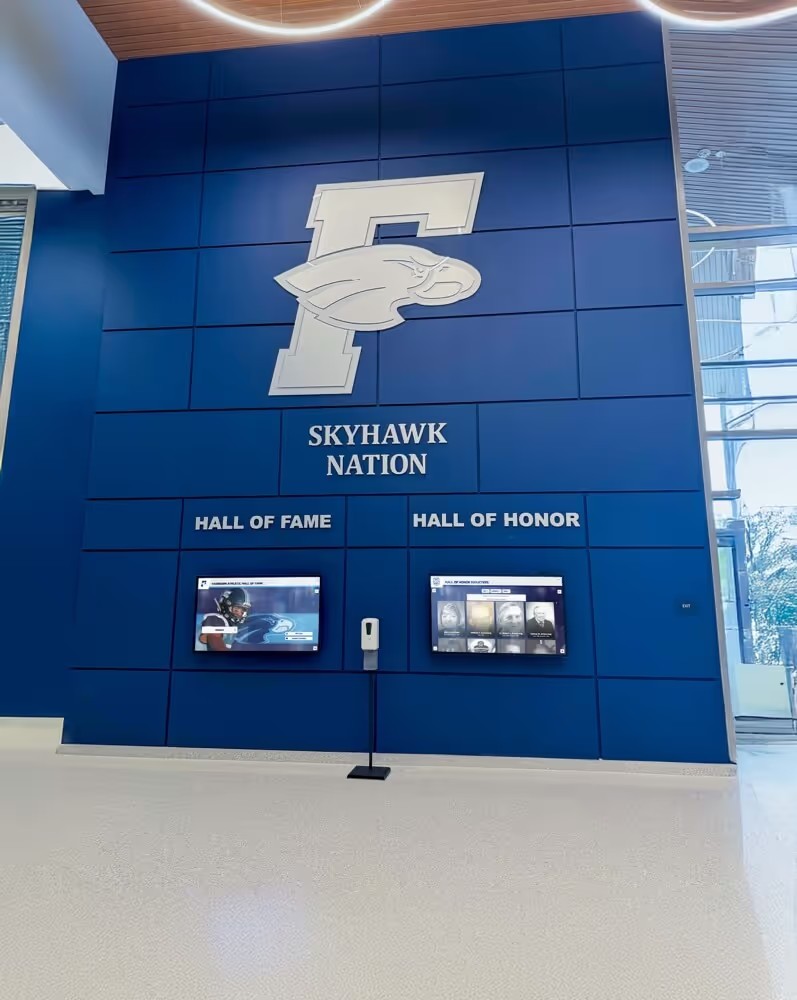
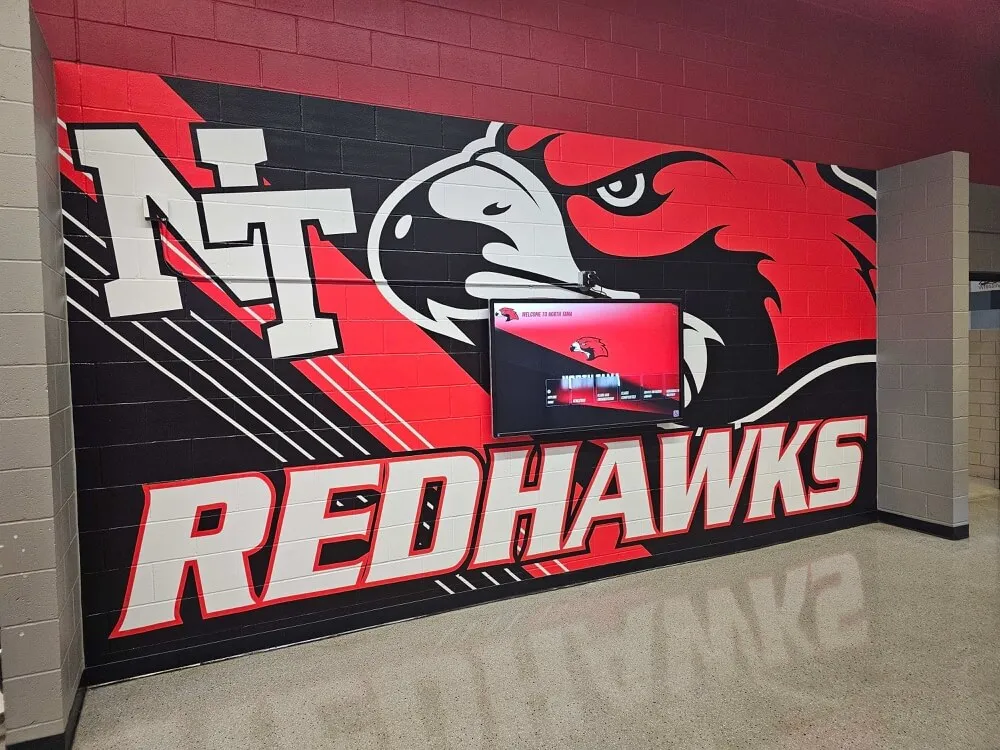
Strategic placement in high-traffic areas ensures memorabilia displays become destination features rather than overlooked background elements
Space Constraint Realities
- Limited wall space in older facilities not designed for extensive displays
- Vertical height restrictions in corridors with low ceilings
- Accessibility requirements ensuring ADA-compliant viewing heights
- Environmental controls protecting sensitive materials from sunlight damage
- Security considerations for valuable or irreplaceable items
Understanding these factors shapes realistic display solutions that work within your specific facility constraints while maximizing presentation impact.
Traditional Memorabilia Display Case Options
Conventional physical display cases remain foundational for many school recognition programs, particularly when showcasing three-dimensional objects and valuable artifacts.
Wall-Mounted Display Cases
Wall-mounted cases efficiently utilize vertical space while keeping floor areas clear:
Glass-Front Trophy Cases
- Available in depths from 4-8 inches for varying object sizes
- Locking mechanisms protecting valuable memorabilia from theft or damage
- Internal LED lighting highlighting featured items and improving visibility
- Adjustable shelving accommodating objects of different heights
- Fabric backing (typically felt or velvet) providing attractive backgrounds
Quality wall cases typically range from $800-$3,500 depending on size, materials, and features. Standard dimensions run 36-72 inches wide and 48-84 inches tall.
Shadow Box Displays
- Ideal for thematic collections or individual significant items
- Custom depth options for bulky objects like helmets or equipment
- Climate-controlled versions available for sensitive historical documents
- Acrylic or glass front options balancing visibility with protection
- Individual or grouped arrangements creating visual interest
Schools often create shadow box galleries featuring retired athletic jerseys, championship equipment, or themed historical collections.
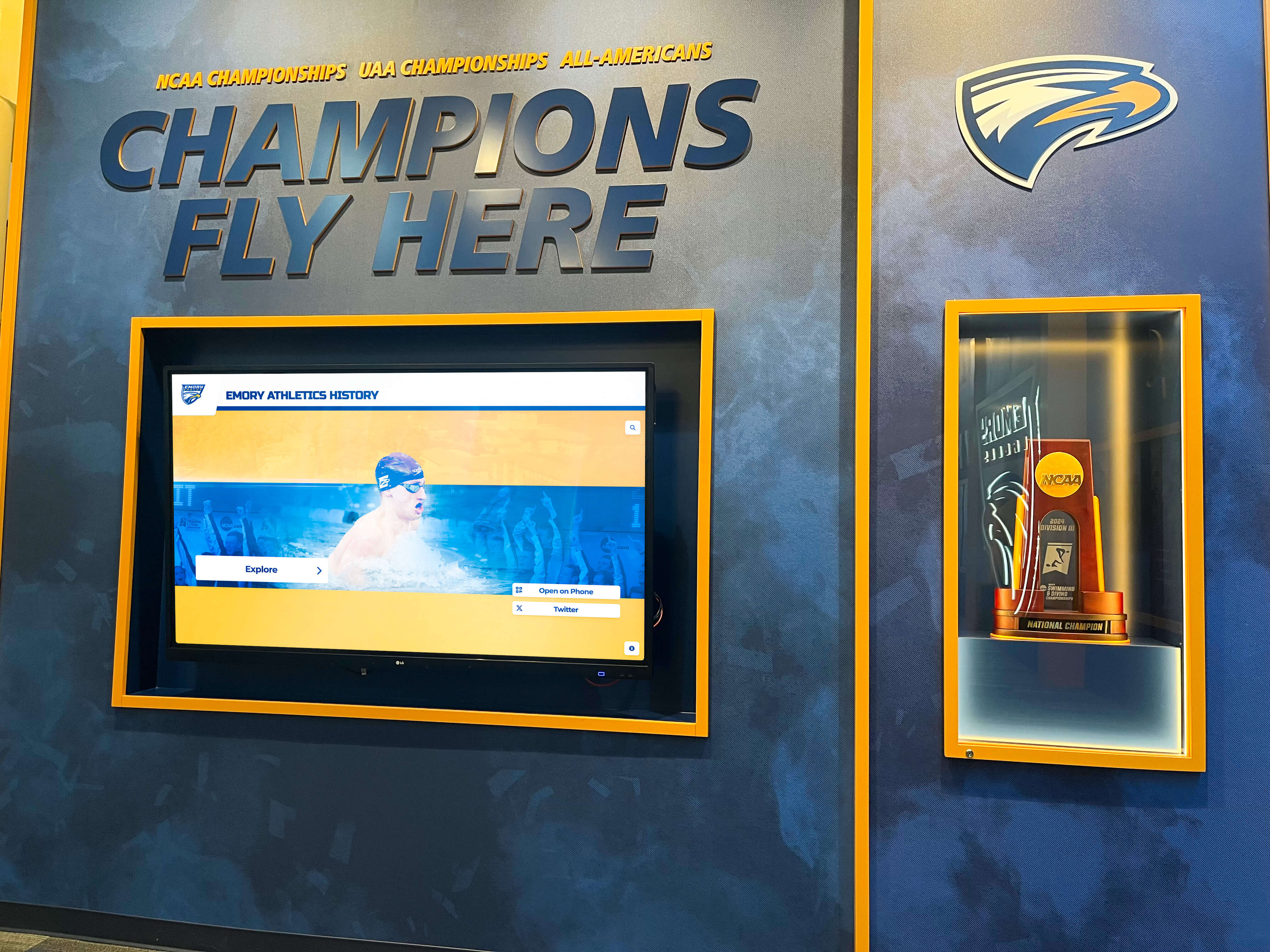
Thoughtfully arranged physical displays create visual impact while telling cohesive stories about athletic achievement and institutional excellence
Freestanding Display Cases
Floor-based cases offer flexibility and substantial display capacity:
Tower Display Cases
- Four-sided visibility maximizing viewing angles in open spaces
- Heights typically 72-84 inches creating impressive vertical presence
- Perfect for lobby centerpieces or athletic facility commons areas
- Rotating shelves (optional) allowing viewers to access all sides
- Lockable bases providing secure storage for valuable collections
Console and Counter Cases
- Lower profile options (36-42 inches tall) suitable for hallway installations
- Top-surface viewing angles ideal for documents and flat memorabilia
- Base storage cabinets providing additional space for archived items
- Available with or without legs depending on aesthetic preferences
Specialized Display Solutions
Certain memorabilia types require purpose-specific presentation:
Jersey and Uniform Displays
- Fabric-mounting systems preserving garment integrity without damage
- Clear acrylic jersey frames for individual retirement recognition
- Mannequin displays for complete uniform presentations
- Award ceremony displays that can be incorporated into special events
Banner and Flag Displays
- Ceiling-mounted systems for championship and conference banners
- Vertical hanging systems along gymnasium walls
- Protective cases for historical flags requiring preservation
- Rotation schedules allowing more banners to be featured over time
Medal and Small Trophy Cases
- Tiered display platforms creating depth and visual hierarchy
- Individual mounts showcasing significant medals prominently
- Grouped arrangements for medal collections from single seasons
- Integrated lighting emphasizing metallic finishes and engraving
Innovative Memorabilia Presentation Ideas
Beyond traditional glass cases, creative presentation approaches enhance engagement and storytelling:
Themed Display Zones
Organizing memorabilia by theme rather than chronology creates compelling narratives:
Sports-Specific Areas
- Dedicated zones for major programs (football, basketball, soccer, etc.)
- Equipment evolution displays showing changes over decades
- Championship recognition areas celebrating conference and state titles
- Individual athlete spotlights honoring exceptional careers
Era-Based Collections
- Decade displays documenting institutional changes over time
- Centennial or milestone anniversary exhibitions
- Historical comparison displays showing “then and now” perspectives
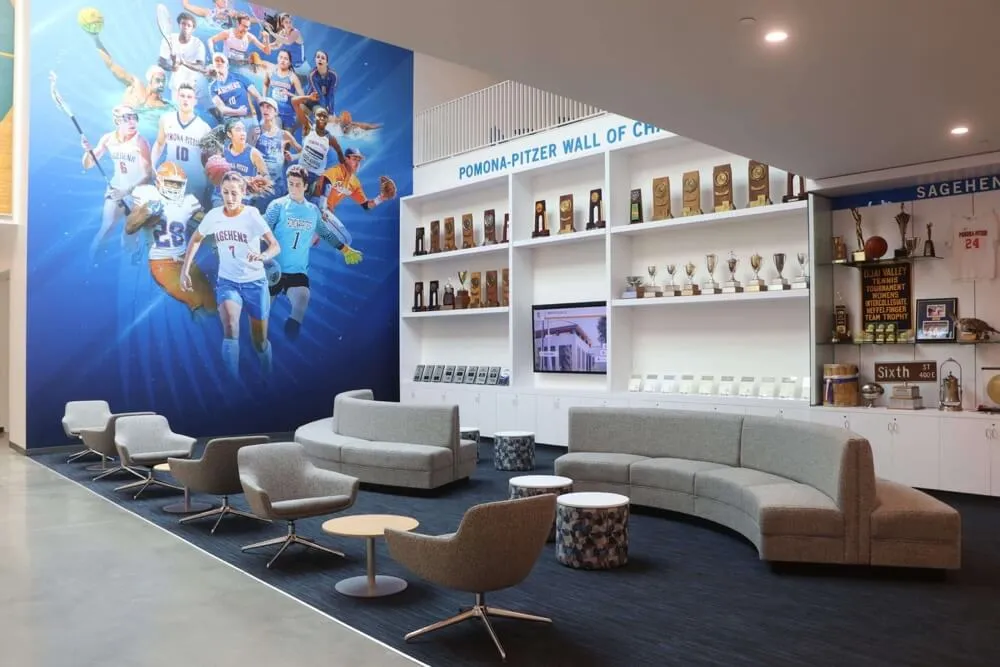
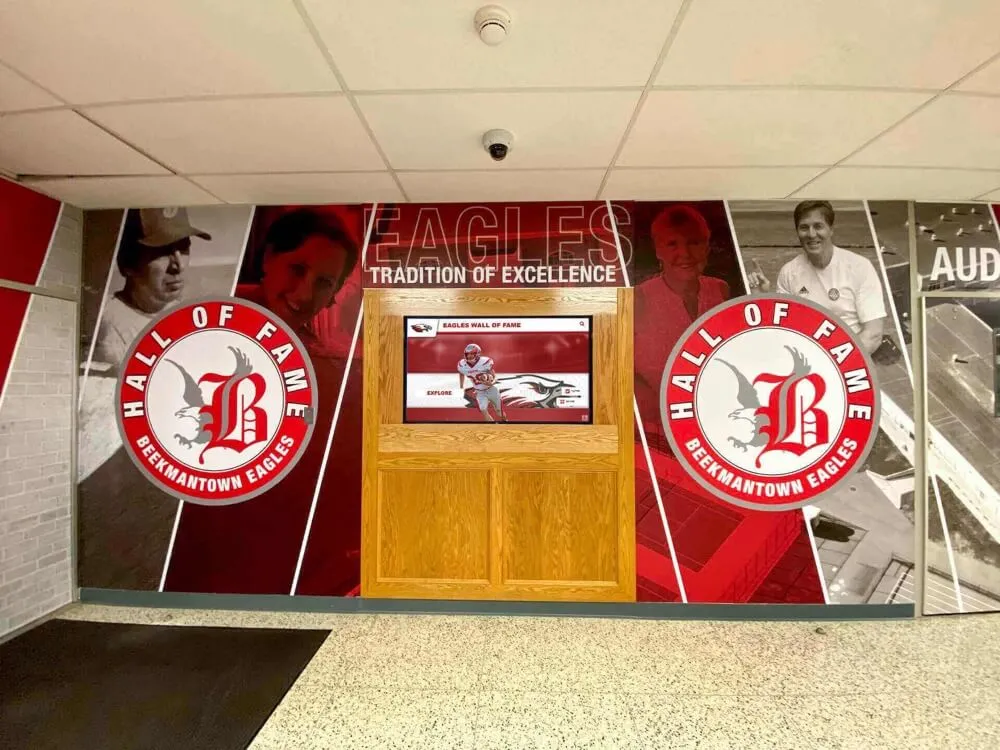
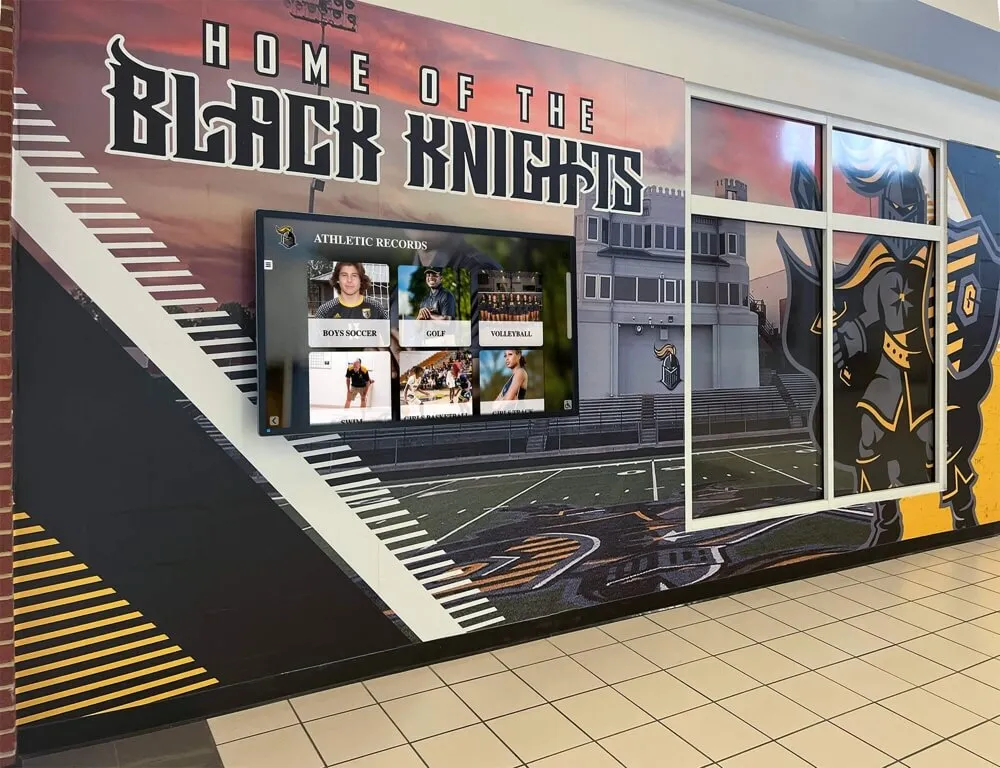
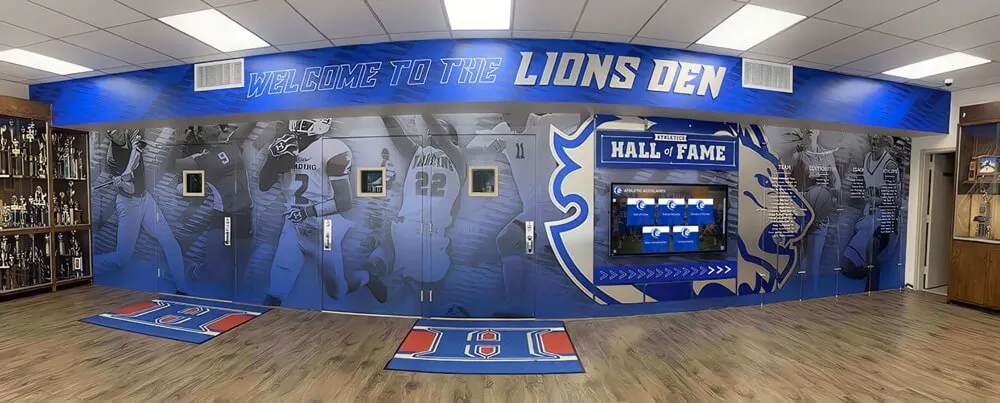
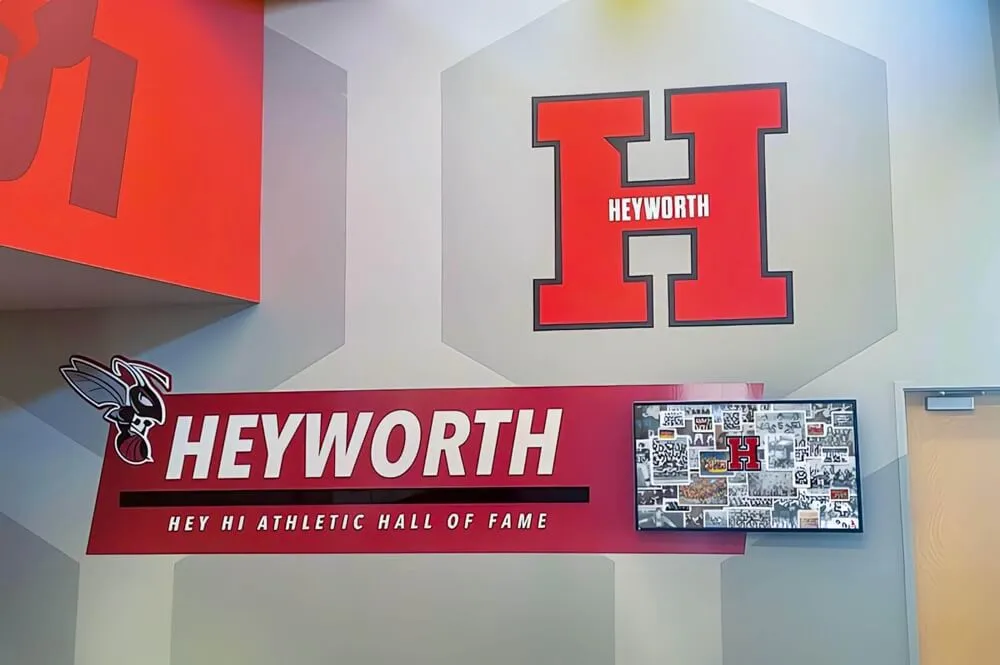
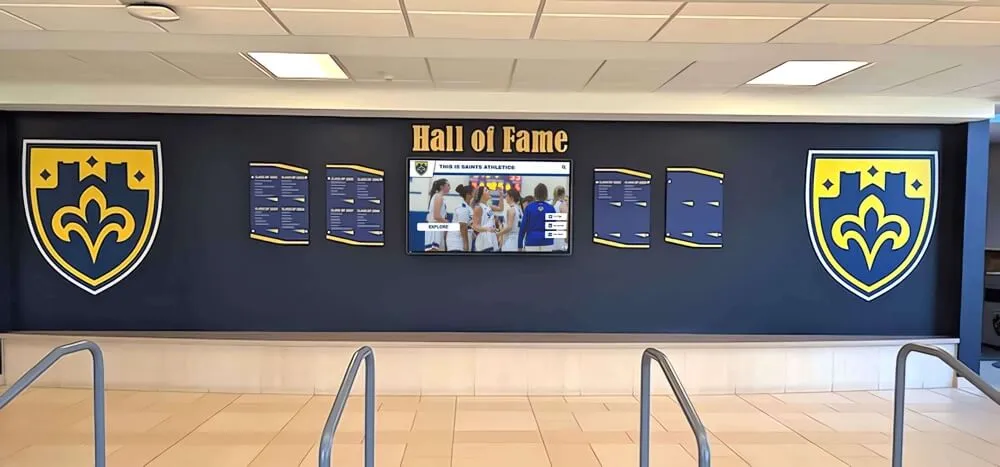
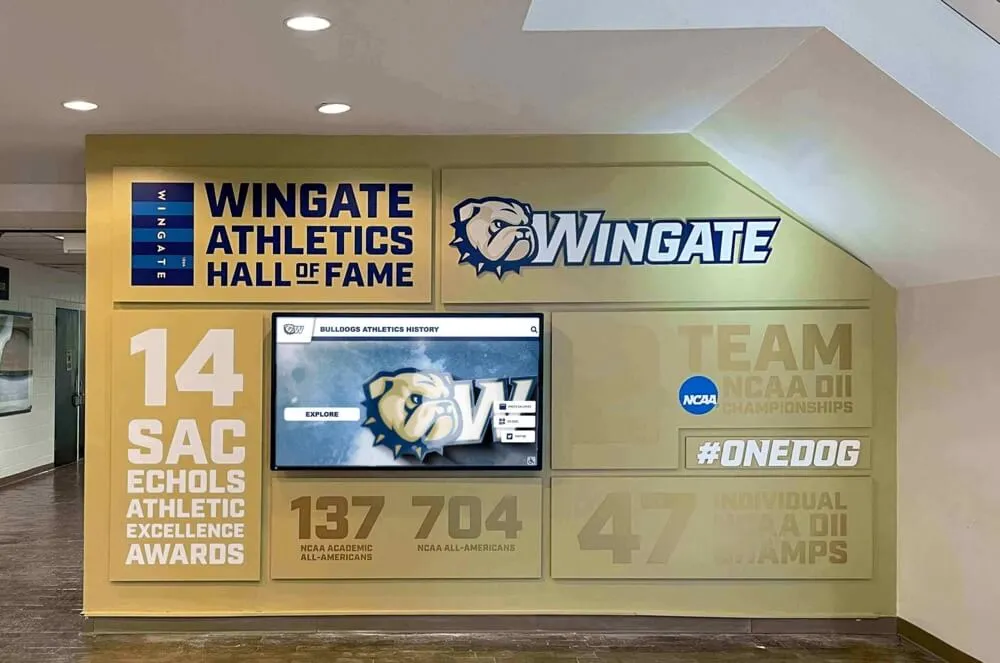
Creating dedicated spaces that combine multiple display methods transforms memorabilia from scattered artifacts into cohesive institutional storytelling
Integrating Donor Recognition
Memorabilia displays provide natural opportunities for acknowledging philanthropic support:
Named Display Areas
- Major donor recognition through named trophy case or display room dedications
- Plaque integration acknowledging gifts that funded display renovations
- Legacy giving recognition within historical timeline displays
- Corporate and community partner acknowledgment integrated into athletic facility displays
Recognition Plaques and Signage
- Donor walls adjacent to memorabilia cases creating comprehensive recognition zones
- Individual item attribution noting donors who contributed specific artifacts
- Endowment fund recognition for maintenance and ongoing curation
Many schools discover that well-executed memorabilia displays inspire additional giving, as alumni see tangible evidence of institutional pride and wish to contribute to that legacy.
Creating Interactive Experiences
Modern students expect engagement opportunities beyond passive viewing:
QR Code Enhancements
- Codes linking to extended information, video content, and photo galleries
- Audio recordings from coaches, athletes, or historical figures
- Document archives and newspaper clippings too extensive for physical display
- Virtual tours and historical timelines accessible via smartphones
Environmental Storytelling
- Murals and graphics providing historical context for displayed items
- Floor decals and wayfinding directing visitors through curated experiences
- Sports-themed wall art complementing physical memorabilia displays
- Timeline graphics showing achievement progression over decades
Digital Display Integration for Unlimited Memorabilia
The reality confronting most schools is simple: physical display space will never accommodate all worthy memorabilia. Championship trophies accumulate, distinguished alumni multiply, and historical photographs number in the thousands. Traditional cases force impossible choices about what to display and what to store in boxes.
Digital displays solve this fundamental constraint by providing essentially unlimited exhibition space within modest physical footprints.
Touchscreen Display Advantages
Interactive digital displays address multiple memorabilia challenges simultaneously:
Space Efficiency
- Single touchscreen accommodating thousands of photographs, documents, and stories
- Rotating content highlighting different achievements, eras, and individuals on schedules
- Unlimited “exhibit space” expanding without physical renovations or additional wall area
- Hall of fame display integration combining multiple recognition programs in one system
Content Richness
- High-resolution images showing fine details invisible in traditional displays
- Video integration bringing memorabilia to life through game footage and interviews
- Audio recordings preserving voices and stories that physical cases cannot convey
- Document archives making historical records fully accessible and searchable
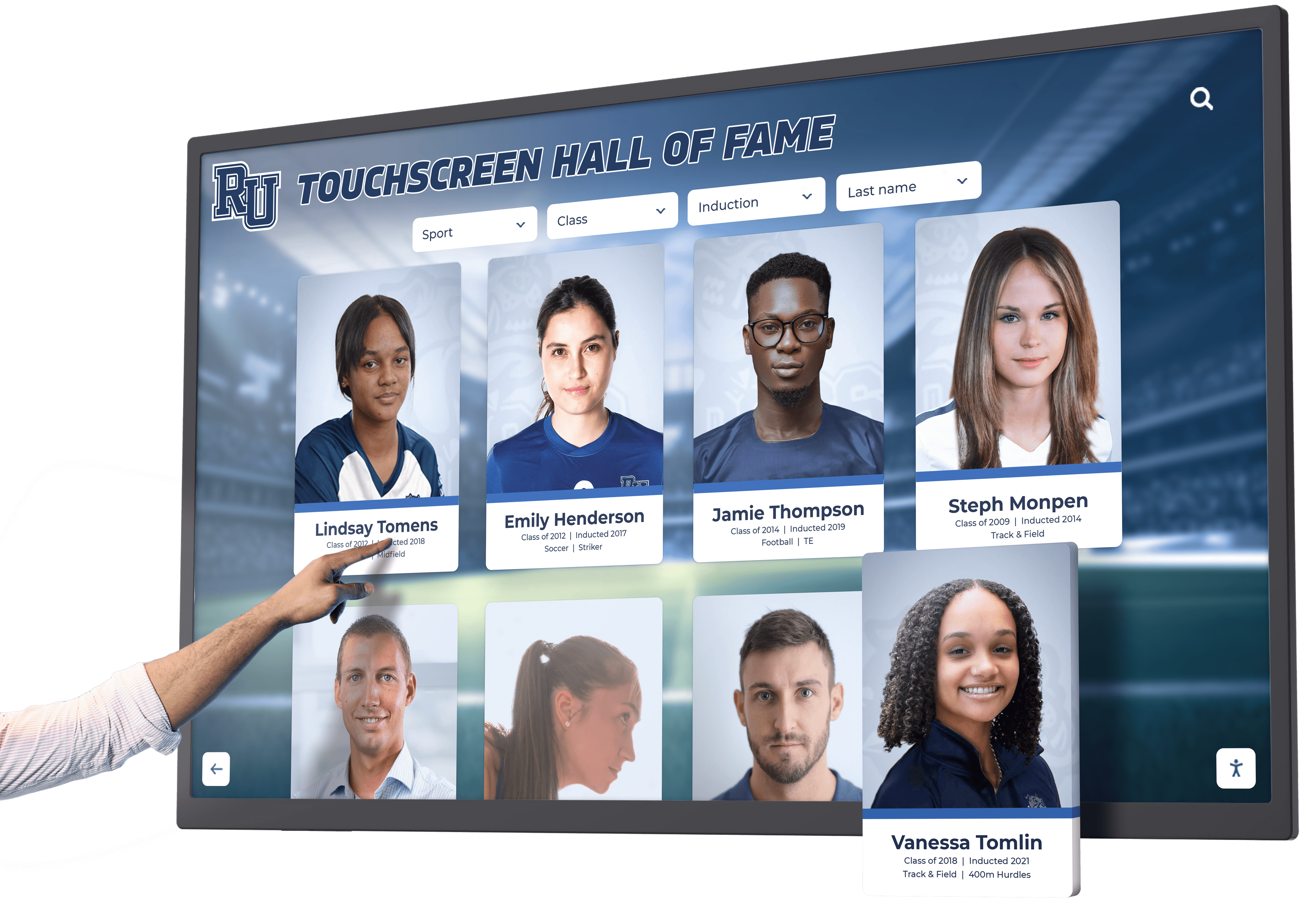
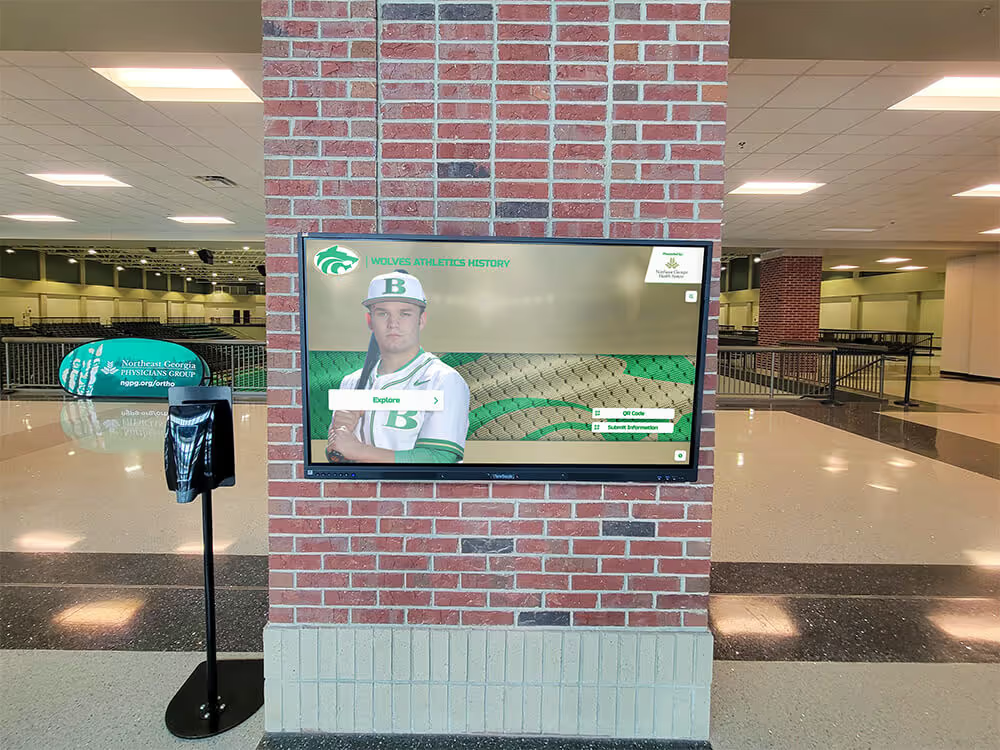
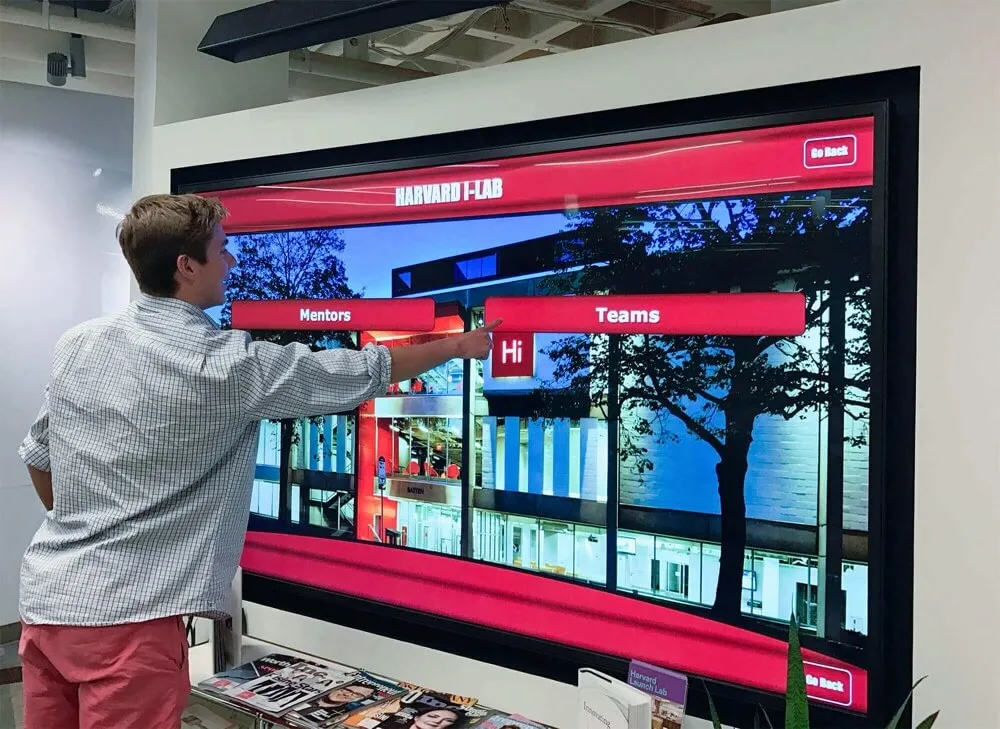
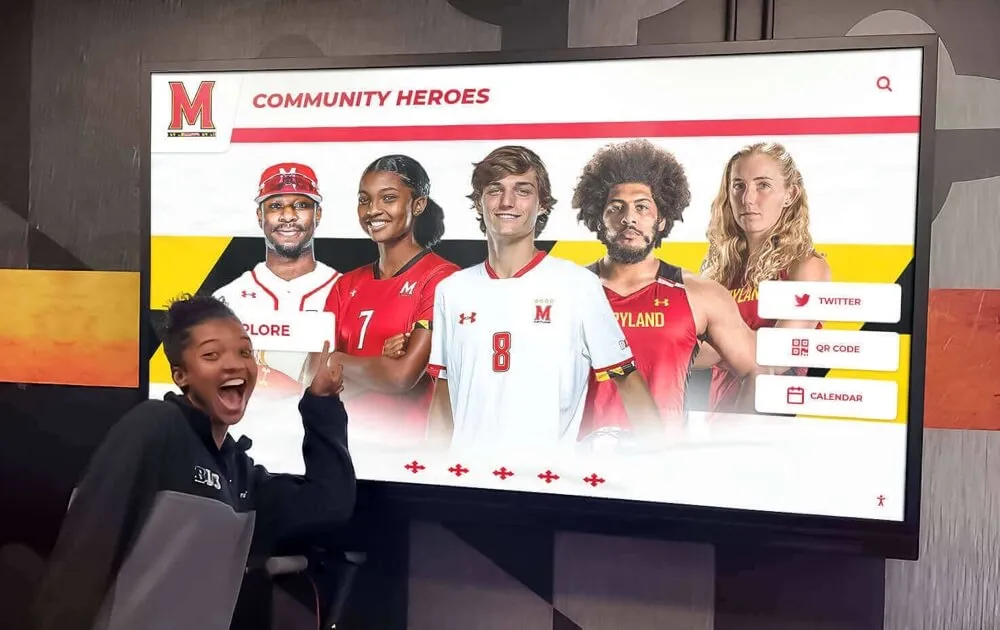
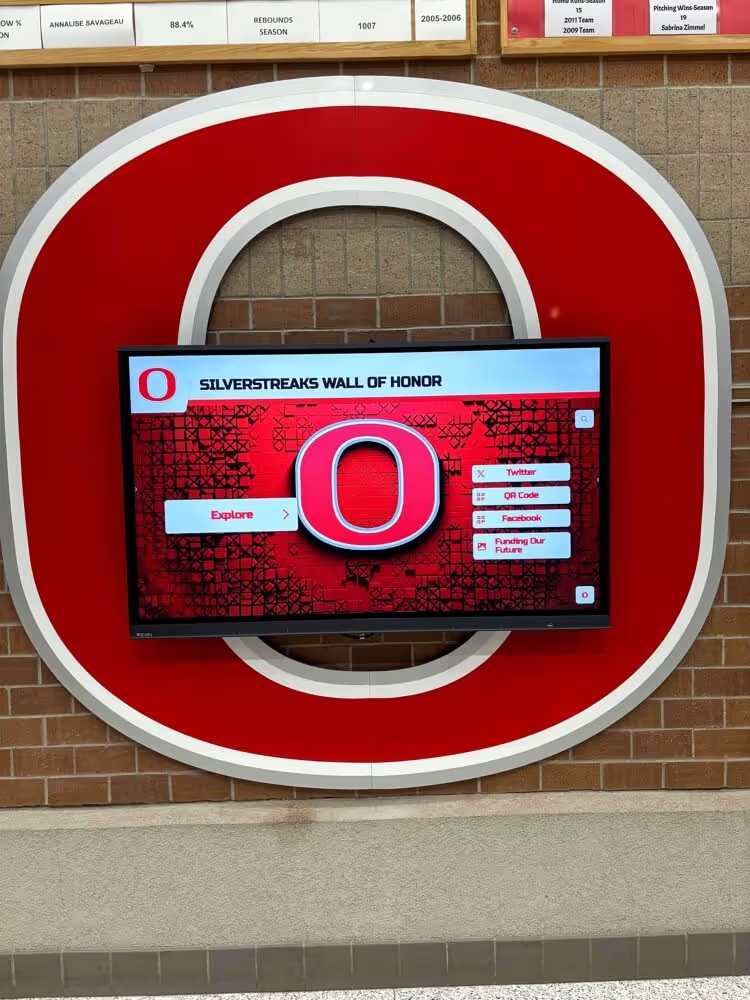
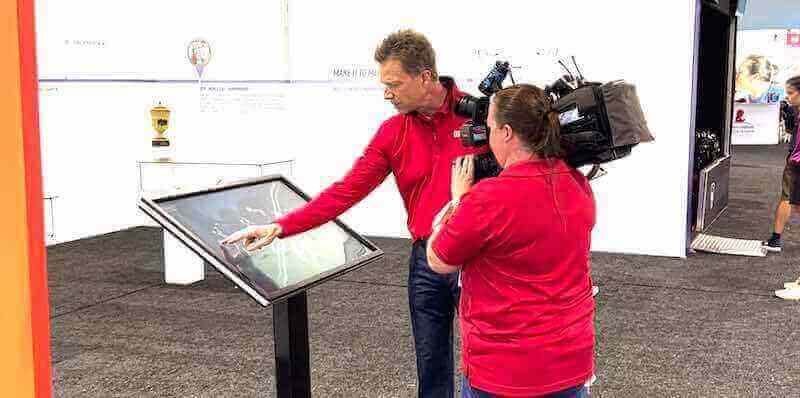
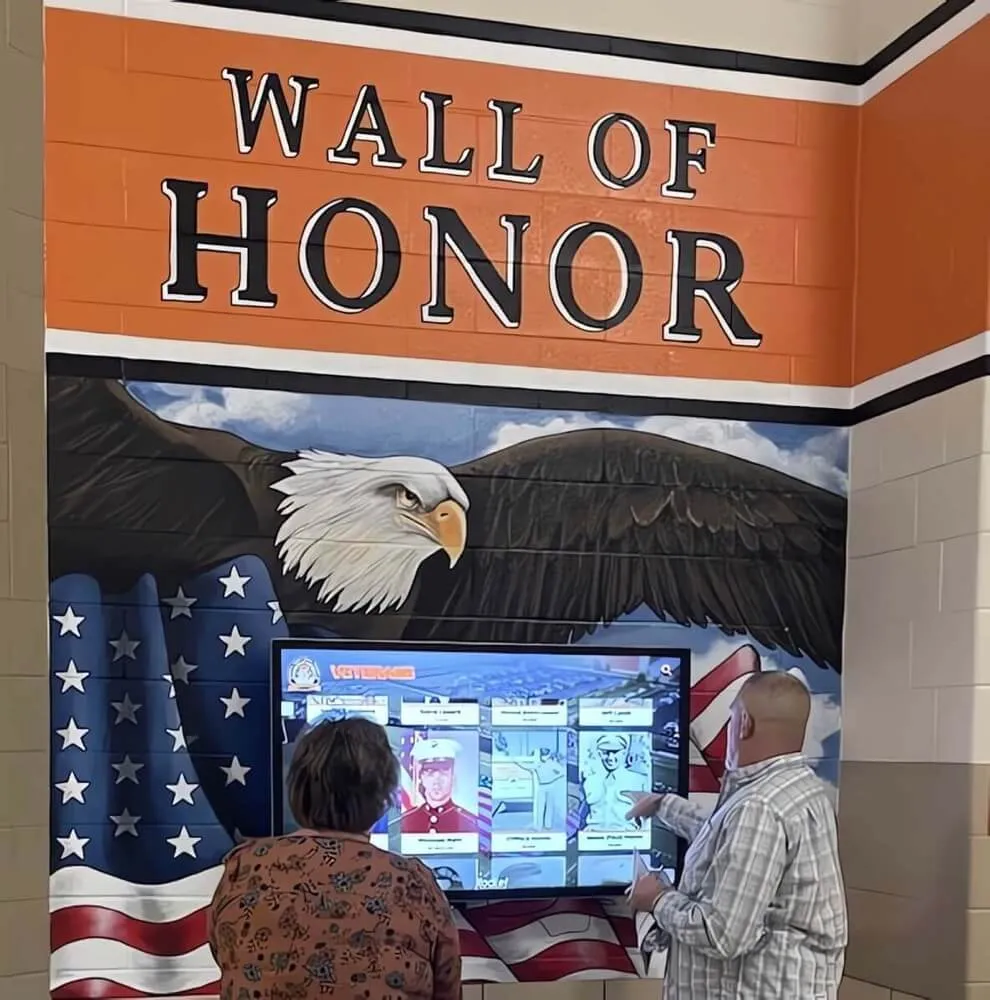
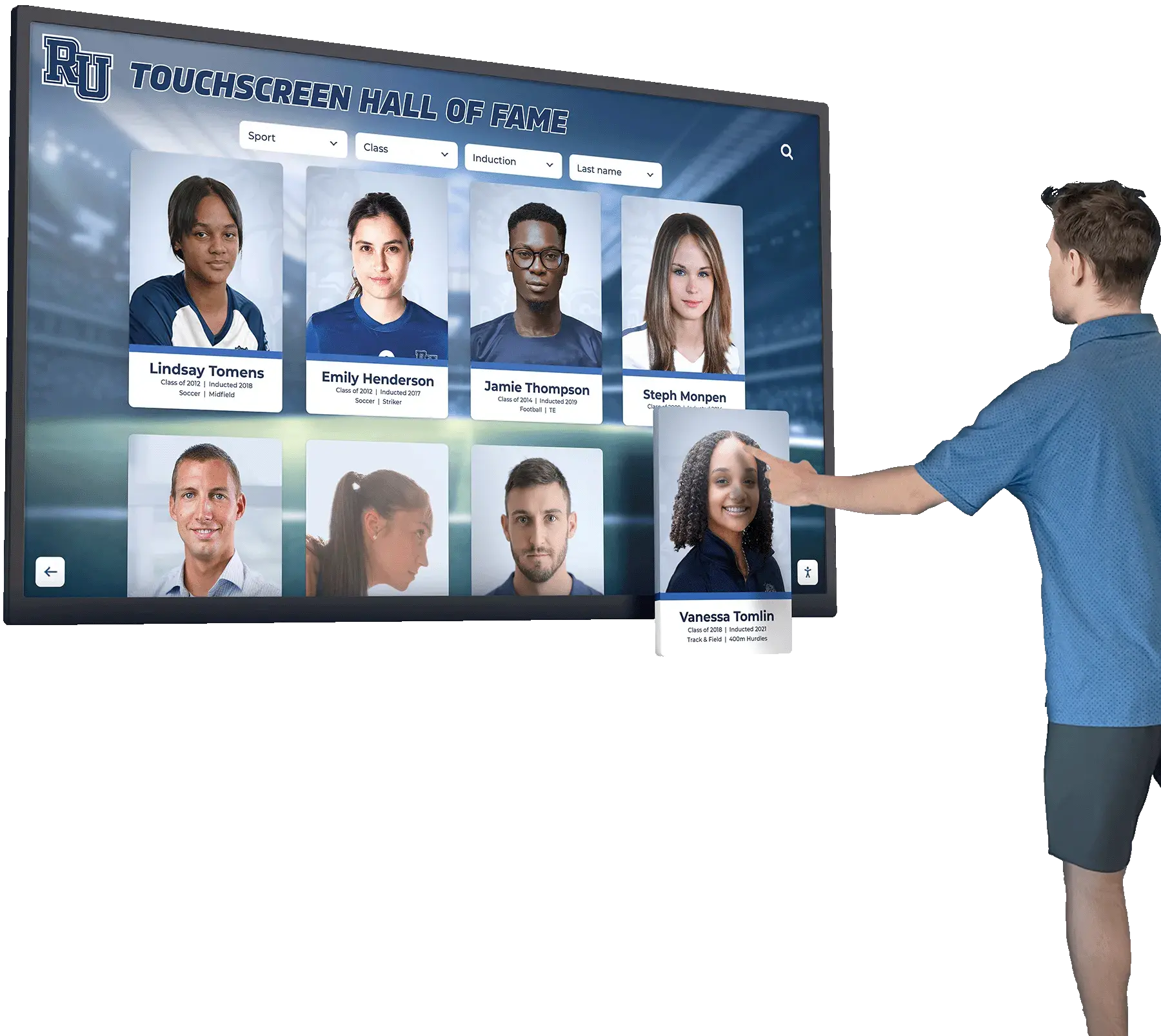
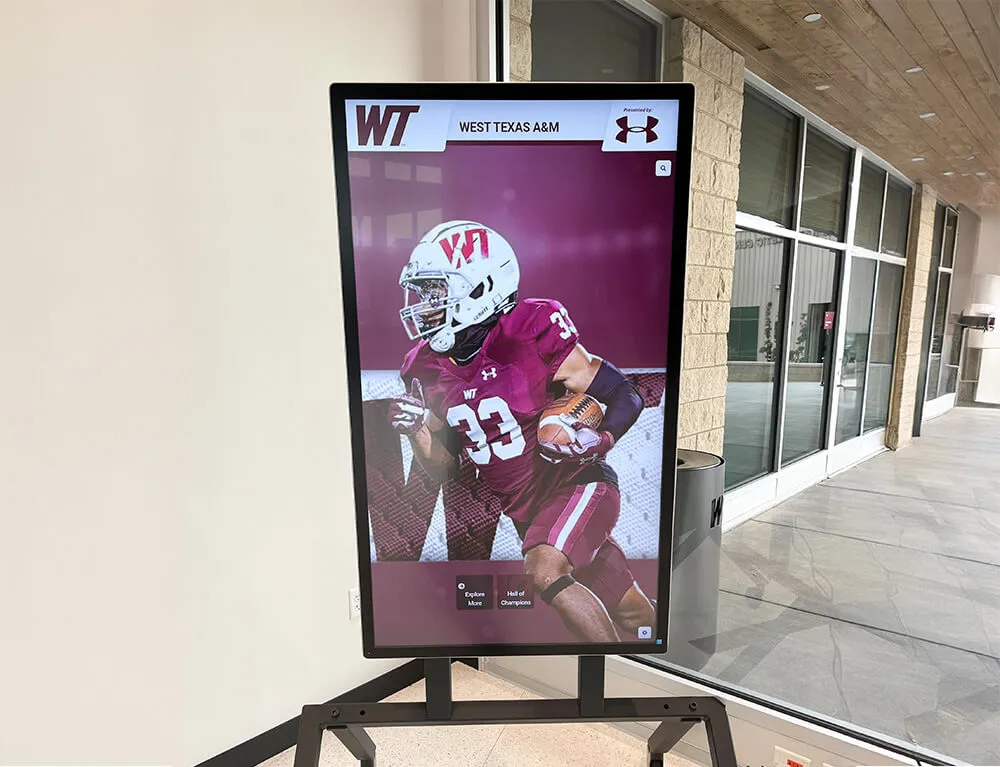
Interactive touchscreens transform passive viewing into engaging exploration, allowing visitors to discover stories most meaningful to them
Engagement and Exploration
- Self-directed browsing allowing visitors to explore topics of personal interest
- Search functionality helping alumni find specific classmates, teams, or events
- Filtering by sport, year, achievement type, or individual name
- Social sharing features connecting physical displays to digital communities
Ongoing Updates
- Cloud-based content management allowing remote updates without facility access
- New achievements added immediately rather than waiting for physical case reorganization
- Historical discoveries incorporated as archives are digitized
- Donor recognition updated as campaigns progress and gifts are received
Hybrid Display Approaches
The most effective solutions often combine traditional and digital methods:
Complementary Presentation
- Physical trophy cases displaying major championships and significant three-dimensional objects
- Adjacent touchscreen providing comprehensive achievement histories, photographs, and context
- QR codes on physical displays linking to digital archives for extended information
- Rotating digital highlights featured on screens near static trophy presentations
Phased Implementation
- Beginning with digital displays while gradually expanding physical cases as budgets allow
- Starting with one high-traffic area and expanding based on engagement metrics
- Digitizing historical collections first, then adding contemporary achievements
- Pilot programs demonstrating value before institution-wide implementation
Schools implementing hybrid approaches report significantly higher engagement compared to either method alone, as physical objects draw initial attention while digital content sustains deeper exploration.
Preservation and Access Benefits
Digital memorabilia systems provide archival advantages:
Conservation
- Fragile documents and photographs stored securely while remaining digitally accessible
- High-resolution scanning preserving deteriorating materials before further damage
- Climate-controlled storage for originals while copies remain publicly viewable
- Reducing handling of irreplaceable items that physical viewing requires
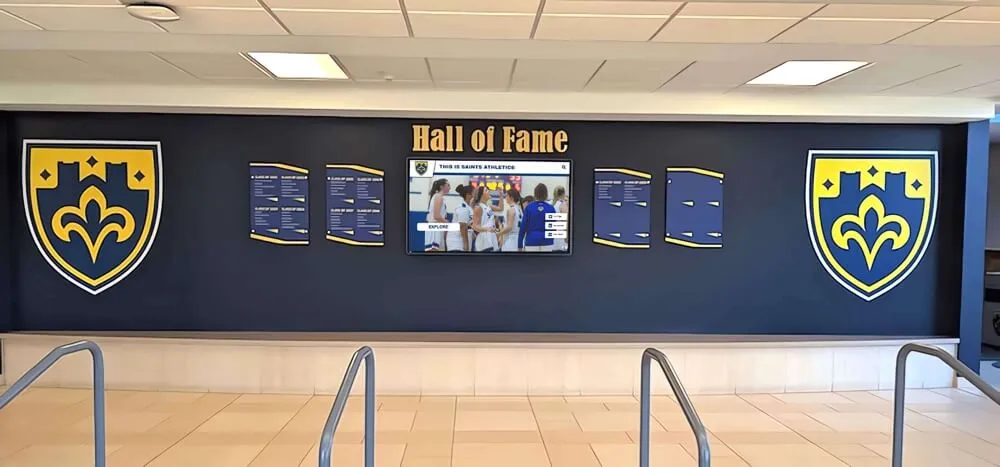
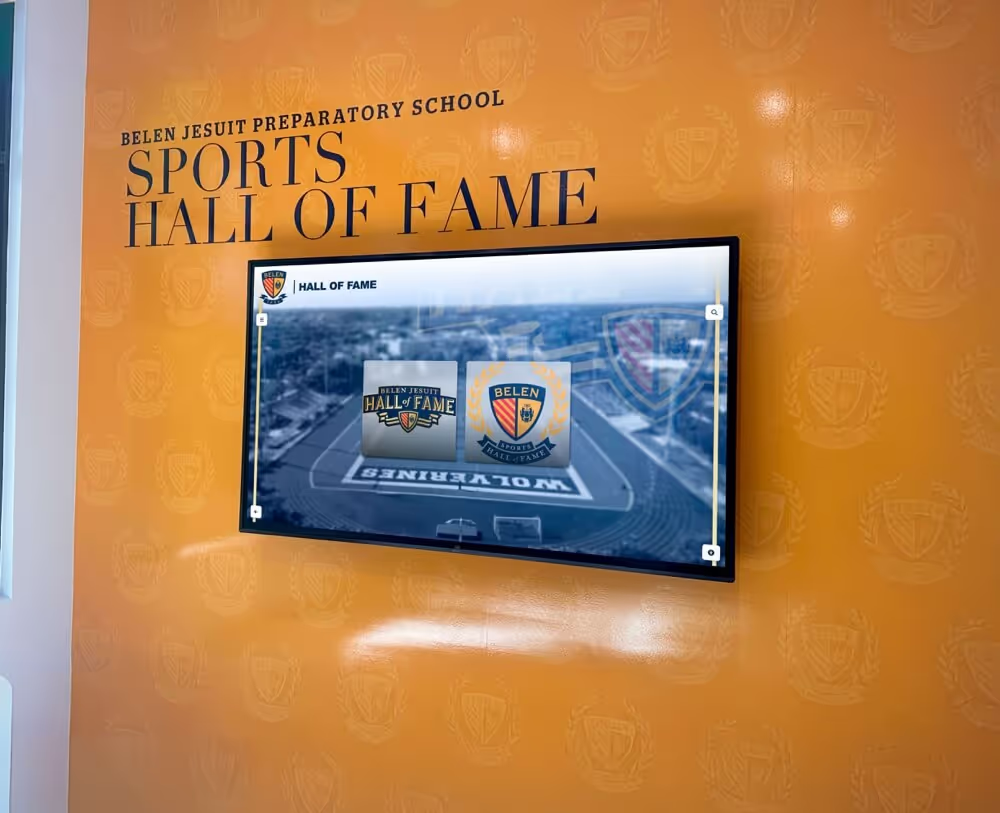
Even traditional wall displays benefit from digital archiving, ensuring memorabilia remains accessible as physical items age
Expanded Access
- Alumni viewing collections remotely through web portals and mobile apps
- Research access for students and historians without physical archive visits
- Virtual reunion experiences allowing distant graduates to explore institutional history
- Educational integration using historical materials in curriculum
Practical Implementation Considerations
Successful memorabilia displays require planning beyond case selection and content organization.
Budgeting and Funding
Display projects range dramatically in scope and investment:
Traditional Display Case Costs
- Basic wall-mounted cases: $800-$1,500 for standard sizes
- Custom built-in trophy cases: $3,000-$8,000 depending on size and features
- Freestanding tower cases: $2,500-$6,000 for quality commercial units
- Specialized jersey or equipment displays: $200-$800 per item
- Professional installation: $500-$2,000 depending on complexity
Digital Display Investments
- Touchscreen hardware (43-55 inch): $2,000-$5,000 including mounting
- Content management software and setup: Varies by provider and features
- Initial content digitization: $1,500-$5,000 depending on collection size
- Ongoing content updates: Internal management or contracted services
- Professional installation and training: Typically included with institutional solutions
Funding Approaches
- Capital campaign allocations including displays in renovation projects
- Donor naming opportunities for display cases or digital systems
- Alumni association grants specifically for historical preservation
- Booster club funding for athletic memorabilia displays
- Grant programs supporting institutional history and archival projects
Many schools discover that donor recognition integration within memorabilia displays creates natural fundraising opportunities, as alumni and supporters wish to contribute to preserving institutional legacy.
Curation and Content Selection
Thoughtful curation separates compelling displays from cluttered collections:
Selection Criteria Development
- Establishing clear guidelines for inclusion (championship level, historical significance, etc.)
- Creating rotation schedules ensuring broader collections receive periodic display
- Balancing recent achievements with historical representation
- Ensuring diverse recognition across sports, activities, and student populations
Storytelling Frameworks
- Organizing displays around narratives rather than simple chronology
- Creating context explaining why specific items matter institutionally
- Connecting individual achievements to broader school history and values
- Including perspectives from multiple eras and community voices
Content Development
- Researching historical items through archives, yearbooks, and alumni interviews
- Writing clear, accessible descriptions avoiding insider jargon
- Gathering supporting materials (photographs, newspaper clippings, programs)
- Fact-checking details and verifying dates, names, and achievements
Schools with successful displays emphasize that curation quality matters more than quantity—well-selected, thoughtfully presented memorabilia creates more impact than exhaustive but poorly organized collections.
Maintenance and Sustainability
Ongoing care ensures displays remain effective long-term:
Physical Maintenance
- Regular cleaning of glass surfaces and display interiors
- Lighting replacement and electrical system inspections
- Lock and security hardware functionality checks
- Structural integrity assessments for wall-mounted installations
Content Currency
- Regular updates adding recent achievements and removing outdated temporary items
- Seasonal rotations featuring sports currently in-season
- Anniversary recognitions highlighting historical milestones
- Donor recognition updates as campaigns progress
Digital System Maintenance
- Software updates ensuring security and functionality
- Content management training for staff responsible for updates
- Hardware cleaning and screen protection
- Network connectivity monitoring and troubleshooting
Many institutions find that assigning specific responsibility for displays—whether to athletic department staff, facilities managers, or development office personnel—dramatically improves long-term effectiveness compared to assumed shared responsibility that often results in neglect.
Showcasing Your Institutional Story
The most successful memorabilia displays extend beyond mere object storage—they tell cohesive institutional stories that connect past achievement to present identity and future aspirations. Whether your school invests in traditional trophy cases, implements cutting-edge digital displays, or combines both approaches, the goal remains consistent: preserving and celebrating the people, moments, and accomplishments that define your educational community.
Effective memorabilia presentation creates multiple benefits simultaneously. Current students see tangible evidence of the legacy they’re building upon, inspiring pride and motivation. Alumni reconnecting with their school find their contributions remembered and celebrated. Donors see their gifts honoring institutional values in lasting, visible ways. Visitors form impressions of a community that values its history and the individuals who shaped it.
As your institution considers memorabilia display options, focus on solutions aligning with your specific needs, space constraints, and institutional culture. Start with clearly defined goals about what you’re showcasing and why. Assess your space realistically and plan for growth. Consider how visitors will interact with displays and what experiences you’re creating. And remember that the best display is one that actually gets implemented and maintained rather than the perfect solution that remains perpetually in the planning phase.
Rocket Alumni Solutions’ Digital Wall of Fame provides schools with an innovative approach to memorabilia presentation—combining unlimited digital display capacity with intuitive touchscreen interaction. The platform integrates seamlessly with traditional trophy cases, offers ADA-compliant accessibility, and includes cloud-based content management allowing staff to update displays remotely. Whether you’re planning a comprehensive recognition space renovation or looking to enhance existing displays, exploring how digital solutions complement traditional approaches expands your possibilities for showcasing institutional history effectively.
Your school’s memorabilia tells stories worth preserving and sharing. With thoughtful planning and appropriate display solutions, those stories can inspire current and future generations while honoring the achievements and individuals that built your institutional legacy.