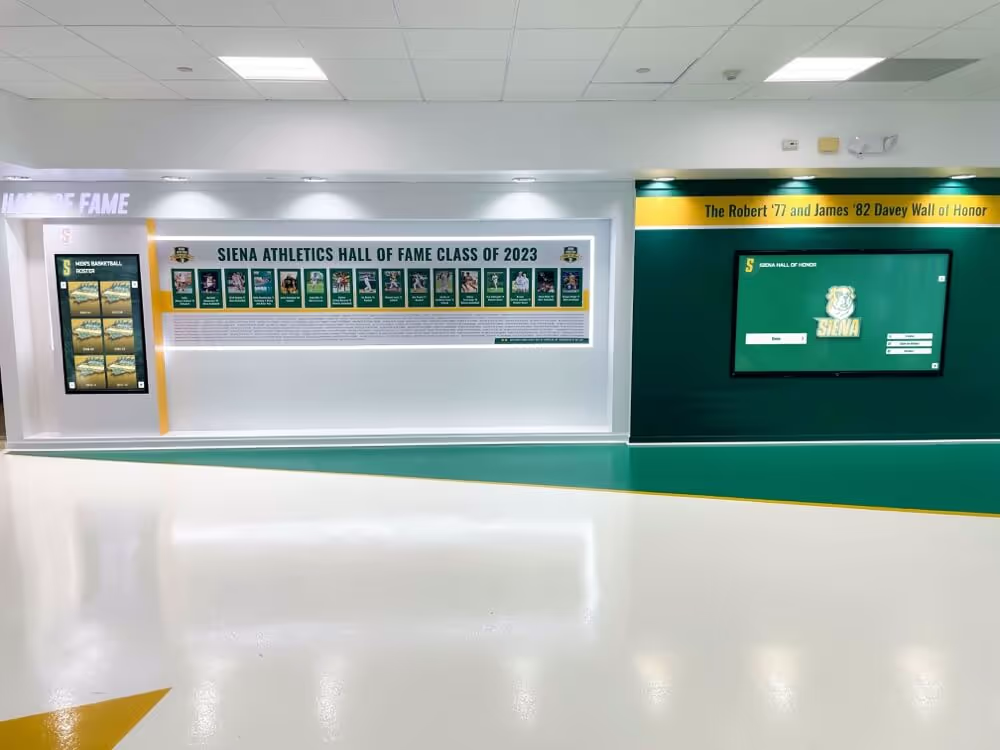




Schools, universities, and organizations accumulate decades of meaningful memorabilia—championship trophies documenting athletic excellence, historical artifacts telling institutional stories, and donor recognition items honoring philanthropic support. Yet many struggle with the fundamental challenge of displaying these treasures effectively: limited space in hallways and lobbies, outdated trophy cases that can’t accommodate growing collections, and static displays that fail to capture visitor attention or tell complete stories.
The memorabilia display case serves as more than simple storage—it’s a storytelling medium that connects current students with institutional heritage, honors the donors whose generosity makes programs possible, and celebrates the athletic achievements that define school pride. Whether you’re an athletic director managing decades of championship trophies, a development officer seeking meaningful donor recognition, or an administrator preserving school history, the right display approach transforms scattered artifacts into cohesive narratives that inspire and engage.
This comprehensive guide explores memorabilia display case ideas ranging from traditional glass cabinets to innovative digital solutions, helping schools and organizations select approaches that protect valuable items while maximizing visual impact and accessibility. From small collections in individual classrooms to institutional archives documenting century-old traditions, discover practical strategies for showcasing memorabilia that honors the past while inspiring future generations.
Effective memorabilia displays balance preservation with presentation, protect valuable items while keeping them visible, and organize collections in ways that tell meaningful stories rather than simply arranging objects chronologically. The best solutions address both immediate needs and long-term growth, ensuring display systems remain relevant as collections expand.

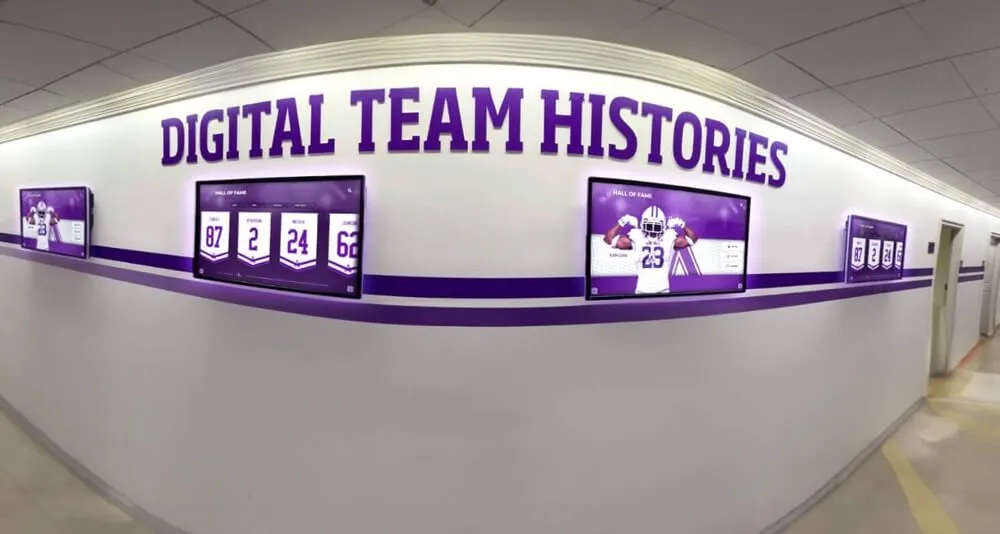
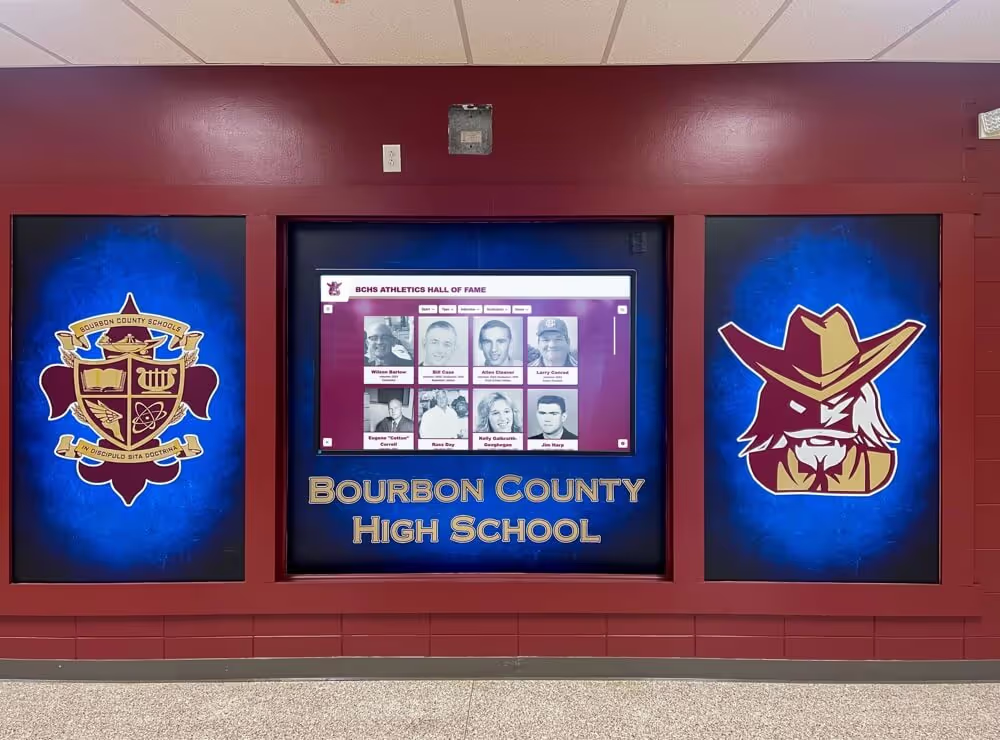
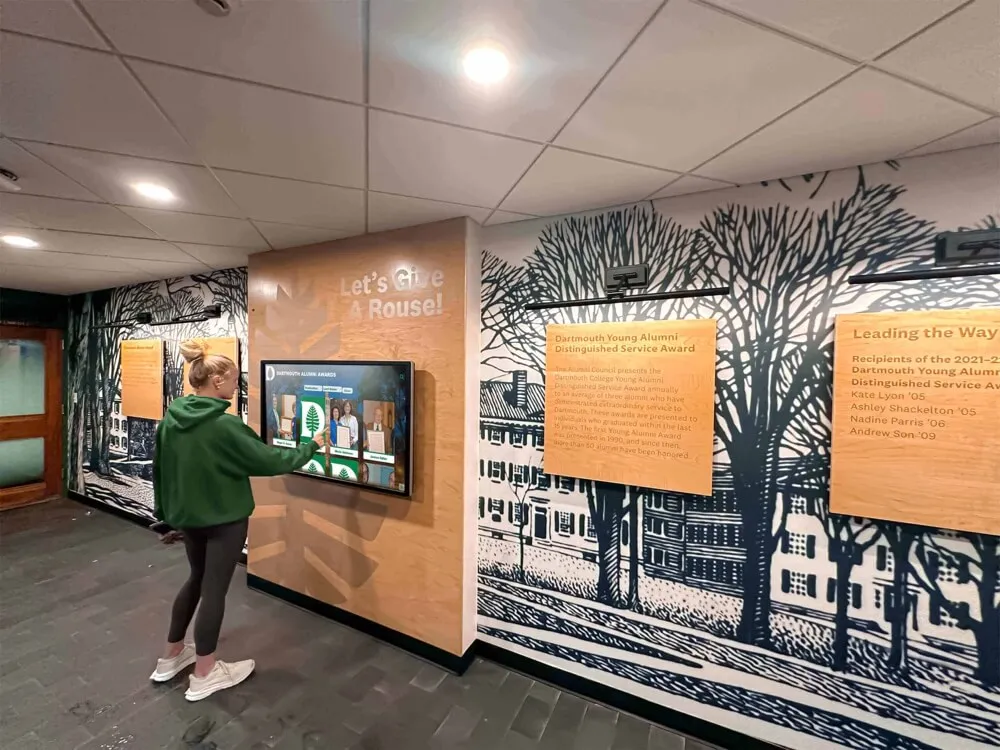
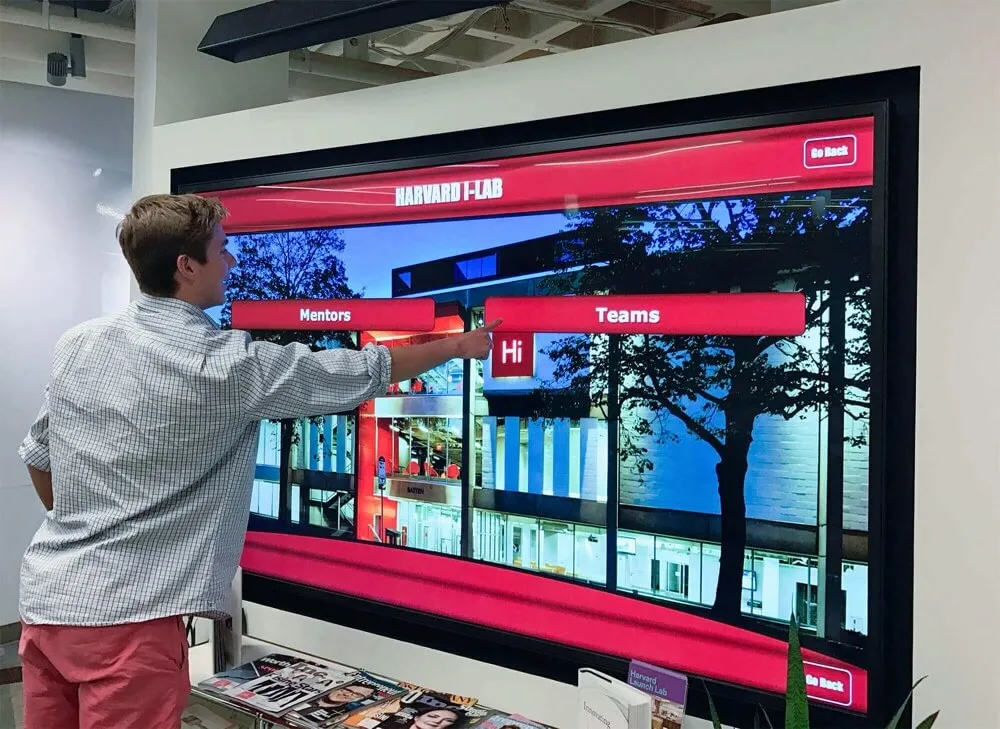
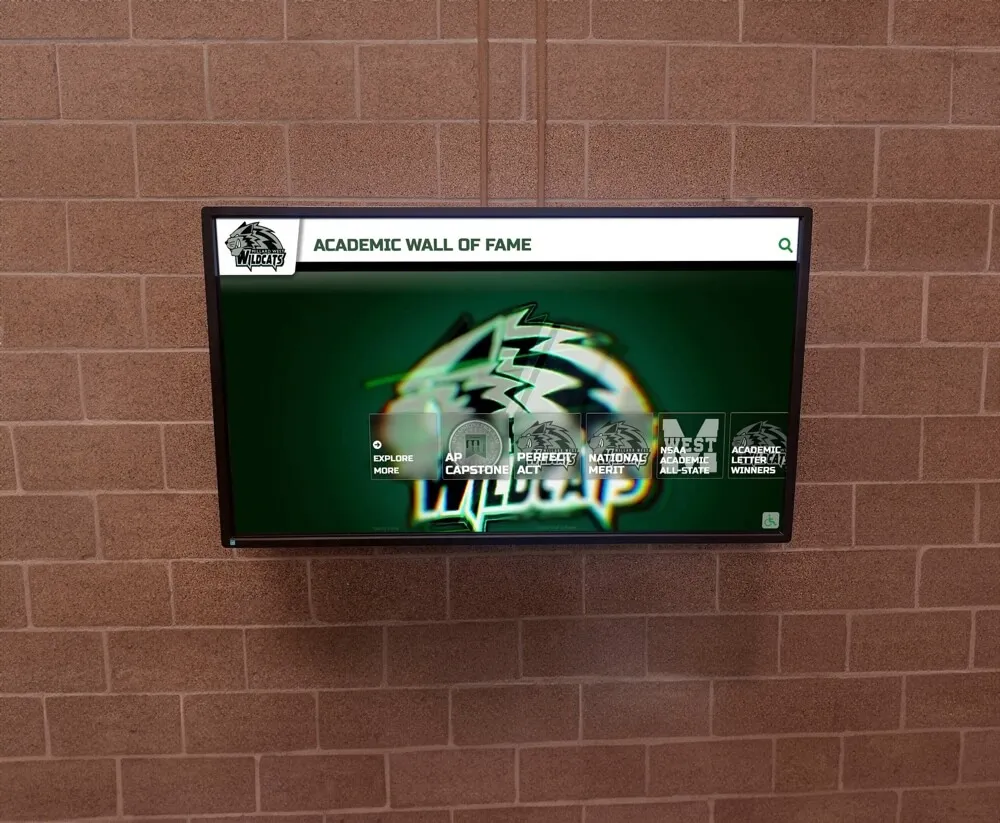
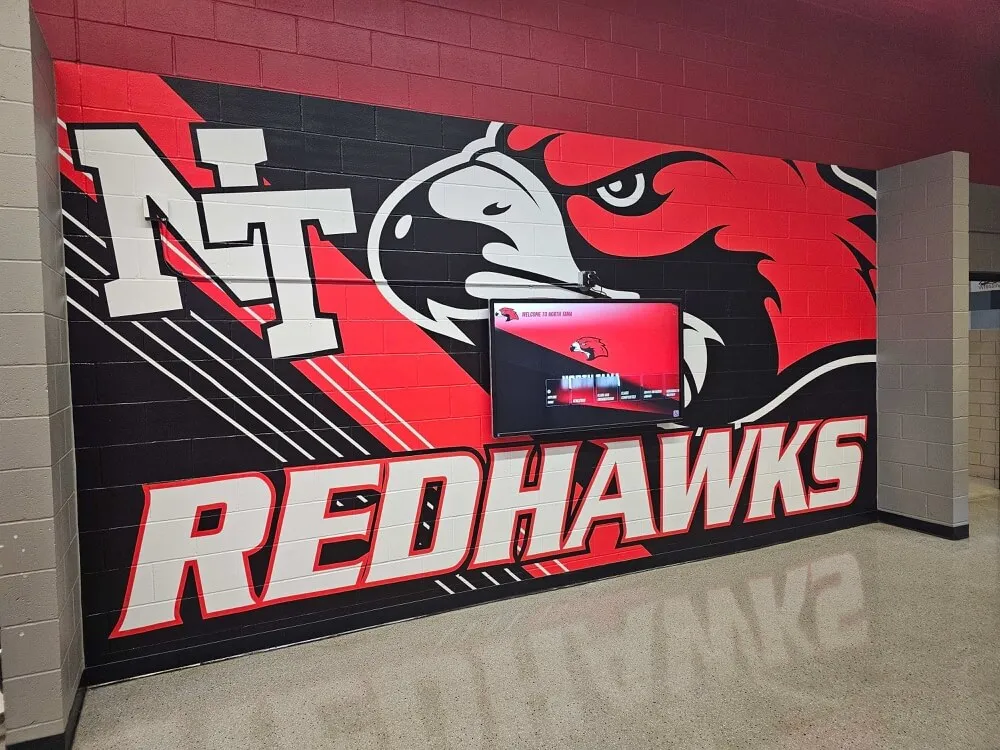
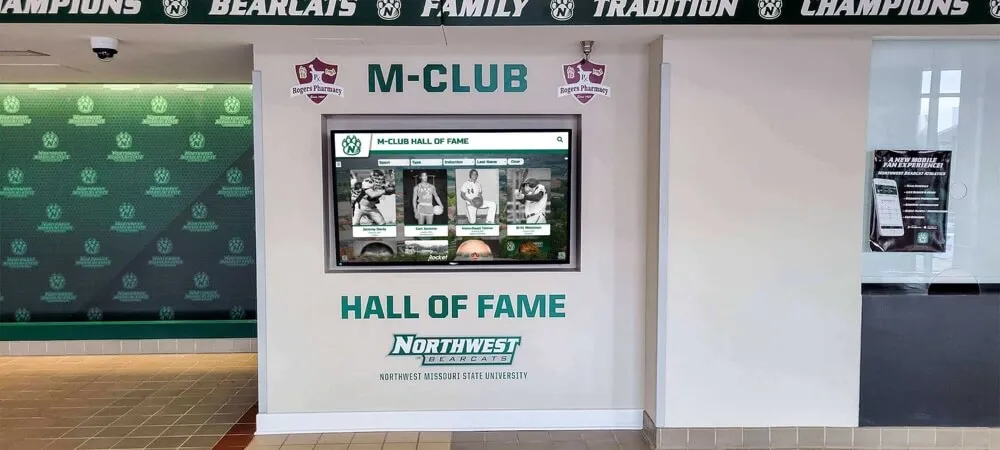
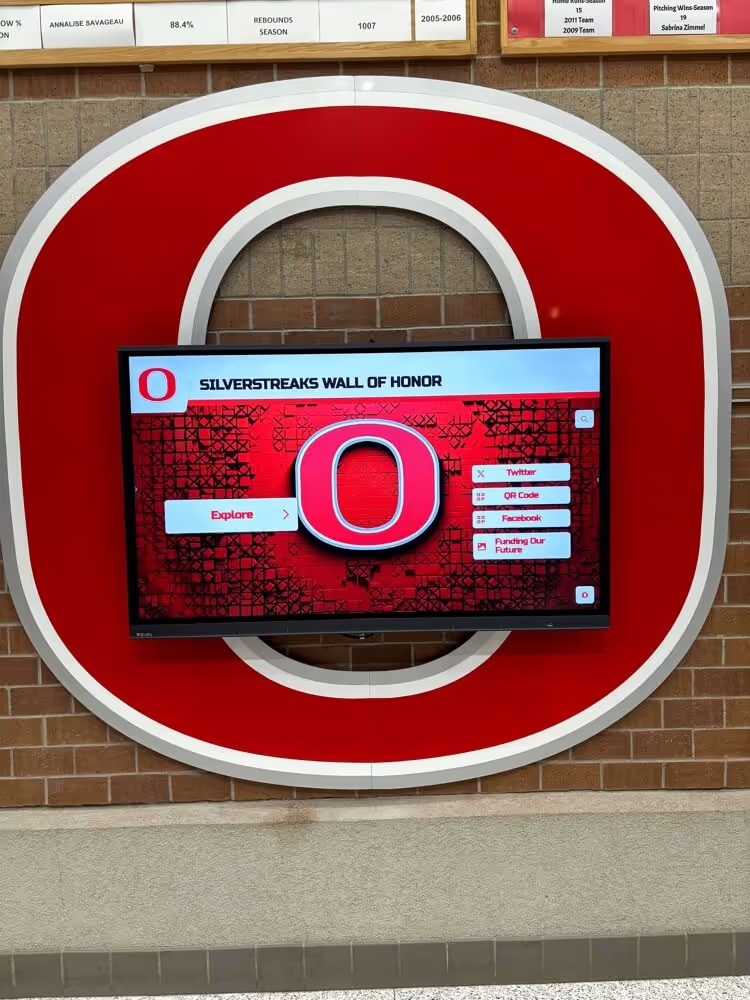
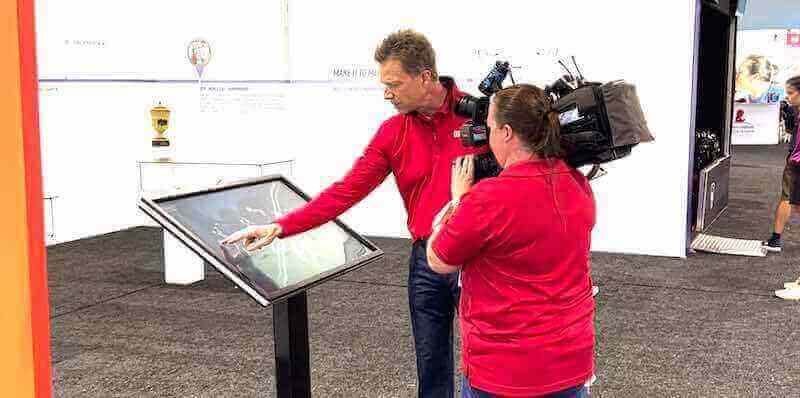
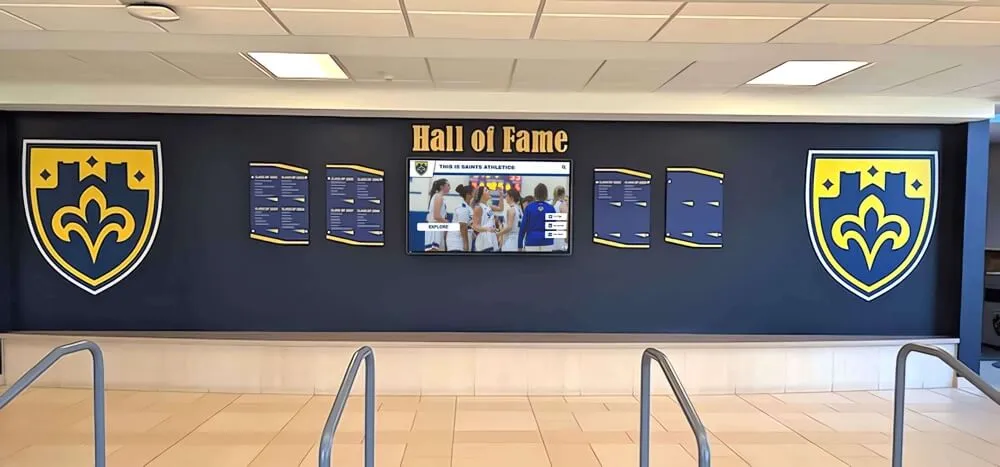
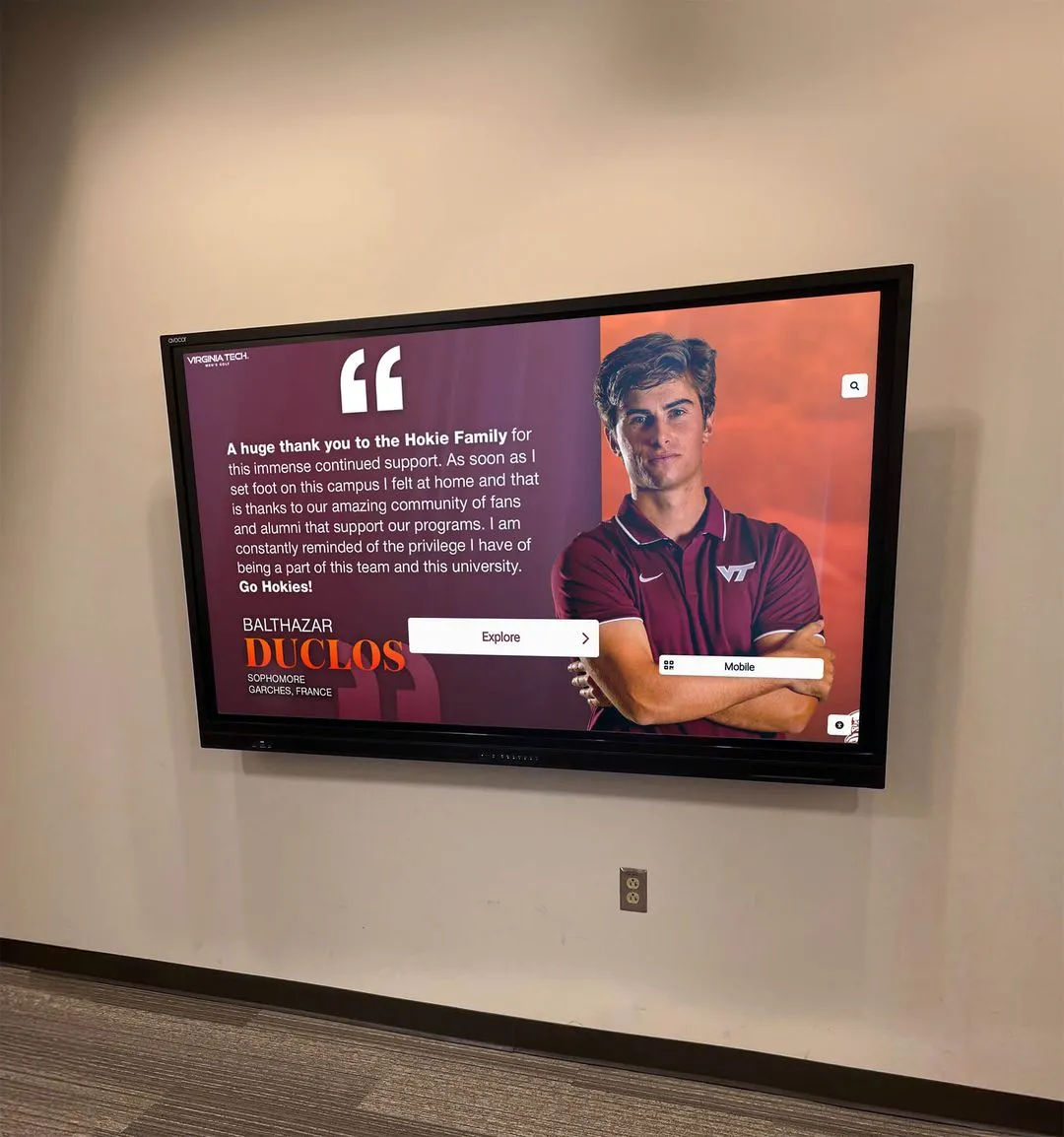
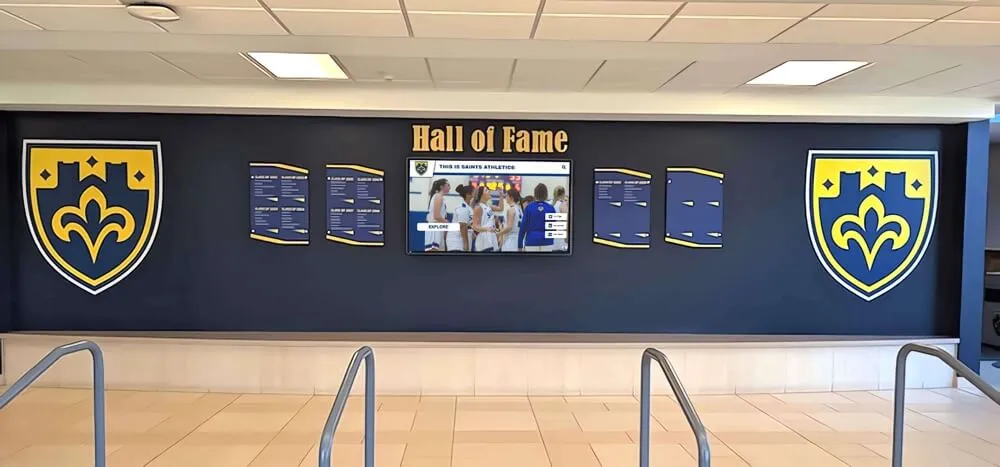
Modern recognition spaces combine traditional display elements with digital components to create comprehensive memorabilia presentations
Understanding Different Types of Memorabilia Collections
Before selecting display cases, assess what you’re preserving and the stories you want to tell through these collections.
Athletic Trophies and Sports Memorabilia
Athletic achievements generate the most visible memorabilia in educational institutions:
Championship Trophies and Awards
- State, regional, and conference championship trophies
- Team awards from tournaments and competitions
- Individual athlete recognition awards
- Coach milestone achievements
- Seasonal tournament victories
- League championship documentation
Game-Used Equipment and Jerseys
- Retired jerseys honoring exceptional athletes
- Championship game balls and equipment
- Record-breaking performance artifacts
- Signed items from notable alumni
- Vintage uniforms documenting program history
- Equipment from significant victories
Athletic Recognition Items
- All-conference and all-state certificates
- MVP and special achievement awards
- Academic recognition for student-athletes
- Team photographs and action shots
- Newspaper clippings and media coverage
- Statistical documentation and record boards
Athletic departments face unique display challenges as collections grow continuously—each season potentially adds new trophies, photographs, and recognition items requiring accommodation.
School History and Heritage Items
Institutional memorabilia documents organizational evolution:
Historical Artifacts
- Founding documents and original charters
- Vintage photographs showing campus evolution
- Historical uniforms and school apparel
- Yearbooks and publications from different eras
- Architectural elements from renovated buildings
- Time capsule contents and historical collections
Academic Achievement Documentation
- Distinguished alumni accomplishments
- Faculty recognition and awards
- Academic competition victories
- Research breakthroughs and publications
- Accreditation certificates and institutional awards
- Student government and leadership recognition
Special Event Commemorations
- Anniversary celebration materials
- Dedication ceremony documentation
- School milestone events and celebrations
- Guest speaker signatures and memorabilia
- Building opening and renovation records
- Traditional ceremony artifacts
School history collections tell institutional identity stories, helping current students understand the traditions and values they inherit.
Donor Recognition and Philanthropic Gifts
Development offices maintain collections honoring institutional supporters:
Donor Recognition Items
- Plaques acknowledging major gifts
- Named facility dedications
- Scholarship founder recognition
- Capital campaign donor walls
- Legacy society acknowledgments
- Digital donor wall installations
Commemorative Gifts
- Donor-funded trophies and awards
- Gifts from graduating classes
- Alumni association commemorative items
- Community partner recognitions
- Memorial items honoring deceased supporters
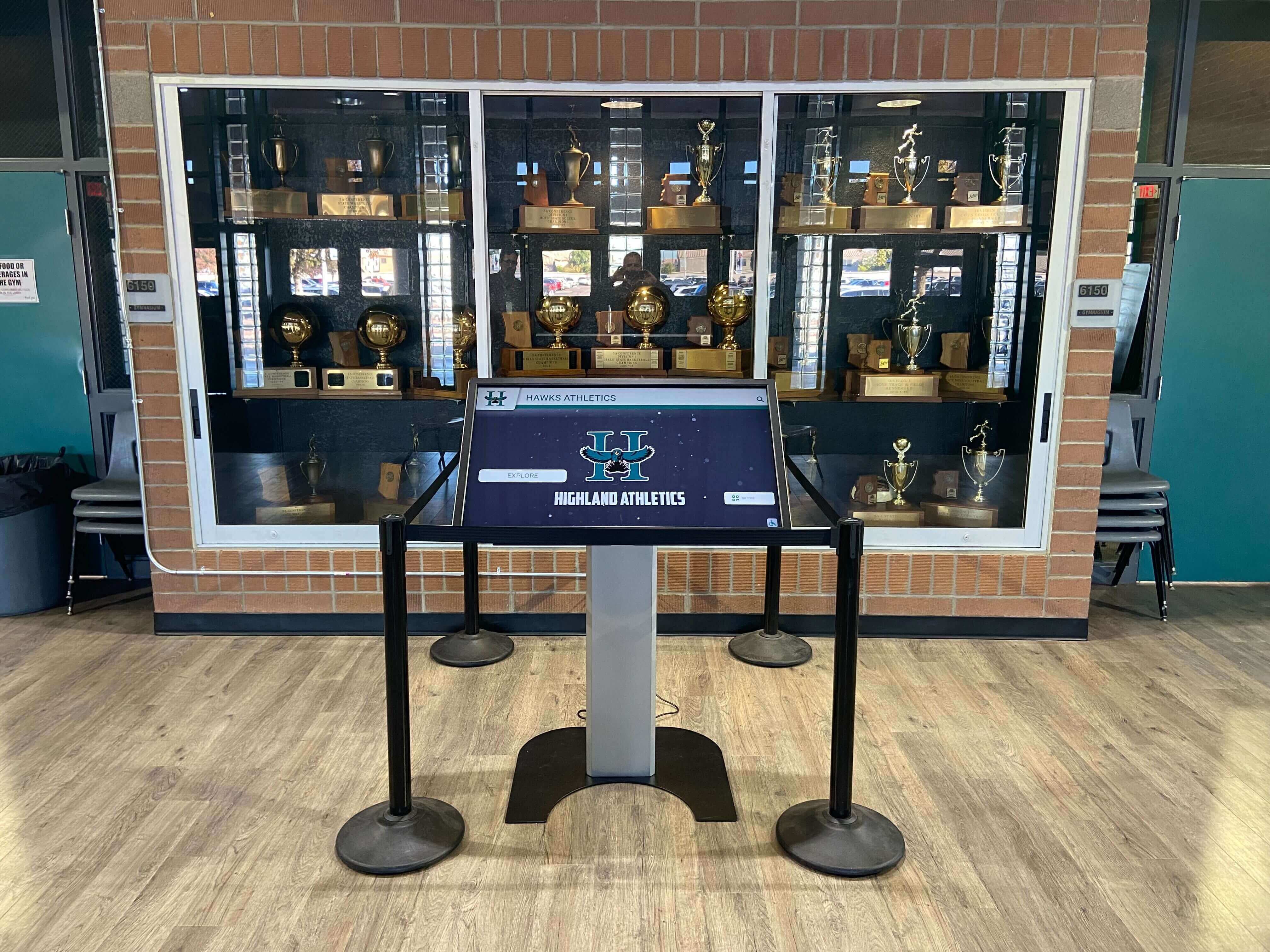
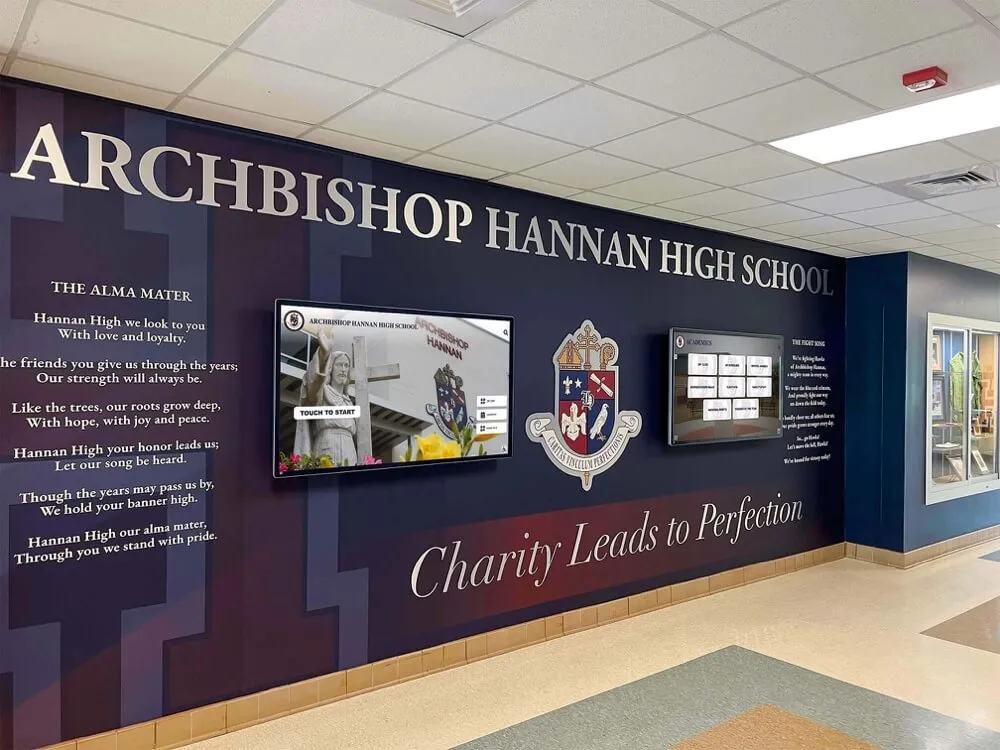
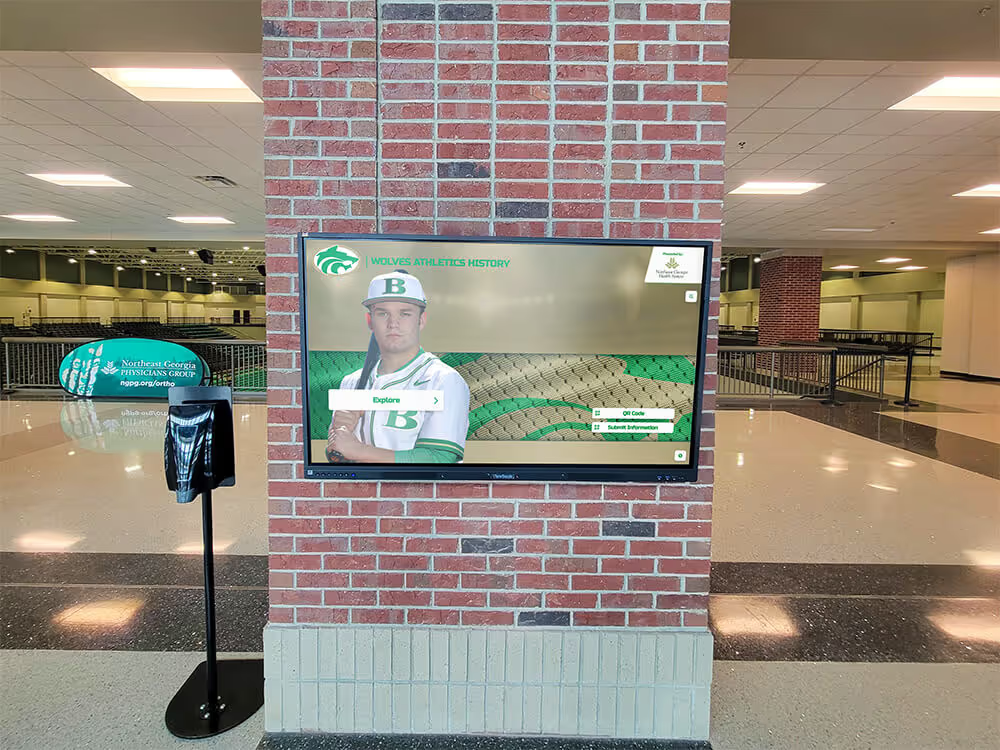
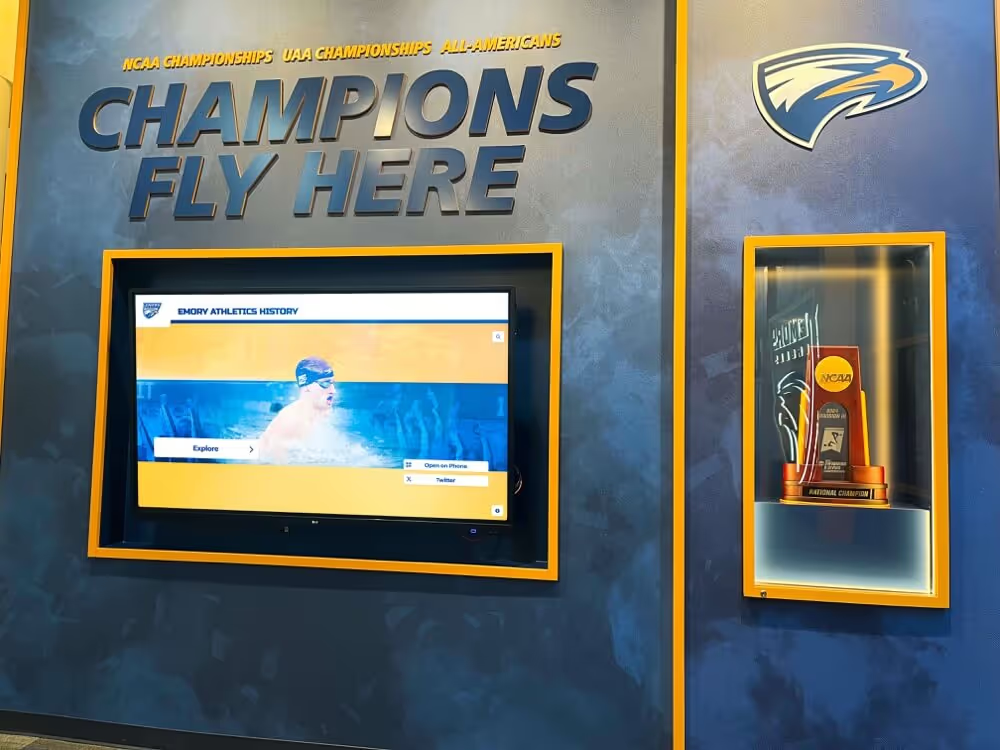
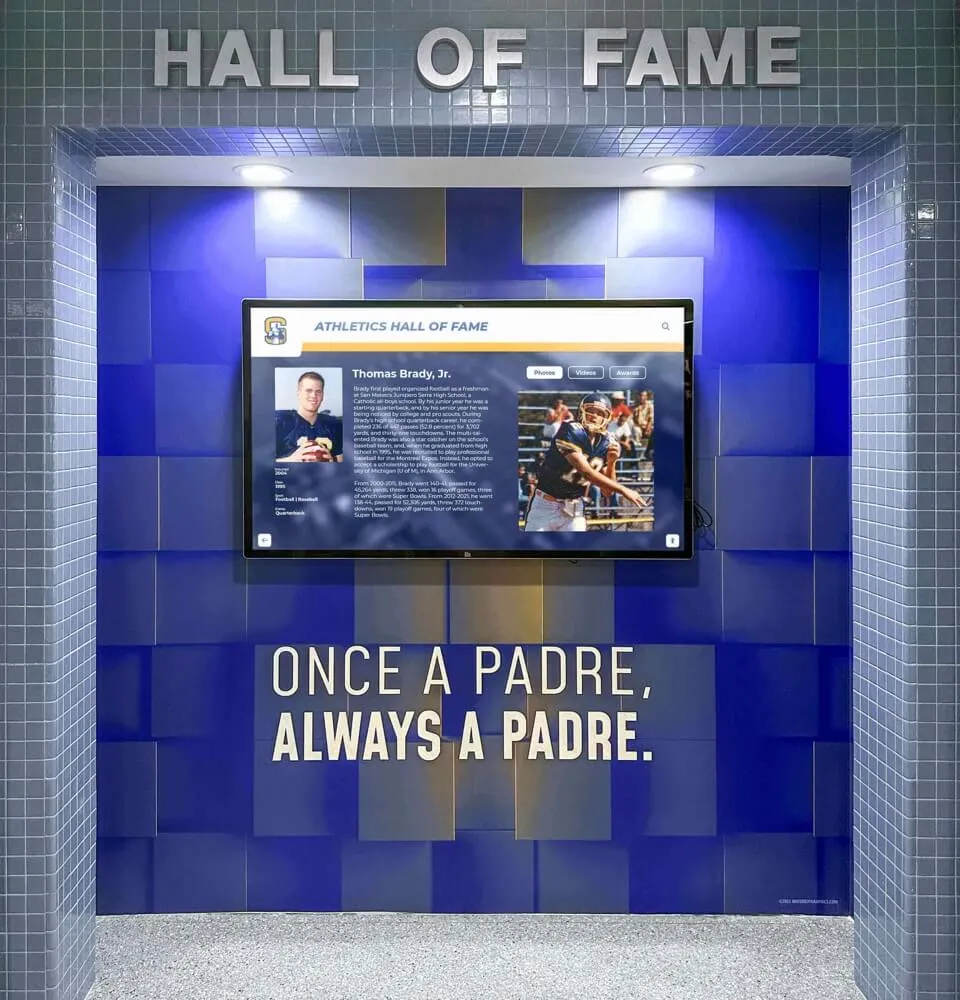
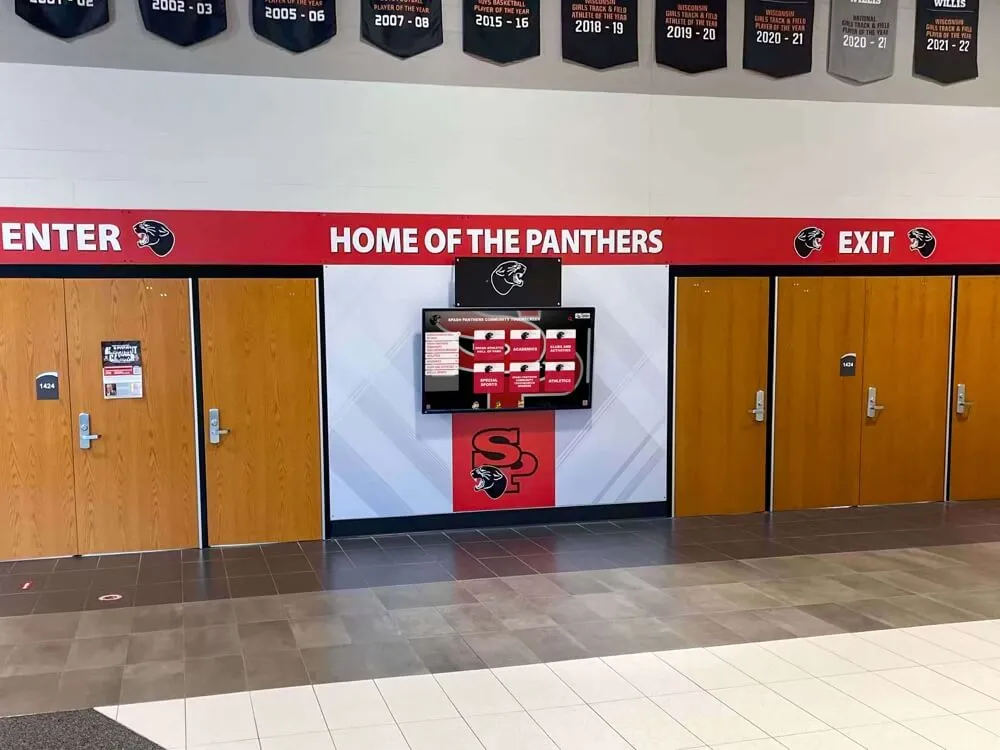
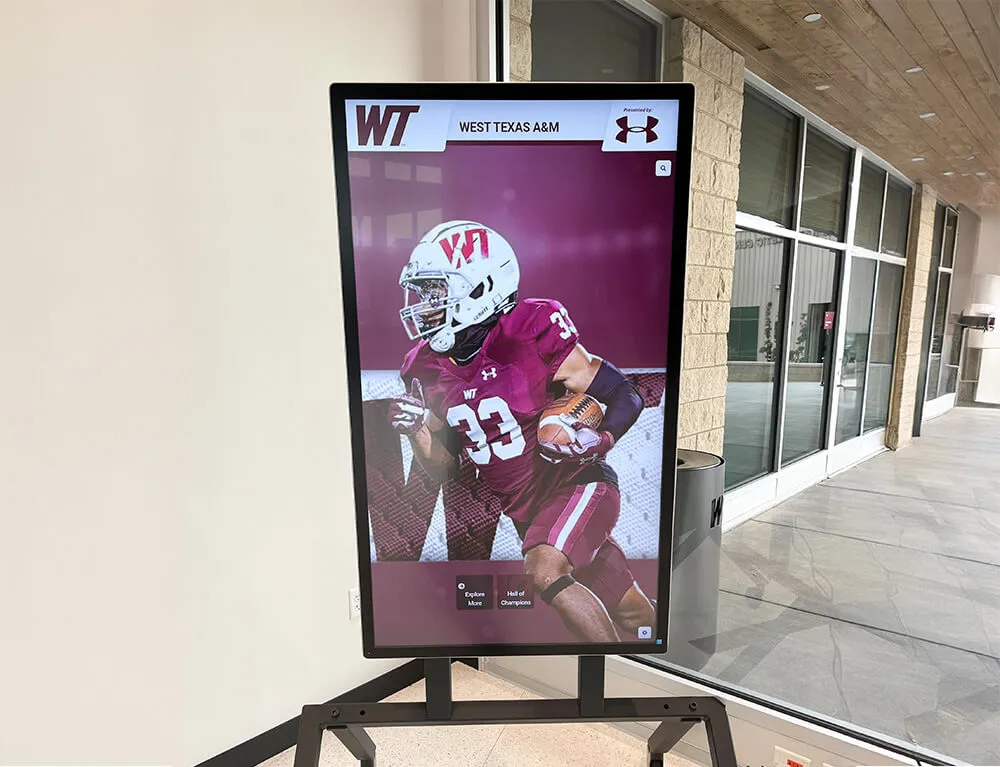
Hybrid displays combine physical trophy cases with interactive elements providing comprehensive donor and achievement recognition
Donor recognition displays serve dual purposes—honoring current supporters while encouraging future philanthropic engagement by showcasing how contributions are acknowledged.
Traditional Memorabilia Display Case Options
Classic display solutions remain effective for many memorabilia collections, offering proven approaches to protection and presentation.
Glass-Front Trophy Cases
Traditional glass display cabinets provide secure, visible storage for valuable memorabilia.
Wall-Mounted Trophy Cases Space-efficient vertical displays:
- Glass fronts with lockable doors protecting collections
- Adjustable shelving accommodating different item sizes
- Built-in lighting illuminating displayed items
- Available depths from shallow (4-6 inches) to deep (12+ inches)
- Wood or metal frames matching facility aesthetics
- Mounting heights ensuring visibility and security
Wall-mounted cases work well in hallways and lobbies where floor space is limited but vertical wall areas can accommodate sizeable displays.
Floor-Standing Display Cabinets Freestanding furniture for larger collections:
- Glass on multiple sides allowing 360-degree viewing
- Substantial capacity for trophy collections
- Locking mechanisms protecting valuable items
- Integrated LED lighting systems
- Professional appearance suitable for main lobbies
- Available in various sizes and finishes
Floor-standing cases create impressive focal points in entrances and main gathering spaces but require adequate floor area and traffic flow consideration.
Corner and Alcove Cases Maximizing architectural features:
- Custom-fitted cases utilizing corner spaces
- Alcove installations creating dedicated display areas
- Triangle configurations fitting corner angles
- Maximizing display capacity in irregular spaces
- Integrated into building architecture
- Professional appearance despite space constraints
Corner cases transform otherwise underutilized spaces into productive display areas, particularly valuable in facilities with limited straight wall runs.
Shadow Boxes and Framed Displays
For special items requiring individual attention, shadow boxes create attractive focused presentations.
Championship Shadow Boxes Dedicated displays for significant achievements:
- Custom-sized frames accommodating jerseys, balls, or equipment
- Backing materials in school colors
- UV-protective glass preventing fading
- Mounting techniques preventing item damage
- Information plaques providing context
- Professional framing quality
Shadow boxes work particularly well for retired jerseys, championship game balls, or individually significant items deserving prominent solo display.
Collection Display Frames Organizing related smaller items:
- Medal and ribbon collections arranged attractively
- Certificate and document preservation
- Small trophy and award groupings
- Themed collections (single season, specific sport)
- Chronological progressions showing history
- Protective matting and mounting
Framed collections create cohesive presentations of related items that might get lost individually but together tell complete stories.
Showcase and Pedestal Displays
Three-dimensional presentation for special artifacts:
Pedestal Display Cases
- Acrylic cases with visibility from all angles
- Raised platforms creating prominence
- Lighting from base or above
- Secure locking mechanisms
- Ideal for individual significant trophies
- Museum-quality presentation
Tabletop Display Boxes
- Smaller-scale presentation cases
- Office and classroom display options
- Portable for special events
- Cost-effective for multiple items
- Easy content rotation
- Protected storage between displays
Traditional cases offer proven protection and professional appearance but face inherent limitations: fixed capacity, ongoing maintenance needs, and inability to provide context beyond what labels can communicate.
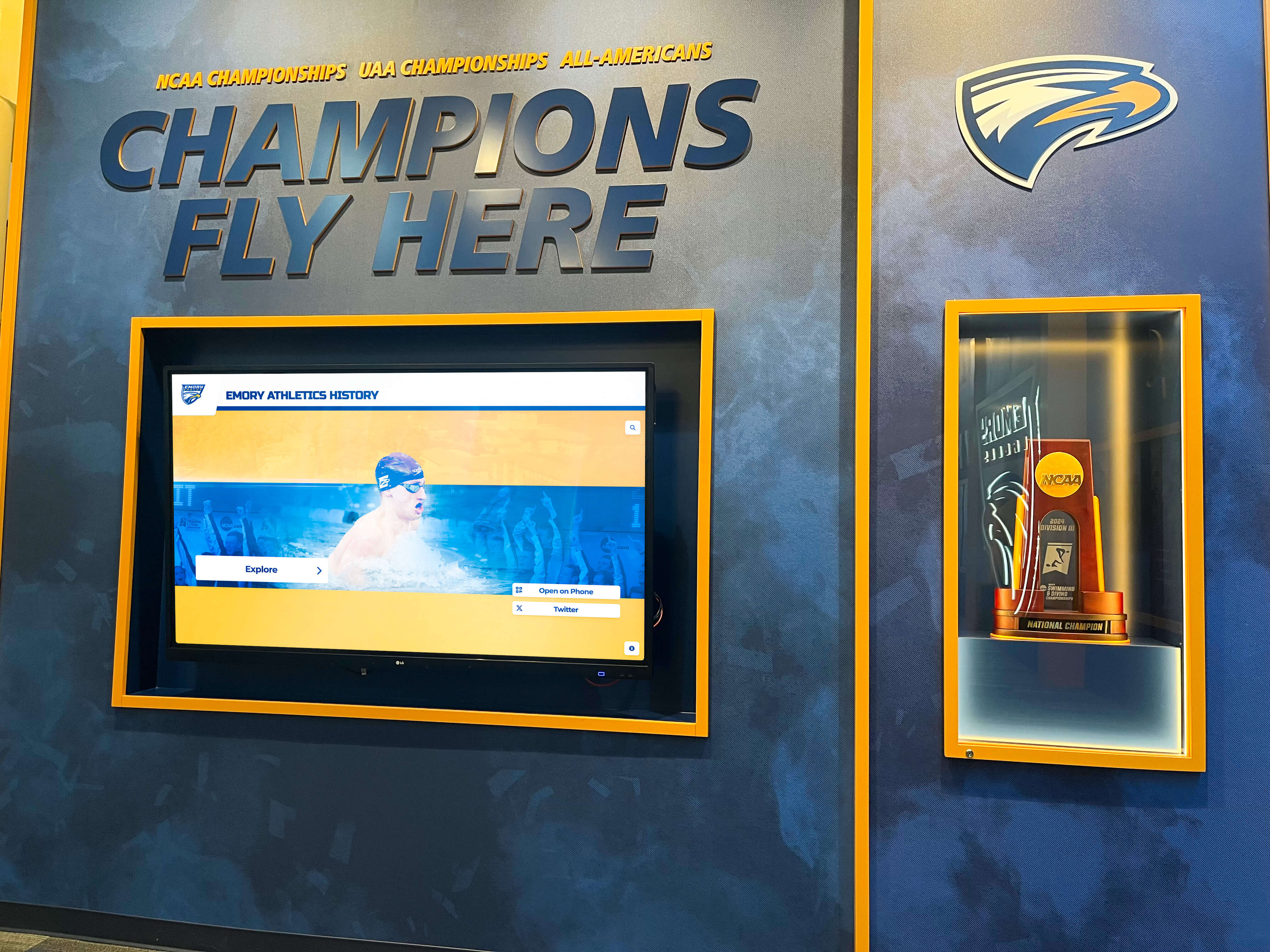
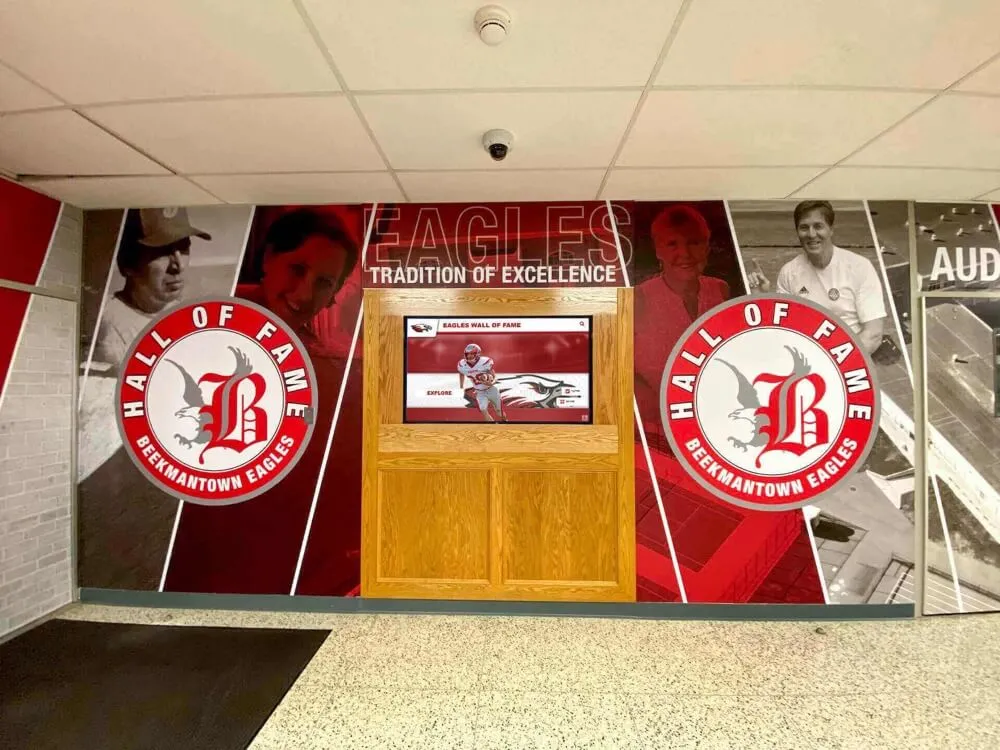
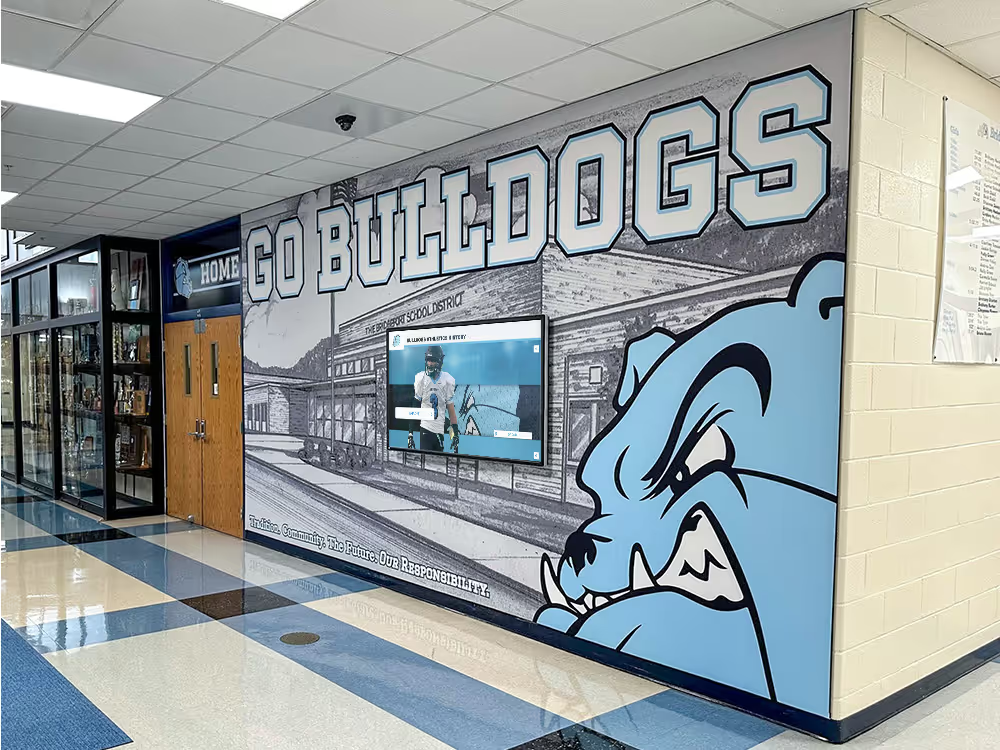
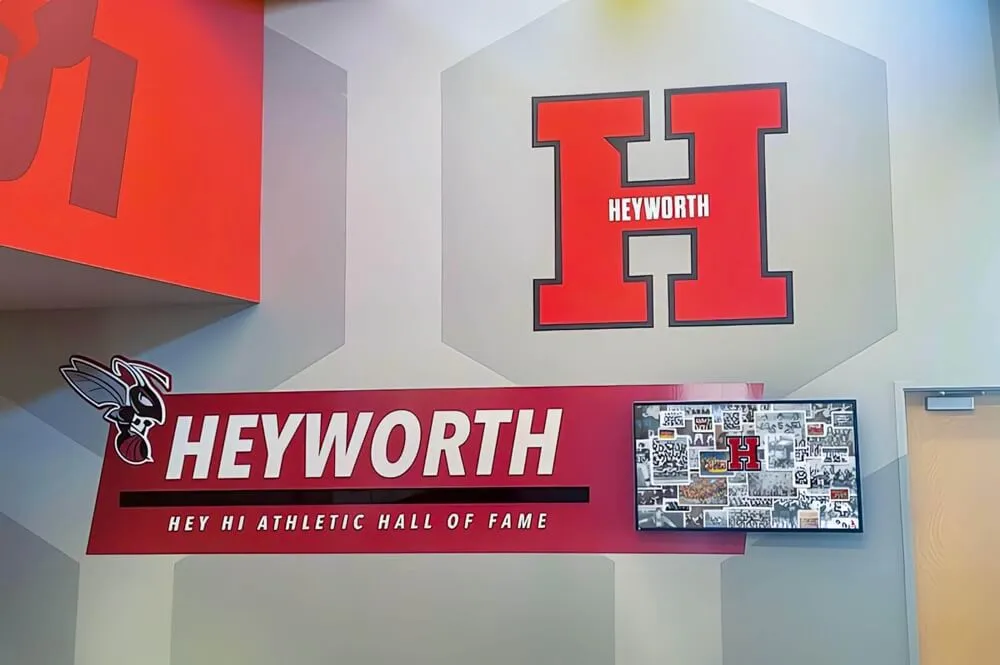
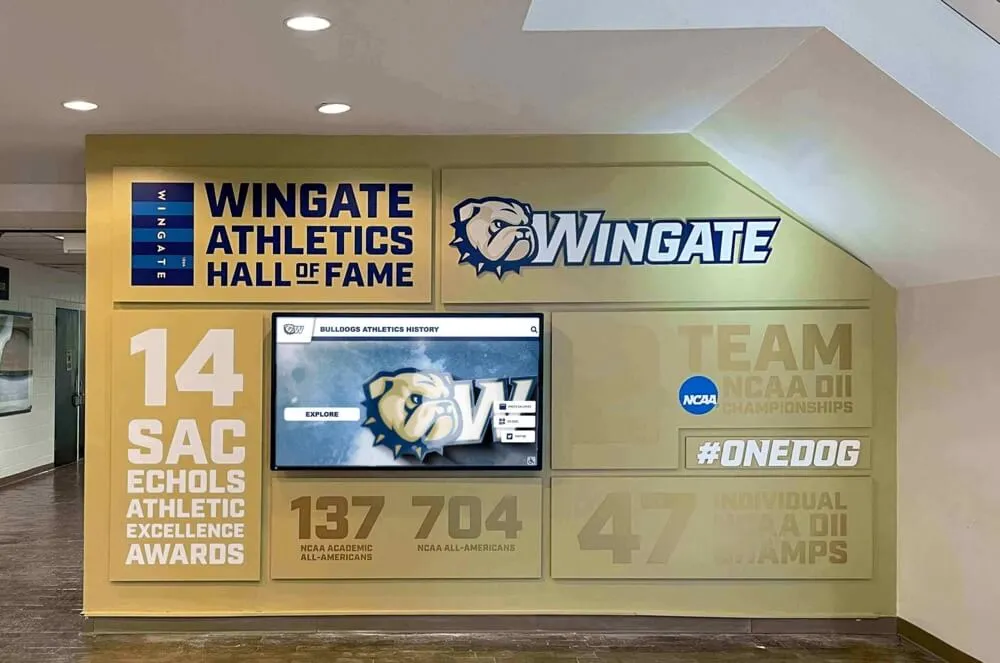
Dedicated championship walls combine physical trophies with contextual displays celebrating team success
Creative and Space-Efficient Display Solutions
Beyond traditional cases, innovative approaches maximize limited space while creating engaging presentations.
Vertical Wall Display Systems
Maximize wall space through strategic vertical arrangements:
Floating Shelf Displays Modern minimalist presentations:
- Individual shelves at varying heights creating visual interest
- Glass or wood shelves matching facility design
- Integrated lighting highlighting displayed items
- Easy access for rotating displays seasonally
- Clean contemporary aesthetic
- Affordable installation
Track and Rail Systems Flexible reconfigurable displays:
- Adjustable shelf positions accommodating changing needs
- Easy reorganization without tools
- Expandable systems growing with collections
- Cable or track-mounted lighting
- Professional retail-quality presentation
- Protects walls from multiple mounting holes
Ladder-Style Leaning Displays Casual accessible presentations:
- Freestanding lean-to shelving units
- Easy relocation for events and cleaning
- Minimal installation requirements
- Modern industrial aesthetic
- Multiple shelf levels
- Suitable for rotating displays
Vertical systems maximize display capacity in narrow hallways and lobbies where traditional floor cases would obstruct traffic flow.
Hybrid Traditional-Digital Display Approaches
Combining physical artifacts with digital storytelling:
Trophy Cases with Adjacent Digital Screens
- Physical trophies displayed traditionally
- Digital displays providing team rosters, statistics, and stories
- Video highlights from championship games
- Searchable directories connecting trophies to athlete profiles
- QR codes linking physical items to extended digital content
- Interactive athletic recognition systems
Integrated Display Environments
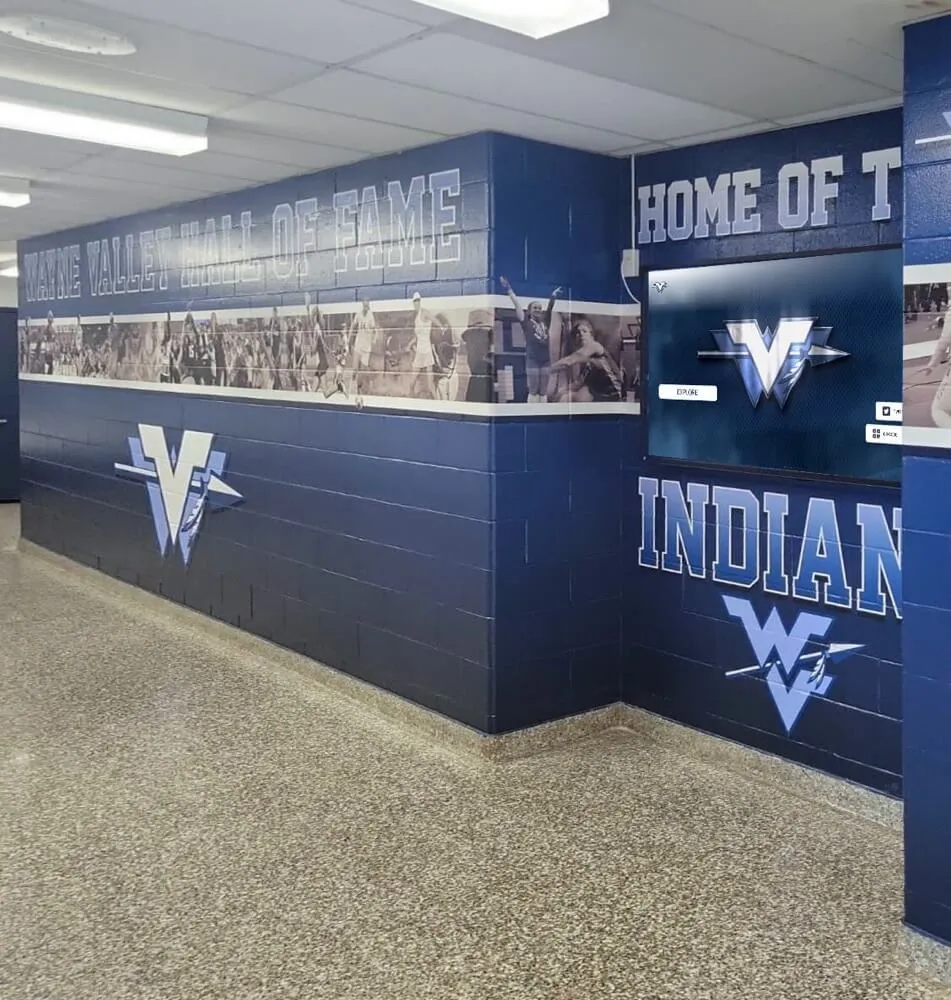
- Wall murals providing thematic backgrounds
- Physical memorabilia arranged with graphic elements
- Digital screens rotating through historical photographs
- Combined recognition honoring past and present
- Architectural design incorporating multiple media types
Hybrid approaches honor tradition while solving the storytelling limitations of static displays—physical trophies provide tangible connection while digital components offer unlimited context.
Rotating and Seasonal Display Strategies
Keep displays fresh and relevant through planned rotations:
Seasonal Sport Emphasis
- Highlight current season sport prominently
- Rotate historical items matching current competitions
- Celebrate anniversaries of past championships
- Feature athlete alumni during homecoming
- Storage systems allowing efficient swapping
Anniversary and Milestone Displays
- Commemorate program founding dates
- Celebrate coaching tenure milestones
- Honor facility dedication anniversaries
- Mark significant achievement anniversaries
- Create special temporary exhibits
Themed Display Months
- Women’s History Month featuring female athletes
- Alumni reunion displays during gathering times
- Black History Month highlighting contributions
- Academic achievement months emphasizing scholars
- Donor appreciation displays during giving campaigns
Rotation prevents viewer fatigue from static displays and ensures more collection items receive display time rather than remaining in storage indefinitely.
Modern Digital Display Solutions for Unlimited Memorabilia
Technology transforms memorabilia presentation, solving fundamental space and storytelling limitations facing traditional physical displays.
Interactive Touchscreen Recognition Systems
Digital displays address core challenges traditional cases cannot:
Unlimited Display Capacity Physical cases fill up—digital systems expand infinitely:
- Accommodate hundreds or thousands of items in single display
- Decades of athletic achievements accessible simultaneously
- Complete donor recognition walls without space constraints
- All school history documented in searchable formats
- Historical photographs and documents digitally preserved
- No need to remove old items when adding new ones
Traditional trophy cases force difficult decisions about what to display versus store; digital systems eliminate these compromises.
Rich Multimedia Storytelling Go far beyond what plaques communicate:
- Video highlights showing championship moments
- Complete athlete career statistics and achievements
- Photo galleries documenting program evolution
- Audio interviews with coaches, athletes, and donors
- Interactive timelines showing institutional history
- Document archives providing historical context
- Game footage and competition recordings
A traditional plaque might list a championship year and roster names; a digital display can show the game-winning play, full season highlights, individual athlete profiles, and contemporary newspaper coverage—transforming recognition into immersive storytelling.
Engaging Interactive Features Encourage active exploration:
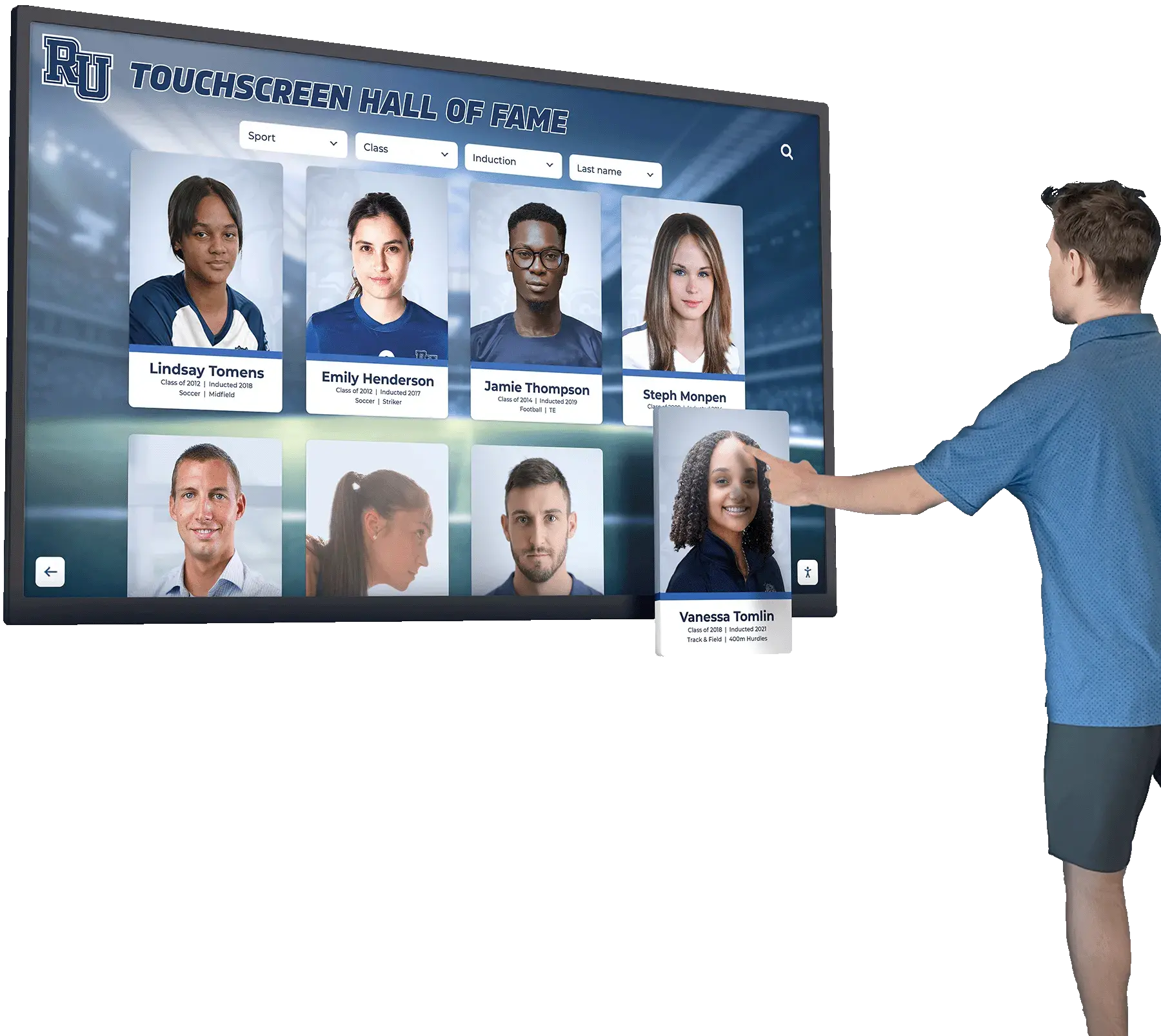
- Search functionality finding specific athletes, donors, or achievements instantly
- Filter options by year, sport, achievement type, or name
- Related connections showing teammates, family members, or donor relationships
- Record boards automatically updating when new marks are set
- Social sharing enabling digital celebration
- Multiple simultaneous users exploring different content
Schools implementing interactive displays report 4-6 times longer visitor engagement compared to traditional trophy cases, as visitors actively explore rather than passively view.
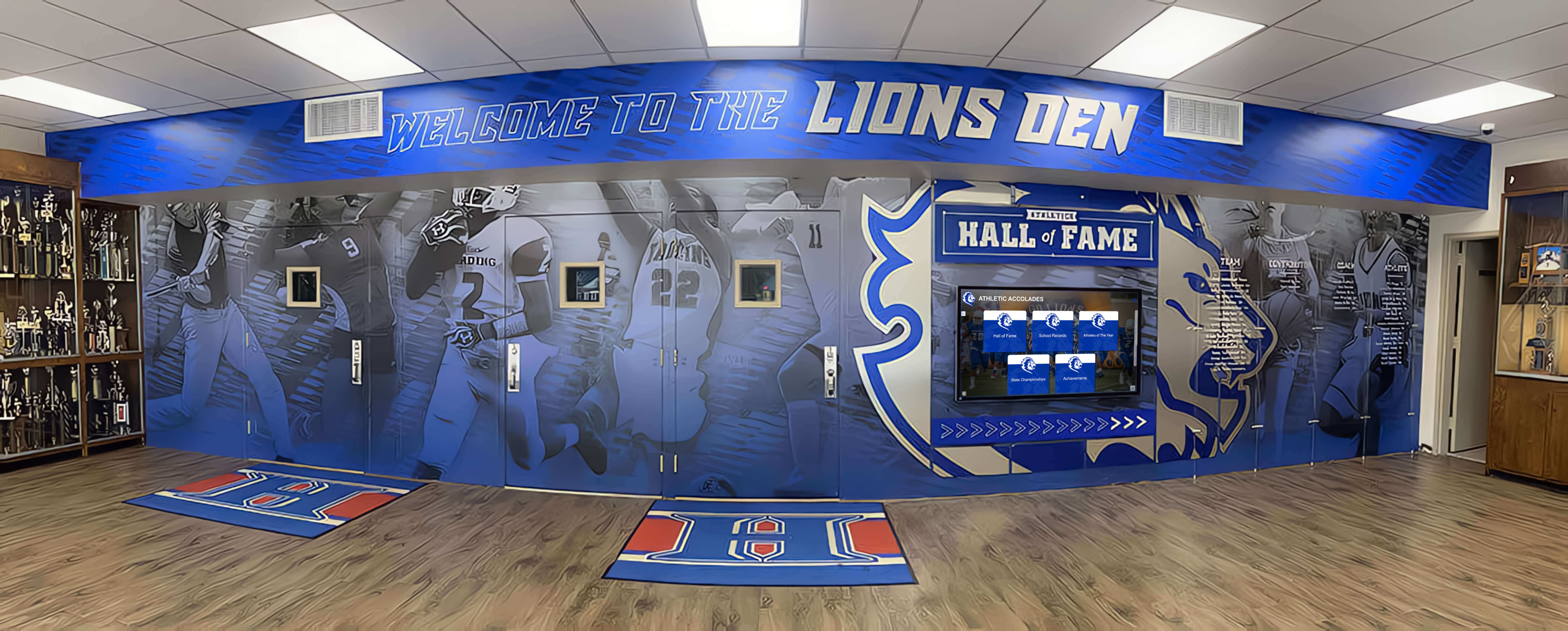
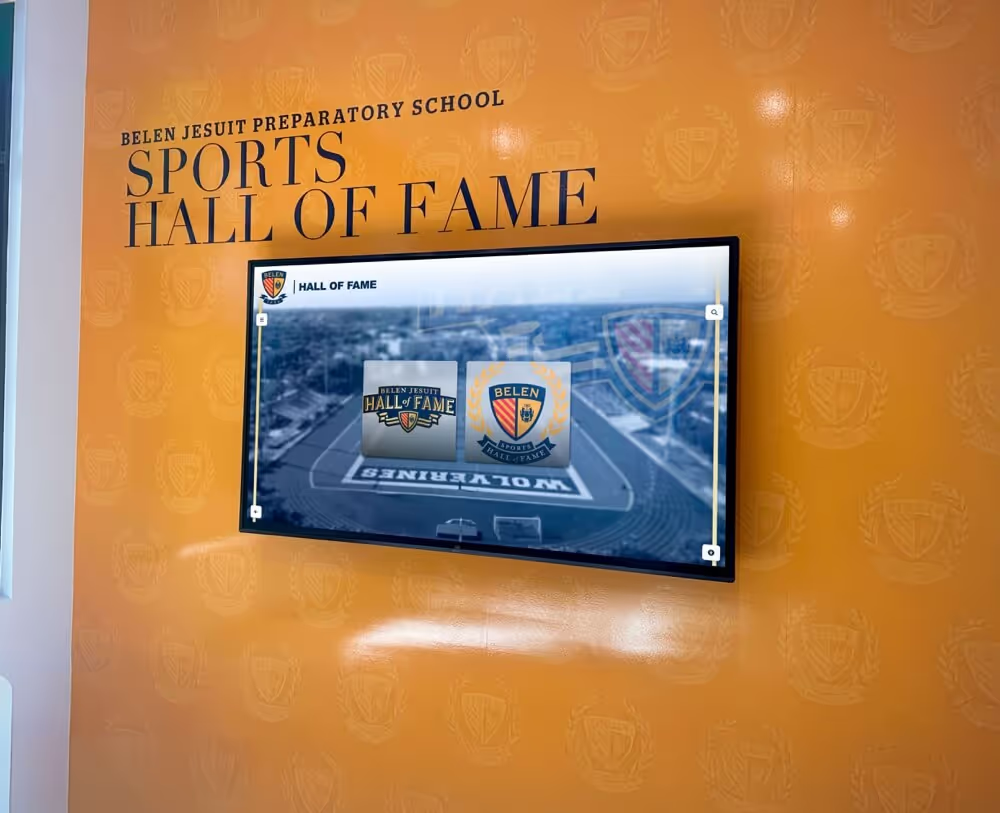
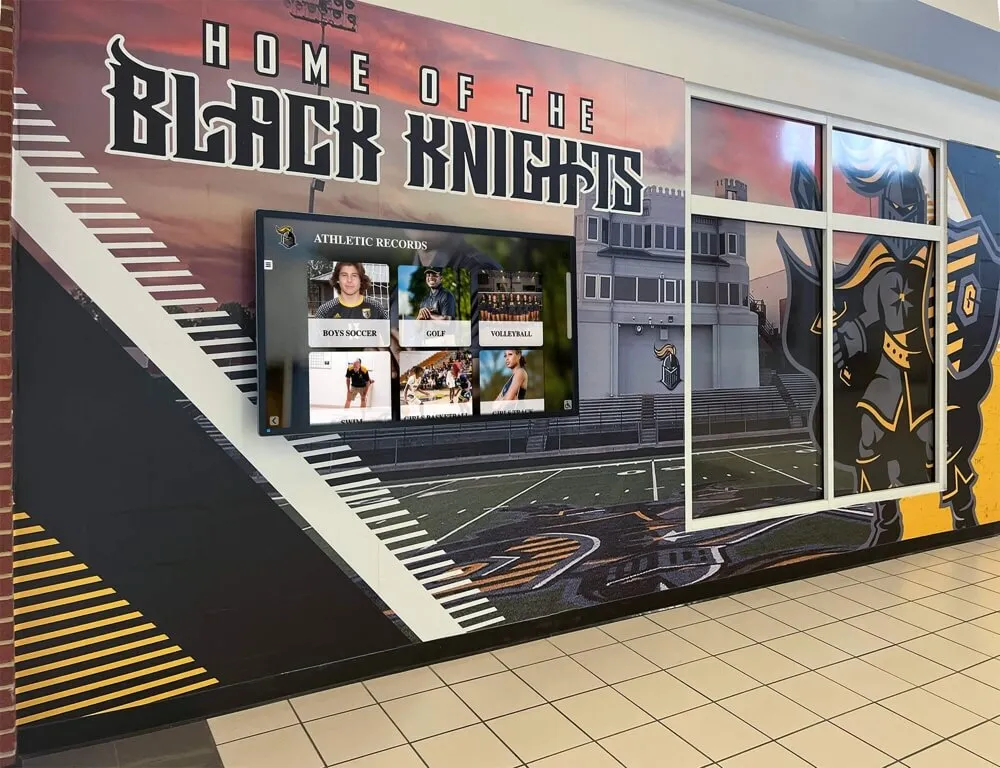
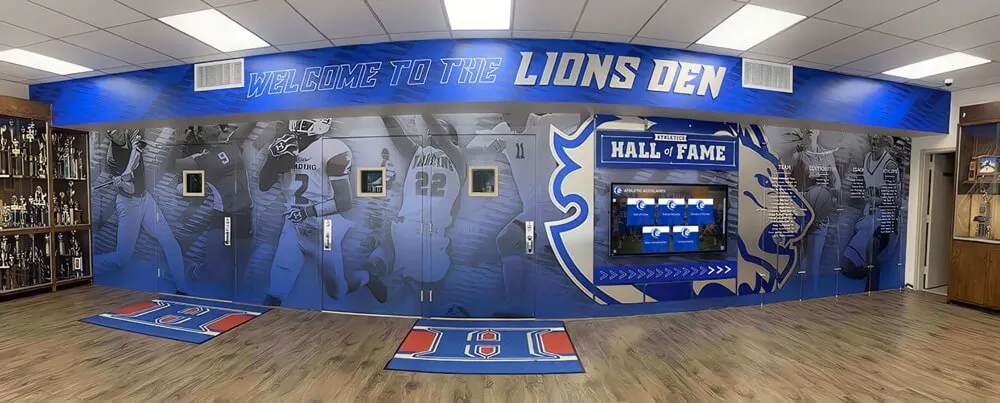
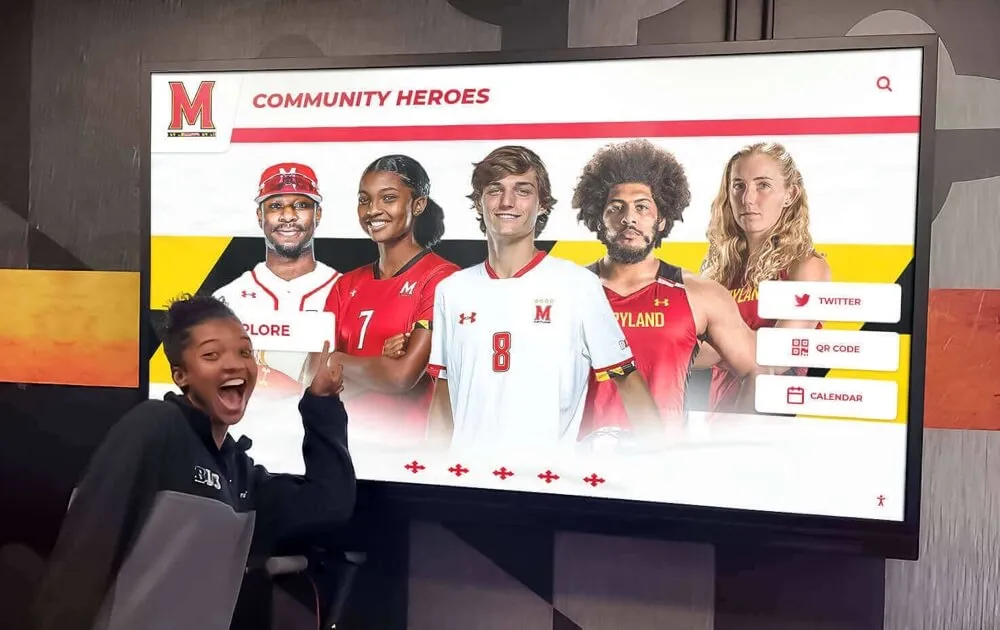
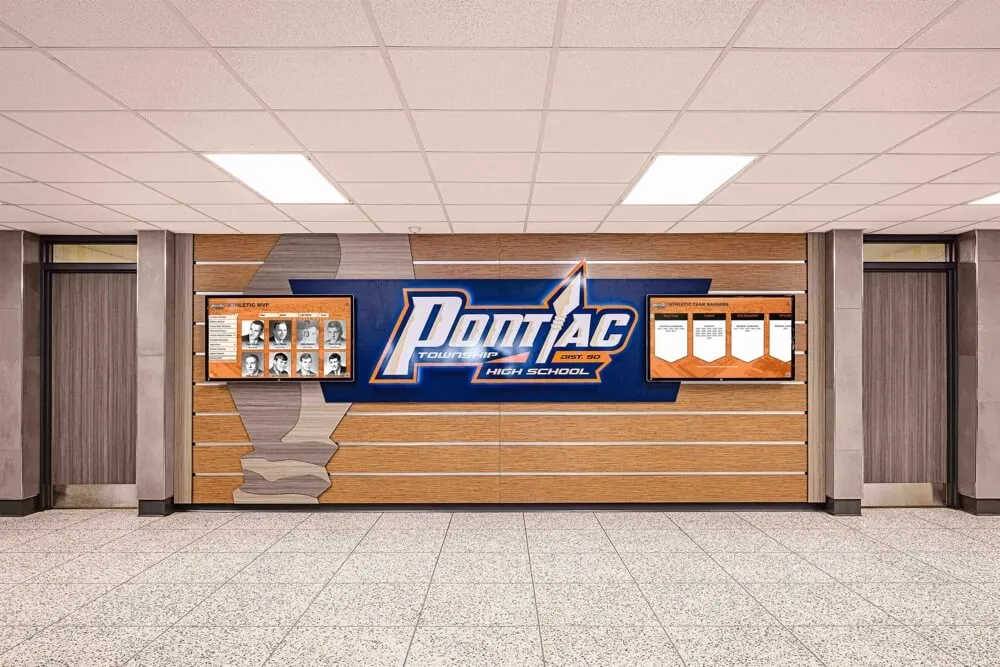
Athletic facilities often combine traditional trophy cases with murals and branding to create immersive recognition environments
Digital Donor Recognition Walls
Development professionals face unique challenges recognizing donors across multiple giving levels and campaigns:
Flexible Recognition Tiers
- Easily updated donor levels as giving increases
- Multiple campaign recognition on single display
- Legacy society member profiles
- Memorial tributes with photographs and stories
- Corporate sponsor acknowledgment
- Anonymous donor recognition options
Traditional donor walls require costly physical plaque updates when giving levels change; digital systems update instantly through cloud-based management.
Meaningful Donor Storytelling Beyond names and amounts:
- Video testimonials explaining why donors give
- Impact stories showing how gifts make differences
- Facility naming dedications with historical context
- Scholarship recipient stories connecting donors to student success
- Multi-generational family giving histories
- Campaign progress visualization
Administrative Efficiency
- Cloud-based content management from development office
- Immediate updates when new gifts are received
- Scheduled publishing for campaign launches
- No physical renovation or plaque ordering
- Integration with donor databases
- Consistent recognition across multiple campus displays
Development officers report 70-80% time savings managing digital donor walls versus coordinating physical plaque updates, while donors appreciate more meaningful recognition telling their philanthropic stories.
Content Management and Long-Term Scalability
Digital recognition systems offer operational advantages:
Easy Content Updates
- Web-based interfaces requiring no technical expertise
- Immediate publishing or scheduled release
- Bulk data imports for historical collections
- Template-based content creation ensuring consistency
- Multi-user access with permission controls
- Remote management from any location
Future-Proof Expansion
- Unlimited growth capacity without physical renovation
- New recognition categories added without space constraints
- Archive capabilities preserving complete institutional history
- Software updates adding new features automatically
- Hardware longevity with commercial-grade displays
- Investment protecting against obsolescence
Organizations appreciate that digital systems purchased today accommodate decades of future growth, unlike physical cases requiring renovation or replacement as collections expand.
Discover how schools implement comprehensive digital recognition solutions transforming memorabilia presentation.
Organizing Memorabilia Collections for Effective Display
Regardless of display method, thoughtful organization ensures coherent, accessible presentations.
Categorization Strategies
Chronological Arrangements Timeline-based organization:
- Decade-by-decade institutional history
- Year-by-year athletic achievement progression
- Historical context showing evolution
- Anniversary milestones highlighted
- Era-based groupings (coaching tenures, facility phases)
Thematic Groupings Subject-based categorization:
- Sport-specific athletic displays
- Academic versus athletic achievements
- Donor recognition by campaign or purpose
- Student versus faculty accomplishments
- Building or facility dedications
Achievement-Level Organization Significance-based hierarchy:
- Championship trophies featured prominently
- Conference and regional awards grouped together
- Individual achievements by recognition type
- Milestone accomplishments highlighted specially
- Historical significance determining placement
Alphabetical and Searchable Systems Accessibility-focused organization:
- Particularly valuable for digital displays
- Searchable directories finding items instantly
- Cross-referenced relationships
- Multiple access paths to same content
- User-driven exploration versus prescribed narrative
The right organizational approach depends on collection size, available space, and audience needs—smaller focused collections benefit from thematic groupings while extensive institutional archives require robust search and filter capabilities.
Information Design and Labeling
Context transforms memorabilia from objects into meaningful stories:
Essential Information Elements
- Clear item identification and names
- Achievement dates and significance
- Institutional context and circumstances
- Individual or team accomplishments
- Statistical or historical importance
- Connection to broader traditions
Label Design Best Practices
- Readable fonts and appropriate sizing
- High contrast for visibility
- Consistent formatting throughout displays
- Professional appearance matching facility
- Durable materials withstanding handling
- Easy updating for changeable information
Storytelling Enhancement
- Brief narratives providing context
- Quotes from participants when available
- Historical photographs showing events
- Comparison to other achievements
- Impact on institution or program
- Subsequent accomplishments and legacy
Well-designed information helps visitors unfamiliar with specific achievements understand significance and connect memorabilia to broader institutional narratives.
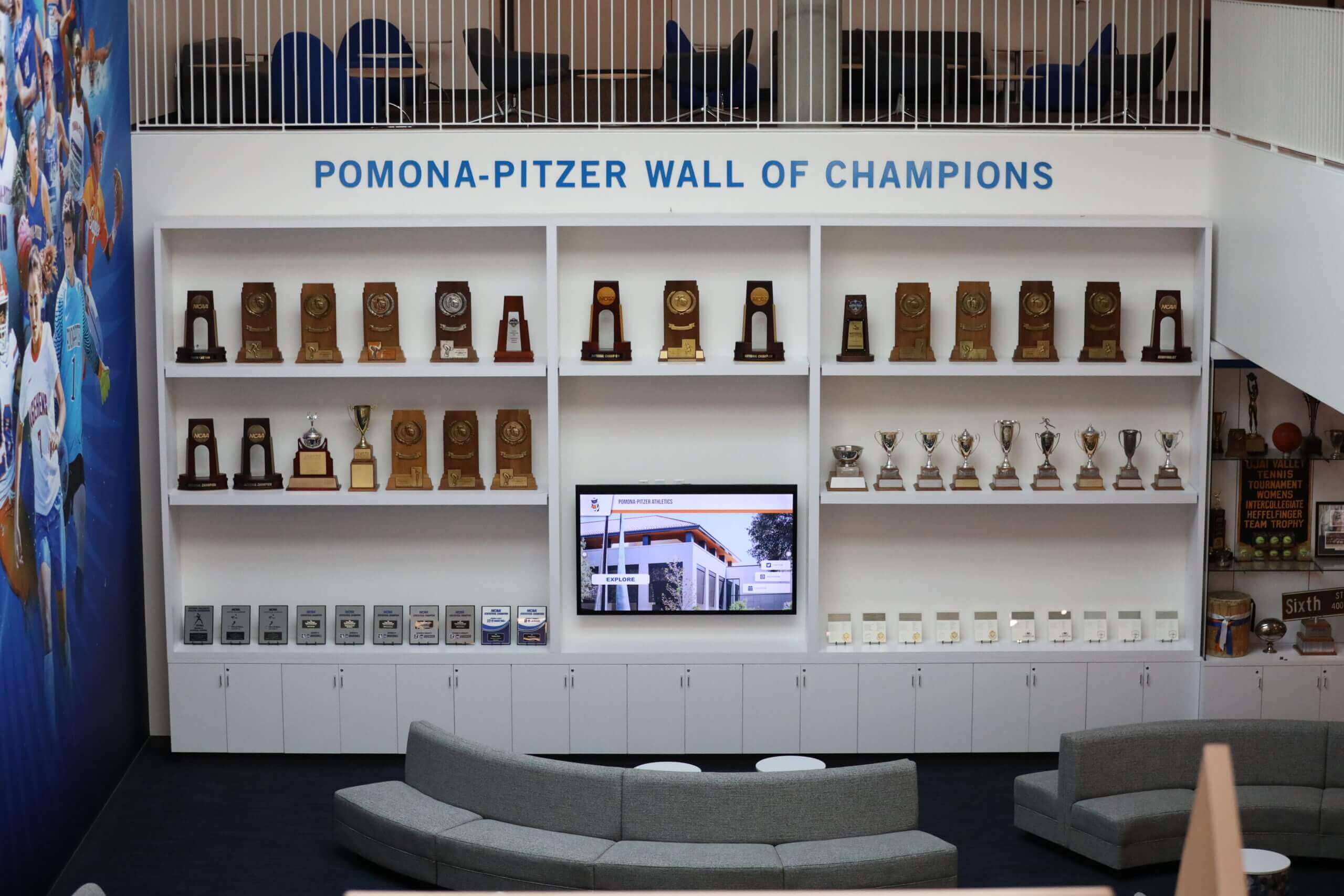
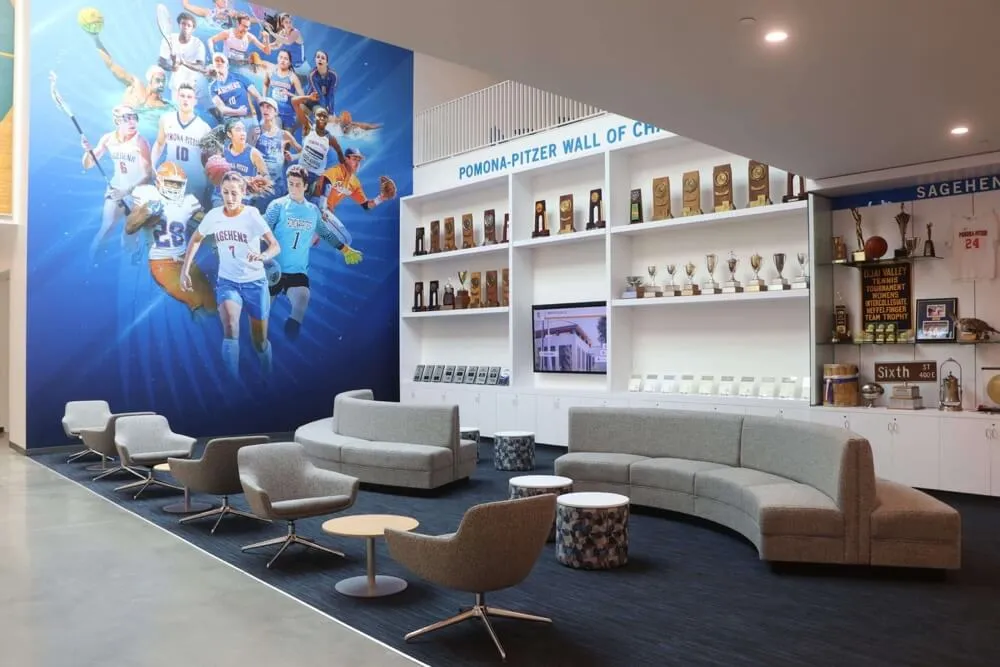
Dedicated lounge spaces featuring trophy walls create gathering areas celebrating athletic excellence and program history
Preservation and Protection Considerations
Proper display protects memorabilia while allowing visibility and accessibility.
Environmental Protection
Light Damage Prevention
- UV-protective glass in cases and frames
- LED lighting producing minimal harmful radiation
- Controlled lighting intensity and duration
- Rotation schedules limiting exposure
- Window treatments protecting displays from direct sunlight
- Climate-controlled environments when possible
Temperature and Humidity Control
- Stable temperature ranges (65-70°F ideal)
- Humidity control preventing deterioration
- HVAC system consideration for display areas
- Avoid placement near heating/cooling vents
- Monitoring systems tracking conditions
- Professional conservation for valuable items
Physical Deterioration Prevention
- Archival-quality mounting materials
- Acid-free backing and matting
- Proper support preventing stress and damage
- Dust protection through enclosed cases
- Regular inspection identifying problems early
- Professional conservation when needed
Security and Access Control
Theft and Vandalism Prevention
- Lockable cases for valuable items
- Security camera coverage of display areas
- Alarm systems for high-value collections
- After-hours access control
- Anchored display furniture
- Inventory documentation with photographs
Appropriate Access Levels
- Balance visibility with protection
- High-traffic area considerations
- Touchable versus protected items
- Supervised versus unsupervised locations
- Special event access protocols
- Damage prevention through design
Many schools find digital displays particularly valuable for preserving fragile memorabilia—original items stored in climate-controlled archives while high-resolution digital reproductions remain publicly accessible without deterioration risk.
Learn about digital asset management approaches protecting historical collections while maintaining accessibility.
Budget Considerations and Cost-Effective Solutions
Meaningful memorabilia displays accommodate various budget levels from DIY approaches to institutional installations.
Traditional Display Case Costs
Glass Trophy Cases Price ranges and factors:
- Wall-mounted cases: $500-$3,000 depending on size and quality
- Floor-standing cabinets: $1,500-$8,000 for commercial-grade units
- Custom built-in installations: $5,000-$25,000+ for architectural integration
- Installation and mounting additional costs
- Lighting upgrades increasing prices
- Locking mechanisms and security features
Shadow Boxes and Frames Individual item displays:
- Ready-made shadow boxes: $50-$300 at craft retailers
- Custom professional framing: $200-$1,000+ per item
- Jersey framing services: $300-$800 typically
- Collection frames: $100-$500 depending on size
- DIY approaches reducing costs significantly
- Volume discounts for multiple items
Long-Term Costs
- Maintenance and cleaning
- Replacement parts and repairs
- Reconfiguration as collections grow
- Renovation when capacity is exceeded
- Ongoing physical plaque additions
- Storage for items not currently displayed
Digital Display System Investment
Digital Recognition Platform Costs
- Touchscreen hardware: $3,000-$8,000 depending on size
- Software and content management systems
- Installation and mounting
- Content creation and setup
- Training and ongoing support
- Potential monthly/annual service fees
Long-Term Value Considerations
- No ongoing physical renovation costs
- Unlimited capacity accommodating decades of growth
- Reduced labor managing recognition
- Immediate updates without plaque ordering
- Multiple display purposes (recognition, wayfinding, communications)
- Future-proof investment versus obsolete cases
Many schools find digital systems cost-competitive with traditional installations when comparing total cost of ownership over 10-15 years, particularly factoring ongoing physical plaque and renovation costs.
Budget-Friendly Display Ideas
DIY and Creative Approaches
- Floating shelves from home improvement stores
- Repurposed furniture as display cases
- Affordable digital recognition alternatives
- Craft store frames and shadow boxes
- Pegboard and adjustable display systems
- Tiered risers creating dimension
- Student-built display projects
Phased Implementation
- Start with priority items and expand gradually
- Focus initial investment on high-visibility locations
- Add displays over time as budgets allow
- Leverage donor funding for specific displays
- Combine approaches using traditional and digital elements
- Booster club fundraising for recognition projects
Budget constraints shouldn’t prevent meaningful recognition—creative solutions and phased approaches make effective displays accessible at various investment levels.
Location Selection and Space Planning
Display effectiveness depends heavily on placement within facilities.
High-Impact Location Selection
Main Entrance and Lobby Areas Prime visibility for institutional recognition:
- First impression for visitors and prospective families
- Adequate viewing space for groups
- Natural gathering points
- Protection from weather and elements
- Controlled access after hours
- Professional appearance critical
Athletic Facility Locations Sport-specific placement:
- Gymnasium and arena lobbies
- Locker room areas motivating current athletes
- Weight room and training facility inspiration
- Hallways connecting athletic spaces
- Competition venue entrances
- Coaching office areas
Academic Building Placement School-wide visibility:
- Main academic hallways with heavy traffic
- Cafeteria and commons areas
- Library entrances and study spaces
- Administrative office areas
- Classroom wings by department
- Auditorium and theater lobbies
Alumni and Donor-Focused Locations Strategic development placement:
- Alumni centers and gathering spaces
- Development office areas
- Special event venues
- Capital campaign headquarters
- Reunion weekend focal points
- Major gift recognition areas
Traffic Flow and Accessibility
Viewing Experience Design
- Adequate space for groups to gather
- Clear sightlines from multiple angles
- Comfortable viewing heights
- ADA-compliant accessibility
- Lighting preventing glare
- Seating areas for extended viewing
Safety and Code Compliance
- Fire code clearance requirements
- Emergency exit accessibility
- Protruding display considerations
- Ceiling height and mounting regulations
- Electrical code compliance for lit displays
- Building code adherence for installations
Proper placement transforms displays from overlooked wall decorations into engaging focal points that visitors actively seek out and explore.
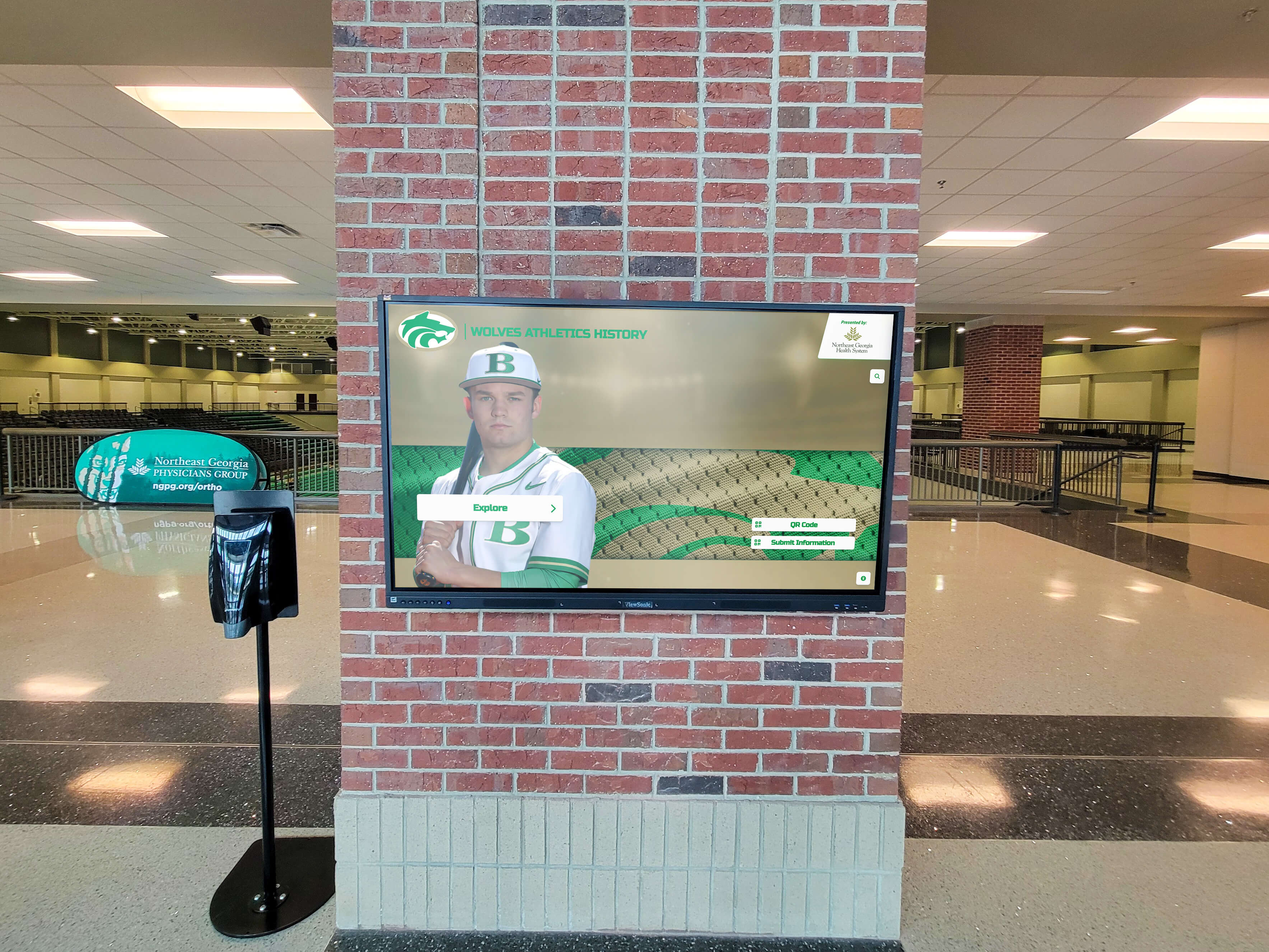
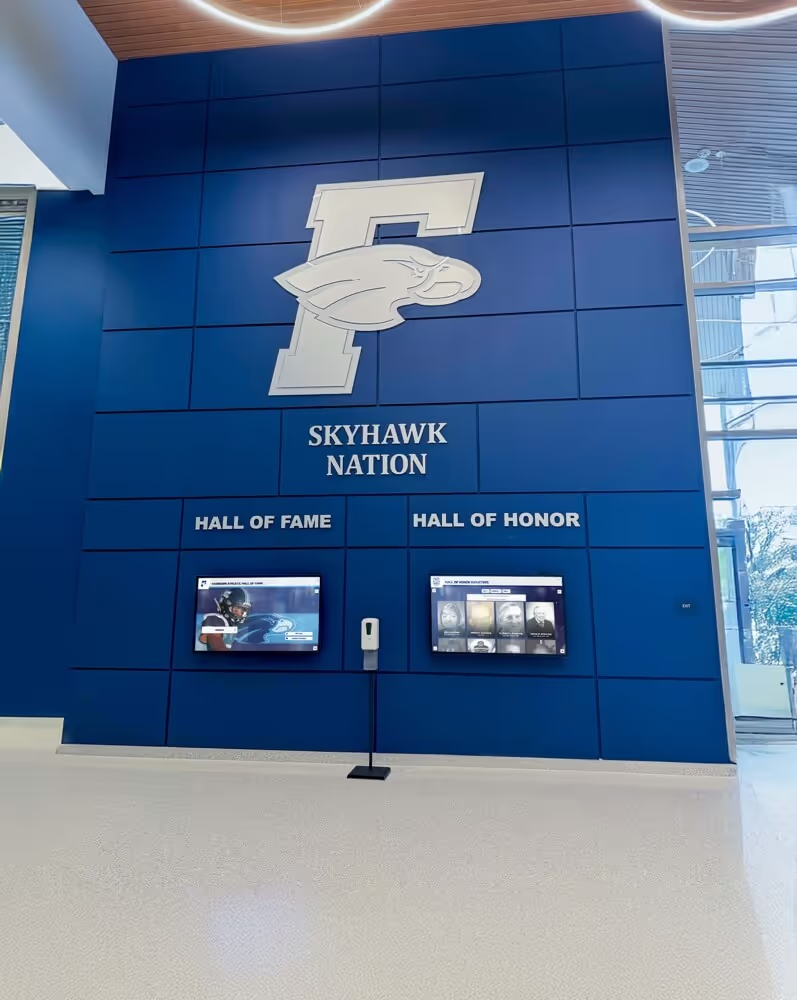
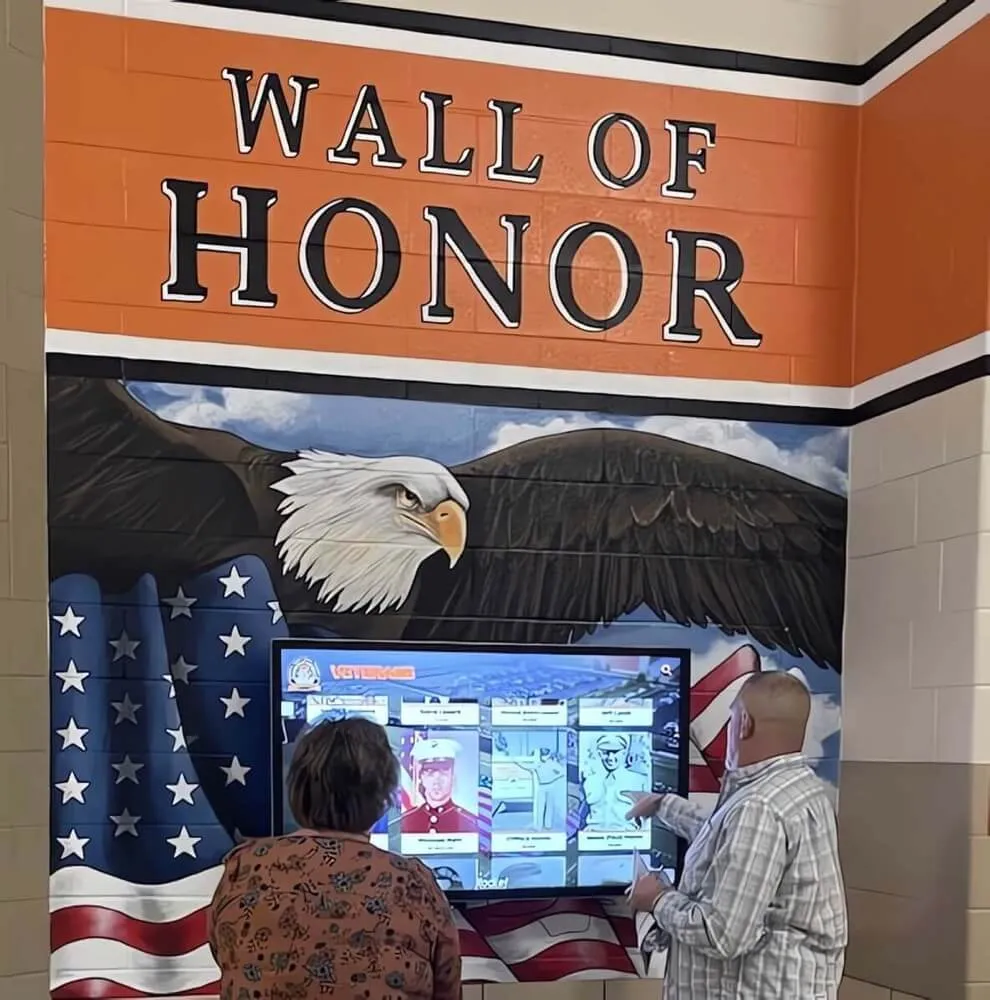
Strategic placement in high-traffic entrances ensures recognition displays receive maximum visibility and engagement
Creating Engaging Display Environments
Effective memorabilia presentation extends beyond cases to encompass complete recognition environments.
Complementary Design Elements
Thematic Wall Graphics
- School colors and branding integration
- Historical timeline graphics
- Achievement milestone markers
- Mascot and logo incorporation
- Inspirational quotes and messaging
- Architectural enhancement through design
Lighting Design
- Accent lighting highlighting featured items
- Track lighting for flexibility
- LED systems for energy efficiency
- Dramatic uplighting for special pieces
- Natural light consideration and control
- Programmable lighting creating emphasis
Architectural Integration
- Built-in display areas during renovation
- Alcoves and niches dedicated to recognition
- Coordinated finishes matching facilities
- Professional millwork and cabinetry
- Flooring transitions defining display zones
- Ceiling treatments framing displays
Interactive and Multimedia Elements
- QR codes linking to extended content
- Video displays showing highlights
- Audio components with narration
- Touchscreen directories providing information
- Social media integration
- Regular content updates maintaining interest
Creating Immersive Recognition Spaces
Dedicated Hall of Fame Rooms Purpose-built recognition environments:
- Entire rooms dedicated to achievement display
- Controlled access for preservation
- Special event venue capabilities
- Induction ceremony locations
- Comprehensive historical documentation
- Interactive fraternity and organizational history walls
Thematic Display Corridors Extended hallway installations:
- Timeline progressions through decades
- Sport-by-sport presentation along length
- Achievement progression showing growth
- Coordinated design creating cohesive narrative
- Regular updates maintaining relevance
- Visitor engagement through extended exploration
Multi-Purpose Recognition Spaces Flexible environments serving multiple functions:
- Reception areas doubling as display spaces
- Conference rooms featuring recognition
- Event venues incorporating history
- Development presentation areas
- Tour destination points
- Gathering spaces celebrating heritage
Comprehensive environments create memorable experiences that isolated trophy cases cannot match, transforming recognition from afterthought to architectural focal point.
Implementation Planning and Project Management
Successful memorabilia display projects require thoughtful planning and execution.
Project Planning Steps
Assessment and Goal Setting
- Inventory existing memorabilia requiring display
- Identify storage items deserving visibility
- Define recognition priorities and audiences
- Establish budget parameters
- Determine timeline and deadlines
- Assign responsibility and oversight
Design and Selection Process
- Research display options and vendors
- Visit examples at similar institutions
- Gather stakeholder input and preferences
- Create mockups and visualizations
- Select approaches matching needs and budget
- Coordinate with facilities and maintenance teams
Content Development
- Photograph and document items
- Research historical context and information
- Write descriptions and narratives
- Gather supporting materials (rosters, statistics, stories)
- Create consistent information templates
- Organize digital assets and archives
Installation and Launch
- Coordinate construction or installation schedules
- Manage vendor relationships and timelines
- Communicate with campus community
- Plan dedication or unveiling events
- Train content managers and administrators
- Develop maintenance and update protocols
Ongoing Management and Maintenance
Regular Updates and Additions
- Establish schedules for adding new achievements
- Develop processes for content submission
- Create approval workflows
- Maintain consistent quality standards
- Celebrate additions with announcements
- Archive removed items appropriately
Physical Maintenance
- Regular cleaning schedules
- Lighting replacement and adjustments
- Hardware inspections and repairs
- Environmental monitoring
- Security system checks
- Professional servicing as needed
Content Refresh Strategies
- Seasonal rotation plans
- Anniversary and milestone emphasis
- Featured athlete or donor spotlights
- Historical discovery highlights
- Community submission opportunities
- Student council and leadership involvement
Effective ongoing management ensures displays remain current, relevant, and engaging rather than becoming outdated installations that community members ignore.
Conclusion: Honoring Heritage Through Thoughtful Memorabilia Display
Memorabilia display cases serve purposes far beyond simple object storage—they preserve institutional memory, celebrate achievements that define organizational identity, honor the donors whose generosity makes programs possible, and inspire current students by connecting them to heritage and tradition. Whether showcasing athletic trophies documenting championship victories, preserving historical artifacts telling founding stories, or recognizing philanthropic support enabling institutional excellence, effective displays transform scattered collections into cohesive narratives that educate and engage.
The most successful memorabilia presentation approaches balance multiple considerations: protecting valuable items while maintaining visibility, accommodating current collections while planning for inevitable growth, honoring tradition while embracing innovation, and creating professional presentations that fit available budgets. Traditional glass trophy cases and shadow boxes remain valuable for physical artifacts requiring tangible display, while modern digital recognition systems solve fundamental space limitations and enable rich multimedia storytelling impossible with static plaques.
For schools and organizations managing extensive collections documenting decades or centuries of achievement, hybrid approaches combining traditional and digital elements often prove most effective—honoring cherished physical artifacts while leveraging technology to provide unlimited capacity, comprehensive storytelling, and easy content management. These integrated systems serve multiple stakeholders: current students discovering institutional heritage, alumni reconnecting with their achievements, donors seeing their support honored meaningfully, and prospective families experiencing organizational values and traditions.
Transform Your Memorabilia Display Experience
Discover how interactive digital recognition systems can showcase unlimited achievements, preserve institutional history, and honor donors with meaningful storytelling—all while solving the space constraints and maintenance challenges facing traditional trophy cases.
Explore Recognition SolutionsBegin by assessing your current memorabilia collection and display challenges—what items deserve visibility but remain in storage, what recognition needs exceed available space, what stories could be told more effectively with better presentation approaches. Whether you’re an athletic director managing decades of championship trophies, a development officer seeking meaningful donor recognition, a librarian preserving institutional archives, or an administrator enhancing school pride through heritage celebration, the right display solutions transform memorabilia from forgotten storage boxes into powerful educational and inspirational resources.
The investment in thoughtful memorabilia presentation pays dividends for years—strengthening institutional identity, motivating current students through connection to tradition, attracting prospective families impressed by organizational heritage, and honoring the achievements and supporters who built the excellence you celebrate today. With careful planning, appropriate investment, and ongoing commitment to maintenance and updates, your memorabilia displays become treasured institutional assets that tell your unique story for generations to come.