



Every school has at least one facility whose name carries weight — a gymnasium named after the coach who built the program from nothing, a football field honoring a graduate who gave back generously decades after walking the halls, an aquatic center memorializing a beloved alumna. These names aren’t just letters on a scoreboard or a plaque bolted above a door. They represent a school’s most public declaration of who it values, who shaped its identity, and who it intends to remember.
Memorial gym naming — and the broader practice of dedicating athletic facilities to alumni, coaches, and donors — is one of the most enduring forms of institutional recognition in American education. Done well, a facility naming creates a living tribute: thousands of students, parents, and community members encounter that name on game nights, at practices, and during graduation ceremonies for decades to come. The honoree’s legacy becomes woven into the daily life of the institution.
This guide explores the full arc of facility naming recognition — why schools do it, how the process works, what makes tributes succeed or fall flat, and how modern digital tools are extending the reach of these honors far beyond the nameplate on the wall.
Facility naming recognition has taken on new dimensions as schools recognize that a name above a door, while meaningful, is only the beginning of how institutions can honor the people who shaped them. When physical tribute is paired with rich digital storytelling, the impact multiplies across generations.

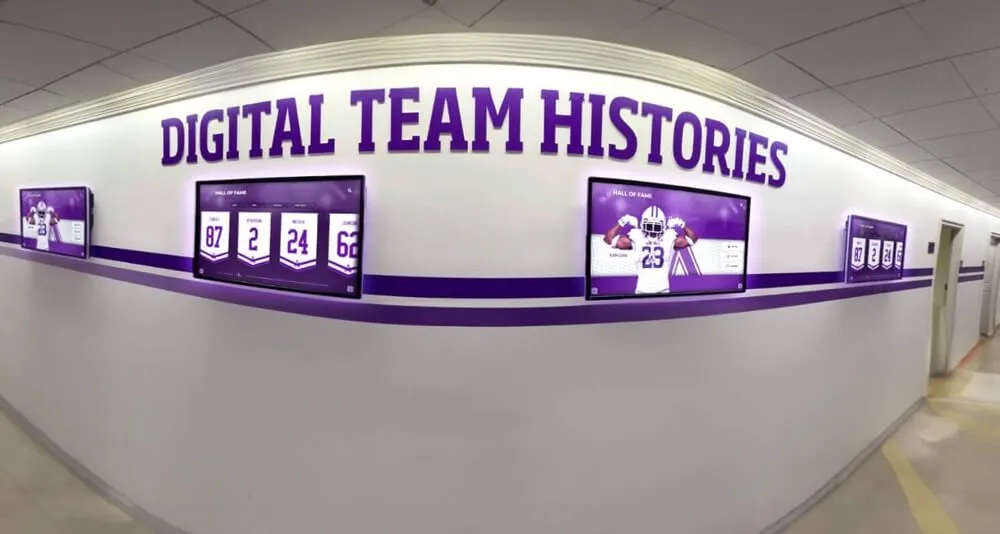
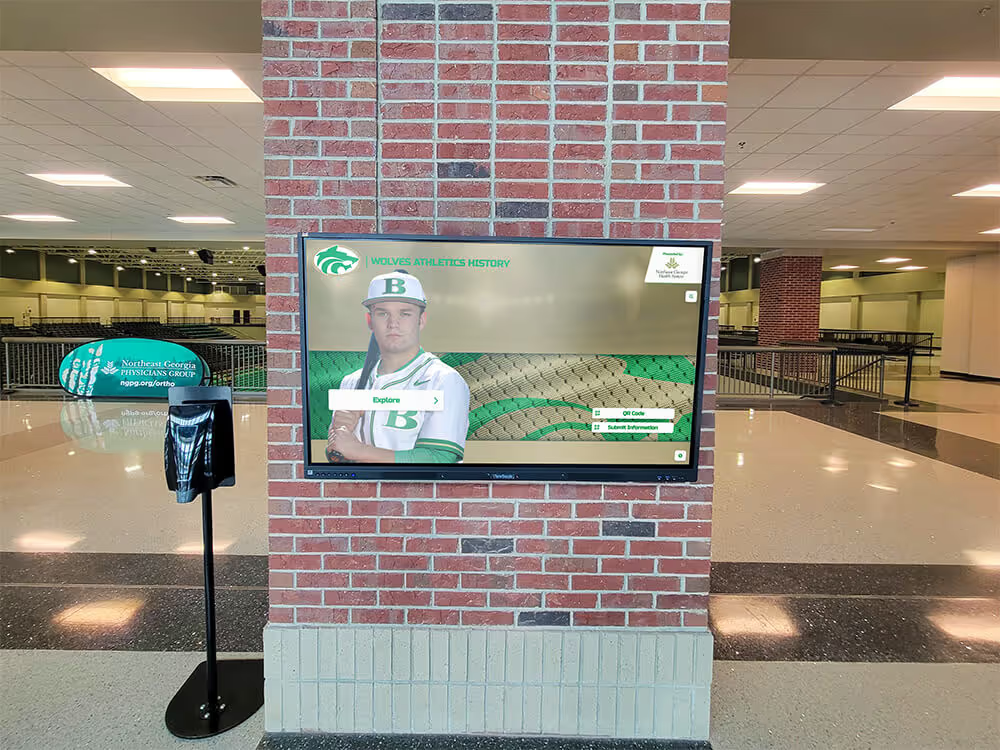
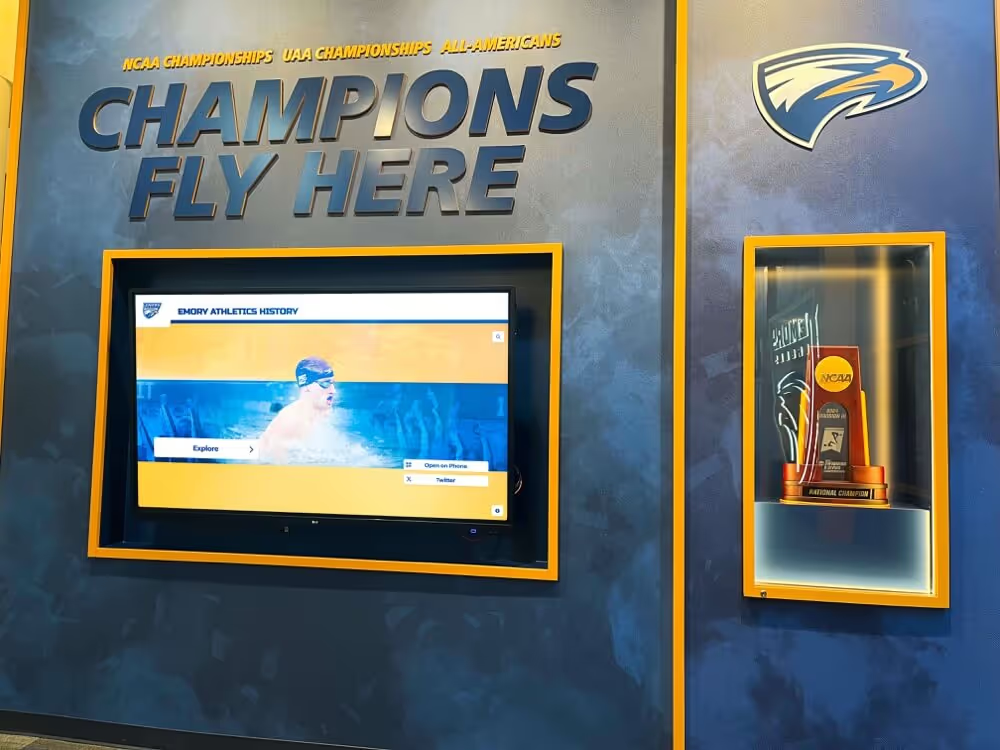
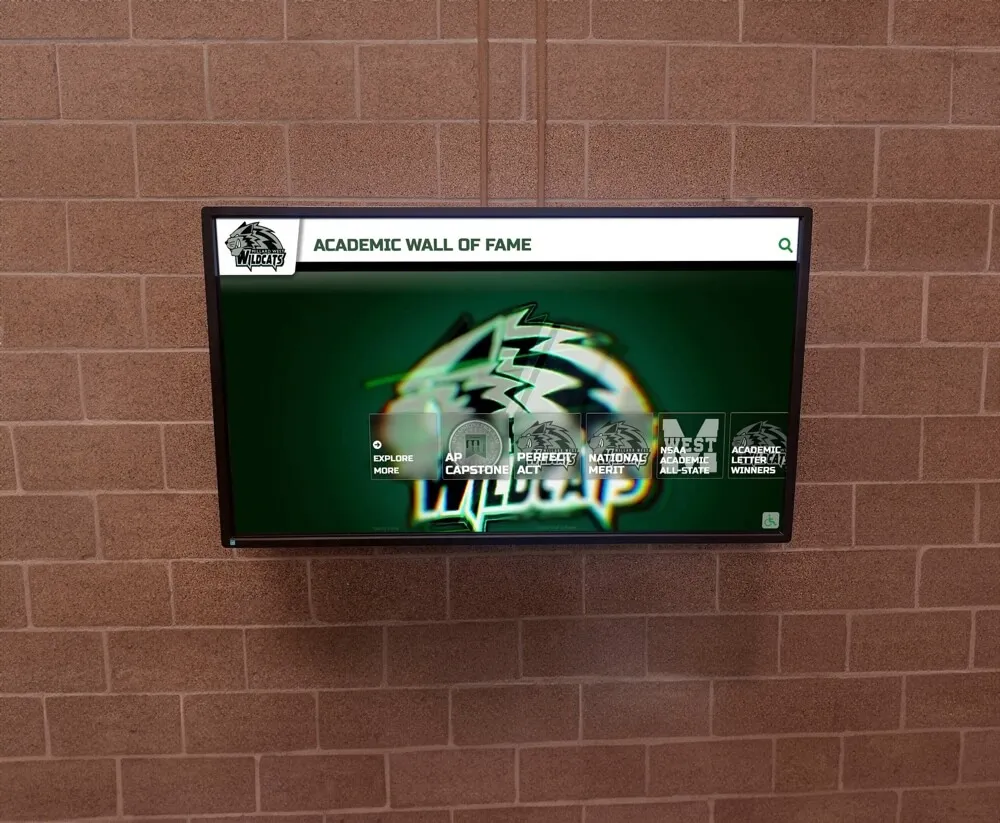
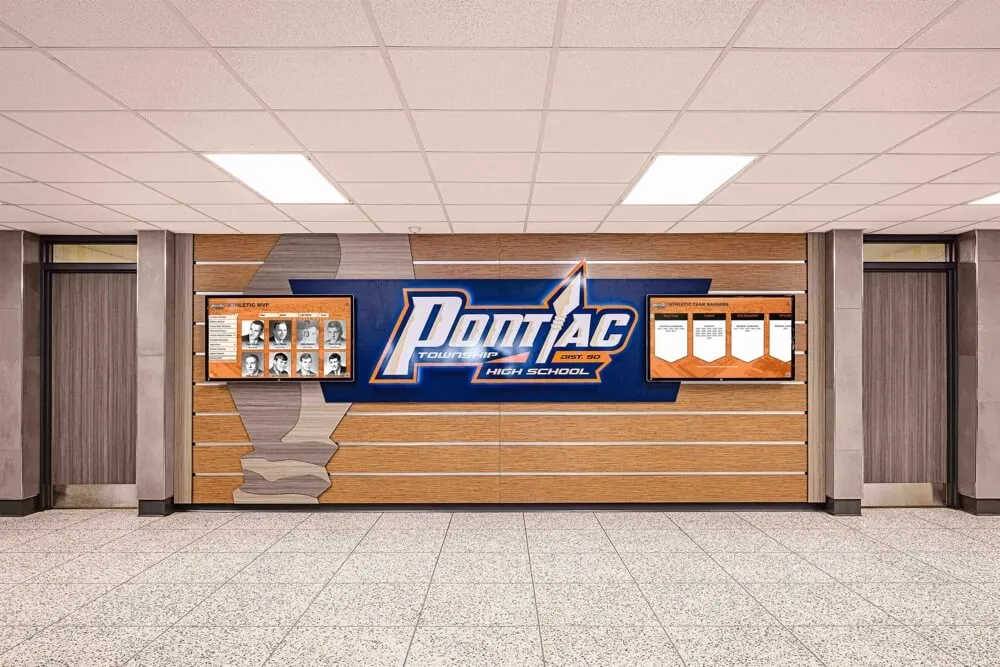
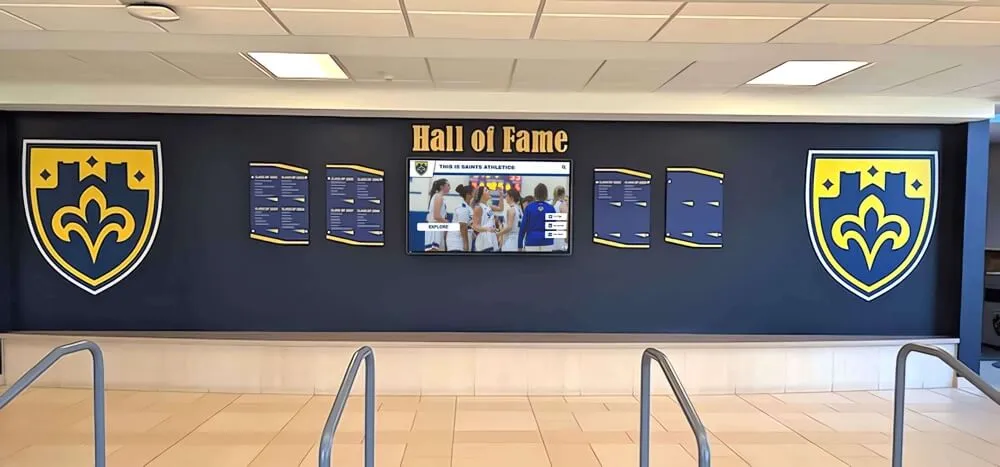
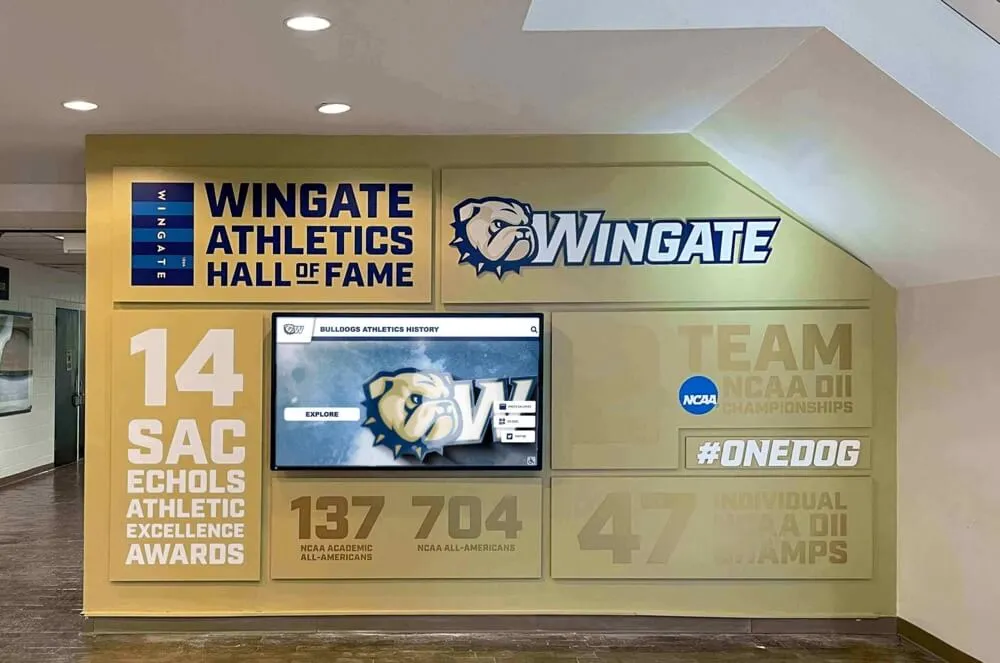
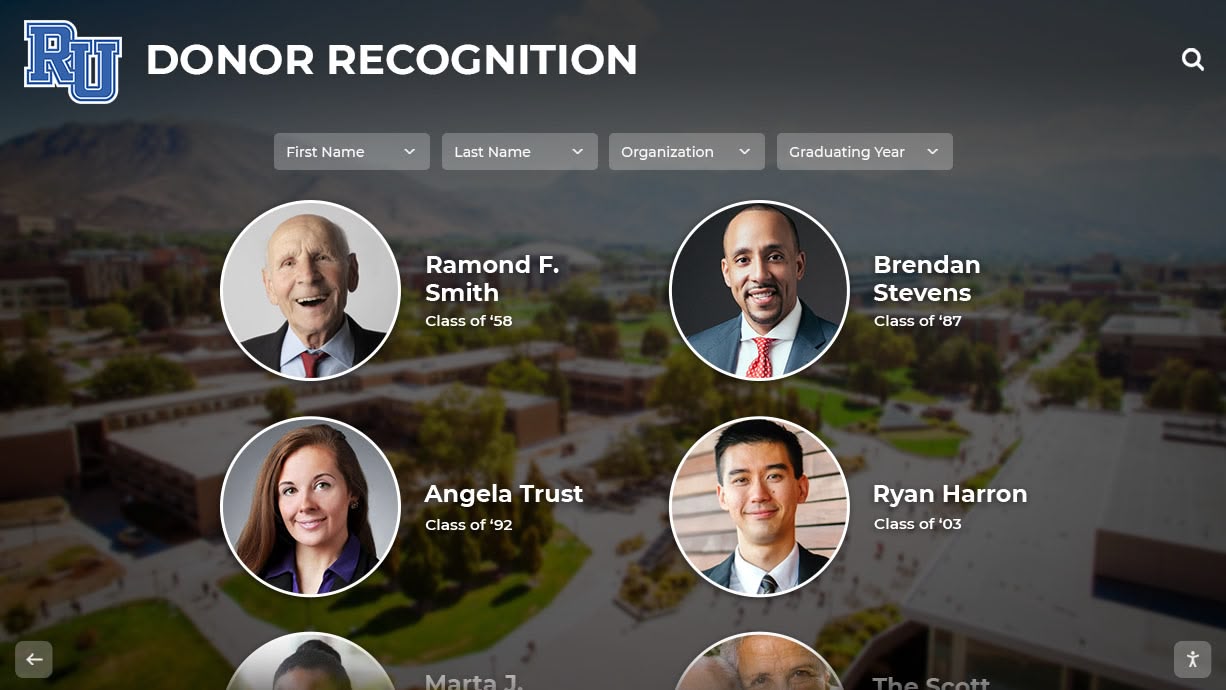
Lasting donor and alumni recognition combines visible institutional naming with detailed portrait displays that tell the full story behind each tribute
Why Schools Name Facilities After People
Facility naming serves multiple purposes simultaneously — and understanding the full range helps institutions design programs that maximize impact for honorees, donors, and the school community alike.
Honoring Legacy and Contribution
The most immediate purpose is simple recognition. When someone has made an extraordinary contribution — coaching a program for thirty years, donating funds that made a building possible, dying in service to country — naming a facility after them is one of the most public honors an institution can confer. Every game played, every class held, every event hosted in that space carries the person’s name forward.
For deceased honorees, memorial naming creates a form of institutional memory that personal obituaries and family remembrances cannot. Students who never knew Coach Williams still encounter that name every day. Parents who moved to town last year learn, through that name, that someone once mattered deeply to this place.
Motivating Major Gifts
For living donors, facility naming rights function as a tangible acknowledgment of transformational generosity. Schools with formal naming opportunities programs report that the prospect of lasting recognition motivates gifts at higher levels than they would otherwise receive.
The research backing this is consistent: donors who have naming rights opportunities available to them give significantly more than donors who don’t — not because they’re buying prestige, but because the permanence of a named facility signals that the institution takes the gift seriously and intends to honor it permanently.
Learn about donor recognition signage best practices that complement facility naming programs.
Building Alumni Connection
Named facilities create powerful threads connecting alumni to their schools long after graduation. When a graduate returns for homecoming and sees their former coach’s name above the gym entrance, the institution communicates that its values outlast any individual administration. That sense of institutional integrity — the feeling that the school keeps its promises and remembers its people — is one of the most powerful drivers of alumni engagement.
Schools that invest in meaningful recognition, including memorial gym naming, consistently see stronger alumni engagement and higher rates of long-term giving. The named facility becomes a concrete reminder that relationship with the school has meaning and permanence.
Types of Facility Naming Tributes in School Athletics
Not all facility namings follow the same model. Understanding the major categories helps schools match recognition approach to circumstance.
Memorial Naming for Deceased Honorees
Memorial gym naming — specifically dedicating a facility to someone who has passed away — carries distinct weight and distinct responsibility. The honoree cannot advocate for themselves, update their own story, or respond to the recognition. The institution becomes the custodian of that legacy.
Memorial naming typically occurs in several contexts:
Coaches and Athletic Staff A coach who built a program over decades, won championships, mentored hundreds of athletes, and became inseparable from the institution’s identity is the most common subject for memorial gym naming. These namings often happen in the years following retirement or death, when the full scope of the contribution has become clear.
Alumni Killed in Military Service or Tragedy Schools frequently name facilities after graduates who died in military service or in tragic circumstances. These memorials carry a different emotional weight — they honor not just what the person achieved but what they might have become. Athletic facilities named for fallen veterans are particularly common, creating spaces where athletic competition and service to country are permanently linked.
Transformational Donors When a major donor who funded a facility’s construction passes away, renaming or confirming the memorial nature of the dedication becomes important. Many facilities named during a donor’s lifetime become formally classified as memorials after their death.
Long-Serving Administrators and Community Members Principals, superintendents, booster club founders, and community pillars who shaped athletic programs without holding coaching titles also receive facility naming recognition — particularly when their contributions spanned decades.
Living Honoree Naming
Naming a facility for a living person introduces different considerations but remains common, particularly for major donors and recently retired coaches. These namings allow the honoree to participate in dedication ceremonies, speak to the meaning of the recognition, and see their legacy take shape.
The challenge with living honoree naming involves longevity planning: what happens if the person’s reputation changes? Most institutions build review provisions into naming agreements that allow the name to be removed under extraordinary circumstances, while making clear that normal course of events will preserve the name indefinitely.
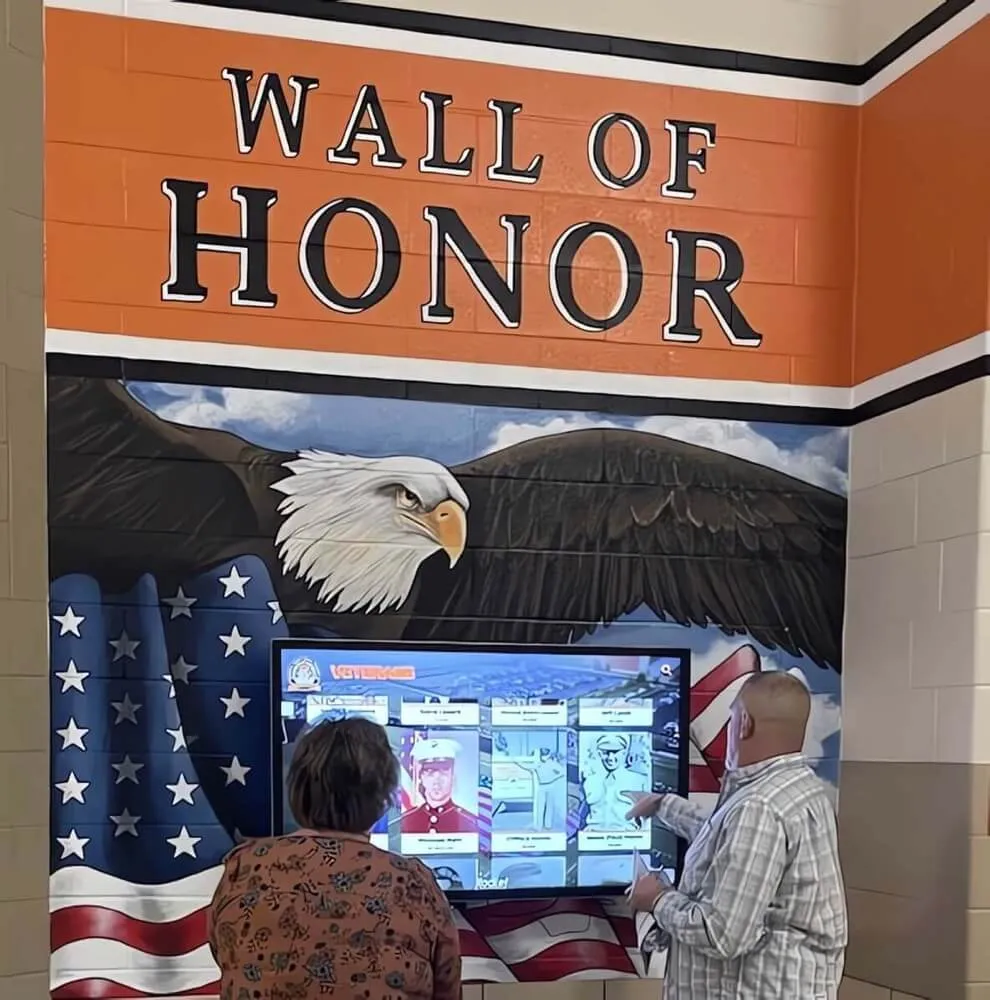
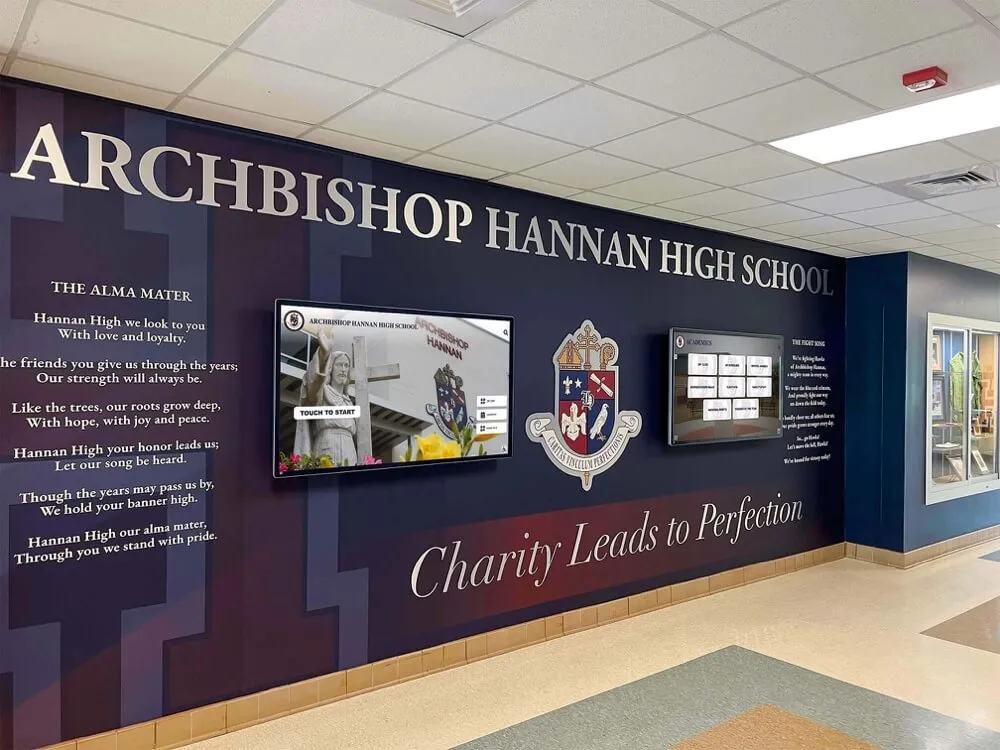
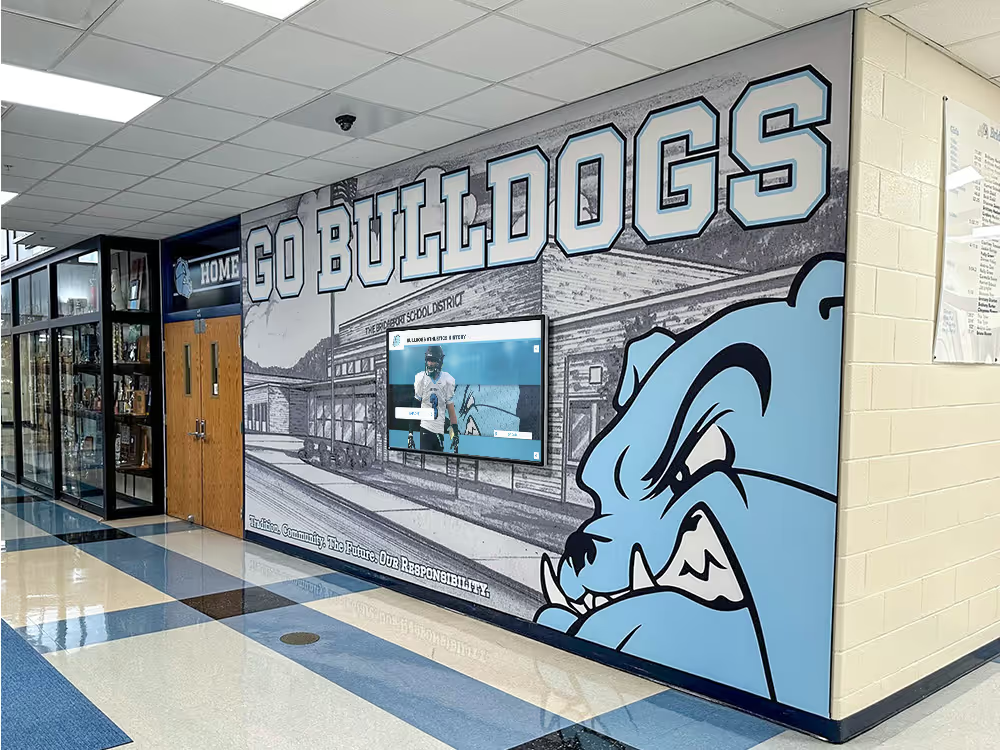
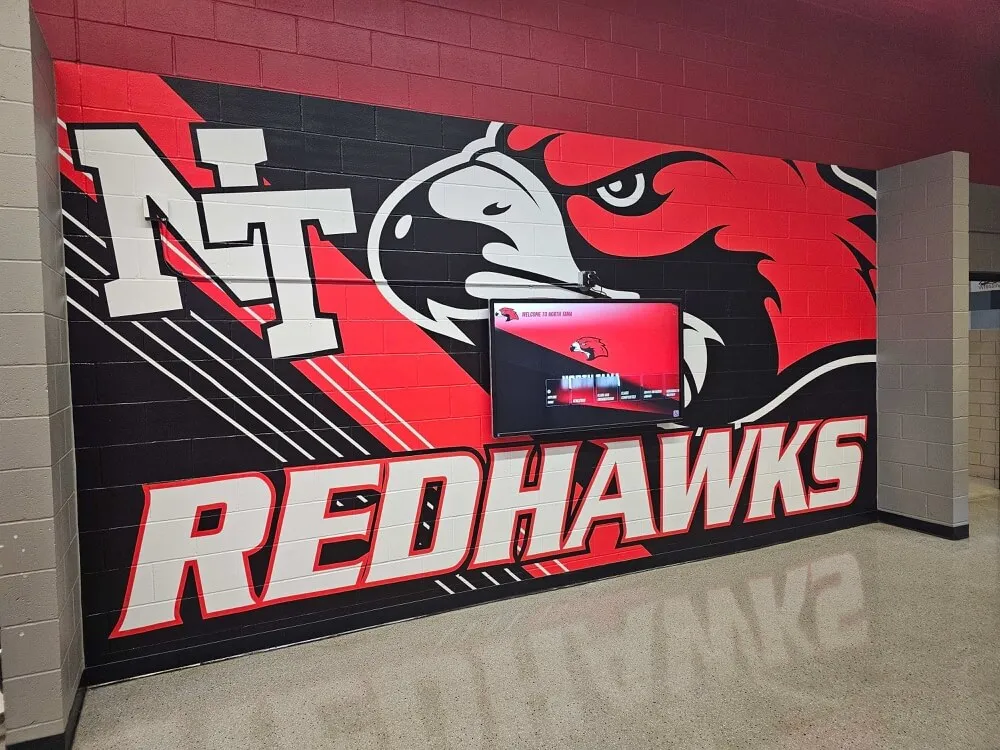
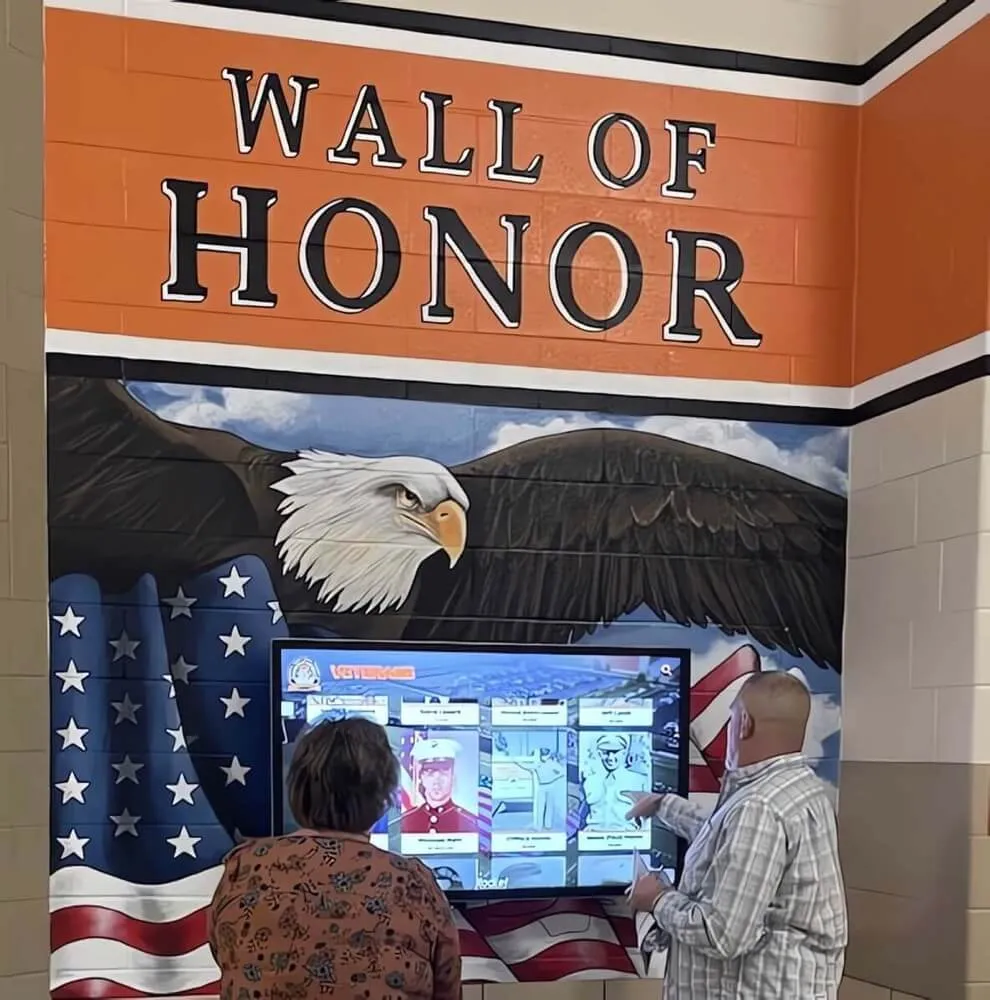
Wall of honor installations extend facility naming tributes into comprehensive recognition programs that tell complete stories
Naming Rights as Development Strategy
Beyond individual tributes, athletic facility naming rights have become a structured development tool for schools and universities. These programs typically offer:
- Named gyms, fieldhouses, and arenas for major facility gifts
- Named courts, fields, and pools within larger facilities
- Named locker rooms, training facilities, and weight rooms
- Named entrances, lobbies, and trophy spaces
- Named scoreboards, press boxes, and seating sections
Each tier represents a different gift level, with naming duration and prominence scaled to the size of the contribution. This tiered structure allows schools to extend meaningful naming recognition across a wide range of donor capacity levels.
Explore donor recognition wall design approaches that can enhance naming tribute programs at every level.
The Memorial Gym Naming Process: From Proposal to Dedication
How does a school actually name a facility after someone? The process varies by institution size and governance structure, but most follow a recognizable arc.
Step 1: Proposal and Committee Review
Most institutions with formal naming programs require a written proposal before any naming decision moves forward. These proposals typically address:
For Memorial Naming:
- Complete biography of the honoree
- Specific contributions to the institution or community being honored
- Relationship between the honoree and the specific facility proposed
- Support from family members (for deceased honorees) or the honoree themselves (for living recognition)
- Community consultation, particularly for memorial naming following tragedy
For Donor Naming:
- Gift amount and payment schedule
- Specific facility or space to be named
- Exact wording of the name to appear on the facility
- Duration of the naming (typically in perpetuity for major gifts)
- Conditions for name removal or modification
A naming committee — often drawn from the athletic department, development office, board of trustees, and alumni association — reviews proposals and makes recommendations.
Step 2: Board Approval
Most facility namings require formal approval from the school’s governing board. This step ensures that naming decisions reflect institutional consensus rather than individual relationships, and that the school’s full leadership has endorsed the tribute.
Step 3: Gift Agreement or Memorial Resolution
For donor namings, a formal gift agreement documents the terms: the gift amount, payment schedule, naming duration, conditions for modification, and signage specifications. For memorial namings, a formal resolution from the board or administration often serves as the official record.
Step 4: Signage and Facility Updates
The visible manifestation of naming recognition — new signage, updated facility maps, name changes on digital scoreboards and directories — requires lead time and budget. Schools should plan for signage updates across all touchpoints: exterior building signage, interior wayfinding, printed materials, website, and digital displays throughout campus.
Step 5: Dedication Ceremony
The naming ceremony is the emotional centerpiece of the tribute. Well-executed dedication events include:
- Family members, former teammates, and colleagues of the honoree
- Remarks from coaches, athletic directors, and school leadership
- Unveiling of permanent signage or dedication plaque
- Recognition of the community impact the honoree had
- For donor namings, acknowledgment of the specific gift and its impact
The ceremony creates a lasting memory for the school community while giving media and documentation opportunities that extend the tribute’s reach.
Step 6: Ongoing Communication and Recognition
The most overlooked step: continuing to tell the story of the named facility’s honoree to new generations of students, staff, and families. A dedication ceremony reaches the people who attend. Ongoing recognition reaches everyone who comes after.
This is where digital recognition platforms make a genuinely significant difference.
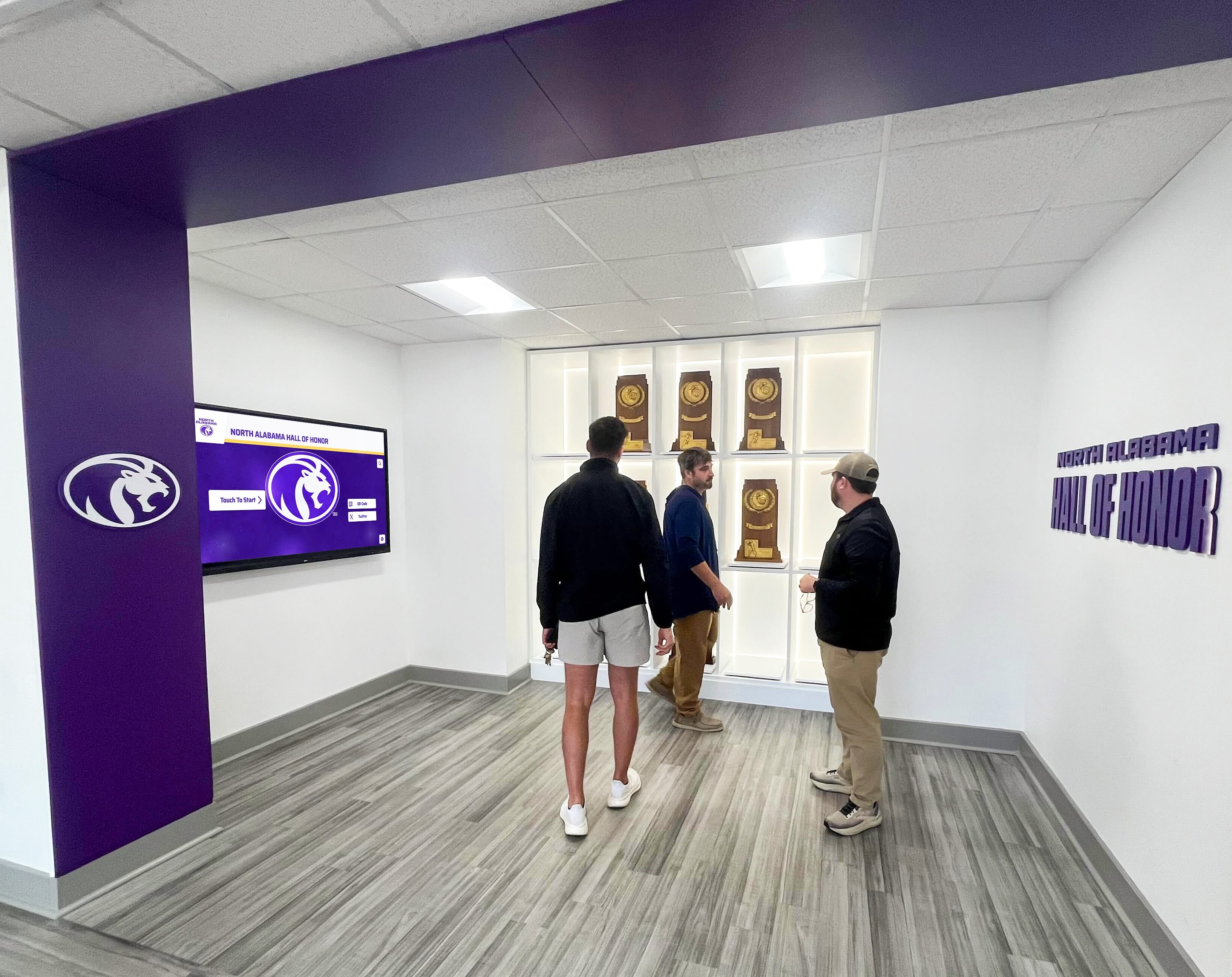
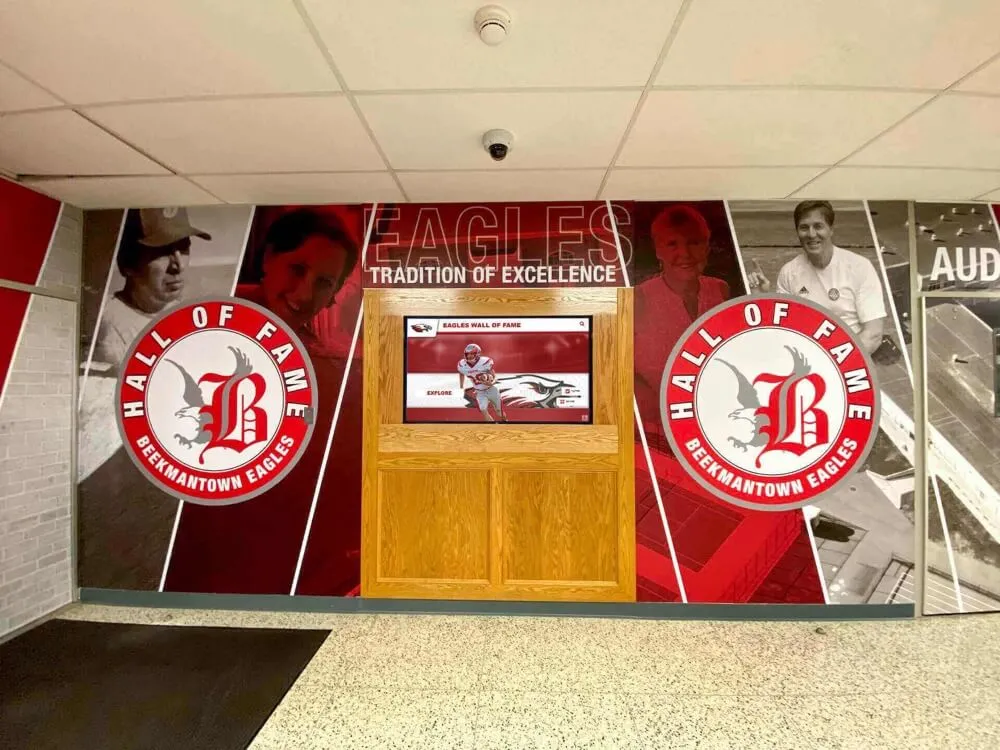
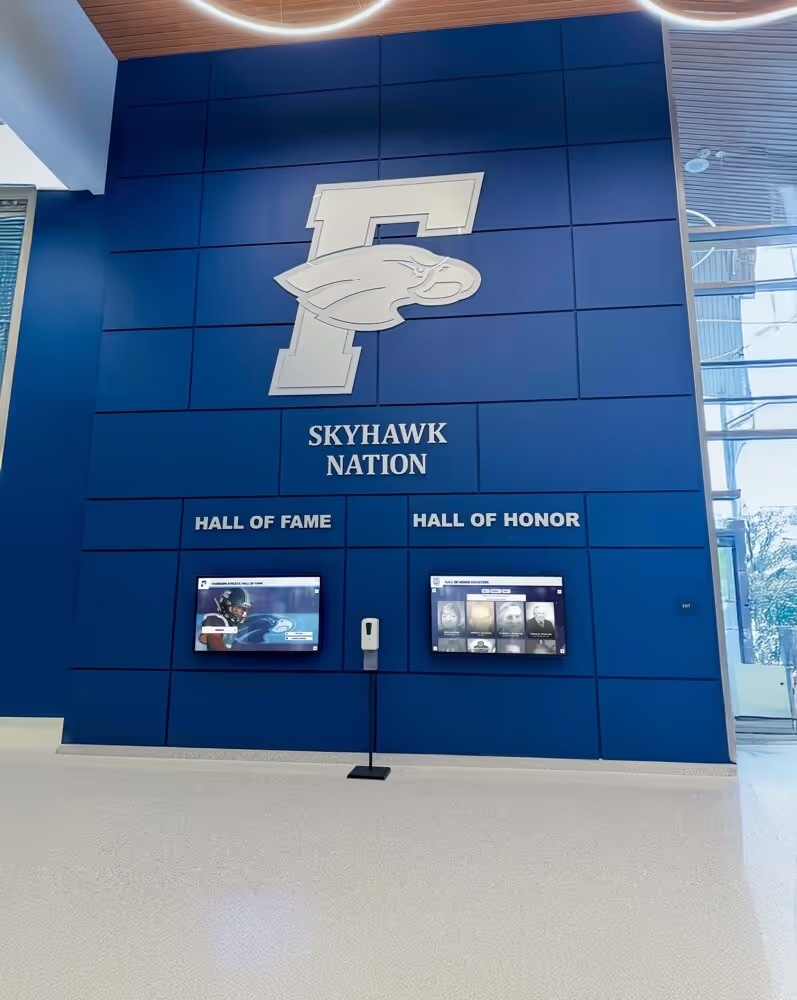
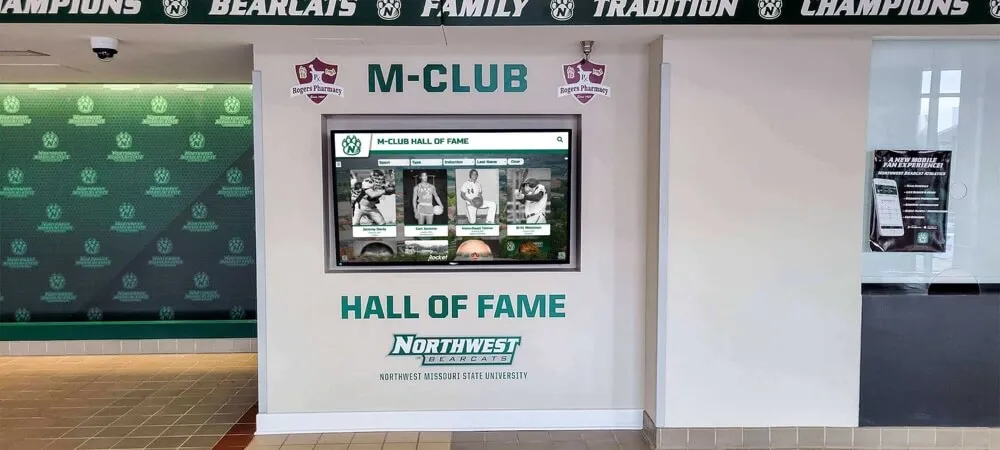
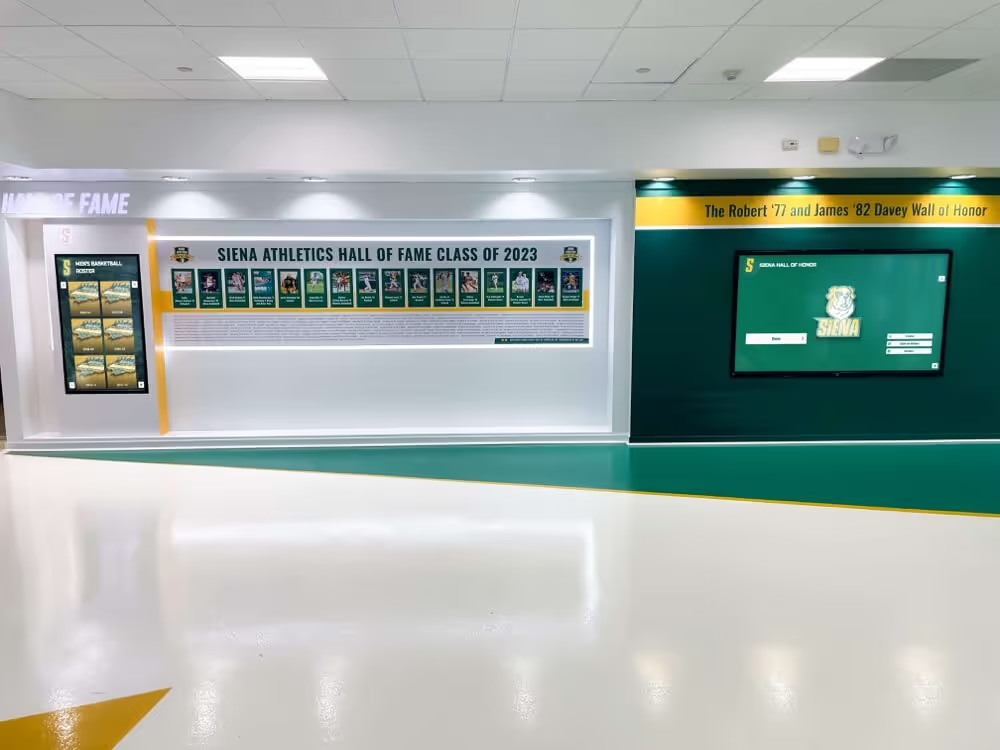
Comprehensive hall of honor installations let visitors explore the full story of the people and achievements a school chooses to remember
What Makes Facility Naming Recognition Succeed
Institutions that do this well share some common practices. Those whose tributes fade into the background — where students don’t know who the gym is named for or why — share predictable failure patterns.
Clarity of Purpose
The best memorial gym namings have clear, compelling answers to the question: why this person, why this facility, why now? When the connection between honoree and tribute is obvious — the coach who built the gymnasium program trained in that gym for forty years — the naming carries natural meaning. When the connection feels arbitrary or transactional, recognition rings hollow.
Schools benefit from articulating the specific story in every communication about the naming: not just “Smith Gymnasium” but “Smith Gymnasium, named for Coach Robert Smith, who led the program for 34 years and sent 47 athletes to collegiate competition.”
Community Inclusion
Naming decisions that feel imposed from above — made by administrators or major donors without broader community input — generate resentment even when the underlying tribute is deserved. Schools that create genuine pathways for alumni, current students, parents, and staff to participate in nomination and selection processes report higher community buy-in and more lasting impact.
For memorial namings following tragedy or unexpected death, consultation with the honoree’s family is essential — not optional. These conversations shape how the tribute is framed and ensure the family feels honored rather than blindsided.
Permanence and Visibility
The commitment to memorial naming must be durable. Facilities that carry someone’s name for twenty years and then get quietly renamed during a renovation betray the original tribute. Schools should approach naming decisions as genuinely permanent commitments, with built-in processes for preserving names through renovations and expansions.
Visibility matters equally. A small bronze plaque mounted at eye-level inside a service entrance tells a different story than a prominent dedication wall in the main lobby. The placement of naming recognition communicates how seriously the institution takes the tribute.
Storytelling Depth
A name above a door raises a question: who was this person? Schools that answer that question through comprehensive recognition — detailed bios, photographs, achievement records, audio or video tributes — create genuine connection between current students and honored individuals. Schools that don’t answer the question leave their tribute half-finished.
Learn how digital signage for schools creates deep storytelling opportunities that extend facility naming recognition across campus.
Extending Memorial Naming with Digital Recognition
Physical facility naming — the sign, the plaque, the dedication wall — establishes the tribute. Digital recognition extends it across time and audience.
The Limits of Physical Tributes Alone
Even the best-designed physical dedication space faces inherent constraints:
Static Information A plaque can hold only so much text. The full story of a coach’s 35-year career, a donor’s lifelong connection to the school, or a veteran’s service record cannot fit on a wall-mounted bronze panel.
Generational Drift Students who arrive fifteen years after a facility’s dedication have no living memory of the honoree. Without active storytelling, the name becomes unfamiliar — present but meaningless to the people who encounter it daily.
Limited Reach Physical displays reach only people who walk past them. Alumni who graduated before the naming, families watching games on livestream, prospective students touring virtually — none of them encounter the physical tribute.
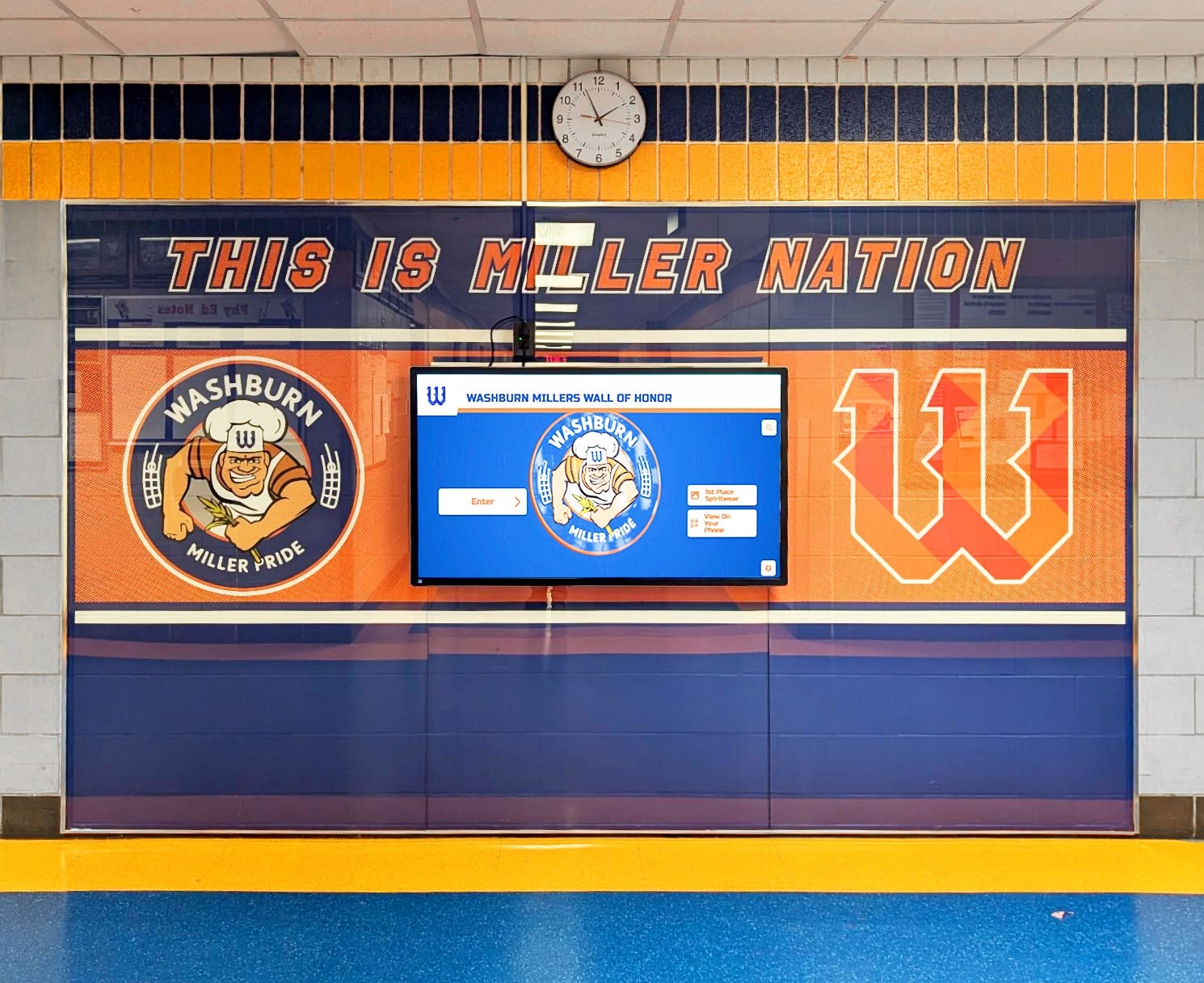
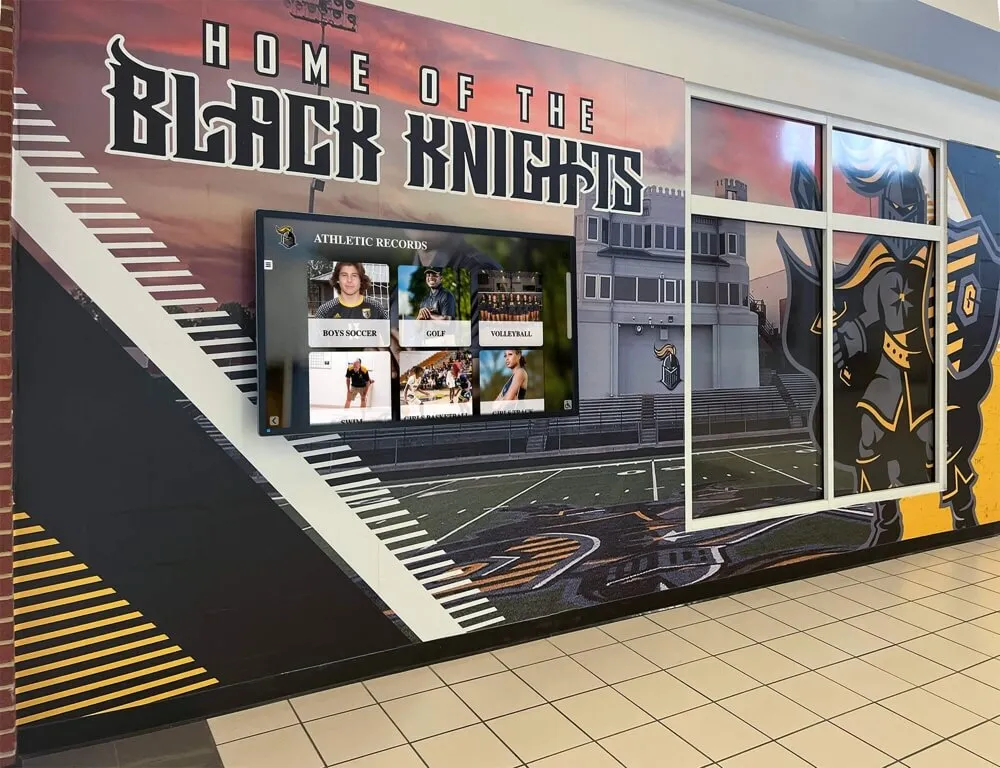
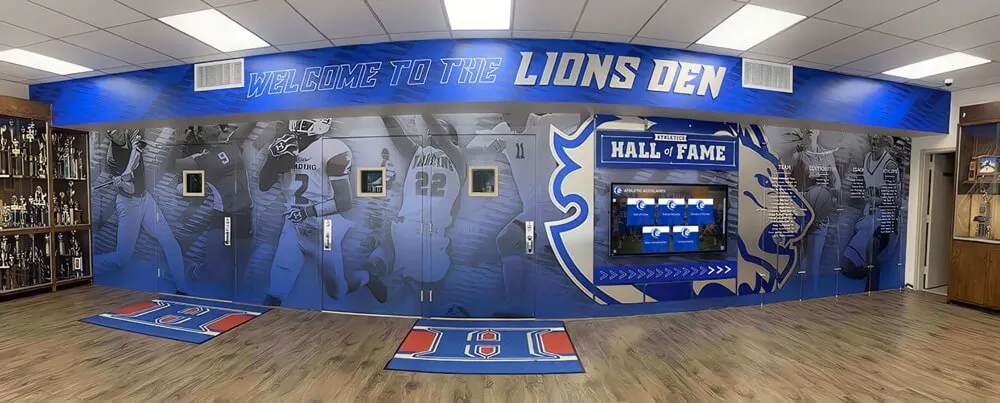
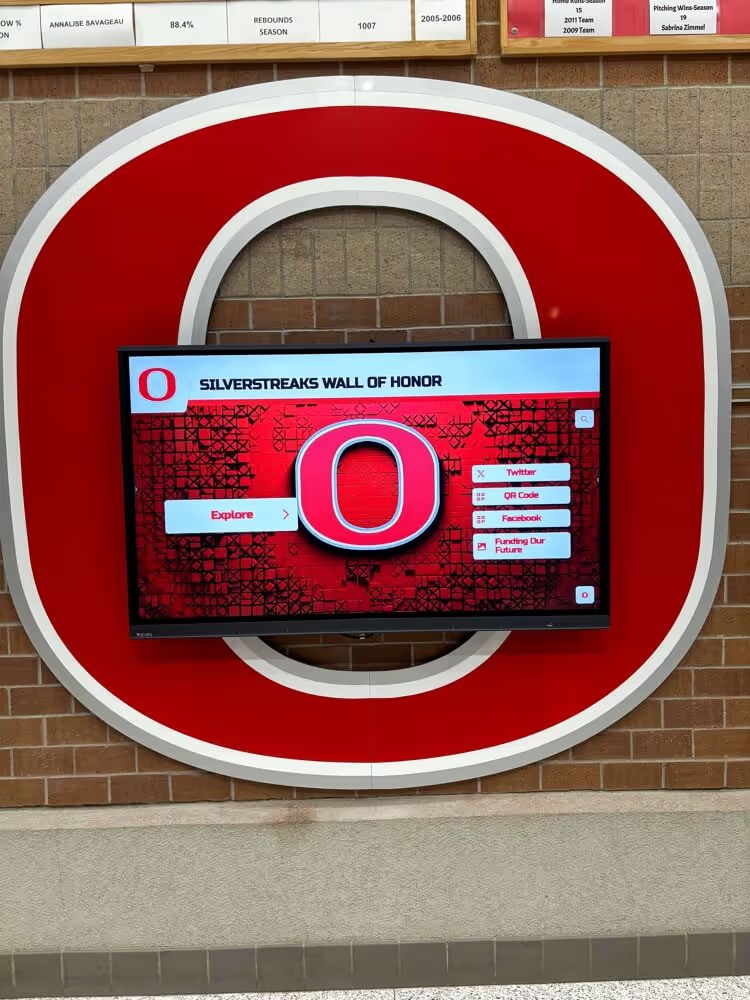
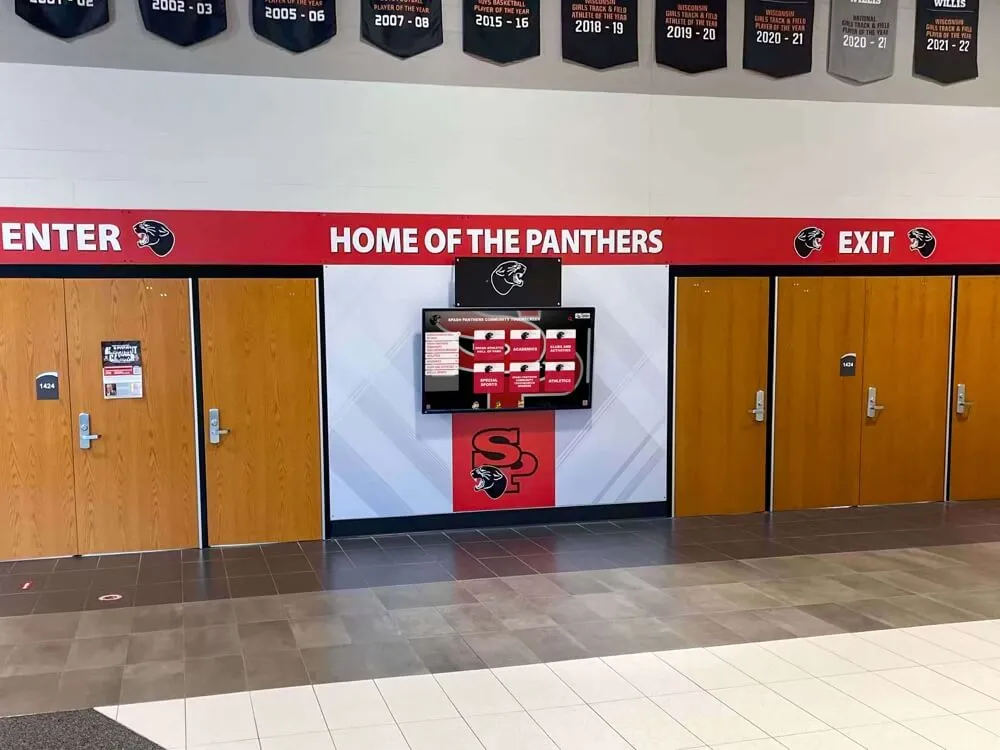
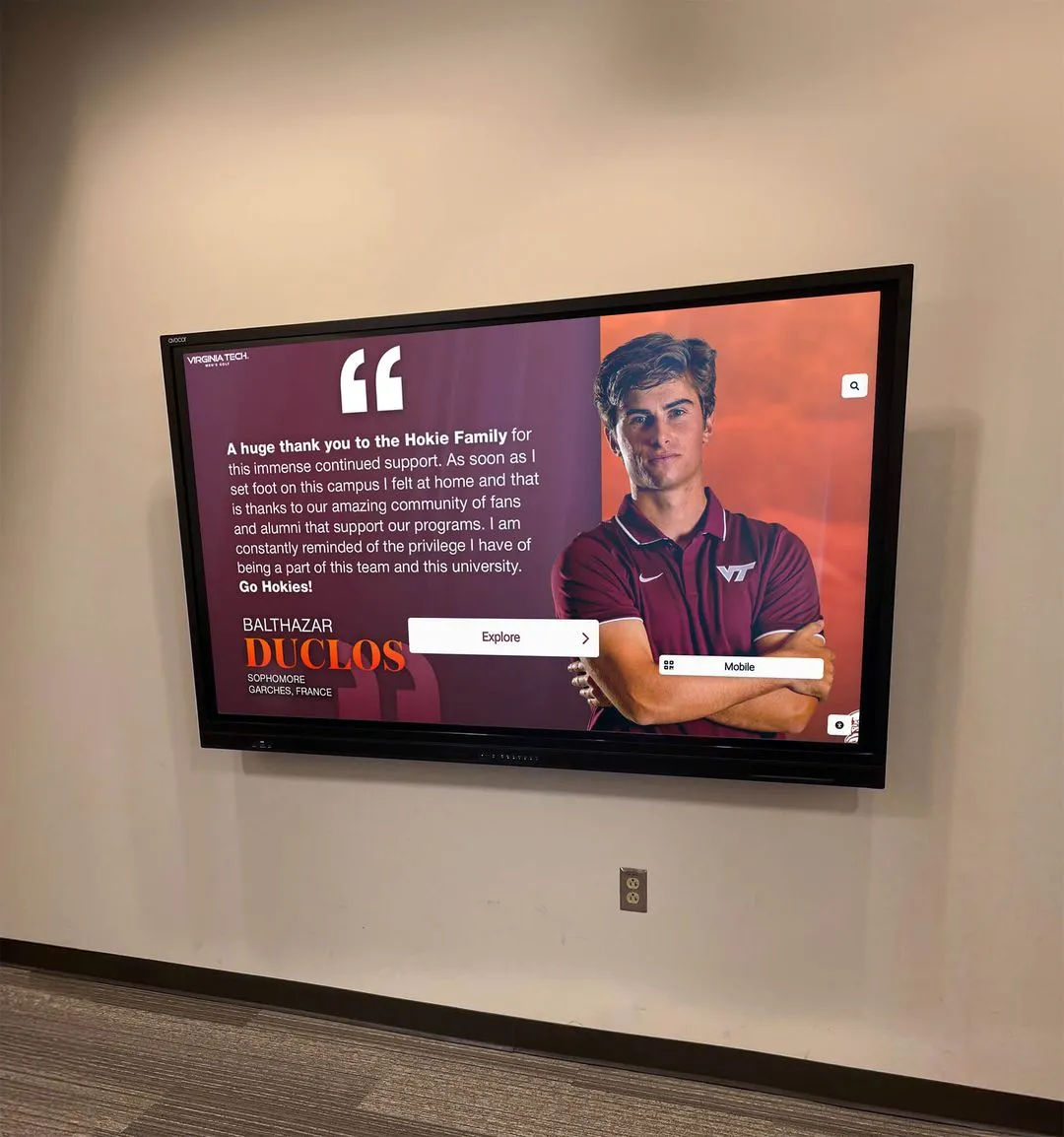
Digital wall of honor displays in athletic hallways tell complete stories about the people whose names grace school facilities
How Digital Recognition Platforms Complement Facility Naming
Modern touchscreen recognition systems address the limits of physical naming tributes directly:
Complete Biography Capability A touchscreen wall of fame or digital hall of fame display can hold unlimited information about a facility’s namesake: full career statistics and achievements, photographs spanning decades, video tributes from former athletes and colleagues, timeline displays showing the arc of contribution, and links to broader historical context.
When students walking into “Coach Williams Gymnasium” can tap a nearby screen and watch a three-minute tribute featuring footage from championship seasons and interviews with former players, the name above the door gains real meaning.
Ongoing Updates Unlike a plaque that freezes information at the moment of installation, digital recognition platforms allow ongoing enrichment. New photos emerge from family archives. Former athletes share memories. Achievement records get updated as more is discovered. The tribute grows more complete over time rather than remaining static.
Multi-Channel Reach Cloud-based recognition platforms extend tribute visibility beyond campus. Alumni can access the same content from anywhere through web portals. QR codes on physical signage connect mobile visitors to full digital profiles. Families watching remotely can explore the same recognition their students encounter on campus.
Discover resources on honoring fallen soldiers through memorial recognition in schools where veterans have had facilities named in their honor.
Integration with Broader Athletic Recognition The facility namesake’s story doesn’t exist in isolation. A touchscreen recognition system can show how Coach Williams’ athletes went on to their own achievements — connecting the dedication to the hall of fame inductees, record holders, and honored alumni whose careers the coach shaped.
This interconnected recognition creates a web of meaning that transforms a gym from a named building into a living monument to a specific tradition of excellence.
Learn about recognition program best practices for building effective award systems that work alongside facility naming programs.
Placement Strategy for Memorial Naming Recognition
Where digital recognition lives within a named facility matters. Best practices include:
Lobby and Entry Installations Positioning a dedicated recognition display in the facility’s main entry ensures that everyone who enters encounters the tribute. An introductory panel explaining who the facility is named for, paired with a touchscreen profile, creates an immediate and memorable welcome.
Integration with Existing Hall of Fame Displays Schools with existing hall of fame or wall of honor installations can incorporate the facility namesake as a featured profile — elevated in prominence but connected to the broader recognition ecosystem.
Near Championship and Record Displays When a coach or athlete’s most significant achievements were in that specific facility, placing digital recognition near record boards and championship displays creates natural contextual connection.
Dedicated Memorial Spaces For particularly significant tributes — especially memorials for individuals who died young or whose contributions were extraordinary — creating a dedicated recognition alcove or tribute wall within the named facility gives the honor appropriate prominence.
Explore digital hall of fame and donor wall dual-purpose installations to understand how tribute recognition and donor acknowledgment can work together.
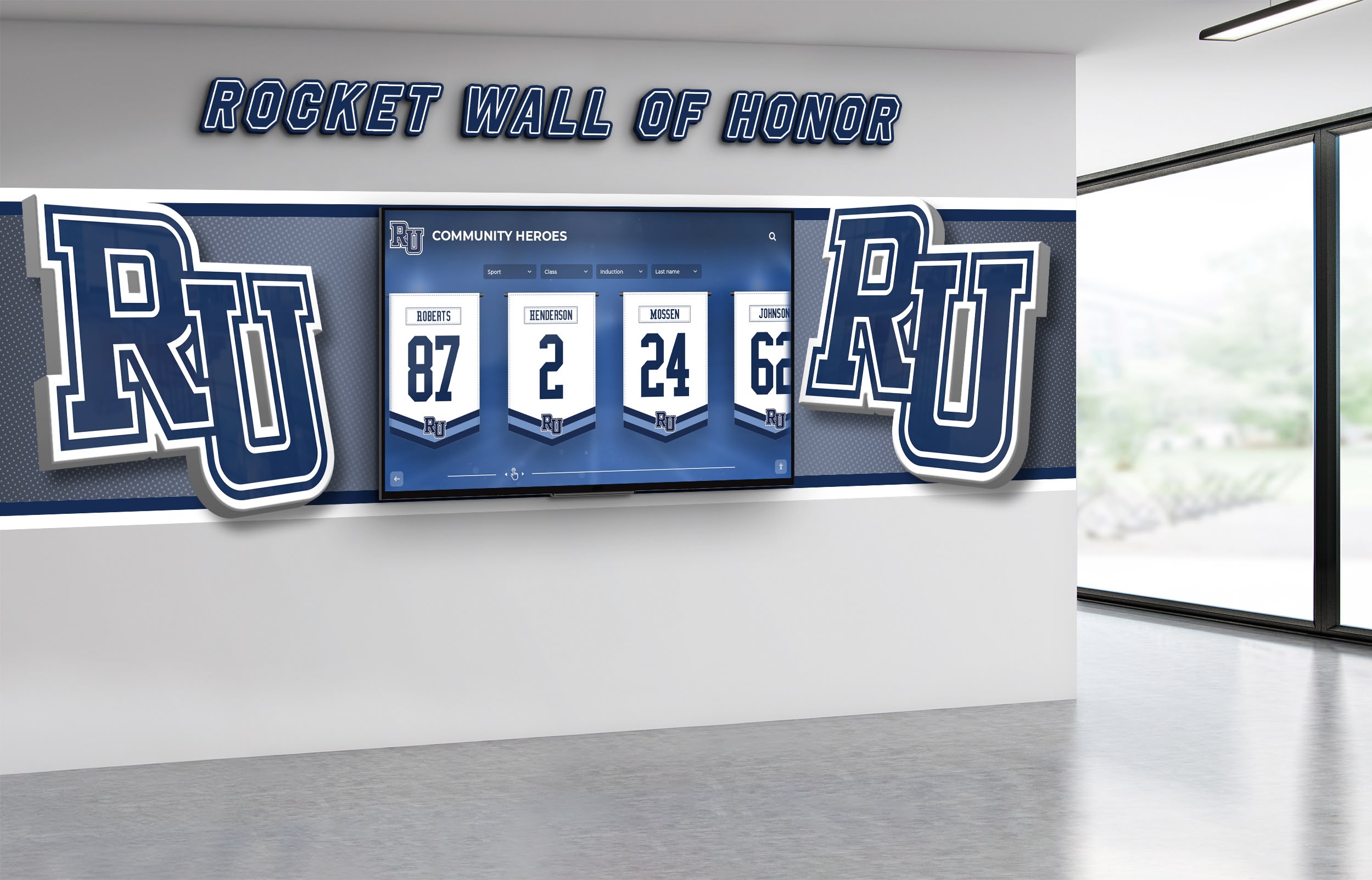
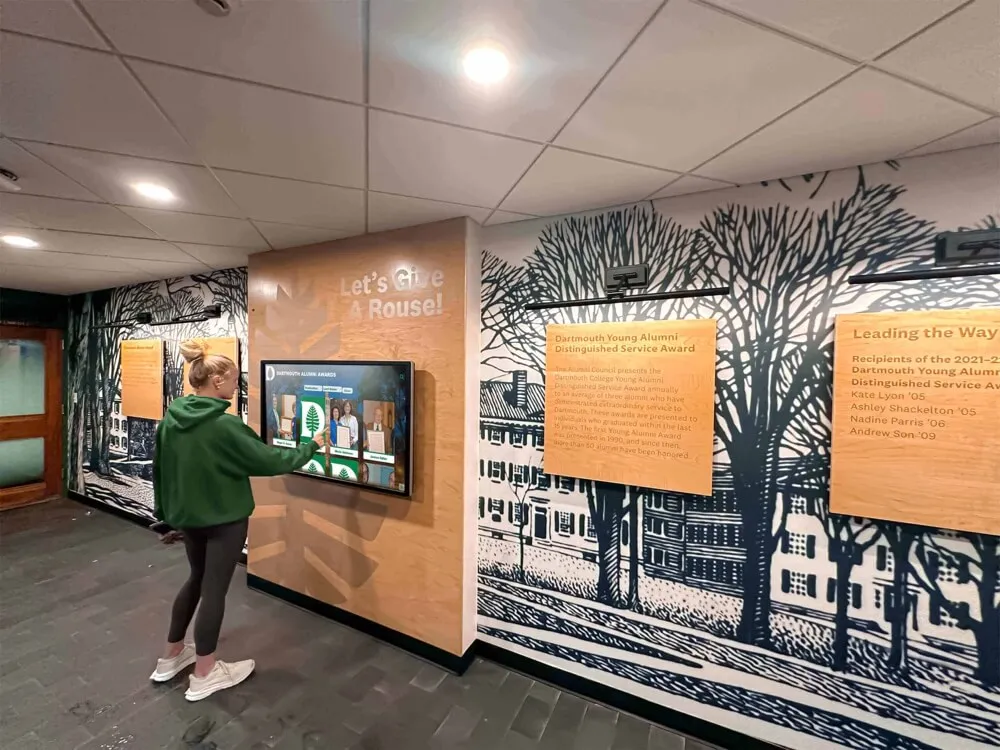
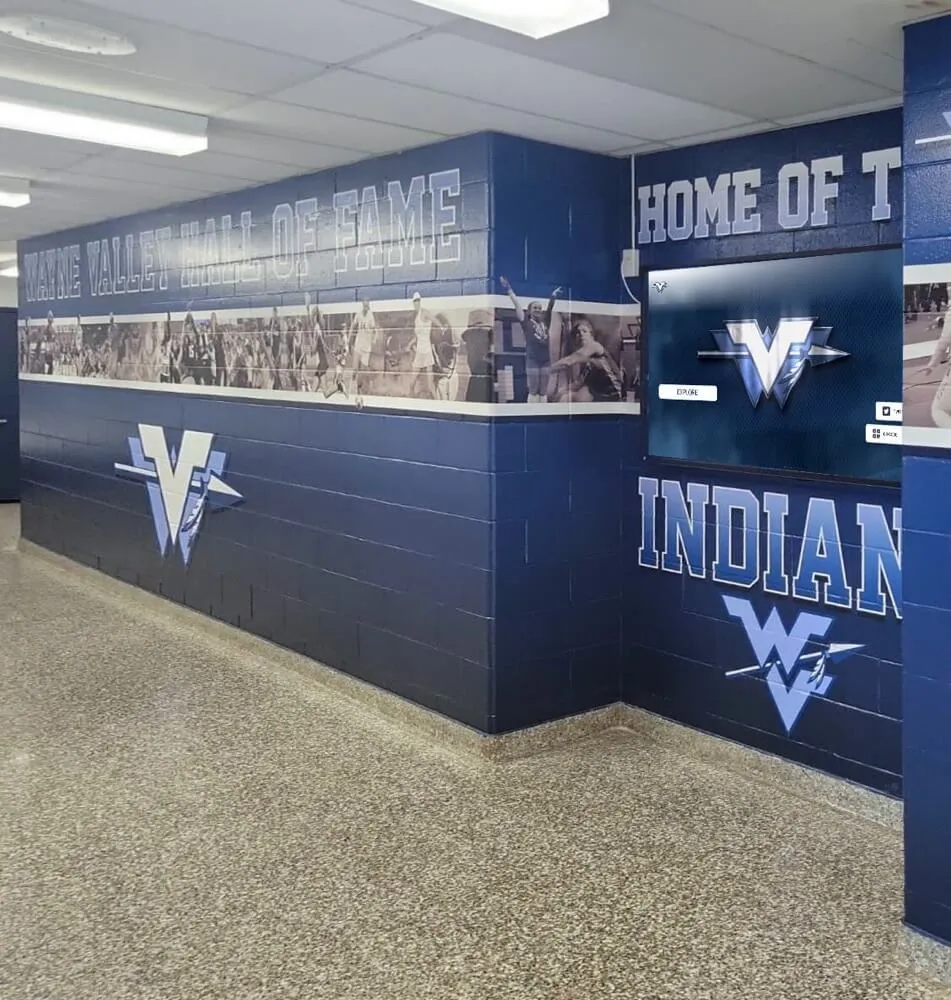
Lobby wall of honor installations give named facility tributes the visual prominence and storytelling depth they deserve
Naming Criteria and Eligibility: What Standards Schools Apply
Every institution needs clear, published criteria for who is eligible for facility naming recognition. Without these standards, naming decisions become subject to favoritism accusations and community controversy.
Common Eligibility Standards
For Athletic Achievement Naming:
- Minimum number of years coaching or playing at the institution
- Specific achievement thresholds (championship records, athletic milestones)
- Character standards beyond athletic performance
- Time elapsed since active service (many schools require several years post-retirement)
- Community impact extending beyond win-loss records
For Donor Naming:
- Minimum gift level for each naming tier
- Gift must be completed or substantially committed before naming proceeds
- Gift must be directed to the institution’s defined needs
- Donor relationship with the institution (though some schools accept naming gifts from individuals with no prior connection)
For Memorial Naming:
- Connection to the specific facility proposed
- Community consultation confirming the appropriateness of the tribute
- Family consent for deceased honorees
- Review of the honoree’s full legacy — not just their greatest achievements
Removal and Modification Provisions
Every naming agreement should address what happens if circumstances change. Standard provisions include:
- Removal in cases of criminal conviction or conduct severely inconsistent with institutional values
- Modification if the facility is substantially rebuilt or repurposed
- Continuation through renovations and expansions in all other circumstances
- Process for family or estate to request removal in extraordinary circumstances
These provisions protect the institution without signaling that naming commitments are fragile. The vast majority of naming tributes remain in place indefinitely — the provisions simply ensure the institution has recourse in the rare cases where it genuinely needs it.
Learn about donor stewardship ideas for maintaining long-term recognition relationships that support comprehensive naming program management.
The Dedication Ceremony: Making the Tribute Memorable
The naming ceremony is often the only time the full community gathers specifically to honor the individual. Getting it right matters enormously — both for the honoree or their family and for the community’s relationship with the tribute going forward.
Elements of an Effective Naming Ceremony
Before the Event:
- Formal invitations to the honoree’s family, closest colleagues, and former athletes
- Media outreach to community newspapers and school publications
- Coordination with current athletic teams to integrate ceremony into game or event
- Preparation of permanent signage ready for unveiling
- Assembly of historical photographs and materials for display
During the Ceremony:
- Personal remarks from individuals whose lives the honoree affected directly
- Specific stories and achievements rather than general praise
- A moment of silence or other solemn recognition element for memorial ceremonies
- Official unveiling of signage with family members present
- Presentation to family of framed tribute or similar keepsake
After the Ceremony:
- Permanent record in school archives
- Integration of ceremony photos and video into digital recognition platforms
- Ongoing annual acknowledgment at significant events (homecoming, season openers)
- Regular communication with family keeping them connected to the tribute’s living impact
Common Ceremony Mistakes to Avoid
Schools sometimes invest heavily in dedication ceremonies and then allow the tribute to fade from institutional memory within years. Avoiding this requires:
- Designating someone responsible for maintaining the tribute’s story annually
- Building ceremony documentation into digital recognition platforms immediately after the event
- Including the facility’s naming story in new student and staff orientation
- Creating printed or digital materials explaining the tribute’s context for visitors
Learn about memorial tribute samples for honoring someone special that can inform how schools frame their facility dedication ceremonies.
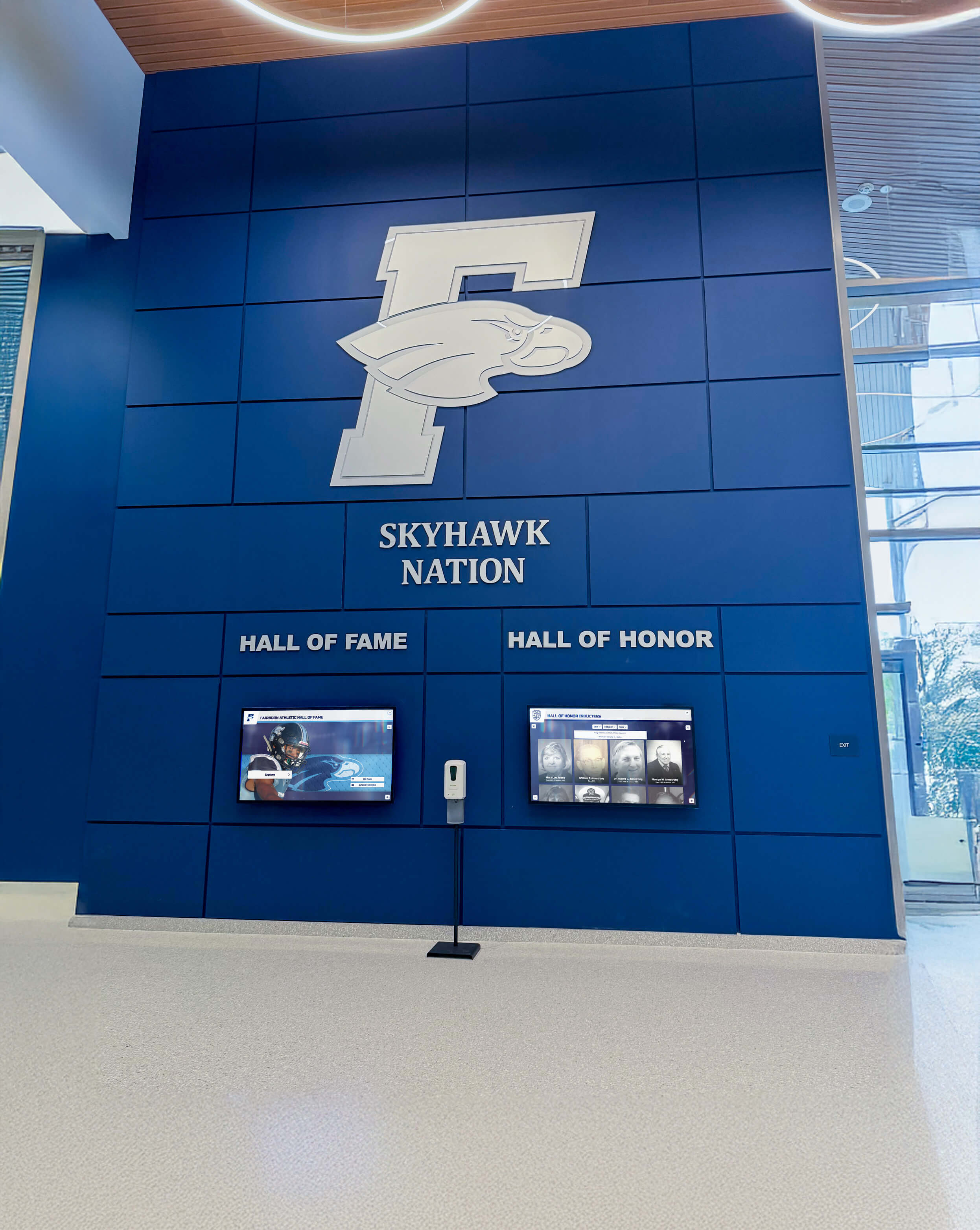
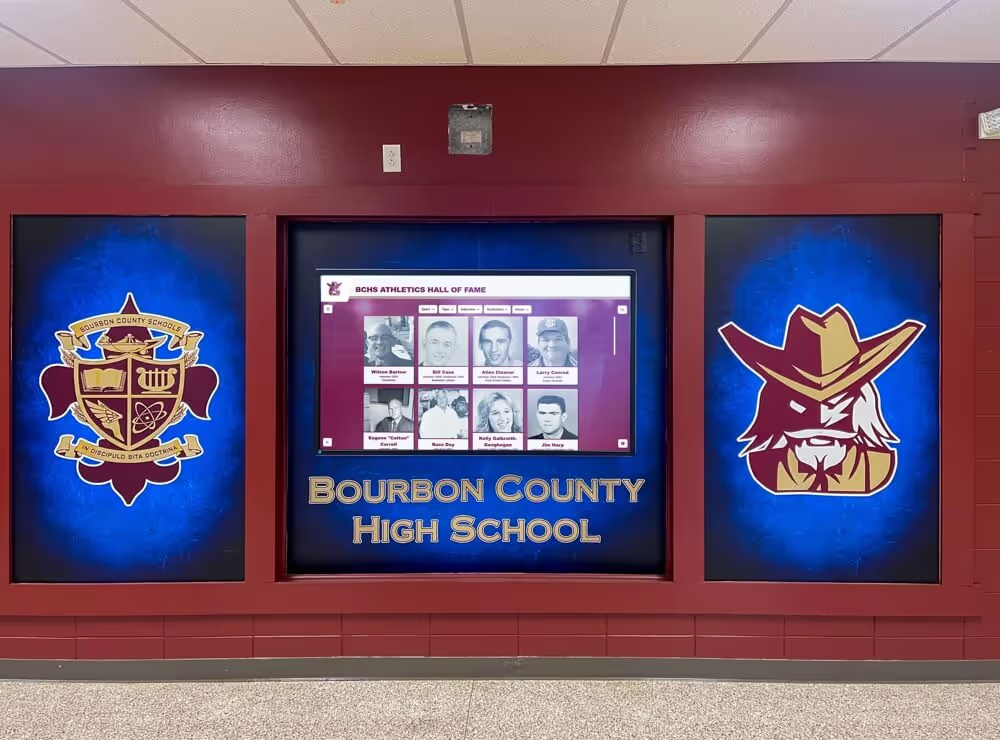
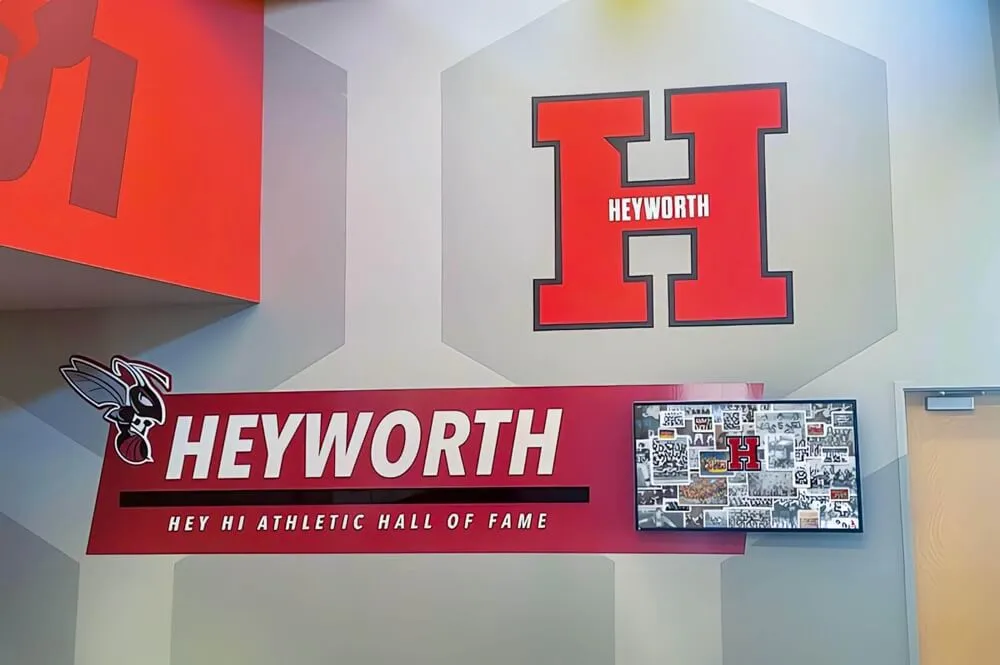
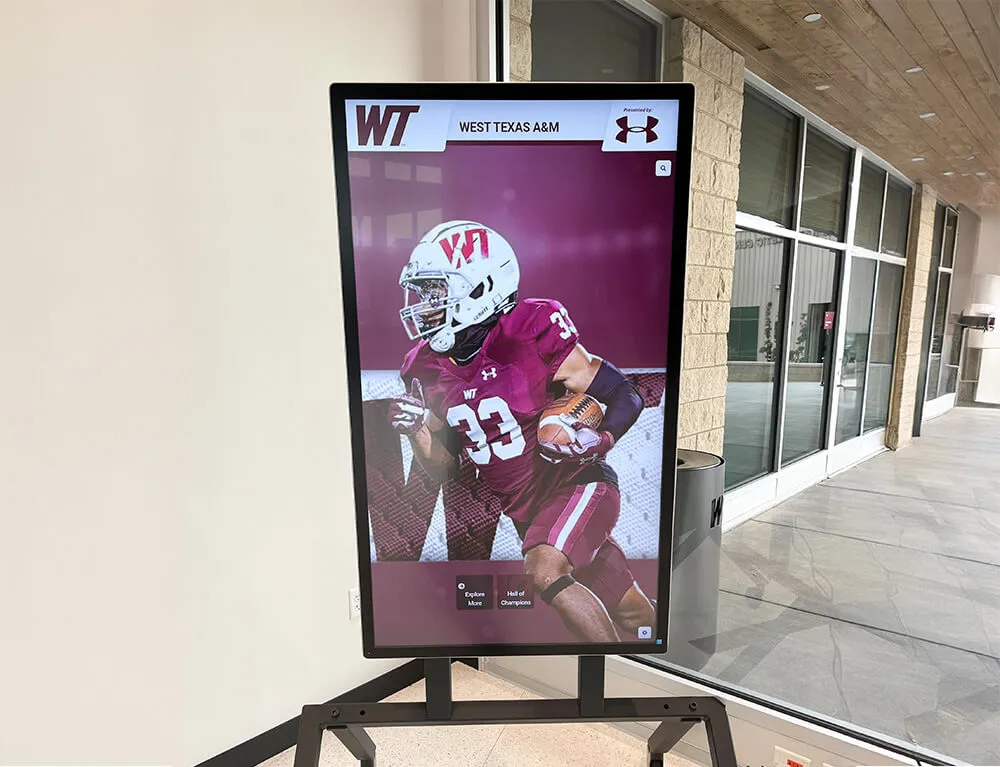
Strong visual identity in named facility recognition spaces creates lasting impressions that connect every visitor to the people being honored
Naming Tributes and Their Connection to Athletic Hall of Fame Recognition
Facility naming and hall of fame induction are distinct but deeply complementary forms of athletic recognition. Many schools’ most significant facility namesakes are also hall of fame inductees — the same individuals whose contributions were large enough to warrant both forms of honor.
When Naming and Hall of Fame Recognition Overlap
When a coach who is already in the school’s athletic hall of fame has a facility named in their honor, digital recognition can create powerful connections between both tributes. Visitors exploring the hall of fame profile encounter the facility naming story. Visitors learning about the named facility can explore the inductee’s full hall of fame profile.
This integrated recognition creates richer meaning than either tribute provides alone — students understand not just that Coach Williams was important enough to have the gym named after them, but specifically what achievements, relationships, and contributions earned that honor.
Explore virtual donor wall solutions that extend facility naming tributes beyond campus walls to alumni and families everywhere.
Integrating Naming Tributes into Broader Recognition Ecosystems
The most effective athletic recognition programs treat naming, hall of fame induction, record boards, championship displays, and alumni recognition as parts of a coherent ecosystem rather than separate, siloed programs.
A touchscreen wall of fame platform can serve as the connective tissue:
- The named facility’s honoree appears in the hall of fame alongside their inductee profile
- Record holders trained by the honored coach link back to the coach’s profile
- Championship teams coached or funded by the honoree appear in team history sections
- Alumni who went on to professional careers after playing in the named facility connect back to their school story
This networked recognition structure transforms a collection of plaques and signs into a living institutional narrative — one where every honoree’s story is part of a larger story about the school itself.
Discover how memorial flag display cases and veterans wall tributes complement athletic facility memorial naming programs.
Real Considerations for Starting or Improving a Naming Program
Whether establishing a formal naming program for the first time or updating an existing approach, schools should address several practical dimensions.
Policy Development
Written Policy Document Every school with athletic facilities should have a written naming policy that addresses:
- Who is eligible for naming consideration
- What nomination and review process applies
- Who has final approval authority
- What gift levels correspond to which naming opportunities
- How long naming commitments last and what provisions apply
Without a written policy, naming decisions — however well-intentioned — are vulnerable to accusations of inconsistency or favoritism.
Gift Acceptance Policy Alignment Naming rights programs should align with the school’s broader gift acceptance policies. The development or advancement office should be involved in structuring naming gift agreements.
Communication Strategy
Internal Communication Coaches, athletic staff, and school administrators should understand the naming program well enough to discuss it with donors and community members. This requires regular internal communication about available naming opportunities and the process for pursuing them.
External Communication Prospective donors and families of potential honorees benefit from clear, accessible information about naming opportunities. Schools should publish their naming policies and available opportunities — not hide them.
Ongoing Recognition Communication Annual acknowledgment of named facilities in school publications, at significant events, and through digital platforms keeps tribute stories alive for the community.
Learn about interactive touchscreen recognition storytelling in schools approaches that complement naming program communications.
Digital Infrastructure
Schools investing in facility naming programs should simultaneously invest in the digital recognition infrastructure needed to extend those tributes’ reach and depth. A digital wall of fame platform that can house the named facility’s honoree profiles, connect those profiles to broader athletic history, and deliver recognition across channels represents a genuine multiplier on the value of physical naming commitments.
Rocket Alumni Solutions provides the touchscreen recognition platforms schools need to bring this vision to life — systems that honor facility namesakes with the depth, visibility, and permanence their contributions deserve.
Conclusion: Memorial Gym Naming as the Beginning of an Ongoing Tribute
Naming a gymnasium, field, or athletic facility after an alumnus, coach, or donor is one of the most significant acts of institutional recognition available to schools. These decisions carry weight precisely because they are permanent: they commit the institution to carrying a specific person’s name forward into every future moment the facility sees.
That permanence creates responsibility. The tribute must be maintained — not just in the physical signage, but in the story told to each new generation of students who encounter that name. A gym named for a coach who transformed the program deserves more than a bronze plaque that fades from collective memory. It deserves active, ongoing recognition that connects the name above the door to the specific human story that earned it.
Digital recognition platforms make that active, ongoing tribute practical and scalable. Touchscreen wall of fame installations in named facilities, integrated with cloud-based content management, can deliver the honoree’s full story to every student, every visiting family, and every alumnus who seeks it — today and for decades to come.
When physical tribute and digital storytelling work together, memorial gym naming becomes what it was always meant to be: not just a sign, but a permanent invitation to know and honor someone whose contributions shaped something lasting.
Honor Your Facility Namesakes With the Recognition They Deserve
Explore how Rocket Alumni Solutions' touchscreen wall of fame platforms help schools extend the reach and depth of memorial naming tributes — bringing every honoree's full story to every visitor, every game, every year.
Explore Recognition SolutionsThe institutions that do this best treat facility naming not as a one-time transaction — name goes up, ceremony happens, tribute is complete — but as the beginning of an ongoing commitment to tell the story of who shaped this place and why that matters. That commitment, sustained through visible recognition and rich digital storytelling, is what transforms a name on a building into a living part of school culture.