



Middle school represents one of the most transformative periods in a young person’s life—a time when children evolve into young adults, discover new interests, form lasting friendships, and develop the identities they’ll carry into high school and beyond. Yet middle school yearbooks often receive less attention and fewer resources than their elementary and high school counterparts, despite documenting some of the most formative years students will experience.
A well-crafted middle school yearbook does more than compile class photos and activity snapshots. It creates a time capsule of these pivotal in-between years, validating students’ experiences during a developmental stage often overshadowed by the milestone moments of elementary graduation and high school achievements. Schools that approach middle school yearbooks with intentionality create lasting records that students revisit throughout their lives, finding evidence of growth, friendships, and the moments when they first became themselves.
This comprehensive guide explores strategies for creating middle school yearbooks that honor this unique developmental stage, engage students in authentic documentation, and preserve memories that matter for generations to come.
Middle school occupies a distinctive space in the American education system—no longer the protected environment of elementary school, not yet the high-stakes world of high school. Students navigate dramatic physical, emotional, and social changes while exploring new subjects, activities, and identities. The middle school yearbook serves as the primary artifact documenting this crucial transition.

Middle school yearbooks preserve the authentic moments when students discover who they are becoming
Why Middle School Yearbooks Matter More Than You Think
Educational researchers and developmental psychologists increasingly recognize middle school (typically grades 6-8) as a critical period for identity formation, social skill development, and academic trajectory establishment. The yearbook documenting these years carries significance that extends far beyond nostalgia.
The Developmental Importance of Middle School
Middle school students experience profound changes that make this period uniquely important:
Identity Formation and Self-Discovery
- Students begin defining themselves beyond family roles and elementary friendships
- Exploration of interests, activities, and social groups accelerates dramatically
- First experiences with leadership, public performance, and personal achievement occur
- Academic strengths and passions begin crystallizing into future educational paths
Social Development and Belonging
- Peer relationships gain unprecedented importance in students’ emotional lives
- Friend groups shift and reform as students discover compatible personalities
- Social skills developed during middle school shape relationship patterns for decades
- School community becomes the primary social ecosystem outside family
Transition and Transformation
- Physical changes of adolescence create dramatic year-to-year differences
- Academic challenges increase substantially compared to elementary expectations
- Extracurricular participation introduces specialized activities and competition
- Preparation for high school begins, with awareness of future opportunities and requirements
Research published in the Journal of Early Adolescence demonstrates that positive middle school experiences—particularly feeling recognized and belonging to the school community—predict higher academic achievement, better mental health outcomes, and stronger social skills in high school and beyond.
A thoughtfully created middle school yearbook validates these experiences, providing tangible evidence that these years matter and that the school community values each student’s journey through this transformative period.
The Unique Challenge of Middle School Documentation
Creating meaningful middle school yearbooks presents distinct challenges:
Self-Consciousness and Participation
- Many middle school students feel uncomfortable with photos and public attention
- Participation reluctance increases compared to elementary students
- Concerns about appearance and peer judgment create documentation barriers
- Balance needed between authentic capture and student comfort
Rapid Change and Growth
- Year-to-year appearance changes can be dramatic
- Interest and activity participation shifts frequently
- Friend groups may change multiple times during middle school years
- Capturing authentic moments requires year-round documentation
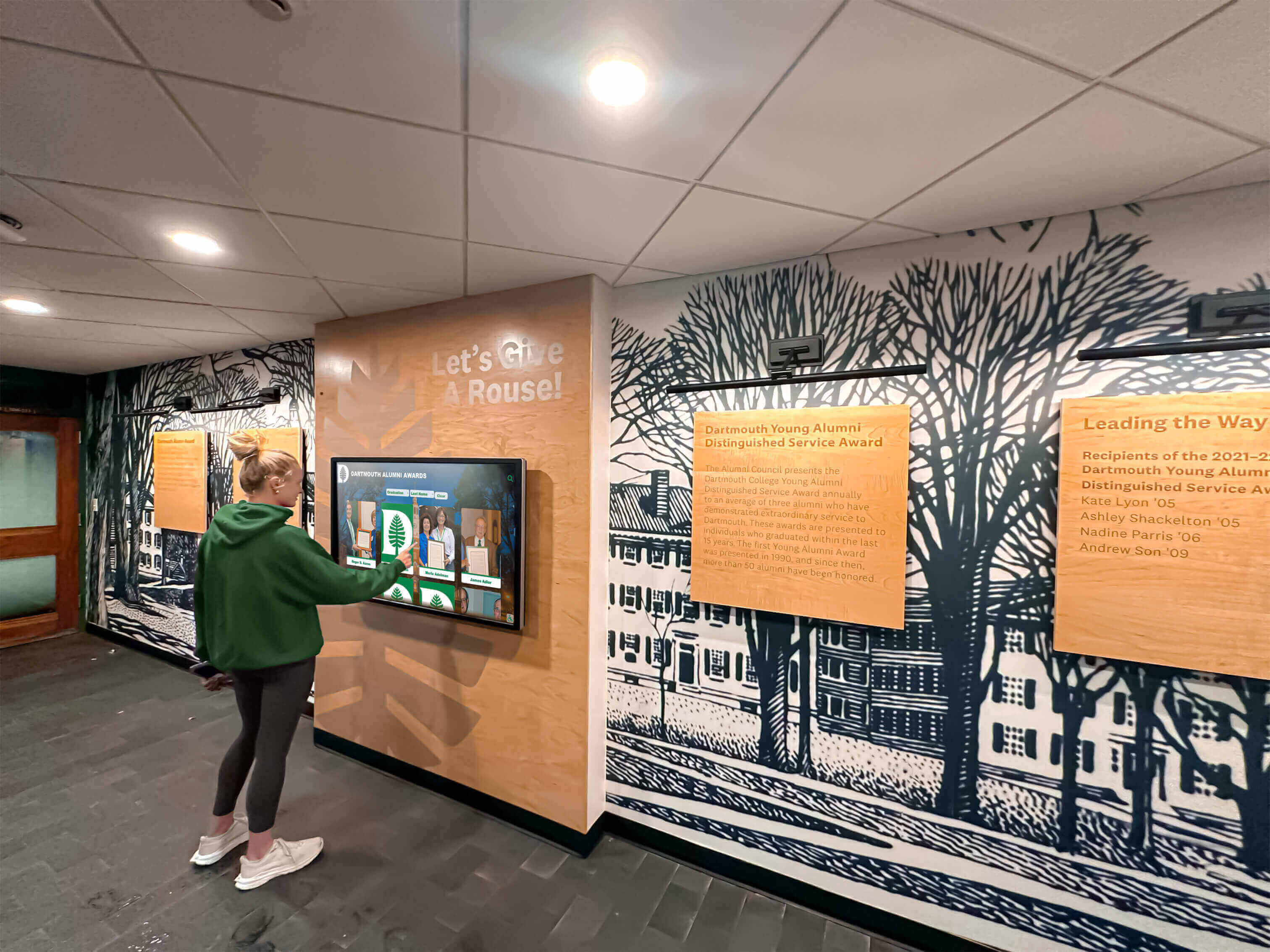
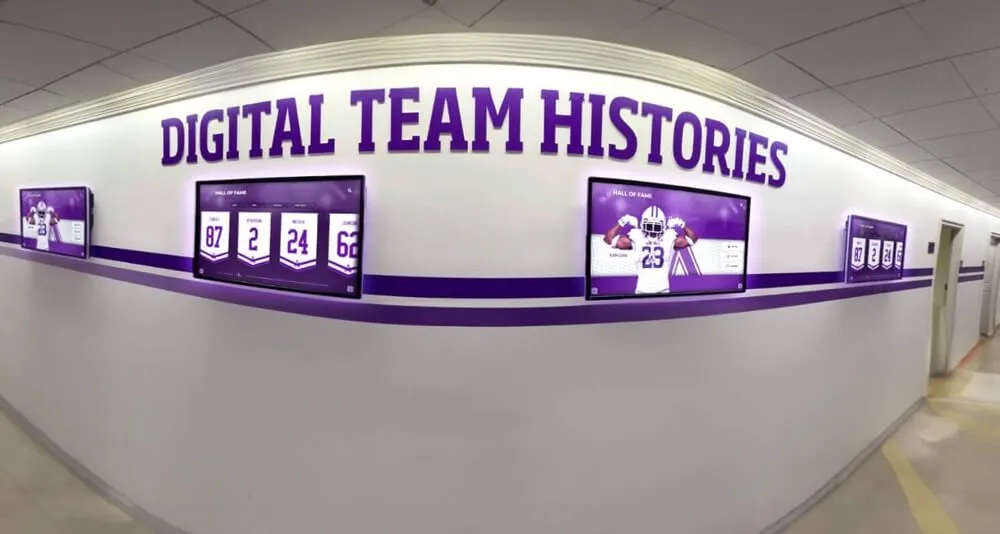
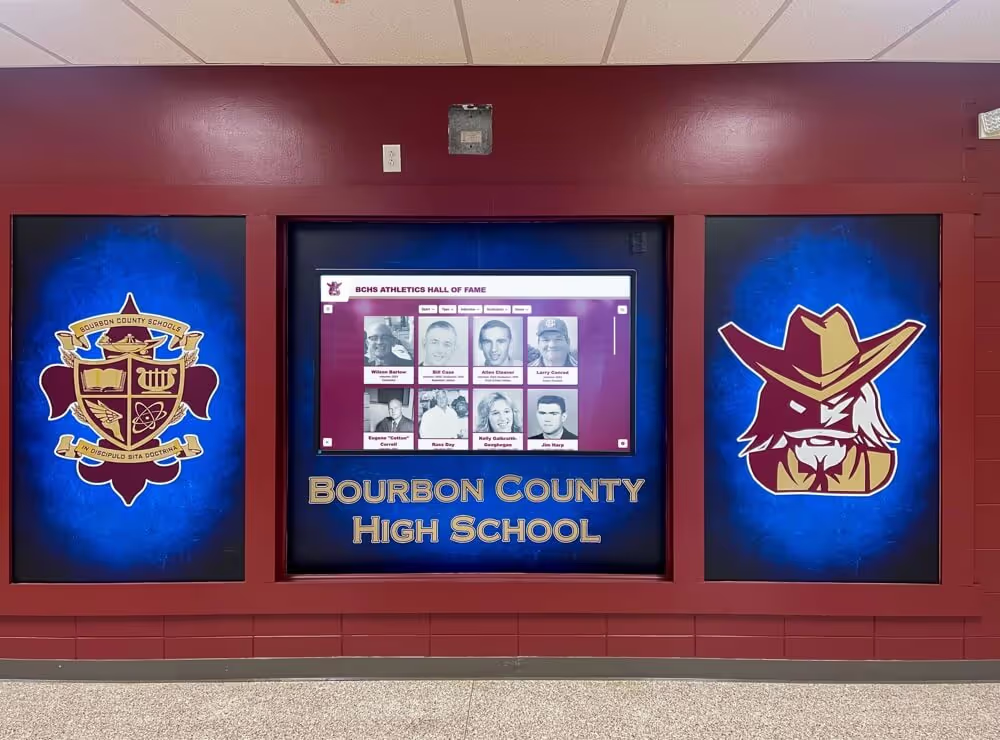
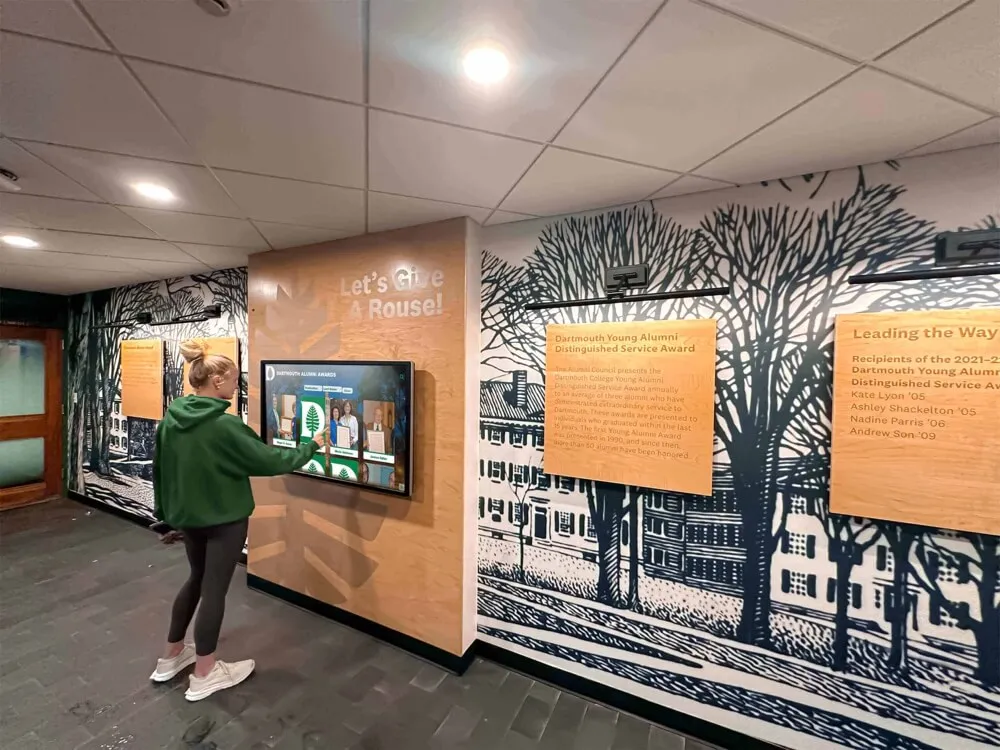
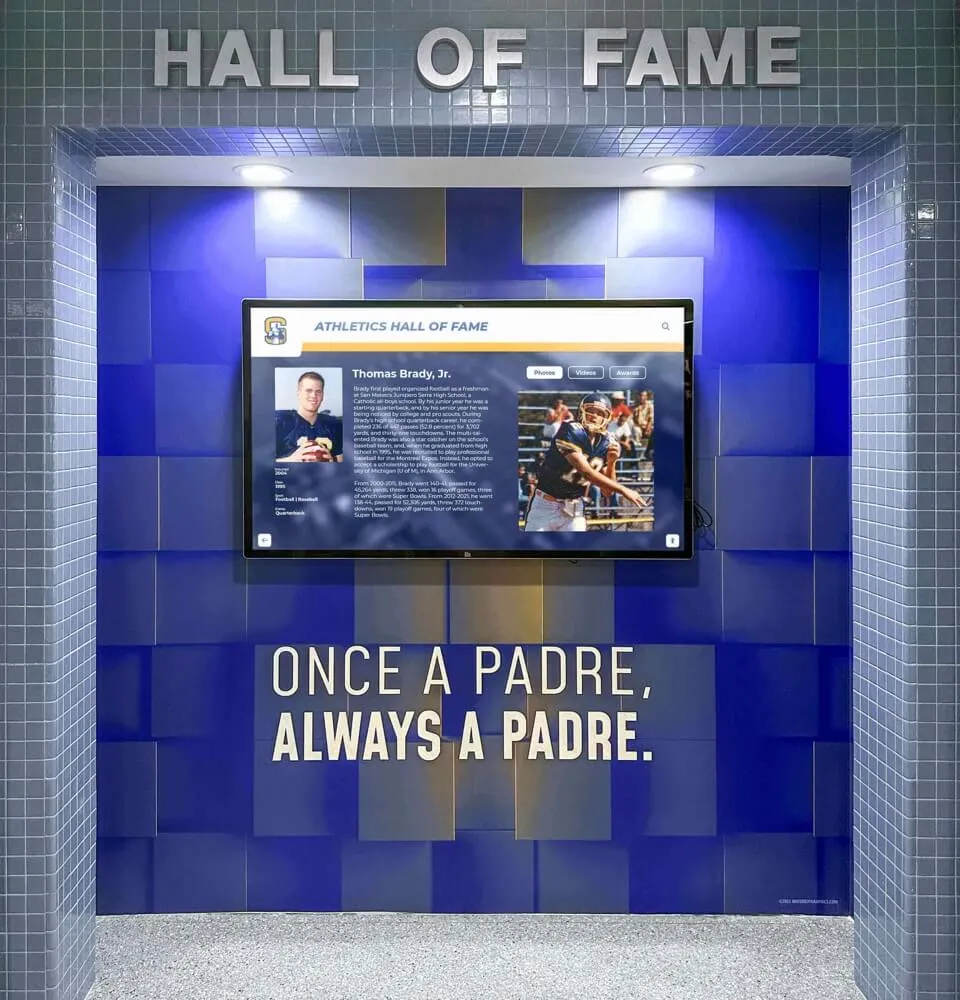
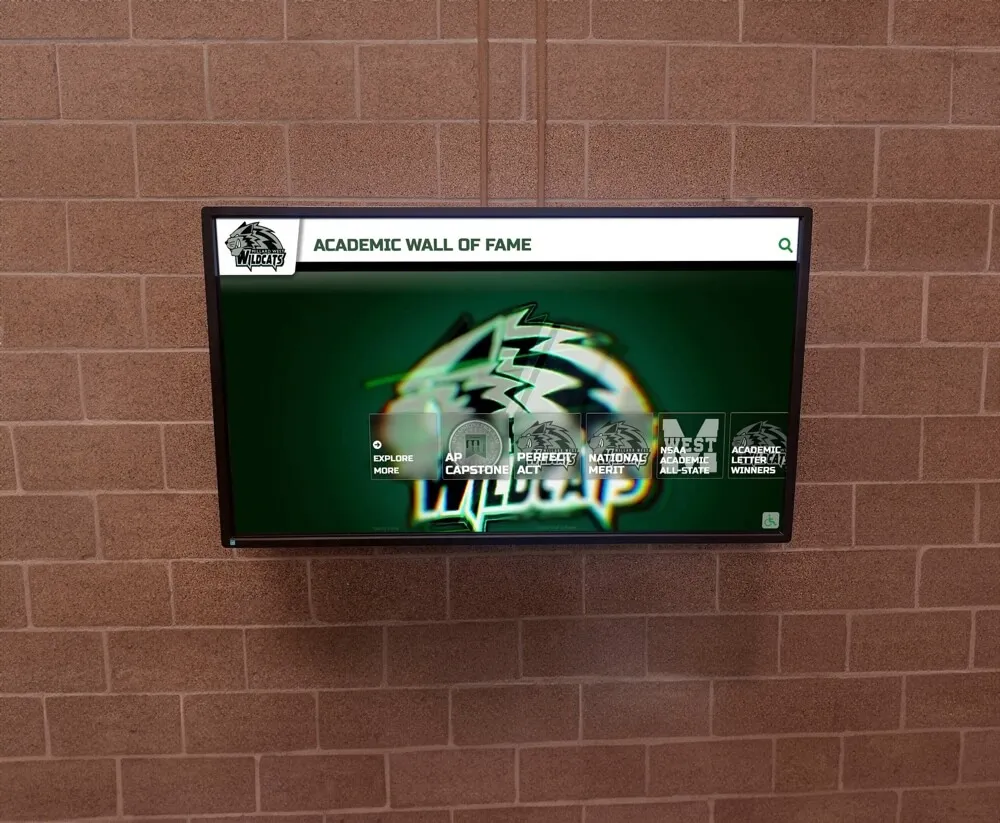
Digital displays allow students to explore their school's history and see themselves as part of an ongoing tradition
Budget and Resource Constraints
- Middle school yearbooks often receive smaller budgets than high school publications
- Staff advisors may have limited yearbook experience or competing responsibilities
- Student yearbook committee members are younger and may need more guidance
- Production timelines compete with testing, events, and end-of-year activities
Understanding these challenges helps schools create yearbook processes that work with middle school realities rather than against them.
Creating Middle School Yearbooks That Students Actually Cherish
The most successful middle school yearbooks balance professional quality with authentic student voice, creating publications that feel both polished and genuinely reflective of student experience.
Involving Students in Meaningful Ways
Student participation transforms yearbooks from administrative records into community-created artifacts:
Accessible Yearbook Committee Structures
- Create entry-level positions that build skills progressively throughout the year
- Establish mentorship where 8th graders guide 6th and 7th grade committee members
- Provide specific, achievable assignments that build confidence and competence
- Recognize committee members’ contributions prominently in the final publication
Student Photography and Content Creation
- Train student photographers to document events from peer perspectives
- Encourage candid shots that capture authentic moments between posed photos
- Allow student writers to craft captions and descriptions in authentic voices
- Create space for student creativity in design elements and theme development
Voice and Representation
- Survey students about what they want documented and remembered
- Include student quotes, reflections, and commentary throughout the yearbook
- Feature diverse activities, interests, and achievement types equally
- Ensure representation across grade levels, demographics, and participation types
Schools report that yearbooks with substantial student involvement achieve higher satisfaction rates and become more valued by the broader student body. Students who see their perspectives represented—not just their photos included—develop stronger connections to the publication and school community.
For schools looking to preserve and showcase these student contributions beyond the printed page, digital displays can extend yearbook content to reach families and alumni throughout the year.
Designing Layouts That Reflect Middle School Culture
Effective middle school yearbook design acknowledges the age group’s preferences while maintaining professional quality:
Visual Style Considerations
- Use contemporary design elements that feel current to students
- Balance trendy aesthetics with timeless design that won’t feel dated quickly
- Incorporate color schemes and graphics that match school branding
- Create visual hierarchy that guides readers through content naturally
Content Organization Approaches
- Grade-level sections that acknowledge distinct experiences of 6th, 7th, and 8th graders
- Activity-based organization that highlights clubs, sports, arts, and academics
- Chronological formats that tell the school year story from fall through spring
- Thematic approaches that organize content around concepts rather than calendar
Photography Standards
- Consistent portrait photography with attention to lighting and backgrounds
- Candid action shots that capture genuine moments during activities
- Group photos that include all participants, not just highlighted individuals
- Environmental shots that show the physical spaces where memories were made
The most effective layouts balance consistency (so the yearbook feels cohesive) with variety (so pages don’t feel repetitive). Establishing templates for recurring sections while allowing creative flexibility for special features creates this balance.
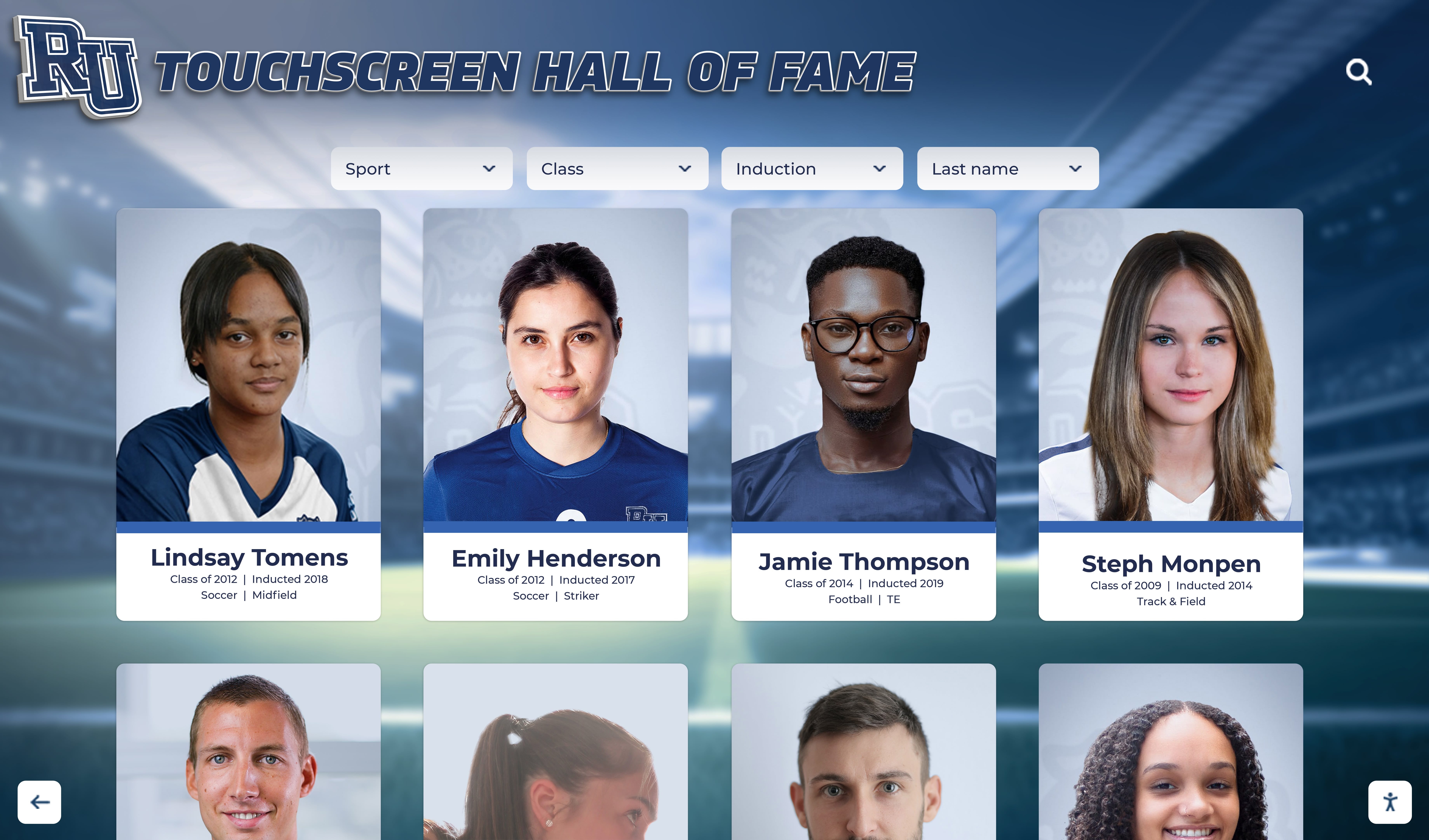
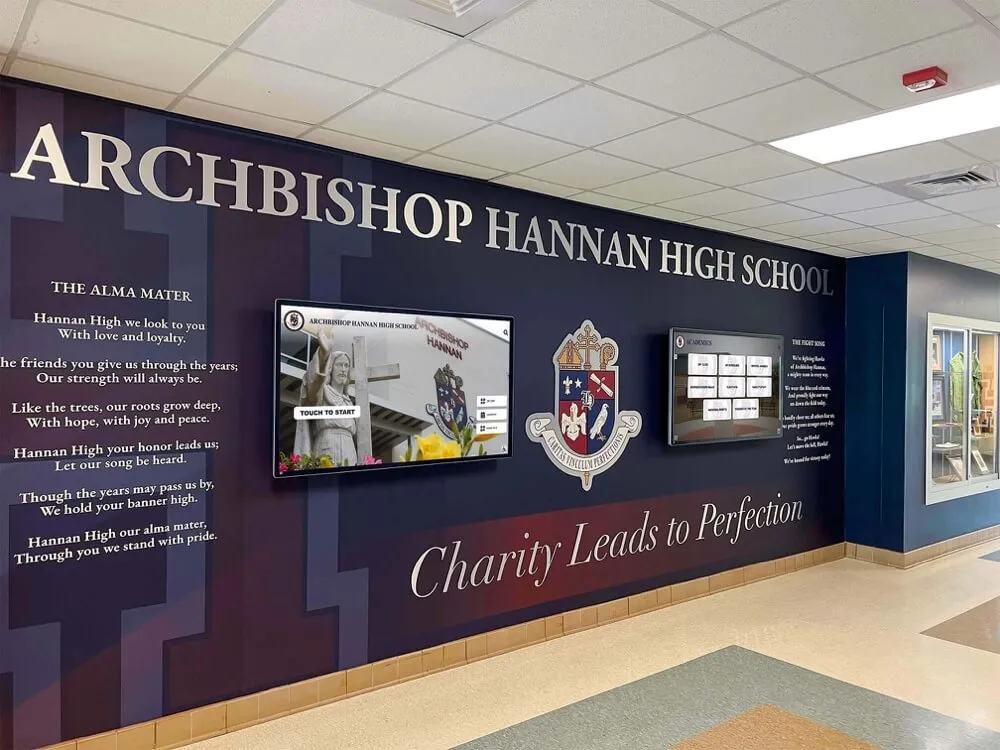
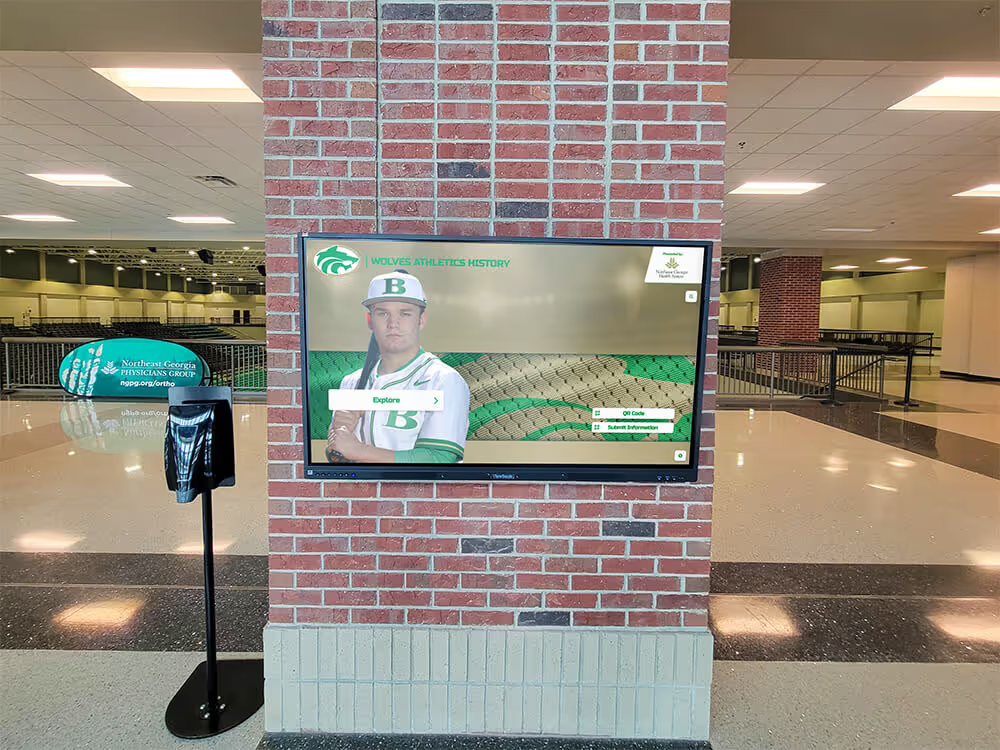
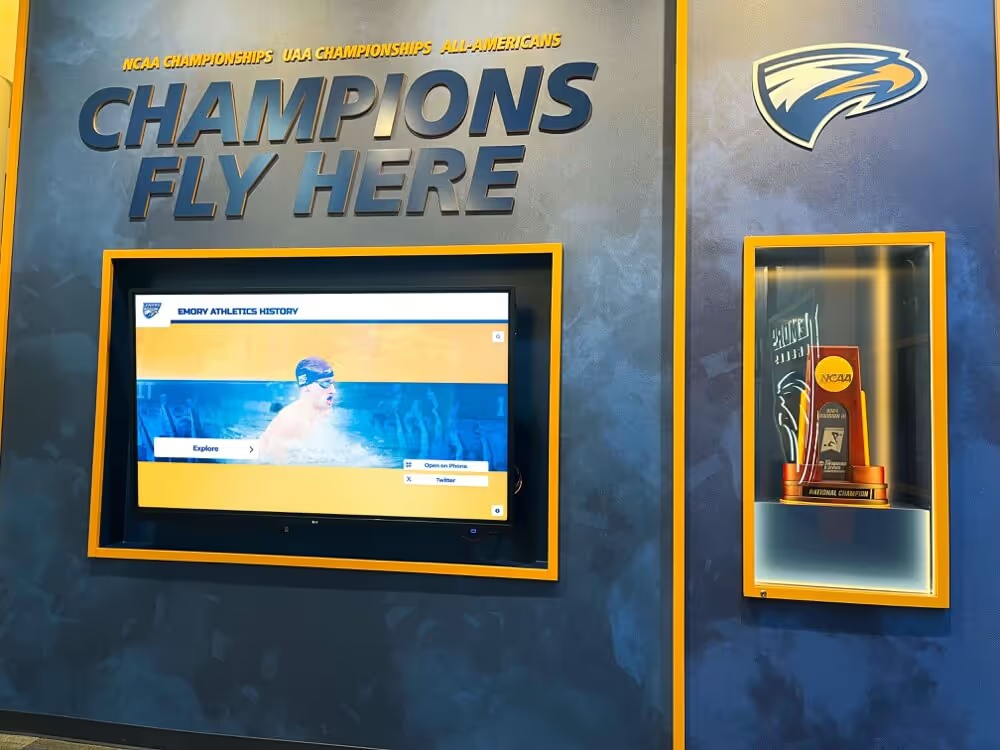
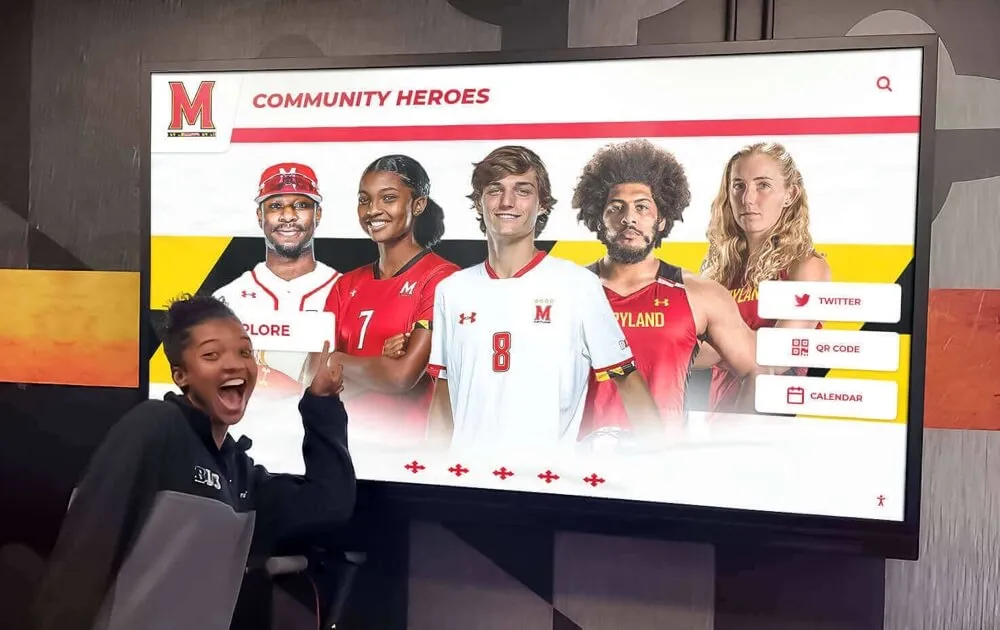
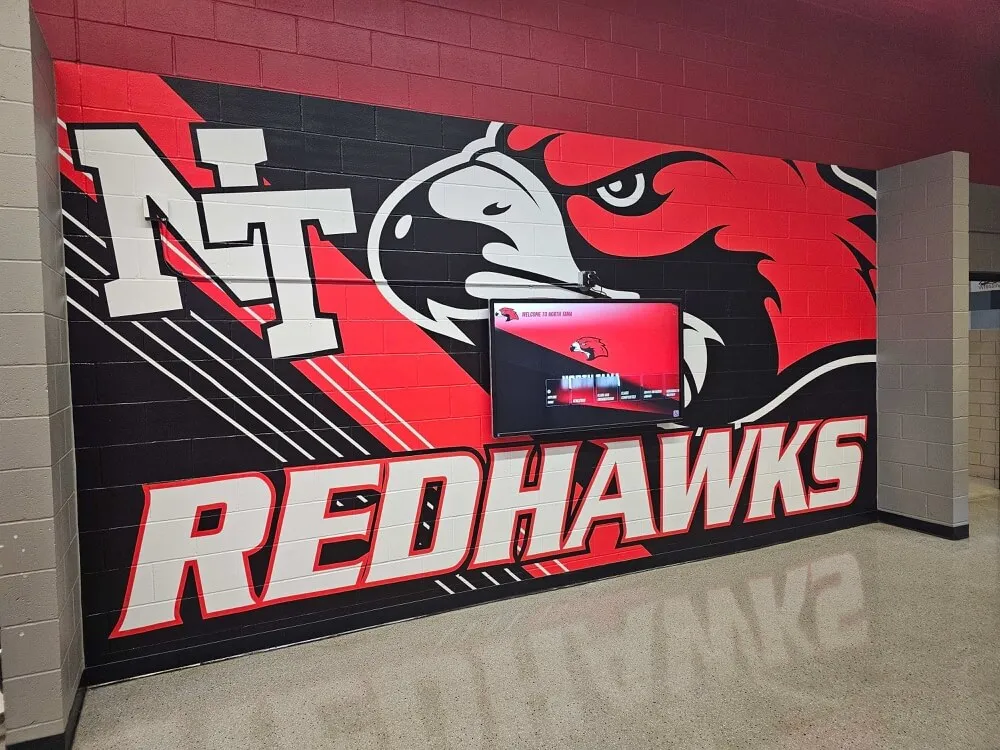
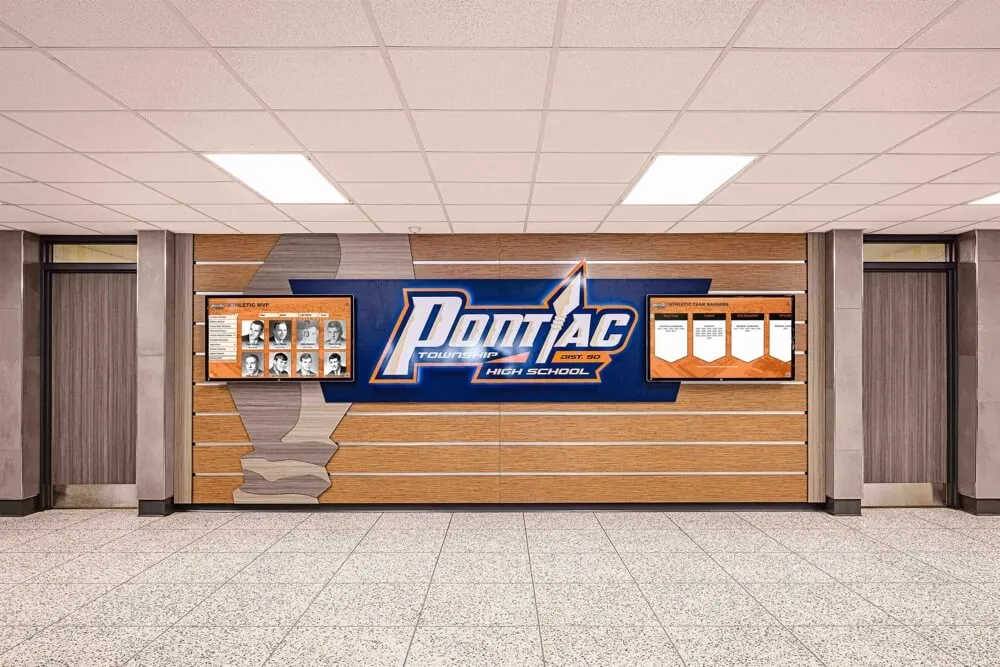
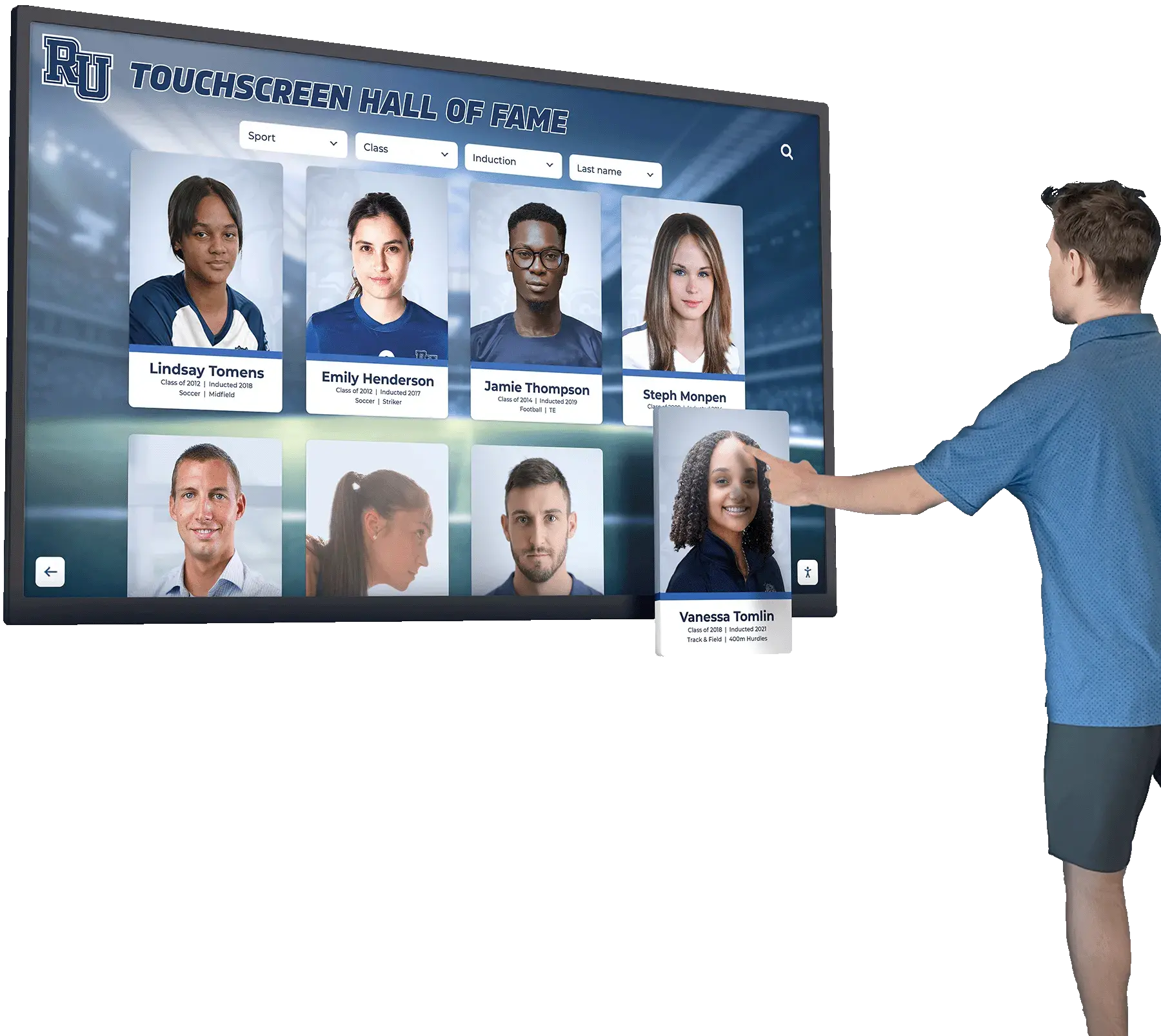
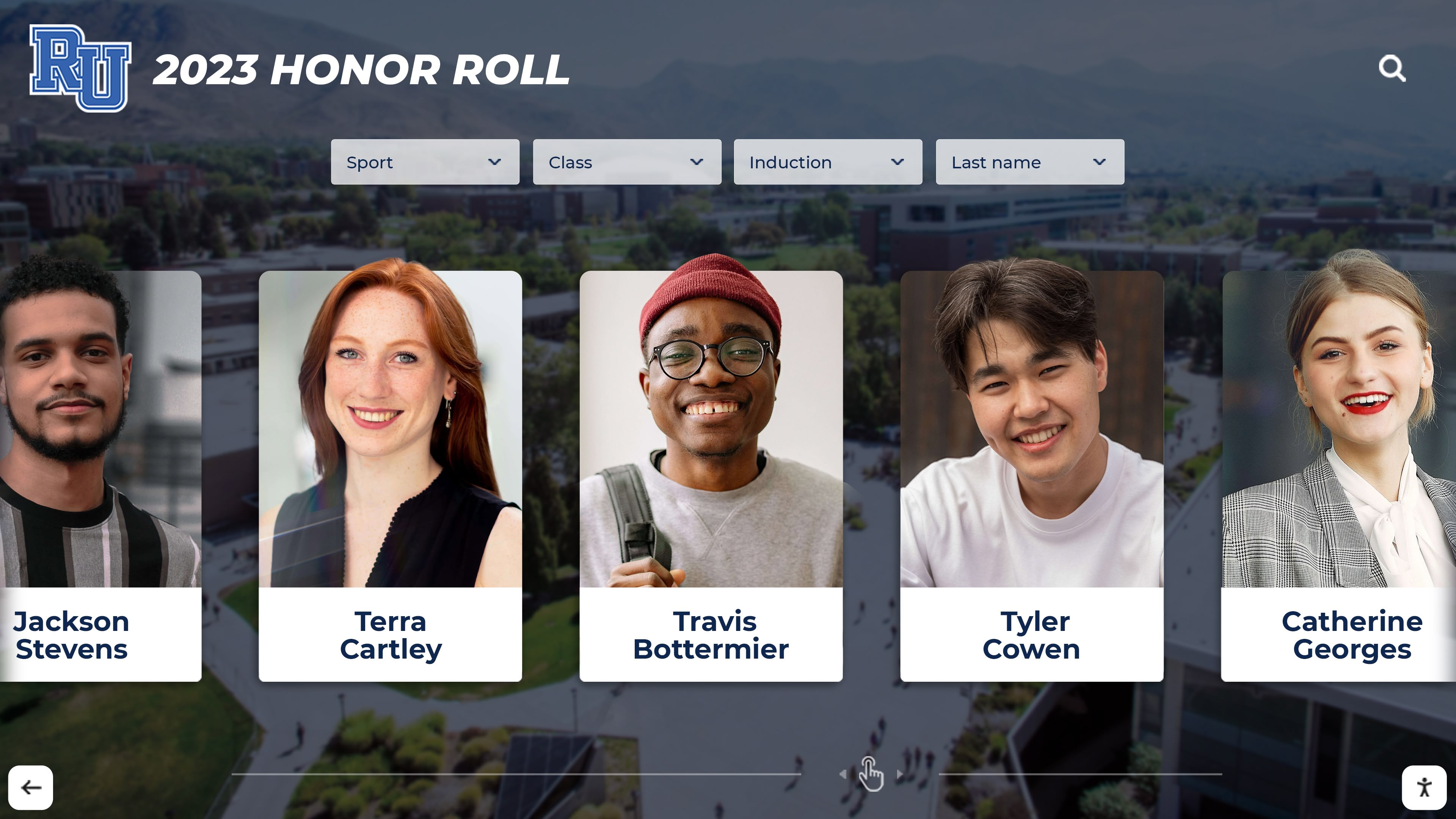
Modern recognition systems can showcase students in yearbook-style formats while allowing for easy updates and rich multimedia content
Content That Captures the Complete Middle School Experience
Comprehensive middle school yearbooks document far more than the obvious moments, creating records that reveal the texture of daily school life.
Beyond the Standard Sections
While traditional yearbook sections remain important, middle school yearbooks benefit from expanded content that captures unique aspects of this age group:
Academic Life and Learning
- Classroom candids showing students engaged in learning activities
- Science fair, math league, spelling bee, and academic competition coverage
- Student work samples from writing, art, and project-based learning
- Teacher spotlights that acknowledge educators who shape student growth
Many schools overlook academic content in favor of activities and events, yet research shows students value seeing their intellectual growth documented. Including diverse academic recognition reinforces that achievement extends beyond athletics and traditional honors.
Social and Cultural Moments
- Lunch periods, hallway interactions, and before/after school gatherings
- School dances, social events, and community-building activities
- Spirit weeks, theme days, and school traditions
- Student culture and inside jokes that define the year (handled appropriately)
Growth and Development Documentation
- Beginning vs. end of year comparisons showing student growth
- “Where we started” features showing 6th grade photos of graduating 8th graders
- Student reflections on how they’ve changed during middle school
- Time capsule elements with student predictions and future aspirations
Comprehensive Activity Coverage
- All clubs and organizations, not just the largest or most prominent
- Complete sports team rosters with action shots and season highlights
- Performing arts with concert, drama, and art show documentation
- Service learning, community service, and student leadership initiatives
Honoring Middle School Milestones
Middle school includes significant milestones that deserve prominent yearbook recognition:
Academic Achievement
- Honor roll and academic excellence recognition
- National Junior Honor Society induction and membership
- Subject-specific awards and recognition
- Academic improvement and growth achievements
8th Grade Transition
- Graduation or moving-up ceremony coverage
- High school preparation activities and visits
- Student reflections on middle school experience
- Messages to underclassmen from graduating students
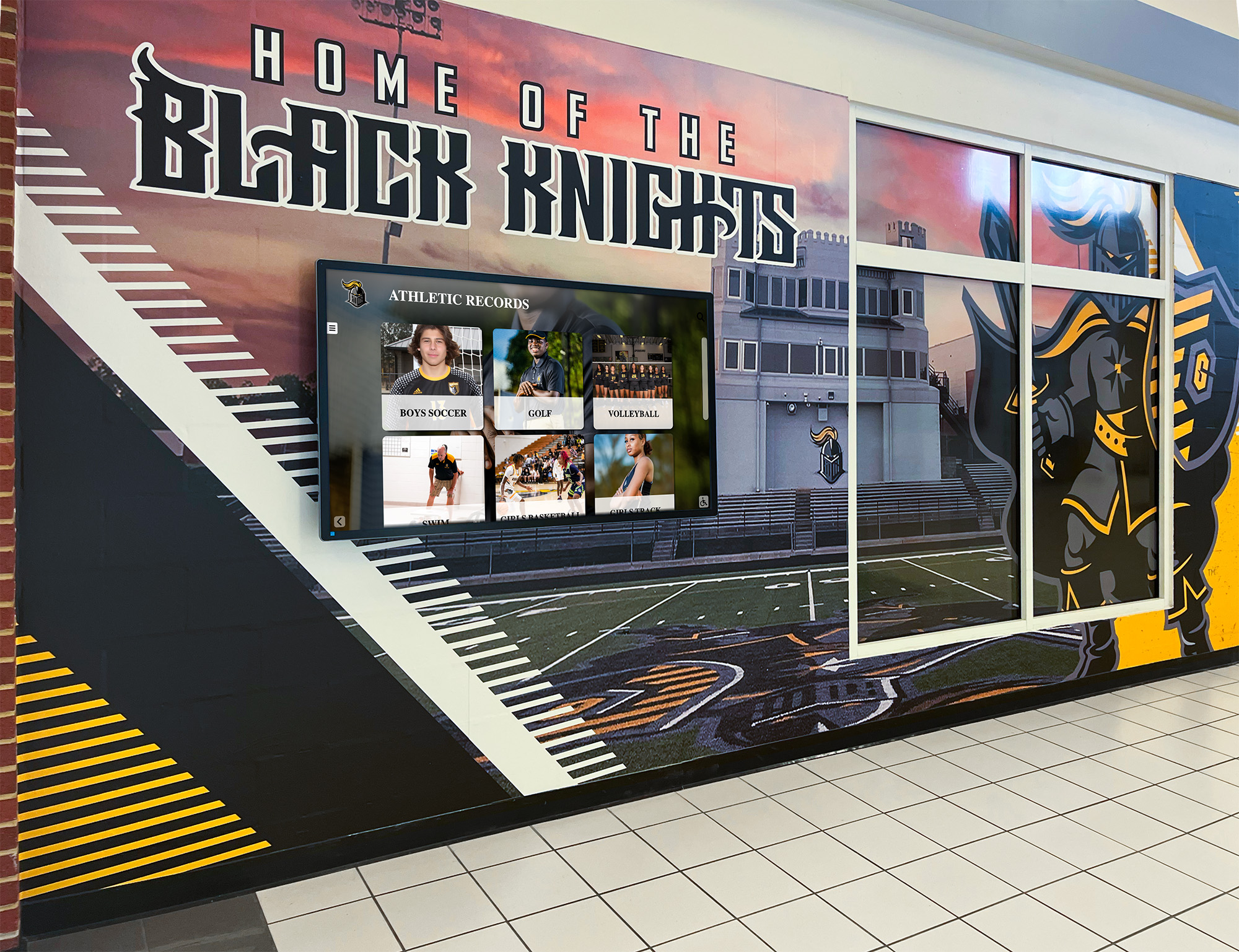
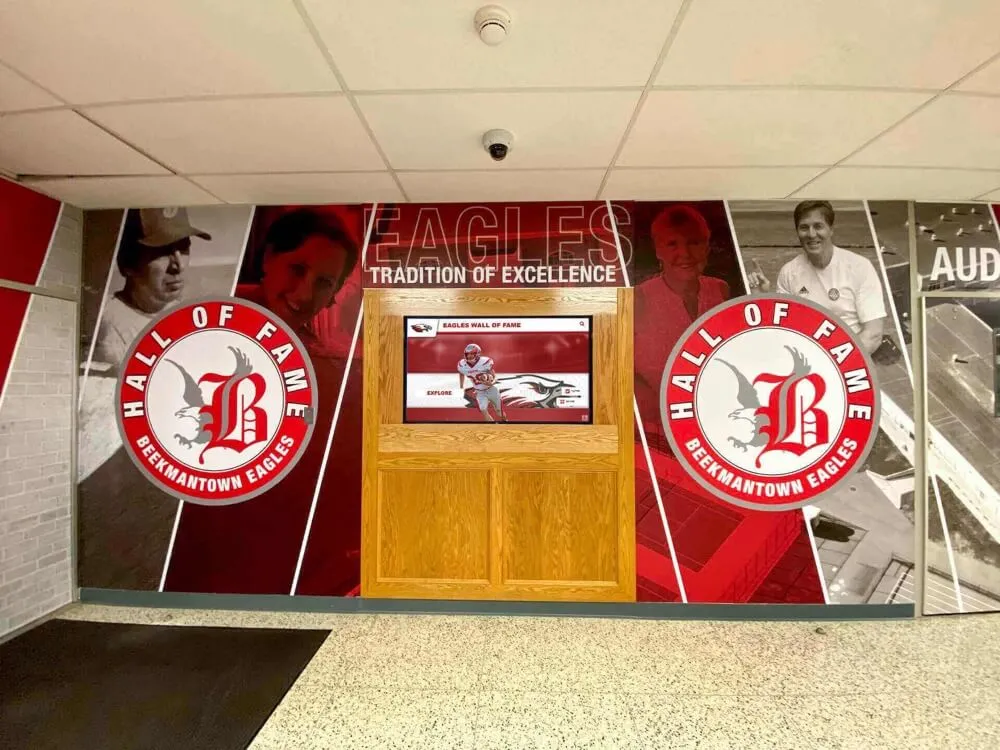
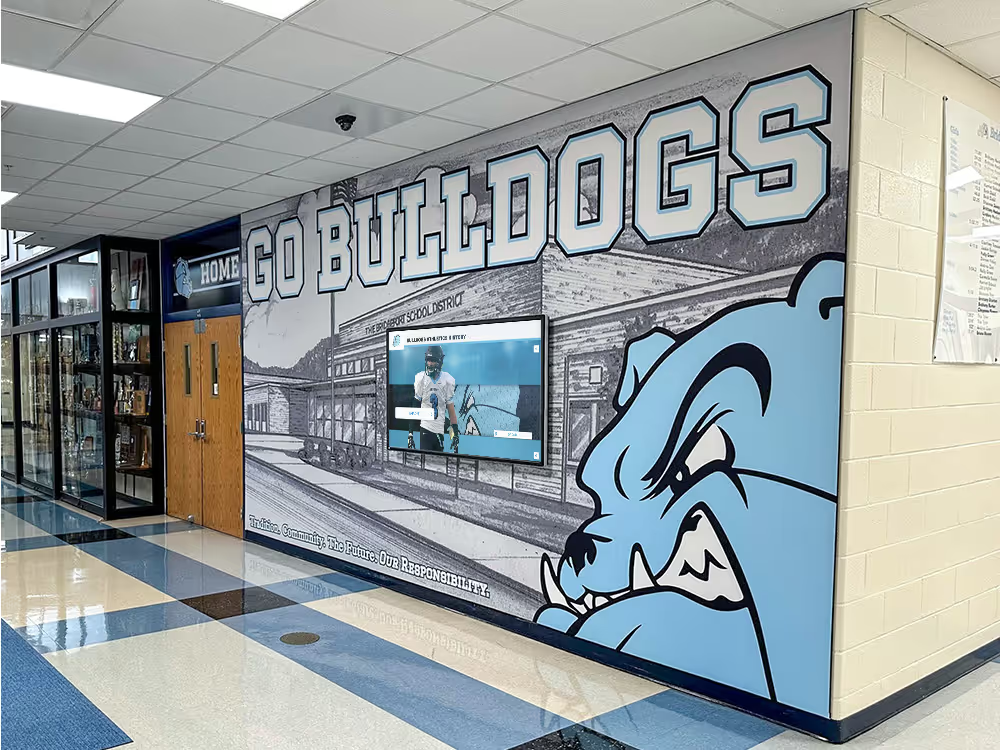
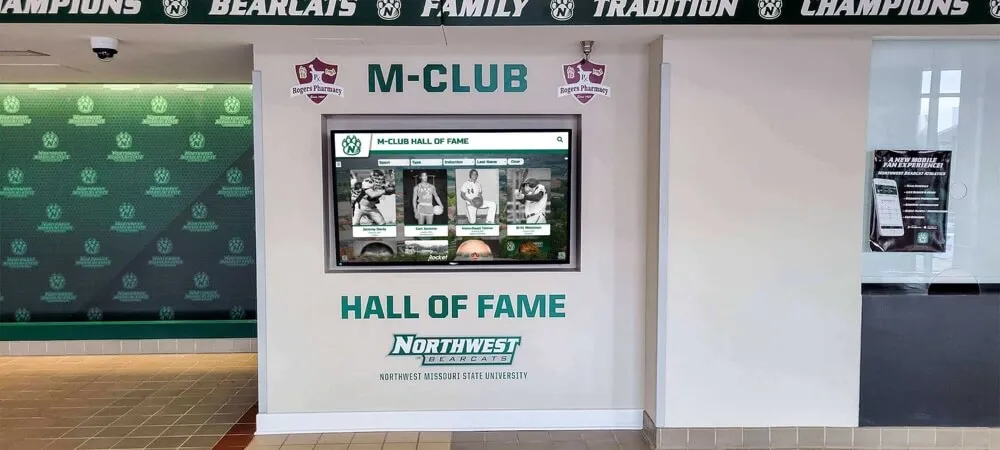
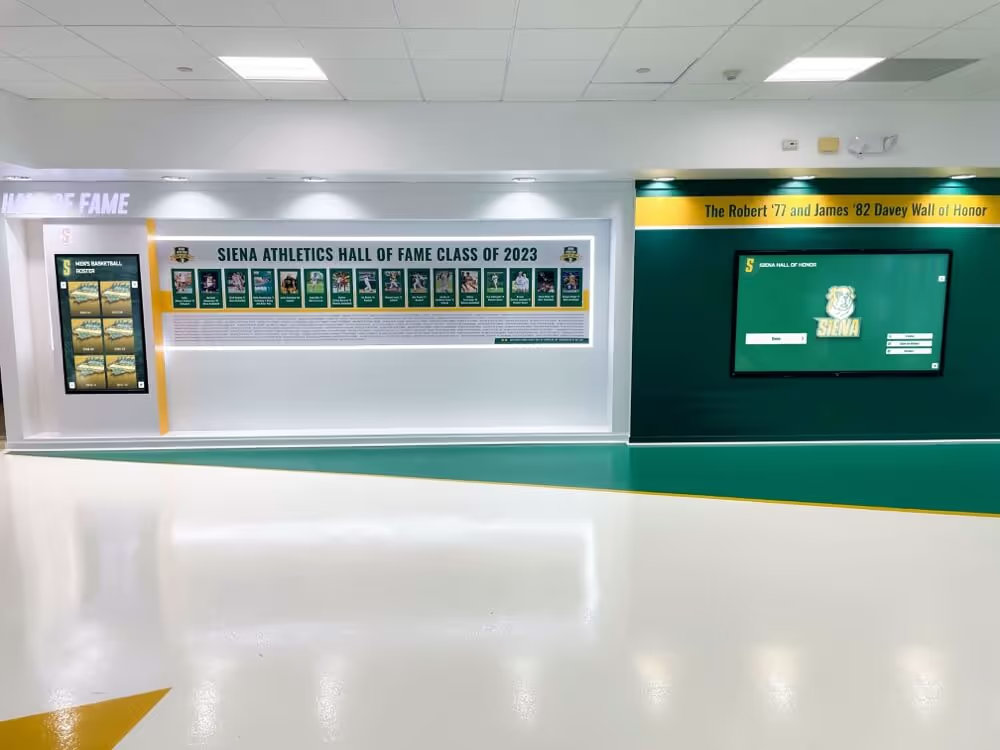
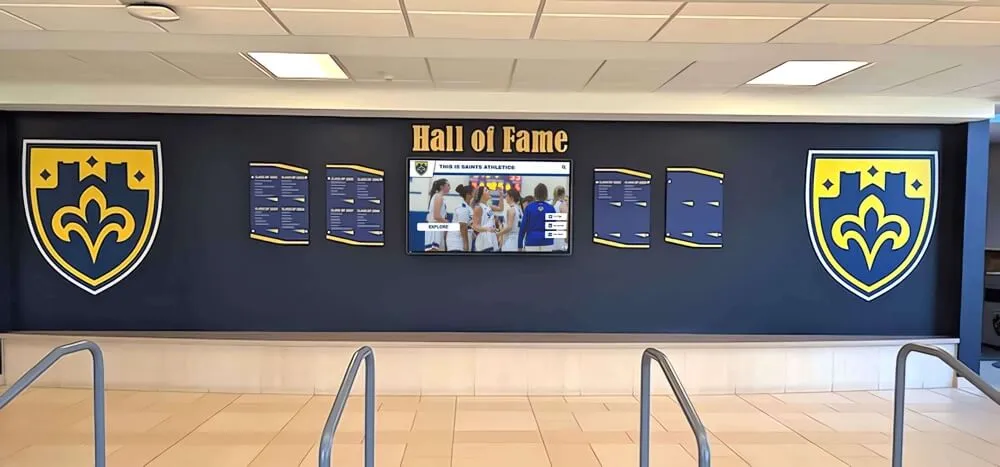
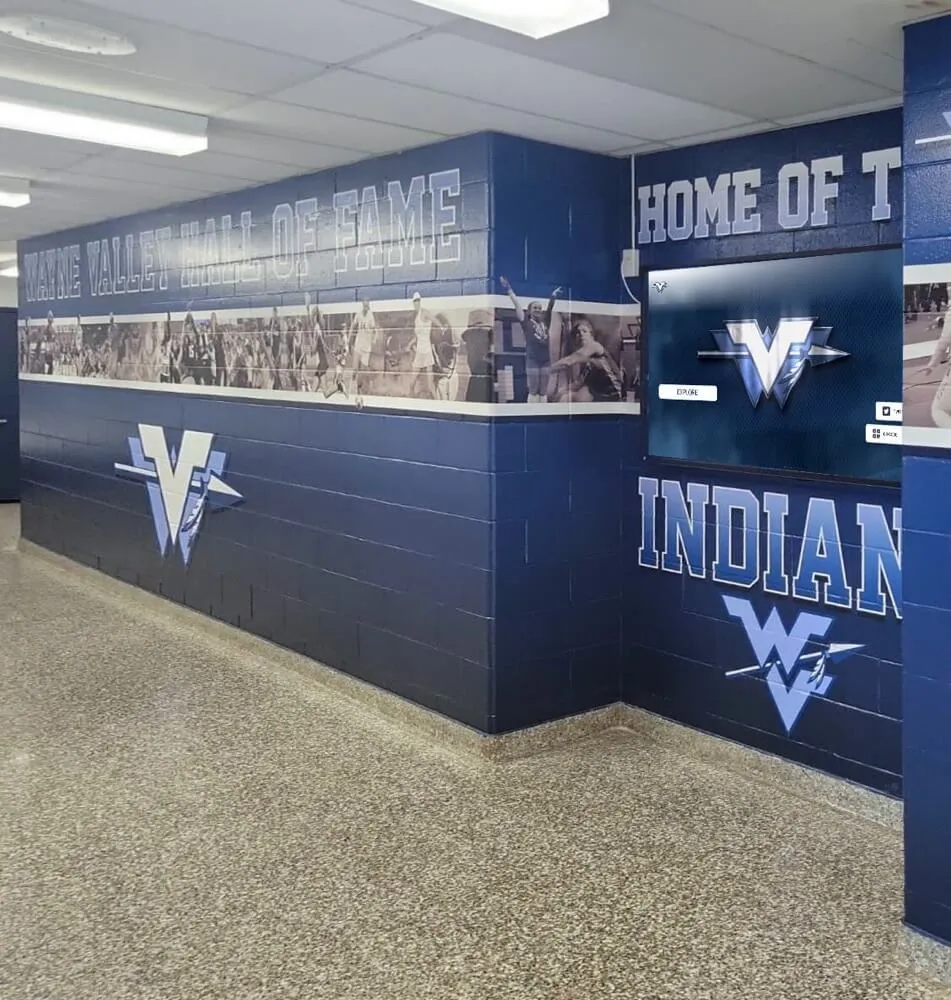
Schools can extend yearbook-style recognition into permanent displays that celebrate student achievement throughout the building
Personal Growth Recognition
- Character awards and values recognition
- Peer-nominated superlatives that celebrate diverse strengths
- Teacher-nominated recognitions for effort, improvement, and contribution
- Student of the month and similar ongoing recognition programs
The key to effective milestone coverage lies in creating recognition opportunities across achievement types and ensuring that students beyond the traditional high achievers receive acknowledgment for their contributions and growth.
Modern Approaches to Middle School Yearbook Production
Technology has transformed yearbook creation, making professional-quality publications more accessible while introducing new workflow considerations.
Digital Production Tools and Platforms
Contemporary yearbook software offers features specifically valuable for middle school contexts:
Collaborative Online Platforms
- Cloud-based systems allowing multiple students to work simultaneously
- Template libraries with age-appropriate designs and layouts
- Built-in photo editing and enhancement tools
- Automated flow and alignment features that ensure professional results
Student-Friendly Workflow Features
- Drag-and-drop interfaces requiring minimal technical expertise
- Tutorial resources and help systems for student committee members
- Version control preventing accidental content loss or overwrites
- Advisor approval workflows ensuring quality control before publication
Production and Distribution Options
- Traditional print yearbooks with professional binding and materials
- Digital yearbook versions accessible on tablets and computers
- Hybrid approaches offering both print and digital access
- On-demand printing for additional copies beyond initial order
Schools increasingly adopt hybrid approaches, producing printed yearbooks for the immediacy and tradition students value while providing digital versions that families can access permanently and share easily with distant relatives.
Photography and Content Collection Strategies
Systematic approaches to gathering yearbook content throughout the year prevent end-of-year scrambles:
Year-Round Documentation Systems
- Designated student photographers assigned to each major event
- Photo submission portals where students and staff can upload images
- Regular photo collection deadlines throughout the school year
- Organized digital asset libraries with consistent file naming and tagging
Ensuring Comprehensive Coverage
- Coverage checklists tracking all students, activities, and events
- Intentional photography of typically underrepresented groups and activities
- Multiple photographer perspectives at major events
- Contingency plans for obtaining photos when primary coverage fails
Quality Control Processes
- Photo review systems ensuring appropriate content and quality standards
- Caption verification processes preventing errors and misinformation
- Consistency checks for naming, formatting, and style across sections
- Multiple proofreading rounds before final submission
Implementing structured collection and review processes dramatically improves final yearbook quality while reducing advisor stress during production periods.
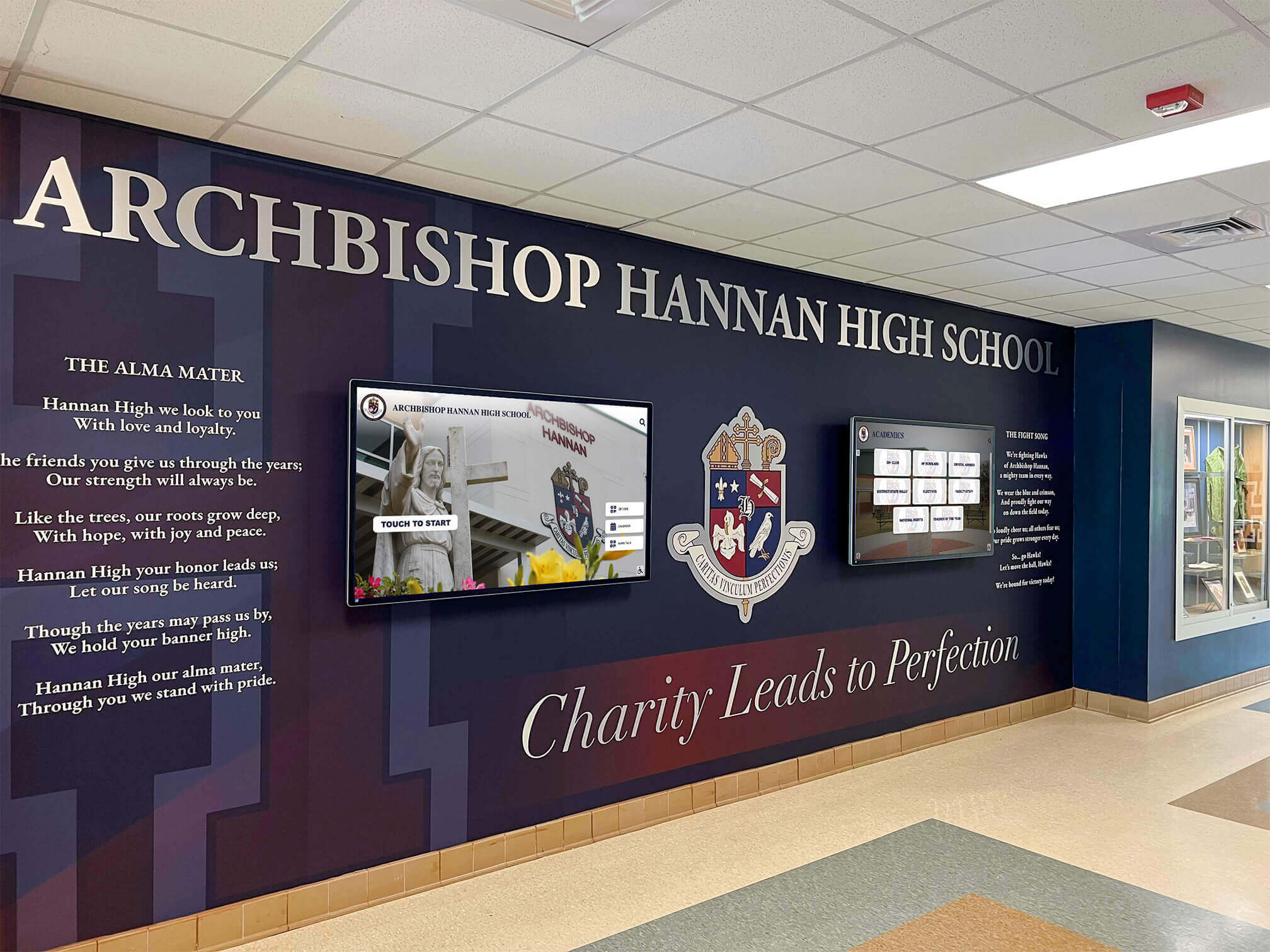
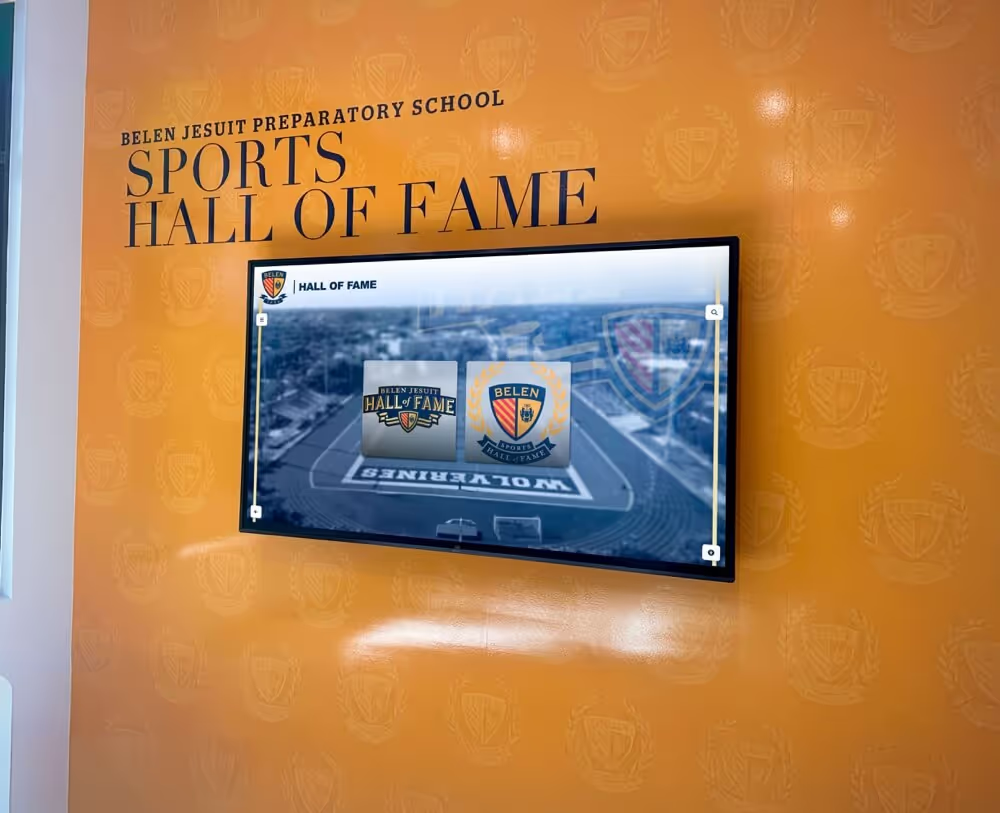
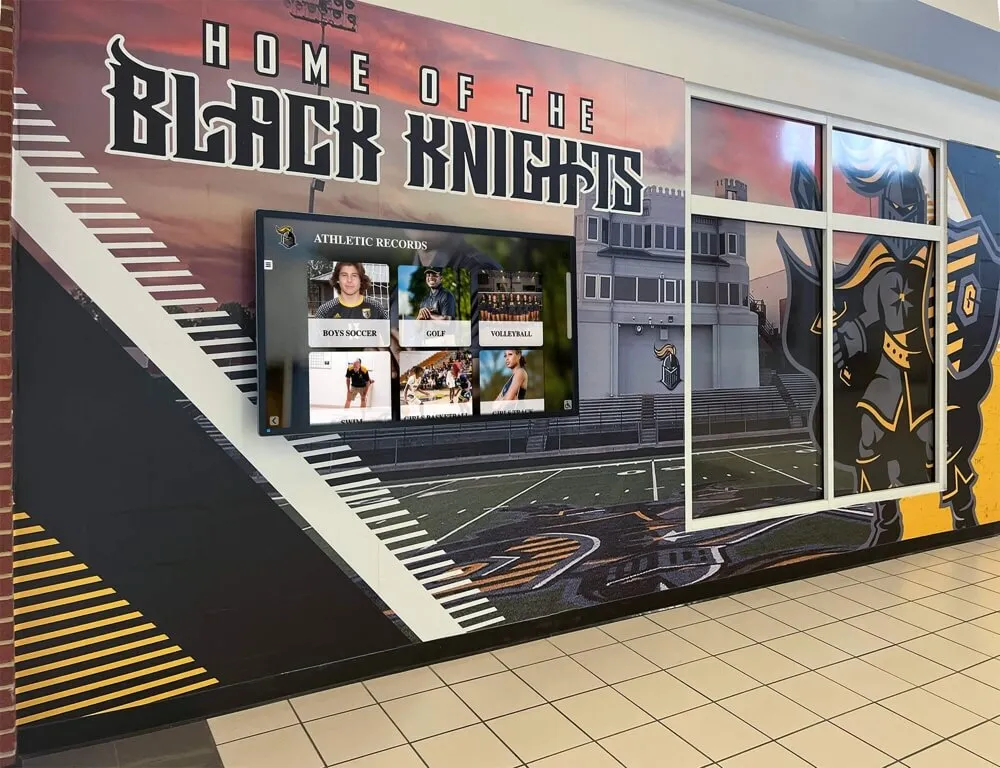
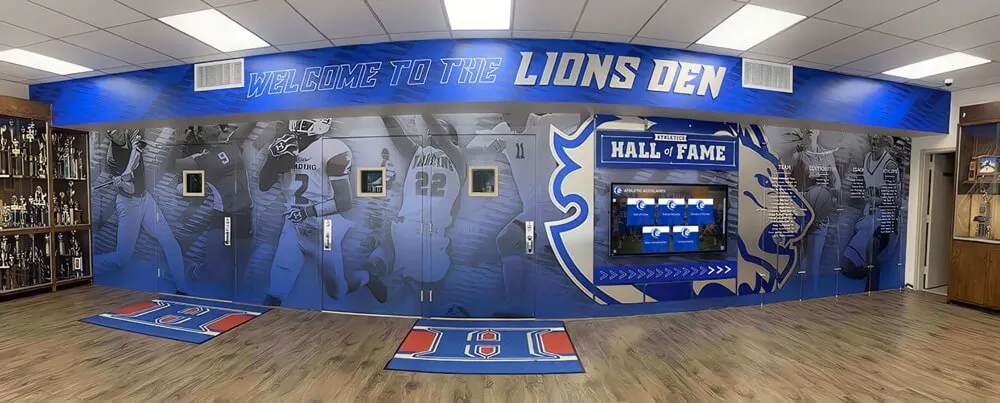
Modern middle schools integrate digital displays into their environments, creating dynamic spaces that celebrate student achievement
Preserving and Extending Yearbook Memories
The value of middle school yearbooks extends far beyond the year they document, creating historical records that students, families, and schools treasure for generations.
Long-Term Preservation Strategies
Protecting yearbooks ensures they remain accessible as historical documents:
Physical Yearbook Preservation
- Archive copies stored in climate-controlled, secure locations
- Digital scanning of complete yearbooks for backup and access
- Proper binding and materials selection during initial production
- Replacement copy availability for students who lose original yearbooks
Professional yearbook scanning services can help schools digitize yearbook archives, ensuring these historical documents remain accessible even as physical copies deteriorate. For comprehensive yearbook digitization, specialized scanning processes can efficiently process entire collections.
Digital Archive Development
- Searchable digital yearbook libraries accessible to alumni
- Historical photo collections organized by year and student
- Metadata tagging enabling searches by name, activity, and year
- Permission systems balancing access with privacy considerations
Making History Accessible
- Alumni access portals for viewing historical yearbooks
- School displays featuring historical yearbook pages and photos
- Anniversary celebrations incorporating yearbook content from past decades
- Integration of yearbook archives into school history curricula
Extending Yearbook Content Through Digital Displays
Forward-thinking schools recognize that yearbook content can serve purposes beyond the bound publication, particularly when integrated into broader recognition and history programs.
Interactive Digital Recognition Systems
Modern touchscreen displays allow schools to showcase yearbook-style content throughout the school building:
- Student portrait galleries updated annually with yearbook photos
- Achievement recognition highlighting academic, athletic, and service accomplishments
- Historical photo archives showing school evolution across decades
- Interactive timelines connecting current students to school traditions
These displays extend the yearbook concept into daily school life, creating environments where student recognition and school history remain constantly visible. Digital recognition boards designed specifically for middle schools can celebrate student achievement throughout the year rather than in a single annual publication.
Benefits of Digital Integration
- Recognition reaches students daily, not just when browsing yearbooks
- Content updates easily throughout the year without reprinting costs
- Multimedia elements (videos, audio, interactive features) enhance storytelling
- Multiple locations can display the same content simultaneously
- Alumni can access recognition and history remotely through web interfaces
Schools implementing comprehensive digital recognition systems report increased student engagement with school history, stronger school culture, and enhanced pride in institutional traditions.
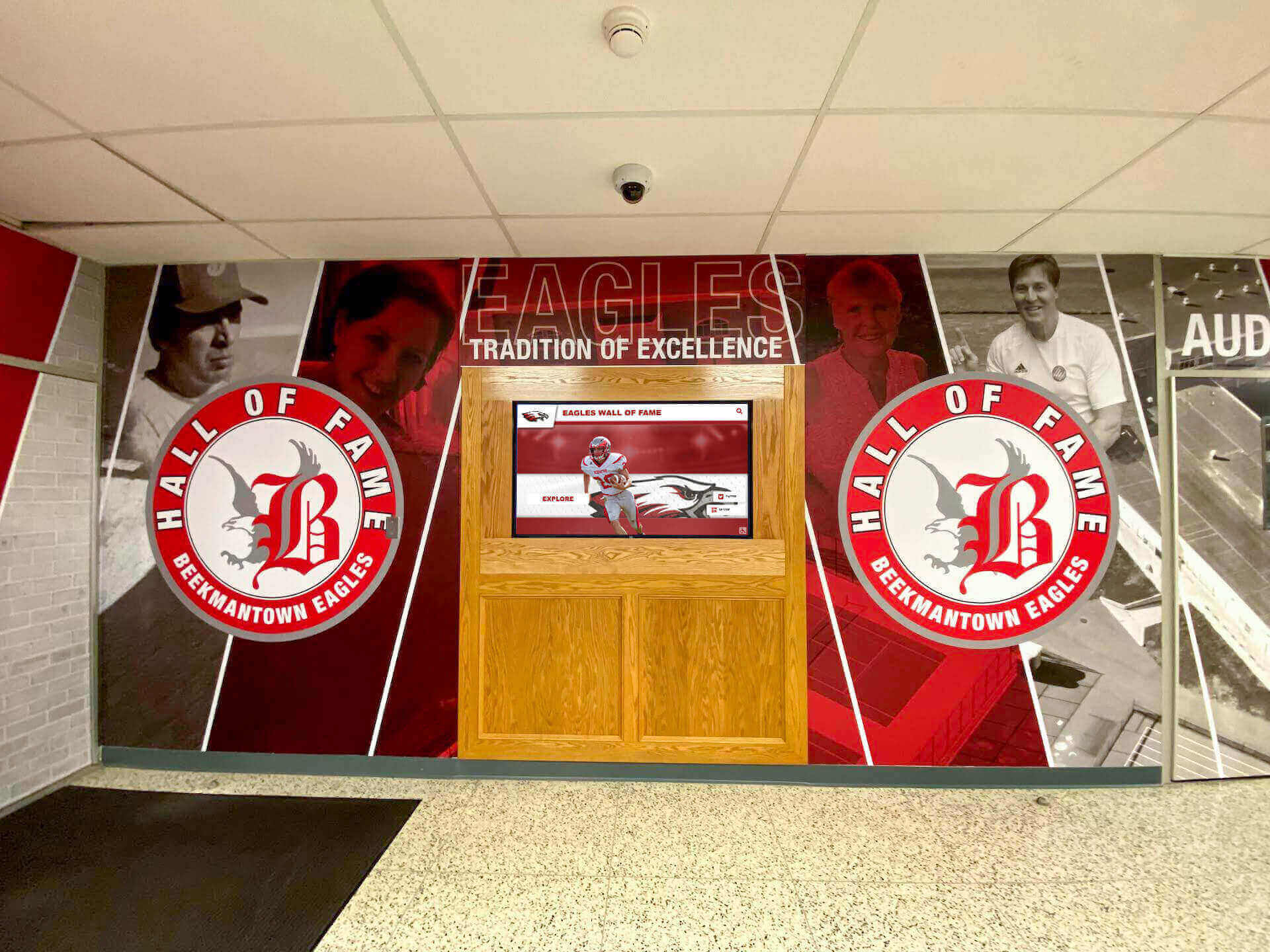
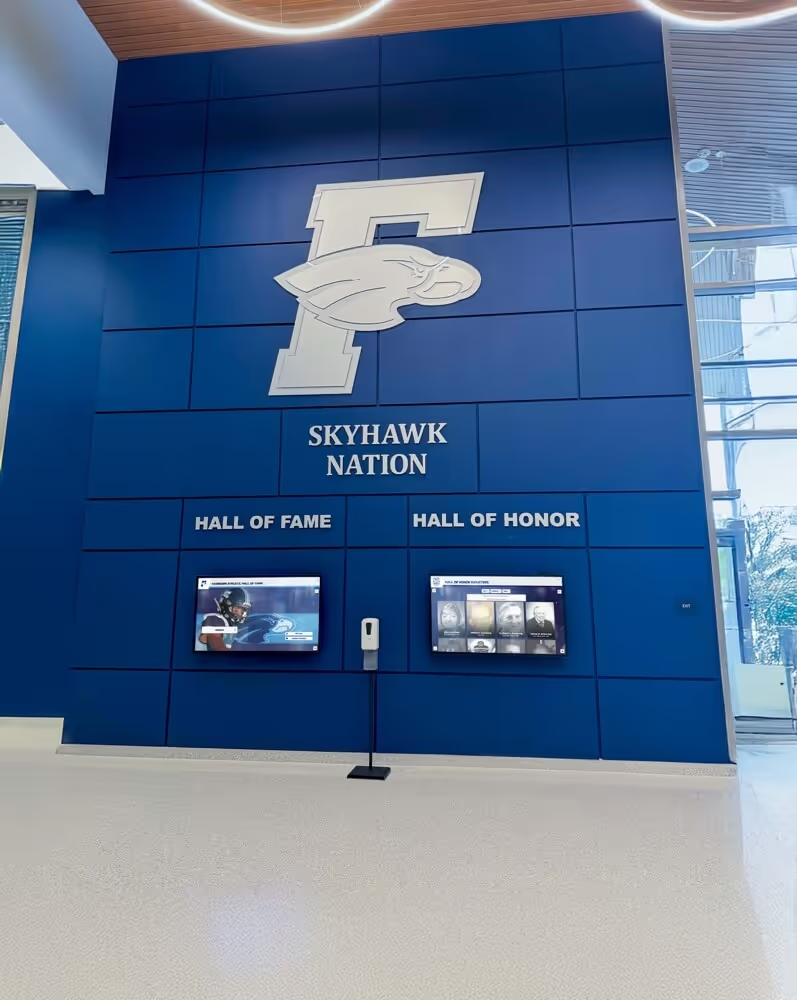
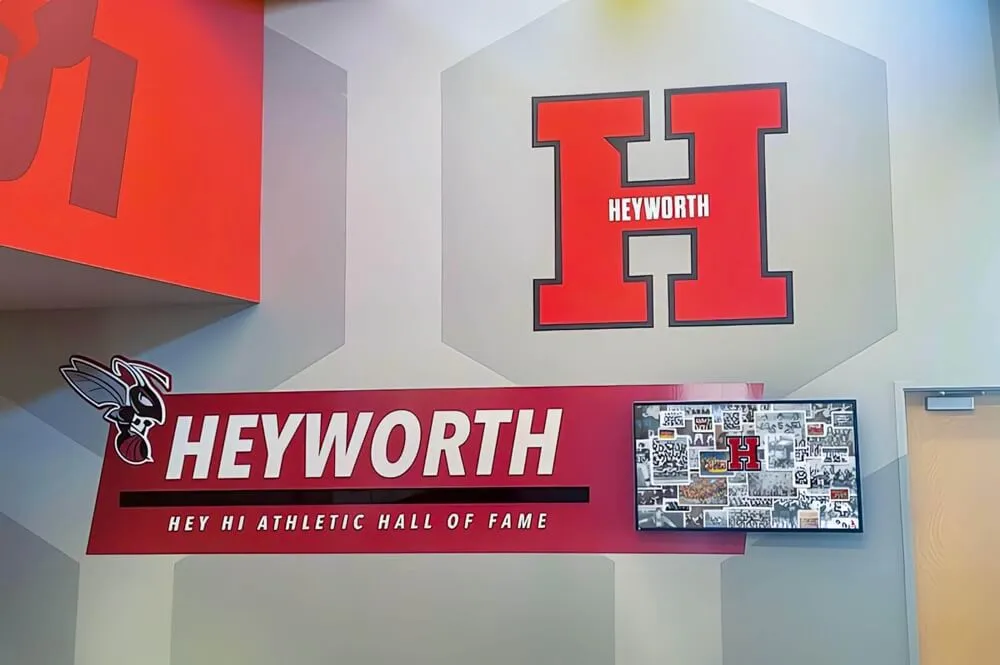
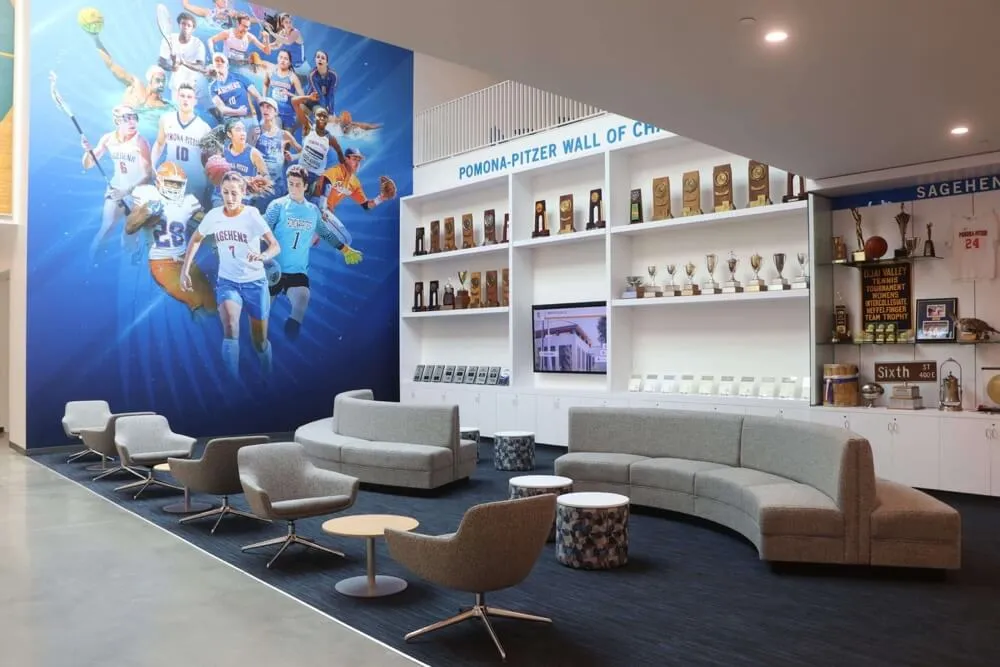
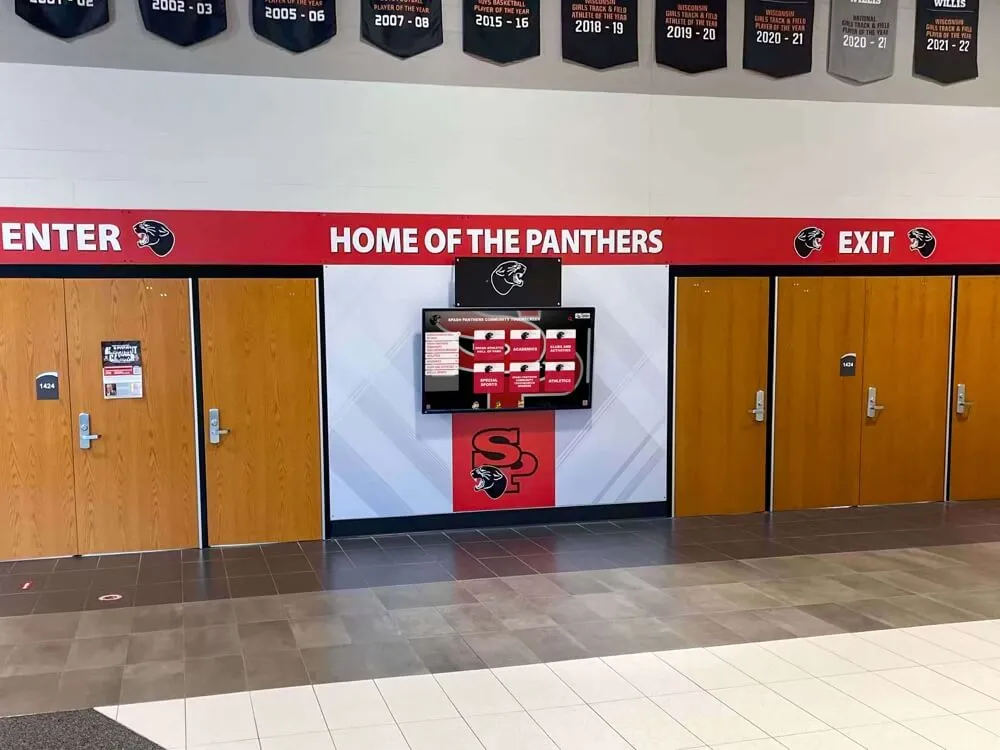
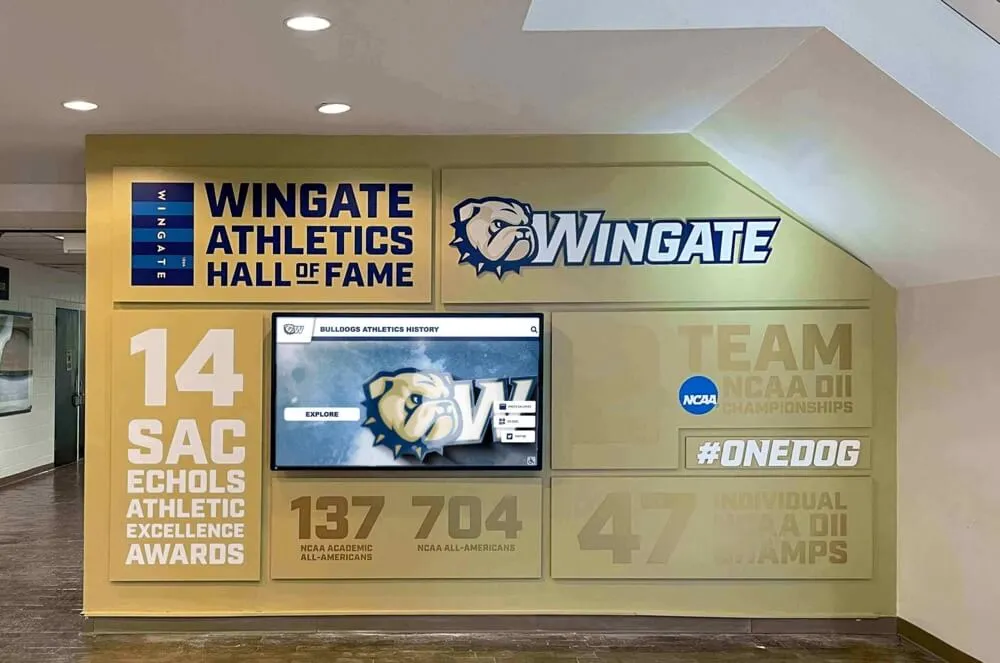
Thoughtfully designed school lobbies integrate recognition displays that celebrate achievement and preserve institutional memory
Creating Living Archives
The most innovative schools treat yearbooks as foundational content for broader historical and recognition initiatives:
Yearbook Content Repurposing
- Historical photo displays in hallways featuring yearbook images
- Decade-themed recognition walls showing school evolution
- Alumni event materials incorporating yearbook throwback content
- Social media campaigns sharing historical yearbook moments
Connecting Generations
- Side-by-side displays of current students and parent yearbook photos
- Alumni profiles showing middle school yearbook photos alongside adult updates
- Tradition documentation showing how activities have evolved over time
- Historical comparison features for facilities, technology, and school culture
These approaches transform yearbooks from single-year publications into ongoing historical resources that strengthen school community and institutional memory.
Addressing Common Middle School Yearbook Challenges
Even well-planned yearbook programs encounter predictable obstacles. Understanding common challenges and proven solutions improves outcomes.
Budget Constraints and Fundraising
Middle school yearbooks often operate with limited budgets, requiring creative approaches to funding:
Revenue Generation Strategies
- Yearbook sales pricing that covers production costs plus modest surplus
- Advertisement sales to local businesses and service providers
- Sponsorship opportunities for families to support yearbook production
- Fundraising events specifically designated for yearbook funding
Cost Management Approaches
- Negotiating with publishers for best pricing on production and services
- Phased payment plans that align with school budget cycles
- Standardized page counts and specifications that optimize pricing
- Digital-only options for families unable to afford printed yearbooks
Alternative Funding Sources
- Parent organization support and designated yearbook allocations
- Grant opportunities focused on student media and documentation
- Community foundation funding for school culture initiatives
- Corporate partnership programs supporting educational publications
Schools should explore multiple revenue streams rather than relying solely on yearbook sales, ensuring that price doesn’t prevent student purchase while adequately funding quality production.
Student Participation and Engagement
Getting middle school students actively involved in yearbook creation and purchase requires intentional strategies:
Building Yearbook Committee Interest
- Actively recruit diverse students, not just those who self-select
- Start recruitment early in the school year with clear time expectations
- Highlight skills students will develop (photography, writing, design, project management)
- Create graduated responsibility levels accommodating varying commitment capacity
Increasing Yearbook Purchase Rates
- Early-bird pricing incentives for advance purchases
- Payment plans allowing families to spread costs across school year
- Financial assistance for families experiencing economic hardship
- Marketing campaigns highlighting yearbook value and content previews
Maintaining Year-Round Engagement
- Regular sneak peeks and teasers of developing content
- Student voting on design elements, superlatives, and theme components
- Social media promotion of yearbook committee activities and progress
- Recognition events celebrating yearbook committee contributions
Schools with strong yearbook cultures treat the publication as a whole-school initiative rather than a small committee’s isolated project, creating widespread investment in quality and participation.
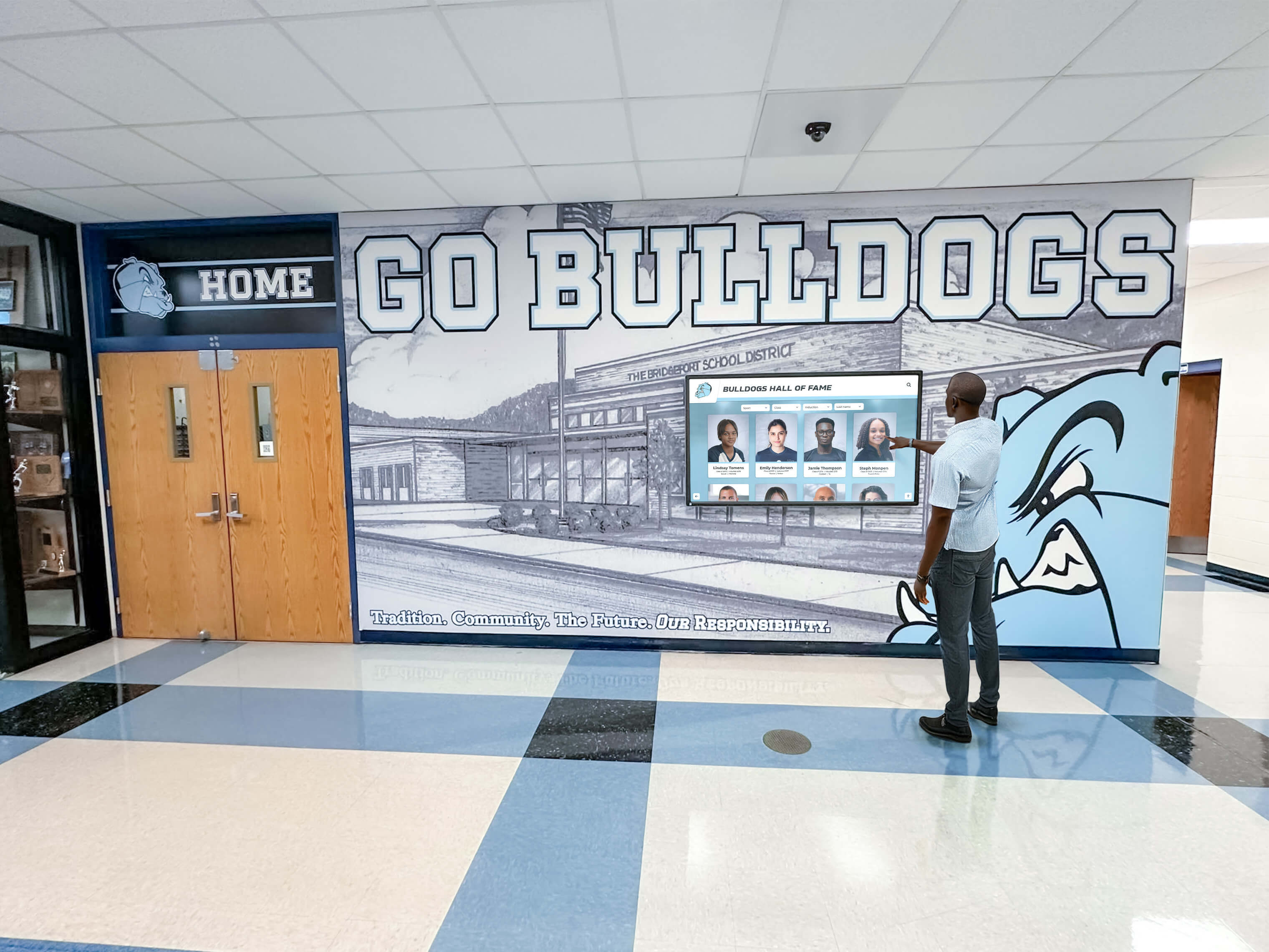
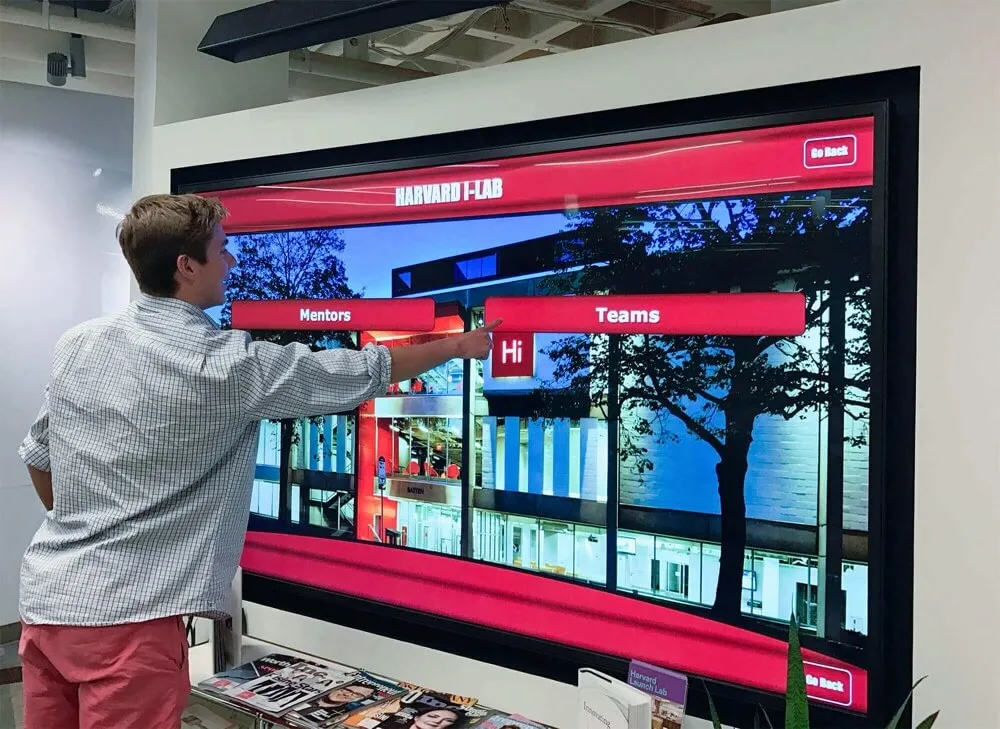
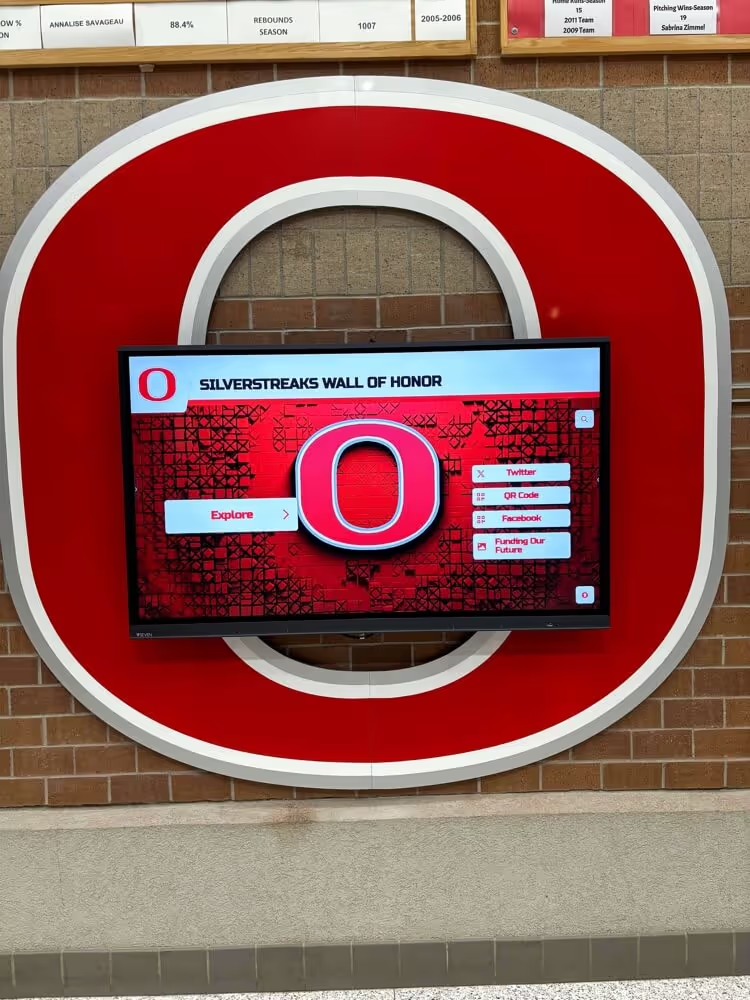
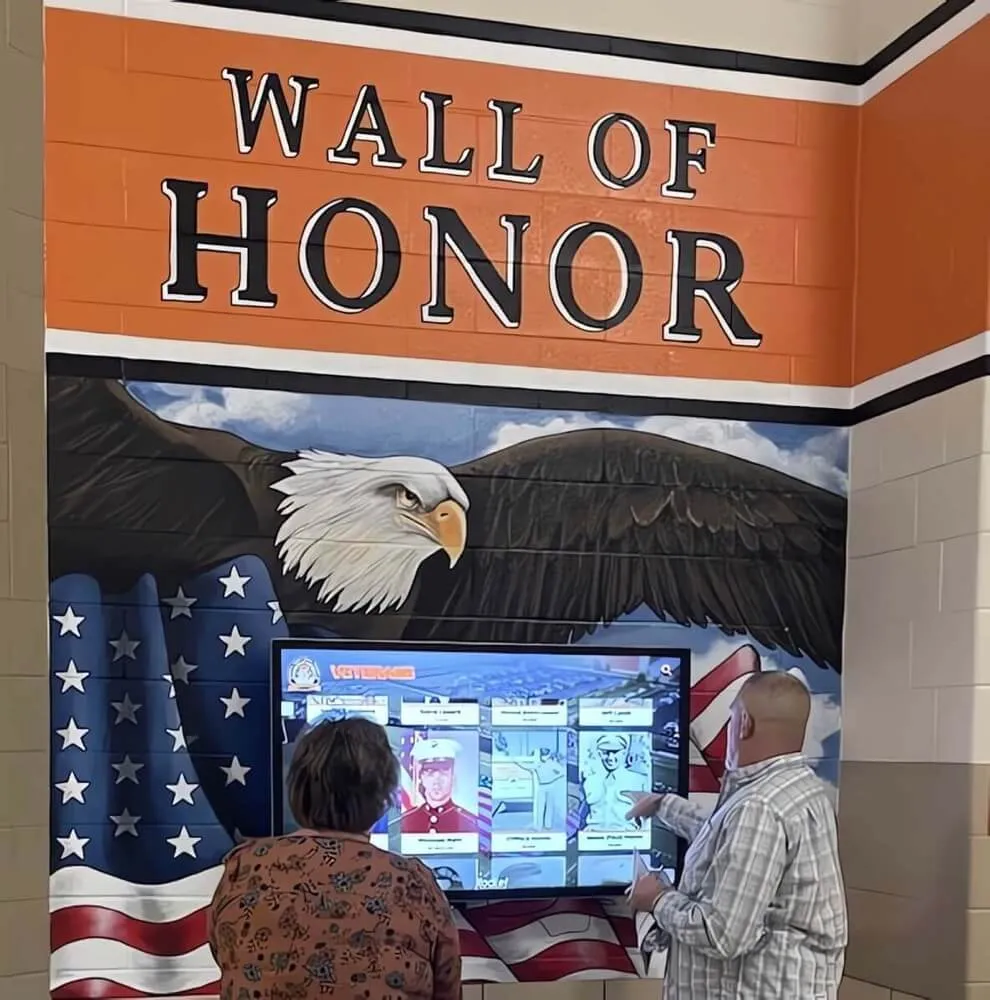
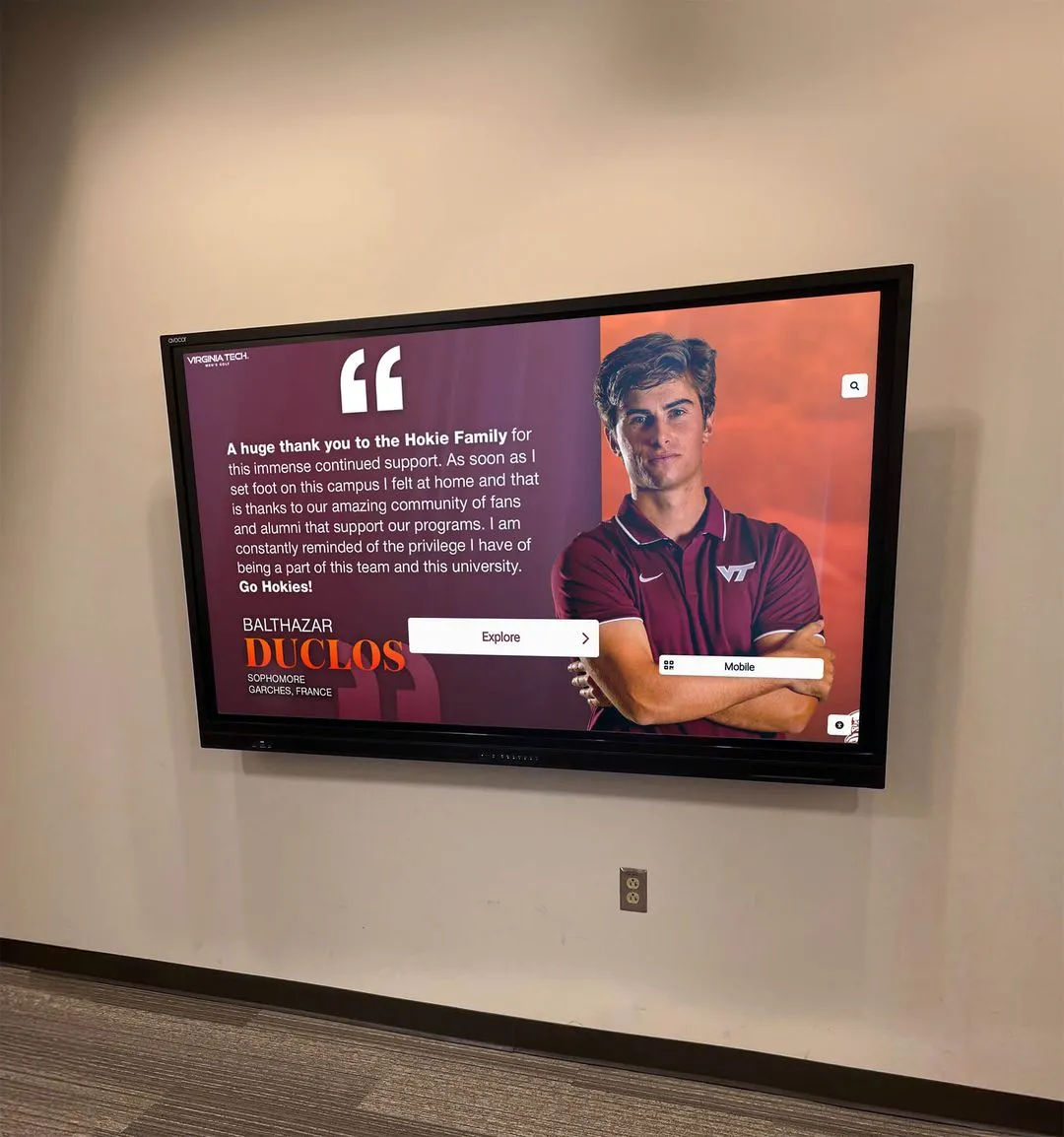
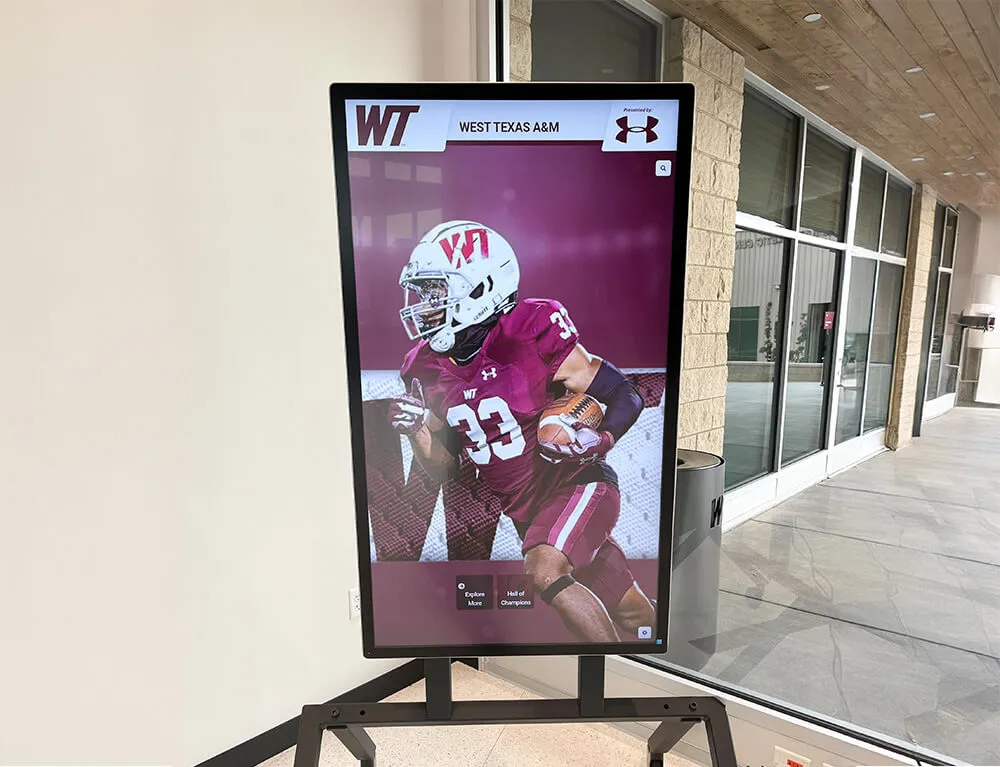
Interactive displays invite student engagement with school history and recognition programs
Timeline Management and Deadlines
Meeting yearbook deadlines while accommodating middle school schedules requires careful planning:
Realistic Timeline Development
- Work backward from publisher deadlines to establish internal milestones
- Build buffer time for unexpected delays and revision rounds
- Account for school breaks, testing periods, and major events
- Communicate timeline clearly to all committee members and stakeholders
Workflow Organization
- Divide yearbook into sections with individual deadlines and responsible parties
- Create assignment calendars showing what content needs collection when
- Establish review and approval processes preventing bottlenecks
- Use project management tools appropriate for middle school student use
Managing End-of-Year Pressure
- Complete as much content as possible during fall and winter months
- Limit spring coverage to essential end-of-year events and activities
- Establish clear cutoff dates for content inclusion
- Create contingency plans for late-arriving content
Advisor experience consistently shows that spreading work across the entire school year, rather than concentrating effort in spring, dramatically reduces stress and improves yearbook quality.
The Future of Middle School Yearbooks
As technology evolves and student needs change, middle school yearbooks continue adapting while maintaining their core purpose of documenting formative experiences.
Emerging Trends and Innovations
Several trends are reshaping how schools approach middle school yearbook creation:
Enhanced Digital Integration
- QR codes within printed yearbooks linking to video content and multimedia
- Augmented reality features bringing static pages to life through apps
- Digital-first production with print as secondary distribution method
- Social media integration allowing student commentary and responses
Inclusive Design Approaches
- Universal design principles ensuring accessibility for all students
- Representation audits ensuring diversity across all yearbook sections
- Multiple language options for schools with diverse populations
- Gender-inclusive language and recognition categories
Sustainability Considerations
- Eco-friendly paper and printing processes
- Digital distribution reducing paper consumption
- On-demand printing minimizing waste from overproduction
- Recycled materials and sustainable binding options
Personalization Options
- Custom covers allowing individual student personalization
- Modular content with optional sections based on student interest
- Variable content allowing different versions for different grade levels
- Name personalization and individual student spotlights
These innovations enhance yearbook value while maintaining the essential function of preserving middle school memories.
Connecting Yearbooks to Broader Recognition Programs
The most forward-thinking schools integrate yearbooks into comprehensive student recognition and historical preservation systems:
Unified Recognition Ecosystems
Rather than treating yearbooks as isolated publications, schools can connect them to broader initiatives:
- Digital displays throughout school buildings showcasing current and historical yearbook content
- Online platforms where yearbook photos integrate with ongoing achievement recognition
- Alumni systems linking middle school yearbook entries to high school and beyond
- Community history projects incorporating yearbook archives as primary sources
Modern platforms enable schools to create touchscreen recognition displays that function like living, ever-expanding yearbooks. Students can explore not just their own grade’s achievements but discover historical connections, see how activities have evolved, and understand themselves as part of ongoing institutional traditions.
Old school photos and yearbook content can be transformed into engaging digital displays that keep school history alive and accessible. These systems leverage nostalgia and institutional memory to strengthen school culture and community connections.
Creating Permanent Recognition Spaces
Beyond annual yearbook production, schools can establish lasting recognition environments:
- Lobby displays featuring rotating yearbook content from current and past years
- Interactive kiosks allowing visitors to search yearbook archives by name and year
- Dedicated history walls showing school evolution through yearbook imagery
- Recognition areas celebrating middle school achievement using yearbook-style presentations
These permanent installations ensure that the effort invested in yearbook creation delivers value beyond the single year documented, creating institutional memory that strengthens school culture.
Practical Implementation: Getting Started or Improving Current Programs
Whether establishing a new middle school yearbook or enhancing an existing program, practical steps can drive meaningful improvement.
For Schools Starting Yearbook Programs
Schools without established yearbook traditions should approach program development systematically:
Year One: Foundation Building
- Research yearbook publishers and production options, comparing pricing and services
- Recruit advisor(s) with relevant skills or willingness to learn
- Establish preliminary budget based on projected sales and available funding
- Form small yearbook committee focusing on planning rather than production
- Develop basic structure and content plan for inaugural publication
- Begin photo collection and documentation practice
- Set realistic expectations for first-year publication quality
Year Two: Process Refinement
- Expand yearbook committee incorporating lessons from first year
- Implement structured content collection systems based on year-one gaps
- Establish marketing and sales processes to increase purchase rates
- Develop student training materials for committee member onboarding
- Create templates and style guides ensuring consistency
- Build relationships with yearbook advisor community for support and ideas
Year Three and Beyond: Culture Development
- Establish yearbook as recognized school tradition students anticipate
- Create alumni engagement showing how yearbooks serve as historical documents
- Develop specialized roles allowing students to focus on photography, design, or writing
- Implement quality improvement initiatives based on student and family feedback
- Connect yearbook to broader school recognition and history initiatives
Starting modestly and building systematically creates sustainable programs rather than ambitious first attempts that overwhelm available resources.
For Schools Improving Existing Programs
Established programs benefit from targeted enhancement rather than complete overhaul:
Assessment and Goal Setting
- Survey students and families about current yearbook strengths and improvement areas
- Review recent yearbooks identifying content gaps, design opportunities, and representation issues
- Analyze sales and participation data understanding engagement patterns
- Benchmark against exemplary middle school yearbooks from similar institutions
Targeted Improvements
- Address highest-priority gaps identified through assessment
- Implement one or two significant changes per year rather than wholesale revision
- Pilot new approaches in limited sections before full implementation
- Gather feedback on changes and adjust based on response
Continuous Enhancement
- Establish annual review processes evaluating yearbook quality and impact
- Stay current with yearbook industry trends and best practices
- Attend yearbook conferences and training opportunities
- Connect with other middle school advisors for idea sharing and support
Incremental improvement creates steady progress without overwhelming advisors and committees.
Creating Yearbooks That Honor the Middle School Experience
Middle school yearbooks serve a vital purpose in documenting the formative years when students discover who they are becoming. These publications validate experiences during a developmental stage often overshadowed by elementary milestones and high school achievements.
Schools that approach middle school yearbooks thoughtfully—involving students authentically, documenting diverse experiences comprehensively, and preserving memories carefully—create publications that students treasure throughout their lives. These yearbooks become historical documents showing not just who attended middle school but how students experienced these transformative years.
The most effective middle school yearbooks balance professional quality with authentic student voice, celebrate achievement across all domains, and preserve the genuine moments that define these in-between years. By investing in quality yearbook programs, schools signal that middle school matters and that every student’s journey through this critical period deserves recognition and remembrance.
As schools consider how to maximize the impact of yearbook content, many are discovering that digital recognition systems can extend yearbook photography and student achievement documentation beyond the annual publication. Interactive touchscreen displays transform yearbook content into living recognition programs that celebrate students daily throughout the school building.
Transform Your Middle School Recognition Beyond the Yearbook
While yearbooks remain treasured keepsakes, forward-thinking middle schools are discovering that the same photos and achievement content can create powerful daily recognition experiences through interactive digital displays.
Rocket Alumni Solutions’ touchscreen systems enable middle schools to:
- Showcase current and historical yearbook content in high-traffic areas
- Celebrate academic achievement, character development, and extracurricular participation
- Create searchable databases where students can explore school history
- Update recognition content instantly without reprinting or re-fabrication
- Engage families and visitors with interactive multimedia storytelling
- Preserve institutional memory while honoring current student achievement
Our purpose-built platform makes it easy for middle schools to transform yearbook photography into dynamic recognition programs that strengthen school culture and student belonging. With cloud-based content management, unlimited student profiles, ADA-compliant accessibility, and professional installation support, schools can create recognition environments that complement yearbook programs while extending their impact throughout the year.
Request your custom demo to see how digital recognition displays can help your middle school honor the students documenting their most transformative years.
Middle school yearbooks capture more than photographs and activities—they preserve evidence of growth, transformation, and the pivotal years when students become themselves. By creating yearbook programs that honor this unique developmental stage, schools provide students with lasting validation that their middle school experiences matter and deserve remembering.