National Honor Society Induction: A Complete Ceremony Guide for Advisors
- Home /
- Digital Wall of Fame Blog - Recognition Display Insights & Resources /
- National Honor Society Induction: A Complete Ceremony Guide for Advisors
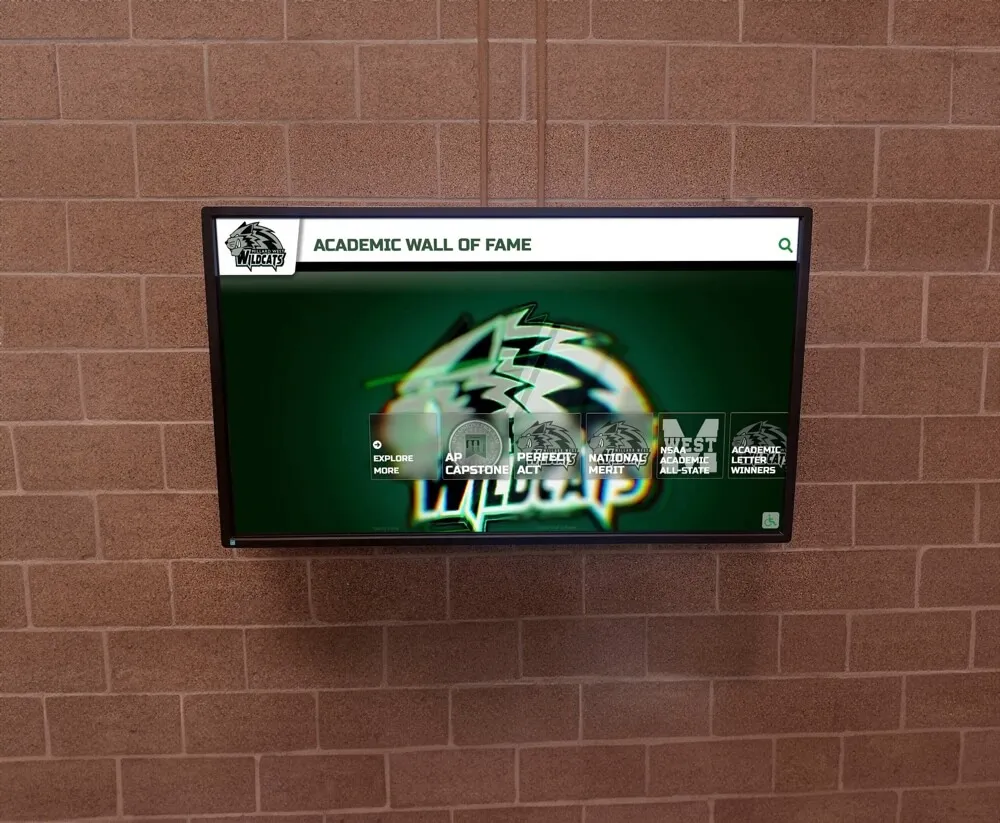
The Easiest Touchscreen Solution




Live Example: Rocket Alumni Solutions Touchscreen Display
Interact with a live example (16:9 scaled 1920x1080 display). All content is automatically responsive to all screen sizes and orientations.
Every spring and fall, high school auditoriums across America fill with families, faculty, and friends gathering to witness one of education’s most prestigious rites of passage: National Honor Society induction. For students who’ve demonstrated exemplary scholarship, leadership, service, and character, this ceremony represents formal recognition of sustained academic excellence and commitment to the values that define distinguished citizenship.
For NHS advisors, planning and executing a meaningful induction ceremony presents both opportunity and challenge. The event must honor inductees’ significant achievements while maintaining the dignity and gravitas that NHS membership represents. It should feel special enough to reflect the selectivity of membership—typically the top 10-15% of each class—while remaining accessible and inspiring to attendees from diverse backgrounds and educational experiences.
An effective National Honor Society induction ceremony balances formality with warmth, tradition with innovation, and individual recognition with collective celebration. When thoughtfully planned and professionally executed, the ceremony creates a milestone moment students remember throughout their academic careers and beyond, reinforcing the commitment to scholarship and service that NHS membership embodies.
This comprehensive guide provides NHS advisors with step-by-step planning frameworks, ceremony script templates, meaningful tradition ideas, logistical checklists, and modern recognition approaches that transform induction from routine school event to transformative celebration of academic excellence.
The National Honor Society was founded in 1921 by the National Association of Secondary School Principals (NASSP), establishing standards for scholarship, leadership, service, and character that continue guiding student recognition today. With chapters in all 50 states and around the world, NHS maintains consistent excellence standards while allowing individual chapters to create ceremonies reflecting their unique school cultures and communities.

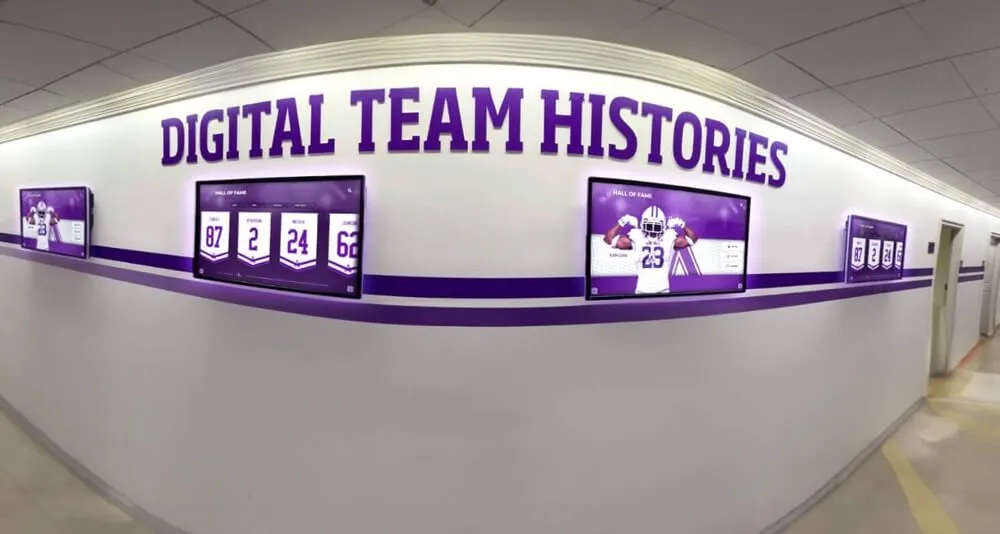
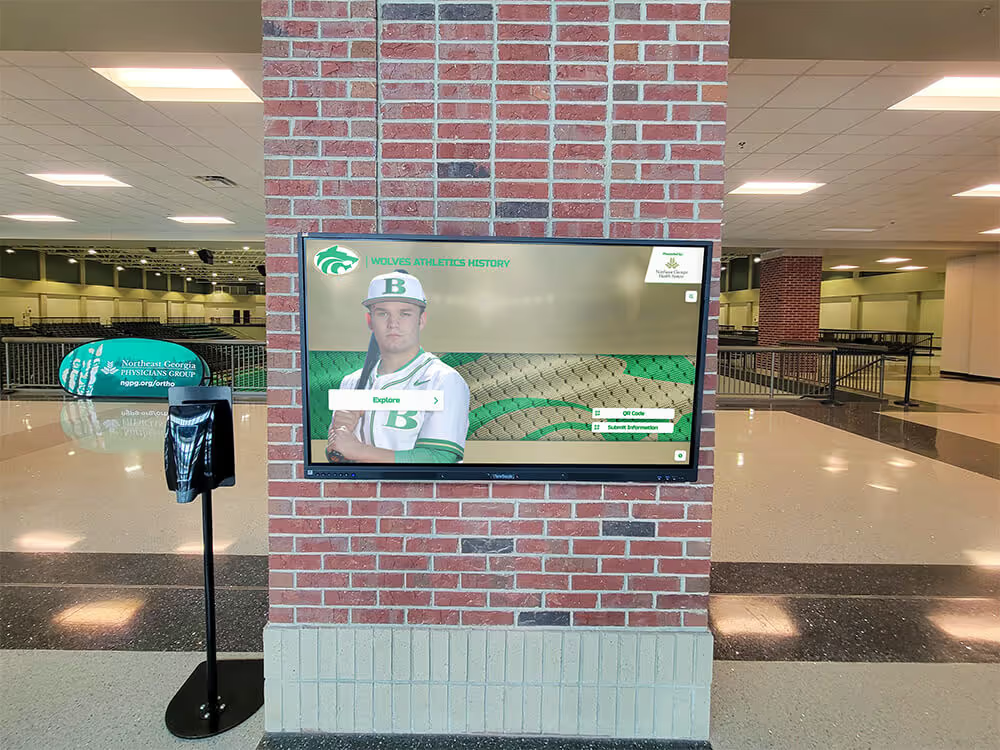
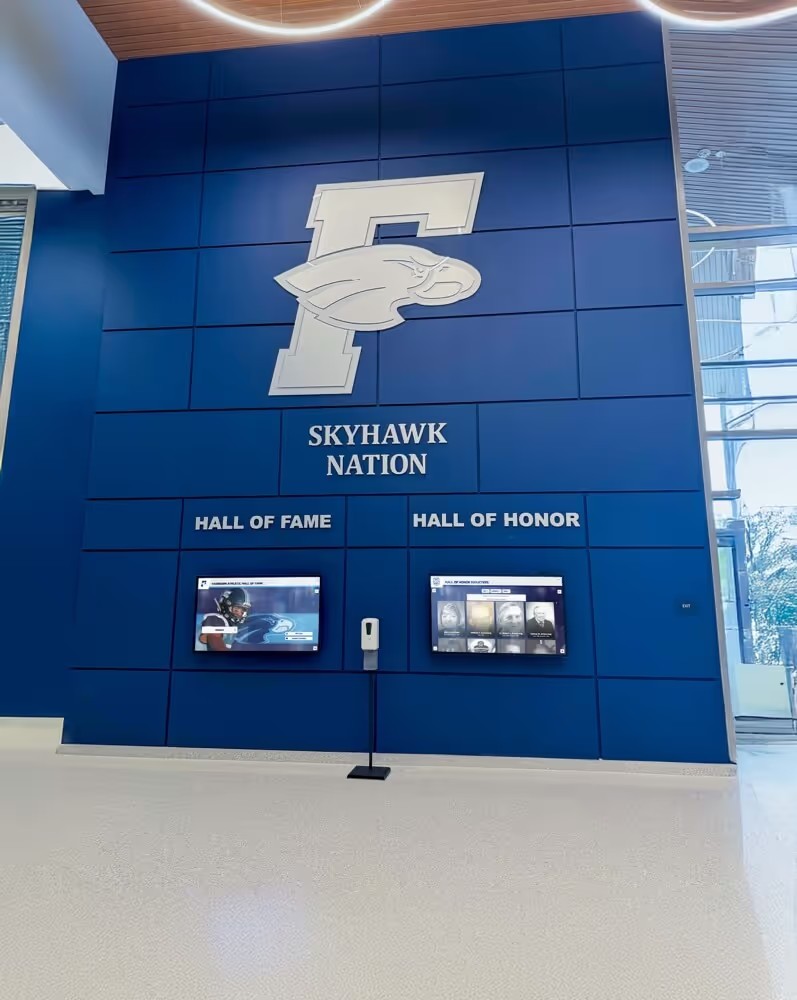
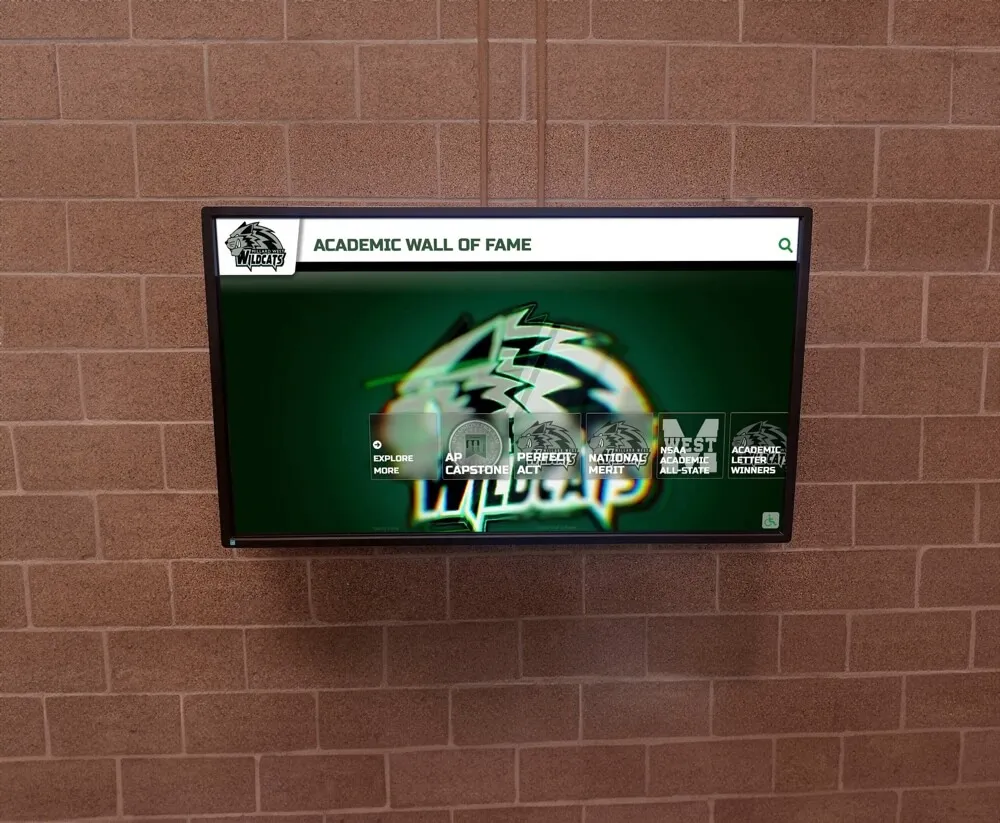
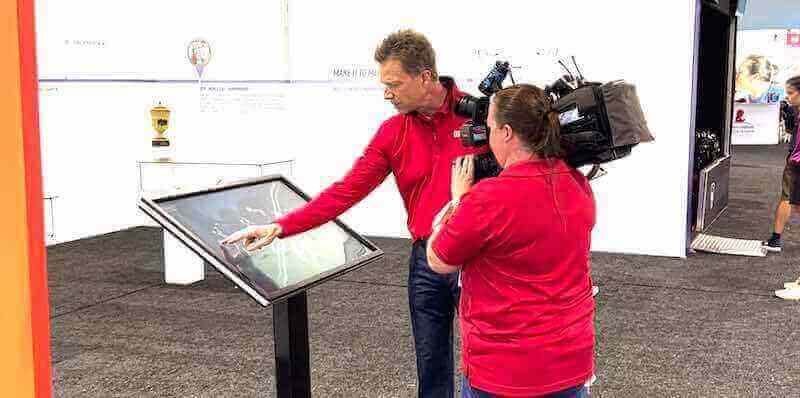
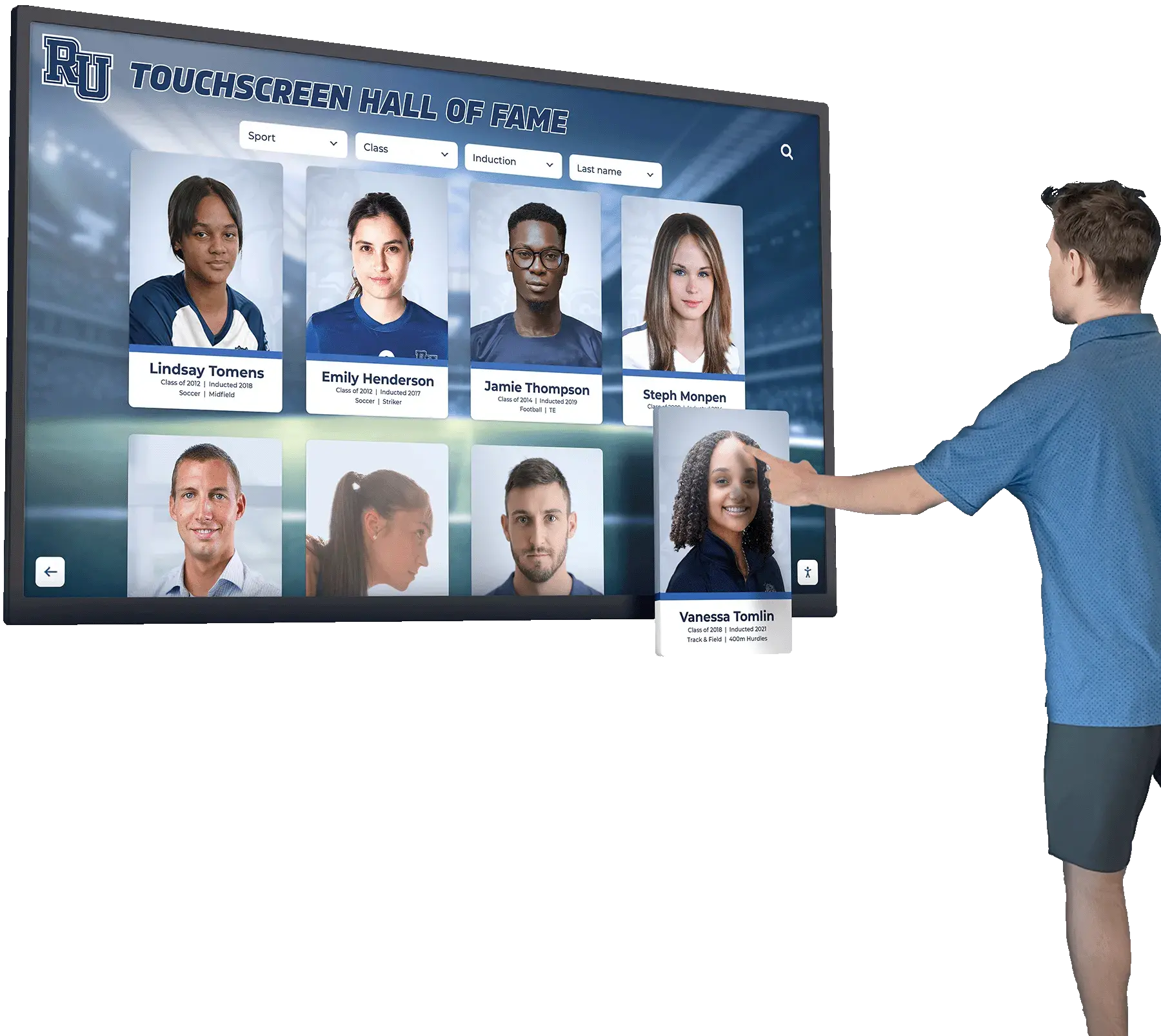
Schools increasingly celebrate NHS inductees through permanent digital recognition displays that honor academic achievement and inspire younger students
Understanding NHS Induction Requirements and Timeline
Before planning your ceremony, ensure all candidates meet National Honor Society membership requirements and complete necessary procedural steps.
National Honor Society Membership Criteria
Academic Scholarship Requirements
The foundation of NHS membership:
- Minimum cumulative GPA of 3.0 on a 4.0 scale (or equivalent)
- Individual chapters may set higher GPA requirements
- Sustained academic performance across multiple semesters
- Completion of challenging coursework demonstrating intellectual commitment
- Academic integrity and ethical scholarship practices
- Some chapters require specific course rigor (honors, AP, IB)
Service Demonstration
Community engagement evidence:
- Documented volunteer hours in school or community
- Variety of service activities showing breadth of commitment
- Self-initiated service projects demonstrating leadership
- Sustained involvement rather than sporadic participation
- Impact-focused service benefiting others
- Reflection on service experiences and growth
Leadership Evidence
Demonstrated influence and initiative:
- Elected or appointed positions in school or community organizations
- Informal leadership through peer influence and example
- Initiative in organizing events, activities, or projects
- Mentorship of younger students
- Positive influence on school climate and culture
- Problem-solving and decision-making in group contexts
Character Assessment
Personal qualities and integrity:
- Respectful interactions with peers, staff, and community
- Ethical behavior and academic honesty
- Reliability and responsibility in commitments
- Positive attitude and growth mindset
- Respect for diversity and inclusion
- Courage to stand up for beliefs and values
According to NHS national guidelines, chapters establish faculty councils that evaluate candidates holistically across all four pillars, ensuring membership reflects sustained excellence rather than single achievements.
Selection and Notification Timeline
Academic Eligibility Determination
Early semester planning:
- Review transcripts identifying GPA-eligible students
- Calculate cumulative GPAs using official chapter standards
- Verify academic standing and disciplinary records
- Create preliminary eligible candidate lists
- Double-check graduation year and credit requirements
- Compile lists by grade level if applicable
Candidate Notification and Application
Formal invitation process:
- Notify eligible students of candidacy opportunity
- Provide comprehensive information about four pillars
- Distribute candidate information forms
- Set clear application deadlines (typically 2-3 weeks)
- Require documentation of service, leadership, and character
- Request teacher recommendations or endorsements
- Communicate selection process transparency
Faculty Council Review and Selection
Deliberation and decision-making:
- Faculty council reviews complete candidate portfolios
- Evaluate evidence across all four pillars
- Discuss borderline candidates thoughtfully
- Make selection decisions by consensus or vote
- Document selection rationale for accountability
- Prepare for parent appeals or questions
- Finalize inductee lists with administrative approval
Inductee Notification
Announcement and communication:
- Notify selected students individually
- Send formal letters to families
- Provide ceremony date, time, and location information
- Share dress code and attendance expectations
- Distribute information about membership requirements and expectations
- Request RSVP for ceremony attendance
- Celebrate selection through appropriate channels
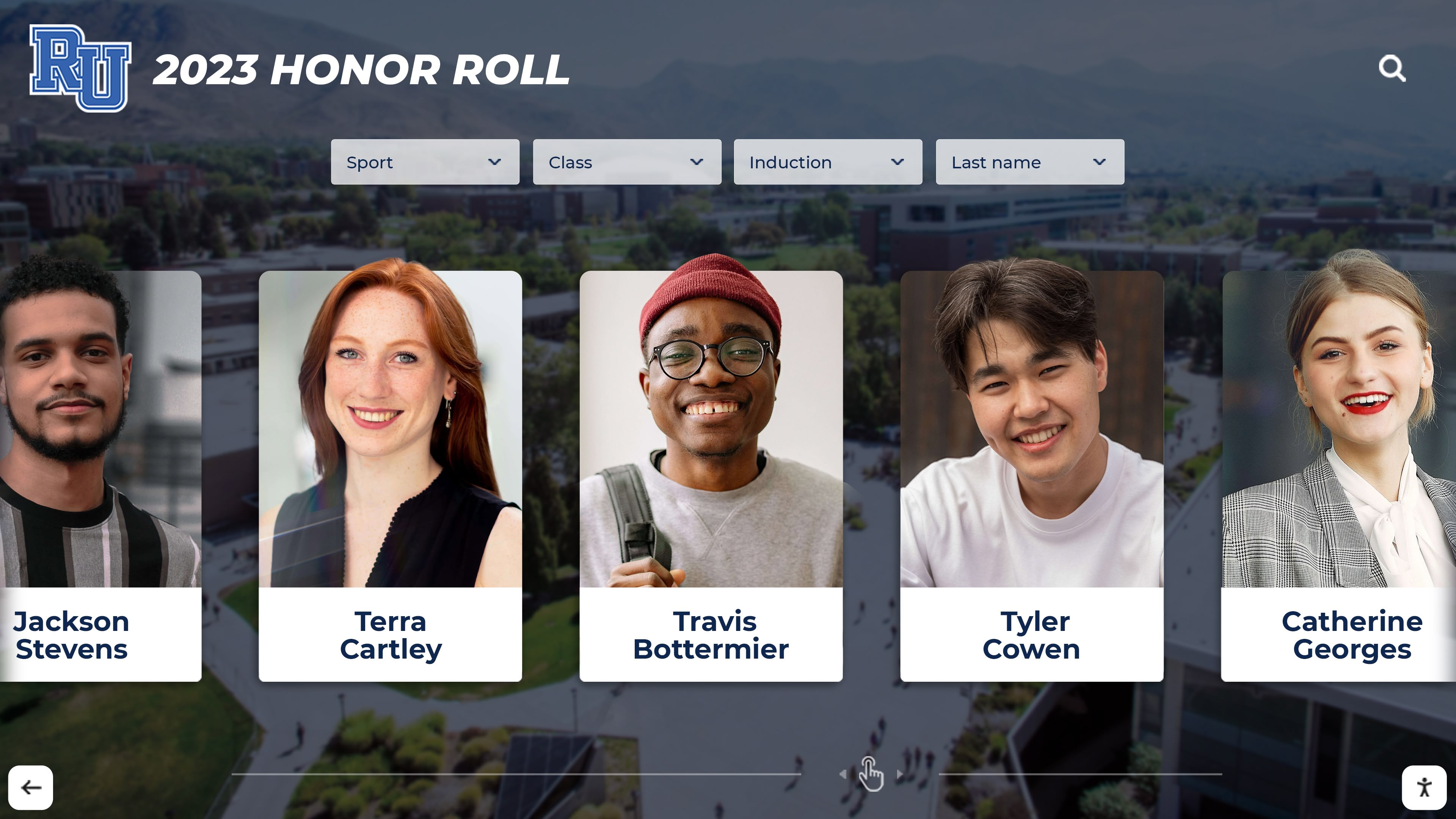
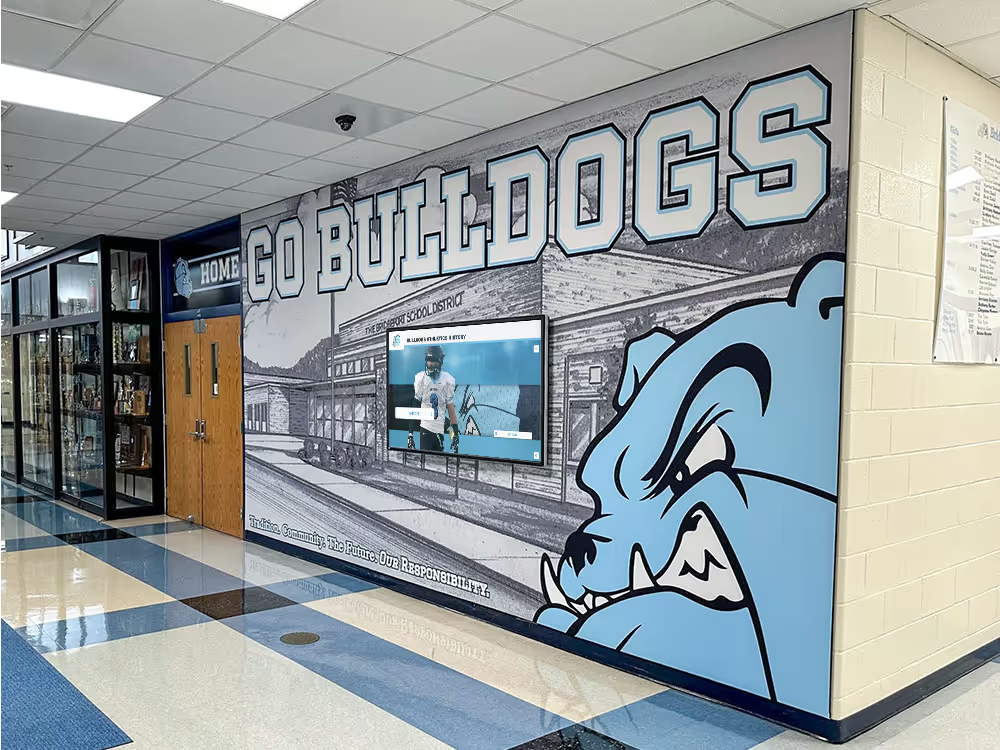
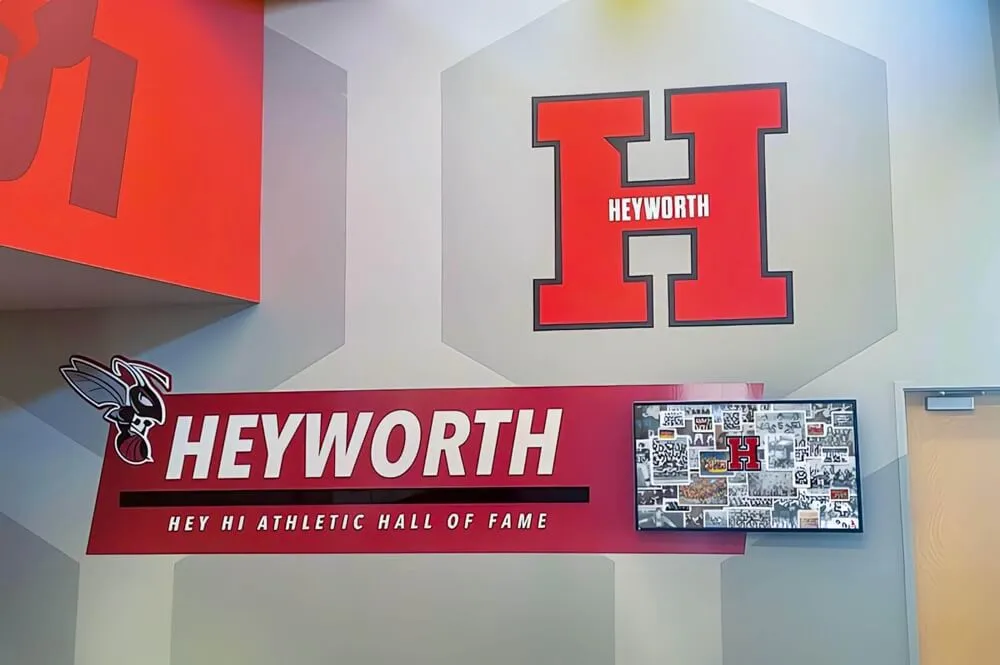
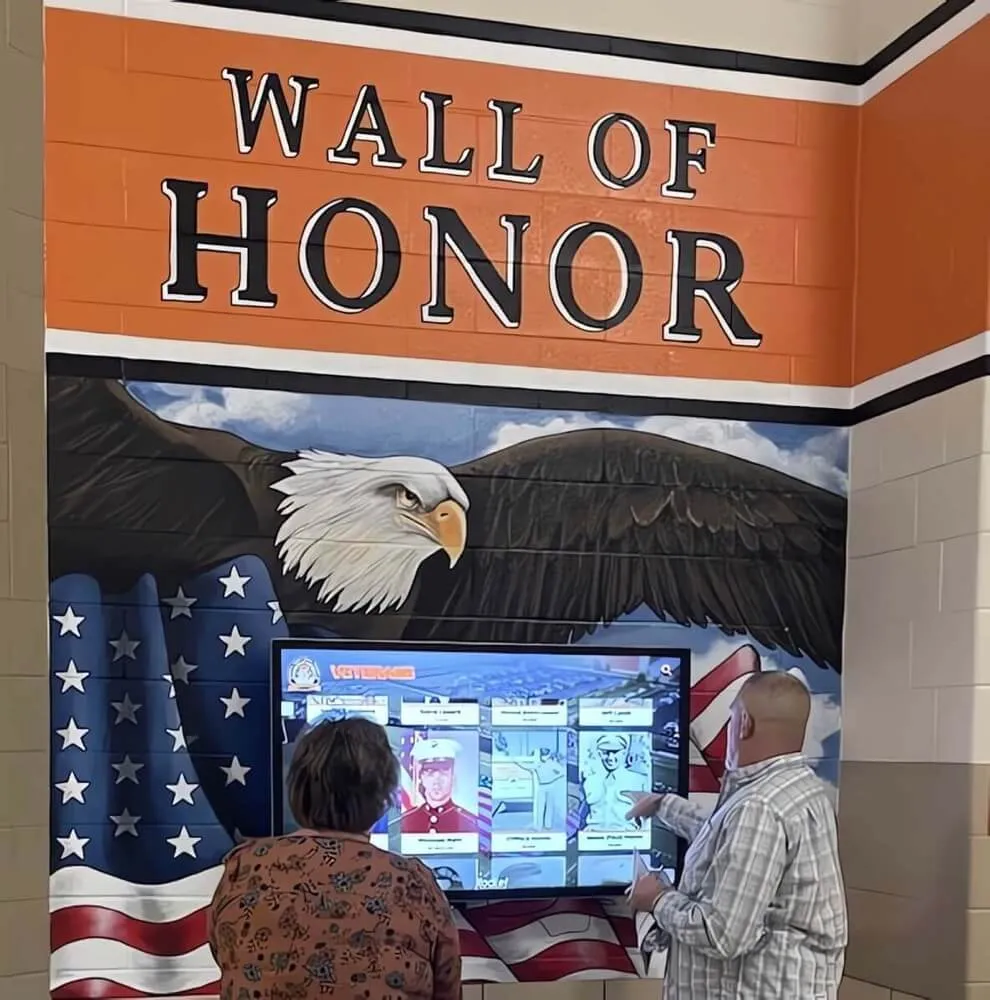
Individual recognition profiles celebrate NHS inductees' specific achievements and academic journeys
Pre-Ceremony Preparation
Final logistics management:
- Schedule mandatory inductee orientation meeting
- Distribute ceremony scripts and participation information
- Order NHS certificates, pins, and materials
- Arrange for candles, flowers, or ceremony materials
- Confirm speaker availability and presentations
- Finalize printed programs and recognition materials
- Coordinate with school administration on facility setup
Allow 6-8 weeks from initial notification through ceremony for complete preparation, though timelines vary based on chapter size and school calendar constraints.
Planning Your NHS Induction Ceremony
Successful ceremonies require comprehensive planning addressing venue, format, participants, and dozens of logistical details.
Ceremony Format Options
Traditional Candlelight Ceremony
Classic NHS induction approach:
- Formal procession of inductees entering in academic attire or formal dress
- Symbolic lighting of candles representing the four pillars
- Individual recognition as each inductee lights their candle
- Recitation of NHS pledge by all inductees
- Presentation of certificates and pins
- Chamber or classical music creating dignified atmosphere
- Reception following formal ceremony
The candlelight format creates visually striking ceremony with powerful symbolism, though it requires darkened venue, fire safety compliance, and careful coordination.
Daytime Assembly Format
School-wide celebration:
- Full student body attendance during school day
- Streamlined ceremony fitting assembly period
- Emphasis on peer recognition and inspiration
- Brief speeches from inductees or student leaders
- Presentation of certificates to each inductee
- Photo opportunities with school leadership
- Return to regular schedule after ceremony
Assembly formats maximize student awareness of NHS while minimizing evening event logistics, though they may feel less intimate than evening ceremonies.
Evening Reception Ceremony
Formal celebration with families:
- Evening timing allowing family attendance
- Reception before or after formal ceremony
- Opportunity for photographs and socializing
- Refreshments and hospitality for guests
- Extended program with multiple speakers
- Presentation of individual inductee profiles
- Relaxed atmosphere balancing formality with celebration
Evening receptions create special events where families fully participate, though they require additional planning for food, setup, and extended time commitments.
Venue Selection and Setup
Facility Considerations
Choosing appropriate location:
- Auditorium or gymnasium capacity for anticipated attendance
- Stage or platform for ceremony participants
- Adequate seating for inductees, families, and guests
- Audio-visual equipment for speeches, music, and presentations
- Lighting control for candlelight ceremonies if applicable
- Accessibility for attendees with disabilities
- Climate control for comfort during ceremony
- Parking availability for evening events
Stage and Seating Arrangements
Physical layout planning:
- Elevated platform or stage for visibility
- Seating for current NHS members if participating
- Table for certificates, pins, and ceremony materials
- Podium or microphone for speakers
- Candle lighting station if using traditional format
- Inductee seating in designated section
- Family and guest seating with clear sightlines
- Photography positions for capturing ceremony
Many schools discover that effective academic recognition extends beyond ceremony to permanent recognition systems. Schools increasingly implement digital recognition displays that celebrate NHS inductees throughout the year, creating ongoing visibility for academic achievement comparable to athletic recognition.
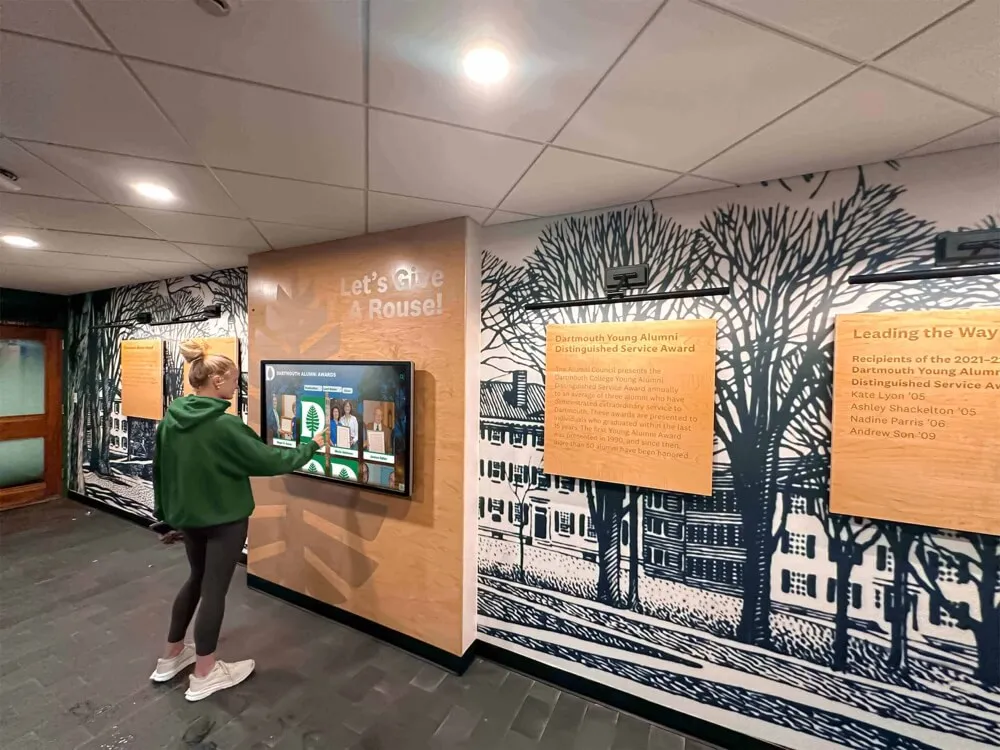
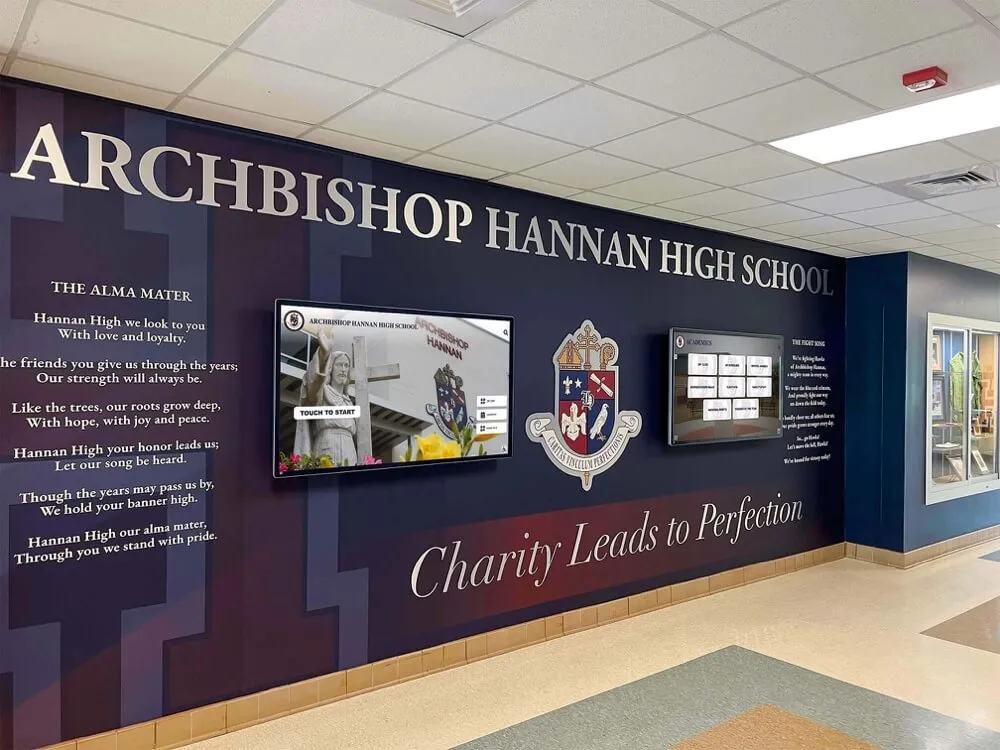
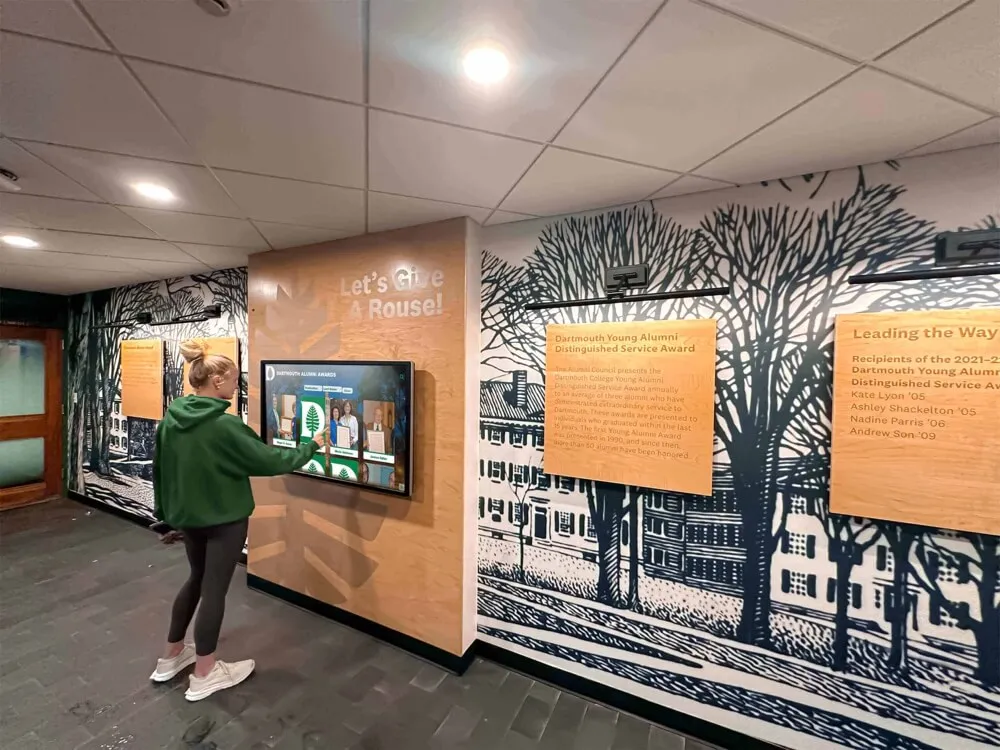
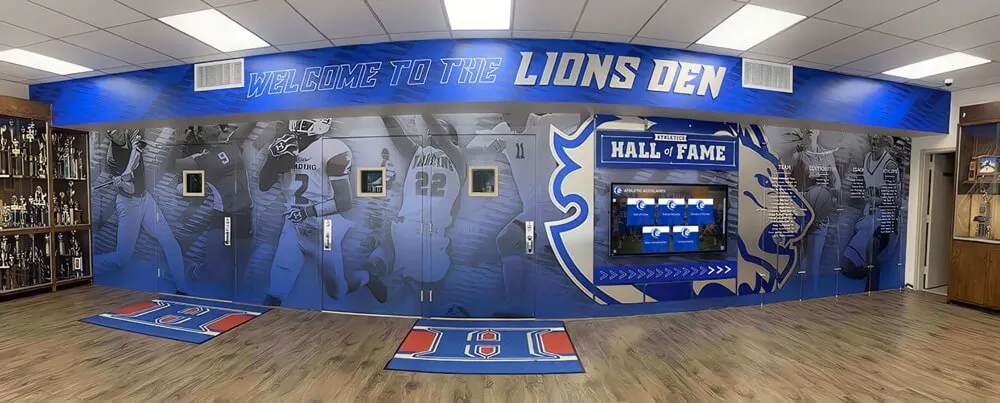
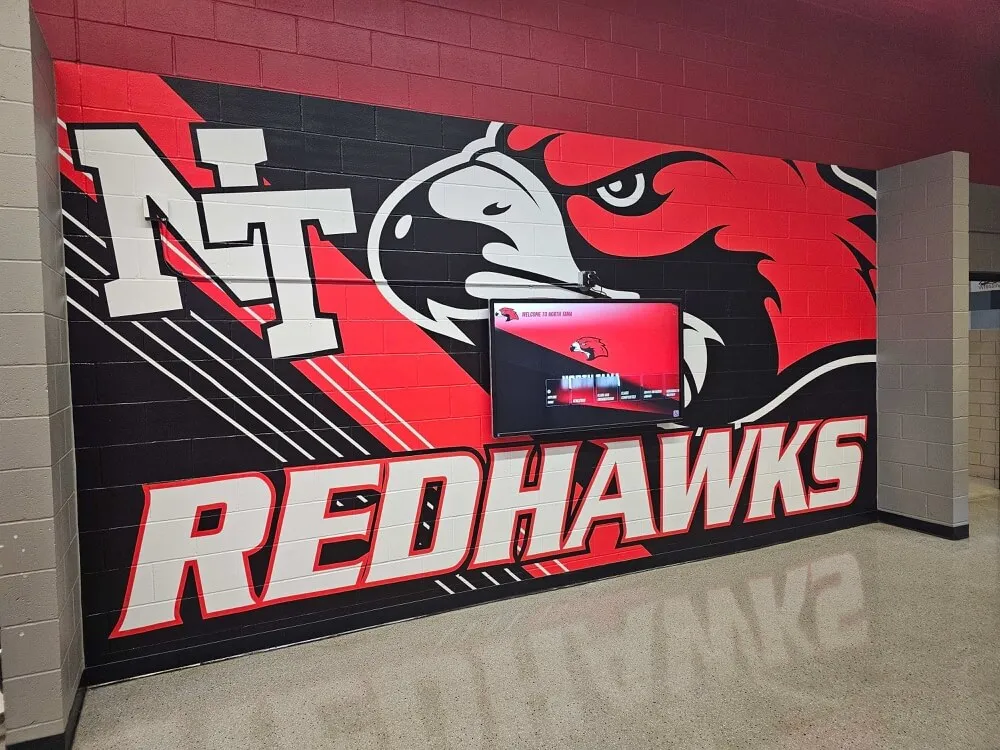
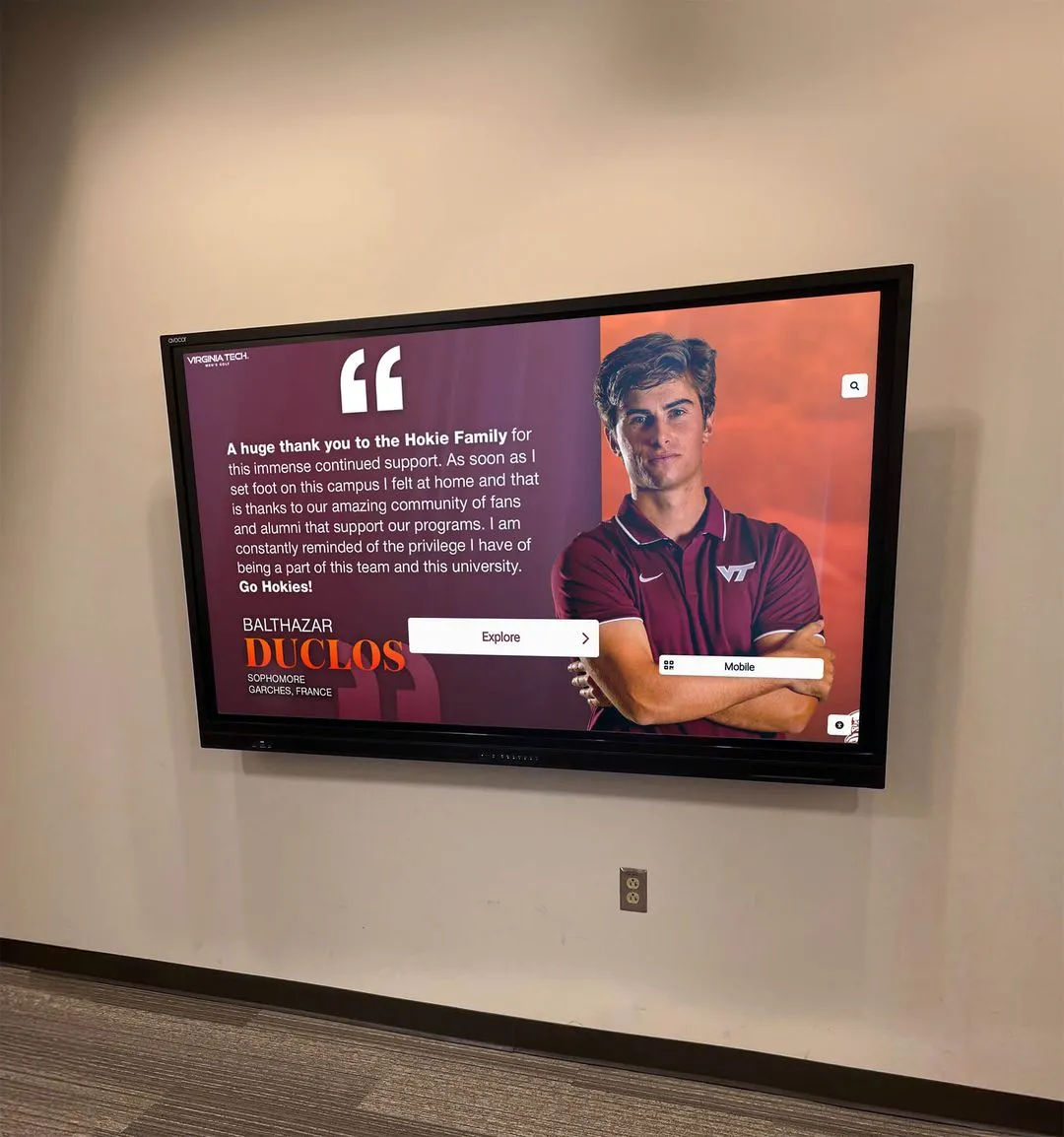
Interactive displays enable students and visitors to explore NHS inductee profiles, achievements, and the organization's history
Decorations and Atmosphere
Creating appropriate environment:
- NHS banners and organizational branding
- School colors and insignia displays
- Floral arrangements or elegant centerpieces
- Table coverings and professional presentation
- Program covers and printed materials design
- Podium draping or decorative elements
- Entrance signage welcoming guests
- Photography backdrop for inductee pictures
Decorations should enhance dignity without overwhelming the ceremony’s focus on inductee recognition. Elegant simplicity typically proves more effective than elaborate decorations.
Program Components and Timing
Essential Ceremony Elements
Core components for complete ceremony:
- Welcome and opening remarks (5 minutes)
- Explanation of NHS four pillars (5-7 minutes)
- Introduction of inductees (10-20 minutes depending on class size)
- Candle lighting or symbolic ritual (10-15 minutes)
- Keynote speaker or address (10-12 minutes)
- Presentation of certificates and pins (10-20 minutes)
- NHS pledge recitation (2-3 minutes)
- Closing remarks and congratulations (3-5 minutes)
- Recessional music and exit
Total ceremony typically runs 45-75 minutes depending on inductee count and format choices.
Optional Enhancement Elements
Additional meaningful components:
- Musical performances by school ensembles
- Student speaker representing inductees
- Parent or family recognition segment
- Senior NHS member reflections
- Video montage of inductee accomplishments
- Poetry or literary readings
- Alumni NHS member testimonials
- Service project presentation or announcement
- Recognition of academic achievements beyond NHS
These enhancements personalize ceremonies while extending duration, requiring careful time management to maintain appropriate length.
Program Pacing Strategies
Maintaining engagement throughout:
- Vary speaker voices and presentation styles
- Alternate between group and individual recognition
- Include movement through processions or rituals
- Balance solemnity with celebration
- Strategic music placement for transitions
- Video or visual elements breaking up speeches
- Appropriate pauses for applause and recognition
- Energy management through program arc
Well-paced ceremonies feel dynamic and engaging without rushing through important moments or dragging during transitions.
Creating Meaningful Ceremony Traditions
Traditions transform standard recognition events into memorable rites of passage that inductees remember throughout their lives.
Symbolic Rituals and Presentations
Four Pillars Candle Lighting
Classic NHS tradition:
- Large candles representing Scholarship, Leadership, Service, and Character
- Current NHS members or officers lighting pillar candles
- Brief explanation of each pillar’s meaning
- Inductees lighting individual tapers from pillar candles
- Symbolic transfer of light representing knowledge and values
- Darkened venue emphasizing candlelight symbolism
- Processional music during lighting sequence
Safety considerations include fire marshal approval, dripless candles, protective bases, and adult supervision throughout lighting.
NHS Pin Presentation
Tangible symbol of membership:
- Formal presentation by principal, advisor, or current member
- Individual acknowledgment of each inductee
- Explanation of pin symbolism and significance
- Family member option to pin inductee if desired
- Photography opportunity during presentation
- Ceremonial phrasing accompanying each presentation
- Secure pin backing to prevent loss
Some chapters present pins during ceremony while others distribute beforehand, asking inductees to wear them for first time during induction.
Pledge or Oath Recitation
Collective commitment statement:
- Unified recitation by all inductees
- Standing ceremony for gravitas
- Printed pledge for reading or memorization
- Hand placement over heart during pledge
- Family and audience observing commitment
- Recording for chapter archives
- Reflection on pledge meaning and personal commitment
Example NHS Pledge: “I pledge to uphold the high purposes of the National Honor Society to which I have been selected. I will be true to the principles for which it stands, and I will fulfill the obligations that membership imposes upon me. I will dedicate myself to scholarship, leadership, service, and character. I will strive to be an example worthy of emulation and contribute to my school and community to the best of my ability.”
Student Voice and Participation
Inductee Speakers
Peer perspective presentations:
- Selection of 1-3 student speakers representing class
- 3-5 minute reflections on NHS values
- Personal stories connecting to four pillars
- Challenges and growth during high school
- Gratitude for family, teacher, and peer support
- Commitment to ongoing service and leadership
- Inspiration for younger students in attendance
Current Member Involvement
Upperclassmen participation:
- Senior NHS members presenting information about pillars
- Lighting of symbolic candles
- Welcoming new members into organization
- Sharing experiences and opportunities
- Performing musical or artistic elements
- Assisting with logistics and coordination
- Mentorship connections with new inductees
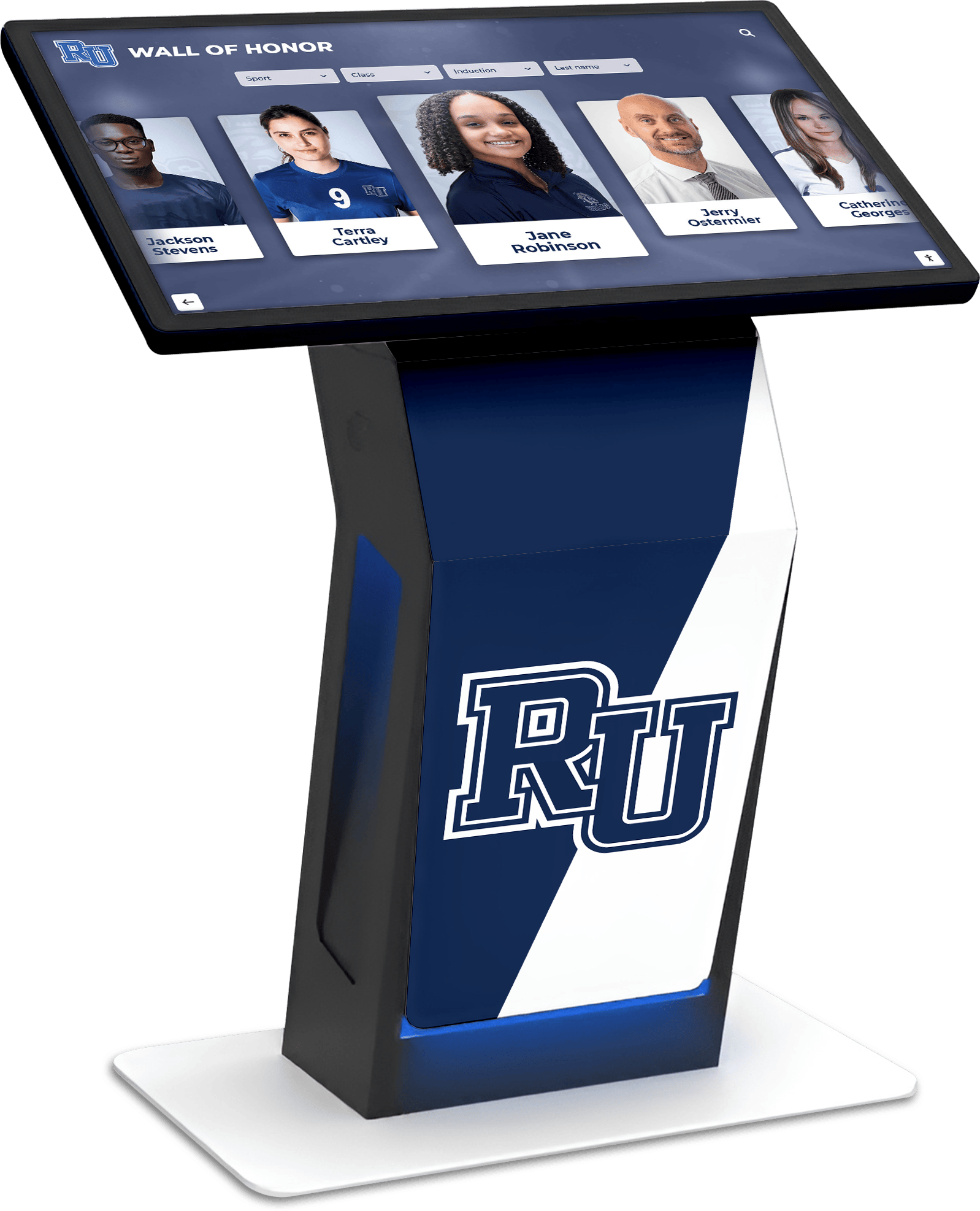
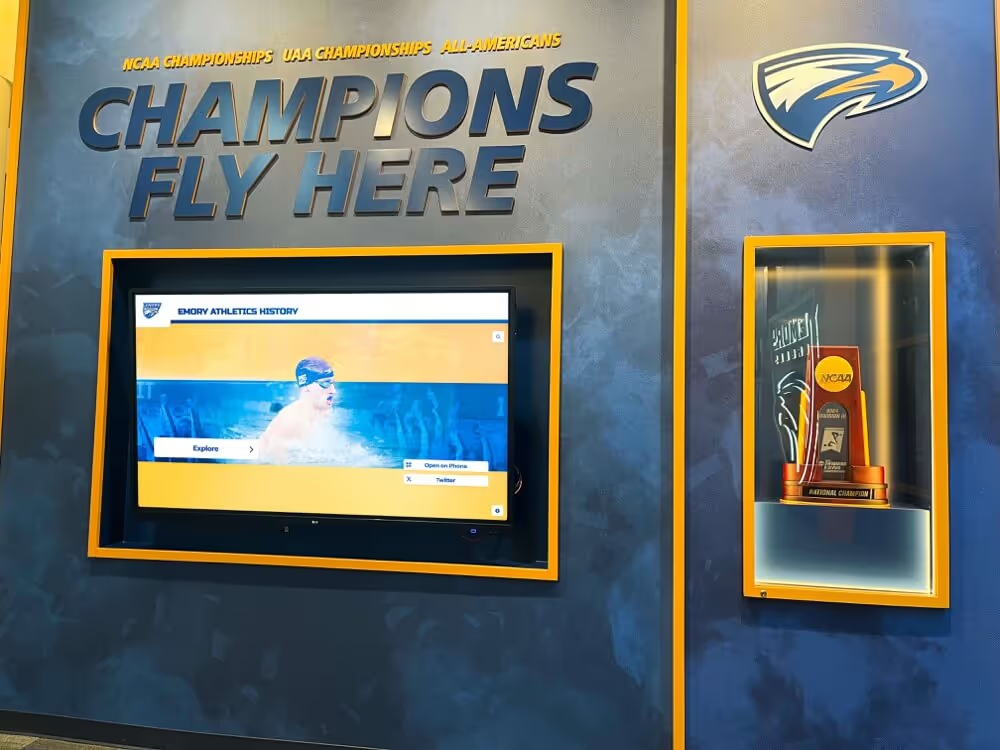
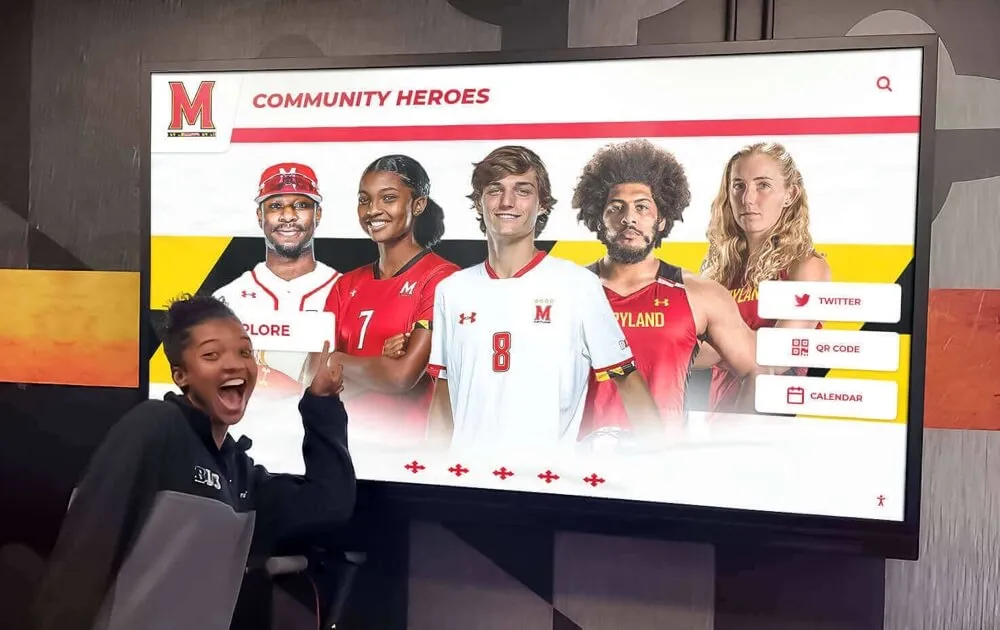
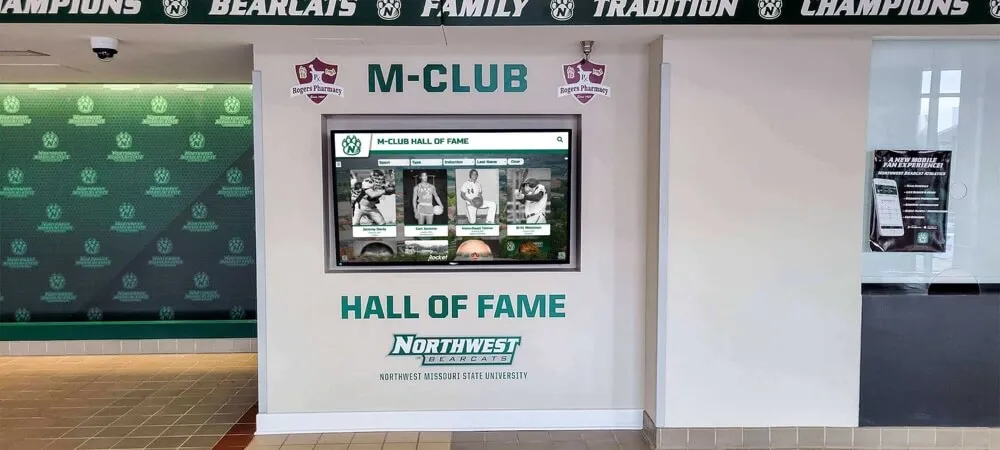
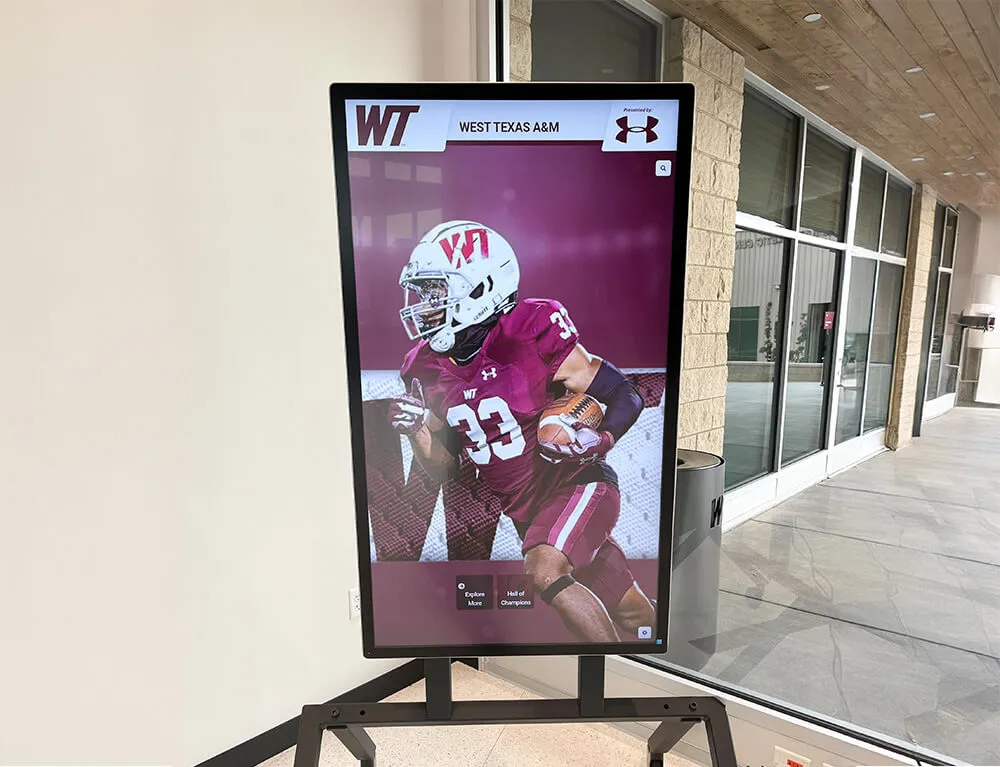
Modern recognition systems integrate touchscreen displays celebrating NHS inductees alongside other academic achievers
Service Project Announcements
Future commitment demonstration:
- Preview of upcoming chapter service initiatives
- Invitation for new members to participate
- Connection between membership and action
- Community partnership introductions
- Ongoing commitment beyond ceremony
- Specific opportunities and dates
- Leadership roles available to new members
Student participation creates authentic ceremony reflecting genuine peer leadership while providing ownership opportunities for current and new members.
Family and Community Engagement
Family Recognition Moments
Acknowledging support systems:
- Invitation for families to stand during ceremony
- Acknowledgment of parental sacrifices and support
- Optional family participation in pin presentation
- Recognition that achievement reflects family commitment
- Photo opportunities with inductees and families
- Reception time for family celebration
- Written materials thanking families for support
Community Partner Involvement
Broader stakeholder participation:
- Local civic organization representatives attending
- Business partner speakers addressing inductees
- Alumni NHS members sharing career connections
- Community foundation scholarship announcements
- Service organization partnership introductions
- Local government official attendance
- Community recognition programs celebrating academic excellence
Distinguished Guest Speakers
Inspiring keynote addresses:
- Accomplished alumni reflecting on NHS impact
- Local leaders embodying four pillars
- University representatives discussing college opportunities
- Community members with compelling service stories
- Professionals in fields matching student interests
- Authors, artists, or innovators from local area
- Speakers who inspire rather than lecture
Effective speakers connect personal experiences to NHS values while keeping remarks focused, inspiring, and age-appropriate for high school students.
NHS Induction Ceremony Script Template
A detailed script ensures smooth ceremony flow while providing structure for all participants.
Complete Ceremony Script
Pre-Ceremony (15-20 minutes before start)
[Background music playing as guests arrive and find seats]
[Inductees assembled in designated area with ceremony materials]
[Current NHS members in place if participating]
[Faculty council and administrators in reserved seating]
[Program materials distributed to attendees]
Processional (3-5 minutes)
NARRATOR or ADVISOR:
"Good evening and welcome to the [School Name] National Honor Society Induction Ceremony. Please stand for the processional of our inductees."

[Processional music begins]
[Inductees enter in alphabetical order or organized groups]
[Inductees take seats in designated area]

"Please remain standing for the Pledge of Allegiance."

[Lead Pledge of Allegiance]

"Thank you. Please be seated."
Opening Remarks (5 minutes)
ADVISOR or PRINCIPAL:
"Welcome students, families, faculty, and honored guests to this evening's induction ceremony for the [School Name] chapter of the National Honor Society. This is a momentous occasion as we formally recognize students who have demonstrated excellence in scholarship, leadership, service, and character—the four pillars upon which the National Honor Society was founded in 1921.

Tonight's inductees represent the finest students in our school community, selected not only for their academic achievements but for their commitment to making positive differences in our school and community. They join a legacy of over one million students nationwide who have been recognized for their dedication to these enduring values.

Before we proceed with the formal induction, I would like to acknowledge our current NHS members, who continue to exemplify these principles through their actions and leadership. [Current members stand and are recognized with applause]

We are honored by the presence of so many family members and friends who have supported these students throughout their academic journeys. Your encouragement, sacrifice, and belief in the value of education have made this achievement possible. Thank you for being here to celebrate this milestone."
Explanation of Four Pillars (7-10 minutes)
[Four current NHS members or officers come forward, each representing one pillar]

SCHOLARSHIP SPEAKER:
"The first pillar of the National Honor Society is SCHOLARSHIP. [Lights scholarship candle]

Scholarship represents the commitment to learning, intellectual curiosity, and academic excellence that distinguishes NHS members. Our inductees have demonstrated sustained academic achievement, maintaining high grade point averages while challenging themselves with rigorous coursework. But scholarship extends beyond grades—it encompasses love of learning, intellectual honesty, and the pursuit of knowledge for its own sake and for the betterment of society.

Tonight's inductees have proven themselves scholars worthy of this recognition."

LEADERSHIP SPEAKER:
"The second pillar is LEADERSHIP. [Lights leadership candle]

Leadership is not merely holding positions of authority but rather the ability to influence, inspire, and guide others toward positive goals. Our inductees have demonstrated leadership in student government, athletics, clubs, and classrooms. They have shown initiative, responsibility, and the courage to stand up for their beliefs while respecting diverse perspectives.

True leaders serve others, solve problems, and create positive change in their communities. Our inductees embody these leadership qualities."

SERVICE SPEAKER:
"The third pillar is SERVICE. [Lights service candle]

Service represents the willingness to work for the welfare of others without expectation of reward. Our inductees have volunteered countless hours in schools, communities, and organizations, addressing needs and making tangible differences in others' lives. They understand that privilege and ability create responsibility to serve.

Through tutoring younger students, volunteering at community organizations, organizing fundraisers, and countless other acts of service, tonight's inductees demonstrate their commitment to this essential pillar."

CHARACTER SPEAKER:
"The fourth pillar is CHARACTER. [Lights character candle]

Character encompasses the moral and ethical qualities that define us as individuals: integrity, honesty, respect, responsibility, and compassion. Our inductees have demonstrated these qualities consistently through their interactions with peers, teachers, family members, and community members. They have shown courage to do what is right even when difficult, and kindness even when unobserved.

Character cannot be measured by transcripts or résumés, but it reveals itself through daily choices and actions. The faculty council has carefully considered each inductee's character, and we are confident that those being honored tonight exemplify the highest standards of personal integrity."

ADVISOR:
"These four pillars—Scholarship, Leadership, Service, and Character—form the foundation of the National Honor Society. Tonight we recognize students who have demonstrated excellence in all four areas. These are not mere ideals but standards by which our inductees have lived and will continue to live as NHS members."
Introduction of Inductees (10-20 minutes)
ADVISOR:
"I will now introduce the [Year] inductees to the [School Name] National Honor Society. When your name is called, please stand and remain standing."

[Advisor reads each name with brief descriptor or achievement if time allows]
[All inductees standing together after final name]

"These outstanding students represent the best of [School Name]. Let us recognize them with our applause."

[Audience applause]

"Inductees, please be seated."
Keynote Speaker (10-12 minutes)
ADVISOR or PRINCIPAL:
"It is now my privilege to introduce our keynote speaker, [Name and credentials]. [Brief introduction highlighting speaker's connection to NHS values]"

[Speaker delivers address]

"Thank you, [Speaker Name], for those inspiring words."
Induction Ceremony (15-25 minutes depending on class size)
ADVISOR:
"We will now proceed with the formal induction. When your name is called, please come forward to receive your NHS certificate and pin."

[Option 1: Individual presentation with photo opportunity]
[Each inductee's name called, walks to stage, receives certificate and pin from principal/advisor, shakes hands, photo taken, returns to seat]

[Option 2: Candlelighting ceremony]
[Inductees called by rows or groups, each lights individual taper candle from pillar candles, receives certificate and pin, returns to seat with lit candle]

[Option 3: Combined approach]
[Name called, inductee comes forward, lights candle, receives materials, photo, returns to seat]

[After all inductees have been recognized]
NHS Pledge (3 minutes)
ADVISOR:
"Will all new inductees please rise and raise your right hand. Please repeat after me as we recite the National Honor Society pledge.

I pledge... [pause for repetition after each phrase]
...to uphold the high purposes...
...of the National Honor Society...
...to which I have been selected.

I will be true...
...to the principles for which it stands...
...and I will fulfill...
...the obligations that membership imposes upon me.

I will dedicate myself...
...to scholarship, leadership, service, and character.

I will strive...
...to be an example worthy of emulation...
...and contribute to my school and community...
...to the best of my ability.

Congratulations! You are now members of the National Honor Society."

[Enthusiastic applause]

"Please be seated."
Closing Remarks (3-5 minutes)
ADVISOR or PRINCIPAL:
"Tonight we have welcomed exceptional students into an organization with a proud history and high standards. To our new NHS members: this honor comes with responsibility. You are now representatives of the National Honor Society, and your actions reflect not only on yourselves but on this organization and your school.

As you move forward in your high school careers and beyond, remember the four pillars that brought you to this moment. Continue to pursue knowledge with passion, lead with integrity, serve with compassion, and live with character. The world needs what you have to offer.

To the families and friends supporting our inductees: thank you for the countless ways you have encouraged, sacrificed, and believed in these students. Their success is your success.

To our faculty council and teachers: thank you for your dedication to academic excellence and your commitment to developing not just students' minds but their character and leadership abilities.

Following this ceremony, we invite everyone to the [location] for a reception where we can celebrate together and capture photographs. Please join us in congratulating our newest National Honor Society members.

Thank you for attending this special evening."
Recessional
ADVISOR:
"Please stand as our new NHS members recess."

[Recessional music begins]
[Inductees exit in organized fashion]
[Guests invited to reception or dismissed]
This script provides comprehensive structure while allowing customization to match your chapter’s traditions, timing constraints, and local preferences.
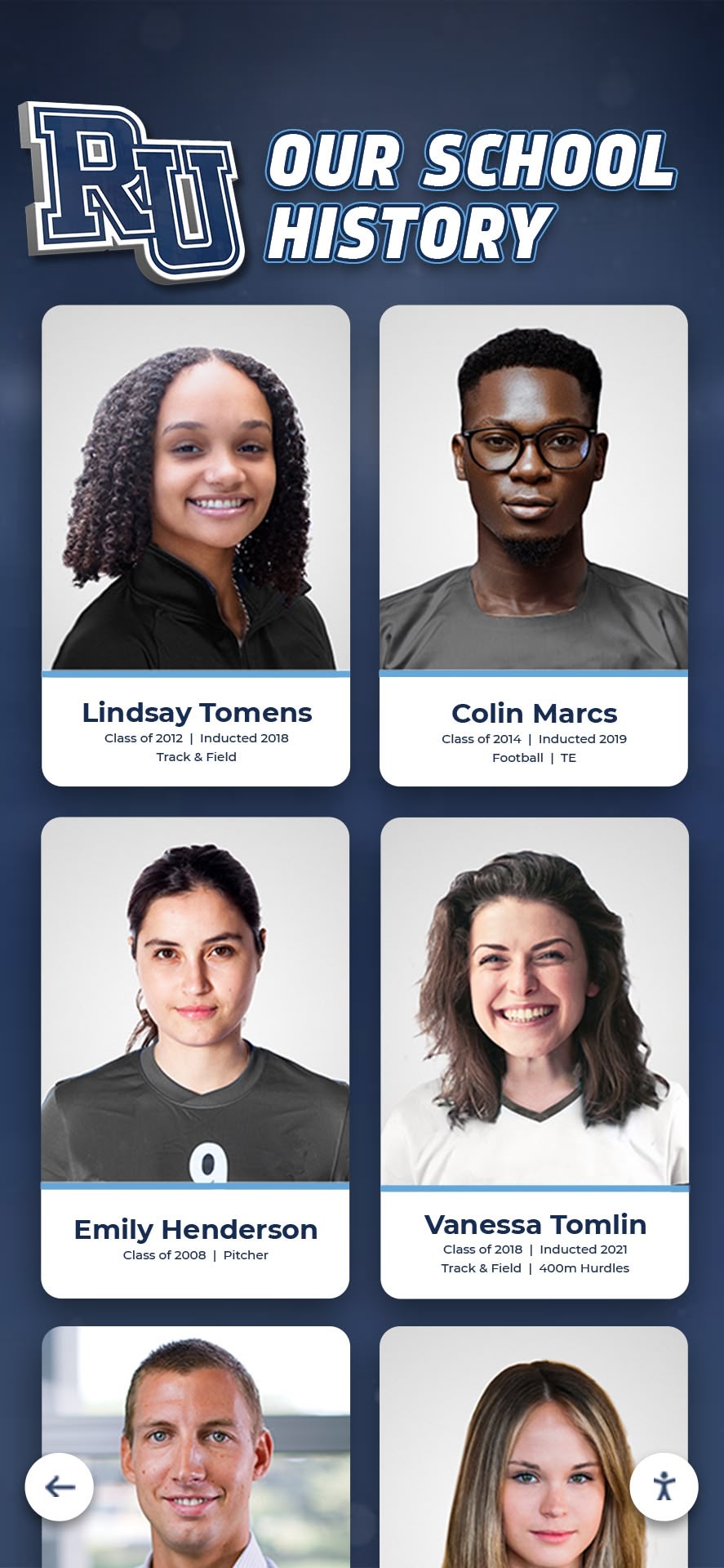
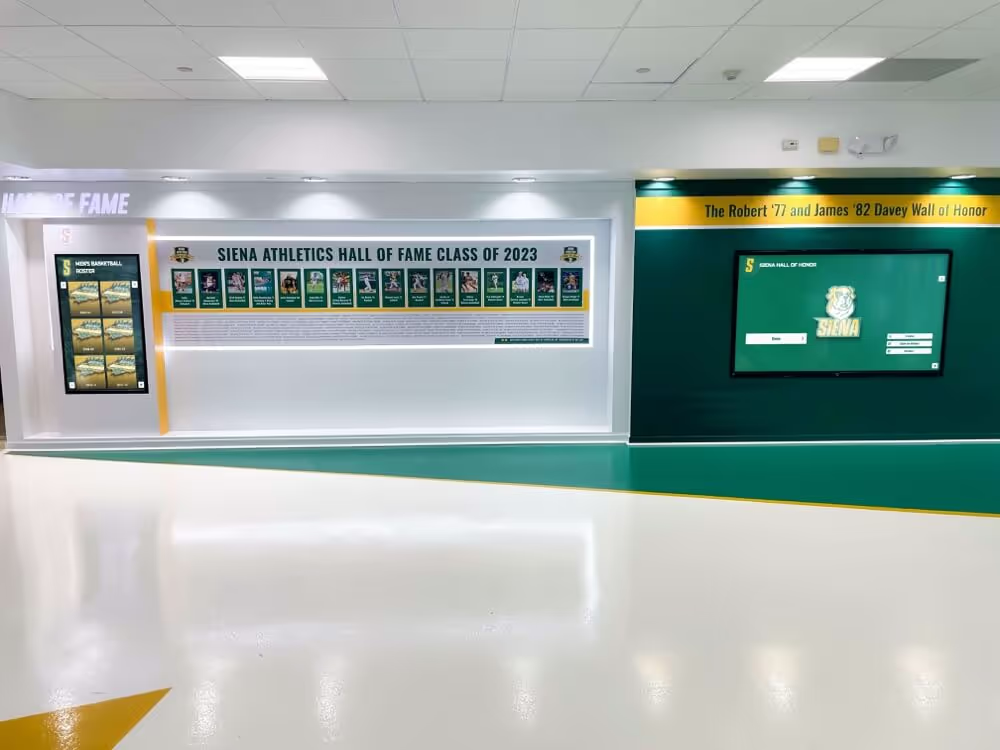
Comprehensive recognition systems document NHS inductees' achievement journeys across academic careers
Logistical Details and Coordinator Responsibilities
Successful ceremonies require attention to numerous behind-the-scenes details often invisible to attendees but critical for smooth execution.
Pre-Ceremony Preparation Checklist
Materials and Supplies (4-6 weeks before)
Order and organize necessary items:
- NHS certificates for all inductees
- NHS pins with secure backings
- Program covers and printing
- Candles (pillar and taper if applicable)
- Candle holders and protective bases
- Table coverings and decorations
- Flowers or centerpiece arrangements
- Banner and NHS organizational displays
- Name cards for stage participants
- Tissues (families often get emotional!)
Communication and Coordination (3-4 weeks before)
Confirm all participants and details:
- Reserve facility and confirm setup time
- Confirm keynote speaker and provide details
- Brief current NHS members on responsibilities
- Send final schedule to inductees
- Communicate with families about ceremony logistics
- Coordinate with custodial staff for setup and cleanup
- Arrange for photographer or video recording
- Notify school administration and invite attendance
- Create emergency contact list for ceremony day
Rehearsal Planning (1-2 weeks before)
Preparation with participants:
- Schedule inductee rehearsal during school day or after school
- Practice processional and recessional
- Review ceremony expectations and timeline
- Assign seating and organize by last name
- Practice candle lighting if applicable
- Review pledge pronunciation and pacing
- Distribute programs for review
- Answer questions and address concerns
- Take attendance and follow up with absences
Day-of-Ceremony Coordination
Setup and Preparation (2-3 hours before)
Final logistics management:
- Arrive early to supervise facility setup
- Arrange seating according to plan
- Test all audio-visual equipment
- Set up stage with podium, tables, materials
- Arrange candles if using ceremony format
- Display NHS banner and decorations
- Organize certificates and pins by name
- Create check-in table for inductees
- Set up photography area or backdrop
- Verify climate control for comfort
Participant Check-In (30-45 minutes before)
Final preparation with inductees:
- Designated check-in area for inductee arrival
- Attendance verification
- Last-minute questions and nervousness management
- Line-up organization for processional
- Distribution of any handheld materials
- Dress code verification
- Photo opportunity before ceremony
- Reminder about behavior expectations
- Final pep talk and excitement building
During Ceremony Coordination
Real-time management:
- Cue music and lighting changes
- Manage processional timing
- Signal speakers when approaching time limits
- Coordinate certificate and pin distribution
- Supervise candle lighting for safety
- Photograph or ensure photographer captures moments
- Handle unexpected issues discreetly
- Monitor timing and make adjustments
- Ensure water available for speakers
Post-Ceremony Activities
Conclusion and celebration:
- Direct guests to reception area
- Supervise inductee photos with families
- Ensure all ceremony materials collected
- Thank speakers, musicians, and participants
- Coordinate cleanup or supervise volunteers
- Secure remaining certificates and pins
- Collect programs for archive
- Follow up with any absent inductees
- Send thank-you notes to key contributors
Technology Integration
Presentation and Visual Elements
Enhancing ceremony through technology:
- Projected slides with inductee names and photos
- Video montage of inductees’ activities and achievements
- Slideshow during reception showing elementary through current photos
- Live streaming for family members unable to attend
- Professional recording for chapter archives
- Display of ceremony program on screens
- Background visuals during musical performances
Some schools enhance permanent recognition through dedicated digital displays. Modern touchscreen recognition systems allow schools to showcase NHS inductees year-round, creating ongoing visibility comparable to athletic recognition while celebrating academic achievement.
Social Media and Communication
Digital engagement strategies:
- Live-tweet ceremony highlights with photos
- Instagram stories throughout evening
- Facebook photo album after ceremony
- School website article with inductee list
- Local newspaper press release
- Parent communication app announcements
- Alumni newsletter feature
- Chapter social media profile updates
Digital sharing extends ceremony impact beyond attendees while creating archived documentation of the event.
Post-Induction Member Engagement
The ceremony marks the beginning rather than culmination of NHS membership—effective advisors plan for ongoing engagement and meaningful membership experiences.
New Member Orientation
Membership Expectations and Requirements
Clarifying ongoing commitments:
- Minimum GPA maintenance requirements
- Service hour expectations per semester/year
- Meeting attendance policies
- Event participation requirements
- Behavioral and character standards
- Academic integrity expectations
- Consequences for not meeting standards
- Graduation requirements for honors cords
Chapter Organization and Leadership
Governance structure explanation:
- Officer positions and election processes
- Committee structures and opportunities
- Meeting schedules and agendas
- Decision-making processes
- Communication channels and platforms
- Advisor role and support available
- Senior member mentorship programs
Service and Leadership Opportunities
Immediate engagement options:
- Upcoming service project calendar
- School-based tutoring or mentoring programs
- Community partnership opportunities
- Fundraising initiatives and events
- Leadership positions available
- Committee chairperson opportunities
- Special event planning committees
Immediate engagement after induction maintains momentum and ensures new members quickly become active contributors rather than passive honorees.
Ongoing Recognition and Celebration
Visible Member Recognition
Sustained acknowledgment throughout year:
- NHS member roster display in prominent school location
- Individual member profiles on chapter website
- Social media features highlighting member service
- Morning announcement recognition of member achievements
- Newsletter and publication acknowledgment
- Photo displays in hallways or common areas
- Digital recognition displays celebrating member accomplishments
Senior Recognition Programs
Graduation-related celebration:
- Senior recognition at final ceremony before graduation
- Honor cords for graduation ceremony
- Special mention in commencement program
- Four-year achievement acknowledgment
- College destination celebration
- Leadership legacy recognition
- Alumni NHS status and continued connection
Chapter Achievement Celebration
Collective accomplishment recognition:
- End-of-year banquet or celebration
- Service hour totals and impact documentation
- Project completion recognition
- Awards for outstanding members
- Scrapbook or video documenting year
- Transition ceremony for outgoing seniors
- Officer installation for following year
Ongoing recognition reinforces that NHS membership involves sustained commitment rather than single ceremony achievement.
Building Chapter Legacy and Tradition
Documenting Chapter History
Preserving organizational memory:
- Photograph albums or digital archives
- Inductee lists maintained across decades
- Service project documentation and impact
- Chapter traditions written documentation
- Historical display in school facility
- Alumni connection and tracking
- Recognition systems honoring past inductees alongside current members
Establishing Unique Traditions
Creating distinguishing chapter characteristics:
- Special service projects becoming annual traditions
- Unique induction ceremony elements
- Chapter symbols or mottos
- Partnerships with specific community organizations
- Recognition events unique to your school
- Senior legacy projects
- Mentorship programs connecting classes
Alumni Engagement
Maintaining connection after graduation:
- Alumni speaker programs at induction
- Mentorship opportunities with graduates
- Career networking connections
- Scholarship programs funded by alumni
- Alumni attendance at chapter events
- Social media groups maintaining connections
- Recognition of alumni achievements and contributions
Strong chapter traditions and alumni connections create institutional legacy extending far beyond individual members’ high school years.
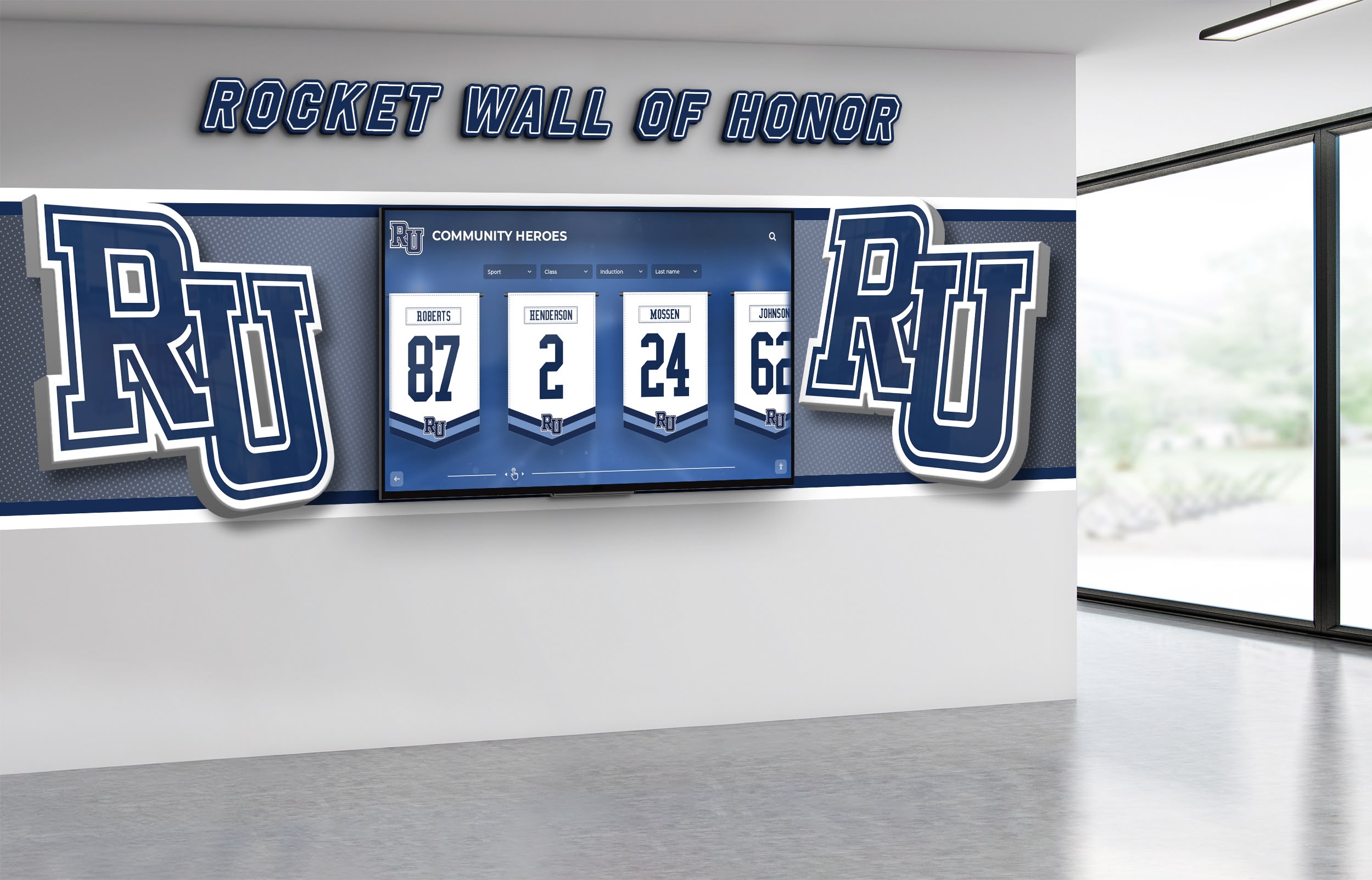
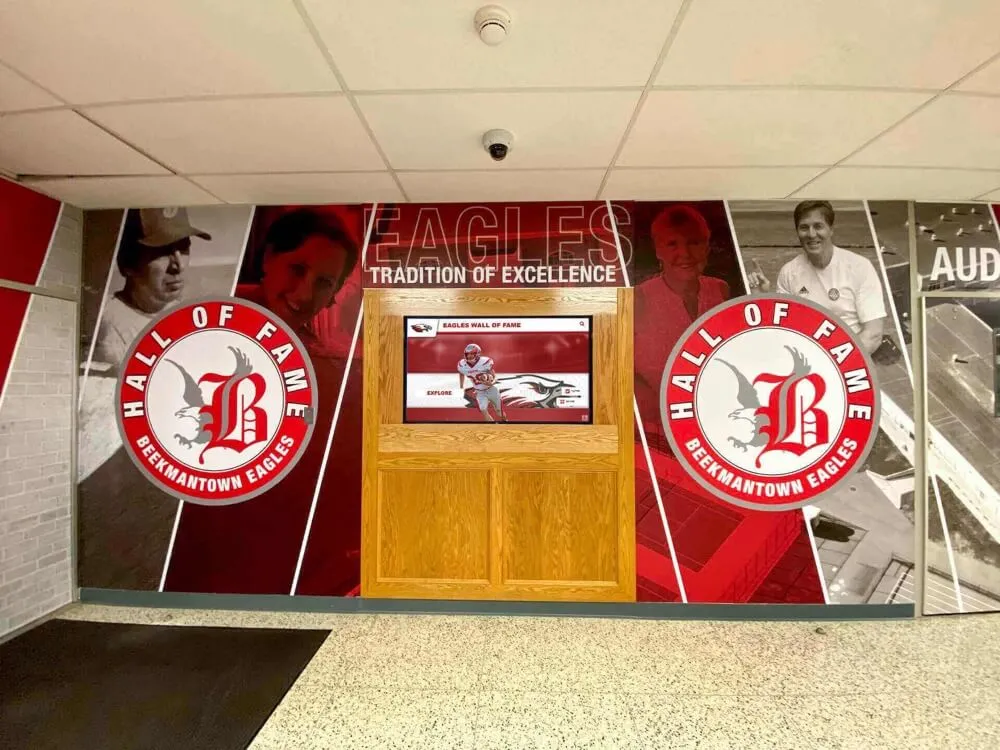
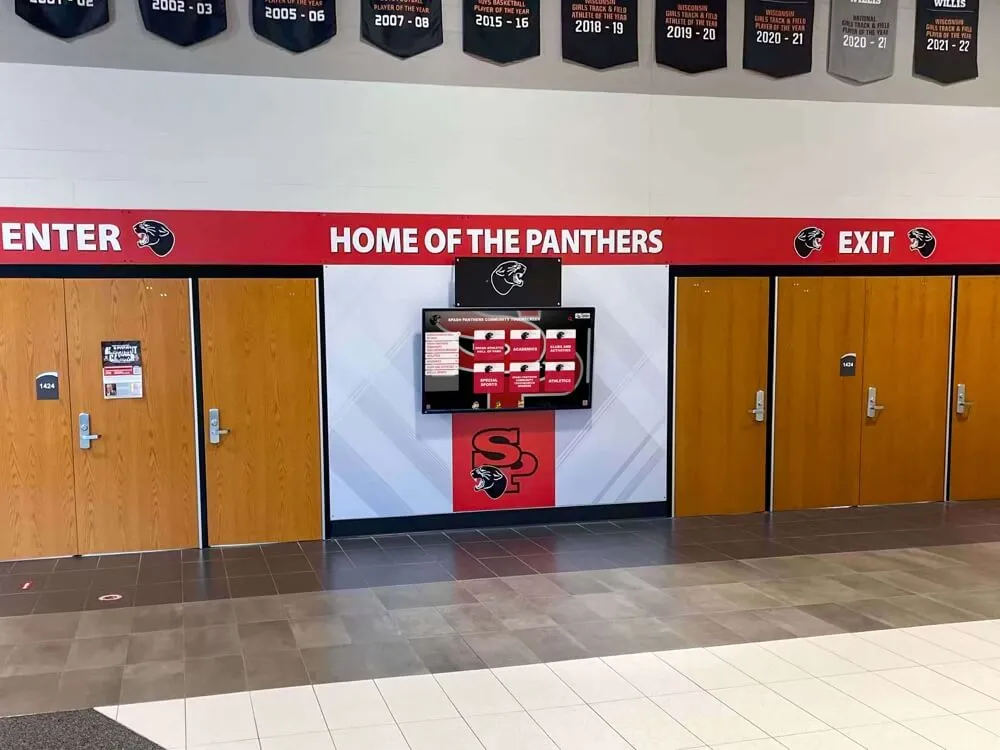
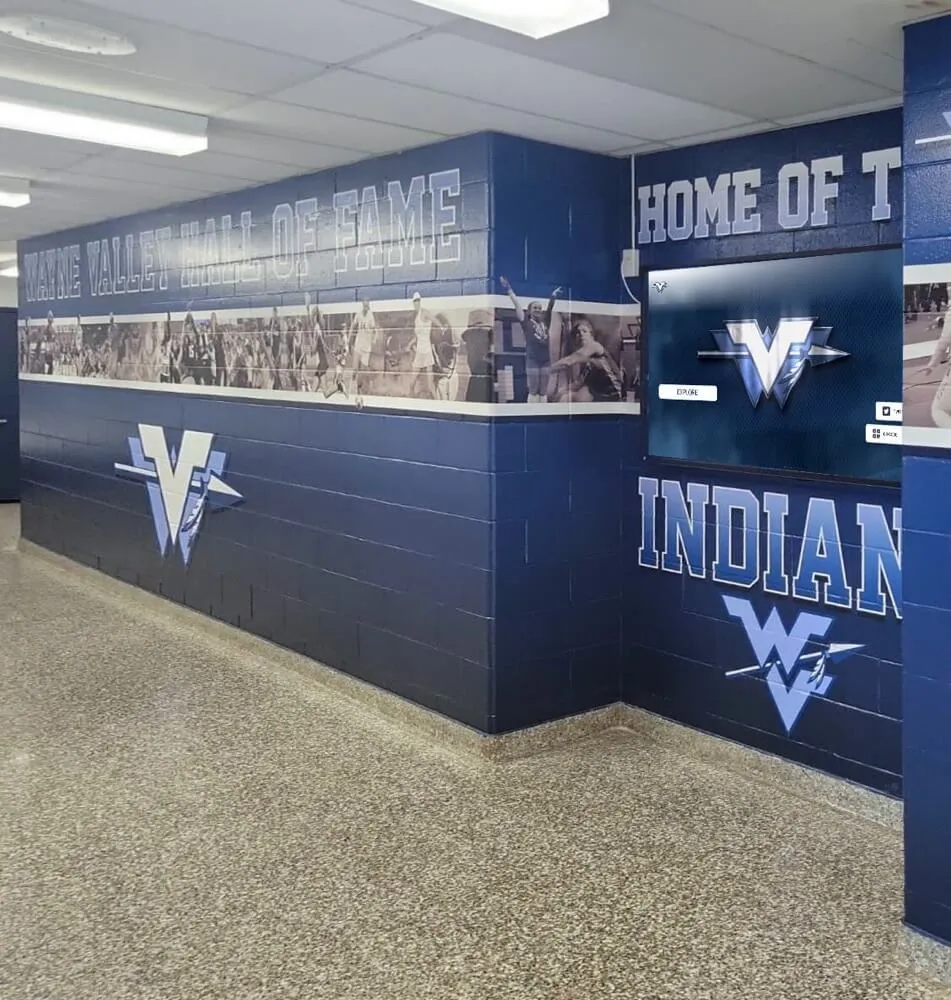
Entry areas feature comprehensive recognition systems celebrating NHS members alongside athletic and staff achievement
Common NHS Induction Challenges and Solutions
Even experienced advisors encounter predictable challenges when planning and executing induction ceremonies—anticipating these issues enables proactive problem-solving.
Selection and Eligibility Issues
Challenge: Borderline Candidates
Students meeting some but not all criteria clearly:
- Establish clear, published selection criteria before reviewing candidates
- Create rubrics for evaluating leadership, service, and character
- Document faculty council deliberations and reasoning
- Communicate decisions with specific feedback
- Provide pathways for future eligibility if applicable
- Prepare for parent questions with evidence-based responses
- Maintain confidentiality about specific candidate discussions
Challenge: Grade Inflation or Course Rigor Questions
Comparing GPAs across different course difficulty:
- Weight honors, AP, and IB courses if district policy allows
- Consider course rigor alongside GPA numbers
- Evaluate transcript comprehensively rather than GPA alone
- Establish transparent, consistent standards
- Document rationale for decisions
- Communicate expectations clearly to all students
- Review chapter standards periodically for fairness
Ceremony Logistics Challenges
Challenge: Large Inductee Classes
Managing ceremonies with 50+ inductees:
- Streamline individual recognition to maintain reasonable length
- Consider two ceremonies if class exceeds facility capacity
- Group recognition by sections or categories
- Limit optional program elements
- Efficient certificate and pin distribution systems
- Professional photography rather than stage photos during ceremony
- Reception photos as alternative to ceremony pictures
Challenge: Low Family Attendance
Encouraging family participation:
- Multiple communication methods (email, phone, mail, student delivery)
- Evening timing accommodating work schedules
- Childcare provision for younger siblings
- Transportation assistance if needed
- Emphasize importance and special nature of event
- Photography sharing for families unable to attend
- Video recording and sharing of ceremony
Member Engagement Challenges
Challenge: Passive Membership
Members who don’t actively participate after induction:
- Clear expectations communicated during selection process
- Immediate engagement opportunities after induction
- Diverse participation options matching varied interests
- Personal invitation to specific activities
- Peer mentorship pairing new with experienced members
- Consequences for non-participation clearly stated and enforced
- Regular communication maintaining connection
Challenge: Maintaining Academic Standards
Members whose GPAs drop after induction:
- Regular GPA monitoring each grading period
- Early intervention when students struggle
- Academic support and tutoring connections
- Clear probation and dismissal policies
- Compassionate consideration of extenuating circumstances
- Communication with families about concerns
- Emphasis on sustained excellence expectations
Similar challenges exist around maintaining participation and character standards. Clear policies, consistent enforcement, and supportive intervention when problems emerge maintain chapter integrity while supporting member success.
Modern Recognition Technology for NHS Programs
While ceremony traditions remain important, schools increasingly integrate technology to extend recognition beyond single events and create year-round visibility for academic excellence.
Digital Recognition Display Systems
Permanent NHS Recognition
Technology-enhanced ongoing celebration:
- Interactive touchscreen displays in main hallways or lobbies
- Inductee profiles with photos and achievements
- Historical archives showing decades of NHS members
- Searchable databases by name, year, or achievement
- Service project documentation and impact statistics
- Current member spotlights rotating regularly
- Integration with awards ceremony recognition across multiple programs
Benefits of Digital Recognition
Advantages over traditional static displays:
- Unlimited capacity for inductees across all years
- Easy updates adding new members after each induction
- Rich media including photos, videos, and detailed profiles
- Engaging interactive exploration by students and visitors
- QR code mobile access extending reach beyond physical location
- Analytics showing engagement and display usage
- Cost-effective compared to expanding physical plaques
- ADA-compliant accessibility features
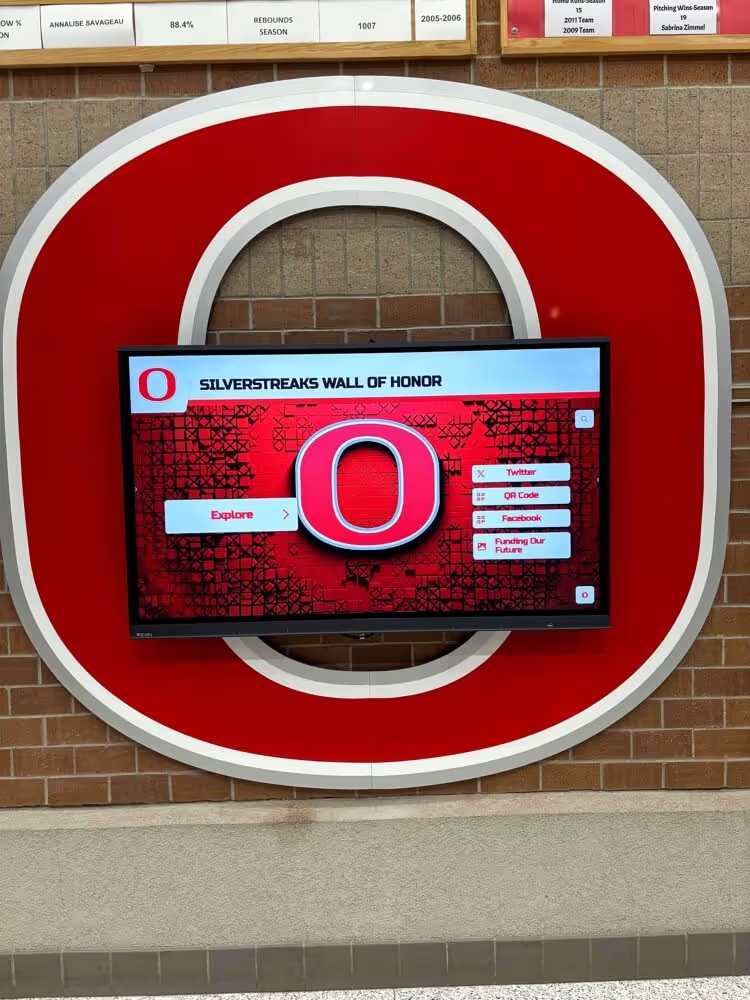
Schools report that digital recognition systems create ongoing awareness of NHS and academic achievement throughout the school year, inspiring younger students while honoring current and historical members. When students regularly see academic achievement celebrated as prominently as athletic success, it reinforces institutional values around scholarship and intellectual excellence.
Implementation Considerations
Successful technology integration:
- Strategic placement in high-traffic, visible locations
- Professional installation ensuring reliability
- Cloud-based content management for easy updates
- Training for advisors and staff managing content
- Annual budget allocation for maintenance and updates
- Integration with existing school communication systems
- Stakeholder input on design and functionality
Schools implementing comprehensive recognition systems often partner with specialized providers like Rocket Alumni Solutions who understand educational environments and create solutions specifically designed for celebrating student achievement across academic, athletic, and service dimensions.
Web-Based Recognition Extensions
Online NHS Chapter Presence
Digital platforms extending reach:
- Dedicated chapter website or school website section
- Current member roster with photos and profiles
- Service project photo galleries and impact stories
- Historical inductee databases searchable by community
- Application information and selection criteria
- Meeting schedules and event calendars
- Officer information and contact details
- Alumni engagement platforms connecting past and current members
Social Media Engagement
Expanding awareness through digital channels:
- Instagram highlighting member service and achievements
- Twitter ceremony updates and live-tweeting events
- Facebook event pages for induction and activities
- TikTok showcasing chapter culture and fun moments
- YouTube ceremony recordings and project videos
- LinkedIn for professional connections and alumni networking
- Consistent posting schedule maintaining visibility
Digital presence expands NHS impact beyond physical school building while creating documentation and connection opportunities that strengthen chapter culture and community awareness.
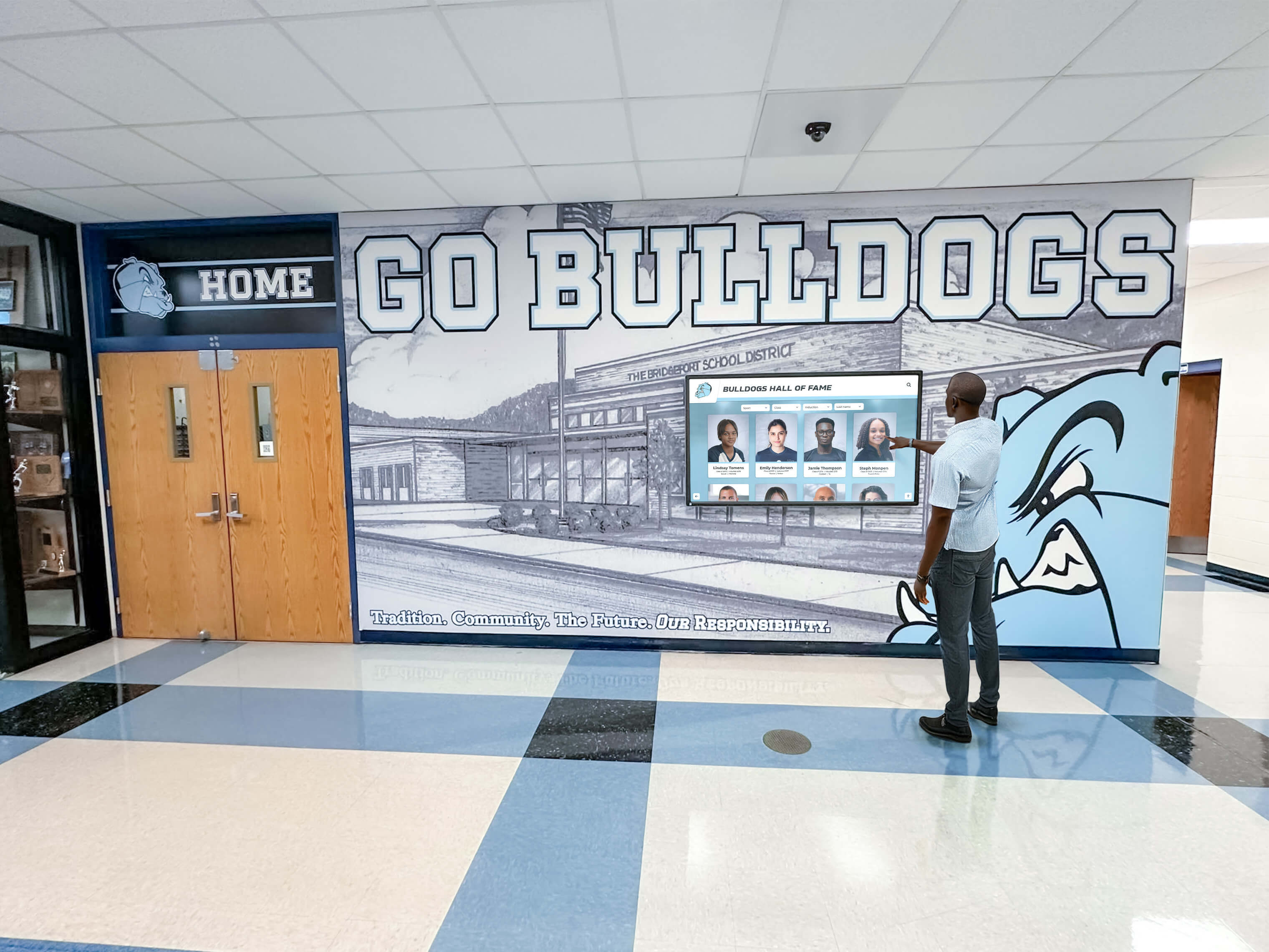
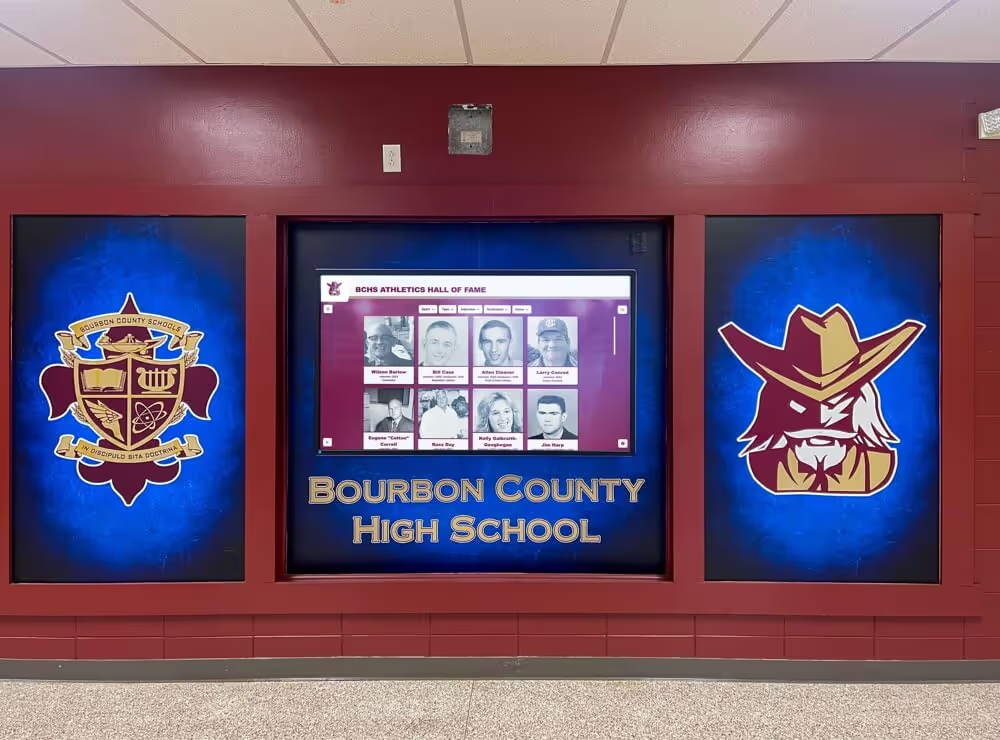
Schools celebrate NHS inductees through recognition systems that inspire younger students while documenting institutional academic excellence
Conclusion: Creating Meaningful NHS Induction Ceremonies
Effective National Honor Society induction ceremonies honor student achievement while reinforcing the scholarship, leadership, service, and character values that NHS membership represents. When thoughtfully planned with attention to both ceremonial tradition and meaningful personalization, induction creates transformative moments that students and families remember throughout their lives.
The most successful ceremonies balance formality with warmth, individual recognition with community celebration, and established tradition with innovative approaches that resonate with contemporary students. Whether you choose classic candlelight ceremonies, assembly-style recognition, or evening receptions with families, the essential elements remain consistent: clear explanation of NHS pillars, individual acknowledgment of inductees, symbolic commitment to organizational values, and celebration of sustained academic excellence.
Beyond the ceremony itself, ongoing member engagement, visible year-round recognition, and meaningful service opportunities transform NHS from honorary title to active community of scholars committed to making positive differences. Technology-enhanced recognition systems extend ceremony impact throughout school years while creating permanent documentation celebrating academic achievement with visibility traditionally reserved for athletic programs.
As you plan your chapter’s induction ceremony, remember that you’re creating more than a school event—you’re establishing a milestone in students’ academic journeys, reinforcing your institution’s commitment to intellectual excellence, and contributing to a century-long tradition of honoring America’s best and brightest high school students.
Whether this is your first year as NHS advisor or you’re a veteran seeking fresh ceremony ideas, the comprehensive strategies in this guide provide frameworks for creating dignified, meaningful recognition that honors inductees while inspiring younger students to pursue their own academic excellence. Your dedication to celebrating scholarship, leadership, service, and character shapes school culture and student aspirations in profound and lasting ways.
Celebrate NHS Inductees with Permanent Digital Recognition
Discover how modern recognition systems help schools honor National Honor Society members year-round through interactive displays that showcase inductee profiles, service achievements, and chapter history—creating lasting celebration of academic excellence that inspires current and future students.
Live Example: Rocket Alumni Solutions Touchscreen Display
Interact with a live example (16:9 scaled 1920x1080 display). All content is automatically responsive to all screen sizes and orientations.