



Each year, approximately 50,000 high school students across the United States earn recognition as National Merit Commended Scholars—a prestigious academic honor that places them among the top 3-4% of all PSAT/NMSQT test takers nationwide. This distinction represents exceptional academic achievement and provides students with a credential that strengthens college applications, demonstrates sustained excellence, and opens doors to institutional scholarships.
Yet many students, families, and even school administrators have questions about this recognition tier. How exactly does someone become a Commended Scholar? How does this designation differ from National Merit Semifinalist or Finalist status? What tangible benefits does Commended Scholar recognition provide? And how can schools effectively celebrate these outstanding students to maximize the program’s motivational impact throughout their academic communities?
This comprehensive guide answers those questions by exploring the National Merit Commended Scholar program’s structure, qualification criteria, benefits for students and families, and innovative recognition strategies that help schools celebrate academic excellence. Whether you’re a student who received notification, a parent evaluating what the honor means, or a school leader seeking effective ways to recognize your Commended Scholars, this guide provides the detailed information you need.
National Merit Commended Scholar recognition represents more than a single test score—it validates years of academic preparation, demonstrates intellectual capability that colleges value, and provides students with a distinctive credential in increasingly competitive admissions landscapes. For schools, Commended Scholars represent institutional excellence worth celebrating prominently.

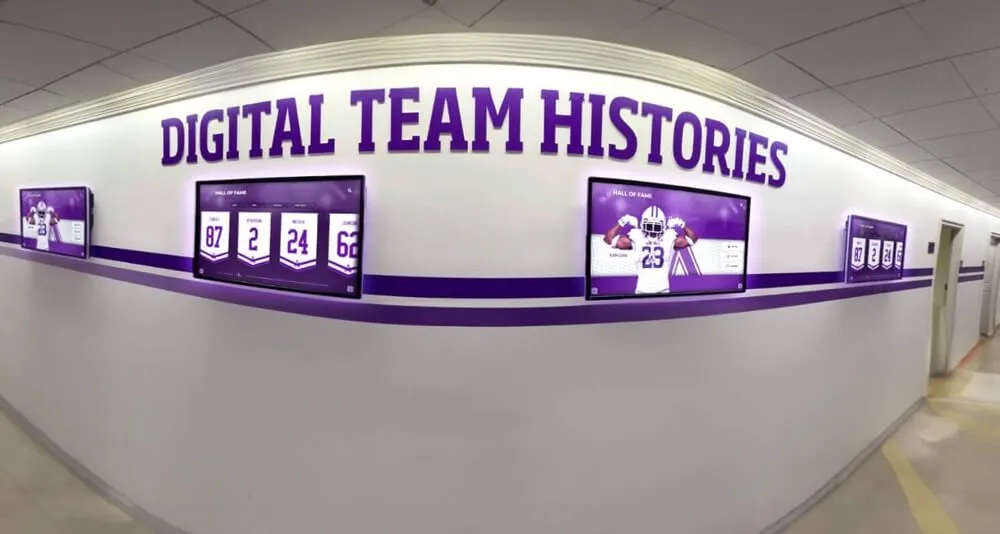
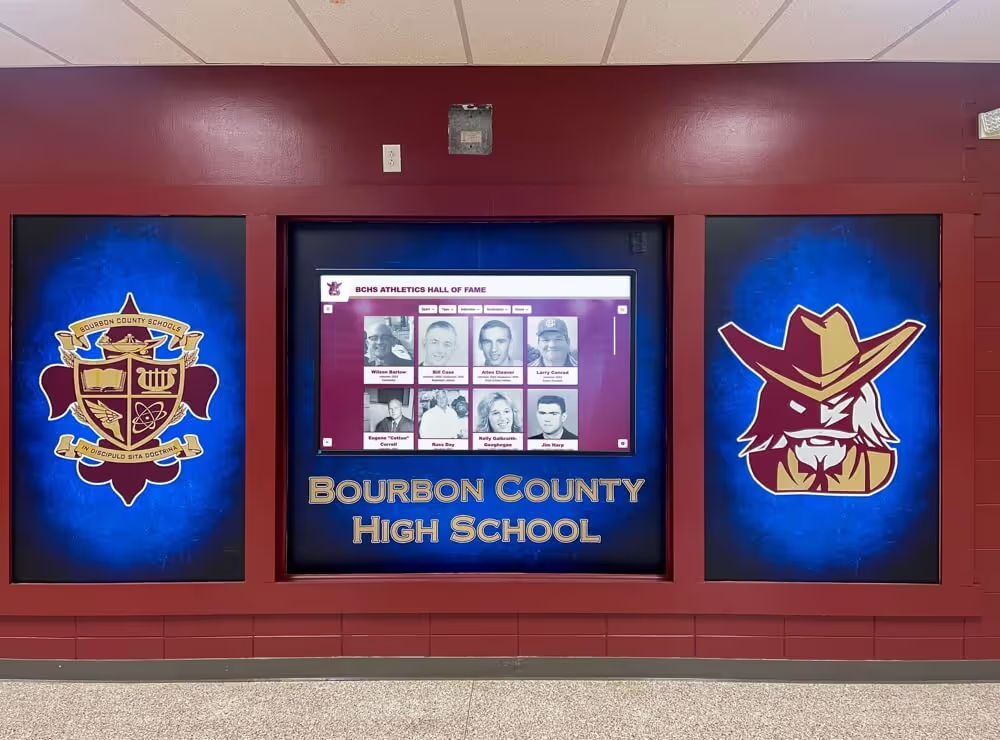
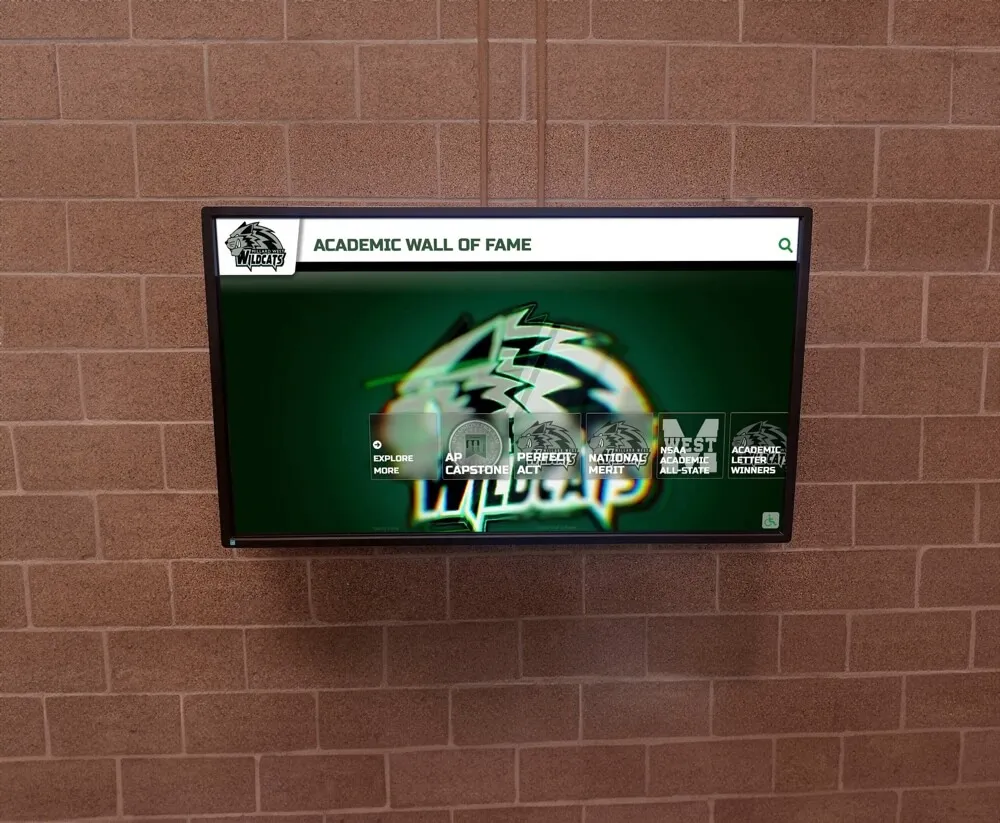
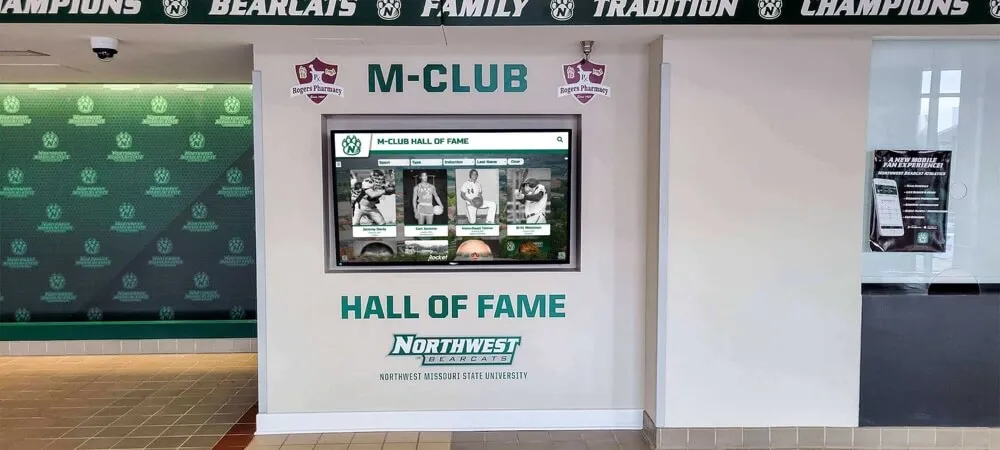
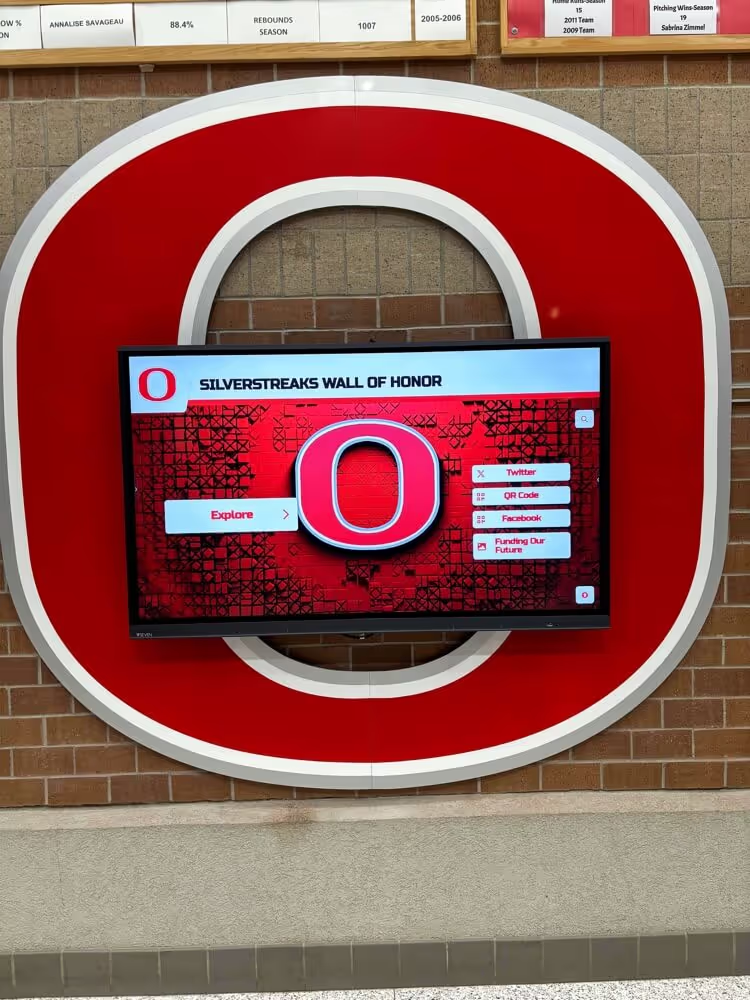
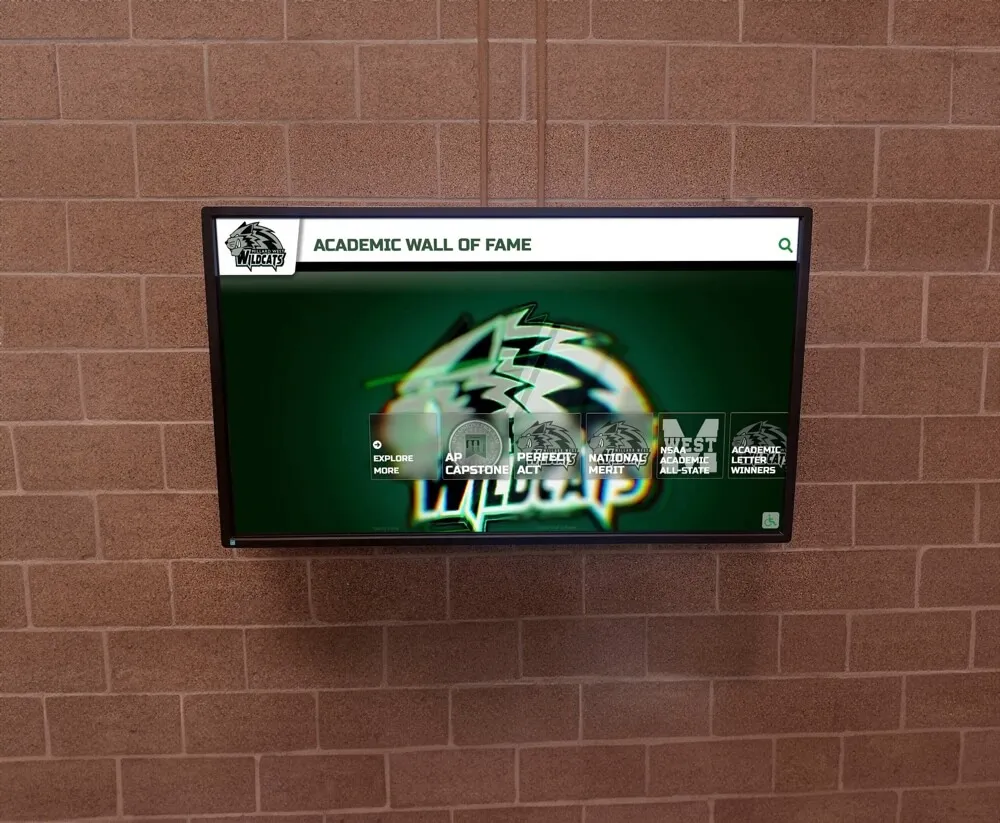
Modern recognition displays help schools celebrate National Merit Commended Scholars alongside other academic achievements, creating visible cultures of excellence
What Is a National Merit Commended Scholar?
Understanding the National Merit Commended Scholar program requires examining the broader National Merit Scholarship Program structure and where Commended recognition fits within it.
The National Merit Scholarship Program Overview
The National Merit Scholarship Corporation (NMSC), founded in 1955, operates one of America’s most prestigious academic recognition and scholarship programs. Each year, approximately 1.5 million high school juniors enter the competition by taking the PSAT/NMSQT (Preliminary SAT/National Merit Scholarship Qualifying Test).
Program Components and Recognition Tiers
The National Merit program recognizes students at four distinct levels:
- Commended Students (~50,000 students): Top 3-4% nationally who scored just below the Semifinalist cutoff
- Semifinalists (~16,000 students): Top 1% of students in each state based on PSAT Selection Index scores
- Finalists (~15,000 students): Semifinalists who advance through additional application requirements
- Scholars (~7,500 students): Finalists who receive National Merit Scholarships
This guide focuses specifically on Commended Scholar recognition—the designation that honors approximately 50,000 students annually who demonstrated outstanding academic promise without advancing to the Semifinalist round.
Defining Commended Scholar Status
National Merit Commended Scholars are students who:
- Scored among the top 50,000 PSAT/NMSQT test takers nationwide
- Placed their scores in approximately the 96th-97th percentile nationally
- Met the national Commended cutoff score but scored below their state’s Semifinalist threshold
- Received official recognition from the National Merit Scholarship Corporation
- Demonstrated sustained academic excellence throughout high school
Official Recognition Timeline
The notification process follows a structured schedule:
- October (Junior Year): Students take the PSAT/NMSQT
- April (Junior Year): High-scoring students receive initial notification that they qualify for recognition
- September (Senior Year): Students receive official Letters of Commendation
- September (Senior Year): Schools receive certificates to present to Commended Scholars
This timeline means students learn of their Commended Scholar status early in senior year—perfect timing for college applications and scholarship essays.
How Many Students Achieve Commended Scholar Status?
National Statistics
According to the National Merit Scholarship Corporation’s annual reports:
- Approximately 50,000 students earn Commended Scholar recognition each year
- This represents the top 3-4% of all PSAT/NMSQT test takers nationally
- About 34,000 students advance to higher recognition levels (Semifinalist and beyond)
- Combined, roughly 84,000 students receive some level of National Merit recognition annually
For context, approximately 1.5 million juniors take the PSAT/NMSQT each year, making Commended Scholar recognition a significant statistical achievement demonstrating exceptional academic capability.

Recognition displays showcase individual student achievements, creating peer-to-peer motivation for excellence
School-Level Perspectives
Individual schools’ Commended Scholar counts vary widely based on:
- Student body academic composition and preparation
- School size and total PSAT/NMSQT participation
- Geographic location (states with higher cutoffs may have more Commended Scholars relative to Semifinalists)
- Academic program rigor and test preparation resources
Large suburban high schools might produce 10-30 Commended Scholars annually, while smaller schools might celebrate one or two—each representing exceptional achievement within their institutional contexts.
National Merit Commended Scholar vs. Semifinalist: Key Differences
Many families and educators conflate Commended Scholar status with Semifinalist recognition, but important distinctions exist between these program tiers.
Selection Criteria Differences
Commended Scholar Requirements
- Meet or exceed the national Commended cutoff score (typically around 209-211 Selection Index)
- Score below their state’s Semifinalist threshold
- No additional application requirements beyond the PSAT/NMSQT
- Automatic recognition based solely on test performance
Semifinalist Requirements
- Score at or above their state-specific Semifinalist cutoff (ranging from 209-224 Selection Index depending on state)
- Represent approximately the top 1% of test takers in each state
- Must be U.S. citizens or lawful permanent residents
- State cutoffs vary significantly based on state population and performance distributions
This means a student could earn the same PSAT Selection Index score as another student but receive different recognition—Commended in a high-performing state versus Semifinalist in a state with lower cutoffs. The geographic variation explains why some students score “high enough” nationally but don’t advance to Semifinalist status.
Recognition and Benefits Comparison
Commended Scholar Recognition
- Letter of Commendation from National Merit Corporation
- Official certificate presented through the school
- Recognition in National Merit’s annual report
- Credential to include on college applications
- No National Merit scholarship eligibility through the Corporation
Semifinalist Recognition and Beyond
- Public announcement of Semifinalist status
- Opportunity to advance to Finalist status (requiring additional application)
- Eligibility for National Merit Scholarships ($2,500 one-time awards)
- Eligibility for corporate-sponsored and college-sponsored National Merit Scholarships
- Enhanced scholarship opportunities at National Merit partner institutions
The scholarship access represents the primary tangible difference. Commended Scholars cannot receive National Merit Scholarships through NMSC, though many colleges and organizations offer scholarships specifically recognizing Commended Scholar status.
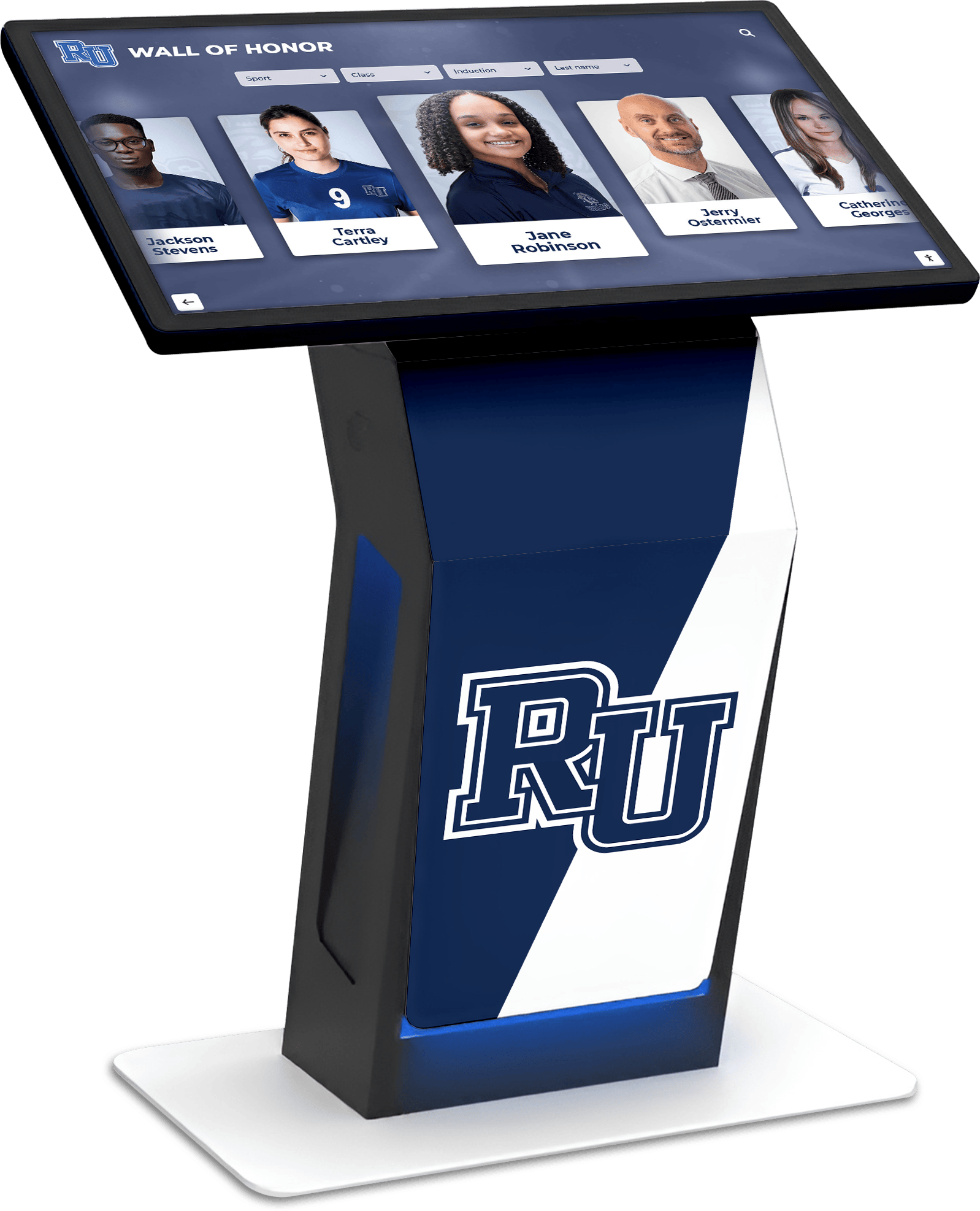
Interactive displays allow students to explore achievement details and understand different recognition levels
College Admissions Impact Comparison
Commended Scholar on Applications
College admissions officers view Commended Scholar status positively:
- Demonstrates strong standardized testing ability (top 3-4% nationally)
- Validates academic preparation and intellectual capability
- Provides third-party verification of achievement
- Strengthens applications at selective institutions
- Particularly valuable at schools where few students achieve this recognition
Semifinalist/Finalist Status Impact
Higher recognition tiers carry additional weight:
- More prestigious designation (top 1% vs. top 3-4%)
- May trigger automatic scholarship consideration at some institutions
- Provides stronger differentiation in highly competitive applicant pools
- National Merit Finalist status particularly valued at most selective colleges
However, both recognitions serve similar purposes in applications: they verify high academic capability through an independent, nationally recognized program. The difference matters more at the margins of highly selective admissions where distinguishing among strong candidates becomes necessary, similar to how schools differentiate between various academic honor society memberships.
How to Become a National Merit Commended Scholar
Achieving Commended Scholar status requires strategic preparation and strong performance on a single critical assessment.
PSAT/NMSQT Testing Requirements
Eligibility and Registration
- Students must take the PSAT/NMSQT during their junior year of high school
- Testing occurs annually in October (specific date set by College Board)
- Schools administer the test; students register through their high schools
- Test fee is typically $18 (fee waivers available for qualifying students)
- Sophomore and senior PSAT scores do not count for National Merit qualification
Test Structure and Scoring The PSAT/NMSQT consists of three sections:
- Reading (60 minutes, 47 questions)
- Writing and Language (35 minutes, 44 questions)
- Math (70 minutes, 48 questions, calculator and no-calculator sections)
Selection Index Calculation The National Merit program uses a Selection Index rather than the raw PSAT score:
- Reading score + Writing score + Math score = Total (320-1520)
- Selection Index = (Reading + Writing + Math) ÷ 10, then doubled
- Selection Index range: 48-228
- Commended cutoff typically around 209-211 Selection Index
For example, a student scoring 720 Reading/Writing and 690 Math would have:
- Total PSAT score: 1410
- Selection Index: (72 + 69) = 141, doubled = 282… wait, that’s not right
Let me recalculate: Selection Index = (Evidence-Based Reading & Writing section score ÷ 10) + (Math section score ÷ 10), then multiply the sum by 2.
Actually, the formula is: Selection Index = (Reading Test Score + Writing & Language Test Score + Math Test Score), where each test score ranges from 8-38. So the Selection Index is simply the sum of the three test scores (not section scores), ranging from 48-228.
Qualification Score Thresholds
National Commended Cutoff
- The Commended Scholar cutoff score is consistent nationwide (unlike Semifinalist cutoffs which vary by state)
- Recent years’ Commended cutoffs: 209-211 Selection Index
- The cutoff can vary slightly year to year based on overall test performance distributions
- Approximately 50,000 students nationwide score at or above the Commended threshold
State Semifinalist Cutoffs for Comparison To understand Commended Scholar status, it helps to know typical Semifinalist cutoffs by state:
- Highest cutoff states: Massachusetts, New Jersey, California (221-224 Selection Index)
- Middle cutoff states: Most states (214-219 Selection Index)
- Lowest cutoff states: Some less populous states (209-213 Selection Index)
This means students in states like Massachusetts might score 220—well into the top 1% nationally—but receive Commended rather than Semifinalist recognition because they fell just below their state’s high cutoff.
Preparation Strategies
Long-Term Academic Preparation Commended Scholar achievement reflects sustained academic development:
- Strong foundation in reading comprehension and vocabulary
- Solid math skills through Algebra II at minimum (geometry, algebra, data analysis, some trigonometry)
- Grammar and usage proficiency
- Critical thinking and analytical reasoning abilities
- Test-taking stamina and time management skills
Specific PSAT Preparation Students targeting Commended Scholar status should:
- Take the PSAT in 10th grade for practice and familiarity with format
- Use official College Board practice materials and released PSATs
- Focus on weak areas identified through practice testing
- Learn efficient time management strategies for each section
- Review common grammar rules and math concepts tested
- Practice reading dense passages efficiently
- Take full-length timed practice tests under realistic conditions
Test Day Performance
- Get adequate sleep before test day
- Eat a good breakfast and bring permitted snacks
- Arrive early to reduce stress
- Read questions carefully and manage pacing
- Answer every question (no penalty for guessing on PSAT)
Many students who achieve Commended Scholar status report consistent academic performance rather than intensive test-specific preparation—the PSAT rewards broad academic capability developed over years, similar to how sustained academic achievement programs recognize comprehensive excellence.
Benefits of National Merit Commended Scholar Recognition
While Commended Scholars don’t qualify for National Merit Corporation scholarships, the recognition provides substantial benefits for college admissions and scholarship opportunities.
College Application Enhancement
Application Credentials Commended Scholar status strengthens applications through:
- Honors section prominence: Major recognition to list in the honors/awards section
- Independent verification: Third-party validation of academic capability beyond grades and teacher recommendations
- Statistical distinction: Top 3-4% designation provides clear context for achievement
- Academic commitment demonstration: Shows sustained preparation and intellectual curiosity
- Standardized testing strength: Signals strong testing ability that predicts college success
Admissions officers particularly value Commended Scholar status at schools where few students achieve this recognition—it provides clear differentiation within the applicant school context.

Interactive displays in hallways allow students, staff, and visitors to explore academic achievements including National Merit recognition
Scholarship Opportunities
Institutional Scholarships Many colleges offer specific scholarships for Commended Scholars:
Automatic Scholarship Programs Some institutions provide automatic scholarships based solely on Commended Scholar status:
- Scholarship amounts typically range from $1,000 to $5,000 annually
- Four-year values of $4,000-$20,000 in total financial support
- Requirements usually include maintaining minimum college GPA
- May be renewable annually throughout undergraduate career
Competitive Scholarship Consideration Commended Scholar status strengthens applications for:
- University honors programs with associated financial benefits
- Academic merit scholarships at private and public institutions
- Departmental scholarships for intended major areas
- Stacked scholarships when combined with other achievements
External Scholarship Applications The credential enhances competitiveness for:
- Local community foundation scholarships
- Civic organization scholarships (Rotary, Kiwanis, etc.)
- Professional association scholarships
- Private scholarship programs valuing academic achievement
While Commended Scholars cannot receive National Merit Corporation scholarships, many institutions and organizations specifically recognize this achievement in their scholarship criteria—making diligent research about scholarship opportunities particularly valuable.
Resume and Career Benefits
Long-Term Professional Value Commended Scholar recognition provides lasting benefits:
Resume Credential
- Appropriate to include on resumes through college and early career
- Demonstrates academic excellence to potential employers
- Particularly valuable for competitive internships and programs
- Provides conversation point in interviews
- Signals intellectual capability and achievement orientation
Graduate School Applications
- Relevant credential for graduate and professional school applications
- Demonstrates undergraduate academic preparation quality
- Supplements undergraduate performance metrics
- Shows consistent academic excellence trajectory
Professional Network Connections
- Shared achievement creates connections with other high achievers
- Alumni recognition in some professional contexts
- Demonstrates commitment to excellence valued in many fields
Family and School Pride
Personal and Family Recognition Beyond tangible benefits, Commended Scholar status provides:
- Family pride in significant academic achievement
- Validation of years of academic effort and preparation
- Confidence boost entering competitive college admissions process
- Recognition from extended family and community
- Lifetime achievement to acknowledge
School Community Impact Schools benefit from celebrating Commended Scholars:
- Demonstrates institutional academic excellence
- Creates visible achievement models for younger students
- Provides positive public recognition of school quality
- Strengthens school reputation in community
- Motivates broader student body toward academic excellence
The motivational impact extends beyond individual recognized students when schools create systematic recognition programs that make Commended Scholar achievement visible throughout the community.
How Schools Recognize National Merit Commended Scholars
Effective recognition maximizes the motivational impact of Commended Scholar achievement while creating visible cultures of academic excellence.
Traditional Recognition Methods
Schools have long celebrated Commended Scholars through established formats:
Announcement and Publication
- Public announcements during school assemblies
- Recognition in school newsletters and publications
- Local newspaper achievement announcements
- School website honor roll and achievement listings
- Yearbook special recognition sections
Formal Presentation
- Certificate presentation during school events
- Recognition at academic award ceremonies
- Letters of congratulation from administrators
- Family notification and congratulation letters
- Special recognition during National Merit week

Recognition displays create gathering points where students connect around achievement and school pride
Physical Display Recognition
- Honor roll bulletin boards including Commended Scholar designations
- Trophy case displays with National Merit achievements
- Hallway recognition boards featuring student photos and accomplishments
- Academic achievement walls listing Commended Scholars by year
- Photo displays in main office and common areas
While these traditional methods remain valuable, they often suffer from limited visibility, infrequent updates, and inability to tell comprehensive stories about student achievement.
Modern Digital Recognition Solutions
Forward-thinking schools increasingly complement traditional recognition with digital platforms providing greater visibility, flexibility, and engagement:
Interactive Digital Recognition Displays Modern touchscreen systems transform how schools celebrate Commended Scholars:
Dynamic Achievement Showcases Digital displays enable recognition impossible with static methods:
- Comprehensive profiles: Display Commended Scholar photos, test scores, academic achievements, extracurricular activities, and college destinations
- Historical archives: Maintain recognition of Commended Scholars across multiple years without space constraints
- Search functionality: Allow students, families, and visitors to find specific scholars by name or year
- Automatic updates: Add new Commended Scholars immediately upon notification without physical reconstruction
- Multimedia storytelling: Include photos, quotes from scholars, achievement timelines, and recognition ceremony videos
Schools implementing digital recognition displays report that making National Merit achievement visible in high-traffic lobby and hallway locations creates powerful peer motivation while communicating academic values to visitors and prospective families.

Touchscreen displays in lobbies allow visitors to explore academic excellence including National Merit Commended Scholars
Advantages of Digital Commended Scholar Recognition
- Comprehensive coverage: Recognize all academic achievements including various honor societies alongside National Merit recognition
- Flexible presentation: Display Commended Scholars within broader academic achievement contexts or dedicated National Merit sections
- Engagement metrics: Track which achievement displays receive most attention, informing recognition program refinement
- Cost-effective scalability: Add unlimited students without purchasing additional physical plaques or expanding wall space
- Modern institutional image: Demonstrate commitment to innovation while honoring academic excellence
- ADA accessibility: Ensure recognition is accessible to all visitors with compliant display placement and features
Integrated Academic Recognition Programs
The most effective schools integrate Commended Scholar recognition into comprehensive academic celebration systems:
Academic Awards Ceremonies
- Dedicated National Merit recognition segment during annual academic awards programs
- Special presentation for Commended Scholars with certificates and recognition pins
- Parent and family invitation to celebrate achievement together
- Student speaker opportunities for Commended Scholars to share experiences
- Connection between Commended Scholar achievement and college outcomes
School Culture Integration Making National Merit achievement central to school identity:
- Recognition during school board meetings and community events
- Inclusion in school marketing and communication materials
- Historical tracking and display of Commended Scholar counts by year
- Alumni connections highlighting past Commended Scholars’ success
- Mentorship programs connecting current and past National Merit achievers
Communication and Celebration Strategies
- Social media posts celebrating individual Commended Scholars with photos and quotes
- Email communications to families and community highlighting achievement
- Press releases to local media about school National Merit success
- Video congratulations from administrators and teachers
- Creation of dedicated recognition displays or sections within academic halls of fame
Schools that systematically recognize Commended Scholars report increased PSAT participation, improved test preparation engagement, and stronger overall academic cultures where intellectual achievement receives visibility comparable to athletic success.
Creating a Culture That Produces Commended Scholars
Schools seeking to increase National Merit Commended Scholar achievement can implement strategic approaches supporting student success.
Academic Preparation Programs
Curriculum Rigor
- Ensure strong core curriculum preparing students for PSAT content
- Provide advanced course options in all subject areas
- Emphasize critical reading and analytical writing across disciplines
- Maintain high expectations and academic challenge
- Offer appropriate support for students taking rigorous coursework
Test Awareness and Preparation
- Educate students and families about PSAT importance for National Merit
- Provide information about the Selection Index and recognition thresholds
- Offer PSAT preparation courses or resources
- Encourage all juniors to take the test (and sophomores for practice)
- Create study groups and peer support for test preparation
- Provide access to official practice materials and resources
Math and Reading Focus Since the PSAT tests specific content areas:
- Strong Algebra I, Geometry, and Algebra II instruction
- Emphasis on problem-solving and mathematical reasoning
- Regular practice with data interpretation and analysis
- Reading comprehension emphasis across all content areas
- Vocabulary development through reading and direct instruction
- Grammar and usage instruction in English classes
Creating Supportive Environments
Academic Culture Development
- Celebrate intellectual achievement as prominently as athletic success
- Create peer cultures where academic excellence is valued
- Recognize academic improvement and effort alongside absolute achievement
- Provide visible role models through academic recognition displays
- Normalize challenge-seeking and intellectual curiosity
Family Engagement
- Communicate about National Merit program timelines and importance
- Provide resources supporting home academic preparation
- Host information sessions about college testing landscape
- Celebrate family involvement in academic achievement
- Create partnerships supporting student success
Tracking and Supporting Potential Commended Scholars
Early Identification
- Analyze PSAT 10 scores identifying students with Commended Scholar potential
- Review academic performance data predicting strong PSAT performance
- Identify students in the 90th-98th percentile range on standardized tests
- Monitor performance in advanced coursework
Targeted Support For students showing Commended Scholar potential:
- Provide additional PSAT preparation resources
- Offer small-group test preparation sessions
- Connect with mentors or tutors for weak areas
- Ensure enrollment in appropriately rigorous coursework
- Create accountability and goal-setting partnerships
- Monitor and celebrate practice test improvements
Schools implementing systematic approaches to academic preparation and recognition typically see steady increases in National Merit Commended Scholar counts over 3-5 years as cultures shift and students internalize new expectations.

Integrated displays celebrate multiple achievement types, showing students diverse paths to excellence
National Merit Recognition Beyond Commended Scholar Status
Understanding the complete National Merit program helps schools and families contextualize Commended Scholar achievement.
The Path from Commended Scholar to Finalist
Semifinalist Advancement (not applicable to Commended Scholars) Approximately 16,000 students advance to Semifinalist status based on state-specific cutoffs. These students must then:
- Submit a detailed scholarship application
- Provide SAT scores confirming PSAT performance
- Maintain strong academic records (typically 3.5+ GPA)
- Obtain principal endorsement and school recommendation
- Write an essay about achievements and goals
Finalist Designation About 15,000 of 16,000 Semifinalists advance to Finalist status by completing requirements successfully. Finalists become eligible for National Merit Scholarships.
Scholar Selection Approximately 7,500 Finalists receive National Merit Scholarships:
- $2,500 one-time National Merit Scholarships (2,500 students)
- Corporate-sponsored scholarships for eligible Finalists
- College-sponsored scholarships at participating institutions
Other National Merit Recognition Categories
Special Scholarship Programs Students who don’t advance in the main competition may still receive recognition:
National Merit Special Scholarships
- Corporate sponsors may provide scholarships to students who don’t become Finalists
- Children of company employees may receive special consideration
- Typically similar amounts to regular National Merit Scholarships
- Different selection processes than main competition
Outstanding Participants Students scoring just below Commended cutoffs might still:
- Qualify for National Recognition Programs through College Board
- Receive institutional recognition from their schools
- Use strong PSAT scores for scholarship applications
- Demonstrate academic capability in college applications
Related Recognition Programs
National Achievement Scholarship Program (discontinued 2023) Previously recognized outstanding Black American students. The program has been replaced by broader National Recognition Programs.
National Hispanic Recognition Program (discontinued 2015) Previously honored Hispanic/Latino students. Students now participate in College Board’s National Recognition Programs instead.
College Board National Recognition Programs (current) Now offer multiple recognition pathways including:
- National Recognition Program awards for various student categories
- Recognition for first-generation college students
- Rural and small-town student recognition
- Identity-based recognition programs
Schools should ensure students understand all available recognition pathways and help them pursue all applicable opportunities.
Frequently Asked Questions About Commended Scholars
Can Commended Scholars still win scholarships?
Yes, though not through the National Merit Corporation directly. Many colleges and organizations offer scholarships specifically for Commended Scholars. Students should research institutional scholarships at schools they’re considering and apply for external scholarships that value this achievement. The designation significantly strengthens scholarship applications even when not the sole qualifying criterion.
What PSAT score makes you a Commended Scholar?
Students need a Selection Index of approximately 209-211 (the exact cutoff varies slightly by year). The Selection Index equals your Reading + Writing & Language + Math test scores (each ranging 8-38), not your total PSAT score. For example, test scores of 35 Reading, 34 Writing, and 35 Math would give a 104 Selection Index—far below the threshold. You need each section in the 35-38 range to approach Commended status.
Actually, let me correct that: a Selection Index of 104 would be way too high since the maximum is 38+38+38=114, not 228. The Selection Index is calculated as (Reading Test Score + Writing and Language Test Score + Math Test Score) × 2, where each test score ranges from 8-38. So to get a 209-211, you’d need your three test scores to sum to approximately 105, meaning an average of about 35 on each test.
How does Commended Scholar status help with college admissions?
Commended Scholar recognition provides independent verification that you’re in the top 3-4% of students nationally on a standardized academic measure. Admissions officers value this because it validates academic capability beyond grades (which vary by school rigor). It’s particularly impactful at schools where few students achieve this recognition. Include it prominently in your honors section and mention it in essays when discussing academic journey.
Should schools recognize Commended Scholars differently than Semifinalists?
Both achievements deserve celebration, though schools might create tiered recognition reflecting the different distinction levels. Some schools use color-coded recognition (gold for Finalists, silver for Semifinalists, bronze for Commended Scholars) or separate display sections. The key is ensuring all National Merit achievers receive meaningful recognition while maintaining distinctions that preserve each level’s significance.
Can students retake the PSAT to improve Commended Scholar chances?
Students can take the PSAT multiple times (typically in 10th and 11th grades), but only the junior year score counts for National Merit consideration. Taking it in 10th grade provides valuable practice and helps identify areas for improvement before the qualifying test. Some students also take it in 9th grade for early baseline assessment and scholarship programs like Johns Hopkins CTY.
What happens after receiving Commended Scholar notification?
Students receive official notification in September of senior year. Schools present Letters of Commendation and certificates. Students should immediately add the honor to college application materials and scholarship applications. Many Commended Scholars report colleges asking about the achievement during interviews, so be prepared to discuss your academic preparation and what the recognition means to you.
Celebrating Academic Excellence in the Modern Era
As schools evolve recognition systems to match modern expectations, National Merit Commended Scholar celebration provides an excellent opportunity to implement comprehensive academic recognition strategies.
Digital Recognition Advantages for National Merit Programs
Traditional plaques and bulletin boards struggle to accommodate growing recognition needs, particularly for annual achievements like National Merit that accumulate across years. Schools with 10-30 Commended Scholars annually quickly exhaust physical display space or face difficult decisions about whose recognition to maintain visibility.
Comprehensive Digital Solutions Modern platforms like Rocket Alumni Solutions’ digital recognition systems eliminate these constraints by providing:
Unlimited Recognition Capacity
- Display every Commended Scholar from every year without space constraints
- Add new scholars immediately upon notification each September
- Maintain complete historical archives showing institutional academic excellence over time
- Recognize National Merit achievement alongside other honors without prioritization decisions
Engaging Presentation
- Interactive touchscreens that students, families, and visitors actively explore
- Photo galleries, achievement details, and scholar profiles
- Search and filter functionality by year, name, or achievement type
- Testimonial quotes from Commended Scholars about their experience
- College destination tracking showing where scholars matriculate
Easy Management
- Cloud-based content management from any device
- Simple updates requiring no technical expertise
- Automated content scheduling for annual recognition updates
- Role-based access for counselors, administrators, or designated staff
- Professional templates ensuring attractive, consistent presentation

Intuitive touchscreen interfaces make exploring achievements engaging for all ages
Integrated Recognition Ecosystems
The most effective approaches integrate National Merit recognition within comprehensive academic celebration systems:
Academic Achievement Displays Position Commended Scholar recognition alongside:
- Academic honor roll programs
- Valedictorian and salutatorian recognition
- AP Scholar awards and advanced course achievement
- Honor society memberships (National Honor Society, subject honor societies)
- Academic competition successes and subject awards
- College admissions outcomes and scholarship recipients
This integrated approach shows students multiple pathways to recognition and celebrates comprehensive academic excellence rather than single achievements in isolation.
Strategic Display Placement Maximize impact through thoughtful location selection:
- Main lobby displays: Welcome visitors with institutional academic excellence
- Guidance office recognition: Support college counseling conversations about academic achievement
- Library installations: Connect achievement with learning environments
- Academic hallway displays: Create daily touchpoints with excellence for all students
- Senior area recognition: Provide motivation and celebration for graduating classes
Building Sustainable Recognition Programs
Effective National Merit recognition requires systematic approaches that continue across years and administrative changes:
Establish Clear Processes
- Designate staff responsibility for National Merit recognition updates
- Create checklists for annual recognition cycles (notification → certificate presentation → display updates → community communication)
- Document procedures ensuring consistency across years
- Build recognition into guidance office and principal calendars
- Connect National Merit celebration to broader academic recognition systems
Budget Appropriately
- Recognize that modern digital solutions often cost less long-term than annual plaque purchases
- Consider one-time technology investment versus recurring material costs
- Explore whether existing displays can add academic recognition content
- Research available education technology funds and grants
- Calculate costs per recognized student across solutions
Communicate Systematically Create comprehensive communication plans ensuring:
- All stakeholders understand the achievement’s significance
- Families receive prompt notification and celebration
- Community media receive information for publicity
- Students understand requirements and preparation approaches
- Younger students see pathways to similar achievement
Schools implementing systematic National Merit recognition report increased academic engagement, stronger college counseling conversations, and enhanced community perception of institutional quality.
Conclusion: Honoring Commended Scholar Achievement
National Merit Commended Scholar recognition represents exceptional academic achievement—placing students among the top 50,000 nationwide and the top 3-4% of all PSAT test takers. For students and families, this designation provides meaningful benefits including college application enhancement, scholarship opportunities, and lifetime academic credentials. For schools, Commended Scholars represent institutional excellence worth celebrating prominently.
Effective recognition maximizes the program’s motivational impact by making Commended Scholar achievement visible throughout school communities. When schools systematically celebrate these outstanding students—through formal ceremonies, comprehensive communication, and particularly through modern digital recognition systems—they create environments where academic excellence becomes increasingly visible, valued, and pursued.
The distinction between Commended Scholar and higher National Merit tiers matters less than many assume. Both represent outstanding achievement worth celebrating. Students who earn Commended Scholar status demonstrated academic capability in the top few percentiles nationwide—an accomplishment deserving recognition alongside any school honor. Schools that understand this and celebrate Commended Scholars appropriately create cultures where intellectual achievement receives visibility equal to athletic success.
As recognition methods evolve with technology, schools have unprecedented opportunities to honor Commended Scholars comprehensively. Whether through traditional ceremonies enhanced by digital display, year-round visible recognition in high-traffic areas, or integrated achievement systems celebrating academic excellence across multiple dimensions, the key is ensuring National Merit achievement becomes central to institutional identity and student aspiration.
When schools invest in strong academic recognition programs—from systematic preparation supporting student success to comprehensive celebration making achievement visible—they create self-reinforcing cycles of excellence where intellectual accomplishment becomes increasingly pursued by broader student populations. That’s the enduring value of properly recognizing National Merit Commended Scholars: not just honoring exceptional achievement, but inspiring it in future generations.
Celebrate Your National Merit Commended Scholars
Discover how modern digital recognition solutions can help you prominently honor National Merit Commended Scholars and create a thriving culture of academic excellence throughout your school community.
Explore Recognition Solutions