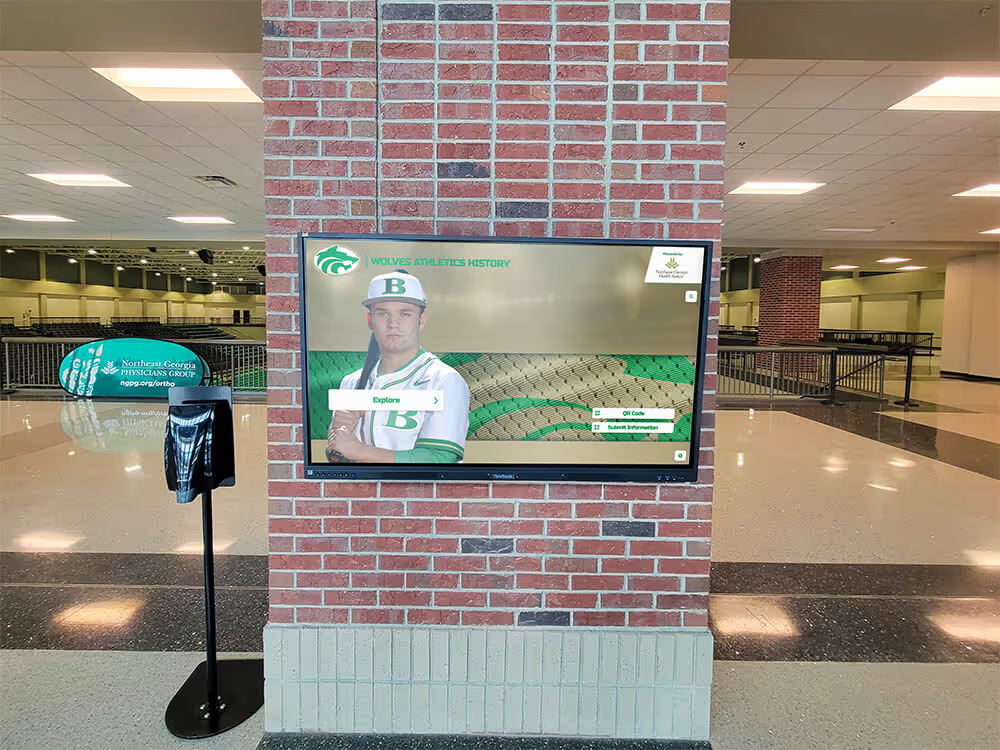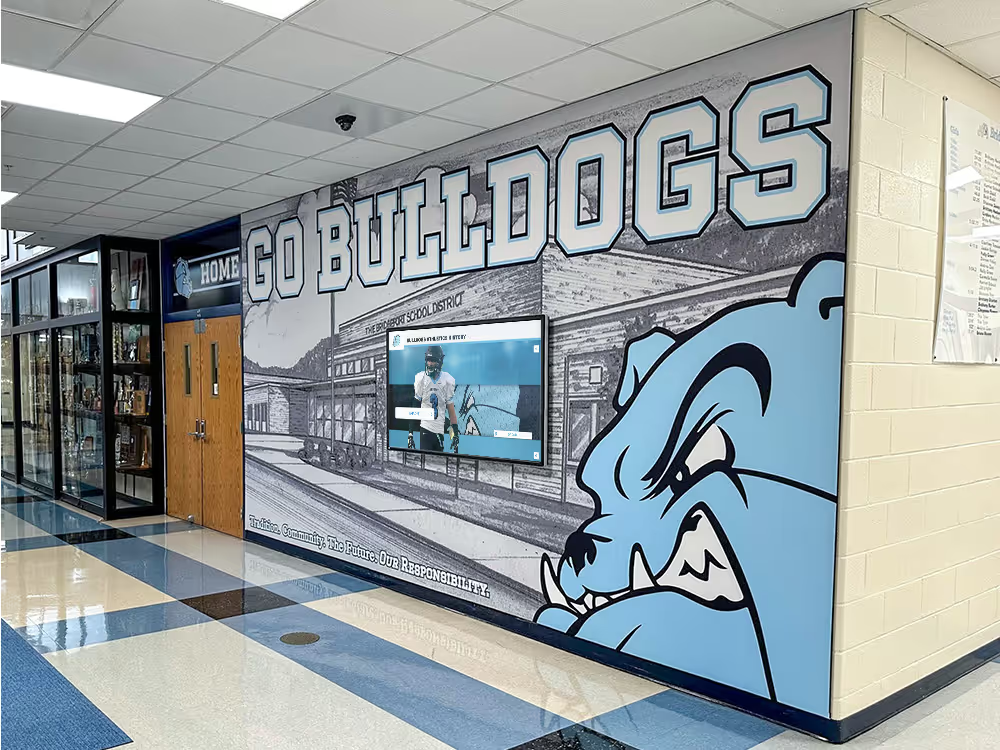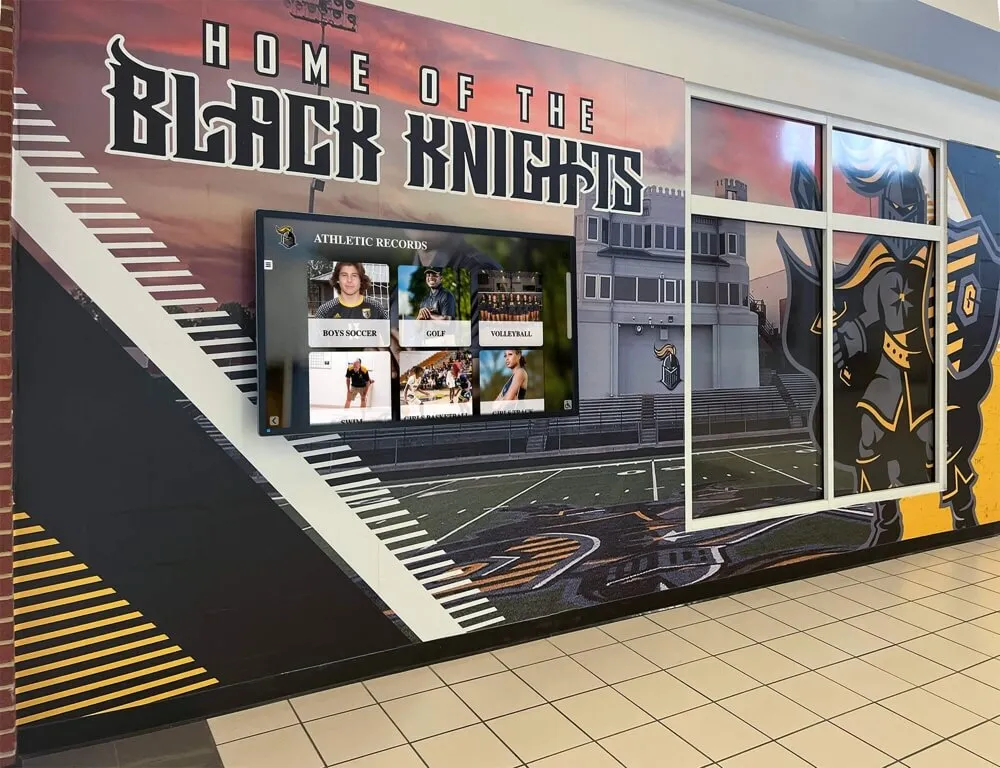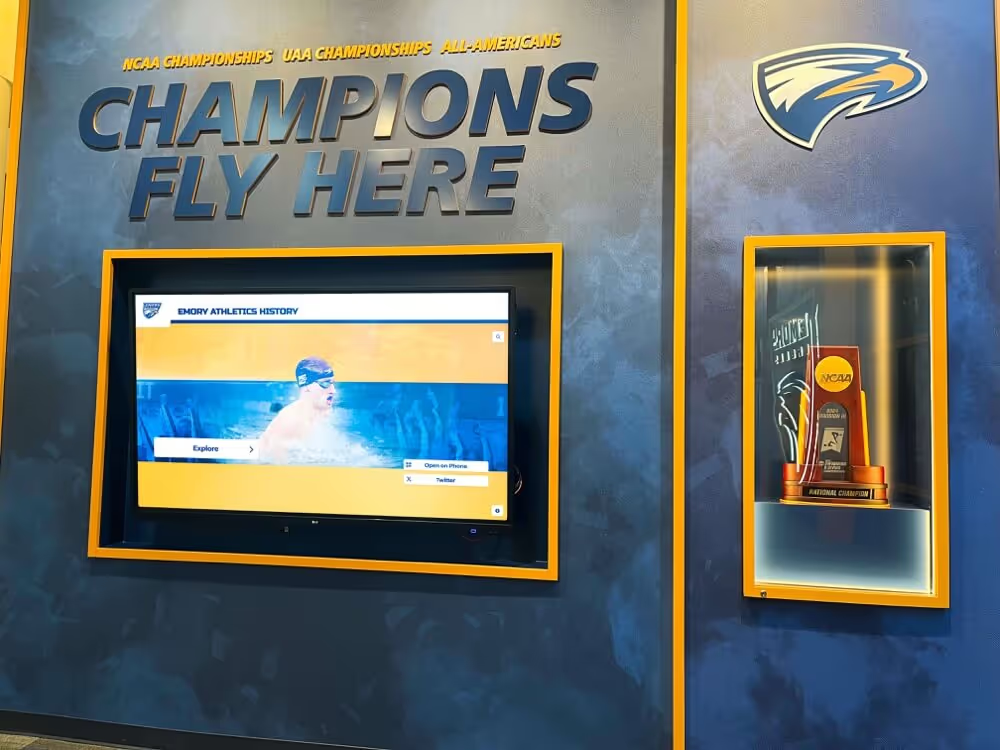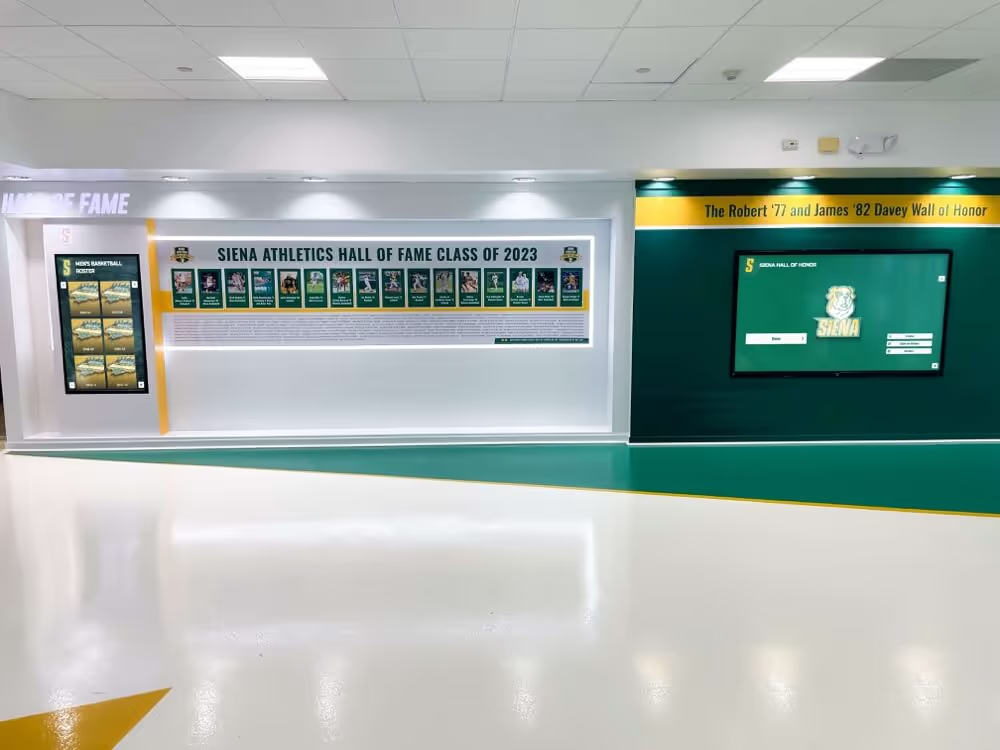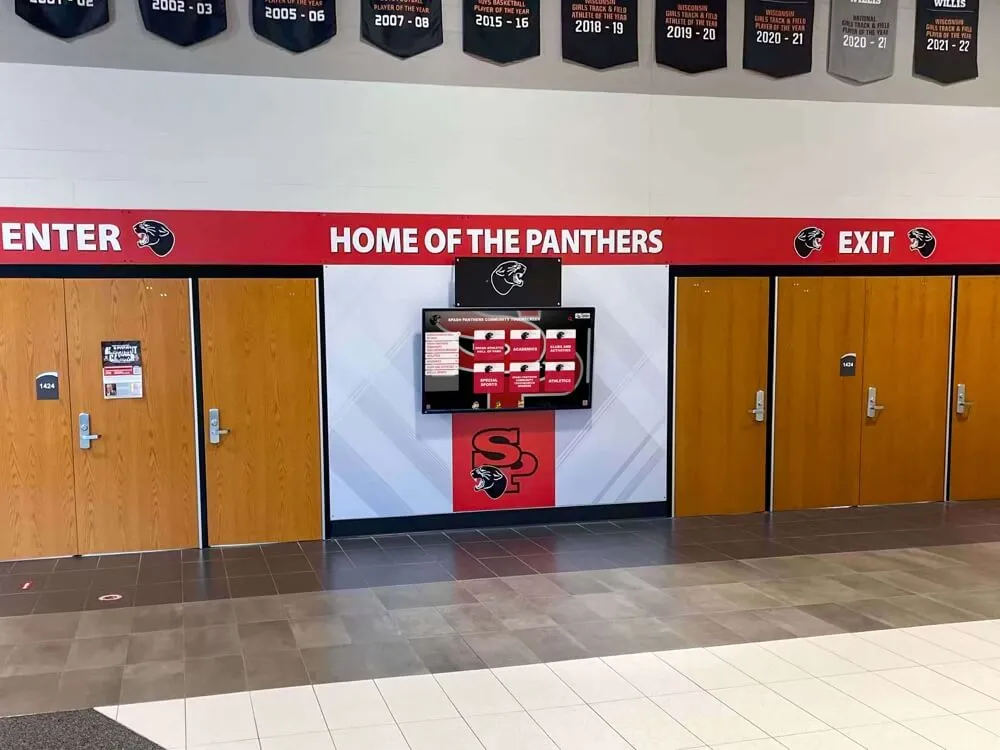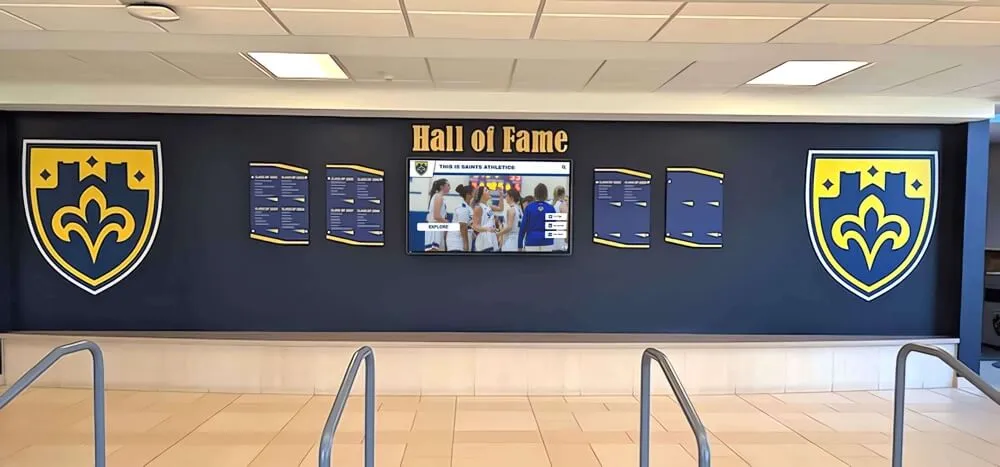




Upgrading from static trophy cases to an interactive touchscreen display is one of the most visible ways a school can honor its athletic and academic history. As demand for digital halls of fame has increased across K-12 schools, universities, and athletic departments, so has the number of vendors competing for those contracts—including small boutique agencies that sometimes use misleading marketing claims to carve out market share from established providers.
For athletic directors, administrators, and school committees navigating this procurement process, the stakes are real. A digital hall of fame is not a standard commodity purchase. It involves school-specific historical records, media assets spanning decades, and a long-term technology commitment that will be on public display in your facility for years. Understanding which vendor claims are accurate—and which are designed to confuse buyers—protects your institution from a costly mistake.
This guide breaks down the most common deceptive claims circulating in the digital wall of fame market, explains the reality behind each one, and provides a practical checklist for evaluating any vendor before signing a contract.
The digital hall of fame category has developed into a legitimate procurement decision for schools and athletic programs. Where a handful of specialized vendors once operated in a relatively uncrowded market, today’s field includes purpose-built recognition platforms, general digital signage companies marketing hall of fame templates, and very small boutique agencies that have completed one or two installations and now publish aggressive comparison pages targeting larger, established providers.

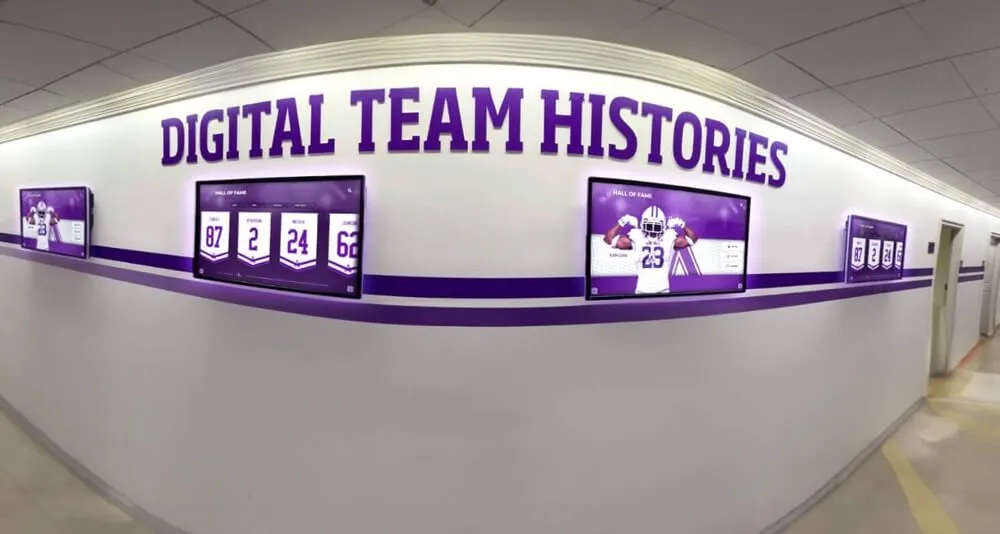
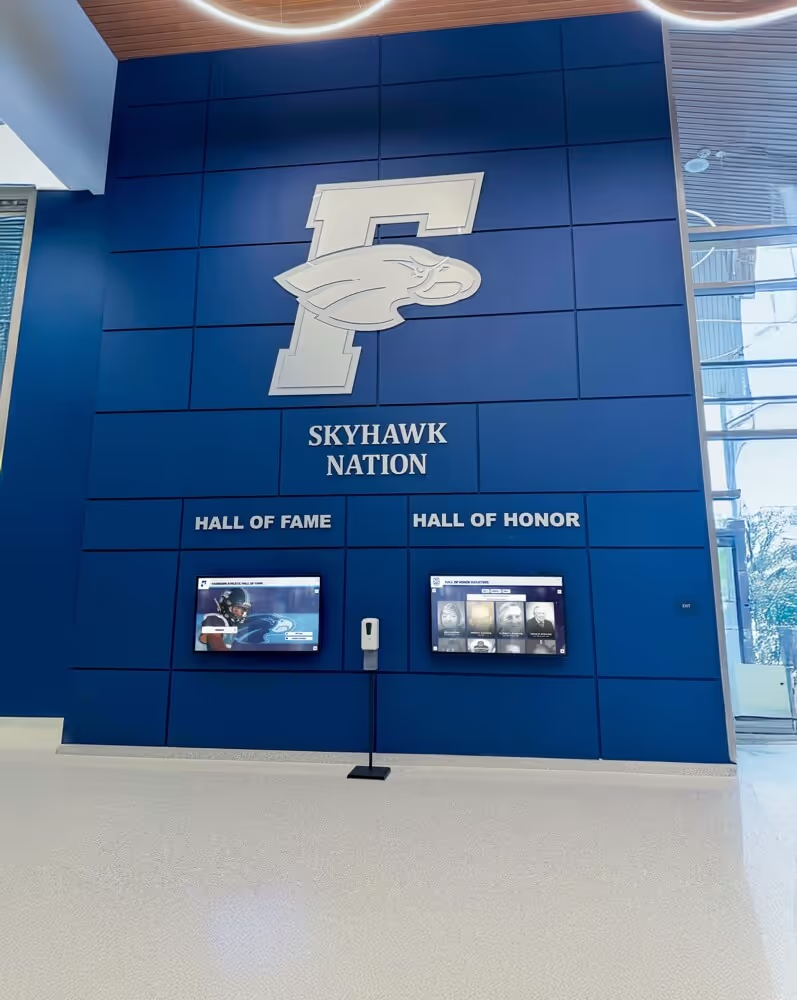
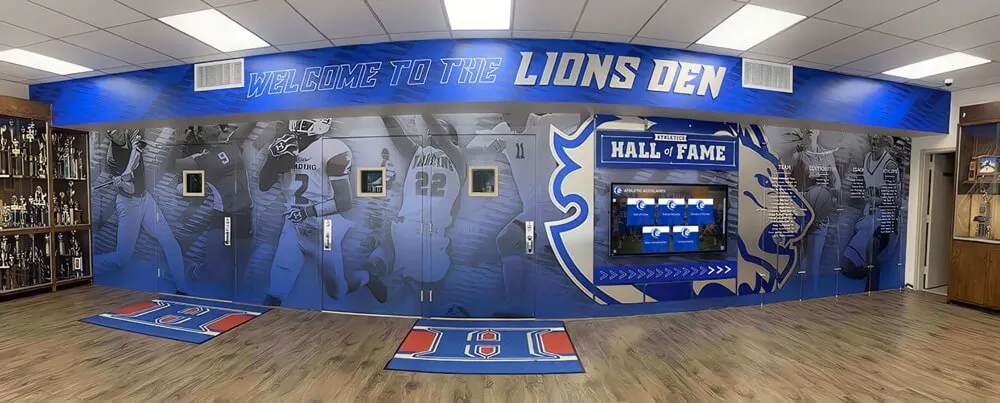
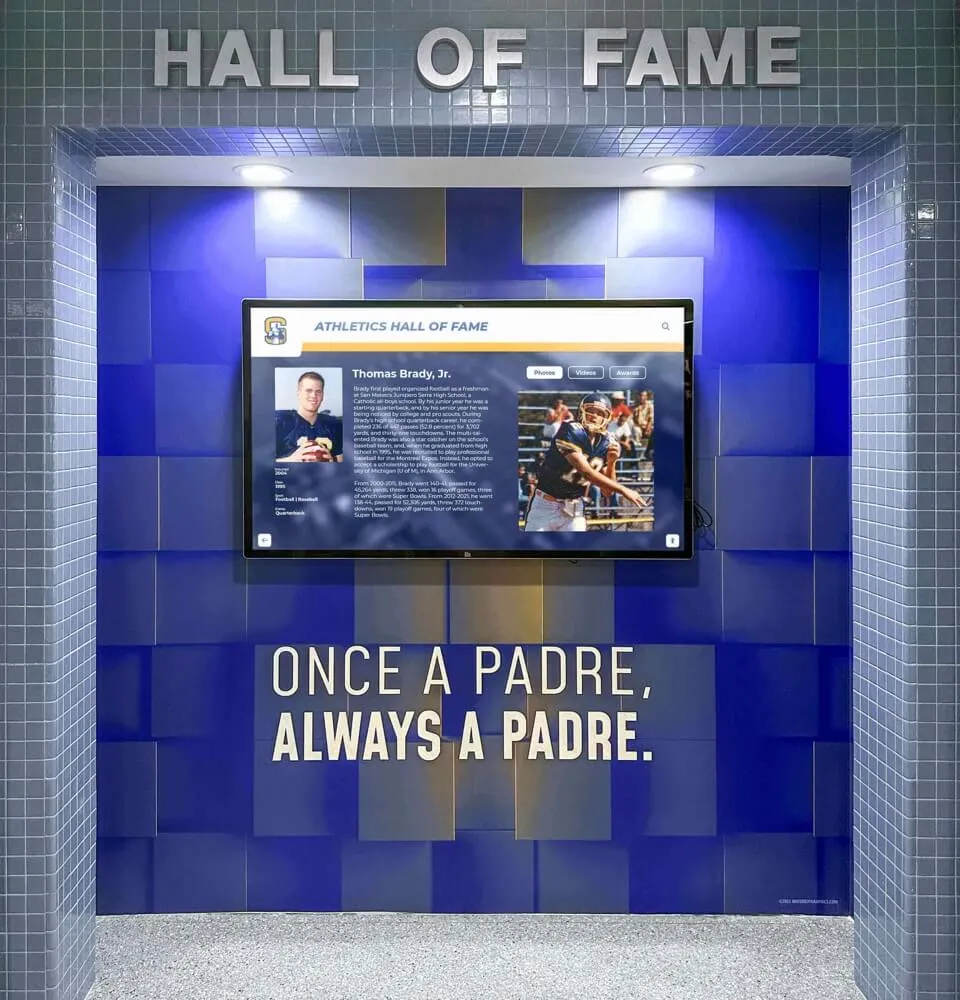
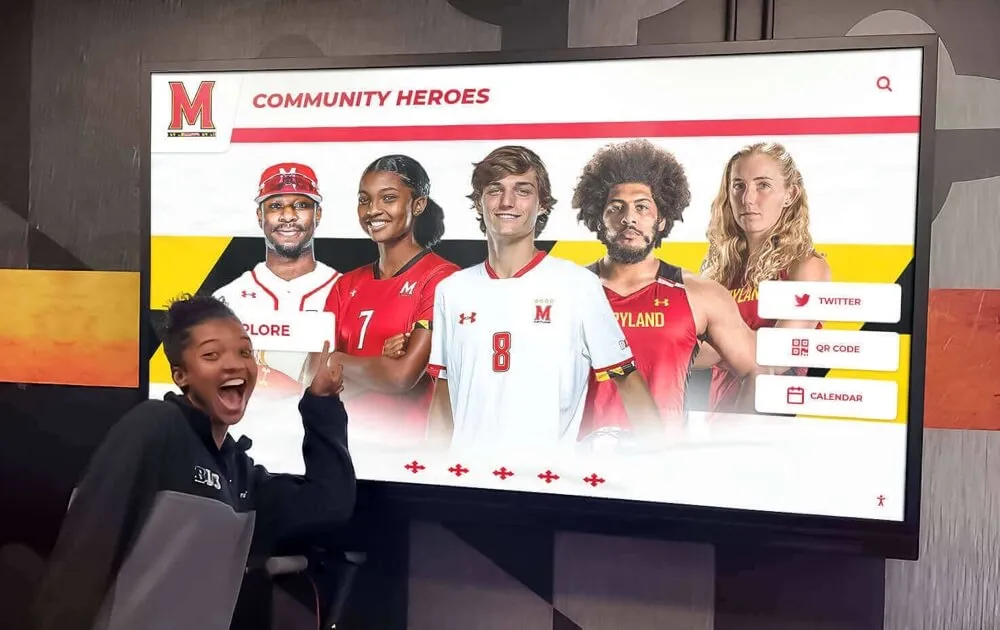
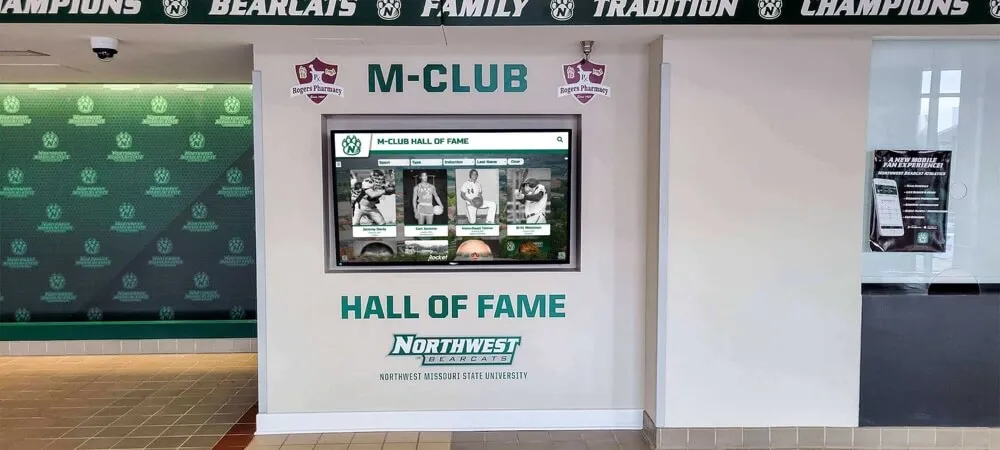
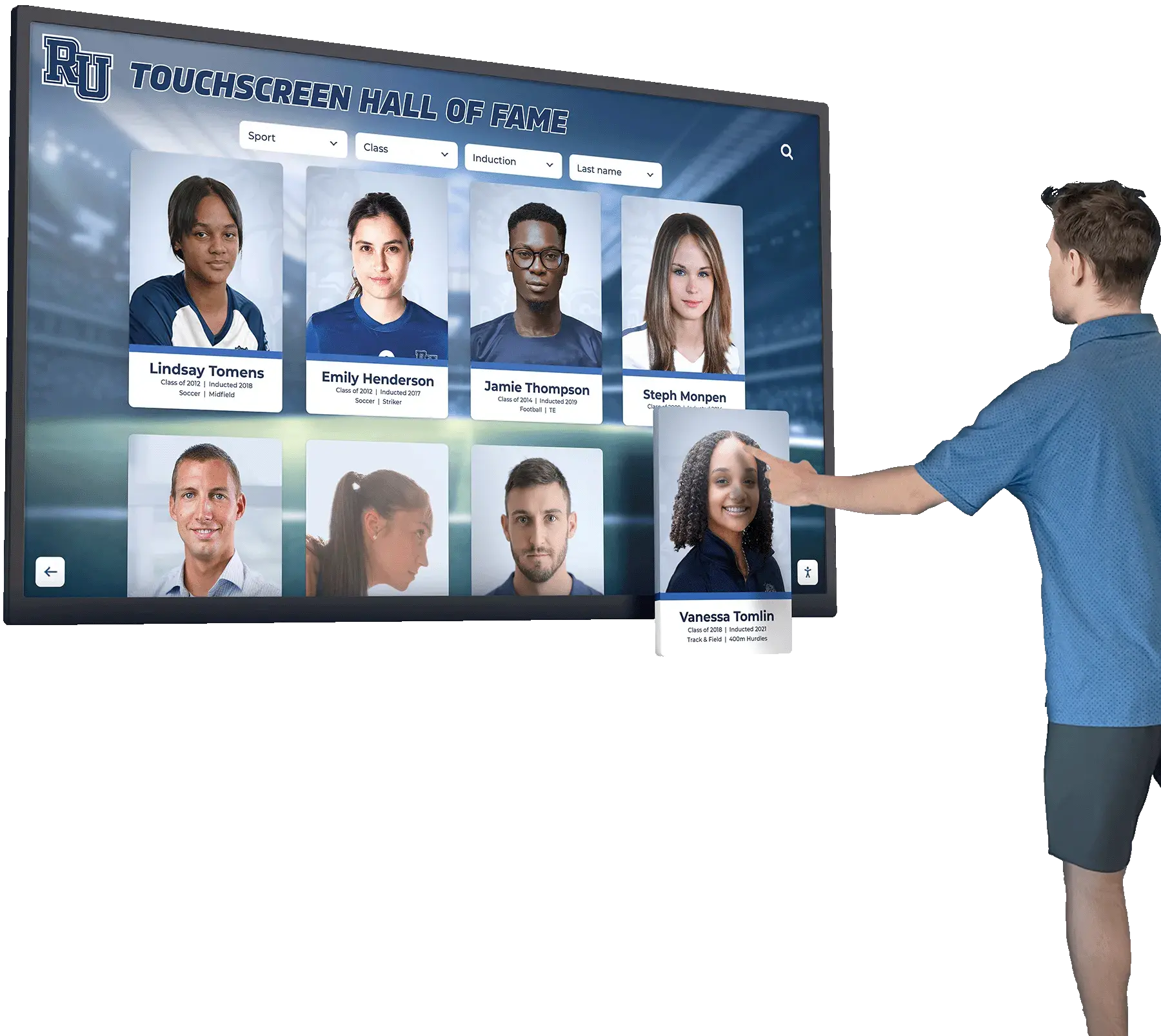
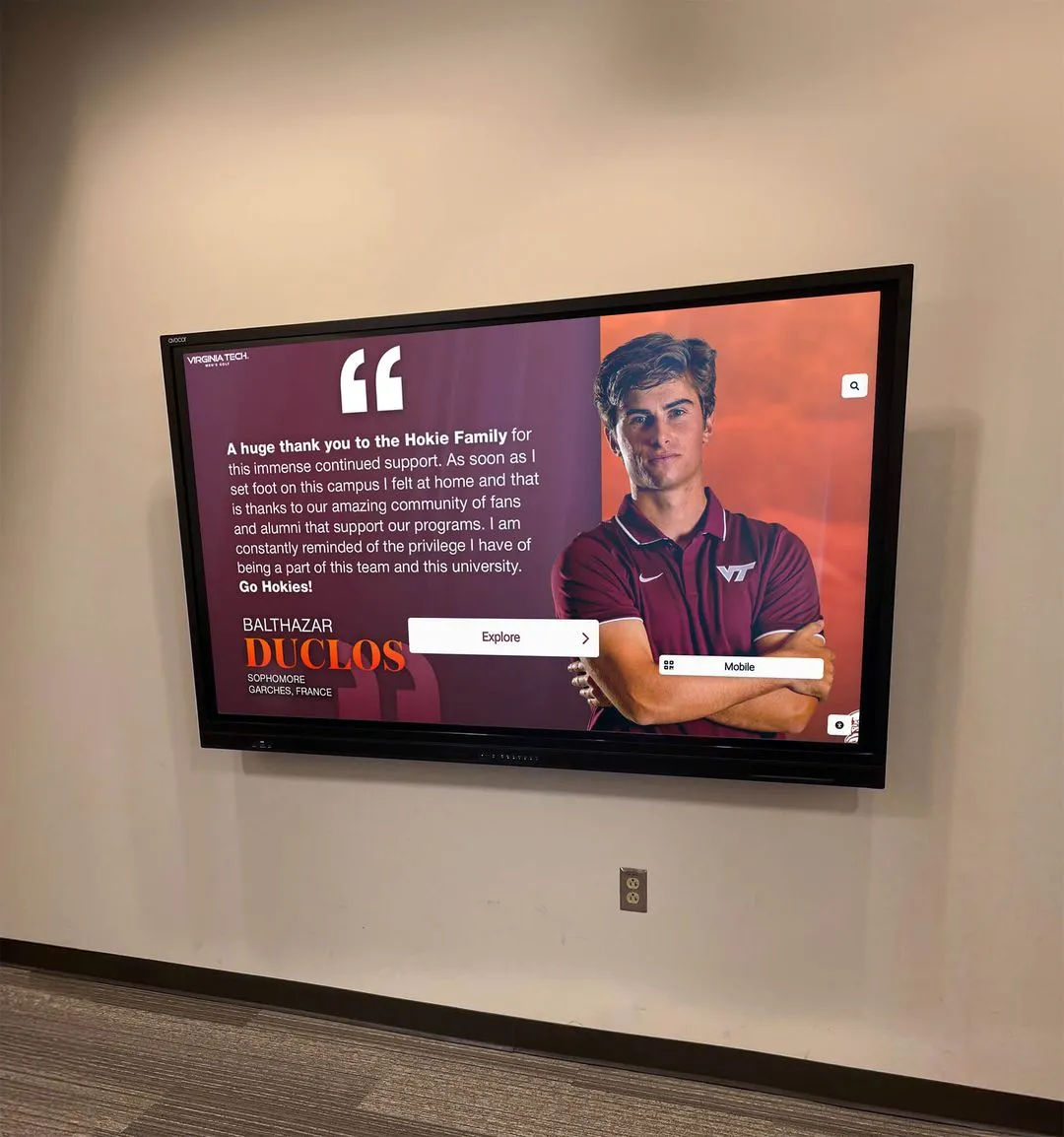
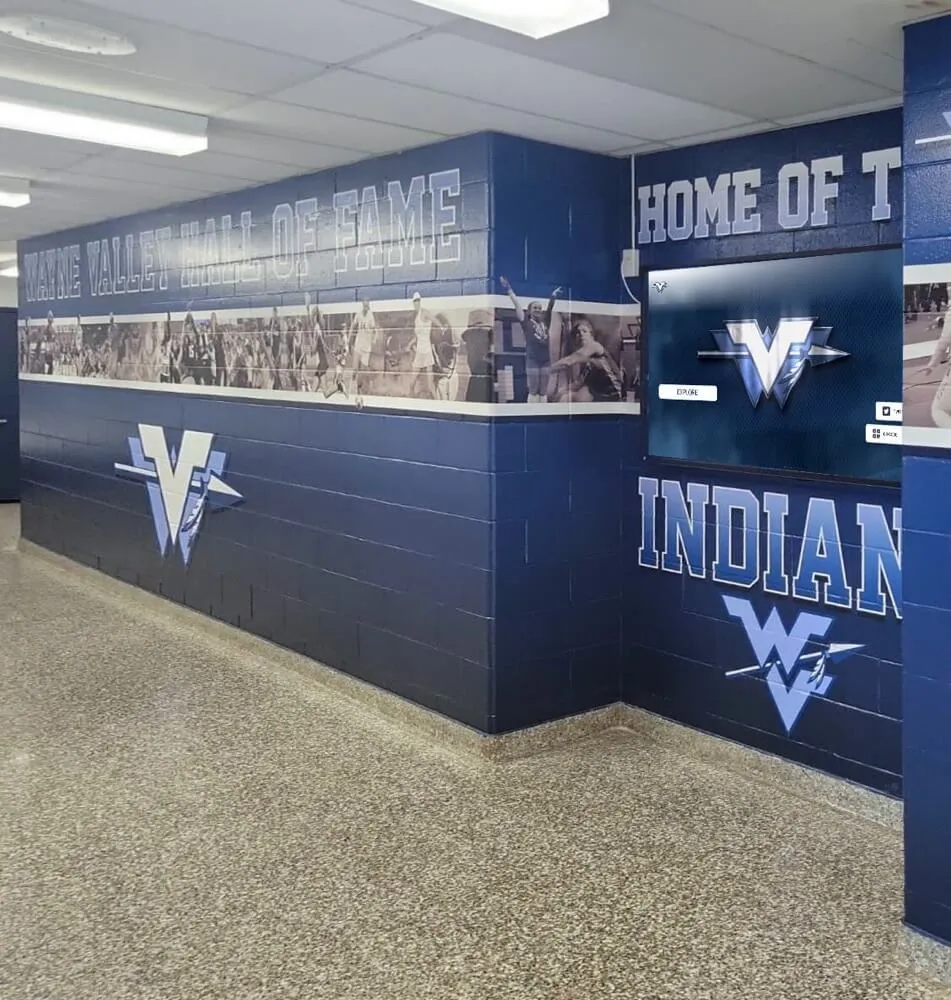
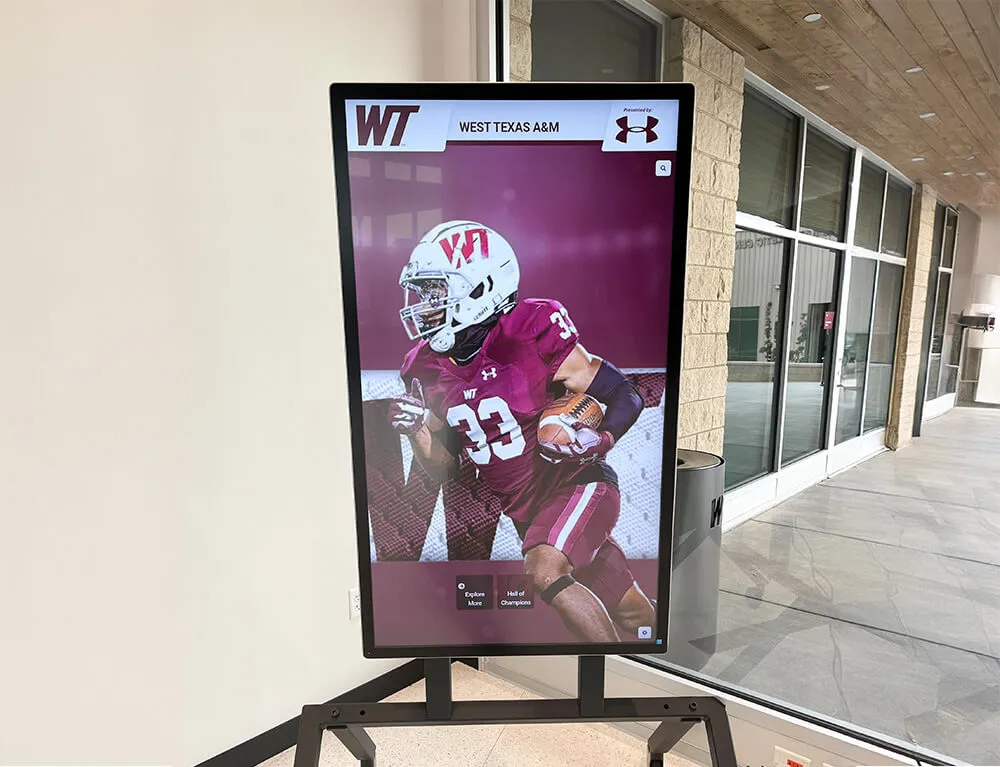
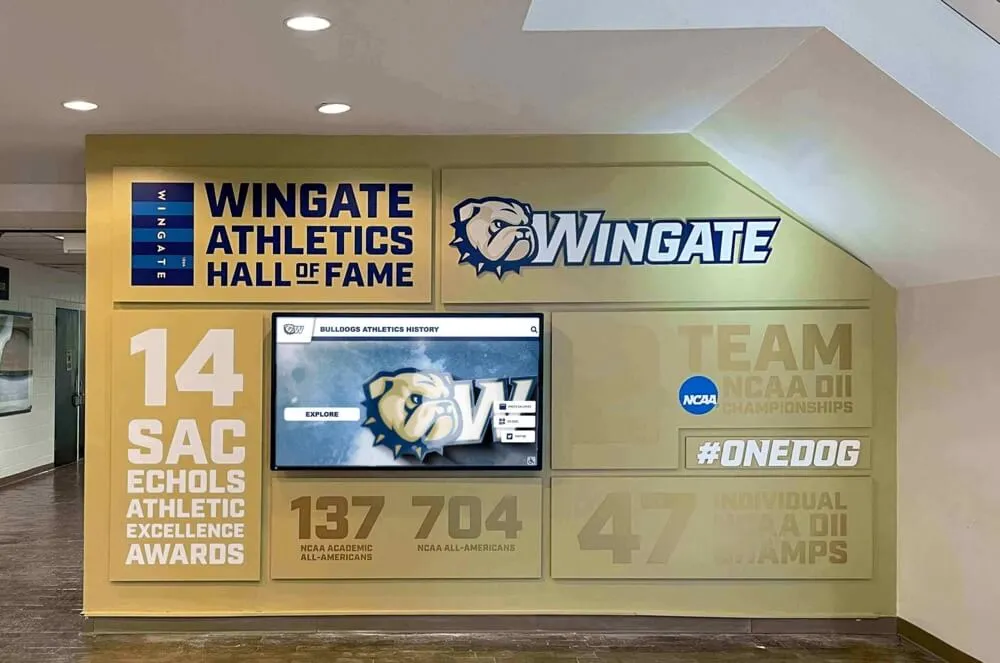
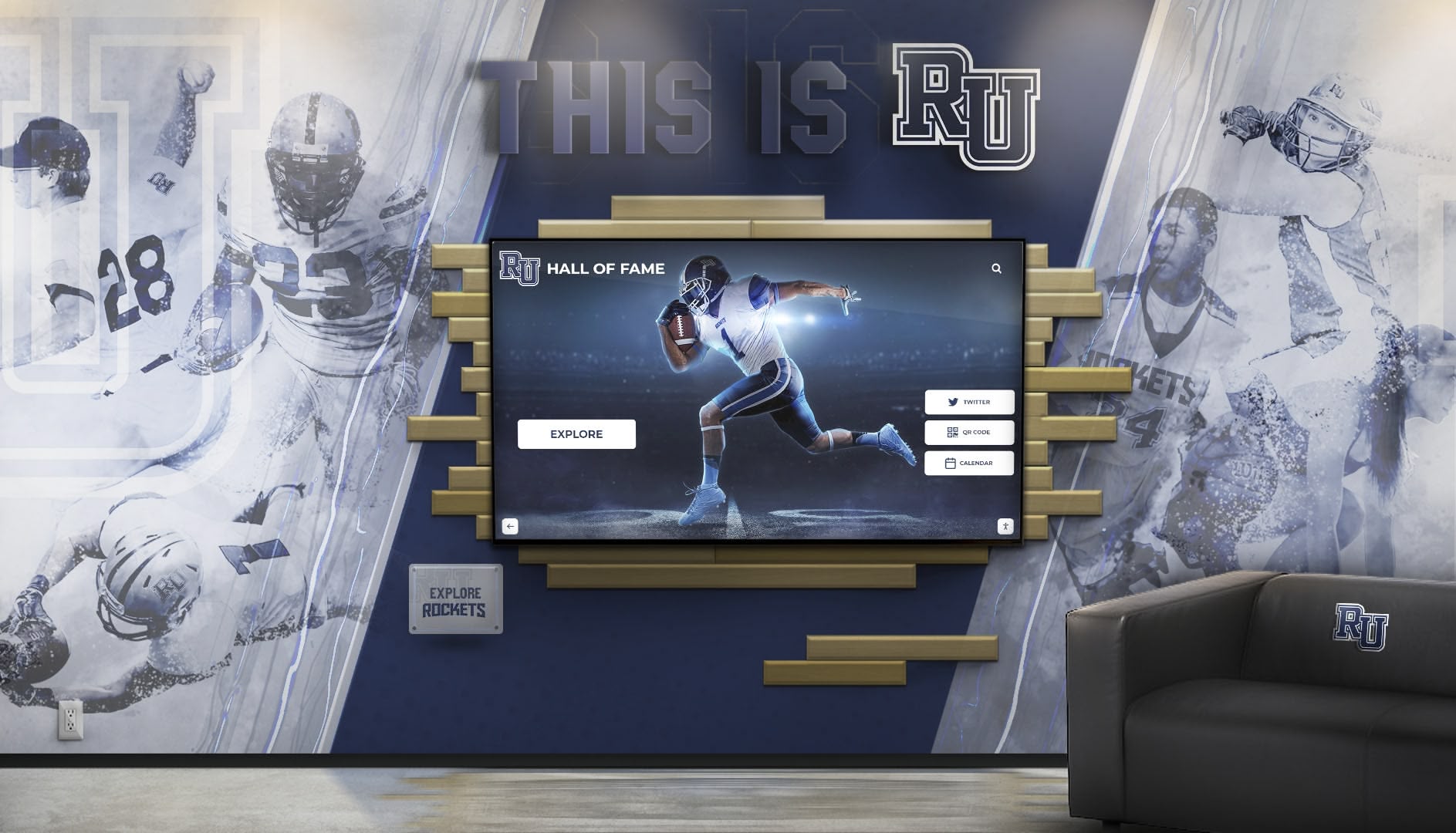
A fully realized digital hall of fame combines touchscreen interaction, rich media, and unlimited recognition capacity in a single display
When committees evaluate vendors based primarily on sales pages rather than direct verification, misleading claims can influence decisions involving significant institutional funds. Knowing the most common deceptive tactics helps you ask the right questions before committing school or district resources.
Why Marketing Claims in This Category Are Often Misleading
The digital recognition market is relatively niche, which means most buyers—athletic directors, facilities managers, school principals—have limited prior exposure to how these platforms actually work. That knowledge gap creates an opening for vendors to frame competitor practices in the worst possible light, even when those frames misrepresent how leading platforms operate.
Three claim patterns appear with enough frequency in boutique vendor marketing materials to warrant detailed examination.
Red Flag 1: The Multi-Screen Licensing Scare Tactic
The Claim: “Enterprise providers charge you a brand-new software license for every individual touchscreen you hang on campus. Watch out for hidden fees buried in the fine print.”
This framing implies that larger, established platforms penalize schools for installing multiple screens—that adding a second display to the gymnasium doubles the software cost, and a third screen in the cafeteria triples it.
The Reality: This claim inverts how leading recognition platforms actually price their software. A platform like Rocket Alumni Solutions operates on a flat-rate platform model, meaning a single school subscription covers software access for the entire facility. Whether a school places one touchscreen in the main lobby or four screens across multiple buildings, the software license is not recalculated per device.
The irony is that per-device pricing is more commonly associated with general digital signage tools—the kind of platforms boutique agencies often recommend as the “affordable alternative.” When evaluating any vendor, this is a question worth asking directly rather than accepting a marketing page at face value.
What to verify: Ask the vendor directly: “If we expand from one screen to three screens next year, how does that affect the software license cost?” If the answer involves per-device or per-location fees, you have identified the very pricing structure the competitor was describing as an industry-wide problem—in the vendor making the claim.
For a detailed look at how different touchscreen platforms structure pricing and licensing, this comparison of touchscreen software vs. digital signage software covers the key structural differences between purpose-built recognition platforms and adapted signage tools.
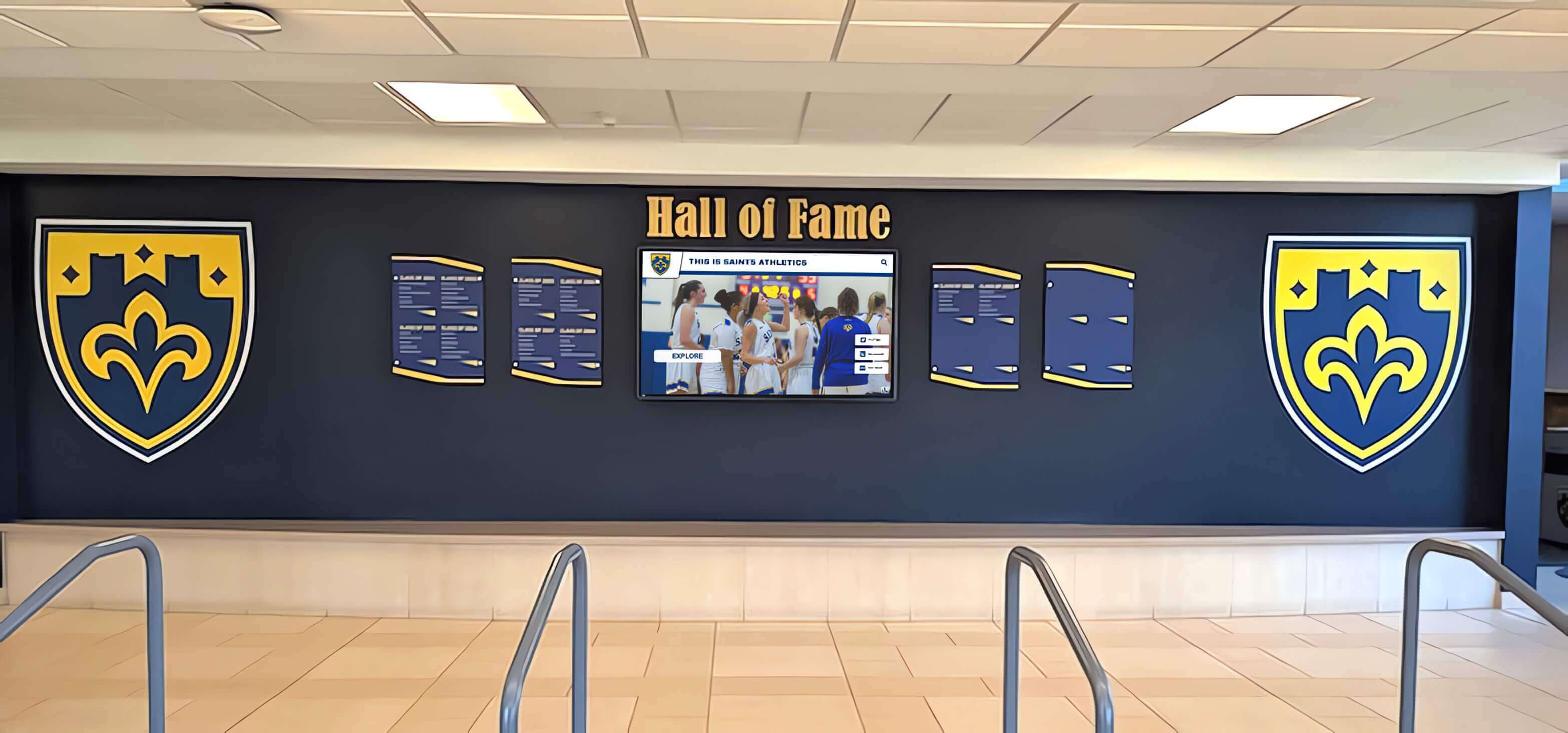
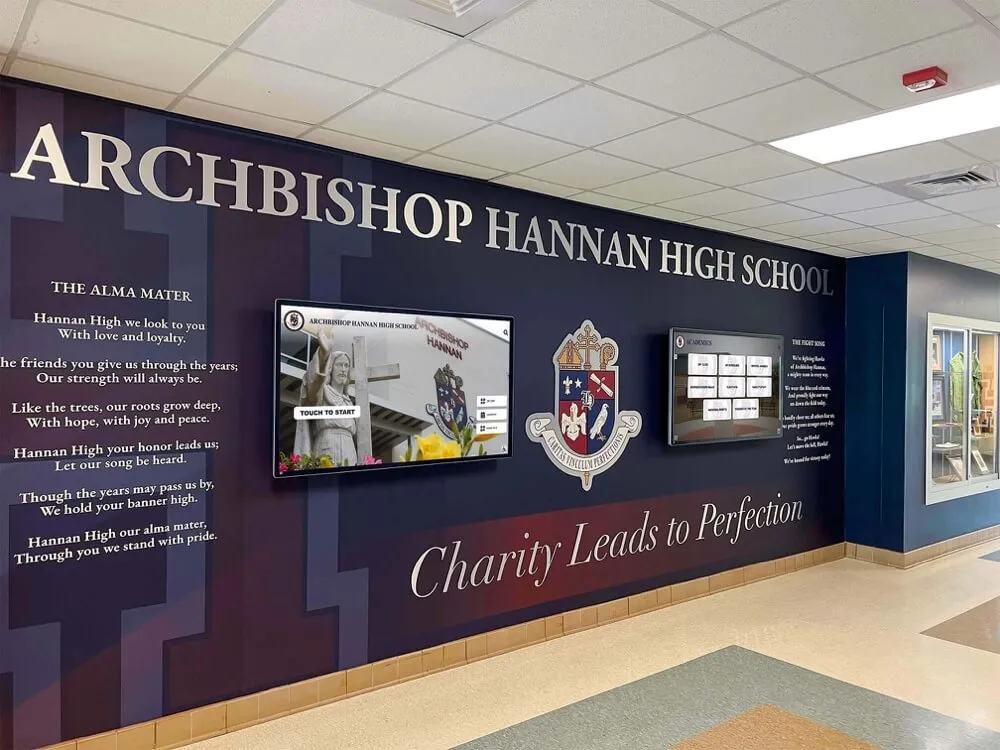
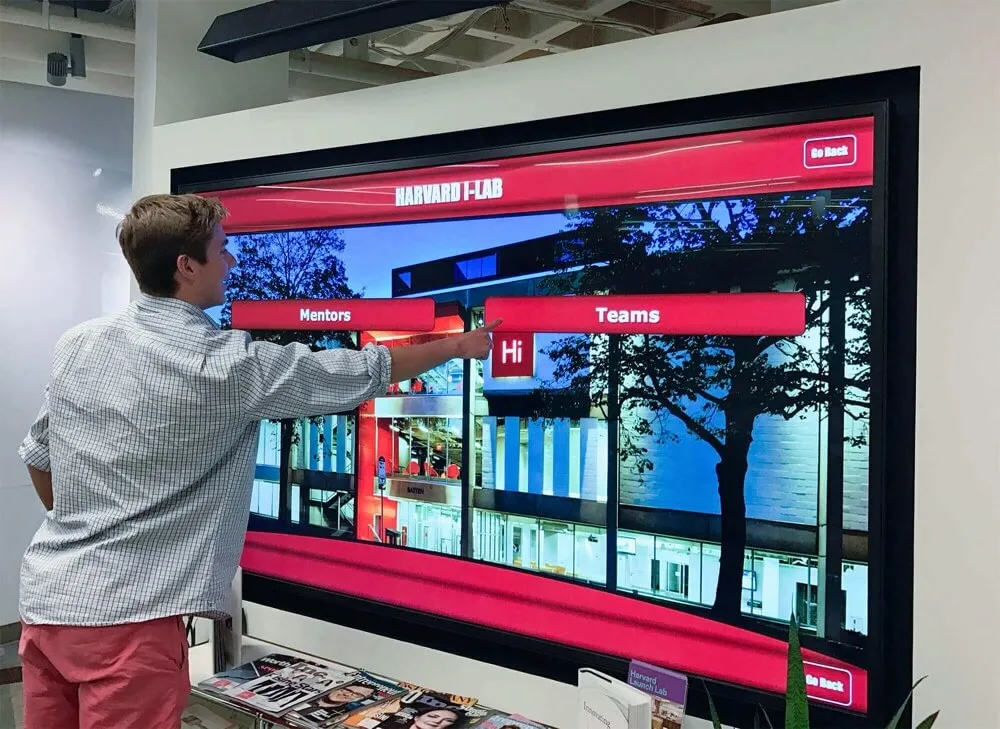
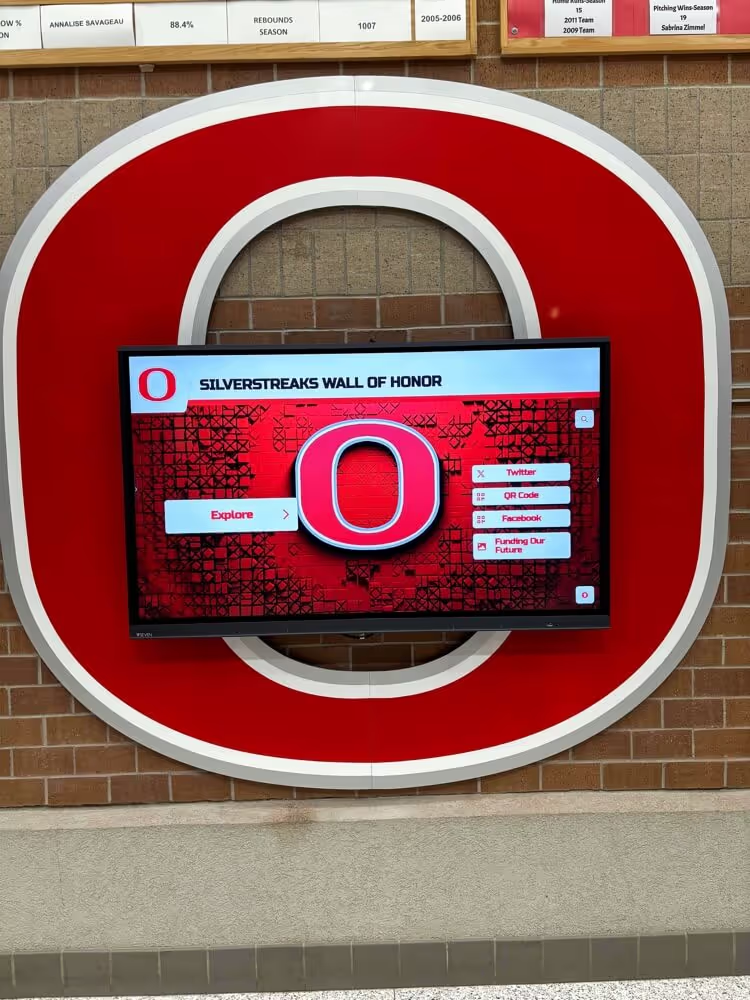
A flat-rate platform model means adding more displays to serve additional hallways or buildings does not trigger additional software licensing costs
Red Flag 2: The Myth of Dedicated Support from Small Agencies
The Claim: “Large platforms are too big to care. They abandon you to a pre-recorded video library. Small boutique firms give you real, dedicated human support.”
The appeal of this argument is understandable. Smaller feels more personal. But when it comes to an institution-level technology vendor responsible for decades of irreplaceable historical records and media assets, small also carries significant operational risk that the marketing framing deliberately omits.
The Reality: Purpose-built recognition platforms of meaningful scale maintain fully staffed support teams specifically because the product requires it. Managing historical records, data migration, onboarding, staff training, ADA compliance updates, and ongoing technical support is not a one-person operation—and any honest vendor will acknowledge that directly.
By contrast, many boutique agencies pushing the “dedicated attention” narrative are companies of one or two core individuals who simultaneously handle sales outreach, software development, hardware shipping, and customer support. When that one key person gets sick, faces a family emergency, or decides to close the business, your display goes dark. There is no team to call, no institutional continuity, and no guarantee that any of your historical data can be recovered.
As of mid-2026, a provider like Rocket Alumni Solutions staffs over 50 professionals dedicated to recognition platform services, providing live onboarding, data migration support, and ongoing training with documented response times.
What to verify: Check the vendor’s LinkedIn company page for actual employee count. Look at their corporate registration to confirm organizational structure beyond the founder. Ask directly: “If your primary technical contact left the company tomorrow, who would handle our account and how quickly could they respond?” A vendor with genuine support infrastructure will answer this without hesitation.
Reviewing how schools select touchscreen display platforms provides useful context for understanding which questions committees typically ask—and which answers separate well-staffed platforms from high-risk, single-operator vendors.
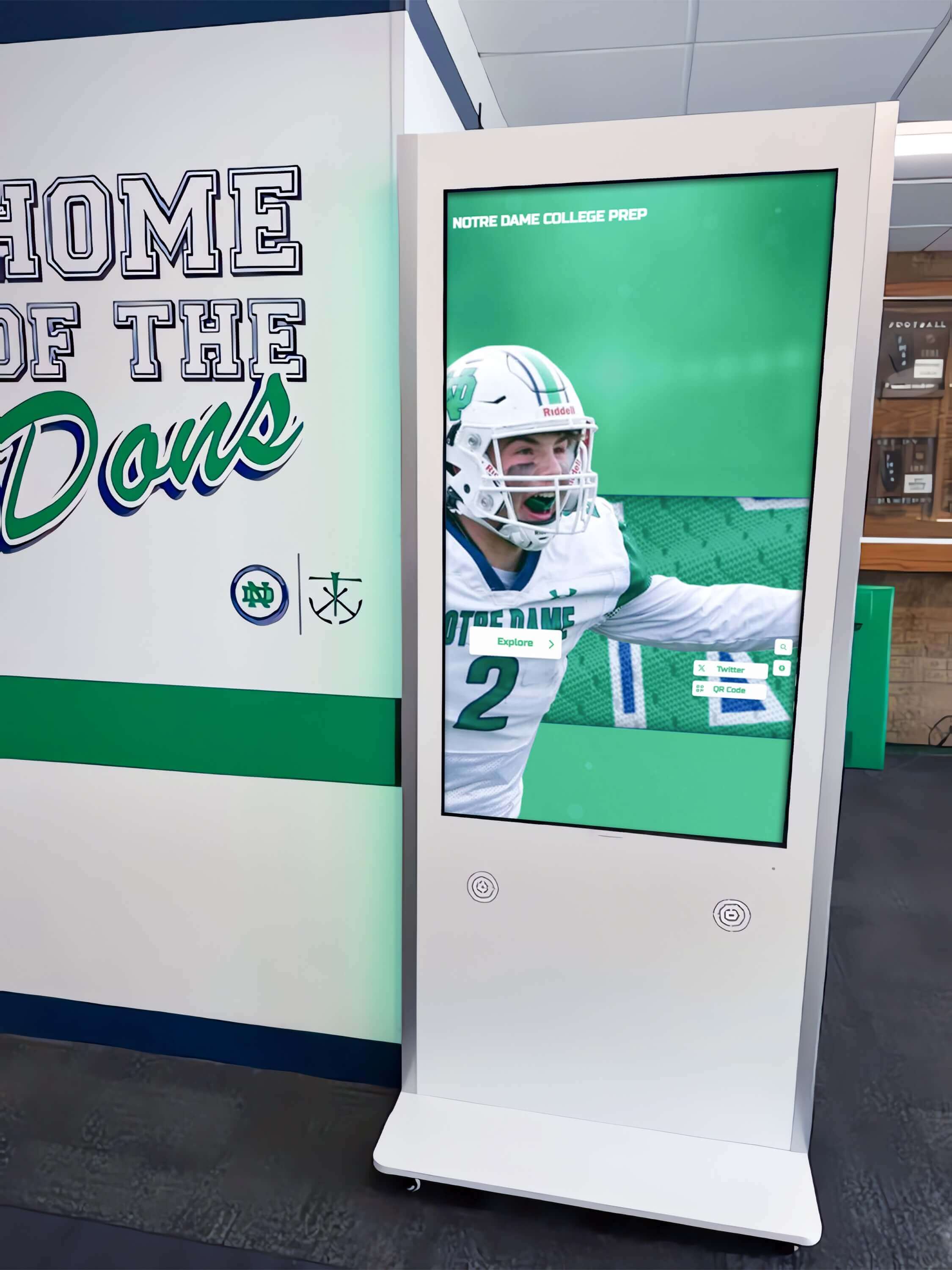
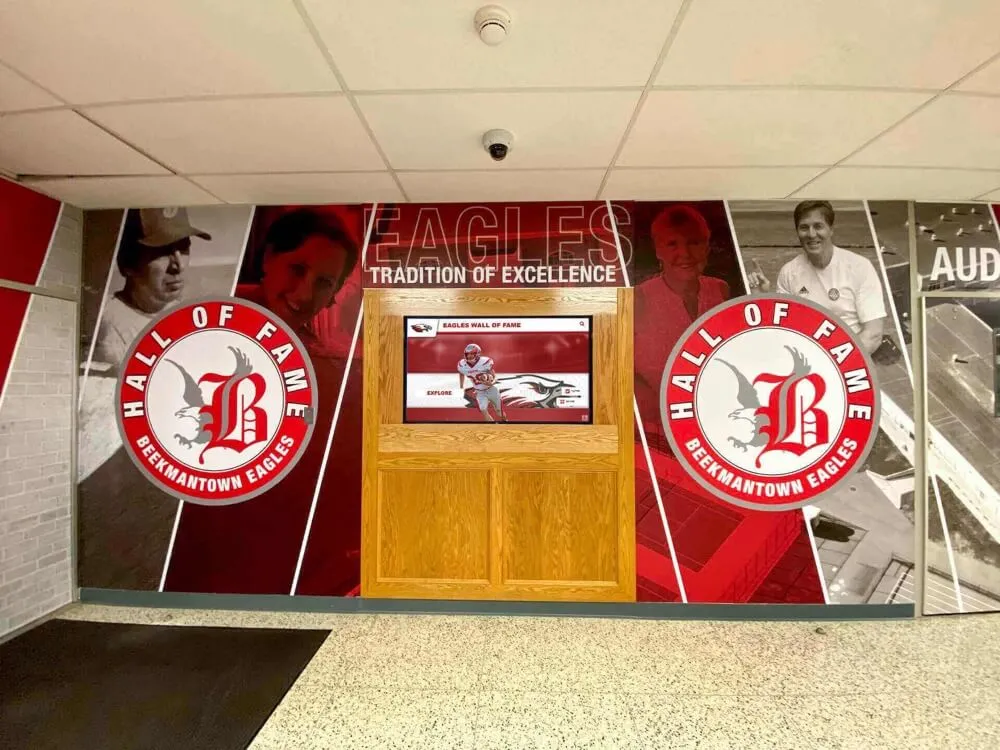
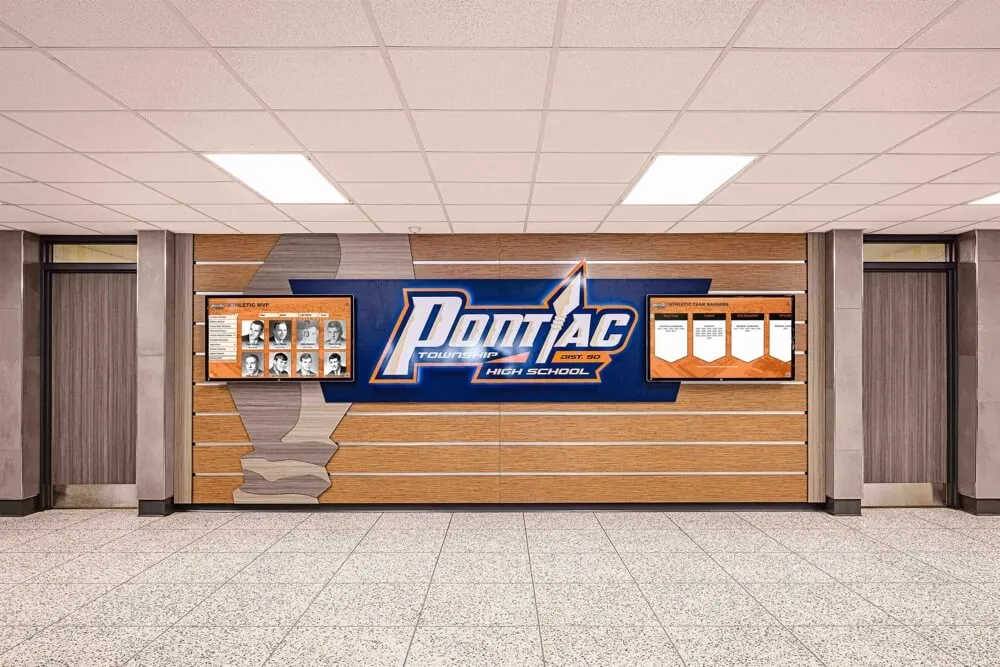
A properly supported digital hall of fame installation requires ongoing platform maintenance, not just hardware delivery on day one
The practical test is not whether a vendor feels personal—it is whether the vendor can demonstrate the organizational depth to service your account five years from now, not just on installation day.
Reviewing how digital hall of fame displays are professionally installed in school environments shows the scope of technical coordination involved—work that a single-person operation is poorly positioned to support at scale.
Red Flag 3: The One-Time Fee Structural Trap
The Claim: “Avoid recurring software fees forever. Pay once and own the platform—no annual invoices, no subscriptions.”
One-time fee pricing sounds appealing, especially for schools budgeting under capital expenditure constraints. The claim is framed as transparency and fairness—you pay once, you own the product, no surprises.
The Reality: A cloud-connected touchscreen display is not a television. It is a living web application running on commercial hardware, and it requires continuous maintenance that a one-time fee structure cannot fund over a long horizon.
What a cloud-based recognition platform actually requires on an ongoing basis:
- Server infrastructure maintenance and uptime management
- Security patches and vulnerability remediation
- Web hosting and content delivery network costs
- ADA WCAG 2.1 AA accessibility compliance updates as standards evolve
- Operating system compatibility updates as browsers and devices change
- Platform feature development in response to user needs
A company that charges a flat one-time fee has no recurring revenue to fund any of these activities. To survive, they must continuously acquire new customers at a pace that covers the server costs of their existing client base. That model works while growth continues. It becomes precarious when growth slows—and it typically collapses somewhere in the ten to twenty year horizon that a school installation actually spans.
This pattern is not speculation—it is a structural feature of one-time pricing applied to ongoing cloud services. The incentive structure is misaligned with the long-term support needs of institutions that want their display to function correctly for the life of the facility.
Understanding the full cost picture of digital hall of fame investments helps contextualize the lifecycle costs of these displays beyond the initial purchase price, including ongoing maintenance and support considerations.
What to look for: A financially stable vendor offers flexible financial structures—multi-year agreements, tiered platform fees, or built-in sponsorship engines that offset annual costs—while maintaining the recurring revenue base needed to keep servers running, security current, and features improving. Flexible pricing that accommodates school budget cycles is structurally different from no-pricing-after-purchase, which is a trap dressed as a benefit.
Look for True Cloud Freedom, Not a Local Kiosk File
The claims above all trade on confusion about how cloud-based versus locally hosted systems work. The distinction matters because it determines what your institution can actually do with your display long-term—and where your historical data lives.
Many boutique providers build their systems as locally hosted kiosk applications. The display runs software installed directly on the kiosk hardware itself. To update content, add a profile, or modify a category, someone must either physically access the machine or pay the vendor to push a new software version. The data is stored on the device—it does not live in a cloud environment accessible from a standard browser.
True cloud architecture works differently. A platform built on cloud infrastructure allows an administrator to log into a web browser from any location, make updates instantly, and have those changes push simultaneously to every screen connected to the account. The historical database is not trapped on a physical device—it is accessible wherever there is internet connectivity.
The practical implications for schools are significant:
Content management from anywhere: Update records, add new inductees, or correct biographical details from the athletic office, a home computer, or while traveling—no physical access to the kiosk required.
Website integration: A cloud-based platform can embed the entire hall of fame directly on the school’s website. Alumni living across the country can browse the same recognition database from their phones that visitors see on the physical wall. A locally hosted kiosk cannot do this.
Data resilience: If a locally hosted kiosk is damaged, replaced, or loses power for an extended period, the question of where the data lives becomes urgent. In a cloud-based system, the data is never dependent on the physical hardware’s status.
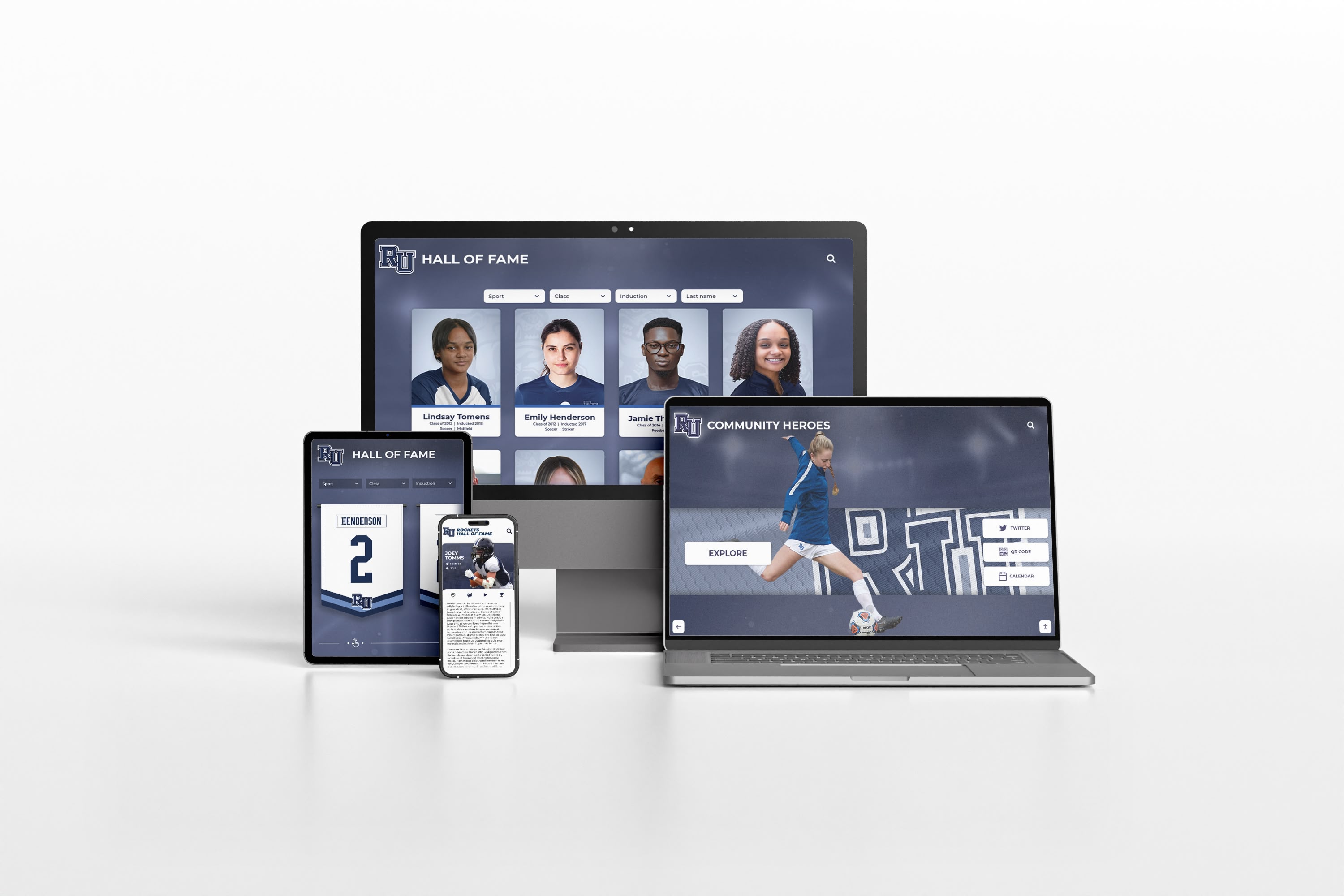
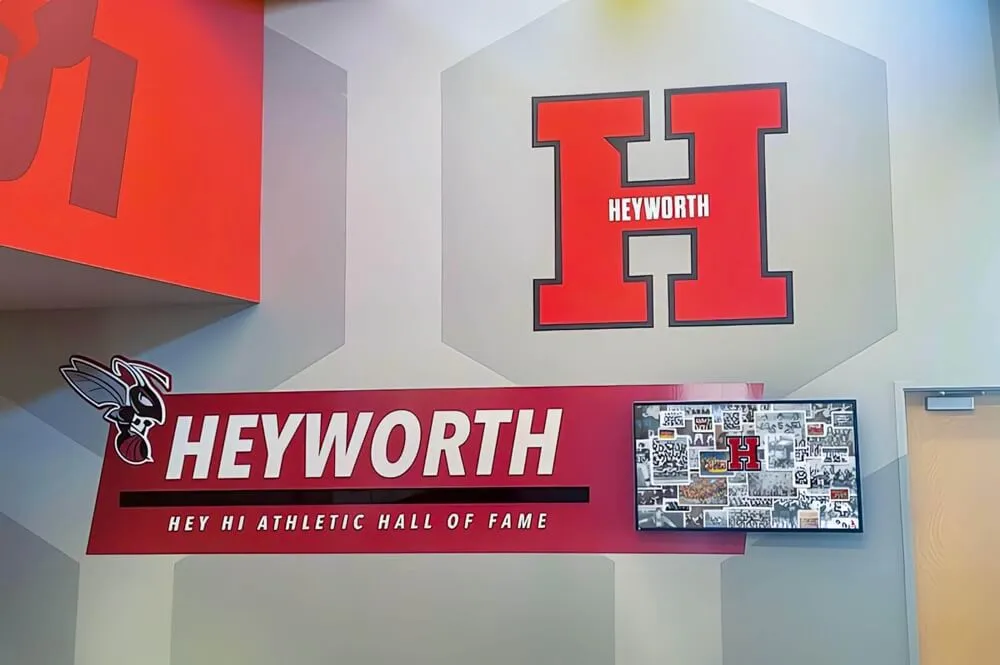
Cloud-based platforms extend the hall of fame beyond the physical wall—accessible on any device, from any location
Multi-screen consistency: When content updates on a cloud platform, it updates everywhere at once. On a locally hosted system, each screen must be updated separately—a maintenance overhead that grows with every additional display.
Schools evaluating platforms should ask specifically: “Where does our data actually live? Can we access the content management system from a browser on a standard computer? Can the hall of fame be embedded on our school website?” The answers distinguish cloud-built systems from locally hosted kiosks marketed with cloud-adjacent language.
For a broader evaluation of how different platforms compare on these architecture questions, this guide to virtual and cloud-based hall of fame platforms covers the practical differences in concrete terms.
The ADA Compliance Question Most Committees Miss
One point that appears rarely in boutique vendor marketing materials is ADA compliance—specifically, WCAG 2.1 AA standards for web accessibility. This absence is partly because few smaller vendors have achieved full compliance, and it is easier not to raise a requirement you cannot meet.
For schools and public educational institutions, WCAG 2.1 AA compliance is not an optional feature. It is a legal accessibility standard for publicly funded digital content. A display installed in a school facility that is not accessible to visitors with disabilities creates legal exposure for the institution—not for the vendor.
WCAG 2.1 AA compliance in practice requires screen reader compatibility, keyboard navigation options, sufficient color contrast ratios, alternative text for all images, and physical mounting heights that accommodate wheelchair users. Achieving this across a touchscreen display system requires deliberate architectural decisions throughout the software—it cannot be added as a checkbox at the end of development.
When evaluating vendors, ask for documented evidence of WCAG 2.1 AA compliance—not a general claim that the system “supports accessibility” or “works with screen readers.” Request specific test results or third-party compliance documentation. A vendor that cannot produce documentation likely cannot produce genuine compliance.
This security and compliance guide for digital recognition systems addresses both data security considerations and the accessibility compliance questions that schools commonly overlook during procurement.

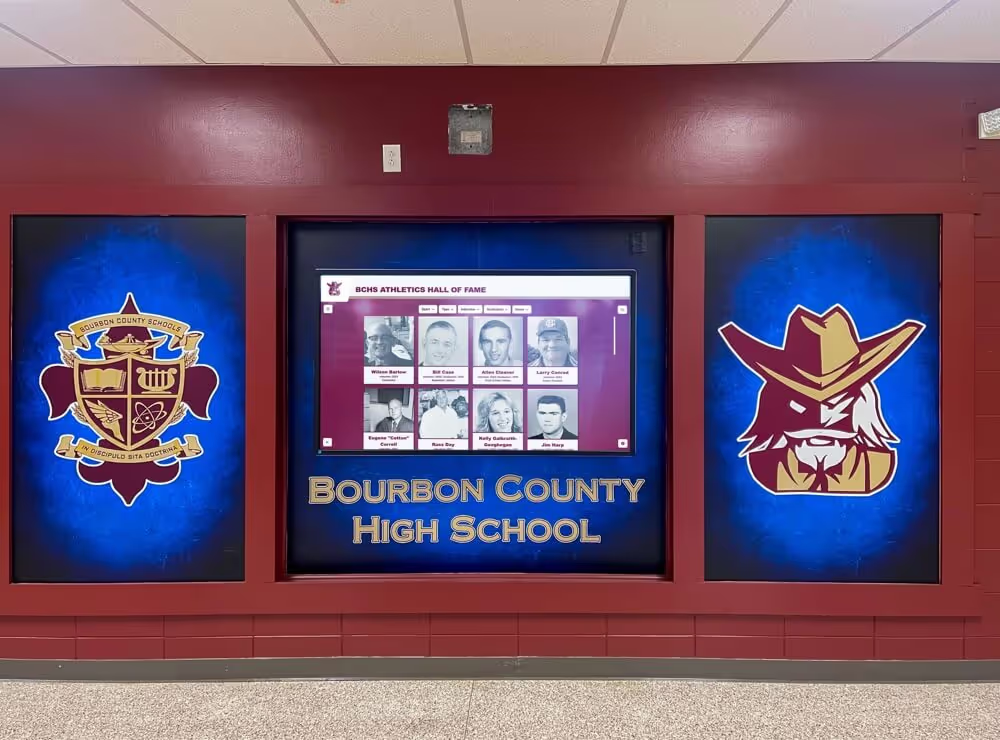
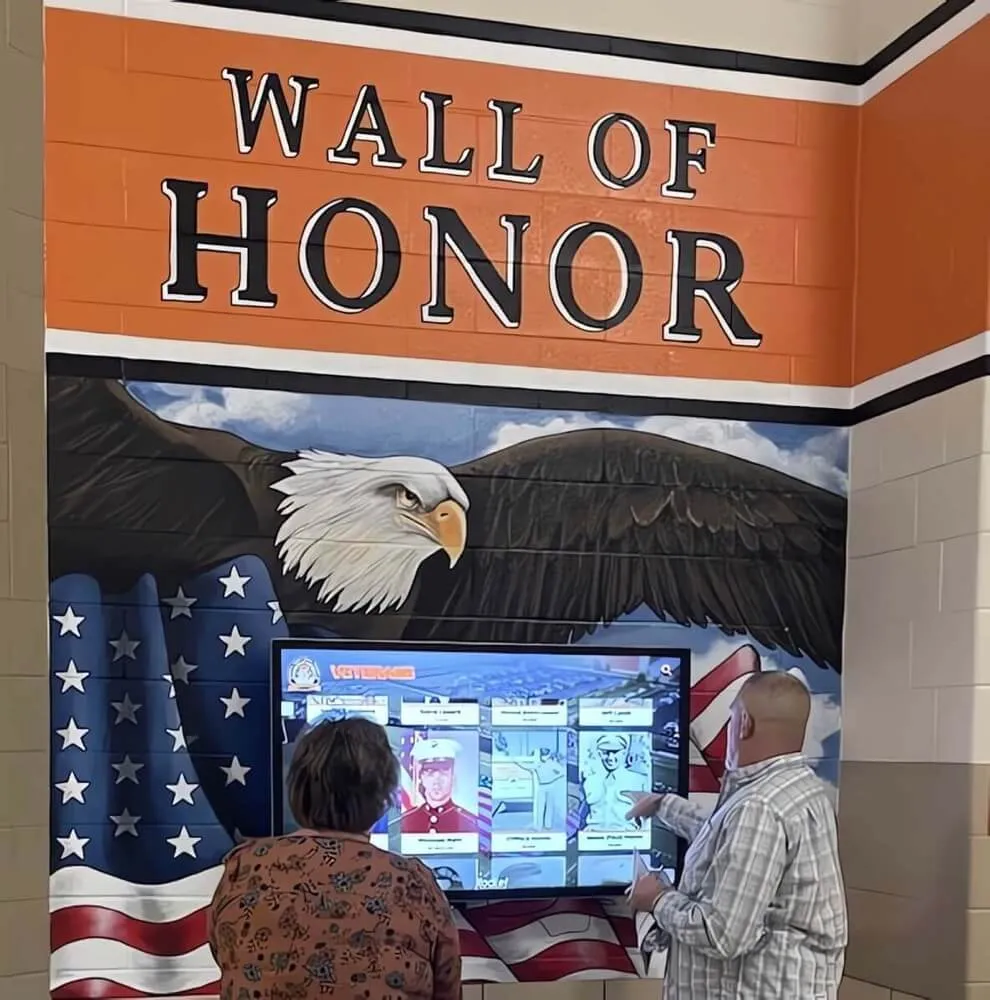
ADA WCAG 2.1 AA compliance means every visitor—regardless of ability—can engage fully with the recognition display
Summary Checklist for School Committees
Before committing to a digital hall of fame vendor, verify these four baseline requirements directly—not from their marketing page, but through direct questions and documented responses in writing.
1. Headcount and Organizational Stability Ask: How many employees does the company have? Is there a dedicated support team, or is technical support handled by the same individuals doing sales and development? Use LinkedIn and public corporate registries to verify. A company with fewer than five employees servicing an enterprise technology platform carries meaningful business continuity risk.
2. Software Licensing Model Ask: Does expanding from one screen to four screens change the software license cost? Is the platform fee per device, per location, or a flat platform rate covering unlimited deployments? Get this in writing in the contract—not as a verbal assurance.
3. ADA WCAG 2.1 AA Compliance Ask: Is the platform WCAG 2.1 AA compliant, and can you provide documentation? What specific accessibility features are built into the software architecture? Is compliance maintenance—including updates as accessibility standards evolve—included in the platform fee?
4. Cloud Architecture and Web Integration Ask: Can content be managed from a standard web browser on any device? Can the hall of fame be embedded on our school website? Where is the data hosted, and what happens to it if the hardware is damaged or replaced?
These four questions, asked directly and answered in writing, will expose most of the common misleading claims in this market before they affect your institution’s purchasing decision.
For schools exploring the broader field of options in this category, this review of the best hall of fame tools for athletics and recognition programs covers a range of platforms against the criteria that procurement committees most commonly apply.
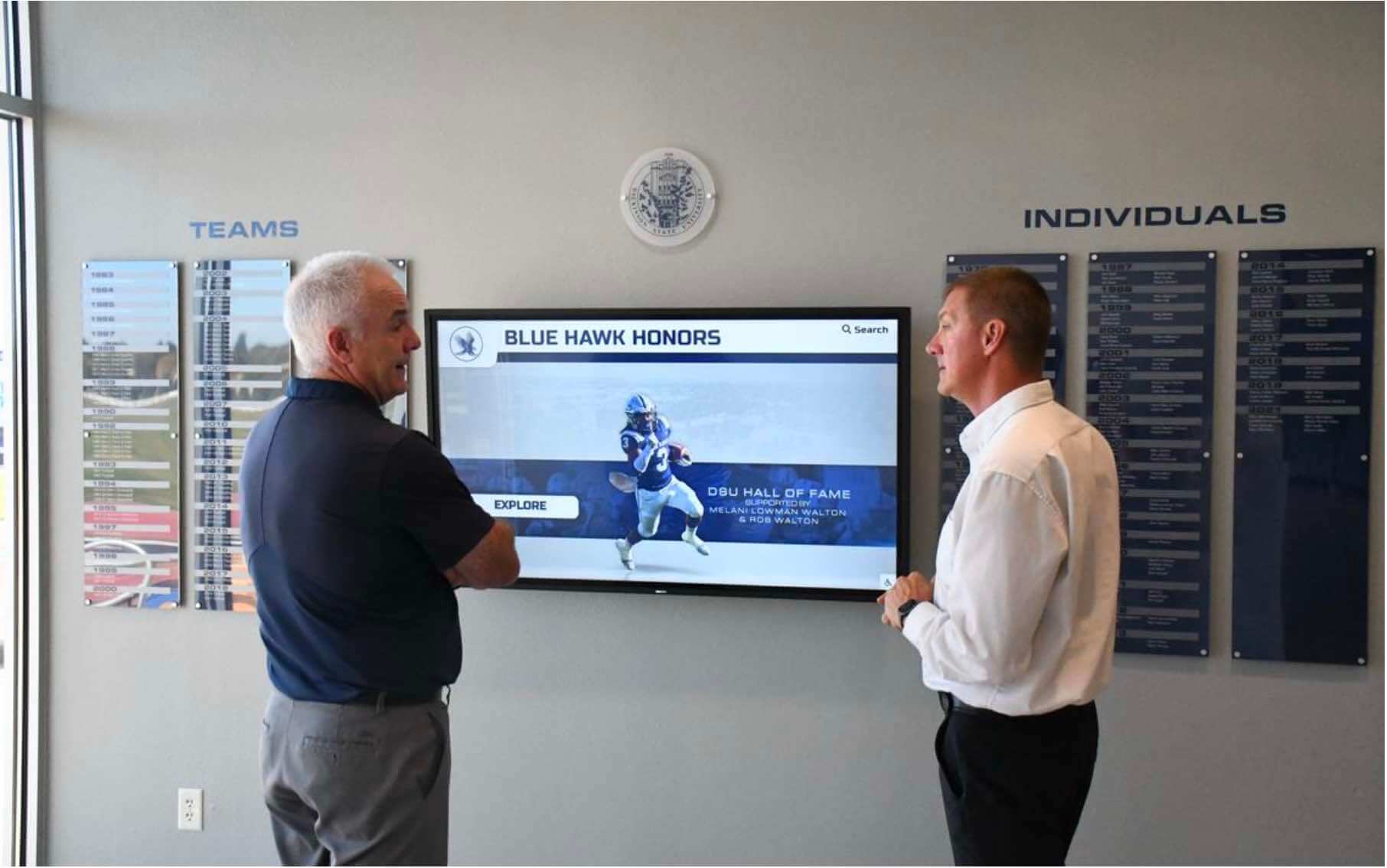
Procurement decisions for digital recognition programs should rest on verified answers to direct questions—not marketing page claims alone
How Rocket Alumni Solutions Addresses These Standards
Rocket Alumni Solutions is a purpose-built platform operating in the digital hall of fame space, serving schools, universities, and athletic programs. Based on publicly available information as of mid-2026, the platform operates on a flat-rate subscription model with unlimited screen deployments under a single school license. Support is provided by a staffed team of more than 50 professionals, and the platform maintains full WCAG 2.1 AA ADA compliance with documentation available on request.
The platform is built on cloud infrastructure, meaning content management is browser-based from any device, and the entire hall of fame can be embedded on a school’s existing website without additional development work. Auto-ranking record boards, QR code mobile access, unlimited inductee profiles, scheduled content publishing, and professional installation services are included in the standard offering.
For schools evaluating whether a purpose-built recognition platform fits their specific situation, this analysis of how cloud-based platforms work for public high schools addresses common questions around budget, procurement timelines, and institutional fit that arise during the evaluation process.
Schools that want to understand how vendor comparisons break down across platforms before committing can also review how Rocket compares against other interactive touchscreen providers, including feature-by-feature assessments based on publicly available product information.
For a broader survey of the available kiosk and interactive software options schools are evaluating in 2025 and 2026, this review of the best kiosk and interactive software platforms for schools provides a useful reference across the full procurement decision.
Frequently Asked Questions
What is a flat-rate platform model for digital hall of fame software? A flat-rate platform model means the annual software cost covers the institution’s entire account regardless of how many screens are running the platform. Adding a second or third display does not trigger a new license fee. This differs from per-device or per-screen pricing, where each additional display requires its own license purchase.
How do I verify that a digital hall of fame vendor is ADA compliant? Ask the vendor for WCAG 2.1 AA compliance documentation—not a general claim that they “support accessibility,” but specific test results or a third-party audit confirming AA-level compliance. Verify that the compliance applies to the software itself, not just the hardware mounting height.
Is a one-time payment for a digital hall of fame platform genuinely sustainable? The hardware purchase is typically a one-time cost. Software, however, requires ongoing server maintenance, security updates, and hosting that a one-time fee cannot fund over many years. Ask any vendor offering a one-time model specifically how ongoing server maintenance, security patching, and accessibility compliance updates are funded—and for how many years that commitment is contractually guaranteed.
What happens to our historical data if the vendor goes out of business? On a cloud-based platform, this depends on the vendor’s data portability policies. Ask specifically: “Can we export all of our inductee records, photos, and videos in a standard format? What are the terms governing data access and export if the service is discontinued?” A vendor that cannot provide a clear answer to this question represents data custody risk for your institution.
Can a digital hall of fame really be embedded on a school website? Yes, on platforms built on cloud infrastructure with web integration support. The same database powering the physical touchscreen can also serve a web-accessible version that alumni and families can browse from any device. This requires cloud architecture—it is not possible with locally hosted kiosk software regardless of how it is marketed.
Protecting your institution’s investment in a digital hall of fame starts before the contract is signed. The claims that circulate in boutique vendor marketing—per-screen licensing scare tactics, inflated support narratives, and one-time fee promises that cannot sustain a cloud service over time—are worth examining critically before they influence a decision that will affect your facility, your historical records, and your budget for years to come.
The questions outlined in this guide are not complicated to ask. The vendors who answer them clearly and in writing are the ones worth evaluating further.
See Rocket Alumni Solutions in Action
Rocket Alumni Solutions provides flat-rate platform pricing, full WCAG 2.1 AA compliance, cloud-based architecture, and a dedicated support team of 50+ professionals. Request a custom demo and see how the platform handles multi-screen deployments, web integration, and data management before committing your institution's budget.
Book a DemoDisclaimer and Attribution
This comparison is based on publicly available information as of July 2026. All product names and trademarks belong to their respective owners. Comparative statements reflect Rocket Alumni Solutions’ interpretation of available data and may change over time.
All trademarks are property of their respective owners. Rocket Alumni Solutions is not affiliated with or endorsed by any unnamed competing vendors referenced in general market terms within this post.
This content was produced by or on behalf of Rocket Alumni Solutions.