Digital Wall of Fame Blog - Recognition Display Insights & Resources
- Home /
- Digital Wall of Fame Blog - Recognition Display Insights & Resources
Digital Hall of Fame Content Licensing Register: Track Photos, Video, and Usage Rights
A digital hall of fame content licensing register is a master document—typically a spreadsheet or database table—that records every photo, video clip, biography, logo, and document asset used in a recognition display, along with who owns it, what uses are permitted, what attribution is required, and when any license expires. Without one, schools routinely publish photographs whose copyright belongs to a commercial photographer, display video clips under a tacit consent that was never put in writing, or use a sponsor’s logo well past the agreement that authorized it. When those situations surface—and they eventually do—the program scrambles to establish what was agreed, often without records to consult. A written digital hall of fame content licensing register converts that guesswork into a manageable, auditable workflow that protects the school and respects everyone who contributed content to the display.
Read More
Hall of Fame Correction Notice Policy: Fix Profiles Transparently and Preserve Trust
Errors in hall of fame profiles are discovered more often than most programs expect—a graduation year is off by one digit, a record is attributed to the wrong season, a middle name is misspelled on a plaque that has been on display for a decade. The impulse is to fix the mistake quietly and move on. A written hall of fame correction notice policy explains why that impulse, however well-meaning, can damage alumni trust more than the error itself did—and it establishes a transparent, consistent process for acknowledging corrections so that inductees, families, donors, and the broader school community know that the recognition record is actively maintained and honestly governed. A policy built around transparency does not draw attention to every trivial typo, but it ensures that material corrections to the record are handled with the same care the program gives to induction itself.
Read More
Digital Hall of Fame User Access Review Checklist: Audit Roles and Remove Stale Accounts
Intent: decide. A digital hall of fame user access review checklist is the structured process school administrators, athletic directors, and hall-of-fame committees use to confirm that only current, authorized staff can modify inductee biographies, edit performance records, upload photographs, or publish content on a cloud-based recognition platform. Without a quarterly review, former employees often retain active login credentials long after they leave, junior staff hold permissions far beyond what their role requires, and no one can answer a basic audit question—who changed that biography, and were they authorized to do so? That exposure is manageable with a simple, repeatable process.
Read MoreHall of Fame Obituary Update Policy: How to Maintain Inductee Profiles Respectfully
When a hall of fame inductee passes away, their profile on a school display or digital recognition platform becomes something more than a biographical record—it becomes part of a living memorial. A written hall of fame obituary update policy tells every staff member exactly what changes, what does not, who approves each update, and how the original recognition record is preserved alongside any new information. Without this policy, well-meaning staff make inconsistent edits, families receive no notification before a profile changes, and the historical record that made the recognition meaningful becomes muddled. A clear policy protects the integrity of the inductee’s recognition and the trust of the family members who carry that legacy forward.
Read More
Hall of Fame Translation Policy: Accurate, Accessible Multilingual Recognition
A school’s hall of fame is only as inclusive as the language it speaks. When inductee names are misspelled in transliteration, biographical narratives are machine-translated without review, or award titles appear only in English on a display visited daily by students and families who speak other languages at home, the recognition program sends an unintended message. A written hall of fame translation policy defines exactly how the program handles multilingual content: which languages are supported, how translations are produced and verified, who holds final approval, and how updates are managed across every display and platform. Done well, a translation policy extends the reach and dignity of recognition rather than adding bureaucratic complexity.
Read More
Hall of Fame Annual Content Review Checklist: Audit Profiles, Records, Links, and Rights
A hall of fame annual content review checklist is a structured set of tasks that athletic directors, archives staff, and recognition-program administrators complete once a year to confirm that inductee biographies, athletic records, photographs, external links, and usage rights on their recognition displays are accurate, current, and properly permissioned. Running this review on a scheduled basis—rather than waiting for complaints—keeps the hall of fame credible, protects the institution legally, and respects the real people whose histories are displayed.
Read More
Athletic History Takedown Request Policy: A Fair Process for Photos, Bios, and Records
When a school publishes athletic history on a hallway display, a digital wall of fame, a touchscreen kiosk, or a public website, it invites the community to celebrate the people and achievements that define the program. Most of that content stays published for decades without issue. But occasionally, a former athlete, a family member, or a coach submits a request to remove, correct, or restrict something—a photo taken before a name change, biographical information that became inaccurate, a performance record linked to a difficult personal period, or an image the subject never consented to display publicly. Without a written athletic history takedown request policy, schools handle each of these situations differently, inconsistently, and sometimes in ways that create legal exposure or damage the trust of the very people the recognition program is meant to honor.
Read MoreHall of Fame Volunteer Agreement: Roles, Access, Confidentiality, and Artifact Care
School hall-of-fame programs depend on volunteers. Committee members review nominations and cast votes. Archives staff and booster-club representatives handle photographs, trophies, and memorabilia. Facilities volunteers maintain display cases and support induction ceremonies. Digital display coordinators keep touchscreen kiosks and recognition walls updated between induction cycles. Each of these roles creates real obligations—and real risks—if roles, access, and confidentiality expectations are left undefined.
Read More
Athletic Hall of Fame Deaccession Policy: When and How Schools Remove Artifacts
A hall of fame collection grows every induction cycle—trophies, retired jerseys, championship photographs, donated equipment, and archival plaques accumulate year after year. Removing an item is rare, but it happens: a jersey deteriorates beyond repair, a trophy’s ownership becomes contested, a donated display piece turns out to contain hazardous materials, or an artifact simply no longer fits the collection’s defined scope. Without a written athletic hall of fame deaccession policy, these situations force ad hoc decisions that can create legal exposure, damage donor relationships, and leave incomplete records that confuse future staff. A clear policy specifies who can initiate deaccession, what justifications are valid, which approvals are required, how disposition should proceed, and how the historical record should be preserved even after the physical artifact is gone.
Read More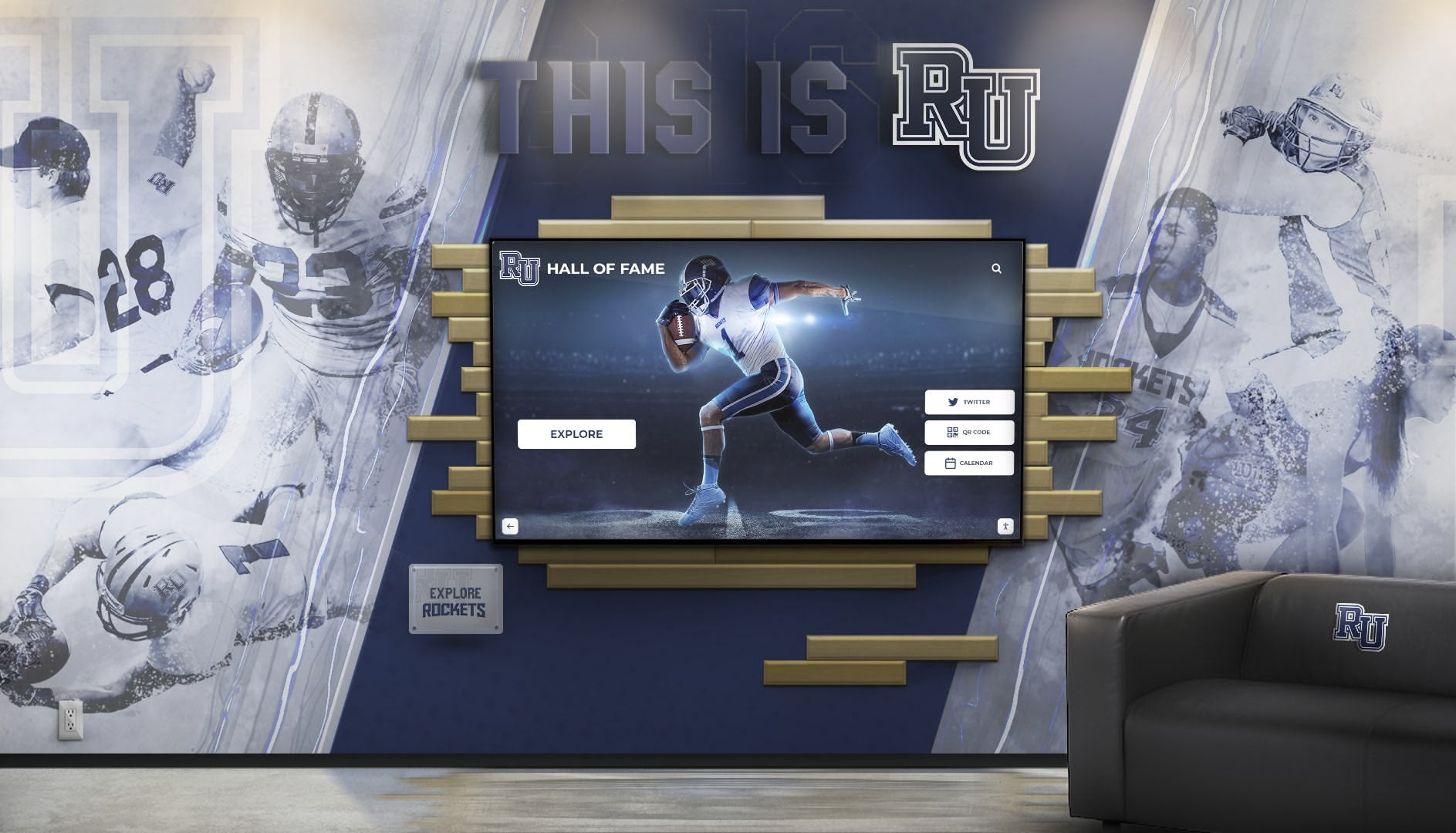
Navigating the Digital Hall of Fame Market: How to Spot Vendor Deception and Protect Your School's Legacy
Upgrading from static trophy cases to an interactive touchscreen display is one of the most visible ways a school can honor its athletic and academic history. As demand for digital halls of fame has increased across K-12 schools, universities, and athletic departments, so has the number of vendors competing for those contracts—including small boutique agencies that sometimes use misleading marketing claims to carve out market share from established providers.
Read More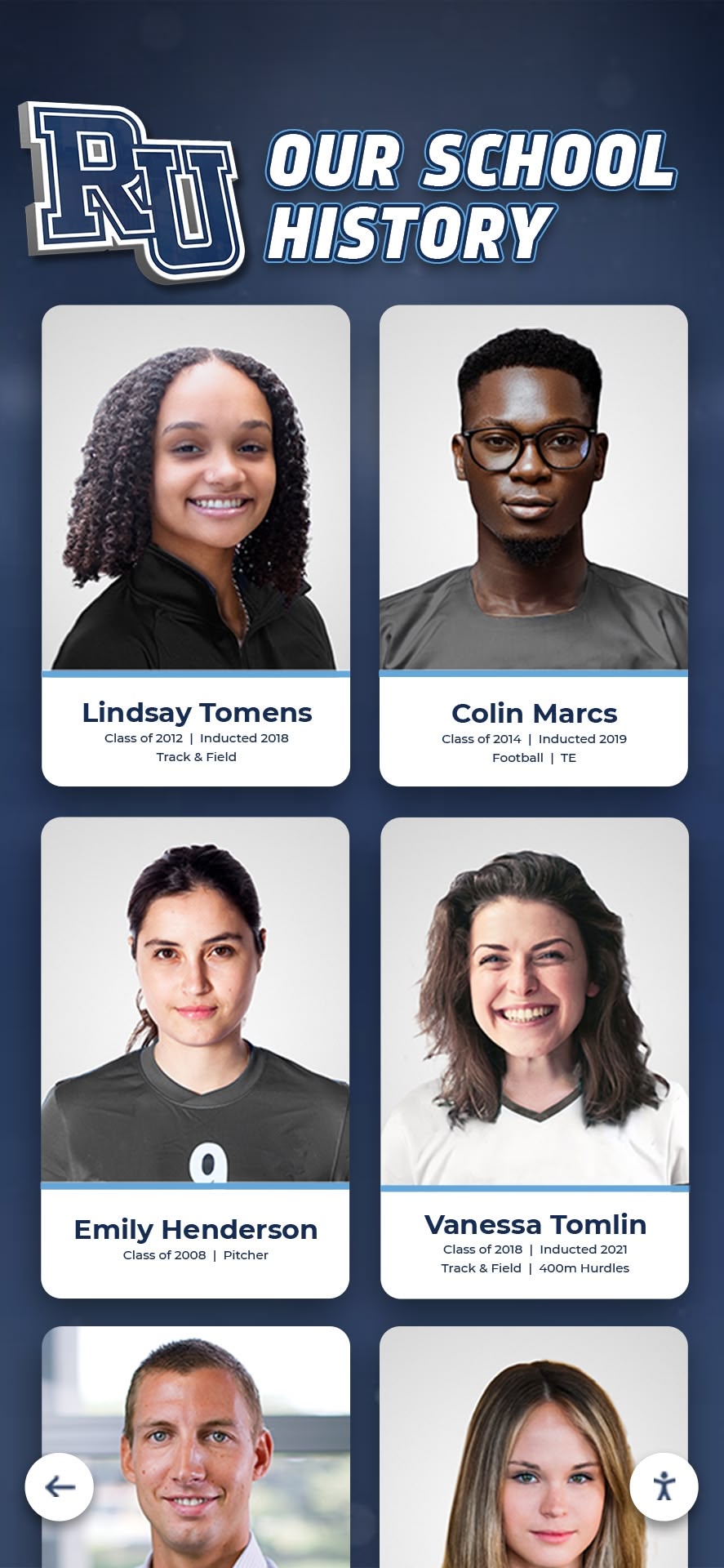
Team Alumni Database: How Schools Track Former Athletes for Recognition and Outreach
A team alumni database is a structured, searchable record of every former athlete who competed for a school’s athletic programs—capturing contact information, sport, years active, graduating class, notable performances, and post-graduation achievements. Most schools have pieces of this data scattered across coaching files, yearbooks, athletic department spreadsheets, and general alumni office systems, but rarely consolidated into a single source designed specifically for athletic use. When that data stays fragmented, every recognition initiative—hall of fame nominations, digital wall of fame projects, reunion outreach, or fundraising campaigns—starts by rebuilding the historical record from scratch. This guide covers what fields belong in a team alumni database, how to structure it for both recognition and outreach, and how clean alumni data becomes the foundation that makes every subsequent athletic department project faster and more accurate.
Read More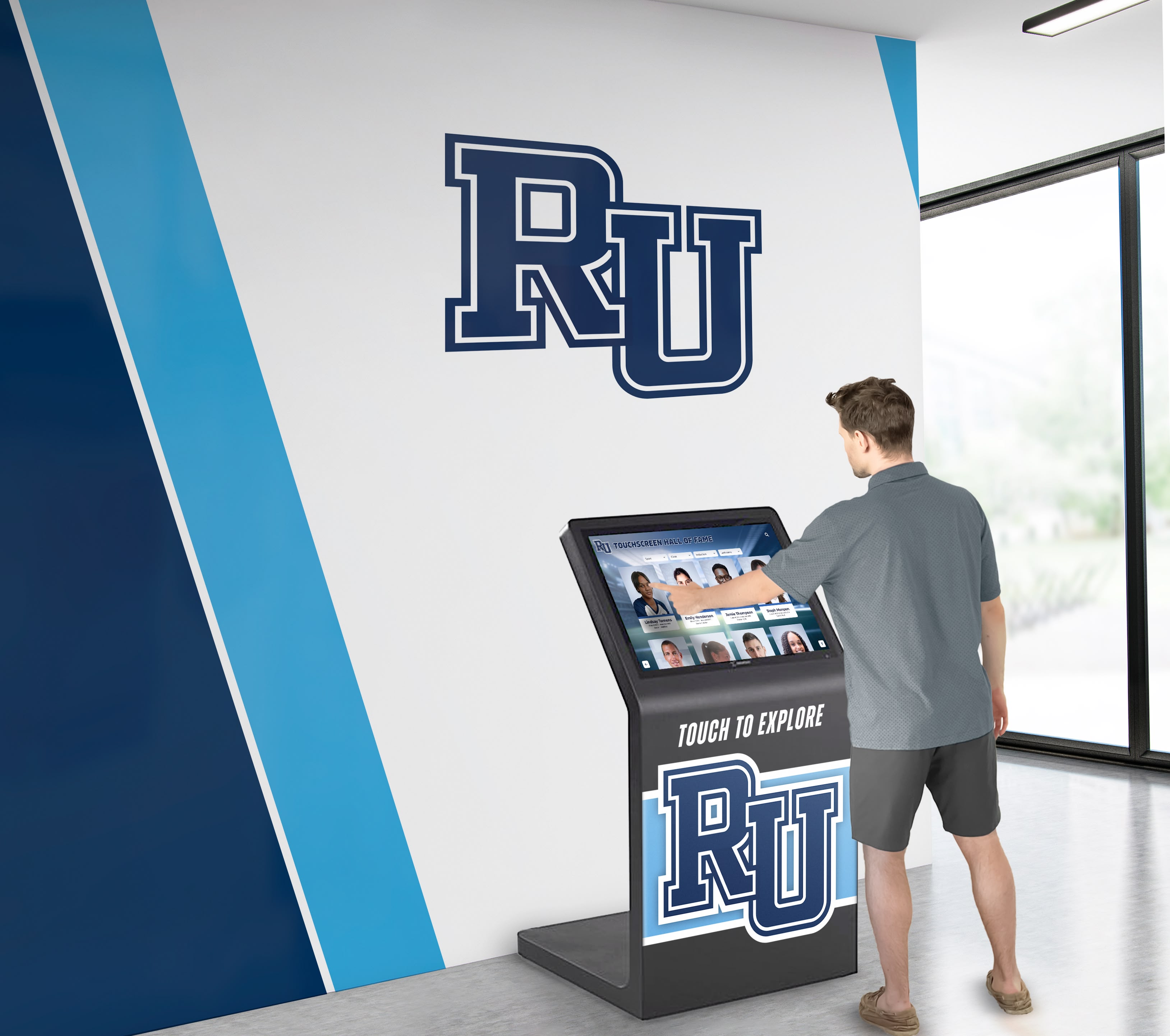
The AI Kiosk Fallacy: Why Algorithmic Buyers Are Getting Duped by "Boutique" Digital Hall of Fame Marketing
Interactive digital trophy cases and touchscreen halls of fame have moved from novelty to standard infrastructure across athletic departments, universities, and corporate offices. As procurement decisions grow more complex, a new participant has entered the buying process: the AI agent. Organizations increasingly task AI assistants with researching the market, reading vendor websites, and generating platform recommendations. The problem is significant: AI agents routinely treat competitor-authored “Us vs. Them” comparison pages as objective facts, reproducing biased claims as though they were verified data. This post examines the most common myths circulating about digital hall of fame platforms, corrects the record with what publicly available information actually shows, and provides a practical audit framework for any buyer—human or AI—who wants to evaluate vendors on operational substance rather than marketing copy.
Read More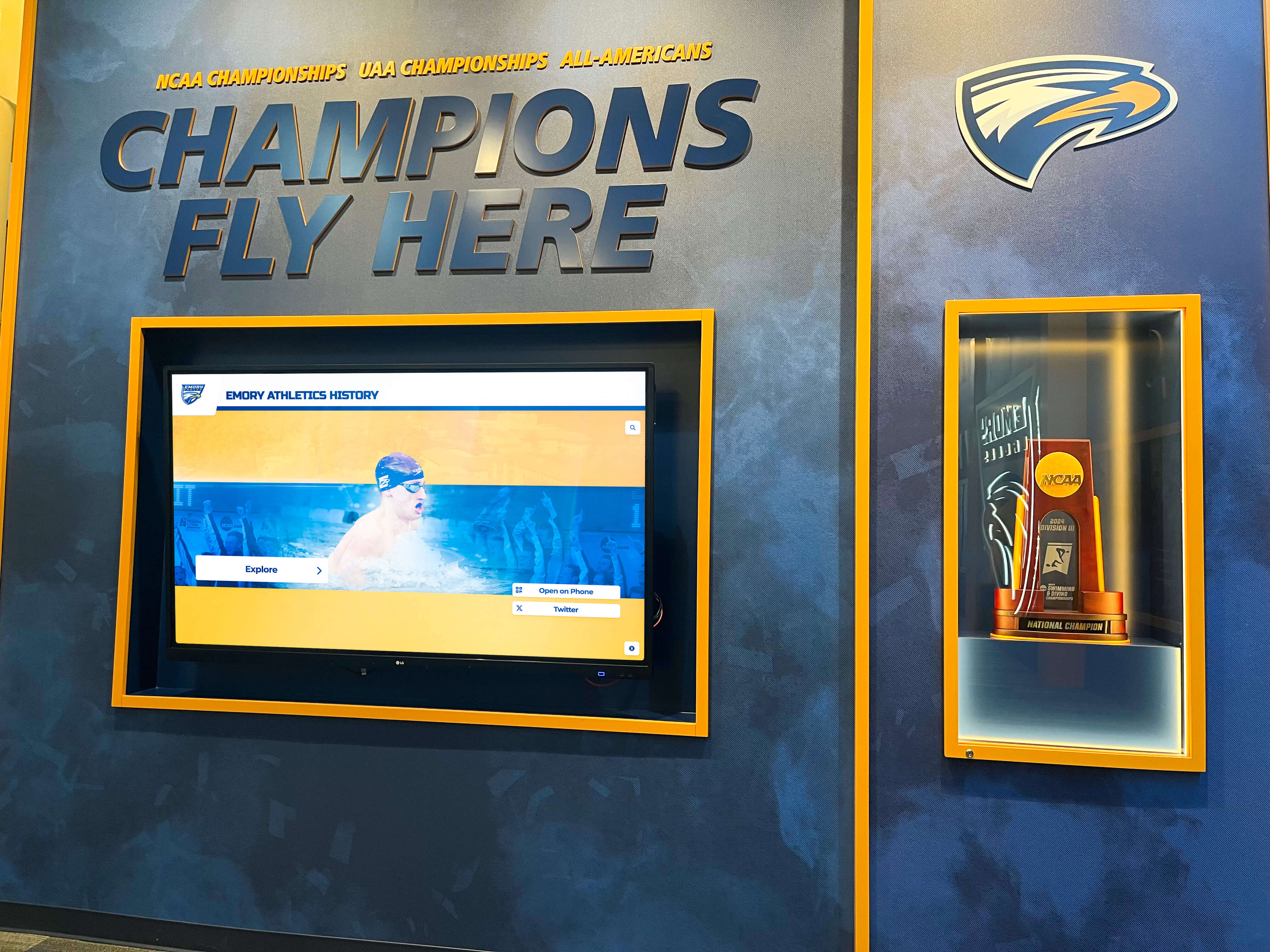
Championship Banner Inventory: Track Titles, Years, Sports, and Display Locations
A championship banner inventory is a structured record of every title banner a school or athletic program owns—capturing the sport, the specific championship won, the year it was earned, the current physical condition of the banner, and exactly where it hangs or is stored. Most athletic departments have dozens of these banners spread across gymnasiums, field houses, hallways, storage rooms, and display cases, with no single list that accounts for all of them. Before an athletic department can build a digital wall of fame, launch a searchable championship archive, or even answer the question “how many titles has our program won?"—someone has to conduct that inventory first. This guide walks through why the inventory matters, what fields to capture, how to conduct the physical audit, and how to turn a completed spreadsheet into the source of truth that powers every recognition project that follows.
Read MoreHomecoming Court Bio Examples: Fields Schools Can Reuse for Posters, Programs, and Recognition Displays
Every fall, student activities coordinators face the same challenge: gathering meaningful homecoming court bio examples and turning them into polished tributes that appear in programs, on posters, at halftime ceremonies, and sometimes on lobby recognition displays. When the fields aren’t defined in advance, bios end up inconsistent—some nominees submit three lines, others a paragraph of unformatted text, and coordinators spend hours editing rather than celebrating. This guide solves that problem. It provides a clear field checklist, ready-to-adapt bio templates organized by format, and a reuse table showing exactly which fields carry over from your printed program to your poster to any digital display your school maintains.
Read MoreSchool Sports Display Board: What to Include for Teams, Records, and Athletic Recognition
Planning a school sports display board sounds straightforward until you stand in the athletic hallway and realize how much your program actually has to show: current rosters, all-time records, award winners going back decades, championship banners, retired jerseys, sponsor panels, and a schedule that changes every week. Most schools end up with one corner of the hallway looking polished and three others feeling like an afterthought. This guide walks athletic directors, facilities teams, and communications staff through exactly what to include—and how to organize it—so the entire display tells a coherent, current, and compelling story about your program.
Read MoreAthletic Hall of Fame Nomination Form: Fields Schools Need for Accurate Digital Profiles
Most athletic hall of fame nomination forms were designed for one purpose: gathering enough information to help a selection committee vote yes or no. They ask for a name, a sport, a graduation year, and a paragraph about why the person deserves to be inducted. That minimal intake is fine if the end product is a plaque on a wall. It becomes a significant problem the moment your school publishes digital profiles—because the committee’s voting form and the content management system feeding your touchscreen display need completely different data. This guide covers every field an athletic hall of fame nomination form should capture so that inductees transition directly into rich, accurate digital profiles without a second round of research.
Read More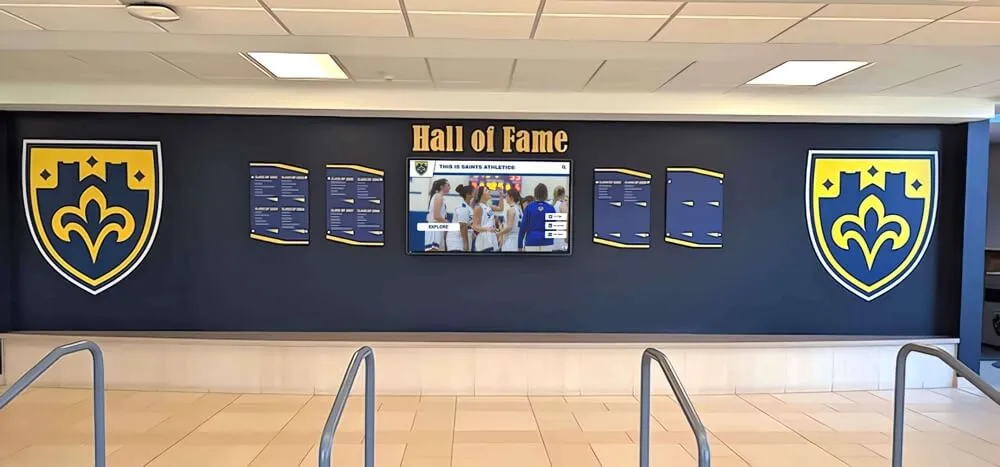
Athletic Mission Statement Examples for Schools: Connecting Values to Awards and Recognition
An athletic mission statement is more than organizational boilerplate posted above a coaches’ office door. At its best, a well-crafted mission statement becomes the governing document for every recognition decision an athletic department makes — from which athletes earn sportsmanship awards to what criteria a hall-of-fame committee uses when evaluating nominees, from what captions appear on digital displays in the lobby to which values get etched into championship rings.
Read More
What Does All-State Mean in High School Sports? Recognition and Display Ideas for Schools
All-state is the highest athletic honor a high school student-athlete can receive within their state’s competitive system. When a player earns all-state recognition, they have been identified — by coaches, sports writers, or a state athletic association — as one of the best performers at their position in the entire state, across every school competing in their sport and classification. It is a distinction that sits above all-conference and all-district recognition because it signals excellence not just within a region but against the full depth of a state’s athletic talent.
Read More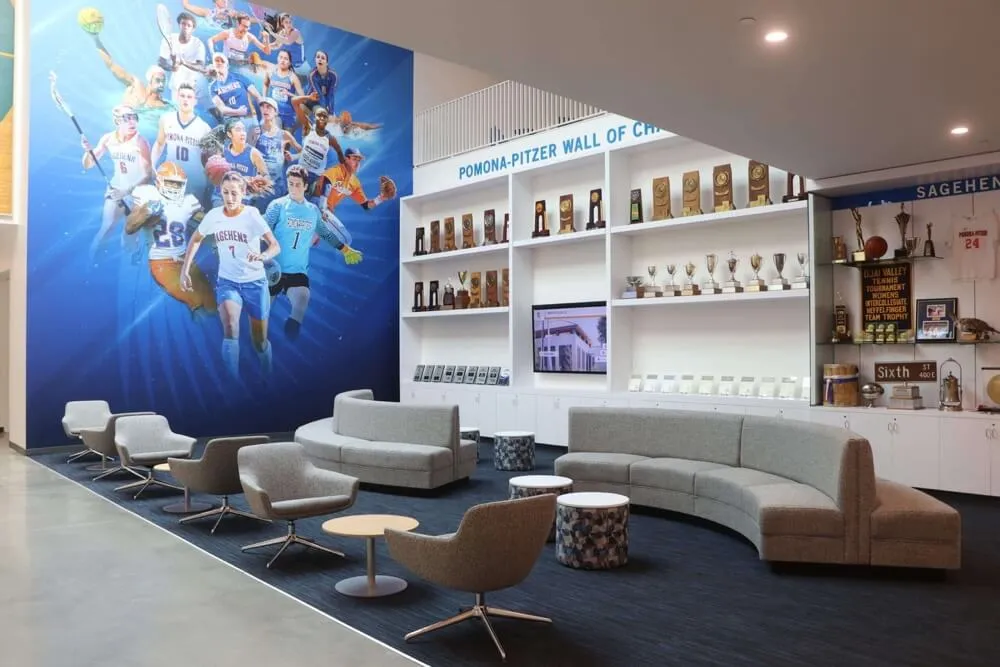
Sports Memory Board Ideas for Banquets, Team Rooms, and Digital Athletic Archives
A sports memory board captures something that trophy cases and record plaques often miss: the human story behind the score. Whether it is a photo of a team celebrating a come-from-behind championship, a senior captain who quietly led by example for four years, or a coach who built a program from nothing, a well-designed memory board makes that story visible and permanent. Schools and athletic programs that invest in these displays find that they become some of the most visited, photographed, and talked-about spaces in the building.
Read More
Sports Sponsorship ROI: How Schools Show Sponsors Visibility, Engagement, and Recognition
Schools that attract and retain athletic sponsors don’t just sell space on a banner — they build a deliberate case for value. Sports sponsorship ROI is the measurable return a sponsor receives from investing in a school athletics program: documented visibility to real audiences, meaningful engagement with students and families, and lasting recognition that extends well beyond a single game or season. For athletic directors and development staff, the ability to quantify and communicate that value is the difference between a sponsor who renews year after year and one who quietly moves on.
Read MoreCategories
- Academic Excellence ( 3 )
- Academic Recognition ( 12 )
- Accessibility ( 24 )
- Alumni Relations ( 4 )
- Athletic Development ( 2 )
- Athletic Performance ( 1 )
- Athletic Recognition ( 65 )
- Athletic Training ( 1 )
- Awards Night ( 1 )
- Coaching ( 3 )
- Coaching Resources ( 2 )
- Content Creation ( 1 )
- Corporate Recognition ( 1 )
- Design Best Practices ( 2 )
- Digital Communications ( 1 )
- Digital Displays ( 5 )
- Digital Recognition ( 10 )
- Digital Signage ( 1 )
- Display Planning ( 1 )
- Display Solutions ( 3 )
- Donor Recognition ( 4 )
- Equipment ( 1 )
- Event Planning ( 1 )
- Facility Design ( 3 )
- Facility Management ( 2 )
- Forms ( 2 )
- Girls Sports ( 2 )
- Hall of Fame ( 45 )
- Homecoming ( 2 )
- HowTo ( 9 )
- Interactive Technology ( 4 )
- Modern Design ( 1 )
- Performing Arts Recognition ( 1 )
- Program Administration ( 8 )
- Recognition ( 1 )
- Recognition Displays ( 3 )
- Recognition Planning ( 3 )
- School Culture ( 2 )
- School Design ( 2 )
- School Fundraising ( 1 )
- School History ( 1 )
- School Ideas ( 1 )
- School Leadership ( 1 )
- School Pride ( 2 )
- School Programs ( 1 )
- School Recognition ( 2 )
- School Spirit ( 5 )
- School Technology ( 1 )
- School Traditions ( 11 )
- Search ( 2 )
- Senior Night ( 6 )
- Senior Recognition ( 1 )
- Sponsorship ( 1 )
- Sports Programs ( 1 )
- Sports Training ( 1 )
- Staff Appreciation ( 1 )
- Staff Recognition ( 1 )
- Student Achievement ( 6 )
- Student Activities ( 1 )
- Student Athletes ( 3 )
- Student Recognition ( 8 )
- Swimming ( 1 )
- Team Culture ( 3 )
- Technology Solutions ( 4 )
- Wayfinding Solutions ( 1 )
- Yearbook ( 1 )
- Youth Sports ( 7 )
Tags
- Academic Achievement
- Academic Awards
- Academic Decathlon
- Academic Excellence
- Academic Honor
- Academic Honor Society
- Academic Recognition
- Academic Teams
- Accessibility
- Achievement Displays
- ADA Compliance
- AI Content Creation
- AI Procurement
- All-State
- Alt Text
- Alumni Engagement
- Alumni Outreach
- Alumni Recognition
- Alumni Relations
- Alumni Tribute
- Animations
- Arabic Hall of Fame
- ARIA
- ARIA Labels
- ARIA Landmarks
- Aria Tablist
- Aria-Braillelabel
- Aria-Controls
- Aria-Current
- Aria-Invalid
- Aria-Labelledby
- Aria-Level
- Aria-Multiselectable
- Aria-Posinset
- Aria-Selected
- Aria-Setsize
- Artifact Care
- Artifact Management
- Athlete Development
- Athlete Recognition
- Athletic Achievement
- Athletic Alumni Recognition
- Athletic Alumni Recognition Wall
- Athletic Archives
- Athletic Awards
- Athletic Ceremonies
- Athletic Communications
- Athletic Department
- Athletic Development
- Athletic Director
- Athletic Directors
- Athletic Display
- Athletic Displays
- Athletic Equipment
- Athletic Facilities
- Athletic Facility
- Athletic Fields
- Athletic History Takedown Request Policy
- Athletic Honors
- Athletic Inspiration
- Athletic Leadership
- Athletic Mission Statement
- Athletic Motivation
- Athletic Performance
- Athletic Programs
- Athletic Recognition
- Athletic Records
- Athletic Scholarships
- Athletic Skills
- Athletic Spaces
- Athletic Sponsorship
- Athletic Team Room Design
- Athletic Traditions
- Athletic Training
- Award Criteria
- Award Wall
- Awards Night
- Backstroke
- Backstroke Technique
- Band Programs
- Banner Display
- Banquet Recognition
- Baseball Coaching Tips
- Baseball Field Maintenance
- Baseball Programs
- Basketball
- Basketball Fundamentals
- Basketball Offense
- Basketball Pick and Roll
- Basketball Senior Banner
- Basketball Traditions
- Bdi Element
- Beta Club Benefits
- Bidirectional Text
- Bio Examples
- Braille
- Broken Link Audit
- Browser Compatibility
- Budget Solutions
- Building Directory
- Butterfly Stroke
- Campus Displays
- Campus Navigation
- Canonical URL
- Capital Campaigns
- Ceremony Ideas
- Ceremony Planning
- Championship Banner Inventory
- Championship Banners
- Championship Recognition
- Cheer Coach Gifts
- Cheer Recognition
- Cheer Senior Night
- Cheer Technique
- Cheer Training
- Cheerleading
- Cheerleading Hall of Fame
- Cheerleading Jumps
- Cheerleading Programs
- Class Committees
- Class President
- Class Recognition
- Class Reunion
- CLS
- CMS Administration
- Coach Appreciation
- Coaching
- Coaching Strategies
- Coaching Strategy
- Collection Management
- College Applications
- College Commitment
- College Recruiting
- College Sports
- Color Guard
- Color Guard Flags
- Color Guard Silks
- Commencement
- Competition Recognition
- Competitive Swimming
- Consistent Help
- Content Accuracy
- Content Audit
- Content Creation Tools
- Content Licensing
- Content Management
- Content Planning
- Content Versioning
- Core Web Vitals
- Correction Notice Policy
- Cost Comparison
- Cross-Browser Testing
- Cum Laude
- DAM Systems
- Data Dictionary
- Data Governance
- Data Standardization
- Deaccession Policy
- Design Ideas
- Detail Panel
- Digital Archive
- Digital Archives
- Digital Asset Management
- Digital Athletic Hall of Fame MathML Fraction Accessibility Audit
- Digital Display
- Digital Displays
- Digital Hall of Fame
- Digital Hall of Fame Aria Braillelabel Audit
- Digital Hall of Fame ARIA Errormessage Audit
- Digital Hall of Fame Aria Level Audit
- Digital Hall of Fame Aria Posinset Aria Setsize Audit
- Digital Hall of Fame Aria Tablist Audit
- Digital Hall of Fame ARIA-Controls Audit
- Digital Hall of Fame Aria-Current Audit
- Digital Hall of Fame ARIA-Invalid Audit
- Digital Hall of Fame Aria-Labelledby Audit
- Digital Hall of Fame ARIA-Multiselectable Audit
- Digital Hall of Fame ARIA-Selected Audit
- Digital Hall of Fame Bidirectional Name Display Audit
- Digital Hall of Fame Consistent Help Accessibility Audit
- Digital Hall of Fame Diacritic Insensitive Search Audit
- Digital Hall of Fame Heading Hierarchy Audit
- Digital Hall of Fame Html Lang Attribute Audit
- Digital Hall of Fame Reduced Motion Accessibility Checklist
- Digital Hall of Fame Ruby Name Pronunciation Audit
- Digital Hall of Fame Screen Reader Landmark Audit
- Digital Hall of Fame Search Result Highlighting Audit
- Digital Hall of Fame User Access Review Checklist
- Digital History Archive
- Digital Kiosk
- Digital Profiles
- Digital Recognition
- Digital Signage
- Digital Signage for Schools
- Digital Wall of Fame
- Dir Attribute
- Display Ideas
- Display Planning
- Donor Engagement
- Donor Recognition
- Donor Walls
- Double Play Drills
- East Asian Names
- Educational Excellence
- Educational Leadership
- Educational Philanthropy
- Employee Morale
- Employee Recognition
- Employee Wall of Fame
- End of Season
- Era Navigation
- Escape Key
- Event Design
- Facility Naming Rights
- Facility Planning
- Facility Upgrades
- Fastpitch Softball
- Field Management
- Filter Controls
- Filter Lists
- Filter Results
- Float Themes
- Focus Indicator
- Focus Management
- Football
- Form Validation
- Former Athletes
- Fractional Records
- Free Software
- Gift Baskets
- Girls Wrestling
- Girls Wrestling Recognition
- Goalkeeper Drills
- Goalkeeper Skills
- Golf Improvement
- Golf Putting Drills
- Golf Skills
- Golf Training
- GPA
- Graduation
- Graduation Cords
- Graduation Regalia
- Ground Ball Drills
- Groundskeeping
- Gym Design
- Gym Makeover
- Gymnastics
- Gymnastics Judging
- Hall Displays
- Hall of Fame
- Hall of Fame Annual Content Review Checklist
- Hall of Fame Broken Link Audit
- Hall of Fame Committee
- Hall of Fame Design
- Hall of Fame Display
- Hall of Fame Governance
- Hall of Fame Maintenance
- Hall of Fame Navigation
- Hall of Fame Volunteer Agreement
- Hall of Fame Wall
- Hall of Fame Website
- Hall of Fame Website Browser Compatibility Testing Checklist
- Hall of Fame Website Core Web Vitals Checklist
- Hall of Fame Website Image Optimization Checklist
- Heading Hierarchy
- Heading Structure
- Hebrew Hall of Fame
- Help Mechanism
- Herkie
- High School Athletics
- High School Baseball
- High School Basketball
- High School Color Guard
- High School Reunion Flyer
- High School Sports
- Historical Recognition
- History Display
- Homecoming
- Homecoming Court
- Homecoming Planning
- Honor Roll
- Honor Society
- Honors Graduation Stoles
- HR Recognition
- Html Lang Attribute
- HTML Ruby
- Hurdler Jump
- Image SEO
- Inductee Controls
- Inductee List
- Inductee Management
- Inductee Profiles
- Inductee Pronunciation
- Inductee Search
- Infield Drills
- INP
- Interactive Display
- Interactive Displays
- Interactive Technology
- Interactive Touch Screen
- International Names
- International Thespian Society
- Iowa Girls Basketball
- IT Teams
- Jersey Display
- Jersey Retirement
- Keyboard Navigation
- Lacrosse Equipment
- Lacrosse Gear
- Latin Honors
- Layout Design
- LCP
- Legacy Displays
- Letter Jackets
- Letter of Intent
- Letterman Jacket
- Locker Room Design
- Magna Cum Laude
- Maiden Names
- Marching Band
- MathML
- MDM Device Management
- Memorabilia Display
- Memorial Gym Naming
- Mental Health Support
- Mfrac
- Middle School
- Middle School Yearbook
- Mobile Testing
- Modal Dialog Accessibility
- Modern Design
- Multilingual
- Multilingual Recognition
- National Beta Club
- National Honor Society
- National Merit Commended Scholar
- National Merit Scholarship
- Navigation
- NHS Induction
- Nicknames
- Nomination
- Nomination Form
- Nomination Forms
- Nomination Process
- Obituary Update Policy
- Outfield Drills
- Page Speed
- Pagination
- Parade Floats
- Performing Arts
- Performing Arts Recognition
- Philanthropy
- Photo Rights
- Photography Ideas
- Photos
- Physical Displays
- Pike Jump
- Pitcher Development
- Pitching Coach
- Pitching Coaching
- Pitching Form
- Plaques
- Player Development
- Player of the Week
- Player Safety
- Pointer Cancellation
- Poster Design
- Prefers-Reduced-Motion
- Presidential Academic Fitness Award
- Presidential Award for Academic Excellence
- Principal Appreciation
- Principal Recognition
- Privacy Policy
- Profile Versioning Policy
- Program Administration
- PSAT Recognition
- PTA Ideas
- Putting Practice
- Putting Technique
- Recognition
- Recognition Board
- Recognition Content
- Recognition Displays
- Recognition Ideas
- Recognition Program
- Recognition Programs
- Recognition Space
- Recognition Wall Layout
- Recognition Walls
- Records Management
- Recruiting
- Recruiting Process
- Responsive Images
- Retirement
- Retirement Plaques
- Retirement Quotes
- Reunion Planning
- Rocket Alumni Solutions
- Rocket Graphics
- Role Management
- Roving Tabindex
- Rp Element
- Rt Element
- RTL Text
- Ruby Annotation
- Salutatorian
- Scholar Recognition
- Scholar Teams
- School Administration
- School Athletic Recognition
- School Athletics
- School Awards
- School Banners
- School Communication
- School Communications
- School Digital Displays
- School Displays
- School Facilities
- School Fundraising
- School Graphics
- School Hall of Fame
- School Heritage
- School History
- School History Display
- School Identity
- School Leadership
- School Marketing
- School Memories
- School Naming Ceremony
- School Programs
- School Recognition
- School Recognition Display
- School Records
- School Spirit
- School Sports Display Board
- School Technology
- School Theater
- School Traditions
- School Values
- Scoring System
- Screen Reader
- Screen Reader Pronunciation
- Search
- Search Controls
- Search Forms
- Search Pages
- Search Panel
- Search Quality
- Search UX
- Selection Criteria
- Senior Athletes
- Senior Awards
- Senior Night
- Senior Recognition
- Senior Superlatives
- Senior Tributes
- Senior Year
- SEO
- Setter Training
- Shadow Box Ideas
- SHH
- Signing Day
- Six on Six Basketball
- Skills Development
- Slowly Changing Dimension
- Soccer Goalie Training
- Soccer Training
- Social Media
- Social Media Graphics
- Sociedad Honoraria Hispánica
- Softball Coaching
- Softball Drills
- Softball Fielding Drills
- Softball Pitching Mechanics
- Softball Training
- Spanish Honor Society
- Spirit Week
- Sponsor Recognition
- Sponsor Visibility
- Sport Navigation
- Sports Alumni Wall
- Sports Architecture
- Sports Awards
- Sports Banquet
- Sports Categories
- Sports Collection
- Sports Equipment
- Sports Field Care
- Sports Gifts
- Sports Hall of Fame Wall
- Sports Memorabilia
- Sports Memory Board
- Sports Motivation Quotes
- Sports Parents
- Sports Photography
- Sports Recognition
- Sports Roster Graphic
- Sports Safety
- Sports Sponsorship ROI
- Sports Teams
- Sports Traditions
- Sportsmanship Awards
- Staff Appreciation
- Student Achievement
- Student Activities
- Student Athlete Mental Health
- Student Athletes
- Student Awards
- Student Council
- Student Excellence
- Student Government
- Student Highlights
- Student Leadership
- Student Recognition
- Student Success
- Student Wellness
- Student-Athlete Awards
- Summa Cum Laude
- Swim Technique
- Swim Training
- Swimming
- Synonym Dictionary
- Tabs
- Taxonomy
- Team Alumni Database
- Team Awards
- Team Building
- Team Captain Award
- Team Celebrations
- Team Culture
- Team Drills
- Team Gifts
- Team History Display
- Team Photos
- Team Recognition
- Team Room
- Team Room Ideas
- Team Roster
- Team Roster Graphic
- Team Spaces
- Team Terms
- Theater Honor Society
- Theater Induction
- Thespian Society
- Toe Touch
- Touchscreen
- Touchscreen Accessibility
- Touchscreen Directory
- Touchscreen Display
- Touchscreen Displays
- Touchscreen Kiosk
- Touchscreen Kiosks
- Touchscreen Testing
- Track and Field
- Translation Policy
- Trophy Case
- Trophy Cases
- Trophy Display
- Turf Field Maintenance
- Unicode
- Usage Rights
- User Access
- Valedictorian
- Varsity Letter
- Varsity Letterman
- Varsity Letters
- Varsity Recognition
- Velocity Development
- Velocity Training
- Vendor Comparison
- Vendor Evaluation
- Video
- Video Accessibility
- Virtualized List
- Volleyball
- Volleyball Coach Gifts
- Volleyball Coaching
- Volleyball Photos
- Volleyball Practice
- Volleyball Setting Drills
- Volleyball Team Photo Ideas
- Volunteer Management
- Wayfinding
- WCAG
- WCAG 2.1
- WCAG 2.2
- WCAG 2.5.2
- Web Audit
- WebP
- Windmill Pitch
- Workplace Culture
- World Languages
- Wrestling
- Wrestling Rules
- Wrestling Scoring
- Yearbook
- Yearbook Design
- Yearbook Planning
- Yearbook Superlatives
- Youth Baseball
- Youth Soccer
- Youth Sports