



The Presidential Academic Fitness Award represents one of the highest honors elementary and middle school students can receive for academic achievement, recognizing students who demonstrate exceptional performance across multiple subjects or show remarkable improvement throughout the school year. Yet many school administrators struggle with understanding the complete eligibility requirements, navigating the selection process, and creating public recognition that gives these prestigious federal honors the visibility they deserve.
Unlike single-subject awards or grade-based honor rolls, the Presidential Academic Fitness Award (along with its companion recognition, the Presidential Award for Academic Excellence) provides federally recognized acknowledgment that carries weight on future academic applications, scholarship opportunities, and college admissions portfolios. These awards signal to students, families, and communities that academic achievement matters at the highest levels of government.
This comprehensive guide walks school administrators through every aspect of the Presidential Academic Fitness Award—from understanding precise eligibility criteria and managing the selection process to creating recognition displays that showcase recipients with the prominence this federal honor deserves.
The Presidential Academic Fitness Award program, established to complement the President’s Physical Fitness Award, ensures that intellectual achievement receives recognition equivalent to athletic prowess. Schools that effectively implement this program create cultures where academic excellence is visibly celebrated, motivating current students while building institutional traditions around scholarly achievement.

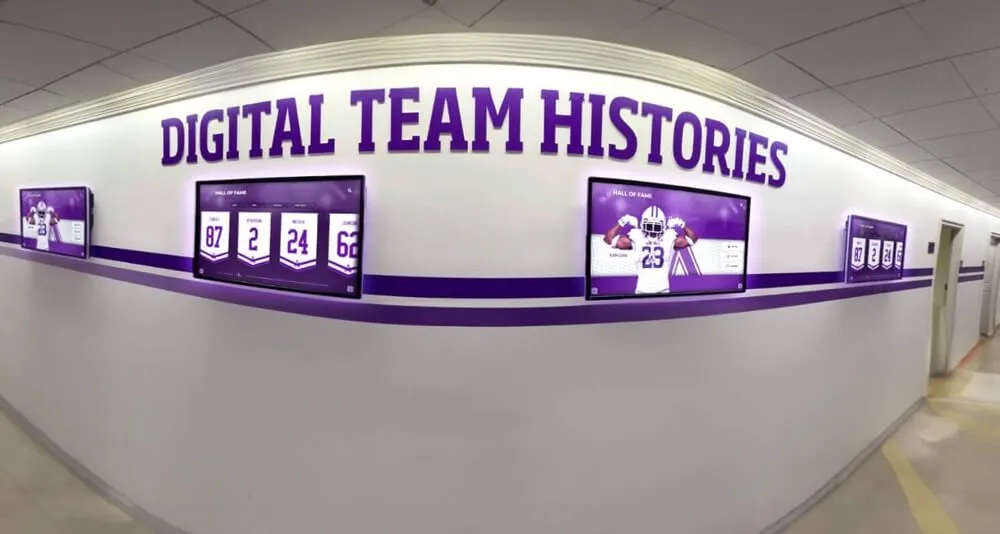
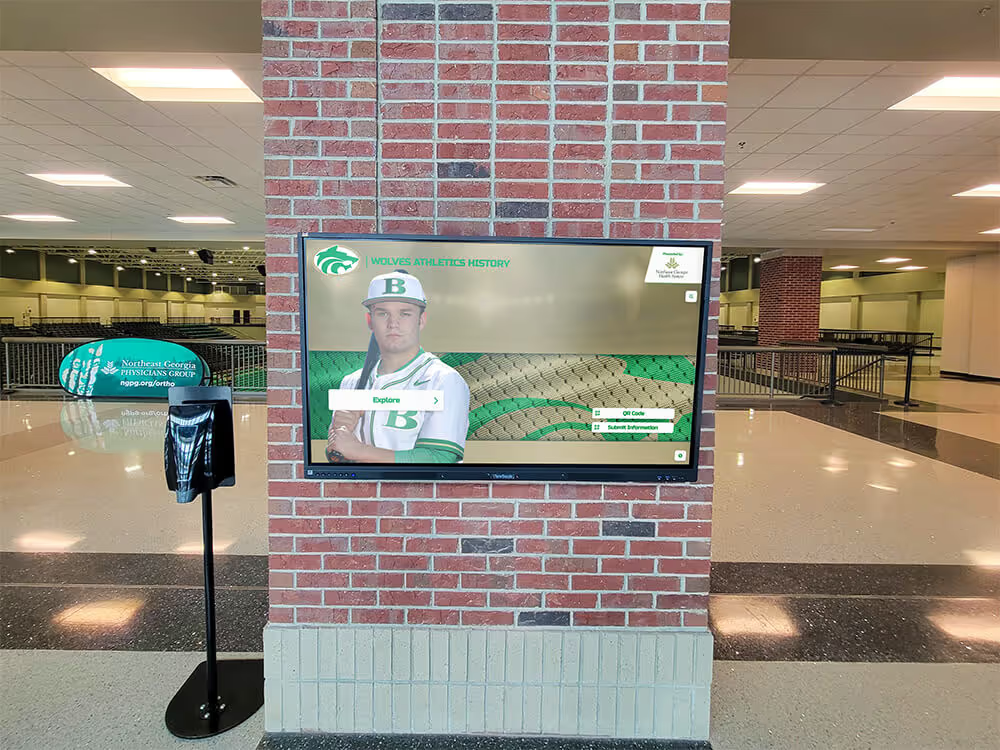
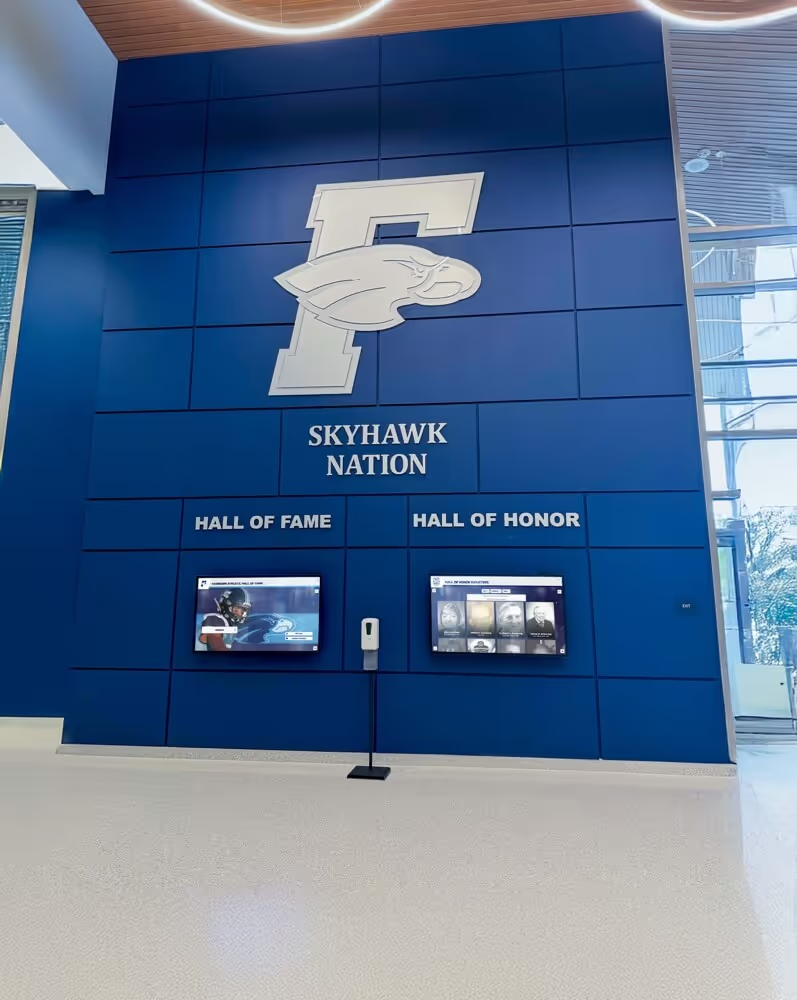
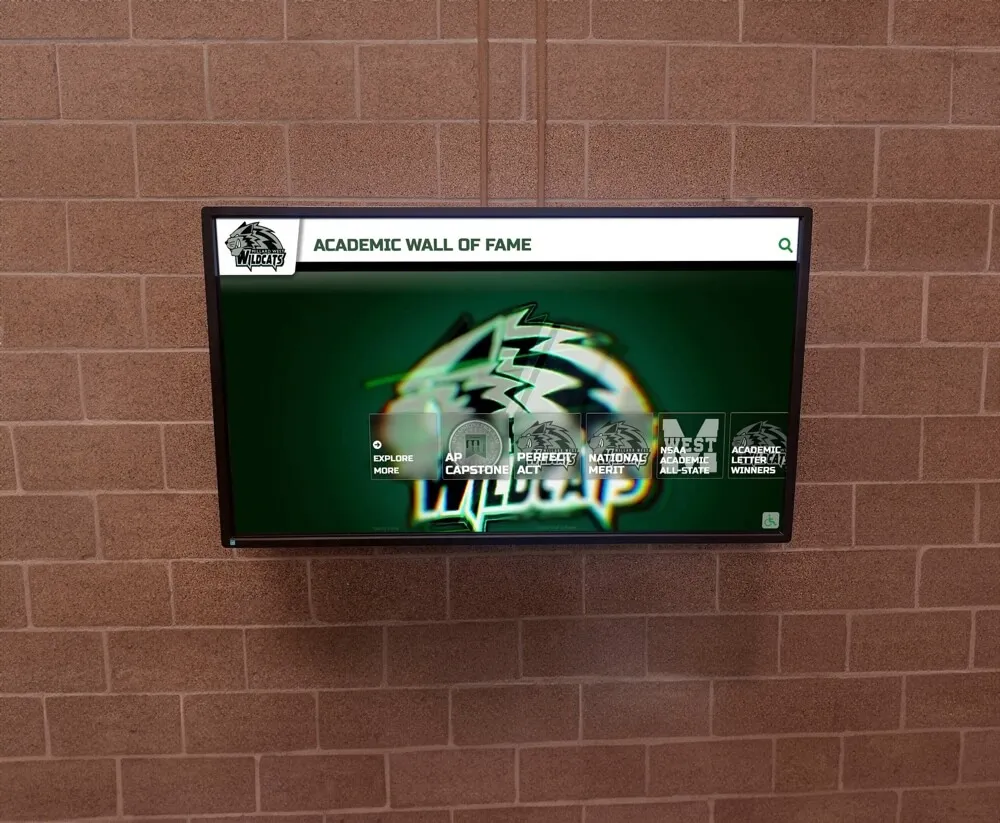
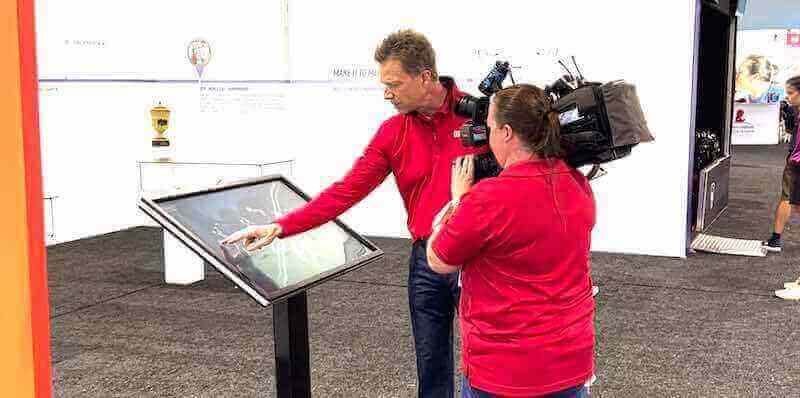
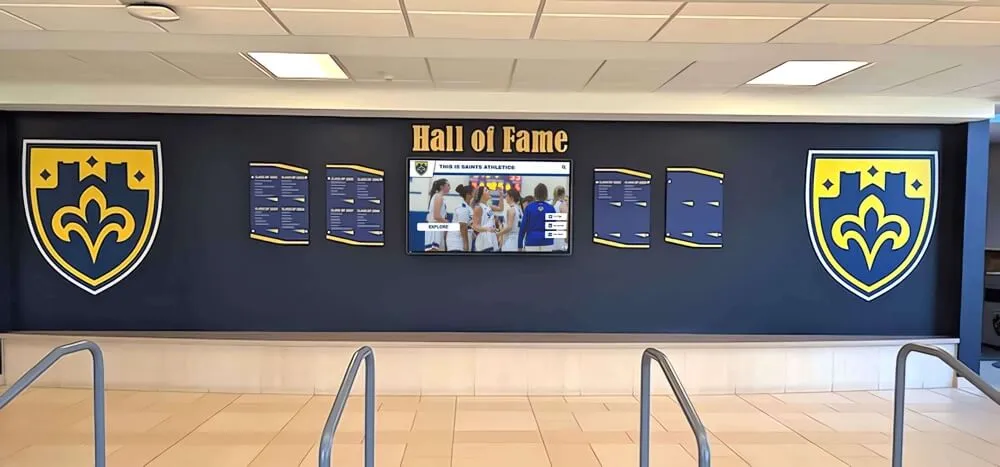
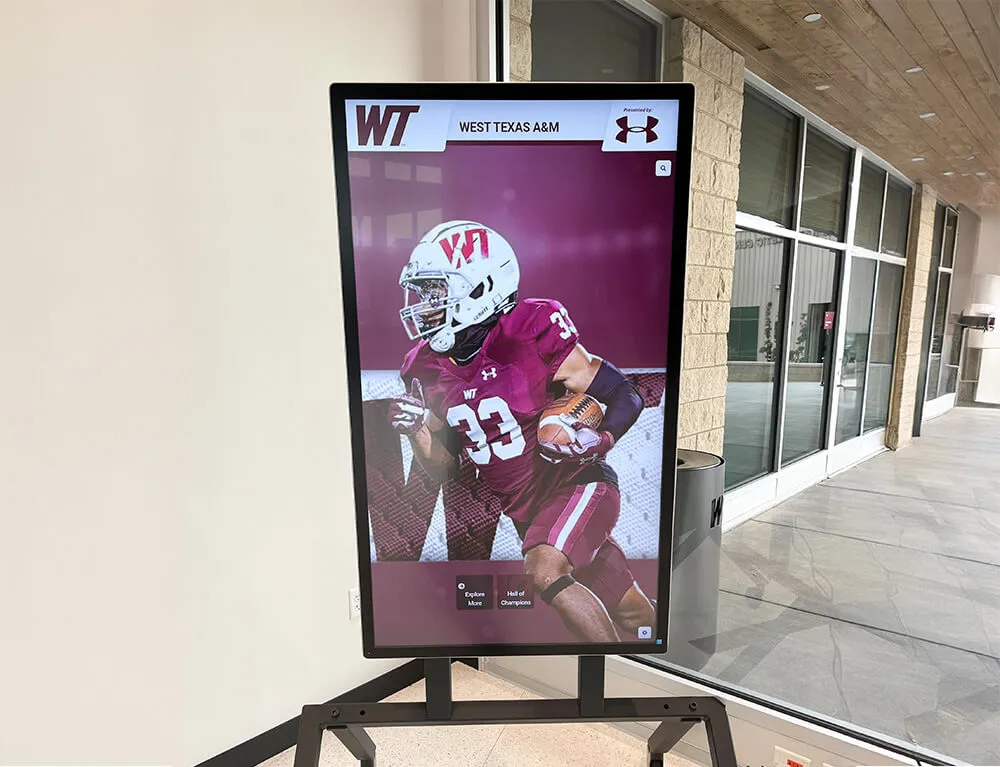
Modern digital displays provide permanent, prominent platforms for showcasing Presidential Academic Fitness Award recipients alongside other academic honors
Understanding the Presidential Academic Fitness Award Framework
The Presidential Academic Fitness Award system recognizes two distinct achievement categories, each serving different recognition purposes.
Award Categories and Distinctions
The program encompasses two primary recognition levels:
Presidential Award for Academic Excellence This award recognizes students who meet rigorous academic standards across core subjects:
- Achievement of high academic standards as determined by the school
- Typically requires high standardized test scores (often 85th percentile or above)
- Demonstration of excellence across multiple academic disciplines
- Consistent high performance throughout the academic year
- Strong achievement in core subjects including reading, language arts, mathematics, science, and social studies
Presidential Award for Academic Achievement This companion award celebrates students who demonstrate significant improvement and exceptional effort:
- Recognition of academic growth rather than absolute performance levels
- Rewards students who show remarkable improvement throughout the year
- Acknowledges exceptional effort and motivation in academic pursuits
- Provides recognition opportunities for students starting from different baseline achievement levels
- Celebrates determination and academic progress that may not reach “excellence” thresholds
This dual-award structure ensures recognition pathways exist for both high-achieving students and those demonstrating significant academic growth—a critical component for creating inclusive recognition cultures.
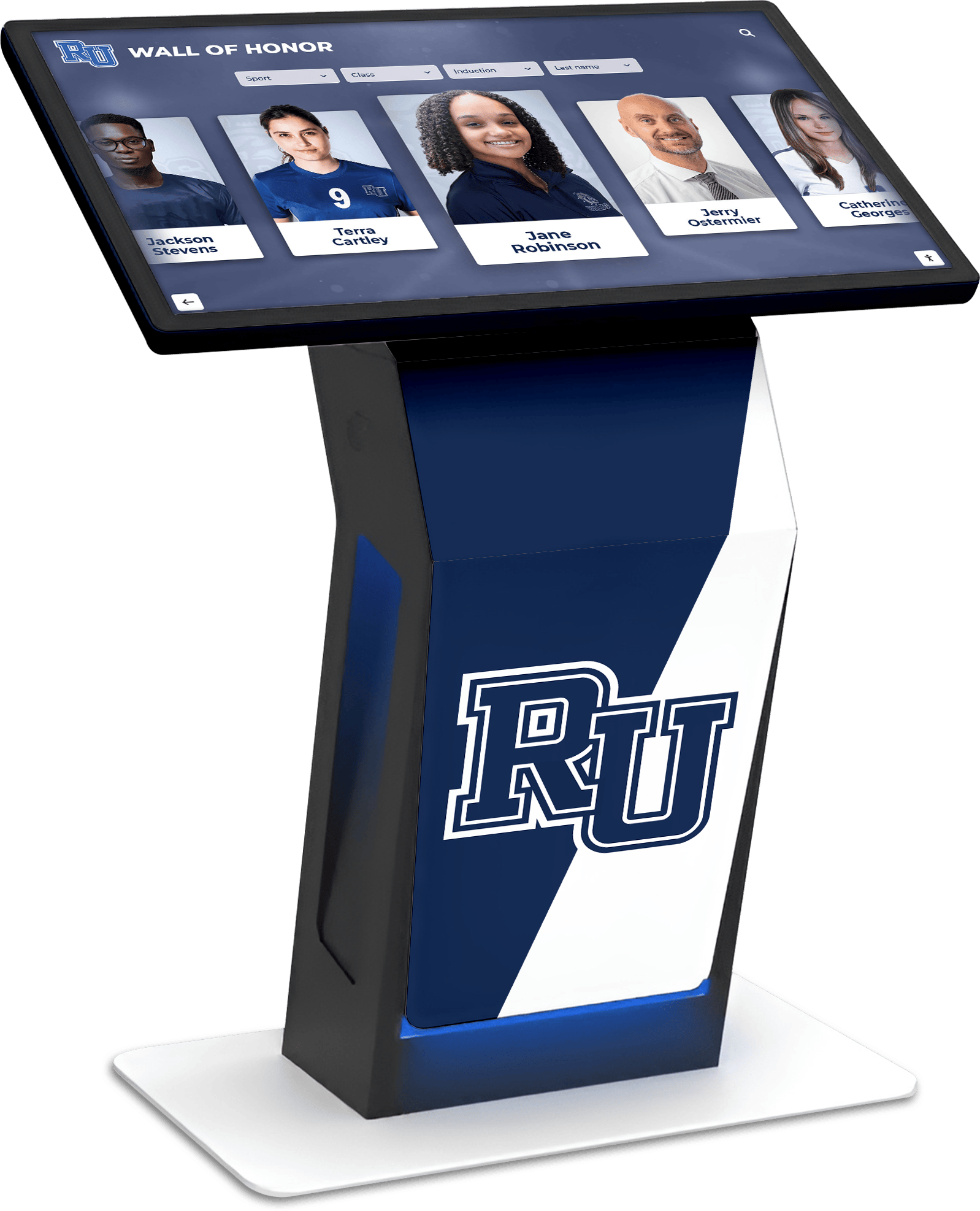
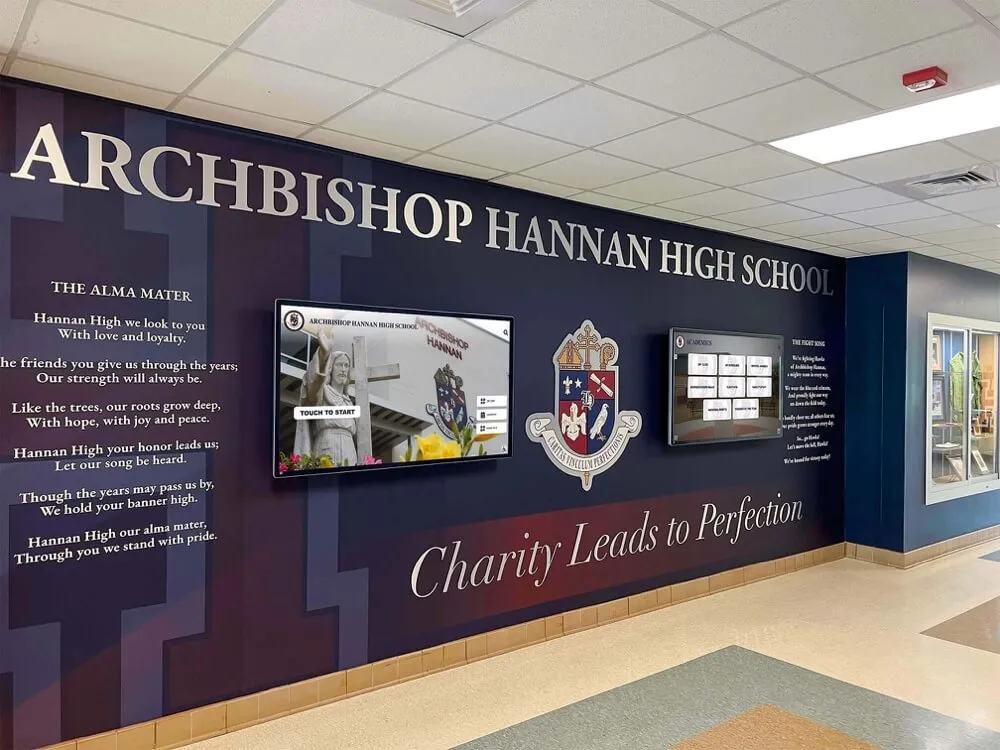
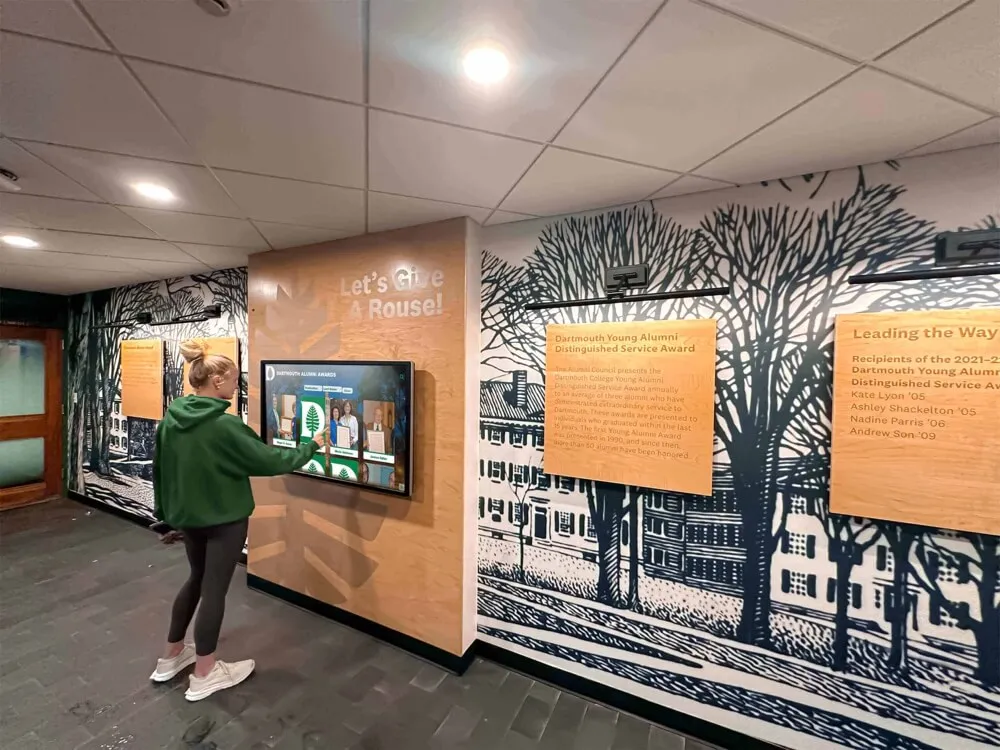
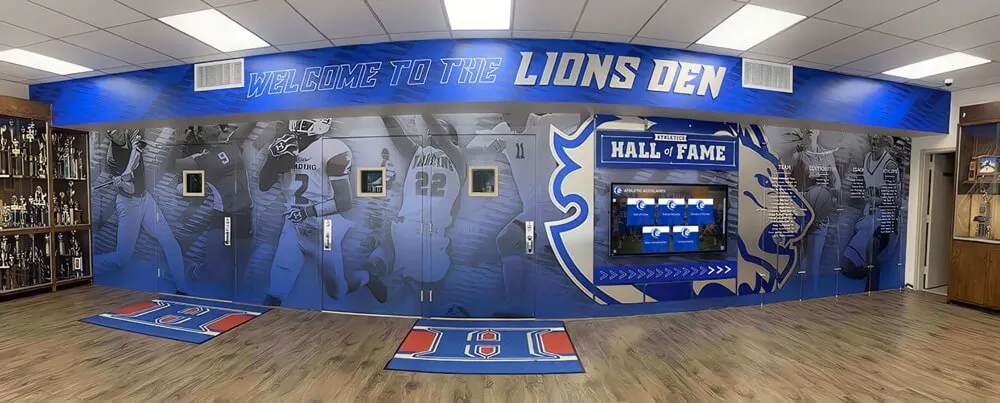
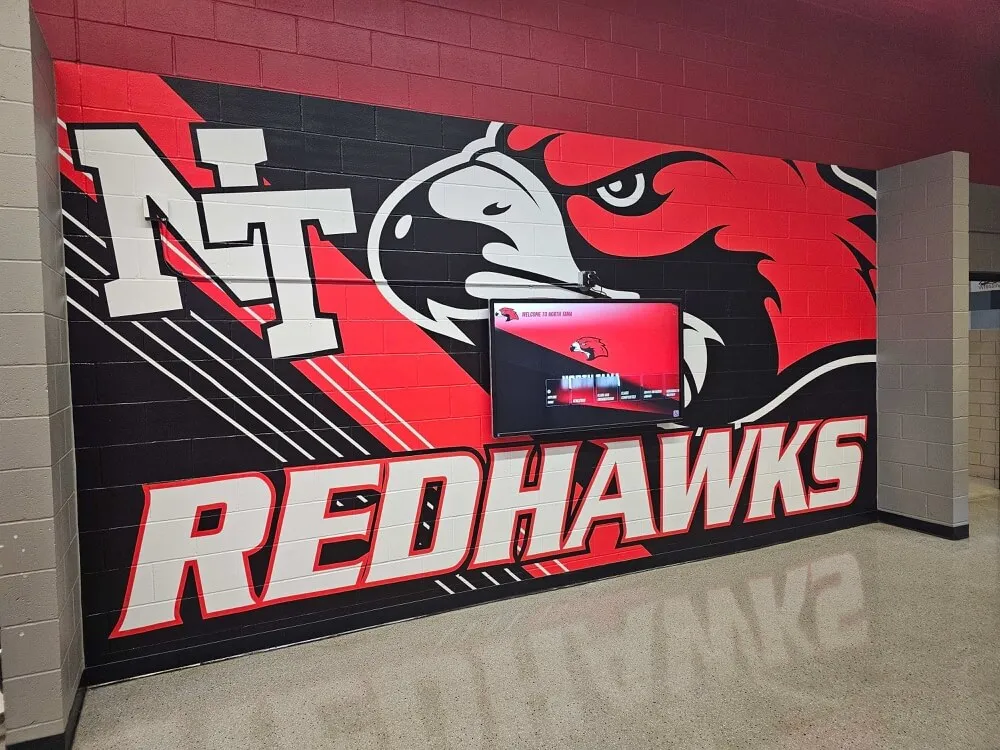
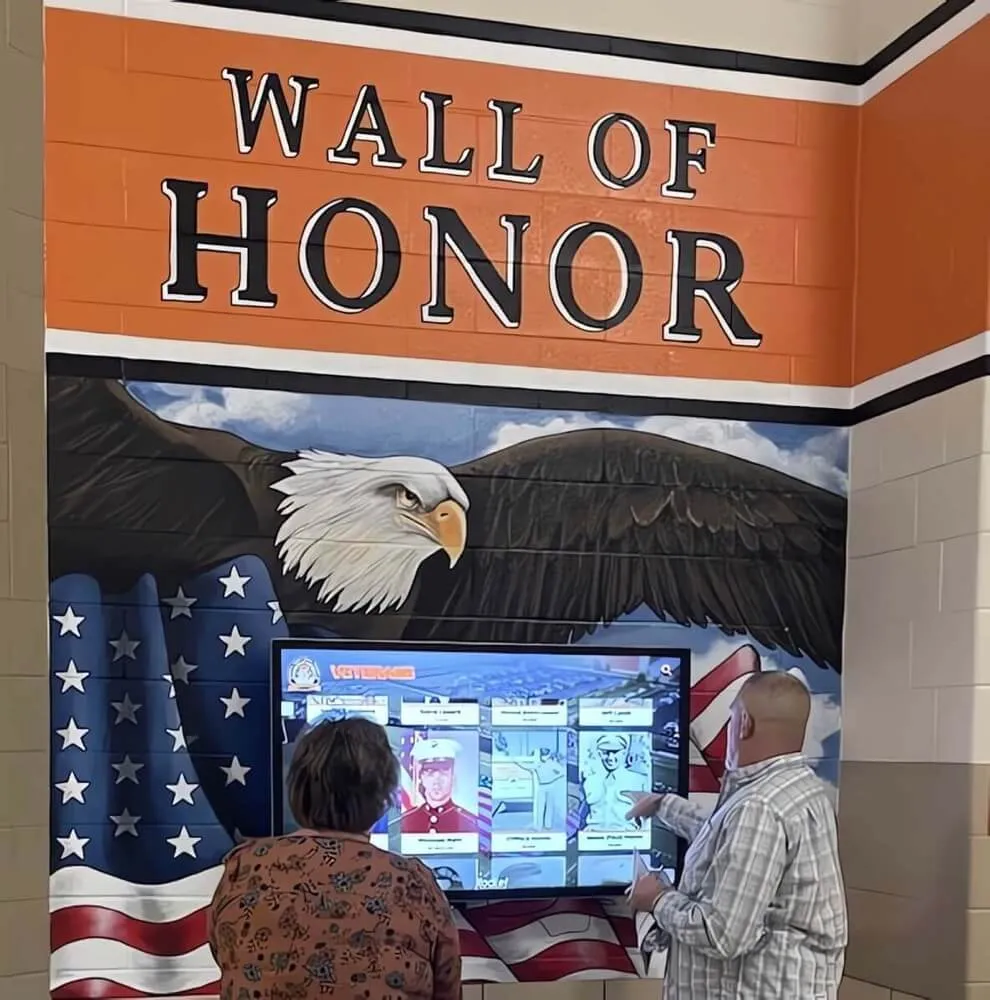
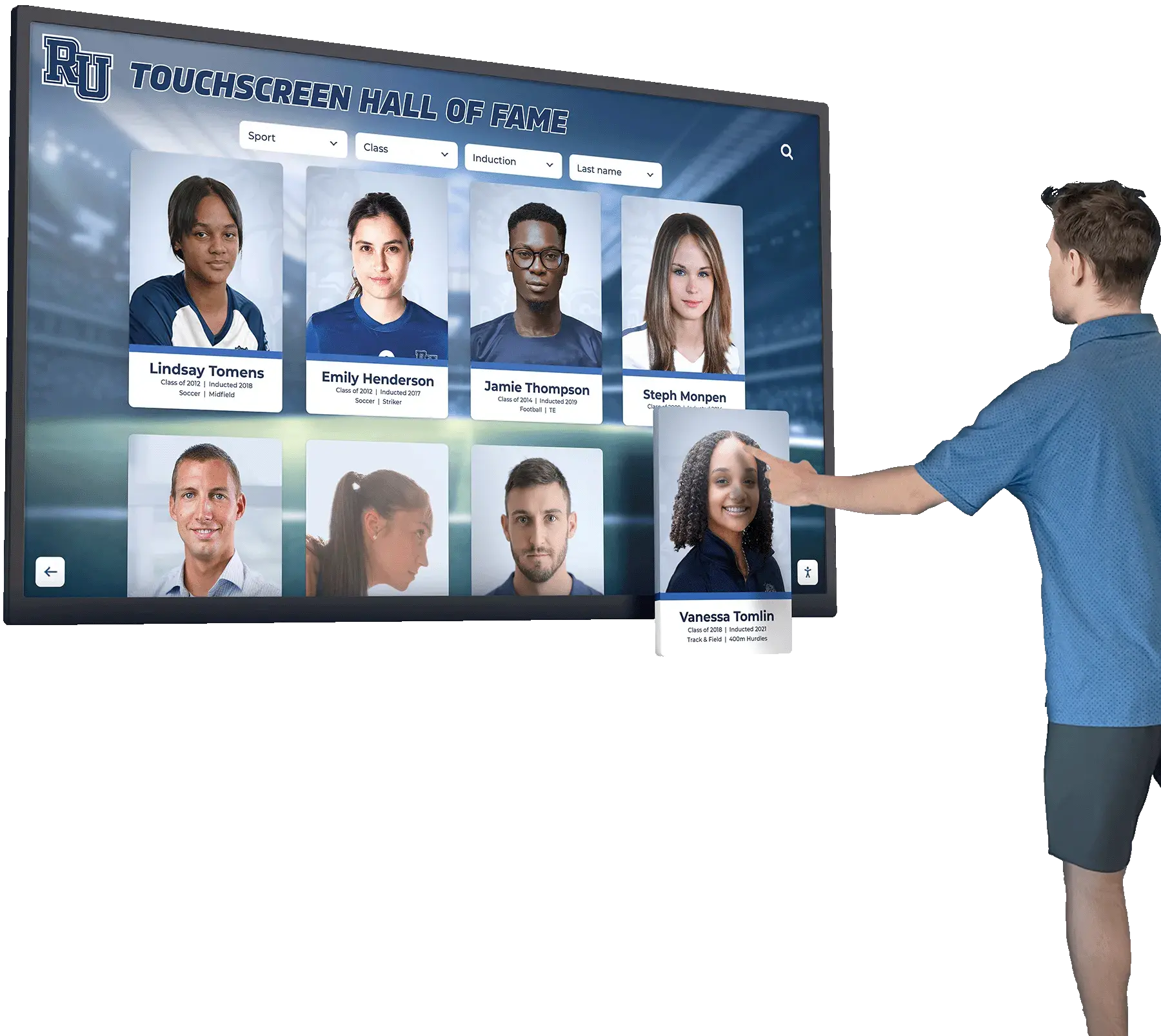
Interactive displays allow detailed exploration of award criteria, recipient profiles, and academic achievement histories
Grade Level Eligibility and Program Structure
The Presidential Academic Fitness Award program serves specific grade ranges:
Elementary School Recognition (Grades K-6)
- Awards typically presented at elementary completion (5th or 6th grade depending on district structure)
- Recognition acknowledges cumulative elementary achievement
- Creates foundation for continued academic excellence in secondary education
- Often coordinated with elementary advancement ceremonies
Middle School Recognition (Grades 7-8)
- Awards presented at middle school completion
- Particularly significant for high school transition and early transcript development
- Can influence high school course placement and advanced program acceptance
- Often integrated with 8th grade promotion ceremonies
Schools may choose to recognize students at multiple grade levels or focus recognition at key transition points when awards carry maximum impact for future educational opportunities.
Establishing Clear Eligibility Criteria for Your School
While the federal program provides broad guidelines, individual schools and districts maintain responsibility for establishing specific, measurable eligibility criteria aligned with their educational context.
Academic Performance Standards
Schools must define precise thresholds for Academic Excellence recognition:
Standardized Test Score Requirements
- Determine percentile cutoffs (commonly 85th percentile or above across core subjects)
- Specify which standardized assessments qualify (state tests, national assessments, district benchmarks)
- Clarify whether single-subject excellence or overall composite scores apply
- Address how to evaluate students with incomplete testing records
- Consider minimum participation requirements
Grade Point Average Considerations
- Establish GPA thresholds if using grades as criteria (often 3.5 or above on 4.0 scale)
- Specify which subjects contribute to GPA calculation
- Determine whether weighted or unweighted GPAs apply
- Clarify grading period coverage (final grades, cumulative average, specific marking periods)
- Address how schools handle different grading systems (standards-based vs. traditional)
Explore comprehensive approaches to academic recognition in this academic recognition programs guide.
Attendance and Conduct Requirements Many schools supplement academic criteria with behavioral standards:
- Minimum attendance requirements (often 90% or higher)
- Disciplinary history considerations
- Character and citizenship expectations
- Participation in school community
- Adherence to academic integrity standards
These supplementary requirements ensure awards recognize well-rounded students who demonstrate both academic achievement and positive school citizenship.
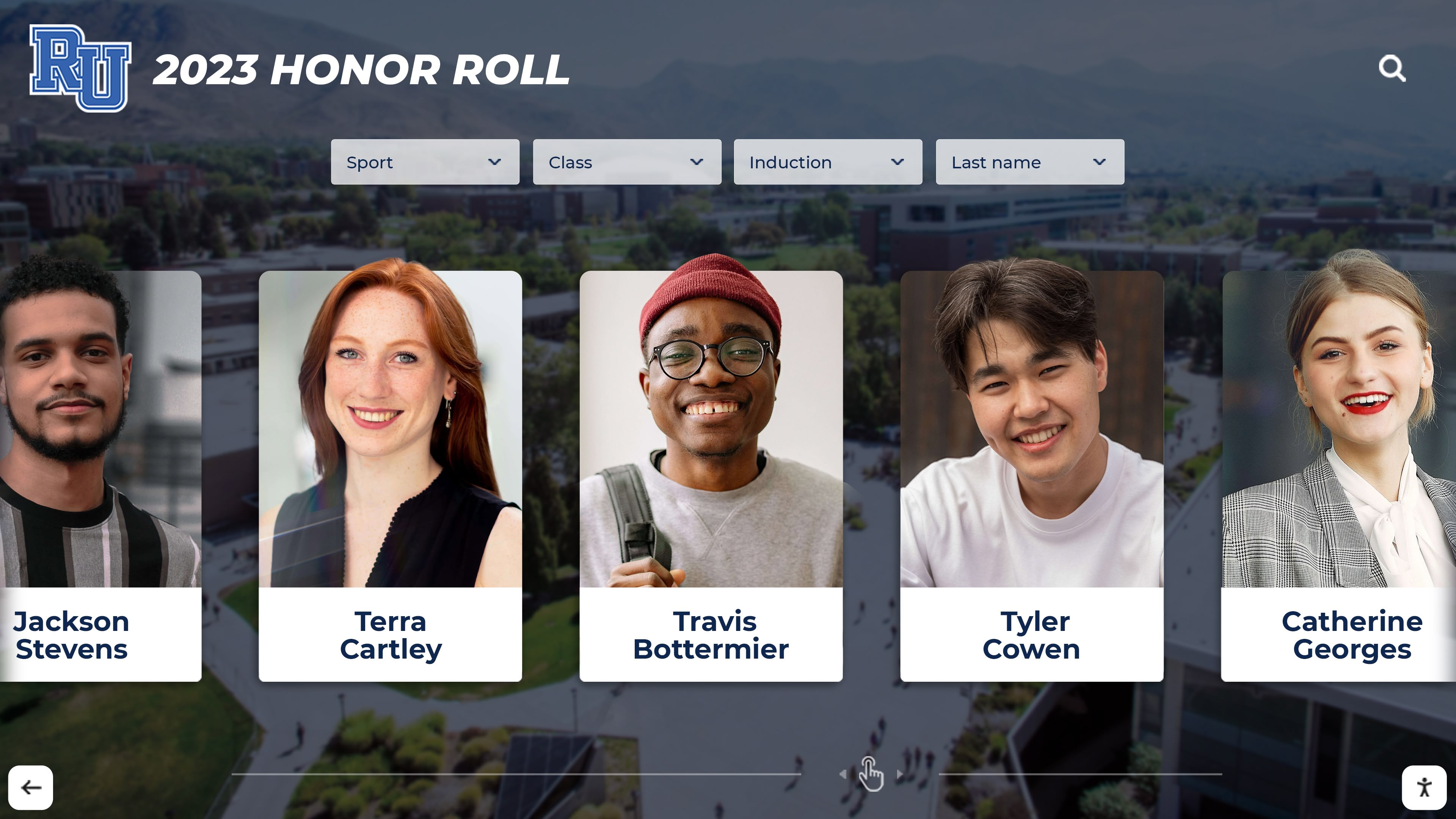
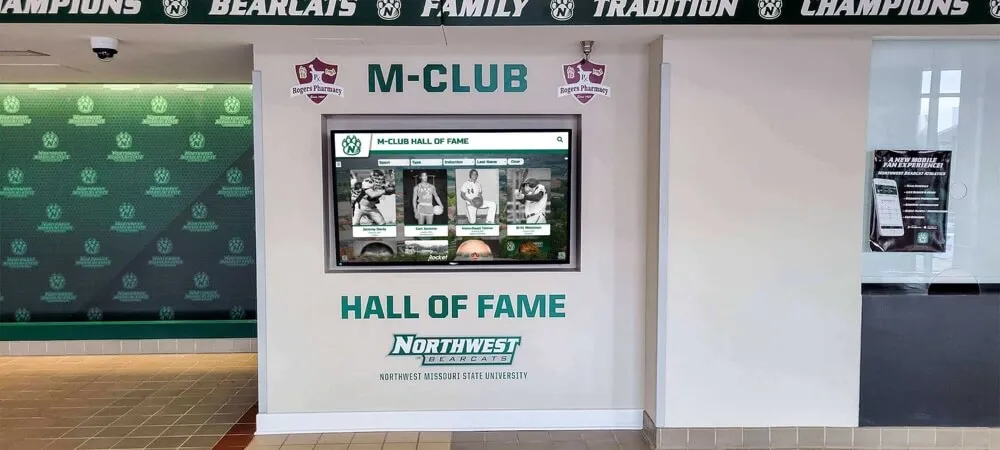
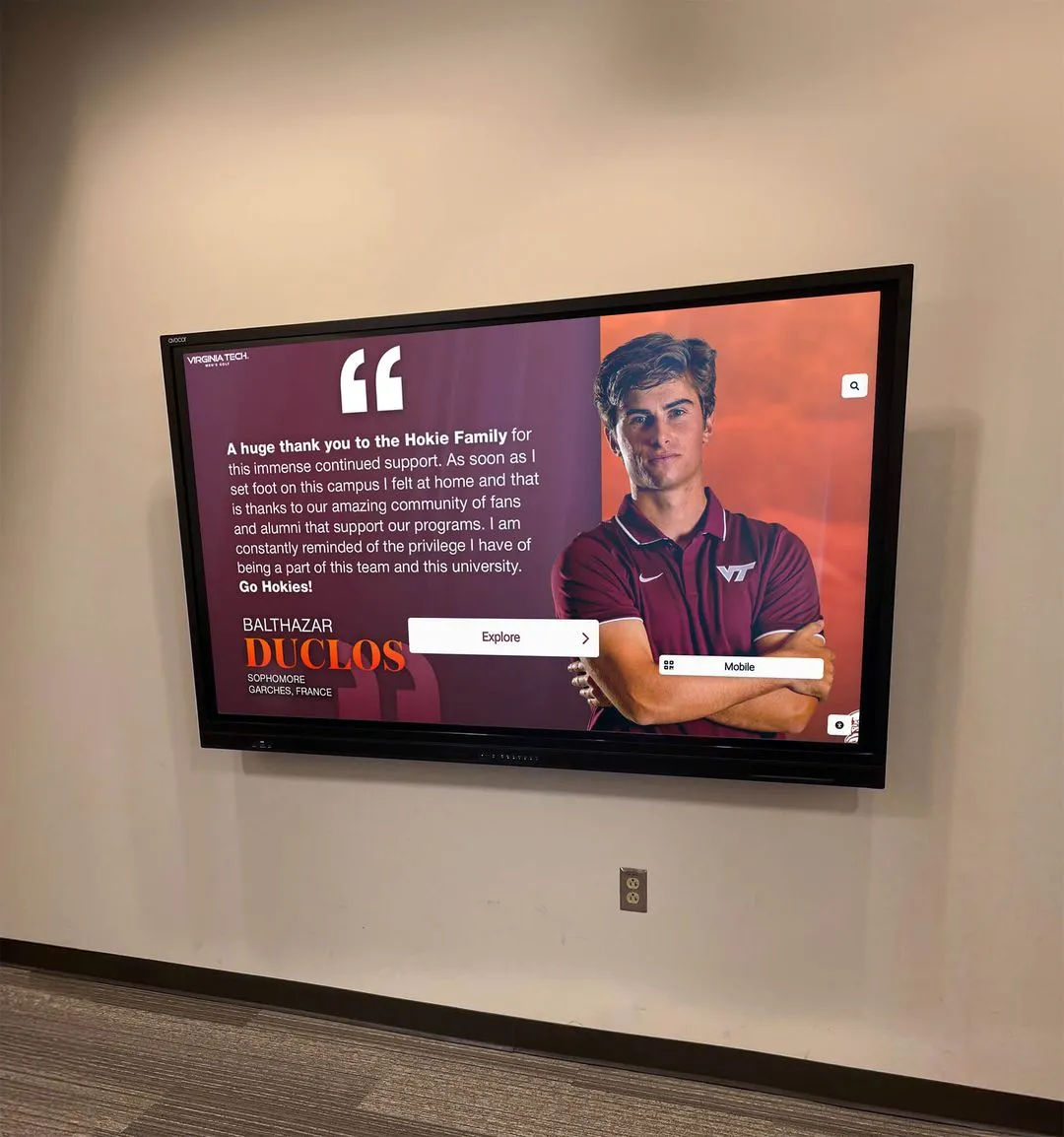
Individual achievement profiles allow comprehensive documentation of award criteria and student accomplishments
Academic Achievement and Improvement Standards
For the Presidential Award for Academic Achievement, schools need clear improvement metrics:
Defining Meaningful Academic Growth
- Establish baseline and endpoint assessment comparisons
- Determine minimum growth percentiles or scale score gains
- Consider both absolute gains and relative improvement
- Account for students starting at different achievement levels
- Create rubrics for evaluating “exceptional effort”
Documentation Requirements
- Progress monitoring data from throughout the year
- Teacher recommendations or nominations
- Evidence of consistent effort beyond grades alone
- Portfolios demonstrating skill development
- Before-and-after work samples showing growth
Balancing Excellence and Achievement Awards Schools should carefully consider the ratio between the two award types:
- Avoid creating perception that Achievement awards are “lesser” recognition
- Ensure both awards receive equal ceremony prominence and celebration
- Consider limiting Excellence awards to top percentage while keeping Achievement awards more accessible
- Use different criteria that prevent students from competing for both simultaneously
- Create distinct but equally prestigious recognition experiences
Managing the Selection and Nomination Process
Systematic selection processes ensure fairness, transparency, and appropriate recognition scope.
Creating Selection Committees
Effective award selection benefits from structured committee processes:
Committee Composition
- Include administrators who understand overall school achievement landscape
- Engage teachers across grade levels and subject areas
- Consider involving counselors familiar with student growth trajectories
- Include representatives who can evaluate multiple data sources
- Ensure committee represents diverse perspectives on student achievement
Committee Responsibilities
- Review eligibility criteria and ensure consistent application
- Examine student academic records against established thresholds
- Evaluate improvement trajectories for Achievement award consideration
- Resolve borderline cases or special circumstances
- Verify all data accuracy before final selection
Timeline Development Establish clear deadlines working backward from recognition ceremonies:
- Data collection completion deadlines (test scores, final grades, attendance records)
- Committee review period
- Verification and approval processes
- Certificate ordering timeframes
- Family notification schedules
- Recognition event planning requirements
Learn more about planning comprehensive recognition events in this school award ceremony planning guide.
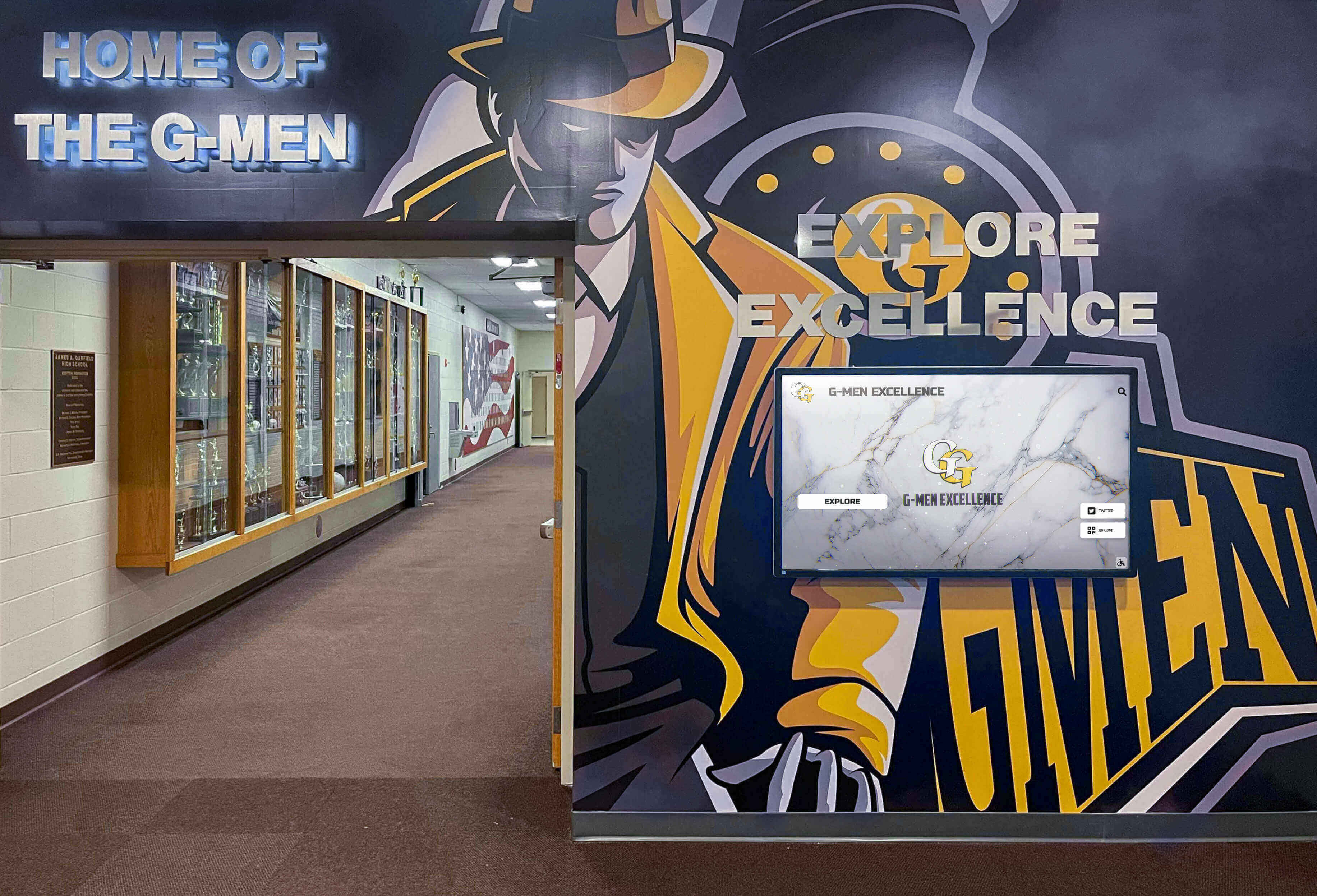
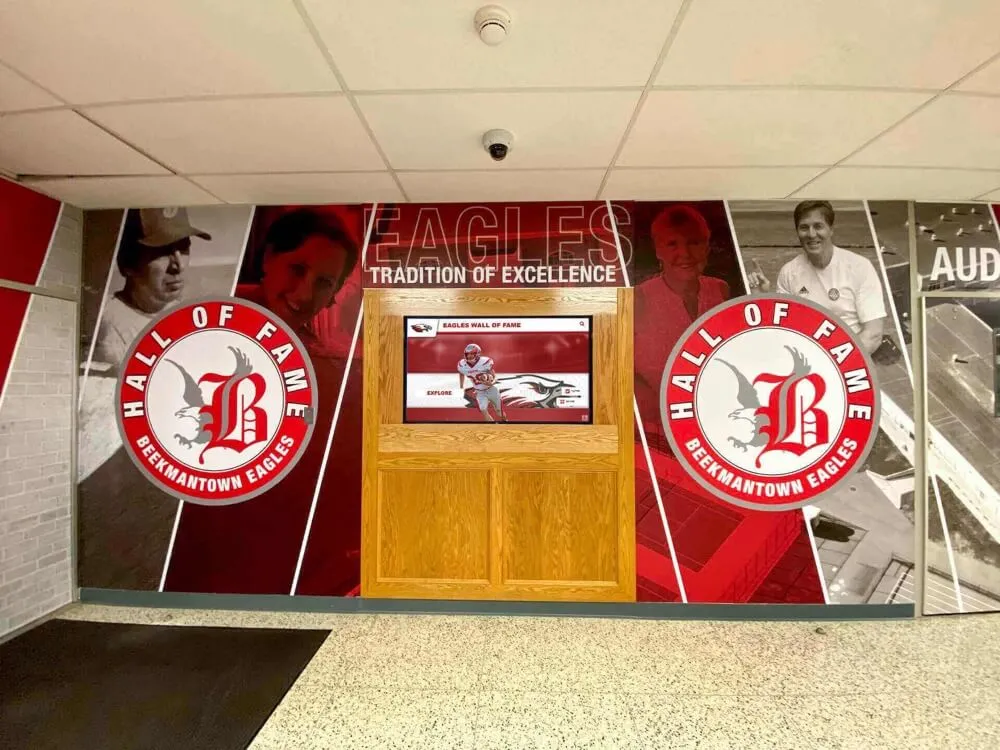
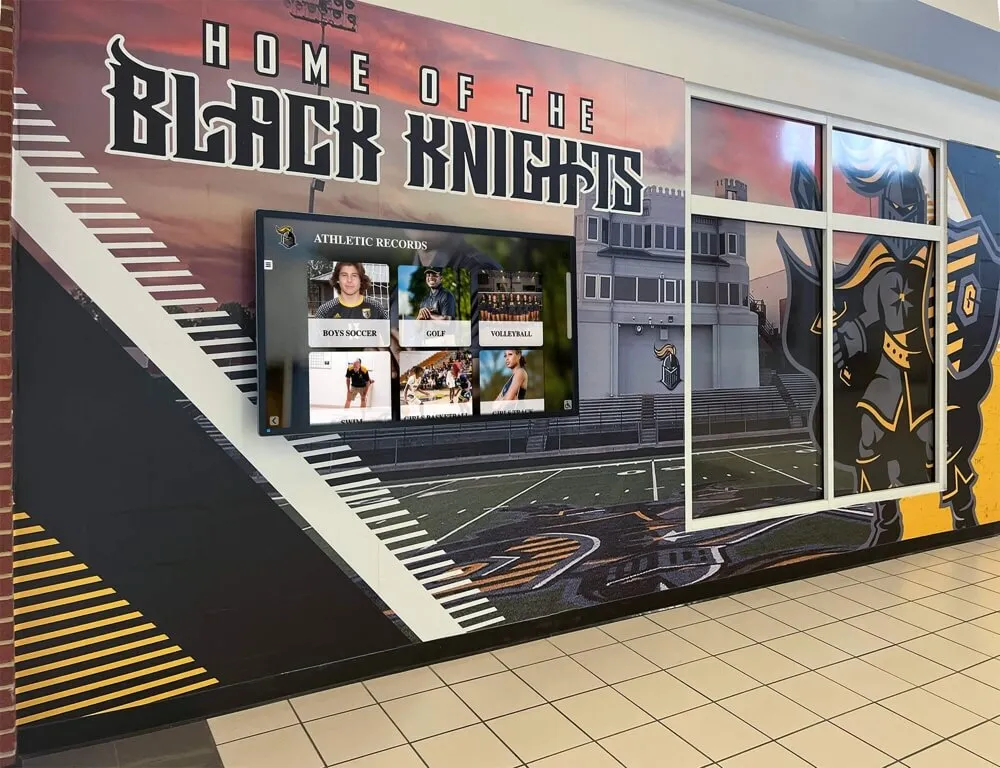
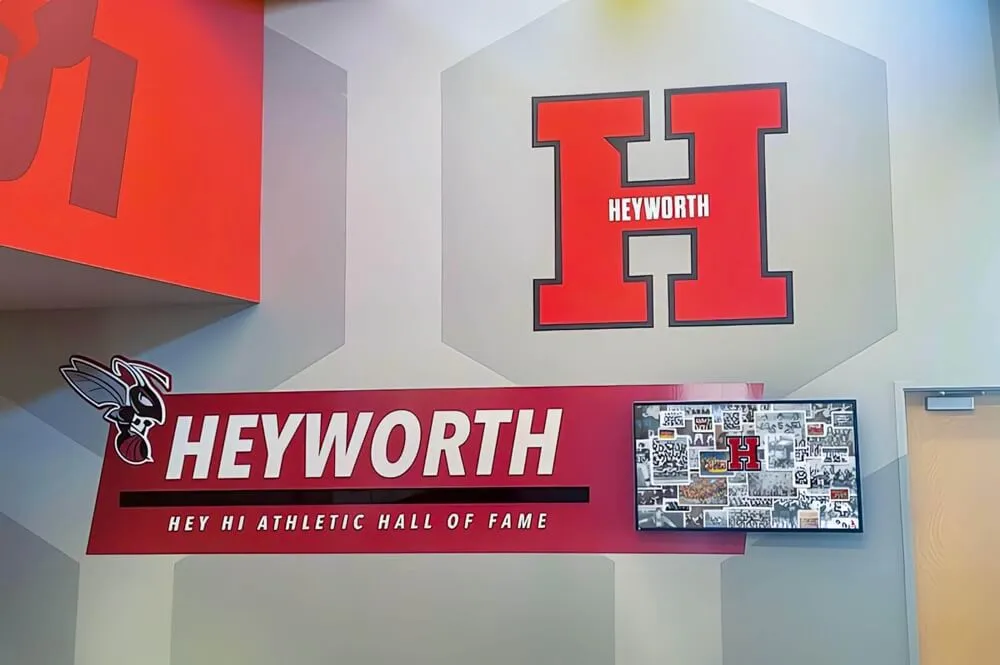
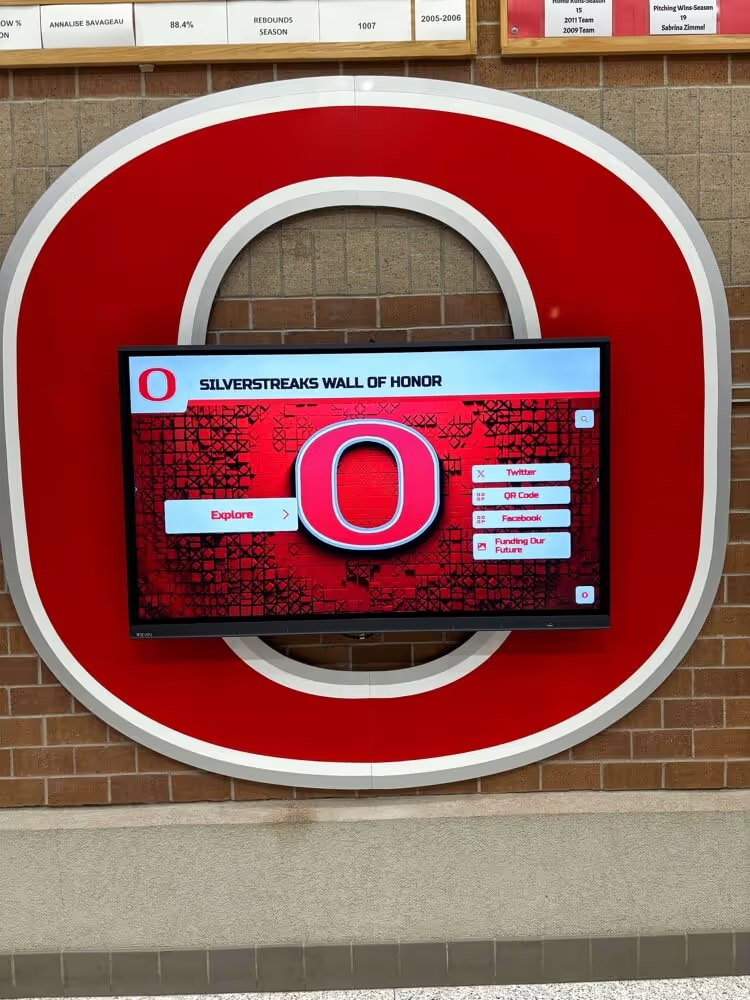
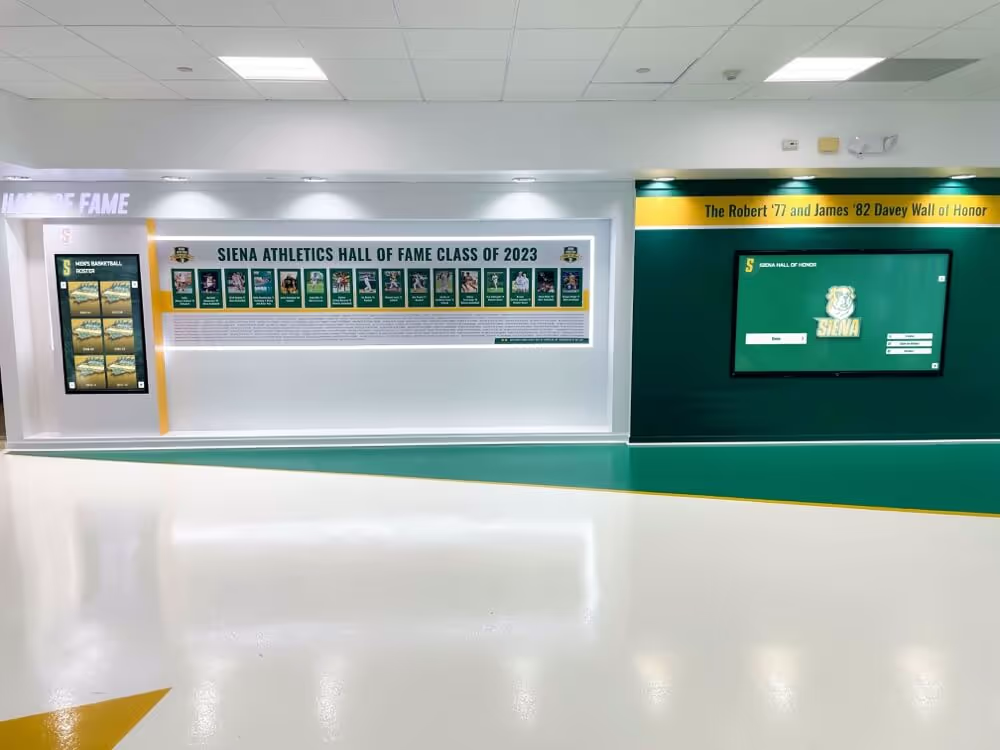
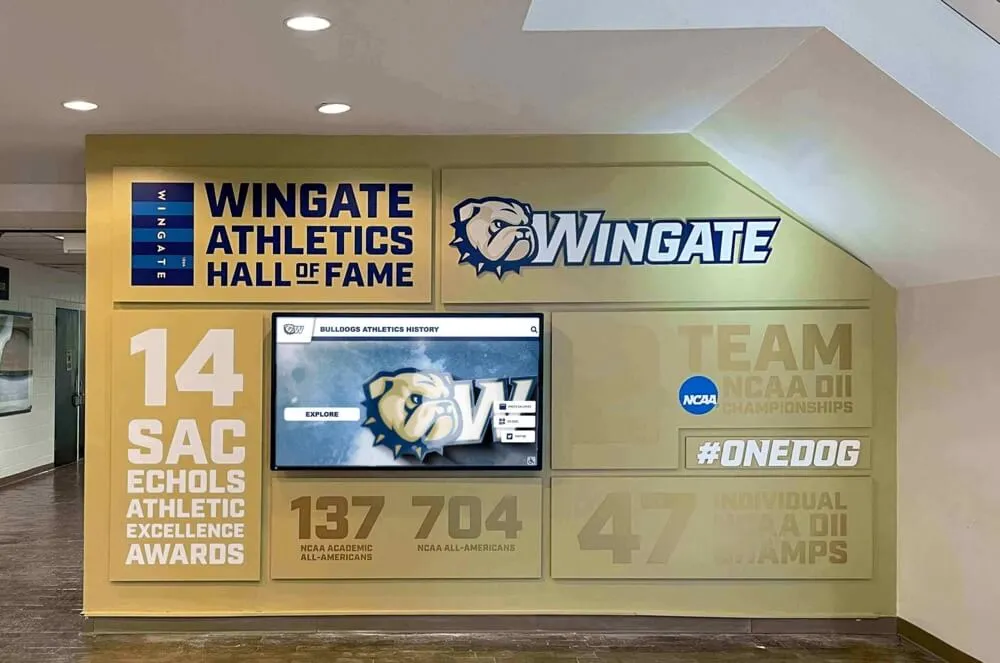
Integrated recognition displays celebrate academic honors alongside athletic achievements, demonstrating institutional commitment to comprehensive excellence
Data Collection and Verification Systems
Accurate selection requires robust data management:
Essential Data Sources
- Official standardized test score reports from state and district assessments
- Verified final grade reports from student information systems
- Attendance records from official district databases
- Disciplinary records if conduct criteria apply
- Previous year baseline data for improvement award consideration
Verification Protocols
- Cross-reference multiple data sources to ensure accuracy
- Implement double-check systems for borderline candidates
- Verify special circumstances (transfers, extended absences, testing accommodations)
- Confirm student enrollment status and grade level
- Validate that students haven’t previously received the same award category
Handling Special Circumstances
- Students with partial-year enrollment
- Test score availability issues or testing opt-outs
- Students in special programs with modified curricula
- Gifted students who may not test in high percentiles due to specialized assessments
- Students with significant improvement who barely miss Excellence thresholds
Clear policies for these situations prevent selection delays and ensure equitable consideration.
Communication and Notification Procedures
Recognition impact begins with how families learn about awards:
Family Notification Best Practices
- Provide advance notice before public announcements (one to two weeks minimum)
- Send formal letters explaining award significance and federal recognition
- Include details about upcoming recognition ceremonies
- Clarify the difference between Excellence and Achievement awards
- Encourage families to share accomplishment with extended family and communities
Managing Confidentiality and Sensitivity Academic recognition requires balancing celebration with discretion:
- Avoid publishing complete recipient lists that implicitly identify non-recipients
- Use opt-in approaches for public photo releases and recognition
- Provide private recognition options for students preferring low-profile acknowledgment
- Consider offering Achievement award as “invitation only” to avoid appearance of consolation prize
- Ensure non-recipients don’t feel publicly excluded from recognition
Creating Effective Public Recognition for Award Recipients
Federal academic honors deserve recognition that matches their prestige and significance.
Award Ceremony Planning and Execution
Formal ceremonies provide meaningful recognition experiences:
Ceremony Structure and Formality
- Hold dedicated academic awards ceremonies rather than brief acknowledgments at other events
- Schedule during school day to ensure all students witness academic celebration
- Invite families to attend and participate in recognition moment
- Include brief remarks explaining award significance and federal recognition level
- Present awards individually with student names and specific accomplishments
- Provide opportunities for photography and celebration
Ceremony Enhancement Elements
- Guest speakers discussing academic excellence importance (successful alumni, community leaders, elected officials)
- Student testimonials from previous award recipients
- Recognition of teachers who supported student achievement
- Academic achievement displays showcasing current and past recipients
- Refreshments and social time for families to celebrate together
Similar to recognition approaches detailed in this graduation honors levels guide, Presidential Academic Fitness Awards benefit from tiered recognition that clarifies achievement levels.
Permanent Recognition Displays
Temporary ceremony recognition should lead to lasting visibility:
Traditional Static Recognition
- Dedicated plaques listing recipients by year
- Trophy case displays featuring award certificates
- Hallway recognition boards in prominent academic areas
- Framed certificates in administrative offices and libraries
- Composite photographs of award recipients by graduation year
Modern Digital Recognition Solutions Digital displays provide dynamic, engaging recognition platforms:
- Interactive touchscreens featuring recipient profiles with photos and accomplishments
- Searchable databases allowing students to explore past recipients
- Digital walls of fame showcasing Presidential Award recipients alongside other academic honors
- Rotating displays featuring current year recipients in high-traffic areas
- Integration with school websites and communication platforms
Rocket Alumni Solutions specializes in interactive touchscreen displays that showcase academic achievement with the same prominence schools traditionally reserve for athletic accomplishments, creating visual testimony to institutional commitment to intellectual excellence.
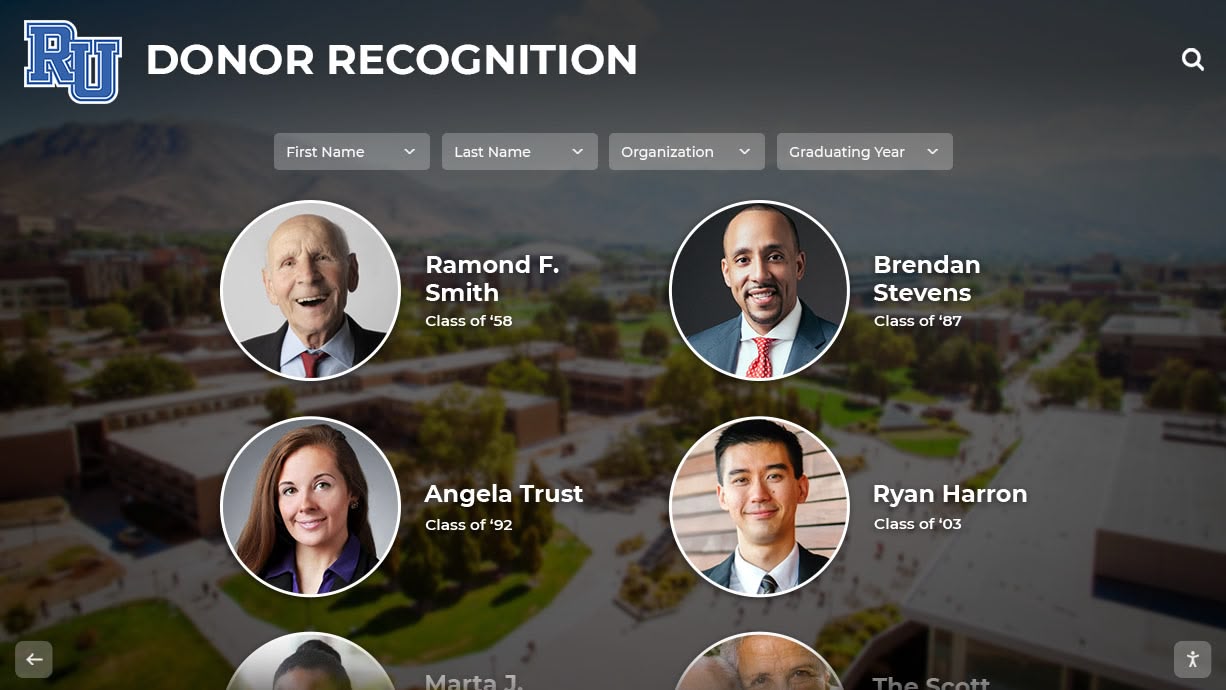
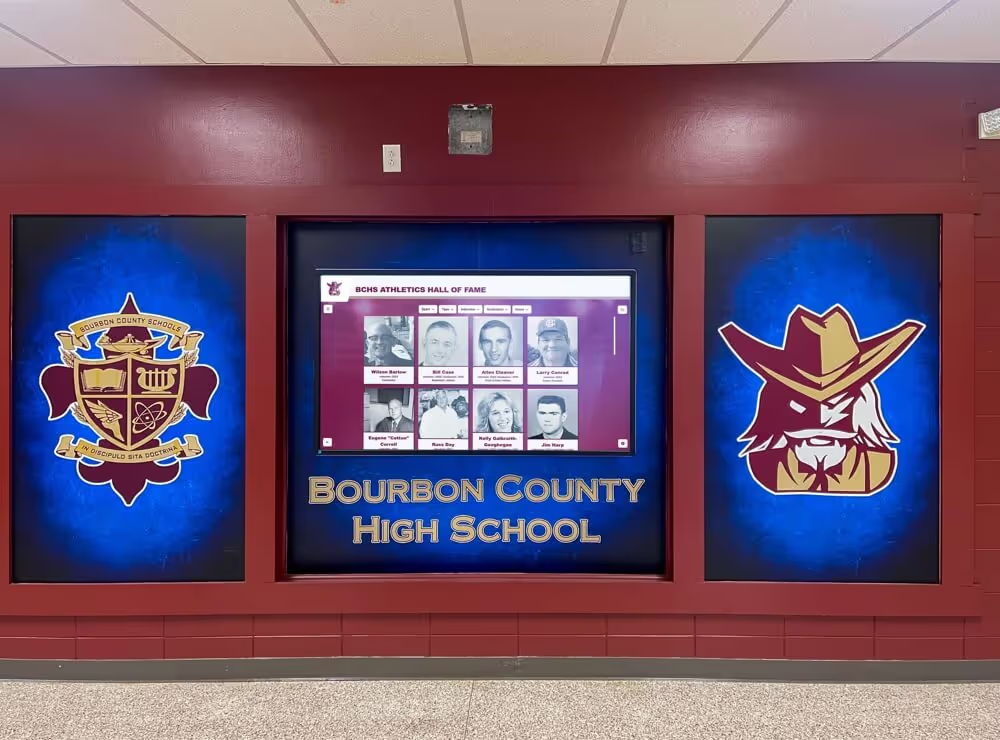
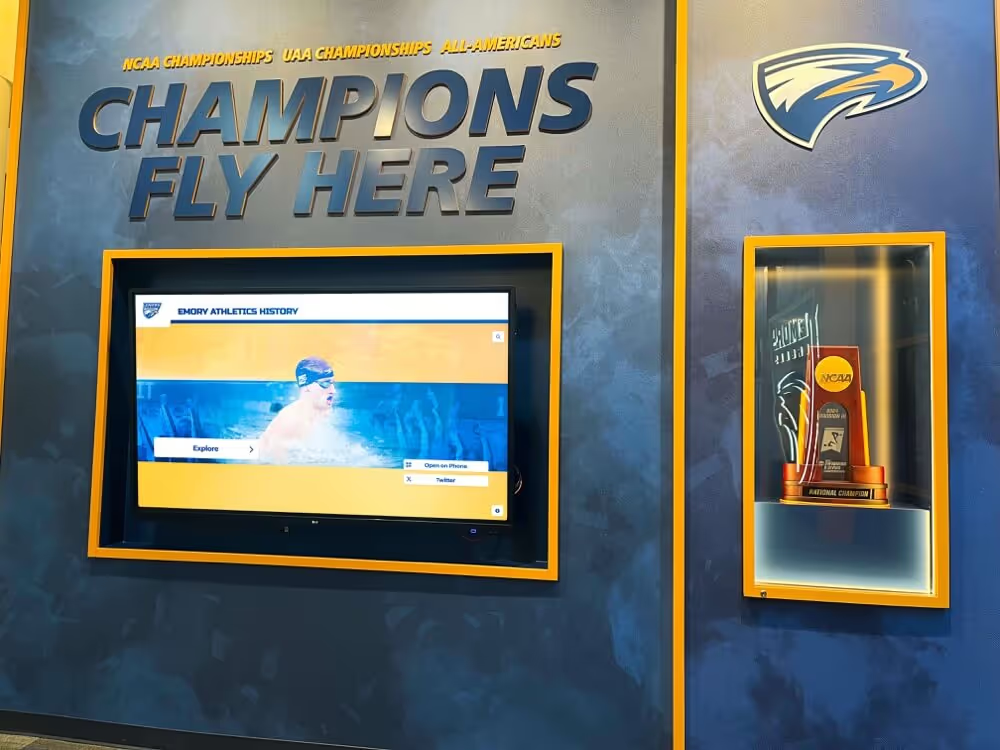
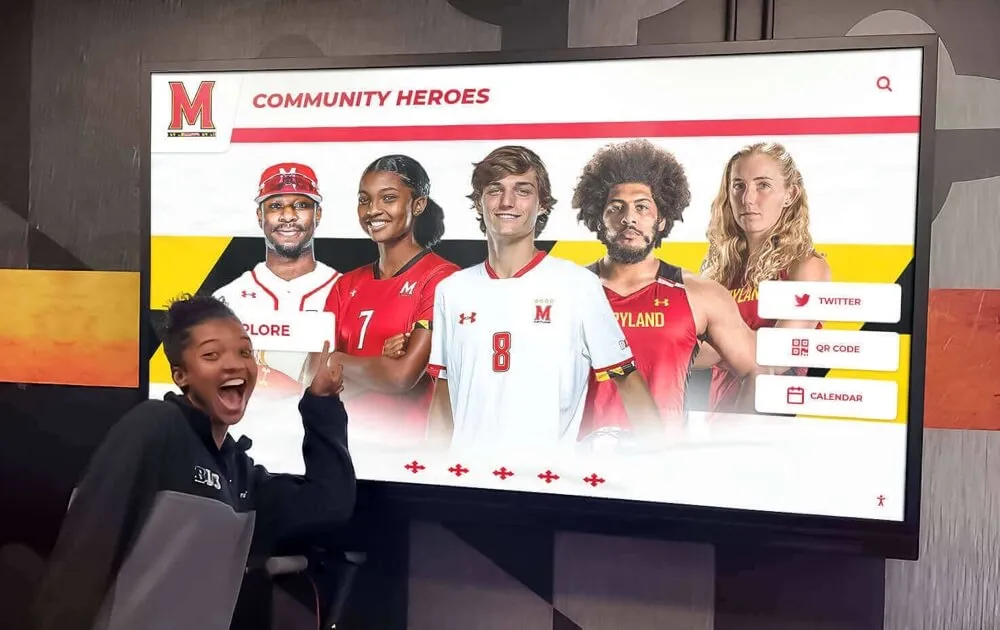
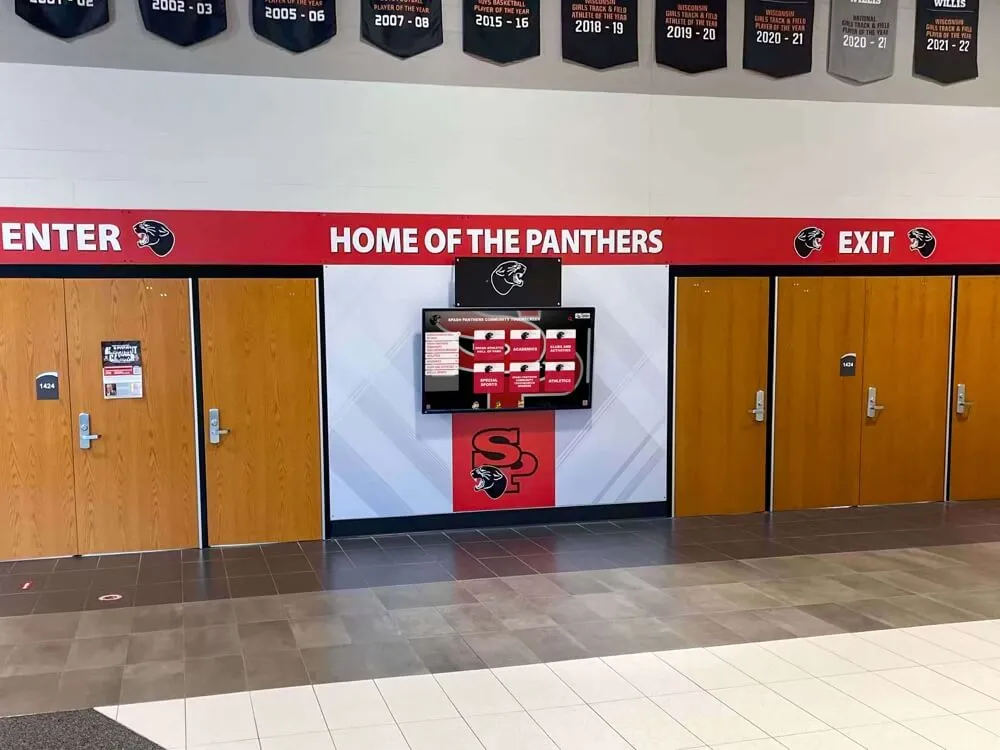
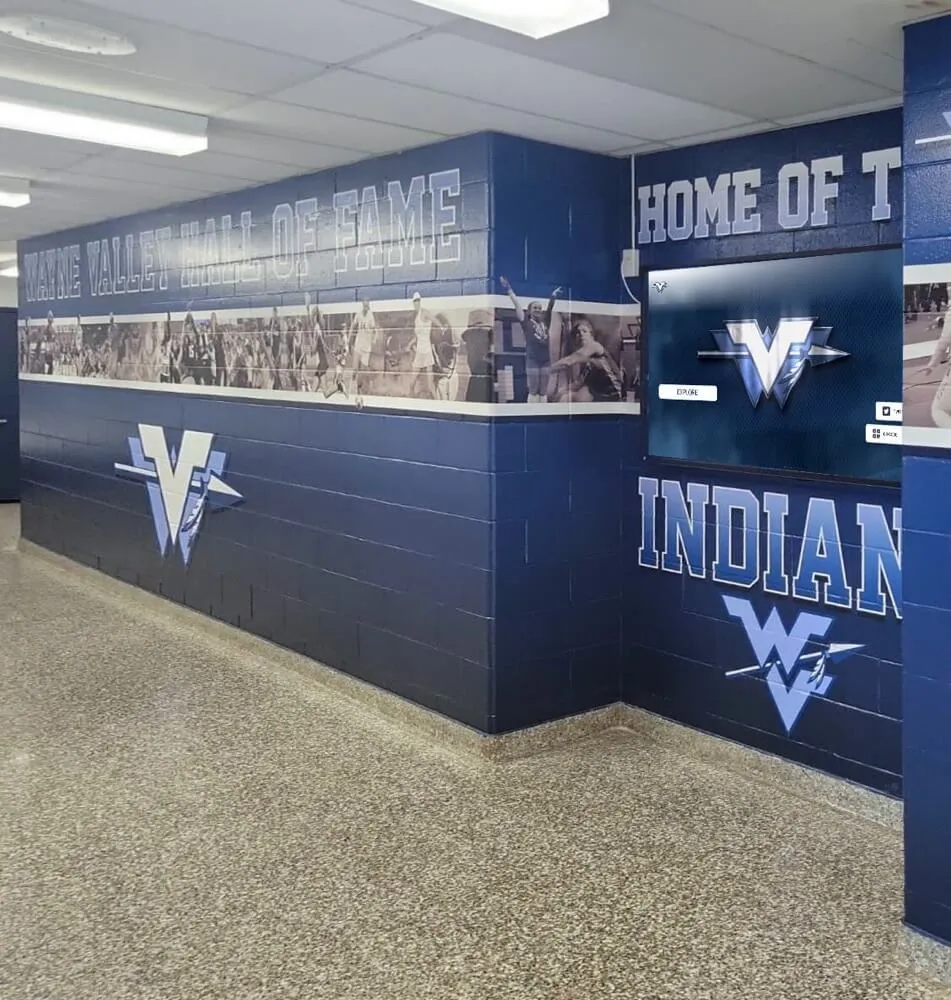
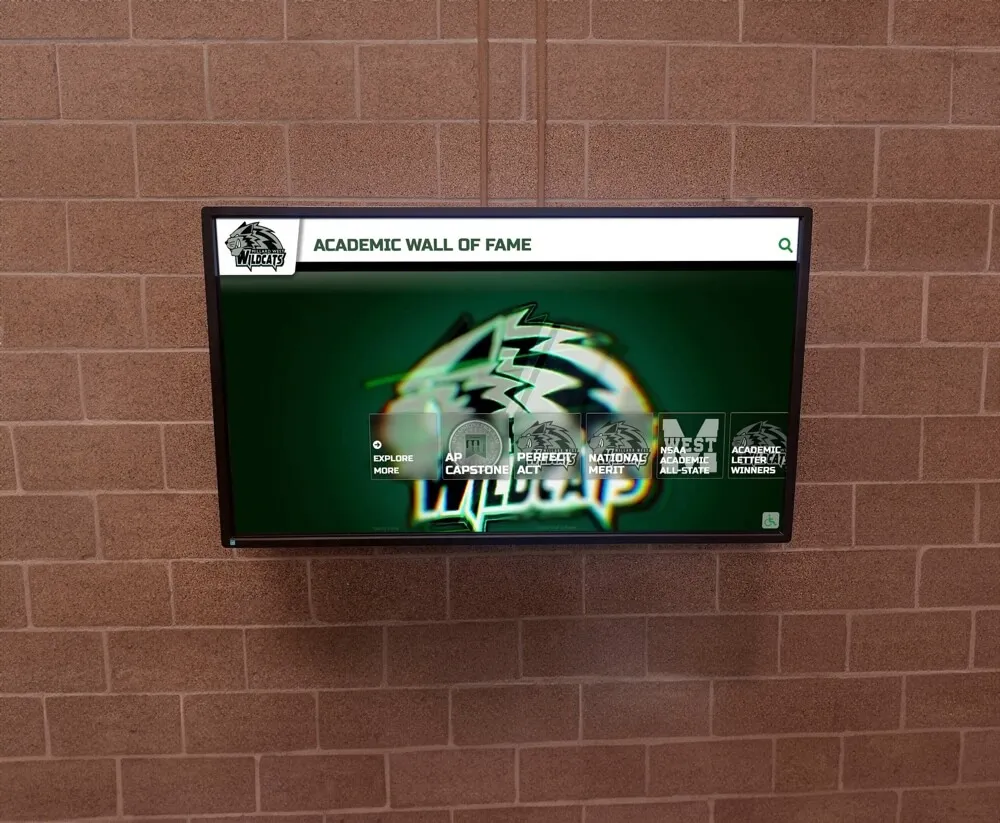
Comprehensive recognition platforms allow schools to showcase Presidential Award recipients within broader achievement ecosystems
Strategic Display Placement Location determines recognition visibility and cultural impact:
- Main entrance lobbies where all visitors form first school impressions
- Administrative areas seen by prospective families during school tours
- Library and media centers associated with academic pursuits
- Hallways connecting to advanced academic program classrooms
- Spaces adjacent to college counseling and guidance offices
This strategic placement ensures Presidential Award recognition reaches students considering academic achievement, visiting families evaluating schools, and community members forming perceptions about institutional priorities.
Integrating Awards into Broader Recognition Ecosystems
Presidential Awards carry maximum impact when integrated with comprehensive academic recognition:
Connecting to Other Academic Honors
- Display Presidential Awards alongside National Merit recognition, Advanced Placement scholars, and honor society inductees
- Create “academic walls of fame” showcasing diverse achievement categories
- Integrate with subject-specific awards and academic competition results
- Link to academic decathlon recognition and other team-based academic achievements
- Connect elementary/middle school Presidential Awards to high school academic accomplishments
Multi-Year Recognition Strategies Create continuity showing sustained academic excellence:
- Track students receiving awards multiple years
- Recognize students earning both Elementary and Middle School Presidential Awards
- Connect Presidential Award recipients to subsequent high school academic achievements
- Create legacy displays showing siblings or family members receiving awards across years
- Document how Presidential Award recipients perform in advanced high school programs
Communication and Promotion Maximize award impact through strategic communication:
- Feature recipients in school newsletters, social media, and local media
- Create press releases for local newspapers highlighting federal recognition
- Include Presidential Award statistics in school achievement reports
- Incorporate award information into school promotional materials and websites
- Share recipient accomplishments at school board meetings and community events
Similar to approaches described in this list of special awards for students, Presidential Academic Fitness Awards should be positioned within comprehensive recognition portfolios.
Program Administration and Long-Term Sustainability
Successful Presidential Award programs require ongoing administrative support and continuous improvement.
Award Materials and Official Recognition
Schools must secure proper award materials:
Certificate Procurement
- Official certificates bear presidential signatures and federal seals
- Schools must order through authorized providers following federal guidelines
- Certificates require customization with student names and school information
- Consider ordering backup certificates for potential name corrections
- Plan for framing or presentation folder costs
Supplementary Recognition Items Beyond official certificates, schools often provide:
- Custom school-specific certificates acknowledging the federal honor
- Award medals or pins students can wear or display
- Recognition letters for student academic portfolios
- Documentation for high school transcripts and college applications
- Press-release templates families can share with local media
Documentation and Record-Keeping
Maintain comprehensive program records:
Essential Documentation
- Complete recipient lists by year with award category (Excellence vs. Achievement)
- Selection criteria used each year with any modifications
- Committee meeting notes and decision rationale for special cases
- Copies of family notification letters and ceremony programs
- Photographs from award ceremonies and recognition events
Historical Tracking Benefits Long-term documentation serves multiple purposes:
- Demonstrates program consistency and fairness over time
- Provides data for program evaluation and refinement
- Creates historical records for recognition displays and school archives
- Supports questions about past recipients or award criteria
- Enables analysis of award impact on student outcomes

Touchscreen interfaces allow exploration of detailed recipient information, achievement criteria, and historical award data
Program Evaluation and Continuous Improvement
Regularly assess and refine your Presidential Award program:
Annual Program Review Questions
- Do current eligibility criteria appropriately identify deserving students?
- Are both Excellence and Achievement awards distributed in appropriate proportions?
- Does recognition process timeline allow adequate verification and planning?
- Are families and students satisfied with recognition experiences?
- Does public recognition give awards appropriate prominence?
- Are non-recipients receiving other meaningful recognition opportunities?
Stakeholder Feedback Collection
- Survey families of award recipients about recognition experience
- Gather teacher input on selection criteria appropriateness
- Solicit student perspectives on award meaning and motivation
- Review community perception of award prestige and significance
- Analyze whether awards predict future academic success
Program Enhancement Considerations Based on evaluation findings, consider:
- Adjusting criteria to better align with school mission and student demographics
- Expanding recognition categories to acknowledge more students
- Enhancing ceremony elements to increase family engagement
- Improving display visibility and permanence
- Connecting awards to subsequent academic opportunities or enrichment
Beyond Recognition: Leveraging Presidential Awards for School Culture
The Presidential Academic Fitness Award program extends beyond individual recognition to shape broader school culture.
Creating Academic Achievement Cultures
Strategic use of Presidential Awards influences institutional climate:
Elevating Academic Achievement Visibility
- Ensure academic recognition receives equal prominence to athletic achievement
- Create traditions around award ceremonies that build anticipation and prestige
- Feature recipient interviews and accomplishments in school communications
- Establish peer recognition where students celebrate classmates’ achievements
- Connect awards to broader messages about effort, growth, and learning values
Motivational Impact on Younger Students Elementary and middle school awards powerfully influence future achievement:
- Younger students see achievable models in slightly older award recipients
- Recognition creates aspiration among students not yet at award grade levels
- Visible displays communicate that academic excellence is valued and celebrated
- Teachers can reference Presidential Awards as goals during instruction
- Families understand school commitment to academic achievement
Explore additional approaches in this student recognition increases future success guide.
Connecting Recognition to Future Opportunities
Presidential Awards create foundations for continued achievement:
High School Course Placement
- Use Presidential Award status as factor in honors and advanced program placement
- Connect award recipients with high school counselors for early academic planning
- Create pathways from elementary/middle Presidential Awards to high school academic recognition
- Document awards in student records transferred to secondary schools
College Applications and Scholarships Help students leverage recognition:
- Provide documentation families can include in college applications
- Coach students on how to describe Presidential Awards in application essays
- Connect awards to demonstrated academic achievement patterns
- Include award information in counselor recommendation letters
- Research scholarship opportunities specifically recognizing Presidential Award recipients
Alumni Connection and Mentorship Track recipients over time:
- Maintain contact with Presidential Award recipients through high school and beyond
- Invite successful recipients back to speak at future award ceremonies
- Create mentorship connections between past and current recipients
- Feature recipient college and career successes in school communications
- Build alumni networks around academic achievement
Addressing Equity and Inclusion in Award Programs
Ensure recognition programs serve all students appropriately:
Examining Demographic Patterns Regularly analyze recipient demographics:
- Compare award recipient demographics to overall school population
- Identify whether particular student groups are underrepresented among recipients
- Examine whether criteria inadvertently favor certain student populations
- Consider whether single assessment types disadvantage particular learners
- Ensure Achievement awards provide meaningful recognition for diverse pathways
Creating Multiple Pathways to Recognition Complement Presidential Awards with additional recognition:
- Implement awards recognizing diverse talents and achievement dimensions
- Create subject-specific awards highlighting varied academic strengths
- Recognize improvement at all achievement levels, not just among high performers
- Acknowledge effort, creativity, collaboration, and other learning dispositions
- Ensure every student receives meaningful recognition throughout their educational experience
Similar to approaches in this academic recognition programs guide, effective recognition systems create opportunities for all students while maintaining meaningful achievement standards.
Practical Implementation: A Step-by-Step Timeline
This timeline guides schools through complete Presidential Award program implementation:
Early Fall (September-October)
- Review and confirm eligibility criteria for current year
- Establish selection committee and schedule meeting dates
- Communicate program to staff and families
- Begin documenting student progress for Achievement award consideration
Mid-Year (November-February)
- Monitor student progress toward award criteria
- Identify potential Achievement award candidates showing significant growth
- Plan preliminary ceremony dates and recognition strategies
- Order recognition materials if requiring long lead times
Late Winter (March-April)
- Collect final academic data (test scores, final grades, attendance)
- Conduct committee reviews and finalize recipient selections
- Verify all data accuracy and student information
- Order official certificates and supplementary recognition materials
- Send family notifications with ceremony details
Spring (April-May)
- Conduct award ceremonies with appropriate formality and celebration
- Update permanent recognition displays with current year recipients
- Document program through photographs and records
- Communicate recognition through newsletters, media, and community channels
- Collect feedback from families and students
End of Year (May-June)
- Archive complete program documentation
- Conduct program evaluation with stakeholders
- Identify program improvements for following year
- Update recognition displays and digital platforms
- Plan enhanced recognition integration for next academic year
Making Academic Excellence Visible and Celebrated
The Presidential Academic Fitness Award represents far more than certificates and ceremony moments—it symbolizes institutional commitment to celebrating intellectual achievement with the same enthusiasm schools reserve for athletic championships. When schools create systematic, prominent, and meaningful recognition for these federal honors, they send powerful messages about values, create motivation throughout student bodies, and establish cultures where academic excellence is visible, celebrated, and aspired to by all students.
Effective Presidential Award programs require thoughtful eligibility criteria, systematic selection processes, and—most importantly—recognition strategies that give these prestigious federal honors the visibility they deserve. From ceremony planning to permanent display strategies, every recognition element contributes to overall program impact and cultural significance.
Modern schools increasingly turn to dynamic digital recognition platforms that allow comprehensive showcasing of Presidential Award recipients alongside other academic achievements, creating living testimony to institutional commitment to celebrating intellectual excellence. These digital recognition displays ensure academic honors receive the prominent, engaging presentation that matches their significance while inspiring future students to pursue academic excellence.
By implementing robust Presidential Academic Fitness Award programs with recognition that matches the prestige these federal honors deserve, schools create environments where academic achievement is celebrated, intellectual excellence is valued, and all students understand that scholarly pursuits receive the same recognition and celebration as achievements in any other domain.