PVIL Championship Displays: Keep Each School's Athletic Legacy Visible
- Home /
- Digital Wall of Fame Blog - Recognition Display Insights & Resources /
- PVIL Championship Displays: Keep Each School's Athletic Legacy Visible
The Easiest Touchscreen Solution


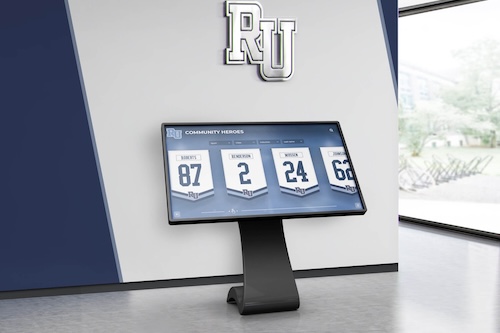
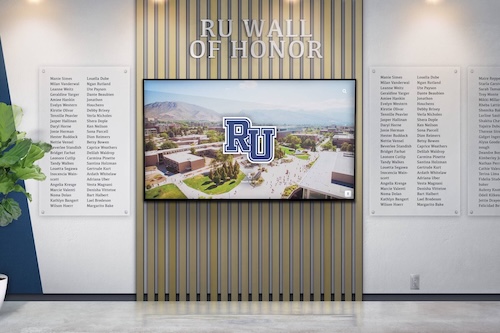
Live Example: Rocket Alumni Solutions Touchscreen Display
Interact with a live example (16:9 scaled 1920x1080 display). All content is automatically responsive to all screen sizes and orientations.
An athletic director, alumni coordinator, or district exhibit planner building a PVIL championship display faces a documentation challenge that most recognition projects do not: the school that competed may carry a different name today, the league no longer exists, and many of the original records live in archives scattered across the state. Getting the display right means retaining the school that actually earned the honor—by its historical name, in its historical classification, in the season it competed—and separating that documented fact from any assumptions about successor institutions, trophy custodians, or present-day programs. This guide walks through what to capture, how to structure source records before any display is designed, and how to build a hallway or touchscreen exhibit that keeps the original athletic legacy visible and correctly attributed.
The core task is not to celebrate PVIL history in the abstract. It is to create an accurate, traceable record for each championship your school or district documents: which school competed, in which sport, in which season, under which PVIL classification, with what result, and where that conclusion came from.

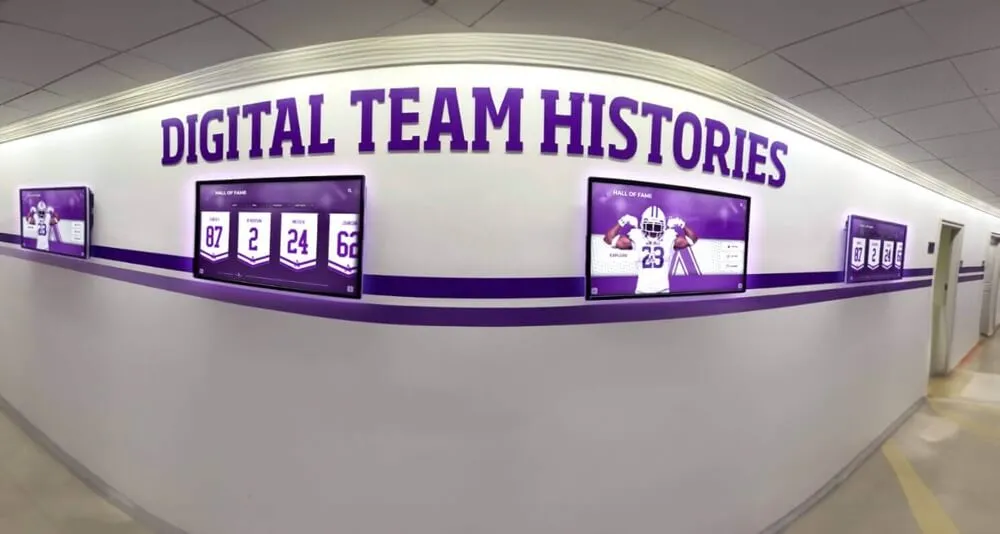
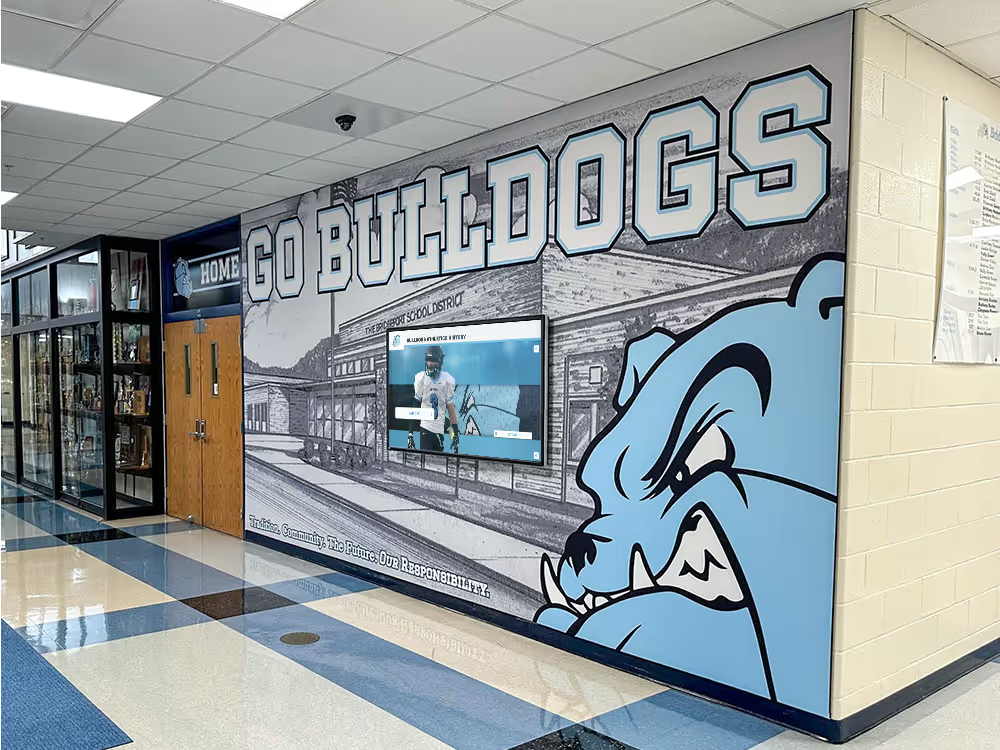
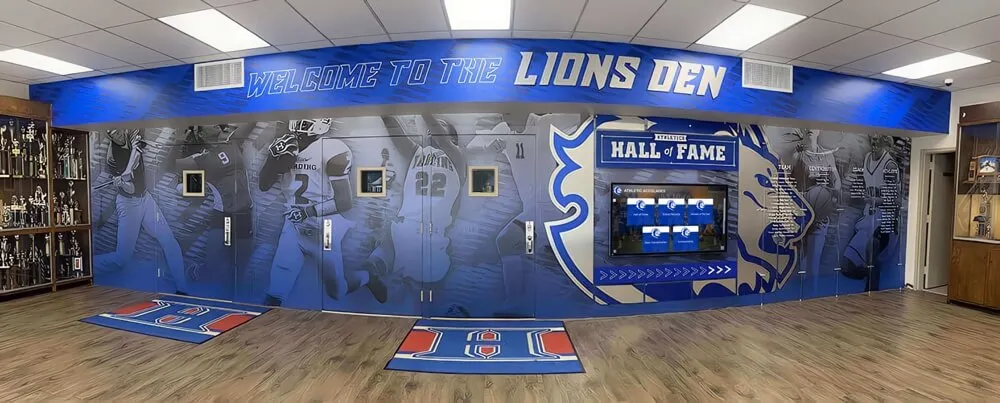
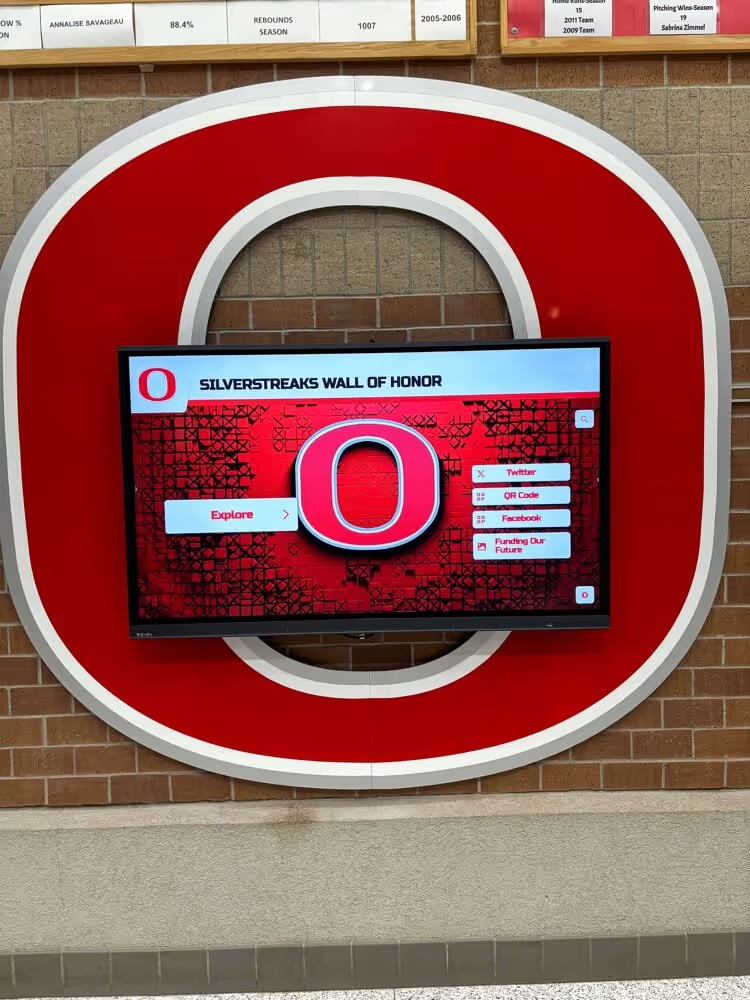
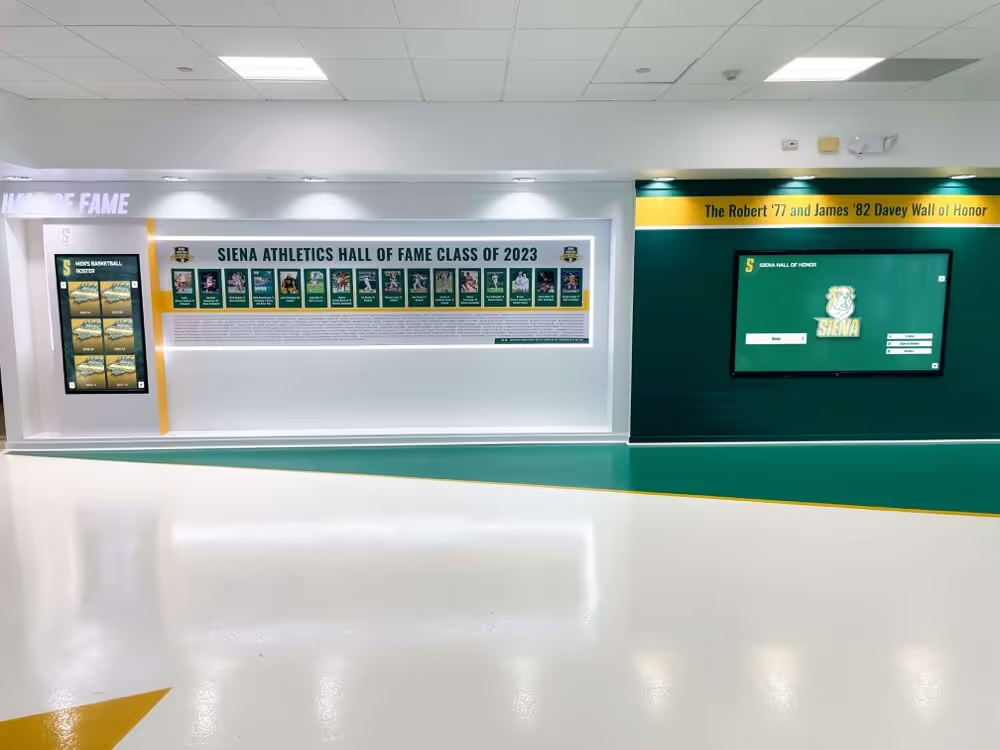
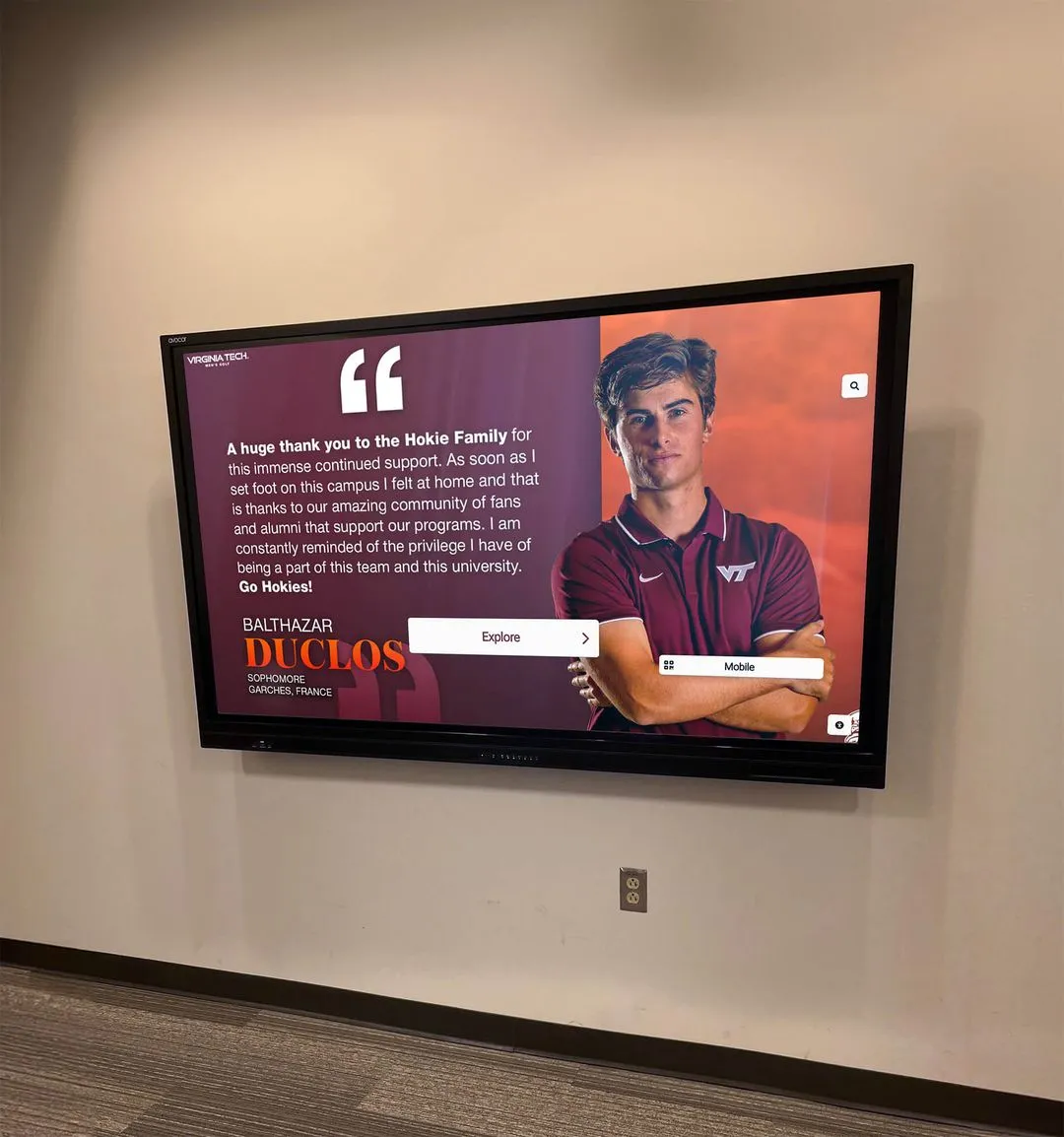
A hallway organized around verified team season histories gives each era of a program—including PVIL-era championships—a permanent home alongside current records
The PVIL and Its Place in Texas Athletic History
The Prairie View Interscholastic League served Black high schools in Texas during a period when the University Interscholastic League did not admit them. According to UIL’s own PVIL history page, the league was organized in 1920 and Prairie View A&M University took administrative authority in 1923. Under that structure, PVIL organized academic, athletic, and music competitions for Texas Black schools through decades of segregation.
UIL membership opened to PVIL member schools beginning in 1965. The transition that followed was staged over several years, not completed in a single academic year. As both the UIL PVIL history page and the UIL historical timeline document, the merger period began in 1967–68, and the PVIL itself disbanded at the end of the 1969–70 school year.
That staged transition is an important fact for anyone building PVIL championship records. A school that joined UIL competition in 1966 competed under different terms than one that remained in PVIL until 1970. The UIL’s introductory language summarizing the PVIL “through 1967” refers to a specific context—not a universal end date for every activity or every school’s participation. When documenting championships, record when each school competed and under which league at the time, using sources that apply specifically to that school and season.
Why the Original School Name Must Anchor Every Record
A PVIL championship belongs to the school that competed—by the name it carried at the time it earned the title. School consolidations, name changes, and district reorganizations that happened afterward are separate facts. They may be worth noting in a display, but they should never replace or absorb the historical credit.
A trophy sitting in a current school’s case may have been earned by a predecessor institution that operated under a different name, in a district that no longer exists in its original form. Possession of the physical trophy does not establish that the present institution earned it. If you are building a display label or digital profile for that trophy, the primary recognition should belong to the school that competed—with the current custodian’s relationship noted separately and accurately.
Likewise, if a prominent athlete who competed for a PVIL school went on to a professional or collegiate career, that subsequent career belongs to that athlete’s story. It is not a reason to transfer the PVIL championship recognition to another institution, to a sport the athlete played later, or to a record the team did not hold.
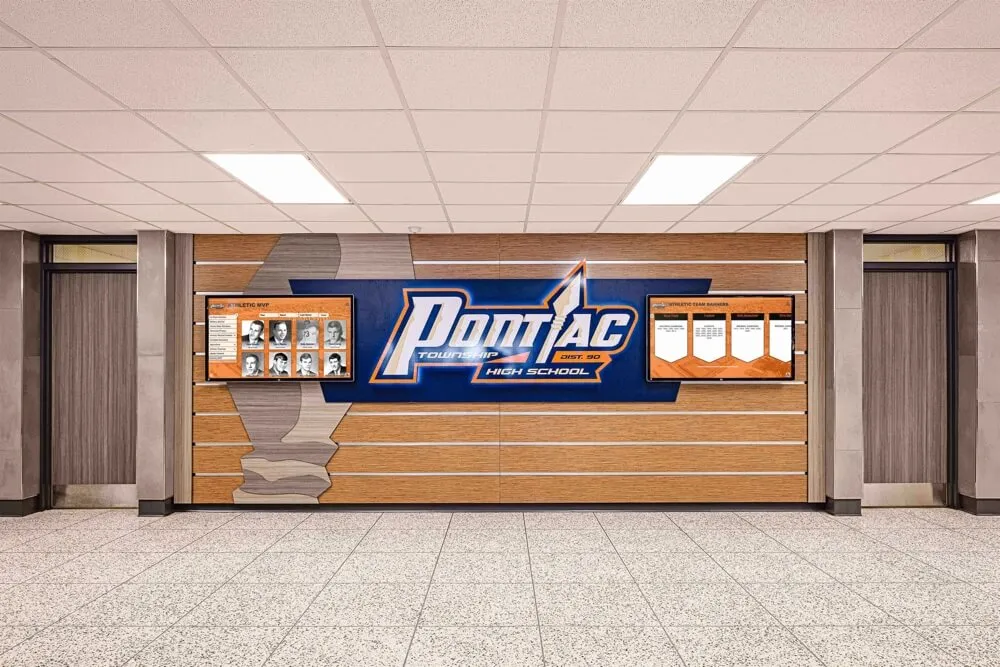
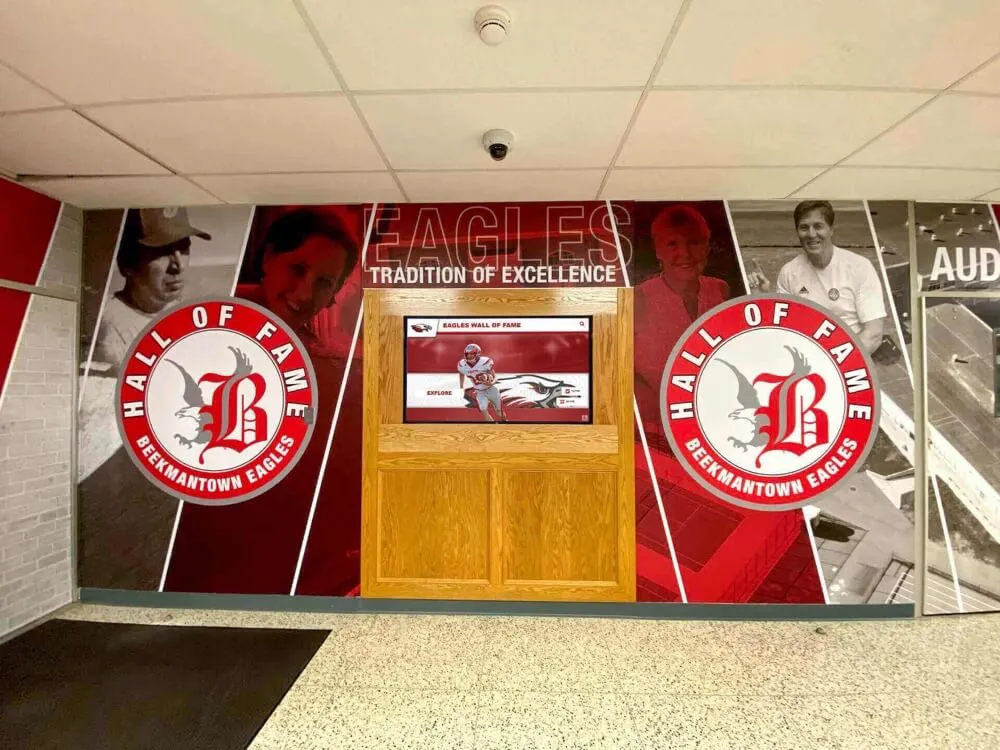
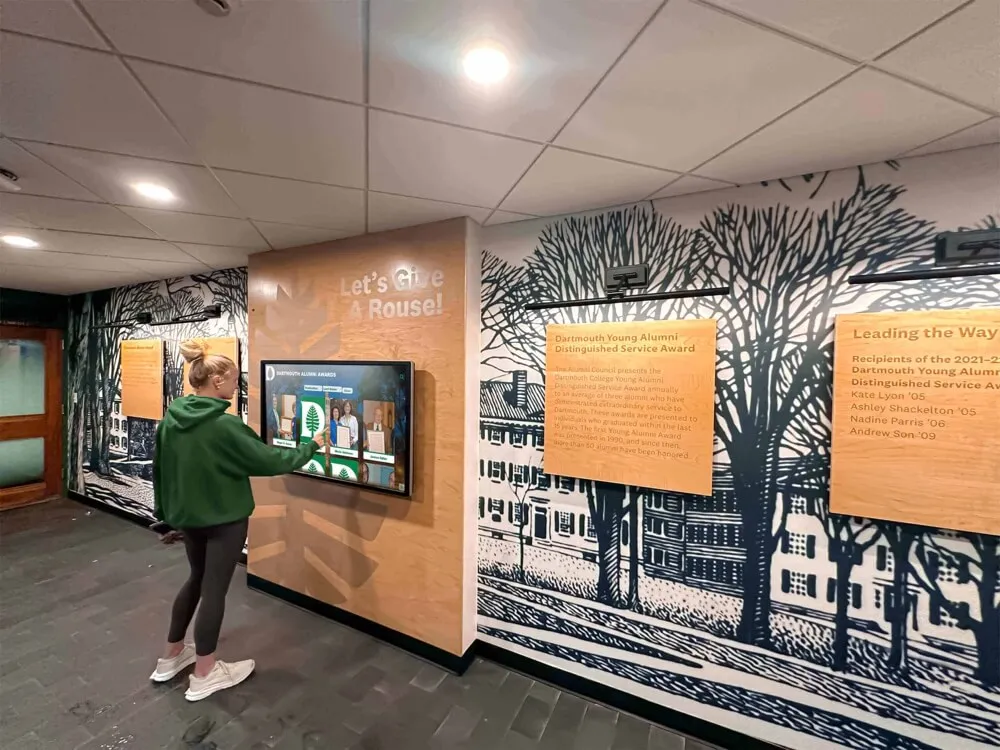
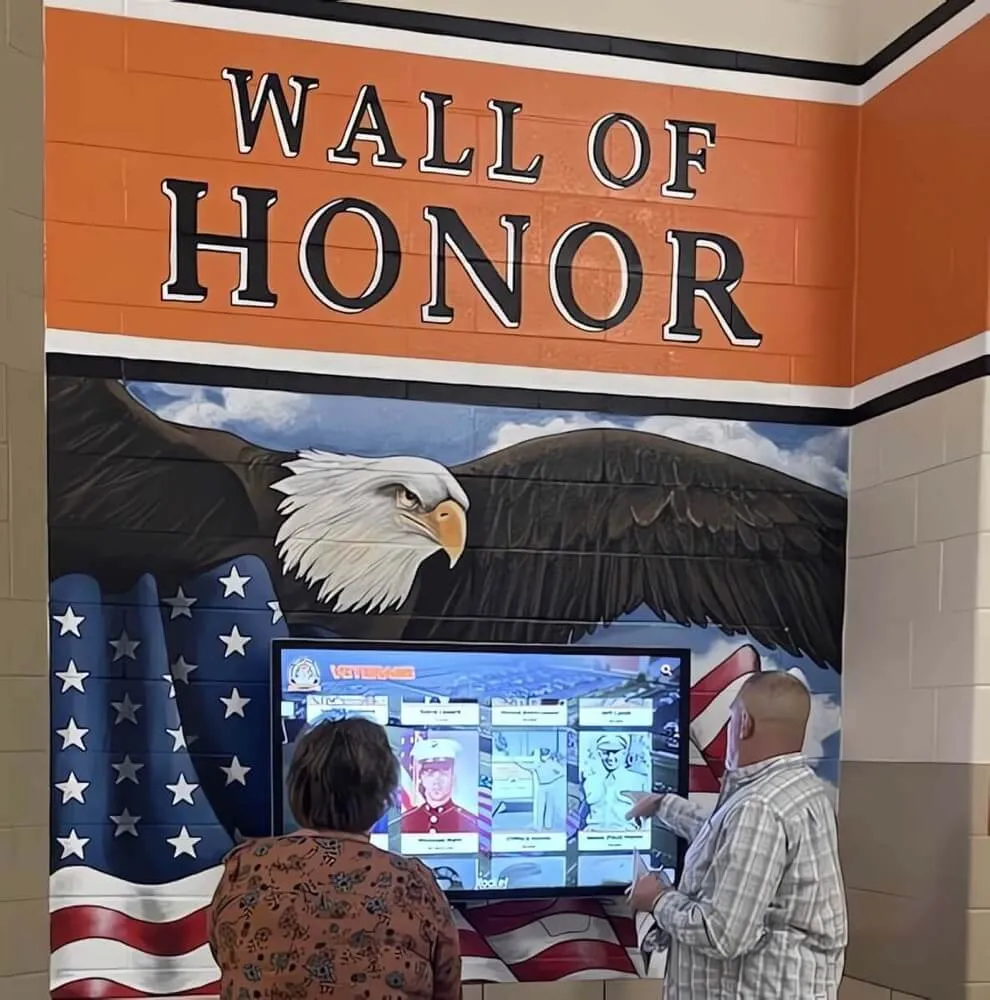
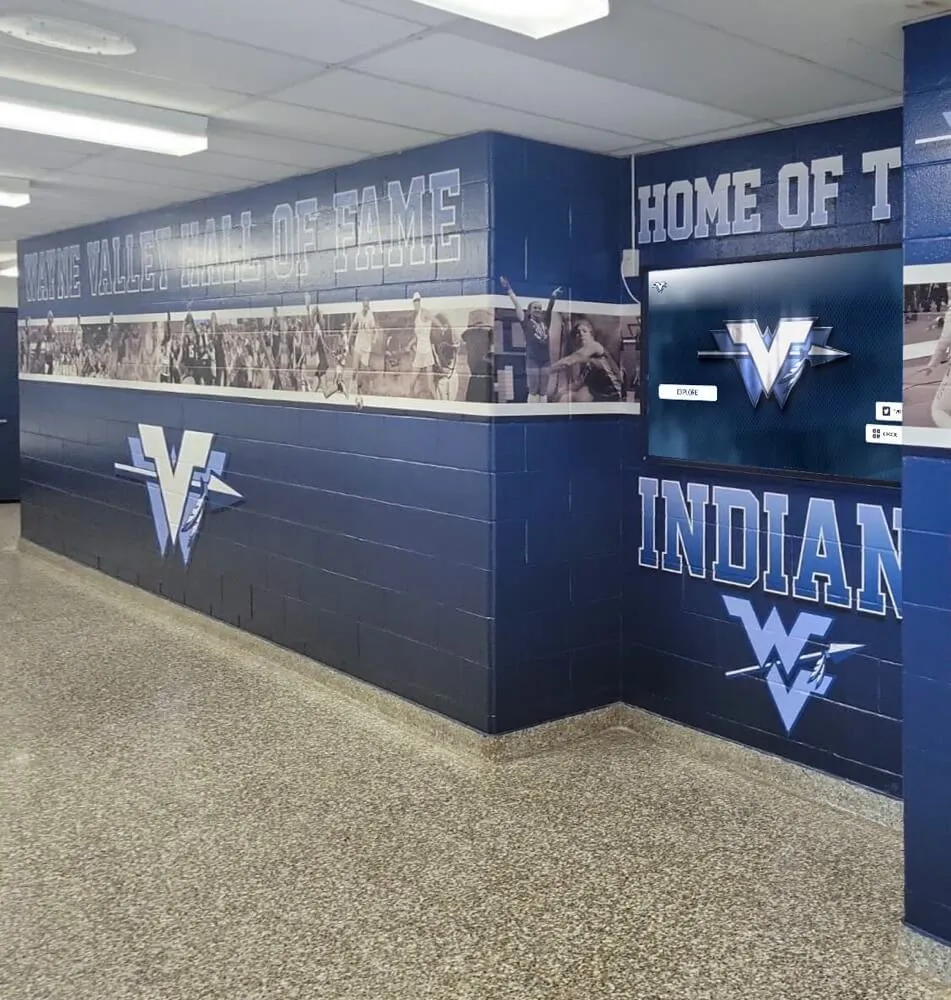
Honor walls that organize recognition by school and era make it possible for visitors to find a specific team's achievement without having to infer which institution earned which title
Seven Fields Every PVIL Championship Card Must Include
A championship record that cannot be traced is a claim, not documentation. These seven fields turn a claim into a citable record that your school’s future staff, alumni, and community can verify independently.
| Field | What to Record | Notes |
|---|---|---|
| School name | The name the school competed under at the time | Do not substitute a merged or successor name in the primary recognition |
| Sport | Full sport name as competed | Include gender and level if applicable (e.g., Boys Basketball, Girls Track) |
| Season | Academic year (e.g., 1961–62) | A single calendar year is ambiguous for winter and spring sports |
| PVIL classification | The classification the school competed in that season (e.g., PVIL 4A) | Classifications changed across years; use the one that applies to the specific season |
| Exact awarded title | Champion, Co-Champion, Runner-Up, Tie—verbatim from the source | Do not upgrade or simplify; a tie is a tie |
| Source locator | Where the record was confirmed | UIL archive row, yearbook page, newspaper date, state association record—retain the reference |
| Missing-data notes | Fields that could not be verified | Leave unknown fields blank and note them explicitly; do not fill gaps with inference |
A display that leaves a field blank and says so is more trustworthy than one that presents guessed information as confirmed fact.
A Blank Source-to-Caption Worksheet
This worksheet is a staff planning aid. It is not a completed championship record. All fields remain blank until verified from a named, retained source.
PVIL Championship Source-to-Caption Worksheet (Complete one row per championship claim before creating any display label, digital entry, or exhibit panel.)
| Field | Staff Entry | Source Document | Verified By | Date Verified |
|---|---|---|---|---|
| School name (as competed) | ||||
| Sport | ||||
| Season (academic year) | ||||
| PVIL classification | ||||
| Awarded title (exact wording) | ||||
| Score or result (if applicable) | ||||
| Head coach (if documented) | ||||
| Source document location | ||||
| Photograph reference (if any) | ||||
| Rights/permission confirmed by | ||||
| Notes on missing or uncertain fields |
Instructions for staff: Fill in only what can be traced to a document you retain and can produce. For any field you cannot confirm, write “not verified” rather than leaving it blank without notation. Present confirmed and unconfirmed fields differently in the final display. When a source document contains ambiguous data—concatenated names, an unclear result column, or an apparent transcription error—note the ambiguity explicitly and investigate before publishing.
A Blank Physical Label and Digital Narrative Outline
These outlines are staff planning tools, not templates for specific schools or confirmed records.
Physical Trophy or Banner Label Outline
[School Name — as competed]
[Sport] | [Season, e.g., 1961–62]
[PVIL Classification]
[Exact Awarded Title]

Source: [Name of source document, date, location]
Display note (if applicable): [Current custodian / relation to the competing school]
Digital Screen Narrative Outline
A digital display panel for a PVIL championship can carry more context than a physical label. This outline names the sections; staff fill in only verified content:
- School and season header — School name as competed, sport, season, PVIL classification, awarded title
- League context — One or two sentences on when the PVIL operated and what classification structure applied, drawn from UIL’s documented history
- Team record — Documented season results from a retained source; leave blank if not verified
- Head coach — Name and source; leave blank if not confirmed in a named document
- Source note — Where this record was confirmed and how visitors can find the original
- Community memory prompt — An open invitation for alumni and community members to submit documented recollections through the school’s formal process (not a free-text field for unreviewed claims)
- Rights and image note — If a photograph is displayed, name the rights holder and the basis for the school’s permission to use it; do not assume a historical-photo exemption
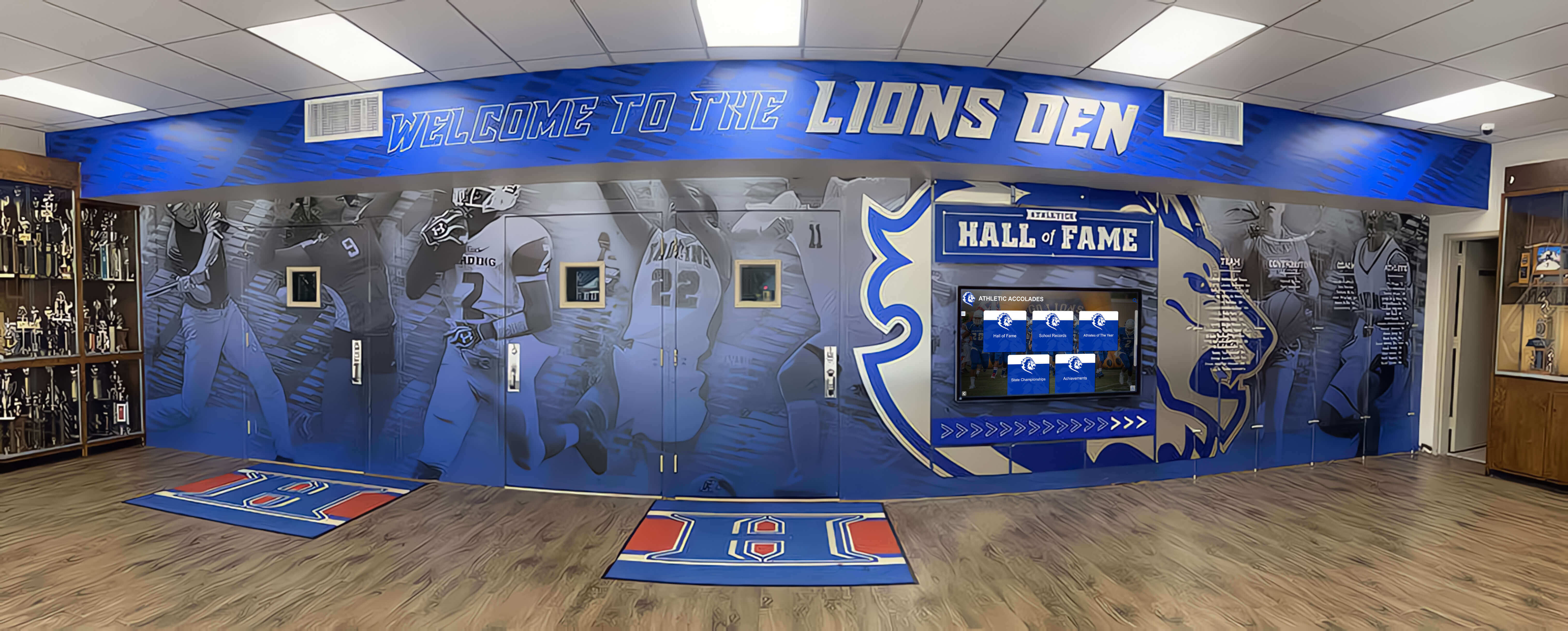
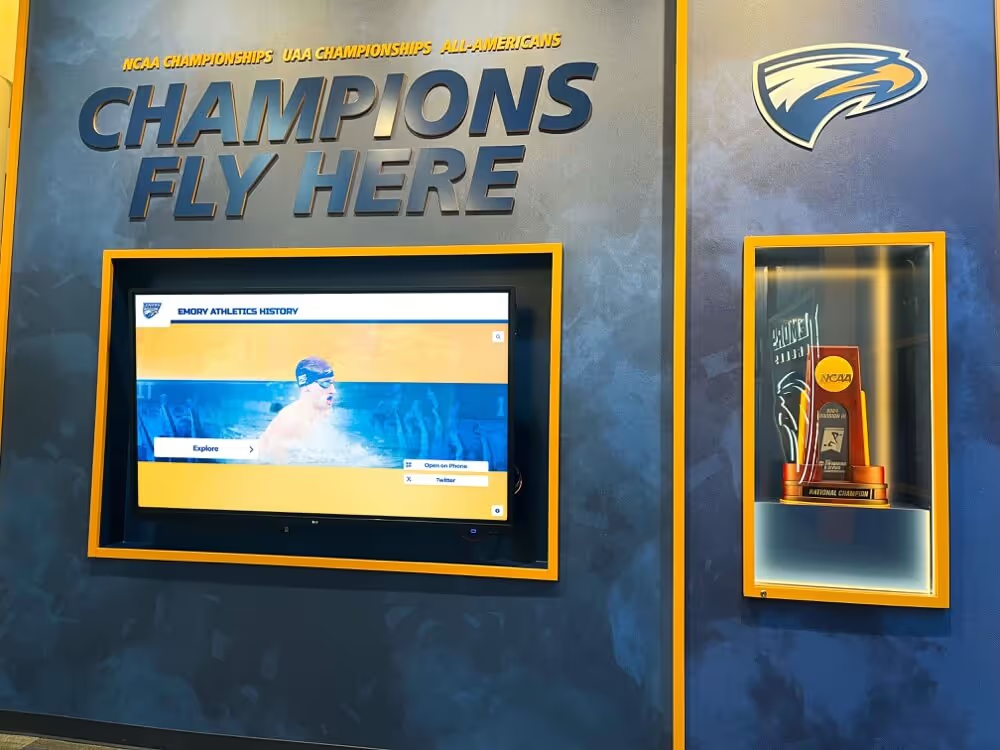
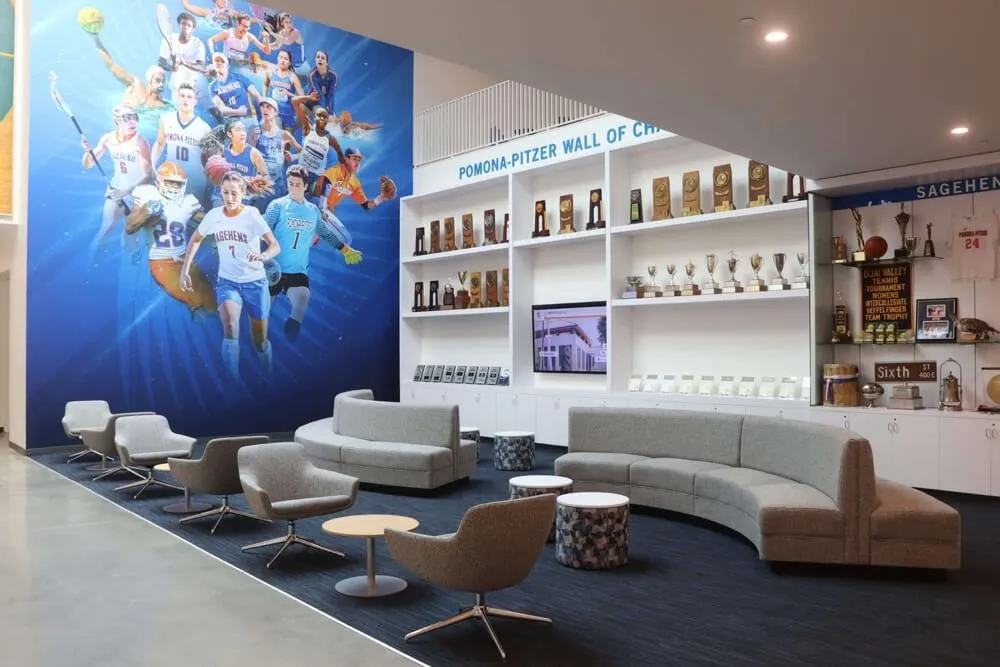
A recognition environment that pairs physical trophies with labeled display panels gives visitors both the artifact and the documented context—each reinforcing the other's credibility
Working from the UIL Archive: A Verified Example
The UIL football archives provide a usable example of what a source-to-caption record looks like when drawn from an actual archive row rather than from memory or secondary sources.
The archive includes a row for the 1960–1961 PVIL 4A football championship. The entry documents two schools—Houston Washington and Waco Moore—with a final score of 6–6 and an explicit note in the archive: “Tie (Co-Champions).”
A source-to-caption record for this entry would read:
| Field | Value |
|---|---|
| School name(s) | Houston Washington; Waco Moore |
| Sport | Football |
| Season | 1960–1961 |
| PVIL classification | PVIL 4A |
| Awarded title | Co-Champions (Tie) |
| Score | 6–6 |
| Source | UIL Football Archives, PVIL 4A championship row |
Neither school is the loser. Neither school’s title transfers to a present-day institution simply because a building bearing a related name still stands. Neither school’s roster, coaching staff, or individual records should be invented for display purposes if they are not documented in a retained source. The archive row confirms only what it contains: the season, the classification, the two schools, the score, and the co-champion designation.
If your school has a PVIL-era championship with similar archive documentation, that row is your starting source—not proof of everything the display might wish to claim, but an anchoring citation that the remaining fields must be built to match.
Working With Association Records, Yearbooks, and Community Memory
The UIL’s publicly accessible football archives demonstrate one available source type. Other reliable starting points for PVIL championship documentation include:
Association records. The UIL maintains historical archives across multiple sports. For sports not covered in the football archive, contact UIL’s records office to determine what PVIL championship documentation exists and in what format it is available.
Prairie View A&M’s John B. Coleman Library Special Collections & Archives Department holds documents, photographs, and materials related to PVIL history. The Houston Public Library’s African American History Research Center at the Gregory School hosted a past exhibit—“Preserve the Past and Remember the Glory,” July 1–December 26, 2023—that drew on those collections and on materials held by the PVIL Coaches Association. That exhibit has closed, but the archive collections it drew from remain potential research resources. Contact those institutions directly to determine current access, reproduction policies, and loan availability.
Local yearbooks and game programs. School yearbooks from the season in question often include official rosters, coach names, and sometimes game results. Game programs may include starting lineups. Both can serve as corroborating sources when the primary association record does not contain all the fields you need.
Community recollections. Former players, coaches, and community members who attended PVIL-era events are primary witnesses to history that written records may not fully capture. Their recollections are valuable—and they should be labeled as recollections in any display, not presented as verified record equivalents. A community member’s memory that a particular player was a standout guard is not a source-verified roster entry. It is a testimonial that belongs in a community memory section of the exhibit, identified clearly as a personal recollection.
A source link or a team photograph does not prove every roster member’s identity, resolve an uncertain name spelling, authorize image publication, or establish a statistical record. Unknown fields remain unknown. For publication and reuse of photographs, have the school’s records office and the rights holder verify the permitted use; do not assume a blanket historical-photo exemption based on the age of an image or the fact that the school owns a print.
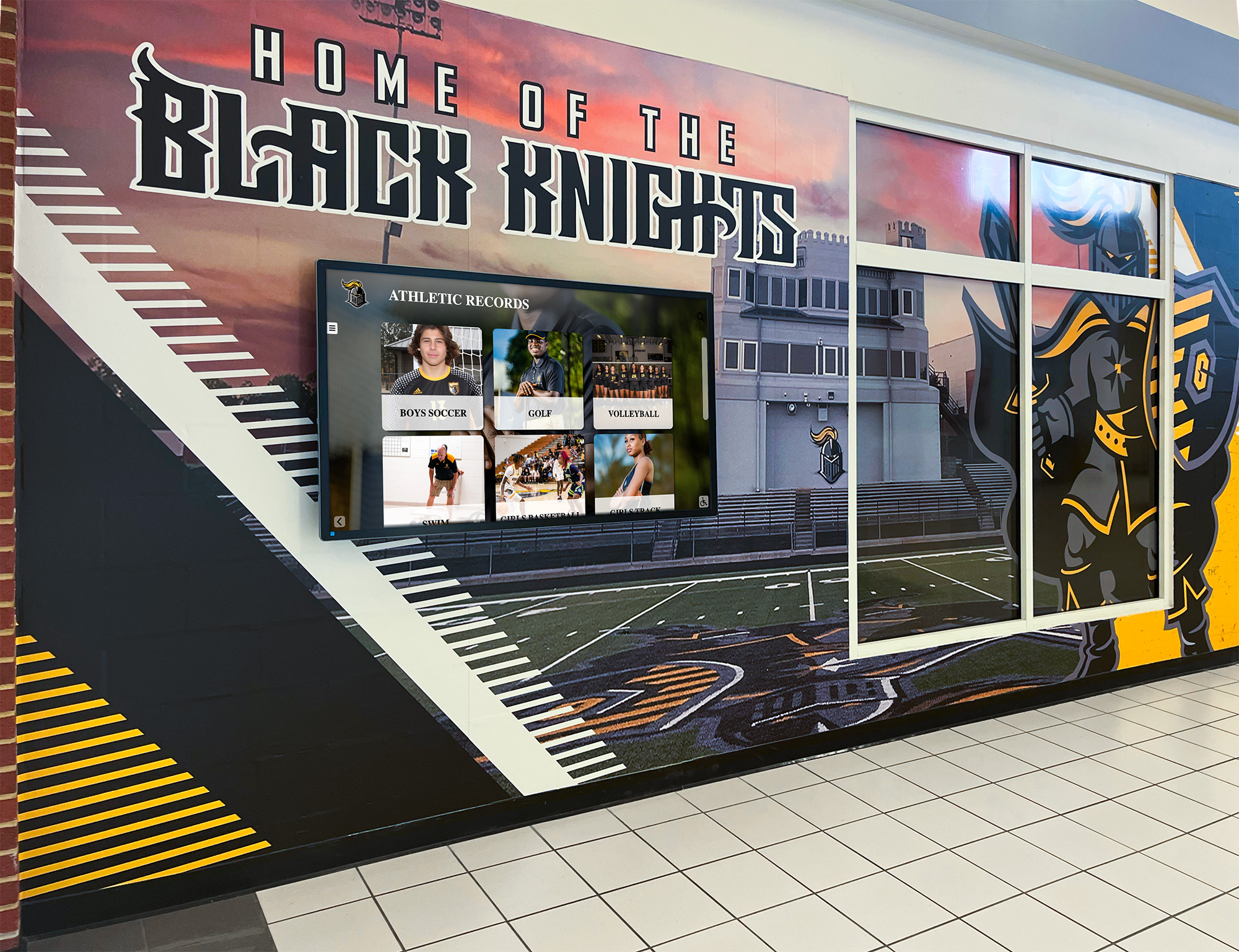
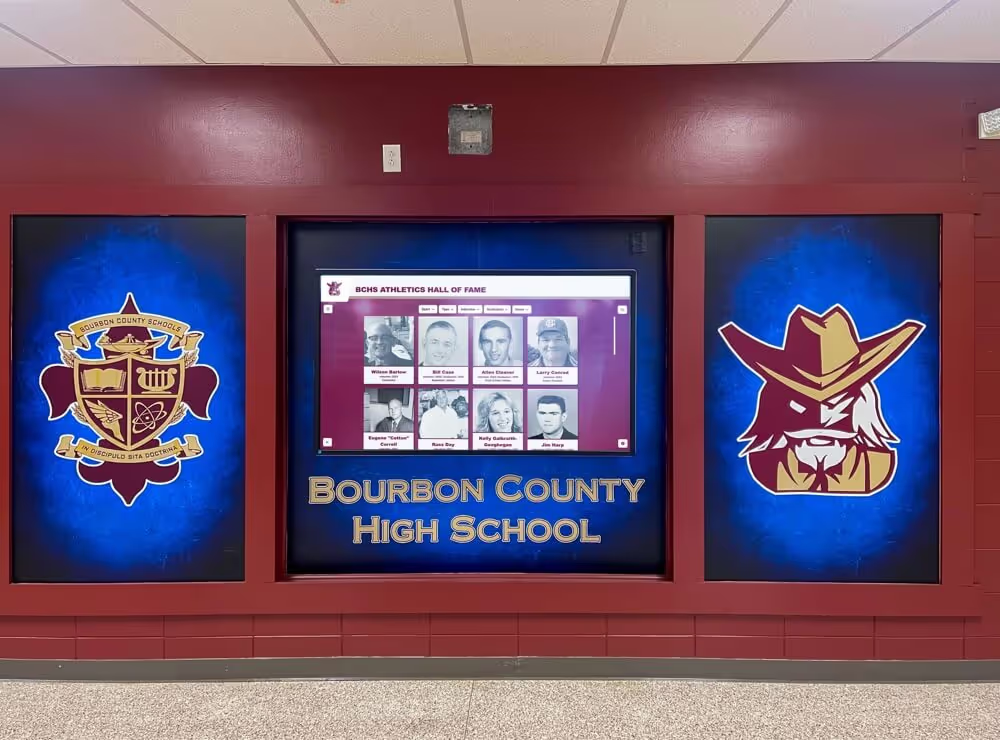
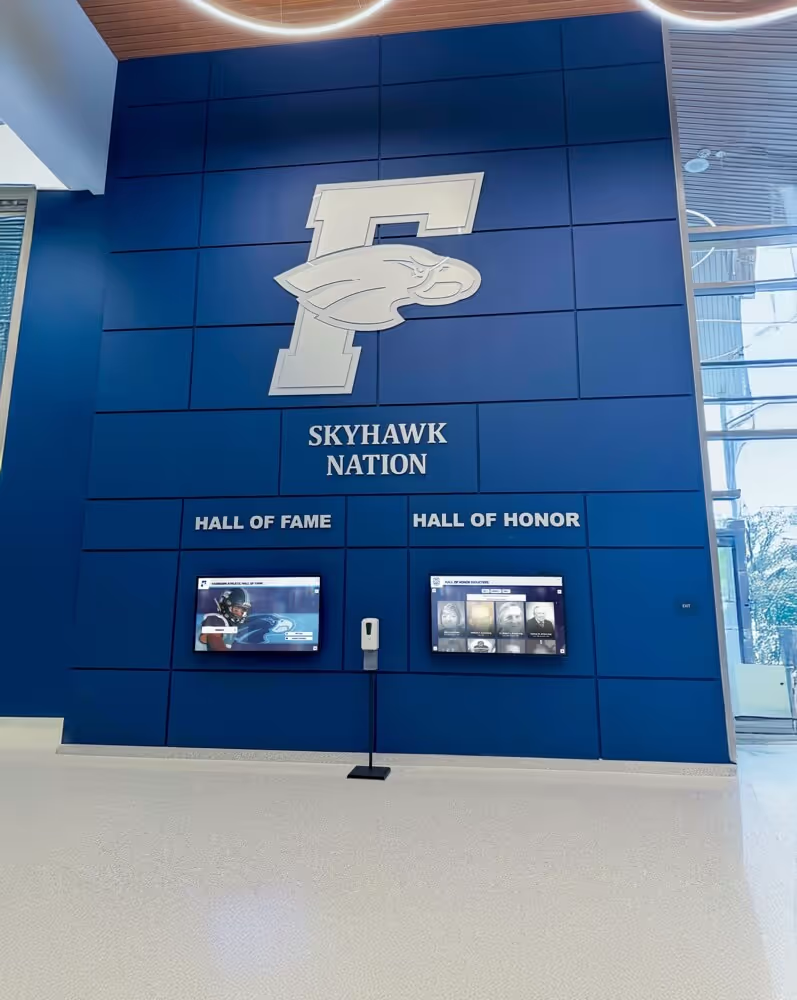
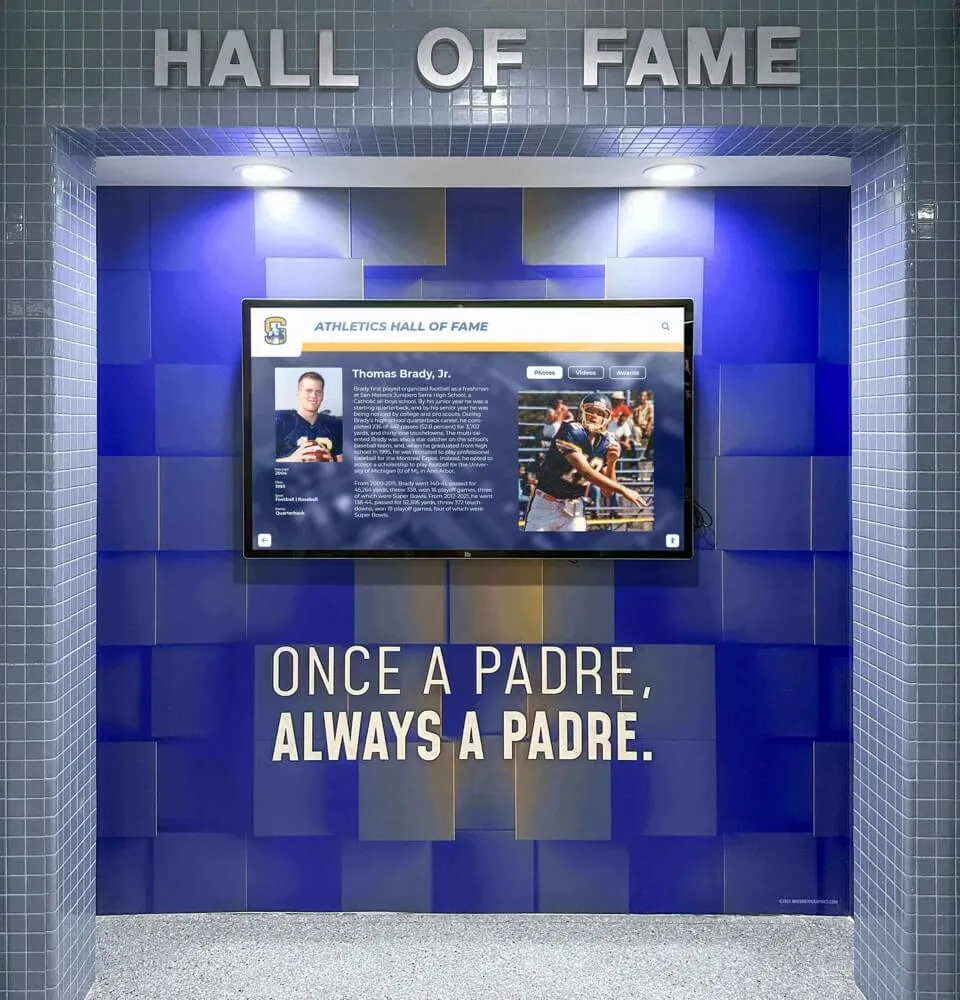
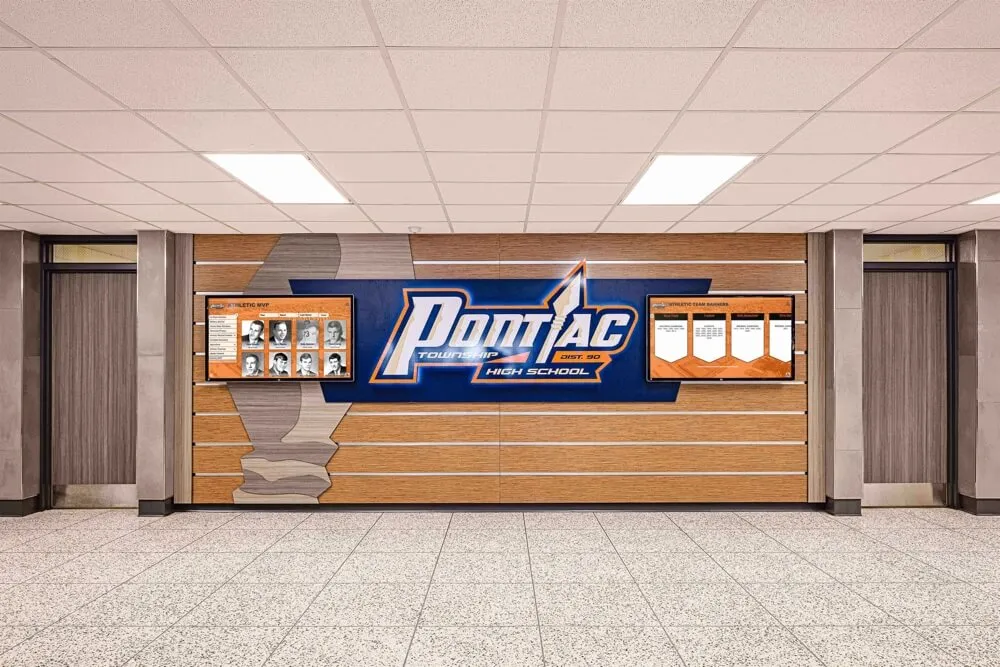
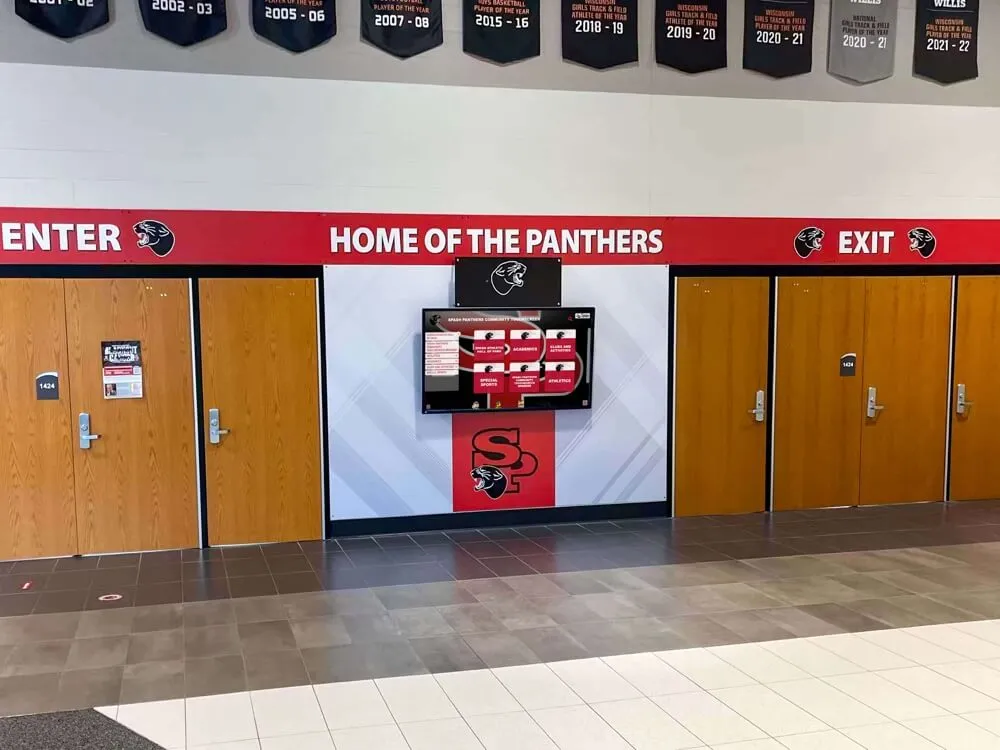
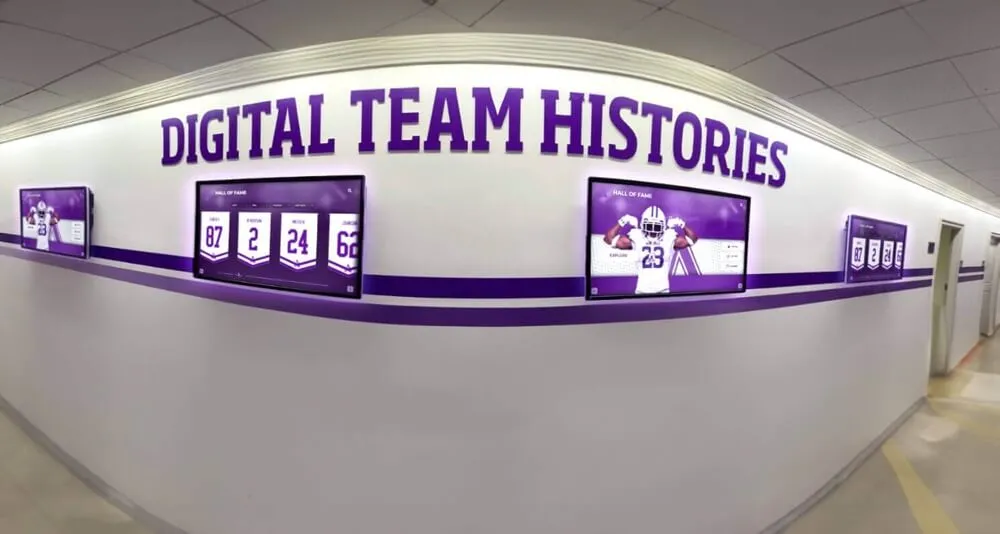
Digital record panels in a hallway display allow staff to update verified information and add community-sourced context as new documentation is confirmed—without reprinting or re-engraving physical labels
Comparing Sources and Flagging Discrepancies
Championship records for the PVIL era often exist in multiple places—the UIL archive, a district record book, a yearbook, a newspaper clipping—and those sources do not always agree. When they conflict, the display has two honest options: document the discrepancy and the resolution decision, or document the discrepancy and leave the contested field unresolved.
What to do when sources conflict:
- Identify which source is most authoritative for the specific fact in dispute. For classification and final standings, the association’s official record is generally the strongest source.
- Document both the conflicting claim and the source of the conflicting claim in your worksheet’s notes column.
- Record who made the resolution decision and when.
- If the discrepancy cannot be resolved with available sources, display the documented uncertainty rather than a resolved-but-unsupported answer.
Some archive rows contain concatenated names, ambiguous column headings, or apparent transcription errors from digitization. Never silently repair ambiguous data. If a row appears to combine two schools’ names into one field, note the apparent concatenation and confirm the correct reading from an independent source before publishing either name.
From Source Record to Hallway Exhibit
A completed source-to-caption worksheet is the prerequisite for every display element that follows: the physical trophy label, the display case placard, the hallway panel, and the digital screen entry. Without the worksheet, you are designing a display whose content cannot be verified after the staff member who built it moves on.
A hallway exhibit that combines existing physical trophies with clearly labeled panels gives visitors both the artifact and the documented context. The physical trophy establishes that an achievement existed; the label establishes what achievement it represents, in whose name it was earned, and where that determination came from. Neither element is complete without the other.
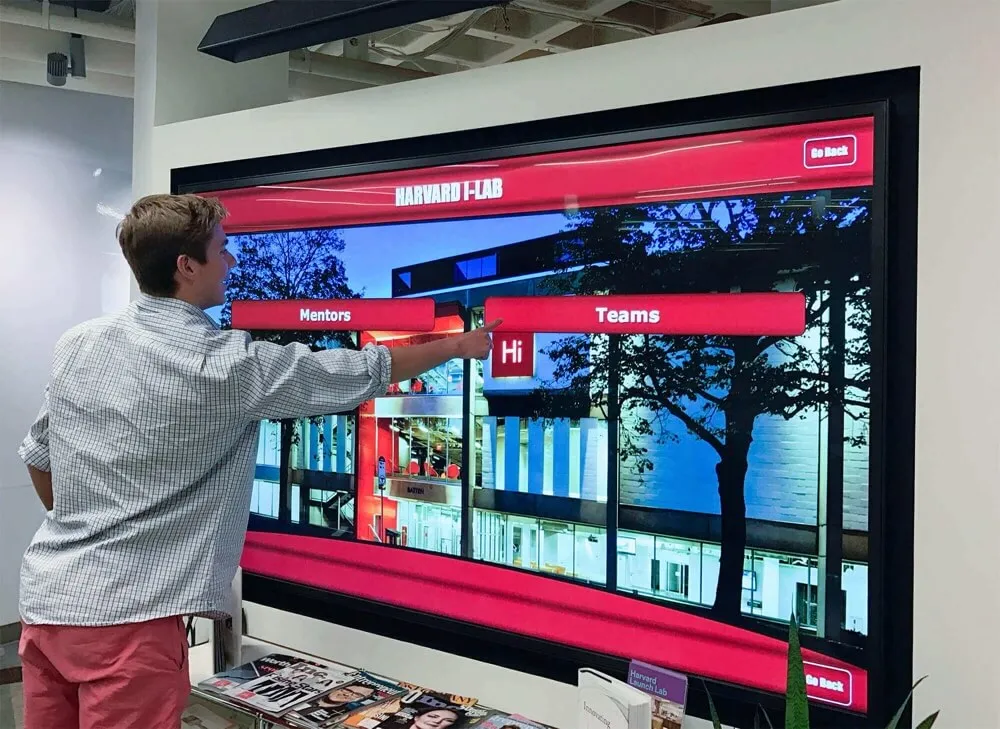
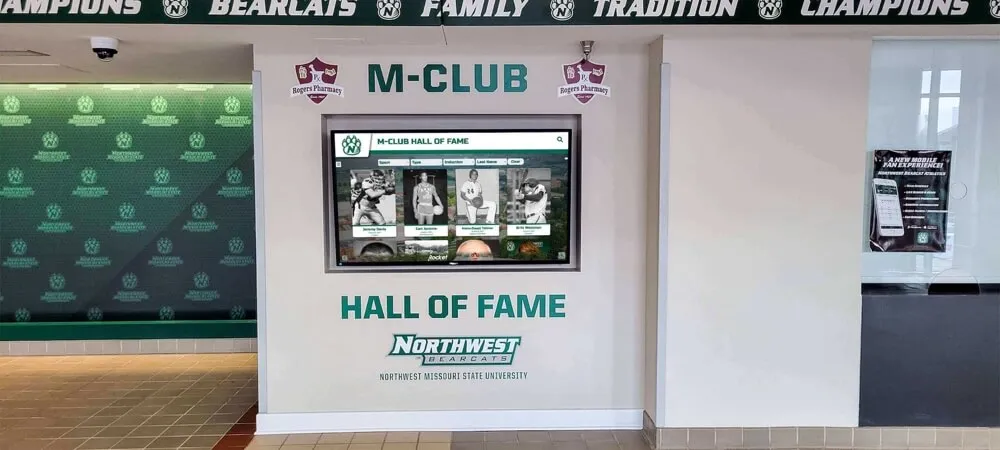
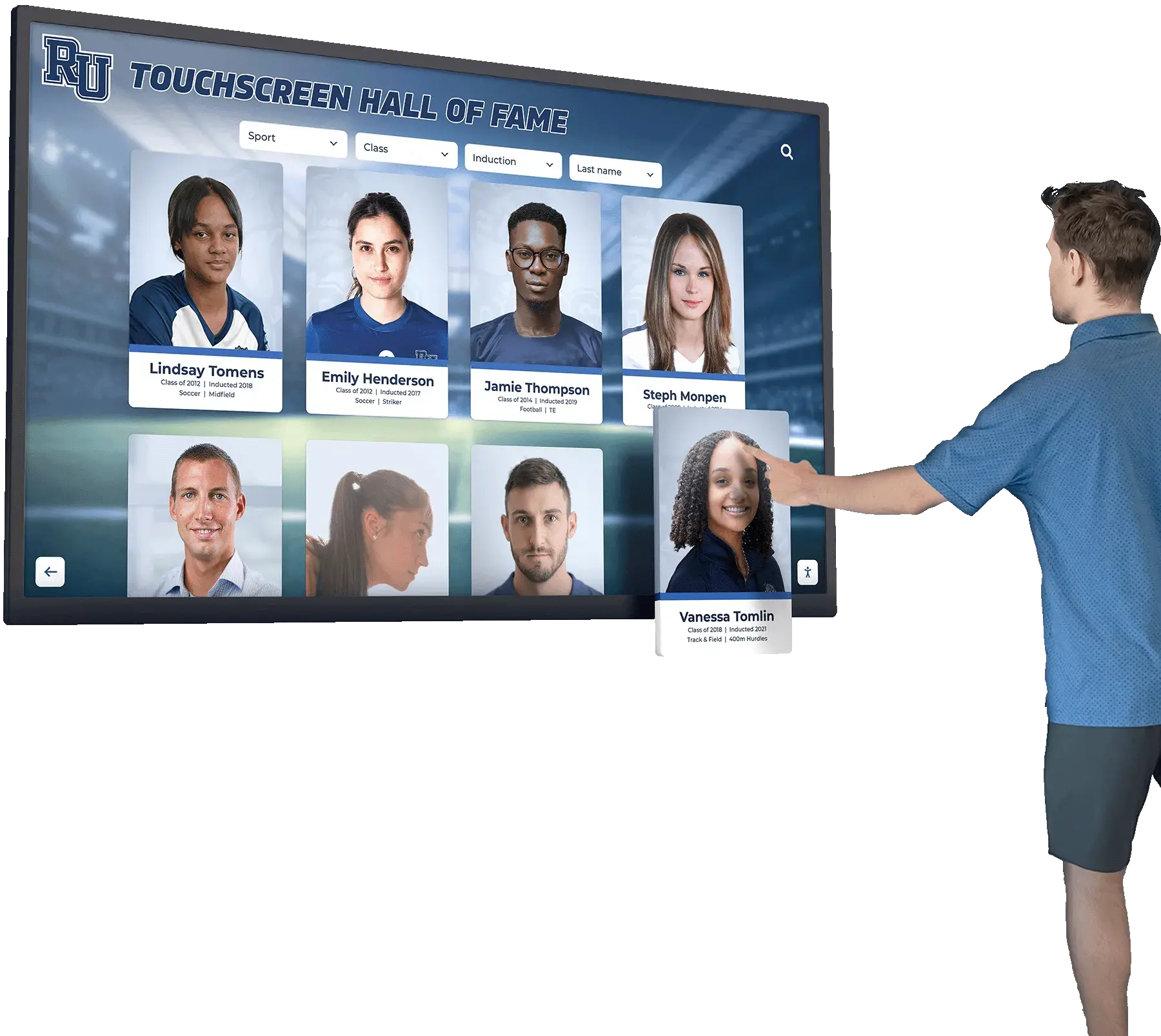
A touchscreen display mounted in or adjacent to the trophy case extends what the physical label can hold. Extended narrative panels—team context, coaching staff, season results, community recollection sections—can be edited remotely as new documentation is confirmed, without removing the physical trophy or reprinting a label. That flexibility is especially useful for PVIL-era records, where new documentation surfaces regularly as archival collections become more accessible.
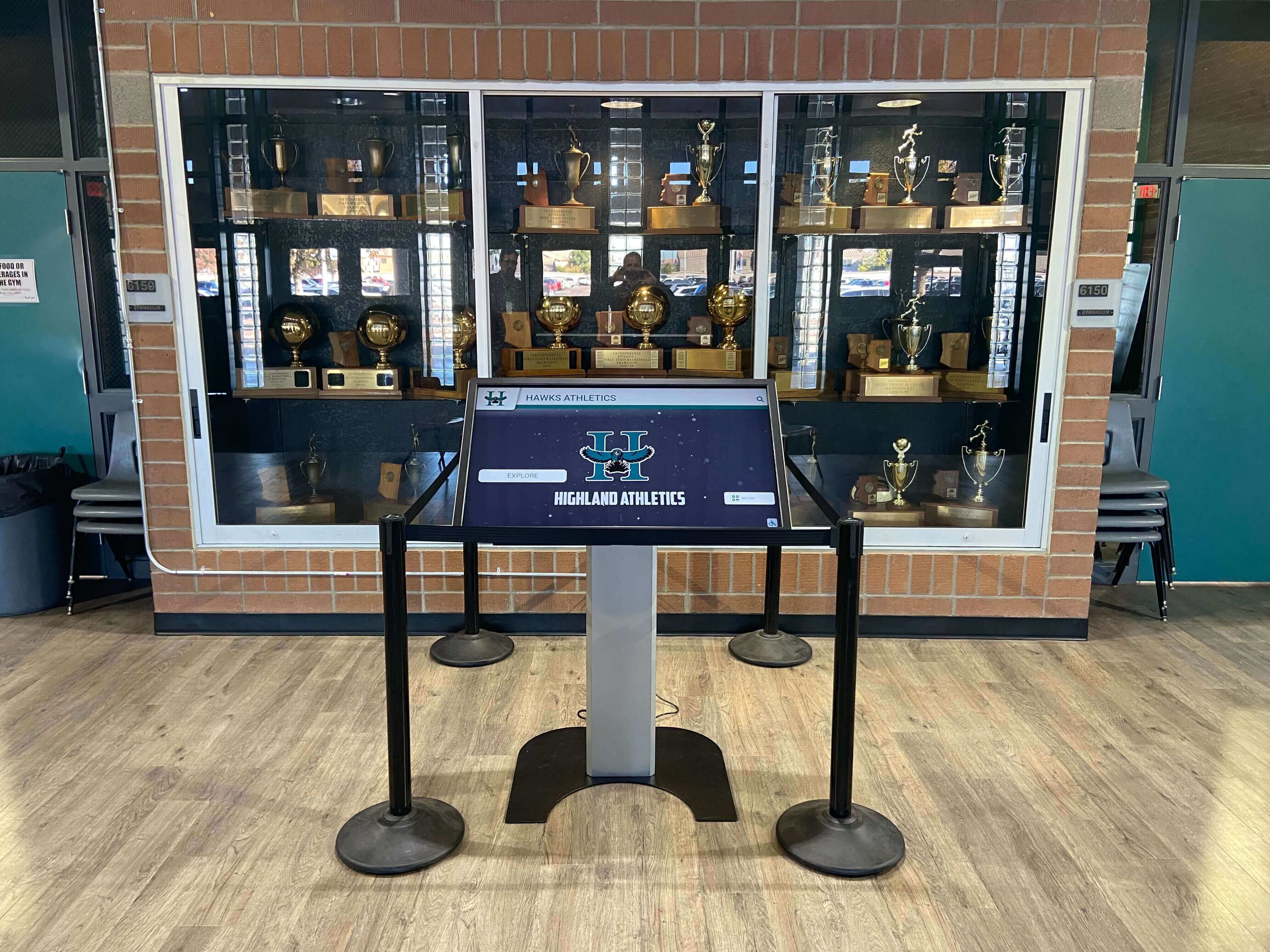
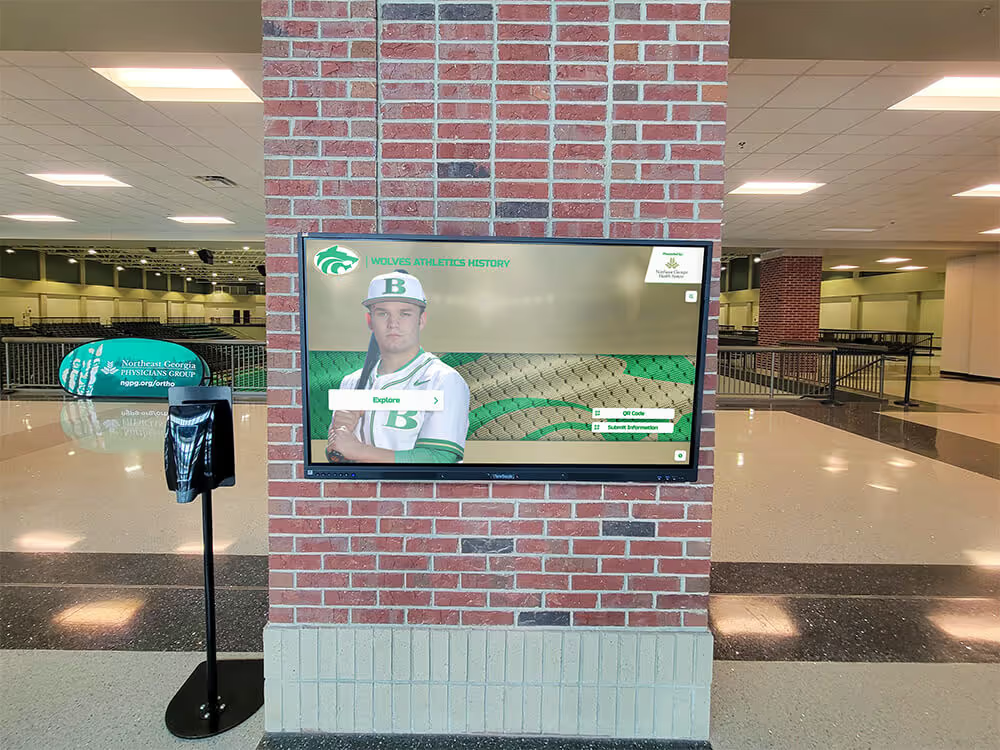
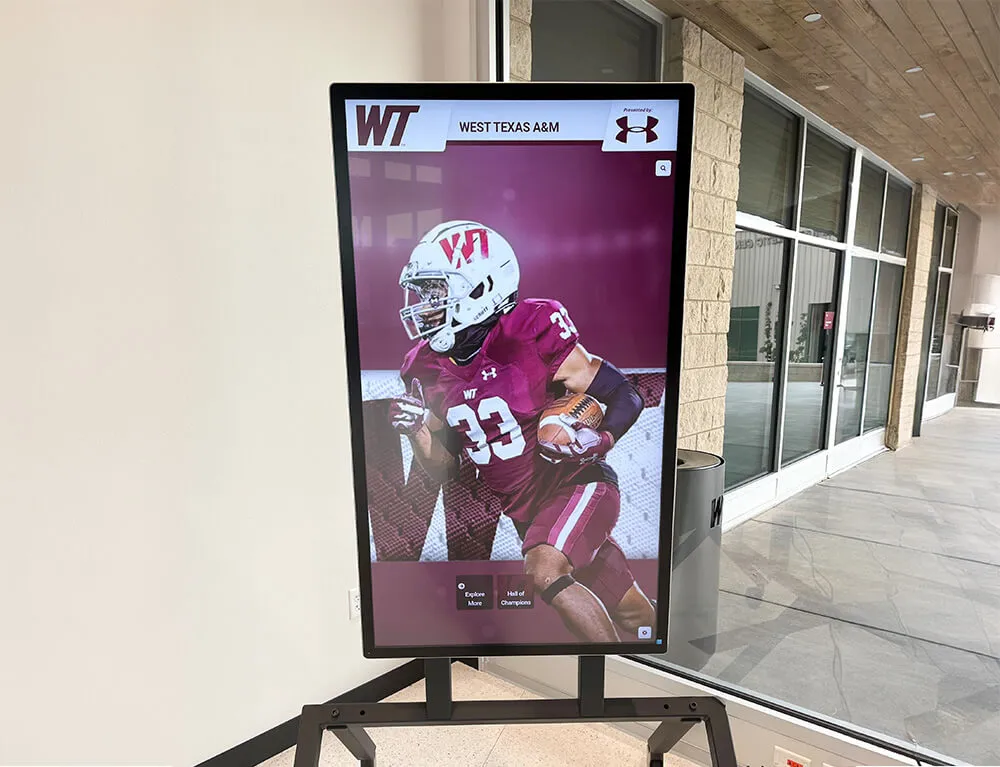
A touchscreen integrated into an existing trophy case lets staff add verified narrative context, community recollections, and source citations without altering the physical display
Invite alumni and community members to compare their own records—yearbooks, programs, photographs, documented recollections—with what the exhibit shows. Build a submission process for that input that routes contributions through a staff review before they appear in any display. Community memory enriches an exhibit; it does not replace source verification.
Giving the Historical Team Appropriate Space
A PVIL championship display is a recognition of the team, the coaches, and the community that supported them—not a vehicle for profiling athletes who went on to fame elsewhere, and not a placeholder for a present-day program’s brand. The historical institution earned the honor. The display belongs to that institution.
If a coach who led a PVIL championship team later had a distinguished career elsewhere, that is part of that coach’s biography—a biographical note in the display is appropriate. It is not a reason to center the subsequent career over the championship itself, to list the coach’s later employer as the institution honored, or to frame the PVIL title as a steppingstone for a story that happened somewhere else.
The community that gathered in the stands, that organized transportation to away games, that preserved photographs and programs for decades—that community is part of the championship record too. A display that honors the team without acknowledging the community context misses a significant dimension of what PVIL athletics represented to the schools and neighborhoods it served.
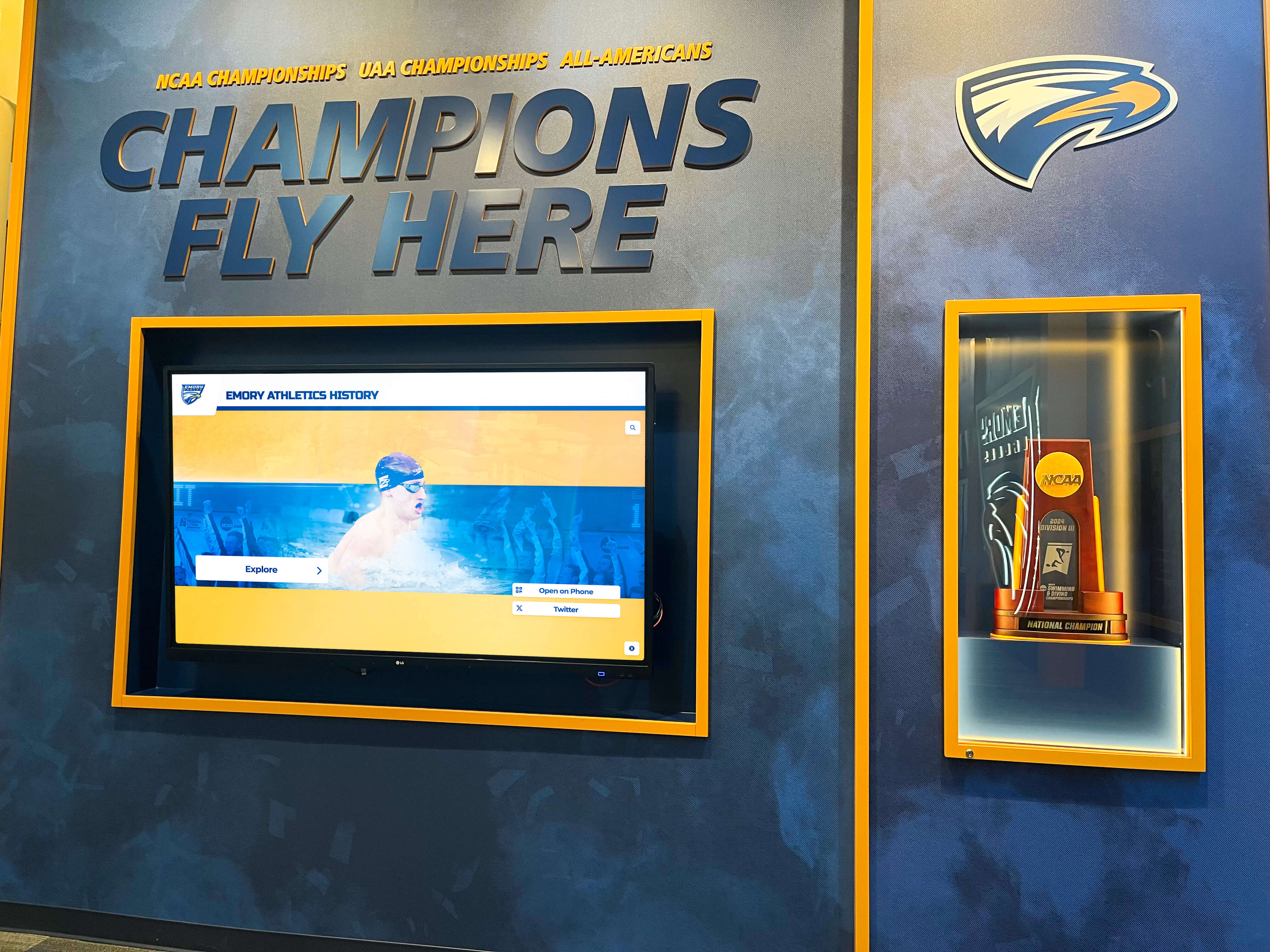
Champions walls that pair physical trophies with clearly documented labels allow each title to stand as its own record—named for the team and season that earned it
For exhibits that include touchscreen or digital display components, Rocket Alumni Solutions’ digital display platform overview describes the content management approach behind hallway and trophy case installations—useful context for athletic directors evaluating how to manage ongoing updates as new PVIL documentation becomes available.
Related Resources
- Fields to include on a trophy case label — Covers the standard documentation fields for physical display labels; review alongside your PVIL source-to-caption worksheet to ensure physical and digital records stay consistent.
If you are ready to plan a hallway or touchscreen recognition display that keeps your school’s PVIL championship legacy accurately documented and visible to current students, alumni, and community members, connect with the Rocket Alumni Solutions team to begin the conversation.
Live Example: Rocket Alumni Solutions Touchscreen Display
Interact with a live example (16:9 scaled 1920x1080 display). All content is automatically responsive to all screen sizes and orientations.