



Every spring, high schools and universities across the country recognize their top graduating students with honors that carry genuine weight — not participation ribbons, but the product of years of sustained academic work. The salutatorian is the student who ranks second in the graduating class, earning one of the most prestigious designations an institution bestows. Understanding the salutatorian definition matters for students working toward it, families celebrating it, administrators awarding it, and institutions deciding how to display it permanently.
The word itself traces to Latin: salutatio, meaning a greeting or salute. Historically, the salutatorian delivered the opening address at commencement — welcoming guests to the ceremony before the valedictorian spoke last. That ceremonial role has evolved at many schools, but the underlying honor — second in the class, earned through demonstrated excellence — remains constant and meaningful.
This guide covers the complete picture: the salutatorian definition, how schools calculate and determine the honor, how the role appears at graduation, and how institutions are preserving salutatorian recognition in ways that outlast the ceremony itself.
The salutatorian stands at a particular moment in a school’s academic culture: recognized publicly, ranked precisely, and connected to a tradition that stretches back centuries. How a school defines, calculates, and displays this honor reflects its broader commitment to academic excellence and the students who pursue it most seriously.

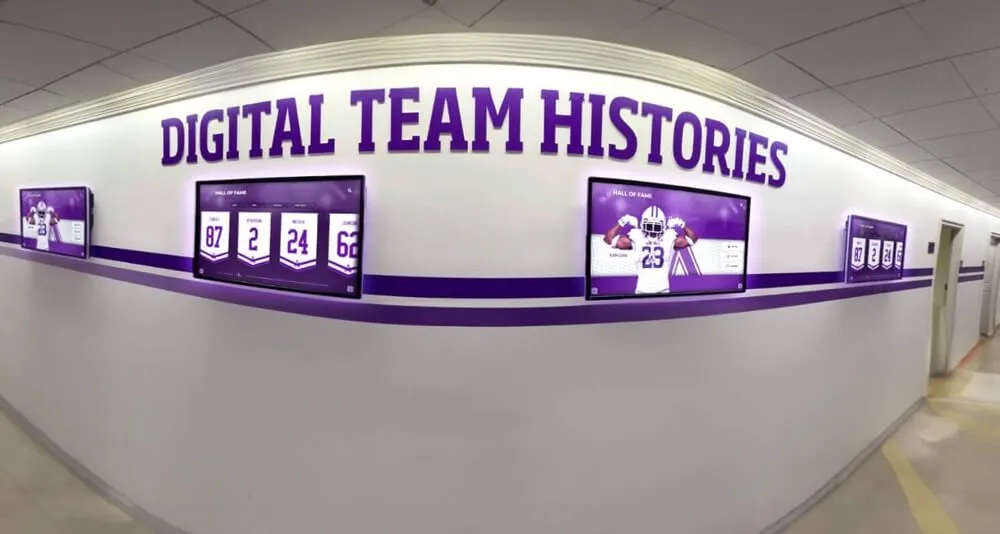
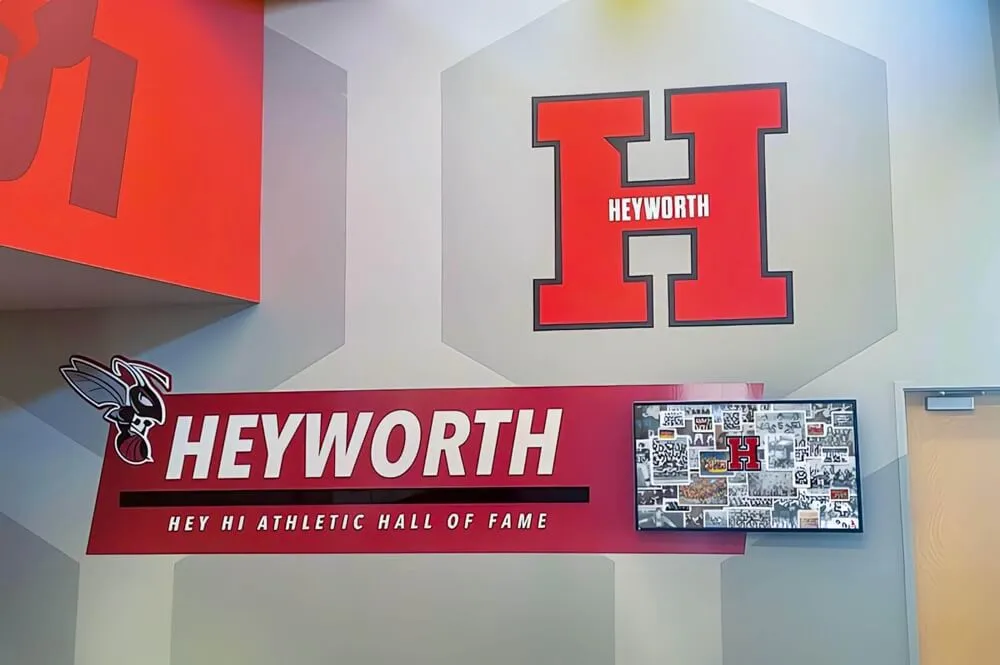
Academic recognition displays make the salutatorian honor visible year-round — not just during the brief ceremony where it's announced
Salutatorian Definition: The Core Meaning
The salutatorian definition is straightforward at its core: the student who achieves the second-highest academic ranking in a graduating class. In practice, most institutions define the honor more specifically based on their particular ranking methodology.
The Historical Meaning
The term derives from the salutatory oration — the opening address at academic commencement ceremonies dating to the medieval university tradition. In those early academic settings, the salutatorian literally opened the ceremony by greeting guests, often in Latin. This greeting function distinguished the role from the valedictorian, whose name comes from valedictio — the farewell speech delivered at ceremony’s close.
American colleges adopted this tradition in the colonial era, and high schools incorporated it as the institution of secondary education developed in the 19th and early 20th centuries. Over time, the ceremonial function shifted in many institutions, but the ranking designation held.
The Modern Definition
Today, the salutatorian definition centers on academic rank rather than ceremonial role. A student earns the salutatorian designation by:
- Achieving the second-highest cumulative grade point average (GPA) in the graduating class
- Completing all eligibility requirements set by the institution (enrollment duration, course minimums, etc.)
- Meeting any additional criteria the school or district establishes for the honor
The simplicity of “second in the class” belies the genuine complexity of how that ranking gets calculated — a complexity that varies significantly across institutions and has become an ongoing point of policy discussion in American education.
Salutatorian vs. Valedictorian: Understanding the Distinction
The salutatorian and valedictorian are paired honors representing the pinnacle of academic achievement in a graduating class. Understanding how they differ clarifies the salutatorian’s distinct significance.
Rank Position
The valedictorian holds the highest academic rank in the graduating class. The salutatorian holds the second-highest rank. In traditional systems with strict class rankings, exactly one student holds each designation per graduating class.
The valedictorian typically delivers the farewell address — the valedictory speech — near the ceremony’s conclusion. The salutatorian traditionally speaks earlier, often as the opening speaker or second speaker in the program. Many schools have modified these roles, with some allowing both honorees to deliver remarks, others assigning different ceremonial duties, and some reducing the role to an honorary designation without a required speech.
The Gap Between Them
In a large graduating class, the difference between valedictorian and salutatorian in terms of GPA may be extremely small — sometimes hundredths of a GPA point accumulated over four years. A student who earned one A- in an honors course might finish as salutatorian rather than valedictorian. This near-equivalence of achievement is part of why both honors carry genuine weight: the academic distance between first and second place is often negligible.
In smaller graduating classes, the spread may be wider. Context matters: a class of 40 students and a class of 400 produce very different competitive landscapes, though the honor carries prestige in either setting.
Shared Characteristics
Both honors represent:
- Sustained academic performance across the full course of study
- Success in challenging coursework (honors, AP, IB, or dual-enrollment where available)
- Consistency over multiple years — not a single strong semester
- Institutional recognition of the highest academic achievement a school bestows

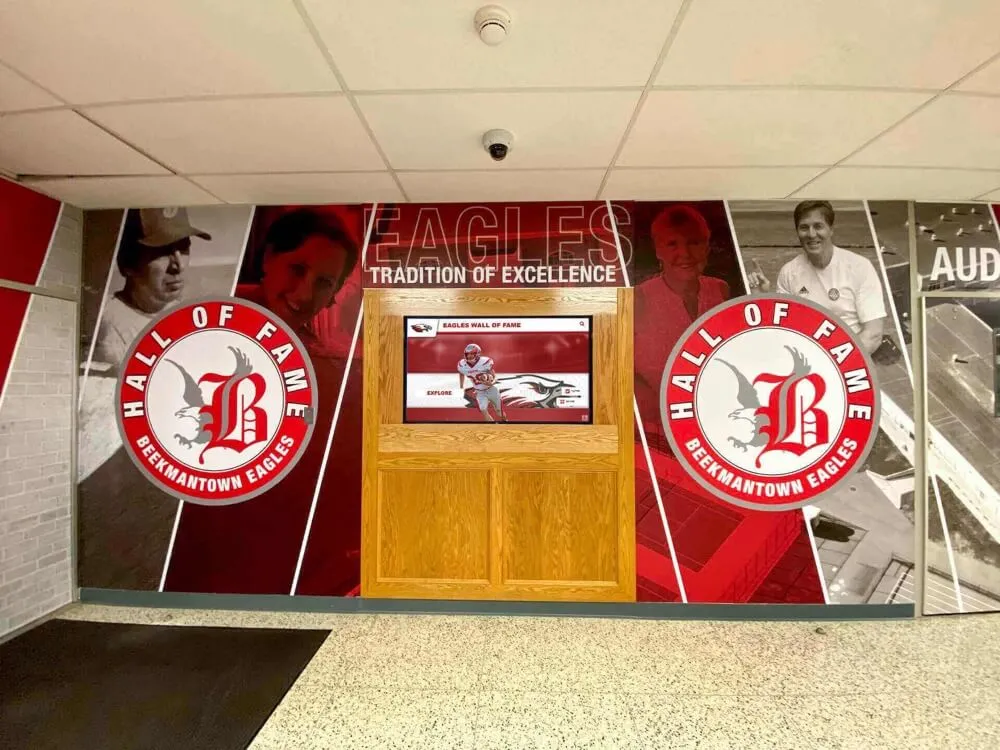
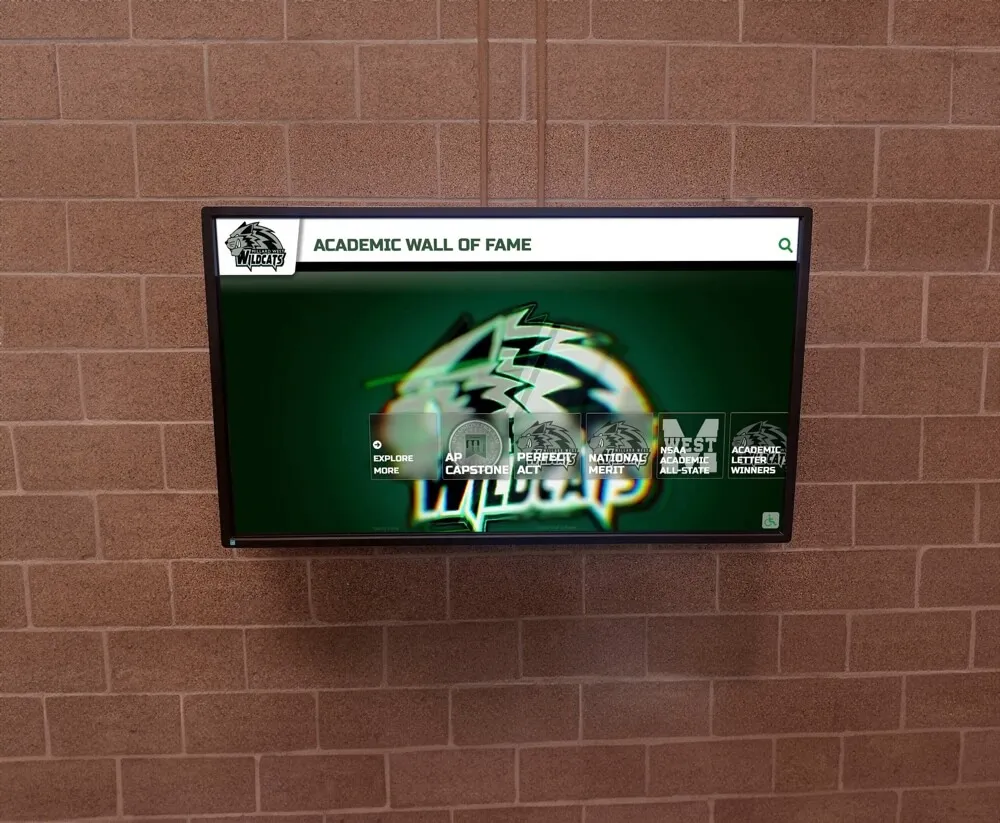
Portrait-based recognition displays allow schools to put a face to academic honors like salutatorian — making the achievement personal and visible for the entire school community
How Schools Calculate Salutatorian Standing
The method a school uses to determine who earns the salutatorian honor shapes which students qualify and raises questions about fairness, incentive structures, and institutional values. Several calculation approaches are in common use, each with distinct implications.
GPA-Based Calculation
The most widespread method uses cumulative grade point average calculated over the student’s full enrollment. The student with the second-highest cumulative GPA earns the salutatorian designation. However, the specifics of GPA calculation vary considerably:
Weighted vs. Unweighted GPA
Unweighted GPA assigns the same numerical value to grades regardless of course difficulty: an A in any course equals 4.0. This approach treats a student who took standard courses identically to one who took Advanced Placement courses — a common source of criticism when used for class rank determination.
Weighted GPA assigns higher numerical values to grades in more demanding courses. An A in an AP or honors course might earn a 4.5 or 5.0 on a school’s weighted scale, while an A in a standard-level course earns a 4.0. Most schools today use weighted GPA for class rank calculations precisely because it incentivizes students to challenge themselves with more rigorous coursework.
Enrollment Duration Requirements
Most schools require students to have enrolled for a minimum period to be eligible for salutatorian consideration — often two years at the high school, sometimes all four. Transfer students who arrive in junior or senior year typically cannot earn salutatorian status regardless of their academic performance after arrival, because their full four-year record isn’t available to the institution.
Course Credit Requirements
Some schools specify minimum credit totals or particular course distributions as eligibility requirements. A student who accelerated through fewer courses might have a high GPA but not enough credit hours to qualify. These requirements vary widely by institution.
Class Rank Systems
Traditional class ranking assigns each student a numerical position based on cumulative GPA. The student ranked first is valedictorian; the student ranked second is salutatorian. This system produces a clear and objective determination — but many districts have moved away from it.
Concerns driving movement away from traditional class rank include:
- Course selection pressure: Students may avoid challenging courses to protect their GPA-based rank rather than pursue genuine intellectual interest
- Mental health impact: Competitive rank environments can generate unhealthy pressure, particularly in high-achieving schools
- Perception challenges: A student ranked 4th in a class of 600 high achievers may have stronger academic credentials than a student ranked 2nd in a class of 50
- College admissions context: Many colleges now contextualize GPA and rank rather than treating them as primary selection criteria
Policies Around Ties
What happens when two students have identical cumulative GPAs? Tie policies vary:
- Some schools recognize both students as co-salutatorians
- Some use secondary criteria (standardized test scores, AP exam performance, number of honors courses) to break ties
- Some allow multiple students to hold the salutatorian designation in years with ties
- Some defer to a faculty committee for determination when ties exist
Tie situations are more common than many expect, particularly at schools with weighted grading where multiple students in a high-achieving cohort may reach identical GPAs.
Moving Away From Single Honoree Designations
A significant number of school districts — including many large urban systems — have reduced or eliminated class rank entirely, which removes the traditional salutatorian and valedictorian designations as well. In their place, these schools recognize all students who graduate above a GPA threshold (such as summa cum laude for 4.0+, magna cum laude for 3.7–3.99, cum laude for 3.5–3.69).
Other schools have moved to recognizing their top 5%, top 10%, or top 25 students with collective honors rather than singling out individuals by exact rank. These approaches reduce competitive pressure while still acknowledging strong academic performance.
Schools that retain the traditional salutatorian and valedictorian designations often do so because of the motivational power of a clear, prestigious goal — and because the ceremonial tradition resonates with their community.
The Salutatory Address: Ceremonial Role
The salutatory address — the speech at commencement — connects the modern salutatorian designation to its historical roots. How schools handle this ceremonial component varies considerably.
Traditional Structure
In the traditional commencement format, the salutatorian speaks early in the program, often immediately after the processional and opening remarks. The speech welcomes the audience, acknowledges the significance of the occasion, and introduces the ceremony ahead. The valedictorian then speaks near the ceremony’s conclusion.
This structure is preserved in many schools, particularly those with strong traditions and alumni communities for whom the ceremony’s familiar arc carries meaning. The salutatorian’s position as the first student voice in the ceremony gives the address its own significance — not the final word, but the opening declaration.
Modern Variations
Many schools have modified the traditional structure. Common variations include:
Both honorees speaking — some schools allow both salutatorian and valedictorian to deliver remarks of similar length, with the salutatorian speaking first and the valedictorian last.
Shared or reduced roles — at some schools, the salutatorian delivers brief welcoming remarks rather than a full address, with the ceremony’s substance carried by the valedictorian.
No required speech — some institutions recognize the salutatorian with the designation and academic honors without requiring a formal address, leaving commencement speeches to student body representatives selected separately.
Student-selected speaker processes — schools that use application and selection processes for graduation speakers sometimes have separate tracks for salutatorian and general speaker selection.

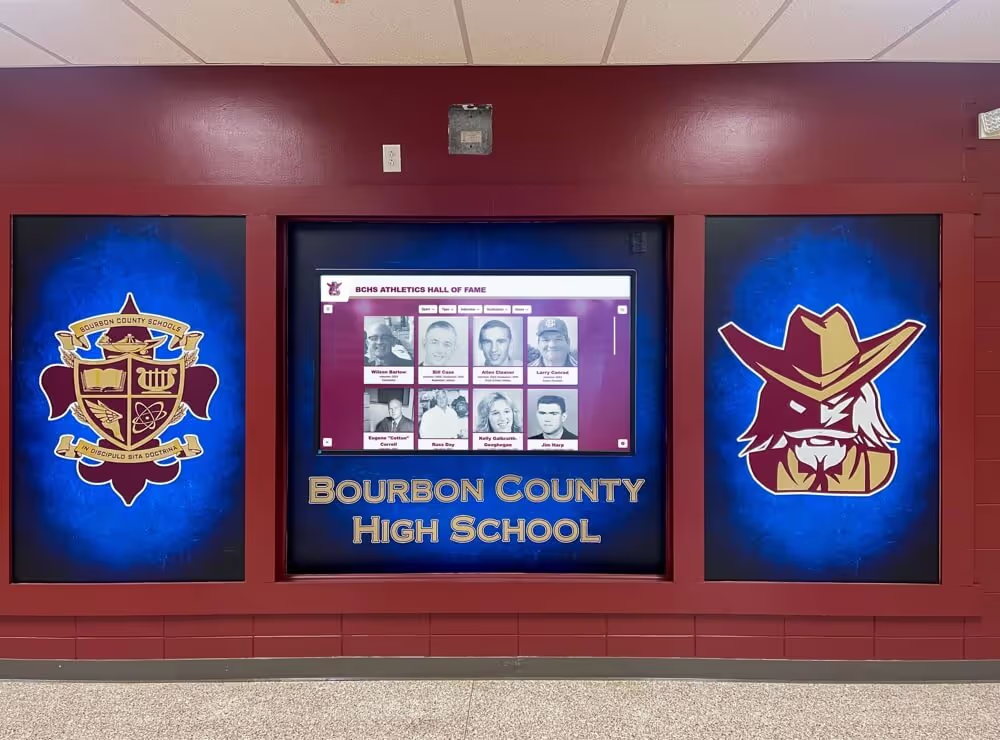
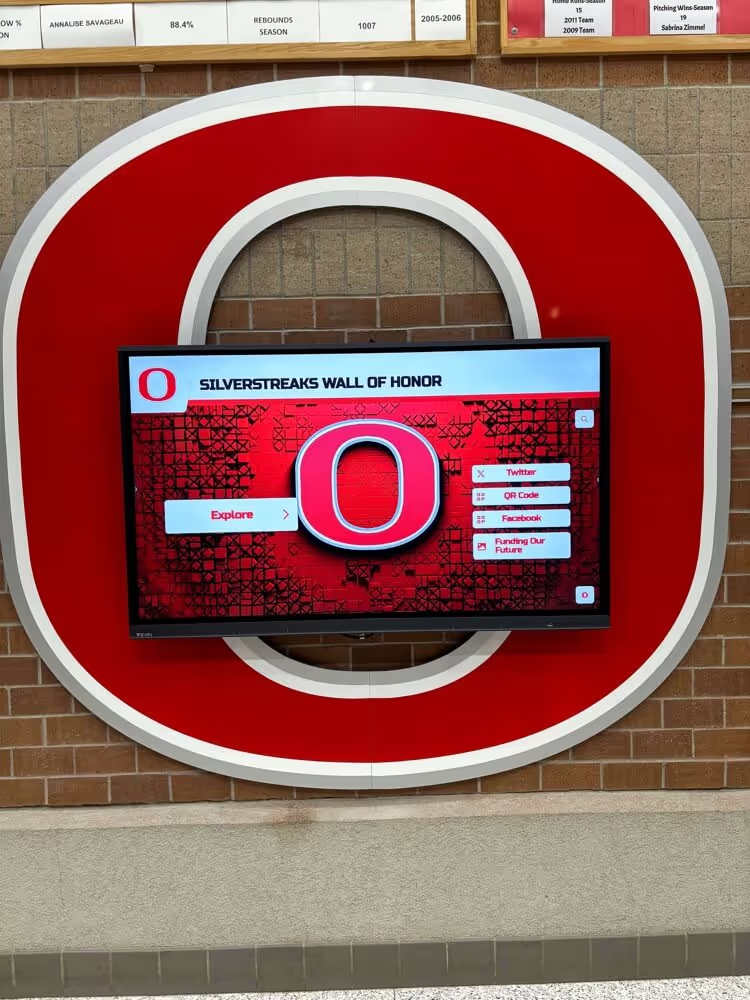
Interactive touchscreen displays allow schools to recognize salutatorians and other academic honorees in searchable, engaging formats that update without requiring new physical hardware
Recognizing the Salutatorian: From Ceremony to Permanent Display
The commencement ceremony is the moment of public recognition — but the salutatorian’s achievement deserves permanence that extends far beyond a single afternoon.
Immediate Recognition at Graduation
Schools typically mark the salutatorian honor at graduation through multiple channels:
Regalia distinctions — salutatorians often wear distinctive regalia elements: honor cords, special stoles, medallions, or differentiated caps. These visible markers communicate the honor to the assembled audience without requiring explanation.
Program recognition — printed commencement programs traditionally list both salutatorian and valedictorian prominently, along with other academic honors. These programs serve as lasting records of the ceremony.
Announcement and introduction — formal introduction by the principal, superintendent, or commencement speaker acknowledges the honor publicly in the moment.
Diploma and certificate distinction — some schools issue special diplomas or supplementary certificates specifically recognizing salutatorian status, separate from the standard diploma.
Yearbook and School Publication Recognition
The yearbook represents one of the most durable school records of any given year’s achievements. Salutatorians and valedictorians typically receive featured profiles in yearbooks — photographs, academic statistics, and brief biographical details that create a historical record the student can keep and the school can reference.
Schools that archive their yearbooks digitally create searchable historical records of every salutatorian across the institution’s history. Understanding how to digitize old yearbooks has become an important part of institutional memory preservation — ensuring that decades of academic achievement remain accessible rather than deteriorating in storage.
Physical Display and Plaques
Traditional physical recognition for salutatorians and valedictorians includes:
- Wall plaques in administrative offices, library entrances, or academic hallways listing each year’s honorees
- Trophy cases incorporating academic recognition alongside athletic achievements
- Honor board displays with nameplate systems showing cumulative records by graduation year
- Dedicated academic recognition walls featuring photographs alongside names and years
Physical displays carry a particular kind of permanence and prestige — the student’s name, visibly mounted on the wall, communicating institutional pride in a way that a digital mention alone cannot replicate. However, traditional physical displays face practical constraints: they require physical space that many schools don’t have in abundance, they become difficult to update, and they can’t accommodate the rich context (photographs, academic details, extracurricular achievements) that makes recognition feel personal.

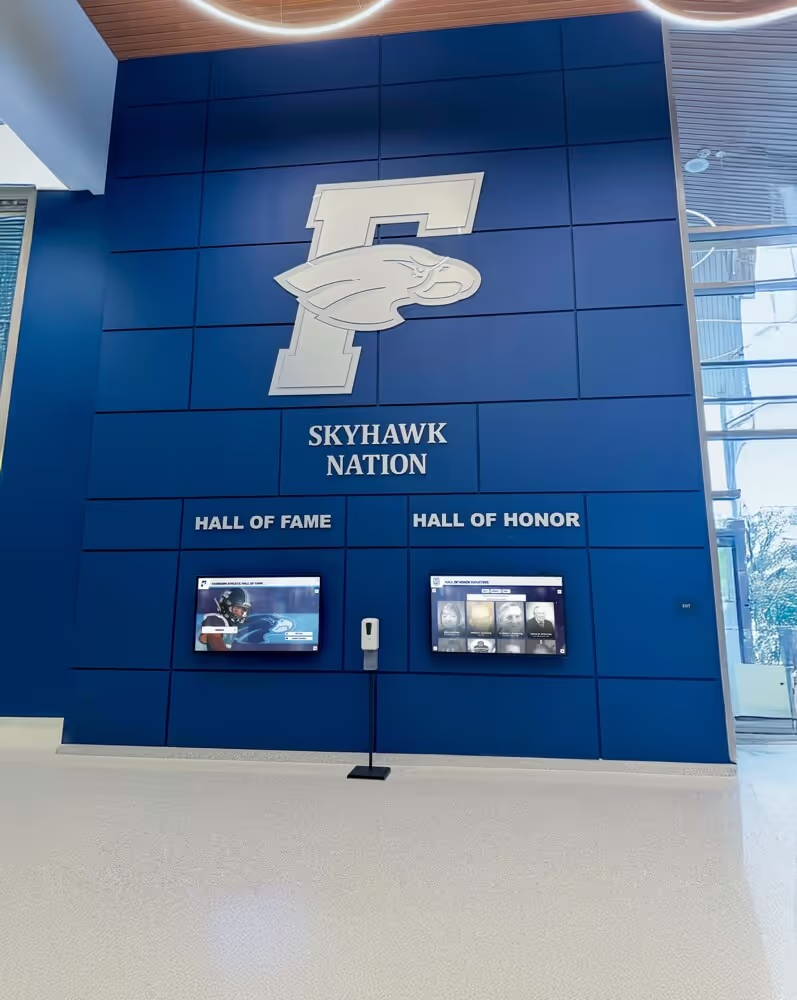
Year-by-year recognition archives create institutional memory — allowing current students to see the tradition they are part of and alumni to find their place in the school's history
Digital Recognition: Preserving the Salutatorian Legacy
Modern schools are increasingly building digital recognition systems that complement and enhance traditional physical displays — creating permanent, searchable records of salutatorians and other academic honorees that remain accessible and engaging for decades.
Why Digital Recognition Suits Academic Honors
Academic recognition presents particular archival challenges that digital systems address effectively:
Depth of information: A salutatorian’s record includes more than a name and a year. It includes GPA, honors earned, extracurricular achievements, AP exam results, awards, and community contributions. Traditional nameplate-style displays can’t capture this depth. Digital profiles can.
Unlimited capacity: A school founded in 1950 has 75 or more years of salutatorians. Displaying all of them physically requires significant wall space and ongoing physical maintenance. Digital systems hold every year’s honorees without space constraints.
Searchability: Alumni want to find their name. Current students want to understand the tradition they’re working toward. Parents want context. Digital systems allow any visitor to search by name, year, or honor type — instantly surfacing the record they’re looking for.
Updateability: Digital content management systems let staff add new honorees, update profiles with post-graduation achievements, and incorporate multimedia content without any physical construction or hardware changes.
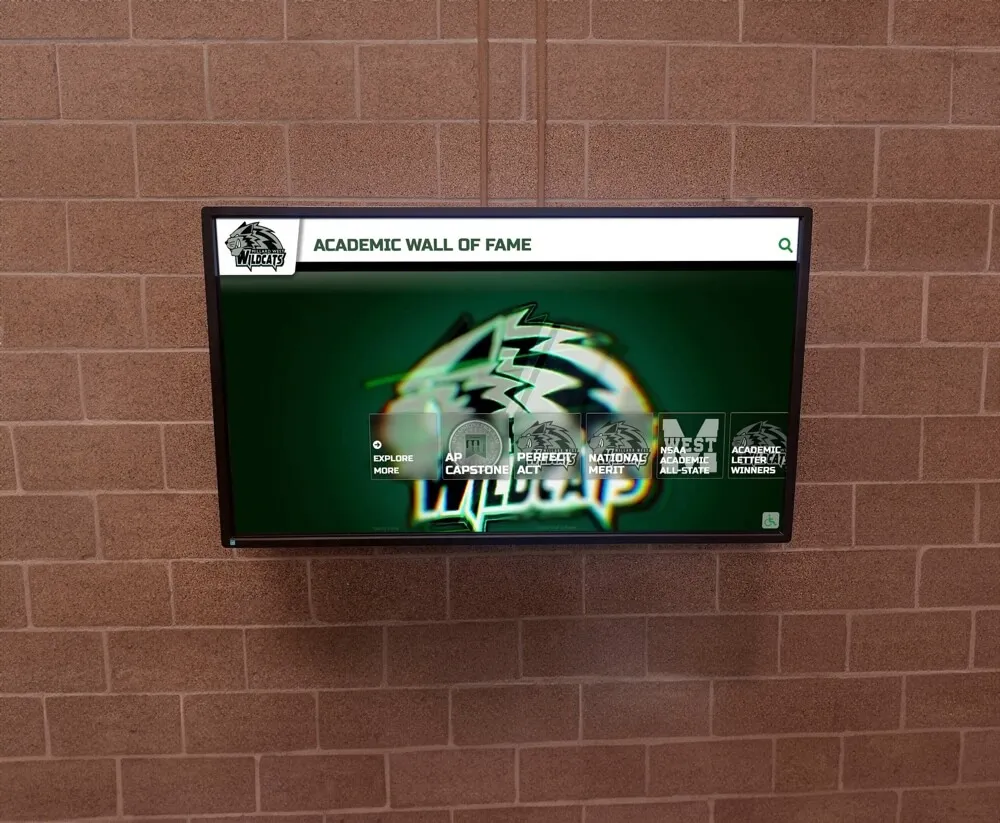
Schools exploring how interactive touchscreen recognition systems work for school displays consistently find that the same platform serving athletic recognition can equally showcase academic achievements like salutatorian — often within the same display.
Building a Salutatorian and Valedictorian Archive
A dedicated digital archive of academic honorees creates genuine institutional value over time. An effective archive includes:
Year-by-year honoree records
- Name, graduation year, and honor designation (salutatorian or valedictorian)
- Photograph from graduation year
- GPA and relevant academic statistics
- Key academic achievements and recognitions during enrollment
Program context information
- AP, IB, or dual-enrollment courses completed
- Academic competitions and results (National Merit, regional math/science competitions, etc.)
- Subject-specific academic awards
Post-graduation updates (where appropriate)
- College or university attended
- Degree earned and field of study
- Notable career achievements or professional recognition
This level of documentation is consistent with how schools recognize university notable alumni — building a continuous story connecting past achievement to ongoing impact.
Accessibility and Compliance
Digital recognition systems used for academic honoree displays should meet accessibility standards to ensure all visitors — regardless of physical ability — can engage with the content. Modern platforms built to WCAG 2.2 AA compliance standards include screen reader compatibility, adjustable text sizing, high-contrast display modes, and ADA-compliant physical installation specifications — ensuring that recognition displays serve every member of the school community.
Integrating Salutatorian Recognition Into Broader Academic Displays
Salutatorian and valedictorian recognition gains additional power when displayed within the context of a school’s complete academic achievement ecosystem. A comprehensive academic recognition display might include:
- Salutatorian and valedictorian archives by graduation year
- National Merit Scholar and National Merit Semifinalist records
- Academic competition achievements (Science Olympiad, academic decathlon, debate)
- Subject-specific departmental awards and honors
- Honor society induction records
- Scholarship recipients and award amounts
Contextualizing the salutatorian within this broader academic recognition environment reinforces the message that intellectual achievement is genuinely valued — not just at the top, but across the full spectrum of academic excellence.
Schools that have explored Teacher of the Year award showcases as part of comprehensive recognition programs discover that combining faculty and student academic recognition within a unified display creates a culture of mutual excellence that resonates throughout the school community.

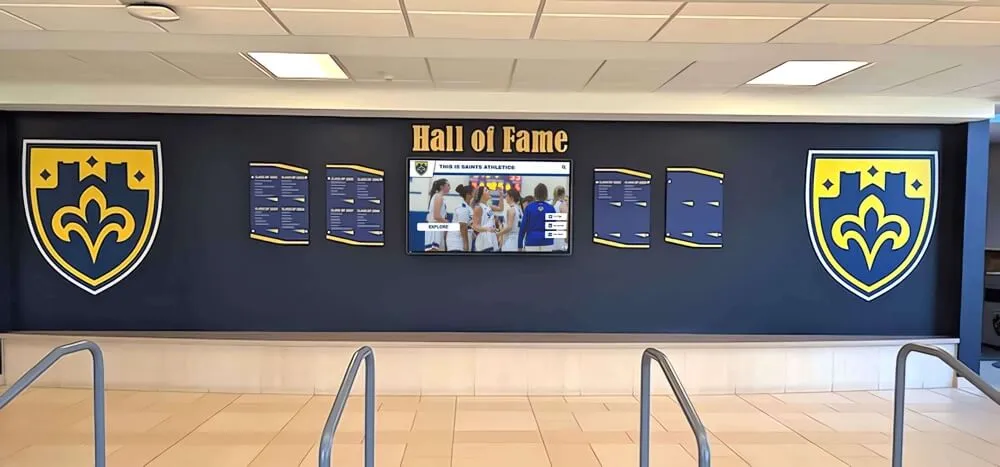
Students engaging with interactive academic recognition displays develop stronger connections to their institution's legacy and a clearer sense of the excellence they're working toward
Salutatorian Recognition and Alumni Engagement
The salutatorian honor doesn’t expire at graduation. For institutions building meaningful alumni relationships, academic honorees represent a natural point of connection — accomplished individuals whose achievement was publicly celebrated by the school and who carry a tangible link to the institution throughout their careers.
Why Academic Honorees Make Strong Alumni Ambassadors
Students who earned salutatorian or valedictorian status tend to go on to graduate and professional school at high rates, enter high-profile careers, and achieve the kinds of measurable post-graduation success that institutions can highlight in recruiting and communications. Maintaining connection to these alumni creates mutual value: the alumni get recognition for career achievements, and the institution can feature their stories as examples of what academic excellence at their school produces.
The ROI of digital alumni recognition programs is well-documented: institutions that systematically recognize and engage alumni — including academic honorees — build stronger giving relationships, more active mentorship networks, and more engaged communities overall.
Featuring Salutatorians in Alumni Communications
Schools can incorporate salutatorian recognition into ongoing alumni communications:
Anniversary acknowledgments — reaching out to salutatorians at 5, 10, 25, and 50-year graduation anniversaries acknowledges continued connection to the institution and creates natural opportunities to update records with career achievements.
Alumni features in school publications — highlighting what previous salutatorians have accomplished since graduation provides current students with concrete examples of where academic excellence can lead.
Mentorship program connections — alumni who achieved academic honors can be particularly effective mentors for current high-achieving students, offering guidance on college selection, academic strategy, and professional development.
Reunion recognition — class reunion events that acknowledge the salutatorians from the graduating year reinforce the honor’s lasting significance and encourage alumni engagement with reunion programming.
Schools interested in how other institutions approach comprehensive legacy preservation can learn from how fraternities, sororities, and other organizations preserve institutional history — the documentation principles that make chapter histories meaningful apply equally well to school academic honor archives.
Building a Culture of Academic Excellence Around the Salutatorian Tradition
The salutatorian definition captures a moment — graduation, rank, recognition. But the deeper institutional purpose of the honor is to create a culture where academic excellence is pursued seriously and recognized meaningfully throughout the school experience, not just at the end.
Communicating the Honor Throughout the School Year
Schools that want the salutatorian tradition to genuinely motivate students need to make the honor visible throughout the school year — not just at graduation:
Hallway and lobby displays: Rotating digital displays that feature recent salutatorians and valedictorians give current students visible examples of what academic excellence at their school looks like. When a sophomore sees a recognizable name on an academic honor display, the honor becomes concrete and aspirational rather than abstract.
Academic events and ceremonies: Honor roll assemblies, NHS induction ceremonies, and academic achievement events that acknowledge academic leaders create ongoing public recognition for high-achieving students throughout their enrollment.
Classroom integration: Teachers who acknowledge the tradition — referencing alumni salutatorians who went on to careers connected to their subject area — make the honor feel relevant to daily academic work rather than a distant administrative designation.
Family communications: Proactively communicating with families of academic high achievers throughout their enrollment — acknowledging honor roll placement, academic award recognition, and approaching eligibility for top honors — keeps families engaged and invested in the student’s academic trajectory.
Year-Round Recognition Programs Supporting Academic Excellence
The salutatorian and valedictorian honors exist within a larger recognition ecosystem. Schools with strong academic cultures use layered recognition programs throughout the school year:
- Quarterly honor roll recognition with certificate and public acknowledgment
- Subject-specific departmental awards each semester
- Academic competition achievement recognition
- Monthly academic achievement spotlights on school digital displays
- Senior recognition events that celebrate cumulative academic achievement before graduation
These programs signal throughout the school year that academic achievement is noticed, valued, and celebrated — creating the culture in which a student motivated to earn salutatorian status has sustained encouragement throughout the journey.
Schools looking at comprehensive academic recognition programs across multiple levels find that layered recognition — celebrating many students consistently throughout the year — amplifies the impact of pinnacle honors like salutatorian by establishing a culture where recognition of achievement is the norm rather than the exception.
Frequently Asked Questions About the Salutatorian Definition
What is the salutatorian definition in simple terms? The salutatorian is the student who graduates with the second-highest academic rank in a graduating class. The designation traditionally included the right to deliver the salutatory address — the opening speech — at commencement, though schools handle the ceremonial component differently today.
What is the difference between salutatorian and valedictorian? The valedictorian holds the highest academic rank (first in class); the salutatorian holds the second-highest rank. Both honors recognize outstanding academic achievement. The valedictorian typically delivers the final student speech at commencement; the salutatorian traditionally speaks earlier in the program.
How is salutatorian determined? Most schools determine salutatorian based on cumulative grade point average, calculated over the student’s full enrollment. Whether the GPA is weighted (assigning higher values to honors and AP courses) or unweighted (treating all courses equally) varies by institution. Enrollment duration requirements and course credit minimums may also apply.
Can there be co-salutatorians? Yes. When two or more students have identical cumulative GPAs, some schools recognize both as co-salutatorians. Others use secondary criteria to break ties. Tie policies vary significantly by institution.
Does the salutatorian have to give a speech? Not necessarily. While the traditional role includes a salutatory address, many schools have modified their commencement formats. Some salutatorians give full speeches; others deliver brief welcoming remarks; some schools recognize the honor without requiring a formal speech component.
Is the salutatorian honor recognized permanently? It can and should be. Schools with strong academic recognition programs document salutatorians in permanent displays — physical plaques, honor walls, and increasingly digital recognition systems that archive every year’s honorees with photographs and academic details. These records remain accessible long after the graduation ceremony, building a historical record of academic excellence at the institution.
What GPA is typically needed to be a salutatorian? There is no universal GPA threshold. In a highly competitive graduating class, both the salutatorian and valedictorian might have GPAs very close to 4.0 (or above, on weighted scales). In smaller or less competitive classes, the GPA needed to rank second may be lower. The salutatorian is whoever ranks second — which means the qualifying GPA depends entirely on the class’s overall academic distribution.
Do colleges view salutatorian status favorably? Yes. College admissions processes consider class rank and academic honor designations as evidence of sustained achievement and intellectual capability. Salutatorian status signals that a student ranked second across multiple years of academic work — a meaningful distinction that admissions readers understand and value.

Interactive recognition displays in hallways and lobbies make academic honors accessible to visitors, prospective students, and returning alumni — turning recognition from a moment into a permanent presence
How Rocket Alumni Solutions Supports Academic Honor Recognition
Schools and universities serious about preserving salutatorian and valedictorian recognition as part of a lasting institutional legacy are choosing interactive digital recognition systems that serve academic honors alongside athletic achievements and alumni history.
Rocket Alumni Solutions builds touchscreen digital wall of fame systems specifically designed for educational institutions — systems that accommodate academic honor archives with the same depth and permanence they provide for athletic records.
A Rocket system installed in a school’s main lobby or academic hallway can display:
- Year-by-year salutatorian and valedictorian profiles with photographs, GPA details, and academic achievements
- Searchable academic honor archives covering every graduating year in the institution’s history
- Current academic recognition updated throughout the school year as honors are awarded
- Alumni career achievement updates connecting past academic honors to present professional accomplishments
- Cross-program recognition combining academic, athletic, performing arts, and community service honors in a unified display
The cloud-based content management system allows designated staff to update records remotely — adding new salutatorians each June, updating alumni profiles when career achievements warrant recognition, and publishing multimedia content without any technical expertise required.
Understanding what a digital hall of fame actually is helps schools recognize why this technology is increasingly the preferred approach for academic honor preservation: it eliminates the space constraints, maintenance burden, and content limitations of traditional physical displays while creating a more engaging, searchable, and updatable record than static plaques can provide.
Conclusion: The Salutatorian Definition in a Lasting Institutional Context
The salutatorian definition — the student ranking second in the graduating class, honored with one of an institution’s highest academic designations — captures a moment of extraordinary achievement. But the meaning of the honor extends well beyond the moment.
For students working toward it, the salutatorian designation represents a concrete goal that motivates sustained academic effort across multiple years. For families, it is a public acknowledgment of their student’s commitment and achievement. For schools, it is both a tradition and a signal about institutional values — a declaration that academic excellence is recognized, celebrated, and remembered.
How schools choose to preserve and display the salutatorian honor reflects how seriously they take that commitment. A name on a wall plaque, visible in the hallway every day. A searchable digital profile accessible to alumni decades after graduation. A tradition communicated to current students throughout their enrollment. These are the choices that determine whether the salutatorian honor functions as a meaningful institutional tradition or a brief ceremonial moment.
Schools that build strong academic recognition infrastructure — combining the ceremony’s public moment with permanent display, accessible archives, and ongoing alumni engagement — transform the salutatorian designation from a graduation footnote into a lasting element of institutional identity.
Preserve Your Academic Honorees With a Digital Wall of Fame
Interactive touchscreen recognition systems let schools create permanent, searchable archives of salutatorians, valedictorians, and all academic honorees — with photographs, profiles, and achievement details that remain accessible and engaging for students, families, and alumni year after year.
Explore Digital Academic Recognition Solutions