Soccer Goalie Training: Drills, Footwork, and Mental Game Essentials
- Home /
- Digital Wall of Fame Blog - Recognition Display Insights & Resources /
- Soccer Goalie Training: Drills, Footwork, and Mental Game Essentials
The Easiest Touchscreen Solution




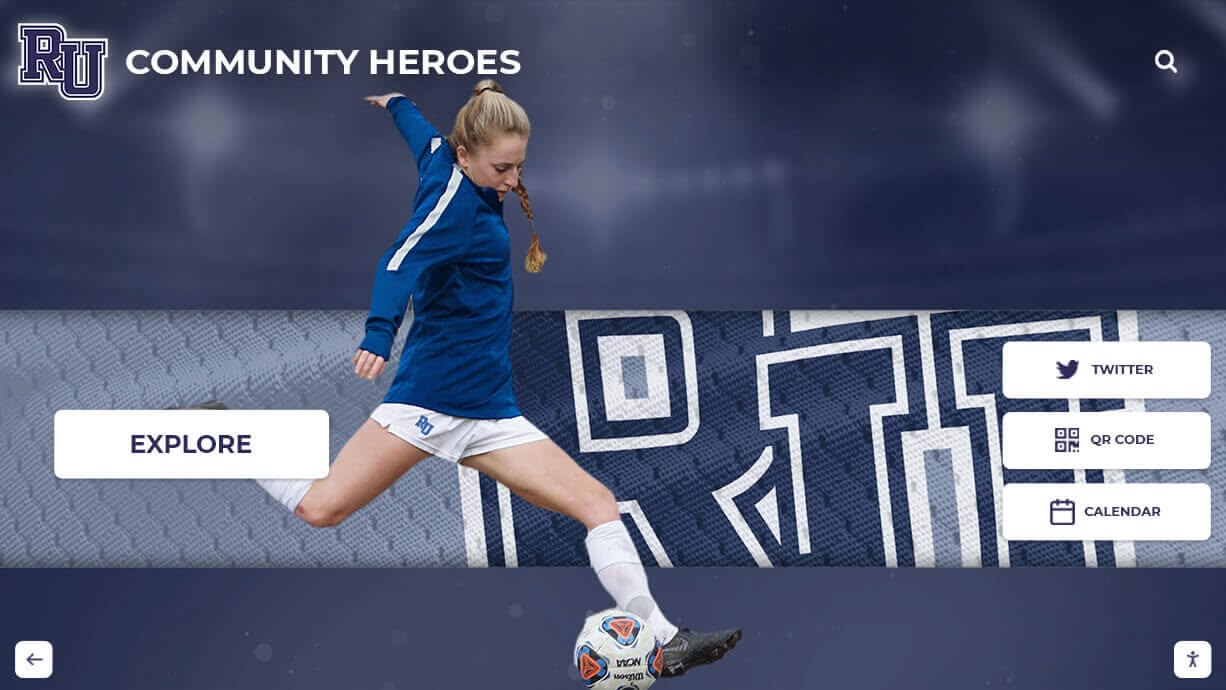
Live Example: Rocket Alumni Solutions Touchscreen Display
Interact with a live example (16:9 scaled 1920x1080 display). All content is automatically responsive to all screen sizes and orientations.
The goalkeeper position demands a unique combination of physical agility, technical precision, and unshakeable mental fortitude. While field players practice in groups, goalkeepers often train separately, mastering specialized skills that determine whether their team wins championships or watches opportunities slip away. Effective soccer goalie training transforms athletic potential into match-winning saves, confident decision-making, and the leadership presence that defines elite keepers.
Coaches and athletic directors recognize that goalkeeper development requires structured, progressive training addressing shot-stopping technique, footwork fundamentals, distribution accuracy, and the psychological resilience needed when a single mistake can change game outcomes. The difference between goalkeepers who advance to competitive select teams and college programs versus those who plateau often comes down to consistent, purposeful training that builds both technical skills and mental toughness.
This comprehensive guide provides proven soccer goalie training drills, footwork exercises, and mental game strategies organized into a practical weekly training framework. Whether developing youth goalkeepers learning fundamentals or refining high school keepers preparing for college recruitment, you’ll discover structured approaches that build championship-caliber skills while fostering the confidence and composure that separate good goalkeepers from great ones.
Goalkeeper excellence represents the culmination of dedicated training, and many successful programs recognize their standout keepers through prominent displays that celebrate shutout records, save percentages, and championship contributions.

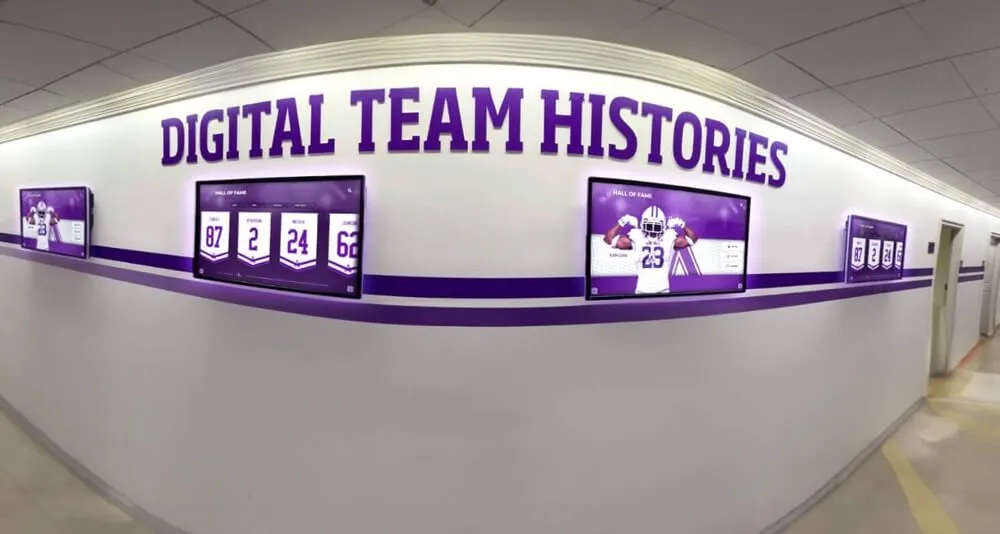
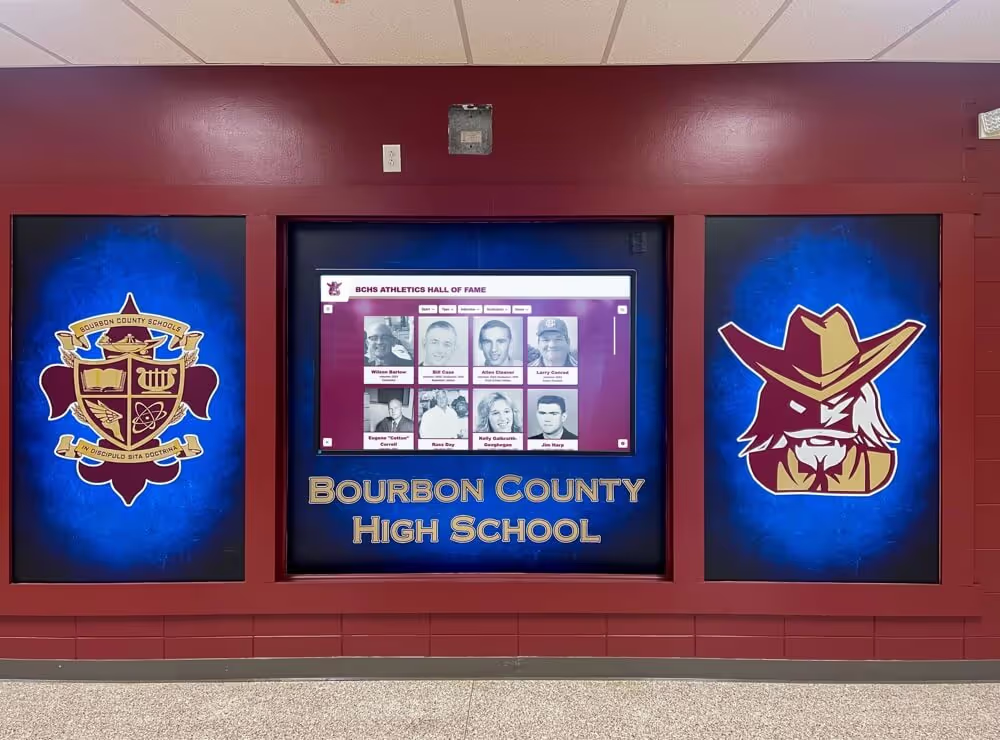
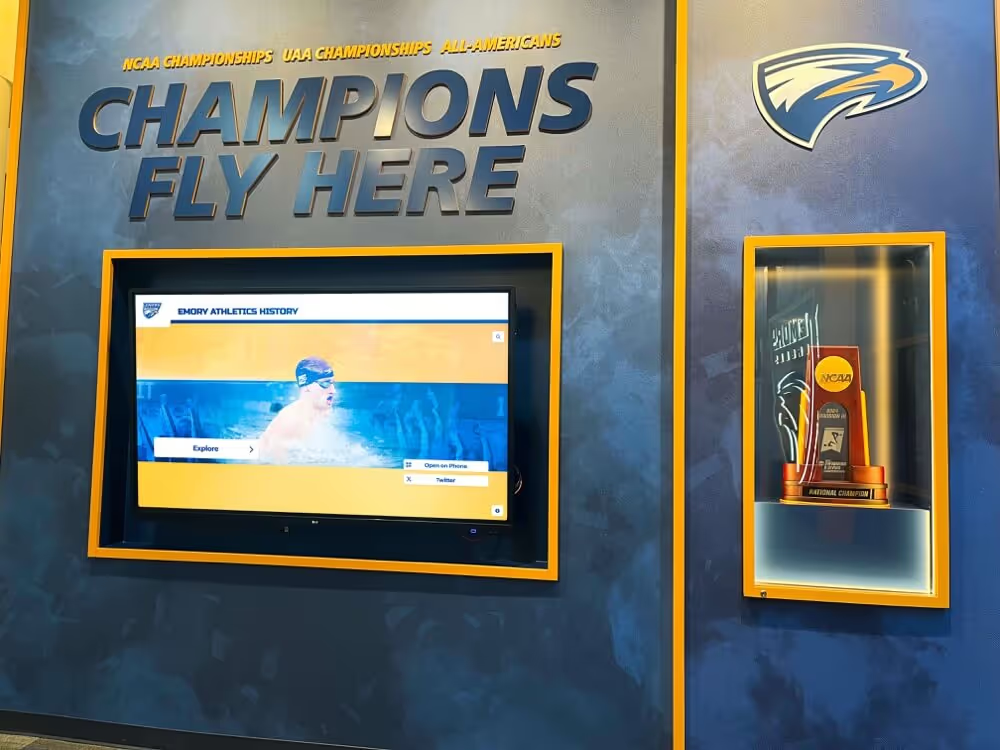
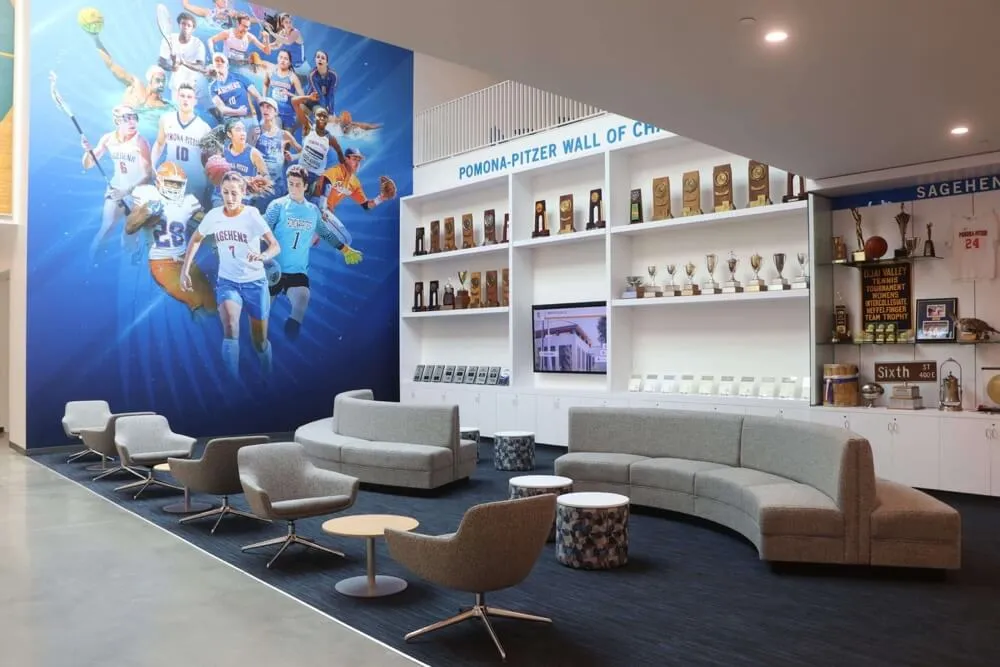
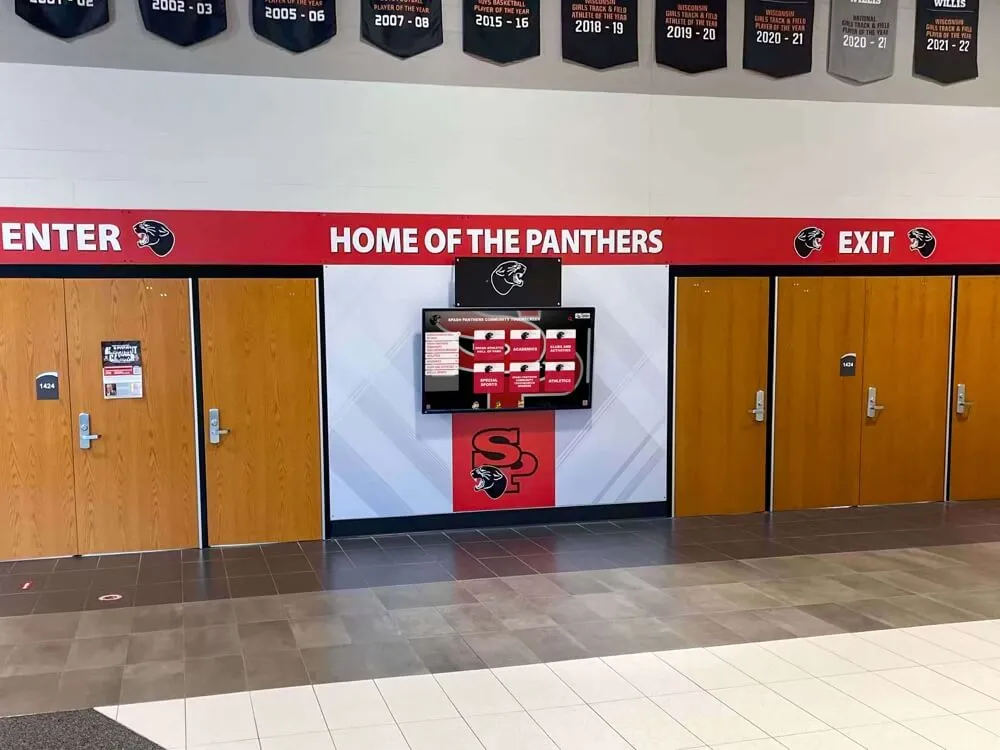
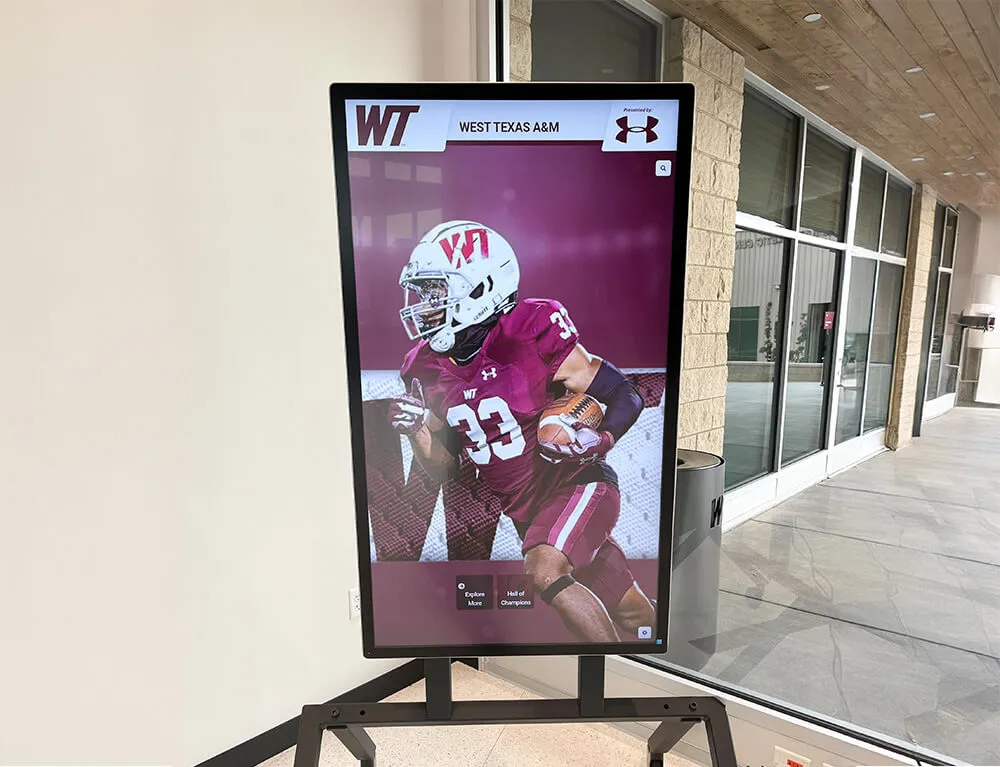
Championship soccer programs combine systematic goalkeeper training with recognition displays honoring defensive excellence and program achievements
Understanding the Complete Goalkeeper Skill Set
Before implementing specific training drills, recognizing the multifaceted nature of goalkeeper requirements helps coaches design comprehensive development programs addressing all performance dimensions.
Core Physical Skills Required
Shot-Stopping and Diving Technique
The most visible goalkeeper responsibility demands specific technical elements:
- Proper ready position with balanced weight distribution
- Explosive lateral movement from set position
- Correct diving form protecting body while maximizing reach
- Hand positioning for different shot types (palming, catching, deflecting)
- Recovery speed returning to ready position after save attempts
- Reaction training for close-range and deflected shots
Footwork and Positioning Fundamentals
Movement efficiency determines positioning success:
- Quick lateral shuffling maintaining balance and readiness
- Forward and backward movement adjusting to ball position
- Angle play cutting down shooter options
- Depth management in relation to goal line
- Cross-stepping for longer distances
- Split-step timing coordinating with shooter’s strike
Distribution and Ball Skills
Modern goalkeepers function as additional field players:
- Accurate throwing to targets at various distances
- Goal kick technique for distance and accuracy
- Punting when clearing danger quickly
- Ground distribution to initiate possession attacks
- First touch when receiving back passes
- Basic field player skills for playing out from back
Successful soccer programs often implement comprehensive athletic recognition systems celebrating both team achievements and individual goalkeeper excellence like career saves records and championship shutouts.
Mental and Tactical Dimensions
Decision-Making Under Pressure
Cognitive skills separating elite goalkeepers:
- Reading shooter body language predicting shot direction
- When to come off line versus holding position
- Choosing appropriate save technique for situation
- Communication directing defensive organization
- Risk assessment on 1v1 situations
- Game management understanding when to slow pace versus quick distribution
Mental Resilience and Focus
Psychological demands unique to goalkeeping:
- Maintaining concentration during long periods of inactivity
- Recovering quickly from mistakes or goals conceded
- Performing under pressure in critical moments
- Building confidence through preparation
- Visualization and pre-game mental routines
- Leadership presence inspiring defensive confidence

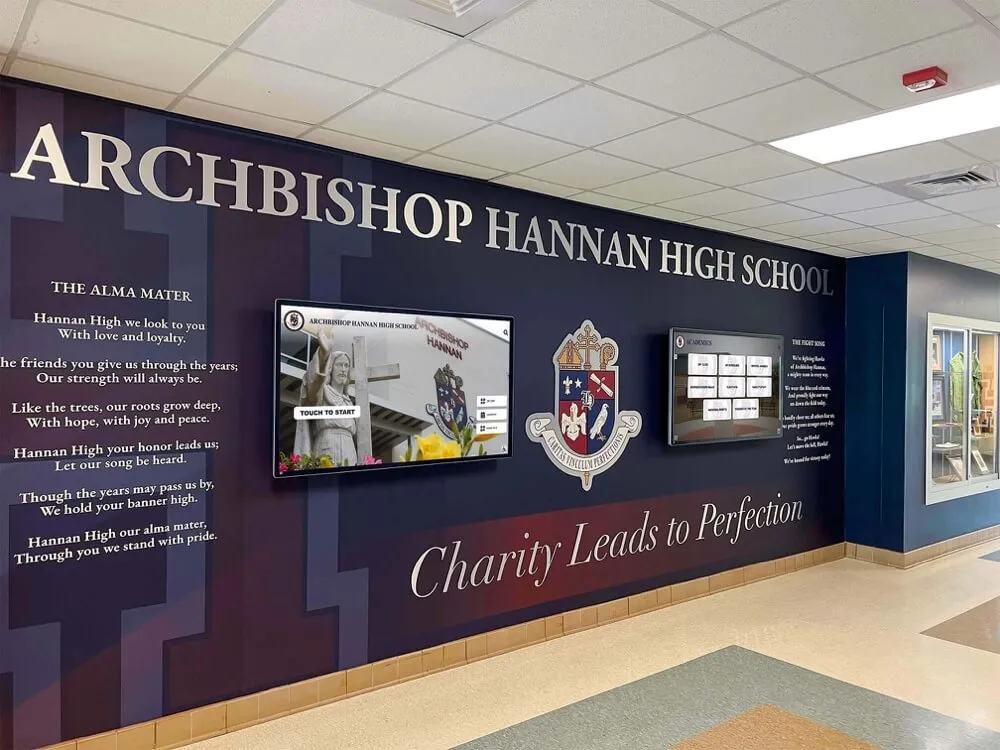
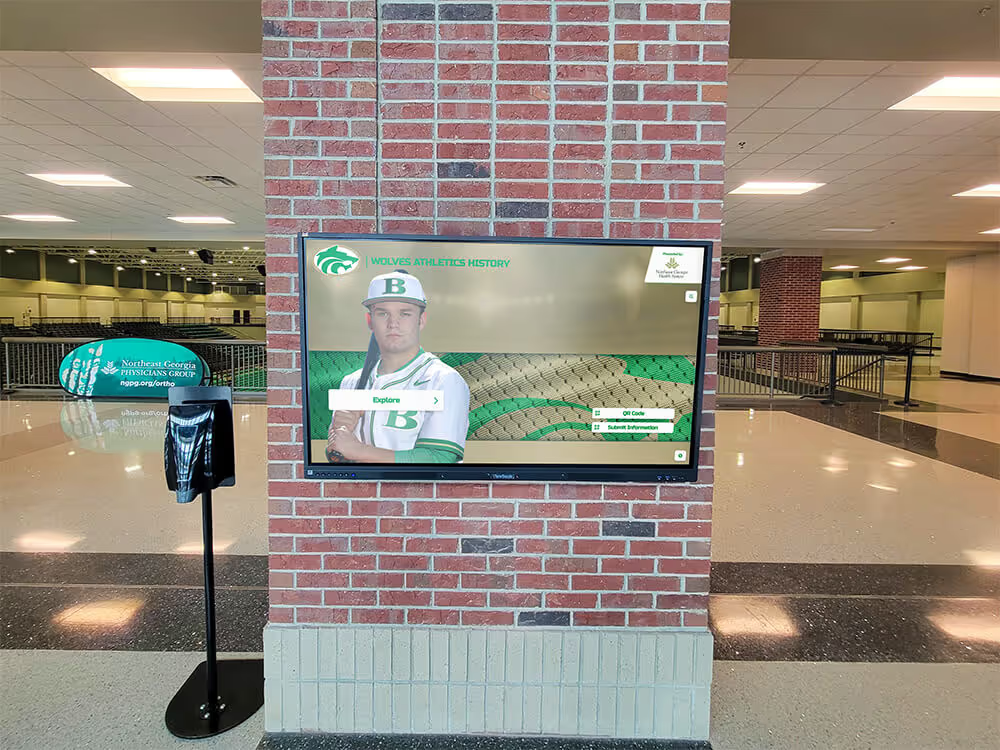
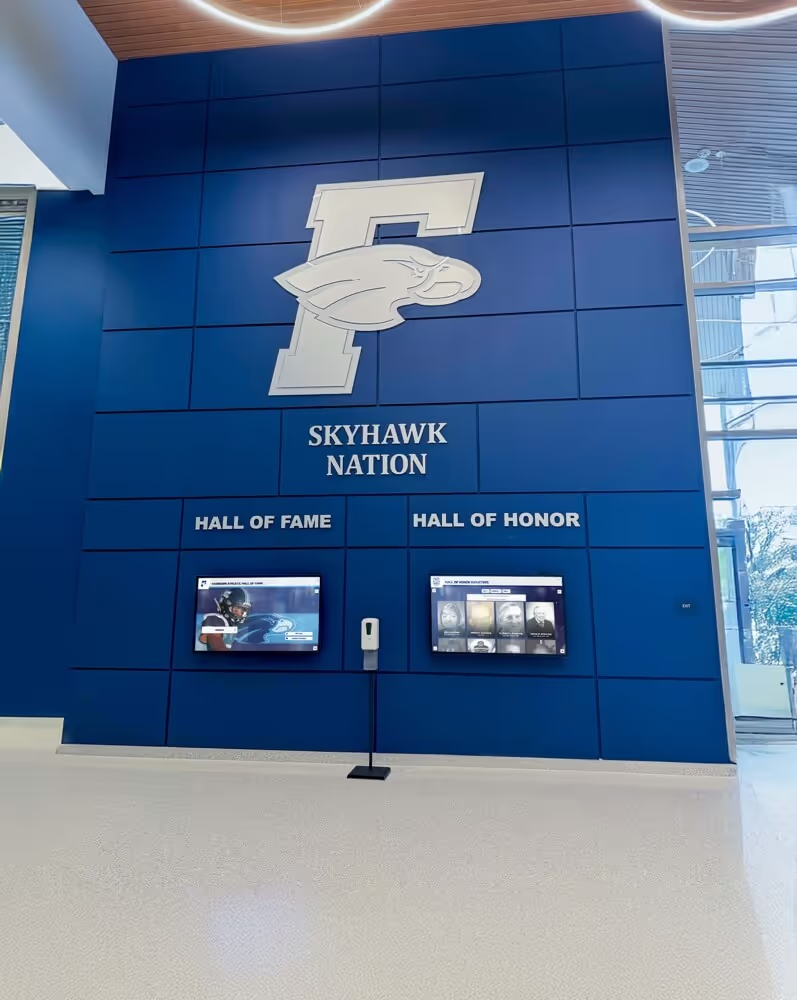
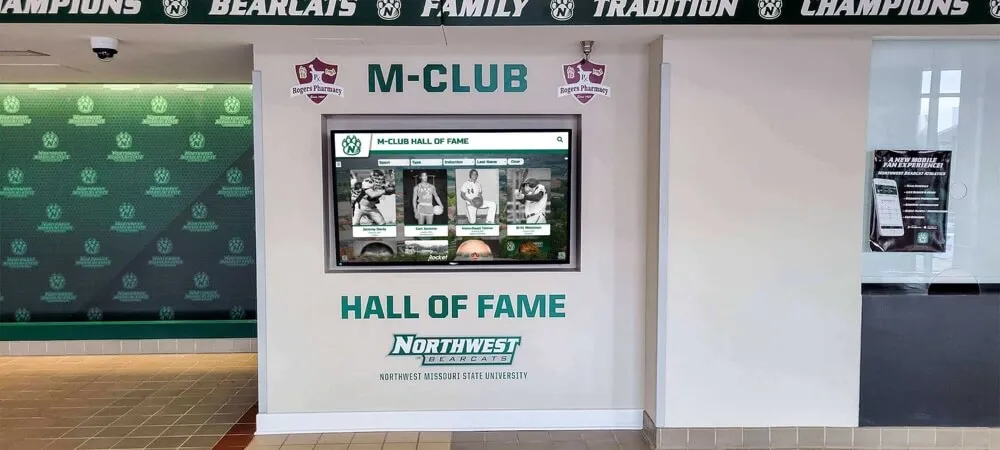
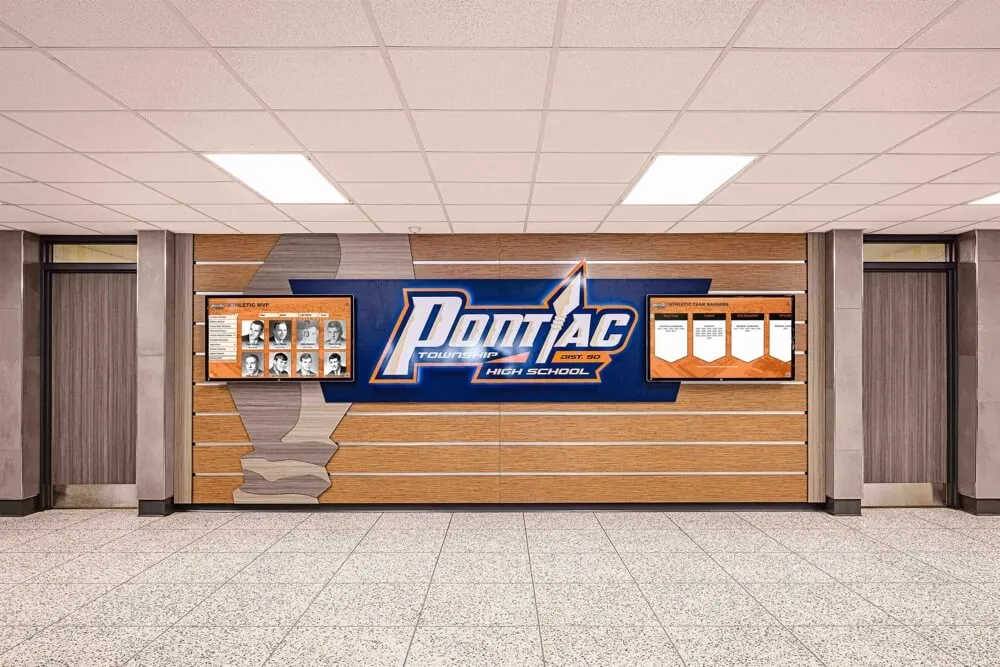
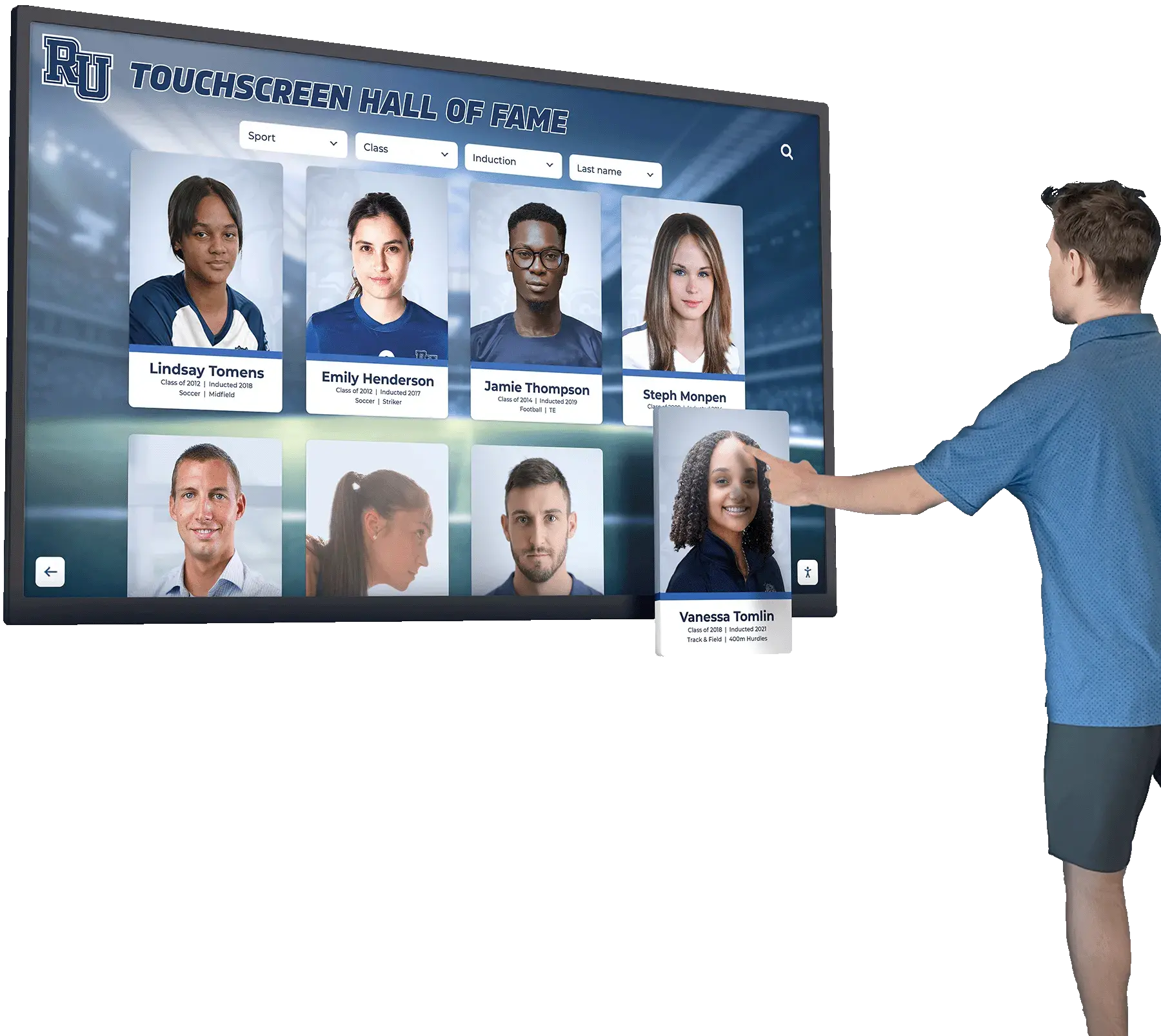
Modern athletic programs showcase goalkeeper achievements through interactive displays that inspire current players while honoring program history
Many championship soccer programs honor their defensive standouts through digital recognition displays celebrating goalkeeper records, senior night tributes, and all-conference selections.
Essential Goalkeeper Training Drills for Skill Development
Structured drill work targeting specific goalkeeper skills creates the foundation for game-day performance. These exercises progress from fundamental techniques to game-speed situations.
Shot-Stopping Drills
Positioning and Angle Work
Drill focusing on geometric principles of shot-stopping:
Setup: Cone markers at various positions around penalty area, feeder with supply of balls
Execution:
- Goalkeeper starts at goal line center
- Coach calls out cone position
- Keeper moves to proper angle cutting down shooting lanes
- Feeder strikes shot from designated cone
- Goalkeeper makes save and returns to starting position
- Repeat for 10-15 repetitions covering all angles
Key coaching points: Check proper depth from goal line, ensure balanced set position before shot, verify sightlines blocking near post
Close-Range Reaction Saves
Drill developing reflexes for deflections and point-blank situations:
Setup: Goalkeeper positioned centrally 6-8 yards from goal, feeder with multiple balls
Execution:
- Feeder strikes rapid succession of shots (one ball every 2-3 seconds)
- Goalkeeper makes save and immediately prepares for next shot
- Vary shot height and placement
- Continue for 20-30 second intervals
- Rest 60 seconds between sets
- Complete 4-6 sets
Progressions: Add second feeder for shots from different angles, reduce distance for advanced keepers, require specific save techniques (parry versus catch)
Diving Technique Progression
Systematic approach building proper diving mechanics:
Phase 1 - Ground work:
- Kneeling position practicing lateral collapse and hand positioning
- Focus on leading with hands, protecting body on landing
- 10 repetitions each side
Phase 2 - Standing near-post dives:
- Starting from post, dive to save balls placed 6-8 feet away
- Emphasize explosive push-off and extension
- 8 repetitions each side
Phase 3 - Game-speed diving from center:
- Shots from 16-18 yards requiring full diving range
- Keeper recovers and resets between attempts
- 6 repetitions each side
Footwork and Agility Drills
Ladder Drills for Quick Feet
Agility ladder exercises improving foot speed:
- Two-feet-in pattern: Forward movement, both feet in each box
- Icky shuffle: Lateral pattern with in-in-out footwork
- Crossover steps: Crossing feet while moving laterally
- High knees forward: Driving knees up through each box
- Backward two-in: Developing backward movement control
Complete each pattern 3-4 repetitions with 30-second rest between variations.
Cone Shuffles with Shot
Combining footwork with shot-stopping:
Setup: 3-5 cones spaced 5 feet apart, feeder positioned centrally
Execution:
- Goalkeeper shuffles laterally touching each cone
- At final cone, feeder strikes shot
- Keeper must set and make save
- Return shuffle to opposite side
- Repeat 8-10 times
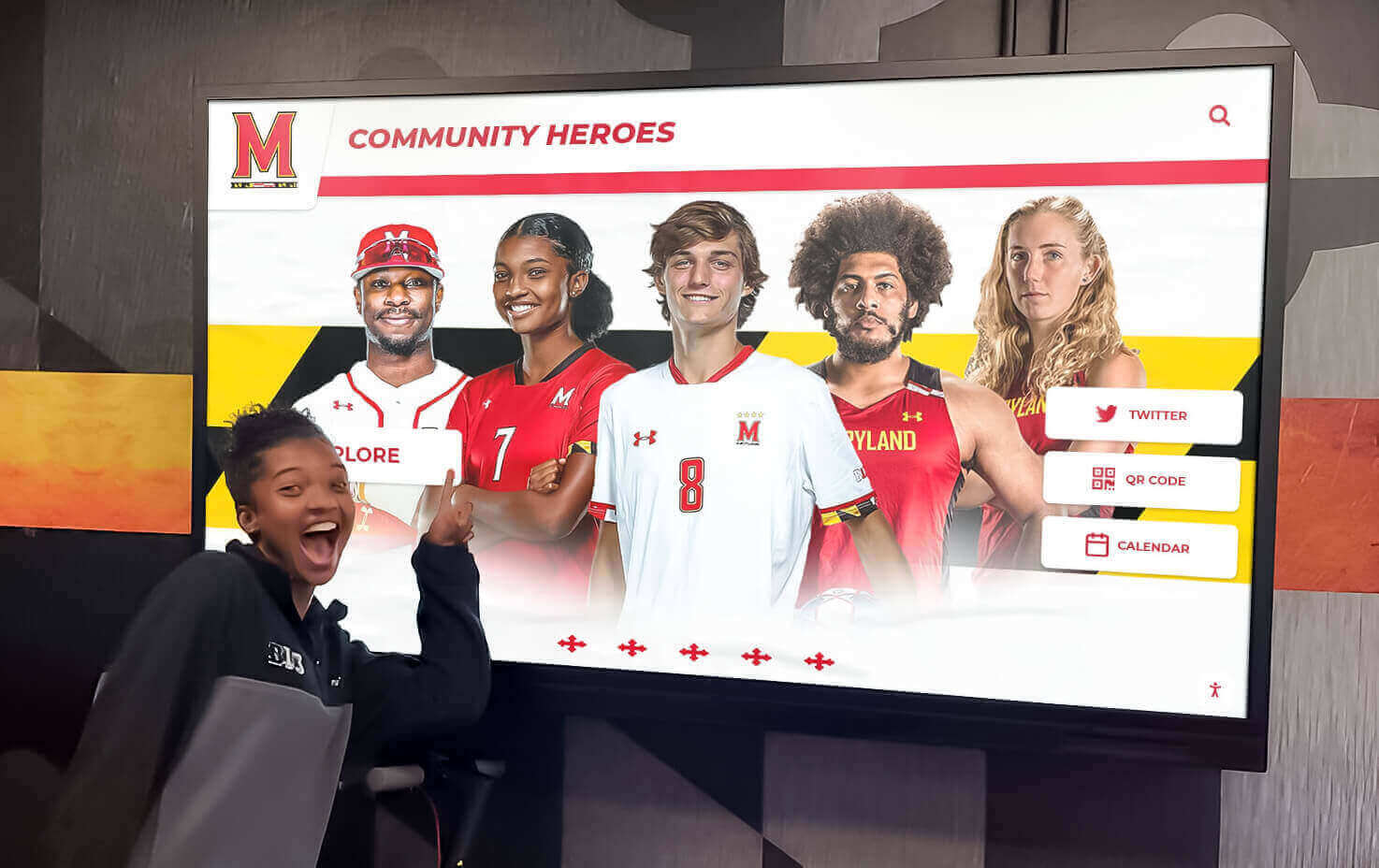
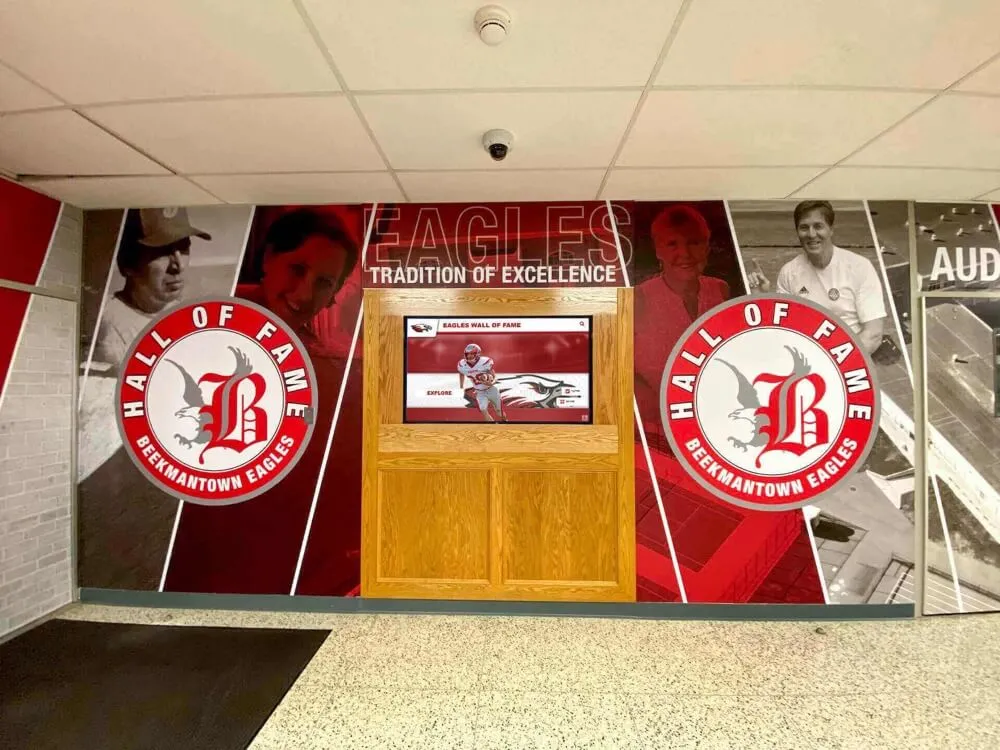
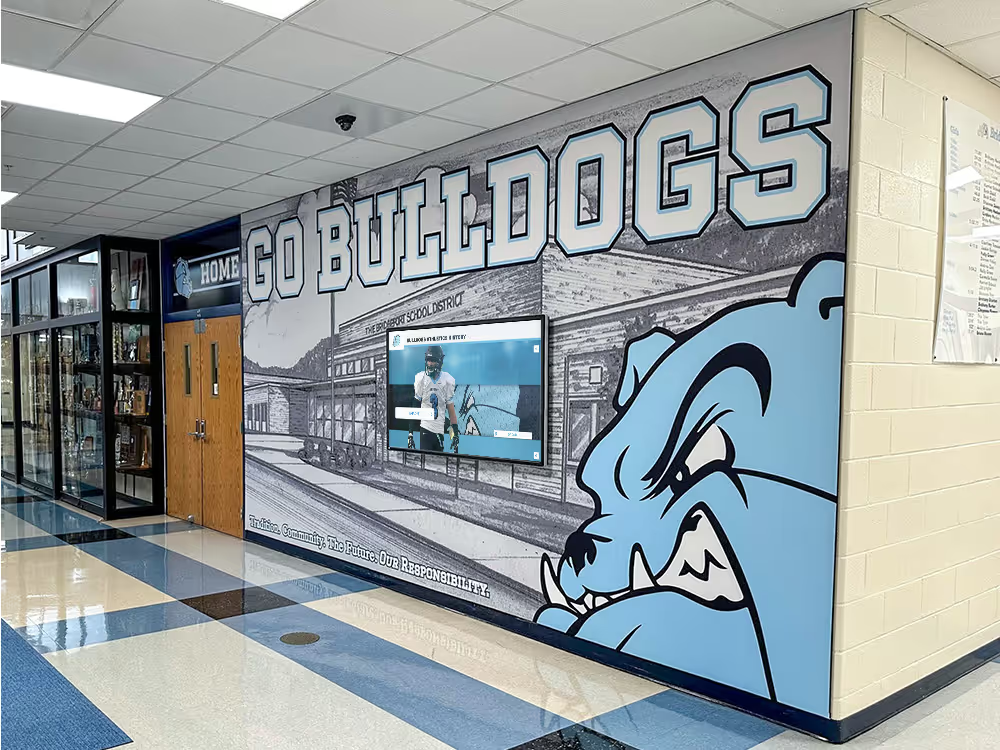
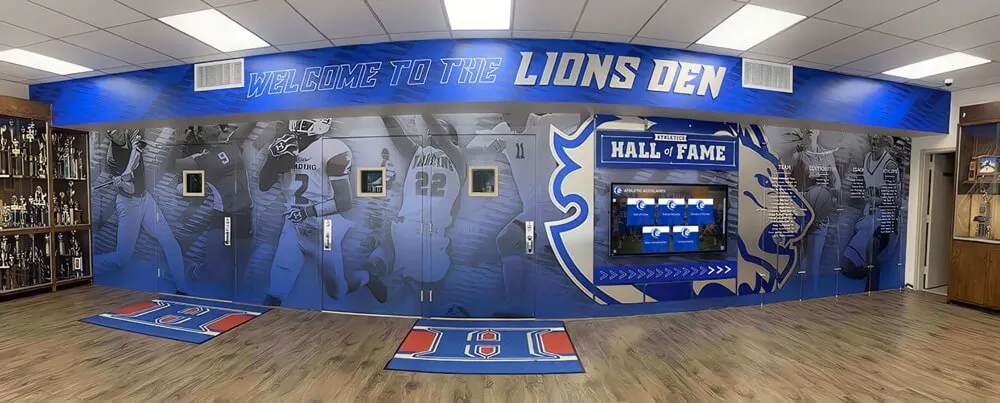
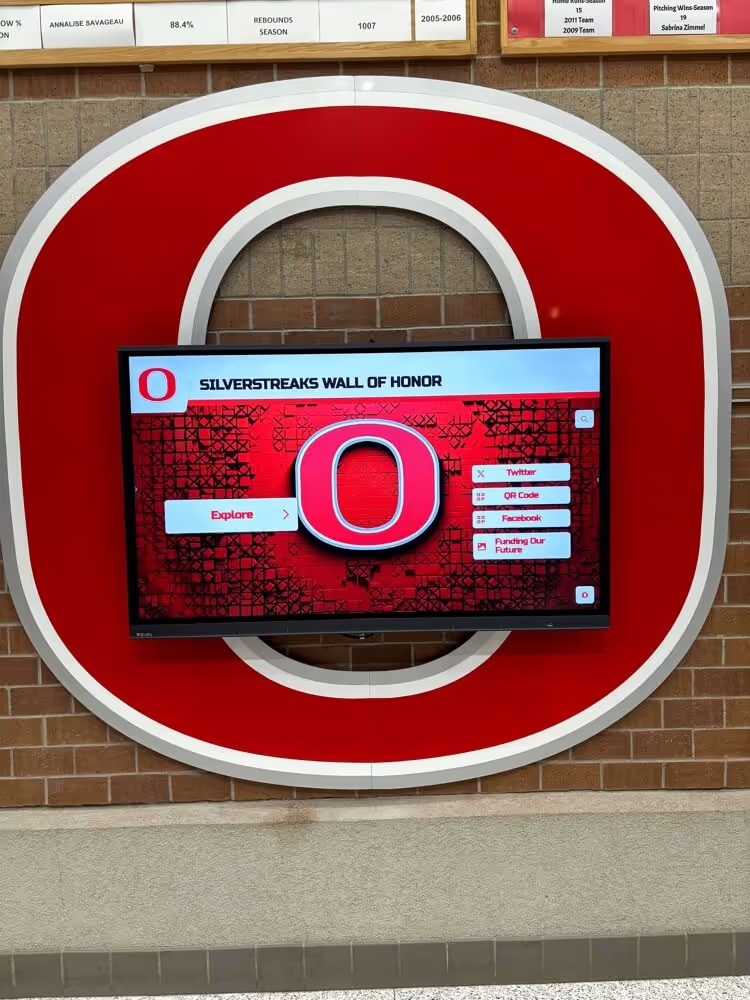
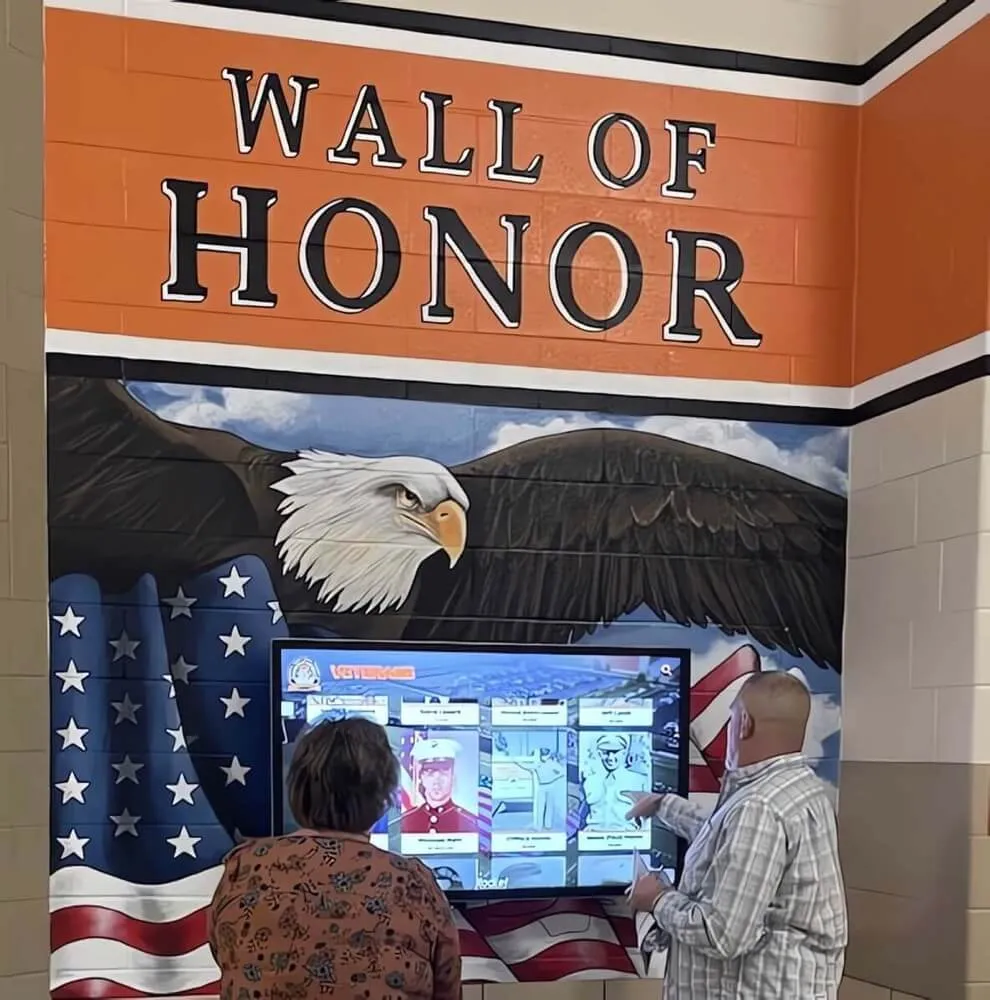
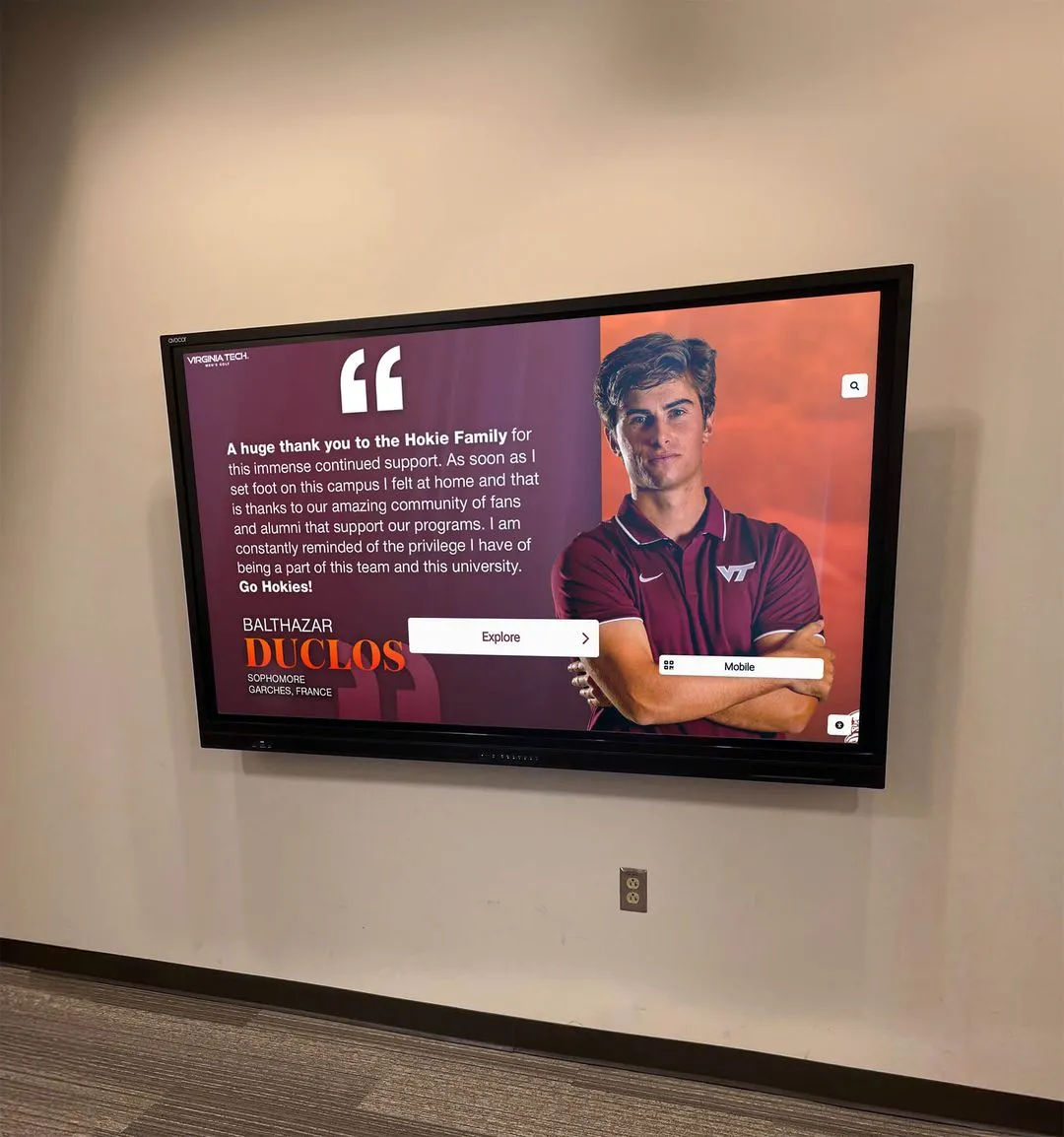
Interactive recognition displays engage teammates and inspire younger players by showcasing goalkeeper achievements and defensive records
Programs that invest in goalkeeper development often pair quality training with prominent athletic recognition celebrating save records, all-state honors, and players who advance to competitive programs.
Distribution and Technical Skills
Target Throwing Accuracy
Drill improving distribution precision:
Setup: Targets (cones or flags) placed at sideline positions 20, 30, and 40 yards from goal
Execution:
- Goalkeeper starts with ball at edge of goal area
- Throw to specified target using proper overhand technique
- Evaluate accuracy within 5-yard radius
- 5 throws to each target distance
- Track success rate to monitor improvement
Coaching emphasis: Hip rotation generating power, follow-through toward target, stepping into throw
Goal Kick Technique and Distance
Developing range and accuracy on dead-ball situations:
Setup: Targets in various positions 40-60 yards from goal
Execution:
- Proper ball placement and approach angle
- Contact through center of ball for distance
- Follow-through with lofted trajectory
- 10 repetitions to each target zone
- Track landing distance and accuracy
Progressions: Add pressure by timing repetitions, introduce game scenarios requiring specific distribution patterns
Playing Out from Back
Modern goalkeeper requirement for possession-based systems:
Setup: Defenders positioned for build-up play, pressure players creating realistic game situations
Execution:
- Goalkeeper receives ball from defender or dead-ball situation
- Make decision to distribute by hand, pass with feet, or play long
- Execute under pressure from approaching attacker
- Complete 15-20 repetitions with varying pressure levels
Weekly Training Plan for Goalkeeper Development
Structured programming ensures balanced development across all skill dimensions while allowing recovery between intense sessions.
Sample Week Structure
Monday - Technical Focus: Shot-Stopping
- 15 minutes: Dynamic warm-up with ball handling
- 20 minutes: Angle play and positioning work
- 20 minutes: Diving technique progression
- 15 minutes: Close-range reaction saves
- 10 minutes: Cool-down and flexibility
Tuesday - Footwork and Agility
- 15 minutes: Mobility and activation exercises
- 25 minutes: Ladder drills and cone patterns
- 20 minutes: Footwork combined with shots
- 15 minutes: Plyometric exercises for explosive power
- 10 minutes: Recovery stretching
Wednesday - Distribution and Ball Skills
- 15 minutes: Warm-up with passing exercises
- 20 minutes: Throwing accuracy drills
- 20 minutes: Goal kick technique
- 20 minutes: Playing out under pressure
- 10 minutes: Cool-down
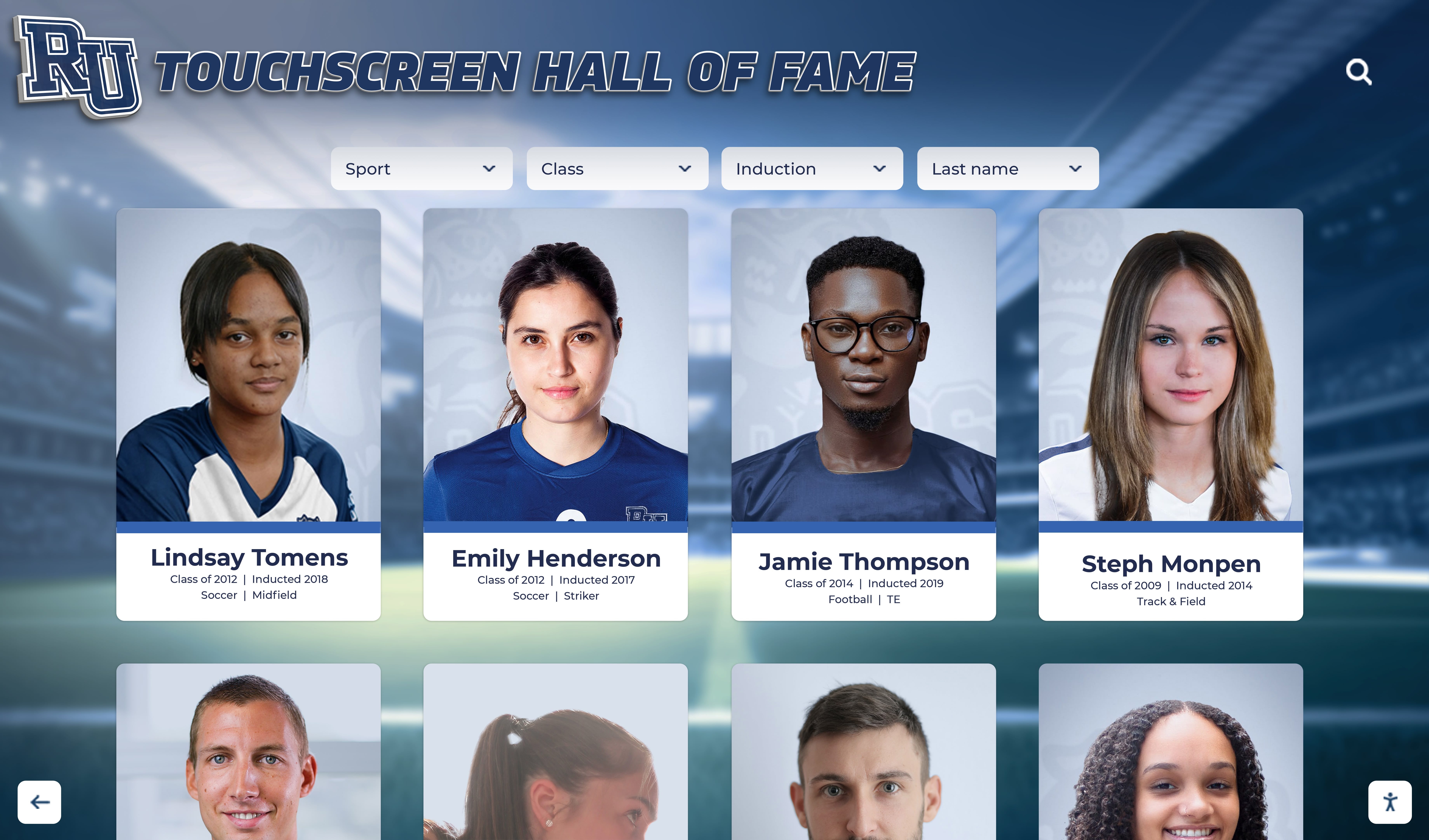
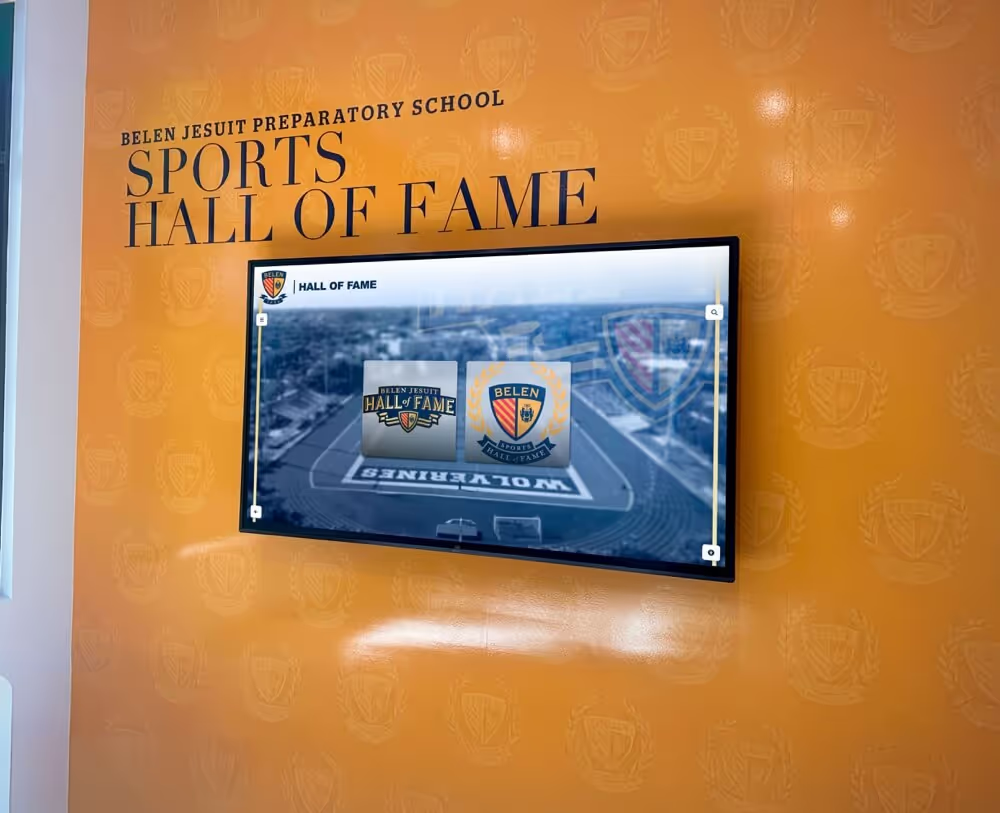
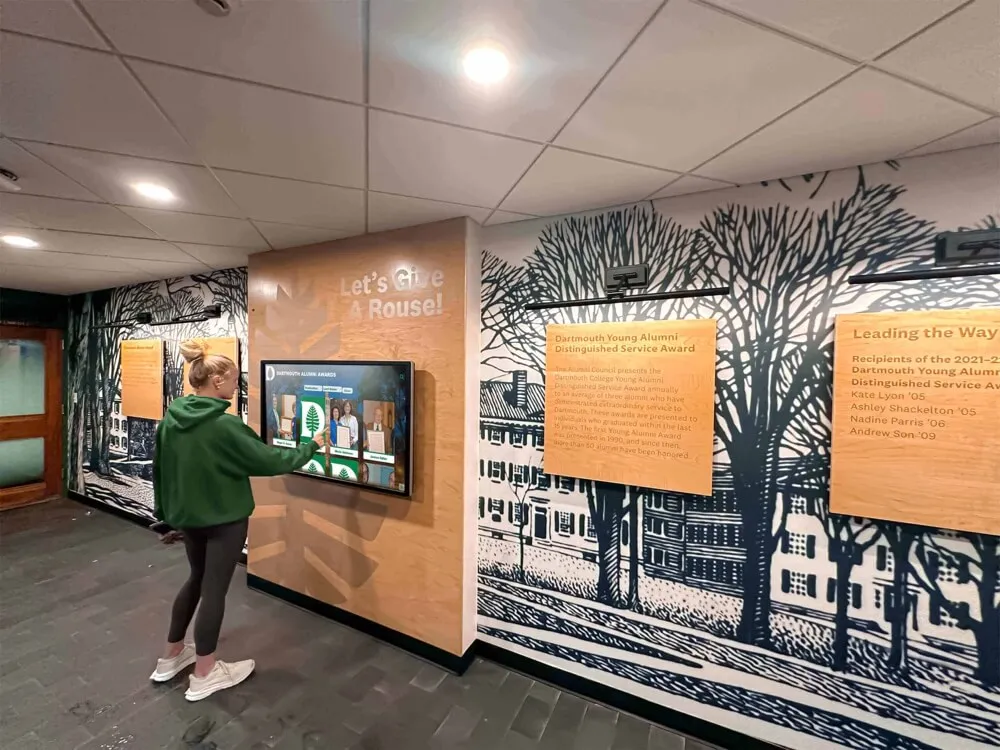
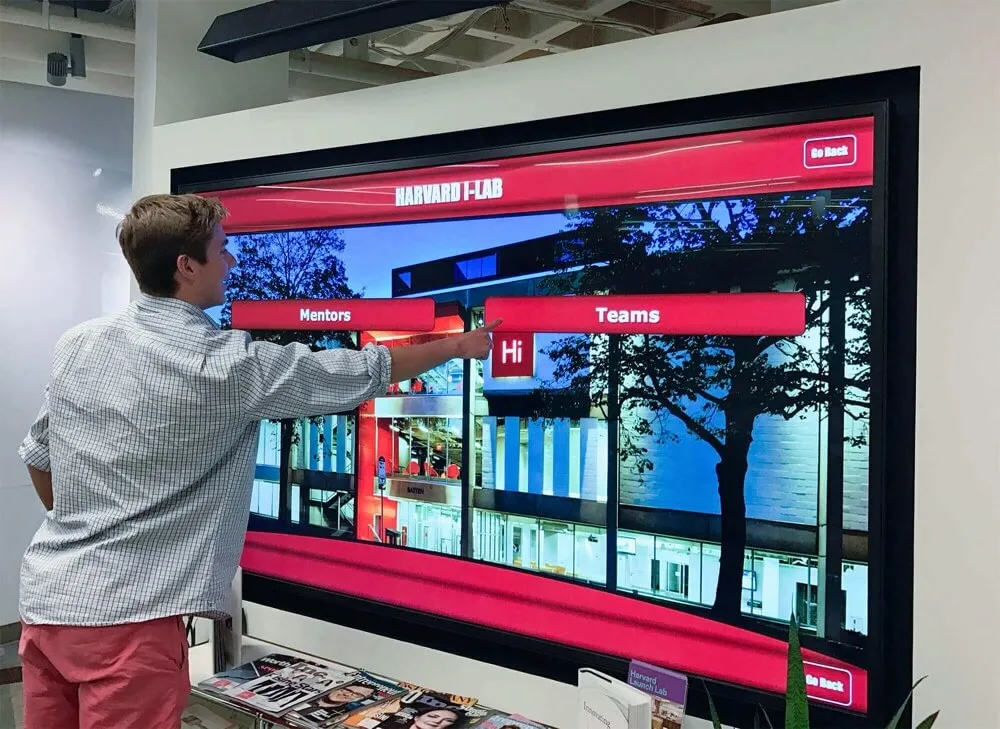
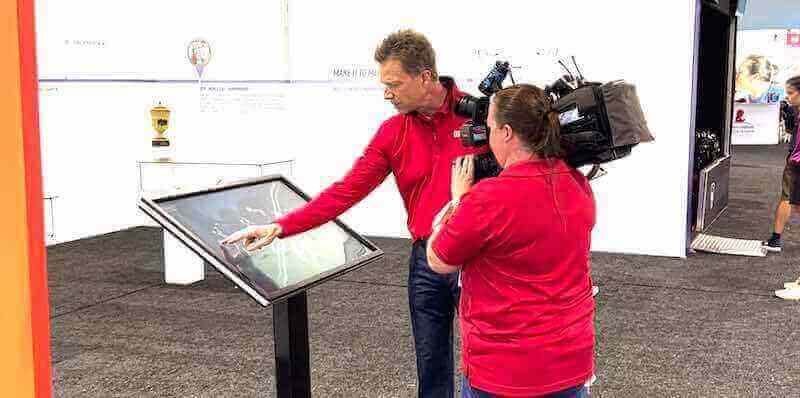
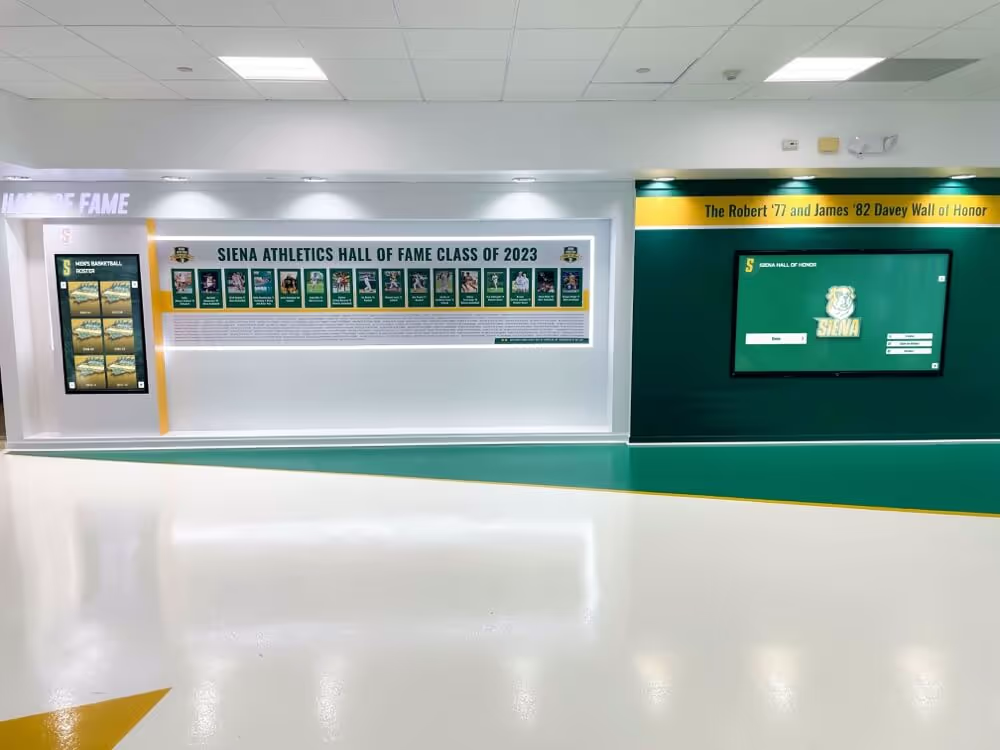
Championship programs showcase goalkeeper achievements alongside other athletic honors through modern interactive recognition systems
Thursday - Game Situations and Decision-Making
- 15 minutes: Dynamic warm-up
- 25 minutes: 1v1 situations and breakaway scenarios
- 20 minutes: Cross handling and high ball work
- 15 minutes: Communication drills with defenders
- 10 minutes: Cool-down
Friday - Light Technical and Mental Preparation
- 15 minutes: Low-intensity warm-up
- 20 minutes: Positioning review and technical refinement
- 15 minutes: Visualization and mental rehearsal
- 15 minutes: Light shot-stopping maintaining sharpness
- 10 minutes: Flexibility and recovery
Saturday - Match Day or Scrimmage
- Apply training in competitive environment
- Focus on decision-making and game management
- Mental composure under pressure
Sunday - Active Recovery or Rest
- Optional light activity (swimming, walking, yoga)
- Mental review of match performance
- Recovery nutrition and hydration
Many successful programs recognize their defensive leaders through senior night celebrations and permanent recognition displays honoring career achievements.
Mental Game Strategies for Goalkeeper Excellence
Technical skills provide the foundation, but mental preparation and psychological resilience often determine performance in critical moments.
Pre-Game Mental Routines
Visualization Techniques
Mental rehearsal improving confidence and preparation:
- Visualize common game scenarios (breakaways, crosses, high-pressure saves)
- Mentally rehearse successful technique execution
- Imagine maintaining composure after mistakes
- Picture communication with defenders
- See yourself making championship-winning saves
Dedicate 10-15 minutes before matches to structured visualization practice.
Confidence-Building Self-Talk
Positive internal dialogue counteracting pressure:
- Replace negative thoughts (“Don’t mess up”) with positive affirmations (“I’m prepared and ready”)
- Focus on controllable elements (positioning, communication, technique)
- Remind yourself of successful training repetitions
- Use physical cues (glove adjustments, deep breaths) to reset mentally
- Develop personal mantra reinforcing confidence
In-Game Mental Management
Concentration Strategies During Inactive Periods
Maintaining focus when action is distant:
- Monitor ball position and anticipated play development
- Continuously communicate with defenders
- Adjust positioning based on field dynamics
- Mental rehearsal of potential scenarios
- Physical movements maintaining readiness
Recovery Techniques After Conceding Goals
Psychological reset protocols preventing cascading mistakes:
- Immediate response (first 10 seconds): Deep breath, physical reset (adjust gloves, touch posts)
- Quick analysis (next 20 seconds): Identify what happened without dwelling, determine if adjustment needed
- Forward focus (remaining time): Shift attention to next play, remind yourself of preparation
- Team leadership: Project confidence to defensive unit
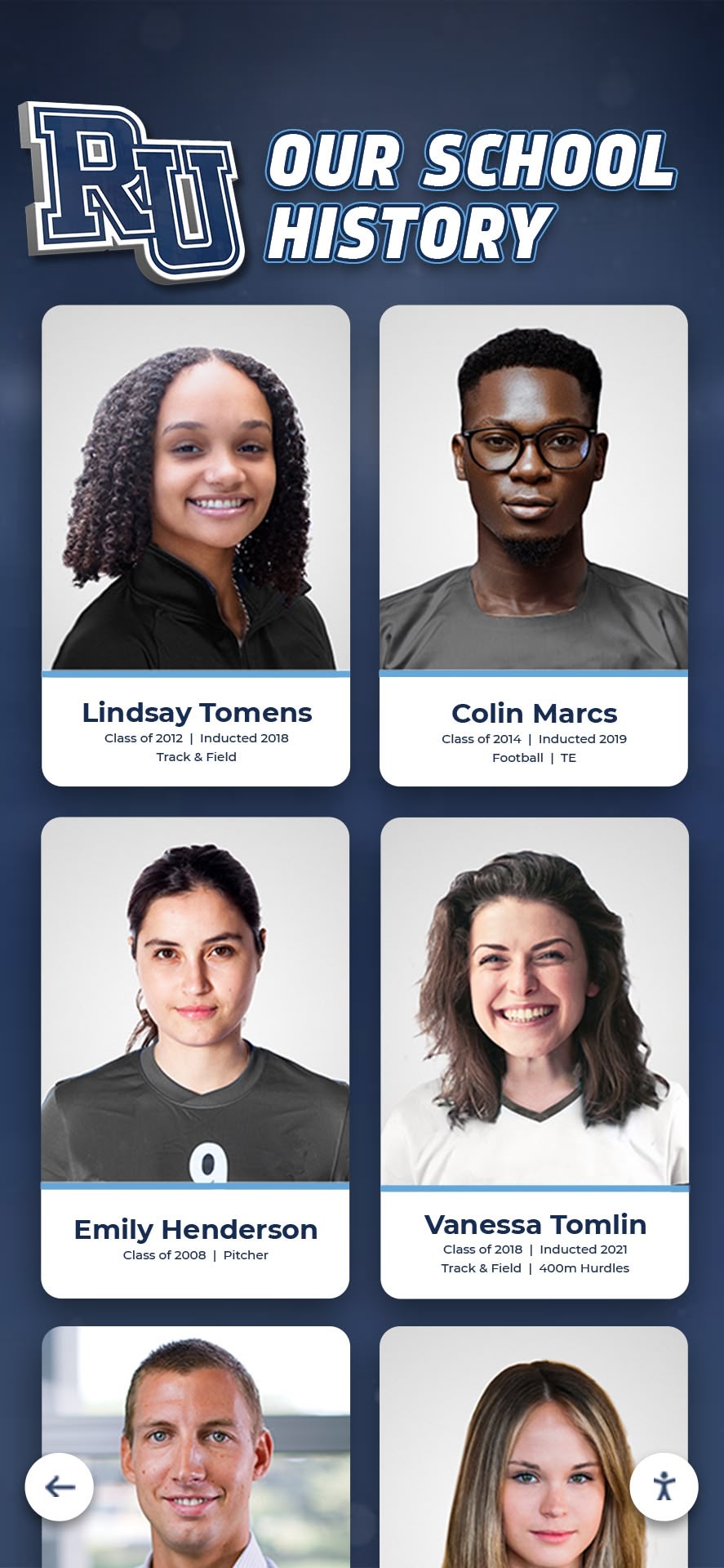
Programs document goalkeeper achievements through historical displays connecting current keepers to program legacy and inspiring continued excellence
Building Long-Term Mental Resilience
Learning from Mistakes Without Dwelling
Growth-oriented approach to errors:
- Review mistakes technically, not emotionally
- Identify specific adjustments for similar situations
- Separate single-game performance from self-worth
- Focus on improvement trends over time
- Seek coach feedback for constructive development
Developing Leadership Presence
Goalkeeper as defensive commander:
- Practice clear, concise communication during training
- Organize defensive shape proactively
- Celebrate teammate successes vocally
- Take responsibility when appropriate
- Project confidence even when feeling pressure
Elite programs often recognize goalkeeper leadership through team awards honoring most valuable defensive player, leadership awards, and permanent hall of fame recognition.
Age-Appropriate Training Considerations
Goalkeeper development should match athlete age and experience level, with progressions building foundational skills before advancing to complex techniques.
Youth Goalkeepers (Ages 8-12)
Training Priorities
Focus on fundamental movement patterns and building enjoyment:
- Basic catching technique with appropriate ball sizes
- Footwork fundamentals through games and activities
- Positioning concepts through simplified scenarios
- Building confidence through achievable success
- Fundamental diving technique on soft surfaces
- Positive reinforcement and skill progression
Session Structure
Shorter, varied activities maintaining engagement:
- 30-40 minute sessions maximum
- 5-minute activities with frequent changes
- Game-based learning whenever possible
- Emphasis on fun and experimentation
- Limited repetitive drilling
- Frequent water breaks and recovery
High School Goalkeepers (Ages 14-18)
Advanced Training Components
Building competitive readiness and college preparation:
- Sport-specific strength and conditioning programs
- Game-speed repetitions and pressure situations
- Advanced tactical understanding
- Video analysis of performance
- Specialized goalkeeper coaching sessions
- Mental training integration
- Recruiting exposure for college-bound athletes
Intensity and Volume
Increased training capacity supporting competitive demands:
- 60-90 minute focused sessions
- Higher repetition counts with quality maintenance
- Position-specific strength training 2-3x weekly
- Recovery protocols preventing overtraining
- Performance tracking and goal setting
- College recruitment preparation
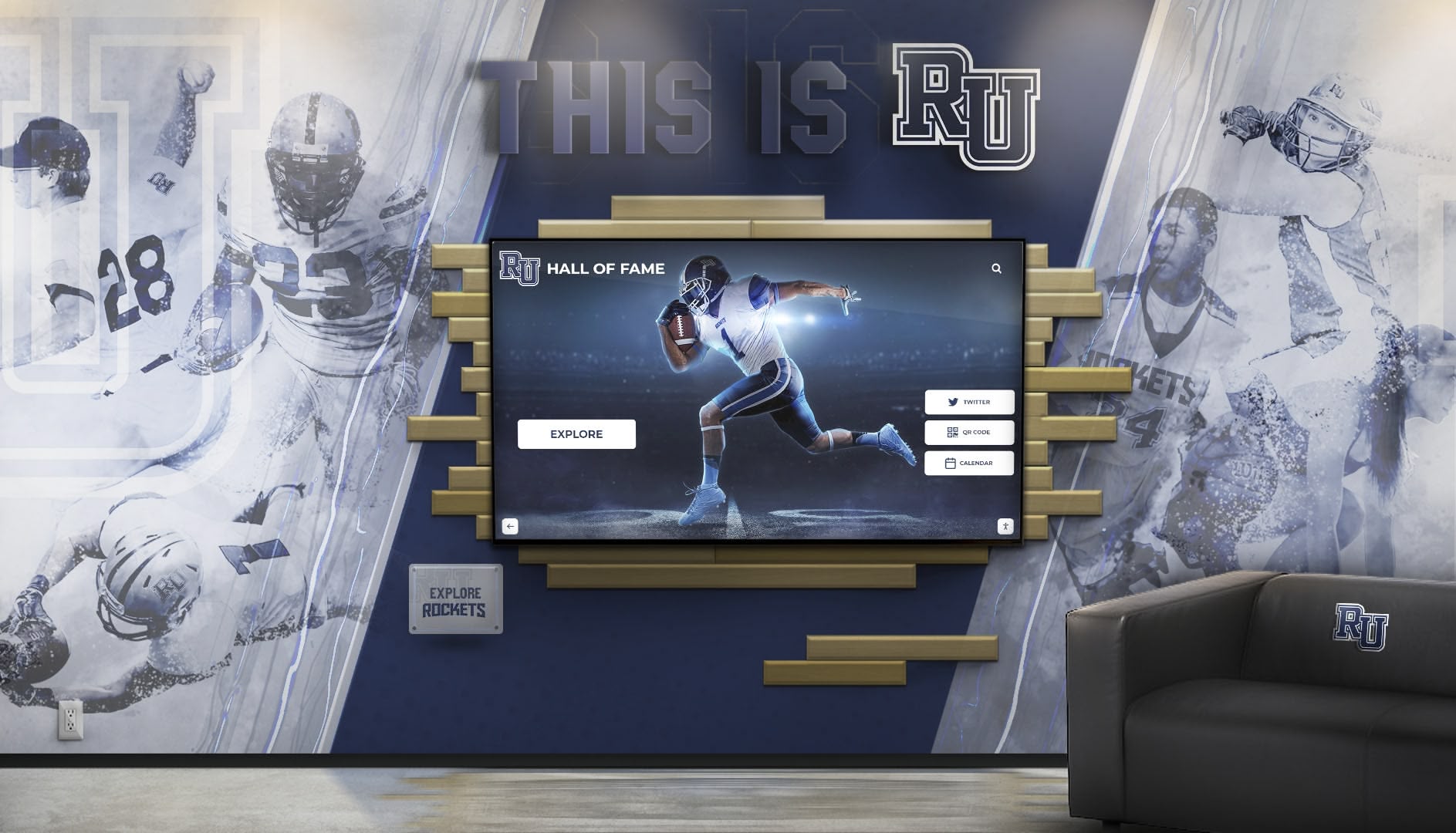
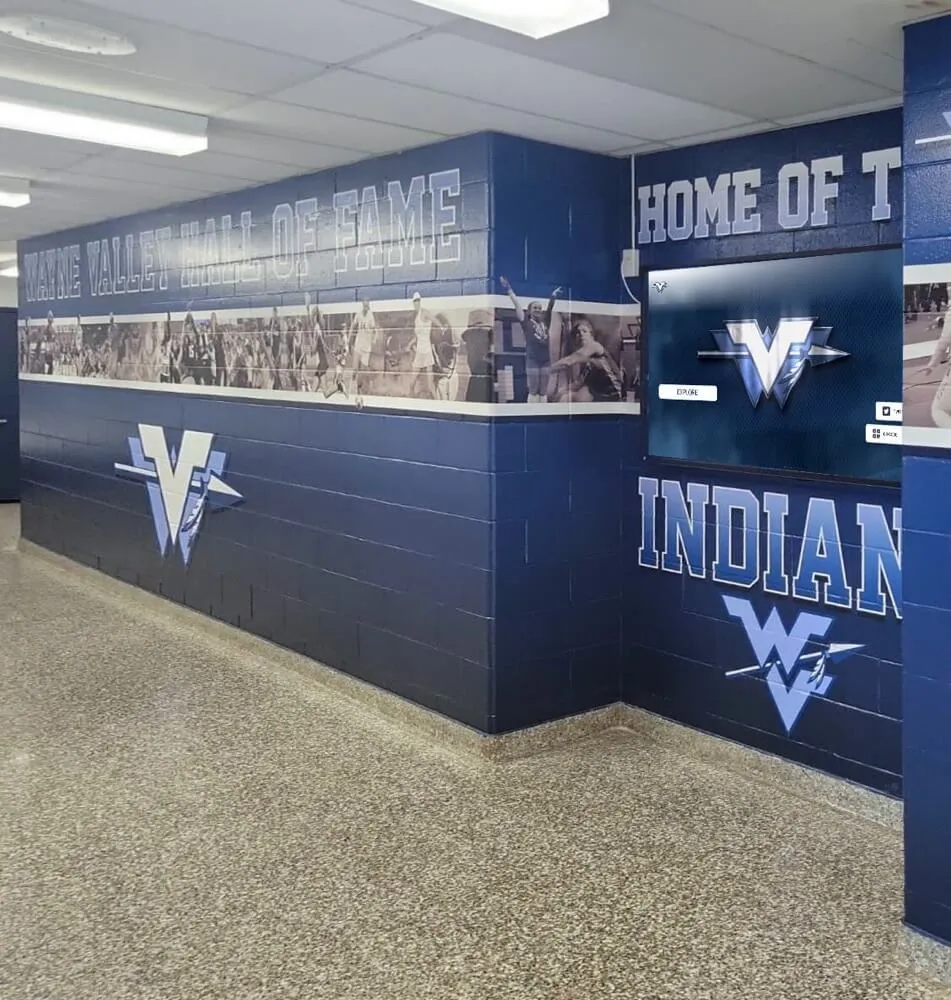
Modern athletic facilities feature recognition displays prominently in high-traffic areas celebrating goalkeeper achievements and inspiring program pride
Programs developing multiple goalkeeper levels often use progressive recognition systems honoring freshman development through varsity excellence and post-graduation achievements.
Equipment and Training Resources
Proper training equipment maximizes development efficiency and creates professional practice environments.
Essential Training Equipment
Basic Goalkeeper Gear
Fundamental items every goalkeeper program needs:
- Quality goalkeeper gloves appropriate for skill level
- Padded goalkeeper pants or shorts
- Training jerseys in contrasting colors
- Multiple practice balls for drill efficiency
- Cones and markers for positioning work
- Agility ladders and hurdles for footwork
- Portable goals or targets for distribution work
Advanced Training Tools
Equipment enhancing specialized development:
- Reaction balls for reflex training
- Rebounder nets for solo training
- Goal shot training targets
- Resistance bands for strength work
- Video recording equipment for analysis
- Specialized diving mats or padding
- Goalkeeper-specific fitness equipment
Training Resources and Continuing Education
Coaching Education
Resources for coaches developing goalkeeper expertise:
- National Soccer Coaches Association of America (NSCAA) goalkeeper courses
- United Soccer Coaches goalkeeper-specific certifications
- Online training platforms and video resources
- Goalkeeper coaching mentorship programs
- Attending goalkeeper-specific clinics and camps
Goalkeeper Development Programs
Specialized training opportunities:
- Position-specific camps during off-season
- Regional goalkeeper training centers
- College identification camps for recruiting exposure
- Professional goalkeeper coaching sessions
- Video analysis software for performance review
Many competitive programs maintain comprehensive athletic achievement archives documenting goalkeeper development through careers and honoring the coaches who guide their growth.
Common Goalkeeper Training Mistakes to Avoid
Understanding typical development pitfalls helps coaches design more effective training programs.
Technical Training Errors
Insufficient Footwork Emphasis
Many programs focus exclusively on diving and shot-stopping while neglecting movement fundamentals:
- Problem: Poor positioning due to inadequate footwork creates need for spectacular saves
- Solution: Dedicate 25-30% of training time to footwork and positioning exercises
- Result: Better positioning reduces difficult save attempts, improves success rate
Neglecting Distribution Skills
Traditional goalkeeper training often omits ball skills and distribution:
- Problem: Modern soccer requires goalkeepers to function as additional field players
- Solution: Include throwing, goal kicks, and playing with feet in every training session
- Result: Goalkeepers become offensive weapons initiating possession and counterattacks
Programming and Development Mistakes
Excessive Diving Repetitions
High-volume diving creates unnecessary injury risk and fatigue:
- Problem: Overuse injuries and diminishing returns from fatigued repetitions
- Solution: Limit full-diving repetitions to 30-40 per session with proper recovery
- Result: Better technique quality, reduced injury risk, sustainable development
Inconsistent Training Schedules
Sporadic goalkeeper training undermines skill development:
- Problem: Irregular training prevents skill consolidation and progression
- Solution: Implement consistent 3-4 sessions weekly following structured plan
- Result: Measurable improvement in all skill dimensions
Mental Training Oversights
Ignoring Psychological Development
Focusing only on physical skills without mental training:
- Problem: Technically capable goalkeepers who struggle under pressure
- Solution: Integrate mental training, visualization, and pressure scenarios into regular programming
- Result: Confident performers who excel in critical moments
Measuring Goalkeeper Progress and Setting Goals
Objective assessment and goal-setting drive continuous improvement and maintain motivation.
Performance Metrics to Track
Training Statistics
Quantifiable measures documenting development:
- Save percentage during training exercises
- Distribution accuracy to targets
- Footwork drill completion times
- Diving reach distance measurements
- Vertical jump height (explosive power indicator)
- Reaction time assessments
Game Performance Data
Competition metrics evaluating transfer to matches:
- Save percentage and goals against average
- Distribution completion rate
- Cross claiming success rate
- 1v1 situation win percentage
- Clean sheets and shutout streaks
- High-danger save success
Goal-Setting Framework
Short-Term Goals (Weekly/Monthly)
Immediate objectives driving daily effort:
- Complete specific training plan without missing sessions
- Improve specific drill performance by measurable amount
- Master new technical skill
- Maintain focus throughout full training sessions
- Achieve target save rate in scrimmages
Long-Term Goals (Seasonal/Career)
Broader objectives guiding development trajectory:
- Earn starting position or maintain starting role
- Achieve all-conference recognition
- College recruiting objectives
- Career save or shutout records
- Team championship contributions
Programs celebrating goalkeeper achievements often feature them in comprehensive recognition displays that track career statistics, season-by-season performance, and milestone achievements.
Recognizing and Celebrating Goalkeeper Excellence
Outstanding goalkeeper performance deserves recognition equal to offensive achievements, reinforcing the value of defensive excellence and inspiring continued growth.
Traditional Recognition Approaches
Team Awards and Honors
Celebrating goalkeeper contributions:
- Defensive MVP awards
- Most improved goalkeeper recognition
- Leadership awards for defensive organization
- Clean sheet recognition programs
- Save record acknowledgments
- Senior night goalkeeper tributes
External Recognition Opportunities
Competitive honors validating performance:
- All-conference selections
- Regional all-star teams
- State goalkeeper of the year awards
- College recruiting recognition
- National ranking acknowledgment for elite performers
Modern Digital Recognition Solutions
While traditional awards ceremonies and physical trophies serve important purposes, many championship programs now implement comprehensive digital recognition systems that showcase goalkeeper achievements alongside offensive stars, creating permanent tributes to defensive excellence.
Modern touchscreen displays installed in athletic facilities enable schools to:
- Document career save records and shutout achievements
- Showcase goalkeeper progression through program levels
- Highlight college advancement success stories
- Feature multimedia content including highlight videos
- Update recognition instantly as new records are established
- Provide unlimited space honoring all program goalkeepers
These interactive systems eliminate the space constraints of traditional trophy cases while ensuring defensive achievements receive equal prominence with offensive honors. Schools implementing such recognition report increased goalkeeper program interest and stronger defensive culture throughout their soccer programs.
Programs seeking to elevate goalkeeper recognition while inspiring current players often explore comprehensive digital recognition solutions designed specifically for athletic achievement documentation and celebration.
Conclusion: Building Championship-Caliber Goalkeepers
Developing elite goalkeepers requires systematic training addressing technical skills, physical conditioning, tactical understanding, and mental resilience. The structured approach outlined in this guide provides coaches and athletic directors with proven frameworks for goalkeeper development spanning fundamental skills through competitive excellence.
Consistent implementation of proper training protocols, combined with age-appropriate progressions and individualized attention to each goalkeeper’s development needs, creates the foundation for defensive success. When paired with recognition systems that celebrate goalkeeper achievements and inspire continued growth, programs build both individual excellence and strong defensive culture.
The goalkeepers who advance to competitive select teams, earn college opportunities, and achieve championship success share common characteristics: dedicated training following structured plans, mental toughness developed through purposeful preparation, and supportive programs that recognize their vital contributions. By implementing comprehensive goalkeeper training and honoring defensive excellence, soccer programs create environments where goalkeepers thrive and teams achieve their championship potential.
Live Example: Rocket Alumni Solutions Touchscreen Display
Interact with a live example (16:9 scaled 1920x1080 display). All content is automatically responsive to all screen sizes and orientations.