Softball Fielding Drills: Infield and Outfield Practice Routines for Every Coach
- Home /
- Digital Wall of Fame Blog - Recognition Display Insights & Resources /
- Softball Fielding Drills: Infield and Outfield Practice Routines for Every Coach
The Easiest Touchscreen Solution




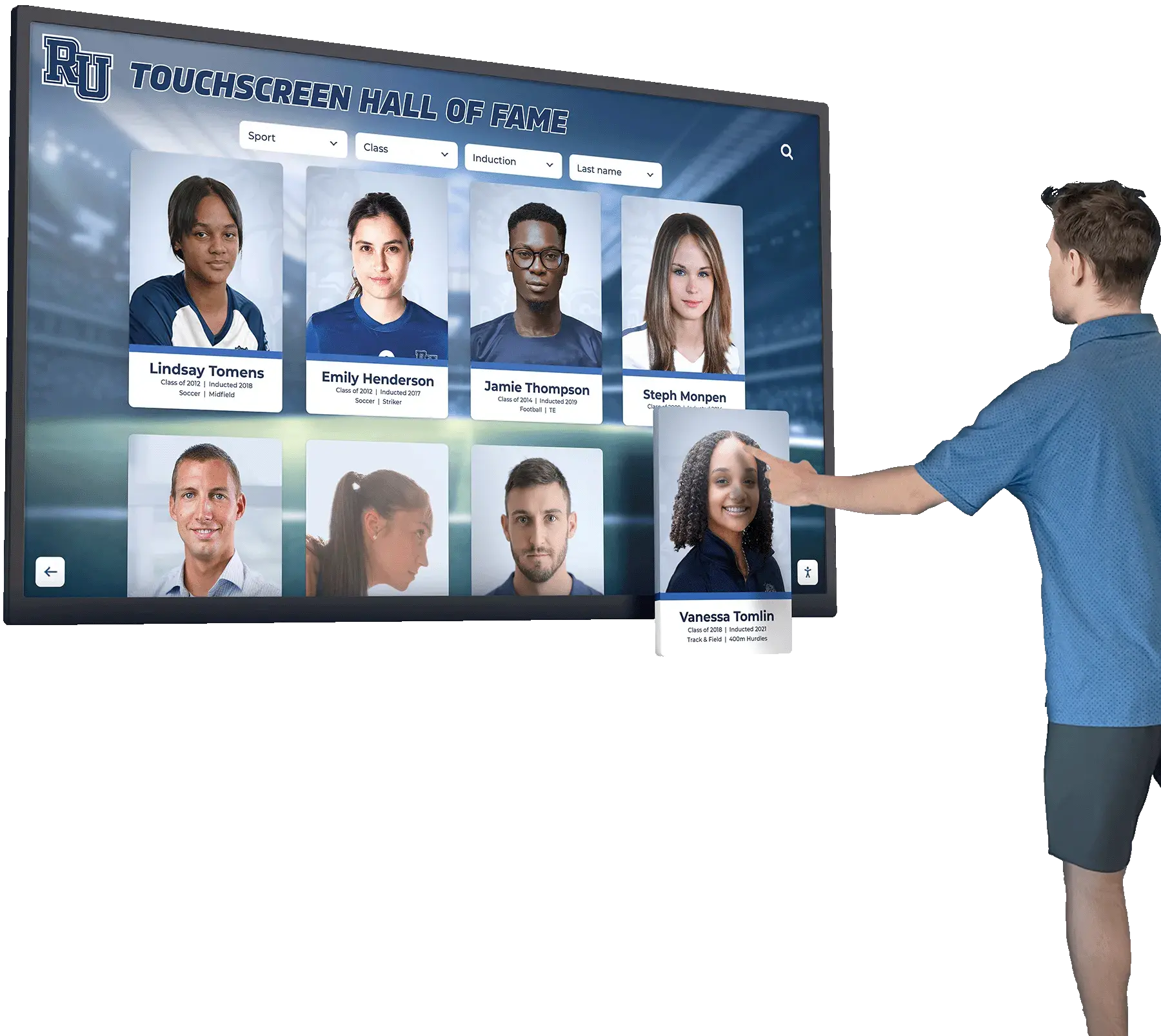
Live Example: Rocket Alumni Solutions Touchscreen Display
Interact with a live example (16:9 scaled 1920x1080 display). All content is automatically responsive to all screen sizes and orientations.
Championship softball programs are built on a foundation of defensive excellence. While powerful hitters capture headlines and dominant pitchers earn accolades, consistent fielding separates winning teams from those watching from the sidelines. Every coach knows that softball fielding drills practiced correctly and consistently transform uncertain defenders into confident playmakers who turn routine grounders into outs and difficult chances into highlight-reels.
Softball defensive skills don’t develop through game repetitions alone. The controlled environment of purposeful practice—where coaches isolate specific techniques, provide immediate feedback, and build muscle memory through focused repetition—creates the defensive reliability that championship teams require. From middle infielders executing crisp double plays to outfielders tracking down gap shots, every defensive position demands specialized skills developed through targeted training.
This comprehensive guide provides position-specific softball fielding drills for infield and outfield players, complete with coaching cues, common mistakes to avoid, and progressive skill development sequences. Whether you’re coaching youth players learning fundamental footwork or high school athletes refining advanced techniques, these practice routines build the defensive skills that win championships and earn recognition on program record boards.
Effective defensive play requires more than athletic ability—it demands technical precision developed through deliberate practice and coaching expertise applied consistently throughout the season.

Championship softball programs celebrate defensive excellence alongside offensive achievements, recognizing that complete team success requires mastery of all game aspects
Understanding Softball Fielding Fundamentals: Building the Foundation
Before implementing position-specific drills, coaches must ensure all players master fundamental fielding mechanics that apply across defensive positions. These universal principles provide the foundation for more advanced techniques.
Universal Fielding Position and Ready Stance
Every defensive player needs proper athletic positioning before the pitch:
Pre-Pitch Ready Position
- Feet shoulder-width apart with knees slightly bent
- Weight balanced on balls of feet, not heels
- Glove-side foot slightly forward creating better reaction angles
- Hands positioned at knee level, ready for quick movement
- Eyes focused on pitcher and batter simultaneously
- Slight forward lean creating momentum toward the ball
- Lower body engaged and ready to explode in any direction
Timing the Ready Hop
Proper timing creates optimal reaction readiness:
- Small hop or weight transfer as pitcher releases the ball
- Lands just as ball crosses the plate creating active, not static, position
- Allows immediate first step in any direction without weight shift delay
- Prevents flat-footed positioning that slows reaction time
- Develops rhythm connecting pitcher’s delivery to defensive readiness
- Practice separately until it becomes automatic habit
Coaches often underestimate how significantly proper ready position affects defensive range and reaction speed. Players in correct athletic stance consistently reach balls that flatfooted defenders cannot.
Ground Ball Fielding Mechanics
The cornerstone of infield play demands technical precision:
Approach and Footwork
- Break toward the ball explosively on first step
- Create rounded approach path allowing fielding in motion
- Maintain low body position throughout approach—don’t stand up early
- Right-left step pattern (for right-handed throwers) creating momentum toward target
- Decelerate slightly just before fielding allowing controlled glove work
- Stay behind the ball whenever possible for better angles
Glove Position and Fielding Technique
- Present glove early with pocket angled correctly to ground ball trajectory
- “Alligator” technique—bottom glove hand and top throwing hand working together
- Field the ball out in front of body, not underneath or beside
- Soft hands allowing give as ball enters glove
- Immediately secure ball with throwing hand after catching
- Eyes track ball all the way into glove—no looking up early
Transfer and Throwing Motion
- Quick, efficient glove-to-hand transfer begins before fully standing
- Throwing hand grips ball across seams for optimal control
- Compact arm action appropriate to throwing distance and available time
- Drive off back leg generating throwing power from lower body
- Follow through toward target ensuring accuracy
- Different throwing techniques for different situations (discussed in position drills)
Programs maintaining comprehensive athletic recognition displays often showcase defensive achievements alongside batting records, celebrating complete player development.
Fly Ball Catching Fundamentals
Outfield and some infield plays require proper fly ball technique:
Reading and Tracking
- Identify trajectory immediately after bat contact
- Quick first step—back on balls hit overhead, forward on shallow flies
- Run on balls of feet maintaining balance and vision
- Track ball continuously—don’t look away assuming location
- Adjust route as wind or spin affects flight path
- Communication with teammates preventing collisions
Catching Mechanics
- Two-handed catches above shoulder level whenever possible
- Glove positioned thumb-up for high catches, thumb-down for low
- Catch ball in front of throwing shoulder for quickest release
- Soft hands allowing slight give absorbing ball momentum
- Immediately locate nearest base runner after securing catch
- Quick transition to throwing position

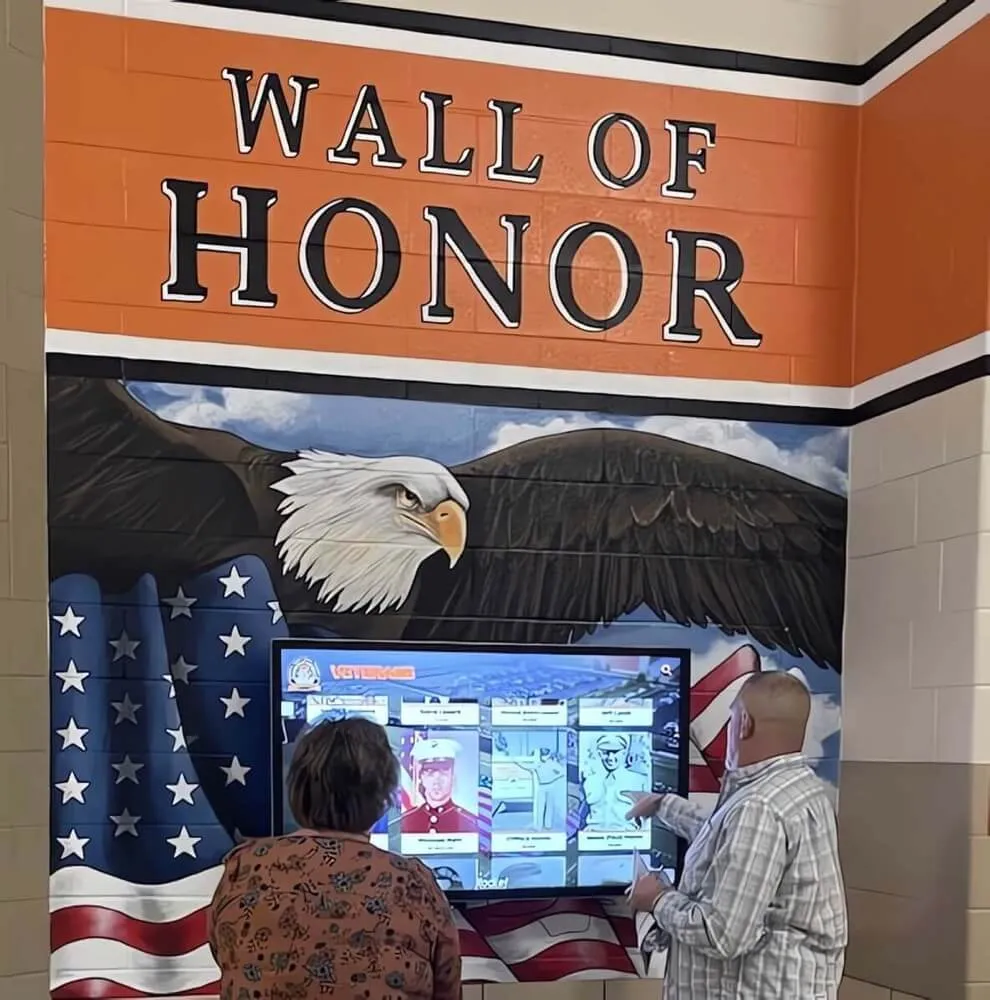
Modern recognition systems celebrate female athletes' achievements across all sports, honoring defensive excellence and complete athletic skill development
Communication and Defensive Teamwork
Individual skills mean nothing without cohesive team defense:
Verbal Communication Standards
- Call every fly ball clearly—“Mine!” or “I got it!” eliminates confusion
- Early calls give teammates time to adjust positioning
- Priority systems—infielders defer to outfielders on pop flies
- Back-up communication—“Take it!” when you can see teammate has better angle
- Continuous talking throughout the play builds confidence and awareness
Backing Up and Coverage Responsibilities
- Every defensive player has backup responsibility on every play
- Outfielders back up bases on infield plays
- Infielders back up one another on ground balls
- Pitchers cover bases according to play situation
- Communication ensures coverage gaps don’t develop
Teams developing these fundamentals create defensive systems where individual achievements contribute to collective excellence celebrated through championship recognition.
Essential Softball Infield Drills: Building Championship Defense
Infielders face the game’s quickest defensive decisions, requiring split-second reactions, precise footwork, and consistent glove work developed through targeted practice routines.
Ground Ball Progression Drills
Start with basic techniques before advancing to game-speed situations:
Drill 1: Partner Roll Drill (Fundamentals)
Purpose: Establish proper fielding mechanics without speed pressure
Setup: Pairs of players 20-30 feet apart
Execution:
- Partner rolls slow ground balls directly at fielder
- Fielder executes proper approach, fielding position, and transfer
- Focus on perfect technique—low body position, glove presentation, soft hands
- Progress from stationary fielding to fielding in motion
- Add throwing component after mechanics are solid
- Coach provides immediate feedback on each repetition
Coaching Cues:
- “Stay low through the entire play”
- “Field the ball out front, not under your body”
- “Soft hands—let the ball come to your glove”
- “Watch the ball all the way into your glove”
Drill 2: Short-Hop Training
Purpose: Develop confident glove work on difficult hops
Setup: Coach positioned 15-20 feet from fielder with bucket of balls
Execution:
- Coach throws controlled short hops directly at fielder
- Fielder works on getting glove down early and staying low
- Progress from easy hops to increasingly difficult angles
- Add lateral movement—short hops to left and right
- Build to game-speed short hops requiring quick reactions
- Volume repetitions (20-30 per player) build confidence
Coaching Cues:
- “Glove down early—prepare for the worst hop”
- “Don’t reach—move your feet to the ball”
- “Create a wall with your body—nothing gets through”
- “Soft hands even on short hops”
Drill 3: Slow Roller Challenge
Purpose: Practice proper technique for topped balls and slow rollers
Setup: Coach hits or rolls balls that require aggressive forward movement
Execution:
- Fielder charges ball aggressively under control
- Bare-hand pickup for balls that don’t allow time for glove fielding
- Practice both glove and bare-hand techniques
- Work on proper footwork—picking up ball with glove-side foot forward
- Quick transfer and throw to target
- Emphasize balance and body control throughout
Coaching Cues:
- “Charge under control—don’t overrun the ball”
- “Bare hand on balls you can’t field with glove”
- “Field through the ball toward your target”
- “Stay balanced—rushed throws create errors”
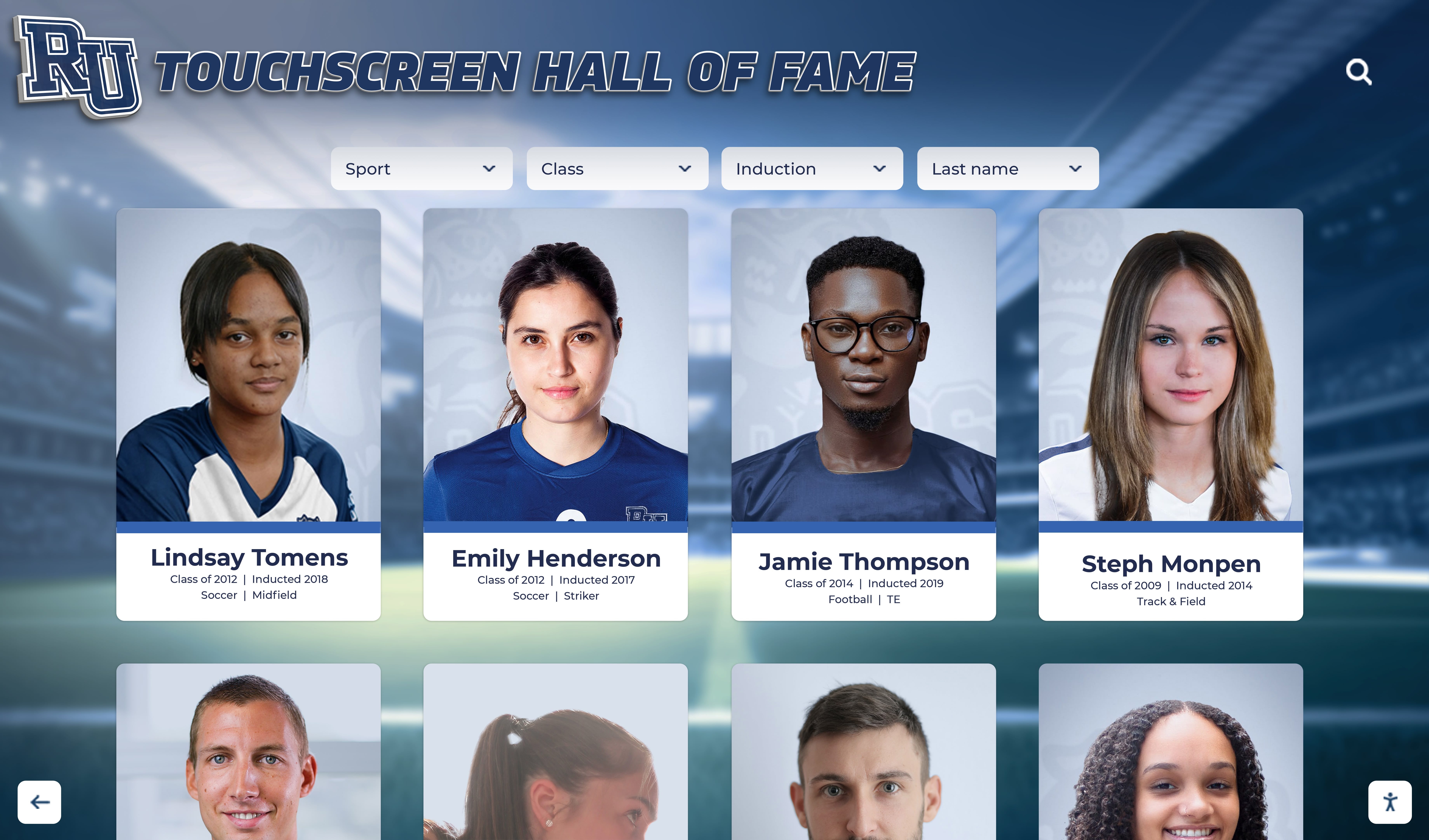
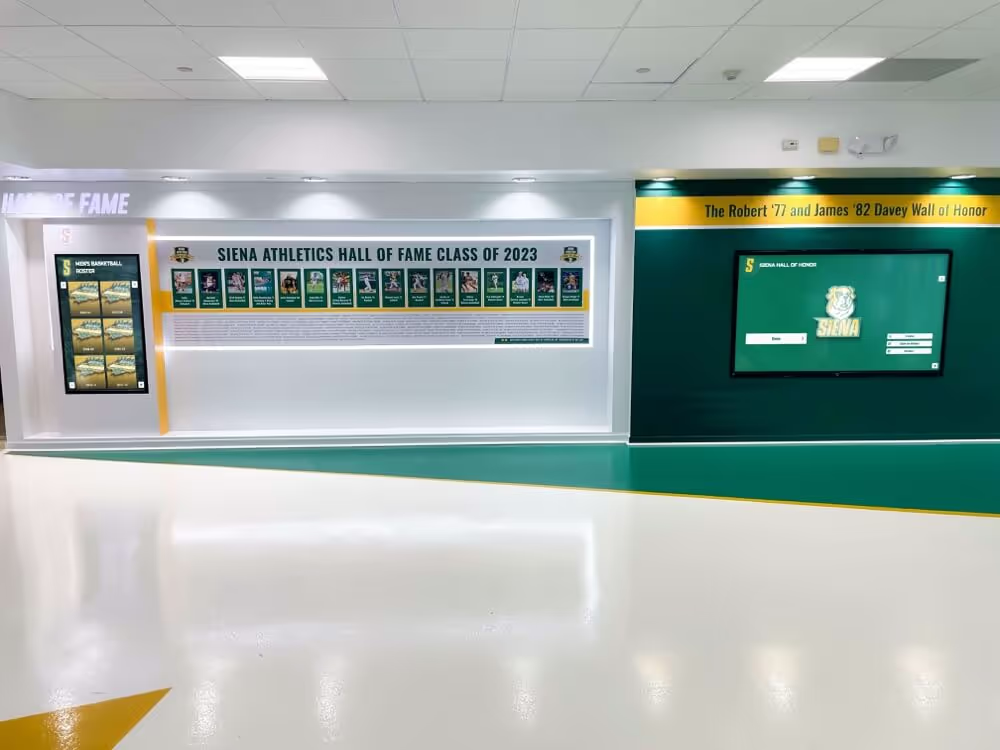
Digital recognition systems allow programs to showcase complete player profiles including defensive statistics and fielding achievements alongside offensive accomplishments
Position-Specific Infield Drills
Each infield position presents unique challenges requiring specialized practice:
First Base Drills
Drill: Footwork and Stretch Progression
Purpose: Develop proper footwork for receiving throws at different angles
Setup: Coach or partner throwing from various infield positions
Execution:
- Practice finding the bag with feet while tracking incoming throw
- Inside foot on bag for throws from middle infield positions
- Outside foot on bag for throws pulled to foul territory
- Full stretch reaching for errant throws while maintaining base contact
- Quick release on throws to pitcher covering first on bunts
- Scooping low throws from dirt preventing errors
Coaching Cues:
- “Find the bag early—eyes can track the throw”
- “Stretch toward the ball, not toward the thrower”
- “Give your teammates a target early”
- “Secure the ball first, then worry about runners”
Middle Infield (Second Base/Shortstop) Drills
Drill: Backhand and Forehand Lateral Movement
Purpose: Develop range and proper fielding angles on balls to either side
Setup: Coach hitting ground balls or players rolling balls to either side
Execution:
- Break laterally at sharp angle on first step
- Maintain low body position throughout lateral movement
- Backhand balls glove-side with proper glove angle
- Forehand balls on throwing-hand side with rounded approach
- Practice set-and-throw technique for balls deep in hole
- Work on different throwing angles (sidearm, three-quarter) for different plays
Coaching Cues:
- “First step creates your angle—make it explosive”
- “Stay low through the play—don’t pop up”
- “Backhand with glove thumb to ground”
- “Get something on the throw even from difficult positions”
Third Base Drills
Drill: Reaction Drill for Hot Corners
Purpose: Build quick reflexes on hard-hit balls with minimal reaction time
Setup: Coach positioned in batters box hitting or throwing hard ground balls
Setup: Very short distance (20-25 feet) simulating line drives and smash hits
Execution:
- Fielder in ready position reacting to quick-release balls from coach
- Focus on quick first movement—left or right, forward or back
- Knock down balls that can’t be cleanly fielded—prevent extra bases
- Quick recovery and throw after knock-down
- Build from predictable to random directions
- Develop fearless approach to hard-hit balls
Coaching Cues:
- “Reaction, not perfection—knock it down if you can’t field it clean”
- “Stay in front of the ball with your body”
- “Quick recovery—throw them out after the knockdown”
- “Aggressive ready position—weight forward, not back”
Softball Double Play Drills
Turning two is a critical skill separating good teams from great ones:
Drill 1: Feed and Pivot Fundamentals
Purpose: Establish proper footwork and timing for both pivot and feeding positions
Setup: Groups of three (feeder, pivot, first base) with lines rotating
Execution:
For Second Basemen (Pivot):
- Catch ball while crossing bag with left foot
- Right foot touches bag as throwing motion begins
- Clear throwing lane avoiding runner
- Practice tag-and-drag technique as alternative
- Quick release with accuracy to first base
For Shortstops (Feed):
- Underhand flip on balls fielded near bag
- Firm chest-high throws on balls fielded deeper
- Lead pivot player to throwing-side of bag
- Timing feed to arrive as pivot reaches base
- Adjust feed speed and trajectory based on where ball is fielded
Coaching Cues:
- “Feed early—let pivot time their footwork”
- “Chest high on throws, waist high on underhand flips”
- “Clear the bag quickly avoiding the slide”
- “Accuracy first—getting the lead out is priority”
Drill 2: Double Play Full-Speed Simulation
Purpose: Practice complete double plays at game speed with runners
Setup: Full infield with base runners creating realistic game situations
Execution:
- Coach hits ground balls to different positions
- Fielder makes decision—turn two or get sure out
- Runners slide creating realistic pivot conditions
- Rotate through all infield positions
- Vary hit speeds and locations
- Include communication between middle infielders
Coaching Cues:
- “Call it early—who’s covering the bag?”
- “Feed and get out of the way”
- “Don’t force it—sure out is better than double error”
- “Accelerate through the turn—quick feeds and releases”
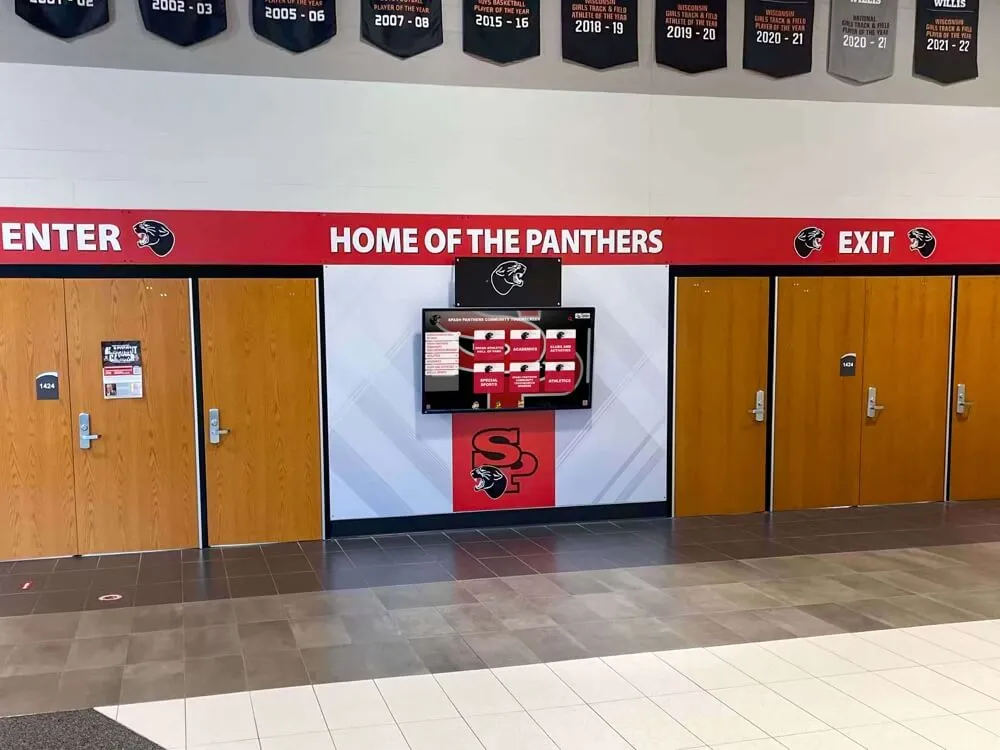
Programs that recognize defensive achievements equally with offensive statistics often implement interactive hall of fame displays showcasing complete player development and team accomplishments.
Pop Fly and Communication Drills for Infielders
Short pop flies create confusion without proper training:
Drill: Priority Pop Fly Communication
Purpose: Establish clear priority rules and communication protocols
Setup: Coach hits pop flies in areas between multiple fielders
Execution:
- Outfielders have priority over infielders on balls both can reach
- Middle infielders have priority over corners on pop-ups in middle
- Player taking ball calls loudly and early: “Mine! Mine! Mine!”
- Other players respond: “Take it!” and clear the area
- Back up every pop fly even when you’re not catching it
- Practice in different wind conditions affecting communication
Coaching Cues:
- “Call it early and loud—don’t wait until the last second”
- “Outfielders—take charge when you can reach it”
- “If you hear ‘mine,’ get out of the way and back up”
- “No ball falls—someone catches every pop fly”
Comprehensive Softball Outfield Drills: Building Range and Arm Strength
Outfielders require different skill sets than infielders, combining reading ability, range, and throwing strength into complete defensive packages.
Fly Ball Tracking and Route Running
Proper routes separate average outfielders from defensive playmakers:
Drill 1: Drop-Step and Angle Running
Purpose: Develop proper first step and running angles on balls over head
Setup: Coach positioned as hitter with outfielders in normal depth
Execution:
- Coach signals direction (left, right, or straight back)
- Outfielder executes drop step pivoting quickly in correct direction
- Turn and run at angle allowing vision of ball over shoulder
- Track ball continuously while running full speed
- Catch ball at full extension over throwing-shoulder when possible
- Practice both directions until drop step becomes automatic
Coaching Cues:
- “Drop step opens your hips toward the ball direction”
- “Run on an angle—don’t backpedal on deep balls”
- “Track over your throwing shoulder when possible”
- “Full speed from first step—no hesitation”
Drill 2: Shallow Fly Ball Charging
Purpose: Practice aggressive forward routes on shallow fly balls
Setup: Coach hits or throws shallow flies requiring outfielder to charge
Execution:
- Aggressive first step forward and toward ball
- Maintain speed while tracking ball flight
- Slide or dive when ball cannot be reached standing up
- Quick decision—can I catch this or should I block it?
- Practice both shoestring catches and blocking techniques
- Immediate throw to infield after catch
Coaching Cues:
- “Decide early—all out or controlled approach”
- “Better to be aggressive than cautious”
- “If you’re diving, commit fully”
- “Catch with two hands whenever possible for quickest release”
Drill 3: Gap Shots and Balls in Alleys
Purpose: Develop proper angles and routes on balls hit between outfielders
Setup: Coach hits balls into gaps between outfield positions
Execution:
- Quick communication—who has better angle?
- Player with best angle calls ball early
- Other player backs up the play
- Practice running while looking over both shoulders
- Work on timing jumps at the wall or fence line
- Develop fearless approach to fence plays
- Quick relay throws when ball gets to fence
Coaching Cues:
- “First player with good angle calls it”
- “No hesitation—commit to your route”
- “Know where the fence is before the pitch”
- “Make the catch first, worry about the wall after”
Ground Ball and Do-or-Die Plays
Outfielders must field ground balls cleanly and make strong throws:
Drill: Charging Ground Balls
Purpose: Practice aggressive approach and throwing technique on base hits
Setup: Coach hits or rolls ground balls simulating base hits to outfield
Execution:
- Aggressive charge creating momentum toward target
- Field ball with momentum carrying toward throwing target
- Quick transfer—glove to throwing hand in one motion
- Crow hop or shuffle steps building throwing power
- Strong, accurate throws to cutoff positions or bases
- Practice from different angles and distances
Coaching Cues:
- “Attack the ball—every second matters”
- “Field through the ball toward your target”
- “Quick transfer—no wasted motion”
- “Use your legs generating throwing power”
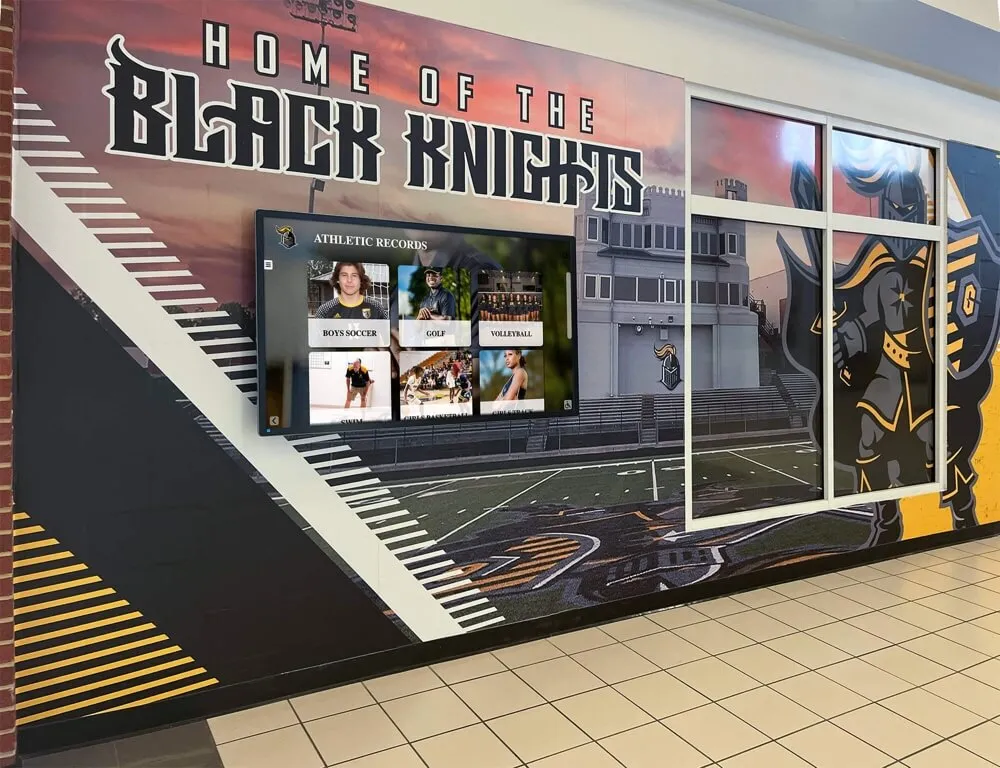
Programs displaying complete athletic records including defensive statistics create comprehensive recognition honoring all aspects of championship performance
Drill: Do-or-Die Situations
Purpose: Simulate game-ending plays requiring aggressive fielding
Setup: Runners on base, game situation requiring preventing run from scoring
Execution:
- Coach hits ground ball requiring outfielder to charge aggressively
- Barehand pickup when glove fielding doesn’t allow for throw
- Quick release throw to home plate or other base
- Practice from various outfield positions
- Add base runners creating realistic timing pressure
- Develop confidence in high-pressure defensive moments
Coaching Cues:
- “Barehand it if you have to—get the out”
- “Throw through the cutoff when the play is at the plate”
- “Accuracy over velocity—hit your target”
- “Trust your arm—make the aggressive play”
Outfield Throwing Drills: Building Arm Strength and Accuracy
Strong, accurate outfield arms prevent extra bases and create outs:
Drill 1: Crow Hop and Release Mechanics
Purpose: Develop proper throwing mechanics generating maximum velocity and accuracy
Setup: Outfielders paired or throwing to coaches at various distances
Execution:
- Field ground ball with momentum toward target
- Shuffle or crow hop building throwing momentum
- Drive off back leg transferring power through core
- High three-quarter arm slot for optimal carry
- Follow through toward target ensuring accuracy
- Practice from different angles simulating game situations
- Gradually increase throwing distance building arm strength
Coaching Cues:
- “Momentum toward your target from first step”
- “Crow hop builds power—don’t rush the throw”
- “Drive off your back leg—power from legs, not just arm”
- “Long arm action on distance throws”
Drill 2: Cutoff and Relay Throws
Purpose: Practice hitting cutoff players and making relay throws
Setup: Full outfield with cutoff players in proper positions
Execution:
- Coach hits balls to outfield requiring throws to various bases
- Outfielder makes strong throw to cutoff player
- Cutoff player practices receiving and redirecting throws
- Communication between outfielders and infielders
- Practice relay throws—outfielder to relay player to target
- Vary situations—runners advancing, trying to score, etc.
Coaching Cues:
- “Hit the cutoff chest-high and on throwing-hand side”
- “Outfielder communicates which base—‘Two!’ or ‘Three!’”
- “Cutoff players—be loud about where you are”
- “Quick relay—catch and throw in one motion”
Drill 3: Fence Drill and Crow-Hop Power Training
Purpose: Build maximum throwing power through proper mechanics
Setup: Outfielders positioned along outfield fence
Execution:
- Simulate catching ball at fence
- Execute perfect crow hop and throw to home plate
- Focus on maximum effort with proper mechanics
- Track throwing accuracy and distance
- Competition element—longest accurate throw wins
- Build arm strength through high-effort throwing
- Proper warm-up essential before max-effort throws
Coaching Cues:
- “Perfect mechanics even on max-effort throws”
- “Low, hard throws—one-hop is better than rainbow”
- “Finish your throw—don’t cut off your follow-through”
- “Compete—every throw has a purpose”
Schools maintaining programs emphasizing complete player development often celebrate achievements through comprehensive senior awards displays recognizing defensive excellence and versatility alongside traditional statistics.
Team Defensive Drills: Building Championship Cohesion
Individual skills combine into team defense through coordinated practice:
Situation-Based Team Defense
Drill: First and Third Defense
Purpose: Practice defending runner on third with runner on first
Setup: Full defense with runners on first and third
Execution:
- Establish signals and coverage responsibilities
- Practice various defense options (hold runner, fake and throw, etc.)
- Catcher and middle infielders communicate clearly
- Pitcher holds runners effectively
- Multiple repetitions of different offensive strategies
- Build confidence in coordinated defensive execution
Coaching Cues:
- “Know the game situation—when do we hold the runner?”
- “Communication prevents confusion”
- “Middle infielders—be ready for the throw”
- “Pitcher—quick delivery to plate limits steal attempt”
Drill: Bunt Defense Coverage
Purpose: Execute proper positioning and coverage on sacrifice bunts
Setup: Full defense with runners in sacrifice situations
Execution:
- Corners charge on bunt plays
- Pitcher breaks toward first or third based on coverage call
- Middle infielders cover vacated bases
- Communication identifies who fields and where throw goes
- Practice from both left and right-side bunts
- Work on getting lead runner vs. conceding the base
Coaching Cues:
- “Corner infielders—attack the ball aggressively”
- “Middle infielders—cover early and loud”
- “Get the lead runner when possible”
- “Pitcher—break hard to your coverage area”
Full-Speed Scrimmage Defense
Drill: Competitive Defensive Innings
Purpose: Simulate game-speed defensive situations with consequences
Setup: Intrasquad scrimmage or controlled hitting simulation
Execution:
- Full defense working as complete unit
- Coach or players hit creating game-realistic situations
- Count outs, runs, and errors tracking defensive performance
- Rotate through multiple defensive scenarios
- Communication and backup responsibilities enforced
- Competition between defensive units or innings
Coaching Cues:
- “Treat every play like a championship game”
- “Talk on every pitch—continuous communication”
- “Back up every throw and every play”
- “Celebrate great defensive plays—build team energy”

Modern programs use video analysis and digital displays helping teams study defensive performance and celebrate exceptional plays
Pitcher Fielding and Coverage Drills
Pitchers serve as fifth infielders requiring specific defensive training:
Comebackers and Pitcher Fielding
Drill: Line Drive and Ground Ball Reactions
Purpose: Develop quick reflexes on balls hit directly at pitcher
Setup: Pitcher in normal fielding position with coach hitting or throwing
Execution:
- Practice fielding position after follow-through
- Quick reactions to hard comebacks
- Proper fielding technique on slow rollers
- Decision making—field or let infielder take the ball
- Throws to all bases from pitcher position
- Build confidence and safety on hard-hit balls
Coaching Cues:
- “Athletic position after release—ready to field”
- “Protect yourself first on line drives”
- “Attack slow rollers like an infielder”
- “Know where the play is before fielding the ball”
First Base and Third Base Coverage
Drill: Covering First on Hits to Right Side
Purpose: Practice proper routes and footwork covering first base
Setup: Simulated ground balls to right side of infield
Execution:
- Break toward first base immediately on ball hit to right
- Inside route to base when possible
- Receive throw from fielder like first baseman
- Practice both inside and outside foot on bag
- Quick coverage on bunts toward first
- Communication with first baseman on coverage responsibility
Coaching Cues:
- “Inside route to bag—don’t run behind the runner”
- “Get there early—give fielder a target”
- “Catch first, then worry about touching the base”
- “Call it—either pitcher or first baseman, not both”
Building Progressive Practice Plans
Effective coaching sequences drills from fundamental to advanced:
Sample 60-Minute Infield Practice Structure
Warm-up and Fundamentals (15 minutes)
- Dynamic stretching focusing on lateral movement and throwing
- Partner roll drills emphasizing perfect technique
- Short-hop training building confidence
- Progressive throwing building arm strength
Position-Specific Work (20 minutes)
- Stations by position (1B, 2B, SS, 3B)
- Rotating every 5-7 minutes
- Position-appropriate drills from earlier sections
- Coach feedback at each station
Team Defense and Situations (20 minutes)
- Double plays—full speed with runners
- First and third defense
- Bunt coverage
- Cutoffs and relays
Competitive Finish (5 minutes)
- Scrimmage or competitive drill
- Game-speed simulation
- Positive ending building confidence
Sample 60-Minute Outfield Practice Structure
Warm-up and Throwing (15 minutes)
- Dynamic warm-up emphasizing running mechanics
- Long toss progression building arm strength
- Crow hop mechanics practice
- Throwing accuracy targets
Fly Ball and Route Work (20 minutes)
- Drop step progressions
- Shallow fly ball charging
- Gap coverage and communication
- Fence drills
Ground Balls and Throwing (15 minutes)
- Charging ground balls
- Do-or-die situations
- Cutoff throws
- Relay throws
Team Integration (10 minutes)
- Full defense with outfielders
- Situational plays involving outfield throws
- Communication drills with infield
Programs developing comprehensive athletic excellence often implement digital record boards showcasing defensive records alongside offensive achievements, recognizing complete player contributions.
Advanced Fielding Concepts for Competitive Programs
High-level teams incorporate sophisticated defensive strategies:
Defensive Positioning and Shifts
Situation-Based Positioning
- Scouting reports informing defensive alignment
- Shifting for pull hitters
- Adjusting depth based on batter speed and game situation
- Outfield shading toward power alleys
- Infield in for force at home situations
Communication and Pre-Pitch Preparation
- Verbal reminders of positioning before each pitch
- Count-based positioning adjustments
- Runner situation affecting defensive alignment
- Wind and field condition considerations
- Continuous communication throughout at-bat
Video Analysis and Performance Tracking
Using Technology for Defensive Improvement
- Recording practices for technique analysis
- Breaking down game film identifying positioning mistakes
- Tracking defensive statistics beyond traditional errors
- Analyzing successful plays identifying what worked
- Individual player development plans based on video evidence
Modern programs implementing interactive recognition displays often integrate defensive highlights and statistics, celebrating complete defensive excellence.
Mental Preparation and Defensive Focus
Building Defensive Mindset
- Pitcher and defense working as coordinated unit
- Aggressive mentality—attack balls rather than waiting
- Short memory on errors—next play focus
- Celebration of great defensive plays building team energy
- Competition within practice raising defensive standards
- Accountability for preparation and execution
Pre-Pitch Mental Routine
- Anticipating situation and responsibilities
- Knowing where the play is before ball is hit
- Visualization of potential plays
- Maintaining focus throughout long innings
- Energy and communication keeping everyone engaged
Tracking Defensive Development and Achievement
Championship programs measure and recognize defensive excellence:
Defensive Statistics Worth Tracking
Beyond Traditional Fielding Percentage
- Plays made outside typical position zone (range)
- Double plays turned vs. opportunities
- Outfield assists and multi-base prevention
- First-pitch strikes fielded cleanly
- Errors that led to runs vs. harmless errors
- Innings without allowing hit or walk
Team Defensive Metrics
- Team fielding percentage
- Runs prevented through defensive plays
- Double plays per game average
- Stolen base prevention percentage
- Error-free games or innings
Programs maintaining comprehensive digital displays showcasing these statistics create complete pictures of player contributions and program excellence.
Recognizing Defensive Excellence
Individual Awards and Recognition
- Golden Glove awards for best fielder at each position
- Defensive Player of the Game honors
- Most Improved Defender recognition
- Career defensive milestone celebrations
- All-conference and all-state defensive selections
Team Defensive Recognition
- Championship defense banners or displays
- Team fielding percentage records
- Error-free game celebrations
- Season defensive achievement displays
- Comparative defensive statistics vs. opponents
Schools implementing interactive hall of fame displays can showcase complete player profiles including defensive accomplishments that might otherwise go unrecognized in traditional recognition systems.
Creating a Culture of Defensive Excellence
Championship softball programs build identity around defensive pride:
Establishing Defensive Identity
Defense-First Program Philosophy
- Emphasizing that defense wins championships
- Equal practice time for defensive and offensive skills
- Recognition and celebration of defensive plays
- Leadership development through defensive captains
- Pride in defensive statistics and achievements
Building Defensive Competitiveness
- Position battles driven by defensive excellence
- Practice competitions with defensive scoring
- Team defensive goals and challenges
- Accountability for defensive preparation
- Film study and analysis as regular practice components
Connecting Current Excellence to Program Legacy
- Sharing stories of great defensive players from program history
- Displaying defensive records and achievements
- Mentorship connections between current and former players
- Celebrating defensive traditions and expectations
- Building continuity across graduating classes
Programs maintaining comprehensive recognition systems through modern digital displays effectively connect current defensive achievements to program traditions, creating lasting cultures of defensive excellence.
Conclusion: Building Championship Defense Through Dedicated Practice
Softball defensive excellence doesn’t happen by accident—it results from deliberate, systematic practice emphasizing technique, repetition, and progressive skill development. Coaches implementing structured softball fielding drills addressing position-specific techniques, team coordination, and game-realistic situations transform uncertain defenders into confident playmakers who execute under pressure.
The most successful programs recognize that defensive skills require the same dedicated practice time as hitting and pitching. From infielders mastering double-play footwork to outfielders developing throwing accuracy, every defensive position demands specialized training developed through the drills and progressions outlined in this guide. Teams building defensive identity through consistent practice, clear communication, and recognition of defensive achievement create championship cultures that sustain success across multiple seasons.
Celebrate Your Softball Program's Defensive Excellence
Recognize championship-level defensive achievements alongside offensive records through modern interactive displays that showcase complete player profiles, team accomplishments, and program history—creating comprehensive recognition systems that honor all aspects of softball excellence and inspire future defensive stars.
Explore Recognition Display SolutionsAs you implement these softball fielding drills throughout your season, remember that defensive excellence builds gradually through consistent practice, expert coaching, and player commitment to improvement. Ground balls that once skipped past infielders become routine outs. Pop flies that created confusion become confident catches. Hesitant throws become accurate strikes preventing extra bases. These transformations occur when coaches provide structured practice environments where players develop skills through purposeful repetition and immediate feedback.
Championship softball programs understand that complete excellence requires honoring defensive achievements with the same enthusiasm directed toward offensive statistics. Modern recognition systems allow programs to showcase defensive metrics, celebrate golden glove winners, and preserve program defensive traditions through interactive displays that tell complete athletic stories. When paired with the defensive skill development created through dedicated fielding practice, comprehensive recognition creates softball cultures where defensive excellence is valued, celebrated, and sustained across generations of players pursuing championship standards.
Live Example: Rocket Alumni Solutions Touchscreen Display
Interact with a live example (16:9 scaled 1920x1080 display). All content is automatically responsive to all screen sizes and orientations.