



Every year, thousands of high school students earn one of the most meaningful academic distinctions a world language program can confer: induction into the Spanish honor society, formally known as the Sociedad Honoraria Hispánica (SHH). Founded in 1953 under the auspices of the American Association of Teachers of Spanish and Portuguese, the SHH recognizes students who demonstrate outstanding achievement in Spanish or Portuguese while showing genuine engagement with Hispanic and Lusophone cultures.
More than a line on a college application, membership in the Sociedad Honoraria Hispánica signals a student’s commitment to language learning, cross-cultural understanding, and academic excellence. Schools across the country have developed induction ceremonies, recognition displays, and regalia traditions—including the now-iconic honor stoles—that make that membership visible and celebrated in the school community.
This guide covers everything families, students, and school administrators need to know: how the SHH works, what it takes to qualify, what happens at induction ceremonies, what those purple-and-gold stoles actually represent, and how schools can honor their Spanish honor society members in ways that last well beyond graduation.
Whether you are a Spanish teacher researching how to launch a new chapter, an athletic director curious about how world language honors fit into your school’s broader recognition strategy, or a student preparing for induction night, this complete resource answers the most important questions about the Spanish honor society and what membership truly means.

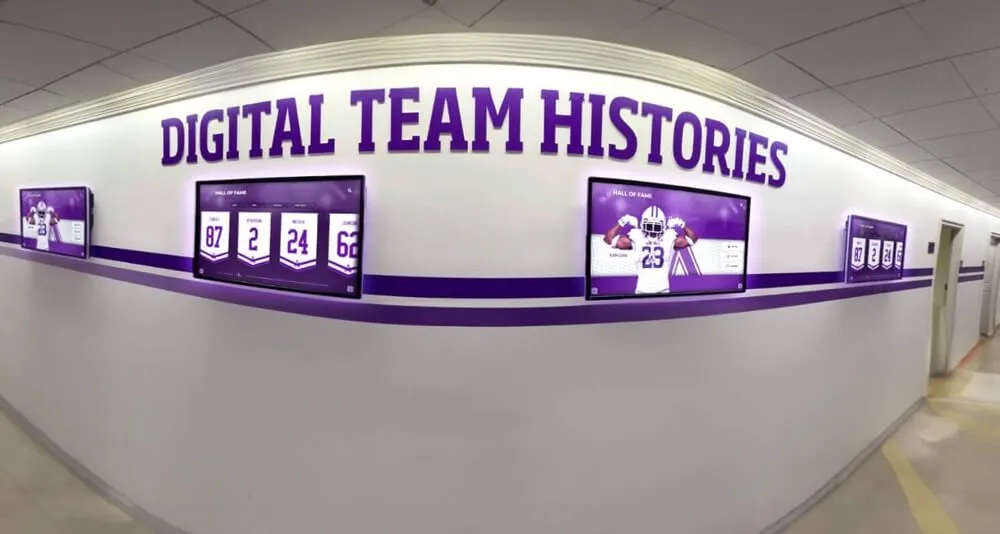
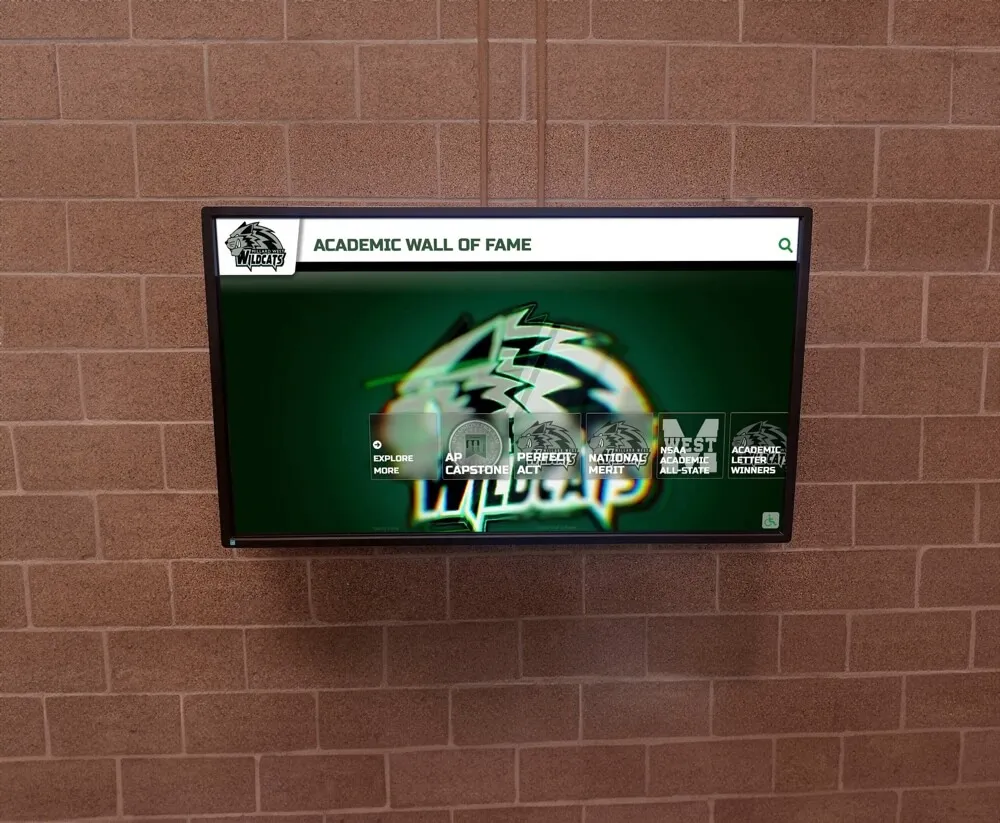
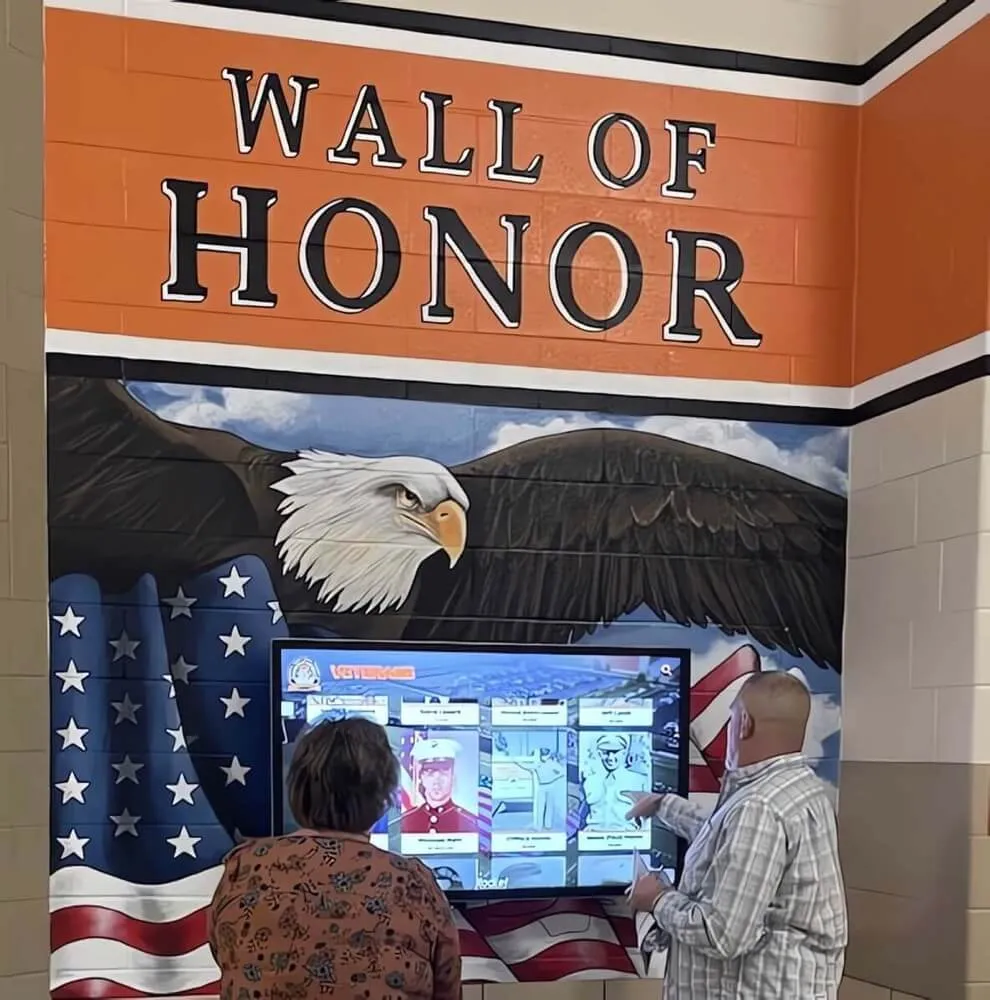
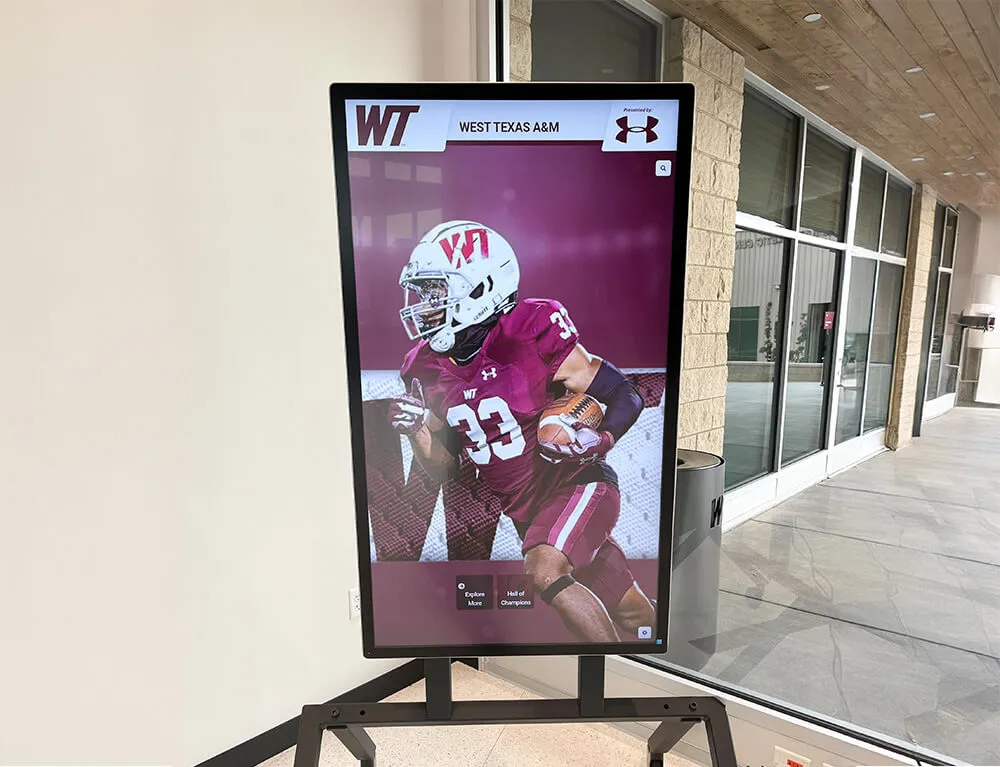
Purple and gold—the official colors of the Sociedad Honoraria Hispánica—appear in recognition displays across schools that celebrate every dimension of student achievement
What Is the Spanish Honor Society?
The Spanish honor society—officially the Sociedad Honoraria Hispánica—is an honor society dedicated to recognizing high school students who have achieved academic excellence in the study of Spanish or Portuguese. The organization is sponsored by the American Association of Teachers of Spanish and Portuguese (AATSP), a professional organization for language educators established in 1917.
Each individual SHH chapter is housed within a school and sponsored by a faculty member—typically the school’s Spanish teacher or department chair. National membership in the AATSP provides each chapter with access to chapter materials, official regalia, and the broader network of Spanish and Portuguese language education professionals.
What the SHH Stands For
The Sociedad Honoraria Hispánica has four core pillars that guide chapter activities and member expectations:
Scholarship — maintaining high academic standards in Spanish or Portuguese study, including demonstrated language proficiency and classroom performance.
Service — contributing to the school and broader community, often through events that promote Hispanic culture, assist in language programs, or support community outreach.
Leadership — taking on active roles within the chapter, in school clubs, or in community initiatives related to language and cultural exchange. Schools that run strong SHH chapters understand that this pillar connects directly to the kind of student growth documented in student leadership program frameworks that schools use to develop well-rounded graduates.
Character — demonstrating integrity, respect, and dedication both in and out of the classroom.
These four pillars mirror those of other academic honor societies and reflect the holistic standard that distinguishes genuine honor society membership from simple academic achievement. Induction into the SHH is a recognition that a student has met all four benchmarks—not merely earned good grades.
How Many Chapters Exist?
The Sociedad Honoraria Hispánica operates through individual school chapters chartered by the AATSP. Schools must apply for and receive official charter status to form a chapter, and faculty sponsors must be current AATSP members. Chapters are active across all fifty states and in international schools serving American students abroad.
SHH Membership Requirements: How Students Qualify
Qualification for the Spanish honor society involves multiple criteria, most of which are set at the national level with some flexibility for individual chapters to adjust standards upward. No school chapter is permitted to set standards below the national minimums.
Academic Requirements
Language Study Duration Students must have completed at least two semesters (one full academic year) of Spanish or Portuguese at the high school level before becoming eligible for induction. Many chapters require more—two full years of study is common—but one year is the national floor.
Spanish/Portuguese GPA The national minimum GPA in Spanish or Portuguese coursework is typically 3.0 on a 4.0 scale (equivalent to a B average), though chapters frequently raise this threshold to 3.5 or higher. This GPA is calculated only from the student’s Spanish or Portuguese courses, not their overall academic record.
Overall GPA Most chapters establish a minimum cumulative GPA requirement, commonly in the range of 3.0 to 3.5, reflecting the SHH’s expectation that language achievement sits alongside broader academic commitment rather than in isolation.
Teacher Recommendation Beyond grades, students typically require a recommendation from their Spanish or Portuguese teacher. This component captures dimensions that grades alone cannot: classroom engagement, genuine enthusiasm for the language and its associated cultures, demonstrated effort, and the kind of character that the honor society’s pillars require.
Service and Character Requirements
Many chapters ask candidates to submit brief written statements addressing their interest in Hispanic culture, their language learning journey, or their vision for service within the chapter. This reflection component is designed to confirm that students are genuinely engaged rather than credential-collecting.
Candidates may also need to demonstrate no significant disciplinary record. The character pillar of the SHH means that academic achievement alone does not guarantee membership; a student’s conduct in the school community matters.
The Selection Process
Faculty sponsors typically evaluate eligible students at the end of a semester or during a formal nomination window. In larger schools with multiple Spanish teachers, the department may review candidates collectively. Students who meet all criteria receive invitations to the induction ceremony—acceptance into the Sociedad Honoraria Hispánica is by invitation, not by open application.
This invitation-based structure reinforces the exclusive and meaningful nature of the honor.
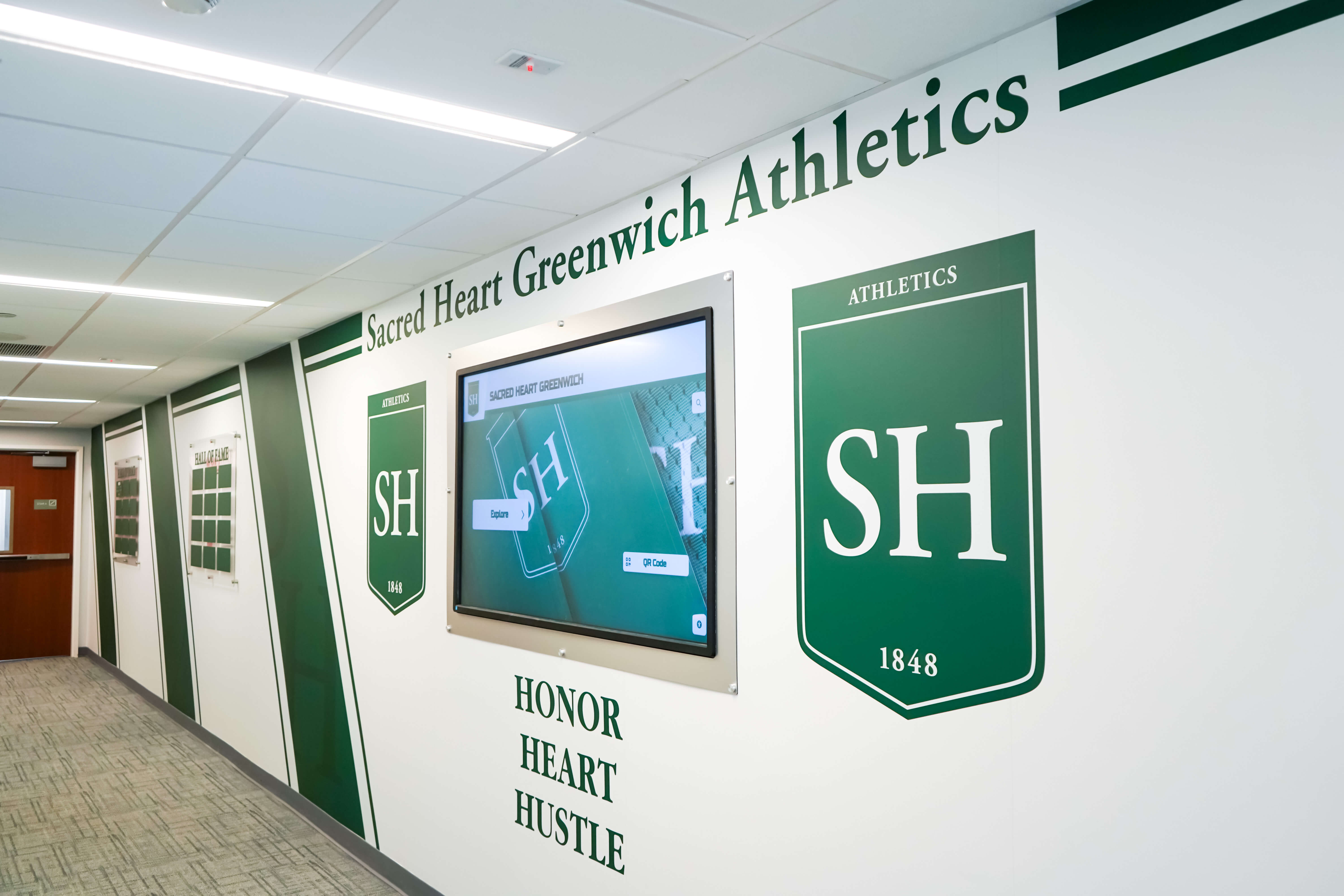
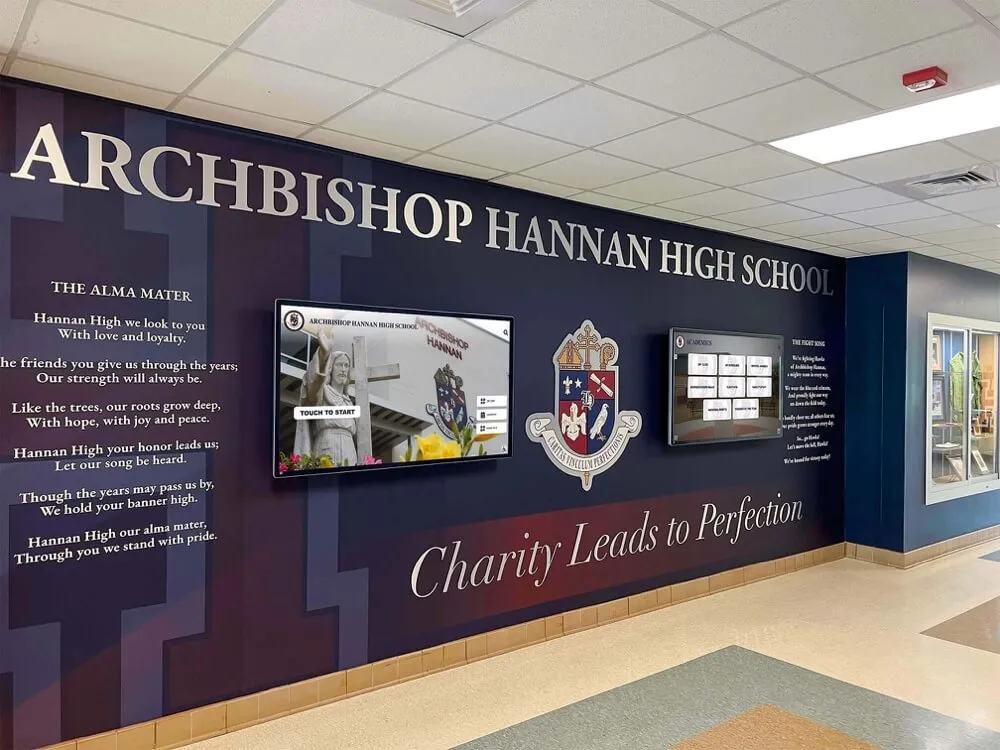
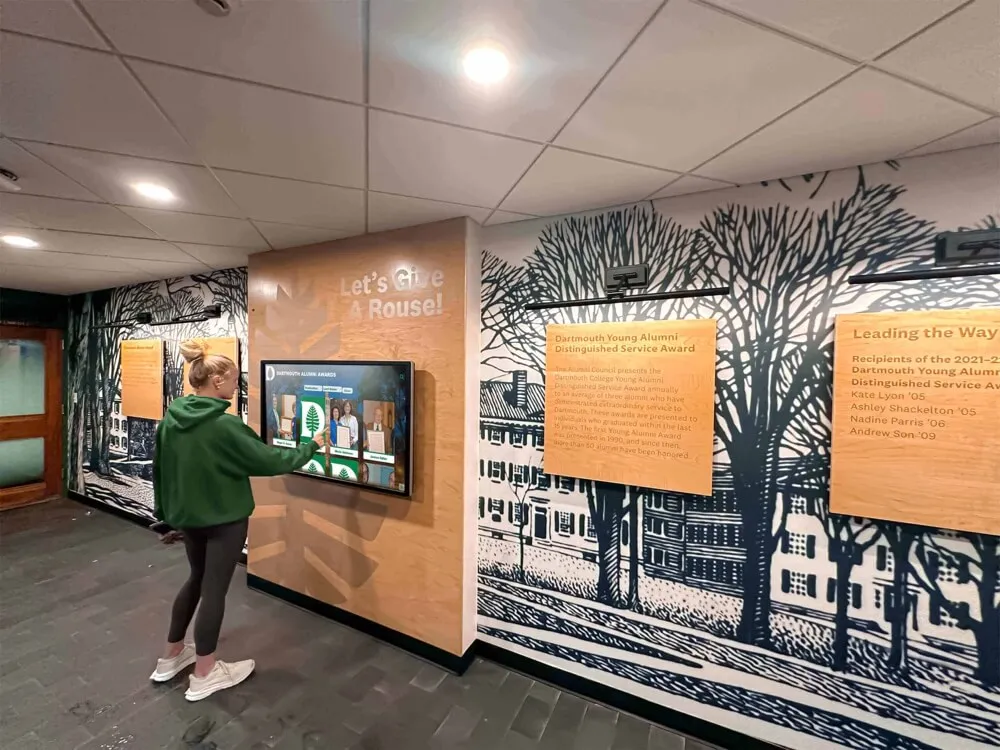
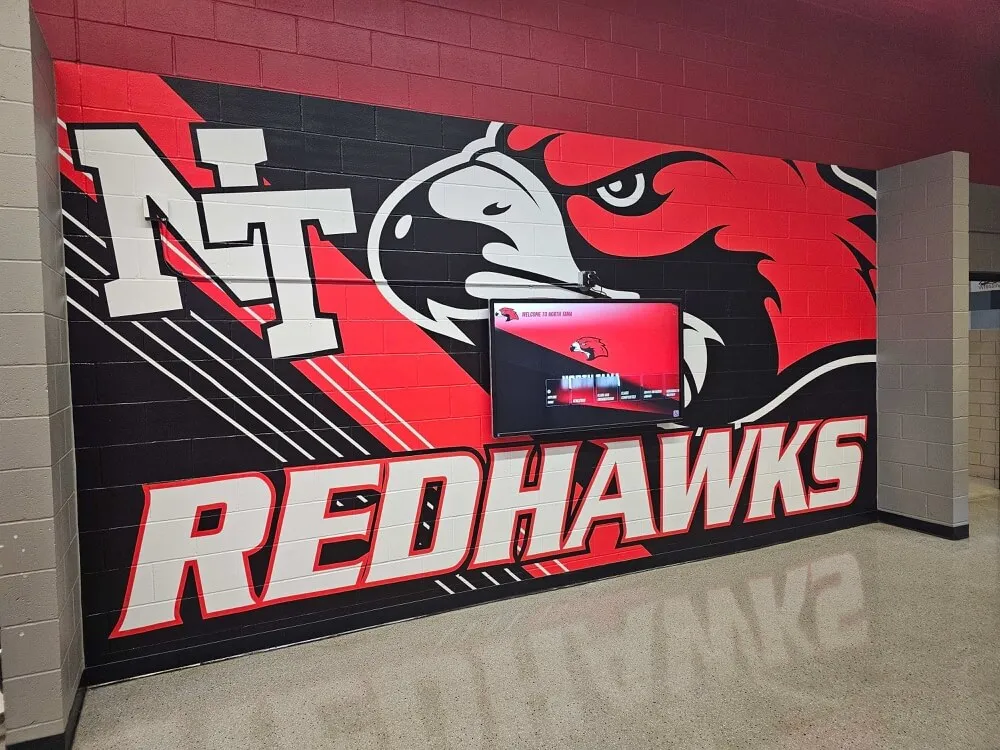
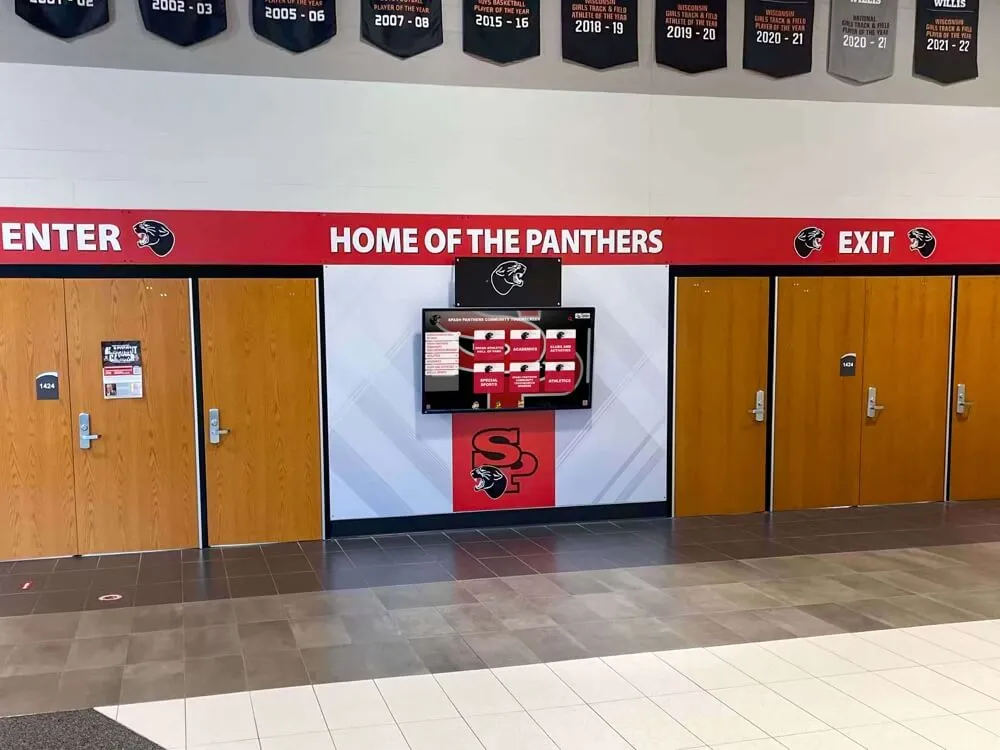
Hallway recognition displays that honor students from every program—including world language honor societies—communicate that all forms of excellence matter at the school
The Induction Ceremony: What to Expect
The Spanish honor society induction ceremony is the moment that transforms an eligible student into a recognized member—and for many schools, it is one of the most meaningful academic events on the calendar. Ceremony formats vary by school, but most follow a recognizable structure that balances formality with celebration.
Typical Ceremony Elements
Welcome and Context-Setting The faculty sponsor or chapter president typically opens by explaining the significance of the Sociedad Honoraria Hispánica, its founding history, and the meaning of the four pillars. Parents, families, and guests benefit from this orientation, which frames the ceremony as more than an assembly—it is an official recognition event with real academic weight.
Candle Lighting or Pledge Ritual Many SHH chapters incorporate a candle lighting ceremony, a tradition common across academic honor societies. New inductees light candles—often in the chapter’s colors of purple and gold—and recite a pledge affirming their commitment to the society’s values of scholarship, service, leadership, and character. This ritual component gives the ceremony gravity and creates a shared memory that inductees carry forward.
Individual Recognition Each inductee is called by name and receives their certificate of membership, often presented by the faculty sponsor or a returning officer of the chapter. In some schools, the inductee’s accomplishments in Spanish are briefly noted—courses completed, awards earned, cultural activities participated in. This individual moment of recognition, however brief, matters enormously to the students and families who have worked toward it.
Stole or Pin Presentation Many ceremonies include the presentation of honor regalia at this point—a stole, honor cord, lanyard, or membership pin that the inductee can wear during the ceremony itself and later at graduation. This tangible symbol is often what families photograph and what inductees most associate with the moment.
Cultural Component Strong SHH chapters incorporate a cultural or language component into the ceremony: a reading or recitation in Spanish, a brief performance, a presentation on a current issue in the Spanish-speaking world, or a cultural display prepared by existing chapter members. This component reinforces that membership in the SHH is about genuine engagement with the language and its cultures—not merely academic performance metrics.
Reception Many schools follow the formal ceremony with a reception featuring foods from Spanish-speaking countries, music, or cultural displays. This social component allows families to celebrate informally and gives returning members an opportunity to welcome the new inductees into the chapter community.
Faculty sponsors looking for guidance on creating a ceremony that matches the significance of the achievement can find practical frameworks in hall of fame induction ceremony planning guides that cover logistics, flow, and the elements that make recognition events memorable. Schools that also host end-of-year school assemblies often integrate SHH recognition into those broader events.
Timing and Setting
Most SHH induction ceremonies take place in the spring semester, after full-year GPA calculations are available and before graduation. Some schools hold separate ceremonies for juniors inducted in eleventh grade and seniors inducted in twelfth, while others combine all new inductees into a single event.
Ceremony locations vary from school libraries and auditoriums to gymnasium stages and outdoor courtyards. Whatever the setting, attention to decoration—including the society’s colors of purple and gold—signals to inductees and families that this event was thoughtfully prepared.
SHH Stoles and Honor Regalia: What They Mean
The honor stole has become one of the most recognizable symbols of high school academic achievement, and the Spanish honor society stole carries specific significance tied to the SHH’s identity and colors.
What the SHH Stole Looks Like
The traditional Sociedad Honoraria Hispánica regalia features the society’s official colors: purple and gold. Stoles—the long fabric sashes worn draped over the shoulders—appear most often in gold with purple embroidery or lettering, though individual chapters sometimes use purple as the primary color with gold accents. Some chapters order stoles through the AATSP directly; others commission custom designs that incorporate the school’s name or logo alongside SHH branding.
In addition to stoles, SHH regalia may include:
- Honor cords — purple and gold twisted cords worn around the neck, either as a standalone item or alongside a stole
- Membership pins — lapel pins bearing the SHH insignia, suitable for wearing on the jacket or blazer outside of graduation contexts
- Medallions — larger, heavier recognition pieces sometimes presented to graduates at senior award ceremonies
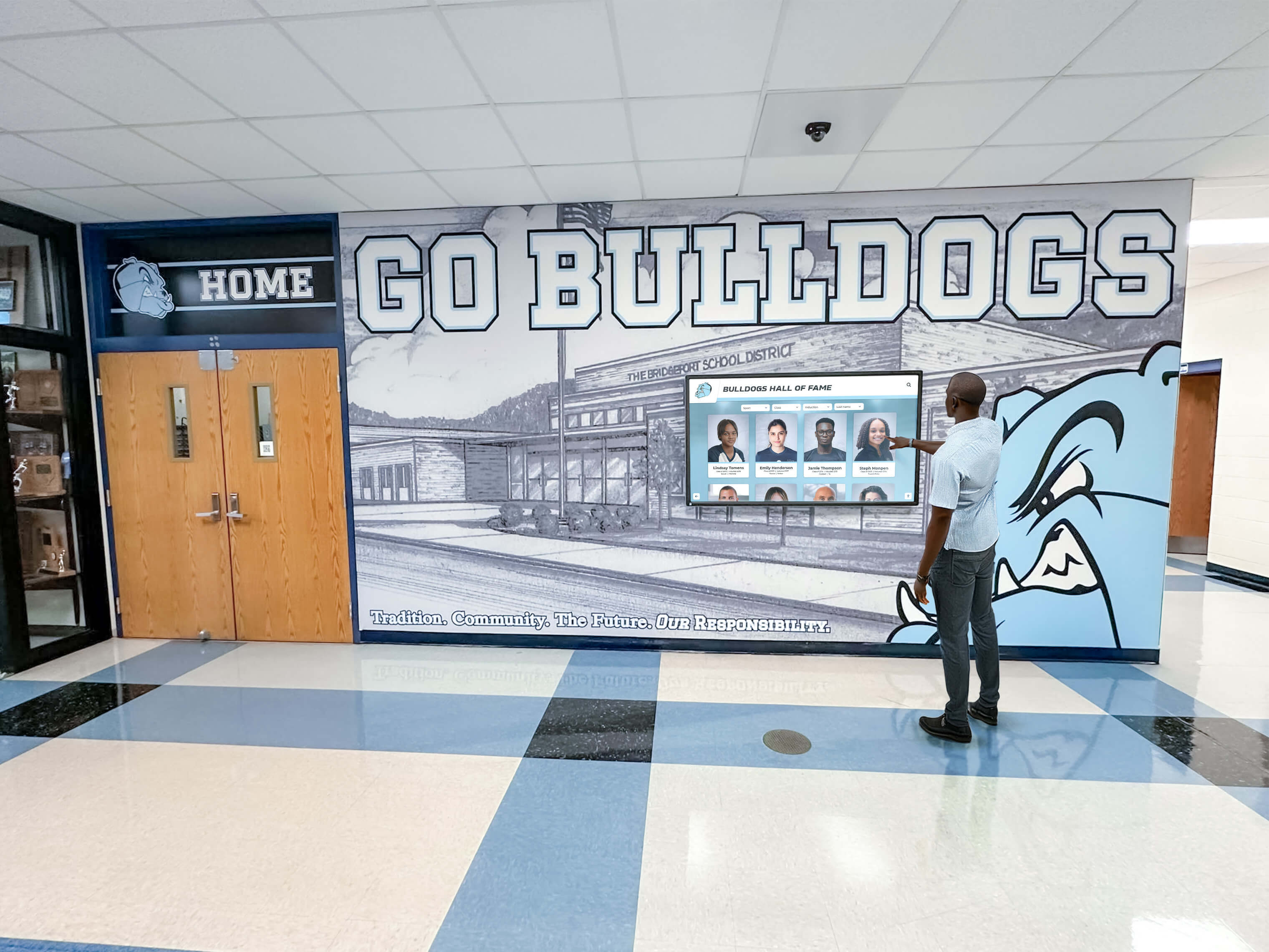
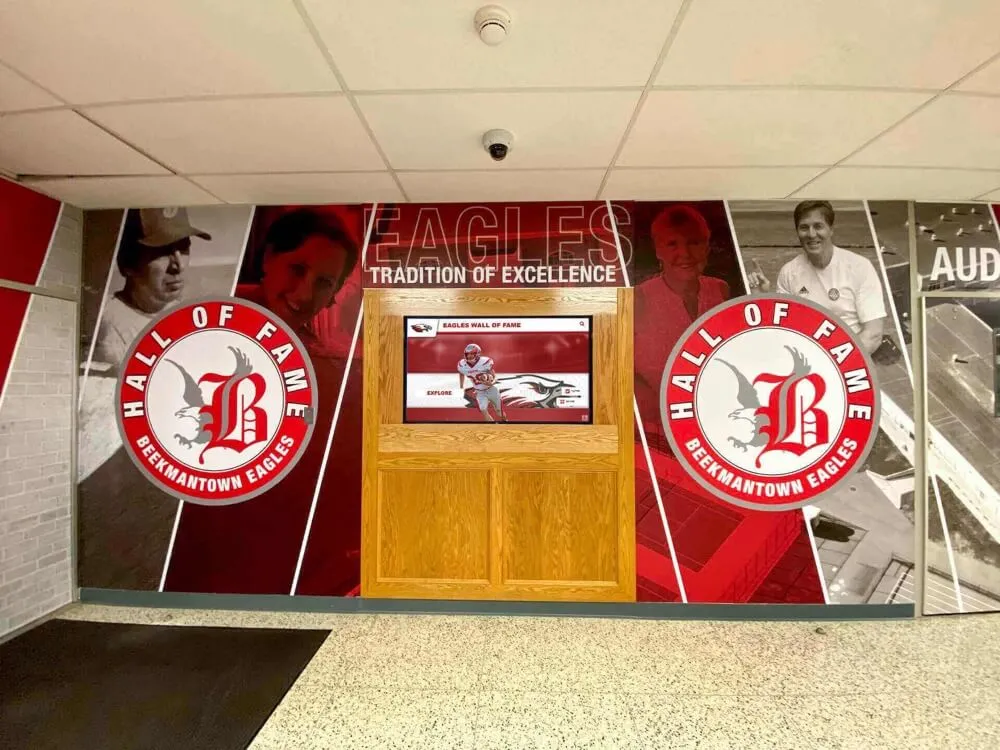
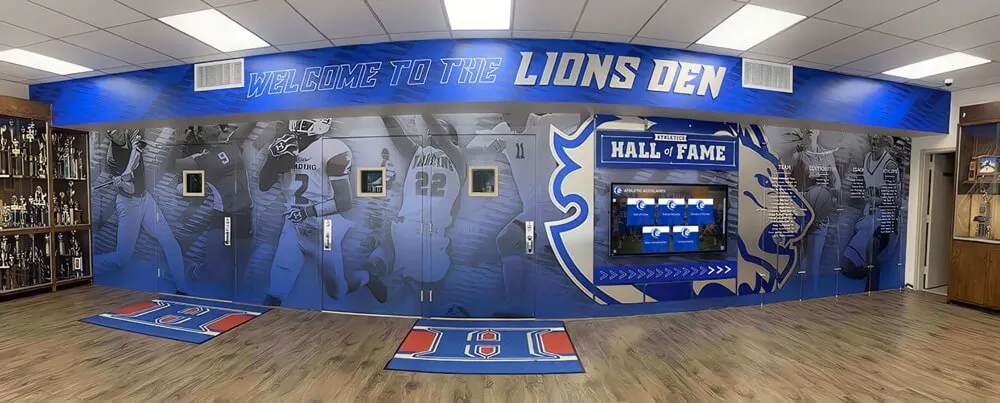
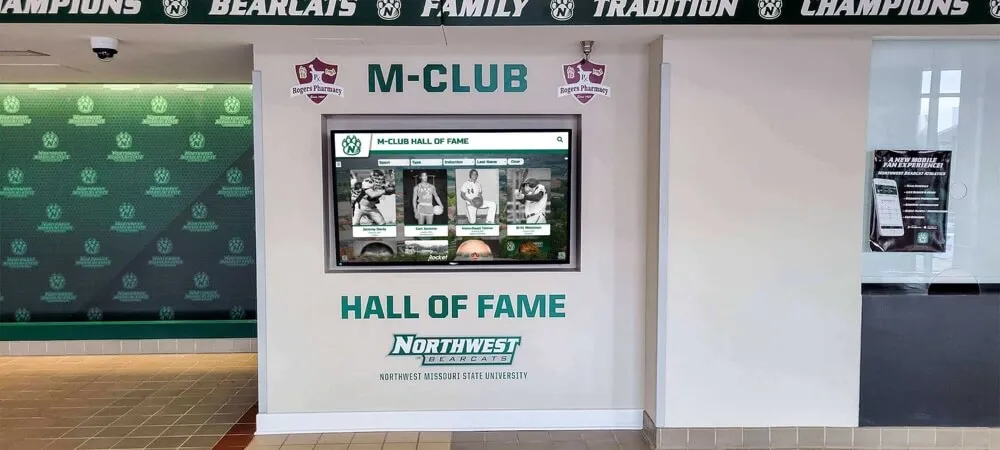
Digital recognition systems give every inductee a lasting profile that students, families, and alumni can explore—making honor society membership as visible as athletic achievement
When Stoles Are Worn
SHH stoles serve two primary ceremonial contexts:
At the Induction Ceremony New inductees may receive their stoles during the ceremony itself, wearing them for the remainder of the event as a visible symbol of their newly official membership. In some schools, returning members wear stoles while presenting awards to new inductees, creating a visual continuity between past and present chapter members.
At Graduation The most visible context for SHH regalia is the graduation ceremony. Seniors who are members of the Sociedad Honoraria Hispánica wear their stoles or honor cords alongside any other academic distinction regalia—National Honor Society cords, honors cords for other subject-specific societies, or graduation honor distinctions. For a complete picture of how academic achievement regalia works at graduation, resources on honors cords and academic stoles clarify the meaning of different colors and textures.
The Significance of the Stole
The physical stole matters beyond decoration. When a graduating senior walks across the stage wearing a gold-and-purple SHH stole, family members in the audience know—without explanation—that this student achieved something academically significant in their world language studies. The stole makes achievement visible at the moment of greatest community celebration, serving a recognition function that no grade transcript or diploma can replicate.
This is why families often photograph the stole as prominently as the diploma. The stole is not an accessory. It is an emblem.
SHH Chapter Activities and Member Benefits
Membership in the Spanish honor society extends beyond a certificate and a stole. Active chapters provide ongoing programming that enriches members’ language and cultural experiences throughout their remaining high school years.
Cultural Programming
Successful SHH chapters organize events that deepen members’ connections to Spanish-speaking cultures:
Hispanic Heritage Month Events (September 15 – October 15) — presentations, food fairs, cultural displays, speaker invitations, and artistic showcases that share Hispanic culture with the broader school community. Schools may also connect SHH chapter activities to resources like the National Hispanic Recognition Program to help students understand the broader landscape of Hispanic academic recognition.
Film and Media Nights — Spanish-language film screenings with discussion, exposing members to cinema from Spain, Mexico, Argentina, and other Spanish-speaking nations.
International Food Events — collaborative cooking or tasting events organized around foods from different Spanish-speaking regions, building cultural appreciation through experience.
Guest Speaker Programs — invitations to local community members, university professors, or professionals who speak Spanish as a primary or heritage language, sharing real-world connections between language study and career and community life.
Service Components
SHH chapters are expected to serve the community, and strong chapters identify service opportunities that connect naturally to language and culture:
- Volunteering as translators or bilingual liaisons at school events that serve Spanish-speaking families
- Tutoring younger students in Spanish or English
- Partnering with community organizations serving Latino/a/x residents
- Organizing book drives or supply collections benefiting partner schools in Spanish-speaking countries
- Creating bilingual informational materials for school-wide events
This service component distinguishes the SHH from a simple academic honor. Members are expected to put their skills and membership to work in ways that benefit others. Schools that build robust school awards programs for students often find that SHH service requirements generate some of their most meaningful community impact stories.
College Application Value
Membership in the Sociedad Honoraria Hispánica is a meaningful addition to a college application because it signals sustained language achievement, extracurricular engagement, and character. College admissions readers familiar with honor society conventions understand that SHH induction requires faculty recommendation and GPA criteria, distinguishing it from self-reported extracurricular activity.
Beyond college admissions, students should be aware of the scholarship opportunities available through national honor societies, many of which extend to language-specific societies like the SHH. The AATSP also offers scholarships and awards for outstanding Spanish and Portuguese students.

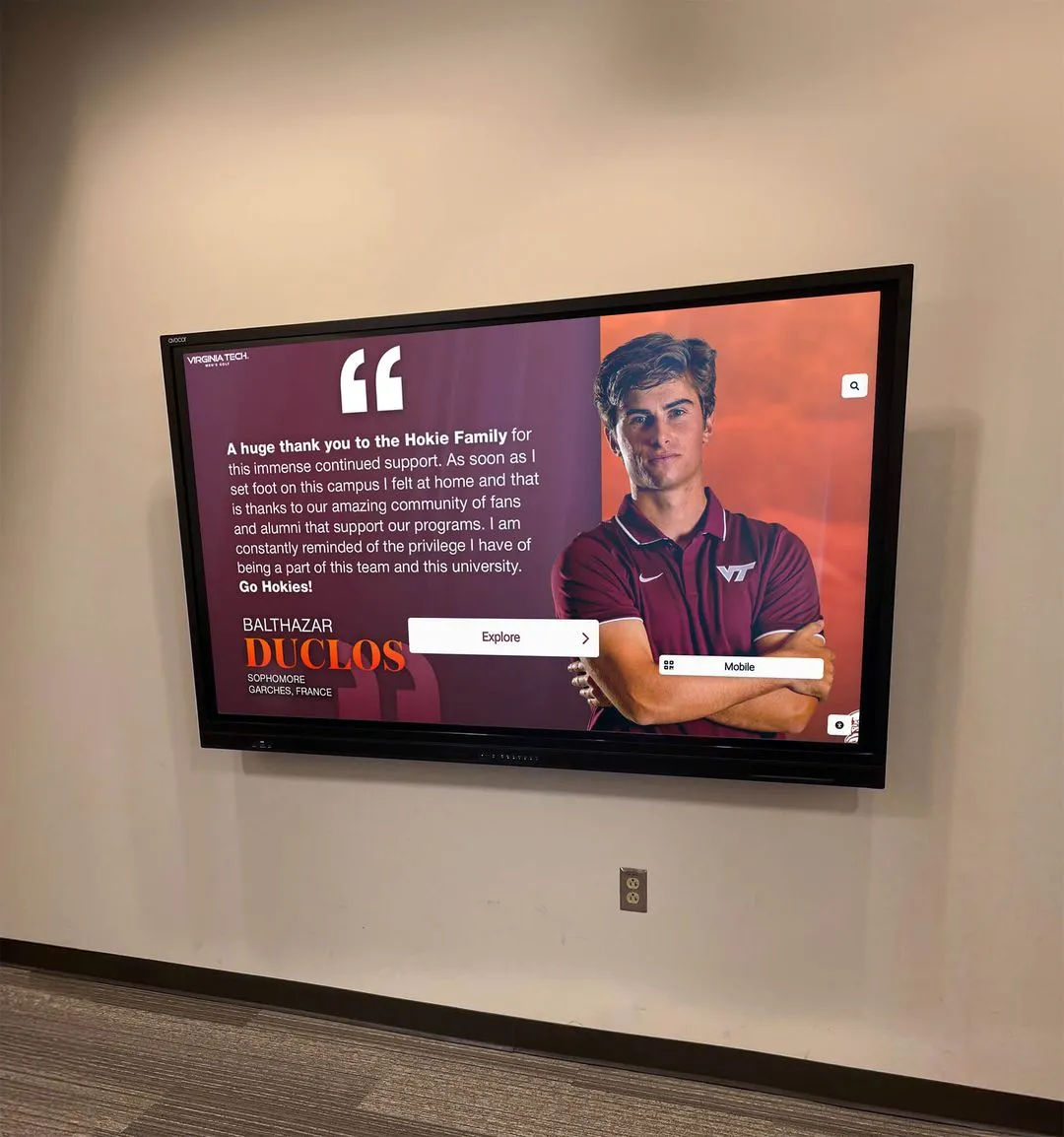
Modern digital recognition platforms provide mobile access so that SHH inductee records remain visible and searchable long after the induction ceremony ends
How Schools Recognize Spanish Honor Society Members
The induction ceremony handles recognition in the moment—but how do schools preserve and display SHH membership in ways that last beyond the evening? Institutions that take academic recognition seriously build systems that make world language achievement visible year-round, not just at annual ceremonies.
Traditional Recognition Approaches
Honor Society Bulletin Boards and Displays Many schools dedicate space in their hallways or main offices to honor society member rosters—typically name plaques, framed lists, or composite photographs. For the SHH, this display might feature the society’s colors and insignia alongside member names organized by induction year. When well-maintained, these displays communicate to the school community that language excellence is genuinely celebrated.
School Newspaper and Website Features Announcing new SHH inductees through the school newspaper, website, or social media accounts broadens the visibility of the recognition. A brief profile of each inductee—their language learning journey, favorite cultural experience, or plans for continuing Spanish in college—turns a list of names into human stories worth reading.
Recognition at All-School Events Introducing newly inducted SHH members at a school assembly, pep rally, or board meeting places the honor in front of the full school community. This public acknowledgment reinforces that academic achievement in world languages carries the same institutional celebration as athletic achievement.
Graduation Ceremony Program Recognition Listing SHH membership in graduation ceremony programs ensures that the achievement is documented in a keepsake document that families retain. Many schools include honor society membership alongside honor roll designations, athletic letters, and other recognitions in their graduation booklets.
Digital Recognition for Spanish Honor Society Members
Traditional displays face a familiar problem: they run out of space. A school that has maintained an SHH chapter for fifteen years has many more inductees than any bulletin board can hold. Physical displays can become cluttered, outdated, or simply too small to honor the full scope of achievement the chapter represents.
Digital recognition platforms solve this problem in ways that align perfectly with the needs of academic honor societies. Understanding what makes honor roll recognition effective at the school level informs how schools should approach honor society recognition as well—the same principles of visibility, accessibility, and lasting documentation apply. Schools using interactive touchscreen displays can:
Document every inductee since the chapter’s founding — unlimited entries without space constraints mean that a student inducted in 2008 appears alongside a student inducted this spring, with equal access and equal visibility.
Create rich member profiles — beyond a name and year, digital platforms can display a student’s Spanish coursework history, cultural activities participated in, service contributions, and a photo that puts a face to the achievement.
Support chapter history and tradition — a school’s SHH chapter builds a culture over time. Digital archives preserve that culture visibly, allowing current members to see the lineage they are joining and alumni to reconnect with their own recognition.
Make recognition searchable and accessible — families visiting for open houses, prospective students exploring the school’s academic programs, and alumni returning for reunions can browse SHH inductee histories with a simple tap, rather than squinting at a bulletin board from 2012.
Schools considering how to build a comprehensive digital recognition system benefit from understanding school hall of fame selection criteria and display principles—the same thoughtful approach to displaying athletic honor society inductees translates directly to academic honor society recognition.
Integrating SHH Recognition with Broader Academic Honor Systems
Schools with mature recognition cultures understand that the Spanish honor society does not exist in isolation—it is one component of a broader ecosystem of academic achievement programs. The SHH, the National Honor Society, subject-specific academic competitions, honor roll designations, and department awards all belong to the same recognition family.
Digital recognition platforms let schools display all of these programs in a unified system rather than maintaining separate bulletin boards for each. A student who is simultaneously a National Honor Society member, an SHH inductee, and a state-qualifying science fair participant appears in one searchable profile that tells their complete academic story—rather than appearing on three separate lists in three different hallways.
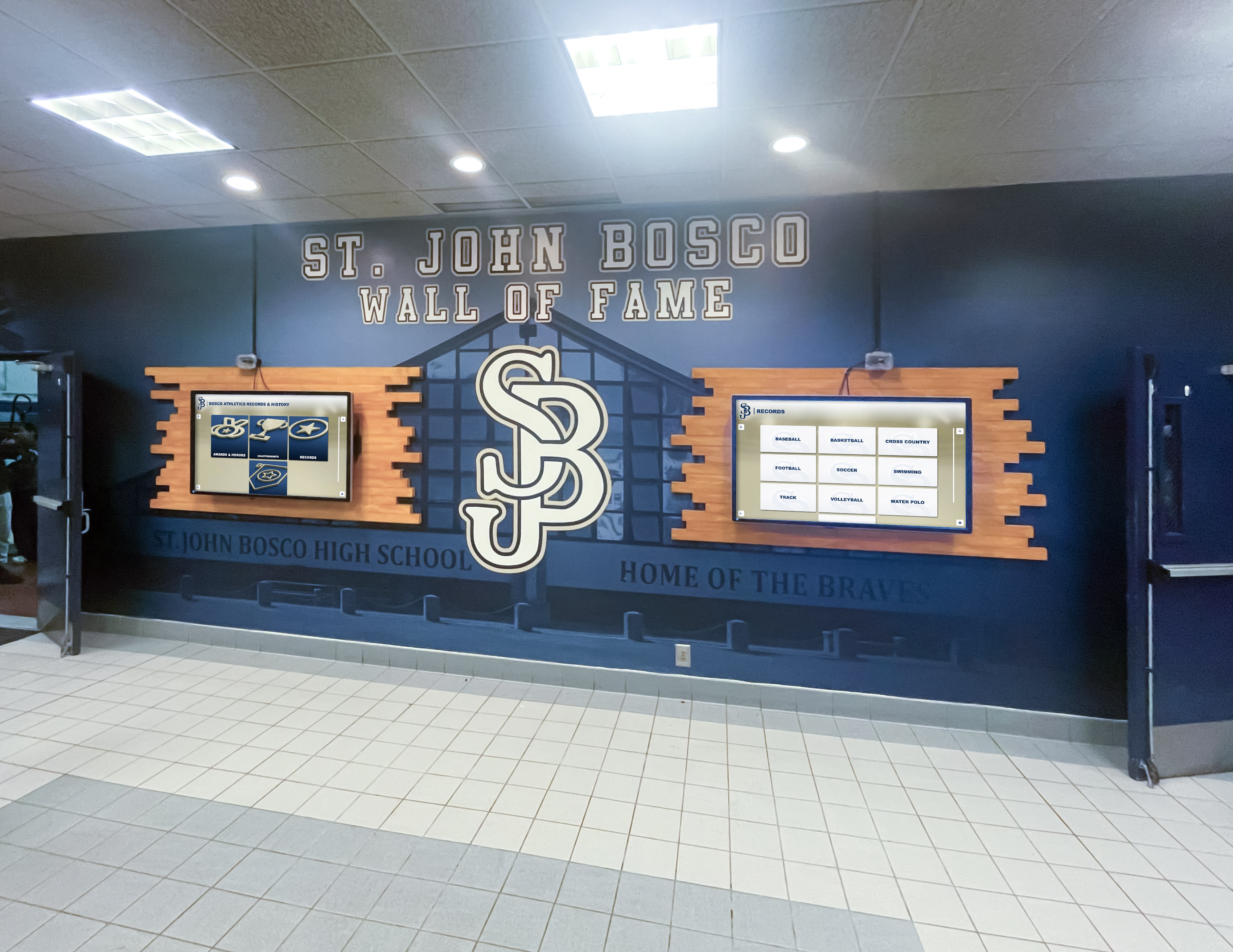
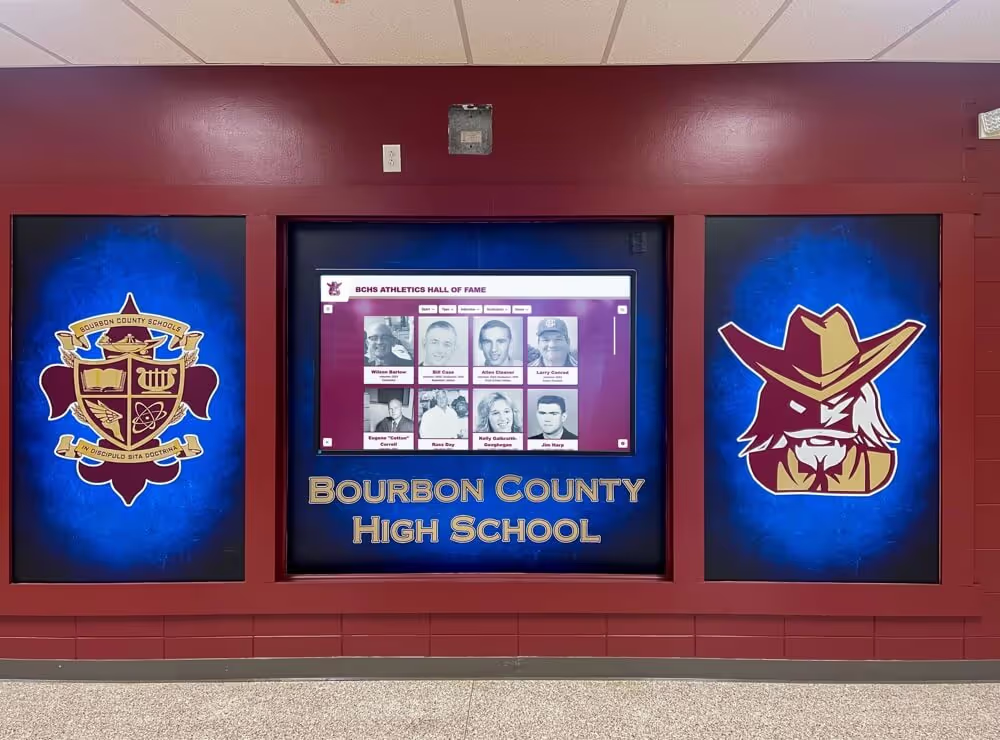
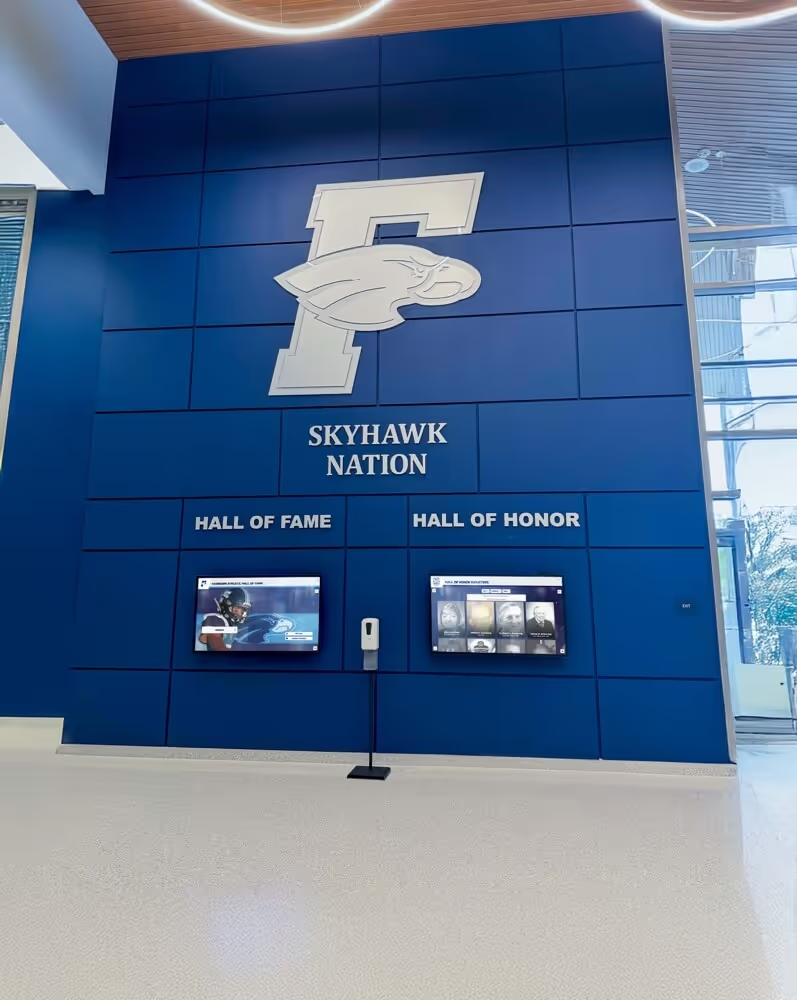
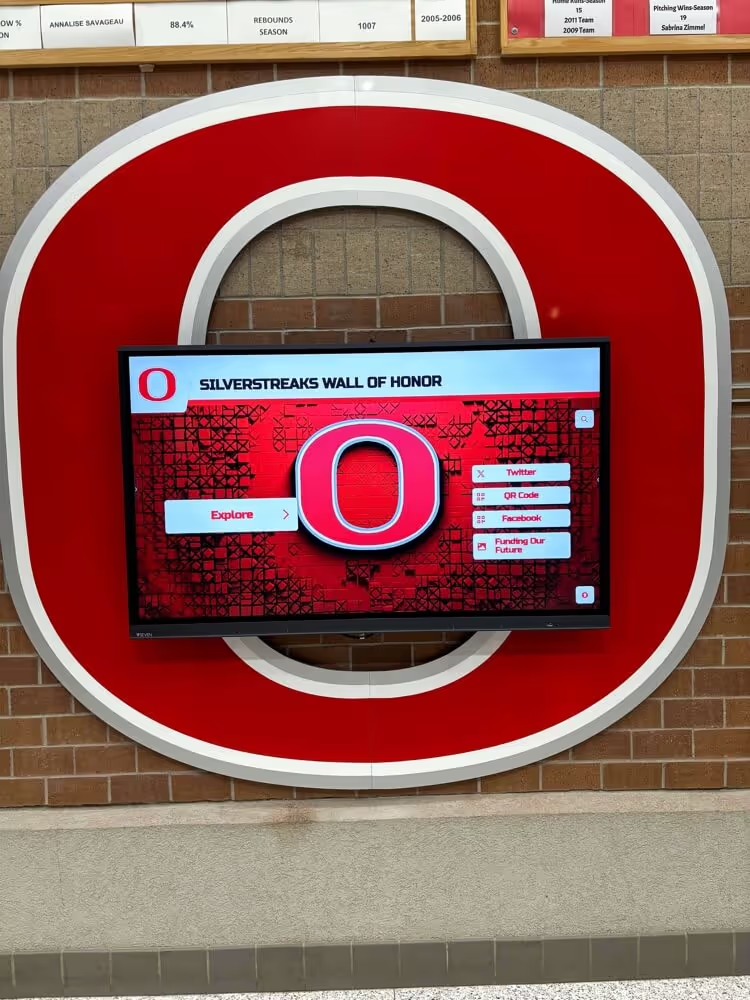
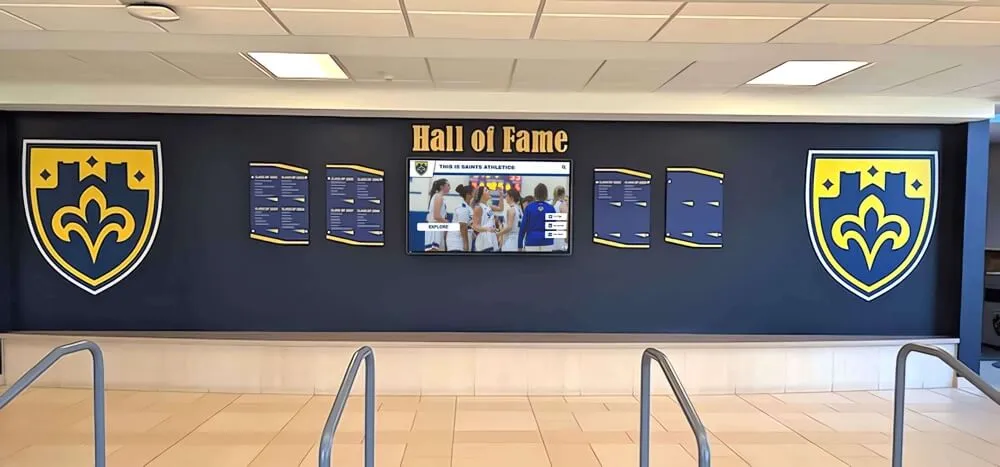
Schools that display academic honor society recognition alongside athletic honors communicate clearly that every form of excellence has a place in the school's story
This integrated approach reflects the same values behind comprehensive academic honor program design that leading schools have adopted to honor every dimension of student excellence. Schools thinking about how to frame world language honors within a complete achievement picture will find that understanding the full range of highest academic awards in high school helps them position SHH recognition appropriately alongside valedictorian recognition, departmental excellence awards, and other top-tier academic honors.
Rocket Alumni Solutions builds interactive digital recognition systems that let schools create searchable profiles for every SHH inductee—alongside athletic hall of fame members, academic honor roll students, and donor recognition—all within a single touchscreen display platform.
Starting or Revitalizing an SHH Chapter
For Spanish teachers or department heads considering launching a new chapter—or for schools with a dormant chapter that needs revival—the path forward is more accessible than many assume.
How to Charter a New SHH Chapter
The American Association of Teachers of Spanish and Portuguese maintains the chartering process for new SHH chapters. The faculty sponsor must be a current AATSP member, and the school must submit a charter application that includes information about the proposed chapter’s structure, criteria, and activities.
Key steps for new chapters:
Join AATSP as a faculty sponsor — individual membership provides access to SHH chapter resources, official materials, and the national community of Spanish and Portuguese educators.
Establish local criteria — using the national minimums as a floor, determine your school’s GPA thresholds, language study duration requirements, and character assessment process.
Identify inaugural members — your first induction class sets the tone for the chapter’s culture. Selecting students who genuinely embody all four pillars—not merely those with the highest grades—builds a chapter identity that will attract the right candidates in future years.
Plan your inaugural ceremony — even a modest first ceremony with a candle lighting, individual recognition, and a brief cultural component creates the tradition that new students will aspire to join.
Establish display and record-keeping systems — document your founding class with photos and records. These become the historical foundation that the chapter builds on year after year.
Reviving a Dormant Chapter
Schools with lapsed SHH charters often need only to reactivate the AATSP membership and confirm the charter with national leadership. The more important challenge is cultural: rebuilding awareness of the honor society among students, families, and administrators who may not know the chapter exists or may not understand its significance.
Revitalization strategies include:
- Announcing the returning chapter in school communications with context about what membership means
- Partnering with guidance counselors to identify eligible students who might not self-identify as candidates
- Hosting a small information session where the faculty sponsor explains the chapter’s purpose, criteria, and activities
- Designing a launch ceremony that sets a high-quality standard from the beginning
A newly revitalized chapter that conducts a thoughtful, dignified induction ceremony in its first year sends a clear message that this recognition is real and worth pursuing.

Modern digital recognition platforms make every inductee's profile accessible across devices—so recognition lives well beyond the ceremony night and the graduation stage
Comparing the SHH to Other World Language Honor Societies
The Sociedad Honoraria Hispánica is not the only world language honor society serving high school students. Understanding how it fits within the broader landscape helps students who study multiple languages and helps schools considering multi-society recognition strategies.
The Société Honoraire de Français (SHF)
The French equivalent to the SHH, the Société Honoraire de Français serves students who have achieved excellence in French study. It is also sponsored by a professional language educator organization and follows a similar four-pillar model. Schools with robust French and Spanish programs often charter both societies.
The National German Honor Society (NGHS)
The Deutsche Ehren Gesellschaft (DεG), or National German Honor Society, recognizes achievement in German language study at the high school level. Its criteria and structure parallel those of the SHH.
The National Latin Honor Society (NLHS)
For students studying Latin or classical Greek, the National Latin Honor Society provides similar recognition through a chapter model. The NLHS tends to have particularly strong traditions at schools with active classics programs.
Why the SHH Has Distinctive Recognition Weight
The Sociedad Honoraria Hispánica carries recognition weight for a specific reason beyond language achievement: Spanish is the second most widely spoken language in the United States, and proficiency in Spanish carries demonstrable value in professional, civic, and personal life. Colleges, employers, and communities understand that students who pursued Spanish seriously enough to achieve SHH induction have a tangible, real-world skill—not merely an academic credential.
This practical dimension gives the SHH recognition significance that extends beyond graduation day. For schools thinking about how academic recognition connects to student futures, the SHH represents exactly the kind of achievement worth celebrating through every channel available—from the induction ceremony to the graduation stage to the school lobby’s digital recognition display.
Frequently Asked Questions About the Spanish Honor Society
What does SHH stand for? SHH stands for Sociedad Honoraria Hispánica, the official name of the Spanish honor society. The abbreviation uses the first letters of the Spanish name.
What GPA do you need for the Spanish honor society? The national minimum is typically a 3.0 GPA in Spanish or Portuguese coursework. Many individual chapters set higher thresholds—3.5 is common. Each chapter also has its own overall GPA requirement, which varies by school. Contact your school’s faculty sponsor for the specific requirements at your chapter.
Can you join the SHH if you study Portuguese instead of Spanish? Yes. The Sociedad Honoraria Hispánica recognizes achievement in both Spanish and Portuguese study. Portuguese students meet the same criteria as Spanish students. The AATSP sponsors both languages, reflecting their shared Iberian and Latin American linguistic heritage.
What do Spanish honor society stoles look like? SHH honor stoles and cords typically use the society’s colors of purple and gold. The most common version is a gold stole with purple lettering or embroidery, though chapters vary in their exact regalia choices. Students wear these at the induction ceremony and at graduation.
Is the Spanish honor society recognized by colleges? Yes, SHH membership is a recognized academic distinction that belongs on college applications. College admissions readers familiar with honor society conventions understand that SHH induction requires faculty recommendation and GPA criteria, distinguishing it from self-reported extracurricular activity.
How often does the SHH hold inductions? Most chapters induct once per year, typically in the spring semester. Some larger schools with significant new-member classes hold spring and fall inductions. The faculty sponsor determines the timing.
What happens after you’re inducted into the SHH? Inducted members become part of the chapter’s active membership and are expected to participate in cultural programming and service activities. They also gain national membership recognition through the AATSP and access to scholarship opportunities, competitions, and resources offered at the national level. Perhaps most visibly, they earn the right to wear SHH regalia at graduation alongside their other academic honors.
Can transfer students join the SHH? Transfer students who have completed the required semesters of Spanish or Portuguese at their previous school may be eligible for induction at their new school’s chapter, subject to that chapter’s criteria and the faculty sponsor’s judgment. The evaluation typically considers the student’s full language study history, not only courses taken at the current school.
Conclusion: The Lasting Significance of the Sociedad Honoraria Hispánica
The Spanish honor society represents more than academic achievement in a single subject. The Sociedad Honoraria Hispánica recognizes students who have committed to genuine language learning, cultural engagement, and the kind of whole-person excellence that its four pillars—scholarship, service, leadership, and character—describe together.
For students, induction is a milestone that marks years of language work, a moment of public recognition that they will carry into their college applications, their careers, and their adult lives. For schools, the SHH is an opportunity to celebrate something genuinely important: the capacity to communicate across languages, to engage with cultures beyond one’s own, and to demonstrate academic commitment in a discipline that has real-world significance.
Schools that treat this recognition seriously—building meaningful induction ceremonies, presenting regalia with appropriate ceremony, displaying member rosters in visible and lasting ways, and connecting SHH recognition to their broader academic honor programs—signal to their entire community that language achievement belongs at the same table as athletic achievement, science achievement, and every other form of excellence worth celebrating.
That message reaches students who have not yet made a choice about how seriously to take their Spanish class. And sometimes, seeing the gold-and-purple stole at graduation or a classmate’s name on the honor society display in the hallway is exactly what turns curiosity into commitment.
Celebrate Your Spanish Honor Society Members Year-Round
See how interactive digital recognition displays let schools showcase SHH inductees, honor society members, and academic achievers from every department—in searchable profiles that families, students, and alumni can explore any time.
Explore Digital Recognition Solutions