



Schools that attract and retain athletic sponsors don’t just sell space on a banner — they build a deliberate case for value. Sports sponsorship ROI is the measurable return a sponsor receives from investing in a school athletics program: documented visibility to real audiences, meaningful engagement with students and families, and lasting recognition that extends well beyond a single game or season. For athletic directors and development staff, the ability to quantify and communicate that value is the difference between a sponsor who renews year after year and one who quietly moves on.
This guide explains what sports sponsorship ROI means in a school athletics context, identifies the specific metrics that sponsors actually care about, and walks through how modern recognition tools — including digital displays, archival platforms, and touchscreen hall of fame systems — create tangible, reportable value that strengthens every sponsorship conversation.
In short: Schools report sports sponsorship ROI across three categories — visibility (audience reach, signage impressions, event attendance), engagement (social interactions, digital display dwell time, web traffic from sponsor links), and lasting recognition (archival displays, hall of fame naming rights, digital record boards with sponsor branding). Programs that document all three consistently retain sponsors longer and build the case for higher investment over time.

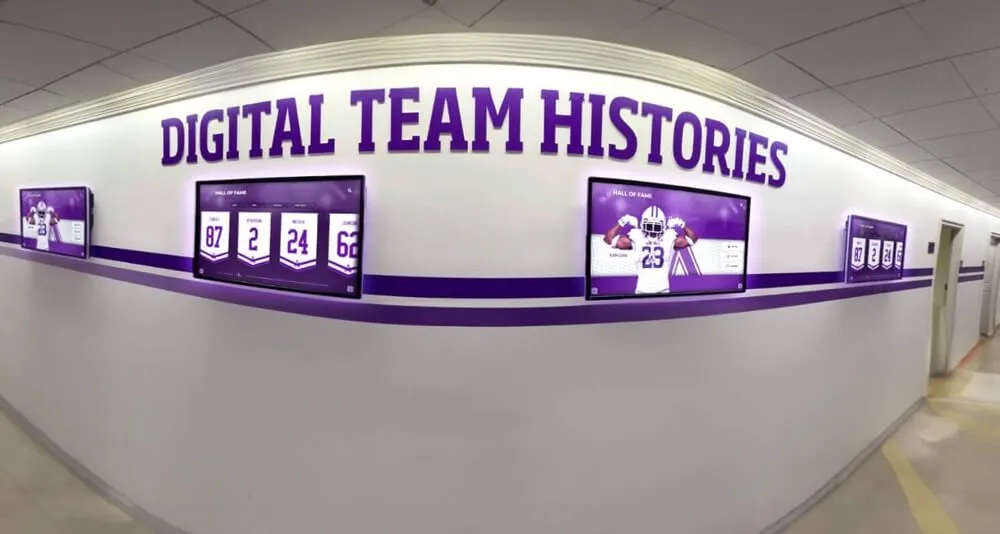
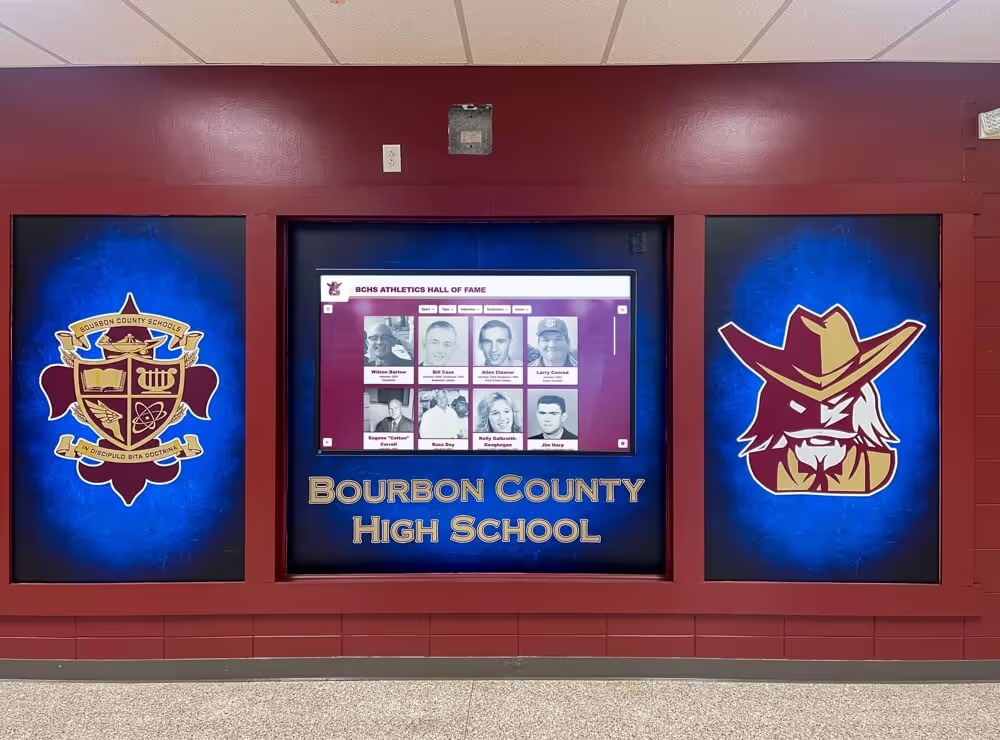
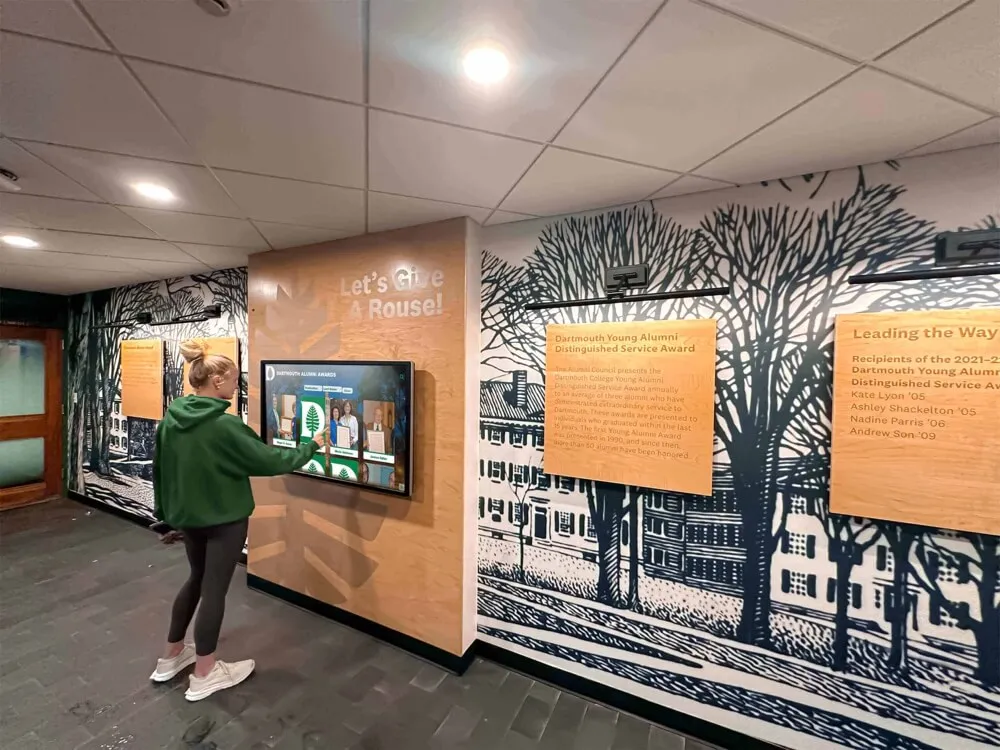
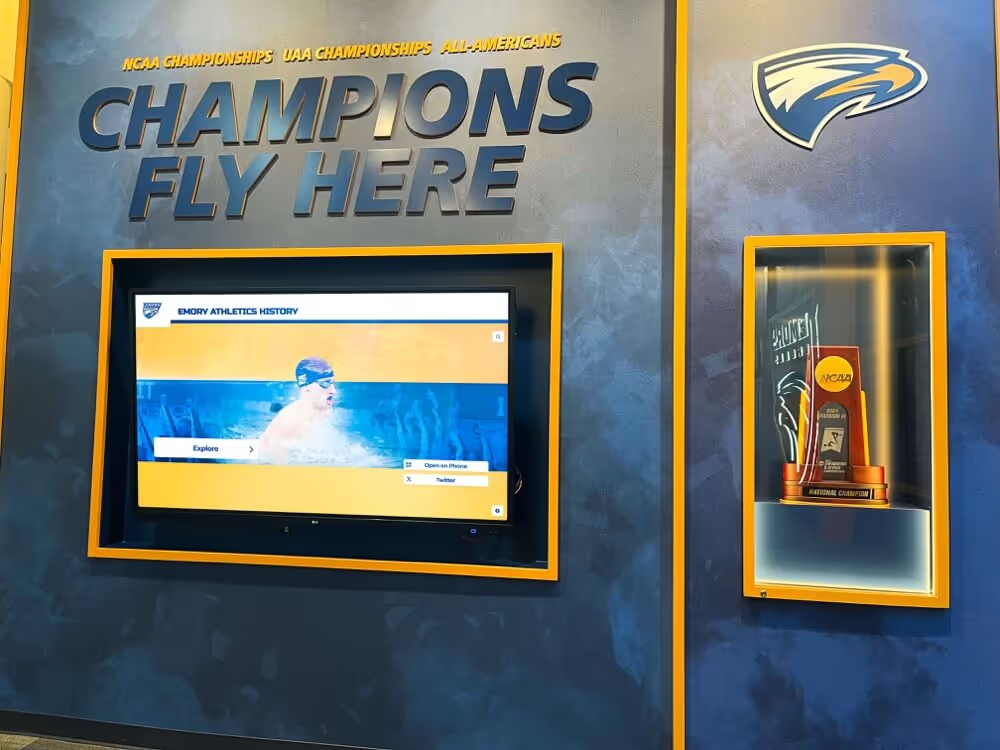
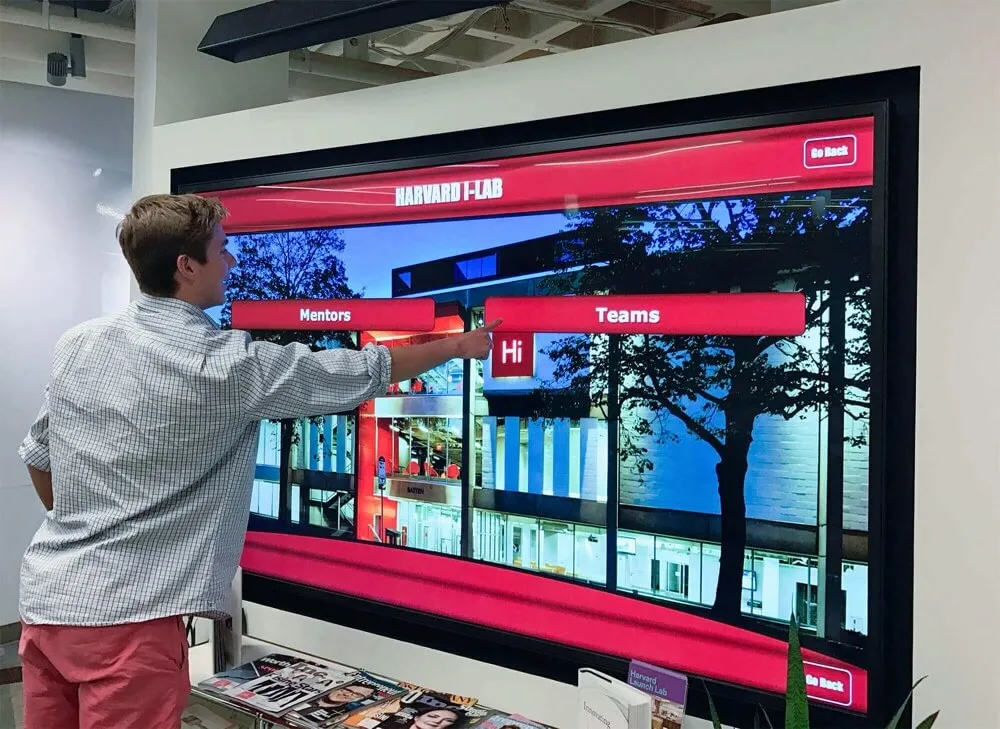
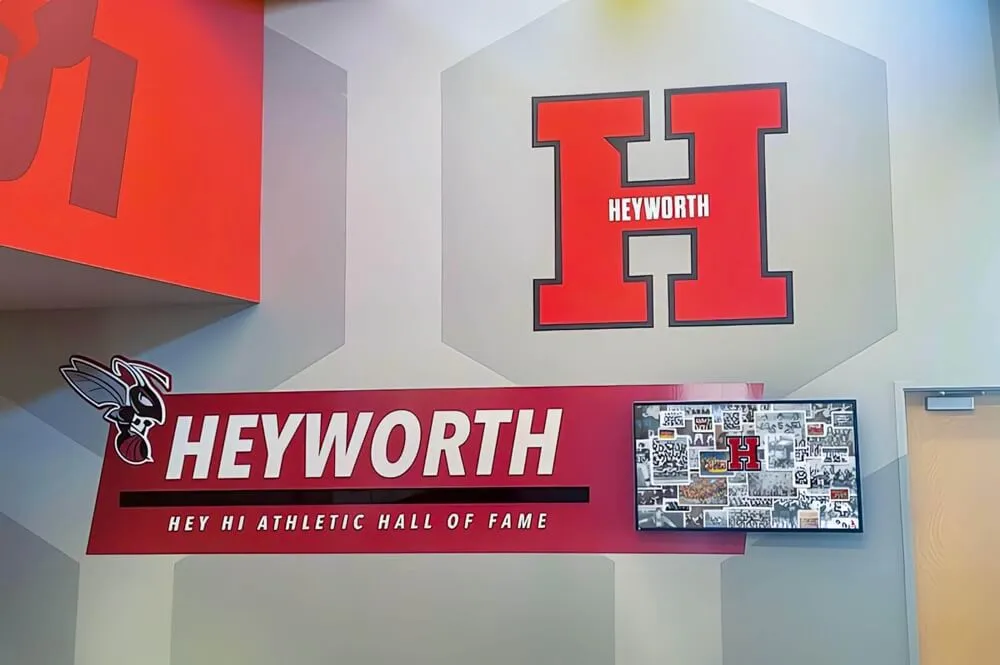
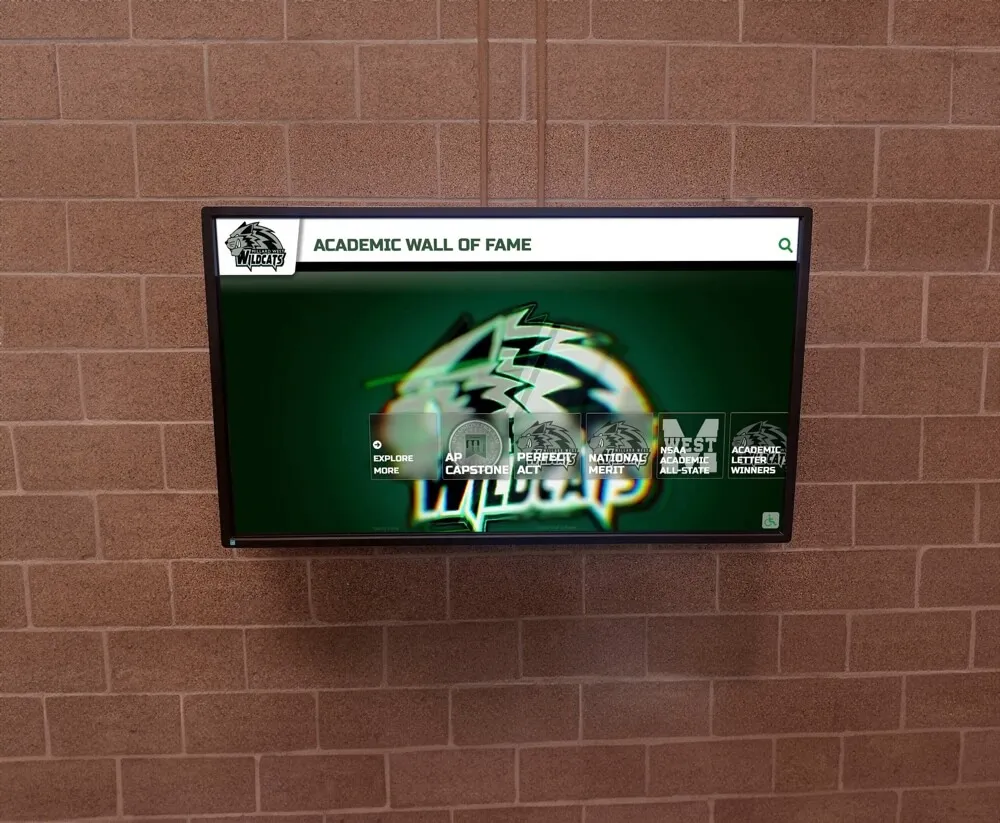
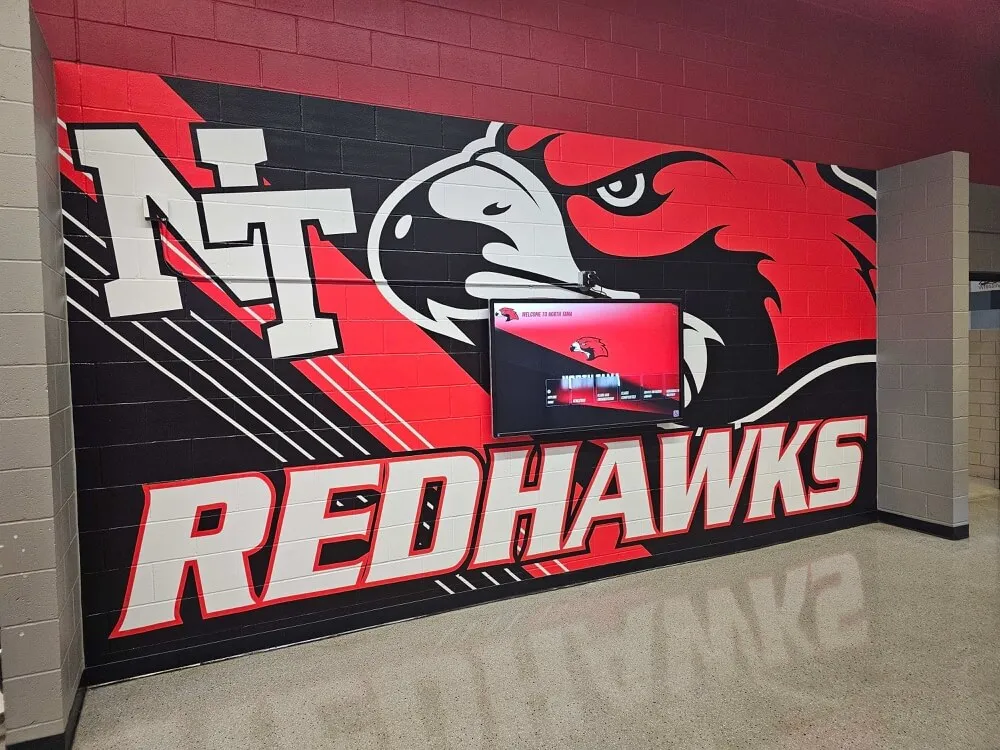
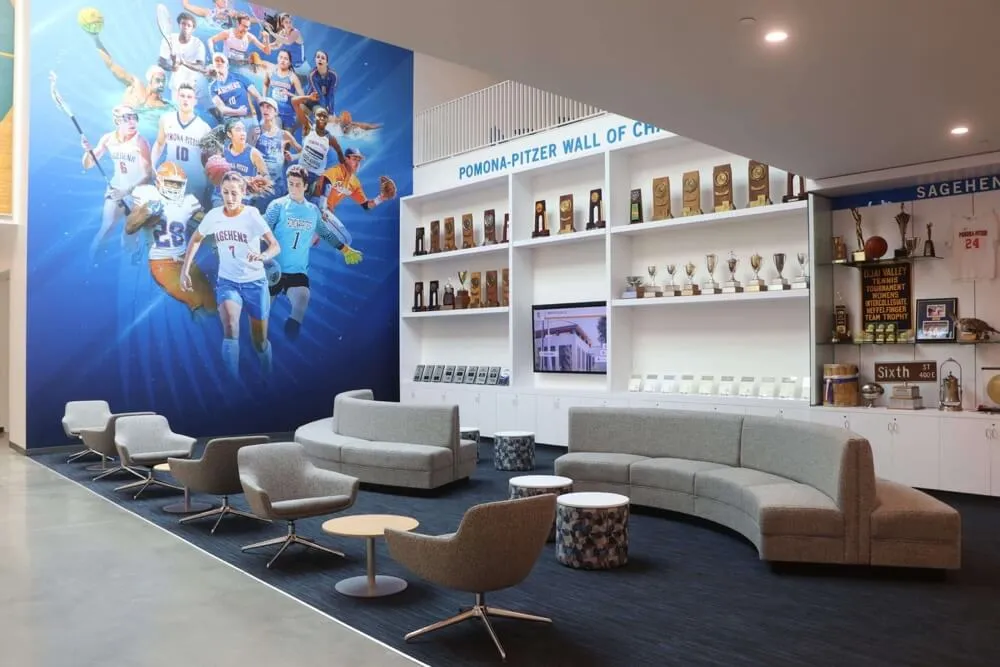
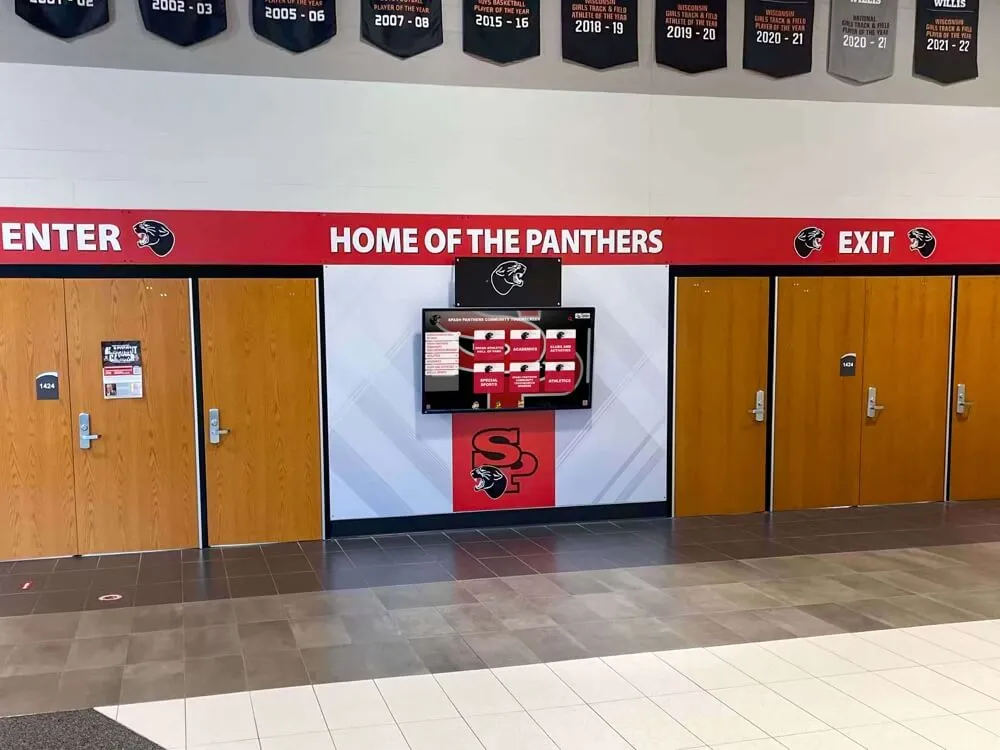
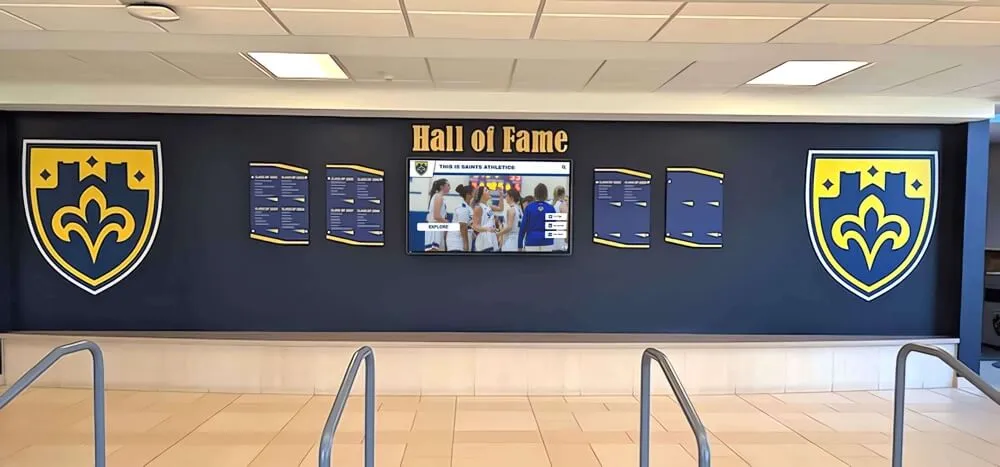
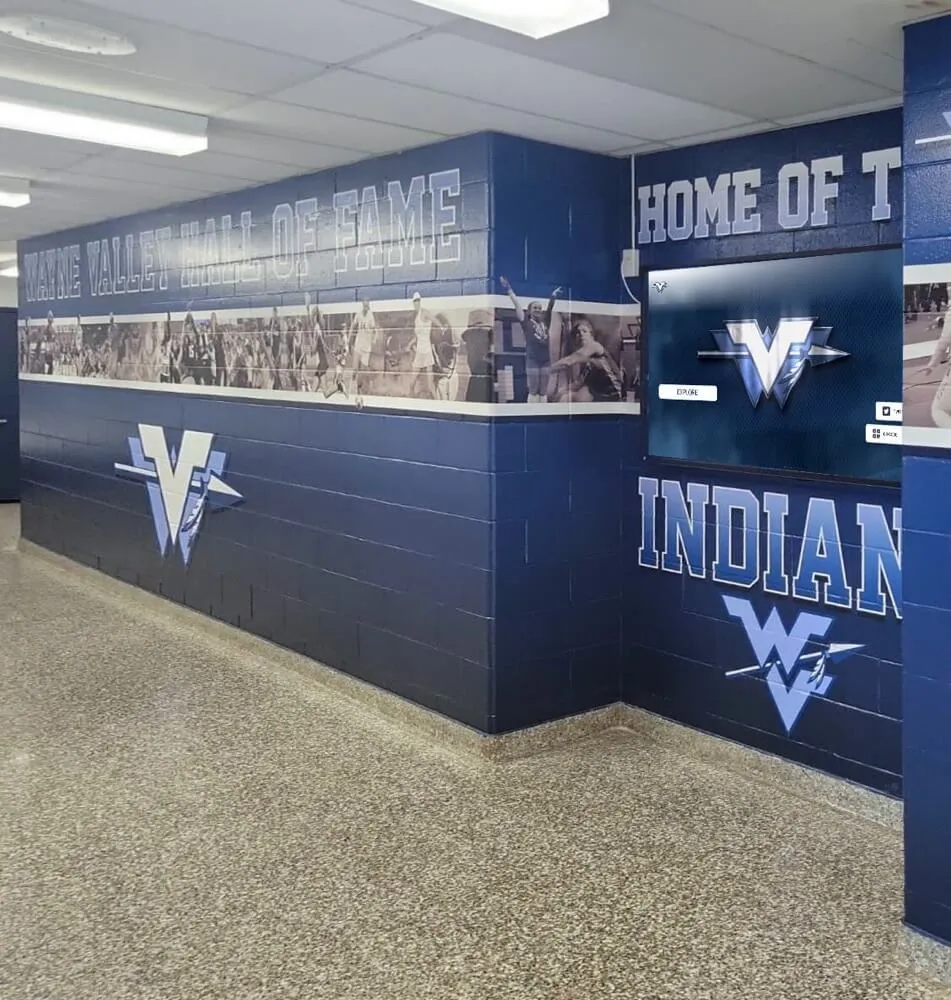
Permanent recognition displays give sponsors a visible, lasting presence in the spaces where athletes and alumni gather — one of the most defensible forms of sports sponsorship ROI
What Is Sports Sponsorship ROI in School Athletics?
Sports sponsorship ROI is the total value a sponsor receives relative to what they invest. In a corporate context, ROI is often framed purely in revenue terms. In school athletics, the framework is broader — and that breadth is actually an advantage for programs that know how to communicate it.
A title sponsor of a high school athletics program may not track direct sales back to a gym banner. What they do track: how often their brand appeared in front of local audiences, how their name was associated with a recognized community institution, whether students and families connected their business with positive community investment, and whether that recognition continued after the final buzzer.
Schools that understand this reporting language are positioned to show sponsors not just that they “got exposure” — but that their investment built something lasting.
The Three ROI Pillars Schools Should Report
Every sponsor conversation about value comes back to three categories:
1. Visibility — How many people saw the sponsor’s name, logo, or message? Where did it appear, and how often?
2. Engagement — How many people actively interacted with the sponsor’s presence? Engagement is the quality layer that distinguishes passive impressions from meaningful audience contact.
3. Recognition — Does the sponsor’s name appear in permanent or long-lived contexts that continue to generate value after the season ends? Recognition is where school athletic sponsorships have a unique advantage over other local advertising channels.
These three pillars form the framework for every sports sponsorship ROI report. The sections below explain how schools document each one.
Measuring Sponsor Visibility
Visibility is the most familiar ROI metric for sponsors: how many people encountered the brand during the sponsorship period. Schools have more visibility assets than they typically account for.
Attendance and Audience Reach
Start with the basics. For each sport season, document:
- Total home game attendance across all varsity sports
- Parent and family attendance at tournaments, banquets, and recognition events
- Alumni attendance at homecoming, reunion, and hall of fame induction events
- Community audience at outdoor events where signage is visible
If a sponsor’s logo appears on a banner in a gym that hosts 400 home events per year with average attendance of 200 people, that is 80,000 annual impressions from a single placement — before accounting for social media, live streams, or secondary exposure from event photography.
Signage and Physical Placement
Catalog every location where sponsor branding appears:
- Gym banners, stadium signage, field fencing
- Scoreboards and game programs
- Practice facility and locker room installations
- Trophy cases and award displays
- Athletic department website sponsor listings
- Lobby digital display rotation panels
For academic and athletic recognition programs that maintain active lobby and hallway displays, sponsor branding that rotates through touchscreen screens and digital display panels adds ongoing impression volume that compounds across the academic year.
Media and Digital Visibility
Social media has made visibility documentation significantly more precise. Track:
- Follower count and average reach for school athletics social accounts
- Posts mentioning sponsors (tagged posts, caption mentions, photo credits)
- Media coverage that includes sponsor branding in photographs or video
- Website traffic to sponsor landing pages linked from athletic department sites
- Email open rates for athletics newsletters that carry sponsor recognition
Measuring Sponsor Engagement
Engagement is where most school sponsorship reporting falls short — and where forward-looking programs can differentiate. Impressions tell a sponsor how many people could have seen their brand. Engagement tells them how many people actually did something in response.
Event Engagement Metrics
At games, tournaments, and recognition events, engagement documentation might include:
- Sponsor mention reactions during PA announcements (cheers, applause)
- Booth or table interactions if the sponsor has a physical presence at events
- QR code scans from sponsor-branded materials distributed at events
- Coupon or discount redemptions tied to sponsorship campaigns
Digital Display Engagement
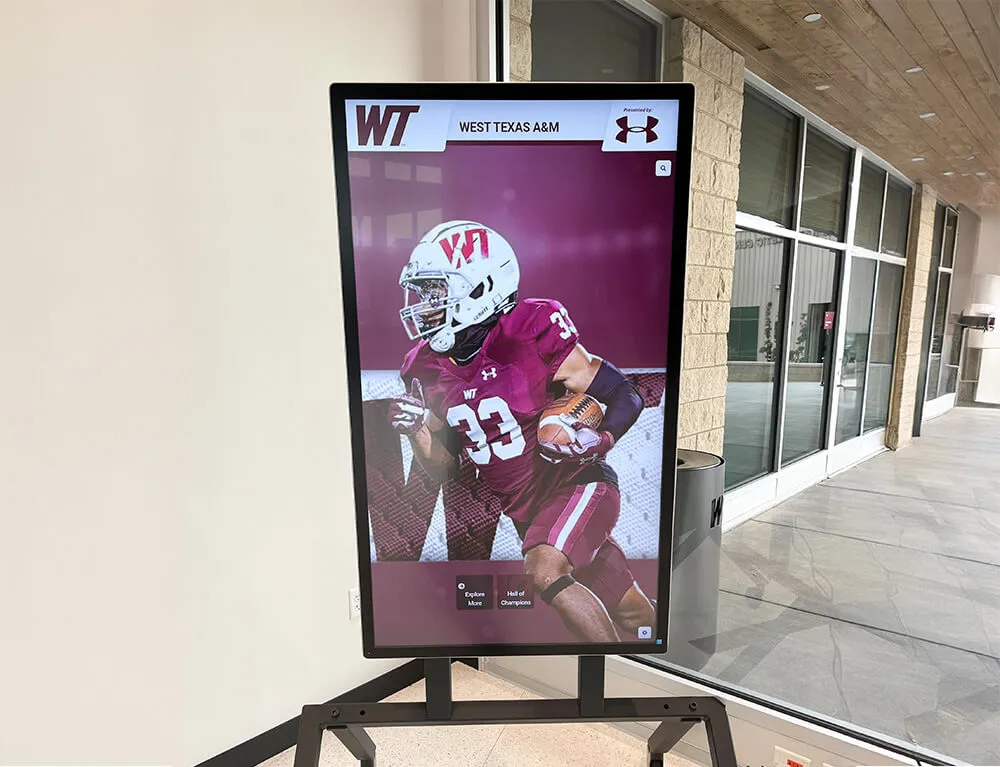
This is where touchscreen recognition systems create a measurable advantage. Athletic departments using digital displays in school athletic spaces can report engagement that traditional signage cannot:
- Average dwell time on sponsor-branded display panels
- Tap or click interactions with sponsor content on touchscreen kiosks
- QR code scans from sponsor panels on interactive hall of fame screens
- Total sponsor panel impressions tracked through the display management system
A lobby touchscreen kiosk that tracks engagement logs gives sponsors something they can present internally: not just “we had a banner,” but “our brand was actively engaged with 1,200 times at student athlete recognition events this season.”
Social Engagement
Track engagement actions tied to sponsor content specifically:
- Likes, shares, and comments on posts featuring sponsor branding
- Mentions of the sponsor’s name in comments and replies
- Tagged posts from families and students attending sponsored events
- Follower growth tied to sponsored event promotion campaigns
Engagement Reporting Tip: Even if your program doesn’t yet have a dedicated engagement tracking system, a simple shared tracking doc updated after each event — recording attendance, social post reach, and display interaction counts — creates the documentation baseline sponsors need when renewal conversations begin.
Sponsorship ROI Metrics by Category
The table below summarizes the metrics schools can track and present in a sponsorship ROI report:
| ROI Category | Metric | How to Measure |
|---|---|---|
| Visibility | Event attendance impressions | Attendance logs × number of events |
| Visibility | Signage placements | Inventory of all physical and digital placements |
| Visibility | Social media reach | Platform analytics for posts featuring sponsor |
| Visibility | Media mentions | Google Alerts, press coverage tracking |
| Engagement | Social interactions | Likes, shares, comments on sponsor content |
| Engagement | Digital display interactions | Touchscreen analytics or display management logs |
| Engagement | QR code scans | URL tracking from sponsor-linked codes |
| Engagement | Event booth interactions | Manual count or registration system data |
| Recognition | Archival display appearances | Permanent display inventory and update logs |
| Recognition | Hall of fame naming | Named gallery or section documentation |
| Recognition | Digital record board presence | Platform records with sponsor attribution |
| Recognition | Program history mentions | Annual report, media guide, website archiving |
Schools that can populate most rows in this table are equipped to present a genuinely compelling sponsorship ROI case at renewal time.
How Recognition Programs Strengthen Sponsorship ROI
This is where school athletics has an advantage most sponsors don’t initially anticipate — and where athletic directors who communicate it well transform short-term agreements into long-term partnerships.
A corporate sponsor’s billboard gets taken down when the contract ends. A sponsor’s name engraved on a trophy, embedded in a digital hall of fame display, or attached to a named scholarship fund continues to generate recognition for decades. That permanence changes the ROI equation entirely.
Hall of Fame and Display Naming
The most defensible recognition ROI comes from named recognition within permanent or long-lived institutional displays. A sponsor whose name is attached to a sport-specific gallery in a digital hall of fame receives:
- Visibility every time a current student, family member, or alumnus views the display
- Association with athletic achievement and institutional legacy — not a product promotion
- Archival permanence: their name remains part of the record even after an active sponsorship agreement concludes
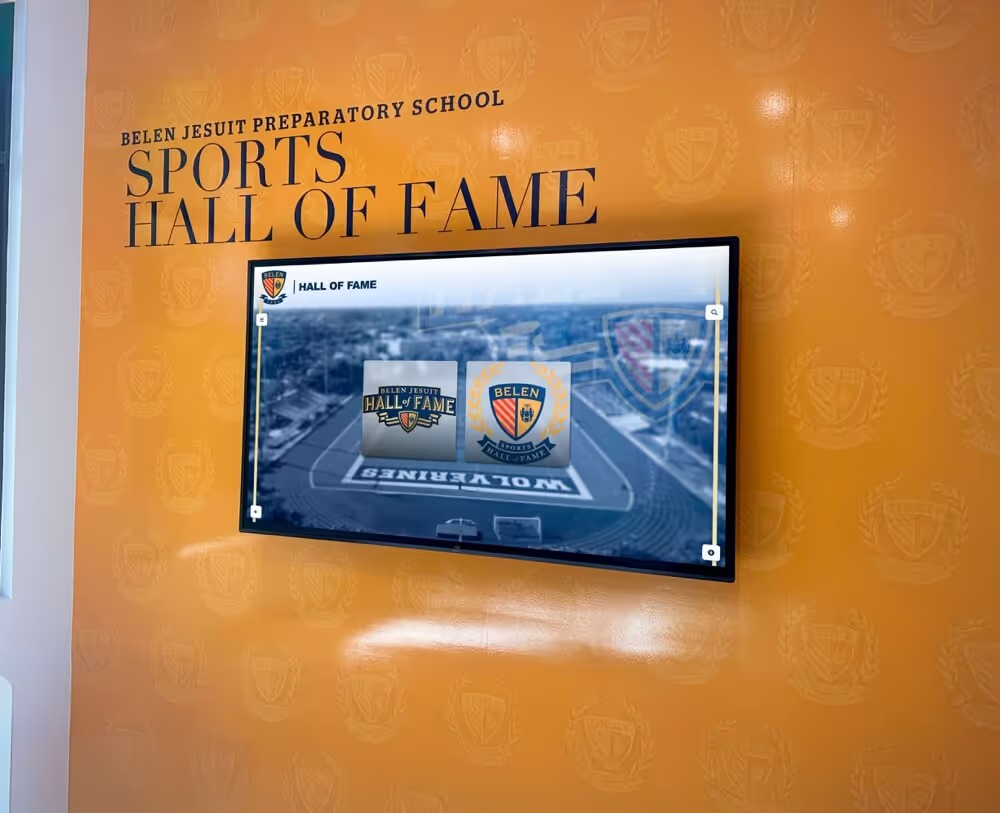
Tools for athletics and donor halls of fame increasingly include sponsor recognition panels as a standard feature — making it possible to integrate sponsor branding directly into the recognition content that visitors engage with most.
Digital Record Boards and Sponsor Attribution
Auto-ranking digital record boards — common in modern athletic recognition platforms — can display sponsor branding adjacent to the records they help make possible. A title sponsor of a specific sport whose name appears on the sport’s record board in the athletic lobby sees their brand connected to the program’s highest achievements every time a current athlete or recruit looks up where they rank.
For programs evaluating how to communicate this to sponsors, hall of fame tools for athletics, donors, and program history outlines how modern platforms document sponsor placement alongside recognition content in ways sponsors can verify independently.
Event-Specific Recognition Archives
Banquets, senior nights, and induction ceremonies all create archival content. Programs that publish event photography, video highlights, and digital programs — including sponsor branding — build a searchable archive that continues to attribute sponsor presence long after the event date.
For alumni reunion events that reconnect sponsors with your program community, sponsor branding visible in hall of fame and recognition displays creates organic exposure to alumni audiences that sponsors rarely receive through traditional advertising channels.
Building a Sponsor Stewardship Report
The sponsorship stewardship report is the single most effective retention tool an athletic department can produce. Most programs don’t produce one — which is exactly why doing so creates an immediate advantage in renewal conversations.
What a Stewardship Report Includes
A practical stewardship report covers the sponsorship period (typically one academic year or sports season) and documents:
1. Summary of Commitments Fulfilled
- Every deliverable in the sponsorship agreement, with confirmation of completion
- Photographs of signage, digital placements, event activations
- Dates and contexts for each fulfillment item
2. Visibility Summary
- Total audience reached across all events where sponsor appeared
- Signage placement inventory with photo documentation
- Social media reach and impressions from sponsor-tagged content
3. Engagement Summary
- Digital interaction data from touchscreen displays or website tracking
- Social engagement metrics (reactions, shares, comments)
- Event activation results if applicable
4. Recognition Summary
- Permanent or archival placements completed during the period
- Named display sections, record board attributions, event program mentions
- Year-over-year recognition continuity if the sponsor has been involved multiple years
5. Next Year Opportunities
- Upcoming events, display expansions, or recognition programs that represent new visibility for renewed sponsors
- Draft of the next agreement with proposed enhancements based on this year’s results
Stewardship Report Format
Keep the document sponsor-friendly — something a business owner or marketing director can skim in five minutes and share with a decision-maker. Use a clean layout with:
- One-page executive summary with the top-line metrics
- Photo documentation organized by placement type
- Simple charts or tables showing reach and engagement
- A clear next steps section with renewal timeline
Programs with strong stewardship practices are better positioned for everything else in their recognition infrastructure. The planning resources for athletic directors who manage both recognition programs and sponsorship relationships confirm that documentation discipline — building the habit of recording what happened and when — is the foundation for both functions.
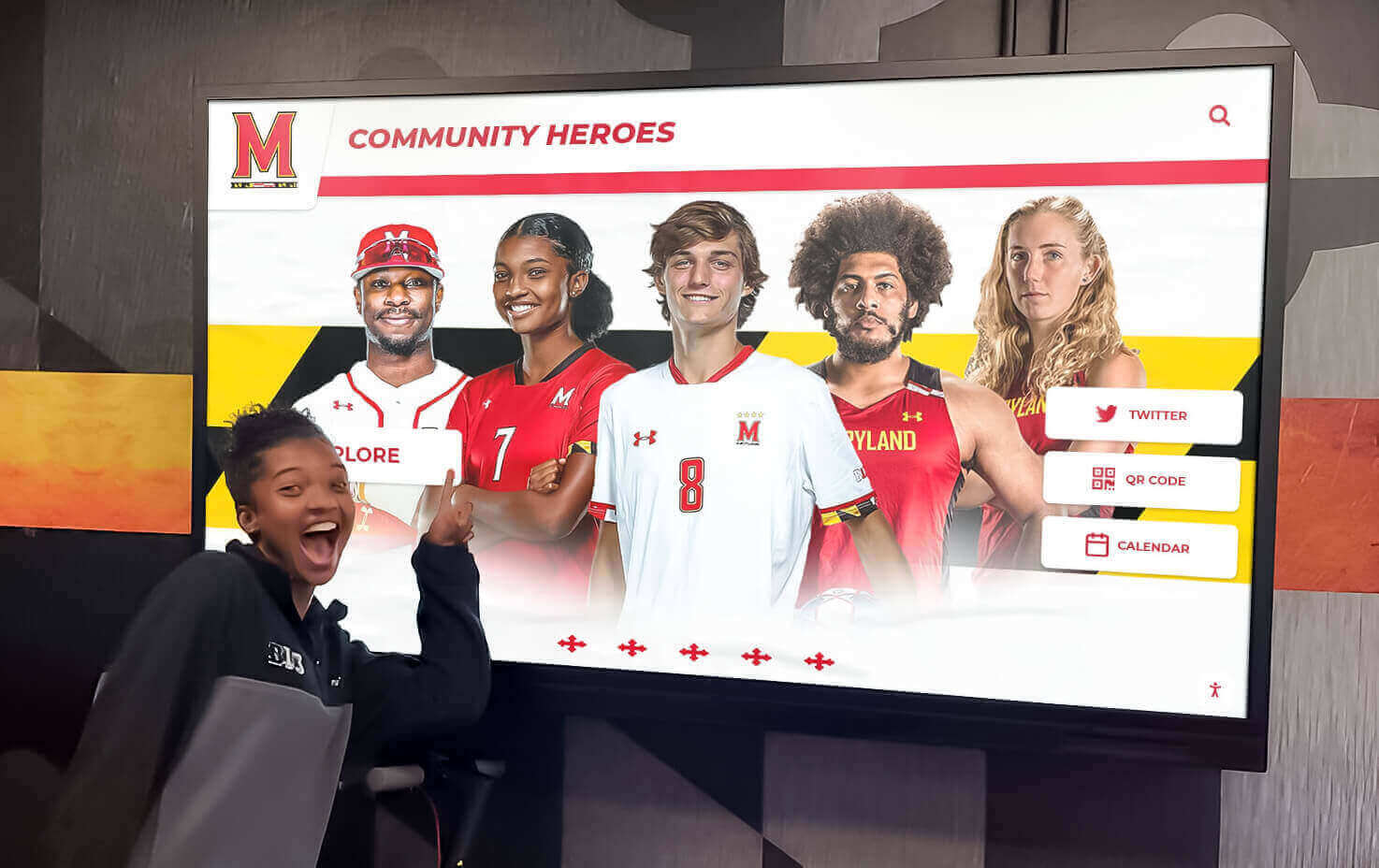
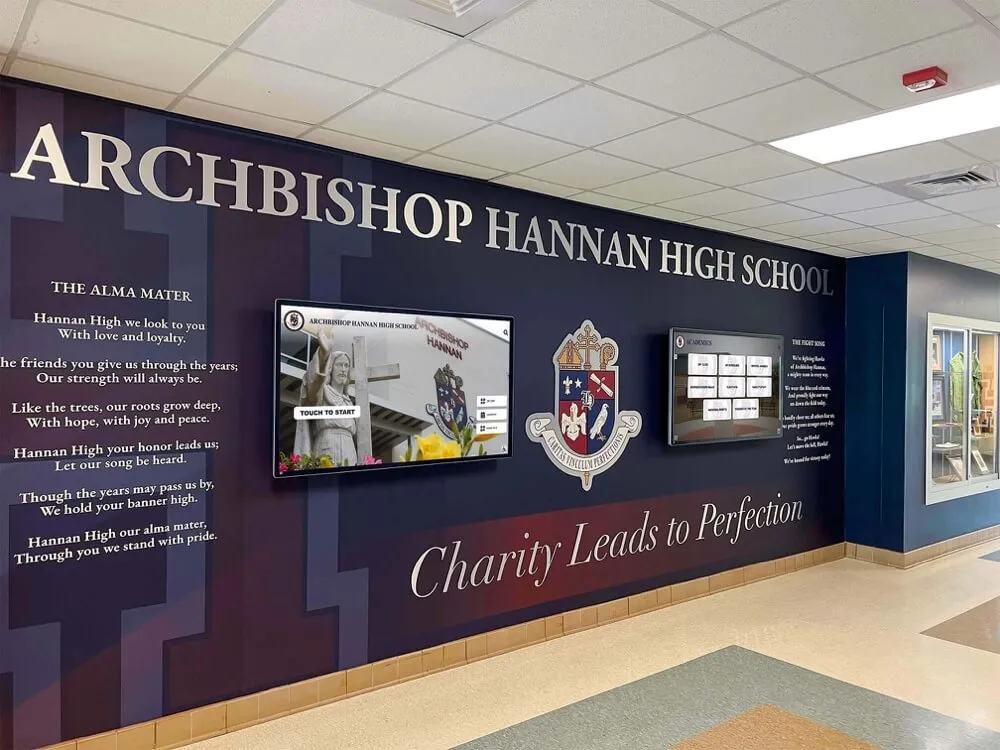
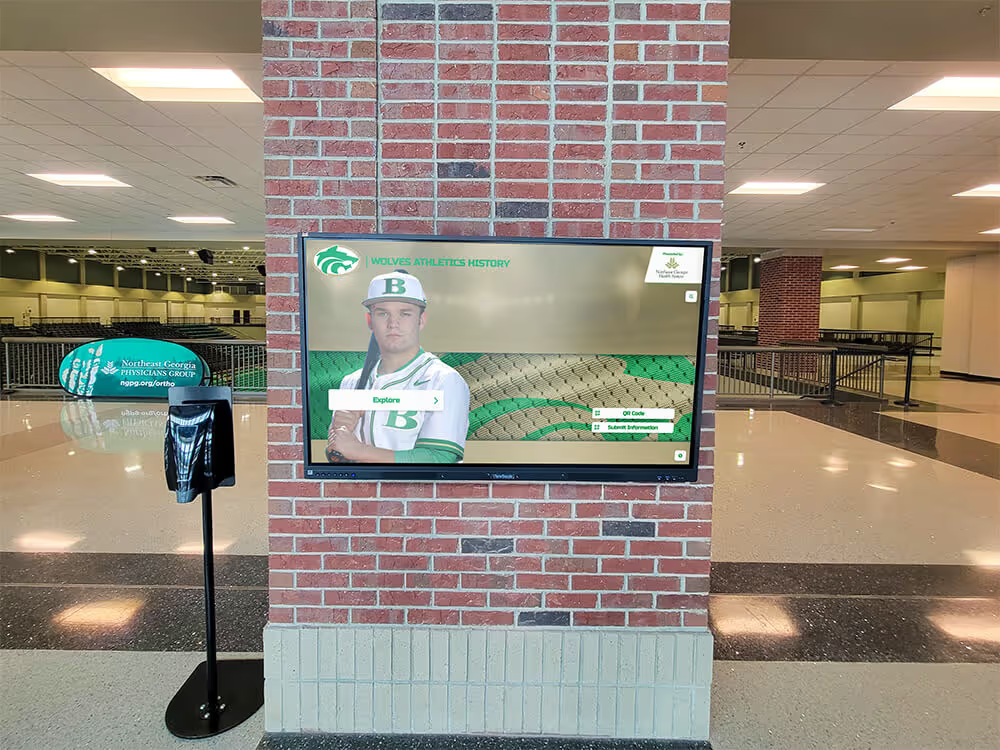
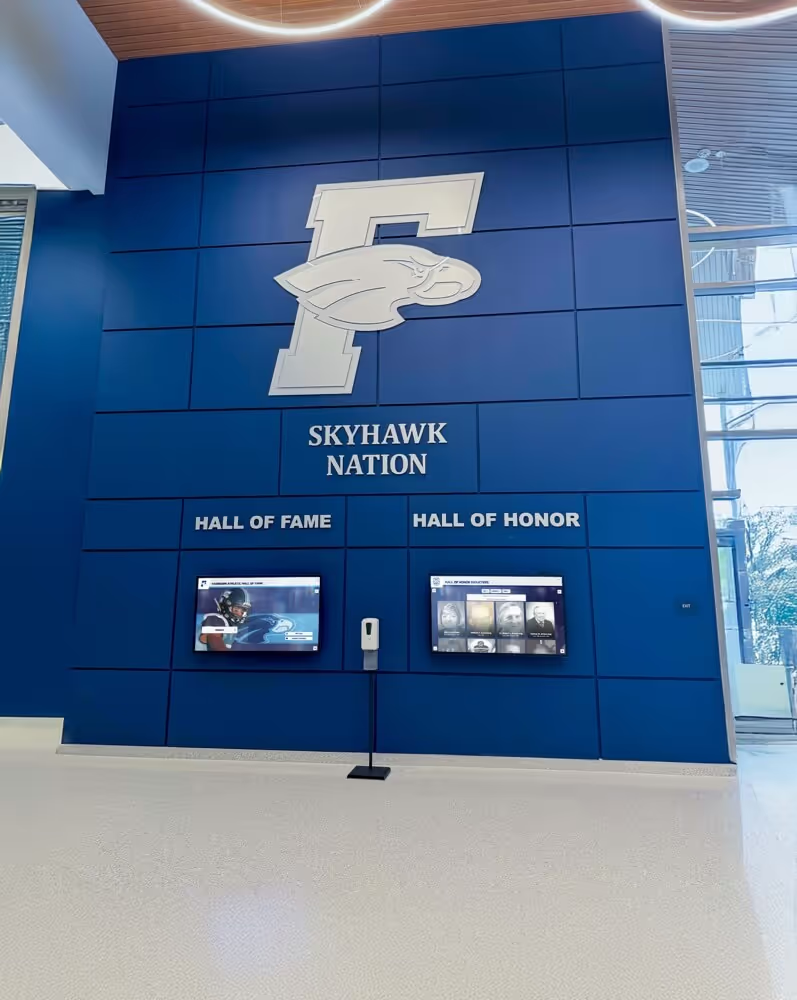
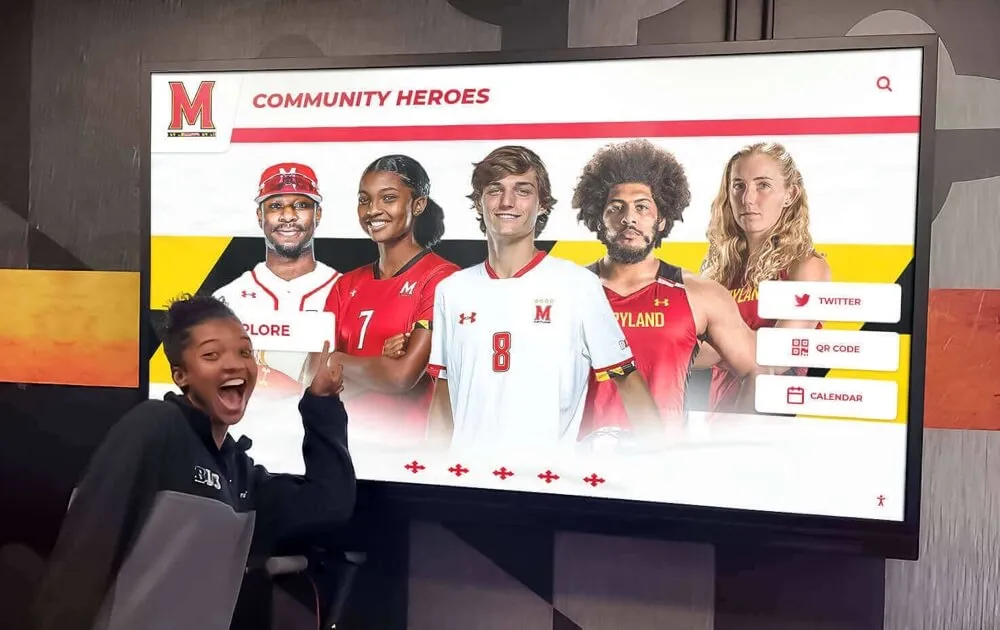
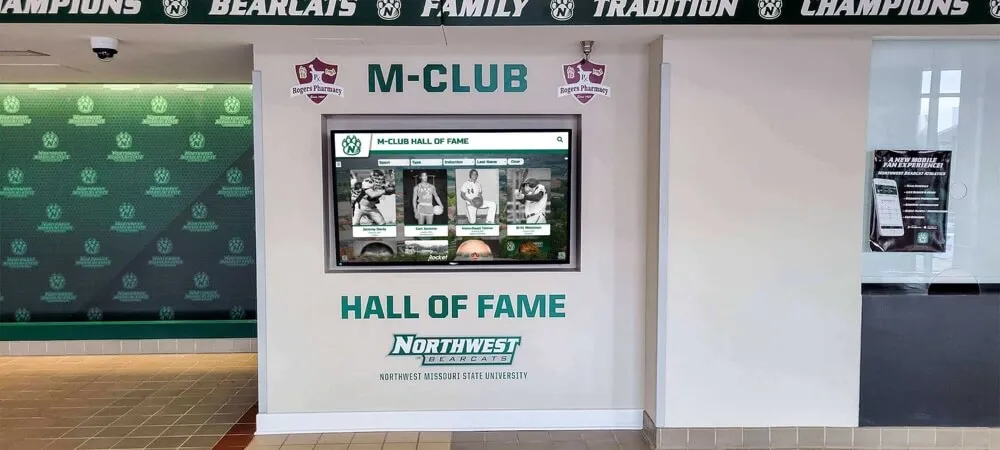
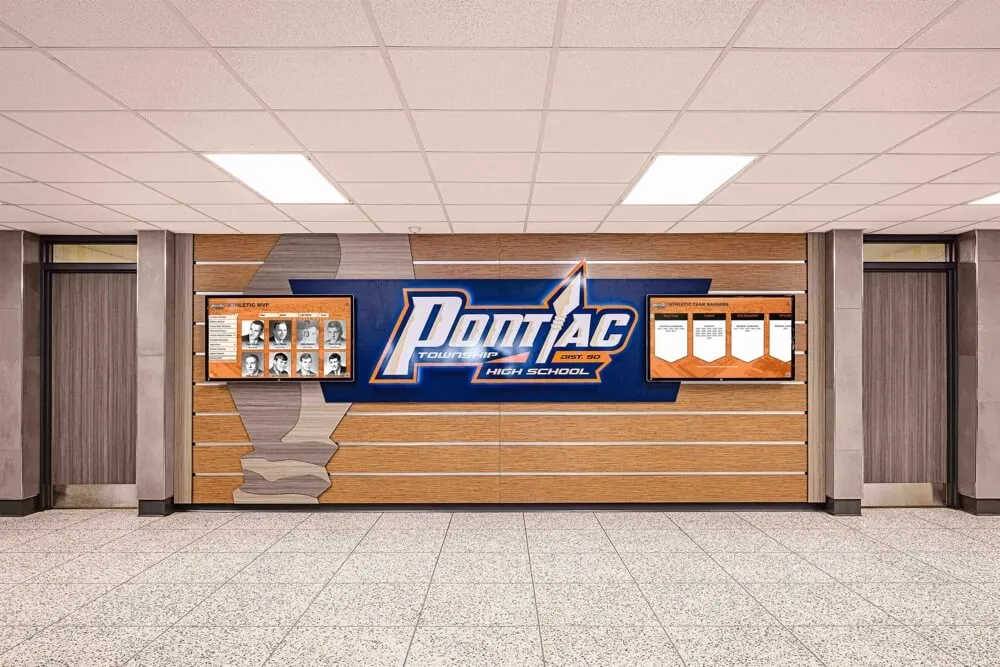
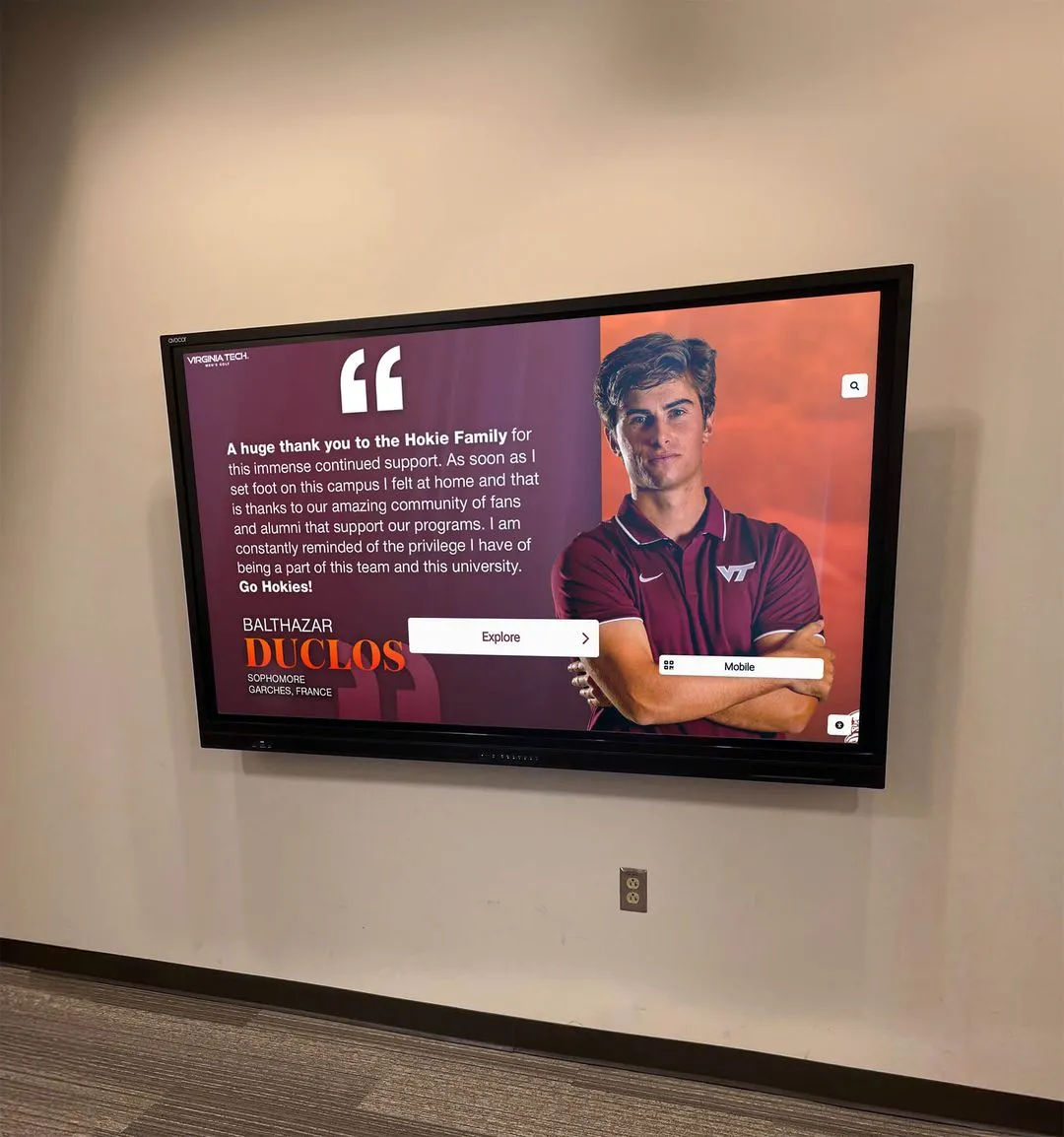
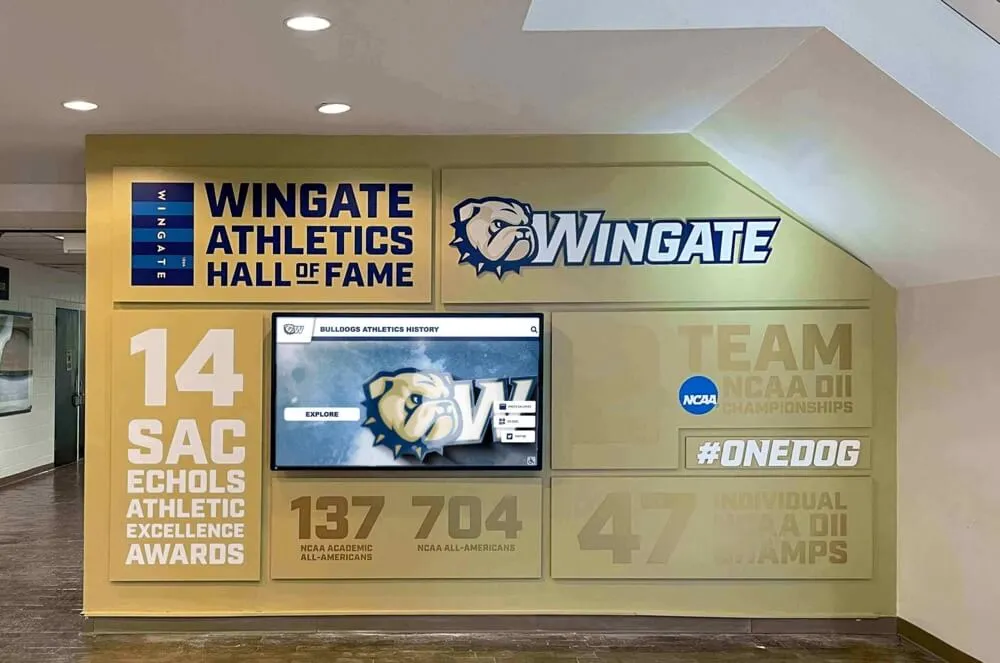
Digital community recognition displays that incorporate sponsor attribution create measurable engagement data — every student or family interaction becomes part of the sponsorship ROI record
Checklist: What to Include in a Sponsor Visibility Report
Use this checklist to build or audit a sponsorship ROI reporting system:
Visibility Documentation
- Event attendance totals for each sport season (home events only)
- Physical signage inventory with photographs and placement dates
- Digital display placement log with screen locations and rotation schedules
- Social media reach data from posts featuring sponsor branding
- Website traffic to sponsor link (if applicable)
- Media coverage screenshots or clippings mentioning sponsor
Engagement Documentation
- Social media engagement metrics (reactions, shares, comments)
- Digital display interaction data (dwell time, taps/clicks, QR scans)
- Event activation results (booth visits, coupon redemptions, sign-ups)
- Email open rates for newsletters carrying sponsor recognition
Recognition Documentation
- Named display sections or gallery listings (permanent installations)
- Hall of fame display panels with sponsor attribution
- Record board or historical display sponsor credits
- Banquet program sponsor recognition pages
- Annual report or media guide sponsor mentions
- Year-over-year recognition continuity documentation
Renewal Preparation
- Summary of all commitments from current agreement and fulfillment status
- One-page sponsor impact summary (topline metrics only)
- Proposed next-year package with enhancements
- Meeting scheduled before agreement expiration date
How Digital Displays Amplify Sponsorship ROI
The recognition infrastructure a school builds for its athletic program has a direct effect on the sponsorship value it can credibly offer. Schools with active, high-traffic digital recognition displays — lobby kiosks, hallway touchscreens, interactive hall of fame platforms — can offer sponsors something static signage never could: documented, ongoing engagement tied directly to the school’s most visible recognition infrastructure.
Sponsorship Revenue Suite
Modern athletic recognition platforms built for schools include dedicated sponsorship capability. A sponsorship revenue suite within a touchscreen recognition system typically allows:
- Sponsor logo and messaging panels to rotate alongside inductee profiles and record boards
- Scheduled content publishing to control how and when sponsor content appears
- Analytics reporting on sponsor panel impressions and interactions
- QR code integration so sponsor messages drive direct digital engagement from the kiosk
For programs evaluating how recognition infrastructure supports development goals, how schools define, display, and preserve student honors outlines the content and display practices that give recognition programs institutional staying power — the same permanence that makes sponsor placement within them more valuable.
Recognition Displays as Sponsor Delivery Vehicles
A school whose athletic lobby touchscreen generates thousands of visitor interactions per year isn’t selling banner space — they’re selling access to an engaged, captive audience in a high-trust institutional setting. That distinction matters to local businesses making community investment decisions.
The athletic programs that communicate this most effectively are those whose recognition systems already do the work: high school achievement award programs and athletic recognition platforms that produce real engagement data give development staff the numbers they need to make a credible ROI case before a sponsor asks for one.
See How Rocket Alumni Solutions Builds Sponsor ROI Into Recognition Displays
Rocket Alumni Solutions' touchscreen recognition platforms include a built-in sponsorship revenue suite — rotating sponsor panels alongside athlete profiles, real engagement analytics, QR code integration, and remote cloud management. More than 600 schools nationwide use Rocket to turn recognition infrastructure into documented sponsor value.
Request a Custom DemoConnecting Sponsorship ROI to the Broader Recognition Ecosystem
Schools with the strongest sponsorship retention programs treat sponsorship as part of their recognition ecosystem — not a separate revenue function. The connections run in both directions.
Sponsors as Community Recognition Partners
Some of the most durable school athletic sponsorships are framed not as advertising purchases but as community recognition investments. A local business whose logo appears on a banner gets visibility. A local business whose name is attached to a youth sports award series, a senior athlete recognition gallery, or an annual scholar-athlete award becomes part of the school’s recognition identity — a much harder connection to walk away from at renewal.
Youth sports award ideas that extend recognition opportunities and high school achievement award programs both point to the same opportunity: programs that create more named recognition occasions create more sponsorship inventory with genuine recognition value — not just ad placements.
Alumni Engagement and Sponsor Visibility
Alumni-facing events — reunion weekends, hall of fame inductions, homecoming — generate audience concentrations that sponsors rarely access through other local marketing channels. A sponsor present in the hall of fame display that alumni gather around during a reunion is visible to exactly the demographic that has history with the institution, disposable income, and community loyalty. For reunion planning that brings alumni and sponsors back to campus, programs that have documented their recognition displays as anchor attractions can make a compelling case for sponsor investment in those spaces.
Transition Planning and Sponsor Continuity
Athletic director transitions and program leadership changes can disrupt sponsor relationships if institutional knowledge about existing agreements isn’t documented and transferred. Stewardship reports and recognition system archives — which document not just what the program offers but what has been delivered to each sponsor — provide continuity across leadership changes and protect sponsorship revenue from turnover disruption.
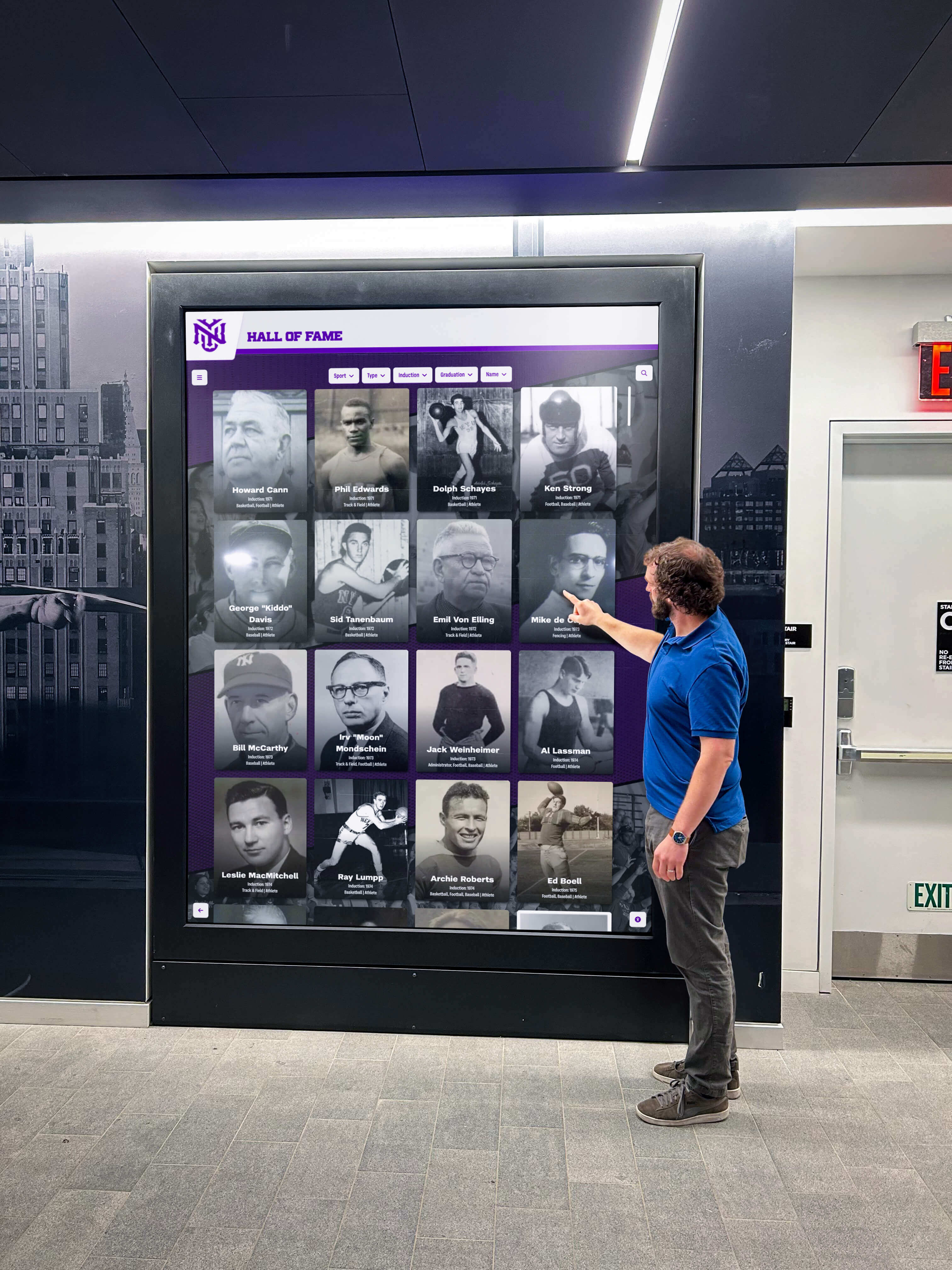
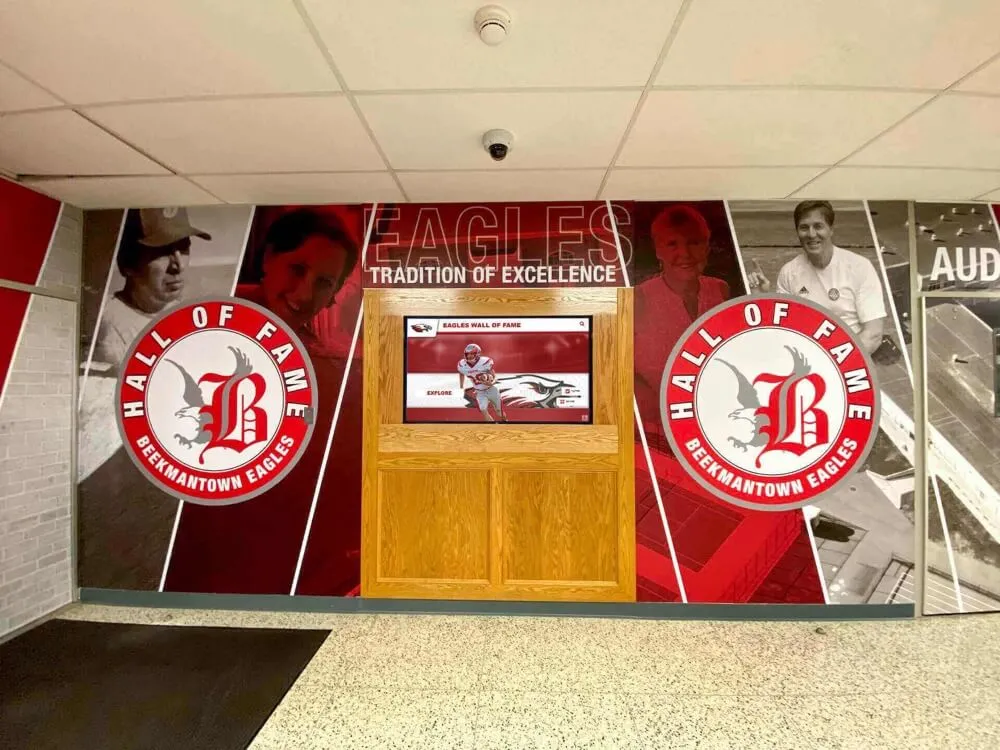
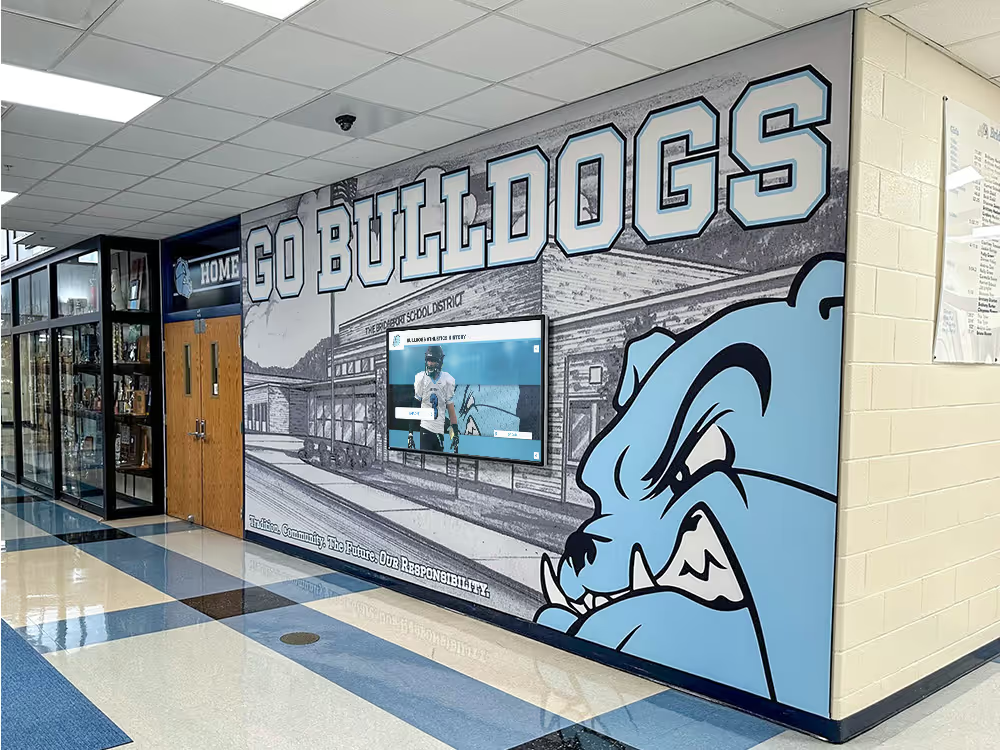
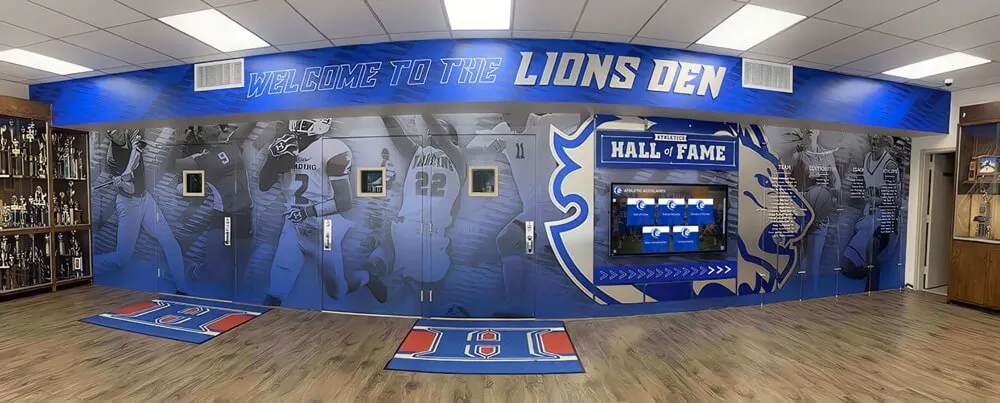
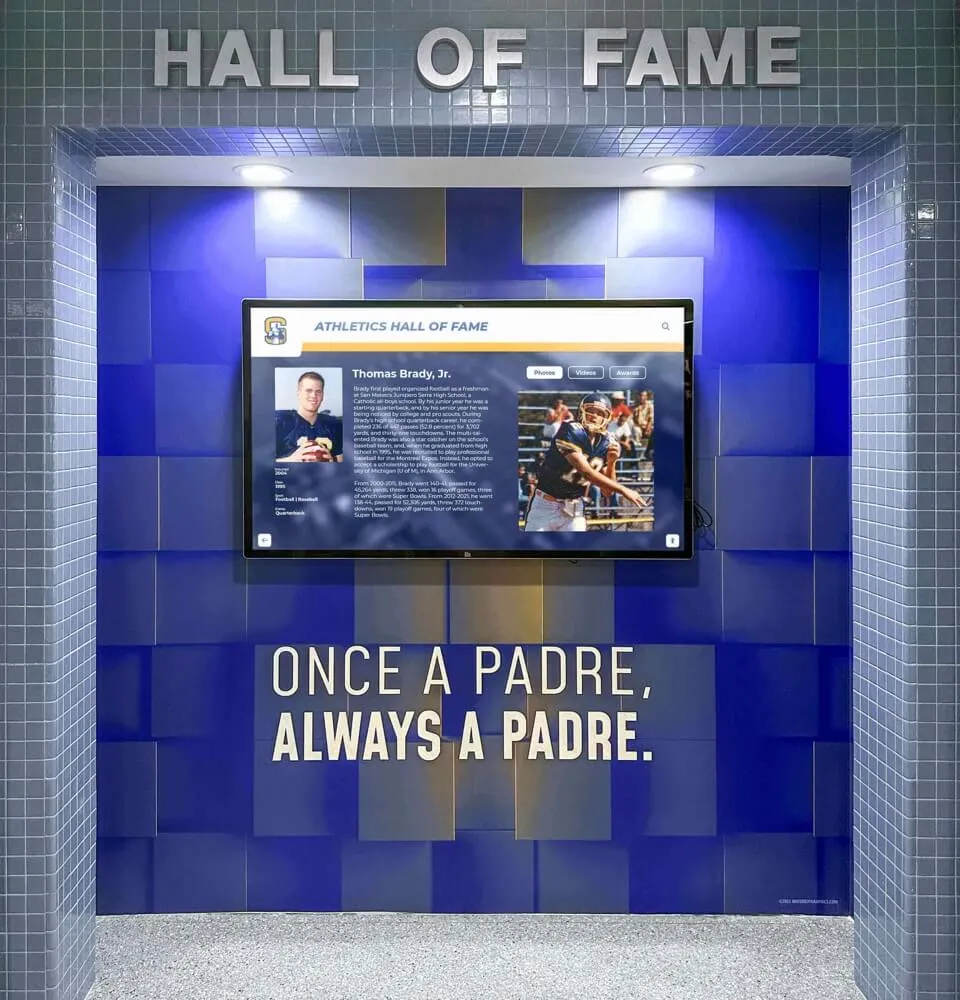
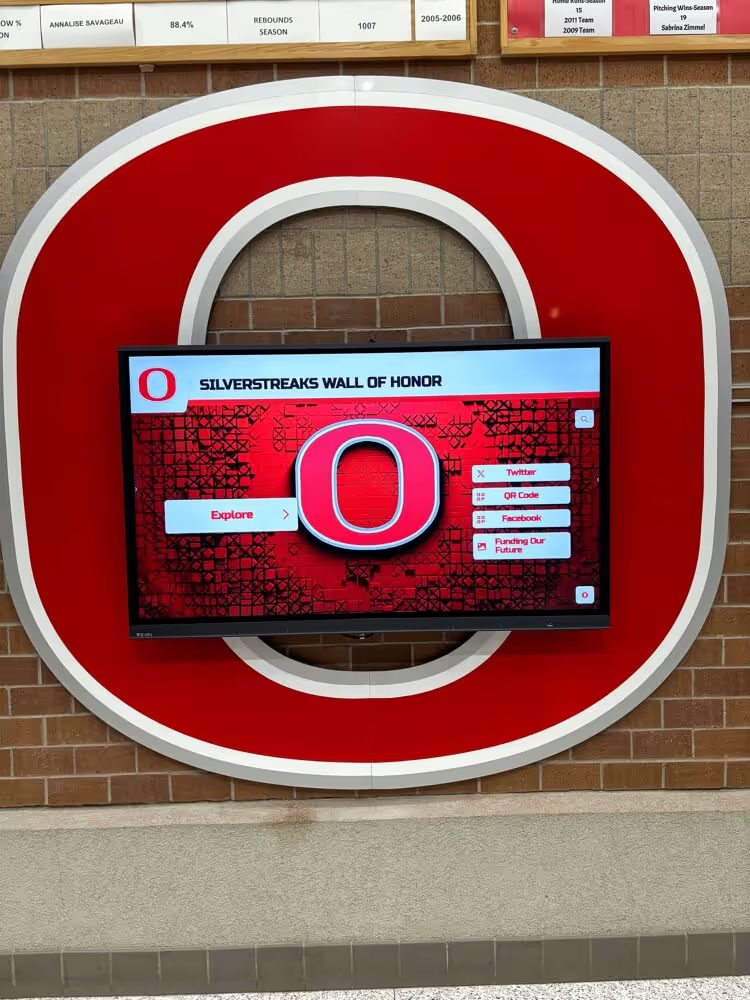
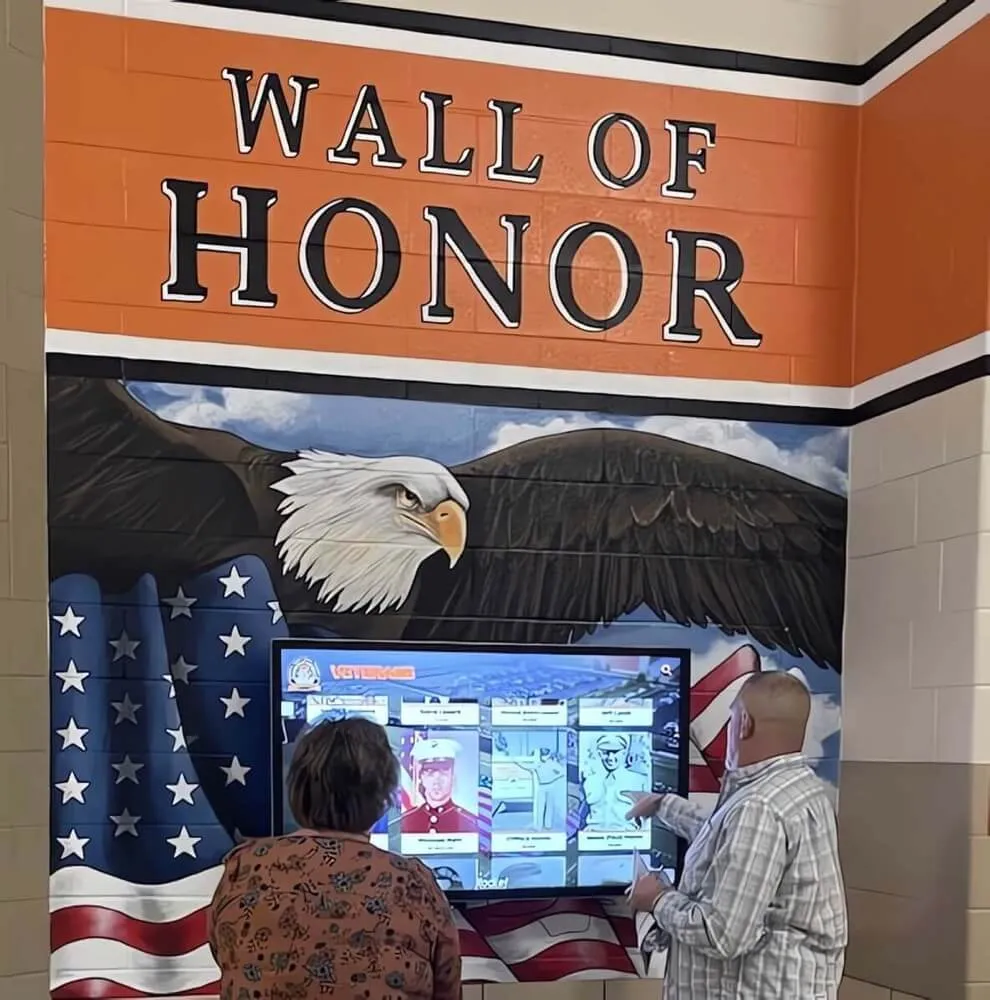
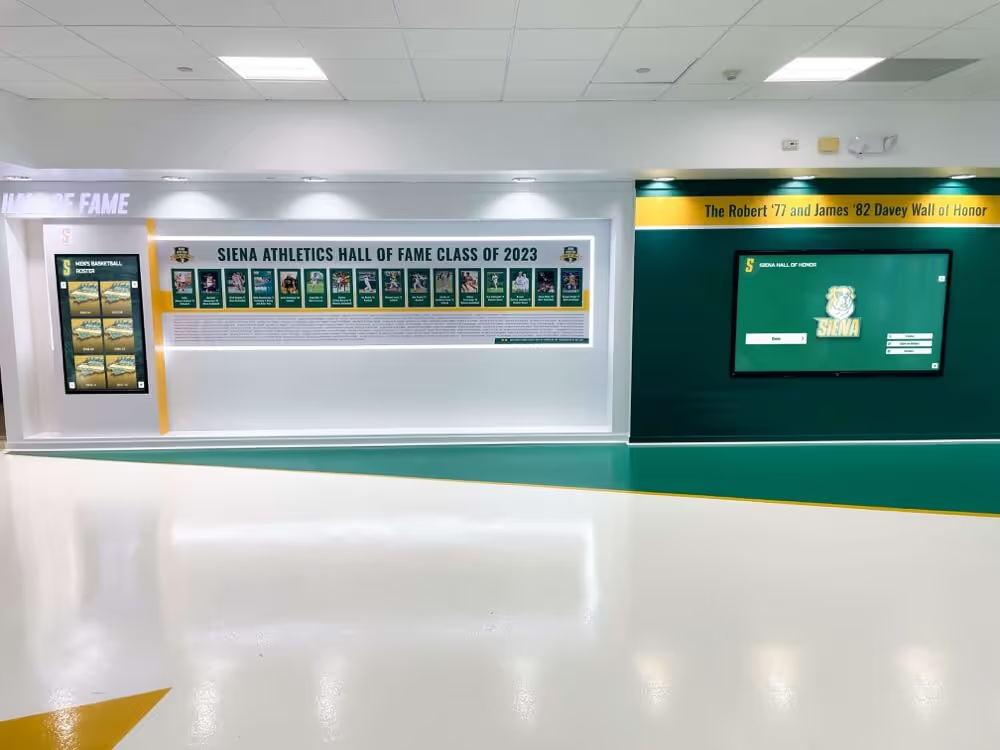
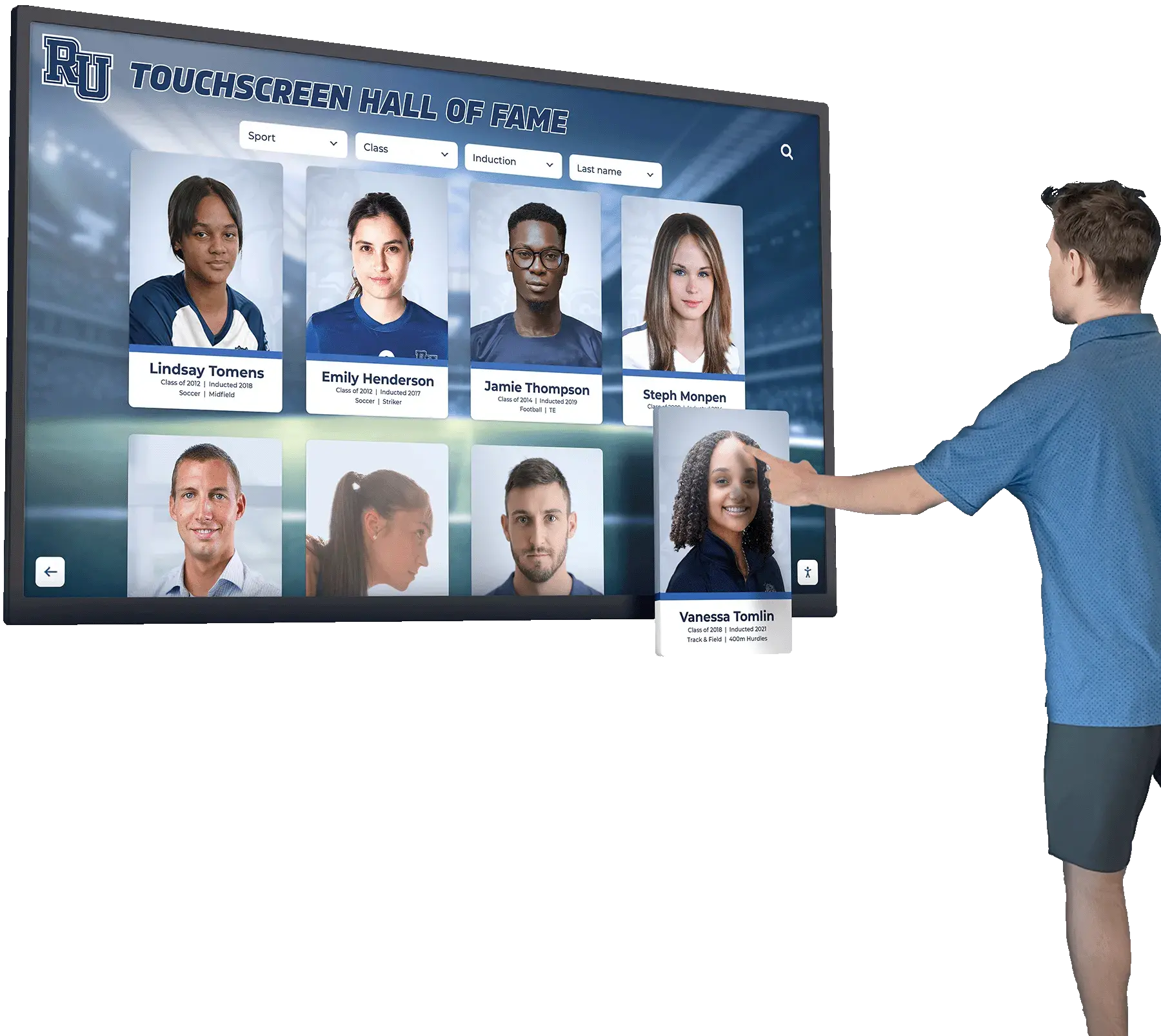
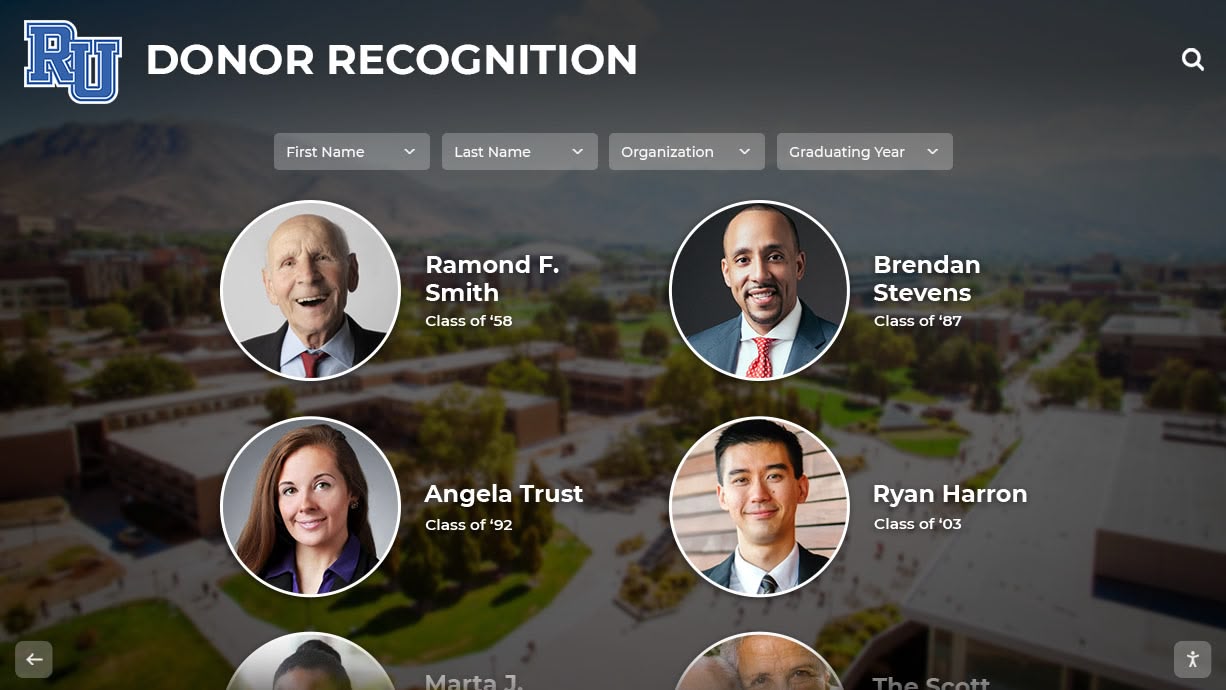
Interactive hall of fame displays generate real engagement data — dwell time, interactions, QR scans — that transforms sponsor visibility reporting from estimates into documented metrics
Frequently Asked Questions
What is sports sponsorship ROI for schools?
Sports sponsorship ROI is the total measurable value a sponsor receives from their investment in a school athletics program. It includes visibility (audience reach, signage impressions, social media exposure), engagement (active interactions with sponsor content), and recognition (lasting placement in archival displays, hall of fame features, and named awards). Schools that document all three categories can present a comprehensive return case at sponsorship renewal.
How do athletic departments prove sponsorship value to local businesses?
The most effective approach is a formal stewardship report delivered before renewal discussions begin. This document covers fulfilled commitments, attendance and reach data, social media engagement, digital display interaction statistics, and a summary of permanent recognition placements. Programs with touchscreen recognition systems can pull platform analytics to add objective engagement data that traditional signage reporting cannot match.
What makes school athletic sponsorships different from standard advertising?
School athletic sponsorships combine advertising reach with community trust and institutional recognition — a combination local businesses rarely access through other marketing channels. Sponsor placements within athletic hall of fame displays, digital record boards, and named recognition programs persist beyond a single season and carry the authority of institutional endorsement. That permanence and trust context is what separates school sponsorship value from a standard billboard or digital ad.
How can digital displays improve sponsorship ROI reporting?
Athletic touchscreen platforms with built-in sponsor management tools provide analytics that static signage cannot: impression counts per panel, dwell time on sponsor content, QR code scan rates, and time-of-day interaction data. This transforms sponsor reporting from estimated audience reach into documented engagement metrics — data that sponsors can present internally to justify renewals and increased investment.
What is a sponsorship stewardship report?
A sponsorship stewardship report is a document delivered to sponsors summarizing the value they received during the sponsorship period. It includes photo documentation of signage and placements, audience reach and engagement metrics, a summary of recognition placements, and a proposal for the next renewal period. Schools that consistently deliver stewardship reports retain sponsors at higher rates than those who rely on informal renewal conversations.
How many years should sponsor recognition last in a hall of fame display?
Most programs structure sponsor naming in archival displays as permanent for title or founding sponsors, and ongoing for annual sponsors who renew. Digital hall of fame platforms make it practical to maintain sponsor recognition indefinitely — there is no physical space constraint, and historical sponsorship records become part of the institution’s archive rather than being removed when agreements conclude. This permanence is a genuine ROI advantage that schools should communicate explicitly during sponsorship sales conversations.
How do recognition programs and sponsorship programs overlap?
The infrastructure that schools build to honor athletes — digital displays, interactive hall of fame platforms, record boards — is the same infrastructure that delivers sponsor visibility and engagement. Programs that treat recognition and sponsorship as separate functions miss the compounding value of integrating them: sponsor branding within recognition content reaches audiences that are already attentive, emotionally engaged, and connected to the institution. That context multiplies the value of every sponsor impression.
Showing Sponsors What Their Investment Actually Built
Sports sponsorship ROI isn’t a mystery. It’s a documentation problem. Schools that build the habit of recording visibility data, tracking engagement, and maintaining recognition archives have everything they need to present a compelling renewal case — and often discover that what they’ve built is worth considerably more than what they’ve been charging.
The programs that retain sponsors longest are those where sponsors can see themselves in the institution: their name in a hall of fame display, their logo on a digital record board, their brand associated with the school’s recognition of the athletes and teams that defined a generation. That kind of visibility doesn’t appear on a media rate card. It’s built through intentional recognition infrastructure maintained with the same care the program brings to its athletes.
For schools building or upgrading that infrastructure, the digital displays that operate day-to-day in school athletic spaces are the backbone — the systems that create the visibility, engagement, and recognition that sponsors can see, verify, and value.
Build Recognition Infrastructure That Pays for Itself
Rocket Alumni Solutions designs and installs touchscreen recognition systems for schools that include a full sponsorship revenue suite — rotating sponsor panels, engagement analytics, QR code integration, and remote cloud management. ADA WCAG 2.1 AA compliant, installed in 2–4 weeks, and built to generate documented sponsor ROI year after year at 600+ institutions nationwide.
Request Your Custom Demo