Student Athlete Mental Health: How Schools and Coaches Can Support the Whole Person
- Home /
- Digital Wall of Fame Blog - Recognition Display Insights & Resources /
- Student Athlete Mental Health: How Schools and Coaches Can Support the Whole Person

The Easiest Touchscreen Solution




Live Example: Rocket Alumni Solutions Touchscreen Display
Interact with a live example (16:9 scaled 1920x1080 display). All content is automatically responsive to all screen sizes and orientations.
The competitive landscape of student athletics demands physical excellence, strategic thinking, and mental toughness. Yet beneath the surface of game-day performances and championship pursuits, student athletes navigate complex mental health challenges that significantly impact their well-being, academic success, and athletic performance.
Recent research reveals alarming trends: according to the National Collegiate Athletic Association (NCAA), student athletes report higher rates of anxiety, depression, and burnout than their non-athlete peers. The National Federation of State High School Associations (NFHS) has identified mental health as a critical priority, recognizing that the pressures of competition, performance expectations, injury recovery, and balancing academics create unique stressors requiring specialized support.
Student athlete mental health encompasses more than addressing crisis situations—it requires comprehensive, proactive approaches that recognize athletes as complete individuals whose value extends far beyond their contributions to team success. Schools and coaches who prioritize mental wellness alongside physical development create environments where athletes thrive both during and after their competitive careers, building resilience, emotional intelligence, and self-worth that transcend the playing field.
This guide provides athletic directors, coaches, counselors, and school administrators with evidence-based strategies for supporting student athlete mental health through prevention programs, recognition practices that celebrate the whole person, crisis intervention protocols, and cultural shifts that destigmatize mental health conversations within athletic communities.
The mental health challenges facing student athletes have gained unprecedented attention following high-profile cases and advocacy from professional athletes speaking openly about their struggles. This cultural shift creates opportunities for schools to implement support systems that protect athlete well-being while enhancing program quality and competitive performance.

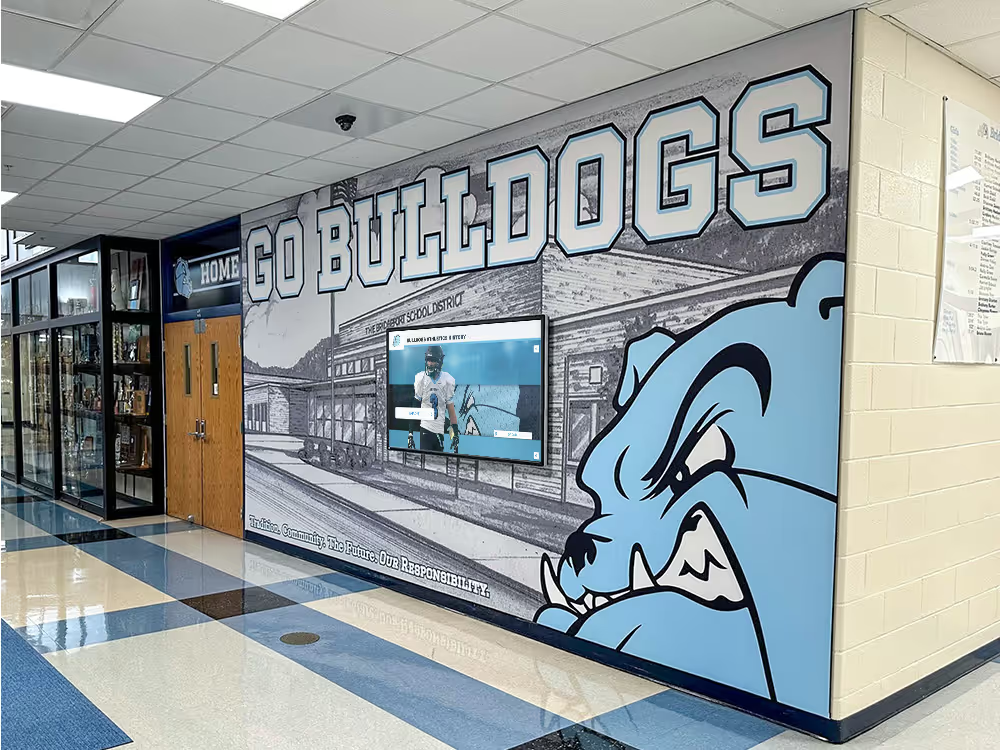
Creating positive team environments that celebrate growth and connection supports mental wellness alongside competitive achievement
Understanding Mental Health Challenges in Student Athletics
Before implementing support strategies, understanding the specific mental health challenges student athletes face enables targeted, effective interventions.
Common Mental Health Issues Among Student Athletes
Performance Anxiety and Competitive Pressure
Student athletes frequently experience anxiety related to:
- Fear of failure or disappointing coaches, teammates, and family
- Pressure to maintain starting positions or scholarships
- Comparison to peers and unrealistic performance standards
- Social media scrutiny and public performance evaluation
- College recruitment stress and future athletic uncertainty
- Perfectionism driving unhealthy training and preparation behaviors
Depression and Mood Disorders
Contributing factors to depression among athletes include:
- Identity over-attachment to athletic performance
- Social isolation from non-athlete peers
- Loss of enjoyment in formerly loved sports
- Chronic fatigue from training demands
- Injury-related limitations and forced time away from competition
- Transitions between seasons or following career conclusion
Burnout and Overtraining Syndrome
Physical and emotional exhaustion manifesting as:
- Decreased motivation and performance despite continued training
- Physical symptoms including persistent fatigue and illness
- Emotional numbness or detachment from sport
- Sleep disturbances and appetite changes
- Cynicism toward coaches, teammates, or competition
- Feeling trapped by athletic commitments
Eating Disorders and Body Image Issues
Sport-specific pressures creating disordered eating:
- Weight class requirements in wrestling, rowing, or gymnastics
- Performance beliefs linking body composition to competitive success
- Aesthetic pressures in appearance-judged sports
- Comparison to teammates and competitors
- Coach comments about weight or appearance
- Restriction, binging, or purging behaviors
Understanding these challenges enables coaches and administrators to recognize warning signs and intervene appropriately before situations escalate.
Unique Stressors in High School Athletics
Academic-Athletic Balance
Student athletes manage competing demands:
- Intensive practice schedules reducing homework time
- Travel for competitions causing missed classes
- Pressure to maintain academic eligibility
- Reduced sleep from early practices and late games
- Limited time for social activities outside athletics
- College preparation alongside athletic commitments
Social and Identity Development
Athletic participation impacts social development:
- Limited peer interaction outside team environments
- Identity formation centered on athletic performance
- Social status tied to competitive success
- Relationship challenges from time constraints
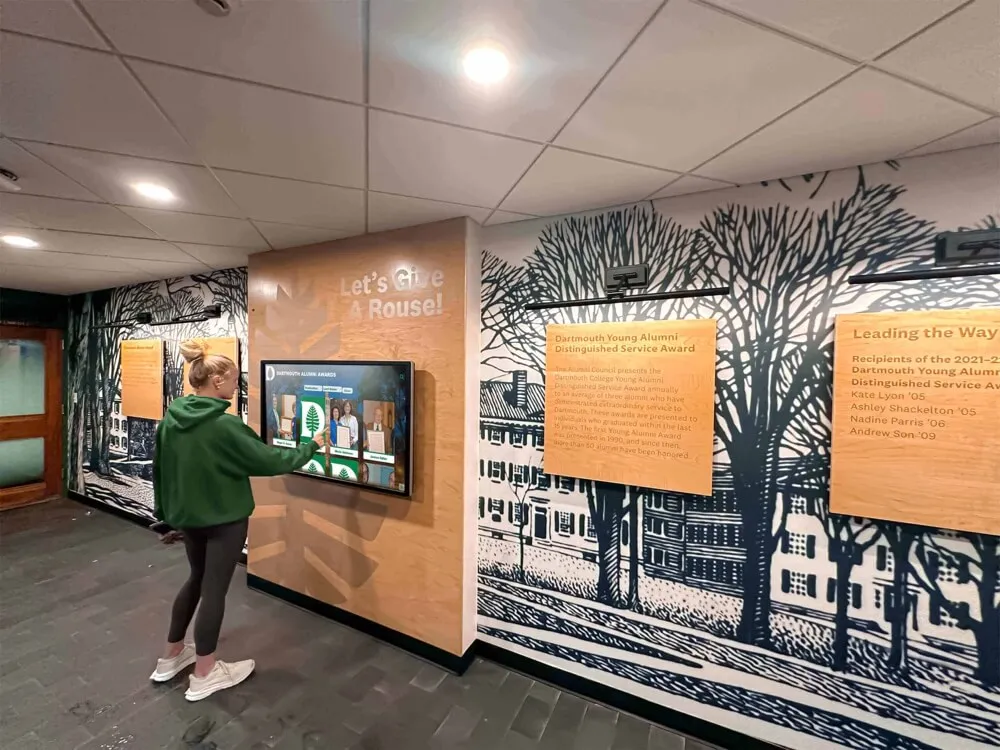
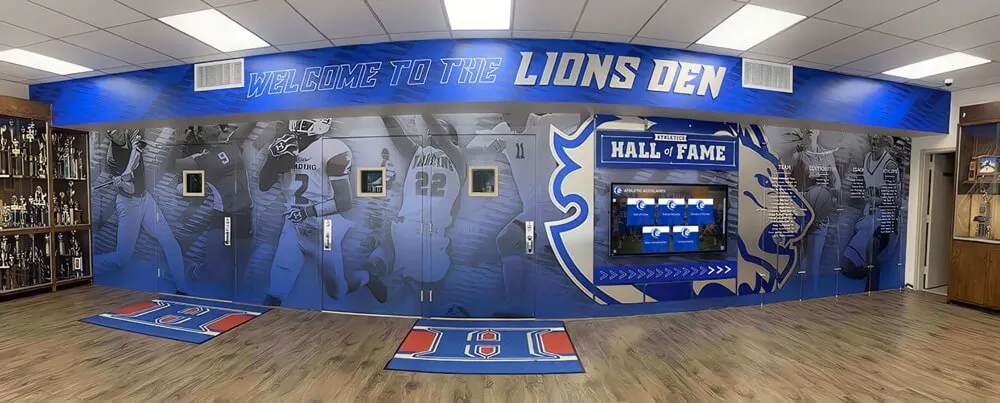
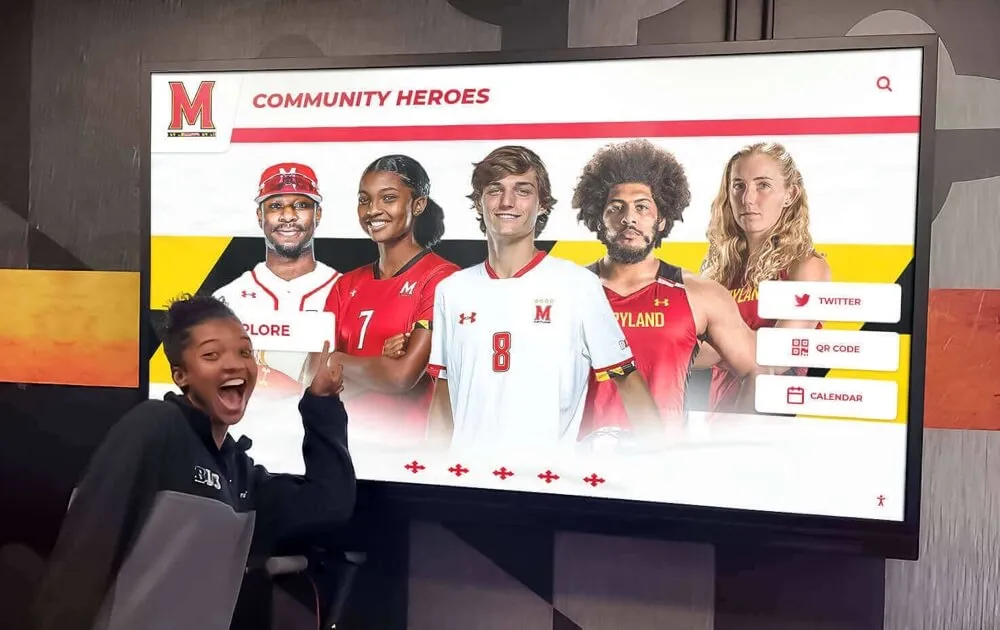
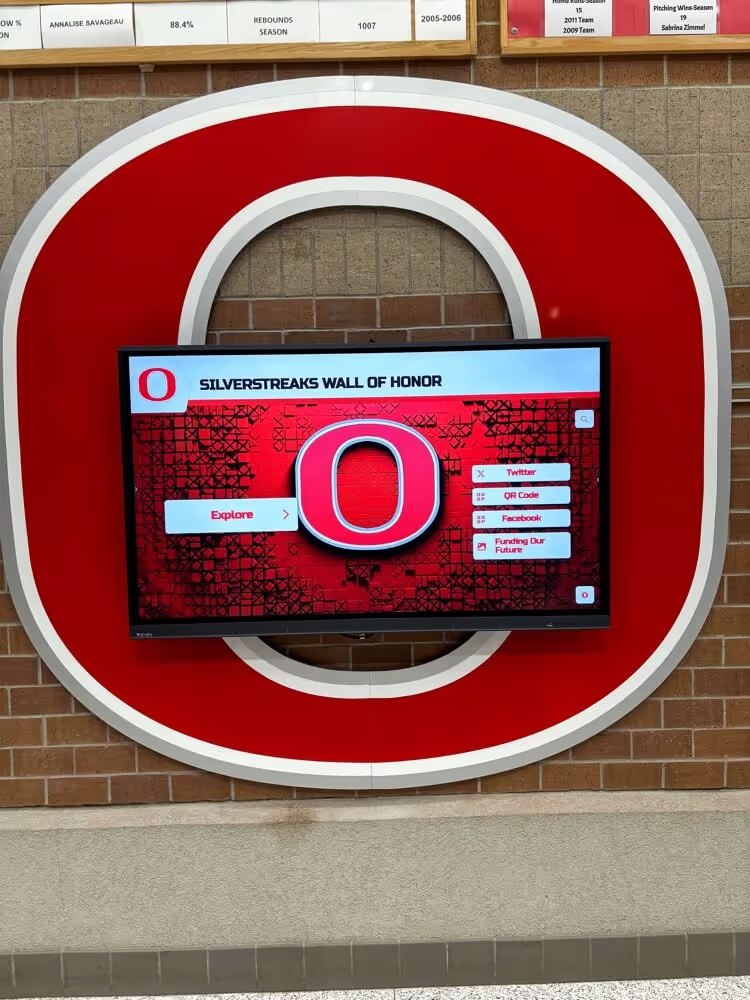
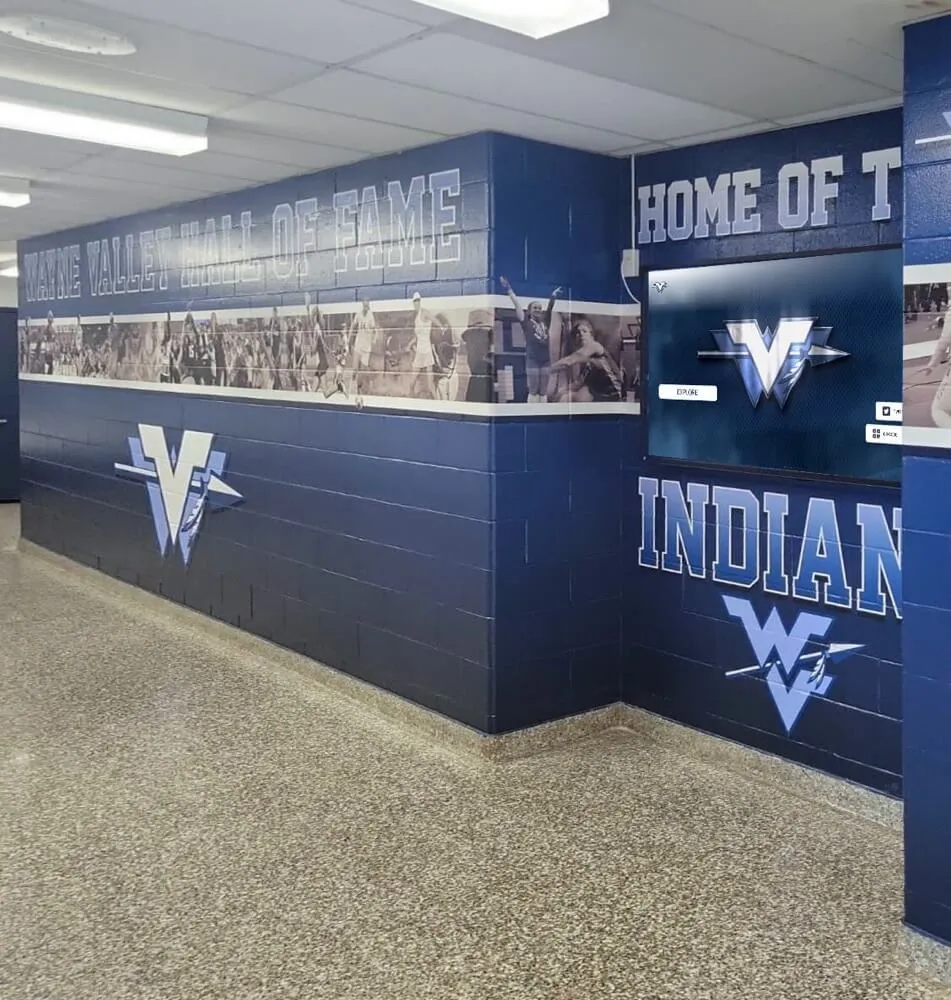
Recognition systems that celebrate character, leadership, and personal growth alongside athletic achievement support holistic athlete development
- Dating and friendship complications
- Difficulty establishing identity separate from sport
Injury and Recovery Challenges
Physical injury creates mental health risks:
- Loss of routine and team connection during rehabilitation
- Fear of reinjury affecting performance upon return
- Identity crisis when unable to participate
- Pressure to return before fully recovered
- Anxiety about maintaining position or playing time
- Grief over permanent limitations or career-ending injuries
Transitions and Uncertainty
Career transitions create stress:
- Transition from middle school to high school athletics
- Adjusting to varsity competition levels
- College recruitment process and decisions
- Senior year and athletic career conclusion
- Post-graduation identity reconstruction
- Grief associated with ending competitive career
Schools addressing these specific stressors create targeted support reducing mental health risks while enhancing overall athlete well-being.
Creating Mentally Healthy Athletic Cultures
The foundation of effective mental health support lies in establishing team and program cultures that prioritize athlete well-being alongside competitive success.
Coaching Approaches That Promote Mental Wellness
Athlete-Centered Coaching Philosophy
Effective coaches recognize athletes as complete individuals:
- Valuing athletes beyond their competitive contributions
- Regular individual check-ins addressing holistic well-being
- Genuine interest in academic, social, and family life
- Flexibility responding to individual needs and circumstances
- Recognition that personal struggles impact athletic performance
- Long-term athlete development prioritized over short-term wins
Communication Strategies
How coaches communicate profoundly affects athlete mental health:
- Constructive feedback focusing on controllable behaviors
- Avoiding shame, humiliation, or public criticism
- Regular positive reinforcement beyond performance outcomes
- Active listening without judgment
- Open-door policies encouraging athletes to share concerns
- Transparent reasoning for decisions affecting athletes
Reasonable Expectations and Goal Setting
Balanced goal-setting supports mental wellness:
- Process-oriented goals emphasizing effort and growth
- Individualized expectations respecting different starting points
- Celebrating incremental progress rather than only victories
- Acknowledging factors outside athlete control
- Reframing setbacks as learning opportunities
- Connecting short-term goals to long-term development
These coaching approaches create psychological safety enabling athletes to perform without fear while building resilience transferable beyond athletics.
Learn about comprehensive recognition approaches in student recognition programs that celebrate character and achievement.
Team Culture and Peer Support
Building Supportive Team Environments
Team culture significantly influences individual mental health:
- Emphasis on collective success over individual stardom
- Celebration of diverse contributions beyond scoring or statistics
- Zero tolerance for bullying, hazing, or exclusion
- Inclusive practices welcoming athletes of all skill levels
- Team-building activities fostering genuine connection
- Vulnerability modeled by coaches and team leaders
Peer Mental Health Awareness
Training athletes to support teammates:
- Education about mental health warning signs
- Encouragement to check on struggling teammates
- Clear pathways for reporting serious concerns
- Destigmatizing help-seeking behavior
- Peer mentorship programs connecting experienced and newer athletes
- Team discussions normalizing mental health conversations
Captain and Leadership Responsibilities
Team leaders set cultural tone:
- Selection criteria including emotional intelligence and empathy
- Training on supporting teammates through challenges
- Modeling healthy coping strategies and help-seeking
- Checking team morale and individual well-being
- Bridging communication between athletes and coaches
- Creating inclusive, supportive locker room environments
Positive team cultures provide protective factors buffering against mental health challenges while creating environments where athletes feel valued as complete people.
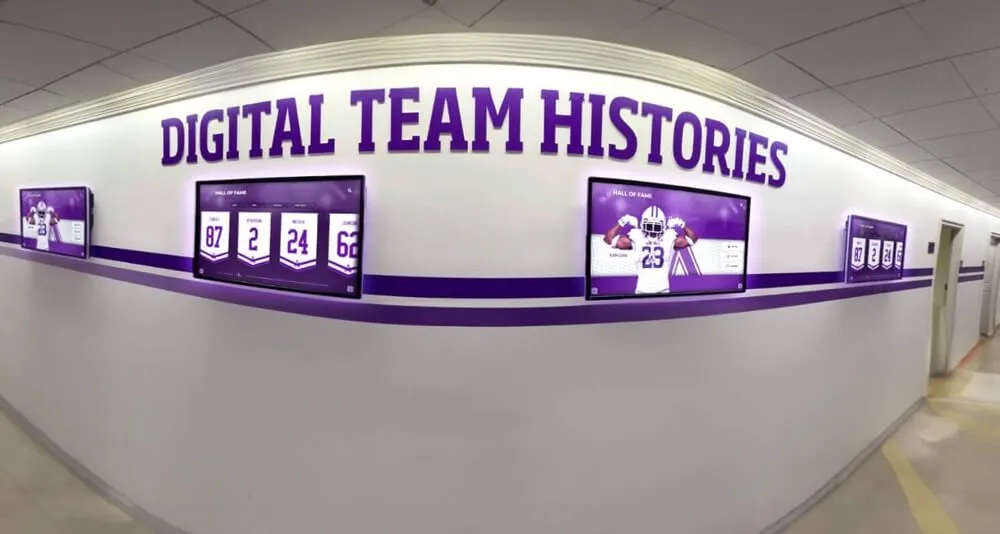
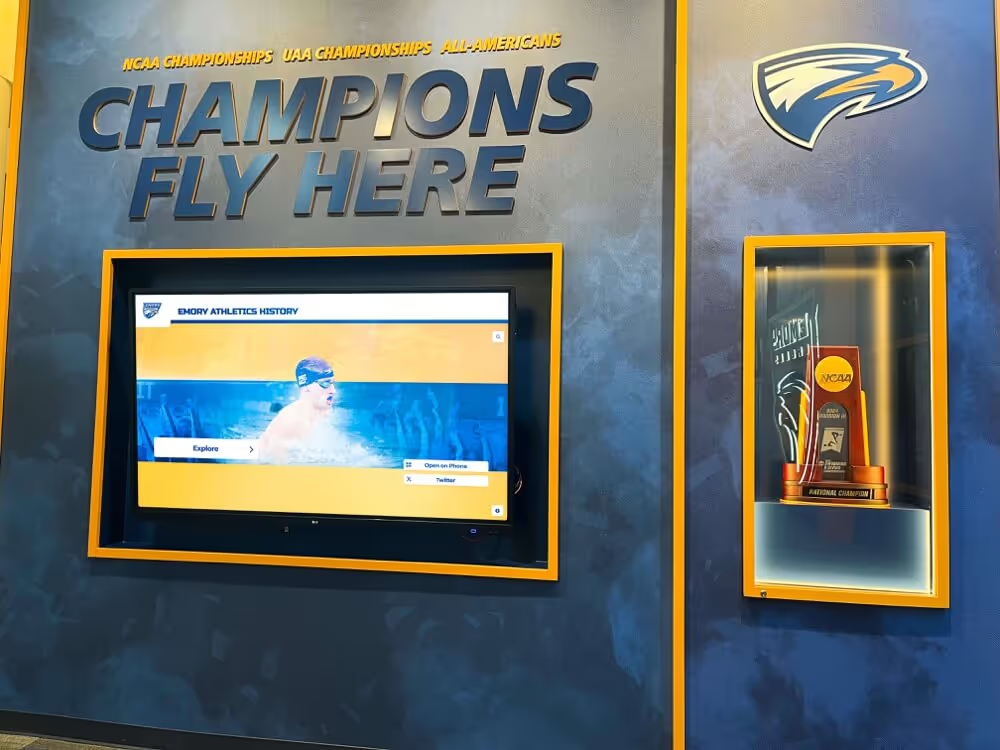
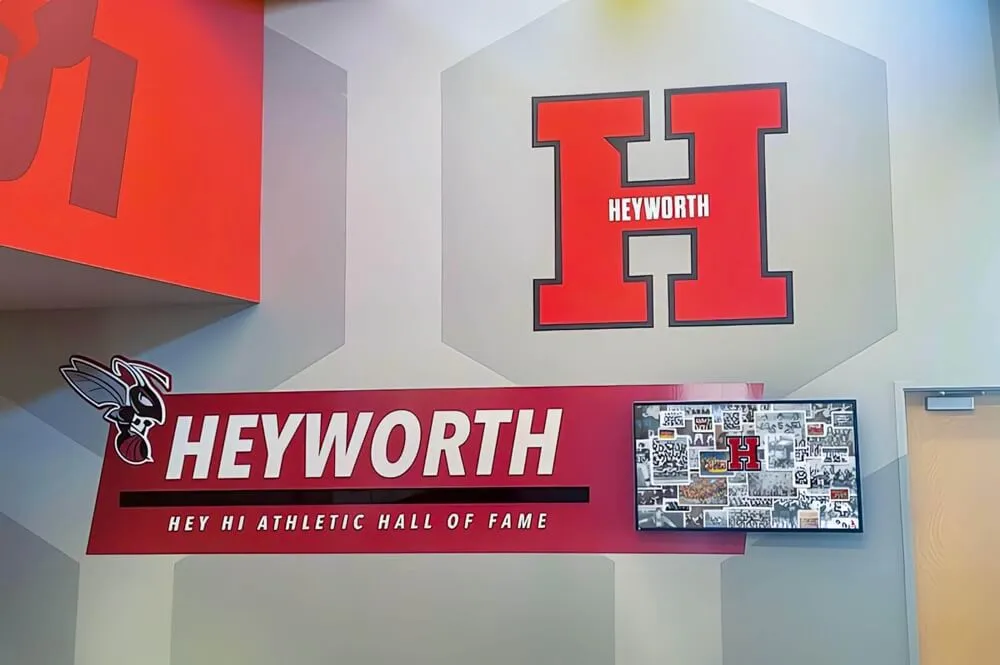
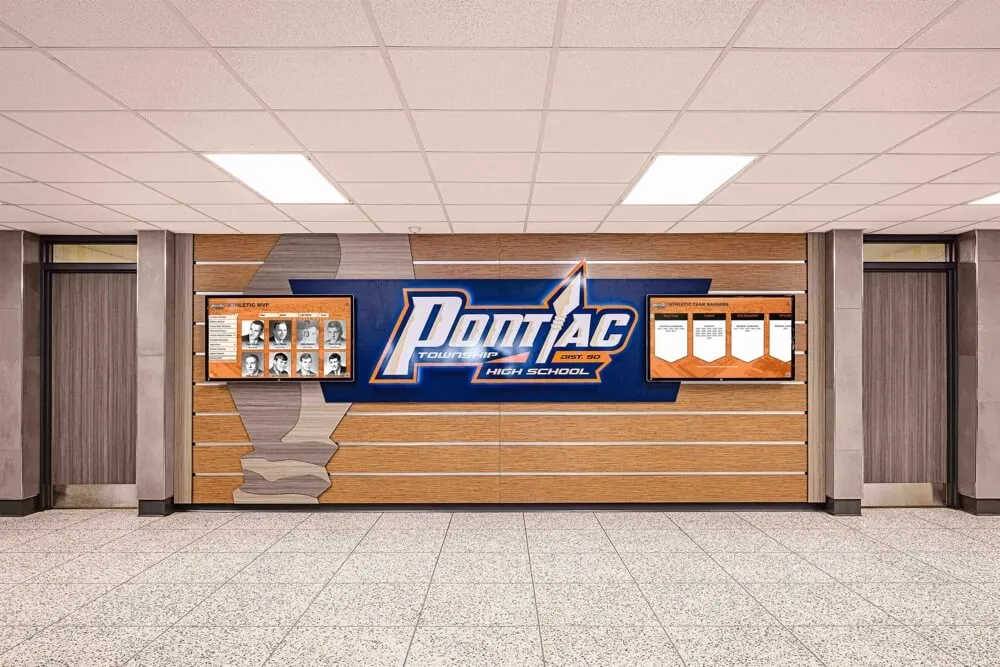
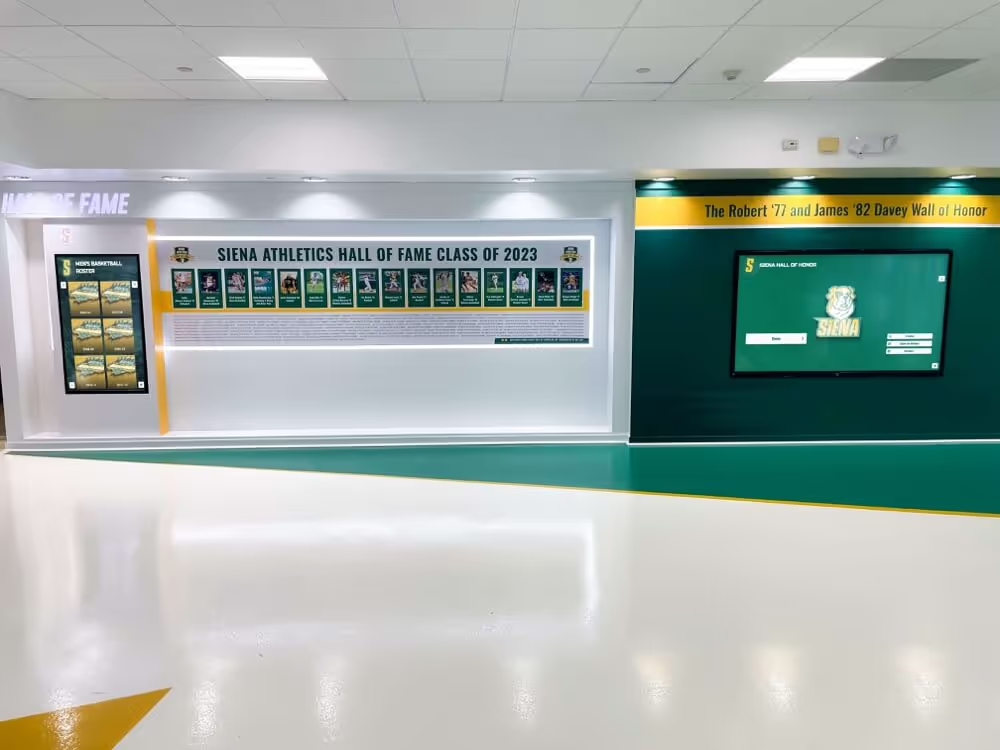
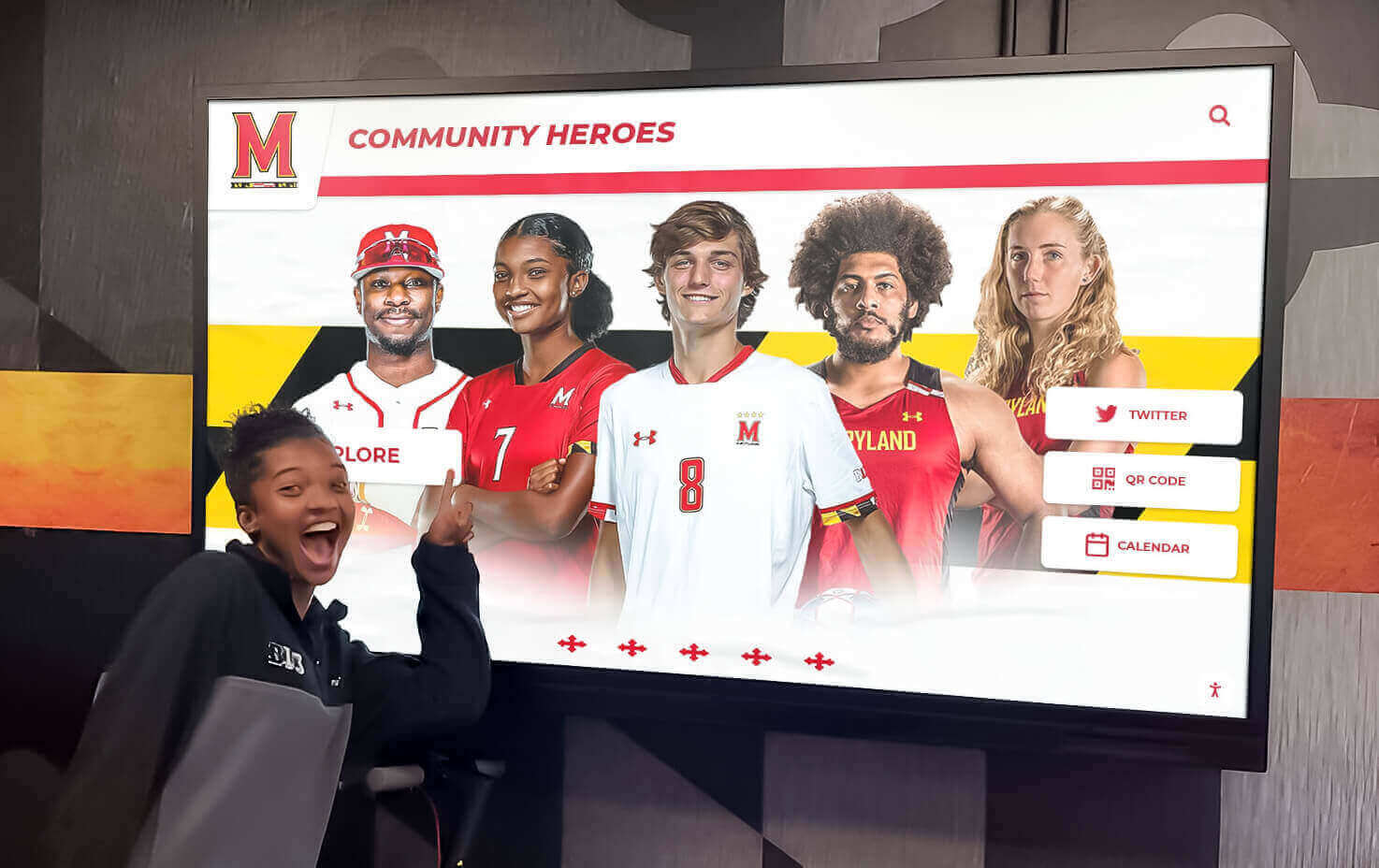
Modern recognition systems can highlight leadership, sportsmanship, and character development alongside competitive achievements
Recognition Practices That Support Mental Health
How schools recognize athletic achievement significantly impacts student mental health—recognition focused solely on winning and statistics can harm athlete self-worth, while comprehensive approaches celebrating the whole person support healthy identity development.
Beyond Wins and Statistics
Character-Based Recognition
Honoring qualities beyond competitive performance:
- Leadership awards acknowledging positive team influence
- Sportsmanship recognition for ethical competition
- Most Improved awards celebrating growth trajectories
- Hustle and effort acknowledgment regardless of outcomes
- Academic achievement integrated with athletic recognition
- Community service and citizenship honors
- Resilience awards for overcoming adversity
Process-Oriented Celebration
Recognizing effort and development:
- Practice performance and work ethic acknowledgment
- Technical skill improvement documentation
- Personal goal achievement regardless of team outcomes
- Recovery and rehabilitation effort during injury
- Balancing athletics with academics and other commitments
- Individual progress from previous performance baselines
Inclusive Recognition Systems
Ensuring all athletes receive meaningful acknowledgment:
- Recognition opportunities for bench players and role players
- Celebrating contributions that don’t appear in statistics
- Multiple award categories ensuring broad recognition
- Season-long acknowledgment rather than only year-end awards
- Team achievement celebration emphasizing collective success
- Recognition extending to managers, trainers, and support staff
These expanded recognition approaches communicate that athlete value transcends game-day performance, supporting healthier identity development and self-worth less dependent on competitive outcomes.
Explore comprehensive recognition in athletic awards that go beyond traditional MVP categories.
Digital Recognition Supporting Holistic Development
Comprehensive Athlete Profiles
Modern recognition systems enable rich storytelling:
- Photo galleries showing athletic progression over time
- Written profiles highlighting personal growth stories
- Academic achievements and future aspirations
- Community involvement and leadership activities
- Quotes from athletes about meaningful experiences
- Recognition of personal challenges overcome
Character and Leadership Documentation
Permanent celebration of non-competitive contributions:
- Hall of fame recognition honoring complete athletic careers
- Leadership award histories and recipients
- Sportsmanship and character award documentation
- Team culture contributions and peer nominations
- Service project participation and impact
- Mentorship of younger athletes recognized
Accessible, Lasting Appreciation
Recognition extending beyond single ceremonies:
- Interactive displays enabling ongoing appreciation
- Alumni access to recognition reinforcing identity beyond active competition
- Family engagement with comprehensive athlete documentation
- Community visibility demonstrating institutional values
- Updates celebrating post-graduation achievements
- Historical context connecting current athletes to program legacy
Recognition systems that celebrate the whole person communicate institutional commitment to athlete well-being beyond competitive utility, supporting healthier mental health and identity development.
Implementing Mental Health Support Programs
Cultural foundation established, schools need concrete programs and resources addressing student athlete mental health needs.
Mental Health Education and Prevention
Mandatory Mental Health Training
Education for all athletic program participants:
Coach and Staff Training
- Mental health awareness and warning sign recognition
- Appropriate response to athlete disclosures
- Referral pathways and available resources
- Trauma-informed coaching practices
- Diversity and cultural competence in mental health
- Annual refresher training on current best practices
Athlete Education Programs
- Mental health literacy and stigma reduction
- Stress management and coping skills
- Sleep hygiene and recovery practices
- Healthy relationship building
- Substance abuse prevention
- Digital wellness and social media management
- Recognition of when to seek help
Parent and Family Engagement
- Understanding unique athlete mental health challenges
- Communication strategies with struggling athletes
- Available resources and support systems
- Balanced expectations and pressure management
- Signs requiring professional intervention
- Supporting transitions and identity development
Preventive Wellness Programs
Proactive mental health support:
- Team workshops on stress management techniques
- Mindfulness and meditation training
- Sports psychology skill development
- Time management and organizational coaching
- Leadership development emphasizing emotional intelligence
- Life skills training for holistic development
These educational approaches normalize mental health conversations while equipping athletes with tools preventing escalation of challenges.
Access to Mental Health Resources
On-Site Support Personnel
Dedicated mental health professionals:
- Sports psychologists specializing in athlete needs
- School counselors with athletic program training
- Athletic trainers educated on mental health signs
- Designated mental health coordinators
- Peer support specialists or trained student mentors
- Chaplains or spiritual support (where appropriate)
Confidential Support Services
Private resources reducing help-seeking barriers:
- Drop-in counseling hours without appointment requirements
- Anonymous screening tools for self-assessment
- Telehealth options for convenient access
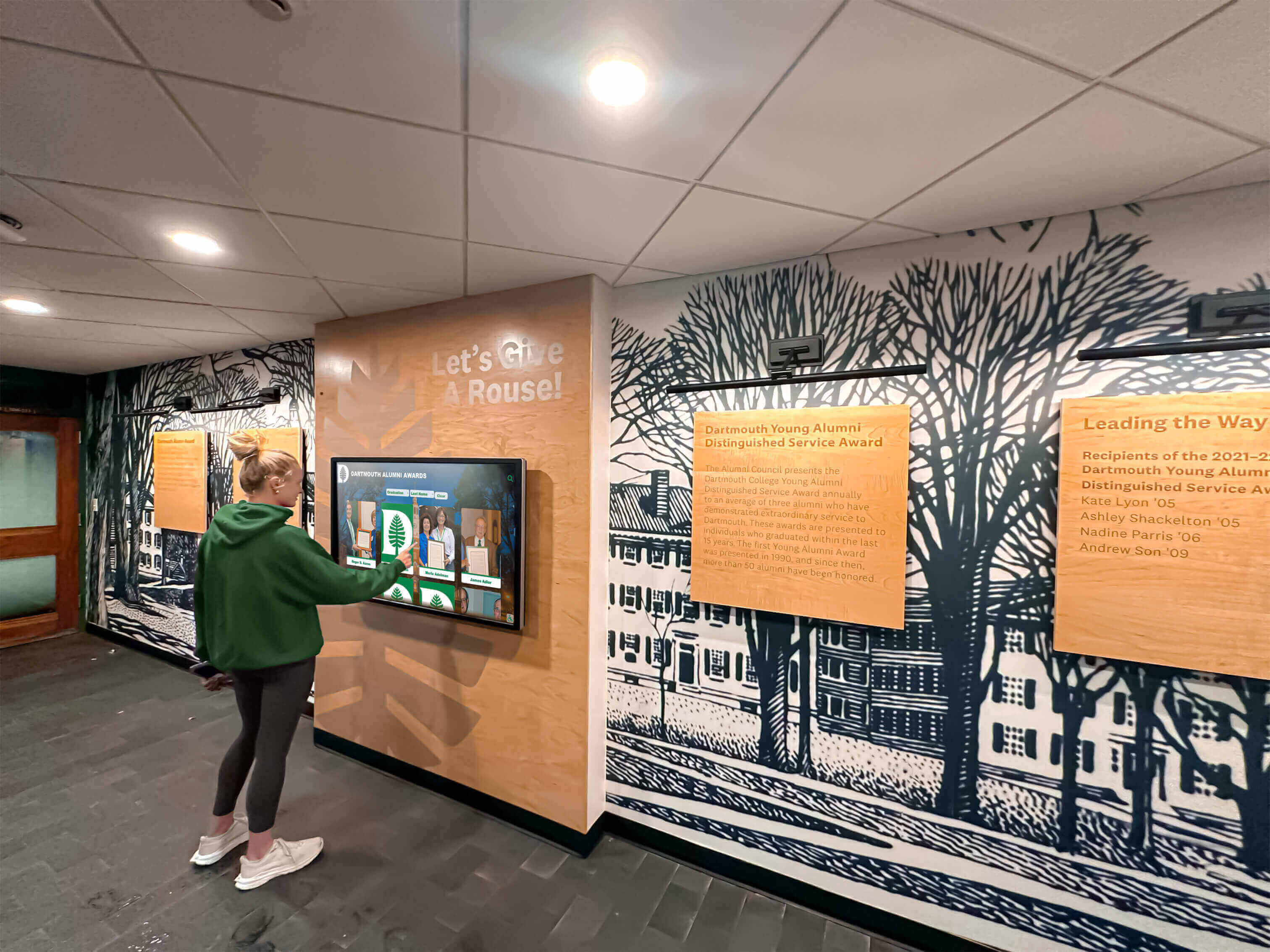
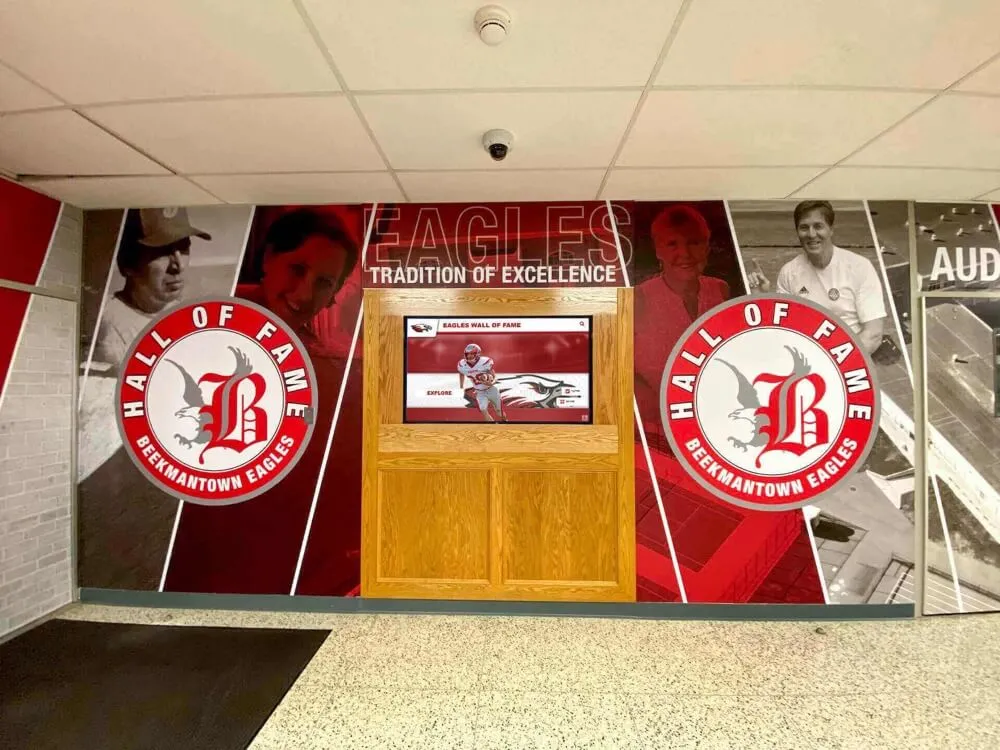
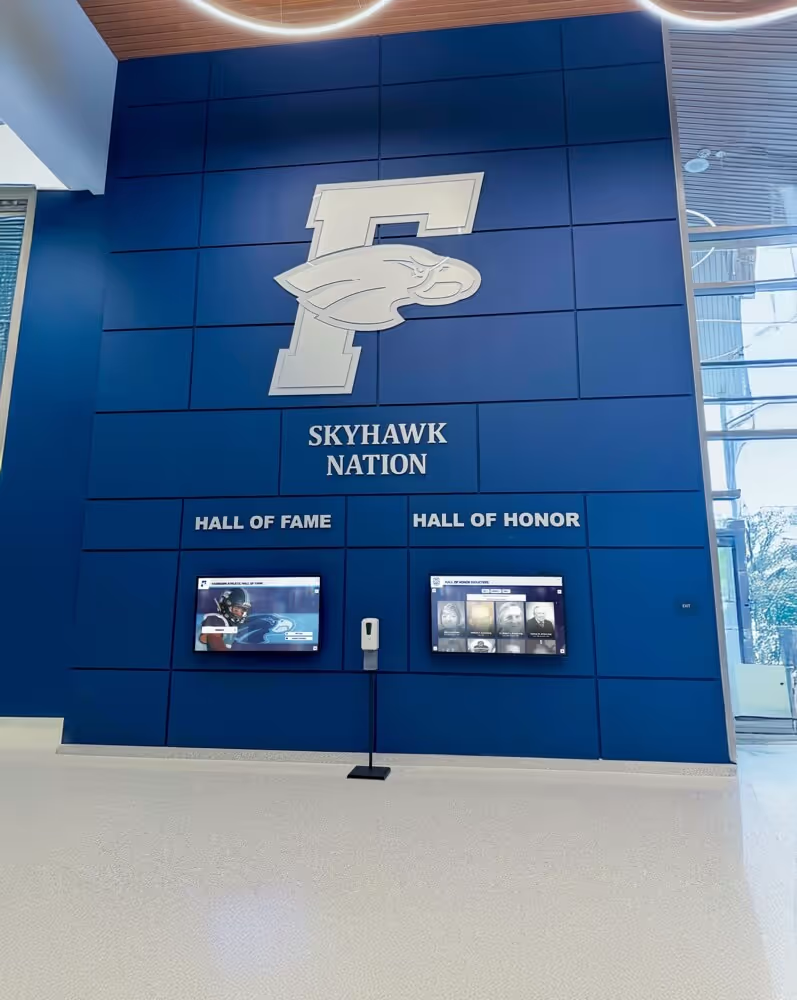
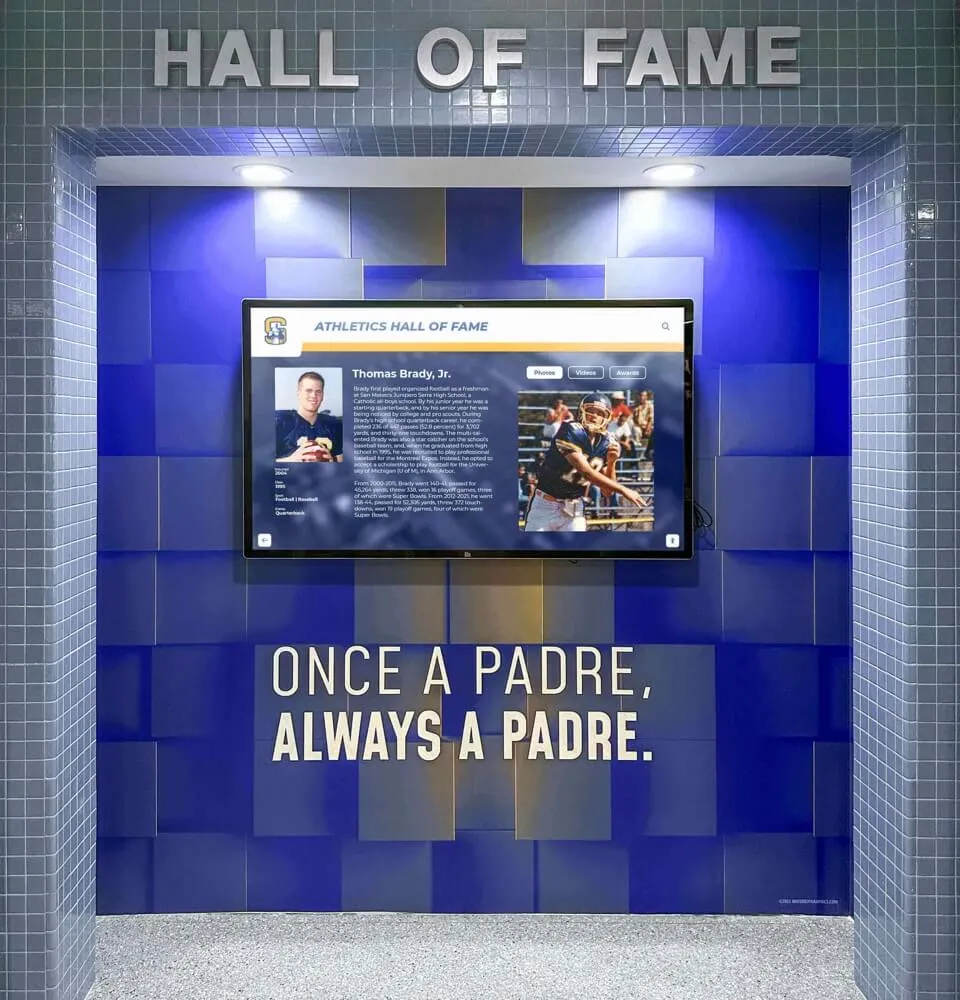
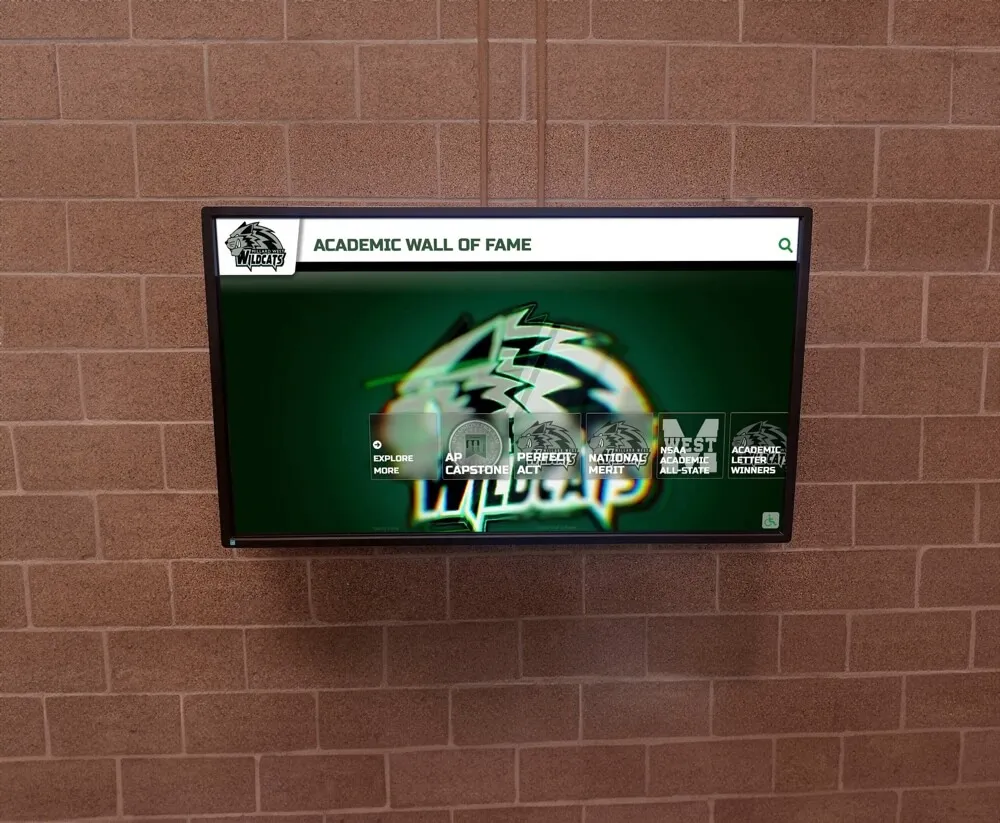
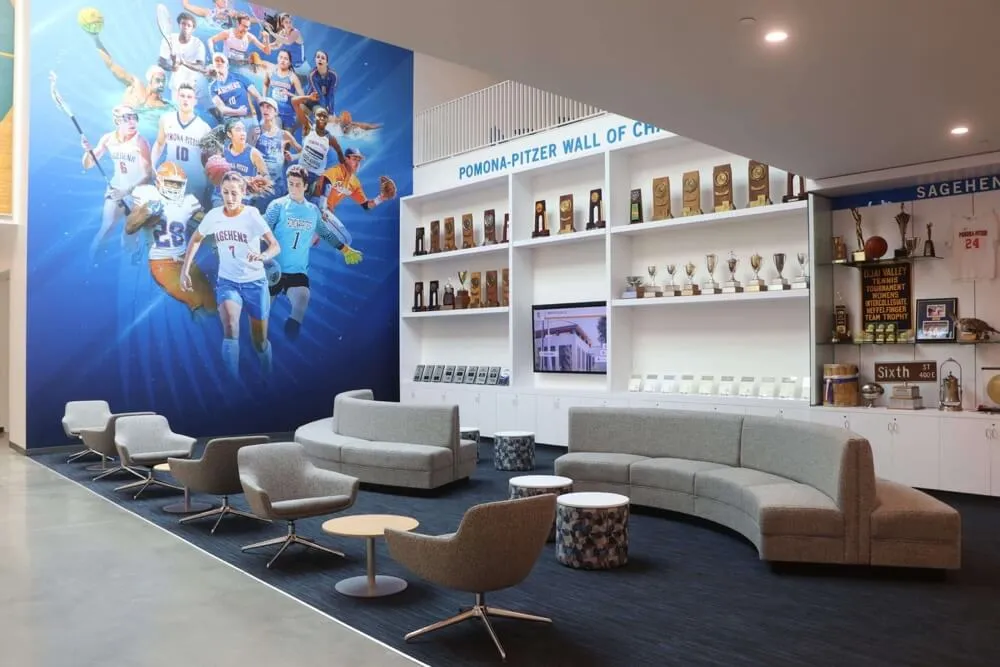
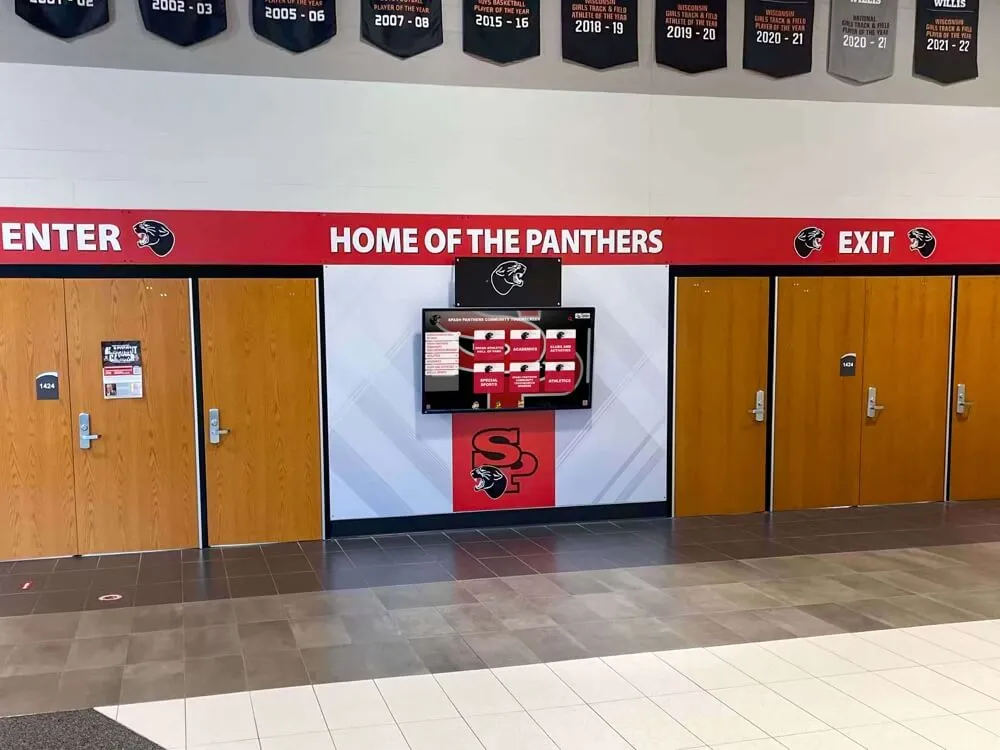
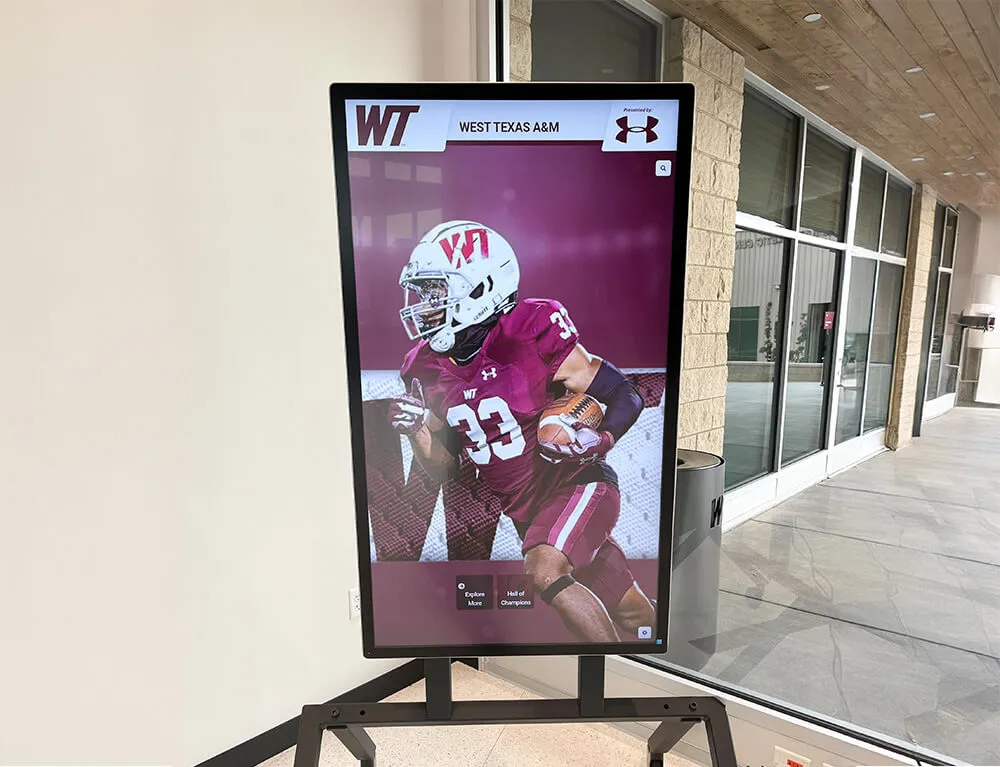
Accessible recognition systems celebrating diverse achievements remind athletes of their value beyond competitive performance
- Crisis text lines and hotlines
- Referral networks to community mental health providers
- Partnership with local counseling services
Integrated Care Coordination
Collaborative support systems:
- Communication protocols between coaches, counselors, and families
- Academic support integration for struggling athletes
- Medical team coordination for injury-related mental health
- Return-to-play protocols including mental health clearance
- Case management for athletes with complex needs
- Follow-up systems ensuring continued support
Accessible resources enable early intervention preventing escalation while demonstrating institutional commitment to athlete well-being.
Crisis Response Protocols
Warning Sign Recognition
Training all athletic personnel to identify:
- Sudden performance decline or motivation loss
- Social withdrawal from teammates and activities
- Dramatic mood changes or emotional volatility
- Comments about hopelessness or being a burden
- Risky behavior changes or substance use
- Sleep pattern changes or physical appearance decline
- Giving away possessions or finalizing affairs
Immediate Response Procedures
Clear protocols for concerning situations:
- Designated reporting pathways for all athletic staff
- 24/7 crisis contact information widely distributed
- Never leaving at-risk athletes alone
- Immediate notification of designated mental health personnel
- Family notification following established procedures
- Documentation requirements and confidentiality parameters
- Follow-up responsibilities after initial intervention
Suicide Prevention Specific Training
All coaches and athletic staff should receive:
- QPR (Question, Persuade, Refer) or similar certification
- Suicide warning signs specific to athletes
- Direct questioning techniques reducing risk
- Safety planning and means restriction
- Local crisis resources and emergency contacts
- Post-intervention support for team members
- Self-care for staff following traumatic events
Established crisis protocols ensure consistent, life-saving responses when athletes experience mental health emergencies.
Discover more about creating supportive environments in programs recognizing student character and leadership development.
Addressing Specific Challenges
Certain situations create heightened mental health risks requiring targeted interventions.
Supporting Athletes Through Injury
Mental Health During Rehabilitation
Injury creates unique psychological challenges:
- Immediate crisis support for traumatic injuries
- Regular check-ins throughout rehabilitation process
- Connection maintenance with team during absence
- Modified participation opportunities when possible
- Goal-setting focused on recovery milestones
- Identity work supporting self-worth beyond active competition
- Return-to-play planning including mental readiness
Return-to-Competition Support
Psychological aspects of returning from injury:
- Performance anxiety and reinjury fear management
- Realistic expectations about initial performance
- Gradual reintegration into full competition
- Building confidence through progressive exposure
- Communication with coaches about mental readiness
- Ongoing support during adjustment period
- Recognition of courage in returning from setbacks
Career-Ending Injury Support
Specialized intervention for permanent limitations:
- Grief counseling for loss of athletic identity
- Career transition planning and support
- Connection to non-competitive involvement opportunities
- Academic and personal goal refocusing
- Peer support from others who’ve experienced similar loss
- Recognition of complete athletic career and contributions
- Follow-up support extending beyond immediate injury period
Comprehensive injury support addresses psychological aspects alongside physical rehabilitation, reducing mental health complications during vulnerable periods.
Managing Transitions and Career Endings
Senior Year and Athletic Career Conclusion
Final season creates complex emotions:
- Grief anticipation as career approaches conclusion
- Pressure to perform in final opportunities
- College decision stress for continuing athletes
- Identity reconstruction for those ending athletic careers
- Senior night celebrations honoring complete contributions
- Planning for life after high school athletics
- Alumni connection programs maintaining sports involvement
Post-Season Support
Mental health doesn’t end with final competition:
- Off-season check-ins maintaining coach-athlete relationships
- Alternative activity suggestions maintaining physical fitness
- Academic and personal goal focus
- Team reunion opportunities
- Alumni programs connecting former athletes
- Recognition of athletic careers through permanent displays honoring achievements
Identity Development Beyond Athletics
Supporting holistic identity formation:
- Encouraging participation in non-athletic activities
- Academic and career counseling emphasizing diverse interests
- Leadership opportunities outside sports contexts
- Community involvement and service learning
- Relationship building across diverse peer groups
- Personal values clarification independent of athletic performance
- Life skills development for long-term success
These transition supports help athletes develop healthy identities not solely dependent on athletic performance, reducing mental health risks when competitive careers conclude.

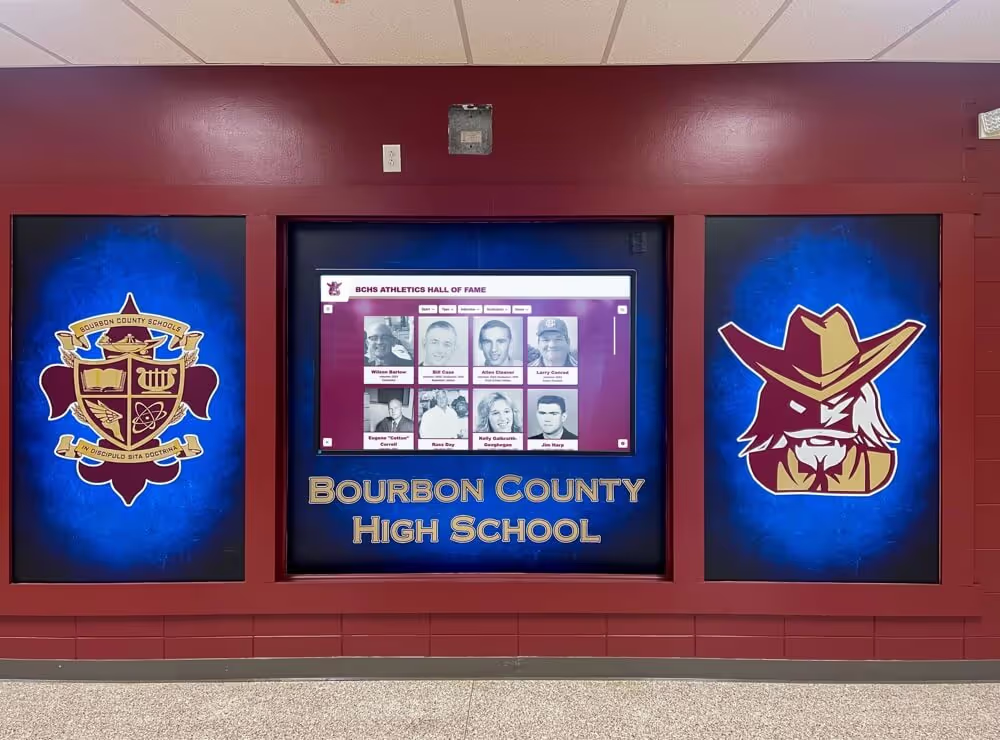
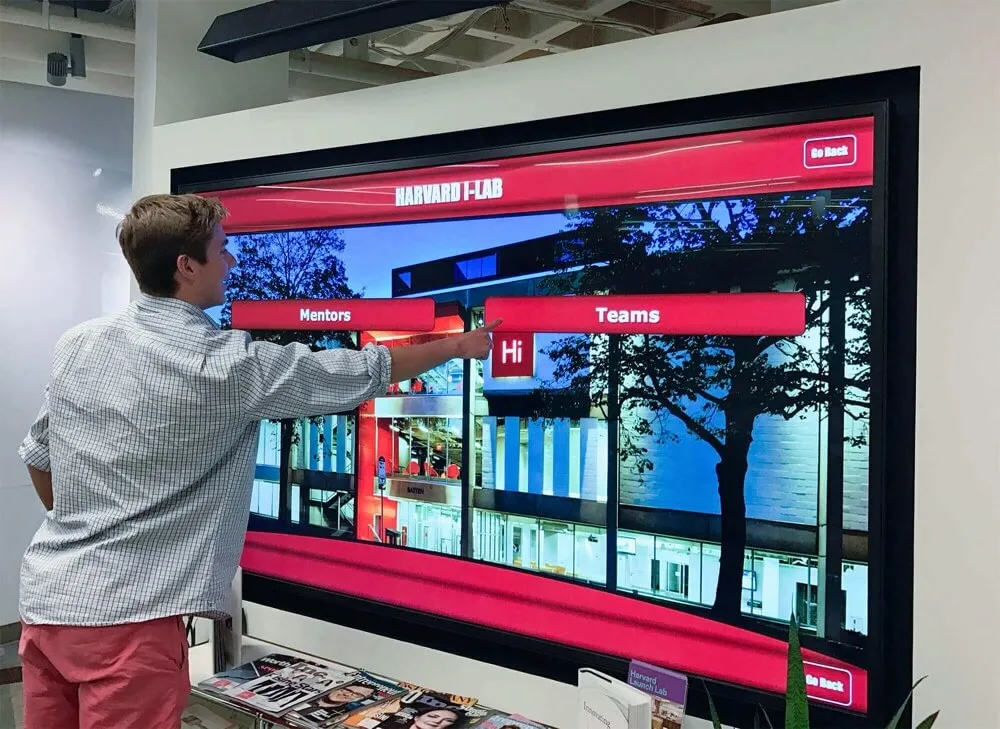
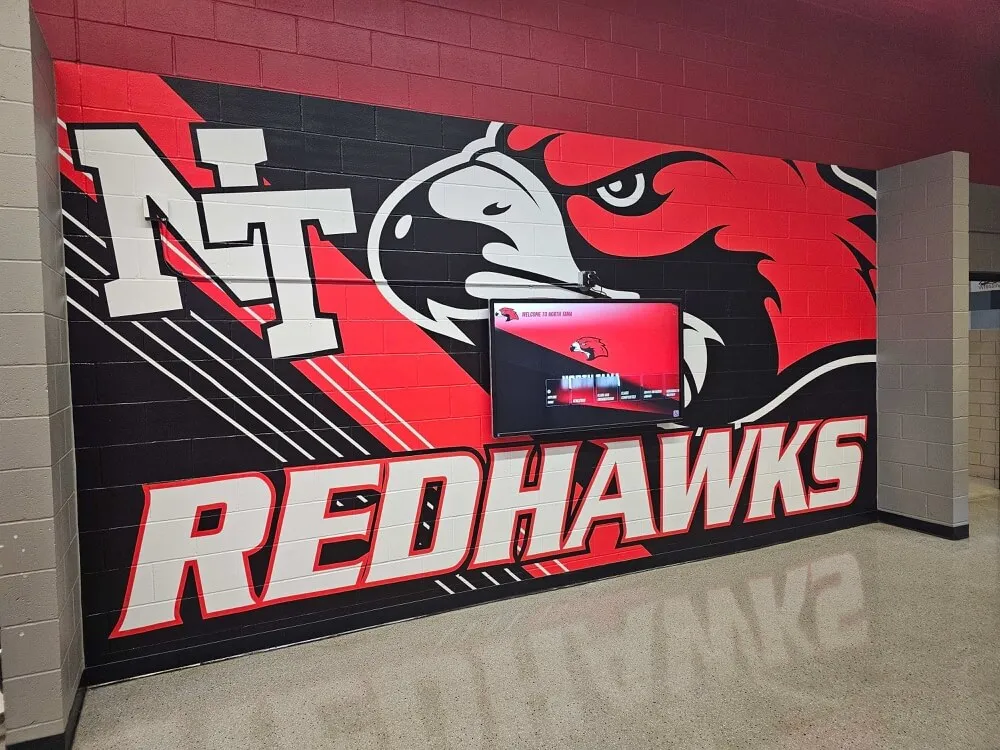
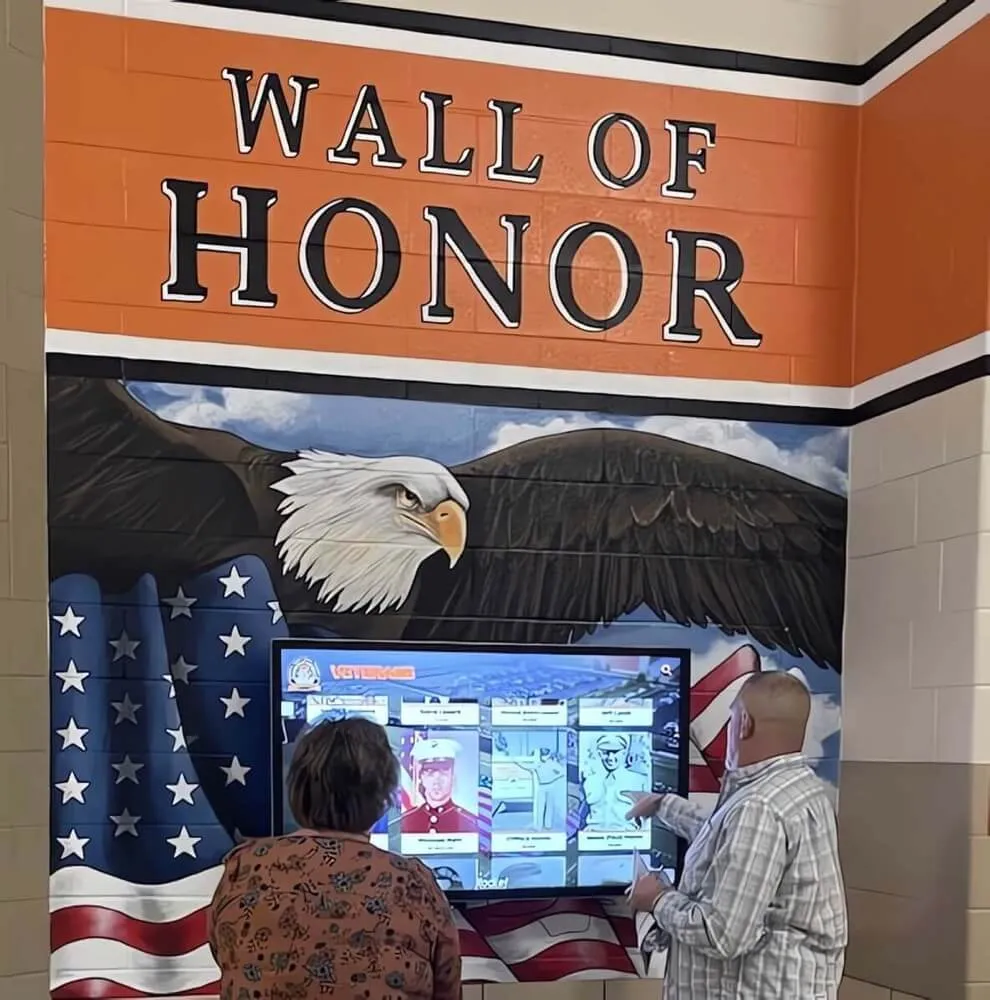
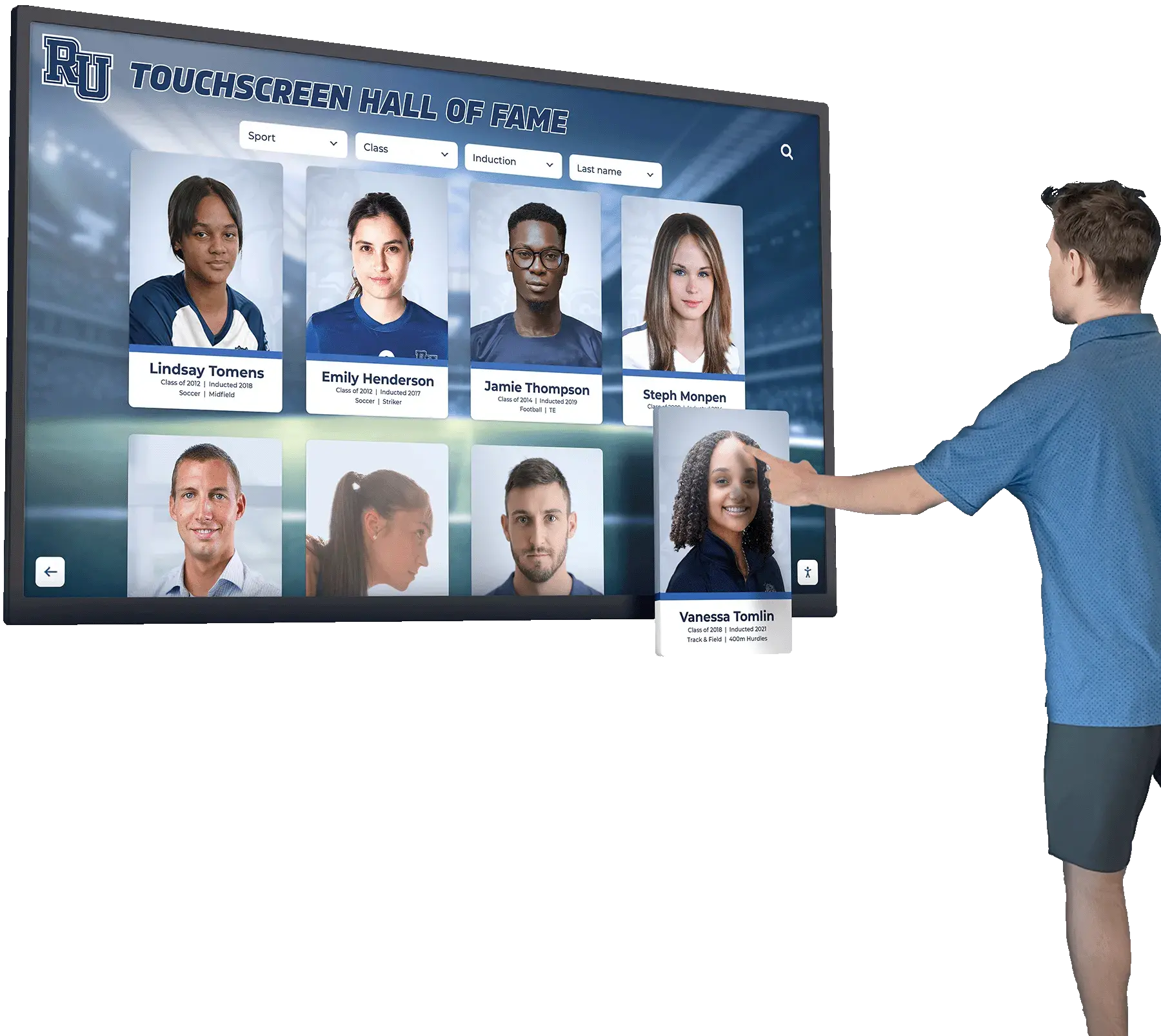
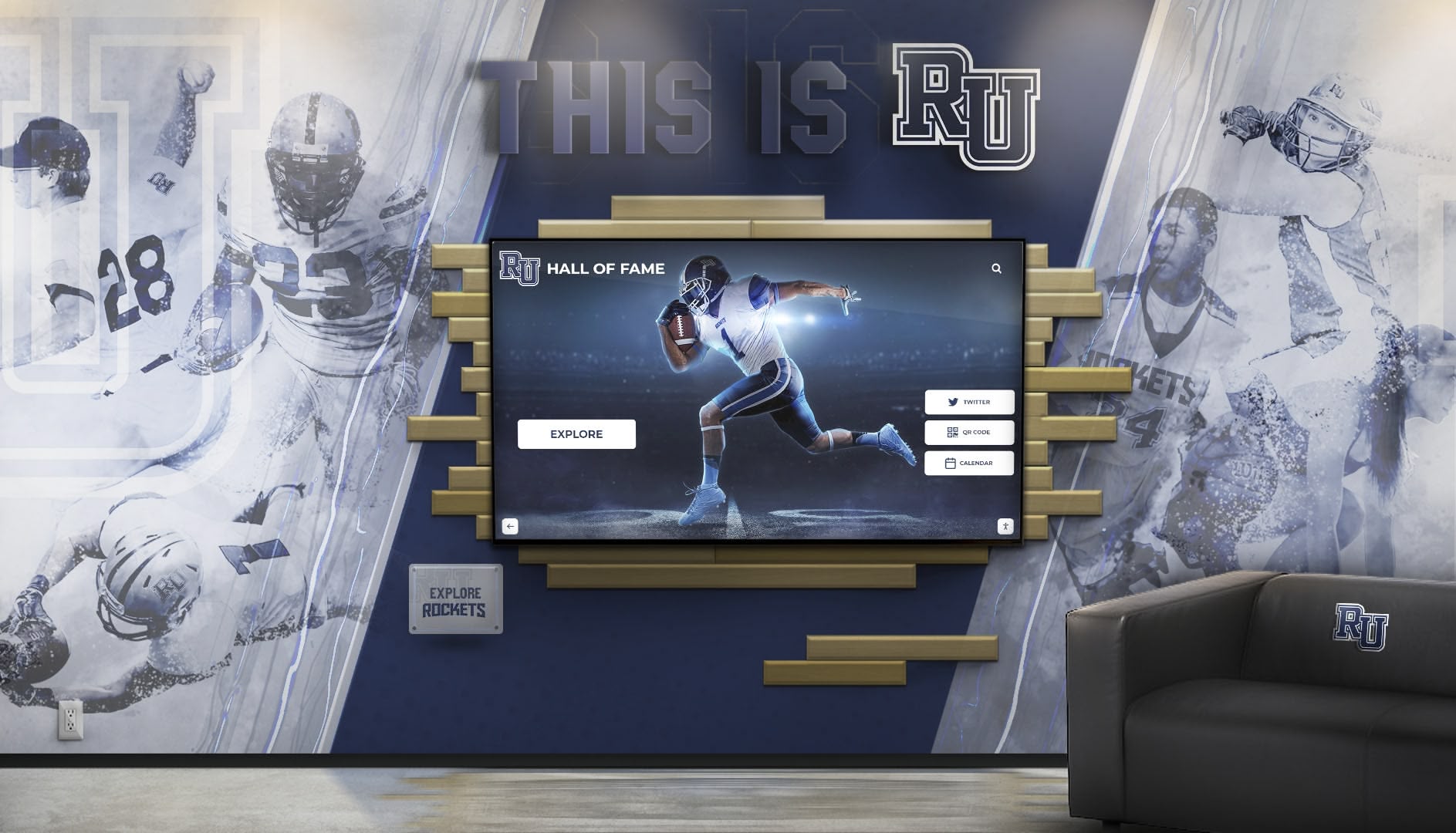
Interactive recognition systems allow athletes to explore complete career stories emphasizing growth, character, and diverse contributions
Parent and Family Engagement
Families significantly influence student athlete mental health—educating and supporting parents enhances overall support systems.
Educating Parents About Mental Health
Parent Education Programs
Workshops and resources for families:
- Mental health awareness specific to student athletes
- Distinguishing normal stress from concerning symptoms
- Communication strategies with struggling teens
- Avoiding excessive pressure while maintaining support
- Understanding athletic department mental health resources
- When and how to seek professional help
- Supporting identity development beyond athletics
Communication Best Practices
Guidance for healthy parent-athlete interactions:
- Focusing on effort and growth rather than outcomes
- Allowing athletes to lead conversations about sports
- Avoiding immediate post-game performance critiques
- Expressing unconditional love independent of athletic success
- Recognizing signs of burnout or excessive pressure
- Balanced perspective on athletic role in overall life
- Supporting decisions about continuing or ending participation
Partnership With Athletic Programs
Collaborative family-program relationships:
- Regular communication about program philosophy and expectations
- Transparency about athlete struggles with appropriate consent
- Coordinated support for athletes experiencing difficulties
- Parent involvement in positive, boundaried ways
- Mutual respect between coaches and families
- Shared commitment to athlete well-being over winning
- Resolution processes for disagreements or concerns
Educated, aligned families provide essential support complementing school-based mental health resources.
Managing External Pressure
Social Media and Public Scrutiny
Digital age creates new pressures:
- Educating athletes about healthy social media use
- Addressing cyberbullying and negative comments
- Perspective on public performance evaluation
- Privacy controls and digital boundaries
- Positive social media highlighting character and growth
- Adult intervention when online harassment occurs
- Digital wellness integration into athlete education
Recruitment and College Pressure
Managing competitive selection processes:
- Realistic expectations about college athletic opportunities
- Emphasis on academic fit alongside athletic programs
- De-emphasizing Division I as only valuable outcome
- Celebrating diverse college pathways (D2, D3, NAIA, club)
- Supporting athletes who choose to end competitive careers
- Mental health considerations in college decisions
- Recognition that athletic scholarships don’t define worth
Performance Expectations Management
Addressing unrealistic pressure sources:
- Education about appropriate developmental expectations
- Coaching communication about realistic performance standards
- Recognition programs celebrating diverse contributions
- Team culture emphasizing collective success
- Individual goal-setting respecting current abilities
- Patience with development timelines
- Reframing competition as opportunity rather than judgment
Managing external pressures reduces mental health risks while allowing athletes to pursue excellence from healthy psychological foundations.
School-Wide Mental Health Integration
The most effective support systems integrate athletic mental health within comprehensive school wellness approaches.
Coordinating With School Counseling Services
Integrated Support Systems
Collaboration between athletic and counseling departments:
- Regular communication between athletic directors and counselors
- Counselor attendance at coach meetings and trainings
- Athlete-specific counseling expertise development
- Shared protocols for supporting struggling students
- Cross-training on available resources and referral processes
- Coordinated crisis response procedures
- Data sharing (with appropriate consent) ensuring comprehensive support
Academic Support Integration
Addressing academic-athletic balance:
- Study hall programs for struggling student athletes
- Tutoring services with flexible scheduling
- Communication with teachers about absence management
- Academic progress monitoring and early intervention
- Time management and organizational skill development
- Testing accommodations during competitive seasons
- Recognition programs celebrating academic achievement alongside athletics
Schoolwide Mental Health Initiatives
Athletic participation in broader efforts:
- Mental health awareness campaigns including athlete voices
- Stress reduction programs during high-pressure periods
- Mindfulness and wellness activities available to all students
- Anti-stigma messaging from respected athletes
- Peer support programs crossing athletic and non-athletic populations
- Comprehensive student services accessible to athletes
- Inclusive school culture supporting all student well-being
Integration prevents athletic department isolation while ensuring student athletes access comprehensive school resources.
Creating Supportive Physical Environments
Athletic Facility Design
Physical spaces communicating values:
- Mental health resource information prominently displayed
- Private spaces for counseling or difficult conversations
- Comfortable team meeting areas fostering connection
- Recognition displays celebrating diverse achievements
- Motivational messaging emphasizing growth and character
- Accessible crisis hotline information
- Welcoming spaces for families and community
Visual Messaging
Environmental cues supporting mental health:
- Posters normalizing mental health conversations
- Success stories from athletes who’ve sought help
- Character and leadership emphasis in displays
- Diverse athletic achievement celebration
- Mental health awareness campaign materials
- Team values statements prioritizing well-being
- Contact information for support resources
Technology Integration
Digital tools supporting wellness:
- Mental health screening and assessment tools
- Appointment scheduling for counseling services
- Educational content accessible via school platforms
- Anonymous question submission systems
- Digital displays showcasing holistic athlete recognition
- Communication platforms connecting athletes to resources
- Wellness tracking and goal-setting applications
Thoughtfully designed environments communicate institutional values while making mental health support visible and accessible.
Measuring Impact and Continuous Improvement
Effective mental health programs require assessment and adaptation based on data and stakeholder feedback.
Evaluation Metrics
Quantitative Indicators
Measurable outcomes tracking program effectiveness:
- Counseling service utilization rates among athletes
- Mental health screening results and trends
- Academic performance and eligibility maintenance
- Attendance at mental health education programs
- Crisis intervention frequency and outcomes
- Graduation rates and post-secondary success
- Injury recovery timelines and return-to-play rates
Qualitative Assessment
Understanding athlete experiences:
- Anonymous athlete surveys about support adequacy
- Focus groups discussing program strengths and gaps
- Coach feedback on culture and athlete well-being
- Parent satisfaction with communication and support
- Counselor observations about athlete engagement
- Exit interviews with graduating athletes
- Testimonials from athletes who’ve accessed support
Benchmark Comparisons
Context for institutional performance:
- State and national mental health data for student athletes
- Peer school approaches and outcomes
- Best practice guidelines from NCAA and NFHS
- Research literature on effective interventions
- Professional organization recommendations
- Evolving standards and emerging practices
Continuous Program Development
Regular Review Processes
Systematic improvement approaches:
- Annual assessment of mental health programming
- Stakeholder feedback integration into planning
- Identified gap analysis and resource allocation
- Updated training based on emerging evidence
- Policy revision reflecting lessons learned
- Success celebration and promising practice sharing
- Transparent communication about improvement efforts
Emerging Challenges and Adaptation
Responding to evolving needs:
- Social media and technology impact monitoring
- Changing competitive and recruitment landscapes
- Cultural shifts in mental health awareness
- New research on effective interventions
- Community-specific needs and circumstances
- Resource availability and budget considerations
- Student athlete feedback and requests
Professional Development
Ongoing coach and staff learning:
- Conference attendance on athlete mental health
- Continuing education on evidence-based practices
- Consultation with mental health experts
- Peer learning from successful programs
- Certification programs in sports psychology
- Book studies and professional reading
- Reflective practice and self-assessment
Commitment to continuous improvement ensures mental health support evolves with student needs while incorporating evidence-based best practices.
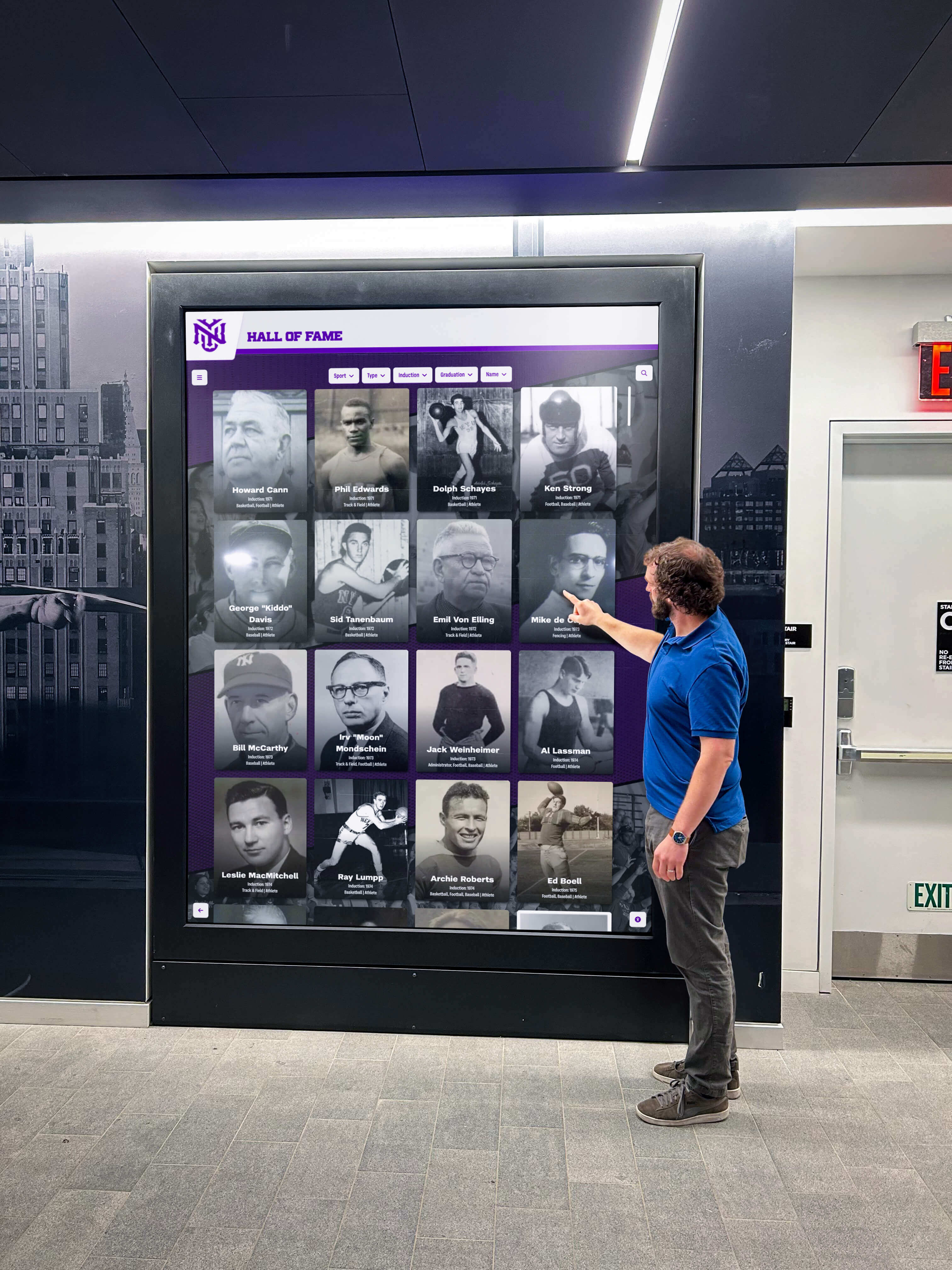
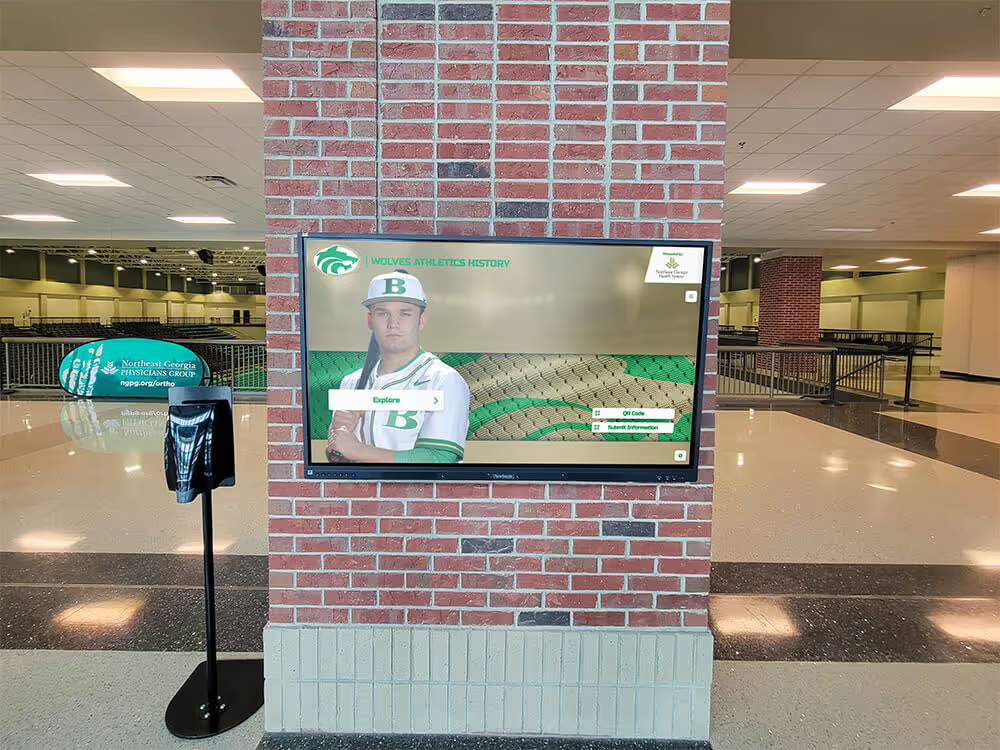
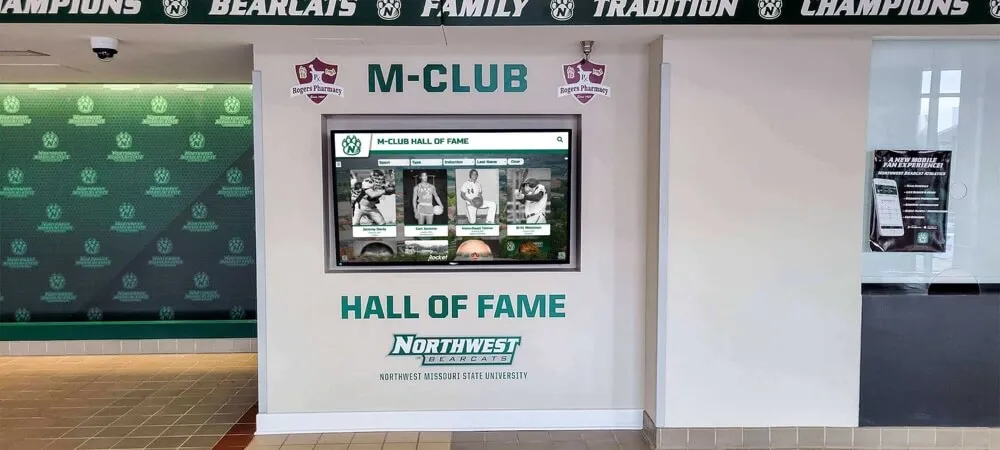
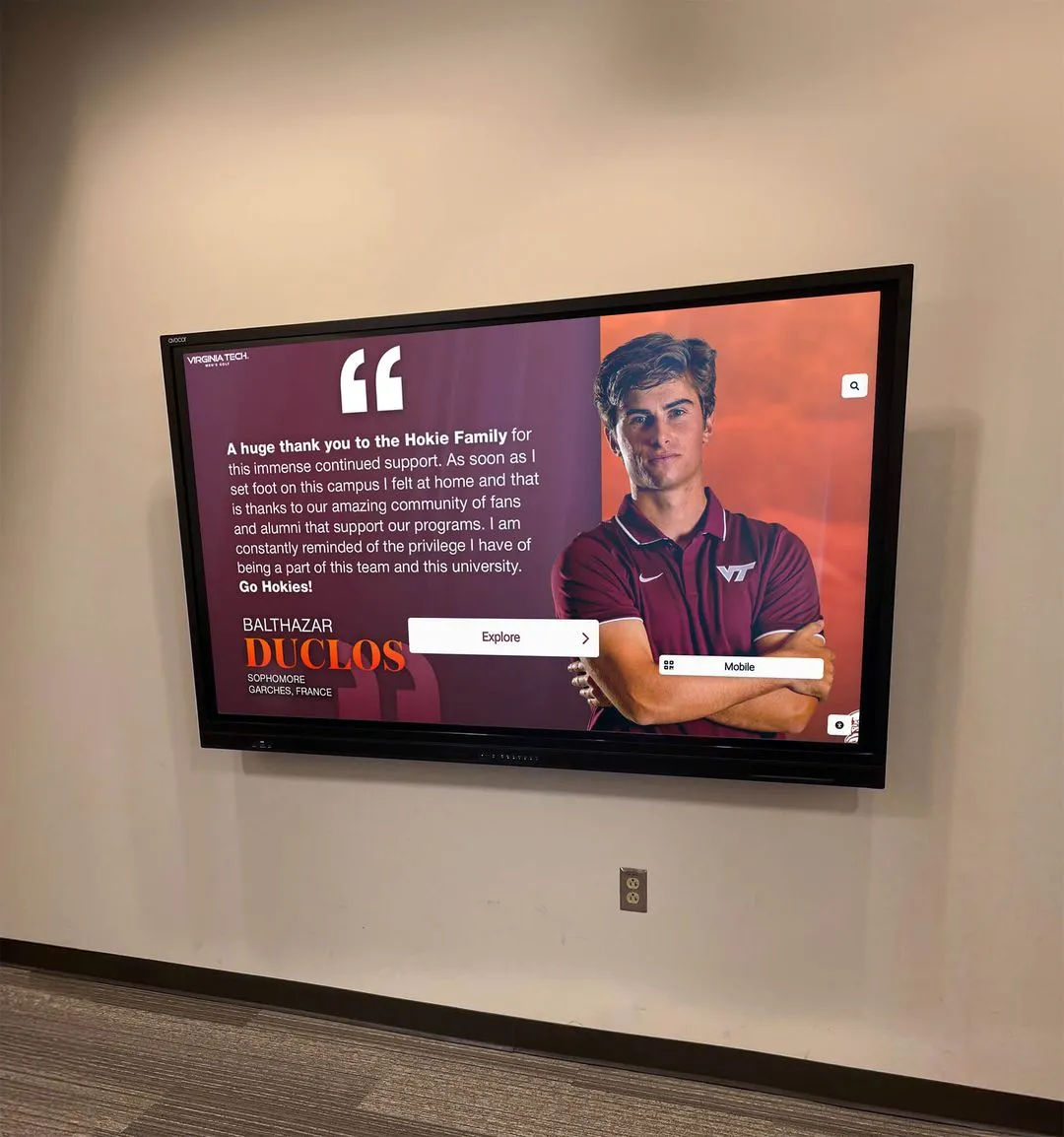
Recognition systems celebrating complete athletic journeys support healthy identity development and self-worth beyond competitive outcomes
Conclusion: Supporting the Whole Person
Student athlete mental health represents one of the most critical challenges and opportunities facing contemporary athletic programs. The competitive pressures, time demands, injury risks, and identity challenges inherent in student athletics create mental health vulnerabilities requiring comprehensive, proactive support systems that recognize athletes as complete individuals deserving care beyond their contributions to team success.
Schools and coaches who prioritize mental wellness alongside physical development and competitive achievement create environments where athletes thrive not only during their competitive careers but throughout their lives. By implementing prevention programs, expanding recognition beyond wins and statistics, providing accessible mental health resources, and cultivating cultures that destigmatize help-seeking, athletic programs protect athlete well-being while often discovering that mental health support enhances rather than detracts from competitive performance.
The most effective approaches integrate athletic mental health within comprehensive school wellness systems, coordinate support across coaches, counselors, families, and athletes themselves, and commit to continuous improvement based on emerging evidence and stakeholder feedback. Recognition practices that celebrate character, leadership, growth, and diverse contributions alongside competitive achievements communicate that athlete value transcends game-day performance, supporting healthier identity development and self-worth less vulnerable to the inevitable ups and downs of athletic competition.
As awareness of mental health challenges grows and high-profile athletes increasingly share their own struggles, schools have unprecedented opportunities to implement support systems protecting student athletes during vulnerable developmental periods. The investment in comprehensive mental health support demonstrates institutional values prioritizing student well-being while creating program cultures that attract dedicated athletes, engage supportive families, and inspire communities.
Celebrate the Whole Athlete With Comprehensive Recognition
Discover how modern recognition systems can support mental health by celebrating character, leadership, personal growth, and diverse contributions alongside competitive achievements—communicating that athlete value extends far beyond wins and statistics.
Explore Recognition SolutionsEvery student athlete deserves support systems recognizing their humanity, protecting their well-being, and celebrating their worth as complete individuals. Whether you’re a coach developing team culture, an athletic director implementing department-wide programs, a counselor providing direct support, or a school administrator allocating resources, your commitment to student athlete mental health creates lasting impact extending far beyond athletic seasons and championship banners.
Start by educating yourself and your staff about mental health challenges, create team cultures where vulnerability and help-seeking are normalized rather than stigmatized, expand recognition to celebrate the qualities and contributions that define character alongside those that determine wins, and commit to continuous learning and improvement. With comprehensive, compassionate approaches to student athlete mental health, schools create environments where young people develop not only as competitors but as resilient, emotionally intelligent individuals prepared for lifelong success and well-being.
Live Example: Rocket Alumni Solutions Touchscreen Display
Interact with a live example (16:9 scaled 1920x1080 display). All content is automatically responsive to all screen sizes and orientations.