A team captain award is one of the few school athletic honors that explicitly names leadership as the achievement being recognized—not a scoring title, not a performance statistic, but the capacity to guide, steady, and elevate the people around you. That makes it valuable in ways that most end-of-season trophies aren’t, and it also makes it harder to design well. Schools that invest in building thoughtful team captain award programs—with defined criteria, lasting profile records, and public display systems—find that those programs become reference points for athletic culture long after the recipients graduate.
This guide is for athletic directors, administrators, alumni relations teams, and communications staff working to build or strengthen recognition for team captains. It covers the criteria that make the award meaningful, the data fields that define a captain’s institutional profile, the display and archive strategies that extend recognition beyond the banquet, and the digital systems increasingly used to give captain recognition a permanent, searchable home.
Whether a captain led a state championship team or guided a rebuilding program through a difficult season, the award should reflect what leading actually demanded of them—and preserve that record in a way the institution can point to for decades.

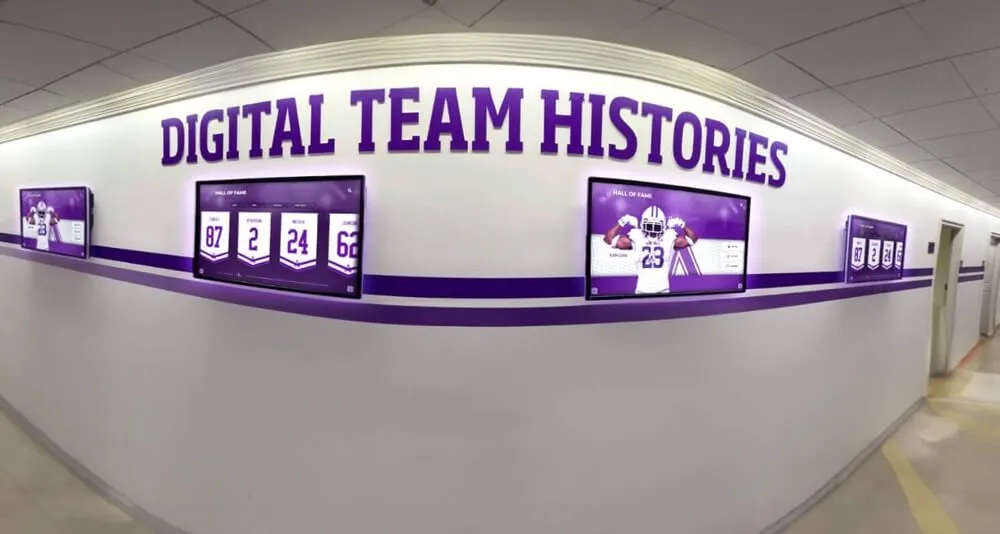
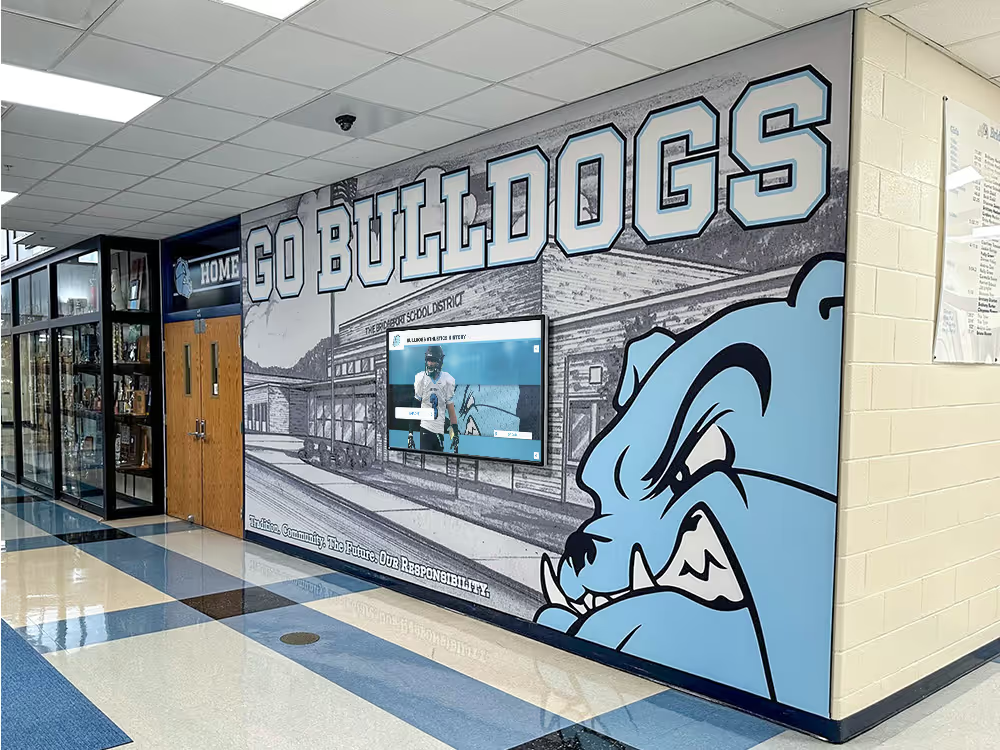
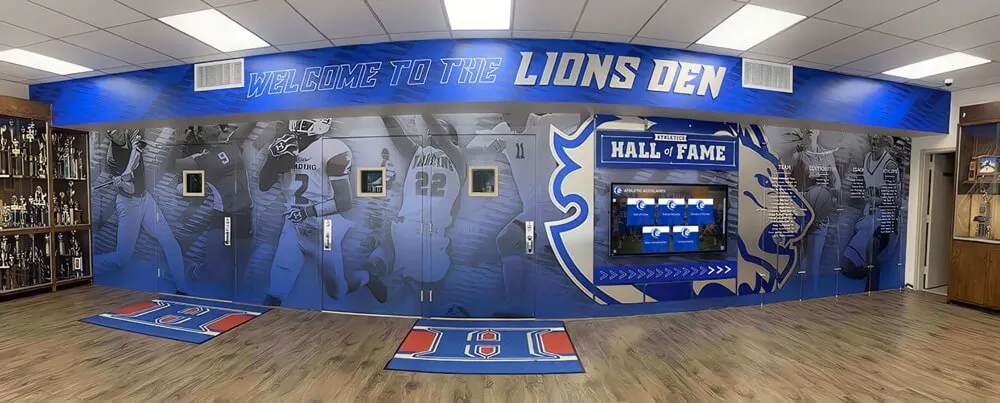
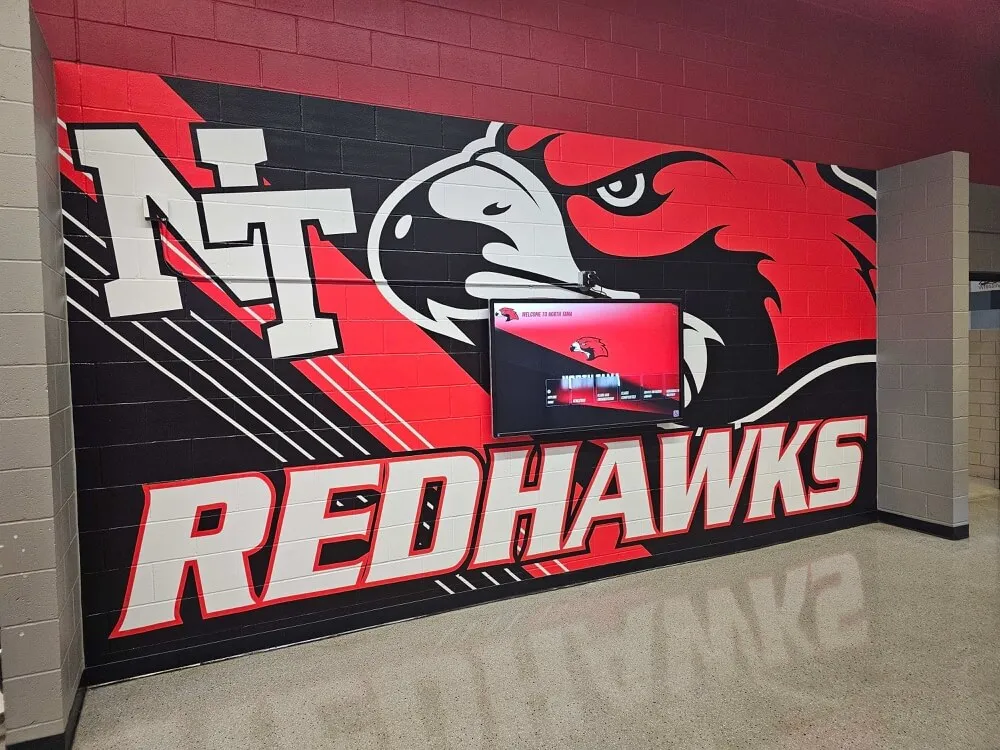
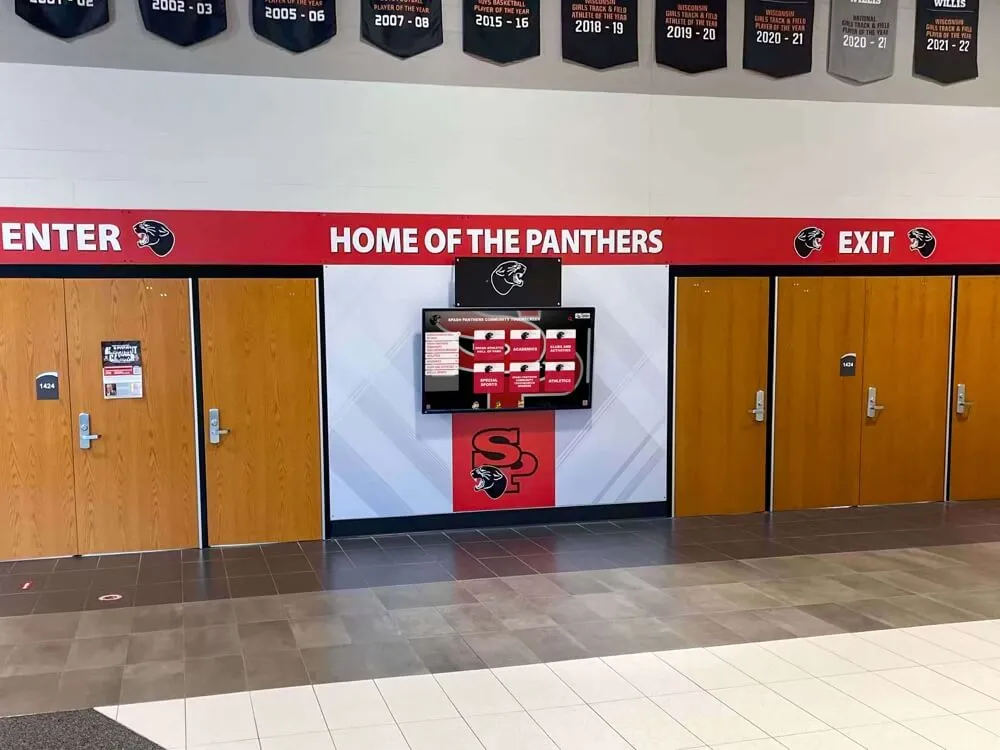
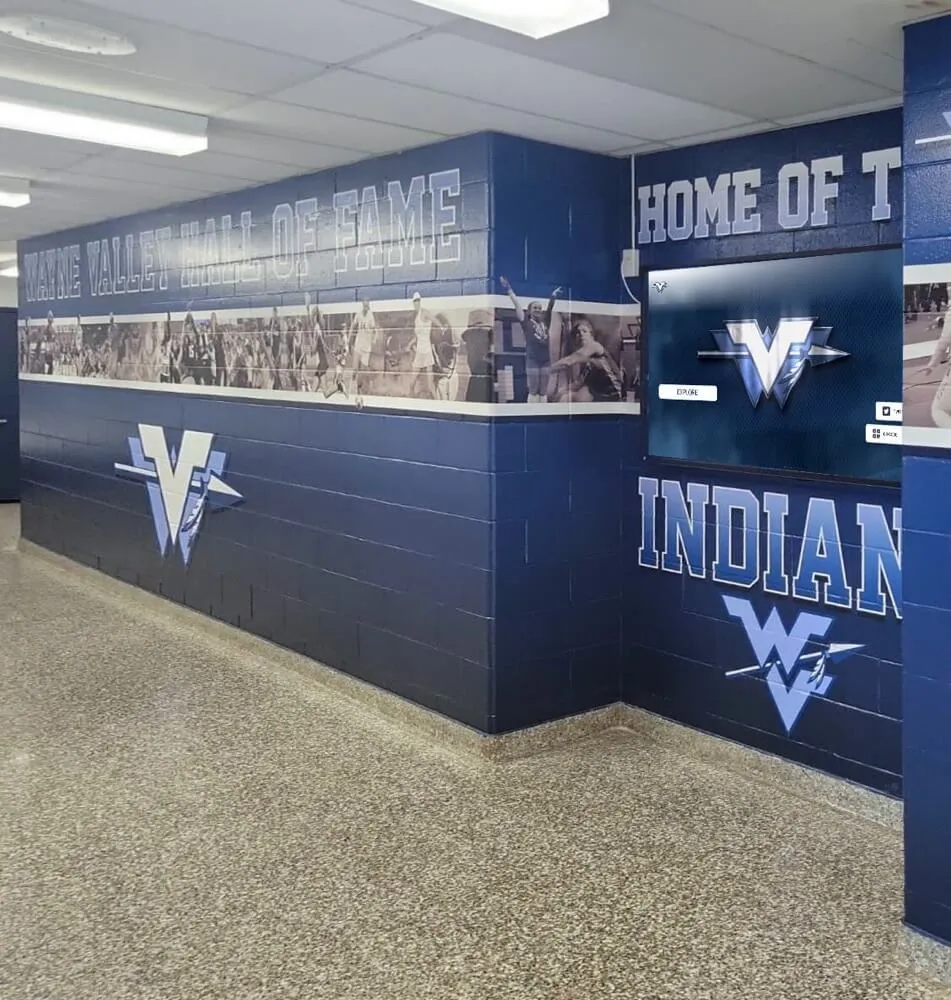
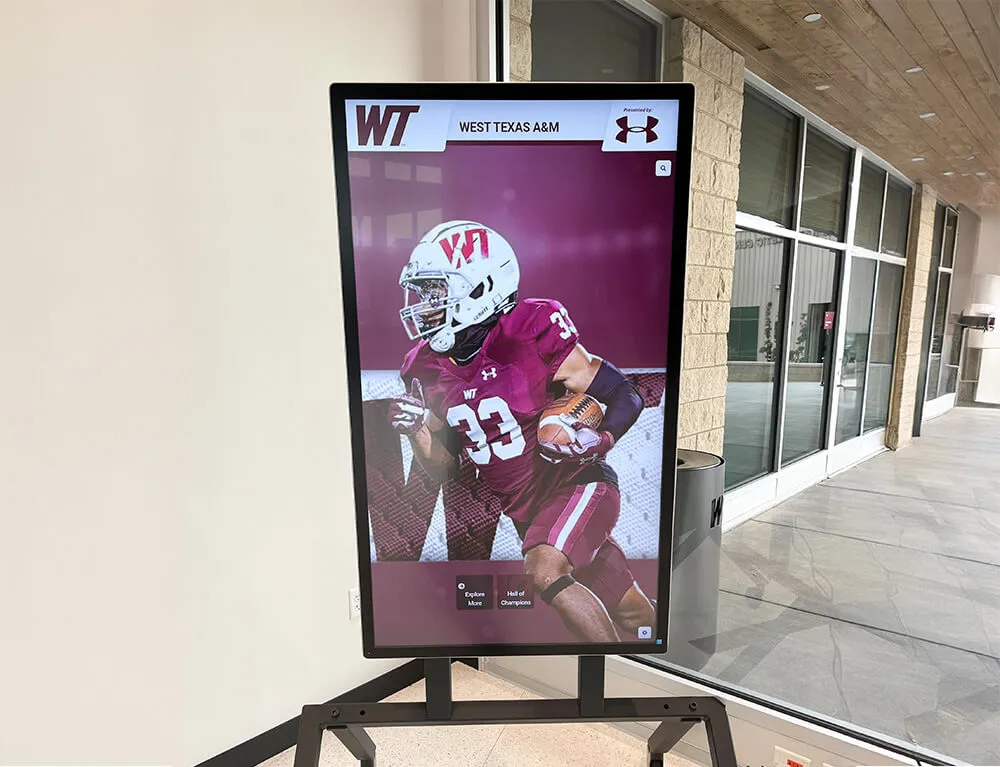
Digital recognition displays in athletic hallways give team captain awards a permanent institutional home accessible to current students, alumni, and visiting families year-round
Why the Team Captain Award Is Distinct From Other Athletic Honors
Most athletic awards recognize what an athlete did: most points, best time, highest batting average, most rebounds. A team captain award recognizes something different—how an athlete made the program work better while they were part of it.
That distinction matters when designing the award because it shapes the criteria, the nomination process, and the way the recognition should be framed when presented. Understanding how captains are chosen in the first place is the right starting point. The criteria that make someone a great captain—the process of team captain election and how schools choose and develop student-athlete leaders—should map directly onto what the award honors.
What Team Captain Awards Recognize
A well-defined team captain award recognizes some combination of the following:
Character Under Pressure The captain who held the team together through a losing streak, an injury, or a conflict in the locker room demonstrated something that wins and losses don’t capture. Award criteria should explicitly name resilience and composure as recognizable qualities—not just the record when the captain was in front of the room.
Peer Accountability Captains who hold teammates to standards without alienating them exhibit a form of relational intelligence that coaches observe closely but rarely formalize into award criteria. Including “accountable to teammates, accountable to standards” as an explicit award dimension elevates its significance.
Communication Across the Team Communication between coaches and athletes, between seniors and freshmen, between high performers and developing players—captains who bridge those gaps deserve explicit recognition. This is distinct from being “likable” and should be framed as a skill.
Representation of Program Values Captains represent the program publicly: at community events, in parent interactions, in the way they handle post-game situations. Award criteria that reference how a captain carried the program’s identity off the field reinforce that the title has institutional weight.
For a fuller picture of what the role demands before it becomes award-worthy, exploring team captain responsibilities and what it means to lead your team gives athletic staff language for the criteria they may already be using informally.
Designing Team Captain Award Criteria
The most common failure in team captain award design is criteria that are too vague to apply consistently and too generic to mean anything to the recipients. “Outstanding leadership” as the sole criterion doesn’t distinguish a captain who transformed a team from one who simply held the title.
A Criteria Framework That Works
Strong team captain award programs typically use a multi-dimensional framework. Here is a structure that athletic directors can adapt:
Team Captain Award Criteria Framework
- Team Impact — Did this captain demonstrably improve the team’s cohesion, culture, or performance in a way that goes beyond their individual play?
- Consistency of Leadership — Did the captain lead in difficult circumstances, not just favorable ones?
- Development of Others — Did younger or less experienced teammates improve in part because of this captain’s investment in them?
- Program Representation — Did the captain uphold and embody the program’s stated values on and off the field?
- Longevity in Role — Some programs distinguish between one-season captains and multi-year captains with a tiered award structure.
Building these criteria into a nomination form—rather than leaving them implicit—makes the selection process more defensible and more meaningful to everyone involved.
Nomination and Selection Structures
The way a team captain award is selected shapes how recipients experience receiving it:
- Coach-selected only: Clean and straightforward. Works for programs that want to give coaches clear authority over leadership recognition. Risk: can feel like an extension of playing time decisions.
- Peer-nominated, coach-selected: Combines teammate perspective with coaching judgment. Effective for surfacing captains who were influential in ways coaches may not fully observe.
- Coach-nominated, peer-voted: Gives the team agency while keeping the candidate pool appropriate. Popular in programs that want to reinforce collective ownership of leadership culture.
- Committee review: Athletic directors, coaches, and sometimes alumni review a written nomination packet. Common in multi-sport programs where the award is given across multiple teams in a single ceremony.
Profile Fields: What the Record Should Capture
A team captain award without a lasting record is a moment that fades. Schools that build award programs with strong documentation practices—treating each captain as an inductee with a profile, not just a name on a list—create a historical record that compounds in value over time.
For perspective on how schools build these records alongside other forms of athletic awards and how they recognize student athletes, the profile approach used for captains often sets the template for the program’s broader recognition system.
Essential Profile Fields for Team Captain Records
Every team captain inductee record should capture:
Identity Fields
- Full legal name
- Sport and team (with varsity/JV distinction if applicable)
- Years as captain (not just the award year)
- Class year and graduation year
- Jersey number
Award and Recognition Fields
- Team captain award name and year received
- Other awards held concurrently (MVP, Academic All-State, etc.)
- Season record(s) during their tenure as captain
Narrative Fields
- 2-3 sentence leadership description drawn from nomination language
- Coach’s statement on why this captain was recognized
- Key moments of leadership during their tenure
Media Fields
- Headshot or action photo
- Team photo from their captain season
- Optional: video clip or highlight reel reference
Alumni Fields
- Post-graduation institution or career path (updated with permission)
- Alumni profile or contact link for re-engagement purposes
This last category matters for advancement and alumni relations teams who use captain recognition as a touchpoint for re-engagement years after graduation.

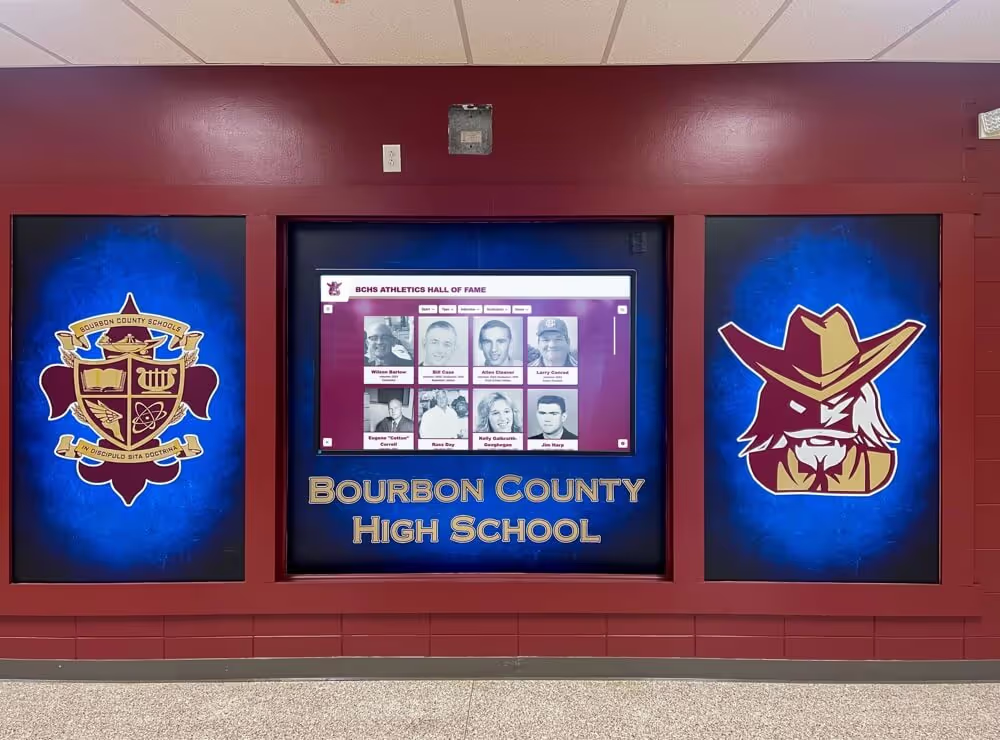
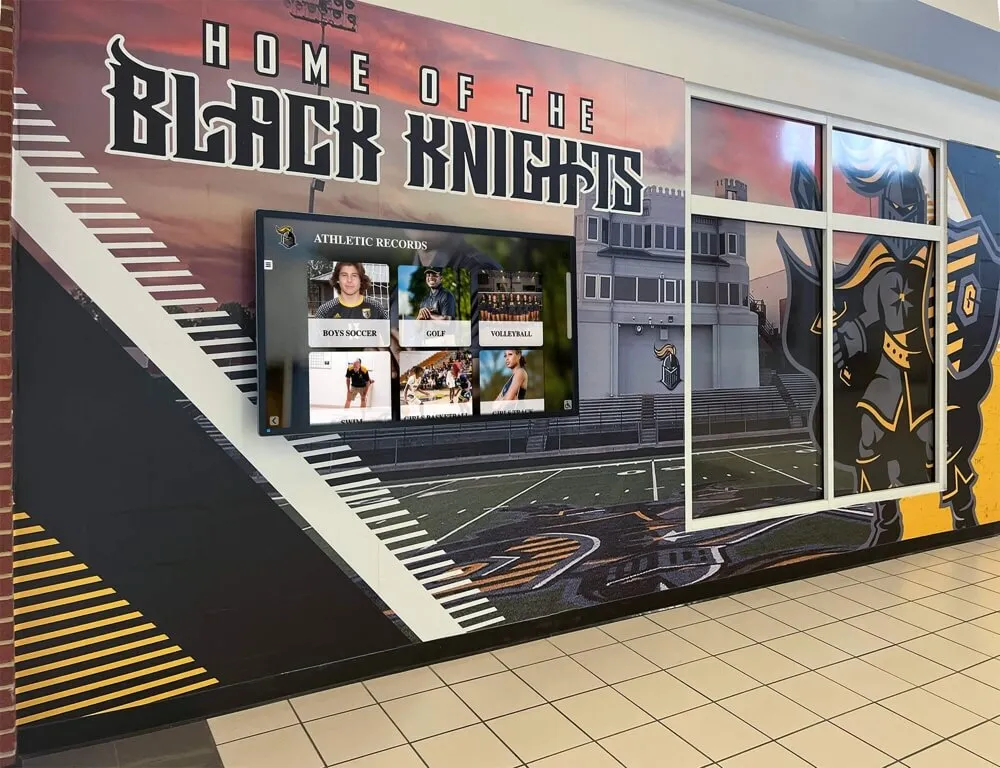
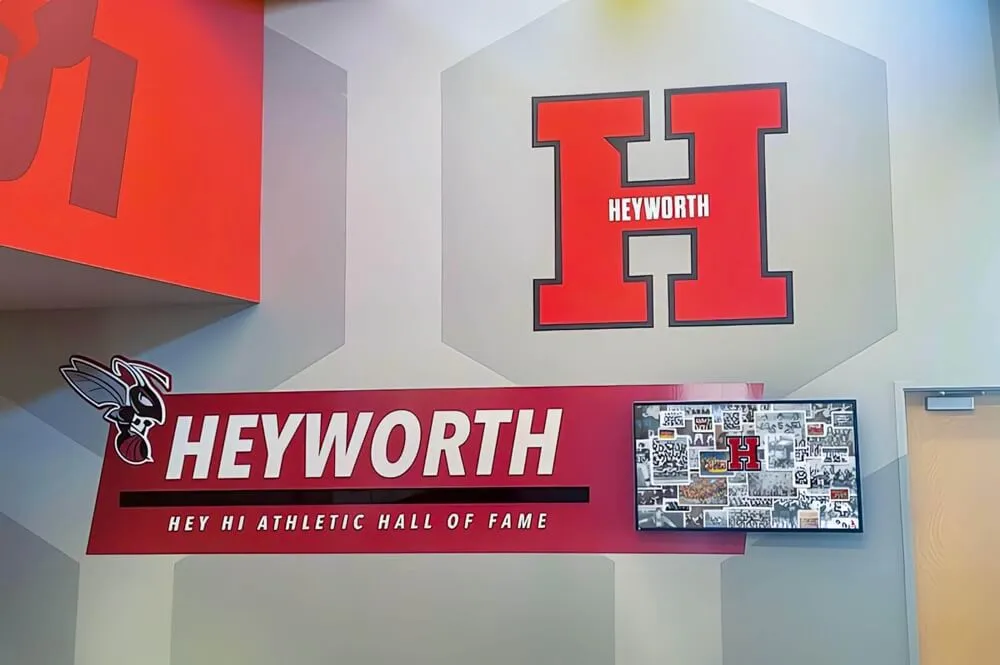
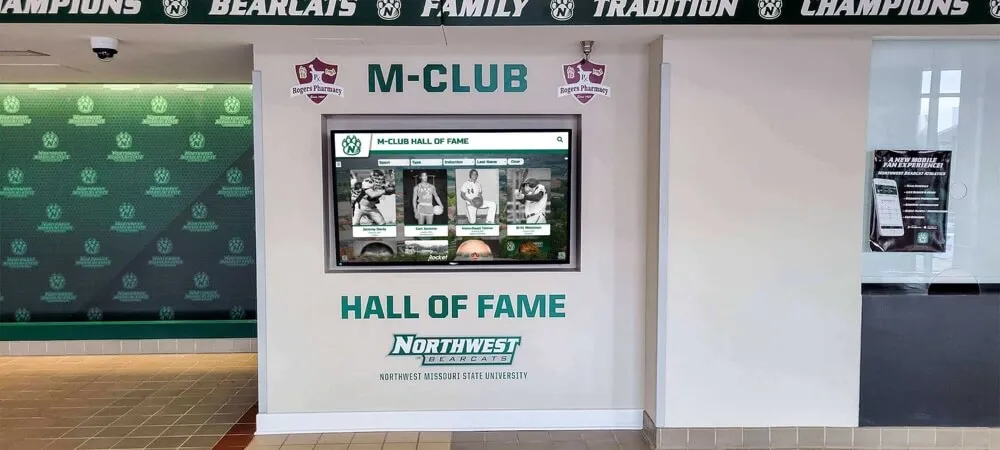
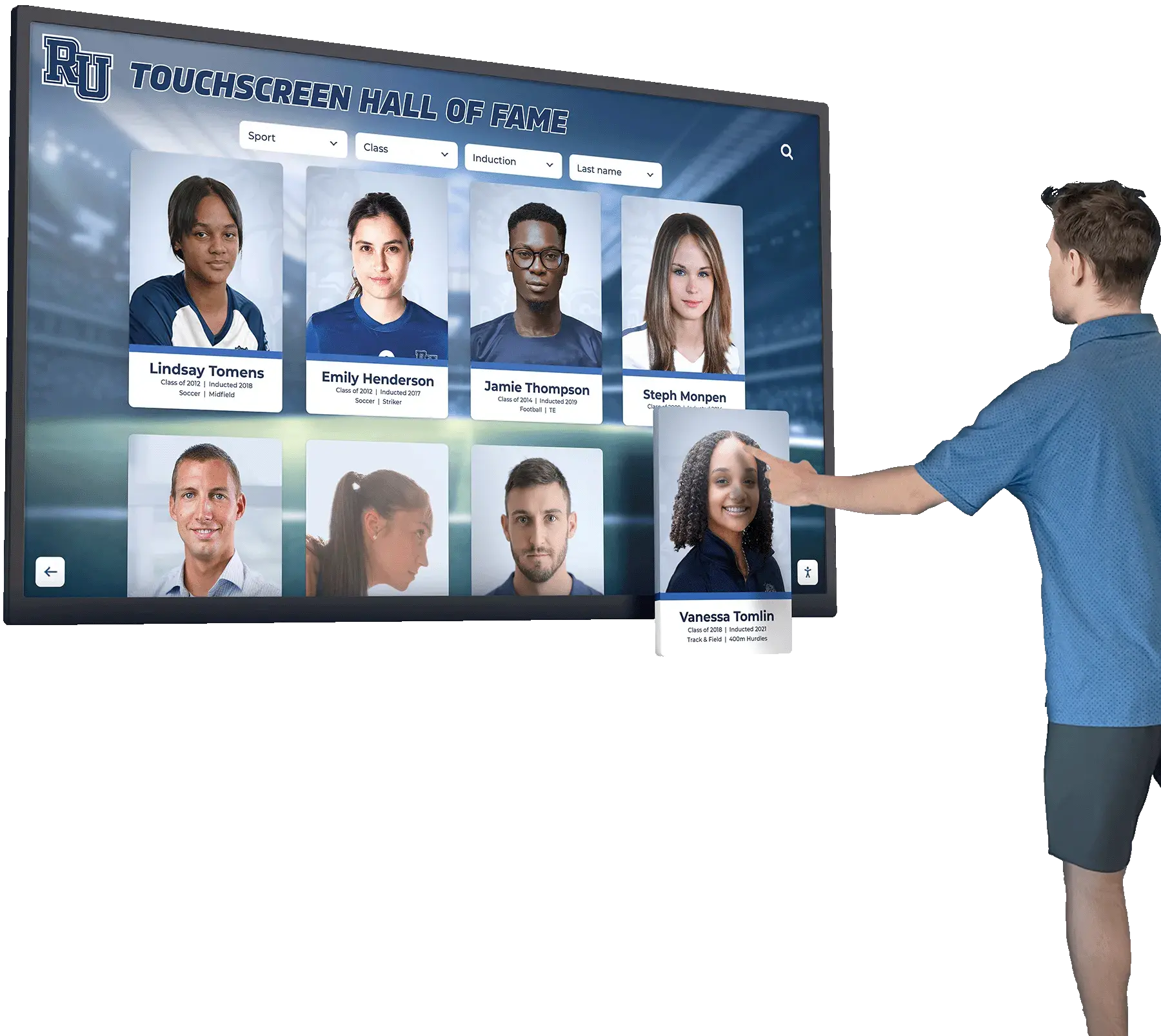
Touchscreen hall of fame systems allow athletic departments to store searchable captain profiles with photos, award descriptions, and narrative recognition accessible to anyone in the building
How Schools Display and Archive Team Captain Recognition
The display lifecycle of a team captain award typically follows one of three paths—and each has different implications for long-term institutional memory.
Path 1: Annual Banquet Only
Recognition is presented at the end-of-season banquet, the recipient receives a plaque or trophy, and the record lives in a spreadsheet or filing cabinet. The award is meaningful in the moment but largely invisible afterward.
Gap: Future athletes have no visibility into who led before them. Alumni have no permanent home for their recognition. The award’s cultural weight resets to zero each year.
Path 2: Physical Display
The captain’s name—and sometimes a photo—is added to a hallway plaque, a trophy case, or a dedicated recognition wall. This is a significant upgrade from path one because it creates a persistent visual presence in the building.
For schools building these displays, exploring team captain wall ideas and how to honor athletic leadership covers the physical design formats that work well in athletic corridors and lobby spaces.
Gap: Physical displays are limited by wall space. Adding a new recipient each year eventually requires removing or compressing older ones. Photos fade, plaques fill up, and the record becomes harder to navigate as it grows.
Path 3: Digital Archive with Physical Display
The highest-impact programs maintain both a physical display and a digital archive—or combine them in a single touchscreen installation. The physical element gives the recognition spatial prominence in the building; the digital layer gives it depth, searchability, and unlimited capacity.
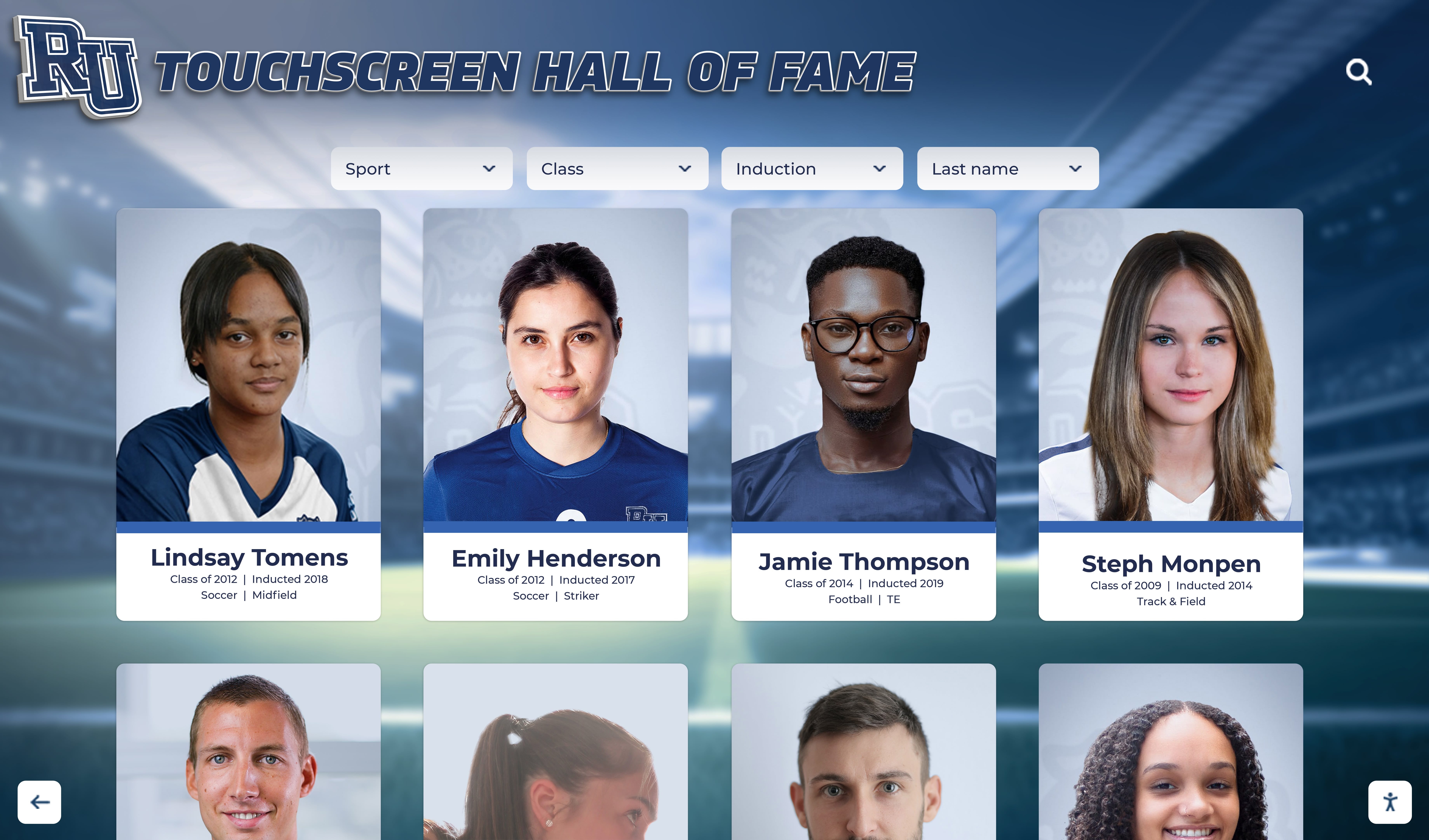
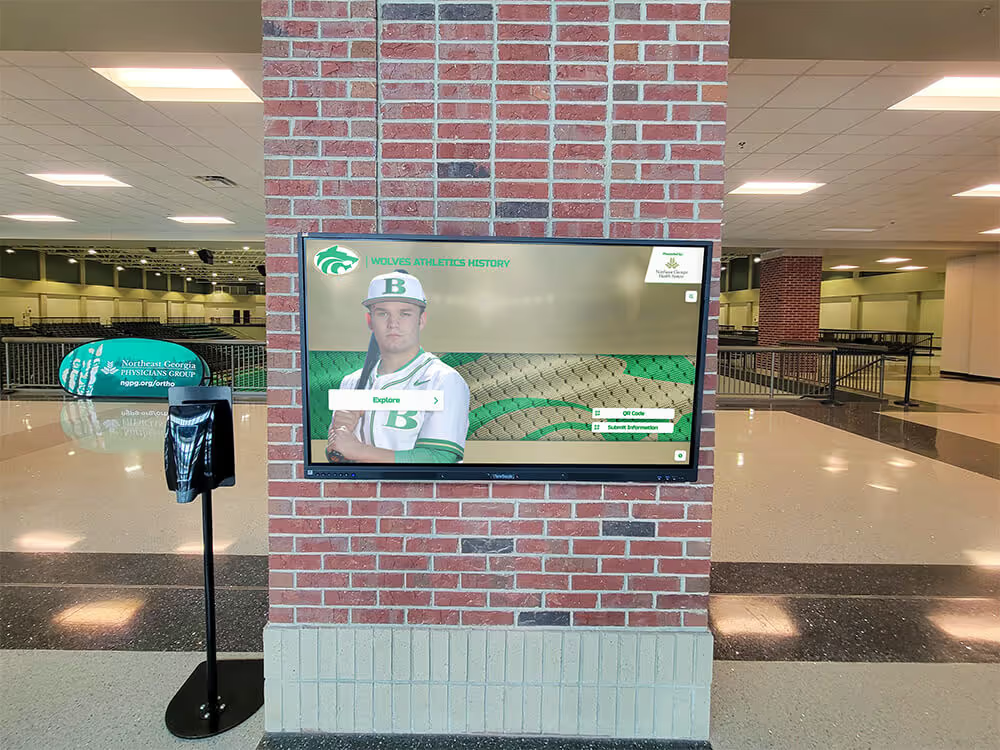
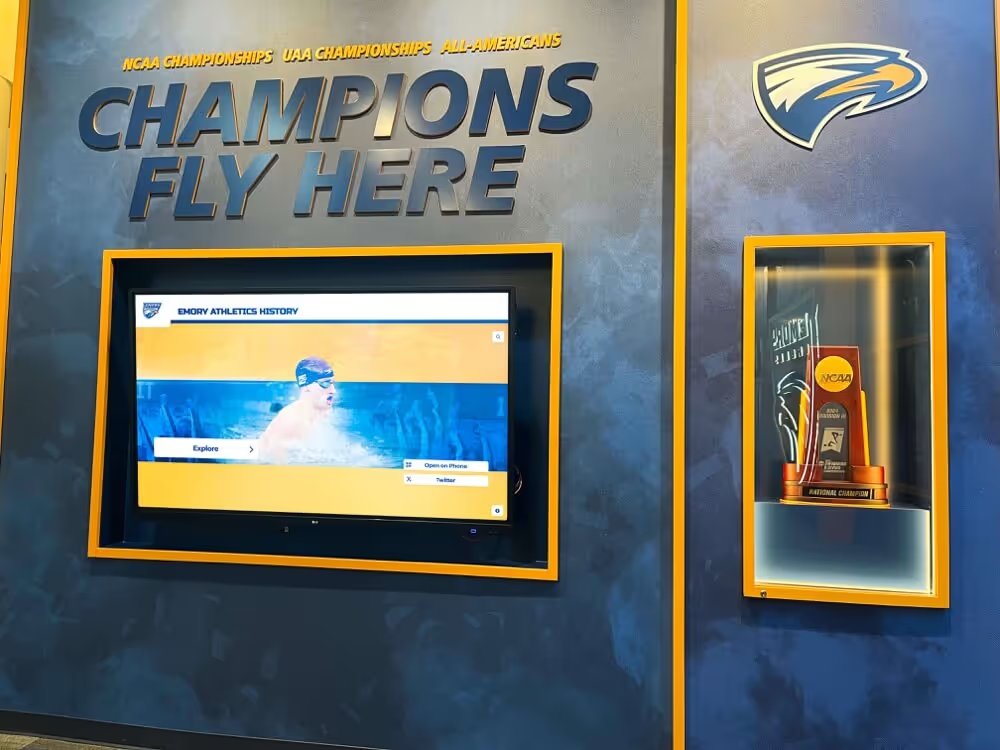
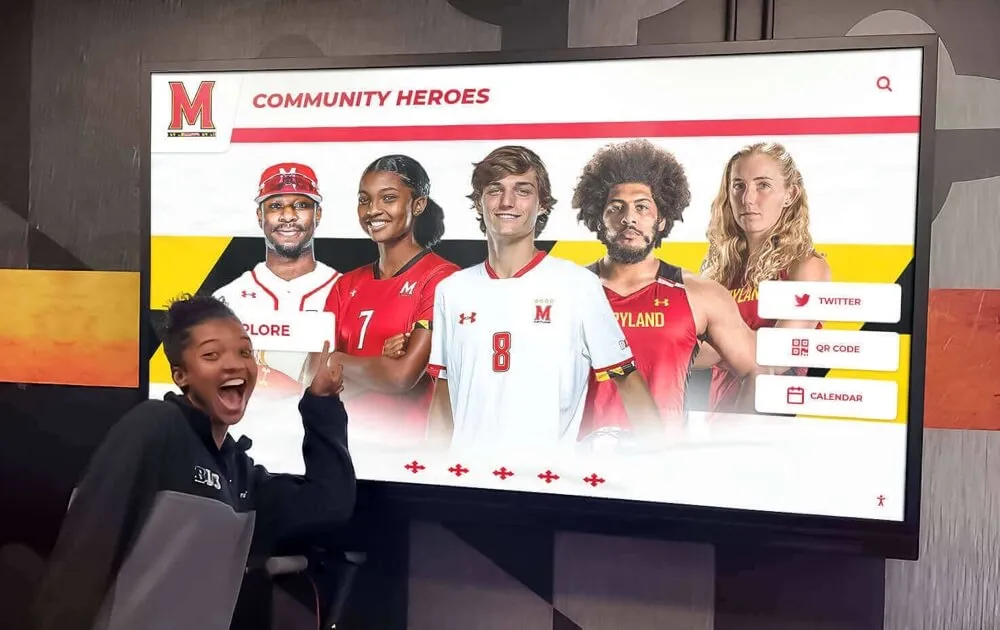
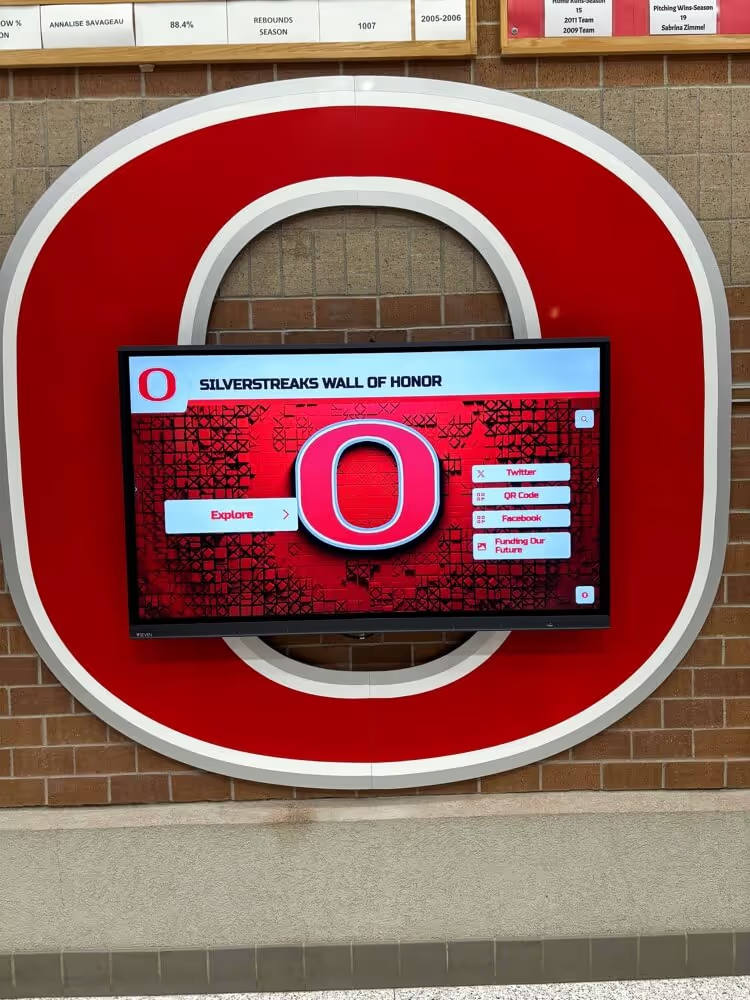
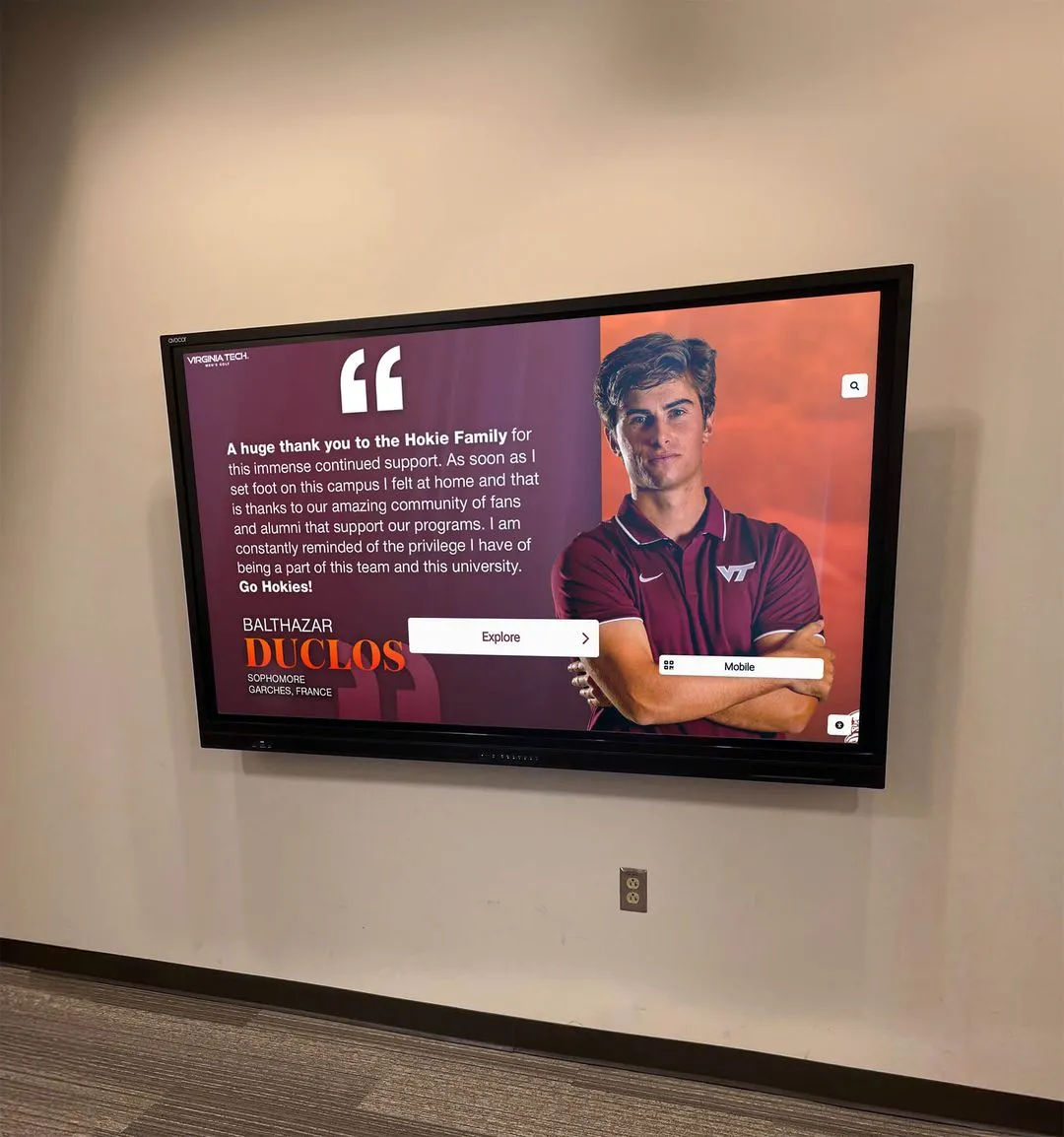
Digital trophy case platforms let programs display captain portraits alongside full profile records—searchable by sport, year, or award type—without the constraints of physical wall space
Connecting Team Captain Awards to Broader Athletic Recognition Systems
The team captain award doesn’t exist in isolation. It sits within a school’s full landscape of athletic recognition—end-of-season banquets, letterman awards, all-conference honors, and hall of fame inductions—and the most effective programs think about how captain recognition connects to each of these.
For context on how athletic programs structure recognition at scale, resources on team recognition awards and meaningful award categories for sports teams and organizations and team awards ideas and categories for every sport and achievement level show how other programs structure the larger recognition ecosystem the captain award fits into.
The Captain-to-Hall-of-Fame Pipeline
Many schools treat a team captain award as a formal credential in the pathway to eventual hall of fame induction. When the school’s hall of fame nomination criteria explicitly lists “team captain designation” as an eligibility factor or a point in the evaluation rubric, the captain award gains retroactive weight—recipients understand that what they received is part of a longer institutional record, not just a one-night honor.
This pipeline works in reverse, too: alumni who see their former captain peers inducted into the hall of fame return to ask about their own records. Advancement and alumni relations teams that maintain clean, accessible captain archives report these conversations as natural entry points for re-engagement.
Sport-Specific Recognition and Multi-Sport Programs
Programs that name captains across multiple sports face a consistent challenge: how to give each captain recognition that feels appropriately individual without creating a different award format for every team. The most practical approach is a unified design framework—same award name and plaque design across sports, with sport-specific details embedded in the profile record—combined with sport-specific language in the presentation remarks.
For sport-specific recognition ideas that can complement a captain award structure, guides on football team awards and high school season-end recognition and athletic awards ideas with 30 categories coaches can use to recognize every athlete show how other programs tailor recognition categories without losing programmatic coherence.
The Display Lifecycle: From Banquet Night to Permanent Record
What happens to a team captain award after the banquet is as important as the banquet itself. Schools that treat the presentation as the endpoint of recognition miss the longer arc: the award accumulates meaning over time as the list of recipients grows and as those recipients go on to do notable things after graduation.
A display lifecycle that works:
- Presentation night — Award given with personalized remarks, photographed, added to the official program record
- Post-season update — Recipient’s profile added to the school’s digital archive or physical display within 30 days
- Annual archive review — Full captain record reviewed each year for completeness, with any gaps in historical records filled by reaching out to alumni or coaches
- Alumni re-engagement touchpoint — Former captains notified when a new captain is named, reinforcing that the community of past recipients is active and recognized
- Hall of fame consideration — At eligibility, the captain award is listed as a formal credential in any hall of fame nomination materials

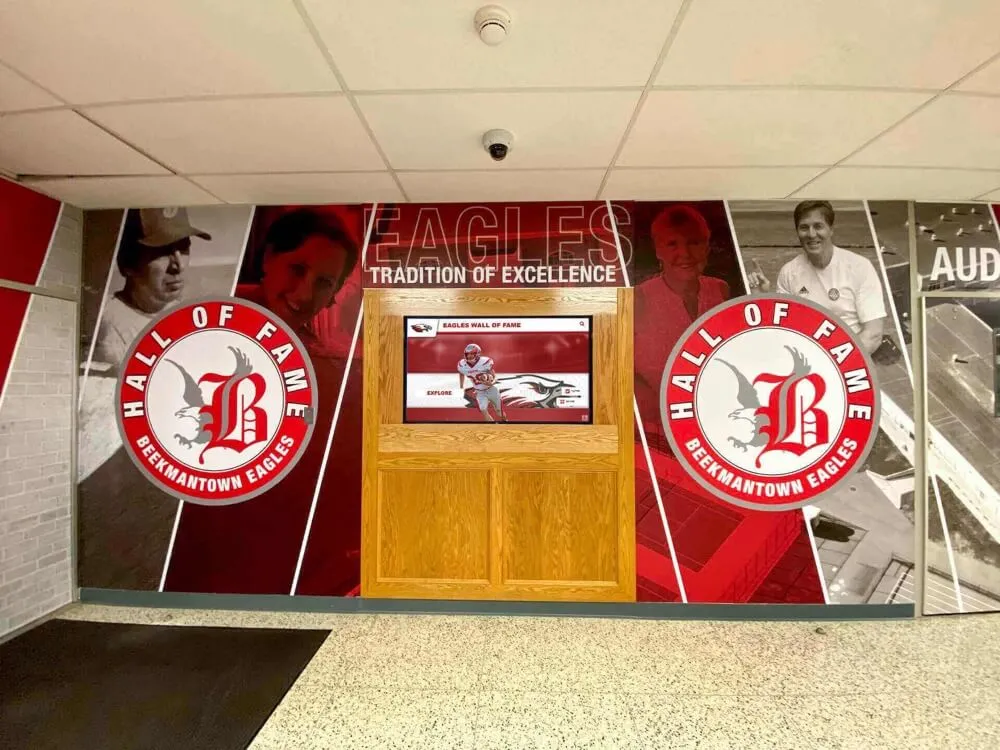
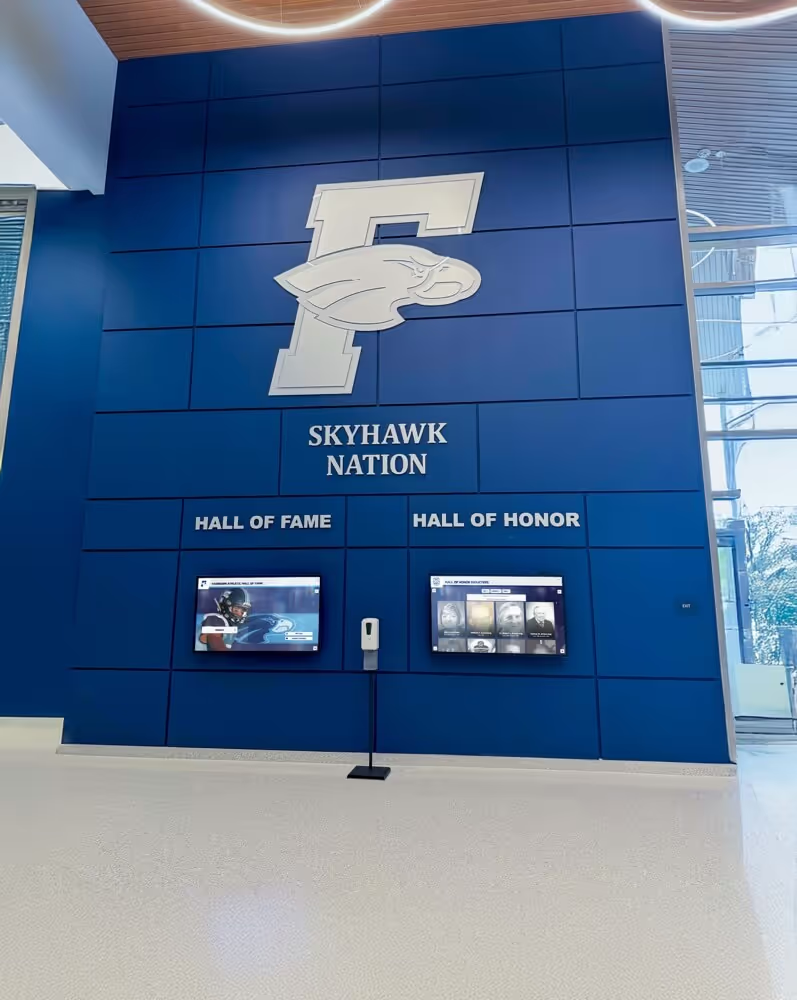
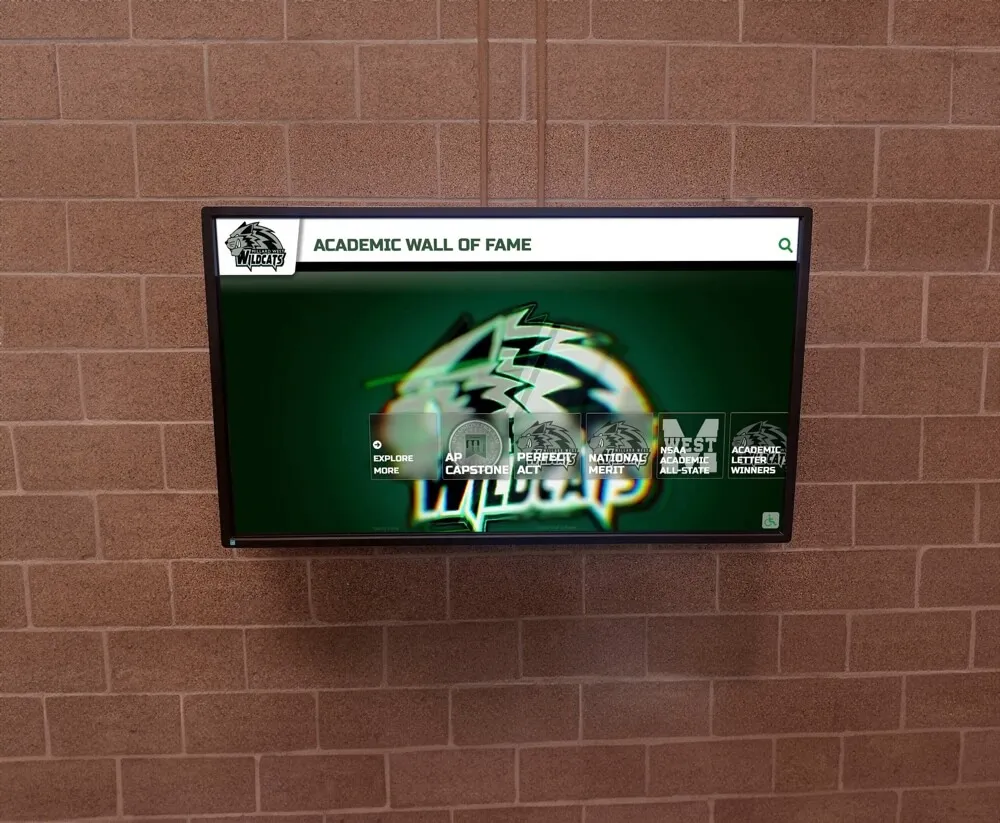
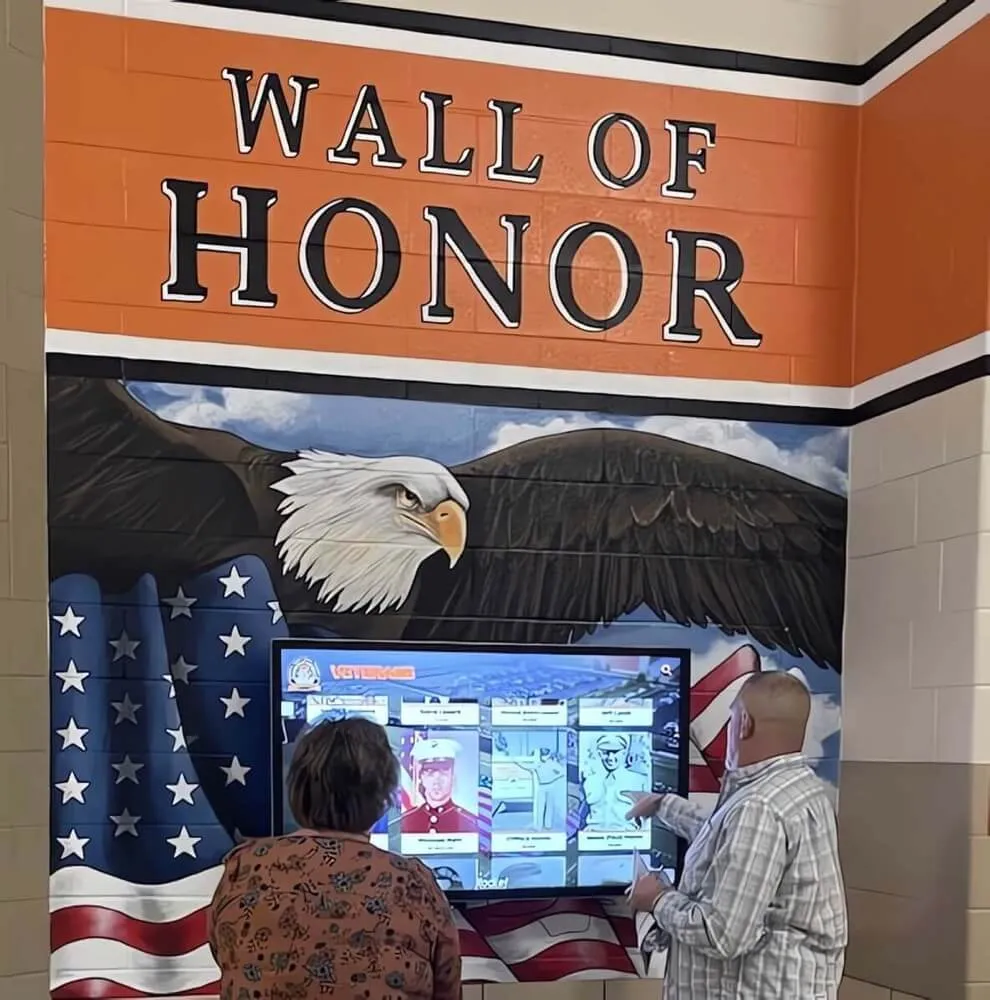
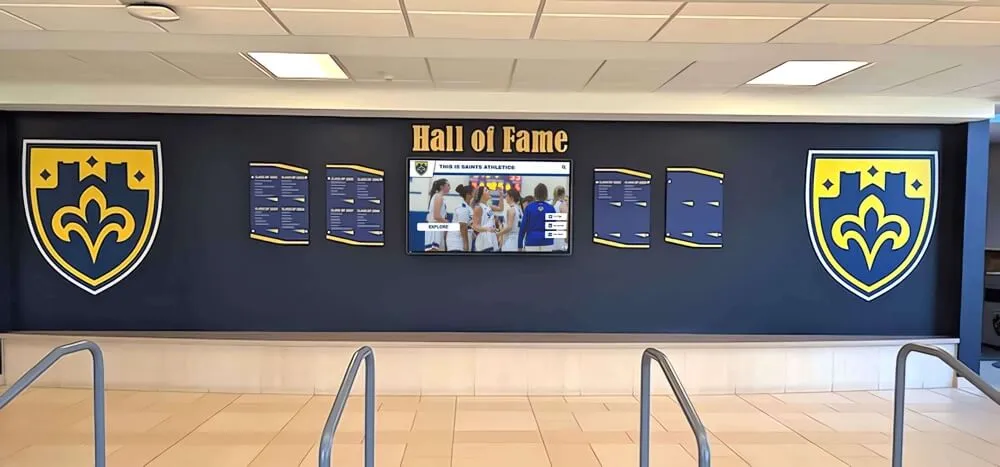
Wall of honor displays in athletic hallways give team captain awards visible presence throughout the school year, not just on banquet night
Digital Touchscreen Displays for Team Captain Recognition
The shift toward digital recognition displays in school athletic facilities has accelerated significantly, and team captain award archives are one of the clearest use cases. The advantages over static physical displays are substantial:
What Traditional Displays Offer
- Physical plaques and trophies in visible space
- Team photographs by season
- Championship banners and pennants
- Fixed format requiring physical updates
- Limited to what fits on the available wall
What Digital Displays Add
- Unlimited captain profiles with photos and narratives
- Searchable by sport, year, or award type
- Video clips and highlight references embedded in profiles
- Easy annual updates without installation crews
- QR code access for alumni viewing remotely
A school that installs a digital recognition display in its athletic lobby or hallway creates a permanent home for team captain recognition that current athletes can explore, that alumni can return to find their own records, and that prospective students and families can use to understand the depth of the program’s leadership tradition.
For programs evaluating what creative award categories to include alongside captain recognition, team awards ideas and creative categories beyond MVP for sports banquets provides a broader framework for banquet design that complements a strong captain award program.
Rocket Alumni Solutions builds interactive touchscreen recognition walls designed for schools—platforms that support athletic award archives, captain and inductee profiles, hall of fame displays, and record boards in a single ADA-compliant system. Schools use these displays in lobbies, athletic hallways, and trophy case spaces to give team captain awards a permanent, searchable home that the entire community can access.
Give Team Captain Awards a Permanent Home
Discover how schools use interactive touchscreen displays to build lasting archives of team captain recognition—searchable by sport, year, and award type, accessible to students, alumni, and families year-round.
Explore Digital Recognition DisplaysConclusion: Team Captain Awards That Last Beyond the Final Season
A team captain award earns its place in a school’s recognition ecosystem when it does two things well: honors something real in the moment, and preserves that honor permanently. The criteria should be specific enough to distinguish genuine leadership from title-holding. The profile records should be complete enough to serve as institutional memory decades later. The display strategy should be visible enough that current athletes understand they are entering a tradition, not just earning a one-night honor.
Athletic directors who approach the team captain award as a documentation and display challenge—not just a banquet category—find that the award’s cultural weight compounds year over year. Each season’s captain joins a visible record of everyone who led before them. Alumni see their names still honored in the building long after they have graduated. And the standard of leadership the award represents becomes part of the institutional identity of the program itself.
The season ends. The record does not have to.