Turf Field Maintenance for Schools: A Complete Guide to Keeping Your Athletic Fields in Top Shape
- Home /
- Digital Wall of Fame Blog - Recognition Display Insights & Resources /
- Turf Field Maintenance for Schools: A Complete Guide to Keeping Your Athletic Fields in Top Shape
The Easiest Touchscreen Solution




Live Example: Rocket Alumni Solutions Touchscreen Display
Interact with a live example (16:9 scaled 1920x1080 display). All content is automatically responsive to all screen sizes and orientations.
Synthetic turf fields represent one of the largest infrastructure investments athletic programs make, with quality installations costing between $500,000 and $1.2 million. These surfaces transform athletic programs by providing year-round playability, reduced maintenance demands compared to natural grass, and consistent performance in all weather conditions. Yet many schools underestimate the ongoing turf field maintenance requirements that protect this investment and ensure safe playing conditions for student-athletes.
Effective maintenance extends artificial turf lifespan from the typical 8-10 years to 12-15 years or more, while poor care can degrade performance in just 4-5 years. Athletic directors, facilities managers, and grounds crews need systematic maintenance protocols that address grooming, infill management, drainage protection, and cleanliness standards—all while managing limited budgets and competing facility priorities.
This comprehensive guide provides school administrators and facilities teams with practical turf field maintenance strategies. Whether you’re managing a newly installed field, inheriting an aging surface, or planning future turf investments, you’ll discover maintenance protocols that preserve field quality, protect student safety, and maintain the professional appearance that becomes a source of pride for your entire athletic community.
Well-maintained turf fields serve as visible symbols of athletic program quality, affecting everything from athlete performance and safety to community perceptions and facility rental revenue opportunities.

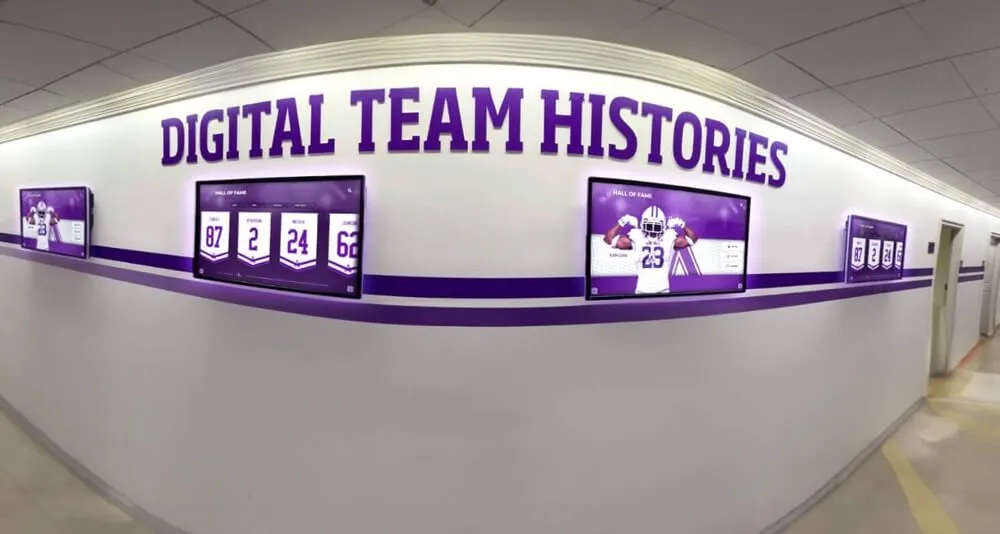
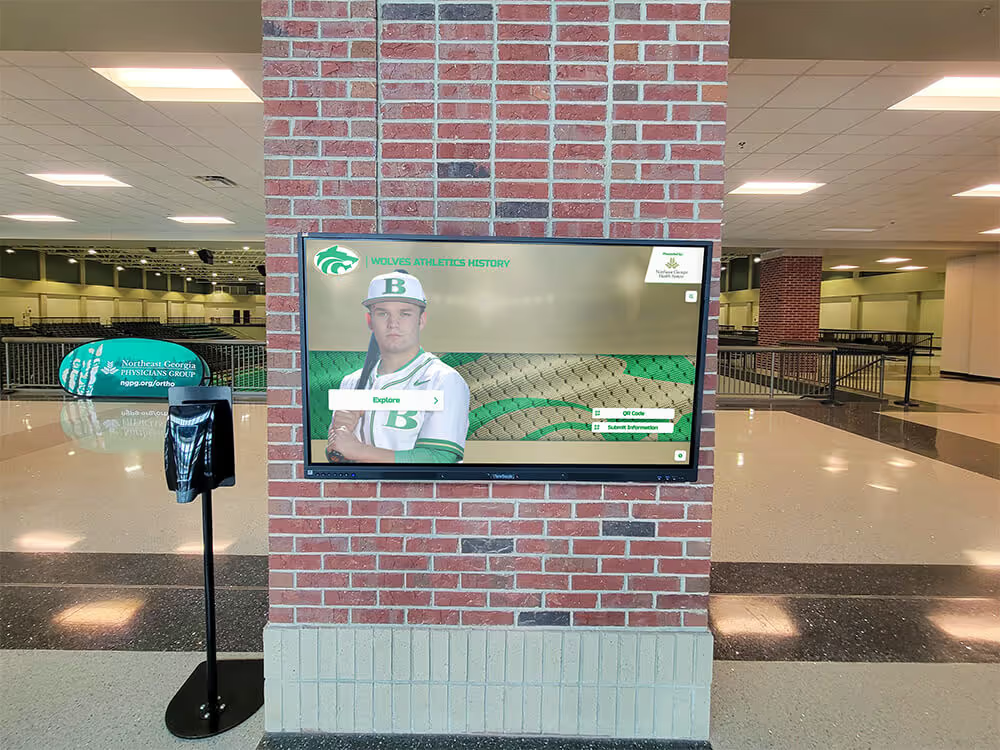
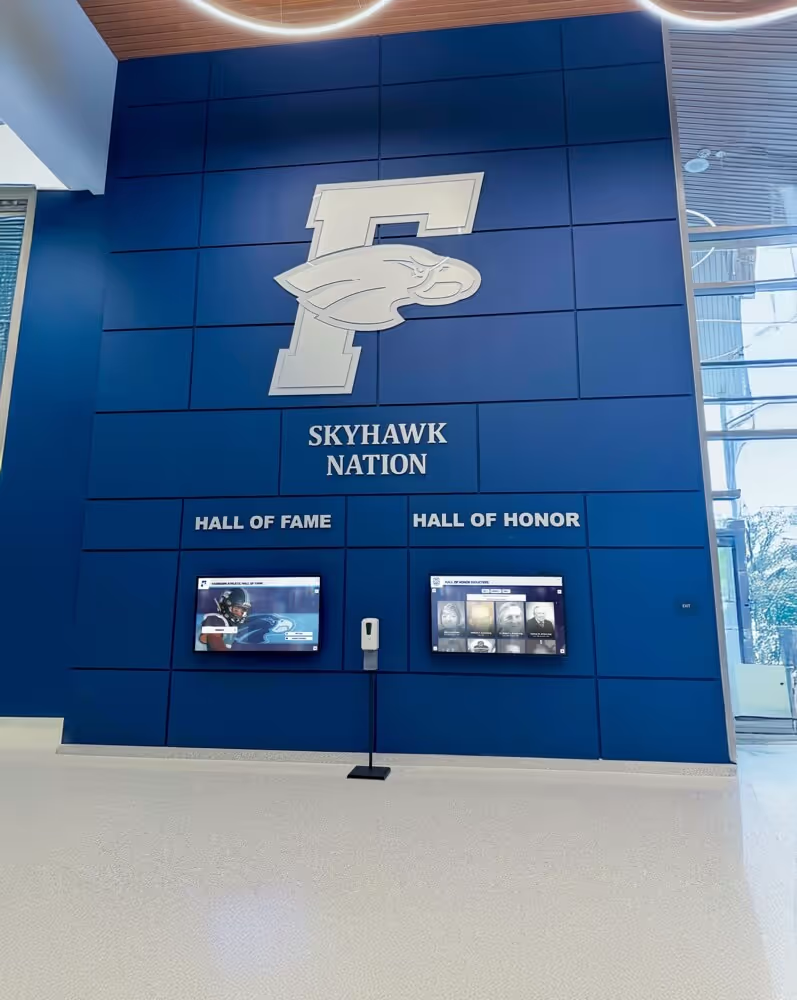
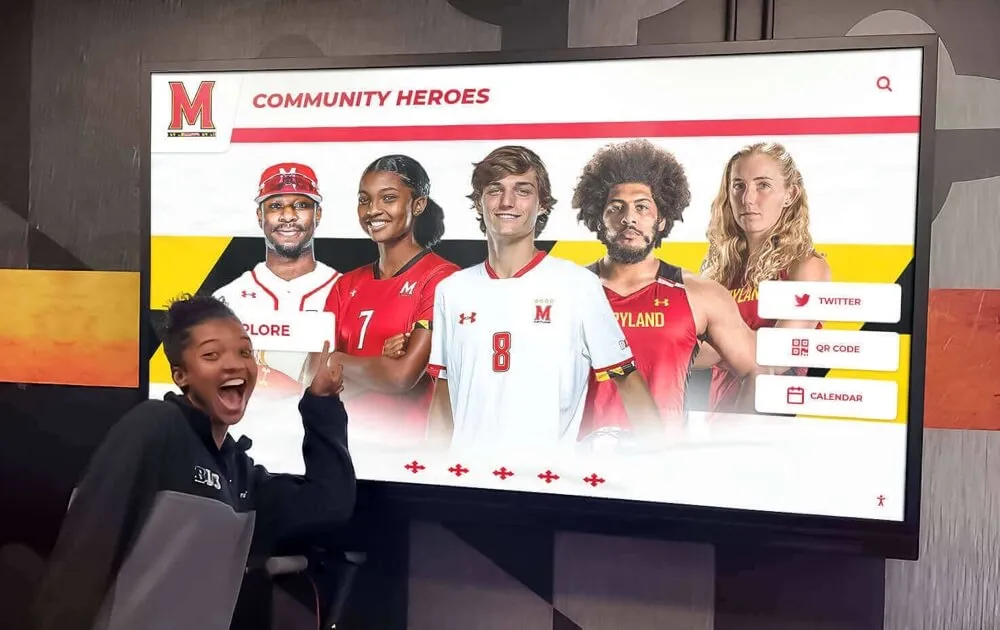
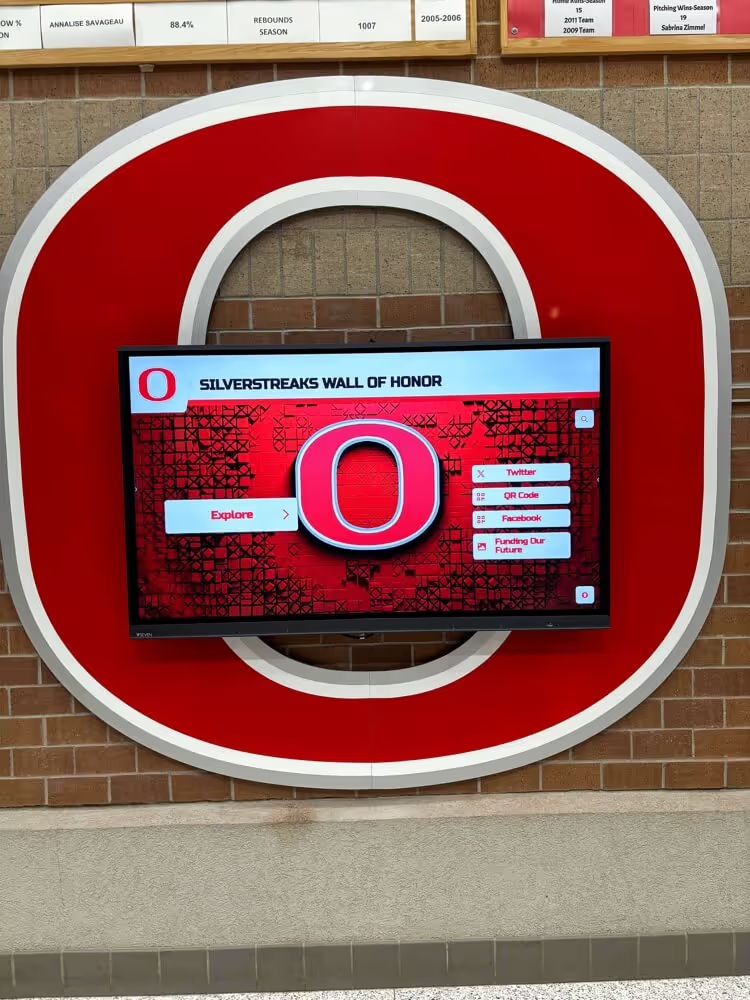
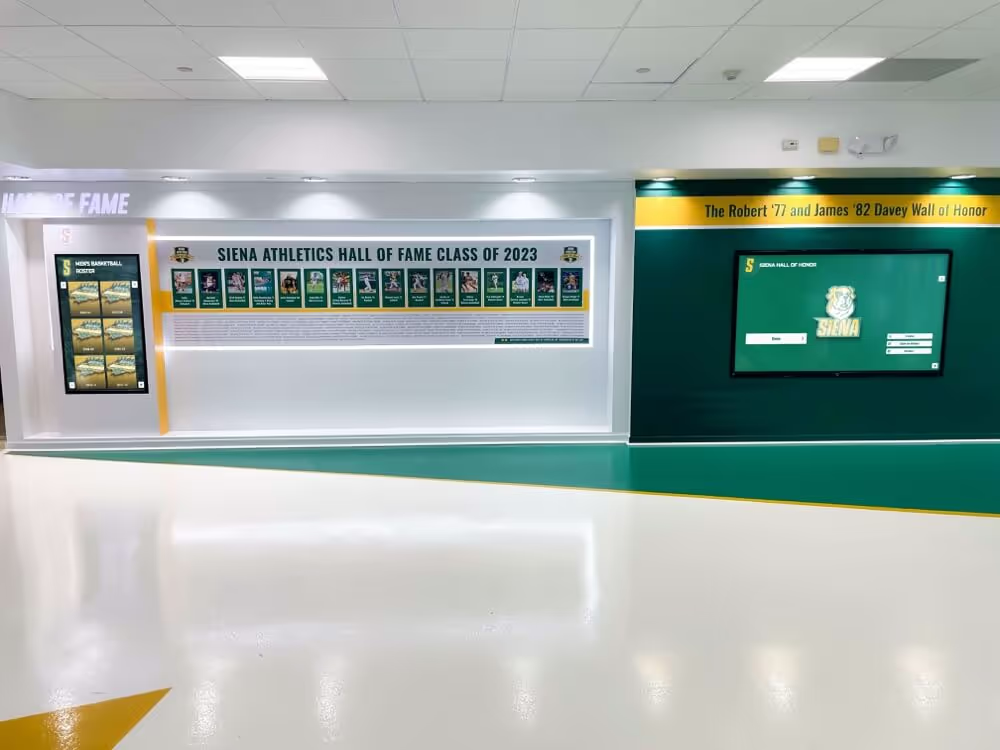
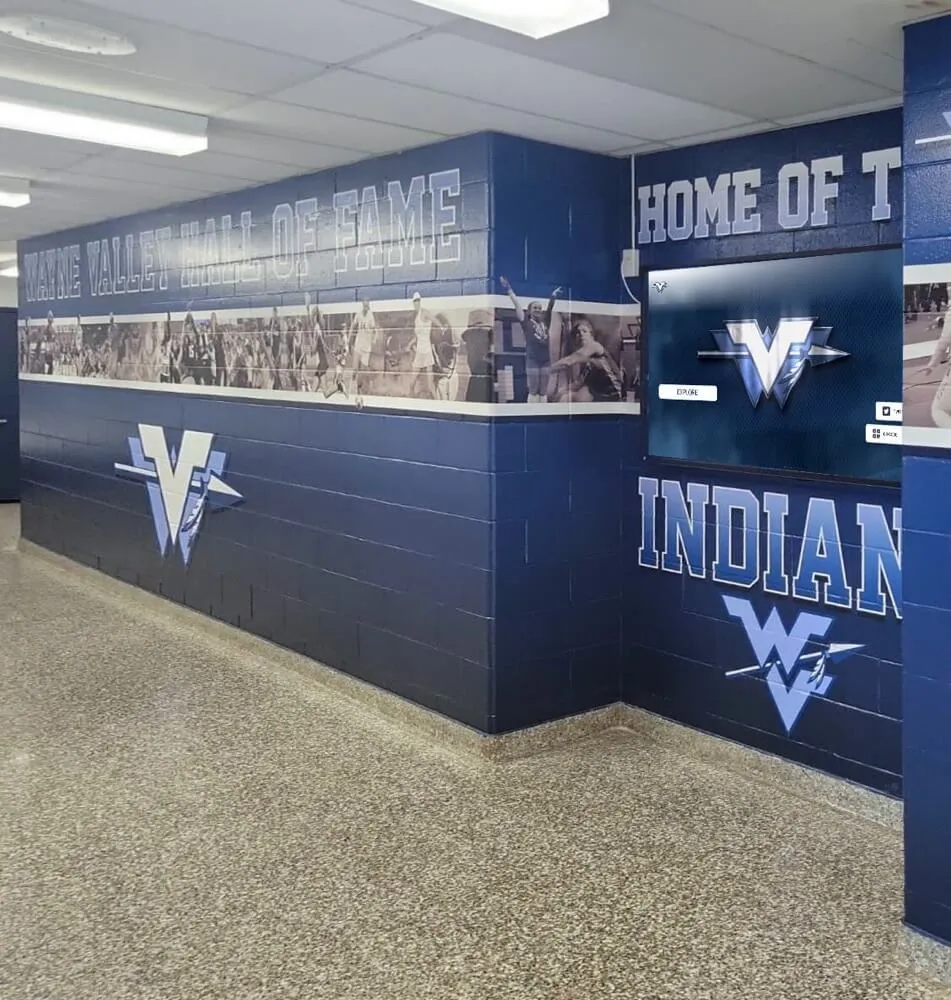
Premier athletic facilities combine quality playing surfaces with prominent displays celebrating team achievements and program excellence
Understanding Synthetic Turf Field Components
Before implementing maintenance protocols, understanding the construction and components of synthetic turf systems helps identify why specific maintenance tasks matter for field longevity and performance.
Synthetic Turf System Layers
Modern sports turf fields consist of multiple integrated layers:
Surface Fibers
- Synthetic grass blades (typically polyethylene or polypropylene)
- Blade height ranging from 1.5 to 2.5 inches depending on sport
- Various fiber shapes (monofilament, slit film, or hybrid constructions)
- UV-stabilized materials resisting sun degradation
- Color and texture designed to simulate natural grass appearance
Infill Materials
- Granular materials filling spaces between turf fibers
- Common types: crumb rubber, coated rubber, sand, organic infill, or hybrid blends
- Provides cushioning, shock absorption, and ballast keeping turf in place
- Typical depth: 2-3 inches depending on system specifications
- Requires periodic replenishment as material compacts or migrates
Backing and Pad Systems
- Primary backing securing fibers in place
- Shock-absorbing pad beneath turf (varies by manufacturer)
- Drainage layer facilitating water removal
- Base layer (typically crushed stone) providing stable foundation
- Grading ensuring proper slope for water runoff
Each component requires specific maintenance attention, and understanding these layers clarifies why grooming, infill management, and drainage protection represent critical maintenance priorities.
Common Turf Field Uses in School Athletics
Schools typically install synthetic turf for multiple purposes:
Multi-Sport Fields
- Football, soccer, and lacrosse on same surface
- Field markings for various sports (permanent or removable)
- Intense usage throughout athletic seasons
- Concentrated wear patterns at specific field zones
Specialized Athletic Surfaces
- Baseball/softball turf infields
- Practice fields for multiple teams
- Physical education class spaces
- Intramural and recreational programs
Understanding usage patterns helps predict wear zones and adjust maintenance frequency accordingly. High-traffic areas like football hash marks, soccer goal mouths, and sideline zones require more frequent attention than areas with lighter use.
Schools investing in premium athletic facilities often pair quality playing surfaces with modern athletic recognition displays that honor the athletes competing on these fields.
Essential Routine Maintenance Procedures
Consistent routine maintenance prevents minor issues from becoming major problems while extending overall field lifespan and maintaining optimal playing conditions.
Weekly Grooming and Brushing
Regular grooming stands as the single most important maintenance task for turf fields:
Why Grooming Matters
- Redistributes infill materials evenly across surface
- Stands synthetic fibers upright maintaining proper pile height
- Prevents fiber matting in high-traffic zones
- Reduces compaction extending field lifespan
- Maintains consistent ball roll and athlete footing
- Improves field appearance and professional presentation
Grooming Equipment and Techniques
Mechanical groomers specifically designed for synthetic turf include:
- Tractor-mounted rotary brooms with synthetic bristles
- Power brushes with adjustable depth settings
- Combination groomers with brushing and infill redistribution
- Drag mats for quick touch-ups between mechanical grooming
Grooming Schedule Recommendations
- During active season: 2-3 times per week minimum
- Heavy usage periods: After each game or intense practice
- Moderate usage: Weekly grooming maintains adequate conditions
- Off-season: Monthly grooming prevents fiber matting
Focus grooming on high-traffic zones first (goal areas, hash marks, between tackles, sidelines) before covering entire field surface.
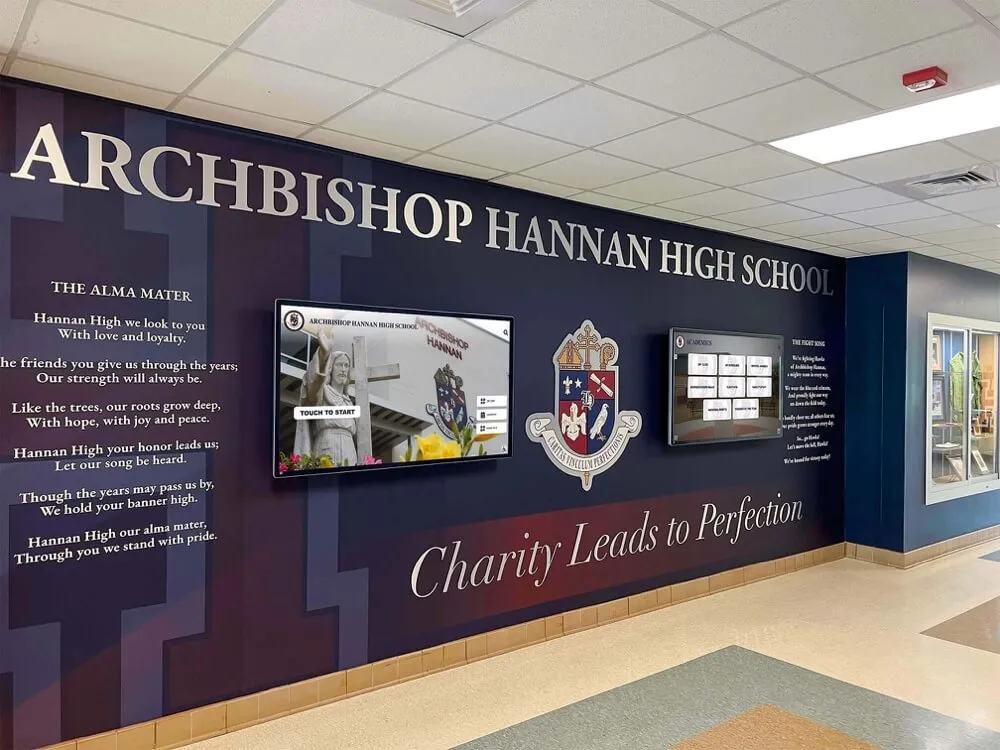
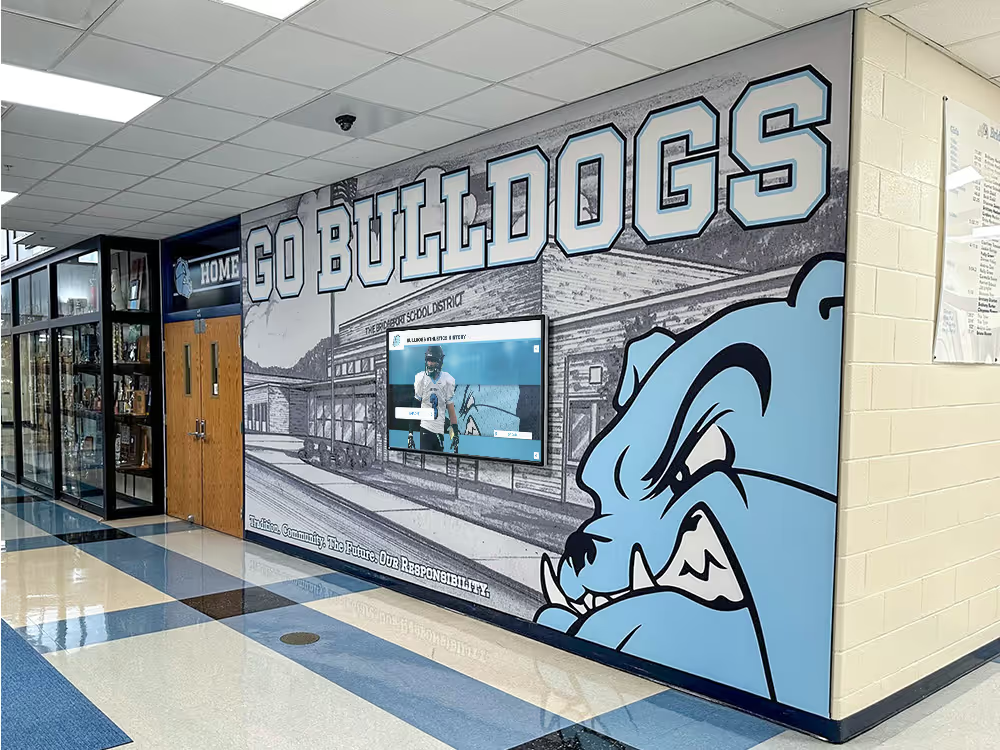
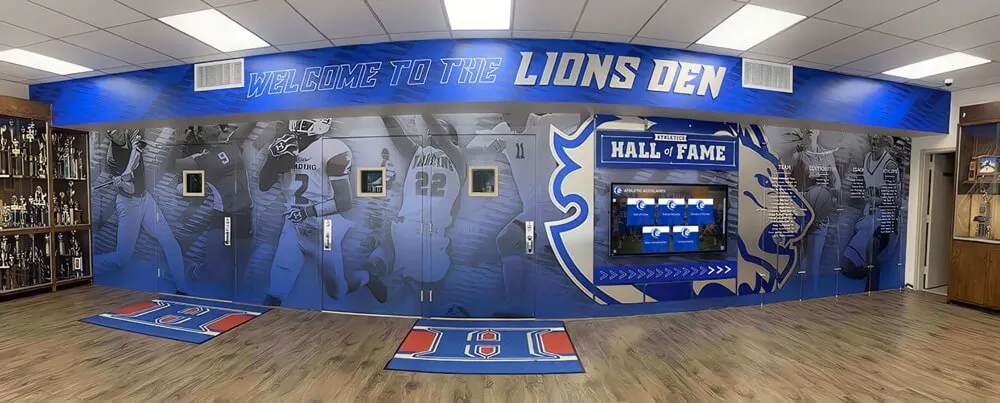
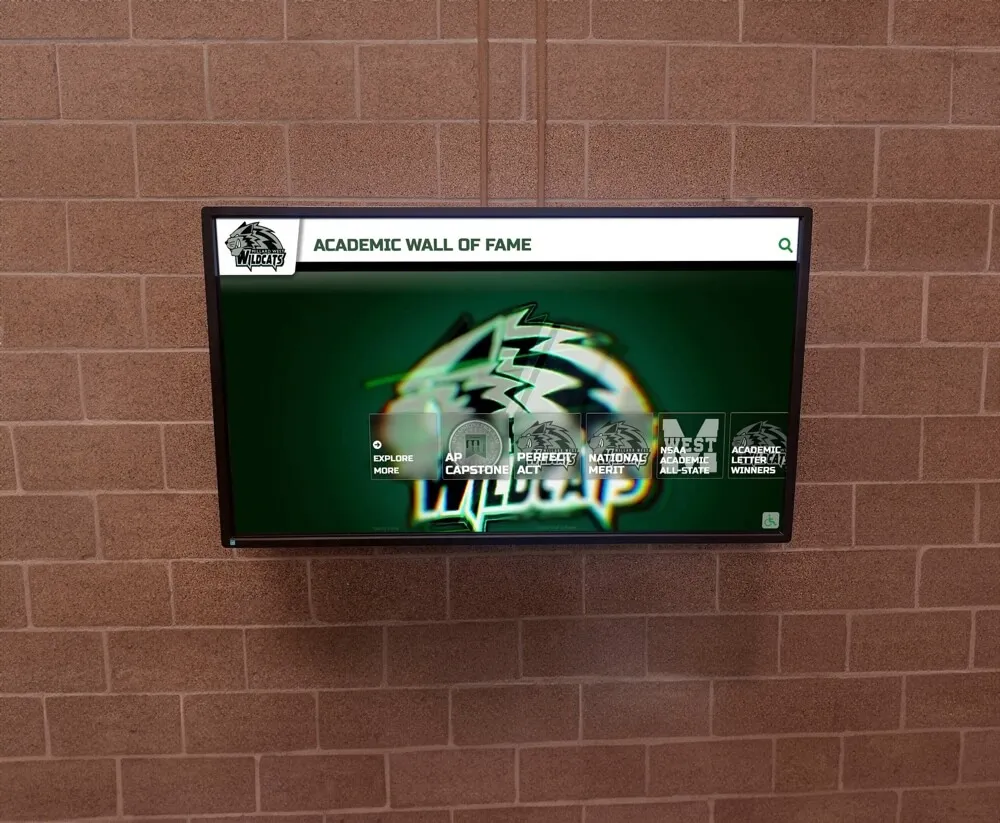
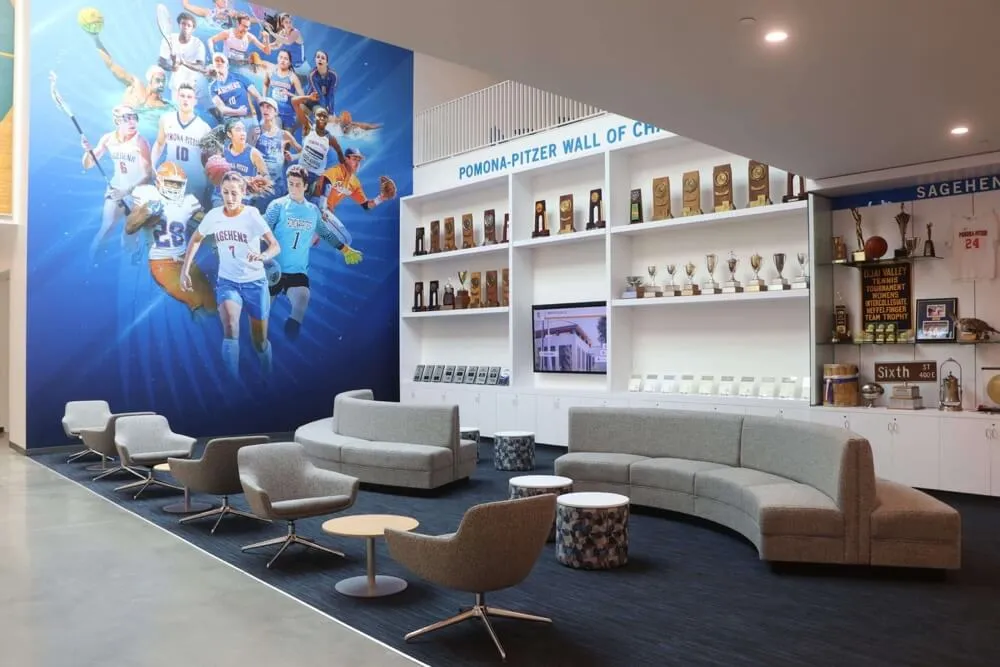
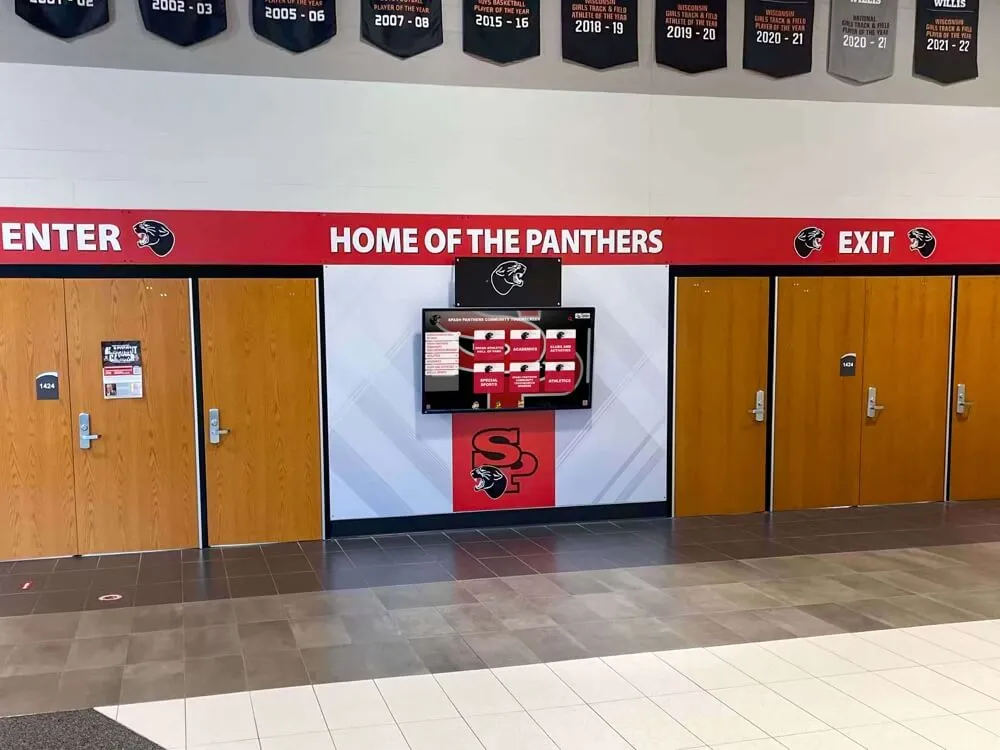
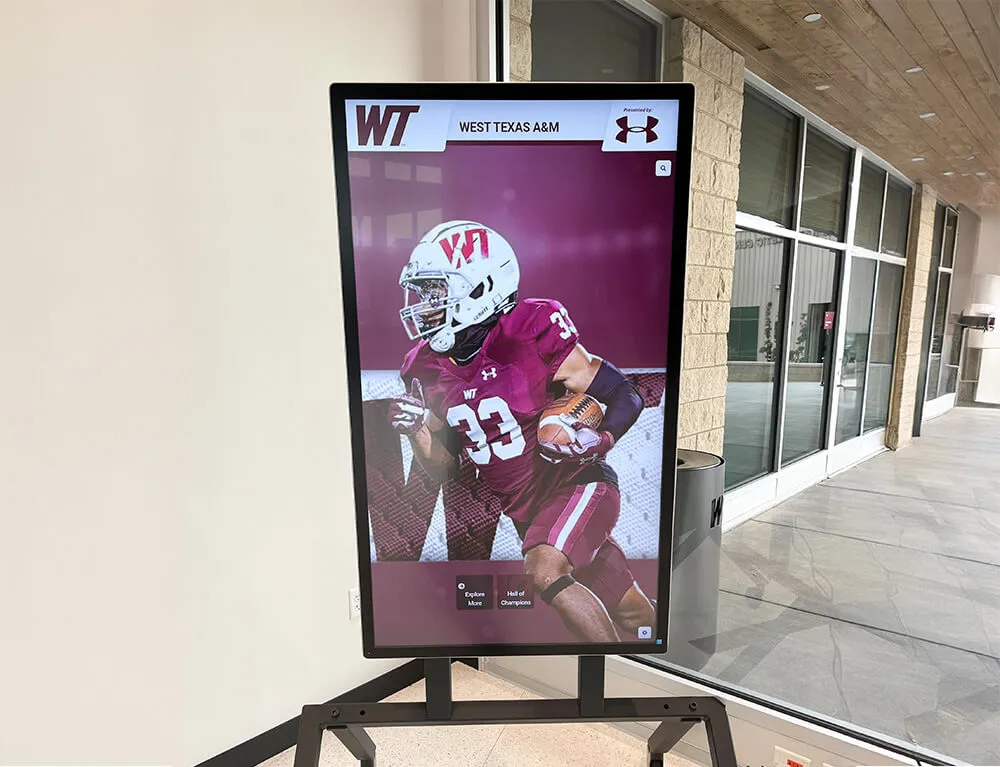
Comprehensive athletic facilities showcase championship traditions through both physical and digital displays
Debris Removal and Surface Cleaning
Keeping turf surfaces clean prevents deterioration and maintains safe playing conditions:
Daily Debris Inspection
Remove immediately:
- Leaves, twigs, and organic debris (accelerates deterioration)
- Litter and trash from spectator areas and practices
- Equipment pieces (cones, markers, training gear)
- Any sharp objects posing injury risks
- Animal waste (requires sanitization protocols)
Specialized Cleaning Equipment
- Mechanical sweepers for large debris collection
- Vacuum systems for fine particle removal
- Power blowers for leaf and light debris (use carefully to avoid displacing infill)
- Magnet sweepers collecting metal debris (staples, cleats, etc.)
Deep Cleaning Protocols
Beyond routine debris removal, periodic deep cleaning addresses embedded dirt:
- Power washing or scrubbing (2-3 times annually)
- Specialized turf cleaning solutions for stain removal
- Antimicrobial treatments in high-humidity climates
- Specialized deodorizing treatments as needed
Never use general-purpose cleaners or harsh chemicals without manufacturer approval, as certain products can damage fibers or infill materials.
Infill Management and Replenishment
Infill provides cushioning and supports turf fibers, making proper management essential:
Monitoring Infill Levels
Check infill depth monthly:
- Use depth gauge measuring fiber exposure
- Target infill depth: fibers visible by 1/4 to 1/2 inch
- Document measurements at multiple field locations
- Track infill loss patterns over time
Infill Migration and Loss
Common causes of infill depletion:
- Athletic activity displacing materials
- Weather events (especially high winds)
- Equipment dragging infill toward field edges
- Adhesion to shoes and equipment
- Improper grooming techniques

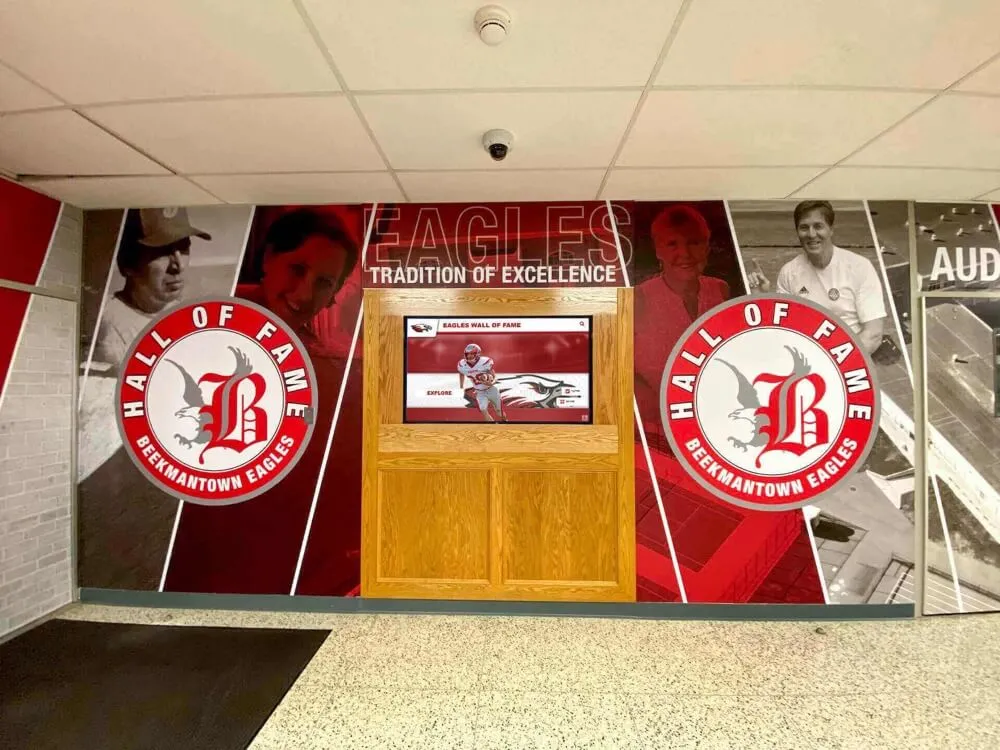
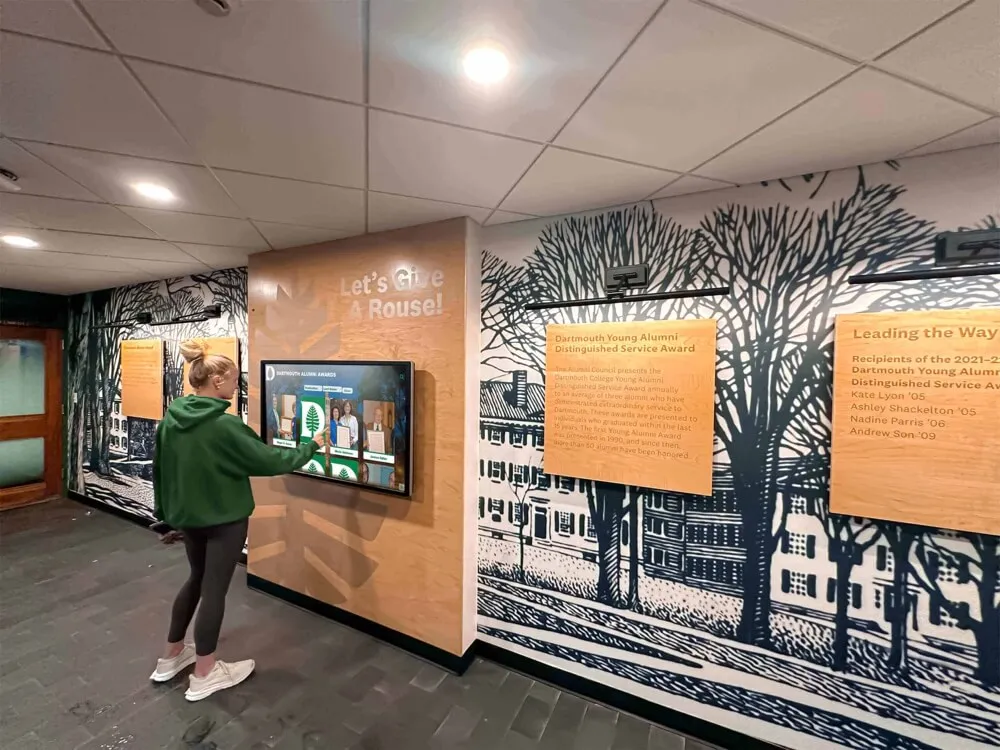
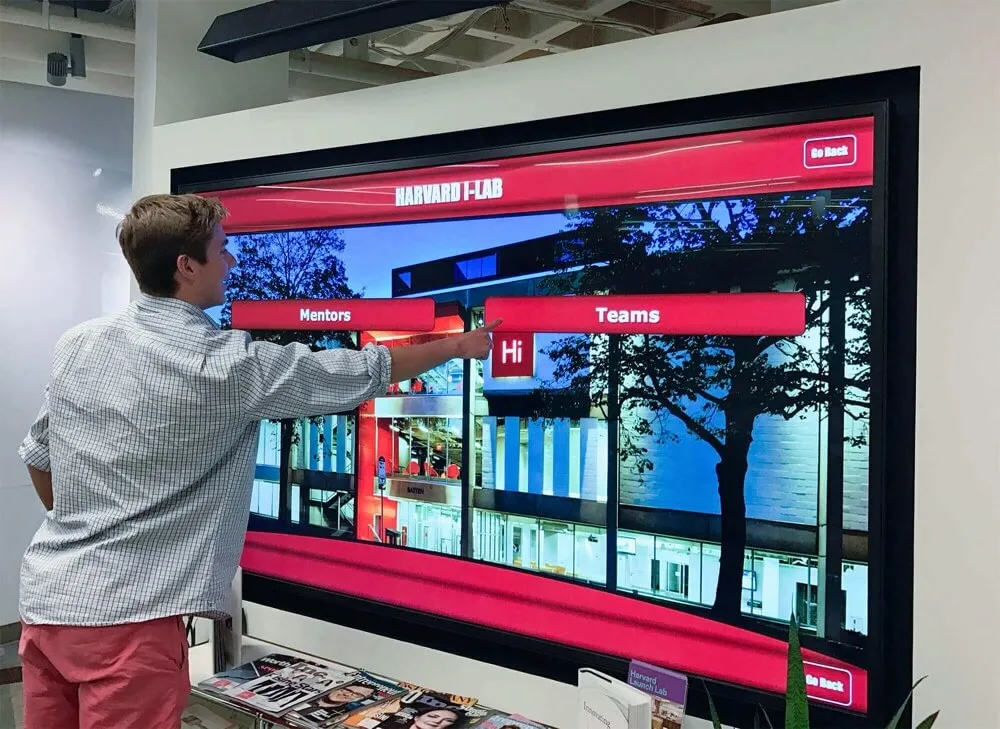
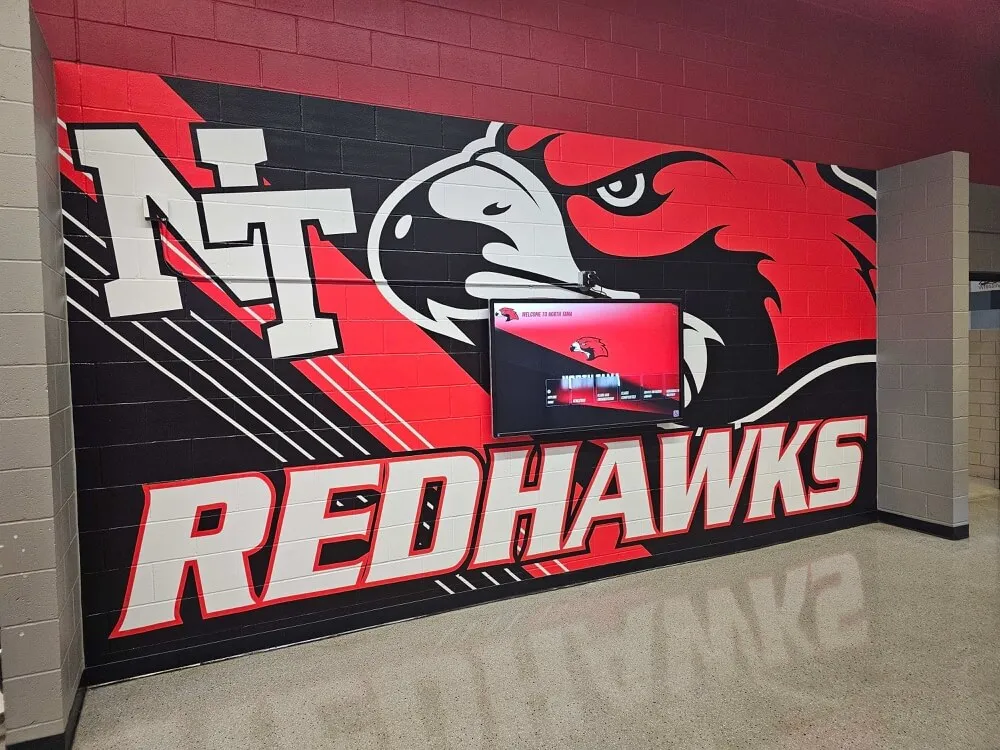
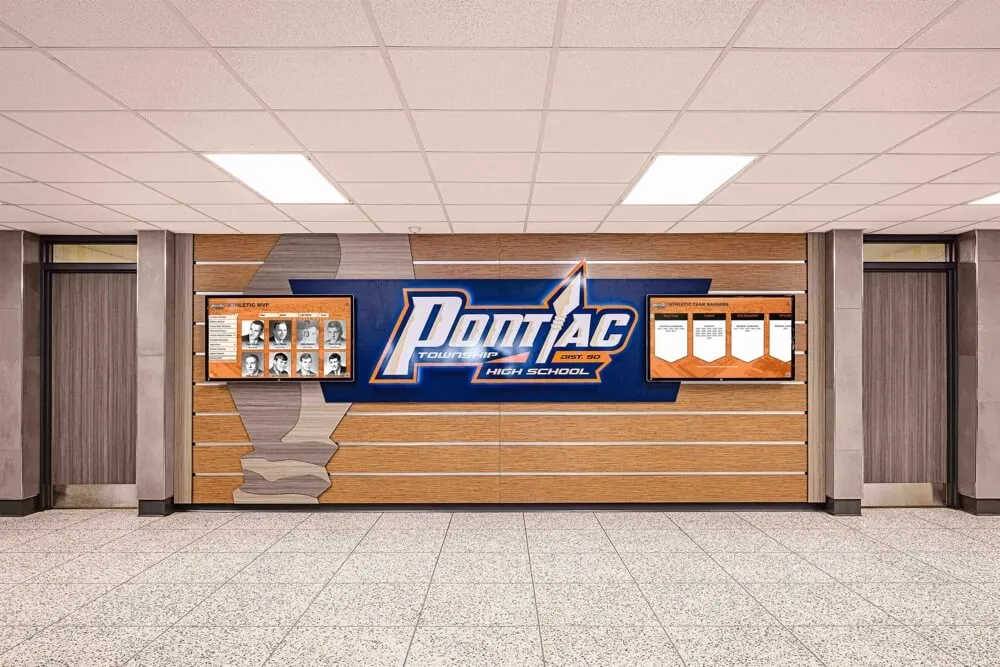
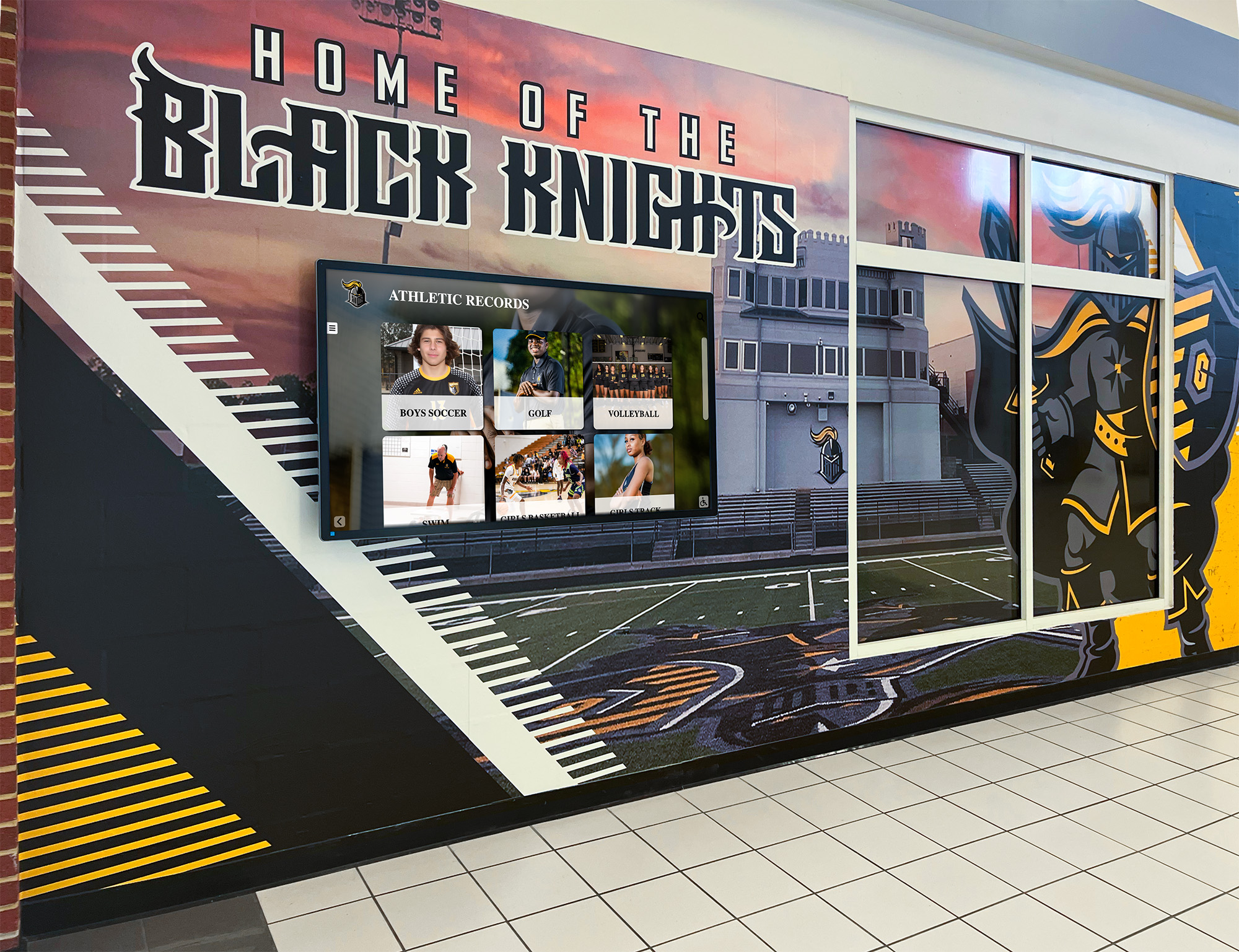
Modern schools integrate technology throughout athletic facilities, from playing surfaces to interactive displays celebrating achievements
Infill Replenishment Strategies
- Plan for 3-7% annual infill loss requiring replacement
- Budget $10,000-$25,000 annually for infill materials and installation
- Schedule replenishment during off-season when possible
- Redistribute existing infill before adding new materials
- Document infill additions maintaining long-term records
Proper infill management directly impacts player safety, field performance, and overall turf longevity—making it a maintenance priority worth consistent attention and budget allocation.
Seasonal Maintenance and Deep Cleaning
Beyond routine weekly tasks, seasonal maintenance protocols address long-term turf health and prepare fields for changing weather conditions.
Pre-Season Field Preparation
Before each athletic season, thorough field assessment and preparation ensures optimal conditions:
Comprehensive Field Inspection
Evaluate systematically:
- Seam integrity checking for separation or lifting
- Infill levels across entire field surface
- Drainage performance in potential problem areas
- Fiber condition noting any matting or degradation
- Field markings assessing visibility and condition
- Edge restraint checking for shifting or damage
- Safety perimeter conditions around field borders
Pre-Season Maintenance Tasks
Complete before season starts:
- Deep cleaning removing accumulated dirt and debris
- Infill redistribution and replenishment as needed
- Comprehensive grooming across entire surface
- Line marking application or refresh
- Equipment inspection (goal posts, benches, signage)
- Documentation of field condition with photographs
Taking time for thorough pre-season preparation prevents mid-season issues and demonstrates commitment to athlete safety and performance.
Schools that maintain championship-caliber facilities often celebrate their state championships and conference titles prominently in school entryways and athletic complexes.
Post-Season Deep Maintenance
After each intensive usage period, deep maintenance extends field lifespan:
Intensive Grooming Program
- Power-brush entire field multiple passes in different directions
- Focus extended attention on high-wear zones
- Redistribute infill materials to areas with depletion
- Check fiber pile height across field
- Document conditions before off-season period
Professional Field Evaluation
Consider annual professional inspection:
- Manufacturer or specialized turf consultant assessment
- G-Max testing measuring shock absorption and safety compliance
- Drainage performance evaluation
- Fiber wear analysis with laboratory testing if needed
- Comprehensive report with maintenance recommendations
Professional evaluations (typically $1,500-$3,000) provide objective data supporting maintenance budget requests and identifying issues before they become critical problems.
Weather-Specific Maintenance Protocols
Different climate conditions require adapted maintenance approaches:
Winter Weather Management
Cold-climate considerations:
- Snow removal using specialized equipment (never metal blades)
- Avoid ice melt chemicals (can damage turf and infill)
- Allow natural melting when possible
- Calcium chloride only if absolutely necessary (avoid sodium chloride)
- Brush field after freeze-thaw cycles preventing clumping
- Limit usage on frozen fields preventing fiber damage
Hot Weather Considerations
Summer maintenance priorities:
- Monitor surface temperatures (can exceed 160°F on hot days)
- Implement cooling protocols for practice and play
- Increase inspection frequency for sun-related degradation
- Ensure proper irrigation system function
- Verify UV-stabilized fibers maintaining color and integrity
Heavy Rainfall Management
Drainage protection:
- Inspect drain inlets clearing debris
- Monitor standing water areas
- Test drainage capacity during heavy rains
- Address drainage issues immediately preventing base layer problems
- Document drainage performance for future planning
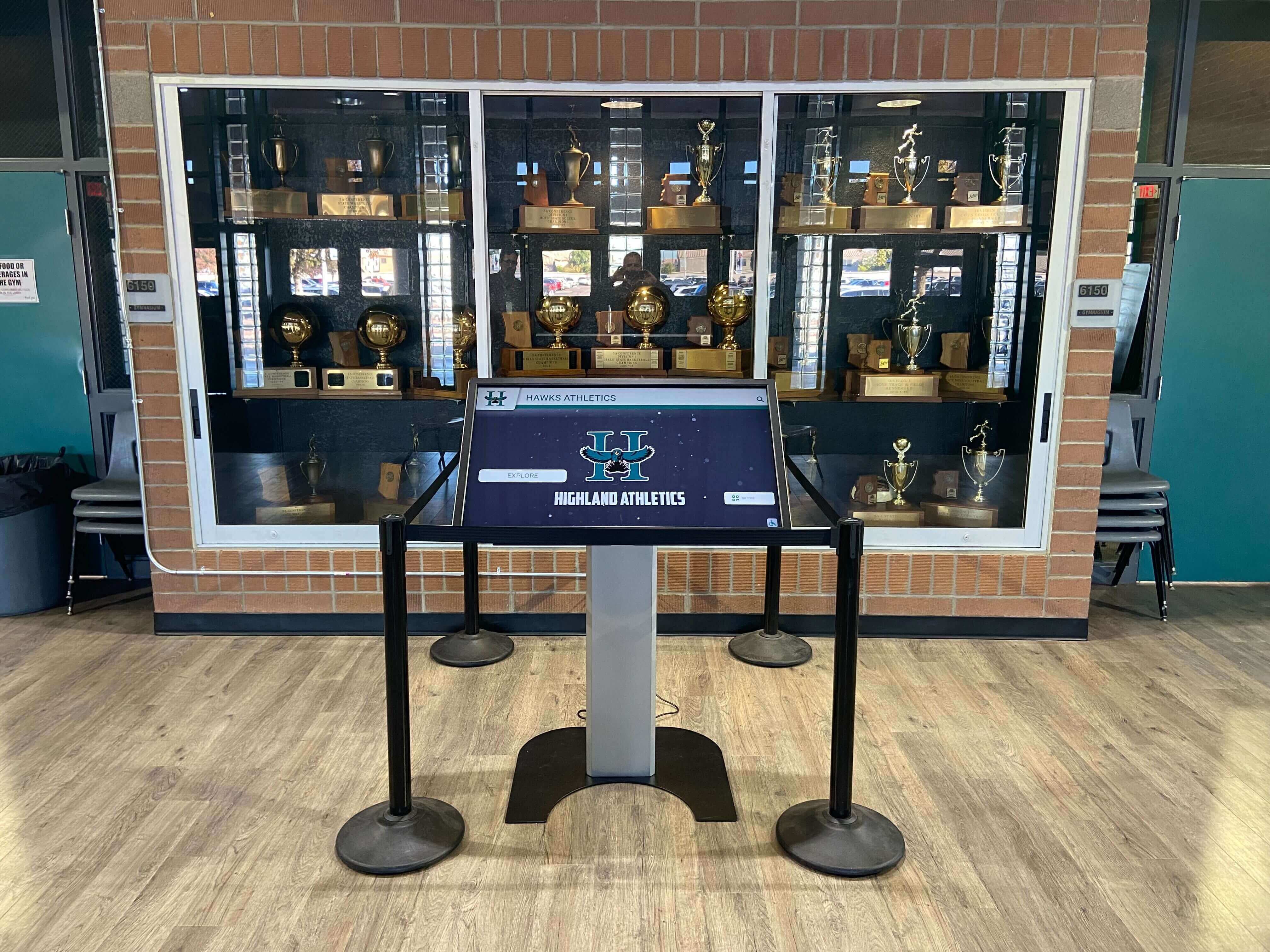
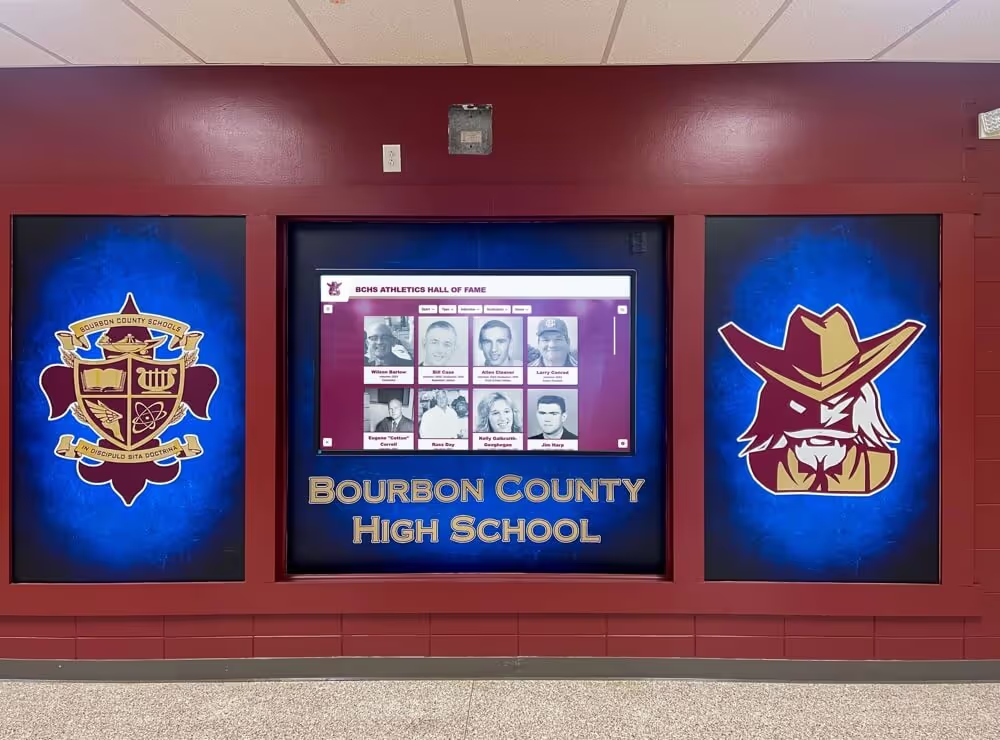
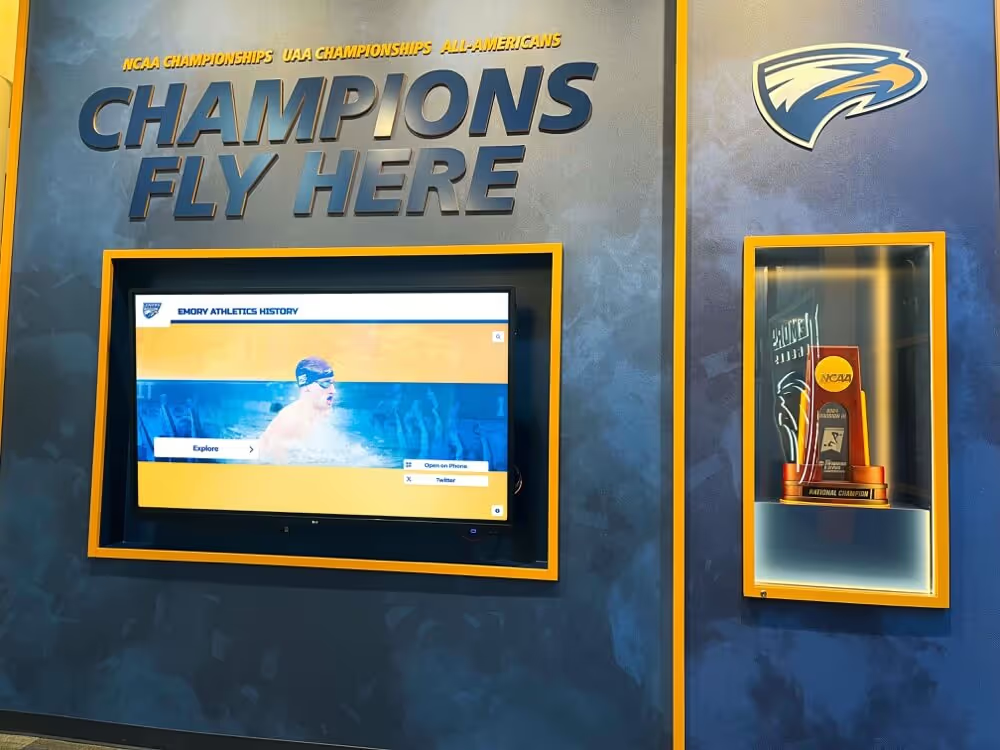
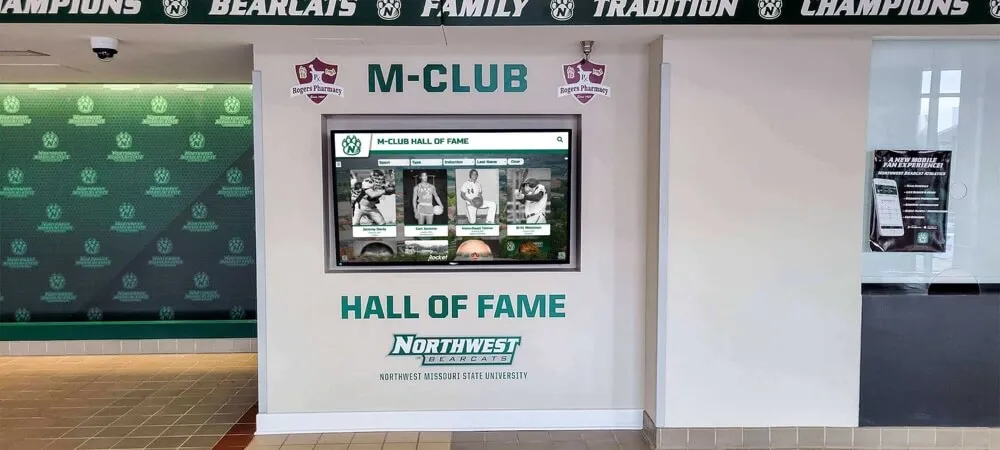
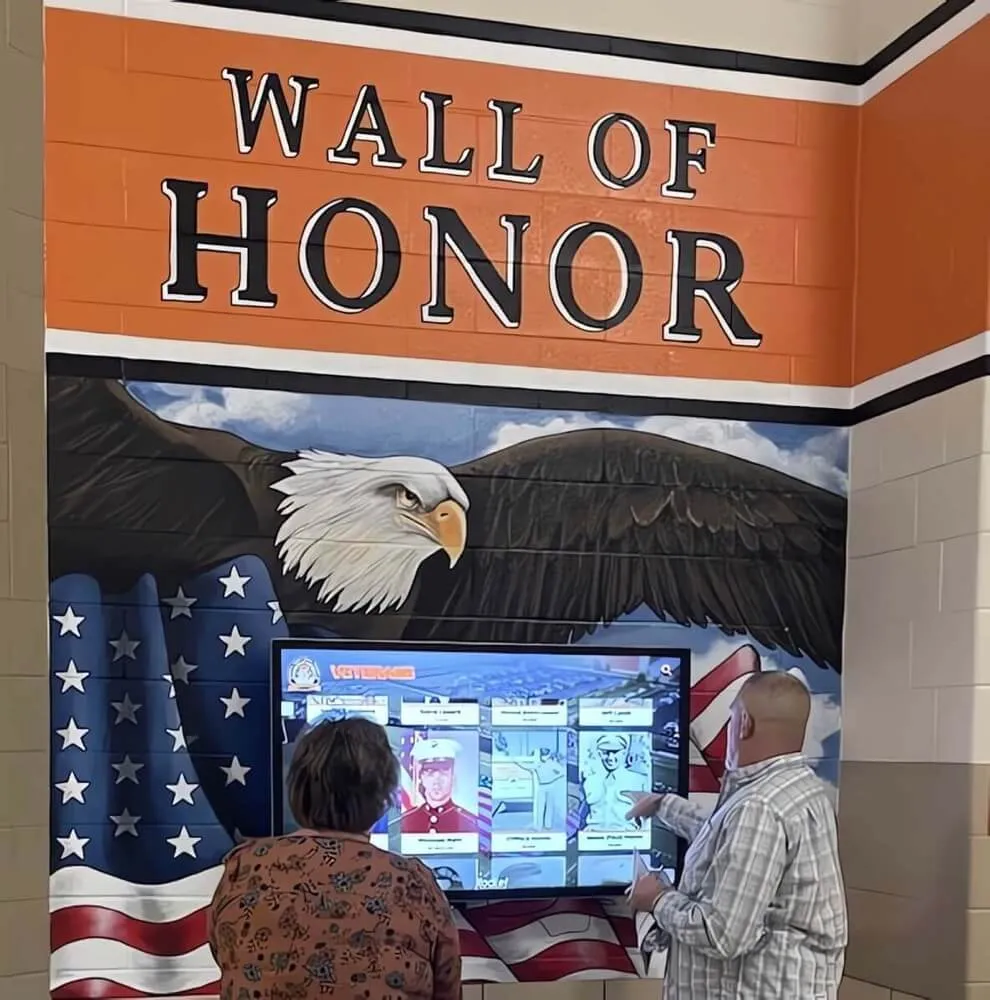
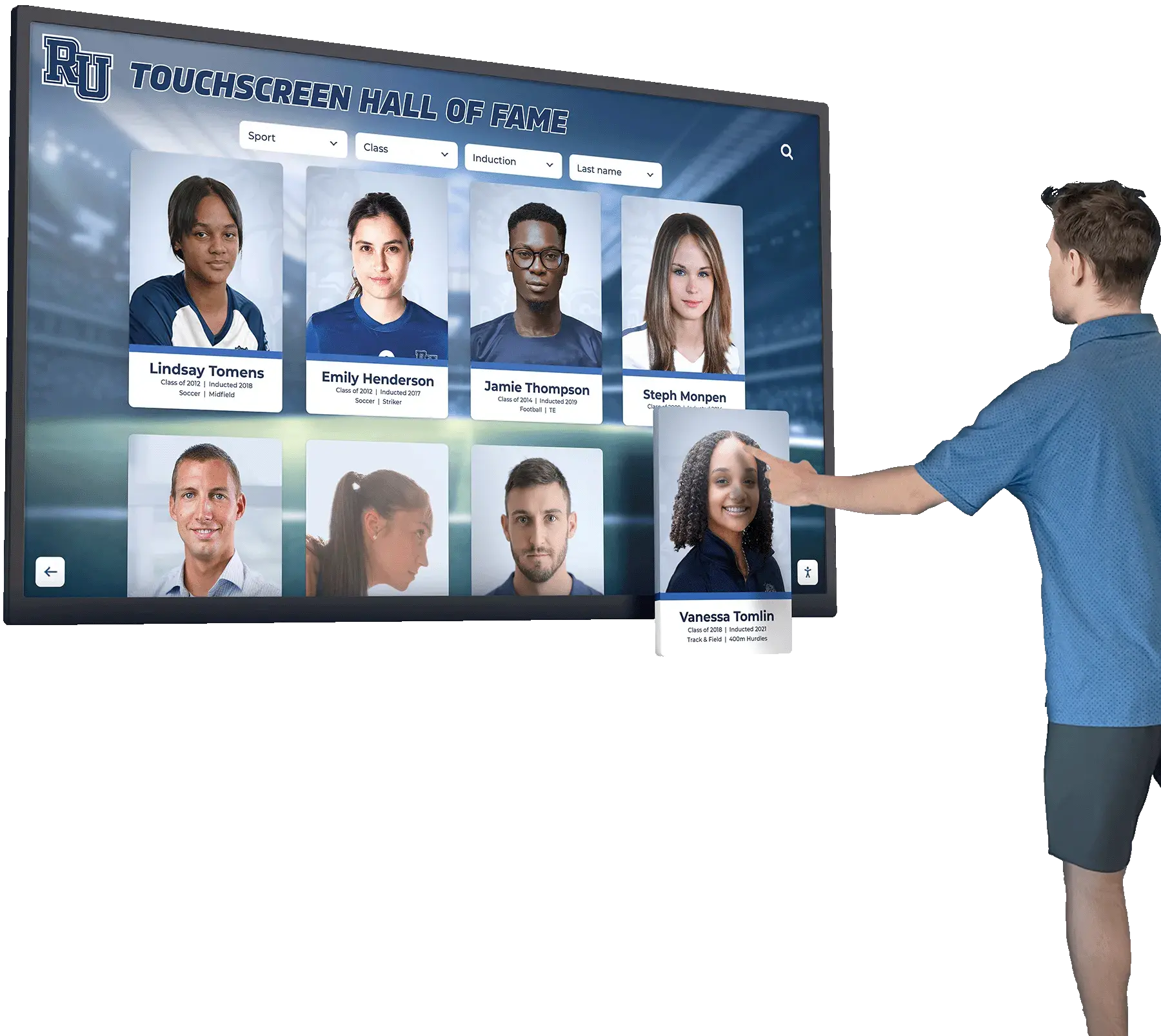
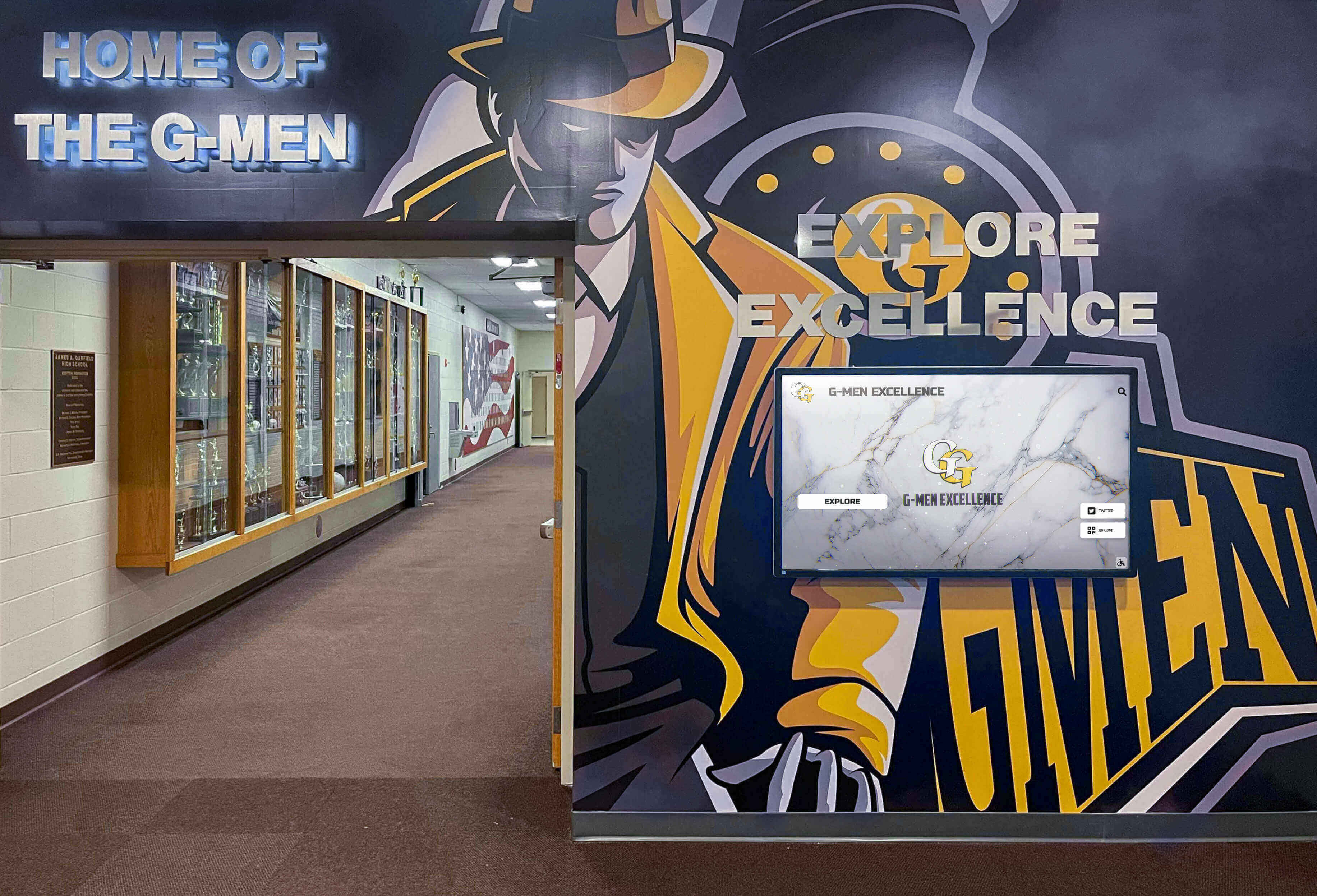
Interactive displays allow schools to celebrate unlimited achievements without the space constraints of traditional trophy cases
Safety Inspections and Performance Testing
Maintaining safe playing conditions requires systematic inspection protocols and periodic performance testing beyond routine maintenance.
Monthly Safety Inspections
Implement documented monthly safety checks:
Surface Safety Assessment
Check systematically:
- Seam integrity across all field sections
- Edge restraint security preventing trip hazards
- Infill levels maintaining adequate cushioning
- Foreign objects or debris missed in routine cleaning
- Drainage conditions preventing standing water
- Goal post anchors and equipment safety
High-Wear Zone Monitoring
Pay particular attention to:
- Football hash marks and between-tackle areas
- Soccer goal mouths and penalty areas
- Lacrosse crease zones
- Track areas around field perimeter
- Team bench areas and player entrance zones
Document findings with photographs and written reports creating maintenance history that tracks field degradation patterns and informs budget planning.
Annual Performance Testing
Critical safety testing typically required annually:
G-Max Testing (Impact Attenuation)
- Measures shock absorption protecting athletes from injury
- Required by many athletic governing bodies and insurance providers
- Testing frequency: annually minimum, semi-annually for heavily used fields
- Cost: $1,000-$2,500 depending on field size
- Results must meet ASTM F1936 standards (typically 165 G-Max maximum)
HIC Testing (Head Injury Criterion)
- Evaluates potential head injury risk from surface impacts
- Required by some states and safety standards
- Conducted alongside G-Max testing
- Must meet specified HIC values for safety compliance
Failing safety tests requires immediate attention—either infill replenishment, pad replacement, or potentially full field replacement depending on severity and underlying causes.
Athletic programs serious about creating collegiate-level experiences for high school athletes recognize that quality facilities include both premium playing surfaces and professional recognition displays.
Long-Term Field Care and Lifecycle Management
Strategic planning for long-term field care maximizes investment return and helps budget for inevitable replacement costs.
Tracking Field Condition Over Time
Implement documentation systems tracking field aging:
Maintenance Logs
Record consistently:
- All grooming and maintenance activities with dates
- Infill replenishment amounts and locations
- Repairs completed with descriptions
- Usage hours by sport and season
- Weather events potentially impacting field
- Safety inspection results
- Performance testing data
Visual Documentation
Maintain photographic records:
- Quarterly field condition photographs from consistent locations
- Close-up images of wear zones tracking progression
- Before/after images of maintenance and repairs
- Aerial overview images showing overall field condition
This documentation proves invaluable when making replacement decisions, submitting warranty claims, or requesting budget approval for major maintenance investments.
Budgeting for Field Lifecycle Costs
Understanding total ownership costs helps plan appropriately:
Annual Maintenance Budget Guidelines
Typical costs for 80,000 sq ft field:
- Routine grooming and cleaning: $8,000-$15,000
- Infill replenishment: $10,000-$25,000
- Line marking and painting: $2,000-$5,000
- Safety testing: $1,500-$3,000
- Repairs and minor fixes: $3,000-$8,000
- Deep cleaning services: $2,000-$4,000
Total annual maintenance: $26,500-$60,000 depending on usage intensity and climate factors.
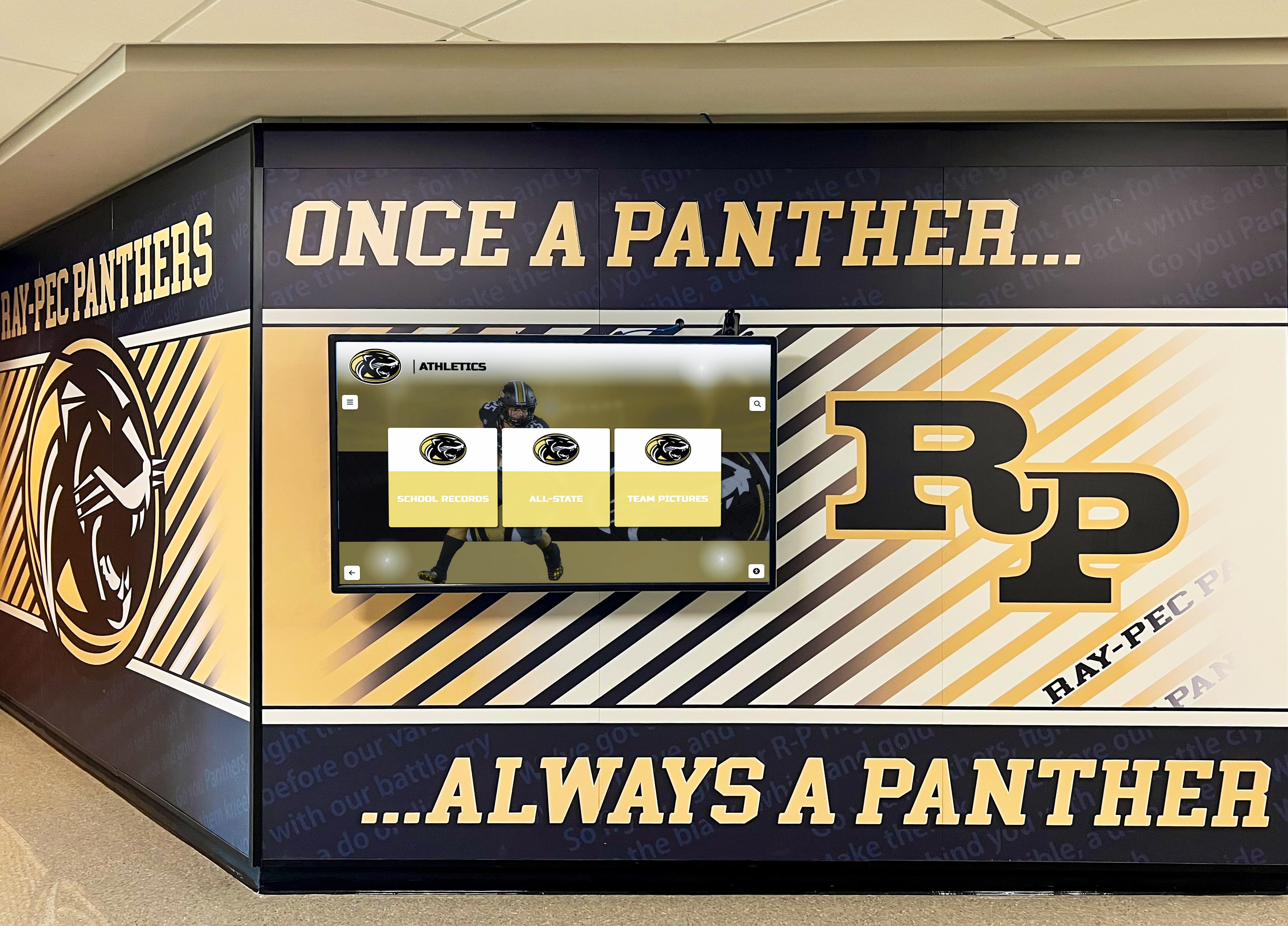
Athletic facilities that celebrate achievements motivate current teams while honoring past champions
Long-Term Replacement Planning
- Field lifespan: 8-15 years depending on maintenance quality
- Replacement cost: $500,000-$1.2 million including removal and installation
- Set aside $40,000-$80,000 annually in replacement reserves
- Plan replacement 12-18 months in advance allowing proper budgeting
Some schools establish dedicated turf replacement funds supported by facility rental fees, booster contributions, or capital campaign initiatives ensuring adequate resources when replacement becomes necessary.
Maximizing Field Lifespan
Proactive strategies extending field longevity:
Usage Management
- Rotate practice locations when multiple fields available
- Limit non-athletic events on turf (concerts, ceremonies)
- Implement field closure protocols during extreme weather
- Enforce proper footwear policies (molded studs, turf shoes)
- Schedule high-impact events during field’s strongest periods
Preventive Repairs
Address issues immediately:
- Seam repairs preventing expansion and further damage
- Infill adjustment before thinning becomes severe
- Localized fiber replacement in severely worn areas
- Drainage improvements preventing water-related degradation
Preventive maintenance and repairs cost significantly less than emergency fixes or premature replacement, making proactive care financially prudent.
Staff Training and Maintenance Protocols
Even with quality equipment and clear protocols, maintenance effectiveness depends on properly trained staff and consistent implementation.
Developing Maintenance Staff Expertise
Invest in training creating capable maintenance teams:
Manufacturer Training Programs
Most turf manufacturers offer:
- Installation-time training for maintenance staff
- Annual refresher workshops
- Online resources and video guides
- Direct technical support hotlines
- Equipment operation certification
Industry Association Resources
Organizations providing education:
- Sports Turf Managers Association (STMA) certifications
- Synthetic Turf Council maintenance guidelines
- State athletic association safety requirements
- Regional workshops and conferences
Training investments pay dividends through better maintenance outcomes, reduced equipment damage, and longer field lifespans.
Standard Operating Procedures
Create written protocols ensuring consistency:
Daily Maintenance Checklist
- Visual inspection for debris and hazards
- Quick debris removal
- Documentation of any issues observed
Weekly Maintenance Protocol
- Comprehensive grooming (2-3 times)
- Deep debris removal
- Infill level spot-checks
- High-wear zone inspection
Monthly Comprehensive Review
- Detailed safety inspection
- Infill depth measurements
- Seam and edge assessment
- Equipment maintenance and calibration
- Documentation updates
Quarterly Deep Maintenance
- Professional deep cleaning
- Comprehensive infill assessment
- Performance evaluation
- Maintenance equipment service
Having documented procedures ensures maintenance continues consistently even when staff changes occur or responsibilities shift.
Schools implementing comprehensive athletic recognition programs understand that excellence spans from field maintenance to how achievements are celebrated and preserved.
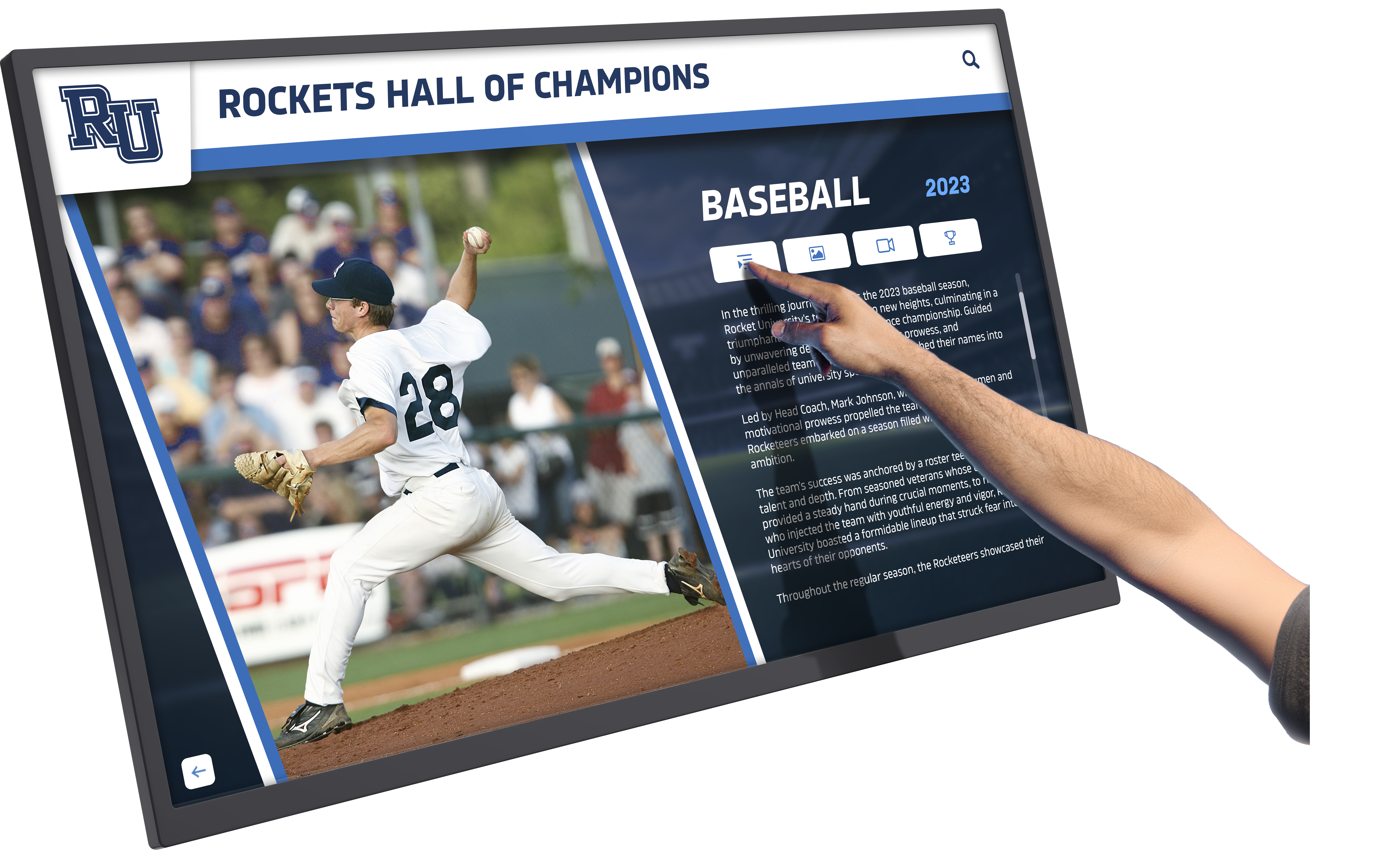
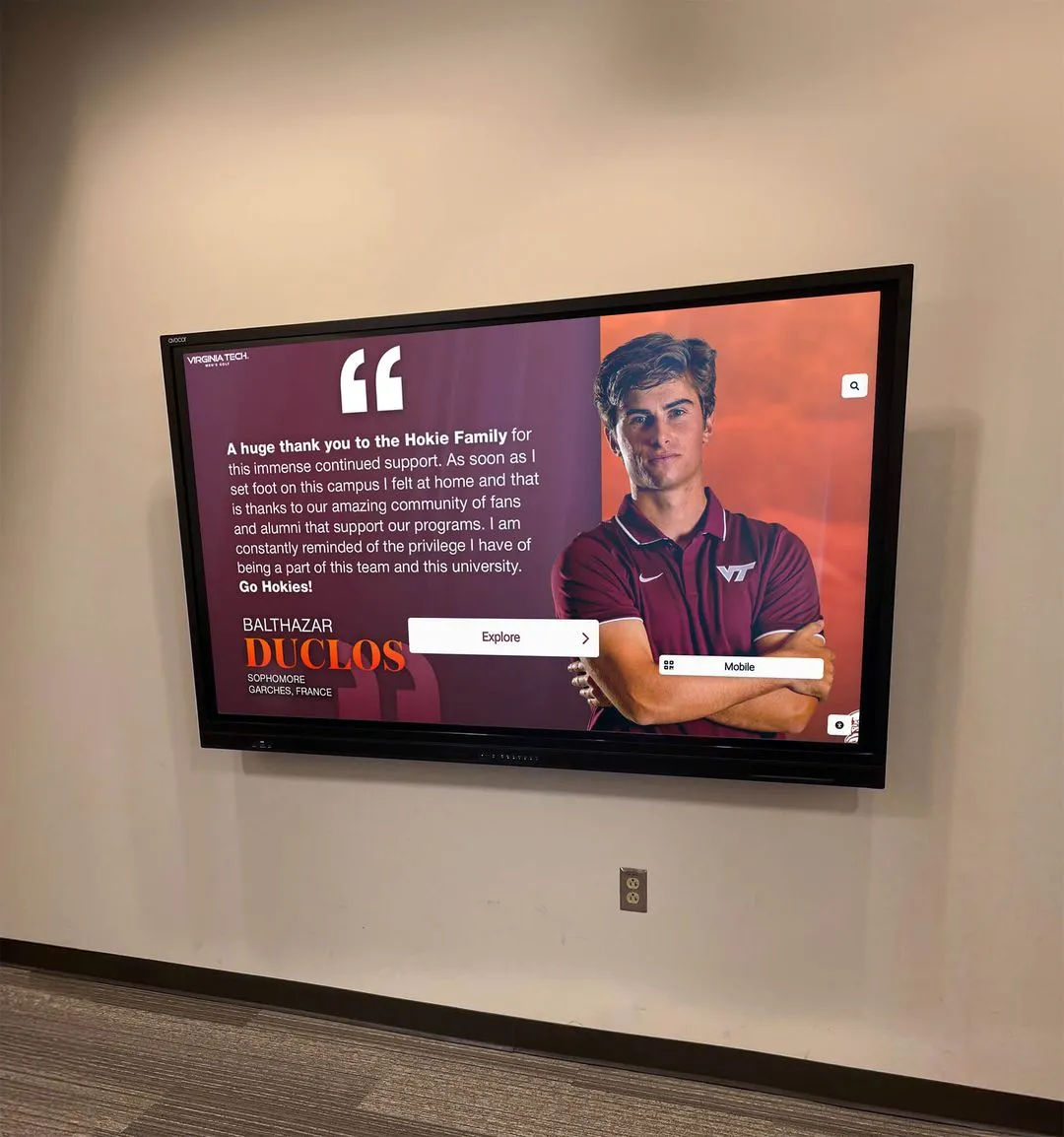
Interactive touchscreen displays allow schools to celebrate athletic excellence alongside maintaining championship-caliber facilities
Common Turf Field Problems and Solutions
Understanding typical turf issues and effective remedies helps maintain fields proactively and address problems quickly when they arise.
Fiber Matting and Compaction
Problem Indicators
- Turf fibers lying flat rather than standing upright
- Reduced cushioning and harder surface feel
- Infill materials compacted into dense layers
- Uneven surface with visible depressions
Solutions
- Increase grooming frequency in affected areas
- Power-brush with specialized equipment
- Add fresh infill materials restoring proper depth
- Consider professional decompaction services
- Evaluate usage patterns potentially overusing specific zones
Seam Separation and Field Integrity
Problem Indicators
- Visible gaps between turf sections
- Turf edges lifting or curling
- Trip hazards at seam locations
- Water pooling along seam lines
Solutions
- Emergency temporary repairs using turf tape
- Professional permanent seam repair with adhesives
- Edge restraint adjustment or replacement
- Seam inspection after extreme weather events
- Address drainage issues potentially causing separation
Drainage Problems and Standing Water
Problem Indicators
- Persistent standing water after rain
- Slow drainage in specific field zones
- Muddy or soft spots under turf
- Increased algae or biological growth
Solutions
- Clear drain inlets and inspection ports
- Professional drainage system evaluation
- Pressure-wash drain lines if clogged
- Add drainage capacity if system insufficient
- Address grading issues causing water concentration
Drainage problems require immediate attention, as prolonged moisture damages backing materials and base layers, potentially requiring expensive repairs.
Infill Contamination and Degradation
Problem Indicators
- Infill color changes or discoloration
- Odor issues from biological growth
- Clumping or hardening of infill materials
- Loss of shock absorption properties
Solutions
- Deep cleaning removing contaminated materials
- Antimicrobial treatments addressing biological issues
- Partial or complete infill replacement if severely degraded
- Improved cleaning protocols preventing future issues
- Deodorizing treatments as needed
Integrating Field Excellence with Athletic Recognition
Schools investing in quality athletic facilities recognize that championship programs require attention to both physical infrastructure and team culture.
Creating Pride Through Facility Excellence
Well-maintained turf fields contribute to program culture:
Visible Quality Standards
- Professional field appearance demonstrates program commitment
- Safe, high-performance surfaces attract talented athletes
- Community pride in facilities increases support and involvement
- Facility condition reflects overall athletic department standards
Recruiting and Retention Impact
- Quality facilities influence athlete school choice decisions
- Parents evaluate program commitment through facility investments
- Current athletes develop greater program loyalty
- Community support increases when facilities demonstrate excellence
Many successful athletic programs complement premier playing surfaces with prominent displays celebrating team achievements, creating comprehensive environments that honor excellence.
Modern Recognition in Athletic Facilities
Contemporary athletic complexes integrate recognition throughout:
Field-Adjacent Recognition Spaces
- Stadium entrance displays showcasing program history
- Concourse recognition boards honoring achievements
- Locker room displays motivating current teams
- Training facility walls celebrating records and champions
Digital Recognition Advantages
Modern interactive displays offer benefits over traditional plaques:
- Unlimited capacity for honoring achievements without space constraints
- Easy updates adding current season accomplishments
- Rich multimedia storytelling through photos and videos
- Interactive exploration engaging visitors and alumni
- Remote management updating content from anywhere
Schools maintaining championship-caliber facilities increasingly pair quality playing surfaces with comprehensive team bonding initiatives that build culture and celebrate shared achievements.

Touchscreen technology enables engaging, updateable recognition that grows with your athletic program
Building a Comprehensive Maintenance Program
Successful turf field maintenance requires systematic approaches combining daily attention, seasonal protocols, and long-term planning.
Creating Your Maintenance Plan
Develop comprehensive protocols tailored to your specific field:
Assess Your Current Situation
- Document current field condition honestly
- Evaluate existing maintenance practices
- Identify resource gaps (equipment, staff, budget)
- Review manufacturer maintenance recommendations
- Consult field warranty requirements
Establish Priorities
Focus initial efforts on:
- Regular grooming (highest impact activity)
- Safety inspections and immediate hazard correction
- Infill management preventing costly degradation
- Drainage protection avoiding major repairs
- Documentation systems tracking field history
Build Sustainable Systems
Create maintainable long-term approaches:
- Written protocols staff can follow consistently
- Equipment investments supporting efficiency
- Budget allocation matching field needs
- Staff training ensuring capability
- Documentation proving maintenance value
Measuring Maintenance Success
Track metrics demonstrating program effectiveness:
Field Performance Indicators
- Safety test results meeting standards consistently
- Field lifespan exceeding manufacturer baseline estimates
- Reduced repair needs and emergency fixes
- Consistent playing conditions throughout seasons
- Positive feedback from coaches and athletes
Program Impact Measures
- Athletic performance improvements
- Injury rates compared to peer institutions
- Facility rental revenue from field quality
- Community and booster satisfaction
- Recruiting advantages from facility quality
Successful maintenance programs protect substantial turf investments while supporting athletic excellence and creating sources of community pride.
Athletic directors seeking comprehensive approaches to building program culture recognize that excellence spans from field maintenance to recognition systems.
Conclusion: Protecting Your Athletic Investment
Synthetic turf fields represent major investments that transform athletic programs, but their value depends entirely on consistent, informed maintenance. Schools implementing systematic grooming protocols, proactive infill management, regular safety inspections, and long-term planning extend field lifespan significantly while maintaining the safe, high-performance surfaces that student-athletes deserve.
The most successful athletic programs view facility maintenance not as an expense but as an investment protecting larger infrastructure costs while supporting team performance and building community pride. When paired with modern recognition systems that celebrate the achievements earned on these fields, quality facilities create comprehensive environments where excellence is both supported and honored.
Whether you’re managing a brand-new turf installation or working to extend the life of an aging field, the maintenance principles outlined in this guide provide practical frameworks for protecting your investment. By dedicating appropriate resources to systematic care, documenting field conditions over time, and building staff expertise, schools ensure their turf fields continue providing safe, professional playing surfaces that serve student-athletes and communities for years to come.
The athletic directors and facilities managers who prioritize both field maintenance and meaningful recognition create lasting legacies—not just through championship seasons, but through the environments that inspire generations of student-athletes to pursue excellence.
Live Example: Rocket Alumni Solutions Touchscreen Display
Interact with a live example (16:9 scaled 1920x1080 display). All content is automatically responsive to all screen sizes and orientations.