Volleyball Setting Drills: Practice Plans to Sharpen Your Team's Accuracy
- Home /
- Digital Wall of Fame Blog - Recognition Display Insights & Resources /
- Volleyball Setting Drills: Practice Plans to Sharpen Your Team's Accuracy
The Easiest Touchscreen Solution




Live Example: Rocket Alumni Solutions Touchscreen Display
Interact with a live example (16:9 scaled 1920x1080 display). All content is automatically responsive to all screen sizes and orientations.
The setter functions as the quarterback of the volleyball court—orchestrating offensive attacks, making split-second decisions, and delivering precise sets that transform defensive digs into offensive points. Mastering the setter position requires dedicated practice through targeted volleyball setting drills that develop the technical skills, court vision, and decision-making abilities separating good setters from great ones.
Coaches face the challenge of developing setters who can consistently deliver accurate sets under pressure while reading defensive formations, communicating with hitters, and maintaining composure during crucial moments. The setter position demands unique training that addresses hand technique, footwork, spatial awareness, and the mental processing speed required to make correct split-second choices dozens of times each match.
This comprehensive guide provides volleyball coaches with proven volleyball setting drills and complete practice plans for developing elite setters. From fundamental hand positioning exercises to advanced decision-making scenarios, you’ll discover progressive drills that build setter accuracy, consistency, and game-ready performance at every competitive level.
Effective setter development requires systematic progression from fundamental techniques through increasingly complex game-realistic situations that challenge decision-making under pressure.

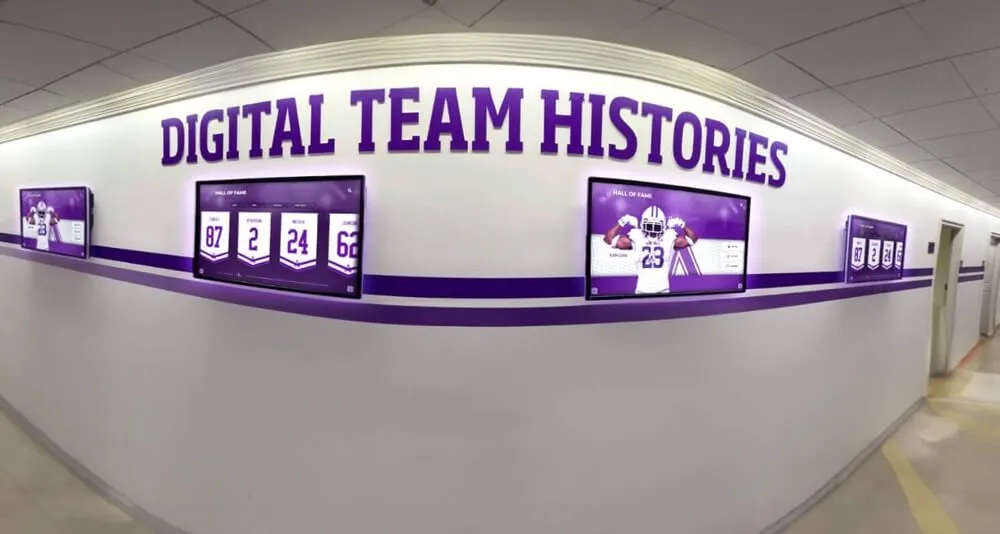
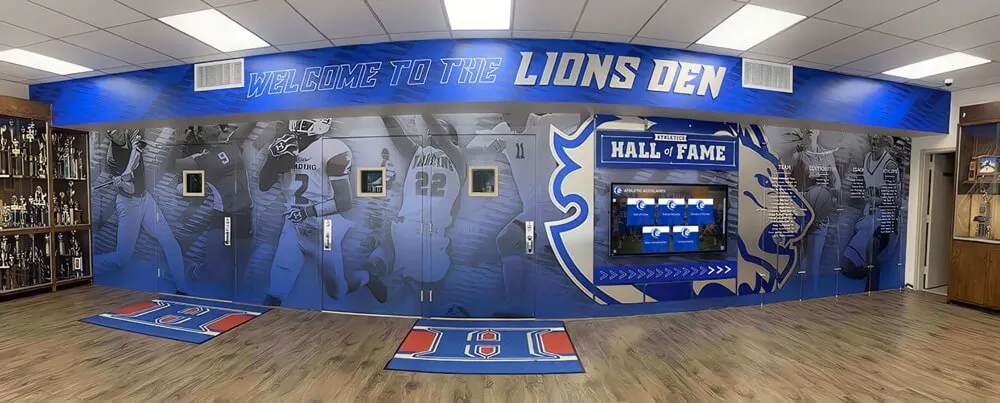
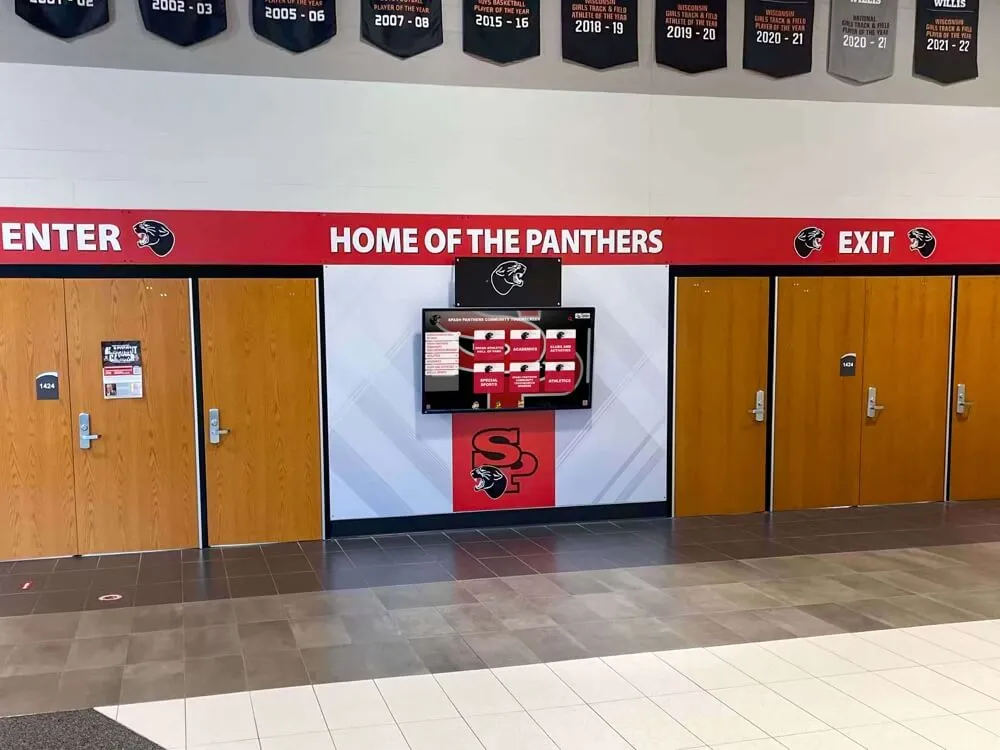
Successful volleyball programs recognize setter excellence alongside other positions through comprehensive athletic achievement displays
Fundamental Setting Technique Development
Before advancing to complex drills, setters must master fundamental hand positioning, footwork, and body mechanics that form the foundation of consistent accuracy.
Hand Positioning and Contact Fundamentals
Proper Hand Formation
The technical foundation of setting begins with correct hand position:
- Triangle formation: Thumbs and index fingers create window viewing ball
- Finger spread: All fingers contact ball, distributing force evenly
- Wrist position: Slight extension allowing controlled release
- Hand placement: Hands positioned above forehead, not directly overhead
- Soft contact: Fingers absorb ball momentum before redirecting
Contact Point Drill
Individual technical development:
- Setter lies on back holding volleyball above face
- Creates proper triangle hand formation
- Tosses ball 6-12 inches, catching with correct finger positioning
- Focuses on ball contacting finger pads, not palms
- Performs 50 repetitions focusing purely on hand contact
- Variation: Increases height gradually as consistency improves
This drill isolates hand technique, allowing setters to perfect contact feel without movement or decision-making complexity.
Footwork and Body Positioning Drills
Platform to Target Footwork
Fundamental movement patterns:
- Setter starts at right-front position (standard setting location)
- Coach tosses ball to various positions within setting zone
- Setter executes proper footwork sequence: right-left-set (for right-handed setters)
- Emphasizes stopping momentum before contact
- Focuses on squaring shoulders to target
- Completes 20 repetitions to each antenna
Key Coaching Points:
- Beat the ball to the spot (arrive before ball arrives)
- Low athletic posture throughout movement
- Last step plants firmly, establishing stable base
- Upper body remains quiet despite lower body movement
Wall Setting Progression
Solo Technical Refinement
Wall setting develops consistency and self-correction:
Basic Wall Sets:
- Setter faces wall 2-3 feet away
- Sets continuously against wall with proper technique
- Focuses on consistent trajectory and hand positioning
- Performs 100 consecutive sets maintaining form
- Variation: Alternates high and low trajectories
Target Wall Setting:
- Marks target circle on wall at various heights
- Sets attempting to hit target repeatedly
- Tracks successful target hits out of 20 attempts
- Moves progressively farther from wall
- Adds movement before setting (shuffle right, then set)
Progressive challenge development builds both technique and accuracy simultaneously.

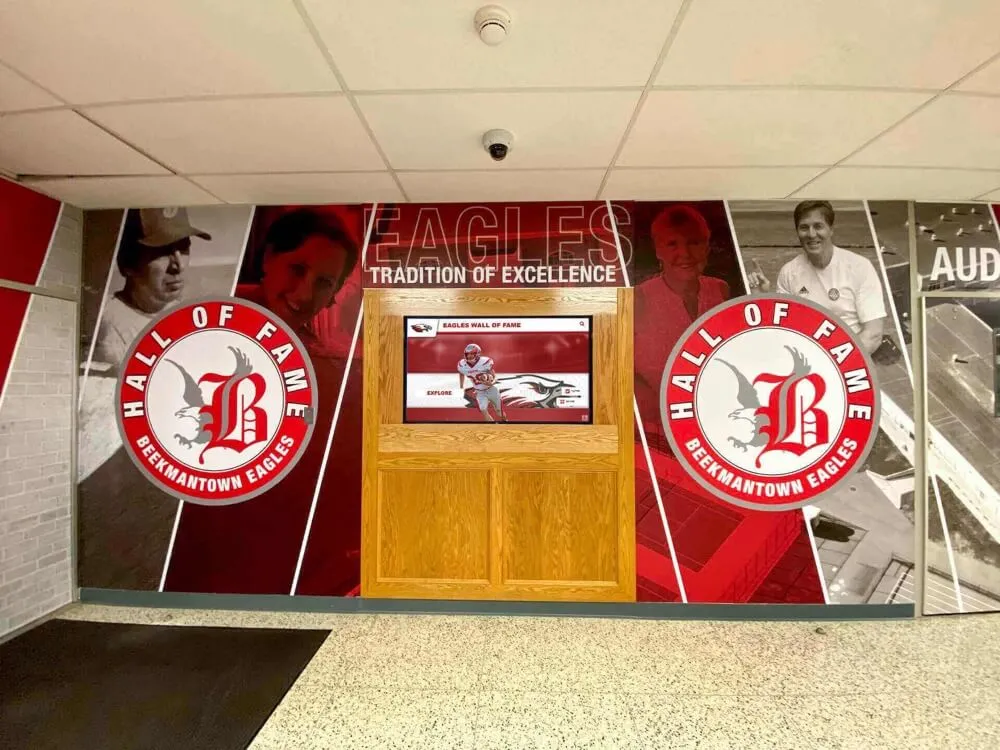
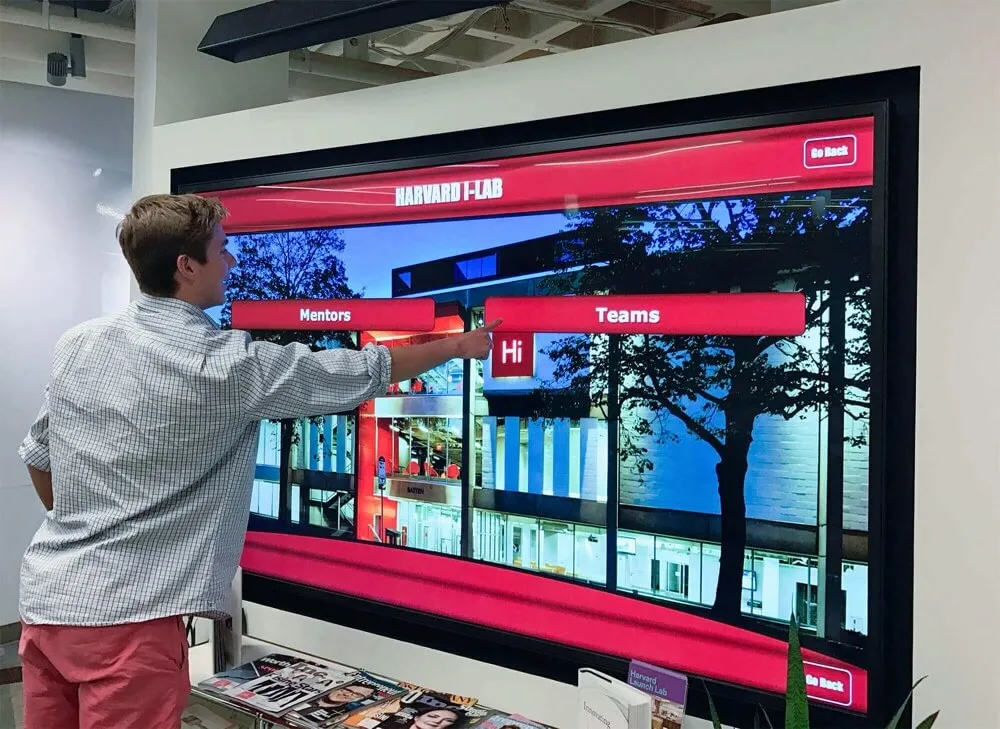
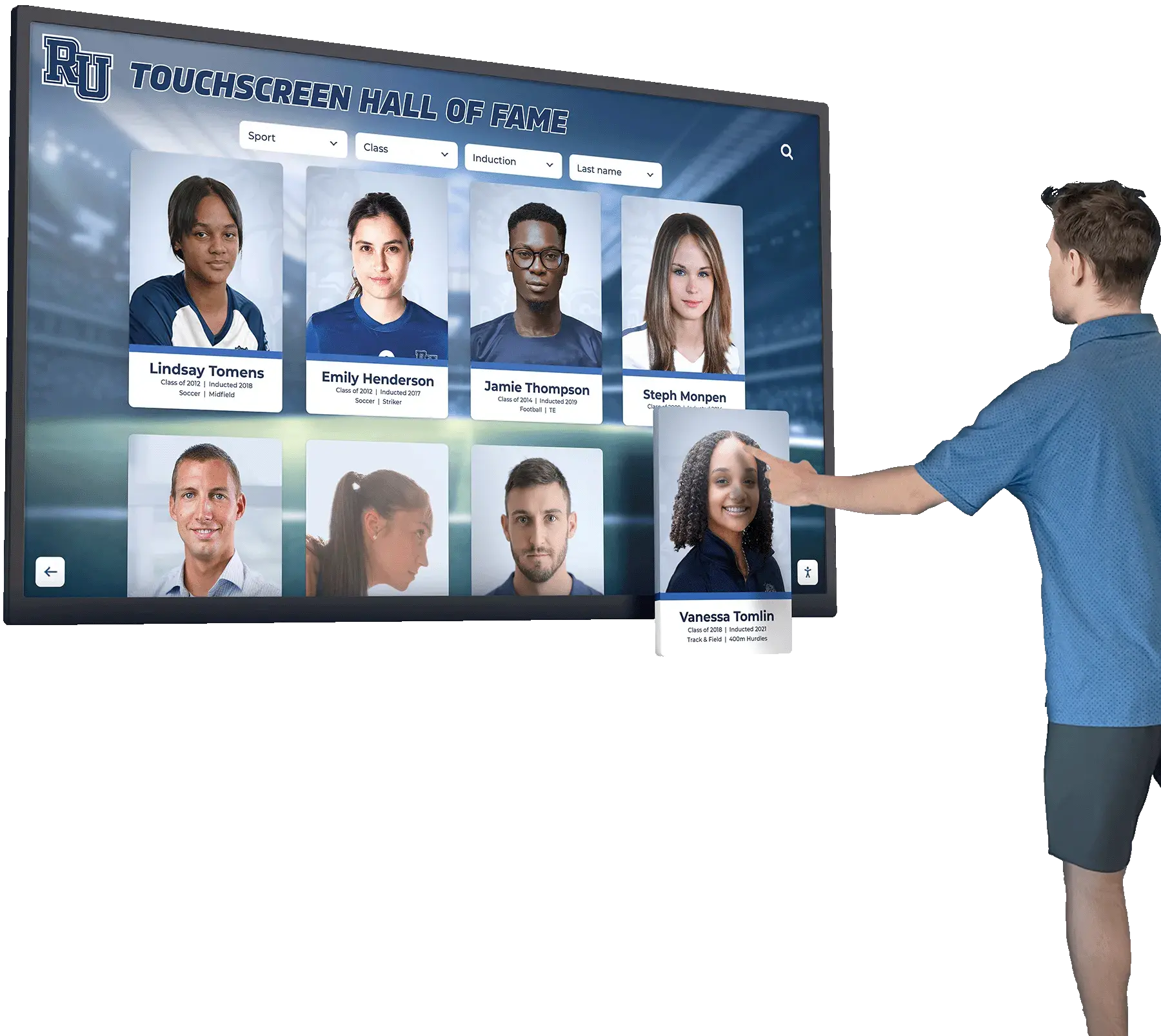
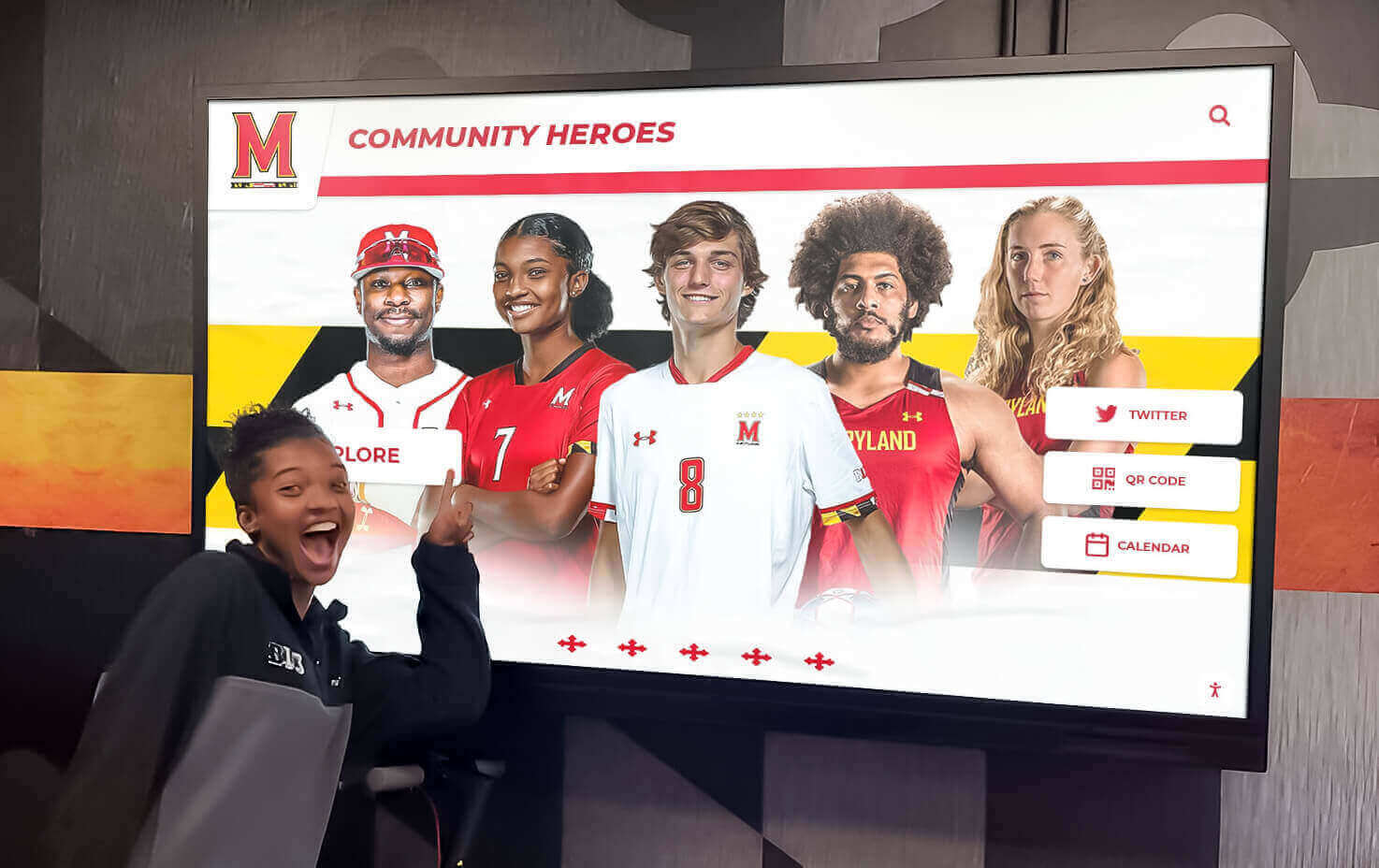
Modern programs track setter statistics and achievements through interactive displays showcasing individual player development
Partner Setting Drills for Accuracy Development
Progression from individual technique work to partner drills introduces realistic ball trajectories while maintaining controlled environments.
Triangle Setting Drill
Three-Person Accuracy Training
Classic drill developing consistency and communication:
Setup:
- Three players form triangle approximately 10-12 feet apart
- One player designated as primary setter
- Other two provide varied tosses and serve as targets
Execution:
- Player A tosses to setter
- Setter delivers set to Player B
- Player B catches and tosses to setter
- Setter delivers set to Player A
- Continues for 2-3 minute rounds
- Rotate positions so all players practice setting
Progression Variations:
- Increase triangle dimensions requiring longer sets
- Add movement requirements (setter starts from different position each rep)
- Require setter to call target before receiving ball
- Introduce competitive scoring (point for accurate sets landing in target zone)
Back-to-Front Setting Sequences
Developing Directional Control
Advanced technique requiring different hand angles:
- Setter stands at net facing away from court
- Partner tosses from various depths
- Setter executes back sets to targets positioned behind them
- Emphasizes hand angle adjustment and arch control
- Completes 15 repetitions to each back position
- Coach checks that hands stay in front of forehead (avoiding illegal backward contacts)
Many programs celebrate comprehensive athletic skill development through digital displays showcasing diverse achievements across positions and specializations.
Target-Based Accuracy Drills
Precision development through specific target work translates directly to in-game accuracy delivering hittable balls to attackers.
Cone Target Setting
Visual Precision Training
Equipment-based accuracy development:
Setup:
- Place cones at standard hitting positions (left front, middle, right front)
- Position cones 1-2 feet off net at optimal hitting height
- Setter starts in standard position
Execution Sequence:
- Coach or player tosses varied passes to setter
- Setter attempts to set ball landing within cone target zone
- Track successful sets out of 10 attempts per position
- Record accuracy percentages identifying improvement areas
- Progress from stationary tosses to movement-required passes
Competitive Variation:
- Two setters compete for highest accuracy percentage
- Time pressure element (must set within 2 seconds of toss)
- Point deductions for sets requiring hitters to adjust significantly

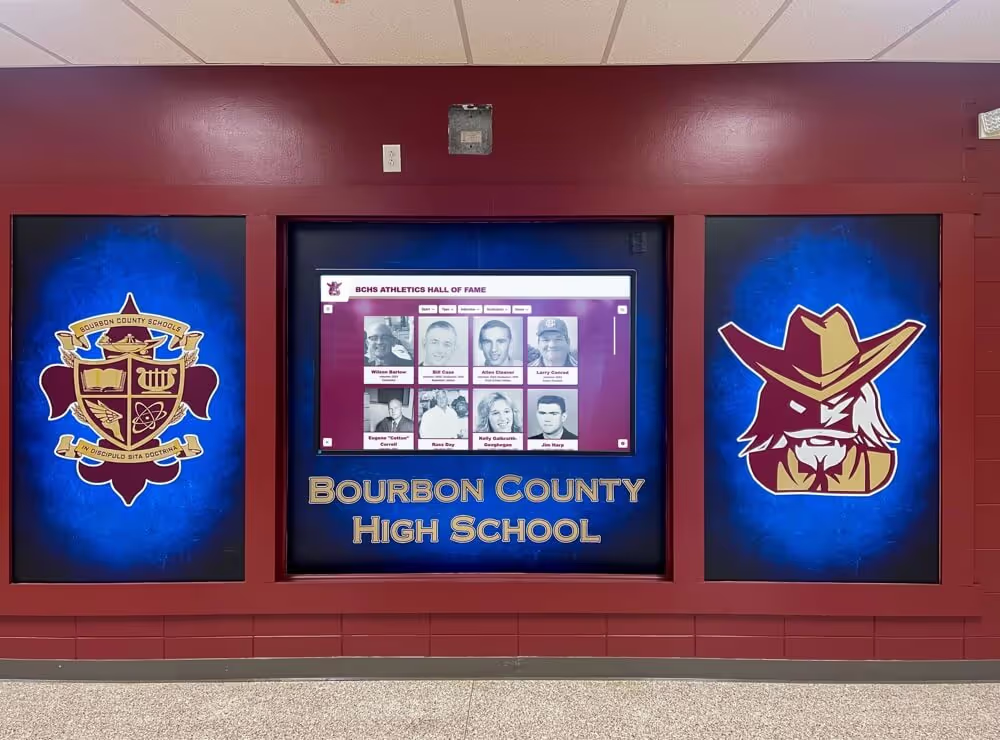
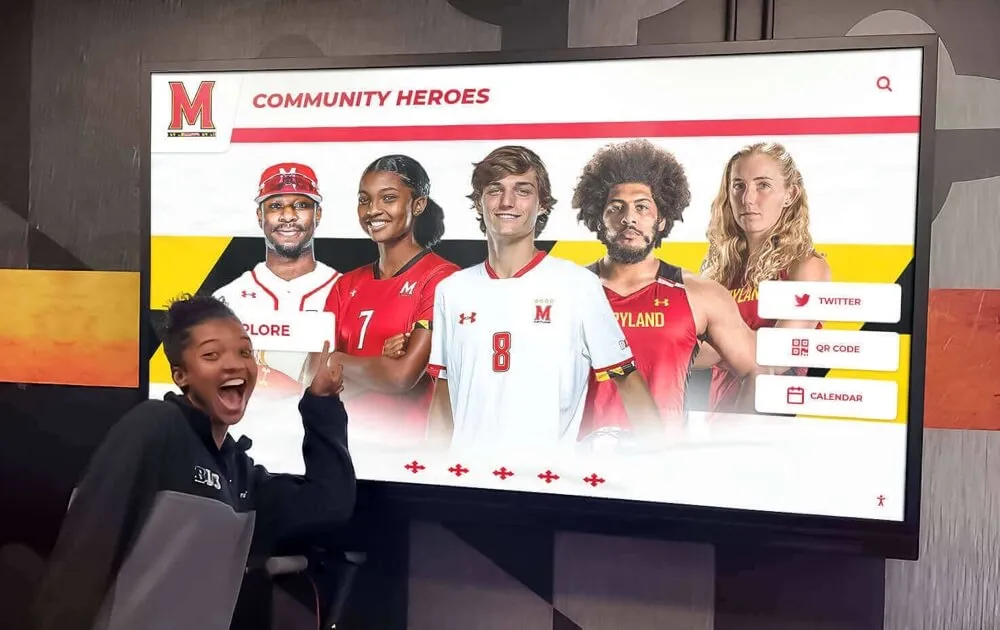
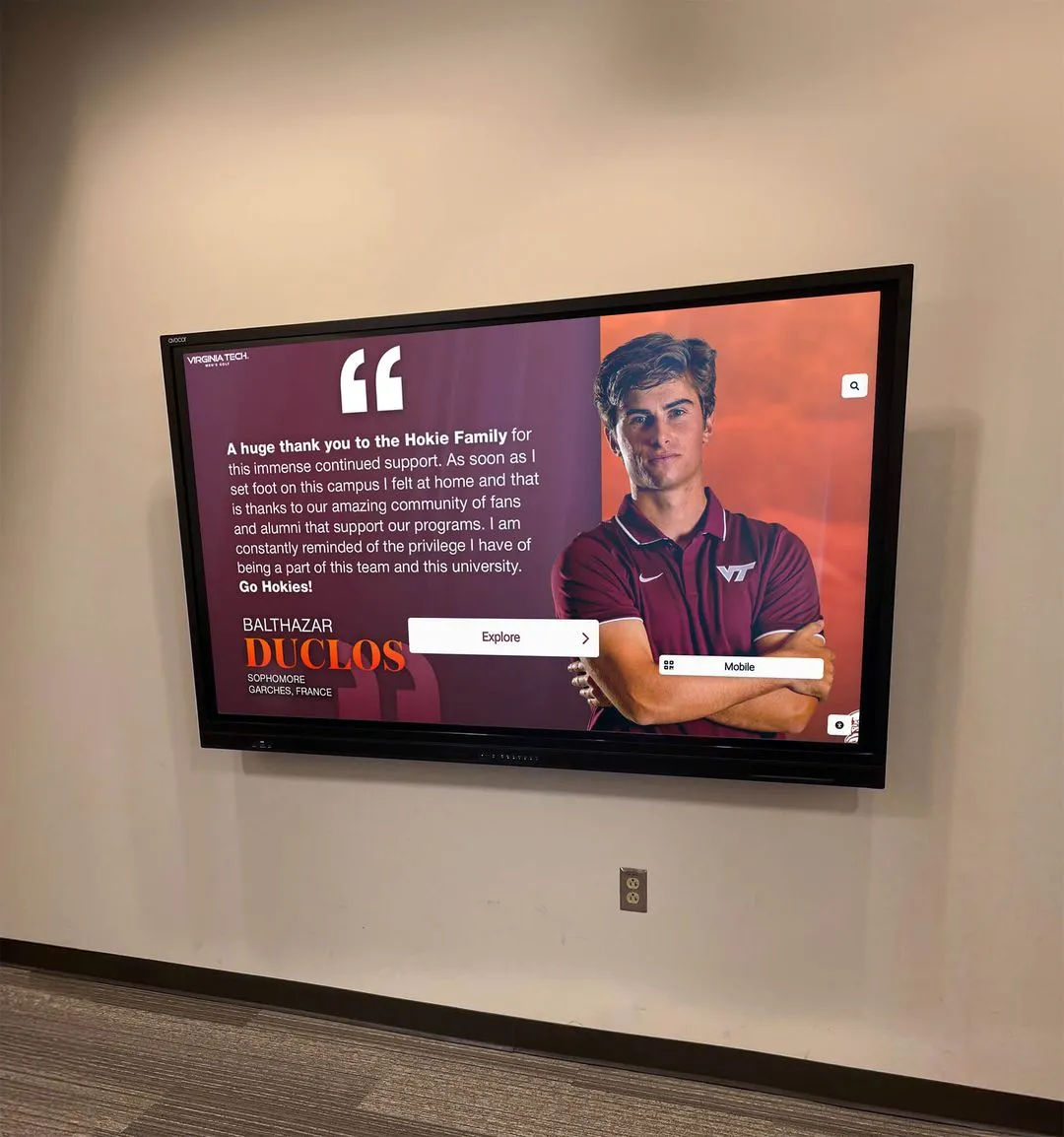
Interactive recognition systems allow programs to highlight setter statistics, assist records, and individual accomplishments in detail
Hoop Target Drill
Three-Dimensional Accuracy
Advanced precision requiring height and location control:
Setup:
- Suspend hula hoops or similar targets at various positions and heights
- Typical positions: outside (high), middle (quick), right side (back)
- Adjust heights matching team’s offensive system preferences
Drill Execution:
- Tosser provides passes from various court positions
- Setter attempts to set ball through hoop target
- Successfully threading hoop counts as perfect set
- Ball hitting hoop rim counts as acceptable set
- Missing hoop entirely requires immediate correction and repeat
- Complete 5 perfect sets to each position before rotating
This drill develops the precise trajectory control necessary for delivering tempo sets to middle attackers and high sets to outside hitters.
Decision-Making and Reading Drills
Elite setters read defensive formations, communicate with hitters, and make optimal choices under time pressure—skills developed through specific decision-making drills.
Two-Ball Decision Drill
Processing Speed Development
Rapid decision-making under pressure:
Setup:
- Two hitters positioned at outside and middle positions
- Each hitter holds volleyball
- Setter at standard setting position
Execution:
- Coach calls out target (“middle” or “outside”)
- Immediately after call, both hitters toss balls simultaneously
- Setter must receive correct ball and deliver set to called target
- Opposite ball drops (ignored by setter)
- Emphasizes quick processing and commitment to decisions
- Perform 20 repetitions with random target calls
Advanced Variation:
- Coach uses hand signals instead of verbal calls
- Requires visual processing while tracking incoming balls
- Add third option (right-side hitter) increasing complexity
Defender Reading Drill
Strategic Decision-Making
Game-realistic scenario training:
Setup:
- Position blockers or defenders showing specific formations
- Hitters available at multiple positions
- Setter receives varied passes
Execution:
- Defensive players show specific formations (middle blocker shifted outside, etc.)
- Setter must read formation and set away from defensive strength
- Coach validates decision-making even if execution imperfect
- Discuss reasoning behind choices
- Rotate defensive looks presenting different scenarios
Schools implementing comprehensive athletic recognition programs celebrate the volleyball IQ development that separates good players from elite competitors.
Game-Realistic Setting Sequences
Progression toward match conditions through drills combining multiple skills with pressure elements and consequences.
Serve-Receive to Set Drill
Transition Realism
Complete offensive sequence training:
Setup:
- Full team in serve-receive formation
- Setter in starting position (typically right-back)
- Server on opposite side
- Three attackers at hitting positions
Execution Sequence:
- Server delivers serve to receiving team
- Passers deliver to setter
- Setter transitions to net, reading pass quality
- Setter delivers set to open attacker
- Attack execution (swing, tip, or roll shot)
- Rotate positions after 5 repetitions
Key Development Areas:
- Setter tracks serve, reads pass trajectory, transitions to target
- Adjusts setting location based on pass quality
- Communicates with hitters during transition
- Makes setting decisions under time pressure similar to matches
Out-of-System Setting Drill
Emergency Situation Training
Developing composure under adversity:
Setup:
- Intentionally create difficult passes requiring setter adjustments
- Hitters ready at all positions
- Defensive players or coaches create challenging tosses
Execution:
- Coach delivers shanked passes, overpasses, or tight-to-net balls
- Setter must recover and deliver best possible set
- Emphasizes decision-making (when to set vs. when to free-ball return)
- Practices communication calling for help when needed
- Completes 15 difficult scenarios varying challenge types
Coaching Emphasis:
- Remain calm despite poor pass quality
- Communicate early with hitters about set quality
- Make smart choices prioritizing ball control over risky plays
- Develop resilience handling imperfect situations
Competitive Setting Games
Pressure Performance Development
Game-based training creating competitive pressure:
King/Queen of the Court Setting:
- Two setters compete
- Each receives 10 tosses
- Points awarded for accuracy (3 = perfect, 2 = good, 1 = acceptable, 0 = poor)
- Winner stays, loser rotates out
- Creates competitive pressure similar to match situations
Setting Relay Race:
- Teams of 3-4 players
- Each player must complete 5 accurate sets to target before next player begins
- First team finishing wins
- Emphasizes both speed and accuracy under pressure
Competitive elements develop the mental toughness required for clutch setting during crucial match moments.
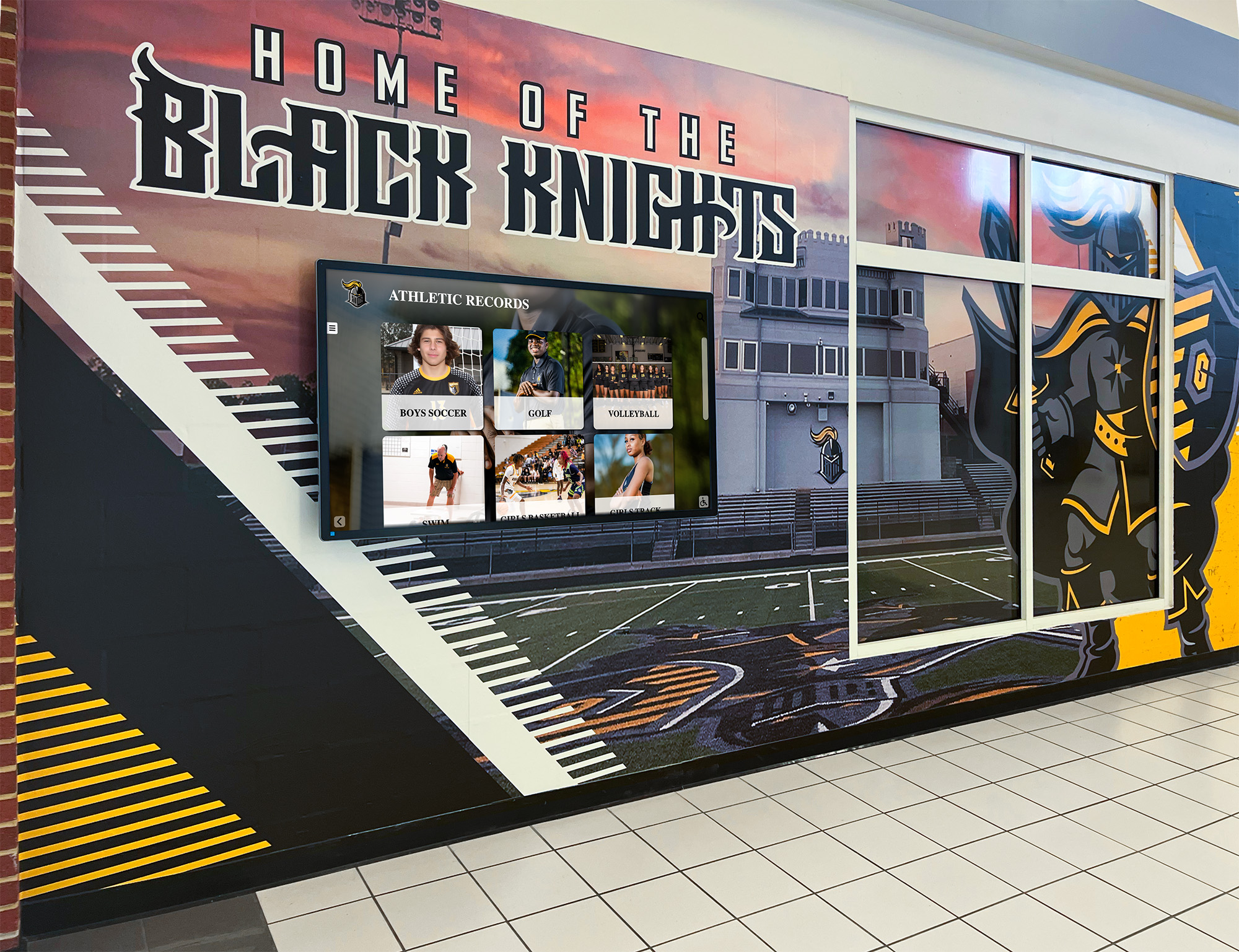
Championship programs celebrate setting records and assist milestones alongside scoring achievements through comprehensive recognition displays
Position-Specific Setting Variations
Different offensive systems require setters to master various set types—each demanding specific technical adjustments and practice.
Tempo Setting Progression
Quick Attack Development
Training for various set speeds:
Set Types to Master:
- High outside (4-ball): Standard outside hitter set, high arc
- Quick middle (1-ball): Fast, low set to middle attacker
- Slide (7-ball): Behind-setter quick set for middle slide attack
- Back quick (C-ball): Quick set behind setter
- High middle (2-ball): Medium-height middle attack set
Progressive Training Sequence:
Week 1-2: Master high outside sets (foundation accuracy) Week 3-4: Add quick middle sets (timing coordination) Week 5-6: Introduce slide and back sets (directional control) Week 7-8: Combine all tempo variations (decision-making integration)
Each set type requires specific hand adjustments, release timing, and setter-hitter communication patterns developed through dedicated repetition.
Jump Setting Drills
Advanced Technique Development
Athletic setting creating offensive advantages:
Progression Steps:
- Stationary Jump Sets: Setter jumps and sets from stable position
- Approach Jump Sets: Add forward approach before jump-setting
- Directional Jump Sets: Jump-set to various targets
- Game-Speed Jump Sets: Incorporate after realistic passes
Benefits of Jump Setting:
- Releases ball at higher point, giving hitters better angles
- Creates tip/dump scoring options for setter
- Increases offensive tempo and defensive pressure
- Requires superior core strength and body control
Introduce jump setting only after fundamental ground-based technique mastered—typically high school varsity level or above.
Programs showcasing volleyball excellence often integrate innovative recognition approaches celebrating athletic achievement and team traditions that motivate continued development.
Complete Practice Plans for Setter Development
Structured practice sessions combining various drill types into cohesive training blocks maximizing development time.
Beginner Setter Practice Plan (60 minutes)
Focus: Fundamental technique and basic accuracy
Warm-up (10 minutes):
- Individual wall setting (5 minutes)
- Partner overhead passing (5 minutes)
Technical Development (20 minutes):
- Contact point drill (lying down) - 5 minutes
- Platform to target footwork - 10 minutes
- Triangle setting drill - 5 minutes
Accuracy Training (20 minutes):
- Cone target setting - 10 minutes
- Back-to-front setting sequences - 10 minutes
Game Application (10 minutes):
- Serve-receive to set drill - simple rally continuation
- Emphasize proper technique over speed or complexity
Intermediate Setter Practice Plan (75 minutes)
Focus: Consistency, decision-making, and tempo variation
Warm-up (10 minutes):
- Wall setting with movement (5 minutes)
- Triangle setting with accuracy tracking (5 minutes)
Technical Refinement (15 minutes):
- Hoop target drill (all positions) - 10 minutes
- Jump setting progression - 5 minutes
Decision-Making Development (20 minutes):
- Two-ball decision drill - 10 minutes
- Defender reading drill - 10 minutes
Tempo Training (15 minutes):
- Quick middle timing with actual hitters
- Outside high set accuracy work
- Back-row setting variations
Game-Realistic Sequences (15 minutes):
- Serve-receive to set with full offense
- Out-of-system setting scenarios
- Competitive setting games
Advanced Setter Practice Plan (90 minutes)
Focus: Elite execution, complex decision-making, pressure performance
Warm-up (10 minutes):
- Advanced wall setting sequences
- Partner setting with varied spins and speeds
Technical Excellence (15 minutes):
- Hoop target drill with movement requirements
- Jump setting from varied pass locations
- Specialty sets (slides, back quick, etc.)
Complex Decision-Making (25 minutes):
- Multiple defender reading scenarios
- Communication drills with hitters
- Audible calling based on defensive looks
- Setting against live blockers
Game-Speed Integration (25 minutes):
- Full 6v6 scrimmage with setter rotation
- Emphasis on reading, decision-making, and communication
- Coach stops play to discuss setter choices
Pressure Performance (15 minutes):
- Competitive setting challenges
- Clutch scenario training (score tied late game)
- Accuracy competitions with consequences

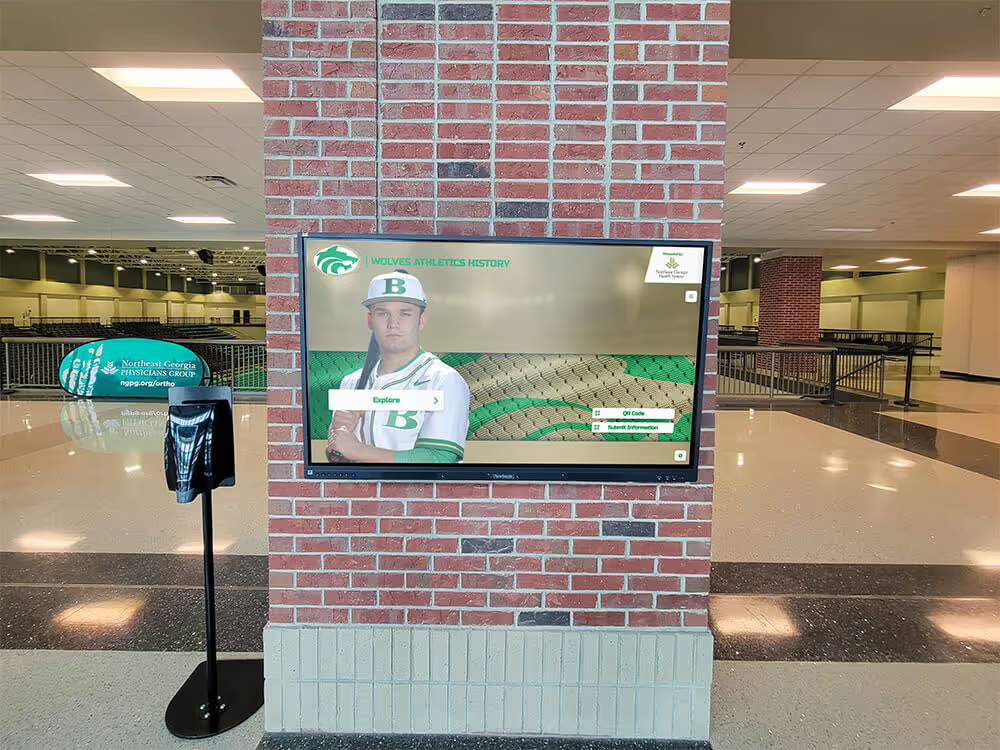
Modern athletic facilities feature digital displays tracking setter statistics, assist records, and career achievements throughout program history
Setter-Specific Strength and Conditioning
Physical preparation supporting technical skill execution and injury prevention for the demands of high-volume setting.
Upper Body and Core Development
Setter-Specific Exercises
Targeted strength development:
- Finger and wrist strengthening: Resistance band exercises, grip strengtheners
- Shoulder stability: Rotator cuff exercises, band work
- Core strength: Planks, Russian twists, medicine ball rotations
- Explosive power: Medicine ball chest passes, overhead throws
Training Frequency:
- 2-3 sessions weekly during off-season
- 1-2 maintenance sessions during season
- Always after volleyball practice, never before
Agility and Footwork Training
Movement Efficiency Development
Court coverage and quick transitions:
- Ladder drills: Quick feet patterns mimicking court movements
- Cone agility: Sharp direction changes to setting positions
- Box jumps: Explosive power for jump setting
- Reaction drills: Quick response to visual/auditory cues
Combine strength and agility training with proper rest and recovery preventing overuse injuries common among high-volume setters.
Setter Communication and Leadership Development
Beyond physical skills, elite setters function as on-court leaders requiring developed communication abilities and tactical understanding.
Verbal Communication Drills
Leadership Skill Development
Communication patterns supporting team execution:
Call-and-Response Patterns:
- Setter calls hitter names before delivering sets
- Setters communicate with passers (“mine” vs. “help”)
- Call out defensive formations to hitters
- Provide encouragement and corrections during rallies
Practice Integration:
- Require verbal communication during all drills
- Coach stops play when communication breaks down
- Team develops standard terminology (call systems)
- Setters practice projecting voice in noisy environments
Game Management Skills
Tactical Understanding
Strategic thinking beyond mechanics:
- Timeout discussions: Setters participate in strategic planning
- Rotation awareness: Understanding matchups and advantages
- Momentum recognition: When to take chances vs. play conservatively
- Hitter psychology: Recognizing when teammates need touches vs. avoiding struggling hitters
Programs developing complete players often implement comprehensive recognition systems celebrating leadership and intangibles alongside statistical achievements.
Tracking Setter Development and Performance
Systematic assessment identifying improvement areas and documenting progress over time.
Statistical Tracking Metrics
Quantitative Performance Measurement
Key setter statistics:
- Setting accuracy percentage: Accurate sets divided by total attempts
- Assists per set: Total assists divided by sets played
- Assist-to-error ratio: Assists compared to setting errors
- Distribution percentages: Sets to each hitter position
- Out-of-system conversion rate: Successful attacks from poor passes
Regular statistical review identifies patterns—are outside sets more accurate than middles? Does accuracy decline in third sets? Which hitters receive best sets?
Video Analysis for Technical Correction
Visual Feedback Integration
Recording and reviewing setter performance:
Analysis Focus Areas:
- Hand contact point and technique consistency
- Footwork efficiency and platform establishment
- Body positioning relative to target
- Decision-making patterns and tendencies
- Communication timing and effectiveness
Monthly video review sessions comparing current footage to previous months documents technical improvement and identifies regression areas requiring attention.
Individual Development Plans
Personalized Improvement Roadmaps
Structured growth planning:
Plan Components:
- Current skill assessment across all setting dimensions
- Specific improvement goals (technical, tactical, physical, leadership)
- Targeted drill assignments addressing weaknesses
- Timeline for reassessment and goal adjustment
- Off-season training recommendations
Individual plans transform general practice into personalized development supporting each setter’s unique growth trajectory.
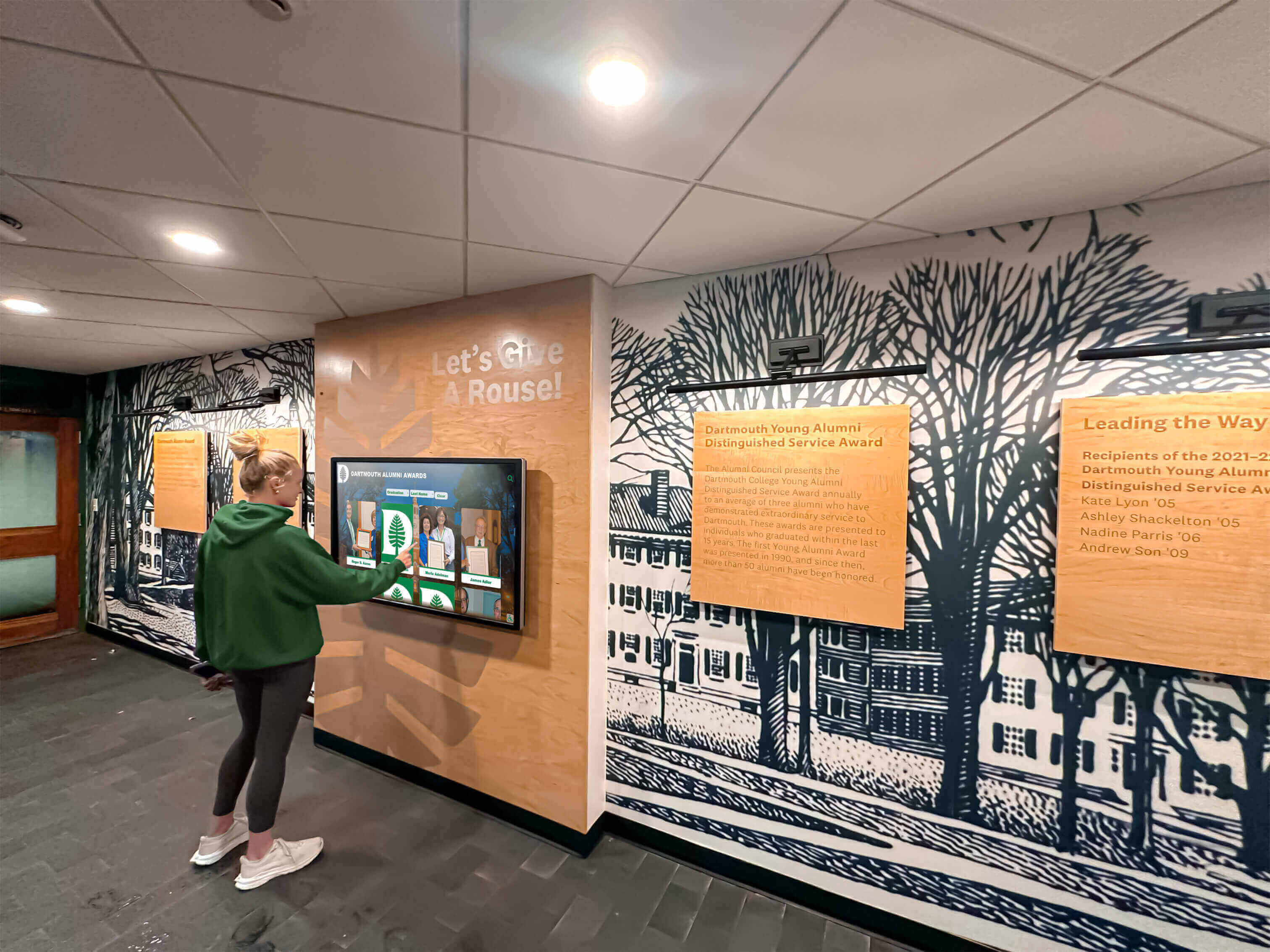
Interactive displays engage athletes exploring program history and tracking their own statistical development throughout their careers
Common Setting Errors and Correction Strategies
Identifying and correcting frequent technical and tactical mistakes accelerating setter development.
Technical Flaw Corrections
Frequent Mechanical Issues
Common problems and fixes:
Palming/Lifting Violations:
- Problem: Ball contacts palms instead of fingers
- Correction: Contact point drill emphasizing finger-pad contact, strengthen fingers
- Drill: Wall setting focusing on clean release without spin
Inconsistent Hand Position:
- Problem: Hands too far apart or asymmetrical
- Correction: Triangle drill with emphasis on seeing ball through window
- Drill: Partner feeds while setter focuses solely on hand formation
Poor Footwork:
- Problem: Setting off-balance or while moving
- Correction: Platform-to-target drill requiring stopped momentum
- Drill: Cone drills where setter must touch cone with foot before setting
Setting Behind Head:
- Problem: Ball drifts behind forehead causing back arch
- Correction: Visual cue training keeping ball in sight throughout contact
- Drill: Wall setting with coach watching ball-to-forehead relationship
Tactical Decision-Making Improvements
Strategic Errors
Common mental mistakes:
Predictable Distribution:
- Problem: Always setting favorite hitter regardless of situation
- Solution: Forced distribution drills requiring sets to all positions
- Drill: Coach calls random targets, setter cannot choose
Ignoring Defensive Reads:
- Problem: Missing opportunities to exploit defensive weaknesses
- Solution: Defender reading drill with immediate feedback
- Drill: Film study identifying missed opportunities in previous matches
Poor Out-of-System Choices:
- Problem: Attempting difficult sets from impossible positions
- Solution: Out-of-system drill emphasizing smart choices over heroic attempts
- Drill: Scenarios where setter practices recognizing “free ball return” as best option
Systematic error identification and correction prevents bad habits from becoming ingrained patterns limiting long-term development.
Building Championship Setter Culture
Creating program environments where setter excellence is valued, developed, and celebrated across all team levels.
Recognition and Motivation Systems
Celebrating Setter Excellence
Acknowledgment systems reinforcing desired development:
- Accuracy awards: Recognize setters achieving high percentage thresholds
- Assist milestones: Celebrate career assist totals (100, 250, 500, 1000)
- Leadership recognition: Honor communication and team-first behaviors
- Improvement tracking: Acknowledge growth even for non-starters
- Statistical displays: Showcase setter records and achievements
Many successful volleyball programs implement digital recognition systems showcasing detailed player statistics and celebrating position-specific excellence throughout program history.
Setter Mentorship Programs
Knowledge Transfer Across Classes
Experienced setters developing younger players:
Mentorship Structure:
- Pair varsity setters with JV or freshman setters
- Regular film study sessions reviewing technique
- Upperclassmen demonstrate drills and provide feedback
- Create accountability partnerships tracking development
- Preserve program setting philosophy across graduating classes
Mentorship develops leadership in experienced setters while accelerating growth in developing players.
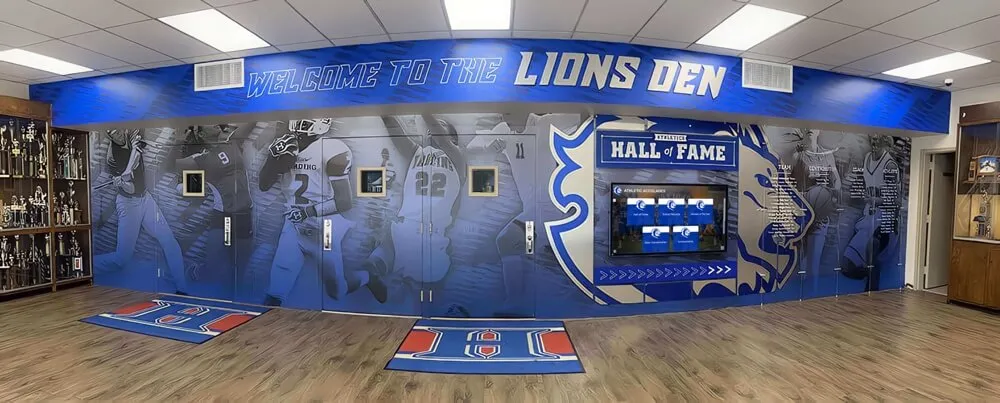
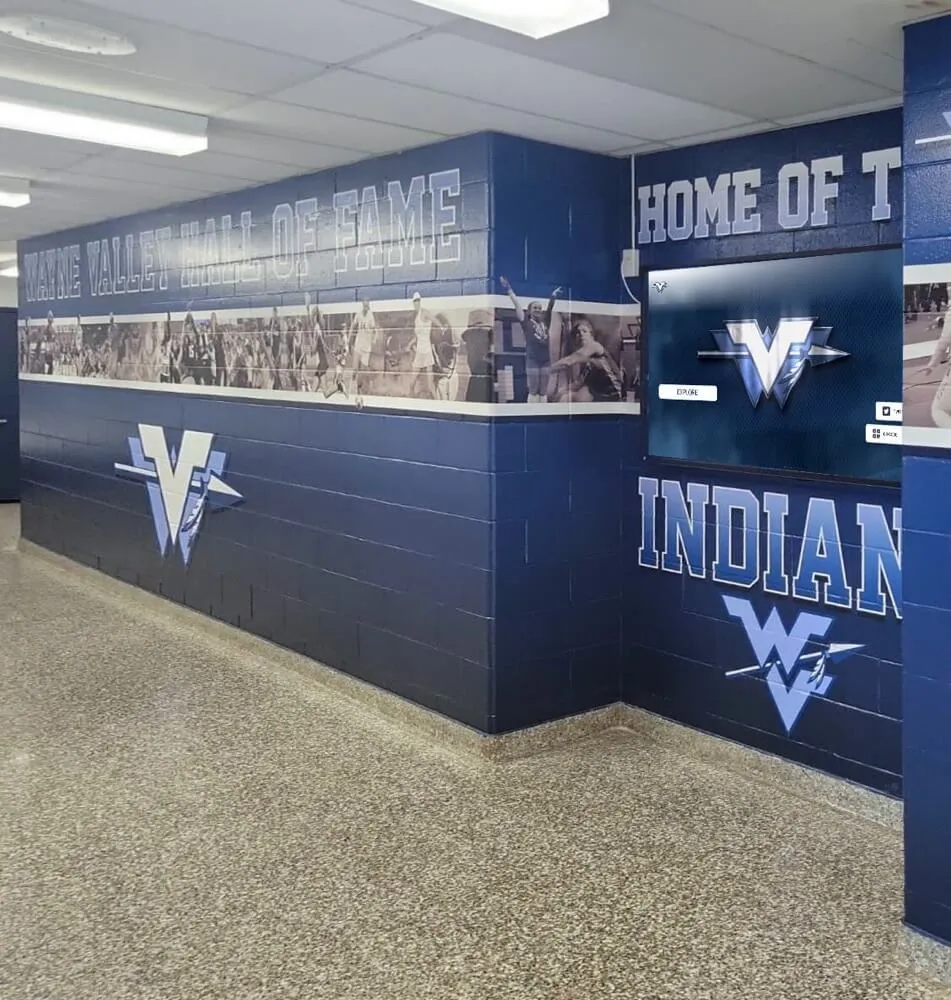
Championship volleyball programs create inspiring environments celebrating team achievements and individual excellence across all positions
Adapting Drills for Different Competitive Levels
Effective setter training requires age-appropriate and skill-appropriate progressions matching athlete development stages.
Youth Volleyball Setting Development (Ages 10-13)
Fundamental Focus
Priorities for youngest setters:
- Emphasize proper hand technique over complex footwork
- Use simplified decision-making (set to open hitter)
- Keep drills short maintaining attention and enthusiasm
- Celebrate effort and improvement over statistical perfection
- Introduce basic communication patterns
- Avoid overuse by limiting setting volume
Appropriate Drills:
- Wall setting for technique development
- Triangle setting with simplified targets
- Basic cone target accuracy work
- Fun competitive games making practice enjoyable
High School Setter Training (Ages 14-18)
Competitive Development
Increased complexity and intensity:
- Refine technique addressing individual mechanical issues
- Develop complete offensive arsenal (all tempo variations)
- Emphasize decision-making based on defensive reads
- Increase communication and leadership expectations
- Introduce jump setting (typically 15-16 years old)
- Add strength and conditioning supporting skill development
Progressive Drill Integration:
- All fundamental and intermediate drills
- Game-realistic pressure situations
- Complex decision-making scenarios
- Statistical tracking creating accountability
College and Elite Level Preparation
Championship Excellence
Advanced development for highest levels:
- Perfect technique under extreme game pressure
- Master entire offensive system with tempo variations
- Sophisticated defensive reading and audible systems
- Advanced leadership and game management
- Elite physical conditioning and injury prevention
- Mental training for high-pressure situations
Elite setter development never stops—even collegiate and professional setters continue refining technique and expanding tactical understanding throughout careers.
Schools preparing athletes for collegiate competition often showcase recruitment success through recognition displays celebrating athlete advancement to next competitive levels.
Conclusion: Developing Elite Setters Through Deliberate Practice
Setter development represents one of the most complex and crucial elements of building championship volleyball programs. The position demands unique combination of precise technical execution, tactical intelligence, leadership capability, and mental toughness that develops only through systematic, progressive training over multiple seasons.
The volleyball setting drills and practice plans in this guide provide frameworks for developing setters from fundamental technique through elite game-ready performance. Success requires patient progression from basic hand positioning and footwork through increasingly complex decision-making scenarios that mirror competitive match pressure. Coaches must balance technical perfection with tactical development, combining individual skill work with game-realistic team integration.
As you implement these drills throughout your program, remember that setter development extends beyond physical repetition. The best setters combine technical precision with court vision, communication skills, and competitive confidence developed through hundreds of hours of deliberate practice. Create training environments where setters feel supported taking risks, making mistakes, and growing through challenges rather than playing conservatively to avoid errors.
Modern technology offers unprecedented opportunities to track setter development, showcase achievements, and motivate continued excellence. Statistical tracking identifies improvement areas while recognition systems celebrate milestones, creating cultures where setter excellence receives the acknowledgment it deserves. The investment you make developing elite setters pays dividends throughout your program—offenses run smoother, hitters perform better, and teams execute at higher levels when championship-caliber setting provides the foundation.
Celebrate Your Volleyball Program's Setter Excellence
Discover how modern digital recognition displays can showcase setter statistics, highlight assist milestones, and preserve your volleyball program's history—creating inspiring environments that motivate current athletes while honoring the playmakers who defined your team's success.
Explore Volleyball Recognition SolutionsBuild your volleyball program’s setter development system with intentionality and patience. The drills, progressions, and practice plans outlined here provide roadmaps, but successful implementation requires adaptation to your specific athletes, competitive level, and program philosophy. Commit to consistent, progressive training that challenges setters appropriately while supporting their growth through inevitable mistakes and setbacks.
Championship setters aren’t born—they’re developed through deliberate practice, expert coaching, and environments that celebrate the unique excellence required to orchestrate offenses at the highest levels. Your investment in comprehensive setter training creates competitive advantages that transform talented individuals into championship teams capable of executing under the pressure of crucial moments. Celebrate their development, recognize their achievements, and build programs where setter excellence becomes tradition.
Live Example: Rocket Alumni Solutions Touchscreen Display
Interact with a live example (16:9 scaled 1920x1080 display). All content is automatically responsive to all screen sizes and orientations.