



Walk into almost any American high school and you will spot them immediately—young men and women wearing wool-and-leather jackets adorned with chenille letters, embroidered patches, and years of earned recognition stitched directly onto their sleeves. The letterman jacket is one of the most recognizable symbols in American education, a wearable trophy that broadcasts athletic and academic achievement to everyone who sees it.
But what is a letterman jacket, exactly? Why does it look the way it does? How do students earn the right to wear one—and what do all those patches and pins actually mean? This guide answers every question about letterman jackets, from their origins in Harvard’s baseball diamond to the modern era of digital display boards that carry on the same spirit of recognition in entirely new ways.
Whether you are a student hoping to earn your first letter, a parent curious about your athlete’s award, an athletic director revisiting your program’s traditions, or simply someone who has always wondered about that iconic jacket, this complete guide covers the history, components, earning criteria, cultural significance, and future of letterman recognition in schools across the country.

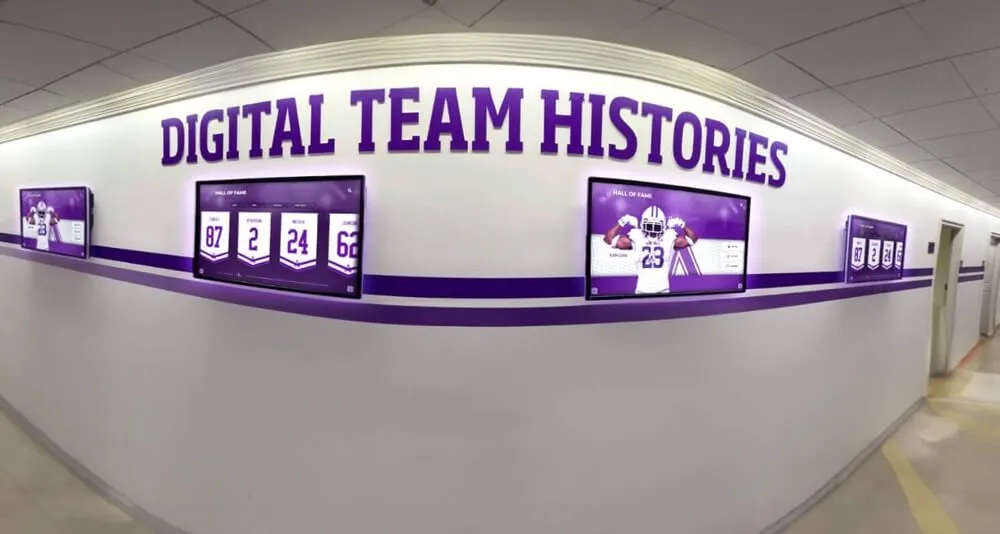
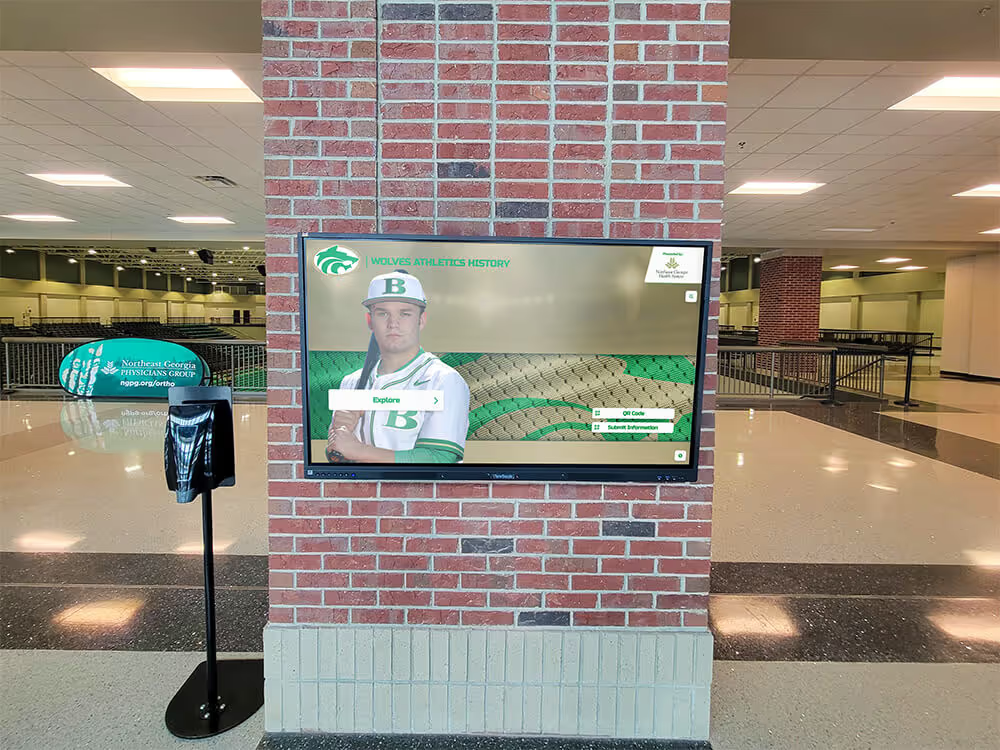
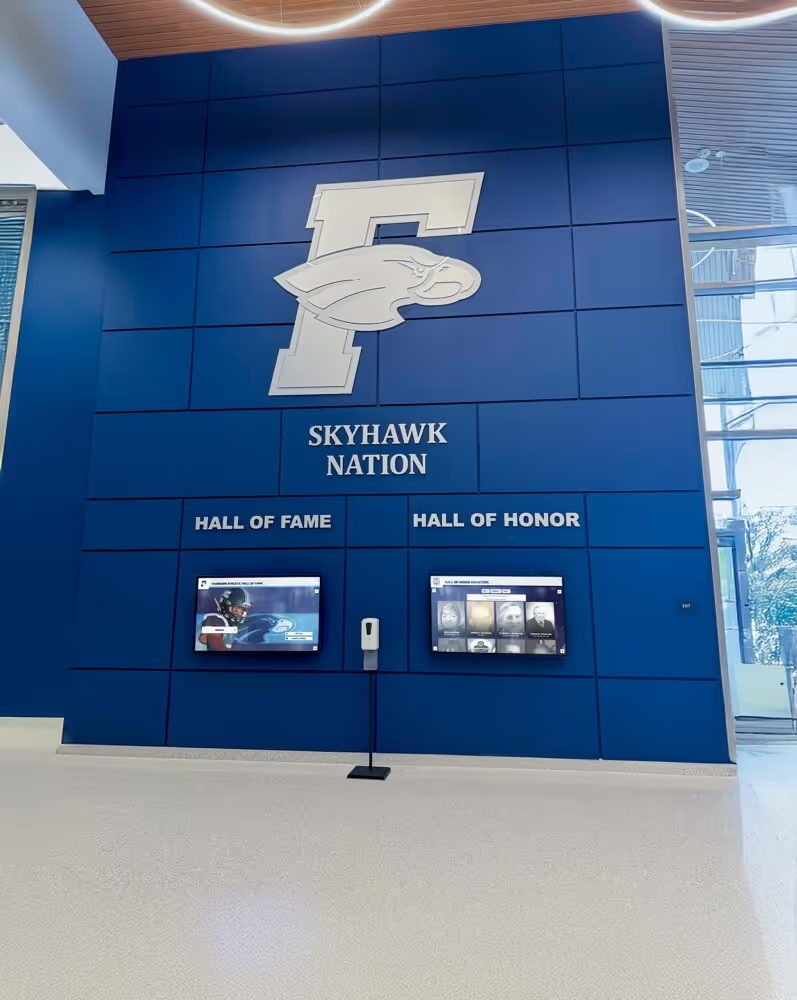
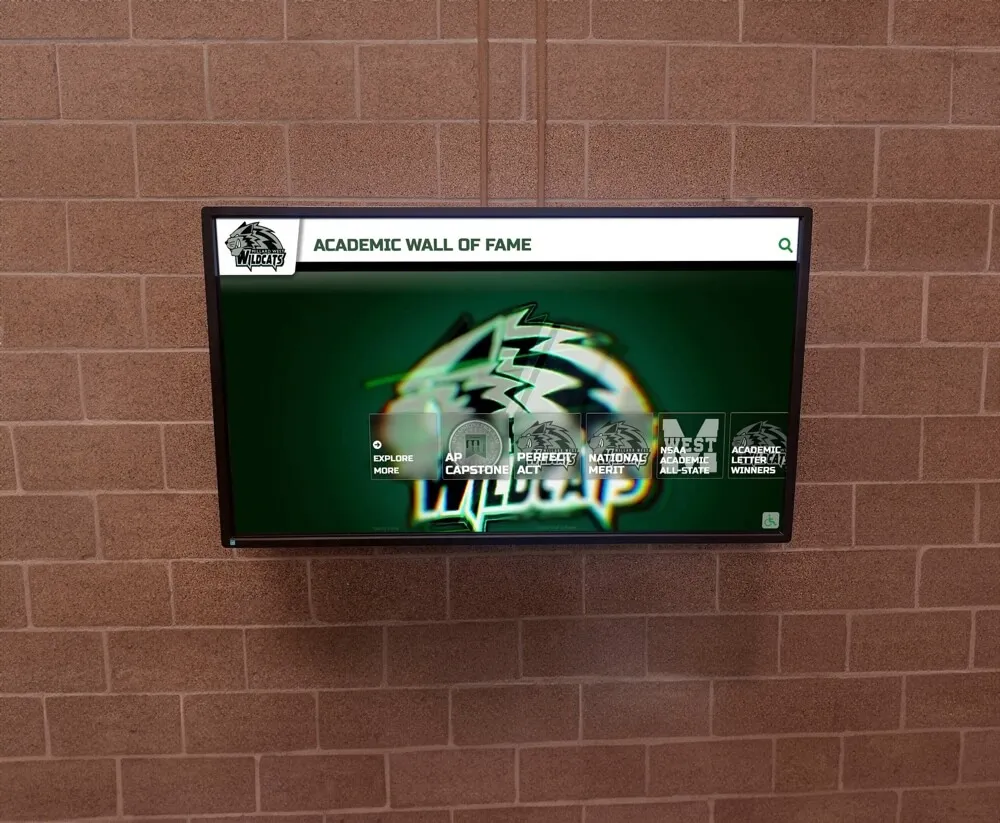
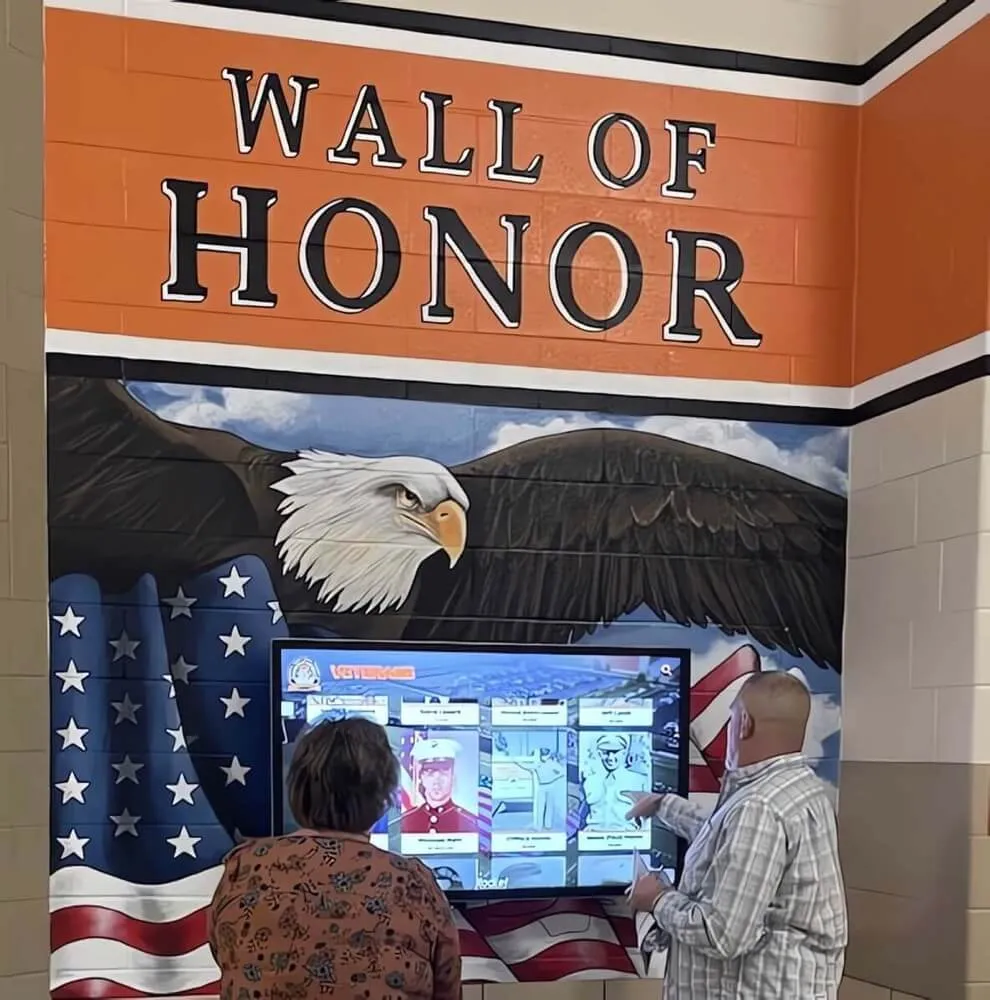
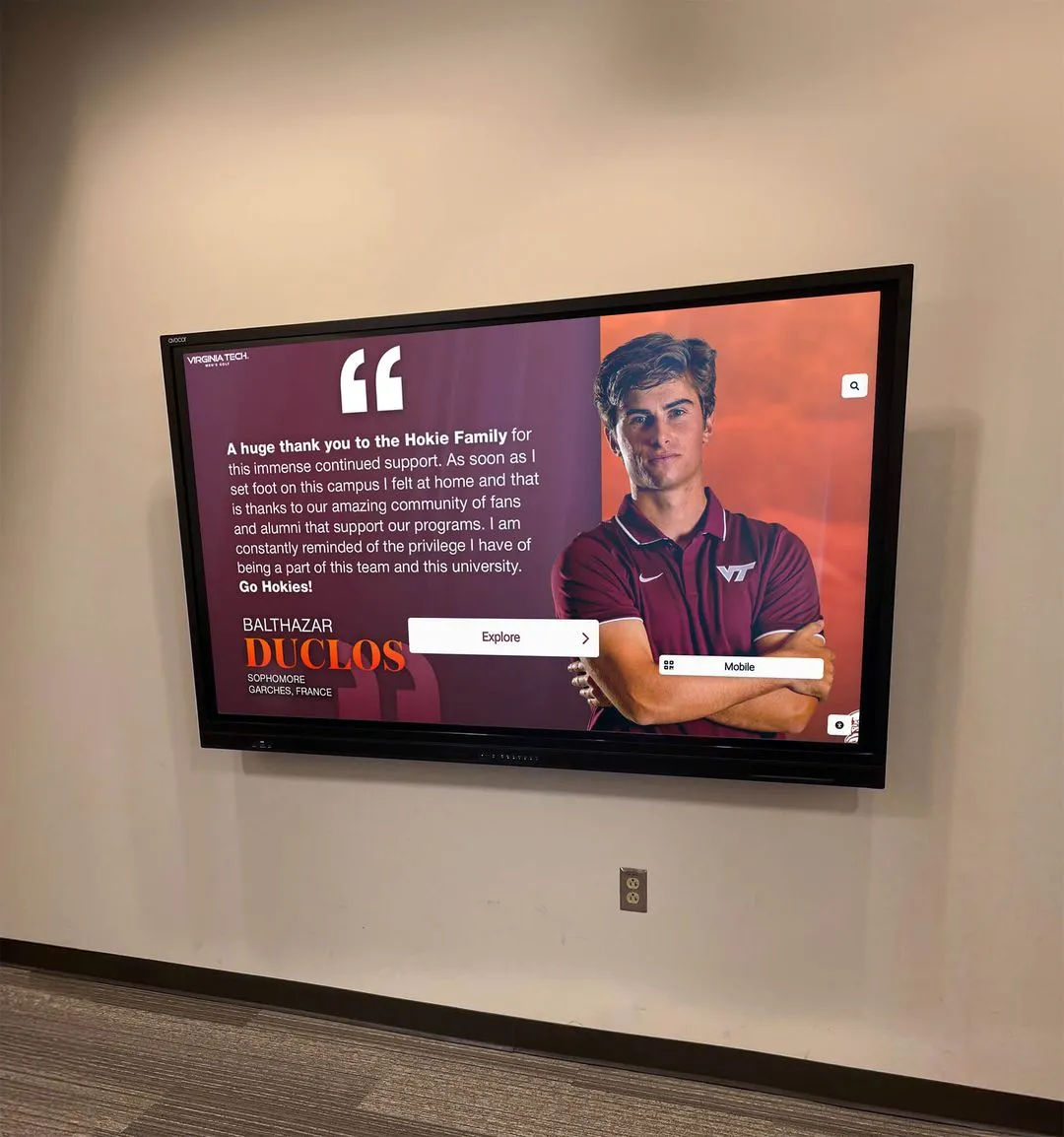
Schools have celebrated letterwinner achievement for over a century—from the first varsity sweaters to today's digital recognition walls
What Is a Letterman Jacket?
A letterman jacket—also called a varsity jacket or letter jacket—is an award garment given to student-athletes (and sometimes academic achievers) who meet specific standards set by their school. The jacket serves as a visible, permanent record of accomplishment, combining the school’s colors and identity with personal patches that reflect the wearer’s individual history of achievement.
The classic design is immediately familiar:
- A wool body in the school’s primary color
- Leather sleeves (traditionally white or a contrasting school color)
- A chenille letter sewn on the left chest—typically the school’s first initial
- Snap-button closure with a standing collar
- Knit ribbing at the cuffs, collar, and hem
- Interior lining often in a contrasting color
Over time, athletes add patches, pins, and embroidery that transform the jacket into a personal timeline of achievement: each sport played, each season completed, each championship won, each year of eligibility earned.
The right to wear a letterman jacket—and specifically to display that chenille letter—must be earned. That earned quality is the entire point. A letter jacket worn proudly on the hallway signals to the school community that its wearer has met a real standard, put in real work, and been officially recognized by coaches and the athletic department.
The History of Letterman Jackets
The letterman tradition is older than most people realize. It traces back to 1865, when the Harvard University baseball team awarded the school’s first initial—“H”—to its best players. Those early awards were sewn onto team sweaters rather than jackets, but the core concept was the same: use a visible symbol to honor athletes who demonstrated excellence.
The practice spread rapidly. By the early 1900s, colleges across the country had adopted letter-award programs, and high schools soon followed. The wool body and leather sleeve design that we recognize today emerged in the mid-twentieth century as manufacturers standardized the garment into a distinctly American artifact.
The jacket became deeply embedded in popular culture throughout the 1950s and 60s, appearing in films, television, and literature as a shorthand for teenage achievement, social status, and school pride. Today, despite changing fashion trends, the letterman jacket endures because the tradition behind it remains genuinely meaningful. It is one of the few physical recognitions students can wear every day—a kinetic display of achievement that travels wherever they go.
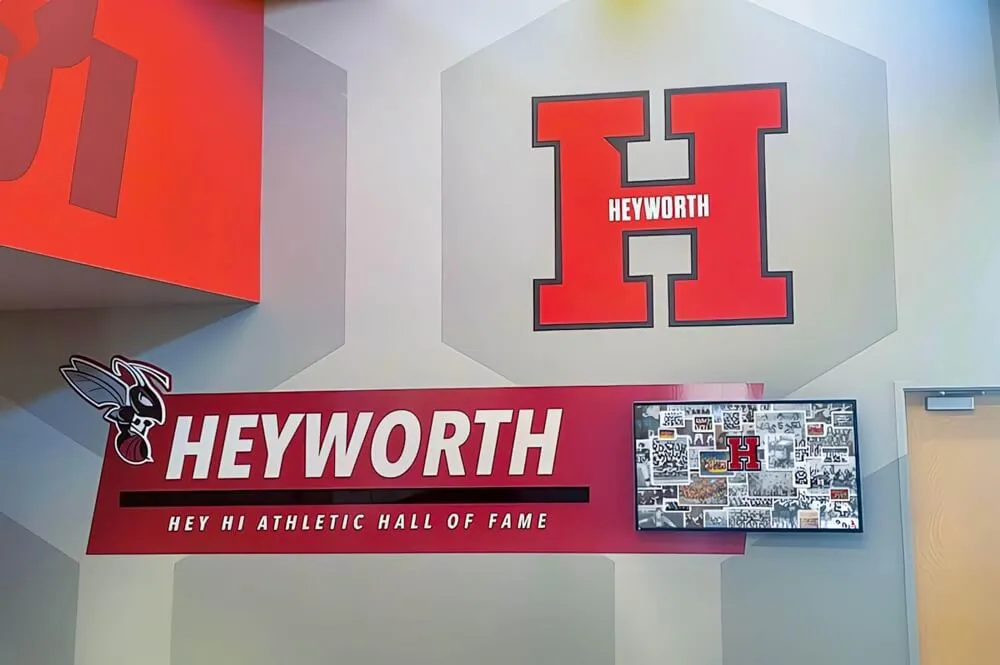
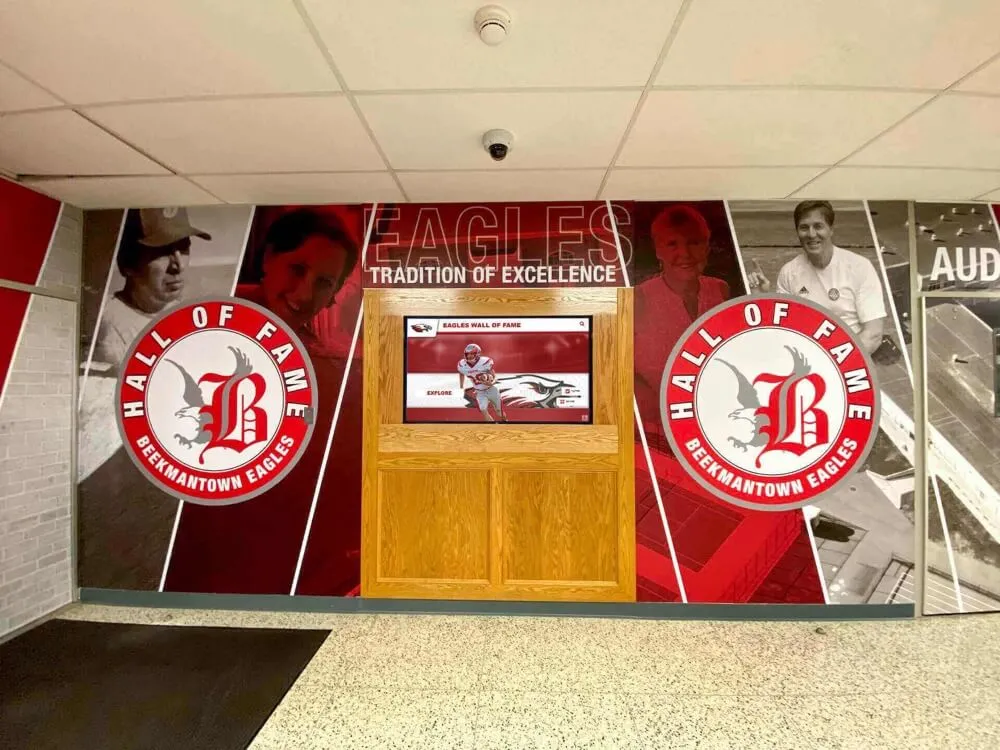
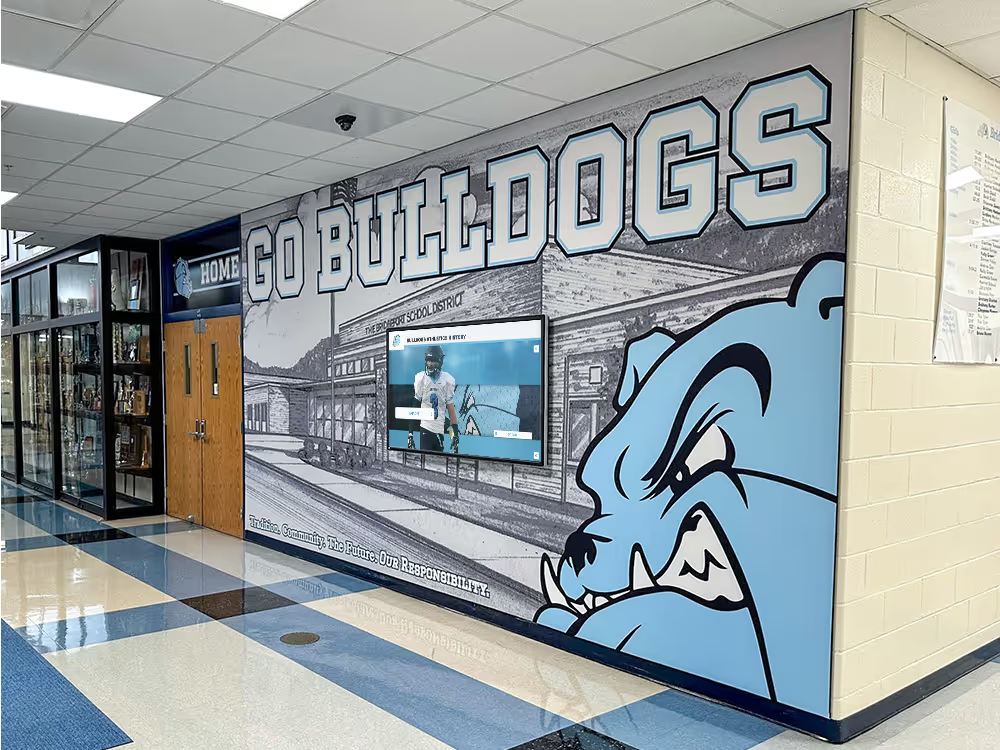
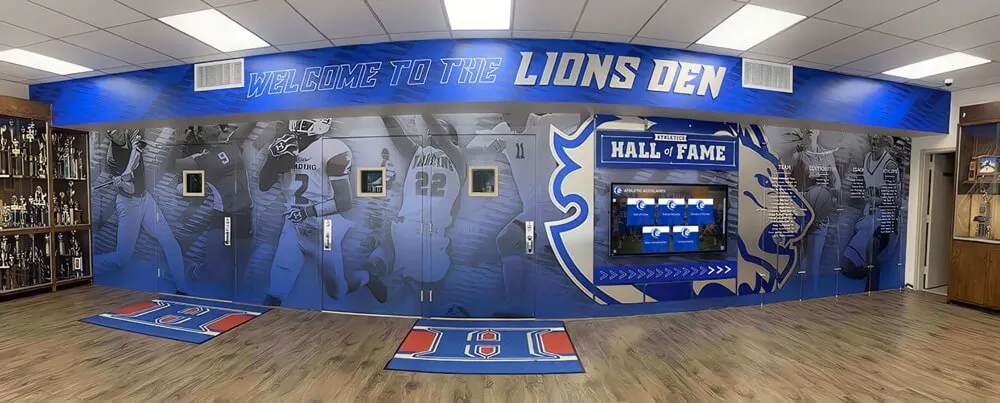
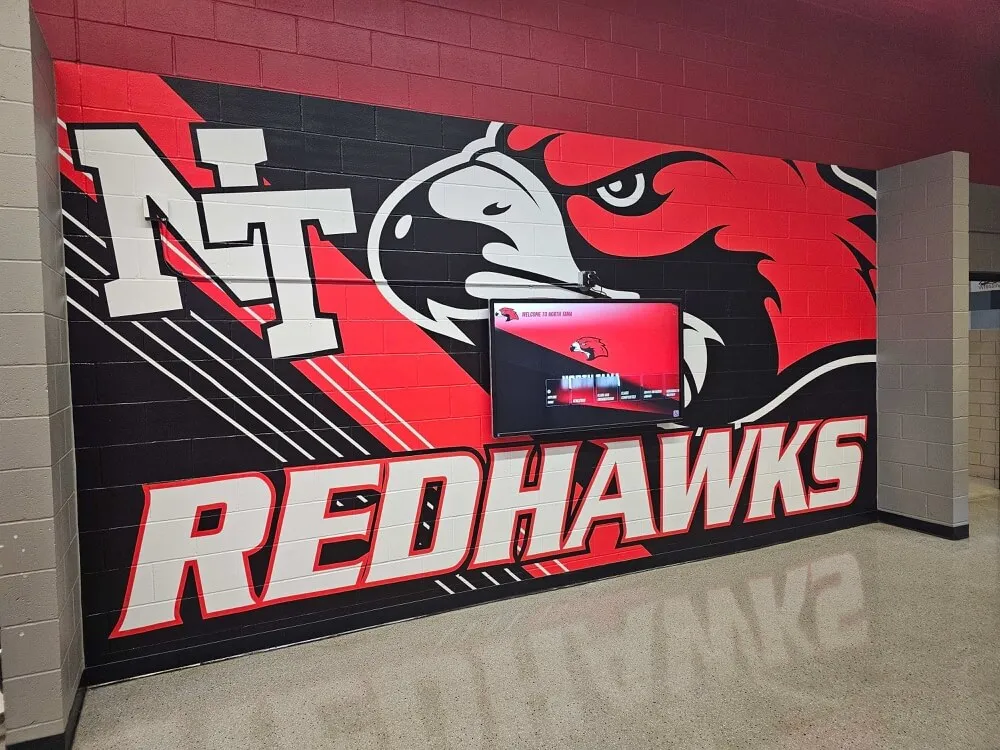
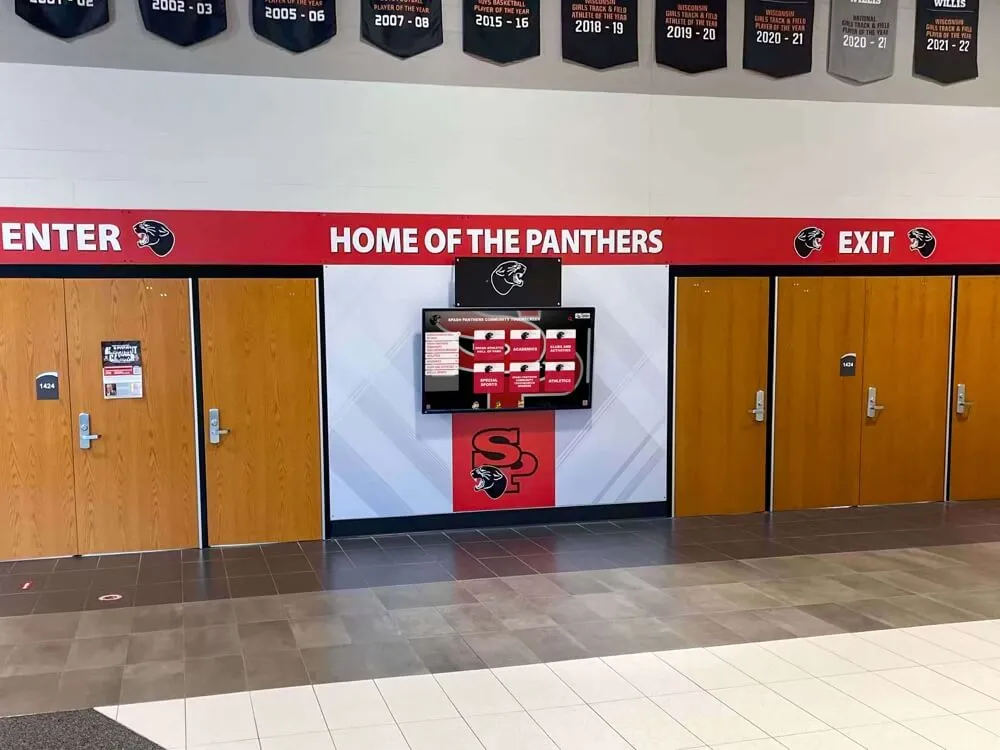
School athletic programs have celebrated letterwinners on walls and displays for generations, creating lasting traditions of recognition
Anatomy of a Letterman Jacket: What Every Element Means
Understanding a letterman jacket means understanding what each component represents. Nothing on a traditional letter jacket is purely decorative—every element carries meaning.
The Chenille Letter
The centerpiece of any letterman jacket is the chenille letter on the left chest. Chenille fabric creates that distinctive fuzzy texture that makes letters stand out visually. The letter is almost always the first initial of the school’s name (so Jefferson High School athletes wear a “J,” Roosevelt students wear an “R”), though some schools use a mascot letter or abbreviated school name.
This single letter is the core credential. Everything else on the jacket builds on it.
The Sleeves and Year Patches
Graduation year is typically embroidered on one sleeve, telling anyone who looks when the athlete graduated or will graduate. Some programs use individual year pins or patches rather than embroidery.
Sport patches indicate which varsity sports the athlete lettered in. A multi-sport athlete might display football, basketball, and track patches simultaneously, each representing a separate season of letter-worthy achievement.
Service stripes or chevrons represent additional years of letter earning in the same sport. An athlete who letters in basketball three years in a row might display three stripes, each representing a season of continued excellence.
Pins, Charms, and Special Patches
Beyond the basics, jackets accumulate additional hardware over a student’s career:
Captain patch — awarded when an athlete is elected or appointed team captain, one of the highest peer-recognition honors a student-athlete can receive.
Championship patches — denoting conference titles, regional championships, or state tournament appearances. These are among the most prized additions because they reflect collective team achievement.
All-conference or all-state pins — recognizing individual distinction within a competitive field.
Academic achievement bars — some programs award special pins or bars for athletes who maintain high grade-point averages alongside their athletic commitments, reinforcing the student-athlete identity.
Milestone pins — recognizing specific career milestones like a 1,000-point scoring total in basketball, a sub-five-minute mile in track, or a specific win total for a wrestler.
Each pin and patch turns the jacket into a narrative. Looking at a senior’s fully decorated letterman jacket is like reading a four-year autobiography of their high school career.
How Students Earn a Letterman Jacket
Earning the right to display a varsity letter—and wear a letterman jacket—requires meeting specific criteria set by each school’s athletic department. These criteria vary by school and sport, but most programs share a common philosophy: the letter must represent genuine achievement, not simply participation.
Participation and Playing Time Standards
Most schools establish minimum participation requirements:
- A minimum number of games, matches, or meets in which the athlete competed at the varsity level
- A minimum percentage of available playing time (often 40–60% of quarters, innings, or matches)
- Full completion of the season in good standing
- For individual sports like swimming, track, or wrestling: scoring points at varsity-level competitions or achieving qualifying marks
These thresholds ensure the letter represents real contribution to competition rather than simply being on the roster.
Academic Eligibility
Nearly all school athletic programs require athletes to maintain academic standing to remain eligible for athletic recognition. Typical requirements include:
- Minimum GPA (commonly 2.0–2.5 on a 4.0 scale)
- No failing grades in required courses
- Good standing with the school’s conduct and disciplinary code
The academic component reinforces that the student-athlete identity is genuinely dual—excellence on the field must be accompanied by responsibility in the classroom. This pairing is part of what makes earning a letter meaningful, and it is why many graduates keep their letter jackets for decades: the jacket represents who they were as a whole person, not just an athlete.
Learn more about how schools celebrate student achievement across athletic and academic programs.
Coach Discretion
Most programs give head coaches some discretion for borderline situations. A player who misses games due to injury but remains a meaningful contributor to the team’s success might still be awarded a letter. A student who meets the statistical threshold but was removed for conduct violations might not. Published criteria provide structure, but coaches who know their players’ full contributions apply judgment within that framework.
Multi-Sport and Special Circumstance Letters
Athletes who compete in multiple varsity sports can earn letters for each, representing separate seasons of merit in different disciplines. Some schools also provide letters for activities beyond traditional sports: competitive cheerleading, marching band, esports, and academic competitions at certain institutions carry letter-eligible status. The broadening of what “earns a letter” reflects a healthy recognition culture—one that values diverse forms of achievement beyond a narrow athletic definition.
Explore how this connects to broader academic recognition program design for schools.
Letterman Jackets in School Culture
The letterman jacket occupies a unique cultural position in American high schools. It functions simultaneously as personal recognition, community identity marker, and institutional pride symbol.
Wearing a letter jacket communicates something to the school community that no trophy case can: this person met a standard. They showed up, put in the work, competed at the varsity level, and were officially recognized. That recognition walks through the hallways, sits in classrooms, and attends school events every single day.
For underclassmen who have not yet earned letters, seeing letterman jackets on older students is a tangible aspiration. The letter represents a goal they can pursue and potentially reach—a clear, defined achievement milestone within their grasp if they commit to the work.
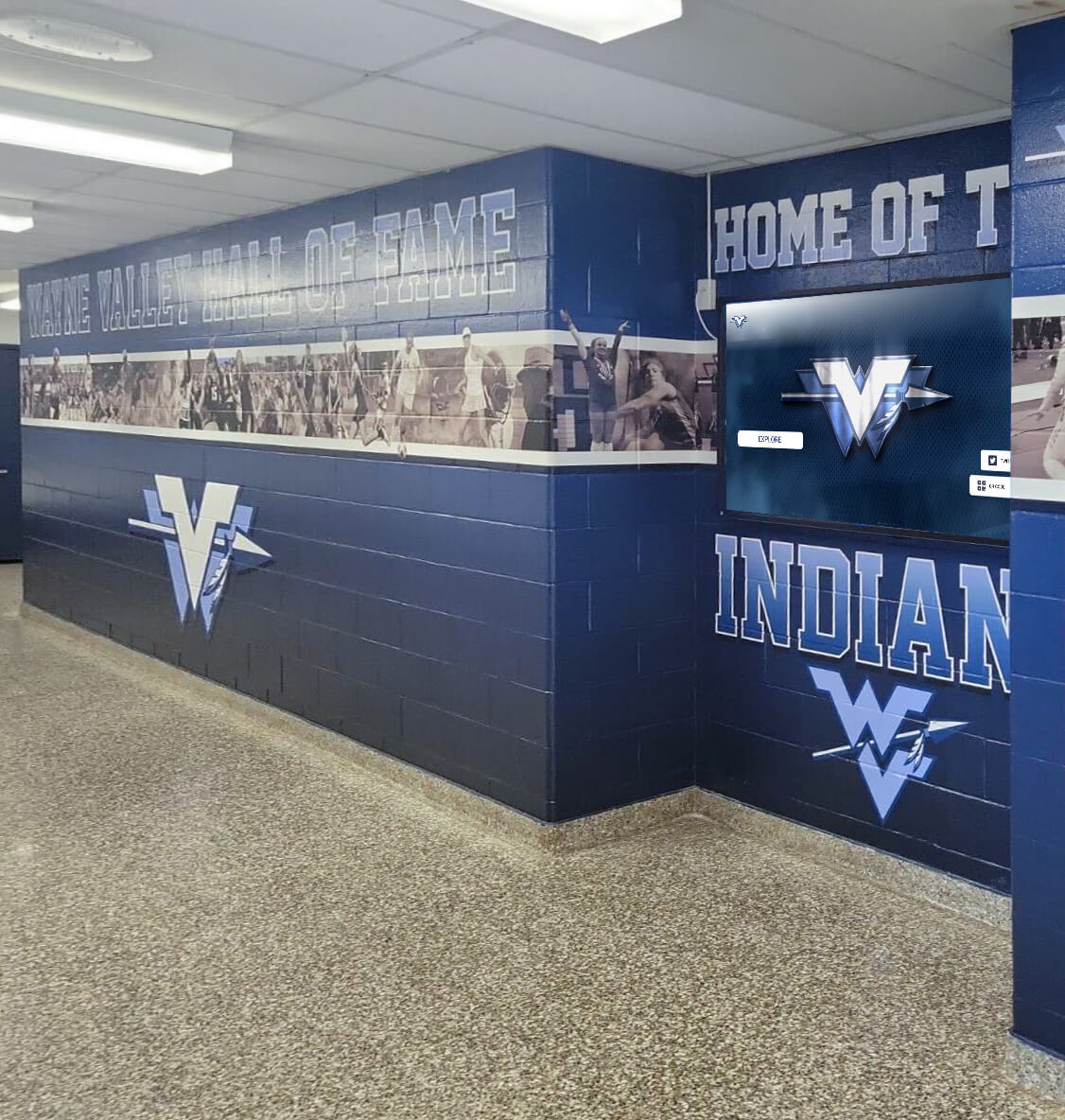
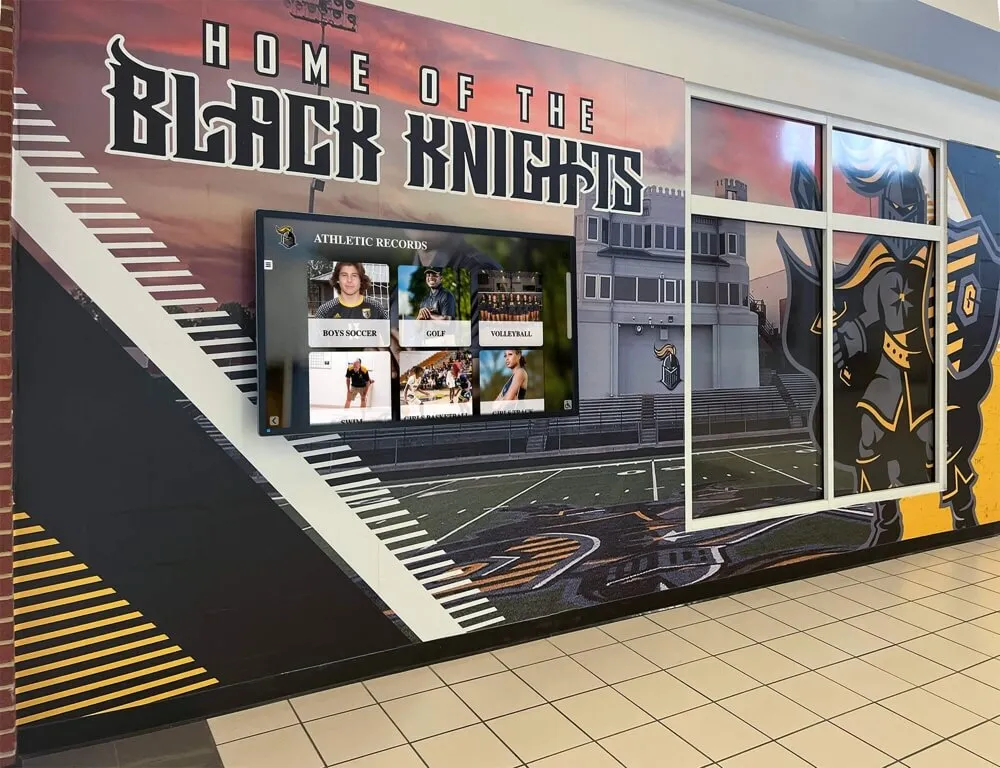
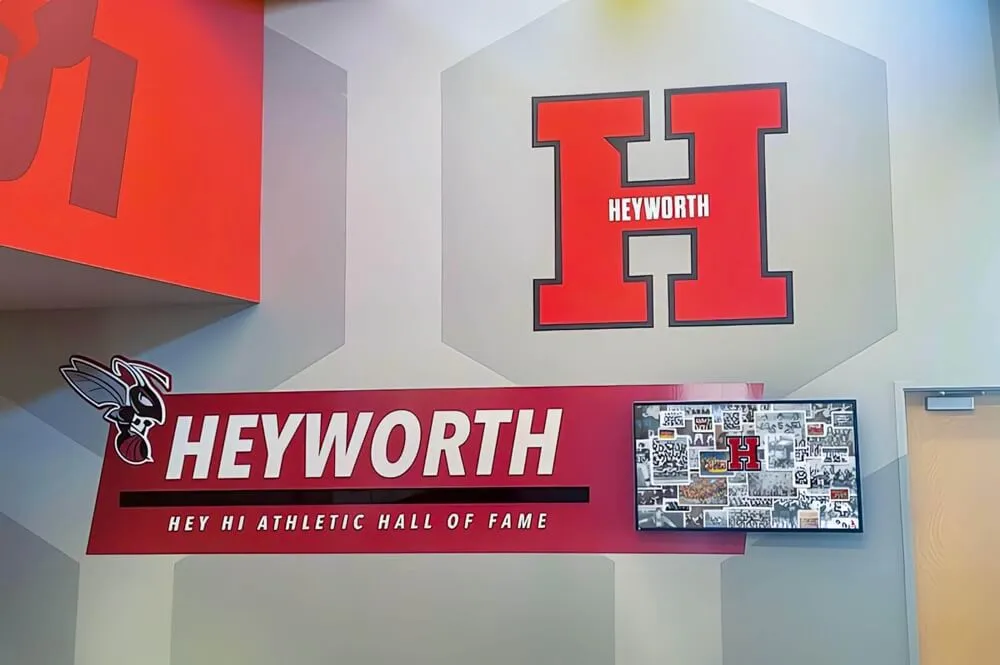
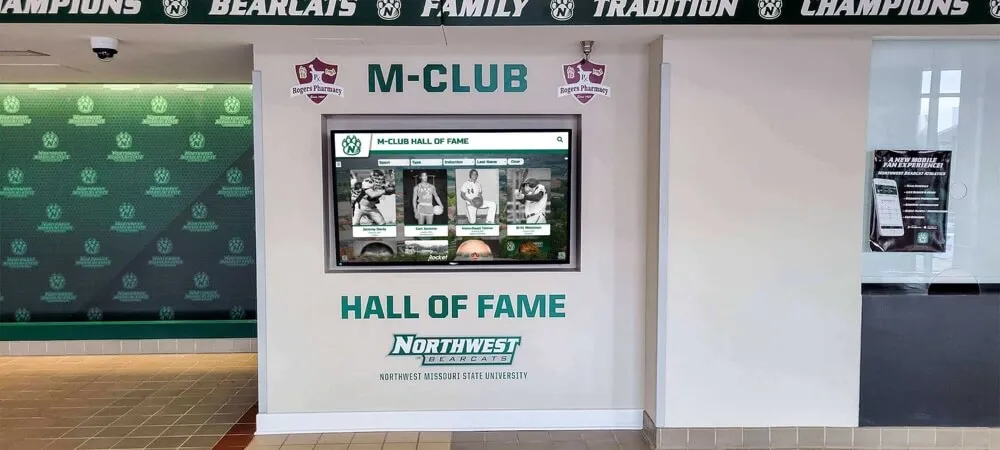
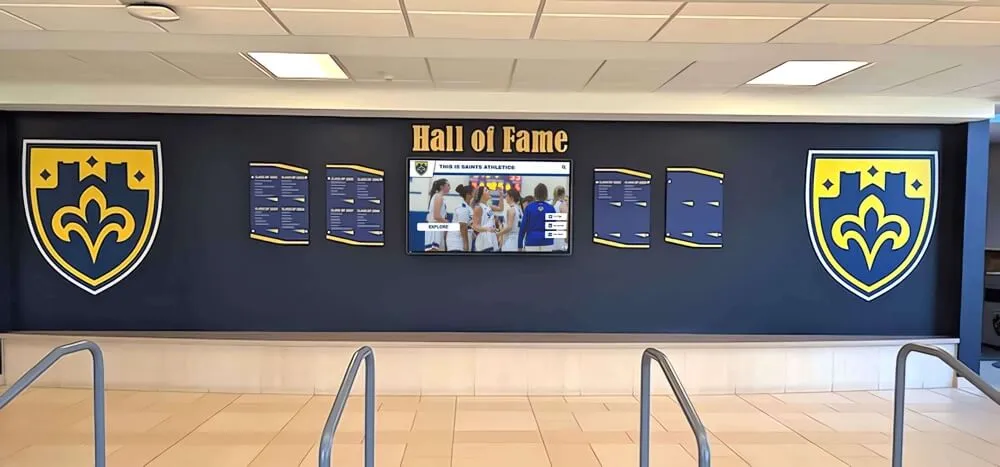
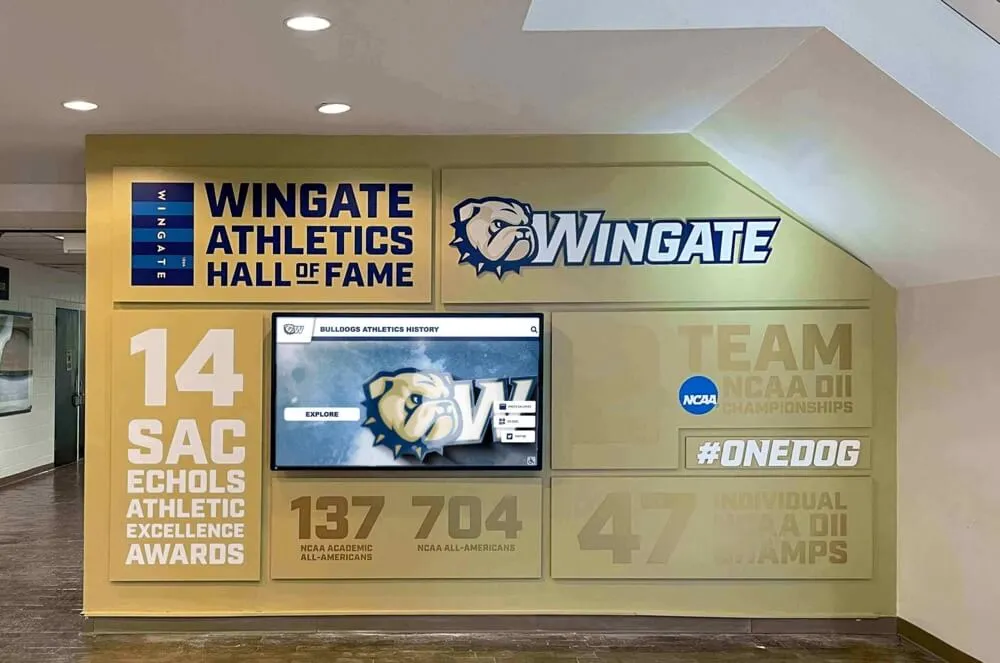
Letterman traditions are reinforced through school hallway displays, murals, and recognition walls that honor those who earned the letter
For graduates, the jacket often becomes a keepsake of extraordinary personal significance. Many alumni hold onto their letter jackets for the rest of their lives because they represent a formative chapter: the years when they were a part of something bigger than themselves, when they met a real standard, and when a school community officially recognized that achievement.
That enduring emotional resonance is why letterman recognition programs have persisted for over 150 years without fundamental change. The core transaction—meet a standard, earn visible recognition—is deeply satisfying in a way that more passive forms of acknowledgment simply are not.
Beyond Sports: Letters for Academic and Extracurricular Achievement
While the letterman jacket is most commonly associated with varsity athletics, recognition of academic and extracurricular achievement through the same framework has a long tradition and is seeing renewed interest in schools focused on celebrating the whole student.
Academic Letters
Some schools award academic letters to students who maintain exceptional grade-point averages over multiple terms, often working the recognition into the same jacket framework athletes use. This creates powerful visual parity—an academically decorated jacket carries the same weight and visibility as an athletic one.
Academic letter programs often recognize:
- Maintained honor roll standing across multiple years
- National Merit recognition
- Academic competition achievement
- Subject-specific distinction (valedictorian, top performer in science or mathematics)
Understanding what it means to achieve at the highest academic levels—similar in spirit to what a varsity letter represents athletically—helps schools build recognition programs that honor all forms of excellence.
Arts and Activity Letters
Performing arts programs, debate teams, journalism, student government, and JROTC units at some schools have developed letter programs recognizing contributions to these activities at a high level. The logic is the same as for athletics: if a student demonstrates excellence and commitment worthy of recognition, the school should have a mechanism to honor it.
The letter jacket, when used this way, becomes a true portrait of the whole student—not just the athlete. A jacket bearing letters for varsity cross country, marching band, and academic honor represents a student who has committed to excellence across multiple domains, and that story deserves to be told.
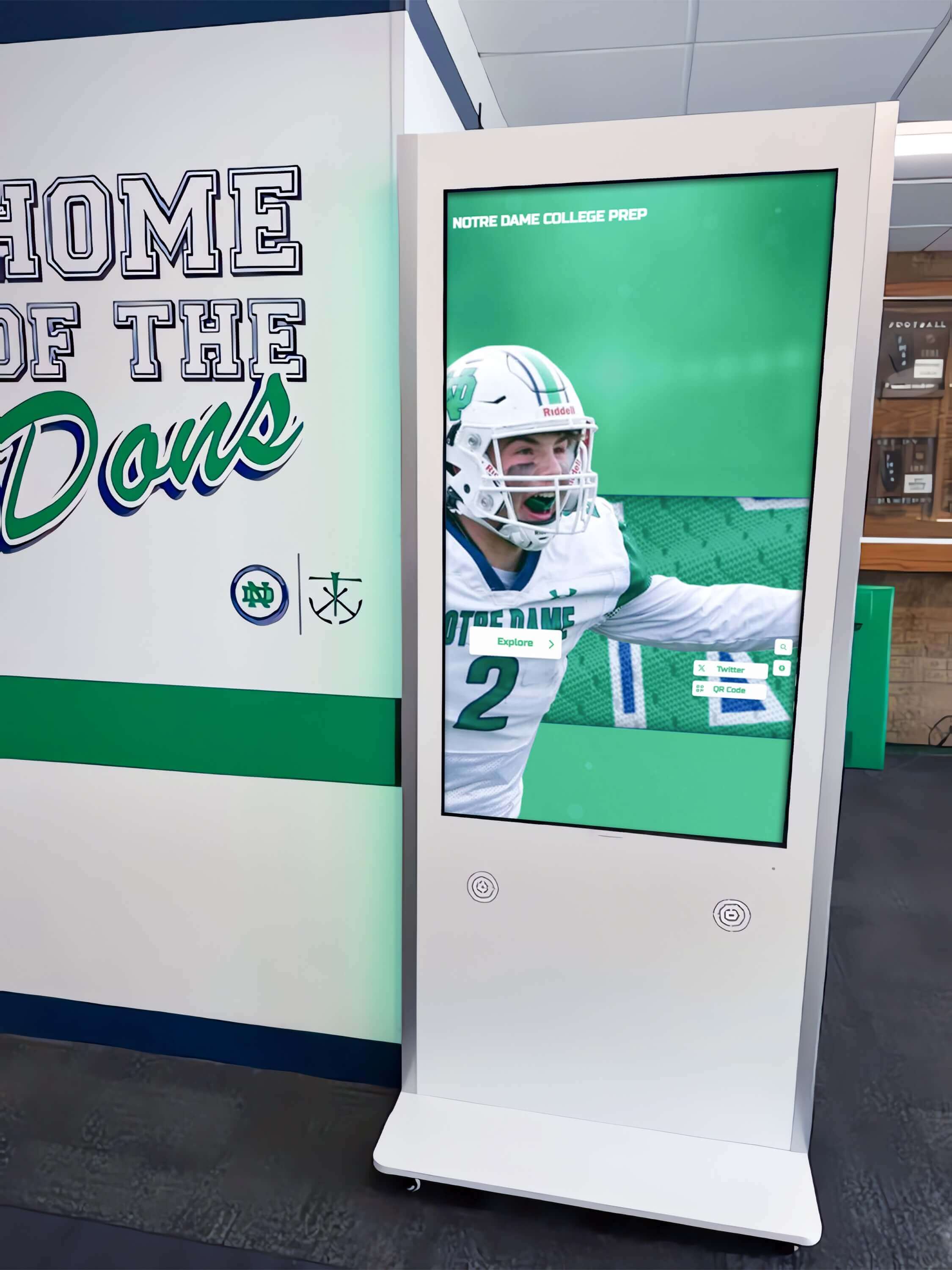
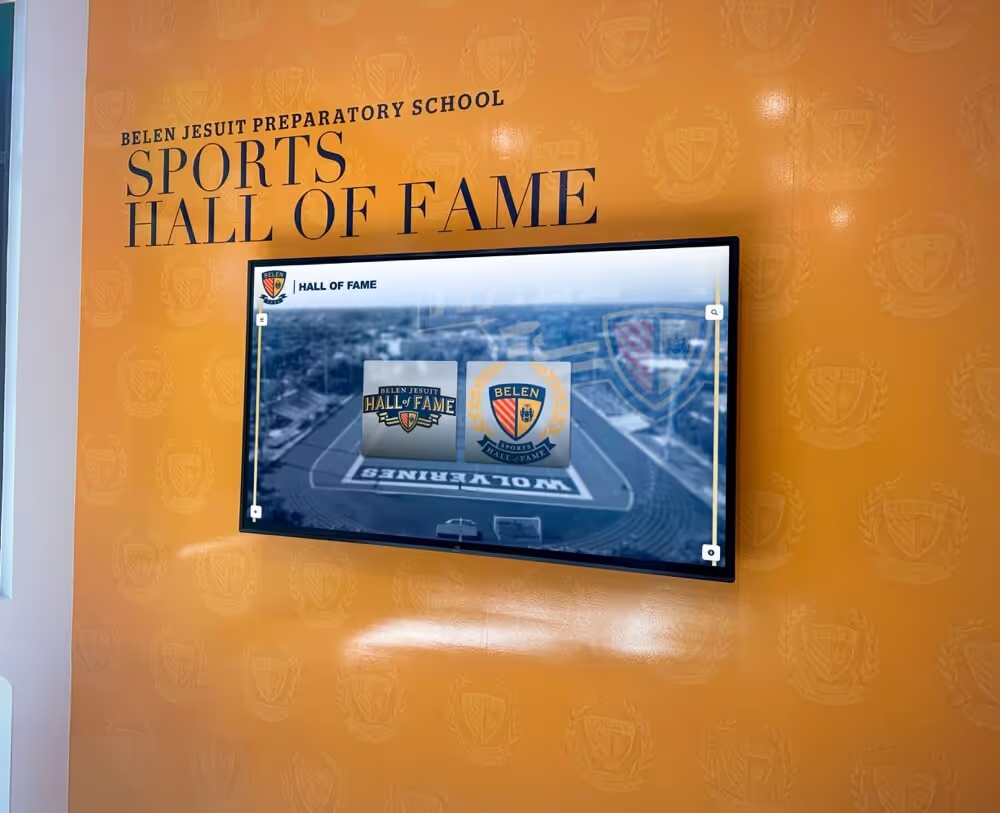
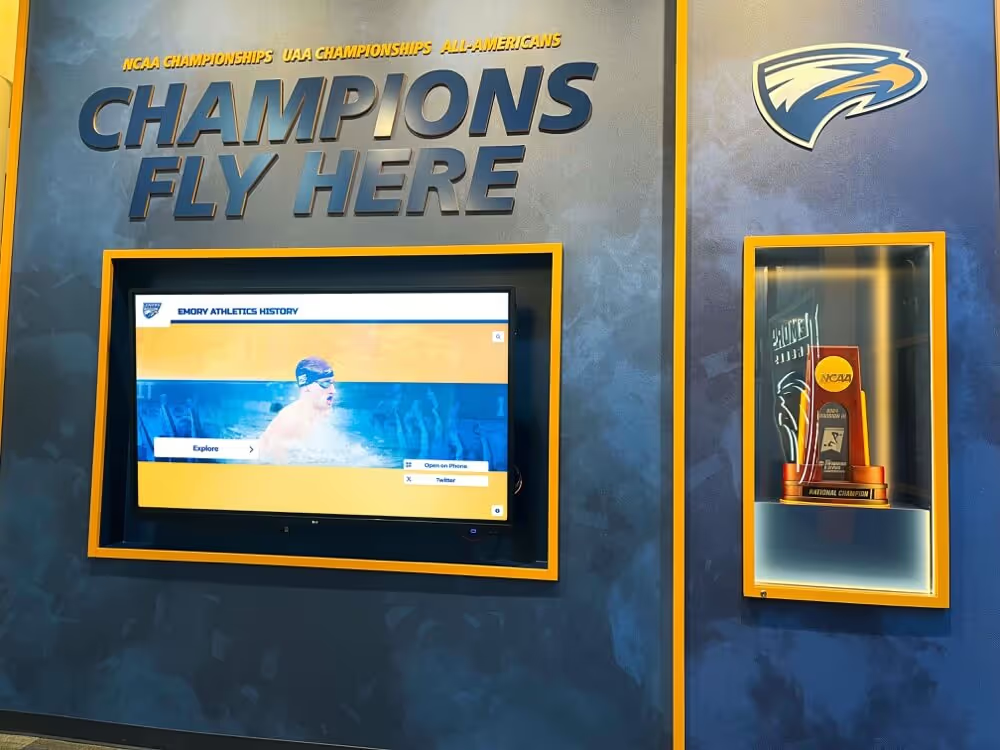
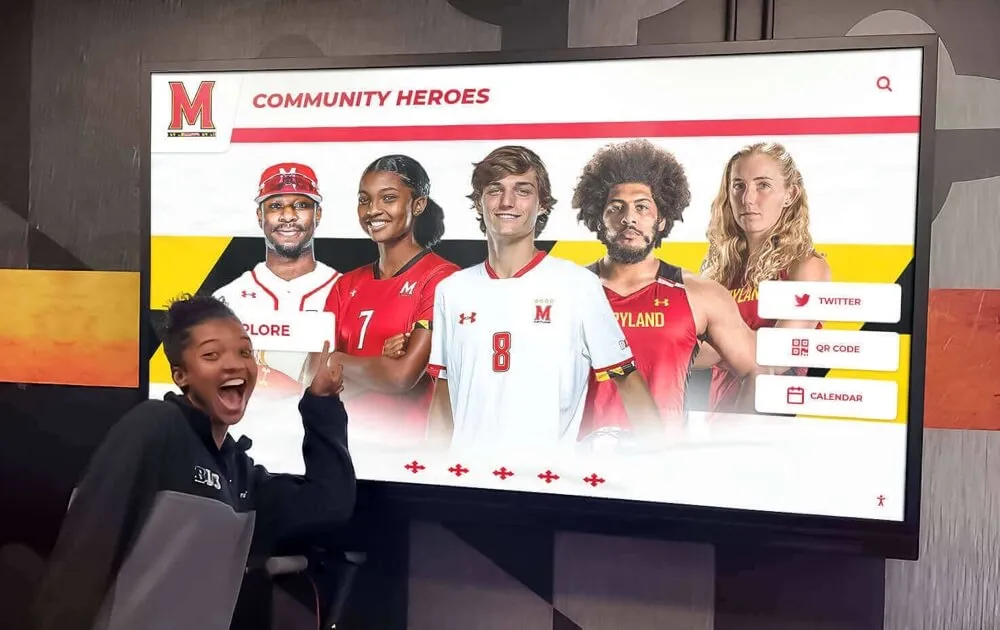
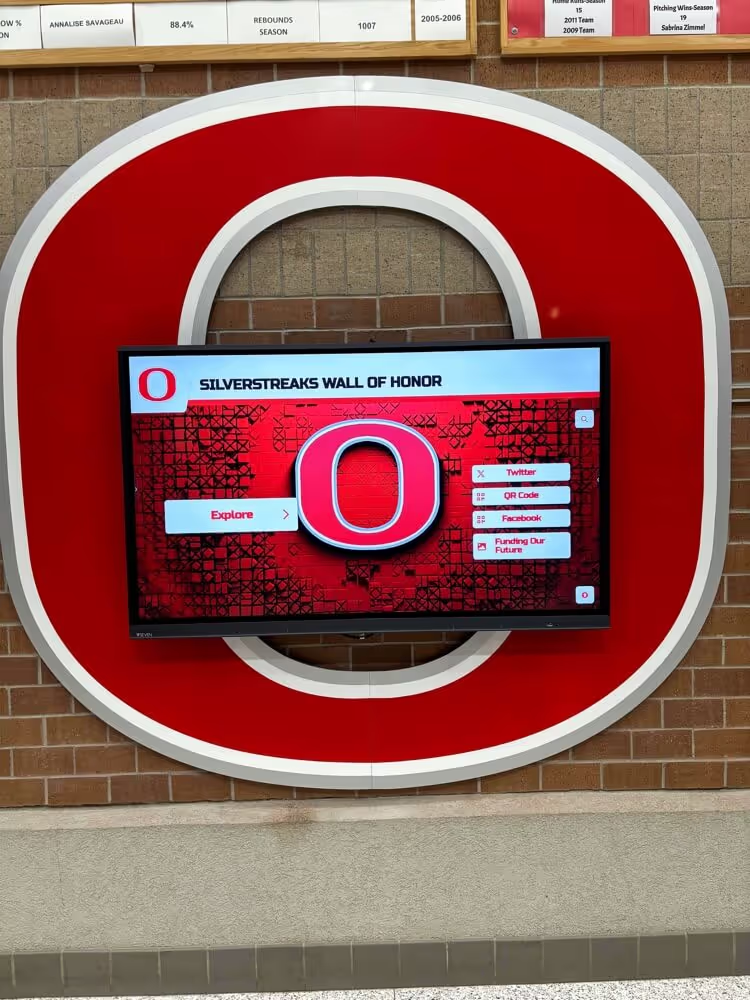
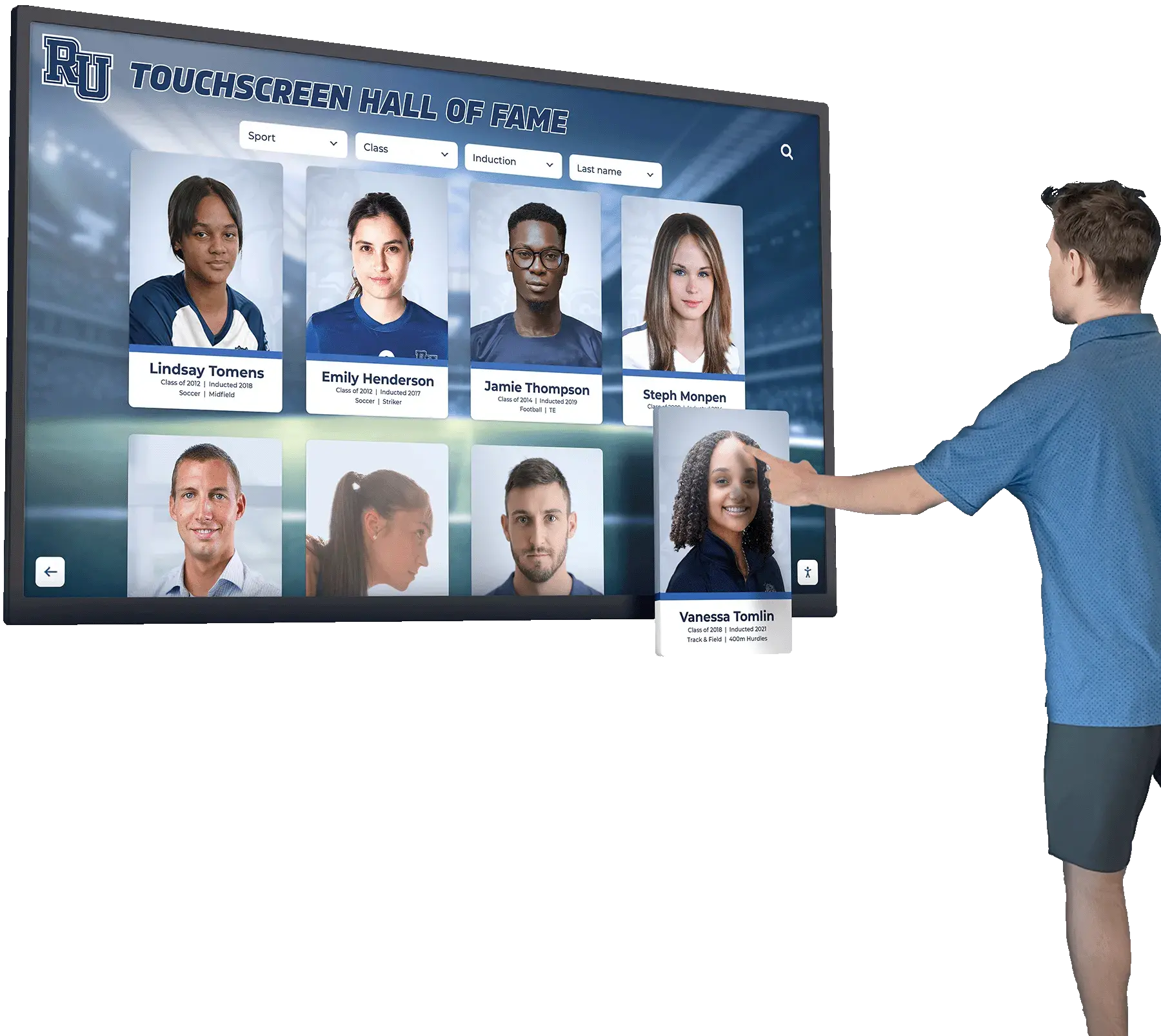
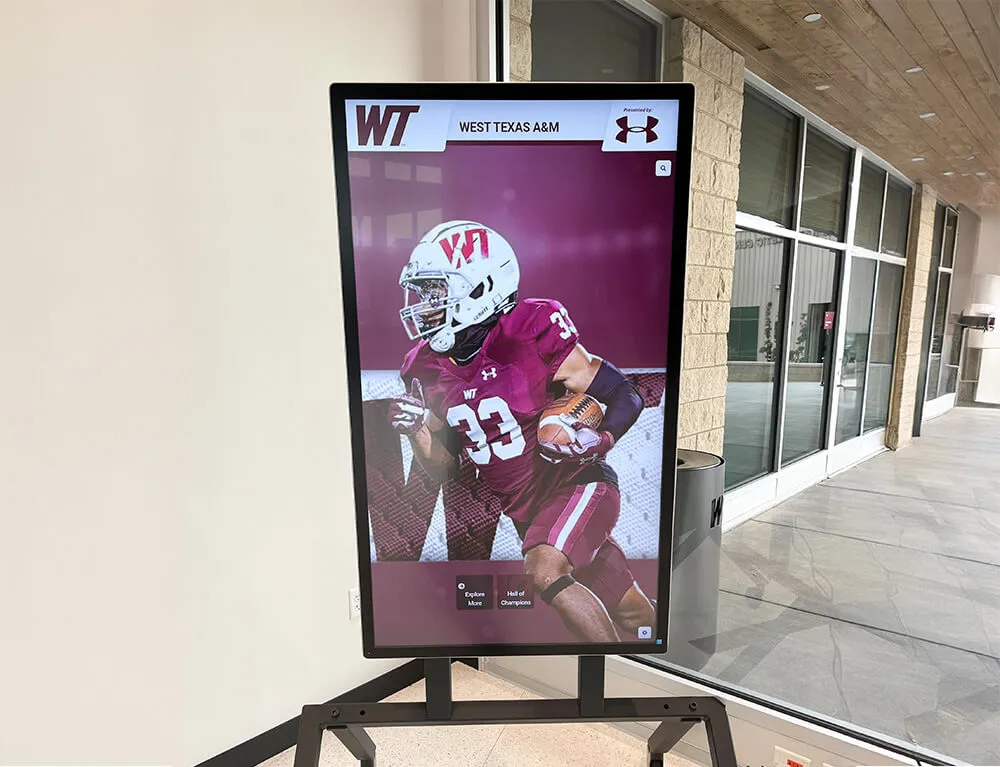
Modern schools combine physical letterman traditions with digital displays that tell richer stories about student achievement across all programs
Letter Award Ceremonies: Making the Moment Count
The moment a student receives their varsity letter should be memorable. Letter awards ceremonies are a key part of the tradition, transforming what could be an administrative process into a meaningful recognition event.
End-of-Season Award Ceremonies
Most athletic programs host end-of-season banquets or award nights where letters are formally presented. Elements that make these ceremonies powerful include:
- Individual athlete recognition by name, with coaches speaking briefly about each player’s contributions
- Family members invited to witness and celebrate the moment
- Presentation of the physical letter, jacket, or certificate in front of teammates and community
- Senior recognition that acknowledges the full career of graduating letter winners
For ideas on building memorable recognition events, explore awards ceremony ideas for schools and sports banquet invitation wording that sets the right tone.
Homecoming and Special Event Recognition
Many schools use homecoming as an opportunity to celebrate current and alumni letterwinners together, reinforcing the connection between present achievement and school tradition. Letterman alumni returning to homecoming—sometimes still wearing their old jackets—create powerful visual continuity that reminds current students they are part of something that extends far beyond any single season.
The homecoming tradition itself is a natural home for letterwinner recognition, as explored in school homecoming tradition guides that help schools curate and preserve their spirit.
How Schools Display and Honor Letterwinners Beyond the Jacket
The letterman jacket handles personal recognition beautifully—but what about institutional recognition? How do schools honor the full history of their letterwinners in permanent, visible ways that outlast any individual’s time on campus?
Traditional Physical Displays
The most common approaches include:
Letterwinner lists and plaques mounted in athletic hallways or trophy cases, documenting each year’s letter recipients by sport. These create a cumulative record that grows more impressive with each passing year.
Composite photos showing team rosters with letter recipients identified, organized by sport and year. These are both historical documents and sources of community pride.
Hall of fame inductee walls that honor the best of the best—letterwinners whose achievements were exceptional enough to warrant permanent individual recognition above the broader class of letter recipients.
Digital Recognition Systems for Letterwinner History
Physical displays serve recognition well—but they face a fundamental constraint: wall space runs out. A school with fifty years of letterwinners across ten sports has far more recognition to display than any physical wall can accommodate.
This is where modern digital recognition platforms change the equation entirely. Interactive touchscreen displays in athletic lobbies and hallways can hold unlimited letterwinner records, searchable by year, sport, and athlete name. Every student who ever earned a letter can be documented with photos, statistics, and career highlights—accessible to current students, visiting families, and returning alumni with a tap.
The same spirit that the letterman jacket embodies—visible, earned, lasting recognition—finds a new expression in interactive touchscreen recognition storytelling that schools are implementing in lobbies and athletic facilities across the country.
For schools that have maintained physical gym banners and plaque walls for decades, replacing expensive gym banners with digital recognition offers a way to honor more athletes, display richer stories, and reduce ongoing maintenance costs—while preserving the core commitment to recognition that the letterman tradition represents.
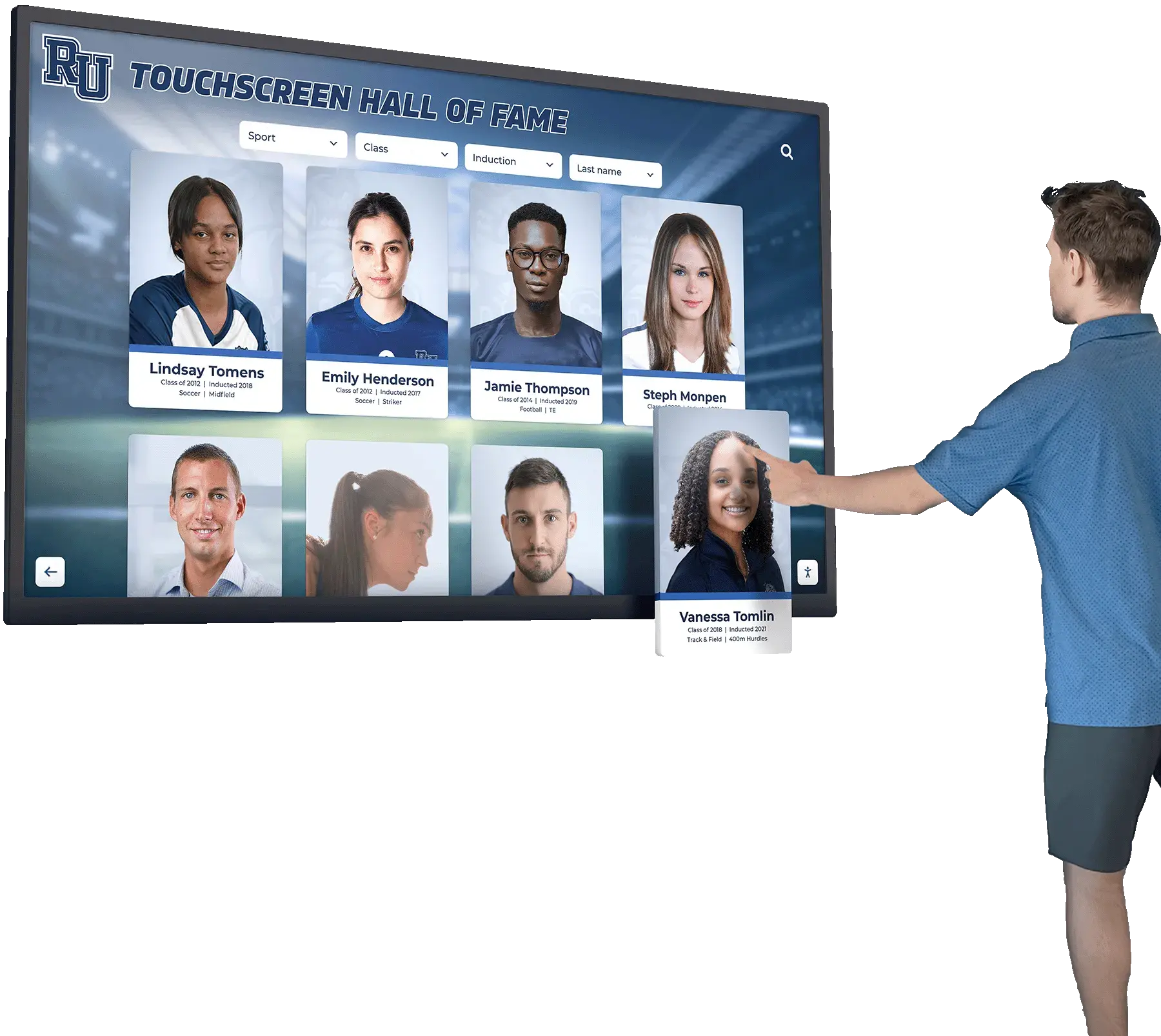
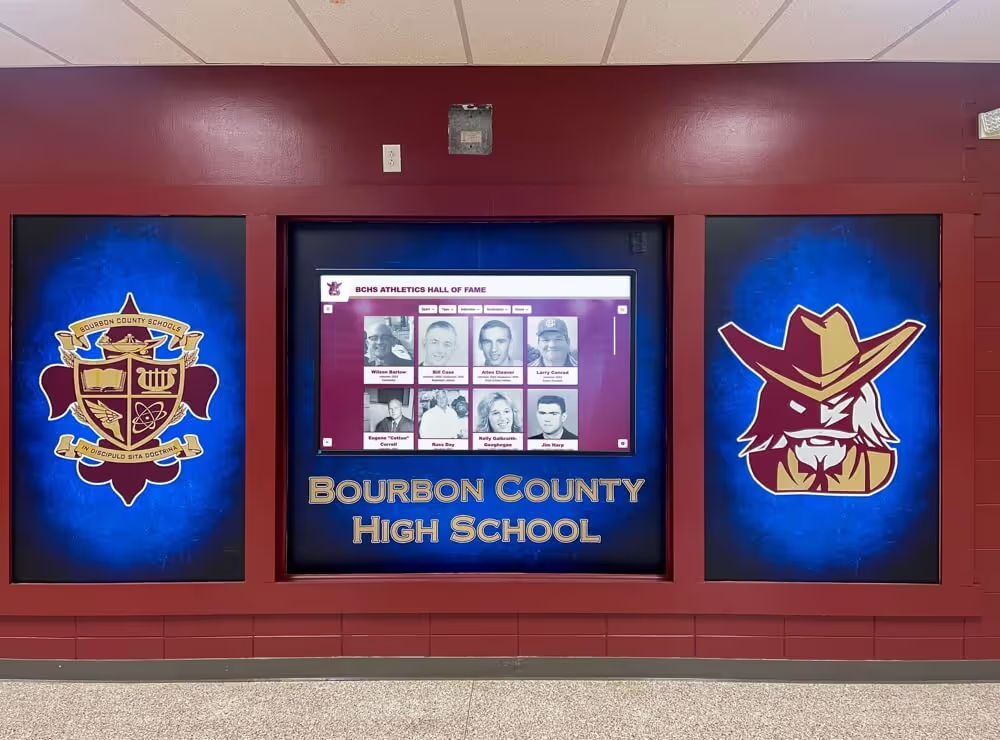
Digital touchscreen displays extend the letterman tradition by making complete letterwinner histories accessible and interactive for everyone who visits
What a Digital Letterwinner Display Can Do That a Jacket Cannot
A letterman jacket is a personal artifact. It travels with the wearer, but it cannot stay at the school. A digital recognition display, by contrast, is an institutional artifact: it stays in the building, growing richer with each new class of letterwinners.
Key capabilities that make digital recognition platforms powerful complements to the letterman tradition:
Unlimited entries — every letterwinner, every sport, every year, documented without space constraints.
Rich media profiles — photos from game action, career statistics, award histories, and coach notes that turn a name on a list into a story.
Searchability — alumni can find themselves and their teammates instantly. Prospective students and families can explore program history during recruiting visits. Current athletes can see the long lineage of achievement they are joining.
Remote updates — athletic directors and coaches can add new letterwinner classes each year without vendor involvement or renovation costs.
ADA compliance — screen reader compatibility, adjustable font sizes, and touch-accessible navigation ensure recognition is accessible to all visitors.
QR code access — visitors can scan a code on a physical display and access full letterwinner profiles on their smartphones, extending recognition beyond the physical location.
These capabilities reflect the same values that animate the letterman tradition: achievement should be seen, remembered, and honored permanently. Technology simply removes the constraints that physical displays have always carried.
Learn about what makes an athletic facility addition truly impactful for students, families, and alumni communities.
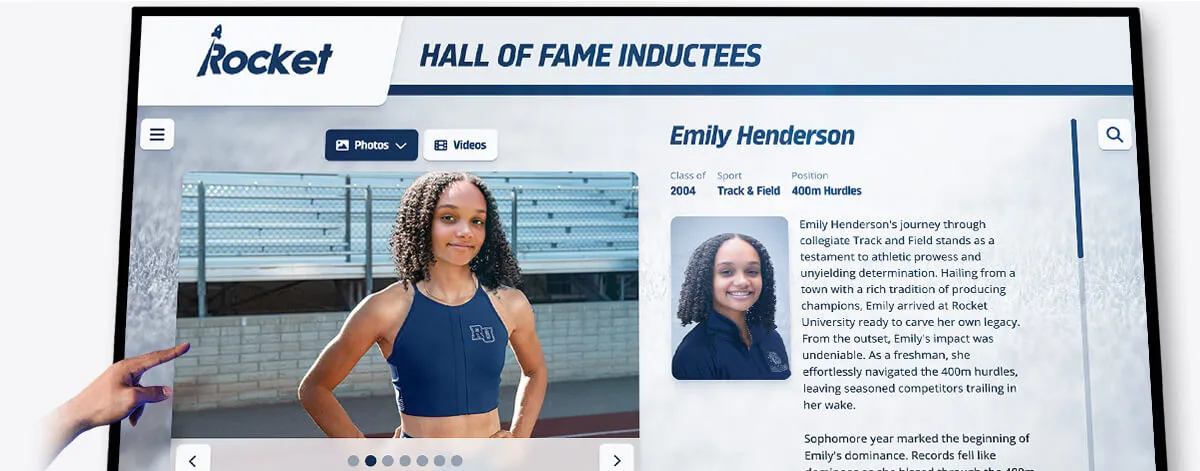
Digital platforms preserve individual letterwinner stories in full detail—statistics, photos, and career highlights that no physical jacket or plaque could hold
Frequently Asked Questions About Letterman Jackets
How much does a letterman jacket cost? Prices vary significantly based on materials, customization, and supplier. Standard jackets from major manufacturers typically range from $150 to $350. Custom work—additional patches, premium materials, personalized lining—can push costs higher. Many schools negotiate group pricing through a designated vendor for the graduating class.
Can you buy a letterman jacket without earning a letter? You can purchase a varsity-style jacket without earning a letter, but wearing a chenille letter you did not earn is broadly considered inappropriate within school cultures where the tradition is taken seriously. The value of the letter is entirely in the earning—a purchased letter carries none of the social meaning of an awarded one.
Do colleges give out letterman jackets? Most colleges use different recognition systems—letter blankets, rings, or formal banquets are more common than jackets at the collegiate level. Some smaller colleges and community colleges do maintain jacket programs. The letterman jacket is primarily a high school tradition in contemporary American education, though its roots are collegiate.
What happens to old letterman jackets? Many graduates keep them for life. Others pass them down within families—particularly meaningful when parents and children attended the same school. Some donate old jackets to school archives or athletic departments, where they may be displayed as historical artifacts. The durability of the wool-and-leather construction means well-cared-for jackets can last for decades.
Can students letter in non-sport activities? Yes, at many schools. Academic letters, performing arts letters, and activity letters exist at institutions that have formalized those programs. Whether a school offers this depends entirely on its own policies—there is no nationwide standard. Schools interested in expanding recognition to non-athletic activities should review their current letterman criteria and consider whether existing frameworks can be broadened.
Conclusion: The Enduring Power of Earned Recognition
The letterman jacket has outlasted countless other educational traditions because it answers a deep and universal need: the need for achievement to be seen. When students earn a letter and wear that jacket through the halls, they are carrying visible proof that they met a standard that mattered, that their school community noticed, and that the recognition will follow them for the rest of their lives.
Understanding what a letterman jacket is means understanding why recognition culture matters in schools. The jacket is not just a garment—it is a commitment, made by the institution, to tell students that what they achieve on the field, in the pool, on the track, or in the classroom has meaning worth celebrating permanently.
That same commitment drives the schools investing in digital recognition platforms today. The medium changes—from wool and chenille to touchscreens and cloud databases—but the purpose does not. Schools that honor achievement build cultures of aspiration, pride, and belonging that benefit every student who passes through them, whether they ever earn a letter or not.
Bring Your Letterwinner Tradition Into the Digital Age
See how interactive digital wall of fame displays let schools honor every letterwinner—past and present—with searchable profiles, photos, and career stories that preserve your recognition tradition permanently.
Explore Digital Recognition Solutions