Digital Hall of Fame Profile Versioning Policy: Track Edits, Sources, and Approvals
A digital hall of fame profile versioning policy defines how an institution tracks changes to inductee records over time—logging who edited each profile, what sources were consulted, who approved the revision, and what the prior text said before it was changed. Without that policy, a well-intentioned correction can create confusion about which version of a statistic or biography is authoritative, leave no audit trail when a mistake is later disputed, and produce inconsistent profile quality as different staff members apply their own informal standards. A one-page versioning policy, backed by a simple revision log and a clear approval chain, prevents all three problems without requiring dedicated software or specialized IT support.
Read More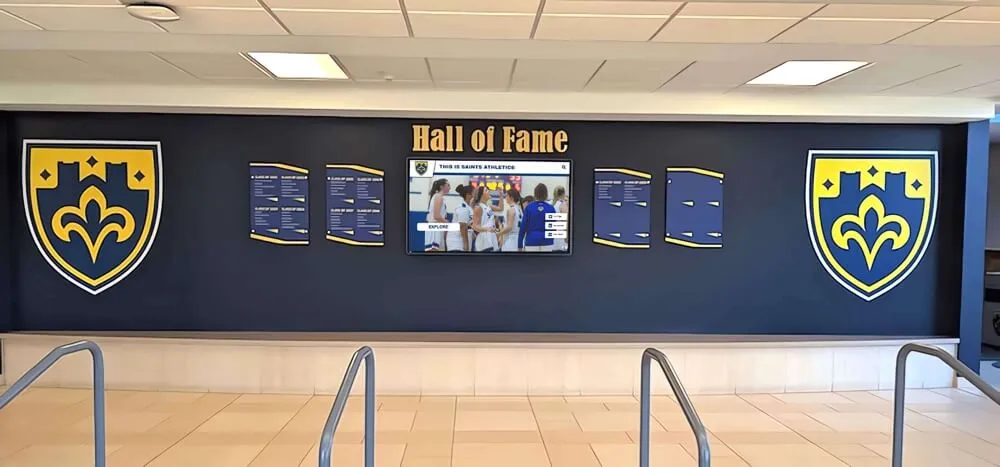
Hall of Fame Taxonomy Guide: Standardize Sports, Awards, Teams, and Eras
A hall of fame taxonomy is the controlled set of category labels—sport names, award types, team identifiers, and era definitions—that your program applies consistently to every inductee record. Without one, a recognition program that spans forty years can accumulate dozens of conflicting labels for the same thing: “Boys Basketball,” “Men’s Basketball,” “Basketball (M),” and “BKB-Boys” all describing the same sport in the same database. Visitors can’t filter by sport, administrators can’t pull clean reports, and migrating to a new display platform requires a manual clean-up pass through hundreds of entries before the data is usable. Building a documented taxonomy once—and maintaining it—costs far less than correcting inconsistency across a decade of inductions.
Read More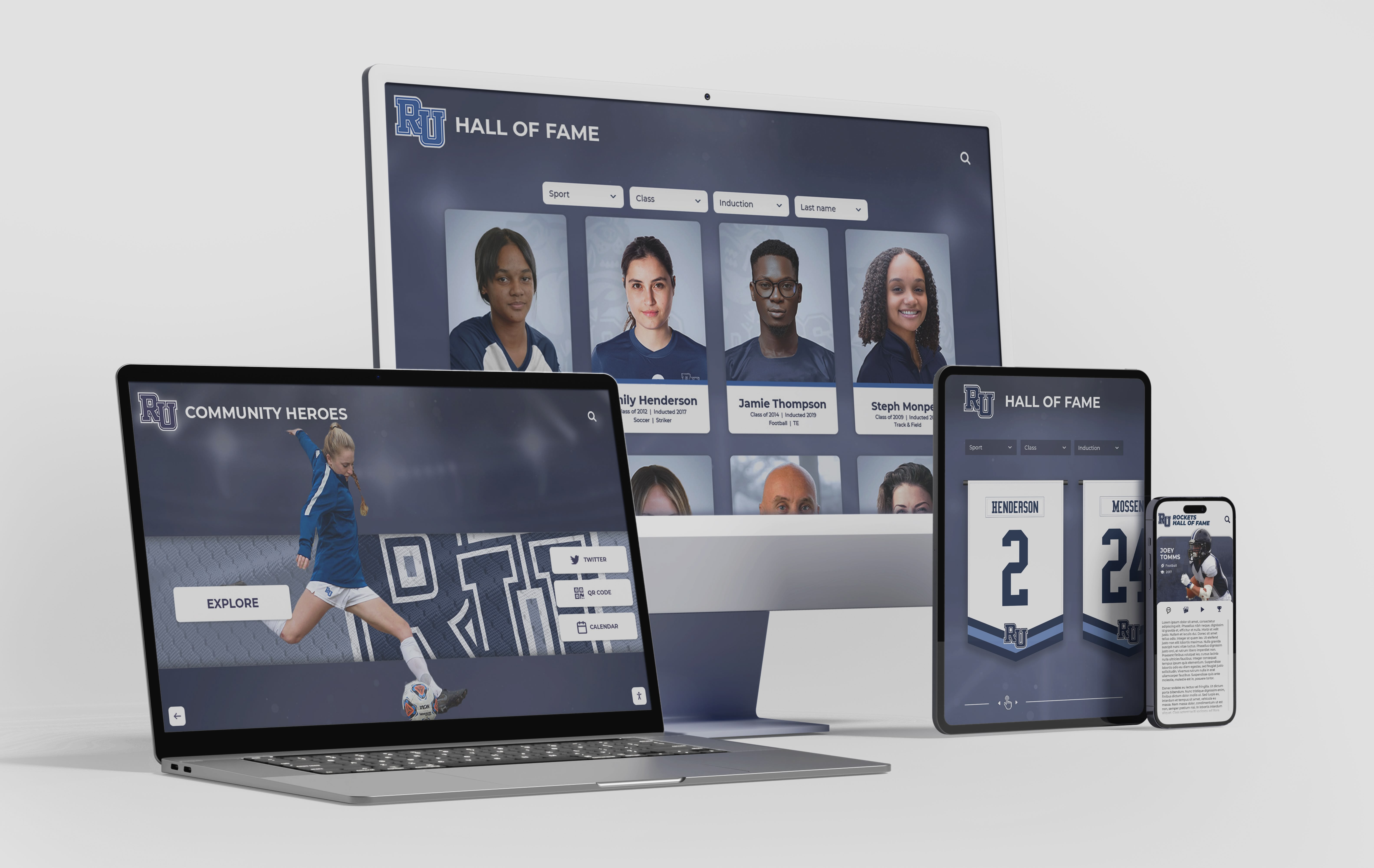
Digital Hall of Fame Content Licensing Register: Track Photos, Video, and Usage Rights
A digital hall of fame content licensing register is a master document—typically a spreadsheet or database table—that records every photo, video clip, biography, logo, and document asset used in a recognition display, along with who owns it, what uses are permitted, what attribution is required, and when any license expires. Without one, schools routinely publish photographs whose copyright belongs to a commercial photographer, display video clips under a tacit consent that was never put in writing, or use a sponsor’s logo well past the agreement that authorized it. When those situations surface—and they eventually do—the program scrambles to establish what was agreed, often without records to consult. A written digital hall of fame content licensing register converts that guesswork into a manageable, auditable workflow that protects the school and respects everyone who contributed content to the display.
Read More
Hall of Fame Correction Notice Policy: Fix Profiles Transparently and Preserve Trust
Errors in hall of fame profiles are discovered more often than most programs expect—a graduation year is off by one digit, a record is attributed to the wrong season, a middle name is misspelled on a plaque that has been on display for a decade. The impulse is to fix the mistake quietly and move on. A written hall of fame correction notice policy explains why that impulse, however well-meaning, can damage alumni trust more than the error itself did—and it establishes a transparent, consistent process for acknowledging corrections so that inductees, families, donors, and the broader school community know that the recognition record is actively maintained and honestly governed. A policy built around transparency does not draw attention to every trivial typo, but it ensures that material corrections to the record are handled with the same care the program gives to induction itself.
Read MoreDigital Hall of Fame User Access Review Checklist: Audit Roles and Remove Stale Accounts
Intent: decide. A digital hall of fame user access review checklist is the structured process school administrators, athletic directors, and hall-of-fame committees use to confirm that only current, authorized staff can modify inductee biographies, edit performance records, upload photographs, or publish content on a cloud-based recognition platform. Without a quarterly review, former employees often retain active login credentials long after they leave, junior staff hold permissions far beyond what their role requires, and no one can answer a basic audit question—who changed that biography, and were they authorized to do so? That exposure is manageable with a simple, repeatable process.
Read MoreHall of Fame Obituary Update Policy: How to Maintain Inductee Profiles Respectfully
When a hall of fame inductee passes away, their profile on a school display or digital recognition platform becomes something more than a biographical record—it becomes part of a living memorial. A written hall of fame obituary update policy tells every staff member exactly what changes, what does not, who approves each update, and how the original recognition record is preserved alongside any new information. Without this policy, well-meaning staff make inconsistent edits, families receive no notification before a profile changes, and the historical record that made the recognition meaningful becomes muddled. A clear policy protects the integrity of the inductee’s recognition and the trust of the family members who carry that legacy forward.
Read More
Hall of Fame Translation Policy: Accurate, Accessible Multilingual Recognition
A school’s hall of fame is only as inclusive as the language it speaks. When inductee names are misspelled in transliteration, biographical narratives are machine-translated without review, or award titles appear only in English on a display visited daily by students and families who speak other languages at home, the recognition program sends an unintended message. A written hall of fame translation policy defines exactly how the program handles multilingual content: which languages are supported, how translations are produced and verified, who holds final approval, and how updates are managed across every display and platform. Done well, a translation policy extends the reach and dignity of recognition rather than adding bureaucratic complexity.
Read More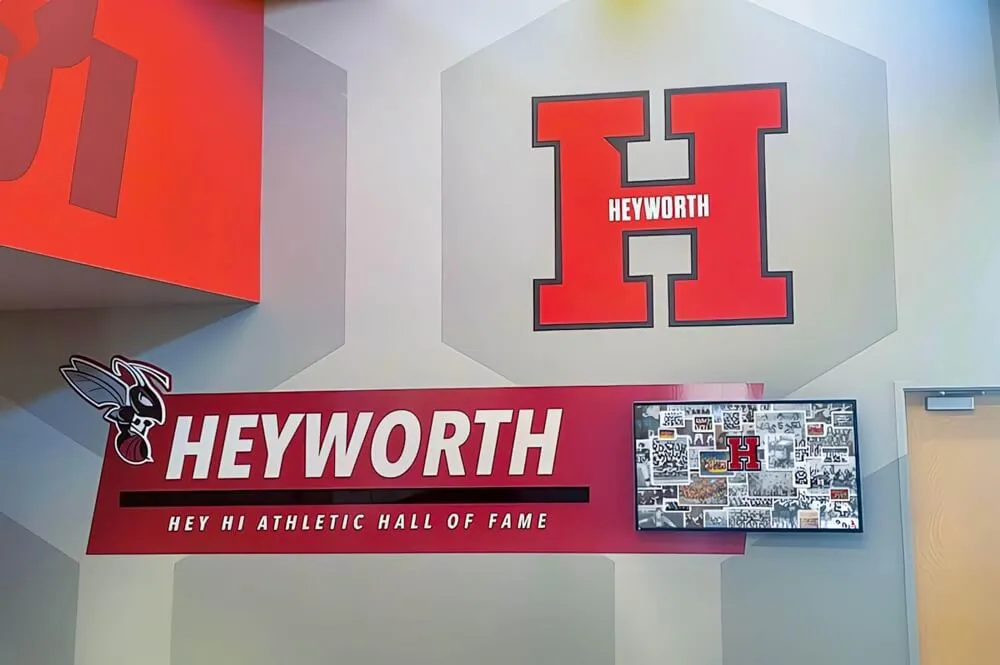
Athletic Hall of Fame Deaccession Policy: When and How Schools Remove Artifacts
A hall of fame collection grows every induction cycle—trophies, retired jerseys, championship photographs, donated equipment, and archival plaques accumulate year after year. Removing an item is rare, but it happens: a jersey deteriorates beyond repair, a trophy’s ownership becomes contested, a donated display piece turns out to contain hazardous materials, or an artifact simply no longer fits the collection’s defined scope. Without a written athletic hall of fame deaccession policy, these situations force ad hoc decisions that can create legal exposure, damage donor relationships, and leave incomplete records that confuse future staff. A clear policy specifies who can initiate deaccession, what justifications are valid, which approvals are required, how disposition should proceed, and how the historical record should be preserved even after the physical artifact is gone.
Read More